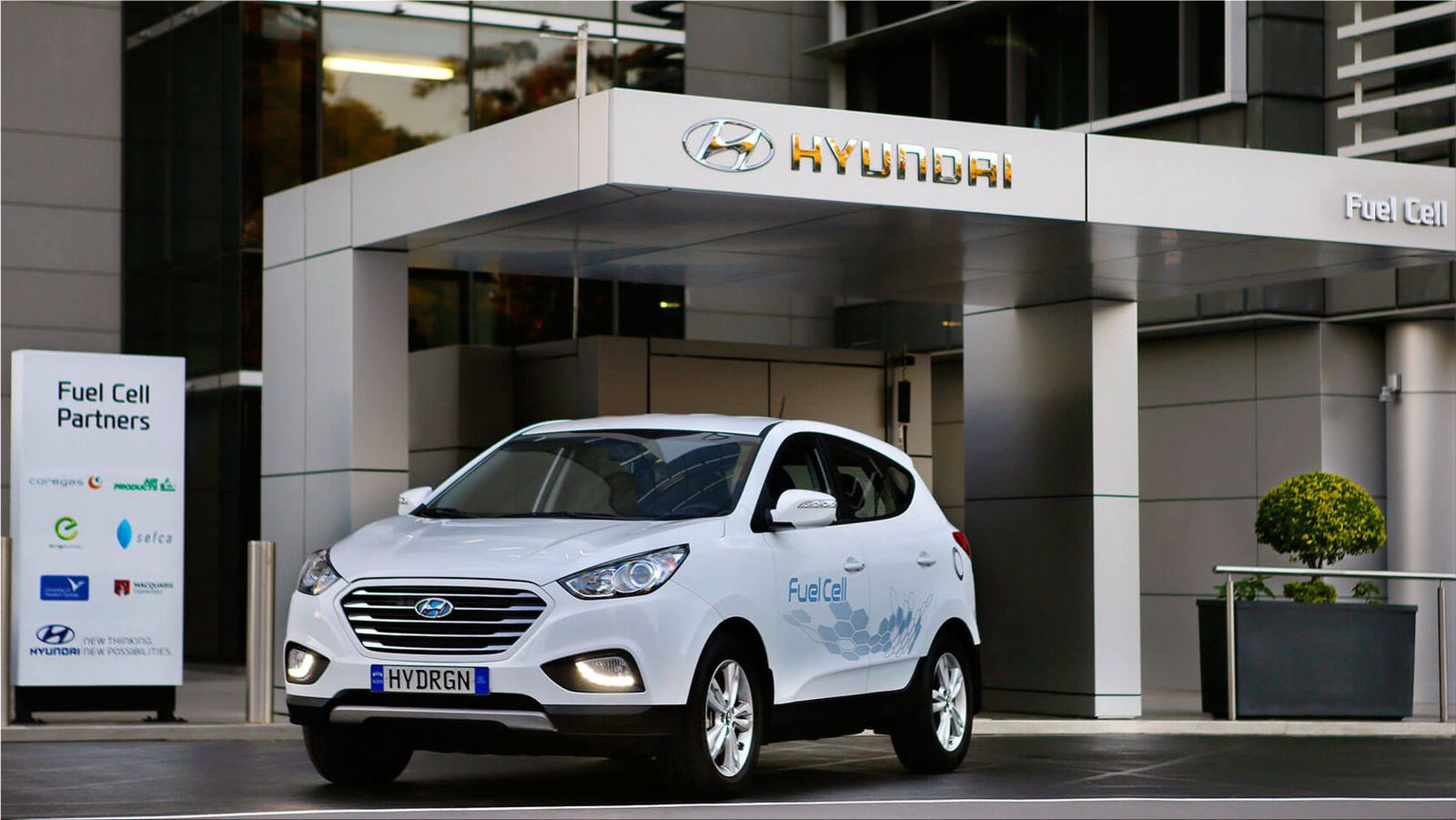
The Japanese automobile manufacturers Toyota, Nissan and Honda, along with eight other companies, have formed Japan H2 Mobility, a company that will be dedicated to the development of hydrogen stations for fuel cell vehicles in Japan.
The objective of Japan H2 Mobility is to gradually increase the number of fuel cell vehicles in Japan and in parallel to make sustainable the hydrogenation business.
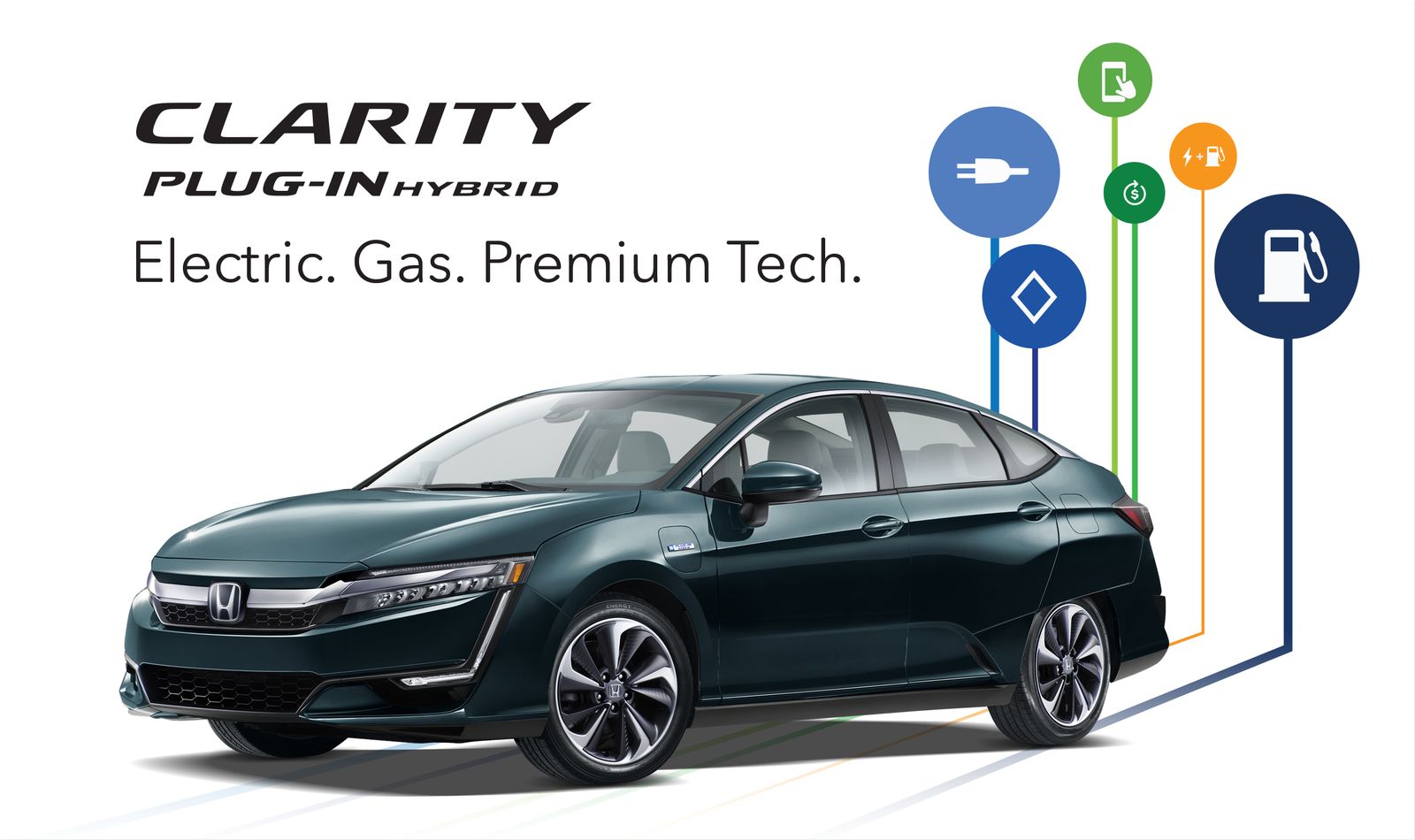
The initial capital of Japan H2 Mobility is $469,948 and will be chaired by Hideki Sugawara. The purpose is to begin the building of 80 stations throughout the country for the year 2021, according to 'Strategic roadmap for hydrogen and fuel cells'.
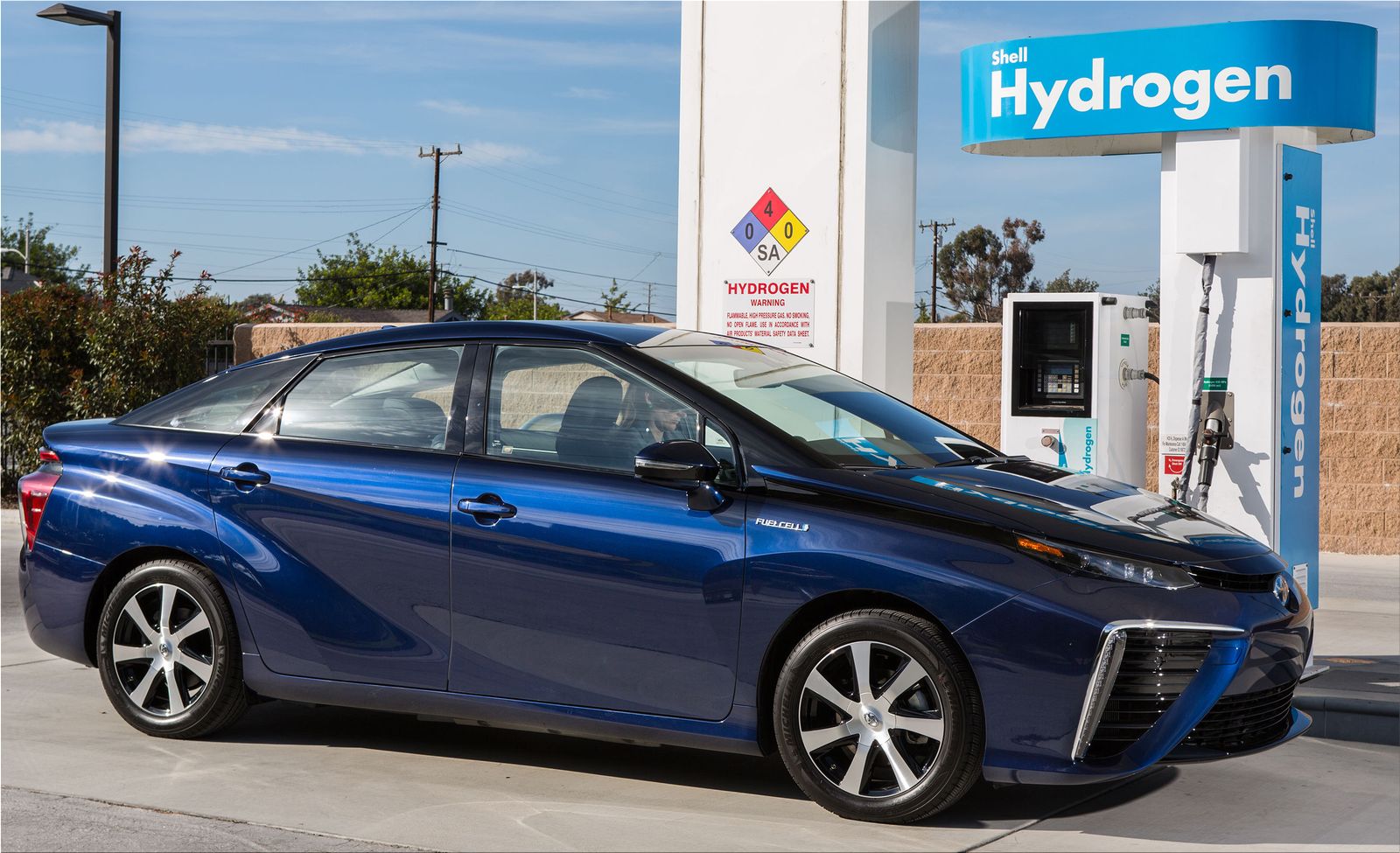
Japan H2 Mobility will start operating in April 2018, with the goal of attracting the maximum possible participation of hydrogenation operators and investors.

The Jaguar I-Pace is the very first 100% electric model from the British manufacturer, a viable mid-range electric SUV. The I-Pace present sustainable sports car performance, innovative artificial intelligence (AI) technology and five-seat… Continue reading

Kia launches in Germany the presale of the new generation of Soul 100% electric car. The basic version Kia e-Soul will be available from 33,990 euros, the more powerful version from 37,790 euros. The e-Soul shows a modern, new design, is… Continue reading

Renault has officially unveiled the electric version of the city's Twingo hatchback, announcing that it will be available in late 2020. The model will be equipped with a 60 kW (82 hp) electric motor, which will receive energy… Continue reading

China is no longer just a producer of cheap cars, including electric cars. One of the most successful Chinese electric vehicle manufacturer is the NIO company, which offers premium electric cars. And the Hongqi brand goes even further in this… Continue reading