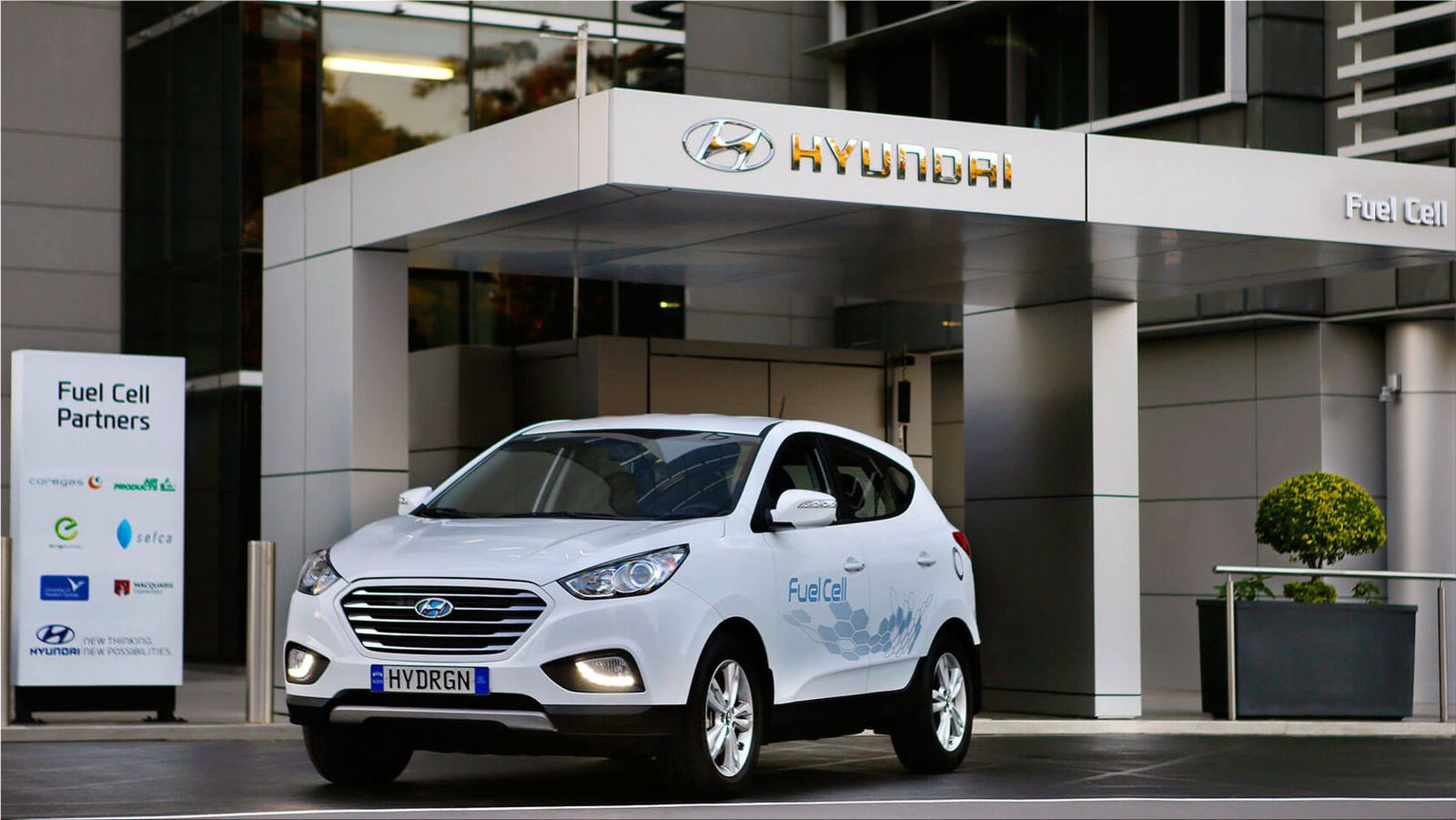
The Japanese automobile manufacturers Toyota, Nissan and Honda, along with eight other companies, have formed Japan H2 Mobility, a company that will be dedicated to the development of hydrogen stations for fuel cell vehicles in Japan.
The objective of Japan H2 Mobility is to gradually increase the number of fuel cell vehicles in Japan and in parallel to make sustainable the hydrogenation business.
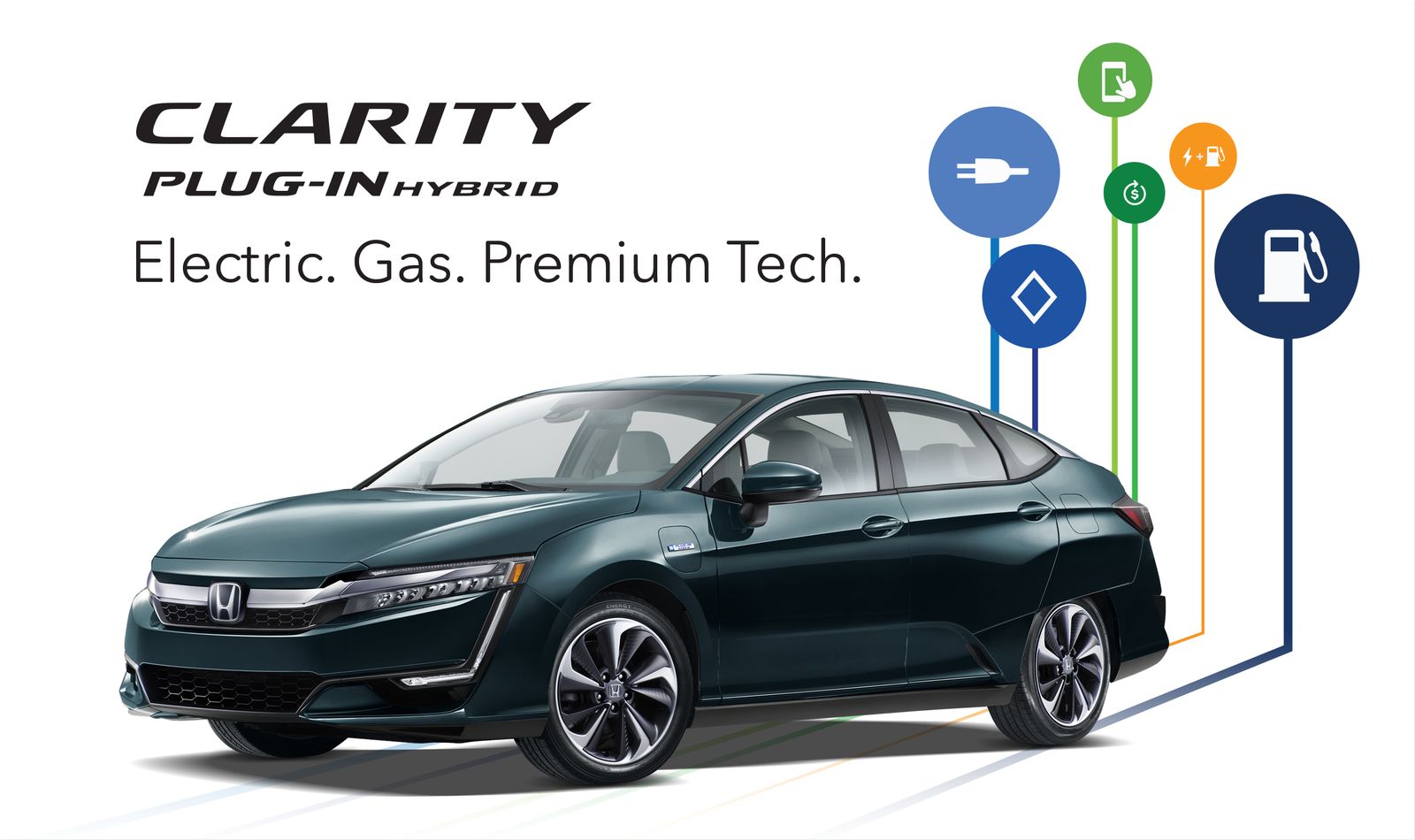
The initial capital of Japan H2 Mobility is $469,948 and will be chaired by Hideki Sugawara. The purpose is to begin the building of 80 stations throughout the country for the year 2021, according to 'Strategic roadmap for hydrogen and fuel cells'.
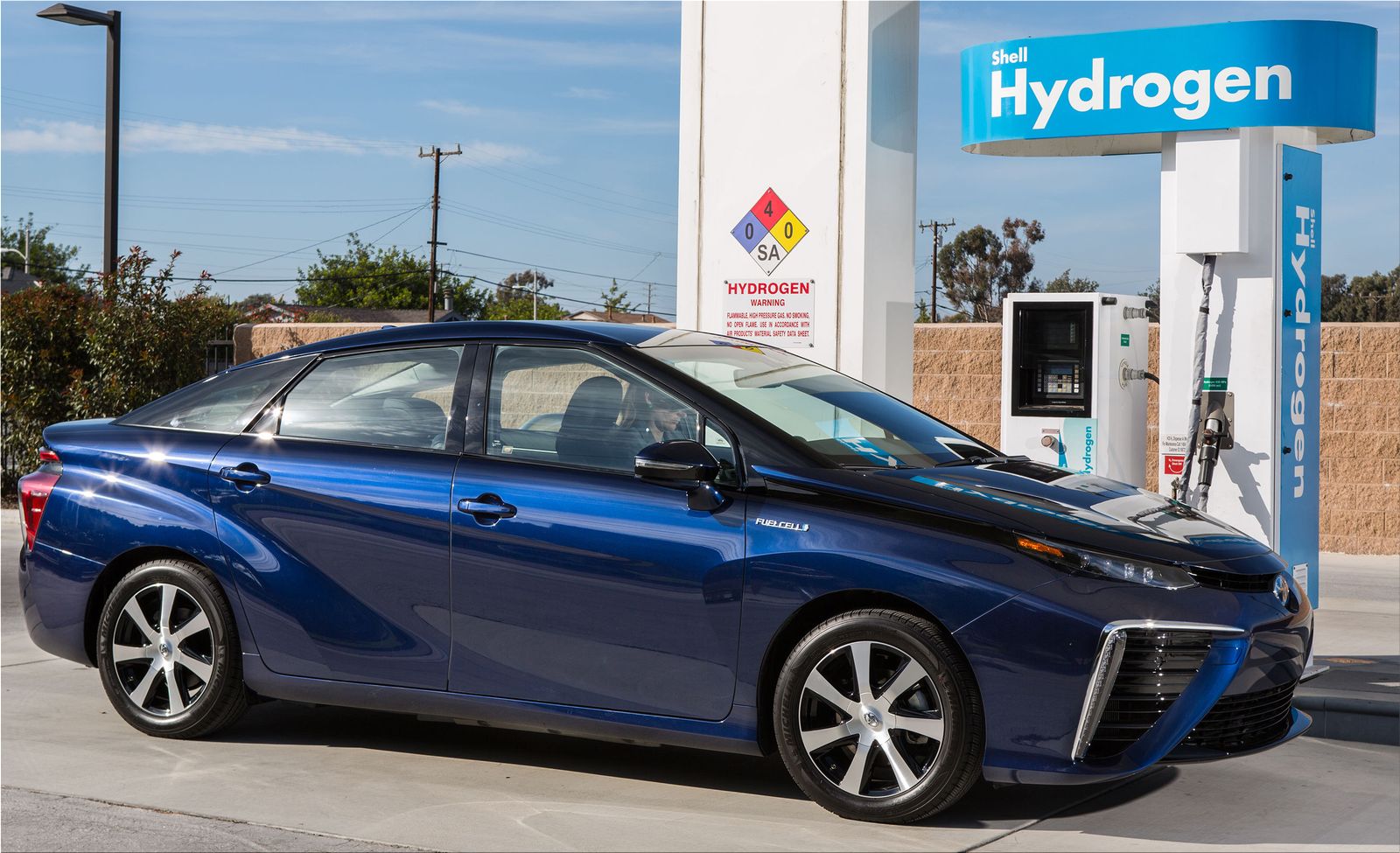
Japan H2 Mobility will start operating in April 2018, with the goal of attracting the maximum possible participation of hydrogenation operators and investors.

A New Direction for Electric Performance Cars Lexus revealed the LFA Concept, a BEV sports car built around low mass, high rigidity, and aerodynamic efficiency. Engineers used race programs such as the GR GT and GR GT3 as… Continue reading

Volkswagen has moved its ID. Buzz robotaxi program from slide decks to city streets. The company, through MOIA America, has started public-road validation in Los Angeles with autonomous Volkswagen ID. Buzz AD… Continue reading

The new hydrogen-powered South Korean SUV, Hyundai Nexo, promises about 800 km of autonomy and 590 km with a charge of just five minutes. The Nexus comes with improved features compared to the previous hydrogen vehicle of from the Korean… Continue reading

The new Tesla Model Y is here! The car was presented at an event that took place in Hawthorne, California. The Y model comes as a crossover electric SUV to complement the portfolio of Model 3, Model S, Model X, Roadster and Tesla. The new… Continue reading