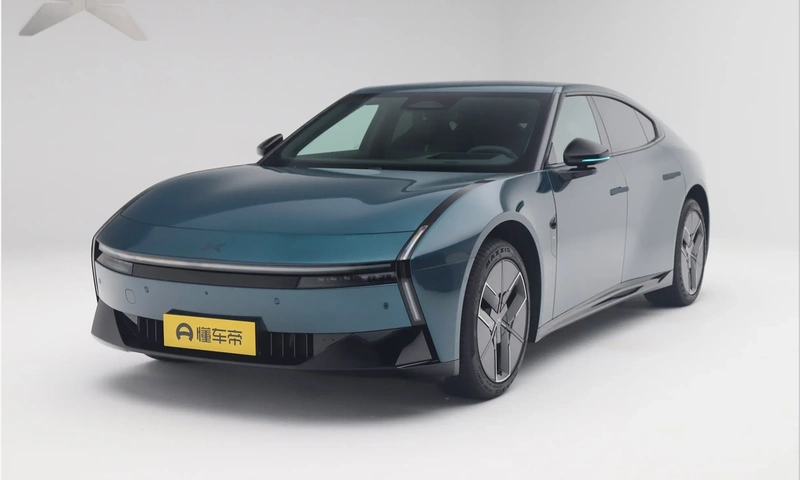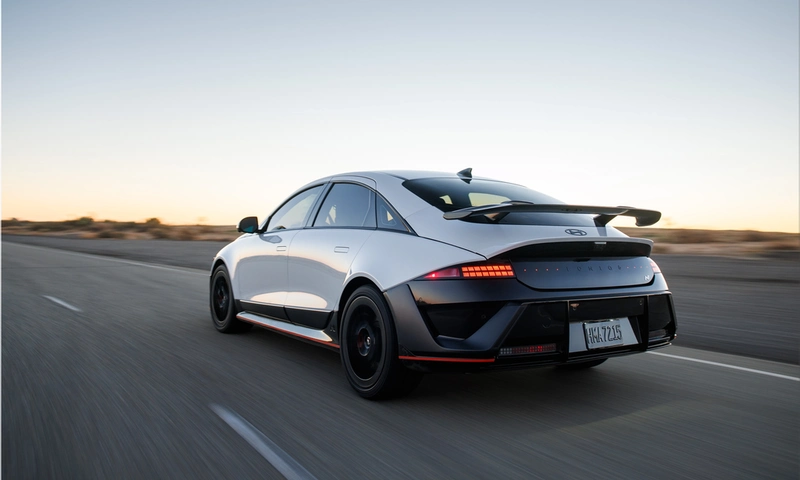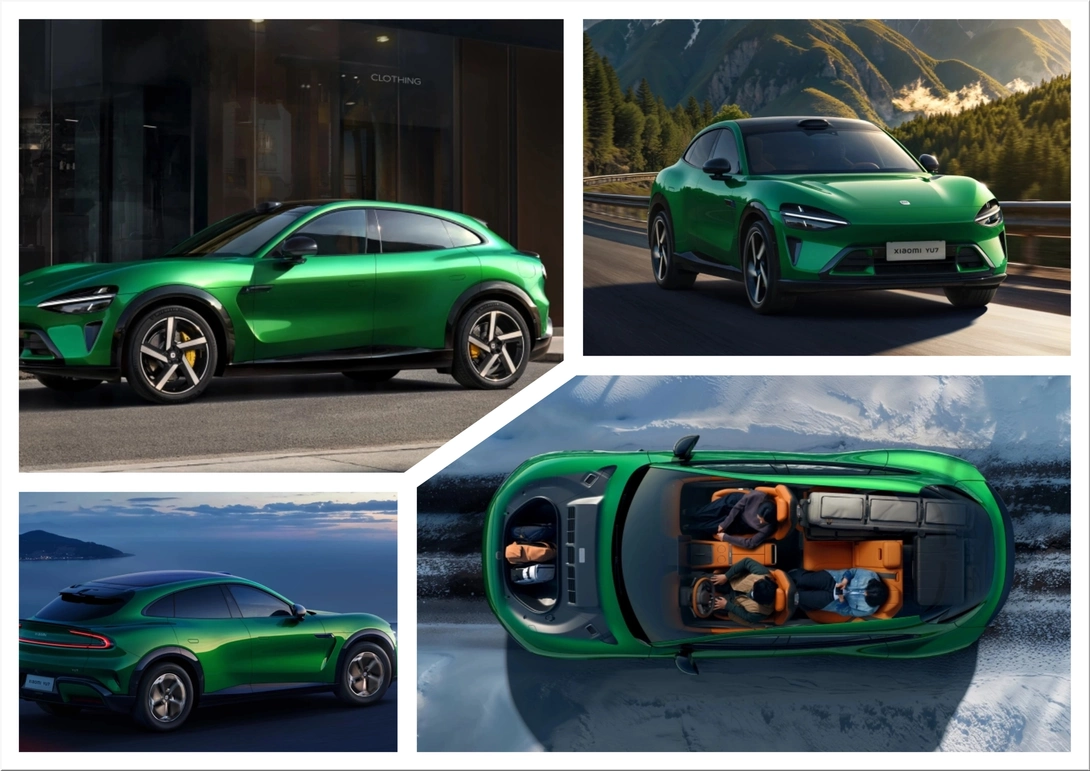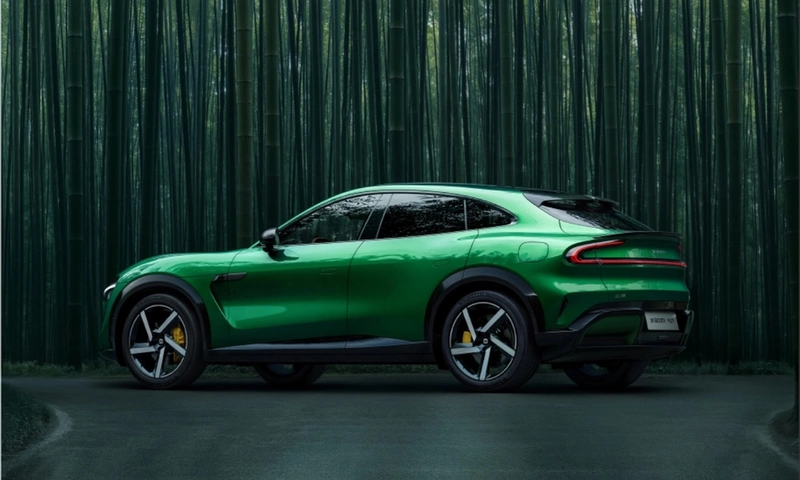
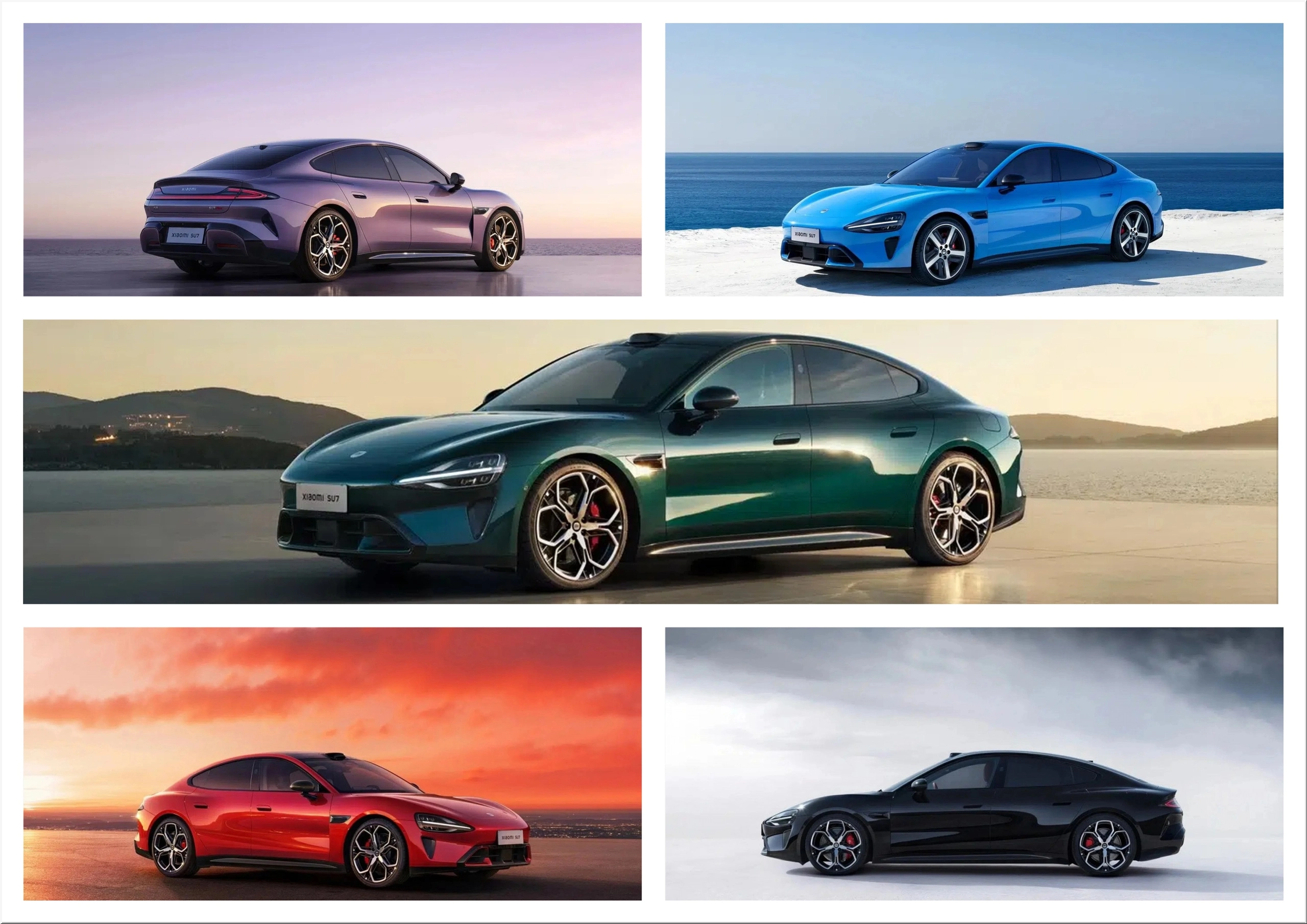
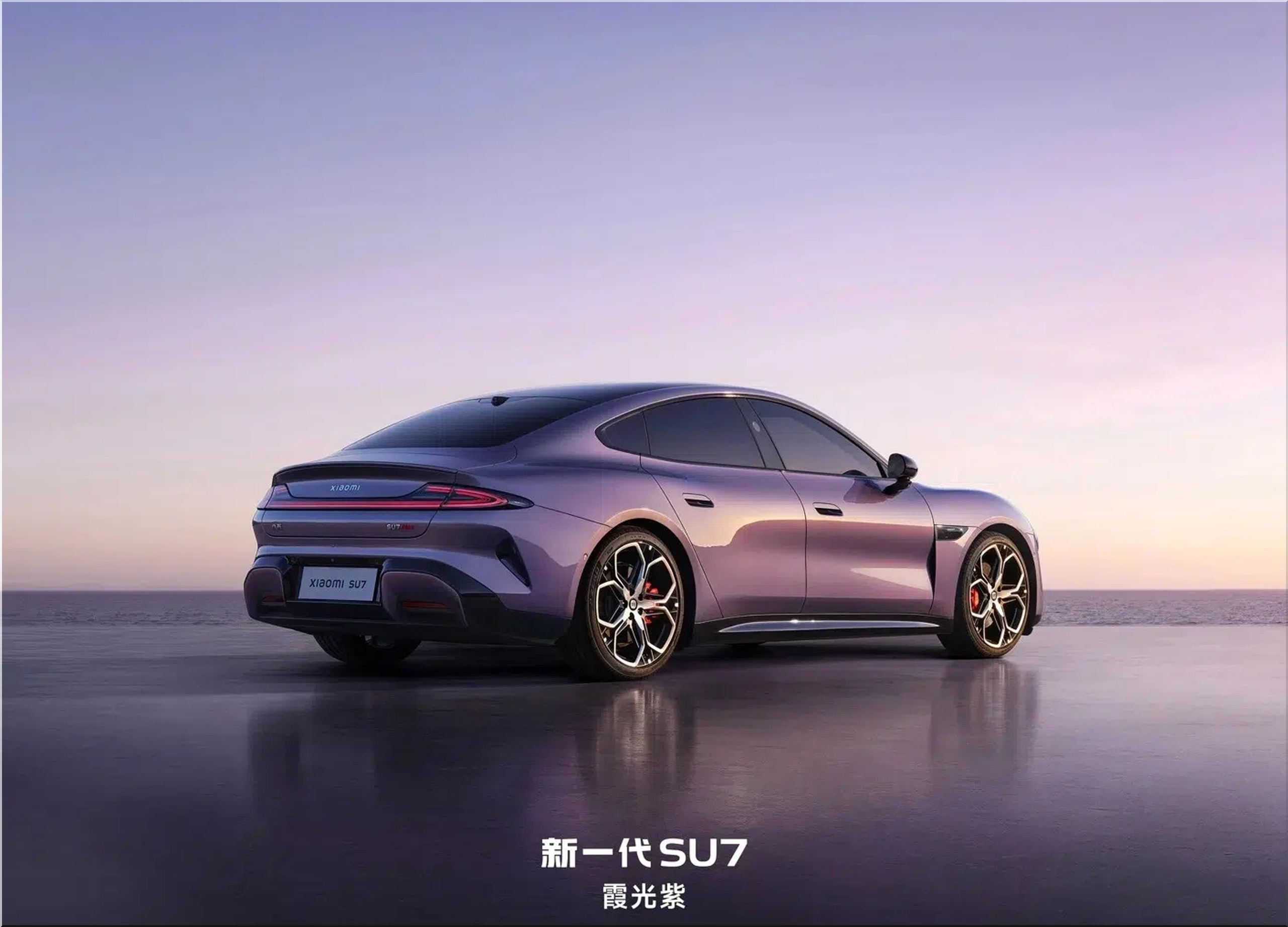
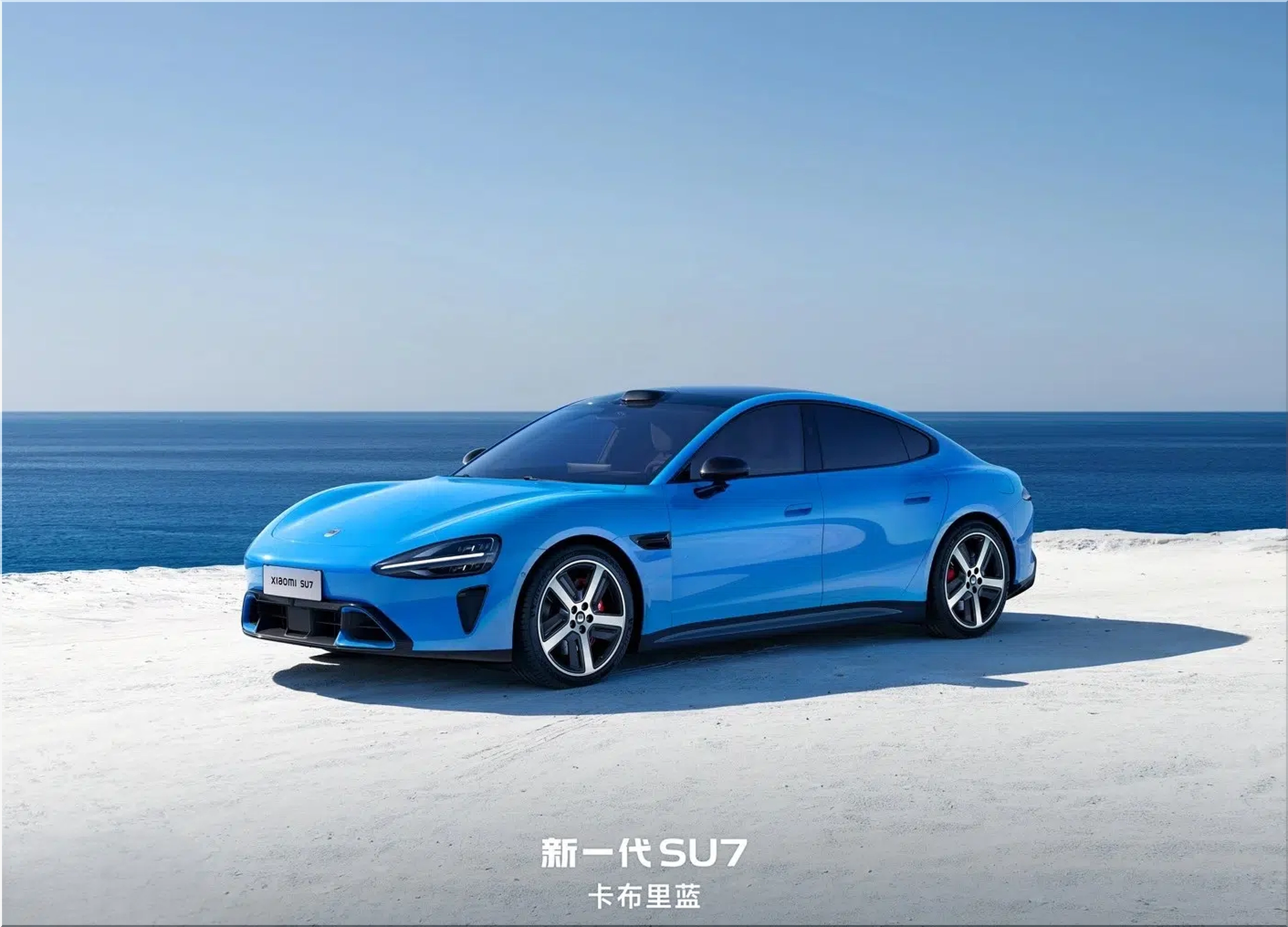
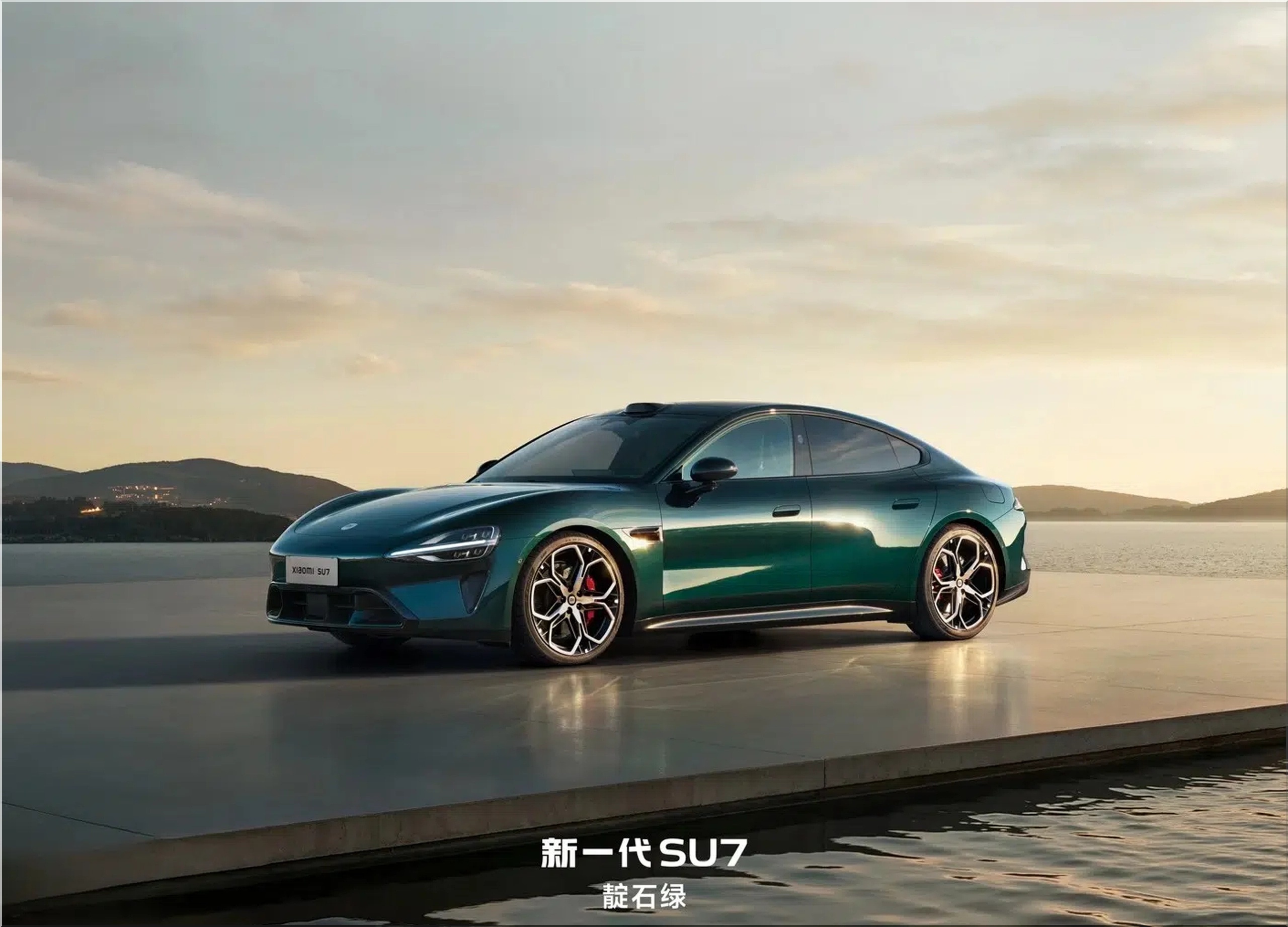
Xiaomi came back to the electric sedan fight with a smarter move than a simple facelift. The updated Xiaomi SU7 keeps the same low, wide silhouette, but the real work happened underneath: higher-voltage electrical architecture, stronger charging performance, standard LiDAR, a revised safety package, and a chassis spec that pushes key hardware further down the lineup.
Looking at the data, Xiaomi aimed straight at the value gap between mainstream premium EVs and tech-heavy Chinese rivals. The result looks sharp on paper. More importantly, the numbers line up in the places buyers actually compare: price, range, charging speed, and standard equipment.
Image
Why the new Xiaomi SU7 matters
The updated Xiaomi SU7 2026 starts at $31,870 in China, which puts it below the Tesla Model 3 while offering more listed CLTC range in base trim. That matters because this segment punishes weak entry models. Buyers scan the first price, the range figure, and the options list before they read anything else.
Specifically, Xiaomi made three moves that change the sales pitch fast:
- Standard LiDAR across the lineup
- 752V architecture for Standard and Pro, 897V for Max
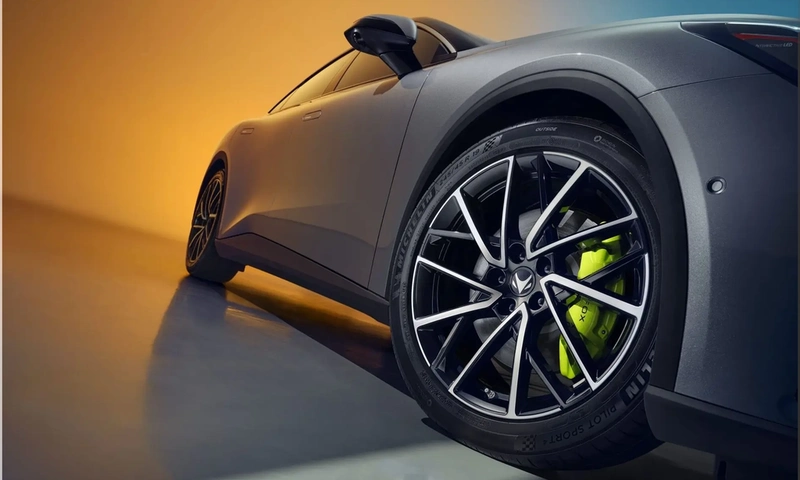
- Improved chassis hardware including wider staggered tires and four-piston front calipers on every trim
By comparison, many rivals still reserve their best driver-assistance hardware or suspension upgrades for upper trims. Xiaomi pulled expensive components into lower trims and used that hardware spread as a pricing weapon.
Core specs and pricing
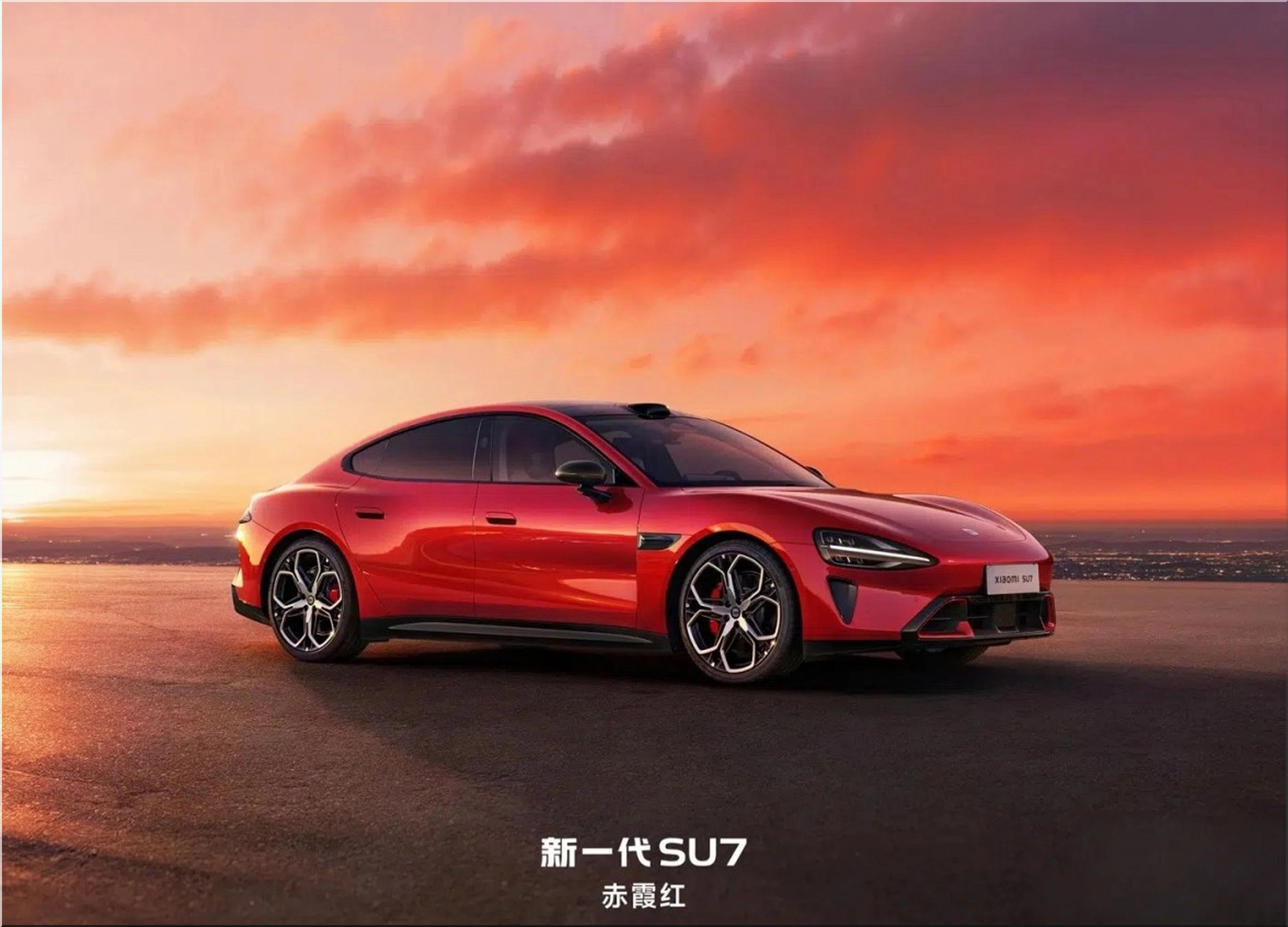
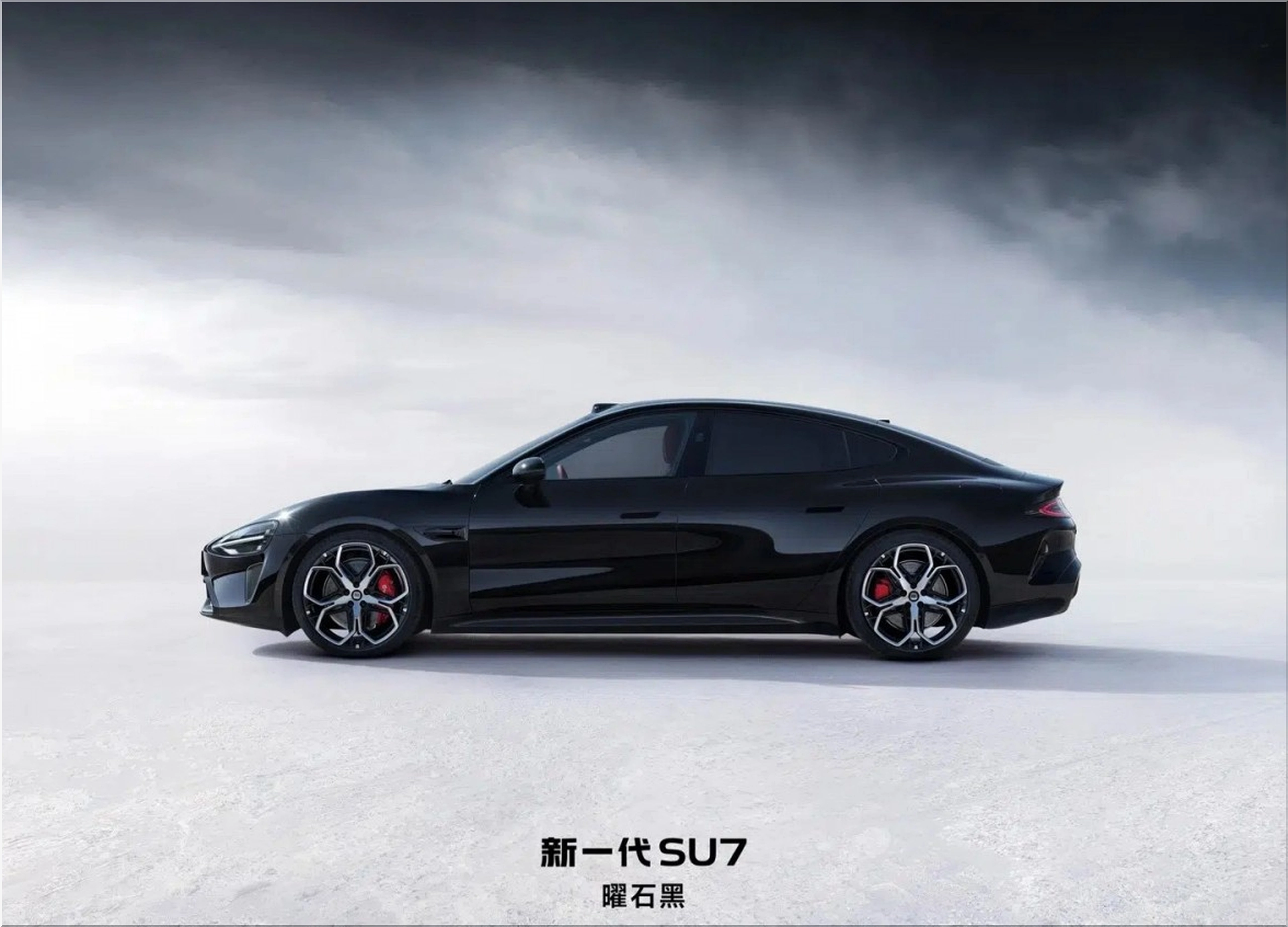
The body stays large for the class. The sedan measures 196.7 inches long (4,997 mm), 77.3 inches wide (1,963 mm), and roughly 56.9 to 57.5 inches high (1,445 to 1,460 mm) depending on trim, with a 118.1-inch wheelbase (3,000 mm). That footprint gives the SU7 more visual presence than a Model 3 and helps explain its planted proportions.
Xiaomi SU7 2026 lineup at a glance
| Trim | Price in USD | Battery | Drive | Power | 0-62 mph | CLTC Range |
|---|---|---|---|---|---|---|
| SU7 Standard | $31,870 | 73 kWh | RWD | 235 kW / about 320 hp | 5.28 sec | 720 km |
| SU7 Pro | $36,220 | 96.3 kWh | RWD | 235 kW / about 320 hp | 5.7 sec | 902 km |
| SU7 Max | $44,040 | 101.7 kWh | AWD | 508 kW / about 680-690 hp | 3.08 sec | 835 km |
That 902 km CLTC figure on the SU7 Pro will grab headlines, and it should. Consequently, Xiaomi now owns one of the most aggressive published range claims in the segment. Real-world driving will land lower than CLTC, of course, but the strategic logic still works: a huge lab-cycle number influences search traffic, showroom attention, and cross-shopping behavior.
Charging, motors, and the logic behind the hardware shift
The charging story matters more than the raw range story. Xiaomi moved the Standard and Pro trims to a 752V silicon-carbide platform, while the Max pushes to 897V, close enough to market as a near-900V setup.
That change improves current flow efficiency, reduces heat at higher charging loads, and supports stronger sustained fast-charging performance. In plain terms, higher-voltage architecture lets Xiaomi move more energy with less resistance penalty, which helps both charging speed and repeated high-load operation.
Image
Charging and performance details
| Trim | Voltage Architecture | 15-Minute Range Recovery | Charge Claim | Notes |
|---|---|---|---|---|
| Standard | 752V | 450 km | about 10%-80% in 12 min | Single-motor RWD |
| Pro | 752V | 490 km | about 10%-80% in 12 min | Range leader |
| Max | 897V | 670 km | about 10%-80% in 11 min | Dual-motor AWD, 5C charging claim |
From an expert perspective, the Max trim shows Xiaomi's best engineering pitch. A nearly 900V system, dual motors, and high-speed charge acceptance make it the trim that actually attacks premium EV incumbents on both straight-line speed and travel-time math. The Pro, though, may be the commercial sweet spot because it pairs the biggest range number with a much lower price.

Chassis and safety upgrades that actually change the car
Xiaomi also fixed weak spots buyers rarely discuss until they test-drive the car. The revised Dragon Chassis package expands the handling hardware and strengthens the safety narrative.
All trims now use:
- 245 mm front tires and 265 mm rear tires
- Four-piston fixed front brake calipers
- Mechanical door handles instead of hidden handles
- Backup power for door operation to meet upcoming safety expectations
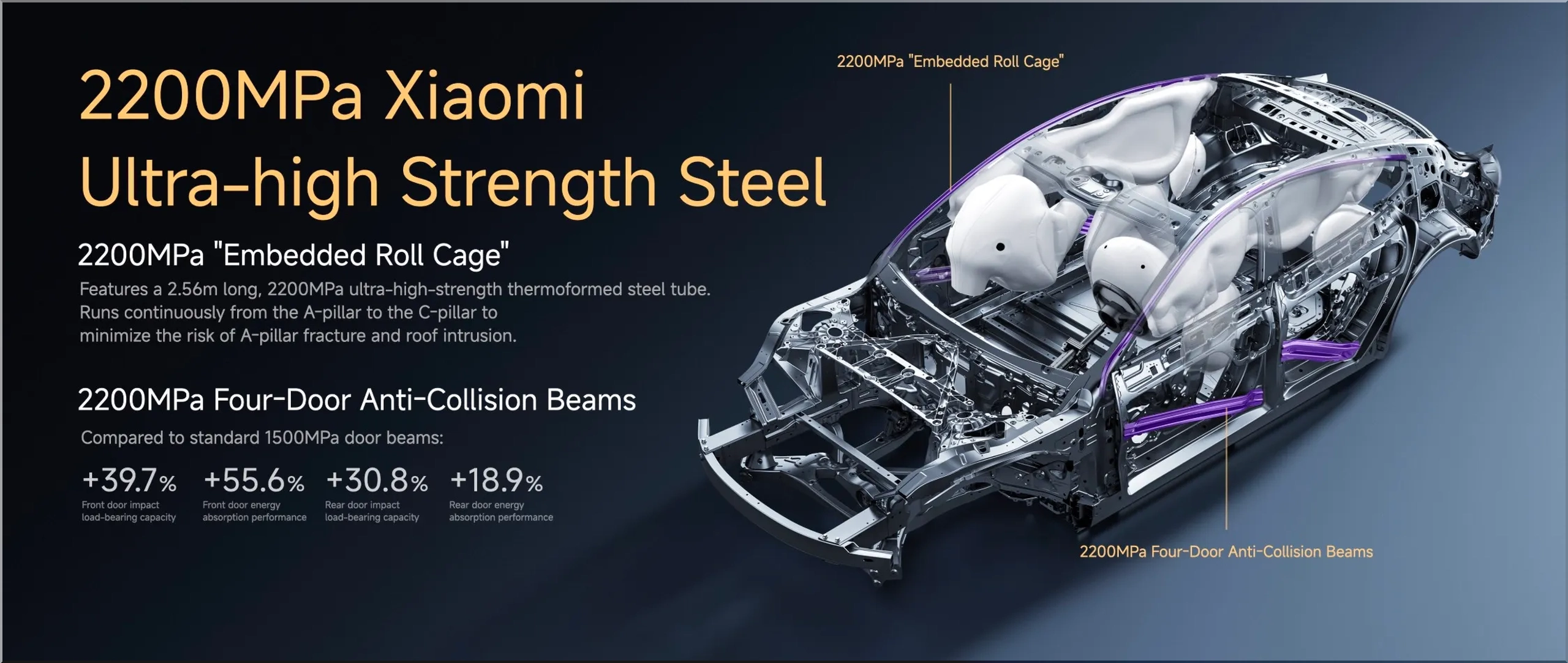
- Upgraded body structure with reported strength up to 2,200 MPa
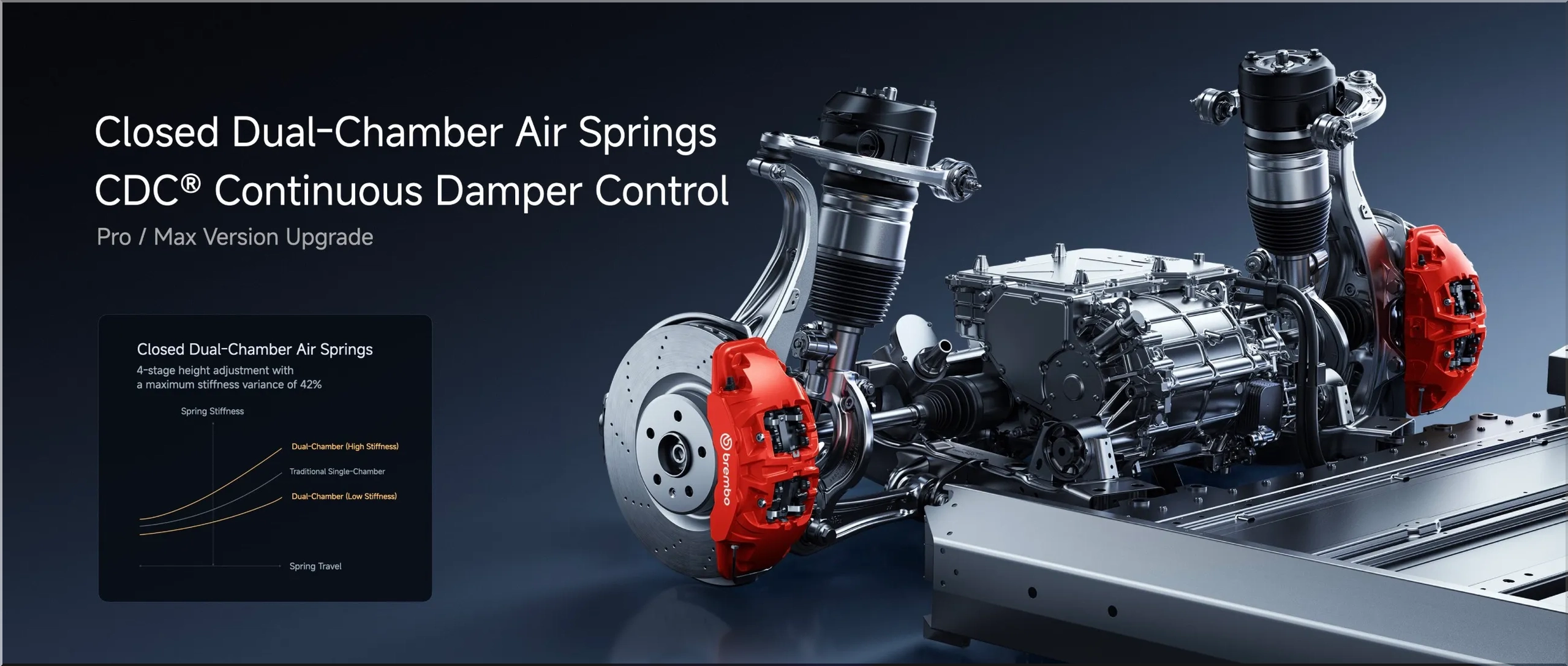
In addition, the Pro now inherits dual-chamber air suspension and Continuous Damping Control hardware that used to sit higher in the range. That matters because suspension quality changes how a heavy EV behaves in lane changes, mid-corner compressions, and broken pavement. Wider rear tires increase traction reserve, while the air-spring and CDC combo broadens the usable setup window between ride comfort and body control.
Xiaomi also says the updated car reaches a 0.21 drag coefficient. That number sits higher than the original SU7's quoted figure, but the broader equipment changes, tire package, and real-use hardware load explain why drag optimization now looks like part of a larger systems balance instead of a single bragging point.
Tech stack: Xiaomi wants the base car to feel expensive
The assisted-driving hardware spec reads like an upper-trim package from many rivals:
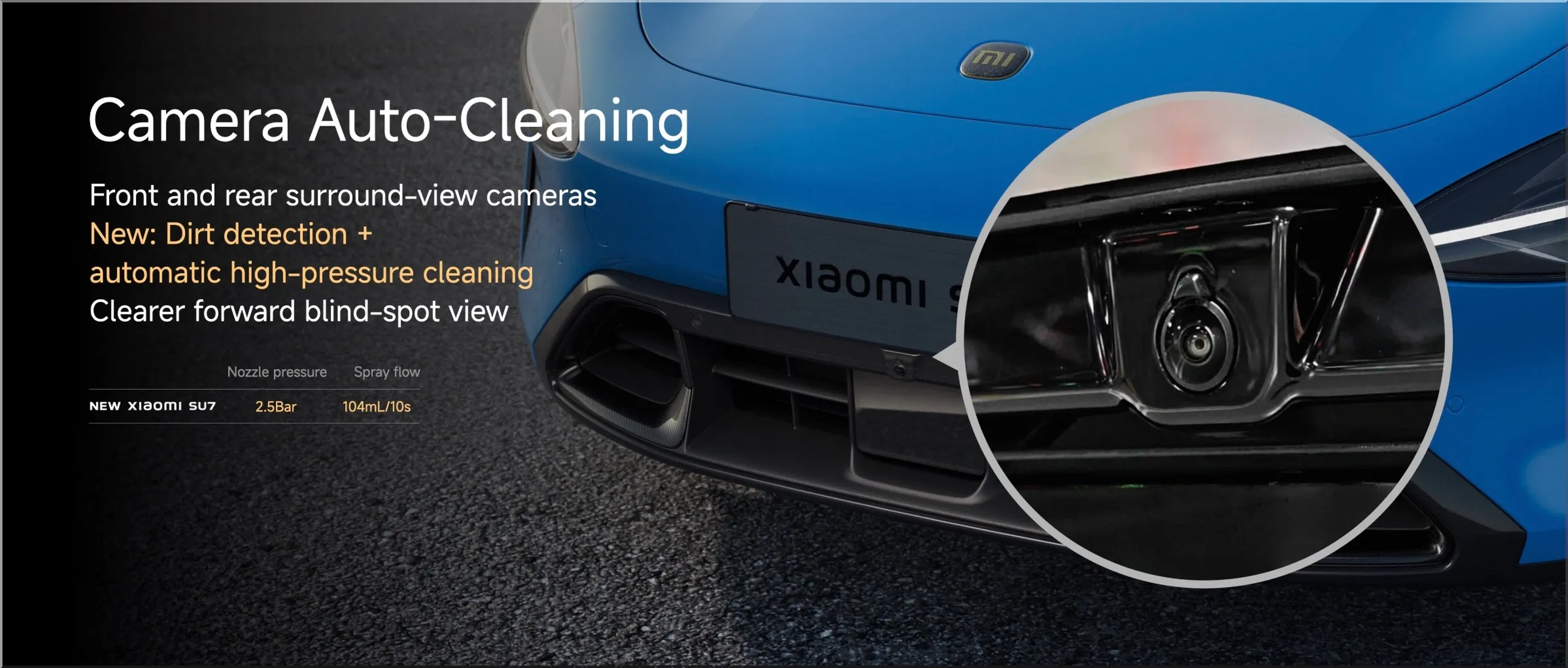
- LiDAR standard
- Nvidia Thor chip with 700 TOPS
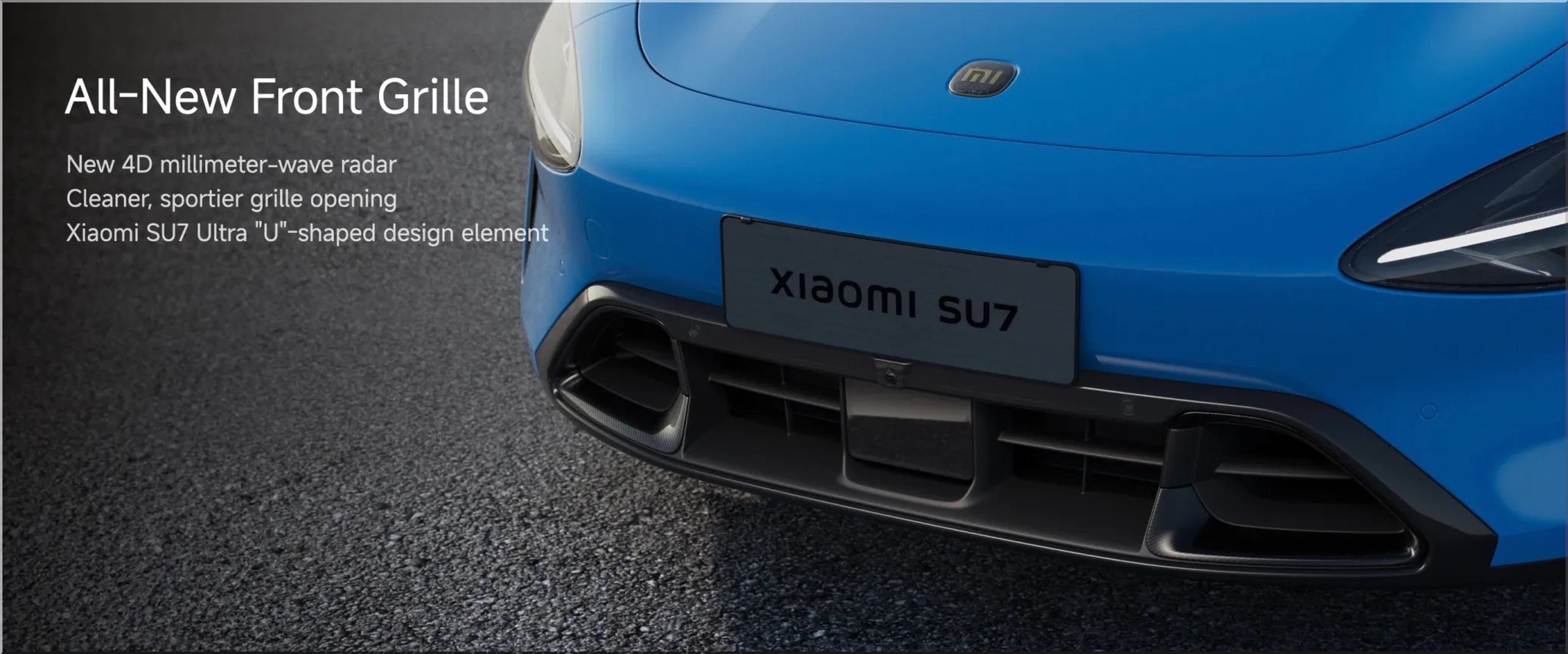
- 4D millimeter-wave radar
- Xiaomi's updated assisted-driving stack across the lineup
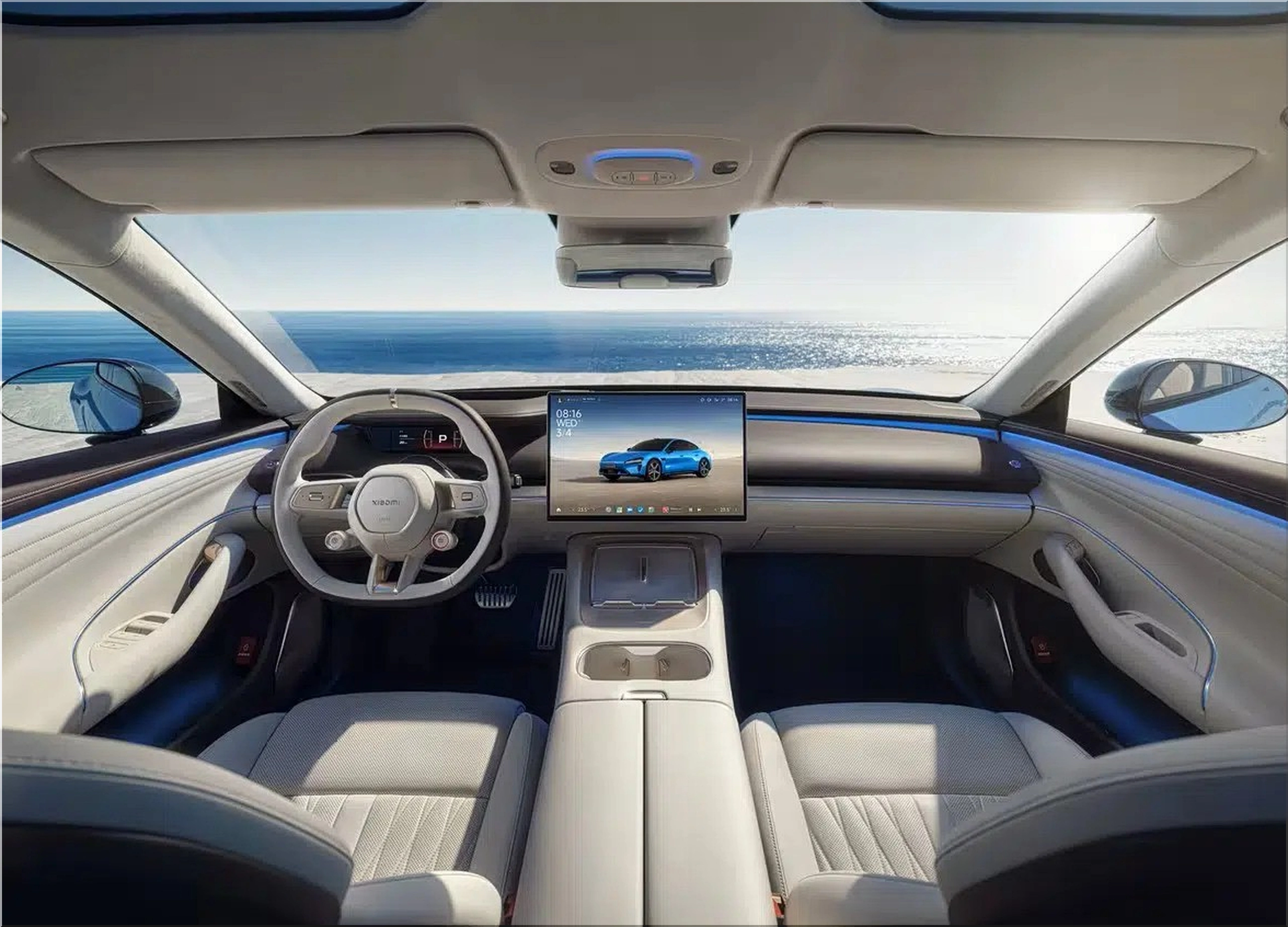
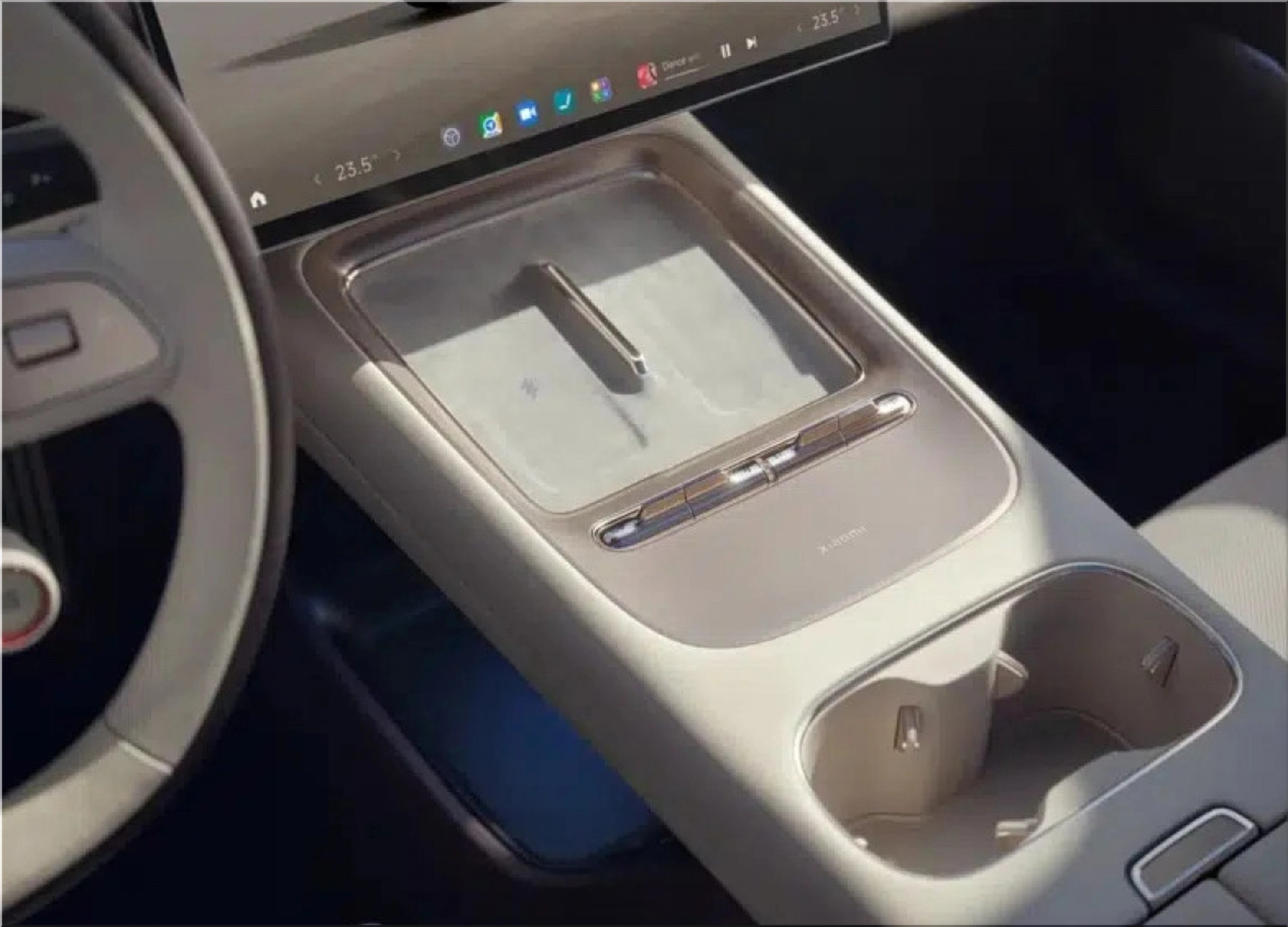
In addition, the cabin tech remains a major selling point. Reports point to a 15.6-inch OLED center display, 12.3-inch instrument display, 26-inch head-up display, Snapdragon 8295 computing, and the expected HyperOS integration angle. Xiaomi knows its phone and ecosystem customers already understand device fluency. It pushed that logic into the car and made the digital transition feel familiar instead of experimental.
Xiaomi SU7 vs the main rivals
The Xiaomi SU7 no longer competes on design novelty alone. It now competes on spreadsheet logic.
Competitive comparison
| Model | Starting Price in USD | Listed Range | Key Advantage | Key Weakness vs SU7 |
|---|---|---|---|---|
| Xiaomi SU7 Standard | $31,870 | 720 km CLTC | Standard LiDAR, larger footprint, lower price | New-gen execution still needs long-term proof |
| Tesla Model 3 RWD | $34,130 | 634 km CLTC | Brand strength, charging reputation | Less range for more money in China |
| BYD Seal 07 EV | $24,600 | 705 km CLTC | Lower entry price, strong value | Less premium hardware spread |
| XPeng P7+ | about $27,100 | varies by trim | Smart-cabin and fast-charging value | Less headline powertrain drama |
By comparison, Tesla still wins on global brand pull and charging-network familiarity in some markets. BYD wins the straight value punch. XPeng pushes hard on software. Xiaomi, though, now blends range, hardware density, and price discipline better than before, which makes the SU7 a much stronger search-driven and showroom-driven product.
Image gallery:
Pro-Tips
For buyers
- The SU7 Pro looks like the rational pick if you want the biggest range number without paying Max money.
- The SU7 Max makes more sense if charging speed and AWD matter more than absolute range.
- Watch real-world efficiency tests before treating the 902 km claim as a trip-planning number.
For Xiaomi watchers
- The lower launch pricing versus pre-sale shows Xiaomi wanted order volume, not margin bragging rights.
- Standard LiDAR tells you Xiaomi wants software data at scale, because more sensor-equipped cars feed the long game.
What now?
The updated Xiaomi SU7 looks like a sharper, more disciplined product than the original. Xiaomi widened the hardware gap versus Tesla's base sedan, strengthened the chassis story, and used pricing to keep pressure on the segment from day one.
The next step is simple. Watch three things: real charging curves, independent range tests, and sustained build quality at scale. If those check out, the 2026 Xiaomi SU7 will move from being a headline car to being one of the strongest EV sedan plays in China.
- Add new comment
- 574 views