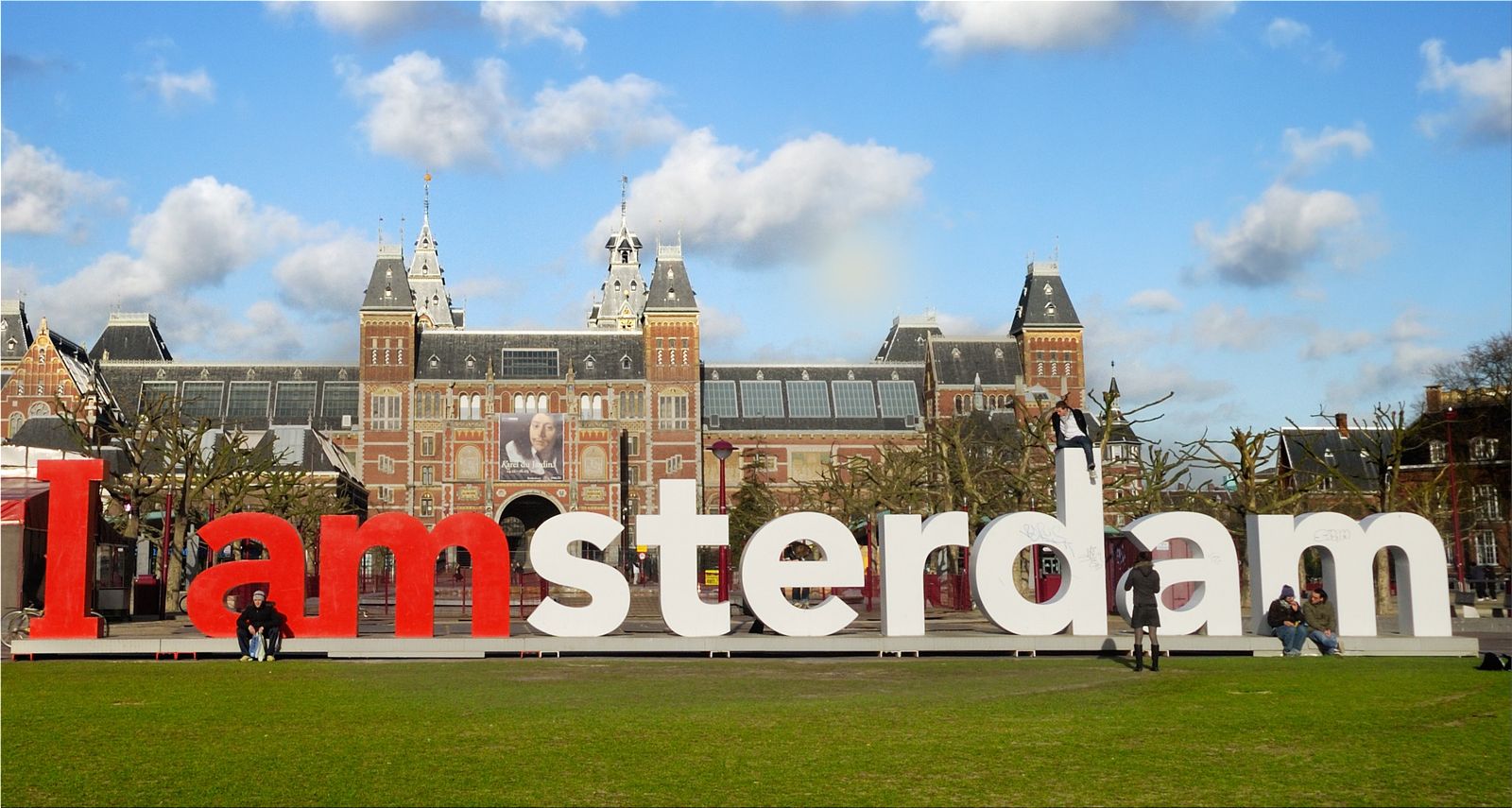
Cars and motorcycles that run on gasoline or diesel will be banned in the Amsterdam, Netherlands, starting 2030.
Starting next year, diesel cars older than 15 years will be banned on the A10 road around the Dutch capital.
Also, buses and vans emitting exhaust gases will no longer have access to downtown by 2022. Until 2025, the ban will be extended to boats, motorcycles and mopeds.
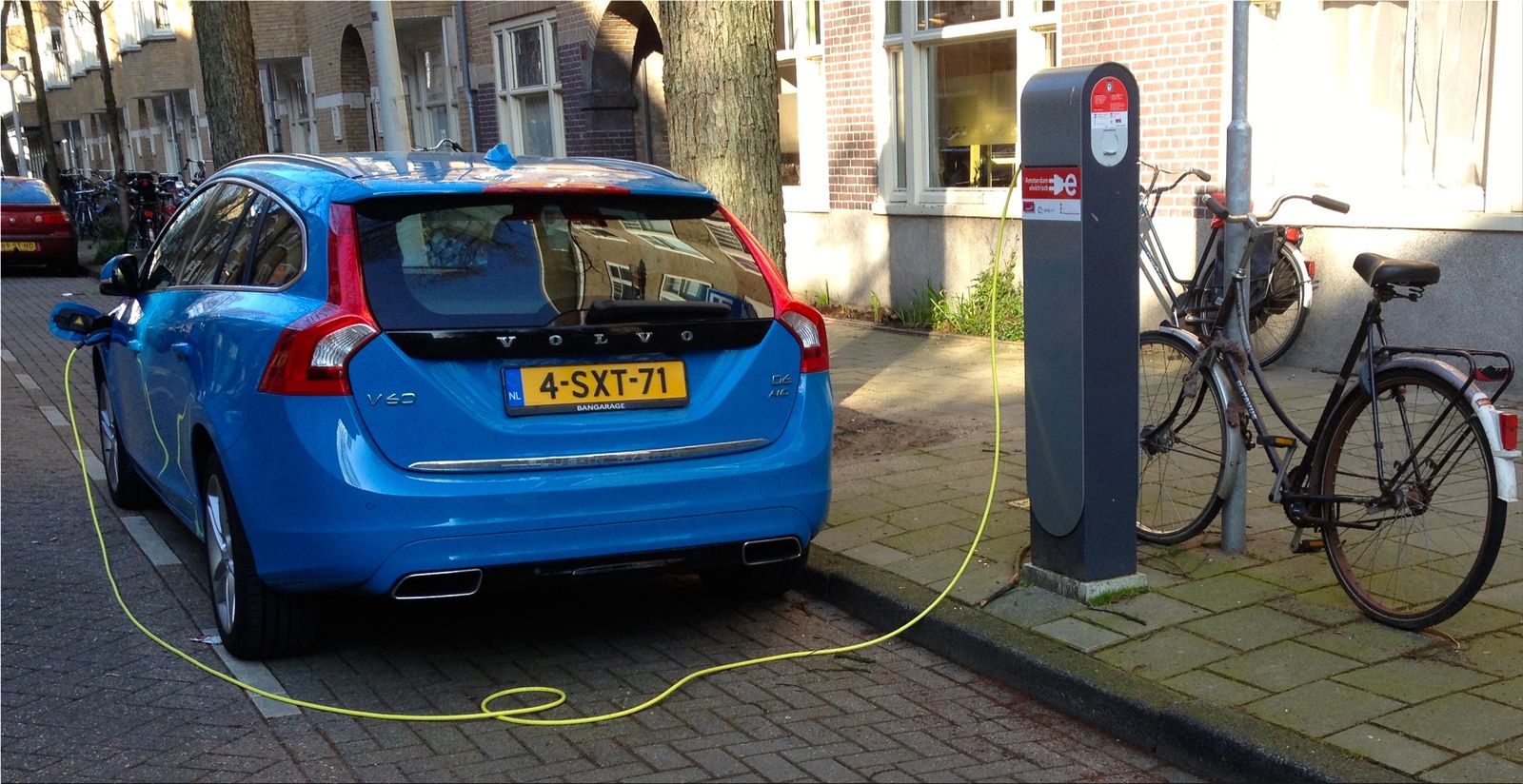
Thus, the city intends to encourage its inhabitants to switch to electric cars, offering charging stations to every buyer of such a vehicle. Authorities expect the second-hand electric car market to grow significantly in the coming years.
Starting in 2025, there will need to be between 16,000 and 23,000 EV charging stations to make the project viable. At present, there are only 3,000 such stations in Amsterdam.
The 2018 Nissan Leaf model was introduced in early September, 2017. The electric car underwent serious changes, both stylistic and technical. From the consumer point of view, the main achievement was an increased power reserve.… Continue reading
Electric vehicles are increasingly present in the automotive landscape. It seems that, now, generalist and premium brands have launched into the adventure of putting real options on the market for real use. In the next Frankfurt Motor Show, which will open… Continue reading

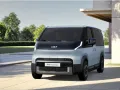
The new Toyota PROACE Electric van will be launched in European markets from the fall of 2020. The range includes three body lengths and two different battery sizes, with up to 330 kilometres range. Its clever design… Continue reading

The new Toyota Proace CITY Electric marks a significant expansion of the Toyota Professional product range in electrified light vans and passenger cars. This electric van makes Toyota a strong player in the segment of… Continue reading