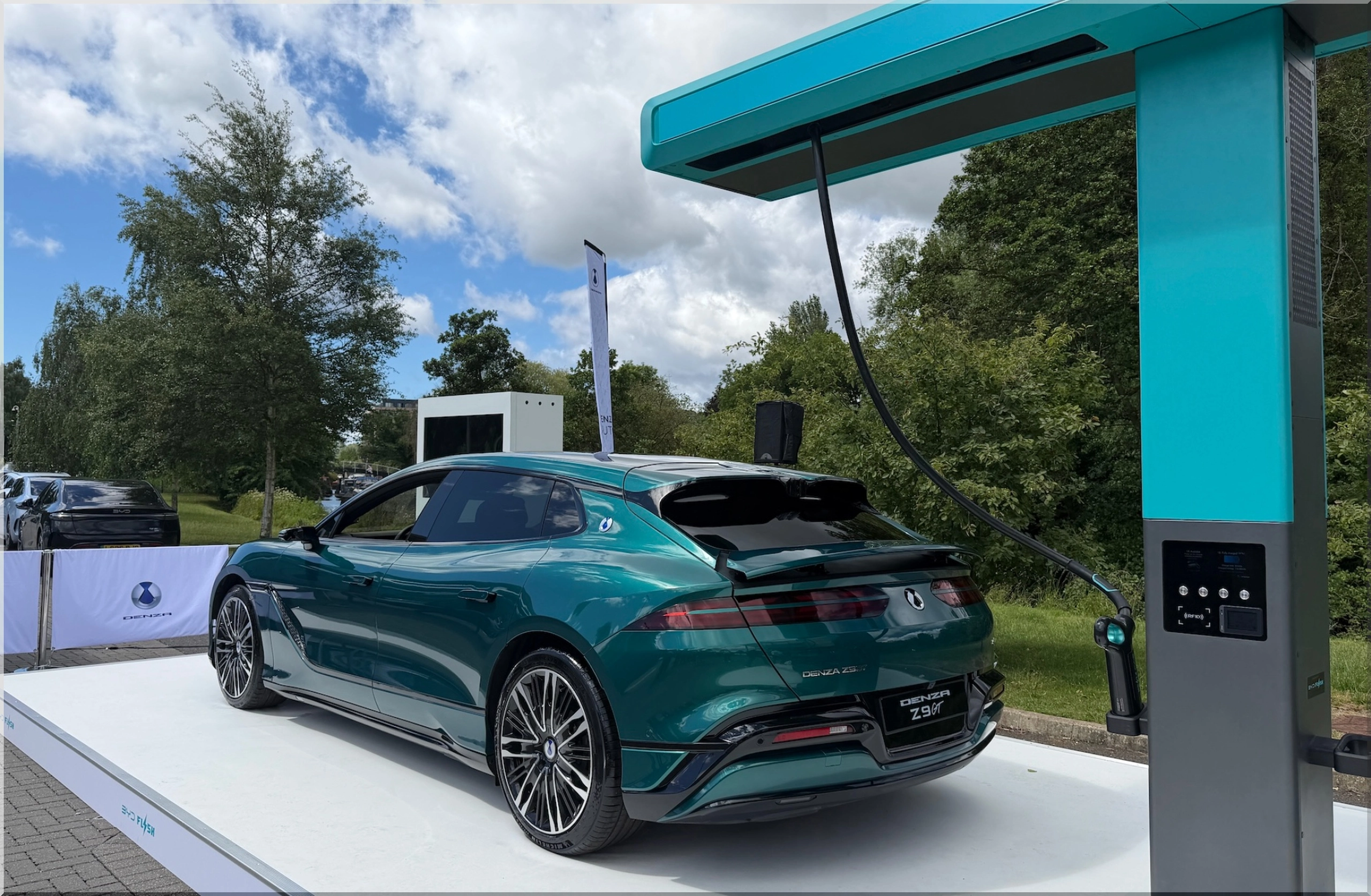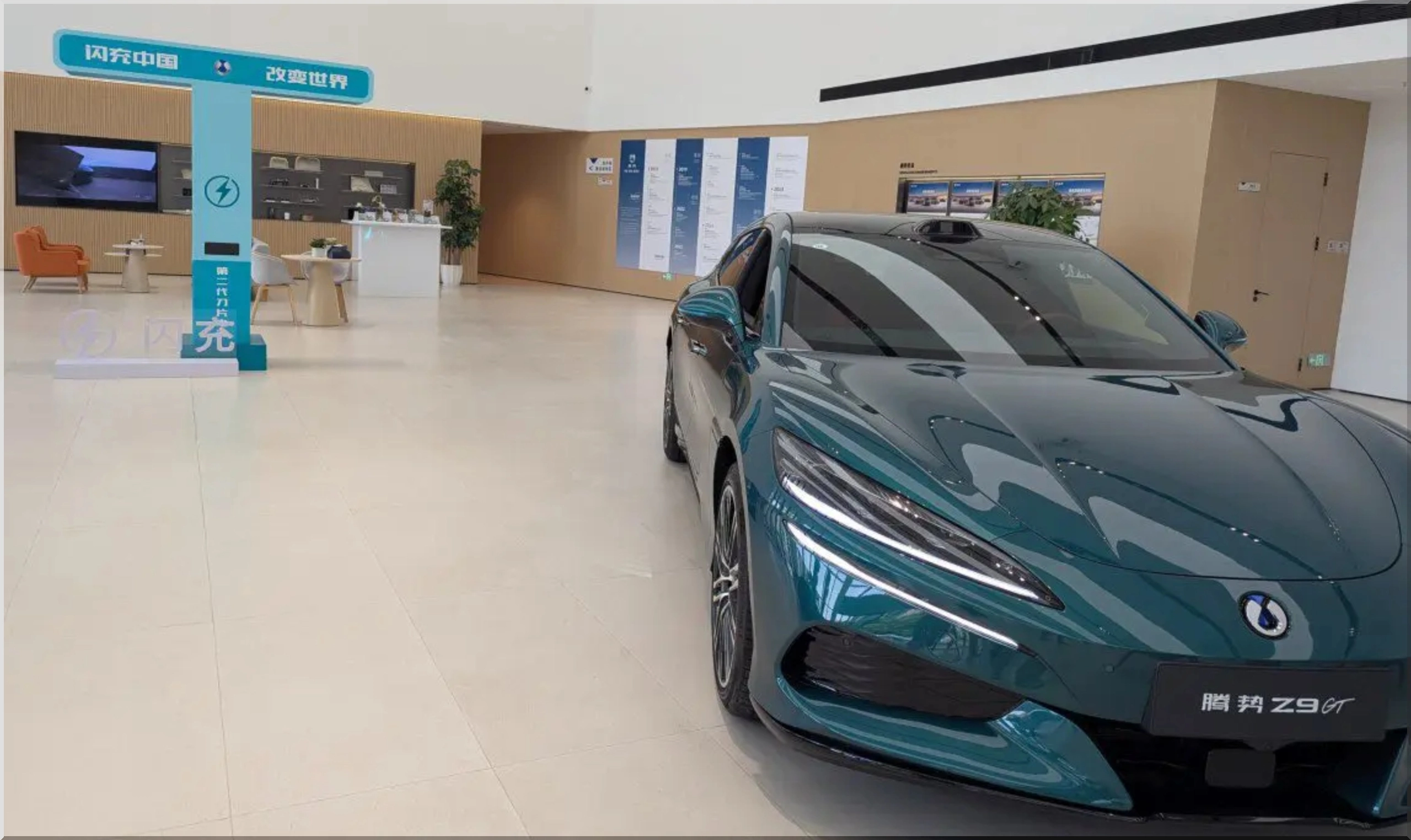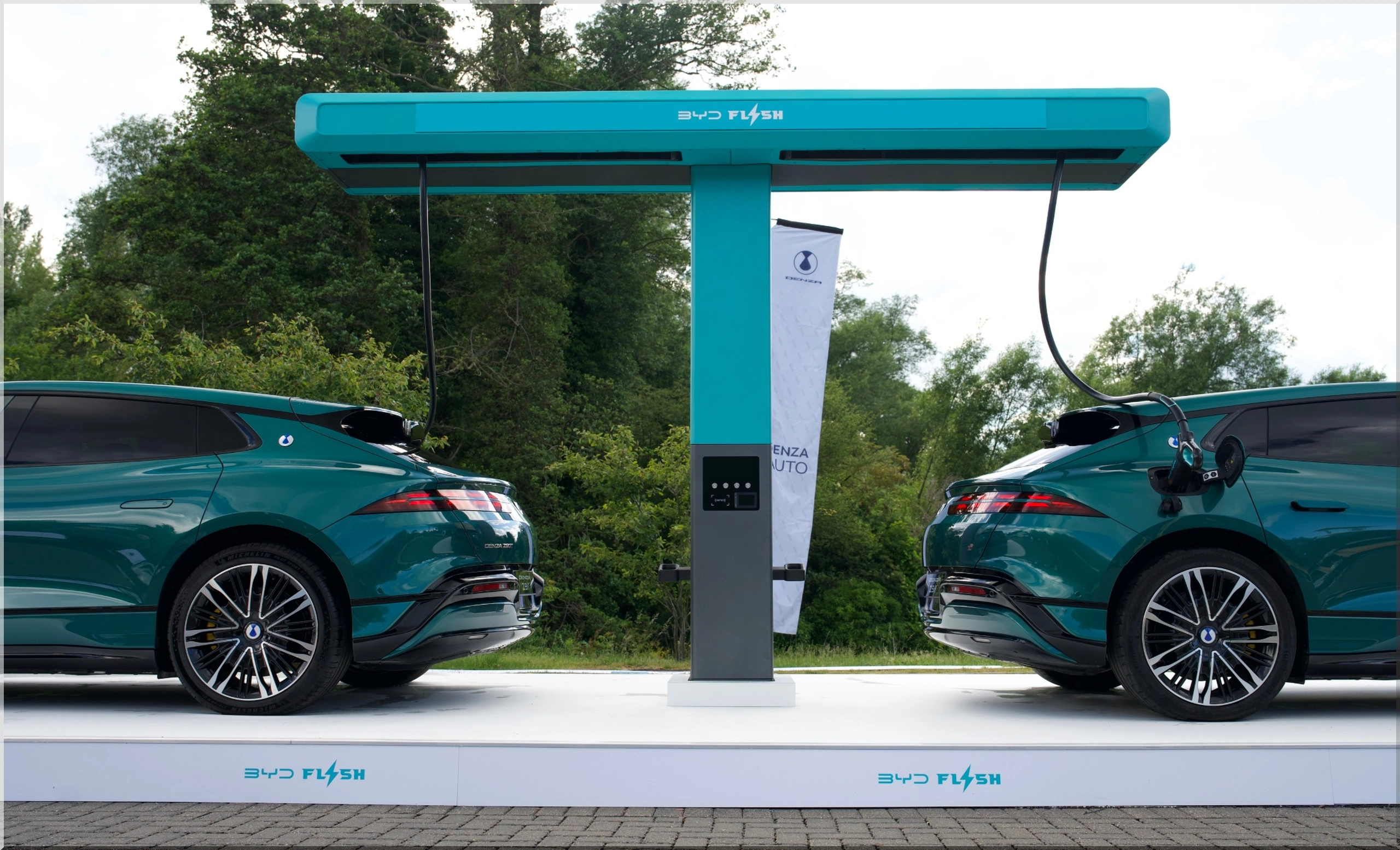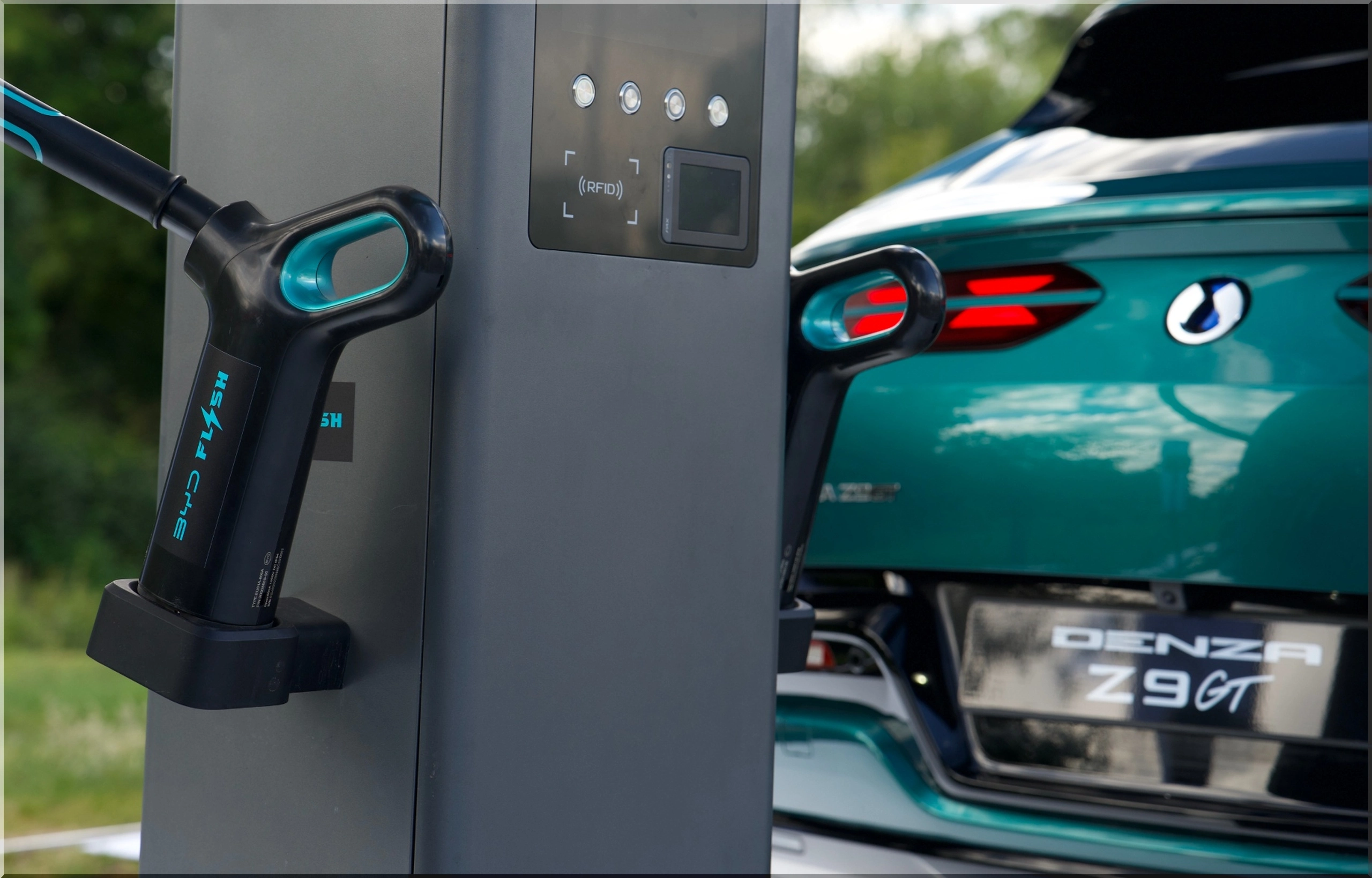
BYD now pushes EV charging into gasoline-refill territory. Its Flash Charging system gives compatible electric vehicles up to 1,500 kW, while its Super e-Platform uses a full-domain 1,000V architecture, 1,000A current, and 10C battery charging. The hardware race now shifts from peak charging claims to network scale, battery chemistry, and real public access.
Why Does BYD Flash Charging Matter for EV Buyers?
BYD wants to kill the slow-road-trip complaint. Specifically, the company says its megawatt Flash Charging setup can add 400 km, or about 249 miles, in five minutes on compatible models. That moves charging from a meal stop to a fuel-stop routine, at least on paper.
The engineering logic starts with voltage. A 1,000V system can move more power with less current stress than a lower-voltage setup, which helps reduce heat in cables, electronics, and battery pathways. BYD pairs that architecture with a Flash Charging Battery that cuts internal resistance by 50 percent and accepts 1,000A.
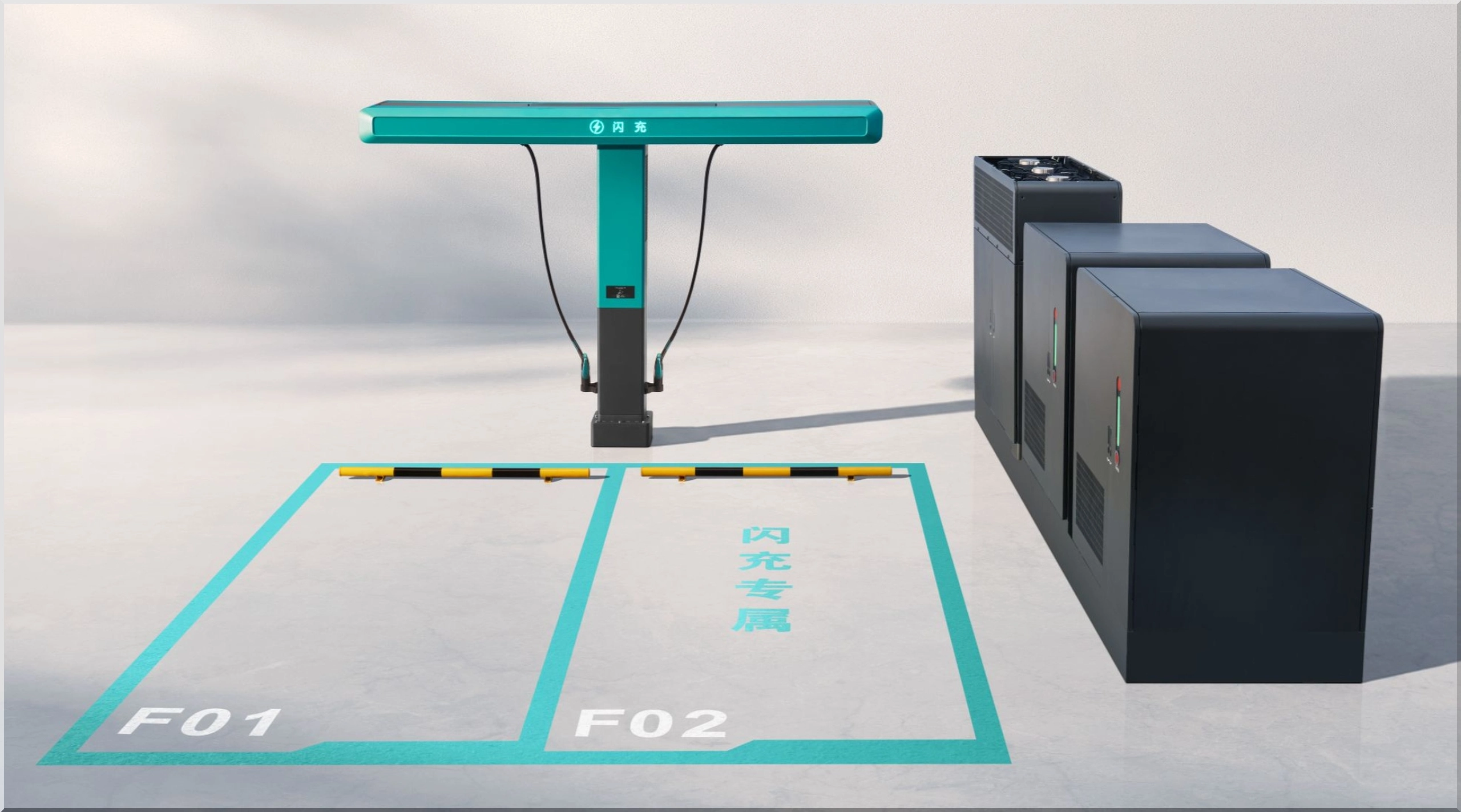
BYD Flash Charging Technical Specs
| Data point | BYD Flash Charging claim | Why it counts |
|---|---|---|
| Peak public charger output | 1,500 kW | Triple Tesla V4 passenger peak rating |
| Platform voltage | 1,000V | Supports high power with lower thermal load |
| Charging current | 1,000A | Allows megawatt-class battery input |
| Battery charging rate | 10C | Very high-rate charging for passenger EVs |
| Fast-charge result | 10-70 percent in 5 minutes | Practical road-trip refill zone |
| Near-full result | 10-97 percent in 9 minutes | Useful for long-distance highway legs |
| Cold-weather claim | 20-97 percent in 12 minutes at -30 C | Adds only 3 minutes in severe cold |
Definition: 10C charging means a battery can accept power at ten times its rated capacity rate. A 100 kWh pack at 10C would theoretically accept about 1,000 kW before tapering, thermal limits, or pack protection cut the curve.