Driving might seem easy, but it can be trickier than you imagine. Blind spots cause many car accidents on the road. Therefore, it's vital to be aware of all the unseen areas around you, particularly in your vehicle, but you must also watch out for other drivers' weaknesses.
There can be serious injuries due to a blind spot accident, and they could have been easily prevented if each driver on the road had been more careful. You might think you already know all your unseen areas while in front of the wheel, but a refresher couldn't hurt. Let's find out how to check for blind spots!
What Is a Blind Spot?
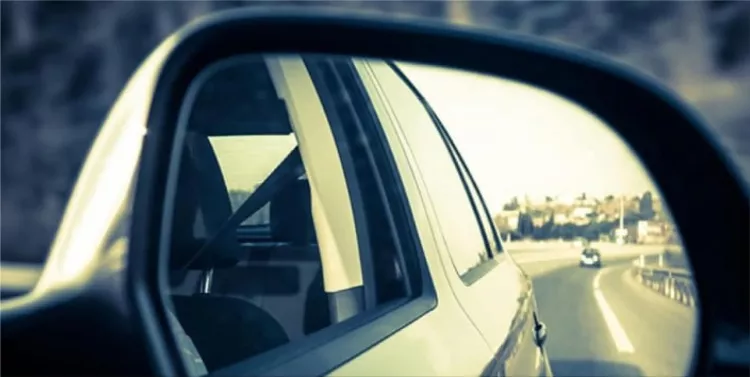
A blind spot is that area around your car that you can't see even with your side or rear mirrors. However, you need to watch out for these spots by turning your head slightly before trying to switch lanes, park, or merge on the highway.
How to Find Blind Spots?
The most common blind spots are on the sides of your car. That's why you need to check them while switching lanes or merging. You can't just depend on your mirrors to do all the work. First, turn on your signal lights, and then you must do a quick shoulder check to determine if there's a car beside you.
A car might not be seen in your side mirror, but it could be right beside you. That's why they call it a blind spot. So, you have to use your own eyes to check rapidly and decide. You might have to wait for a car to pass before switching lanes.
It's also important to avoid putting things inside your car that will restrict your field of vision. You need to be able to see easily when you move your head. If there's a big box in the back seat, you might not be able to spot the car nearby. Moreover, never obstruct your rear window either, as that view will also help you check your blind spots.
Passengers Can Help
One benefit of driving with passengers is that they can check your blind spots without worrying about the road ahead. That's why you need someone in the shotgun seat that will pay attention and not fall asleep on the road. You should do a quick check yourself, but if you trust them, you can merge or switch lanes quickly this way.
Some Cars Have Blind Spot Detection Systems
Some vehicles nowadays come with blind-spot detection systems and even alerts that warn you if there's a car nearby. You might have seen cars with cameras around them, and the image shows up in the center console. This makes parking easy, but it should not be blindly trusted on the road. Cars could look farther than they are, and you might not judge the distances well. You never know what could happen on the road.
These unseen areas can vary depending on the size of your car, and you just need to be familiar with them. You'll avoid serious injuries due to a blind spot accident while keeping yourself and your passengers safe. You got this!

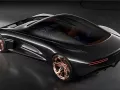
Koreans have prepared a luxury electric car. Genesis, owned by Hyundai, showed a luxury electric coupe called Essentia at the New York Auto Show. This is the first premium electric car from Hyundai. And it has all the creative… Continue reading
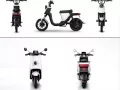
The Chinese electric scooter manufacturer Niu continues to grow. Niu plans to expand further and mentions a partnership with Volkswagen. The share price also responds positively to the development of the Chinese manufacturer. Thus,… Continue reading
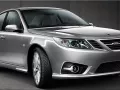
The first electric car produced in Turkey will have a range of 500 km and will be launched in the second half of 2022. Industry Minister Mustafa Varank declared this to journalists. A prototype will be shown at the end of this year. Continue reading

Arnold Schwarzenegger has always been very sensitive to the topic of electric mobility. The actor and former Governor of California has a Mercedes G-Class converted to electric. Moreover, Schwarzenegger had participated two years ago in… Continue reading