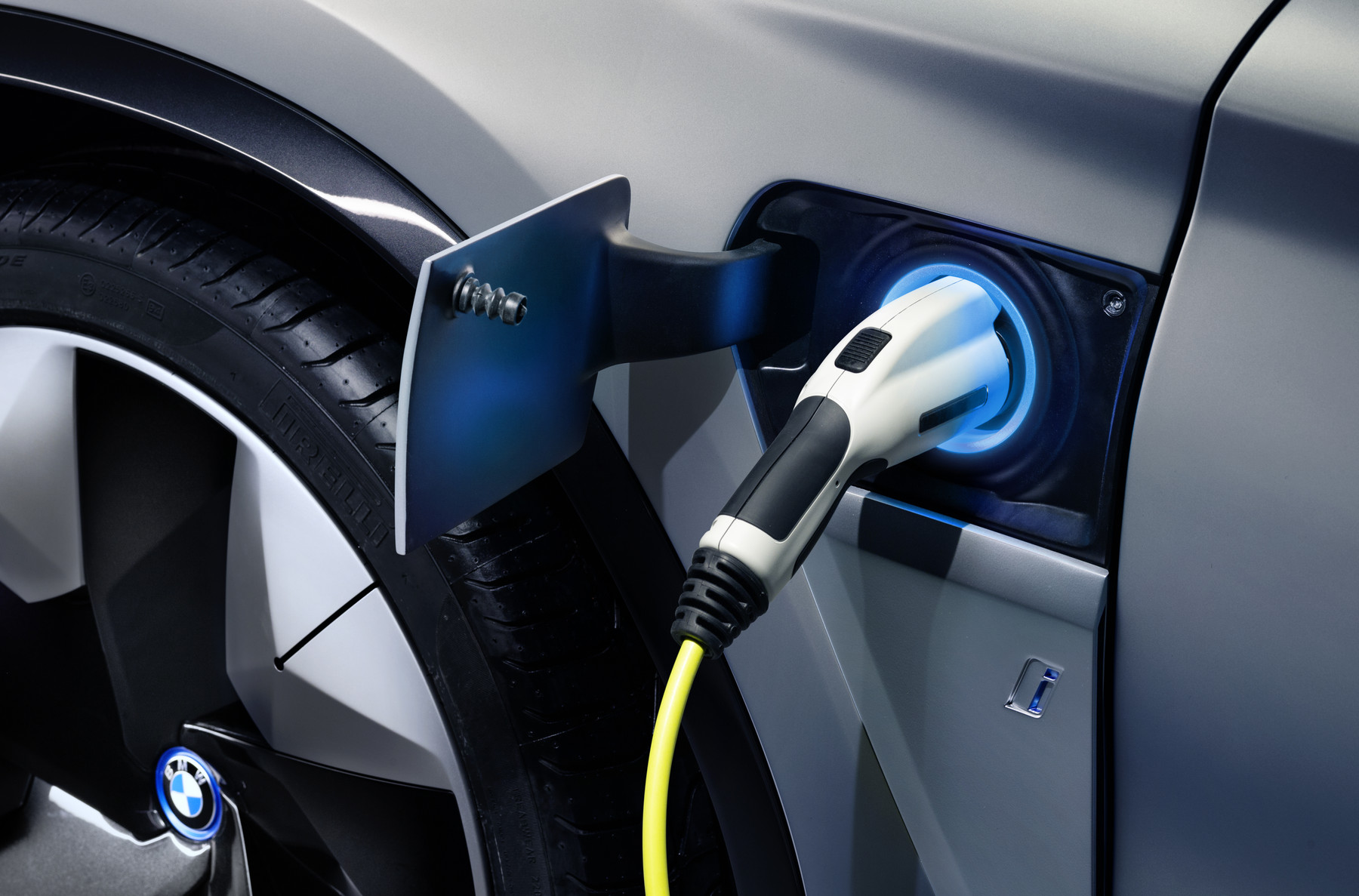
The Indian government has decided to cut VAT on electric vehicles from 12% to 5% and charging stations from 18% to 12%. In addition, the purchase of electric buses by the municipalities is exempt from VAT.
The changes will come into force on 1 August 2019. The VAT on petrol and diesel remains at 28 percent. With the tax cut, the Indian government wants to reduce the price difference between the two types of power in order to make electric cars more affordable.
However, an exemption from the registration fee for electric vehicles, which was discussed in June, was not decided. Reports are still in the room to increase the registration fee for gasoline and diesel.
However, the Federal Bureau of Indirect Taxes (abbreviated to GST) has made the condition that the vehicles have at least 12 seats eligible for the tax exemption for electric buses. The Indian government wants to promote not only renewable energy, but also clean traffic.

The 2026 Cadillac Optiq-V enters the EV space as the brand’s first compact electric SUV to wear the V-Series badge. It's also the first GM vehicle to offer a native Tesla NACS charging port, putting it in direct competition… Continue reading

The Cupra Raval lands at the front of Volkswagen Group's new compact EV push, and it matters for one reason: this car finally puts serious chassis tuning, usable packaging, and mainstream pricing in the same sentence. Looking at the data,… Continue reading
Koreans have prepared a luxury electric car. Genesis, owned by Hyundai, showed a luxury electric coupe called Essentia at the New York Auto Show. This is the first premium electric car from Hyundai. And it has all the creative… Continue reading
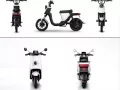
The Chinese electric scooter manufacturer Niu continues to grow. Niu plans to expand further and mentions a partnership with Volkswagen. The share price also responds positively to the development of the Chinese manufacturer. Thus,… Continue reading