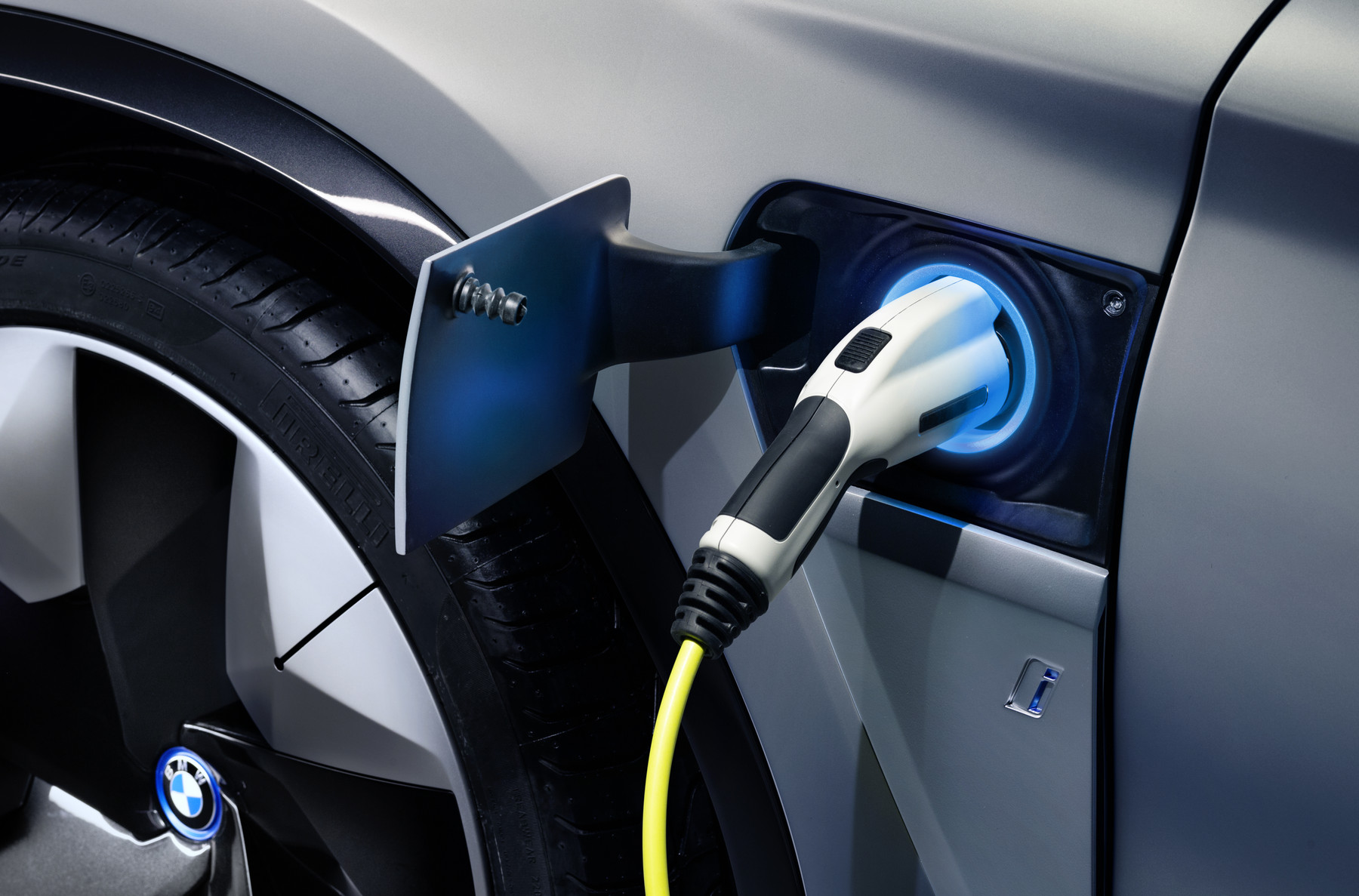
The Indian government has decided to cut VAT on electric vehicles from 12% to 5% and charging stations from 18% to 12%. In addition, the purchase of electric buses by the municipalities is exempt from VAT.
The changes will come into force on 1 August 2019. The VAT on petrol and diesel remains at 28 percent. With the tax cut, the Indian government wants to reduce the price difference between the two types of power in order to make electric cars more affordable.
However, an exemption from the registration fee for electric vehicles, which was discussed in June, was not decided. Reports are still in the room to increase the registration fee for gasoline and diesel.
However, the Federal Bureau of Indirect Taxes (abbreviated to GST) has made the condition that the vehicles have at least 12 seats eligible for the tax exemption for electric buses. The Indian government wants to promote not only renewable energy, but also clean traffic.

Imagine flying from Paris to London in an hour or from Manhattan to JFK Airport in six minutes without the hassle of traffic, noise, or emissions. This is the vision of Lilium, a German company that is developing the first … Continue reading

The Kia EV9 is a new electric SUV that aims to redefine the Kia brand and challenge the established players in the three-row segment. It is one of the three finalists for the 2024 North American… Continue reading

Attention budget-minded families and eco-conscious adventurers! Citroen has unveiled the all-new e-Berlingo and e-SpaceTourer, a pair of electric MPVs that redefine comfort, practicality, and affordability. You… Continue reading

In June 2024, Polestar marked a significant milestone in its journey towards electrifying the automotive landscape with the first customer deliveries of the Polestar 3. Positioned as the pinnacle of luxury and… Continue reading