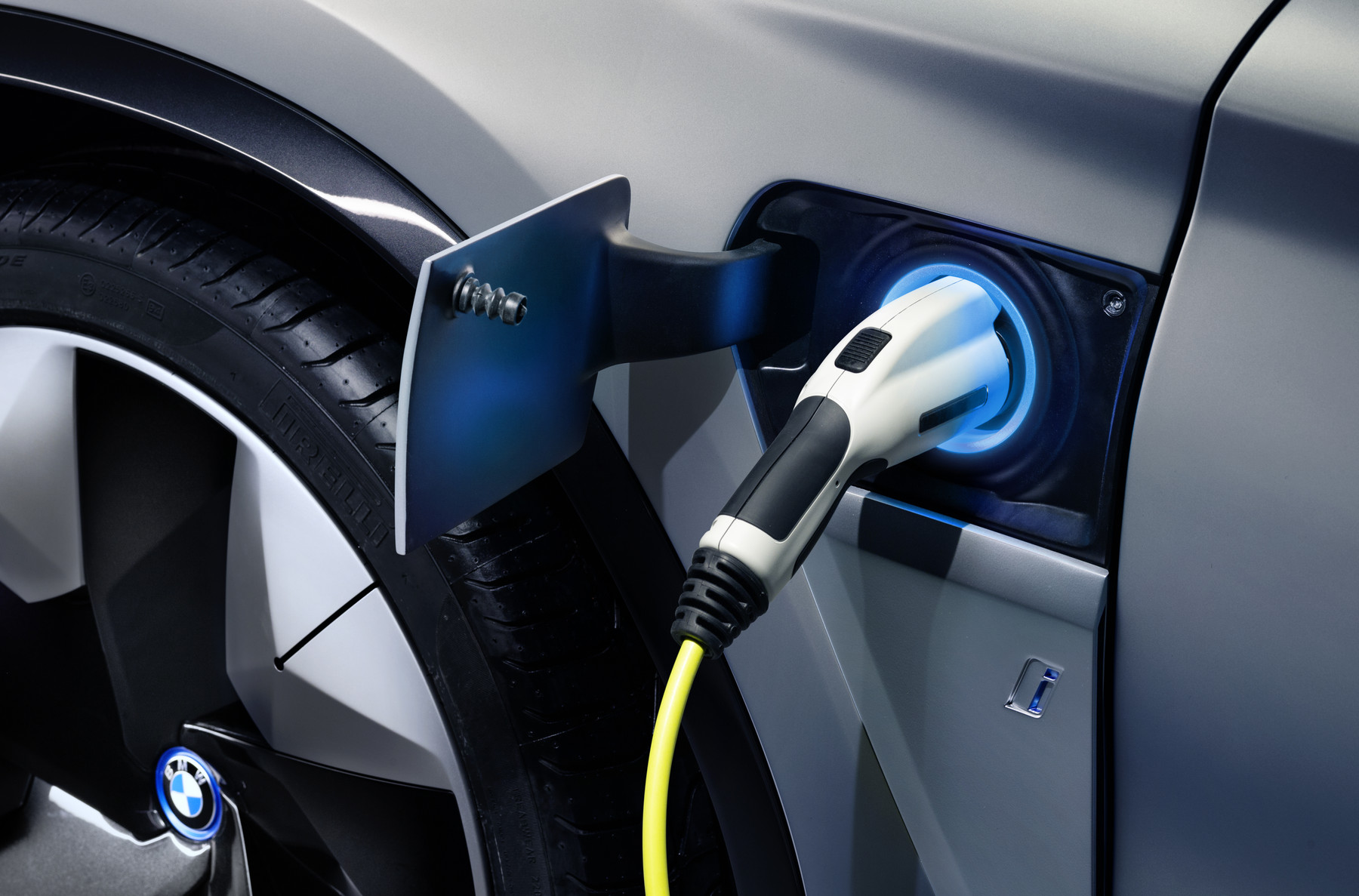
The Indian government has decided to cut VAT on electric vehicles from 12% to 5% and charging stations from 18% to 12%. In addition, the purchase of electric buses by the municipalities is exempt from VAT.
The changes will come into force on 1 August 2019. The VAT on petrol and diesel remains at 28 percent. With the tax cut, the Indian government wants to reduce the price difference between the two types of power in order to make electric cars more affordable.
However, an exemption from the registration fee for electric vehicles, which was discussed in June, was not decided. Reports are still in the room to increase the registration fee for gasoline and diesel.
However, the Federal Bureau of Indirect Taxes (abbreviated to GST) has made the condition that the vehicles have at least 12 seats eligible for the tax exemption for electric buses. The Indian government wants to promote not only renewable energy, but also clean traffic.

Popular and quirky designer Erik Buell , along with Frederic Vasseur (known by Spark Racing, who builds Formula E cars) and third-party founder François-Xavier Terny, plans to build electric motorcycles and e-bikes. The manufacturer is called "VanguardSpark". Continue reading
Although deliveries of the Tesla Model 3 on the European market started only in February this year, its success is already visible. We talk about the fact that Model 3 has become the best-selling electric model in the month of February in… Continue reading

The campaign to promote the future of the Mini Cooper SE (commercial name of the electric version) has begun since March, and voices close to the company say the model will be exhibited for the first time at the Frankfurt Motor Show. In order to maintain the… Continue reading
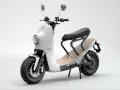
NITO NES 10 is the Italian scooter of Nuova Industria Torinese designed to change the rules in the world of electric scooters. NITO NES 10 is perhaps not easily digested by everyone but certainly able to stand out and succeed: to… Continue reading