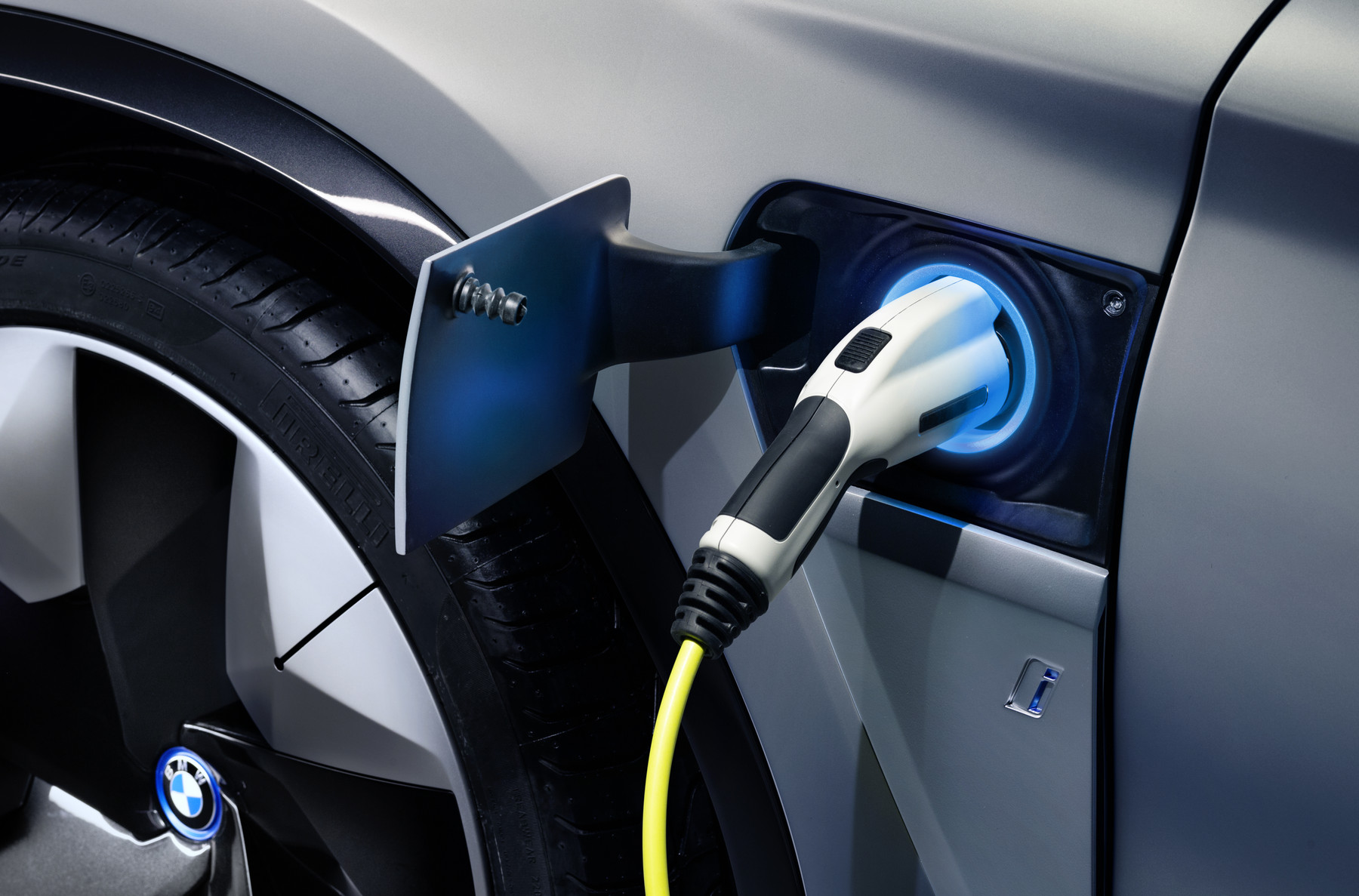
The Indian government has decided to cut VAT on electric vehicles from 12% to 5% and charging stations from 18% to 12%. In addition, the purchase of electric buses by the municipalities is exempt from VAT.
The changes will come into force on 1 August 2019. The VAT on petrol and diesel remains at 28 percent. With the tax cut, the Indian government wants to reduce the price difference between the two types of power in order to make electric cars more affordable.
However, an exemption from the registration fee for electric vehicles, which was discussed in June, was not decided. Reports are still in the room to increase the registration fee for gasoline and diesel.
However, the Federal Bureau of Indirect Taxes (abbreviated to GST) has made the condition that the vehicles have at least 12 seats eligible for the tax exemption for electric buses. The Indian government wants to promote not only renewable energy, but also clean traffic.
Volvo Trucks introduced its first fully electric truck for commercial use. The truck is called FL Electric and is intended for use by urban services, in particular in the field of waste disposal, local delivery of goods and… Continue reading

Yamaha has been producing electric bicycles since 1993 and has already sold more than two million of them, and also produced more than four million electric bikes. The newest addition, Wabash Adventure Gravel does not look different from the… Continue reading

Tesla intends to update its model range in the coming period with an improvement for Model S, according to sources inside the company quoted by CNBC. Thus, the Tesla Model S will borrow many elements from Model 3, including the minimalist… Continue reading
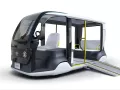
It is designed to transport visitors, staff, athletes or people with special accessibility needs. Toyota launches the first vehicle of the support program for the Tokyo 2020 Olympic and Paralympic Games: an electric shuttle that will make transport accessible… Continue reading