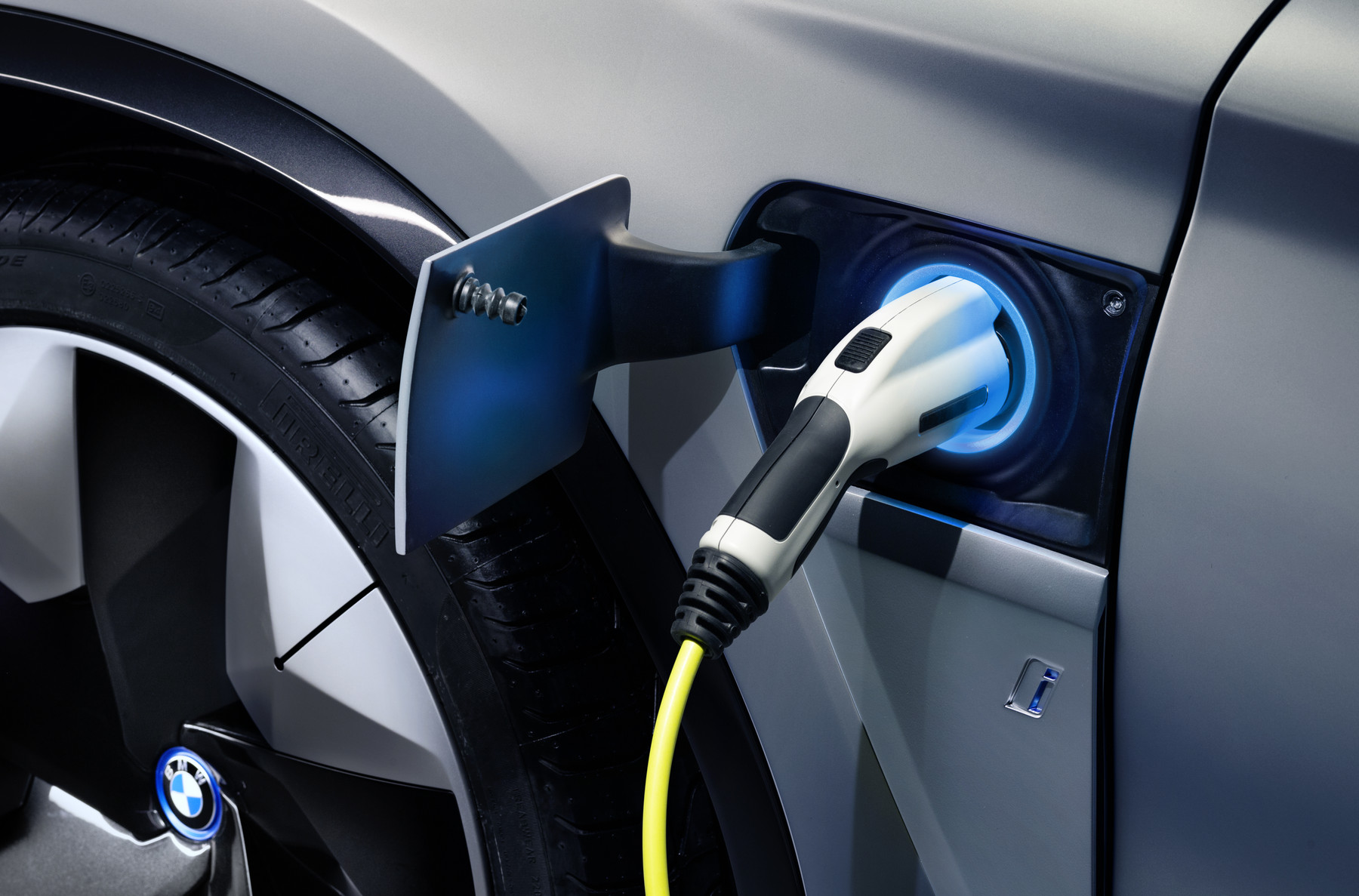
The Indian government has decided to cut VAT on electric vehicles from 12% to 5% and charging stations from 18% to 12%. In addition, the purchase of electric buses by the municipalities is exempt from VAT.
The changes will come into force on 1 August 2019. The VAT on petrol and diesel remains at 28 percent. With the tax cut, the Indian government wants to reduce the price difference between the two types of power in order to make electric cars more affordable.
However, an exemption from the registration fee for electric vehicles, which was discussed in June, was not decided. Reports are still in the room to increase the registration fee for gasoline and diesel.
However, the Federal Bureau of Indirect Taxes (abbreviated to GST) has made the condition that the vehicles have at least 12 seats eligible for the tax exemption for electric buses. The Indian government wants to promote not only renewable energy, but also clean traffic.
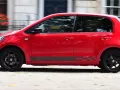
Skoda has announced the launch of a full-electric version of its Citigo. The Citigo EV will have a maximum range of 300 km (186 miles) and will be called Citigo E. First rumors about an Skoda electric city car were from a… Continue reading

Voltabox continues to grow. According to preliminary figures, the German battery system manufacturer generated sales of 66.9 million euros in 2018. For the current financial year, it expects further revenue growth of around 60-70 percent (between 105… Continue reading

Cars and motorcycles that run on gasoline or diesel will be banned in the Amsterdam, Netherlands, starting 2030. Starting next year, diesel cars older than 15 years will be banned on the A10 road around the Dutch capital. Also, buses and vans emitting exhaust… Continue reading
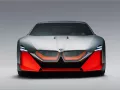
BMW presents the project for the supercar of the future. Electric, connected and sporty, these are the features of Vision M Next. BMW's electric future runs fast. The announcement comes directly from Munich, where at a conference, the… Continue reading