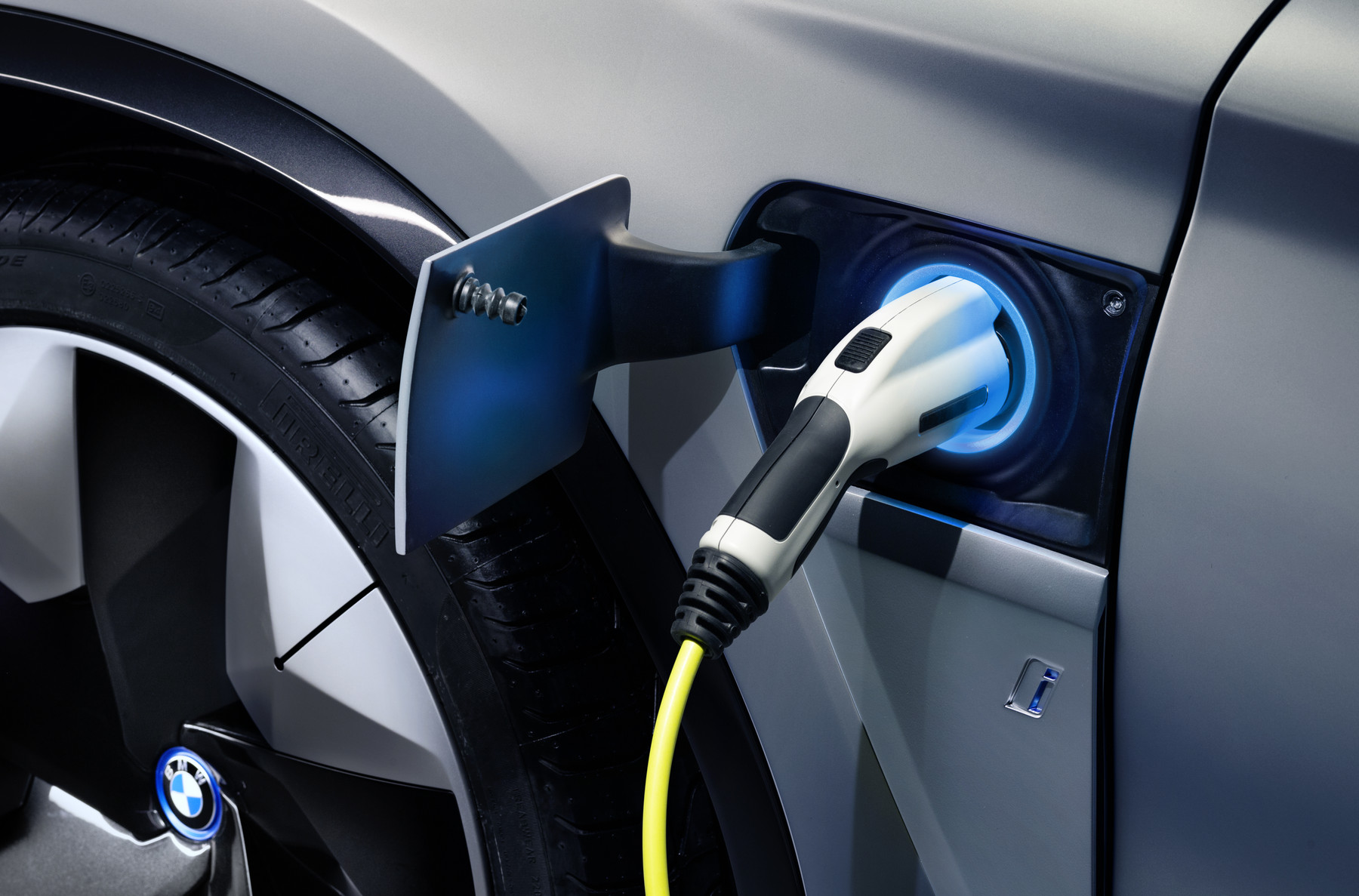
The Indian government has decided to cut VAT on electric vehicles from 12% to 5% and charging stations from 18% to 12%. In addition, the purchase of electric buses by the municipalities is exempt from VAT.
The changes will come into force on 1 August 2019. The VAT on petrol and diesel remains at 28 percent. With the tax cut, the Indian government wants to reduce the price difference between the two types of power in order to make electric cars more affordable.
However, an exemption from the registration fee for electric vehicles, which was discussed in June, was not decided. Reports are still in the room to increase the registration fee for gasoline and diesel.
However, the Federal Bureau of Indirect Taxes (abbreviated to GST) has made the condition that the vehicles have at least 12 seats eligible for the tax exemption for electric buses. The Indian government wants to promote not only renewable energy, but also clean traffic.
Christine and Jens Finderup Vigsted of Ringsted purchased a Ford Mustang Mach-E in the fall, and just seven months later, Christine gave birth to the couple's second child in the back seat. On the way to the midwife, little brother abruptly… Continue reading

The new Avenger is the first SUV from Jeep that runs on electricity only. It can be ordered right away in Jeep showrooms. After making its debut at the 2022 Paris Motor Show, the new Jeep has had a successful reservation phase. Around… Continue reading
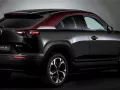
Mazda's new plug-in hybrid, the MX-30 R-EV, has received a maximum of five stars from Euro NCAP, joining the MX-30 electric car in achieving this top safety rating. The MX-30 R-EV's impressive Euro NCAP crash safety ratings results testify to… Continue reading

Mini has been a cinematic icon for decades, appearing in countless movies and TV shows that showcase its charm, agility, and personality. From The Italian Job to Mr.… Continue reading