The UK wants to ban the sale of new petrol, diesel and hybrid cars from 2035. Five years earlier than expected. Declared objective: reduce air pollution as part of a program that could herald the end of more than a century of dependence on the internal combustion engine.
The British government has just indicated that it plans to end the sale of new cars and vans with combustion engines from 2035, or even sooner if a faster transition was possible. Adding that hybrid vehicle would also be excluded.
The fact remains that diesel and petrol models still account for 90% of sales in the United Kingdom, while potential buyers of models deemed to be more ecological are concerned about the limited availability of charging points, a limited range and the cost of cars.
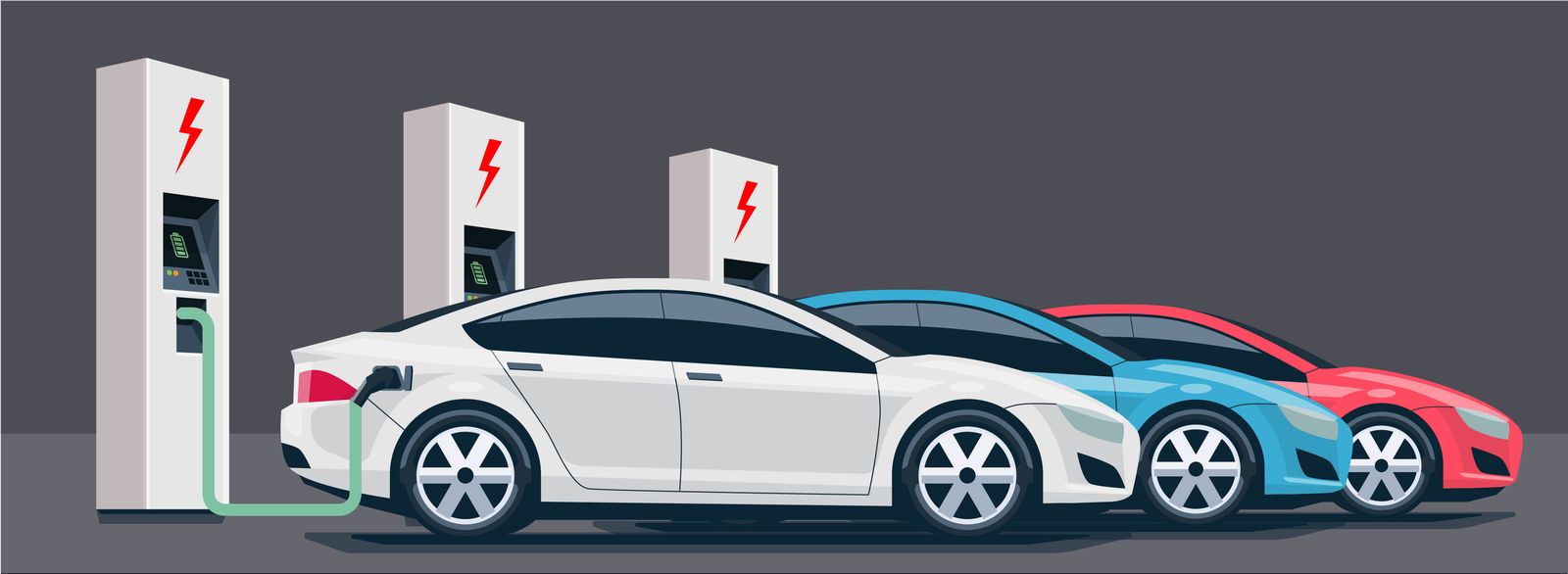
Britain's step is a victory for electric cars which - if deployed globally - could diminish the wealth of oil-producing countries and transform the auto industry and the automobile itself.
Countries around the world have announced plans to "crackdown" on diesel vehicles following the 2015 Volkswagen emissions scandal (dieselgate) as the EU introduces tougher carbon dioxide laws.
France plans to ban the sale of fossil fuel cars by 2040. The Norwegian parliament has set that by 2025 all cars should be zero emissions.
It is clear that, with this announcement, Prime Minister Boris Johnson is trying to restore the environmental coat of arms of the United Kingdom after having just dismissed the president of COP26, the United Nations conference on climate change scheduled for next November in Glasgow. It's now official, the COP26 on climate will take place from 9 to 19 November in Scotland.
On Tuesday 4 February, Boris Johnson also launched the year of climate action in the presence of his Italian counterpart, Giuseppe Conte, who will organize the pre-COP in Milan in October.
Appointed last July, the president of COP26, Claire O'Neill, has just been dismissed from office, without Boris Johnson being considered necessary to argue his decision.
But the two protagonists are now in open conflict. And Claire O'Neill does not hide her dissatisfaction. She said on BBC that in the fight against climate change, the promises of Boris Johnson were far from being fulfilled. Even denouncing a lack of leadership and resources. "He also admitted to me that he did not really understand" the issue of climate change, she said on British radio.

A decision more political than ecological? And also unrealistic? While the UK auto industry is already facing the consequences of Brexit and could suffer greatly from the lack of trade agreements, the goal seems still difficult to reach.
German bus manufacturer Daimler Buses wants to mass produce the electric version of the Citaro from the end of 2018, after having increased sales and maintained operating profit in 2017. The Daimler Buses bus division reported today that it… Continue reading
Volkswagen has unveiled an unprecedented electric concept in the form of a buggy. About 70 years after the launch of the first buggy on California beaches, Volkswagen introduced the Buggy ID concept to demonstrate that these vehicles can still be upgraded and… Continue reading
Uber launched its e-bike rental platform Jump with around 1,000 pedelecs in Berlin. It is the first location in Germany. The bright red electric bikes are now available in twelve districts of the capital. The rent costs one euro basic… Continue reading
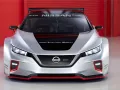
At the Turin Auto Show (19-23 June), Nissan is presenting the 100% electric Nissan LEAF NISMO RC race car for the first time in Italy. Nissan LEAF NISMO RC developed by Nissan Motorsport will make its debut in Italy, which combines the… Continue reading