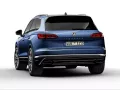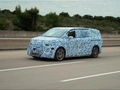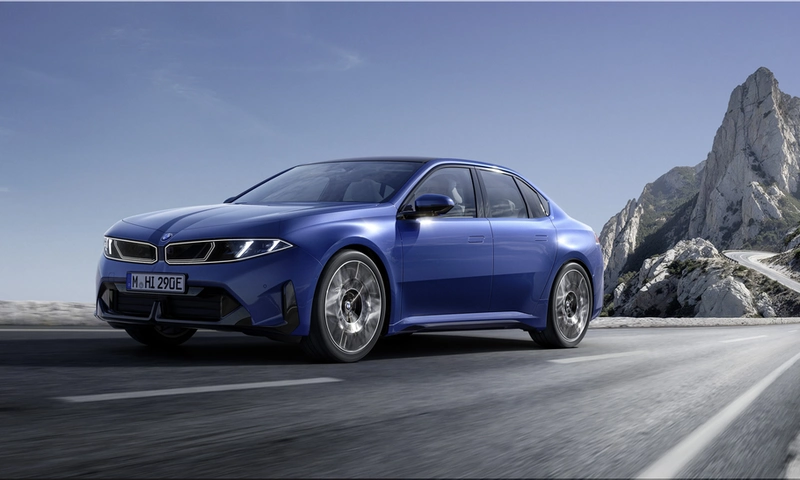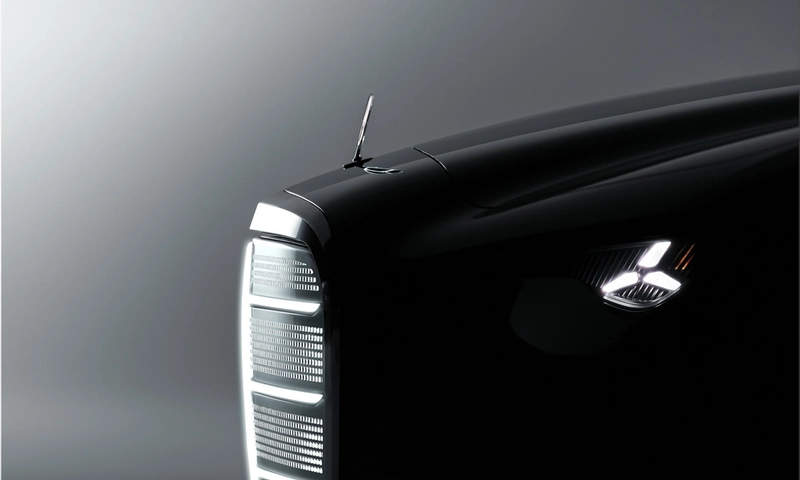
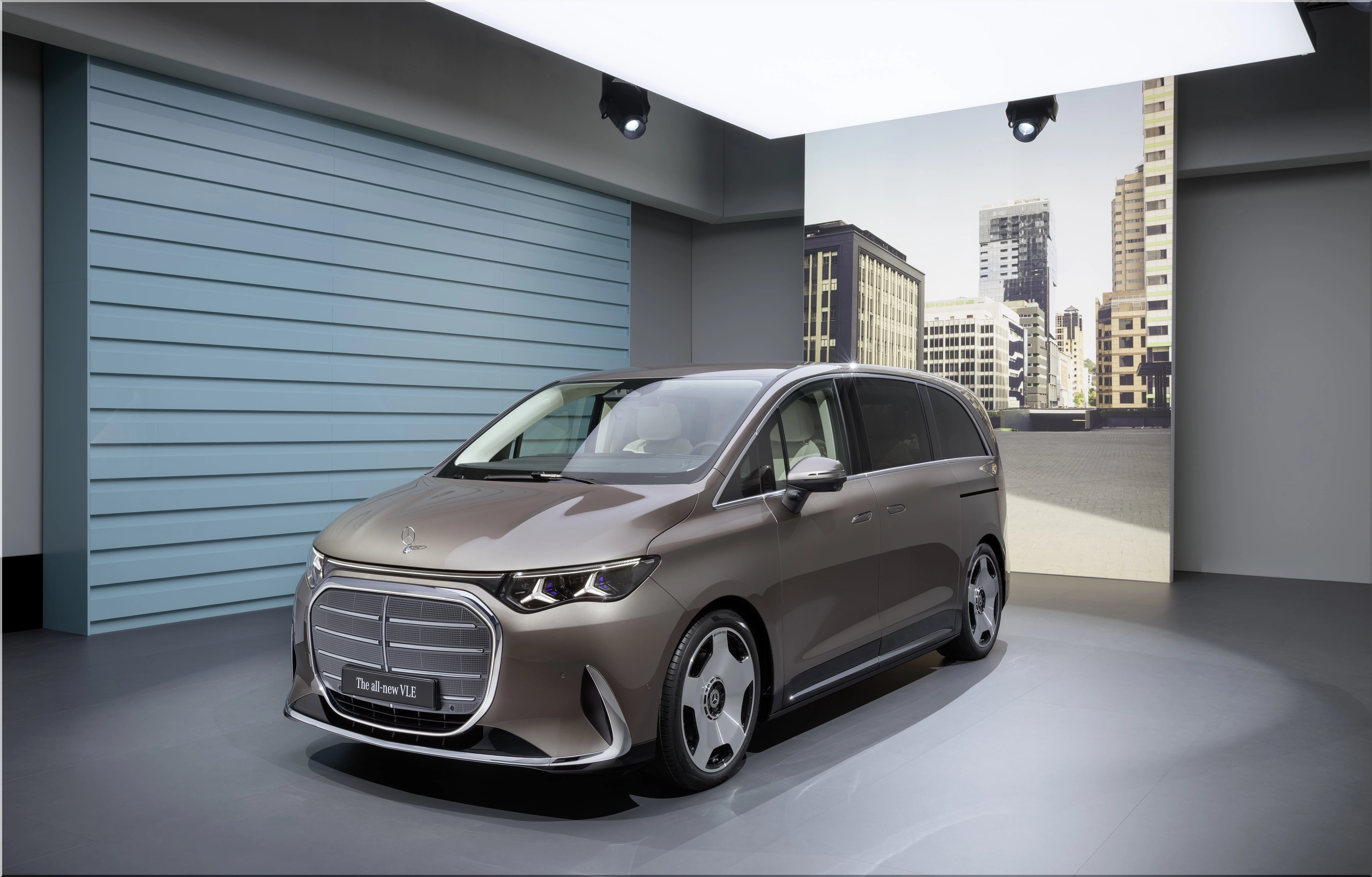
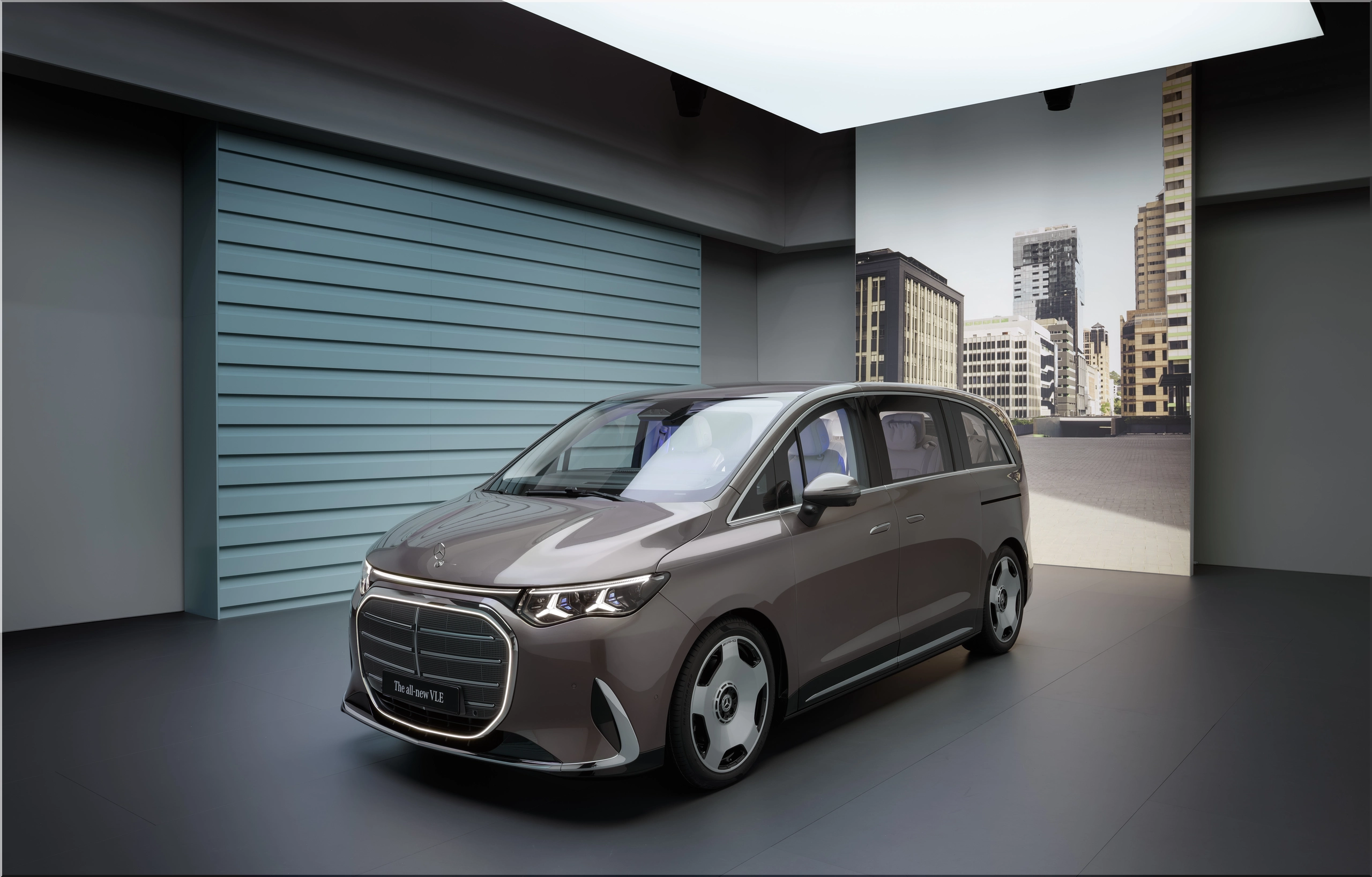
Mercedes-Benz wants the all-new electric Mercedes-Benz VLE to reset expectations for premium people movers. Looking at the data, the VLE does not chase the usual van brief. It targets the space between a luxury MPV, a chauffeured limousine, and a family-ready EV with real cargo and towing muscle.
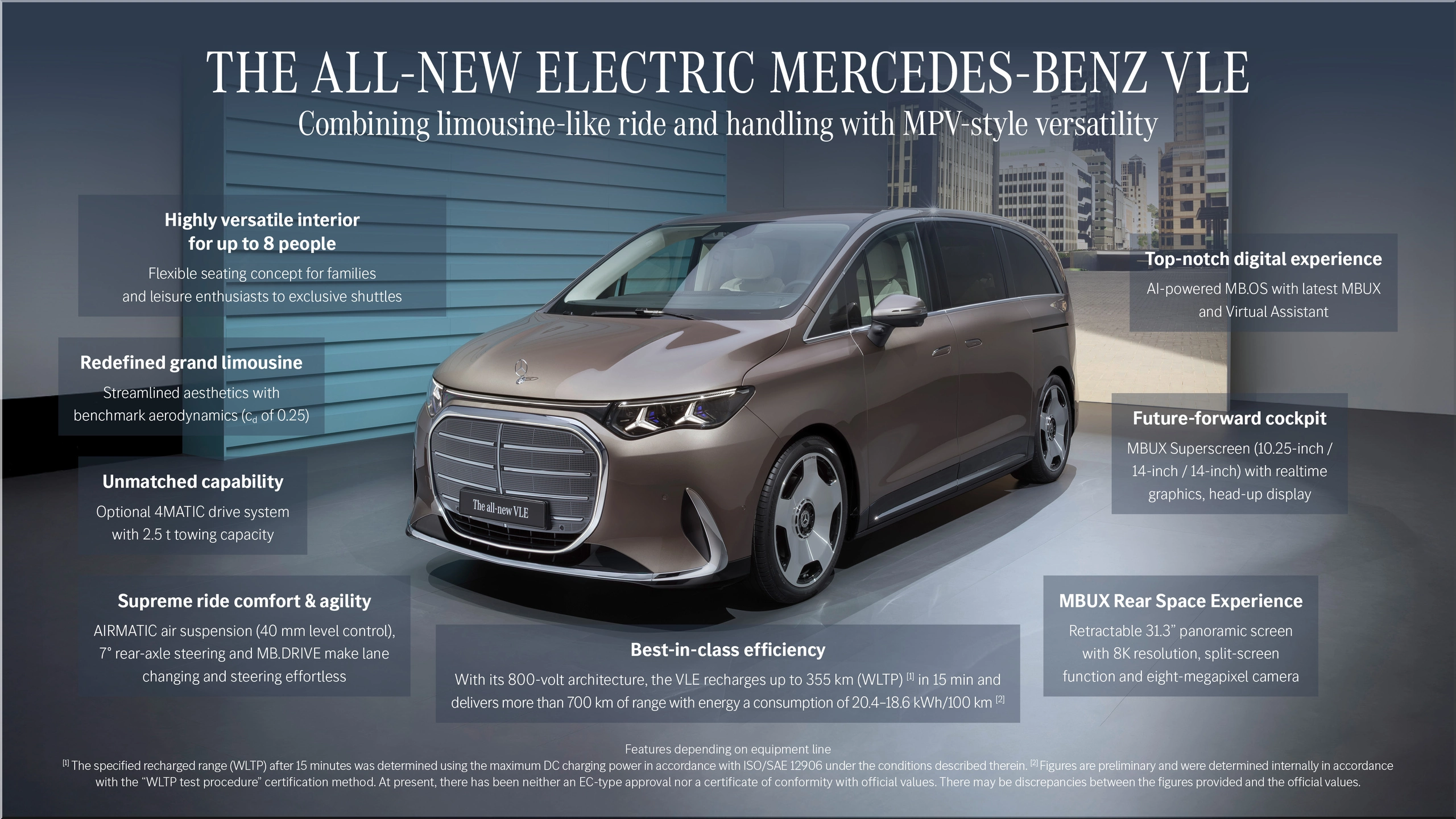
That matters because the numbers point to a vehicle engineered around conflicting goals. Mercedes claims up to 700 km (435 miles) of range, a 0.25 drag coefficient, 800-volt charging, room for up to eight seats, and a 2.5-tonne towing capacity that works out to about 5,512 pounds. On paper, that is a hard mix to deliver in one body.
Image
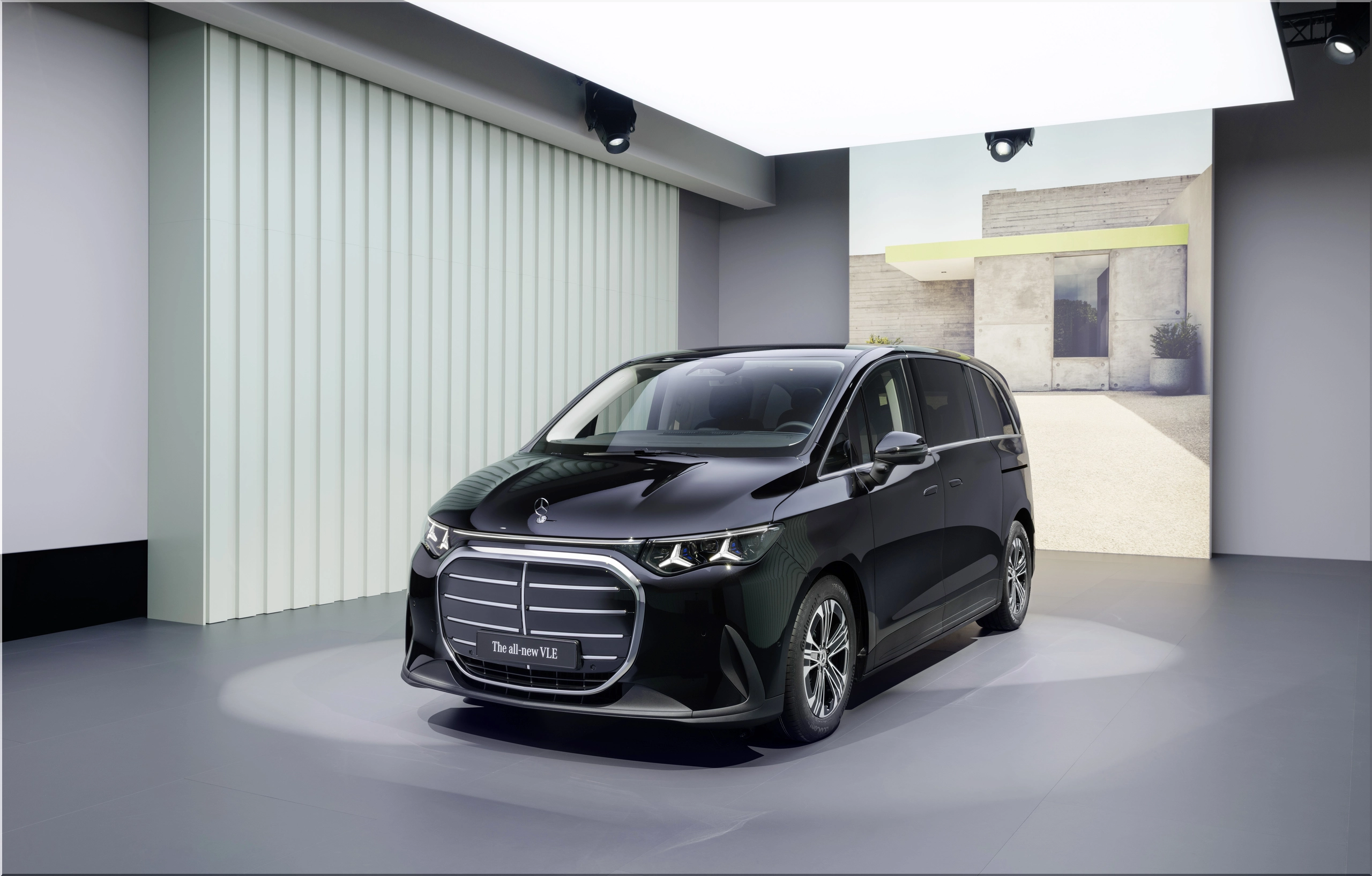
Why the Mercedes-Benz VLE matters
The VLE rides on Mercedes-Benz's new Van Architecture, and that platform decision explains nearly everything else. A dedicated EV van platform lets Mercedes flatten the floor, stretch the cabin, and package the battery without the compromises that usually come with adapting a combustion van shell for electric use.
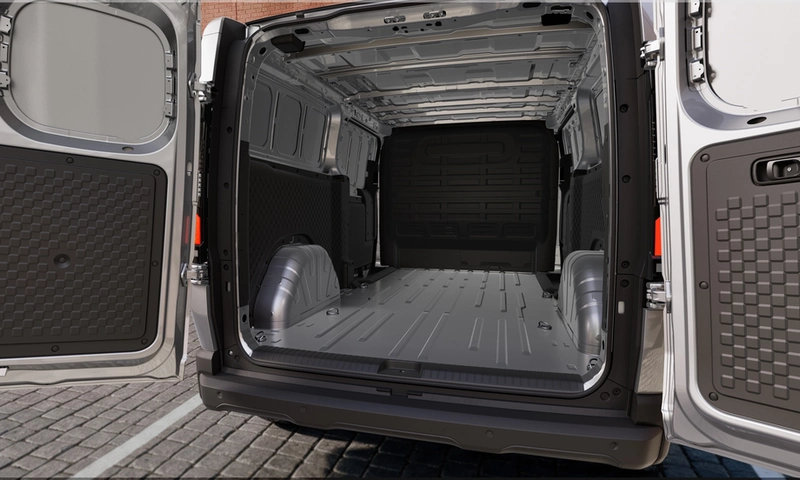
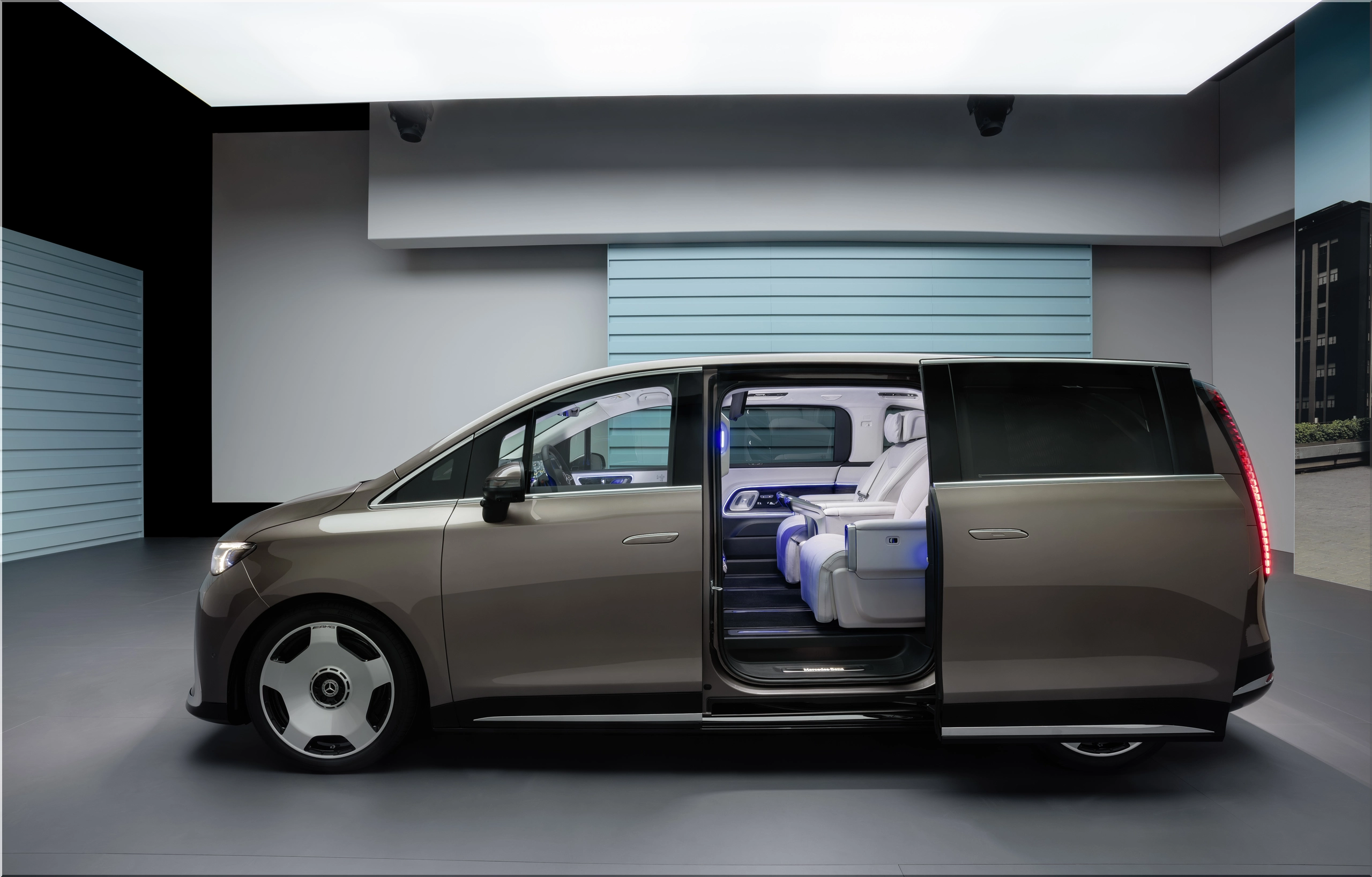
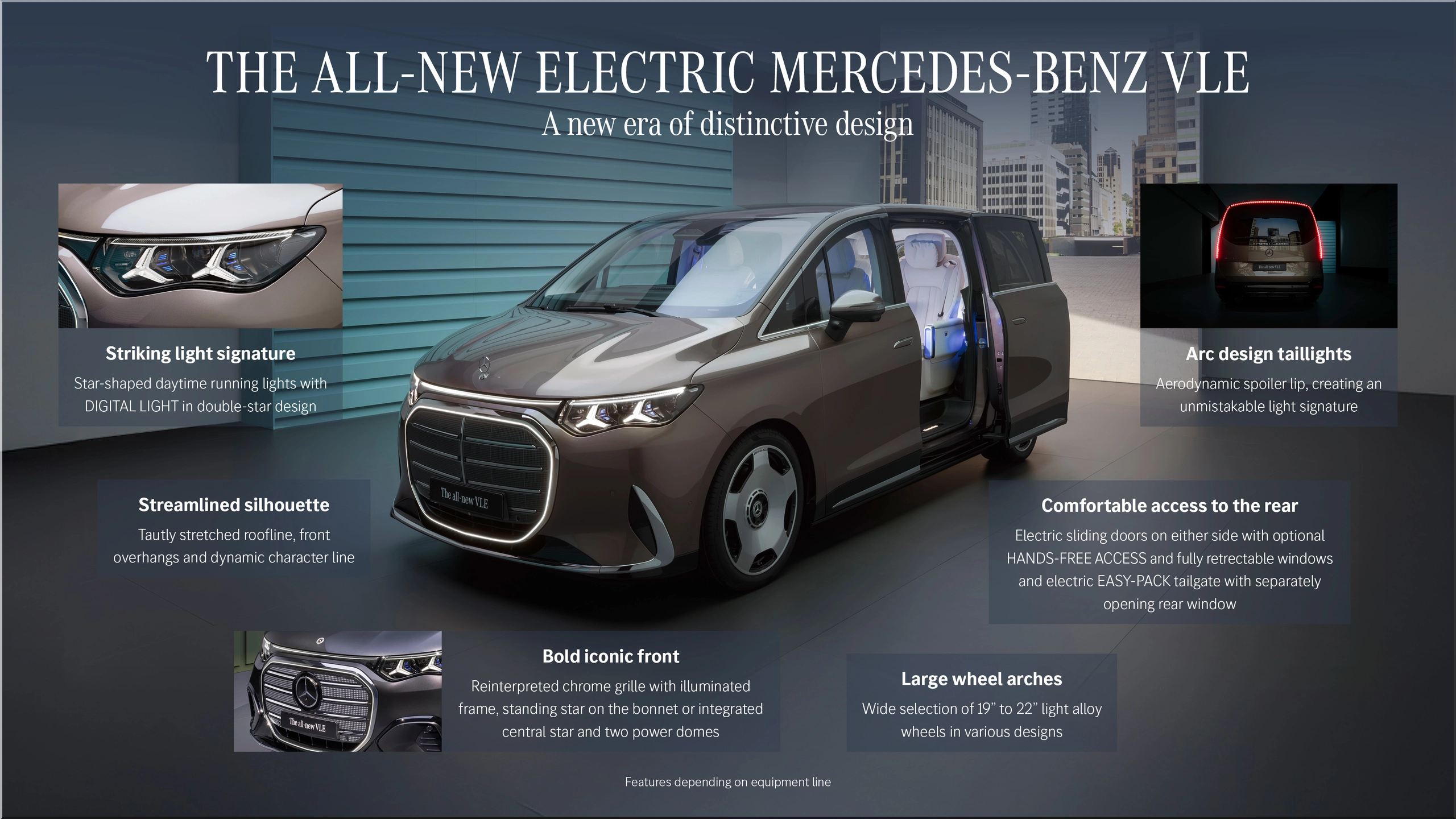
Consequently, Mercedes can push the VLE into a new lane. The company describes it as a grand limousine, but the packaging tells the deeper story: three full rows, a standard-length body and a long version, dual electric sliding doors, flexible rear-seat hardware, and premium digital features that usually live in flagship sedans. From an expert perspective, Mercedes is not simply replacing the V-Class formula. It is trying to create a new premium EV category with better margins and broader use cases.
Image
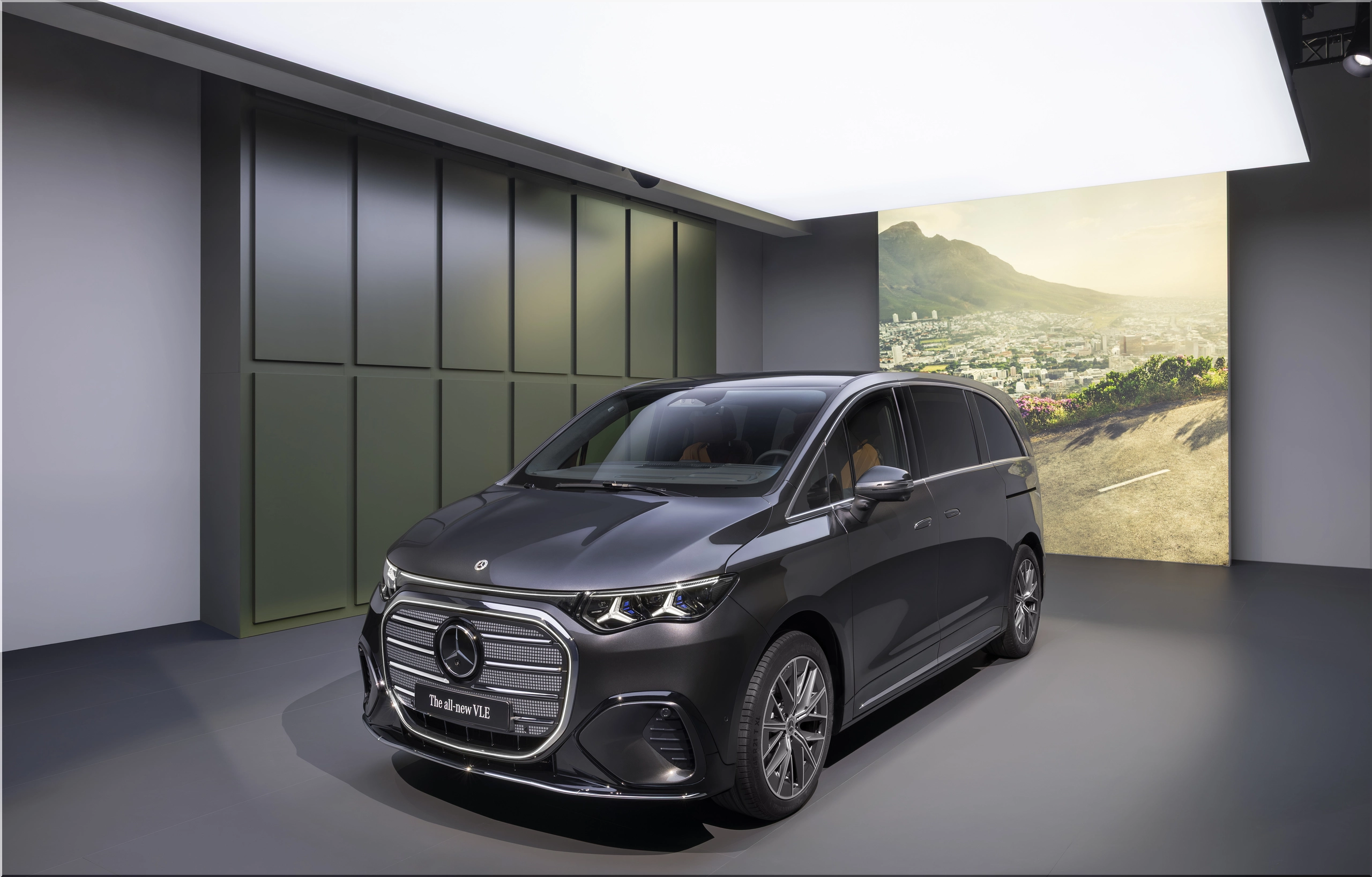
Mercedes-Benz VLE key numbers and hardware
Mercedes still has not published every hard spec, so the preview focuses on the metrics that shape real-world use.
| Mercedes-Benz VLE key data | Published figure |
|---|---|
| Platform | Van Architecture |
| Seating capacity | Up to 8 seats |
| Body versions | Standard length, long version |
| Claimed range | Up to 700 km / 435 miles |
| Charging architecture | 800-volt |
| Range added in 15 minutes | Up to 320 km / 199 miles |
| Drag coefficient | 0.25 |
| Towing capacity | Up to 2.5 tonnes / 5,512 lb |
| Rear-wheel steering angle | 7 degrees |
| Turning circle | 10.9 m / 35.8 ft |
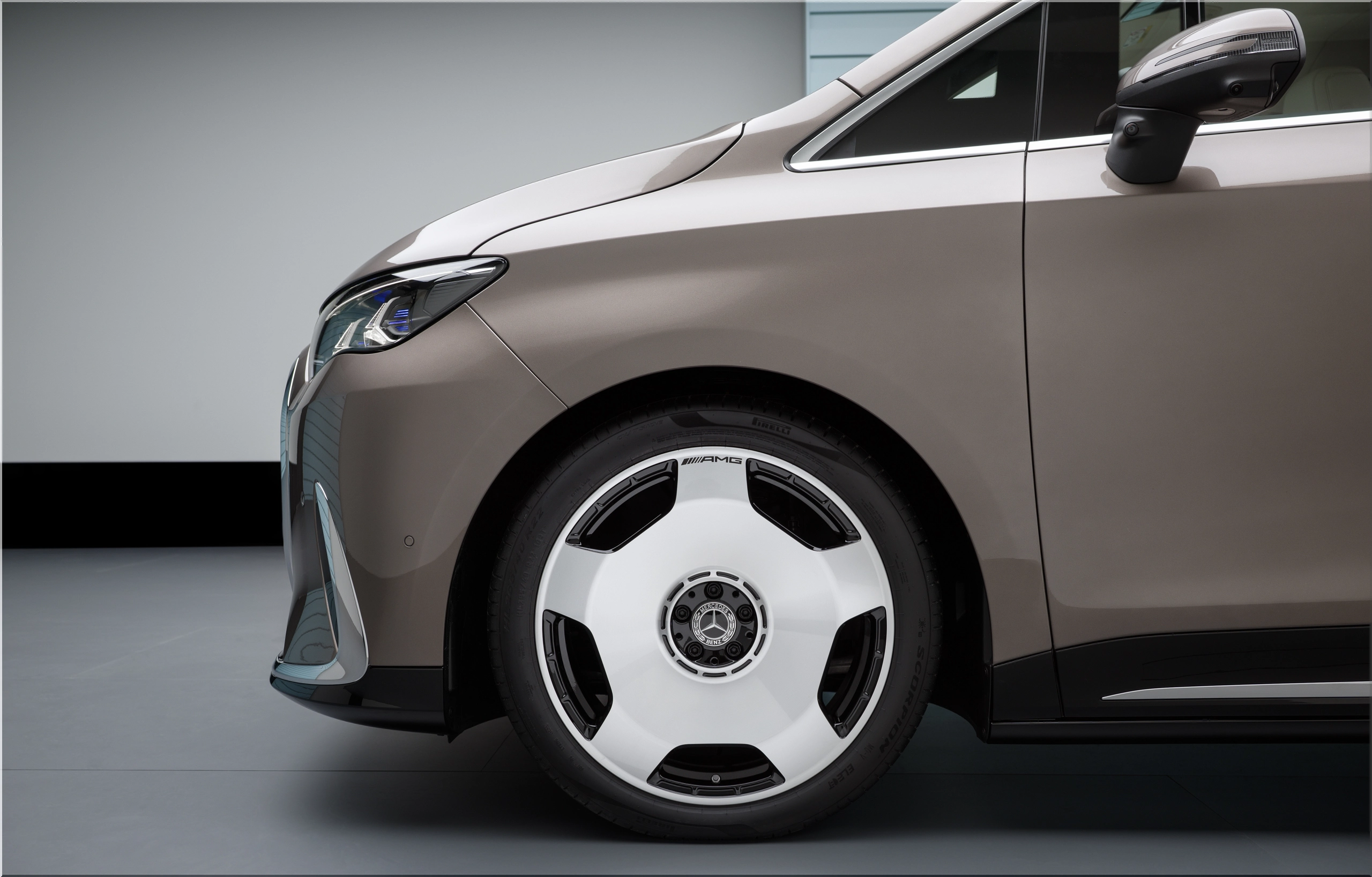
| Wheel sizes | 19- to 22-inch |
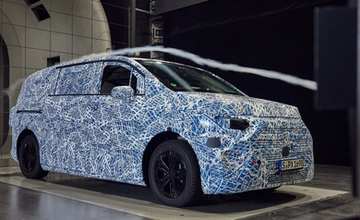
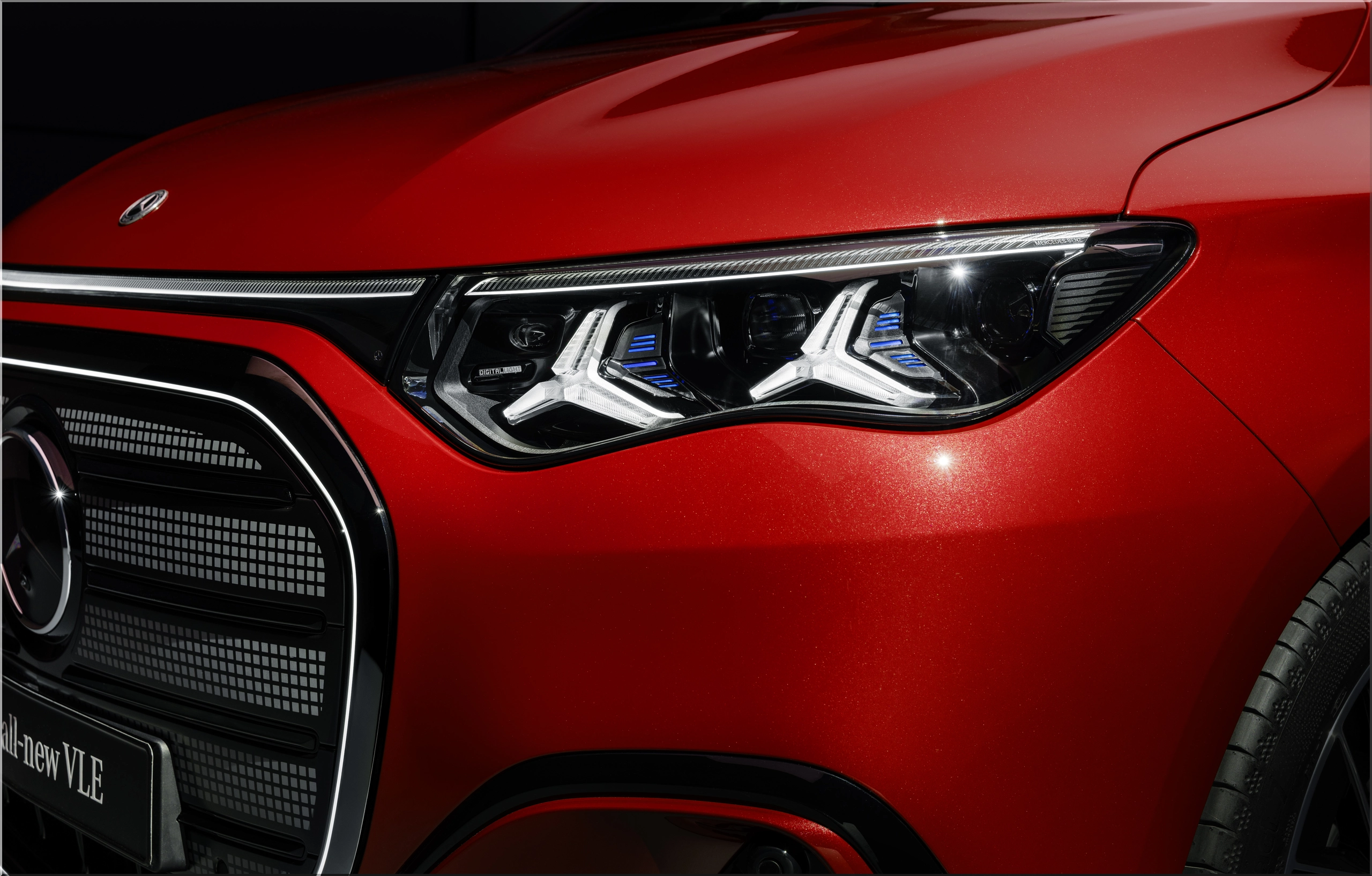
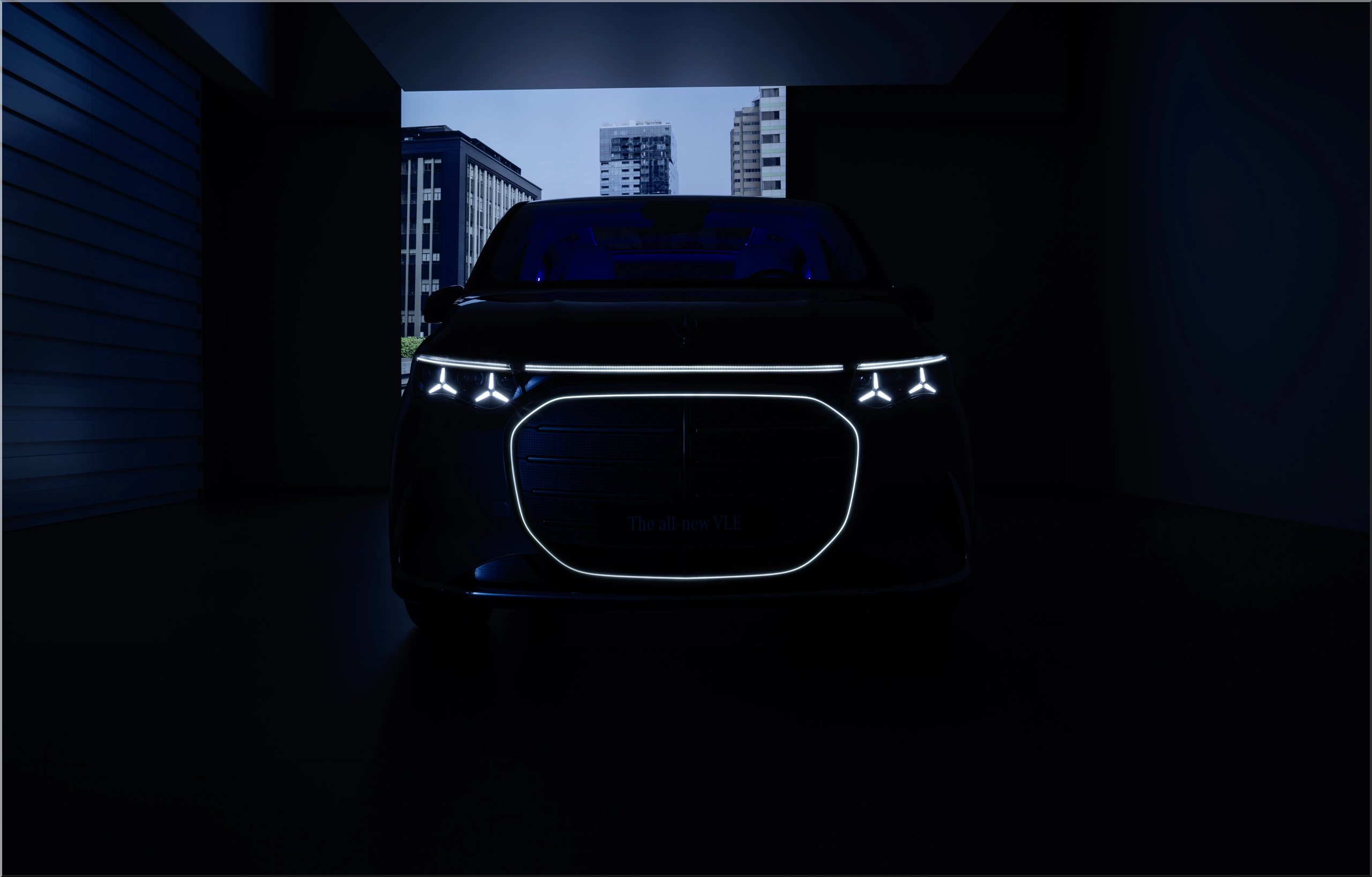
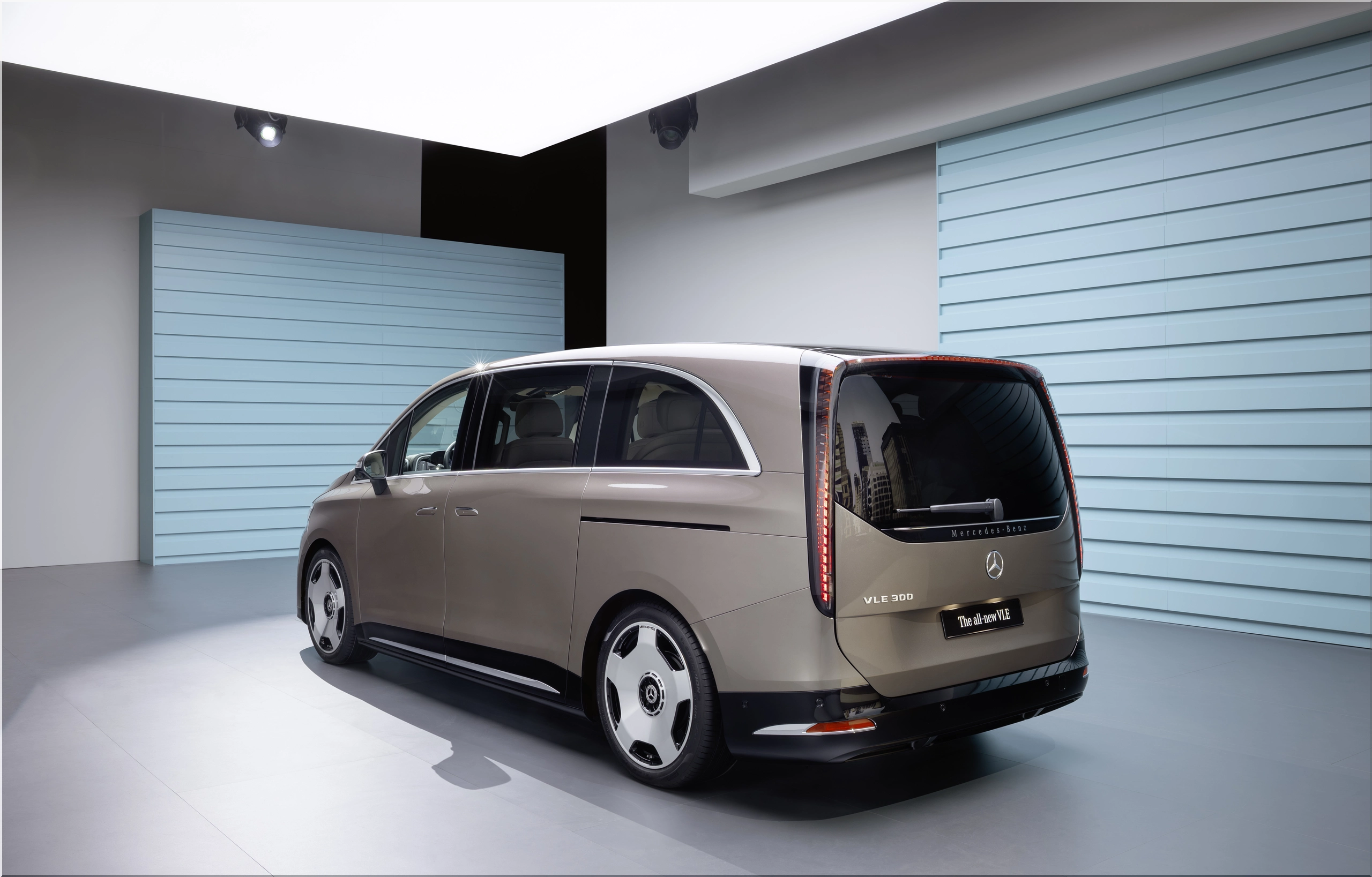
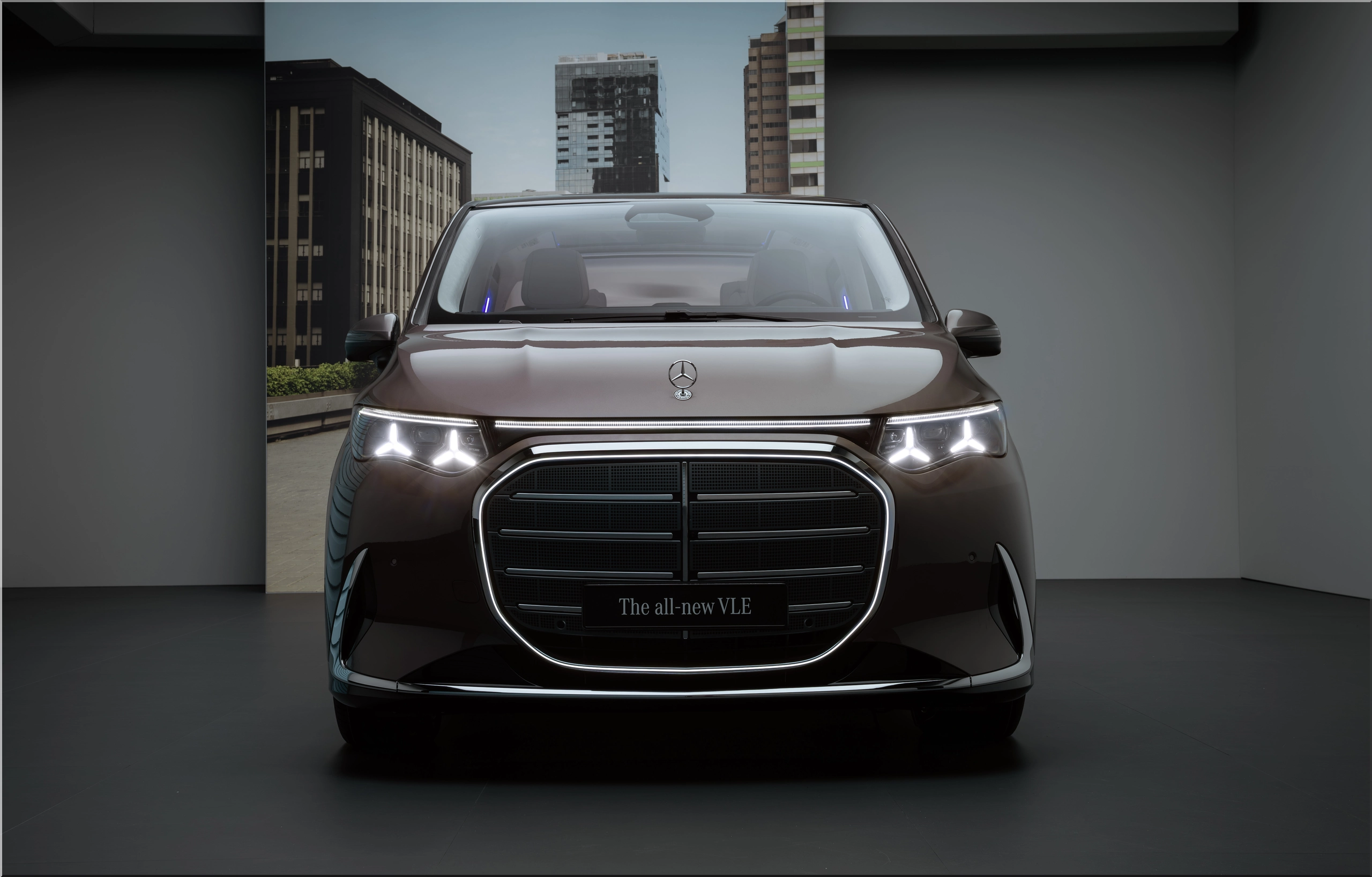
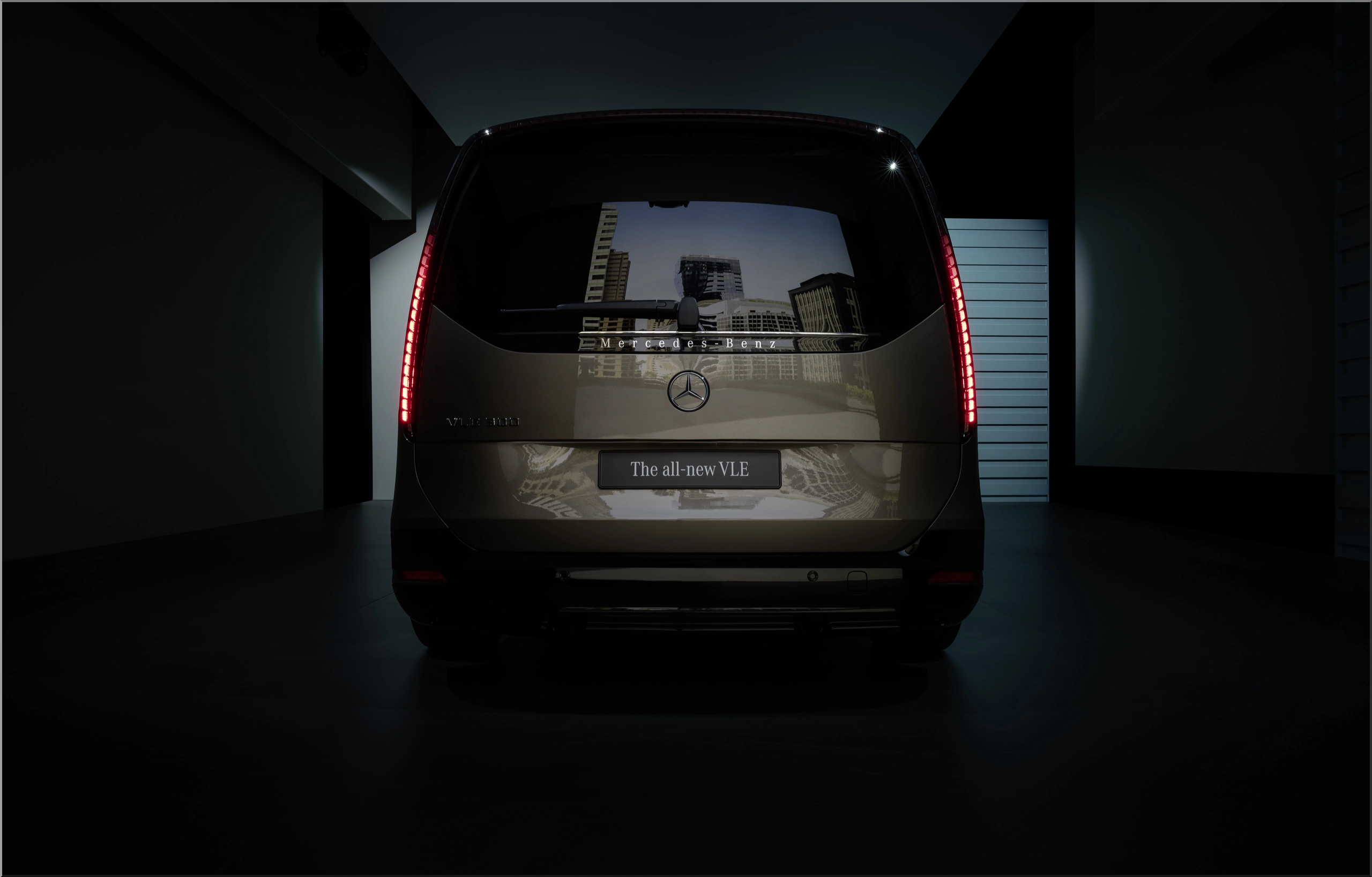
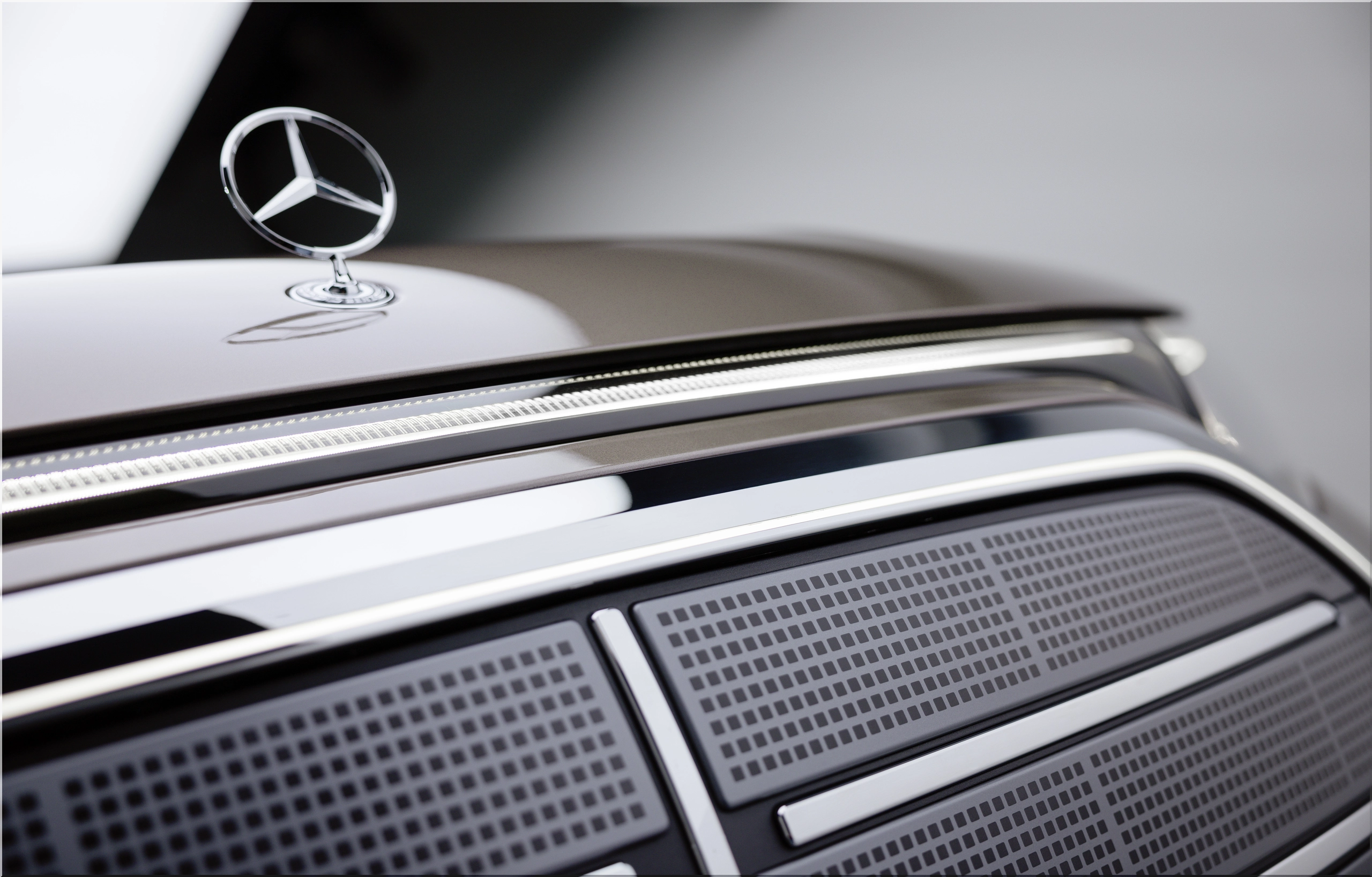
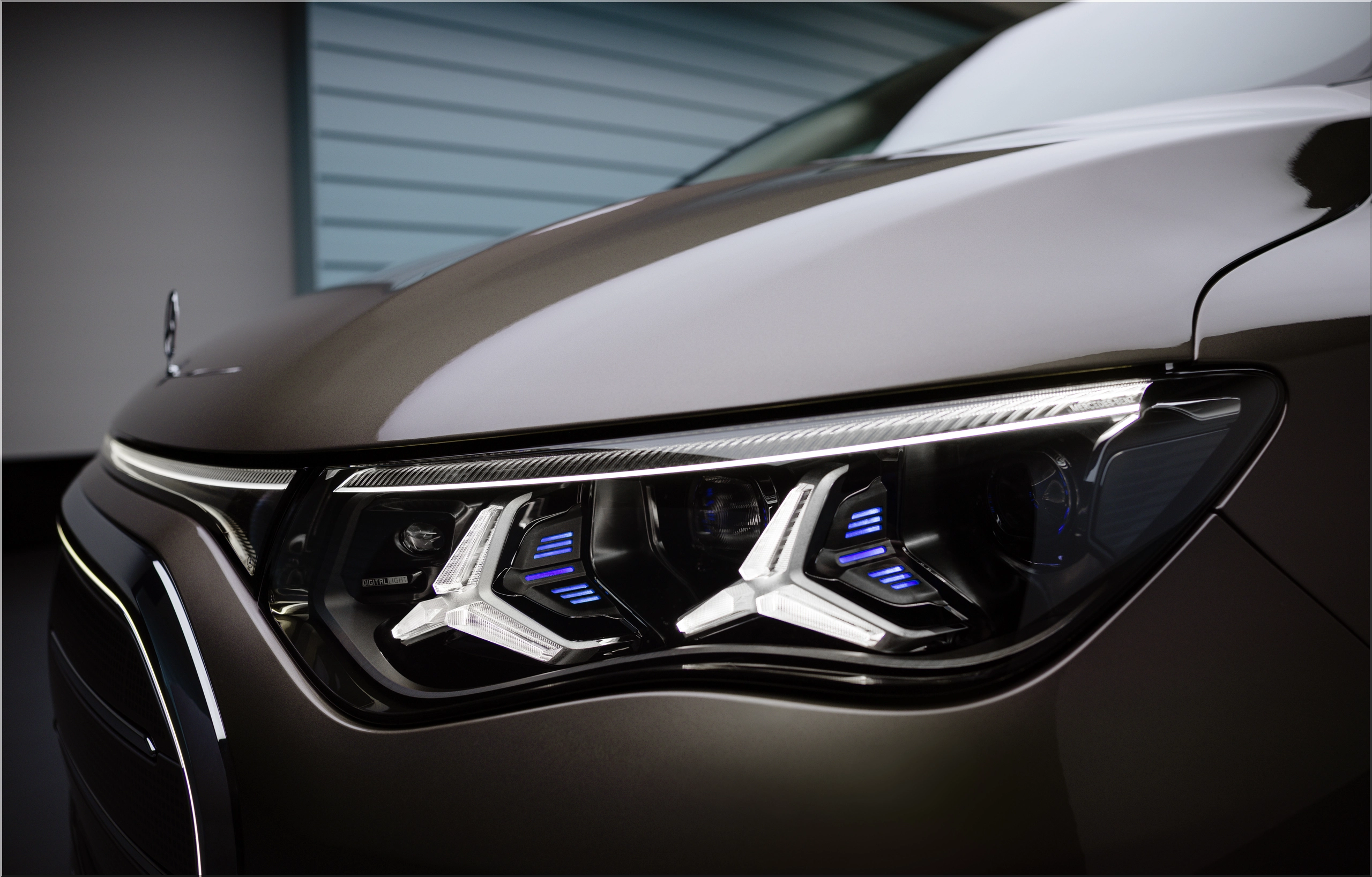
The 0.25 Cd stands out. Specifically, that number lands far closer to sleek EV sedans than to the bluff-front van segment. Mercedes pulled that off with a taut roofline, smooth rear treatment, tightly controlled side surfacing, and a front-end graphic that reads as brand theater while still managing airflow.
Video gallery
Video title
Mercedes-Benz VLE 2027
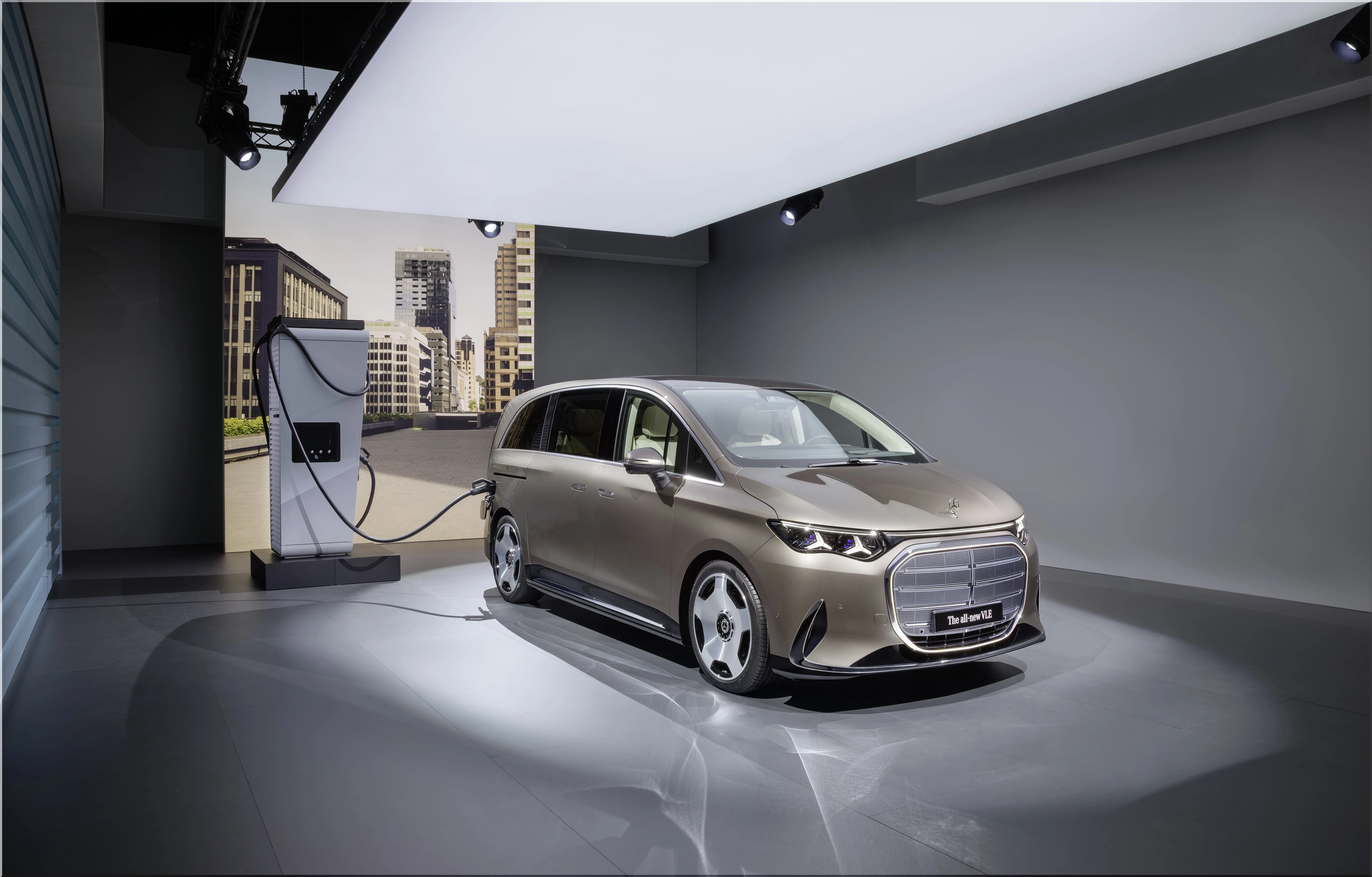
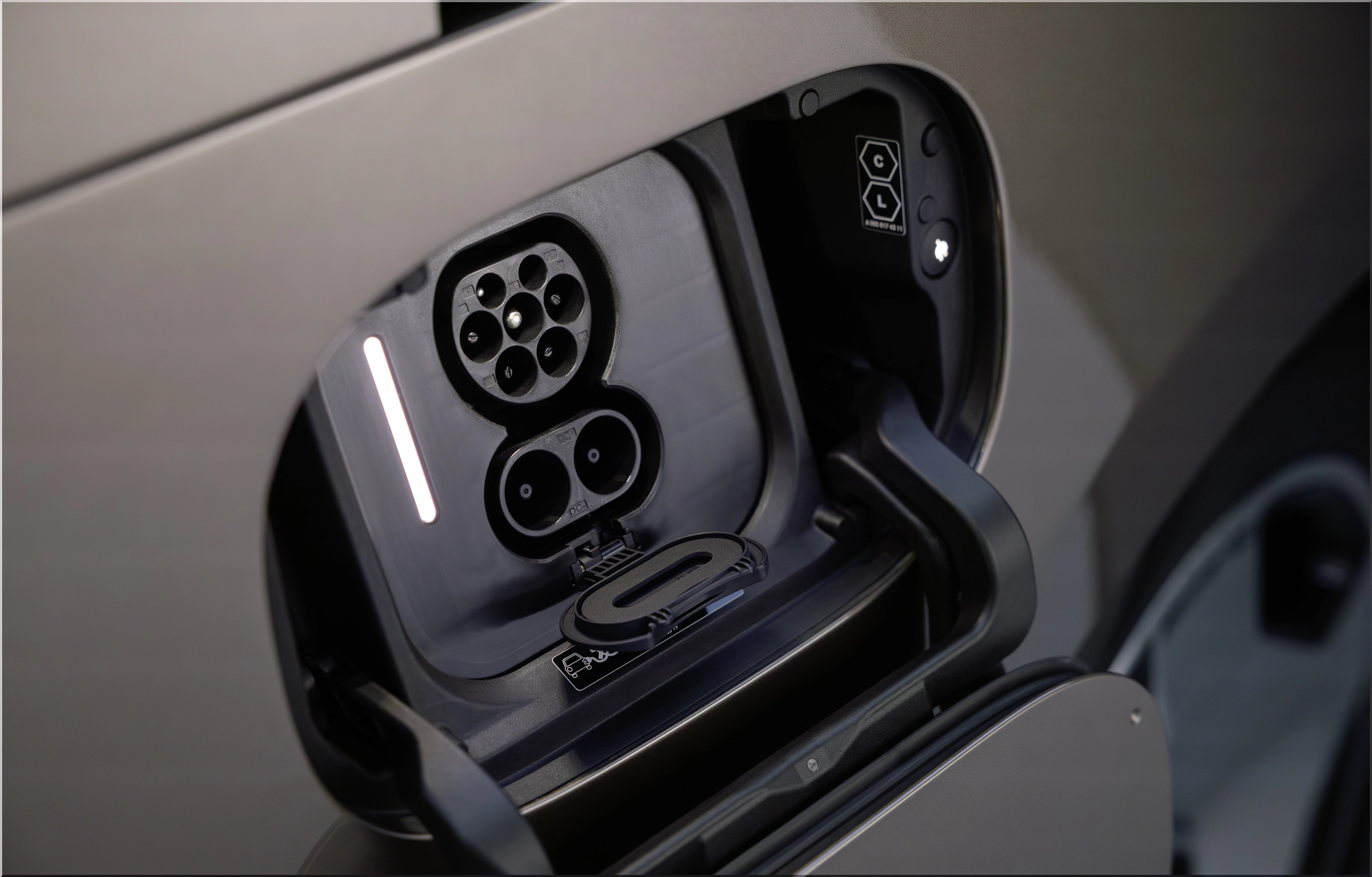
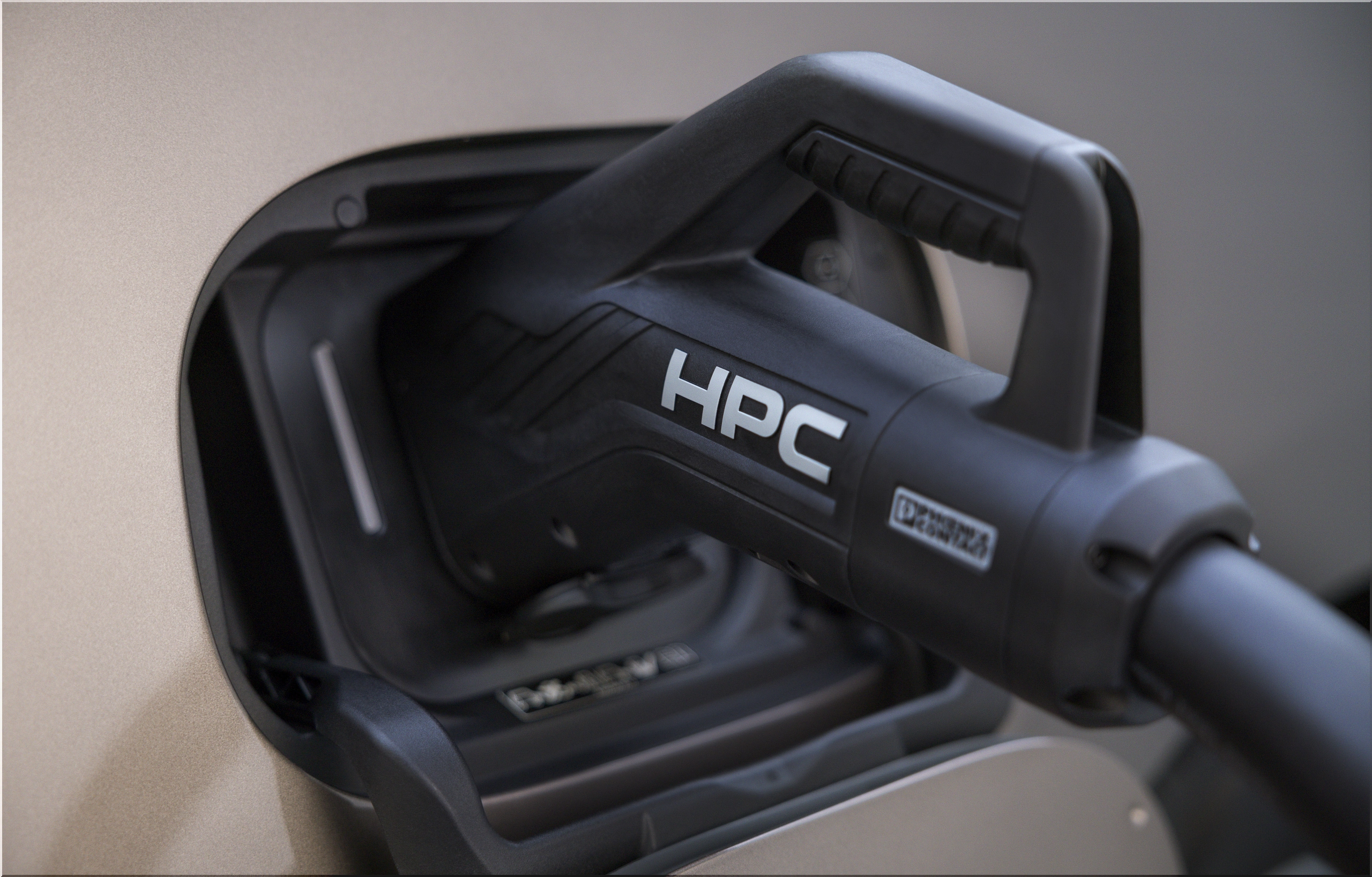
In addition, the 800-volt electrical architecture does real work here. Fast charging only matters when a large family vehicle can recover enough distance during a short stop, and Mercedes says the VLE can add nearly 200 miles in 15 minutes under ideal conditions. That figure puts the VLE in serious long-distance territory rather than urban-shuttle duty alone.
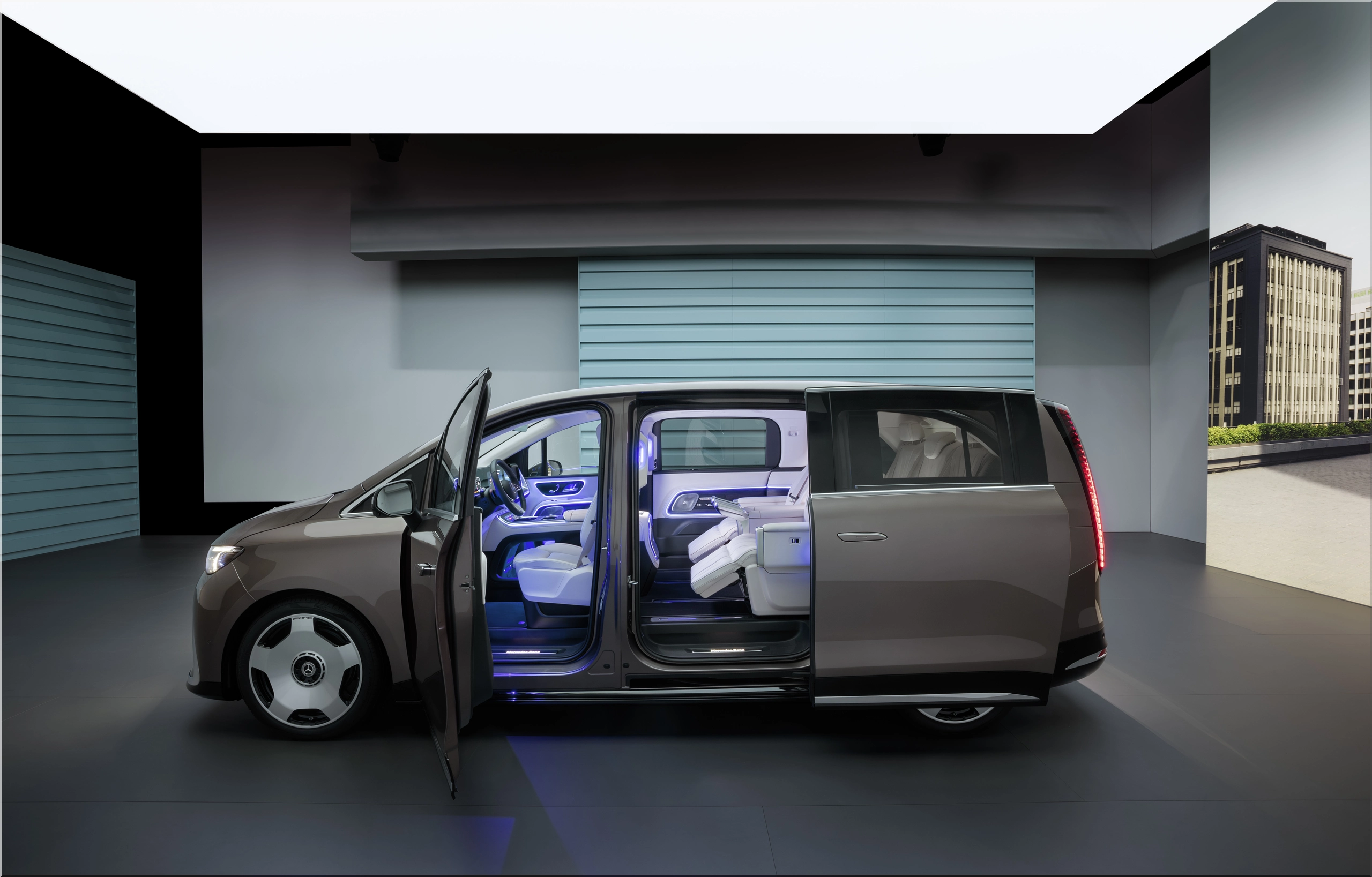
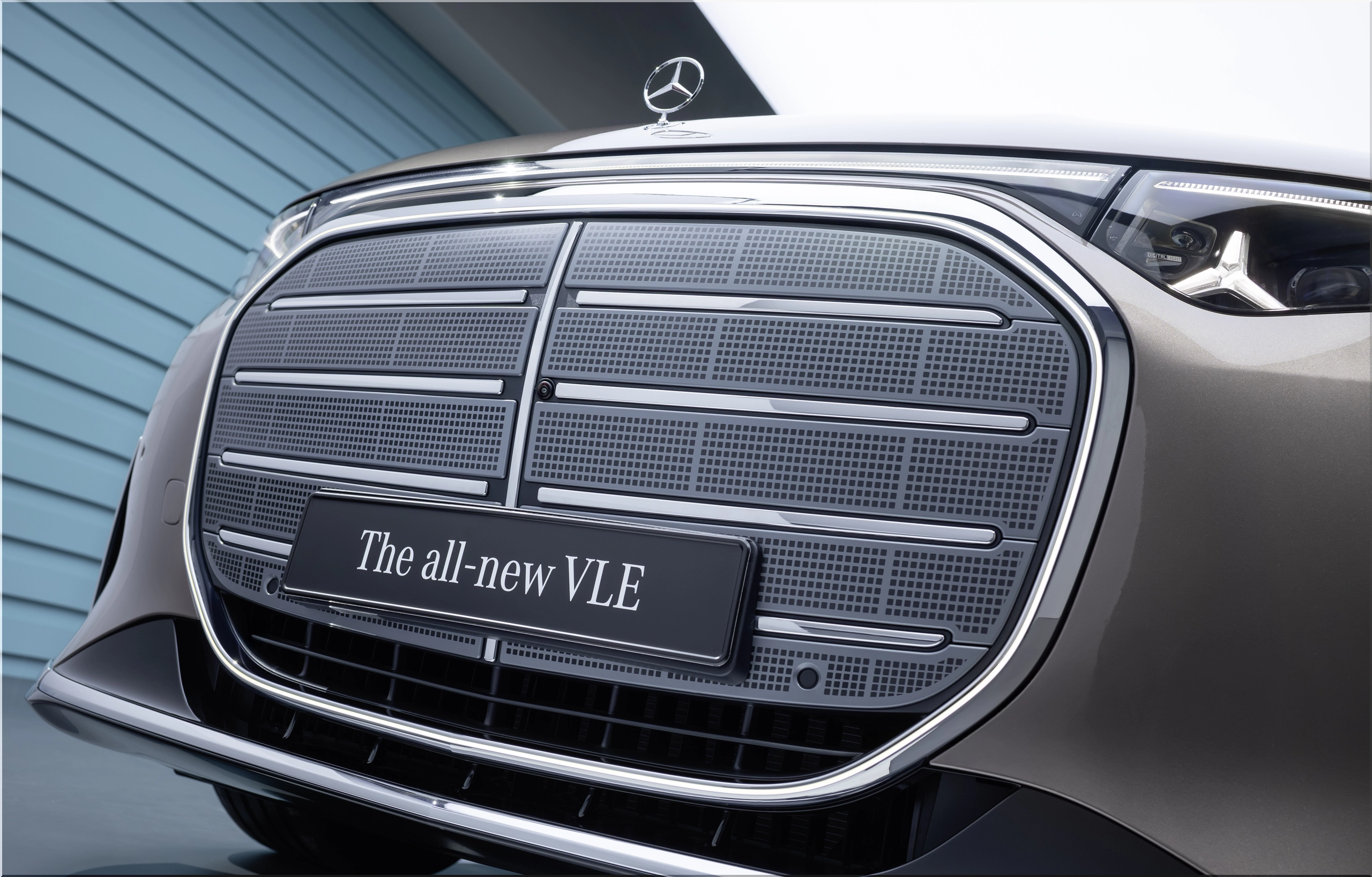
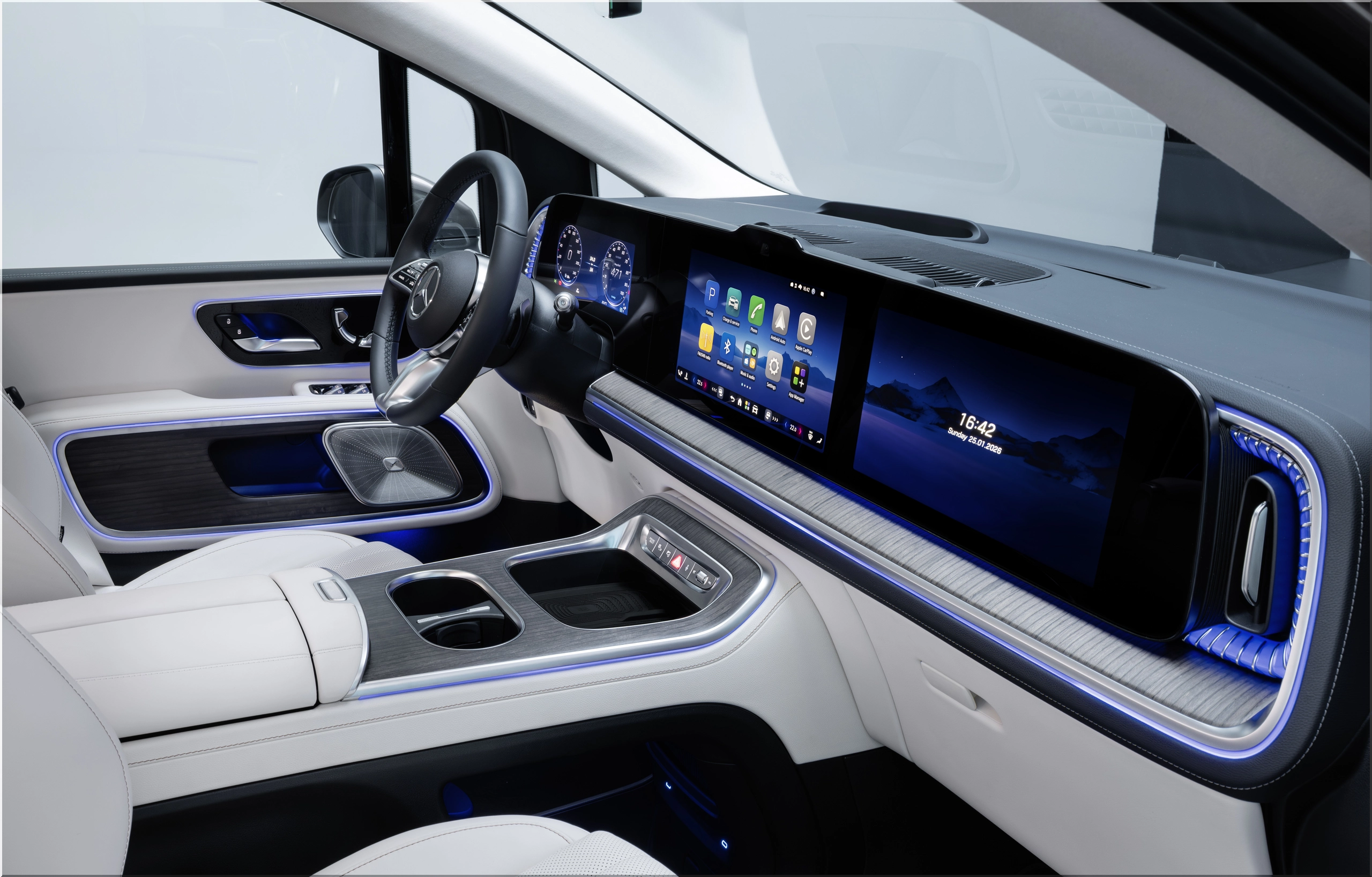




Interior packaging: this is where the VLE starts swinging
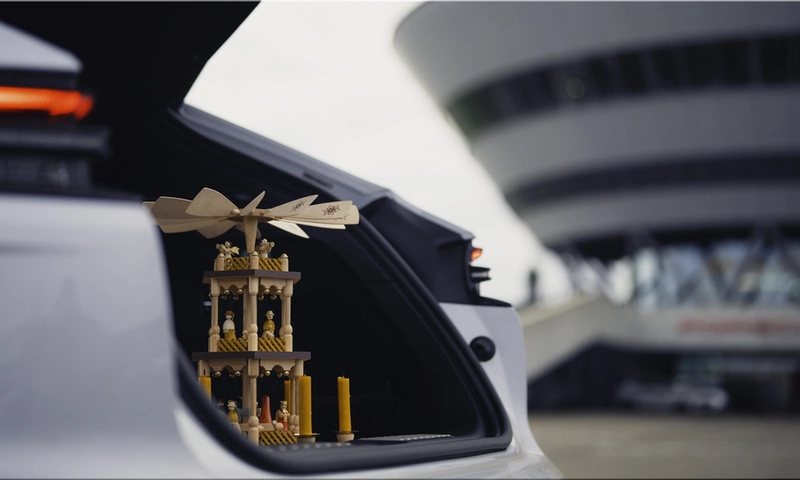
Mercedes built the VLE around rear-compartment value. That sounds obvious for a van-derived premium vehicle, but the execution looks more ambitious than usual.
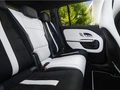
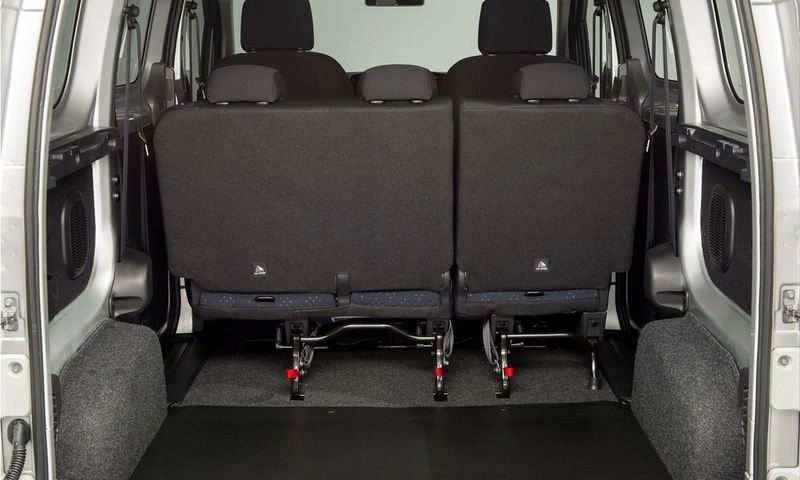
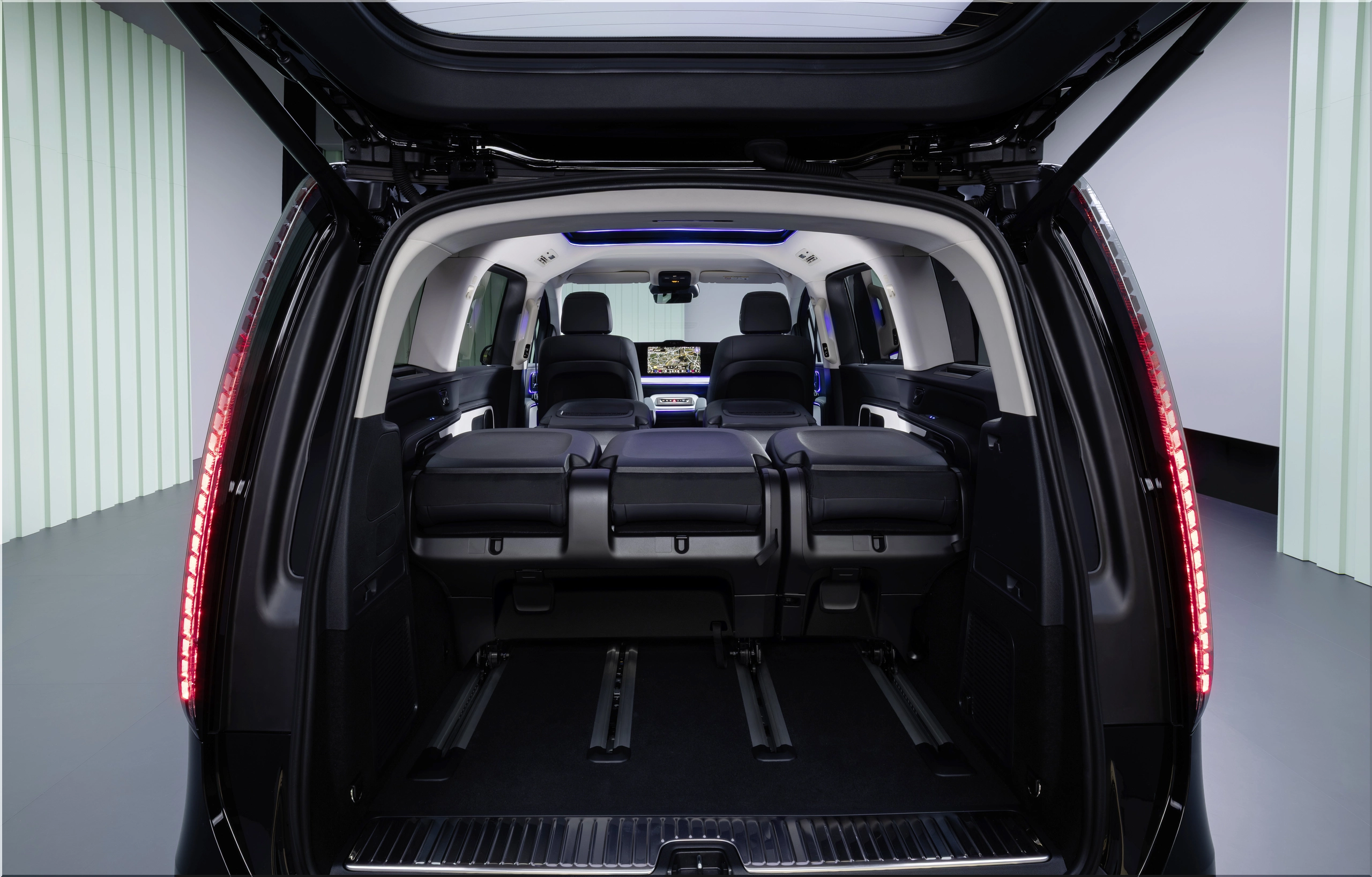
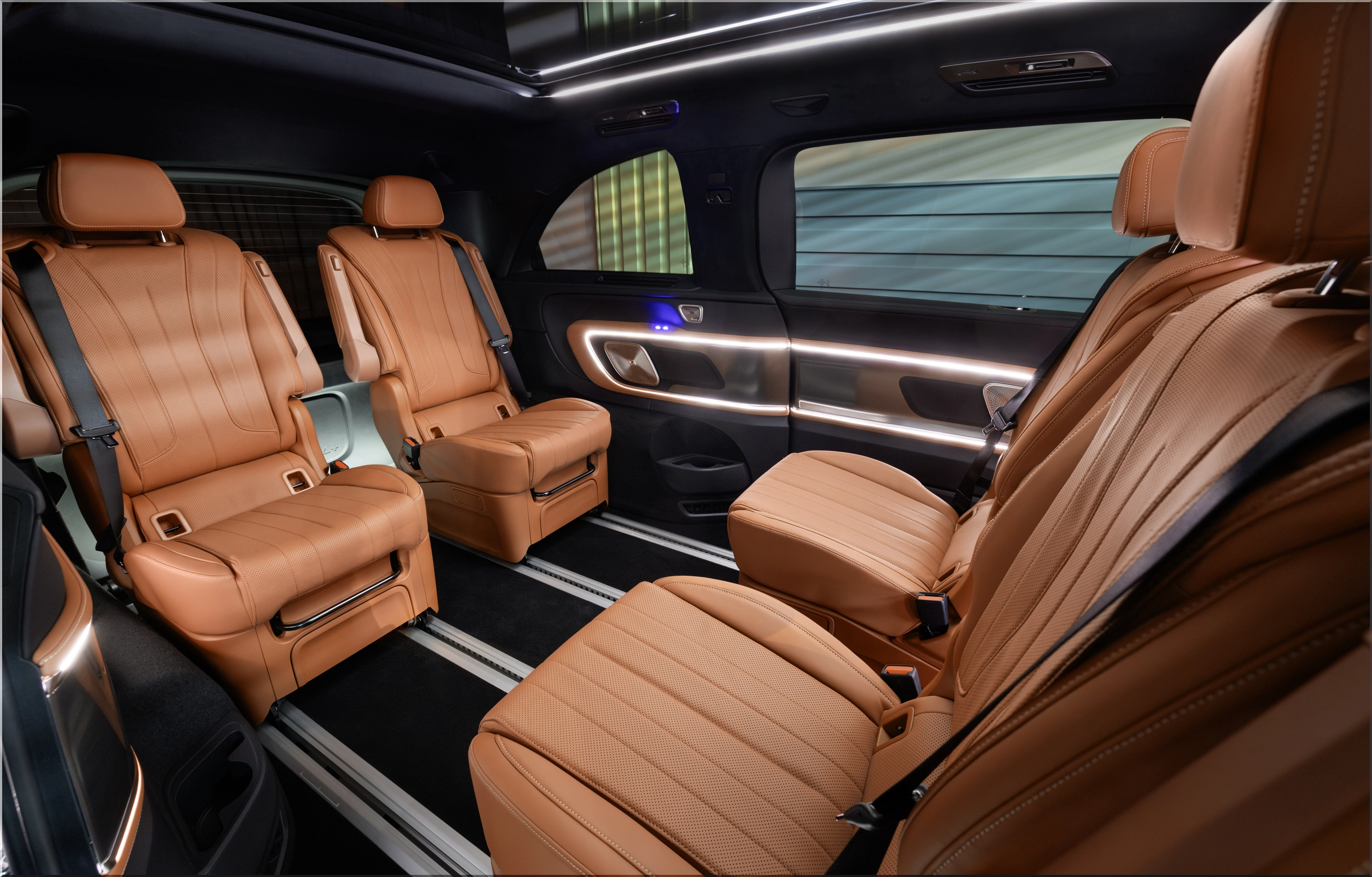
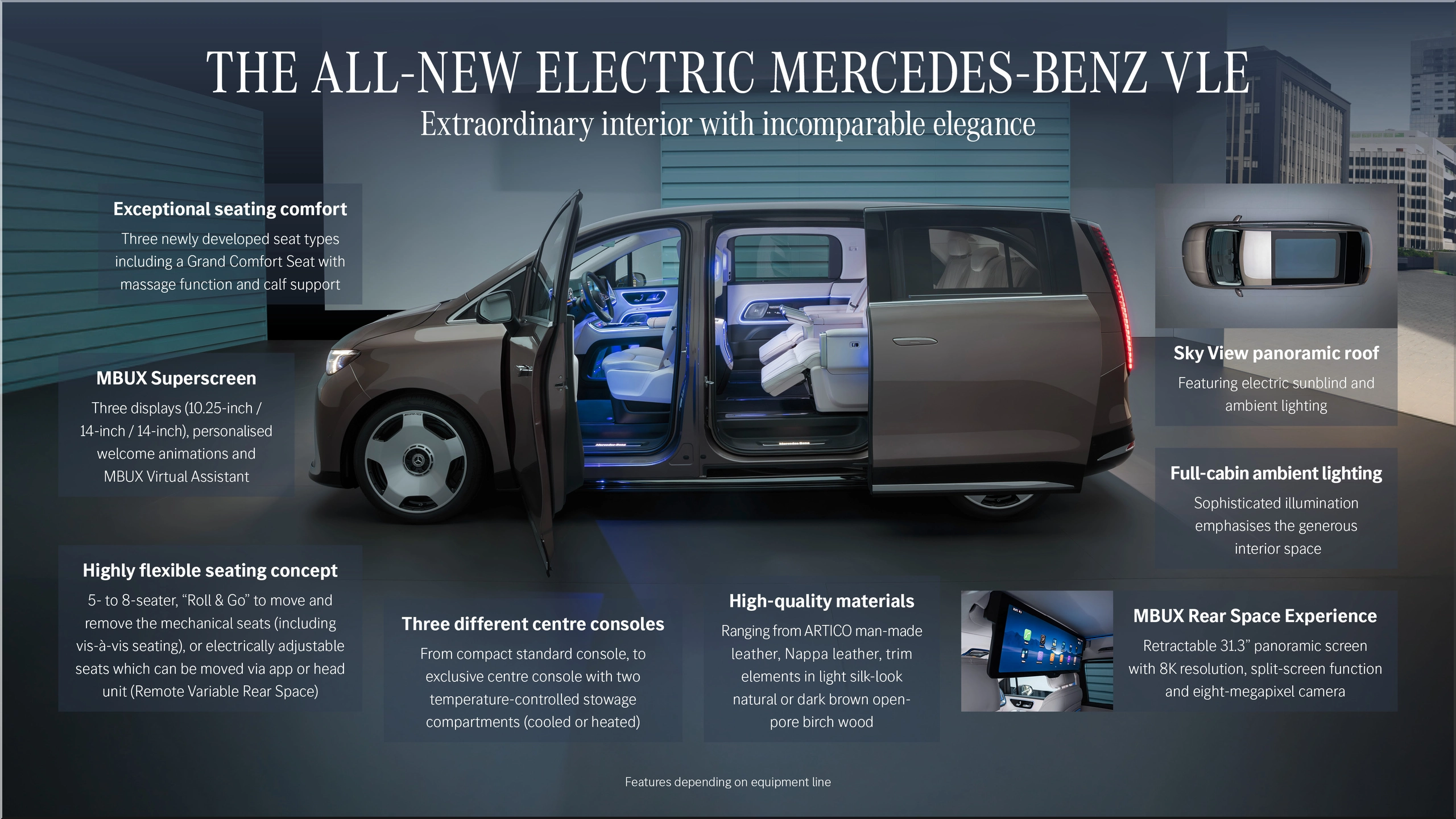
The seating system supports five- to eight-seat configurations, with three newly developed single-seat types and two three-seat benches. Mercedes also offers the manually operated Roll & Go system, which lets owners slide and remove seats with less effort, plus Remote Variable Rear Space, which moves electrically adjustable rear seats and benches through the app or head unit. By comparison, many three-row luxury SUVs still force buyers to accept fixed seat geometry and cargo compromises.
Image
What the interior tech actually changes
A premium cabin only counts when the hardware improves daily use. The VLE appears to do that in several concrete ways:
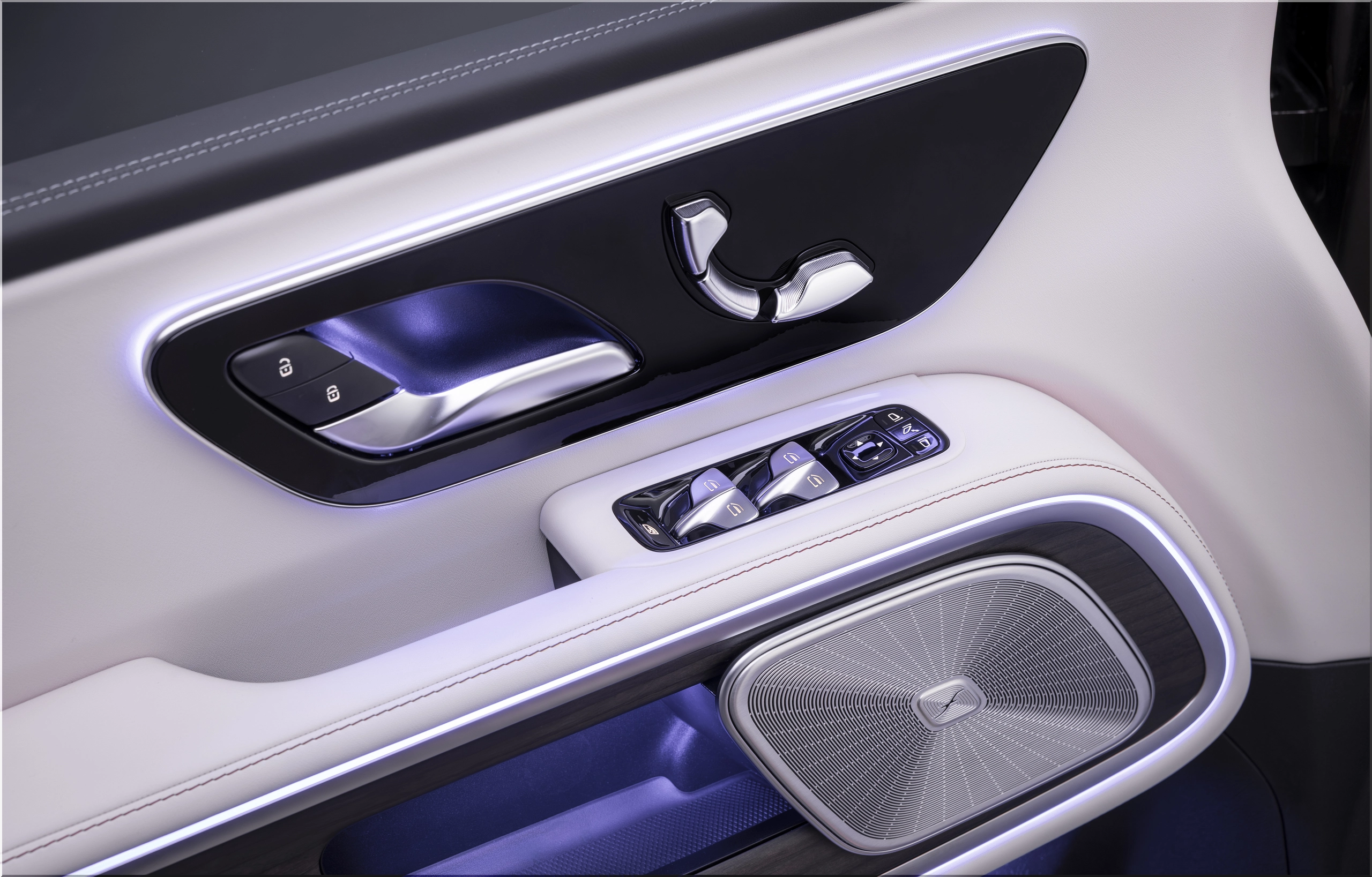
- Standard electric sliding doors on both sides improve entry in tight parking spaces.
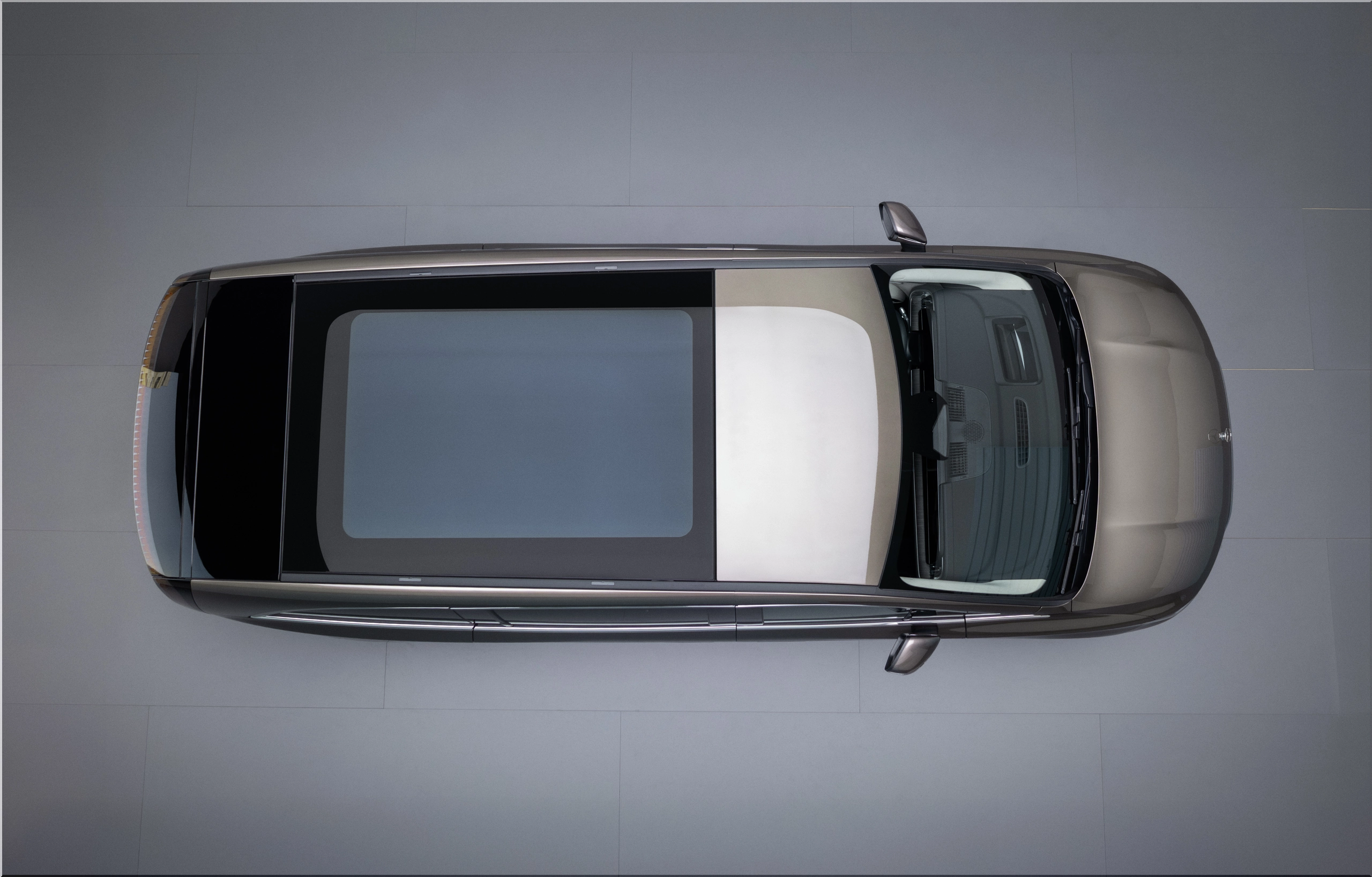
- A Sky View panoramic roof runs from the B-pillar to the rear.
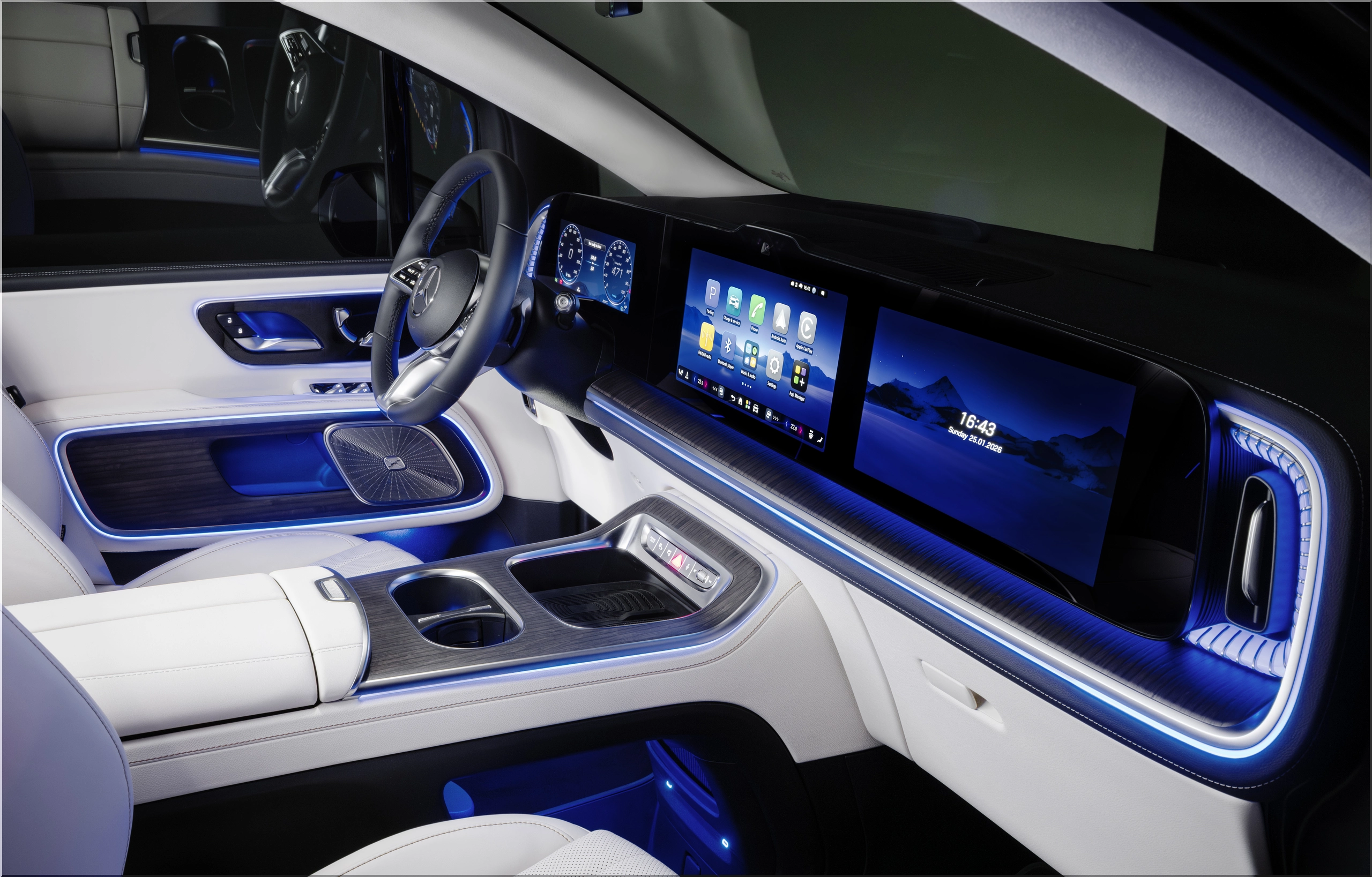
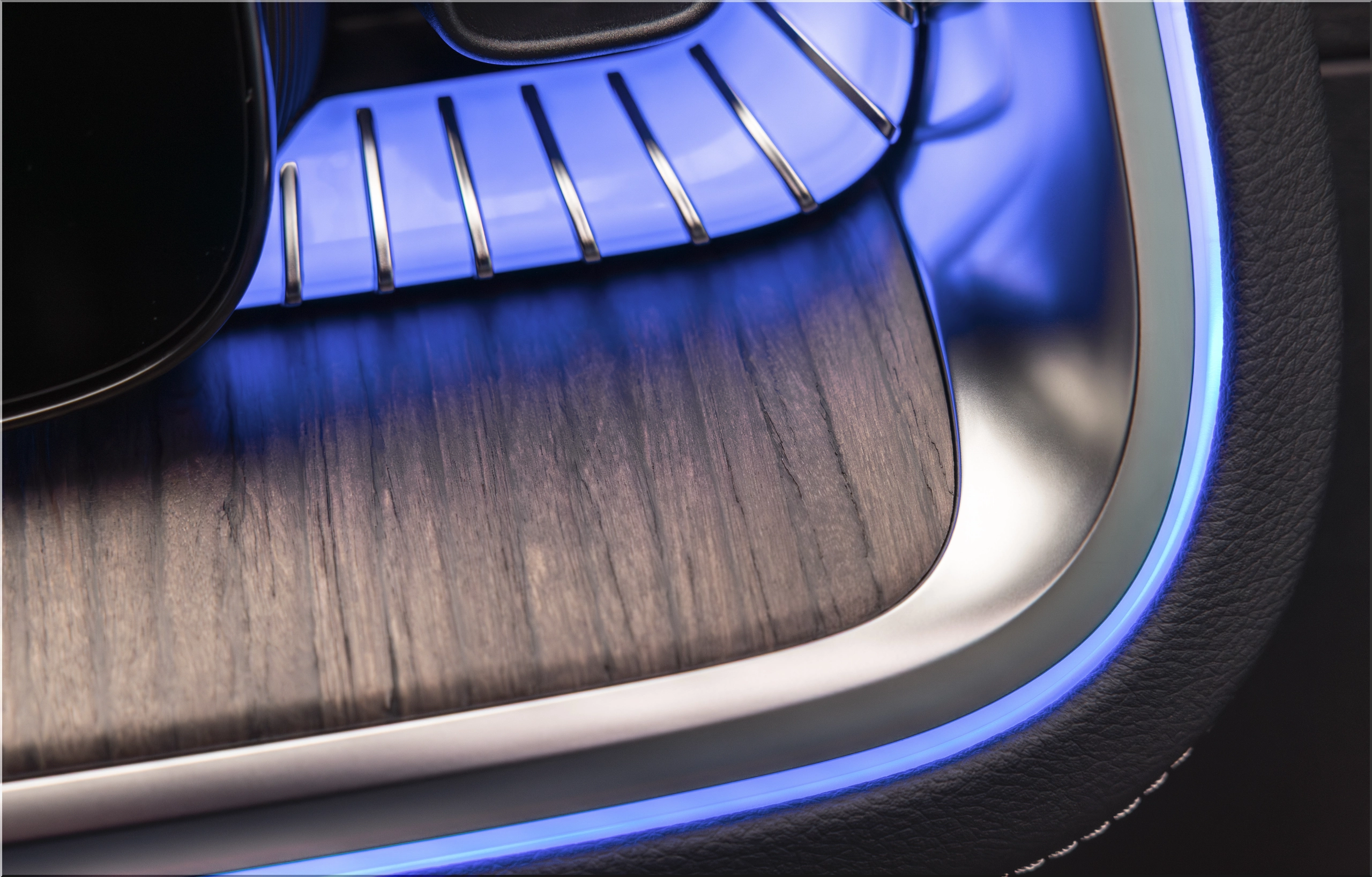
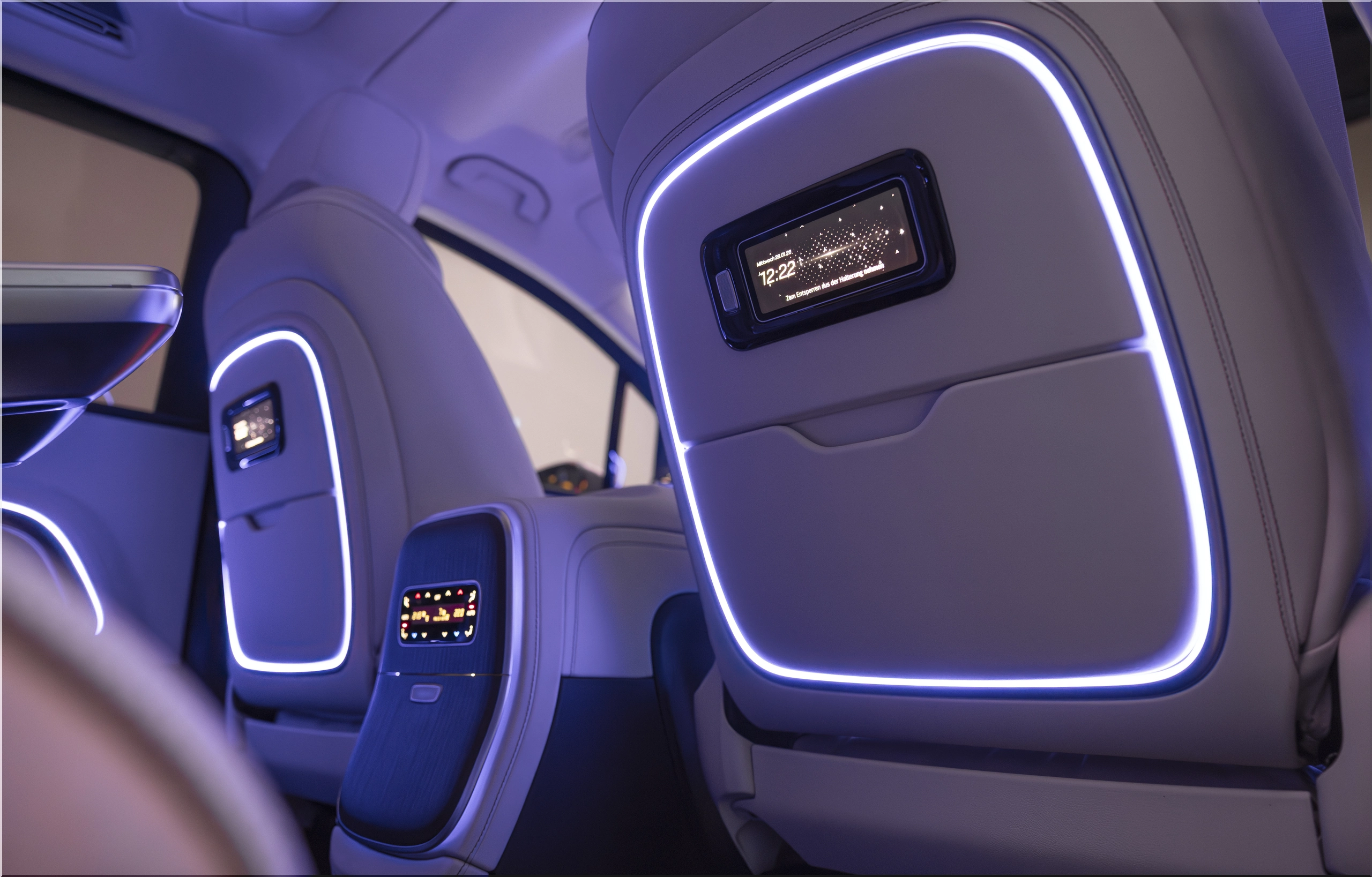
- Ambient lighting stretches from the cockpit to the third row.
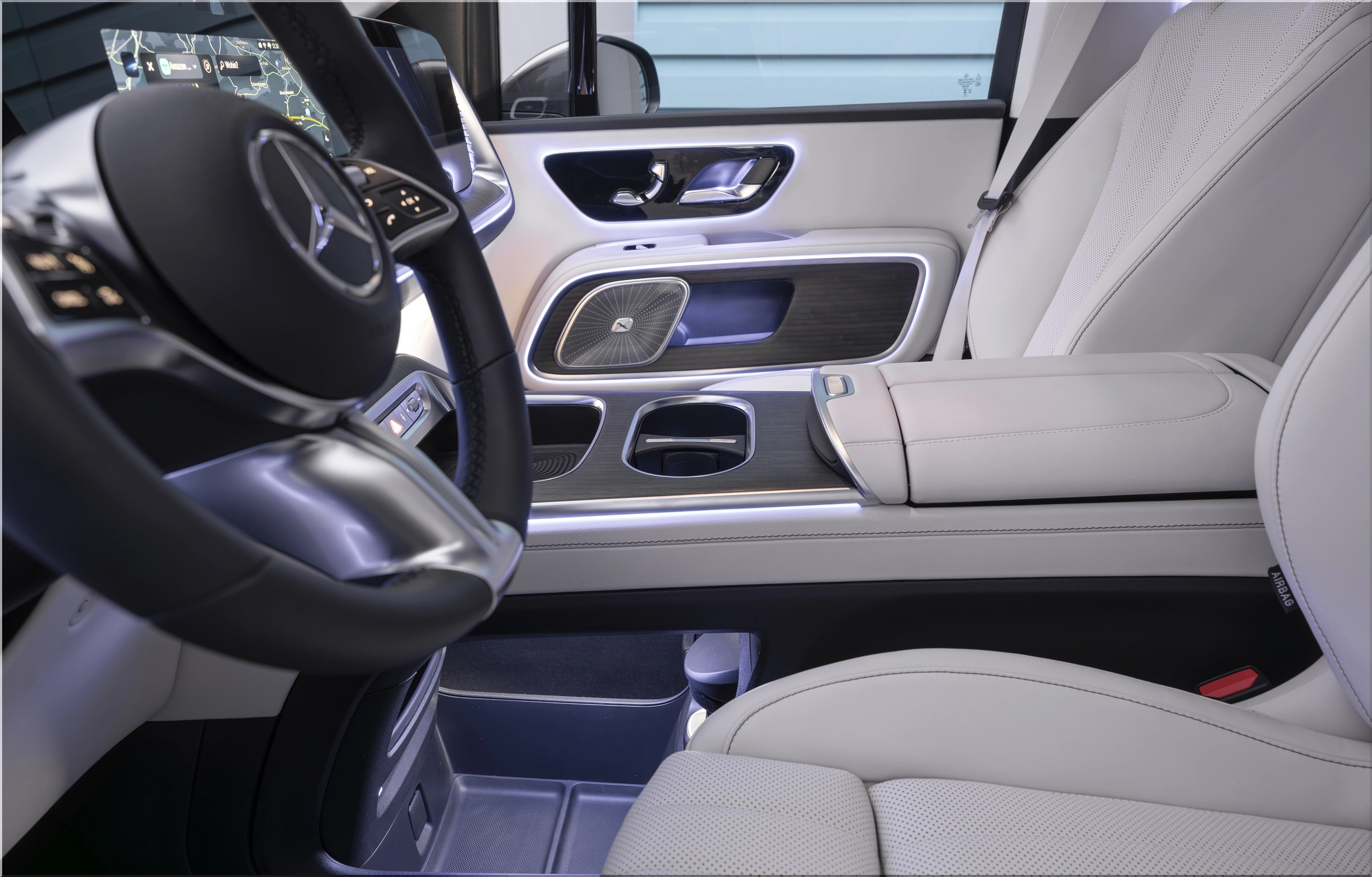
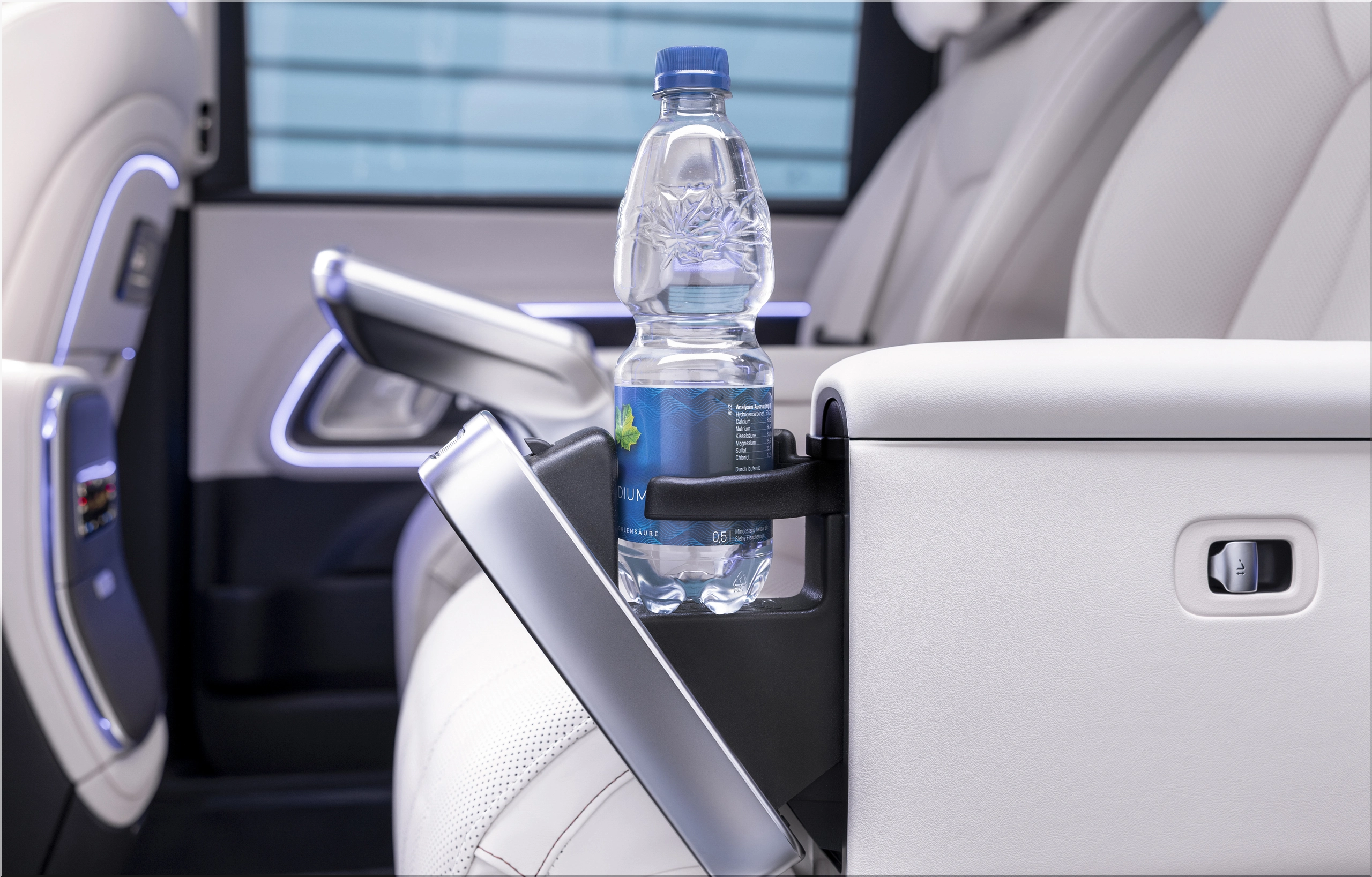
- Mercedes offers three center console layouts.
- Available console features include heated or cooled storage and an AIR-BALANCE fragrance generator.
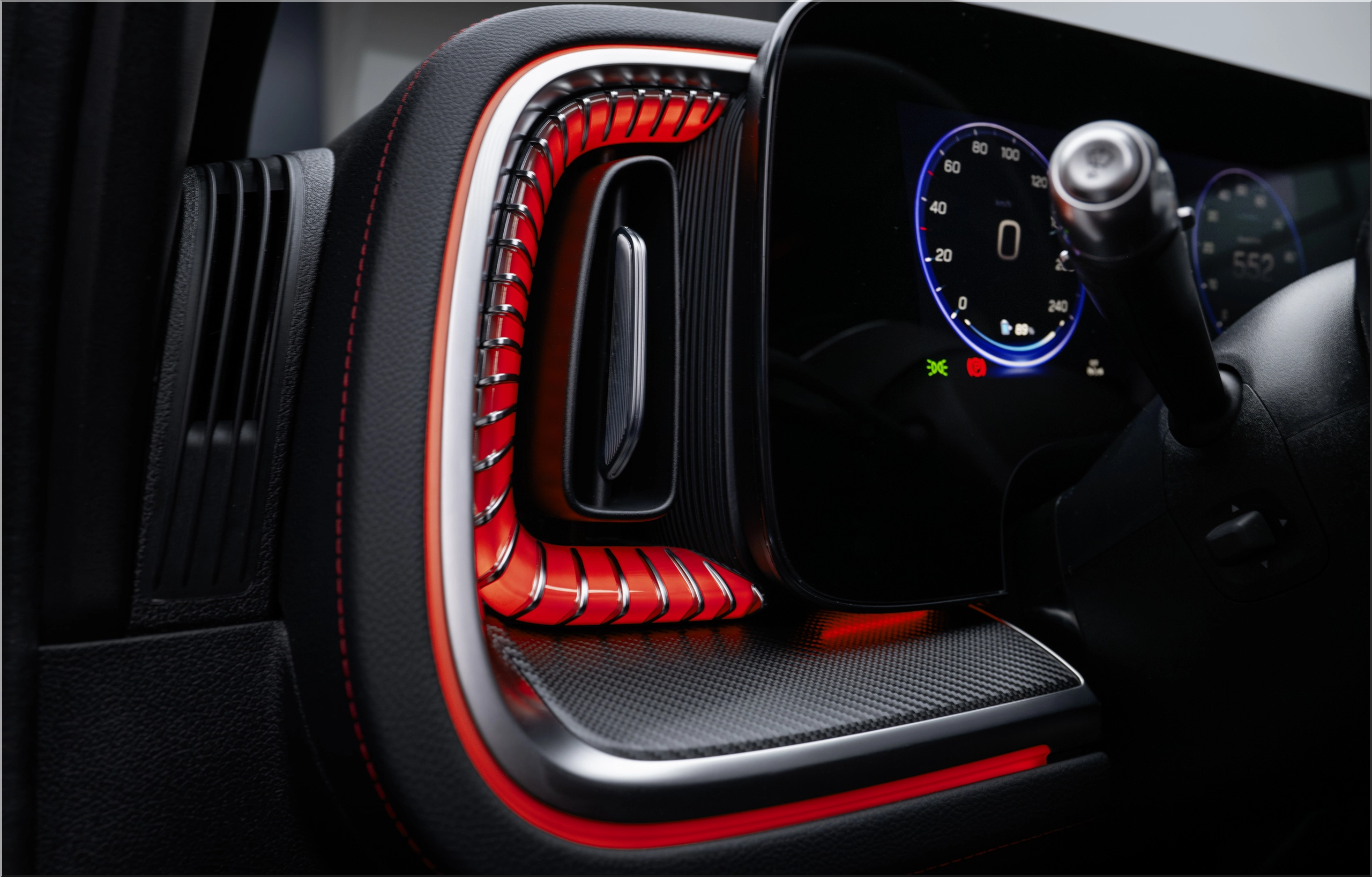
Mercedes also moved the central air vents to the top of the instrument panel and says they use the Coanda effect to distribute air more evenly. That engineering choice makes sense in a large cabin because it directs airflow along surfaces before it diffuses through the interior, which reduces the harsh draft effect rear passengers often notice in boxy vehicles.
Image
Screens, software, and the business logic behind MB.OS
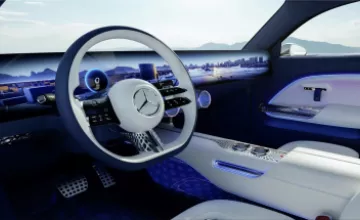
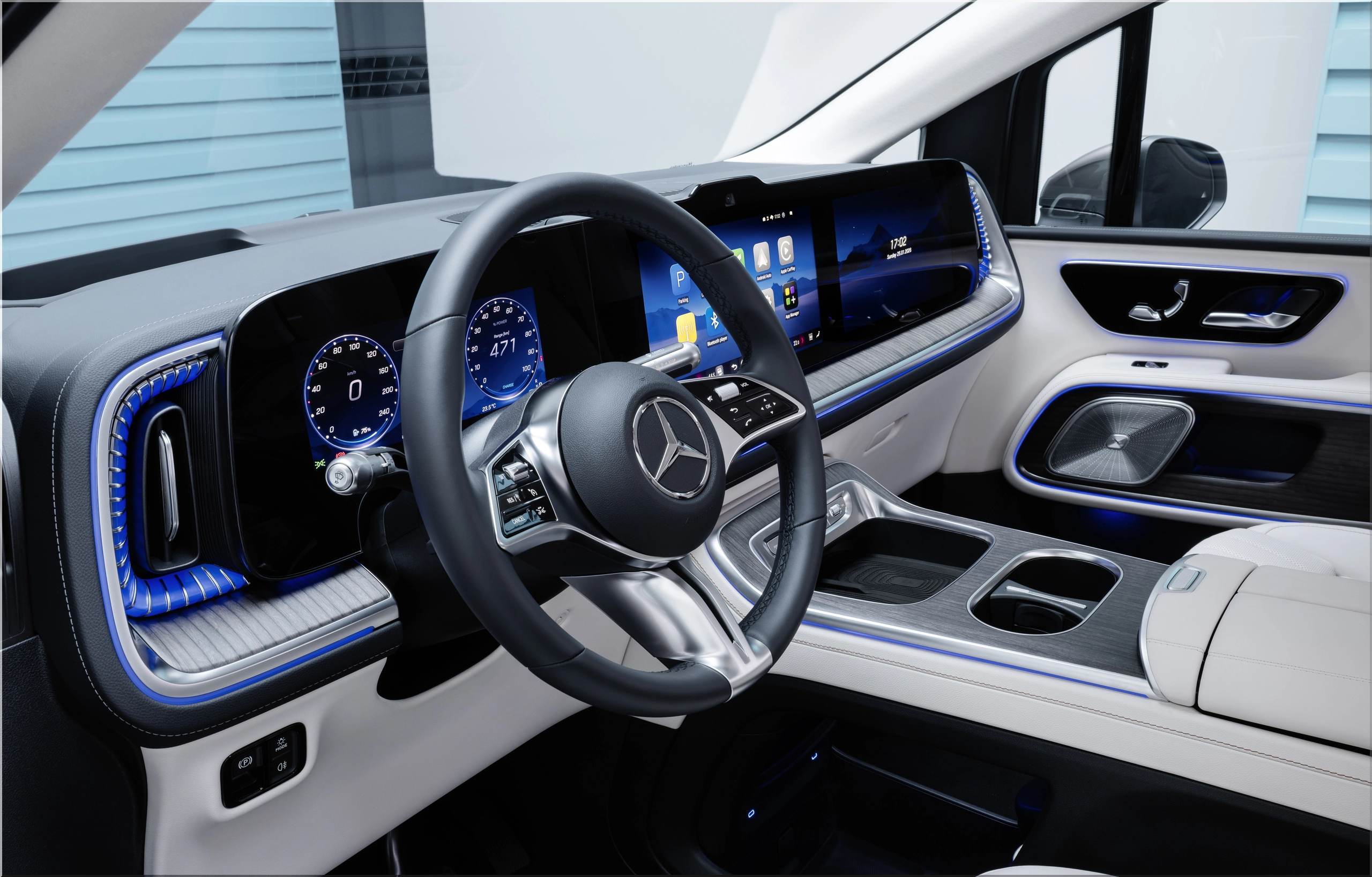
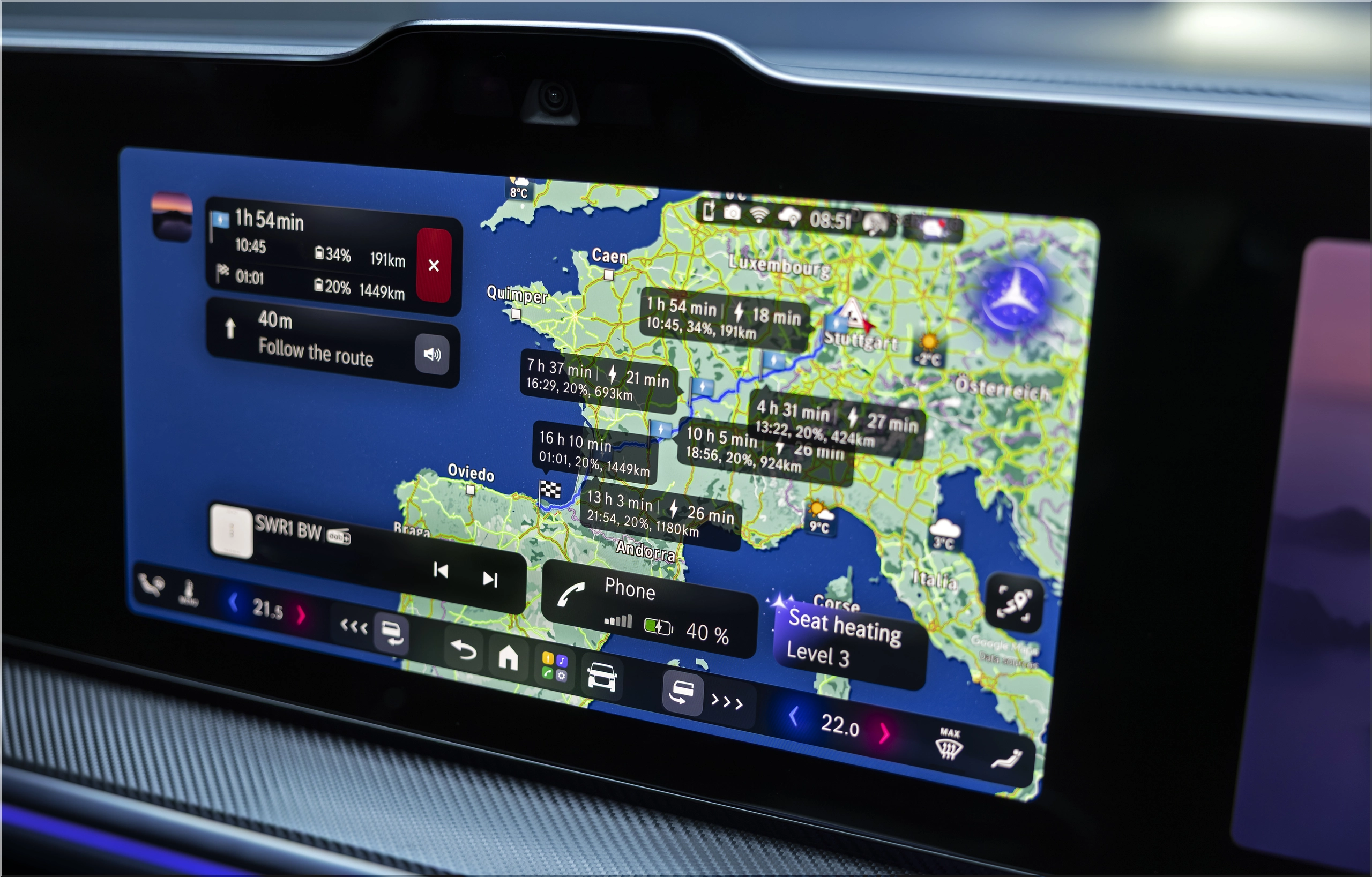
The MBUX Superscreen brings a familiar Mercedes premium-tech play, but the VLE packages it around a much larger cabin mission. The front layout includes a 10.25-inch (26 cm) driver display, a 14-inch (35.6 cm) center display, and an optional 14-inch (35.6 cm) passenger screen. The augmented-reality head-up display projects a virtual image measuring 23.1 inches (58.7 cm).
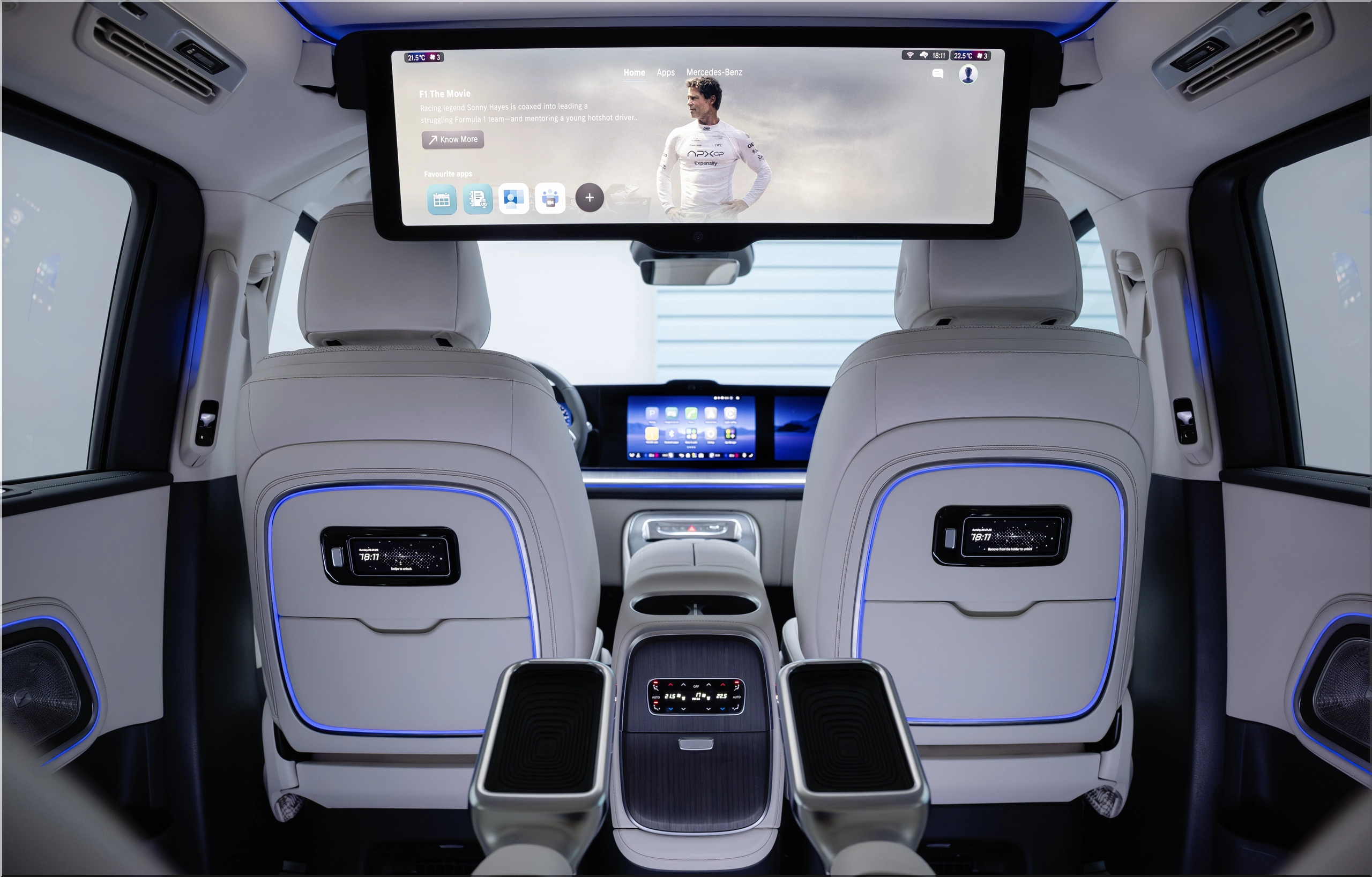
Then the rear cabin raises the stakes. The optional MBUX Rear Space Experience hides a 31.3-inch (79 cm) panoramic screen in the headliner, with 8K resolution and split-screen capability. Mercedes pairs that with an available 22-speaker Burmester 3D Surround Sound System with Dolby Atmos and access to more than 40 apps.
Image
Why this software stack matters
The VLE uses MB.OS, Mercedes' operating system that links infotainment, automated driving, body and comfort functions, and charging logic. In addition, Mercedes says the system integrates AI services through the new MBUX Virtual Assistant and supports over-the-air upgrades.
That architecture matters because a modern premium van needs one brain, not a pile of modules. A unified software layer lets Mercedes tie route planning, charging, cabin comfort, seat movement, infotainment, and driver assistance into one operating strategy. That makes the VLE feel less like a converted commercial product and more like a purpose-built digital flagship.
Agility, safety, and towing: the VLE's real trick
Large EVs usually force trade-offs in maneuverability. Mercedes attacks that with 7 degrees of rear-axle steering and a 10.9-meter turning circle. That figure translates to 35.8 feet, which is a strong result for something that can carry eight passengers and tow more than 5,500 pounds.
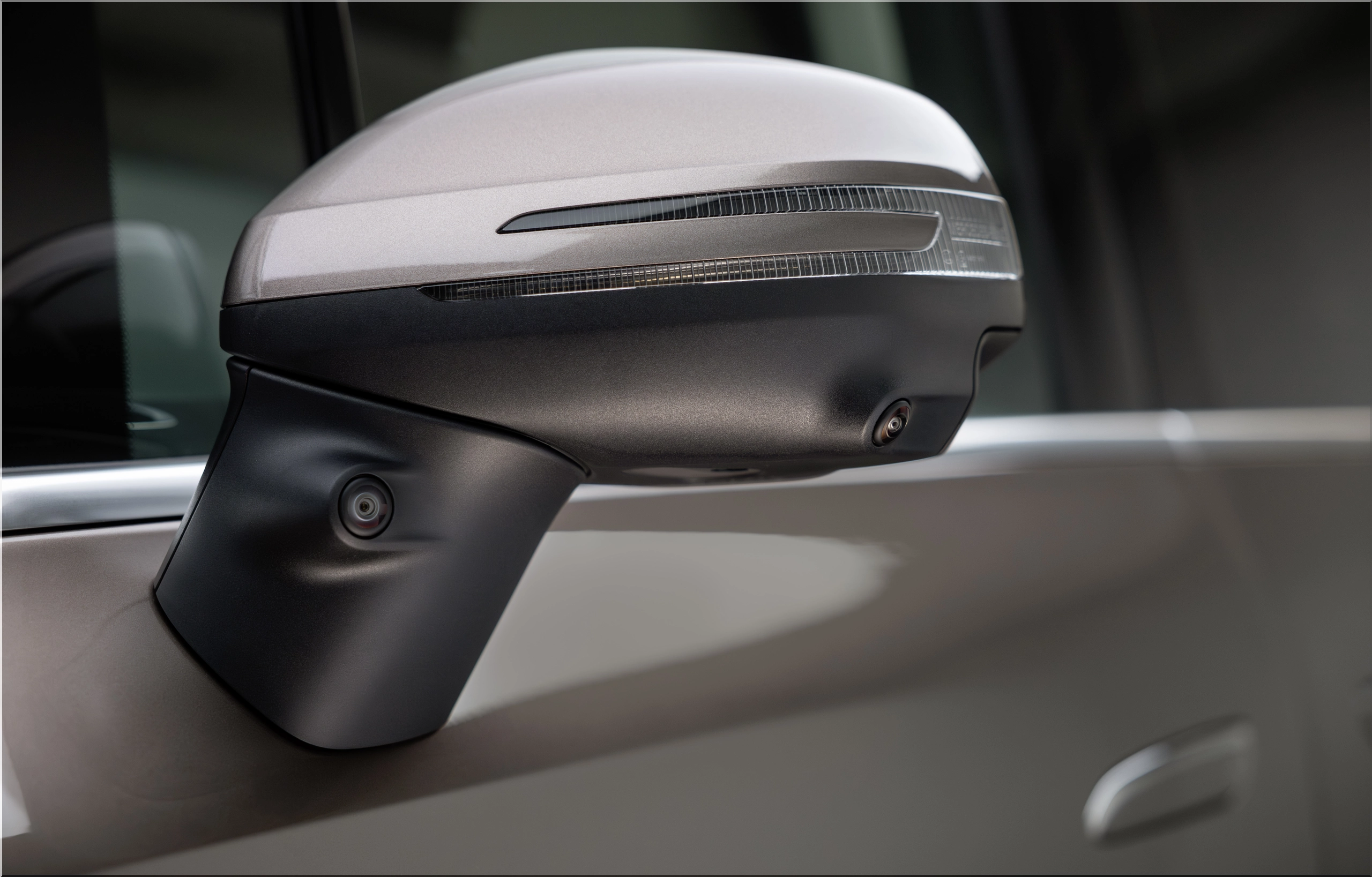
Mercedes also says the VLE packs 10 cameras, 5 radar sensors, 12 ultrasonic sensors, and a water-cooled high-performance computer. Consequently, the assistance stack can support steering, braking, acceleration, and parking functions, with optional features such as automatic lane changes and autonomous stops at red lights through higher MB.DRIVE packages.
Mercedes-Benz VLE vs luxury people-hauler rivals
Mercedes still has not released full VLE power, battery-capacity, or pricing data. That limits any hard-spec fight. Still, the positioning already looks clear.
| Vehicle | Core role | Seating focus | EV-first packaging | Utility angle | Likely VLE result |
|---|---|---|---|---|---|
| Mercedes-Benz VLE | Premium electric grand limousine | Up to 8 | Yes | Strong towing + flexible seating | Best all-round brief so far |
| Volkswagen ID. Buzz LWB | Lifestyle electric MPV | Family-focused | Yes | Moderate utility, lighter luxury pitch | VLE likely wins on range, luxury, towing |
| Lexus LM | Chauffeur-first luxury MPV | Executive rear-seat focus | No | Limited utility emphasis | VLE likely wins on flexibility and EV appeal |
| BMW ALPINA XB7 MANUFAKTUR | Ultra-luxury performance SUV | 3-row SUV | No | Strong prestige, weaker cabin efficiency | VLE likely wins on space efficiency and rear-use case |
From an SEO and product-strategy perspective, Mercedes has a strong angle here. The Mercedes-Benz VLE can target luxury-shuttle operators, affluent families, hotel fleets, and buyers who want S-Class-style rear comfort without giving up sliding doors, flexible seating, and trailer capacity.
Pro-Tips
- Watch for battery-capacity, curb-weight, and DC charging peak figures before judging the range claim.
- Pay close attention to seat-rail flexibility and cargo volume with all rows installed. That will decide family usability.
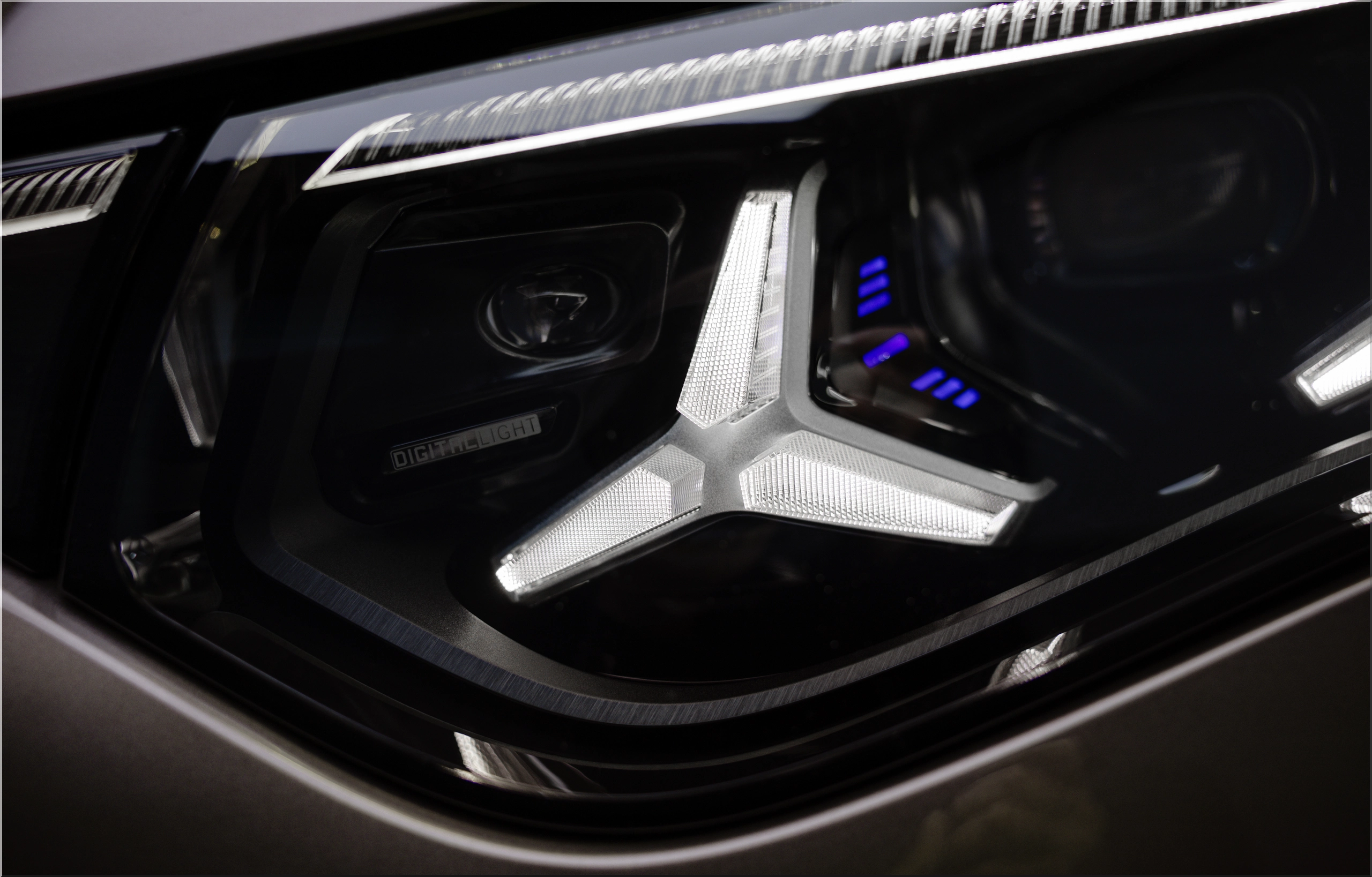
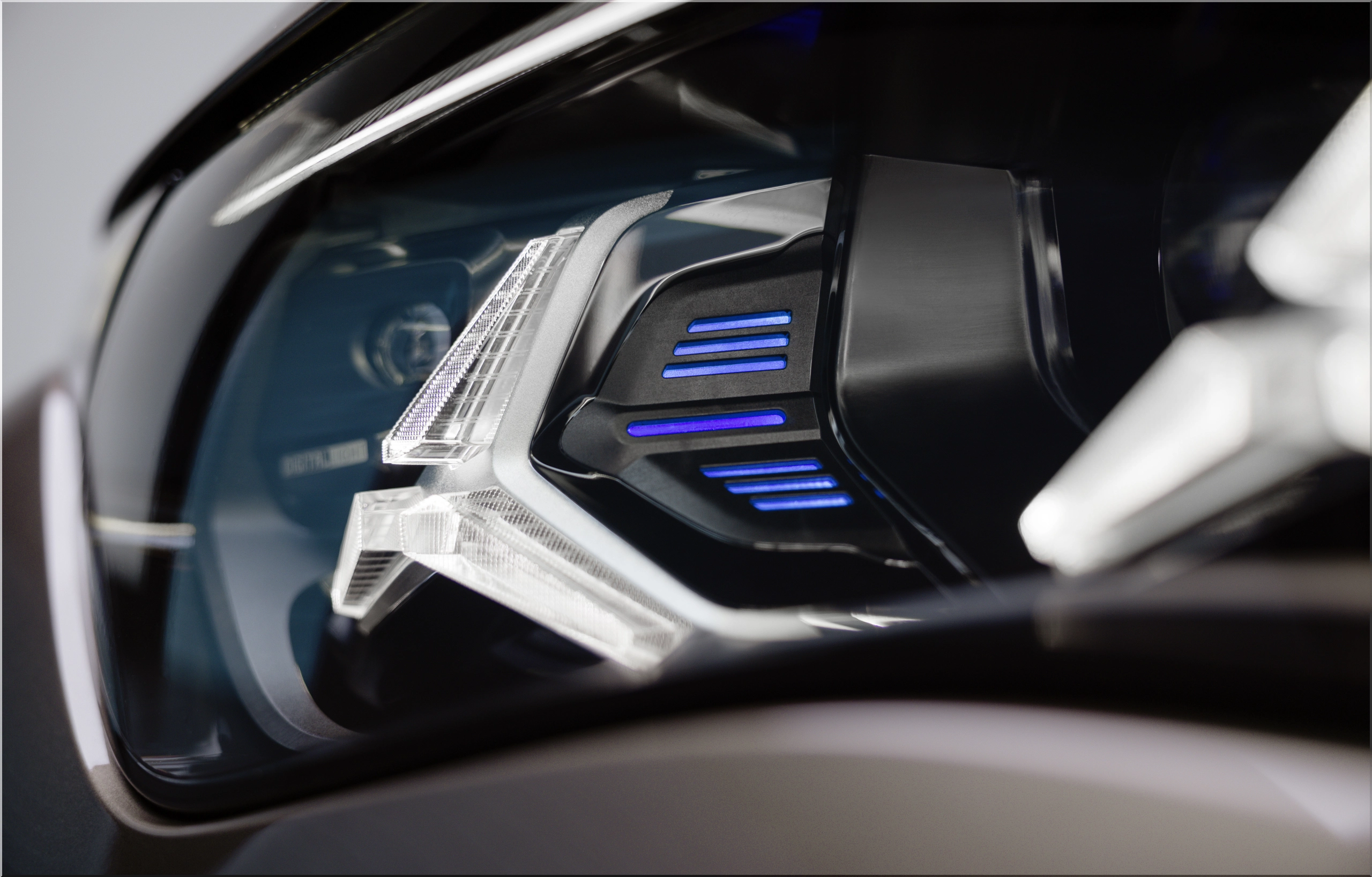
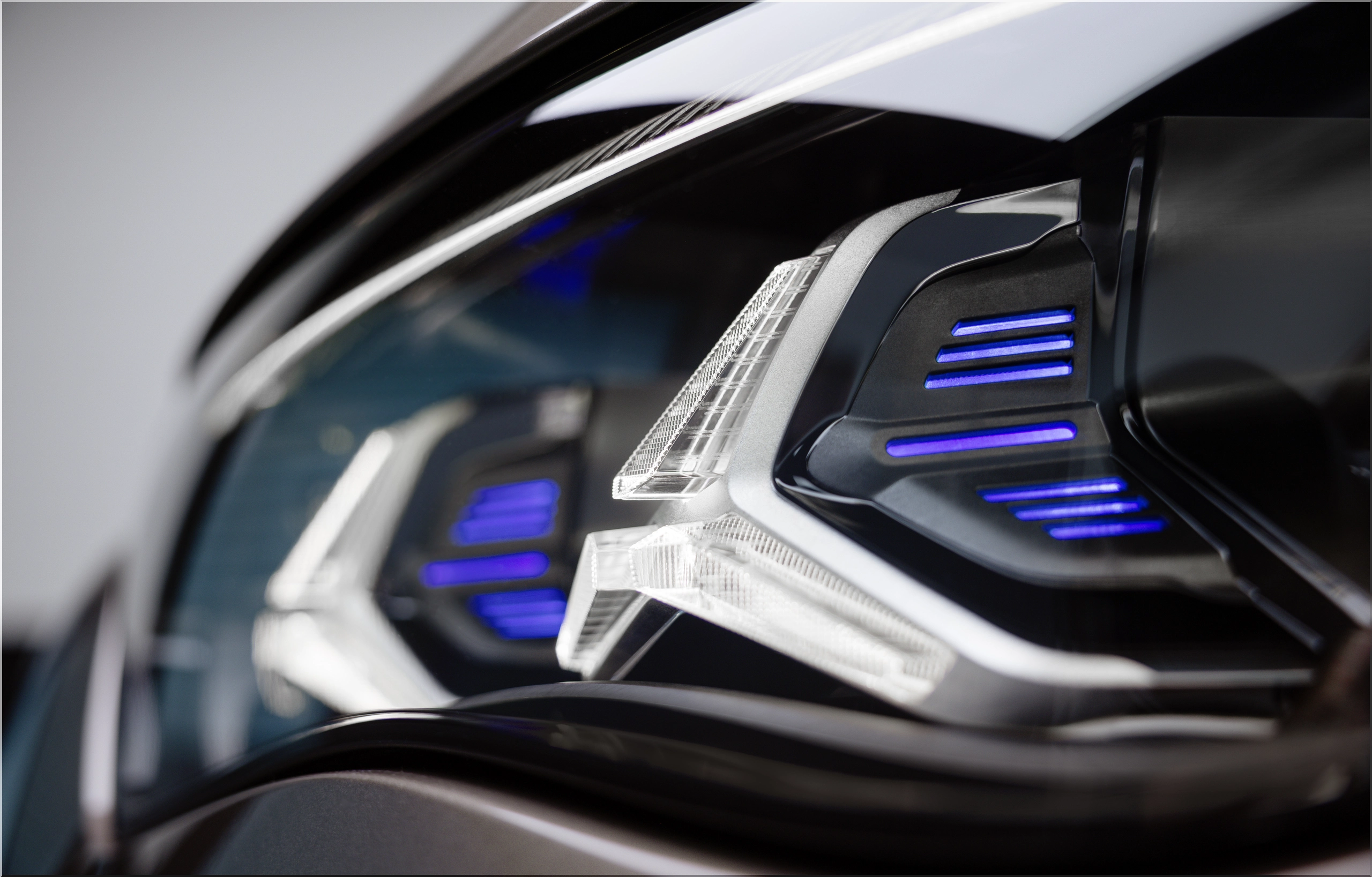
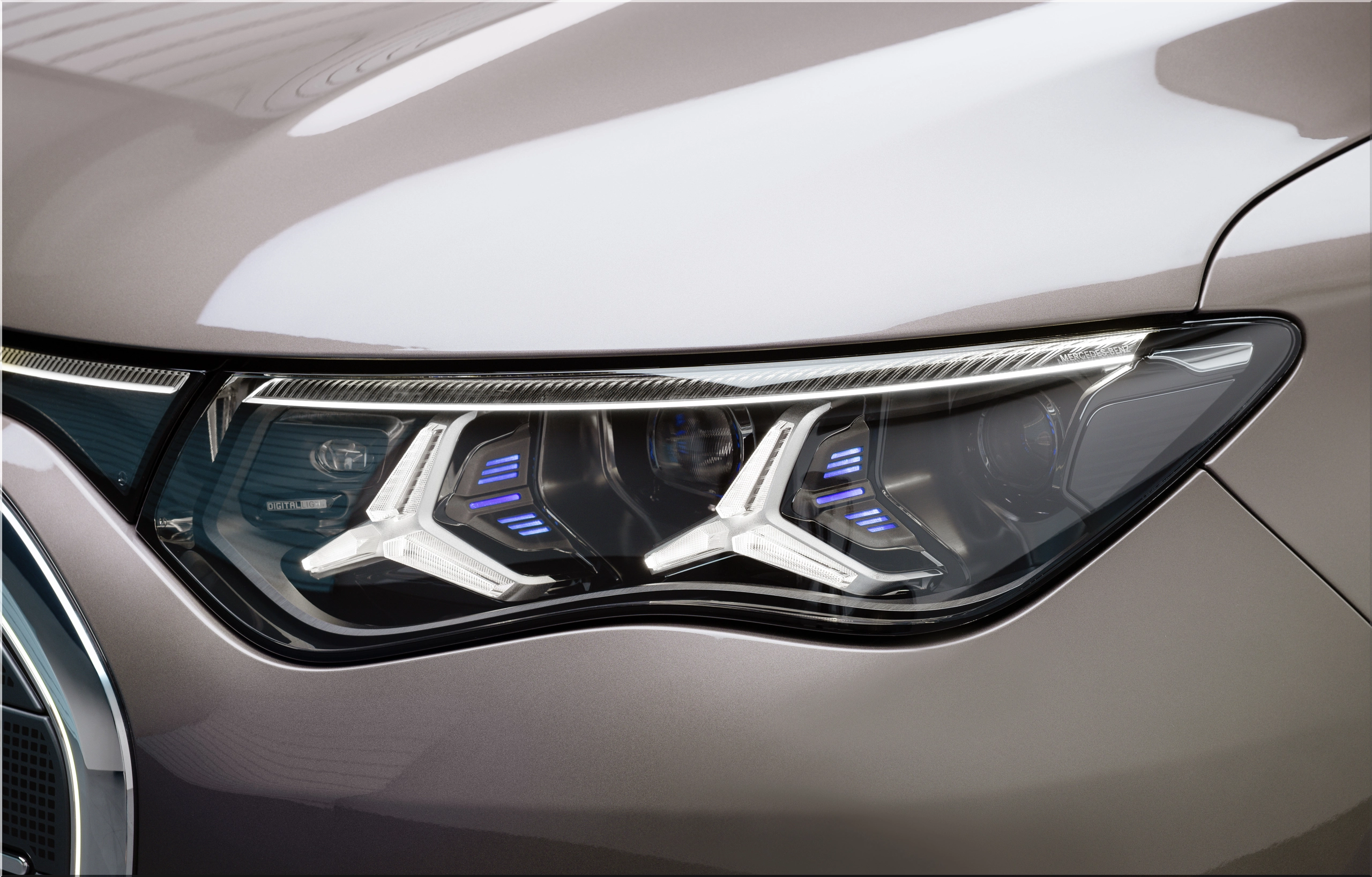
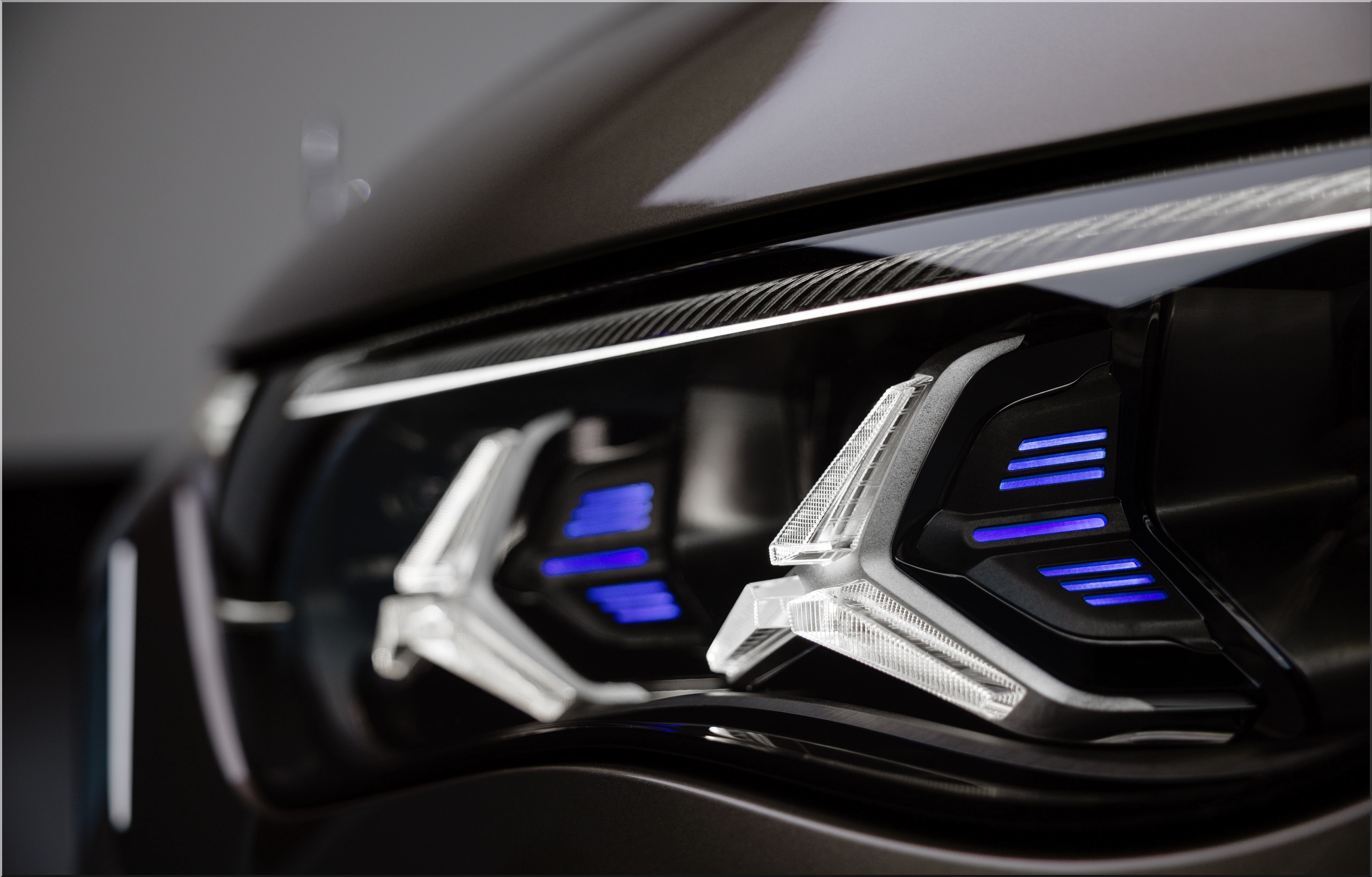
- Check which trims get the illuminated grille, DIGITAL LIGHT, and rear-screen hardware standard versus optional.
- If you tow, wait for published data on tongue-weight limits and range impact while hauling.
Image gallery:








What now?
Mercedes has already shown enough to make the VLE one of the most interesting premium EV launches in this segment. The formula looks sharp: aerodynamic efficiency, fast charging, real seating flexibility, high-end rear entertainment, and luxury-car software architecture in one package.
The next step is simple. Buyers and fleet operators should wait for full production specs, U.S. pricing, battery details, and cargo measurements. Once those arrive, the VLE will either prove it can dominate this category or settle into a narrower luxury niche. Right now, the engineering brief looks strong, and the product logic looks even stronger.
- Add new comment
- 220 views