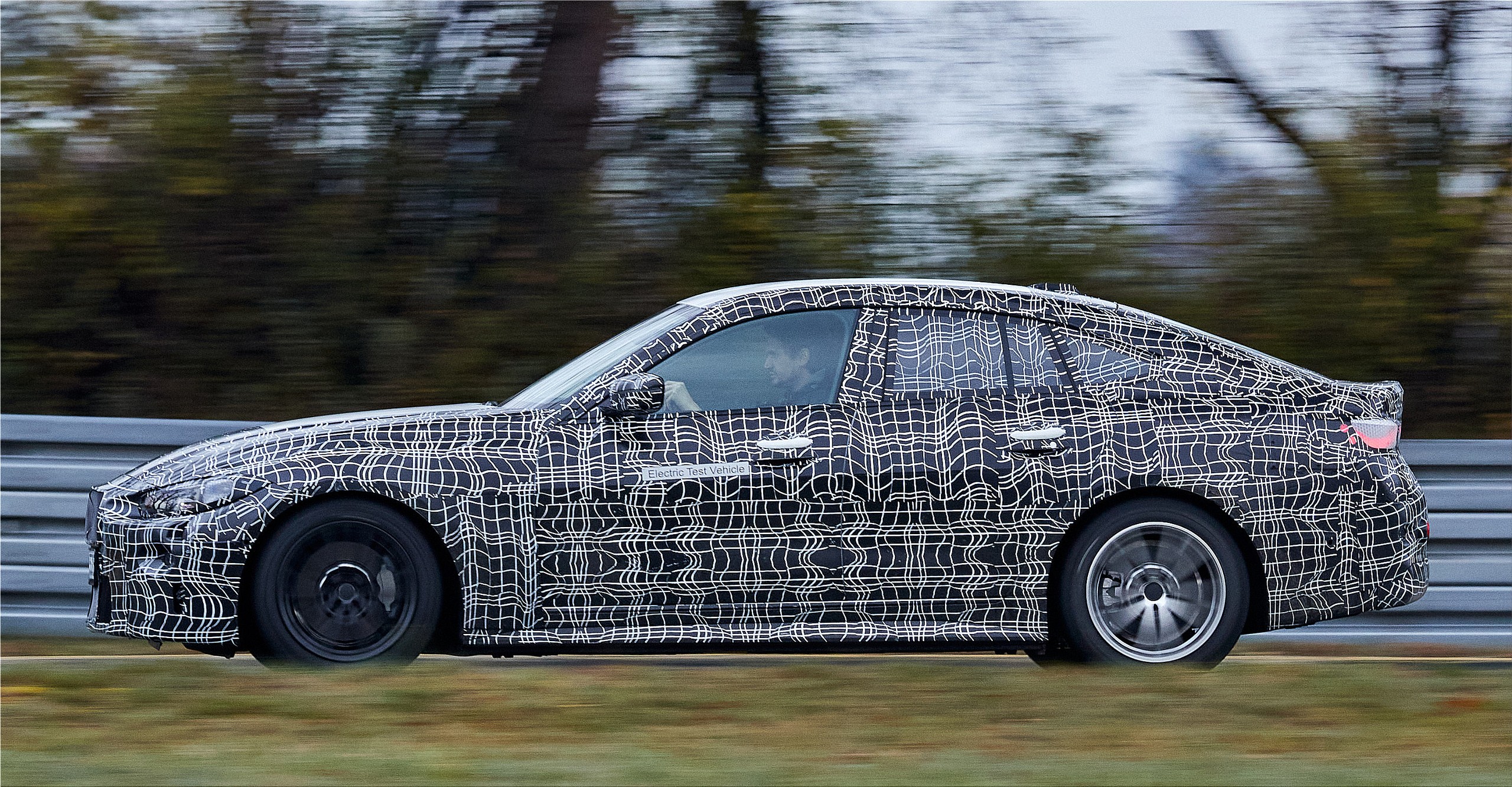
The world premiere of the BMW i4 is just around the corner. In the last test phase, the focus is on the integration between the electric forces, the suspension and the steering. The fine-tuning process that is now advancing is the one that ultimately gives the BMW i4 electric car its unique quality in the premium segment.
With a maximum power of up to 530 hp, the electric motor in the BMW i4 ensures a sprint from 0-100 km / h in four seconds. The damper system and the newly developed anti-spin system ensures maximum grip and stability when the accelerator pedal gets to feel the pressure.
The battery pack in the BMW i4 electric car has a capacity of around 80 kWh, which will provide an electric range of up to 600 km (WLTP).
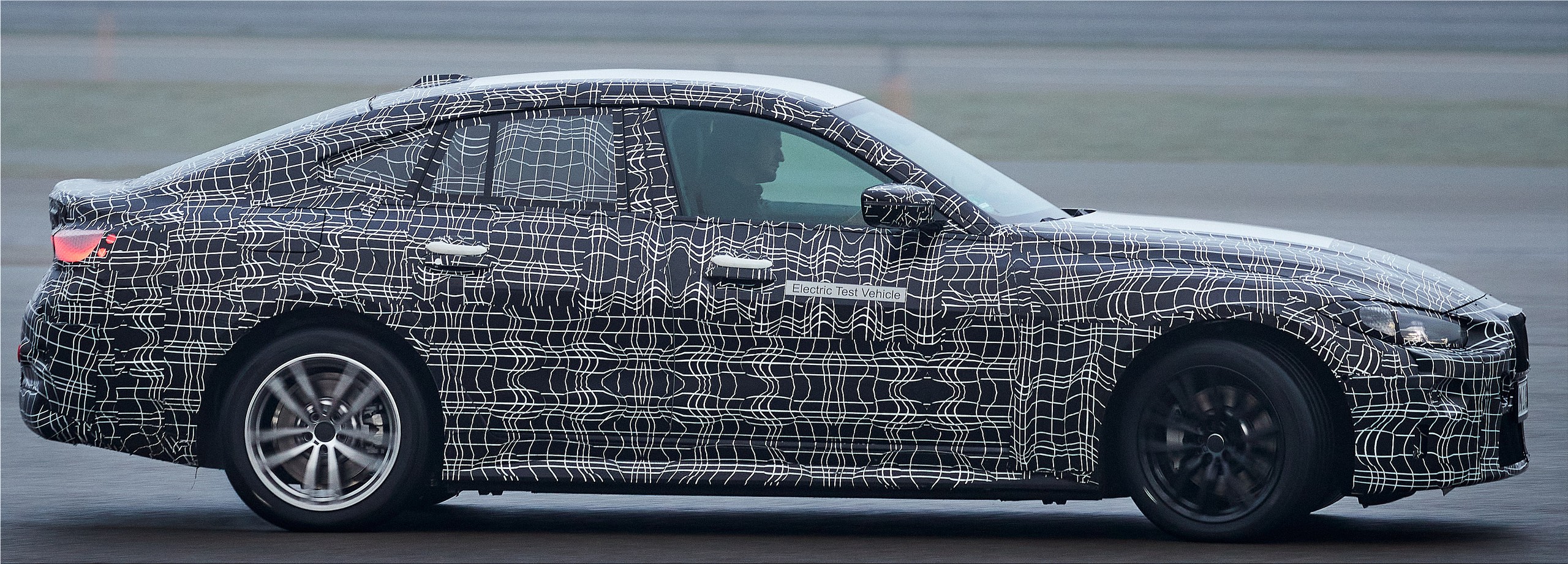
The distinctive driving dynamics of the BMW i4 are based on the fact that the dynamic properties never come at the expense of driving comfort. The BMW i4 is built on fifth-generation BMW eDrive technology. The electric motor, charger and high-voltage battery are completely newly developed.
The BMW i4 electric car will be manufactured in Munich.
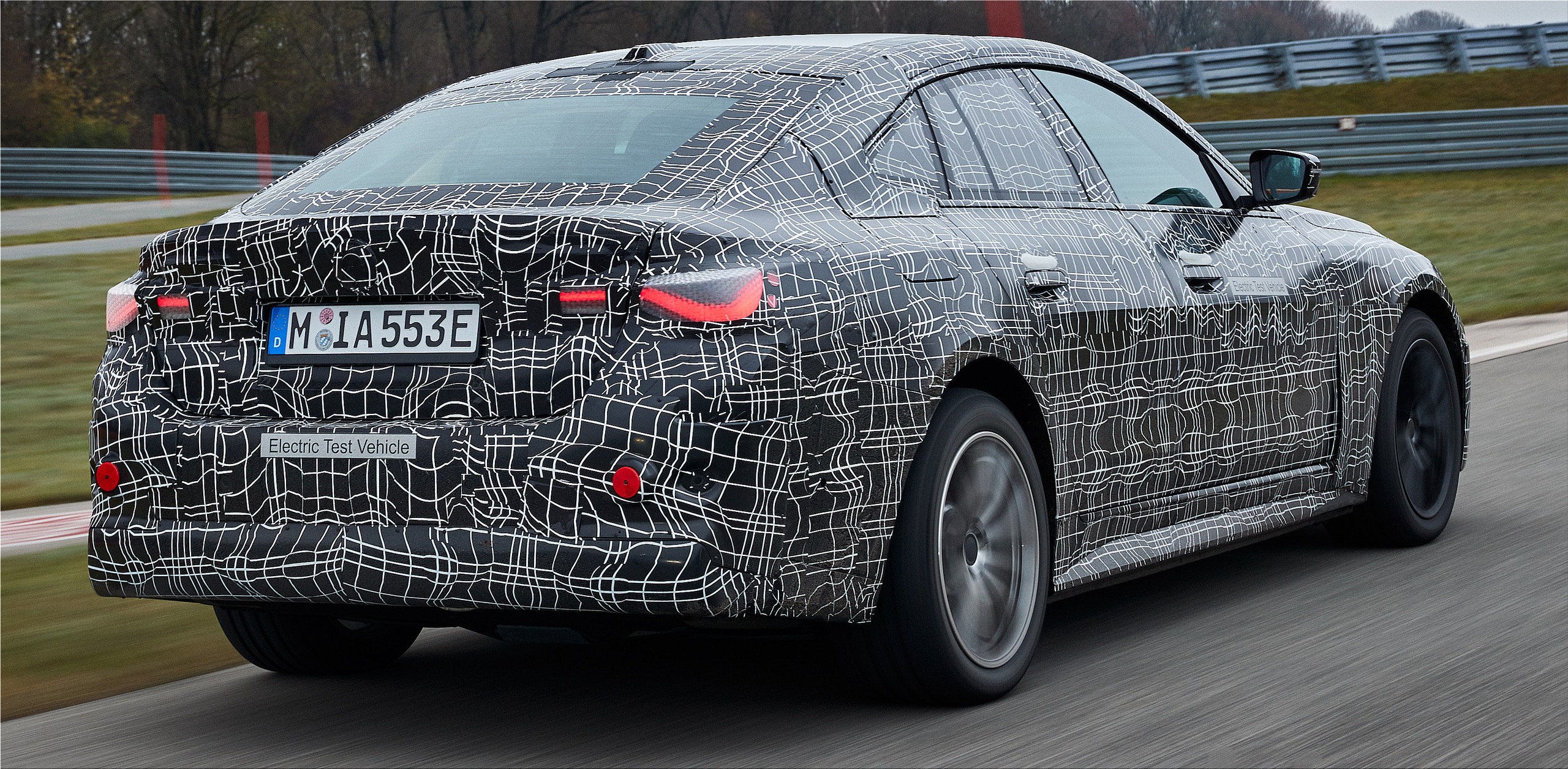
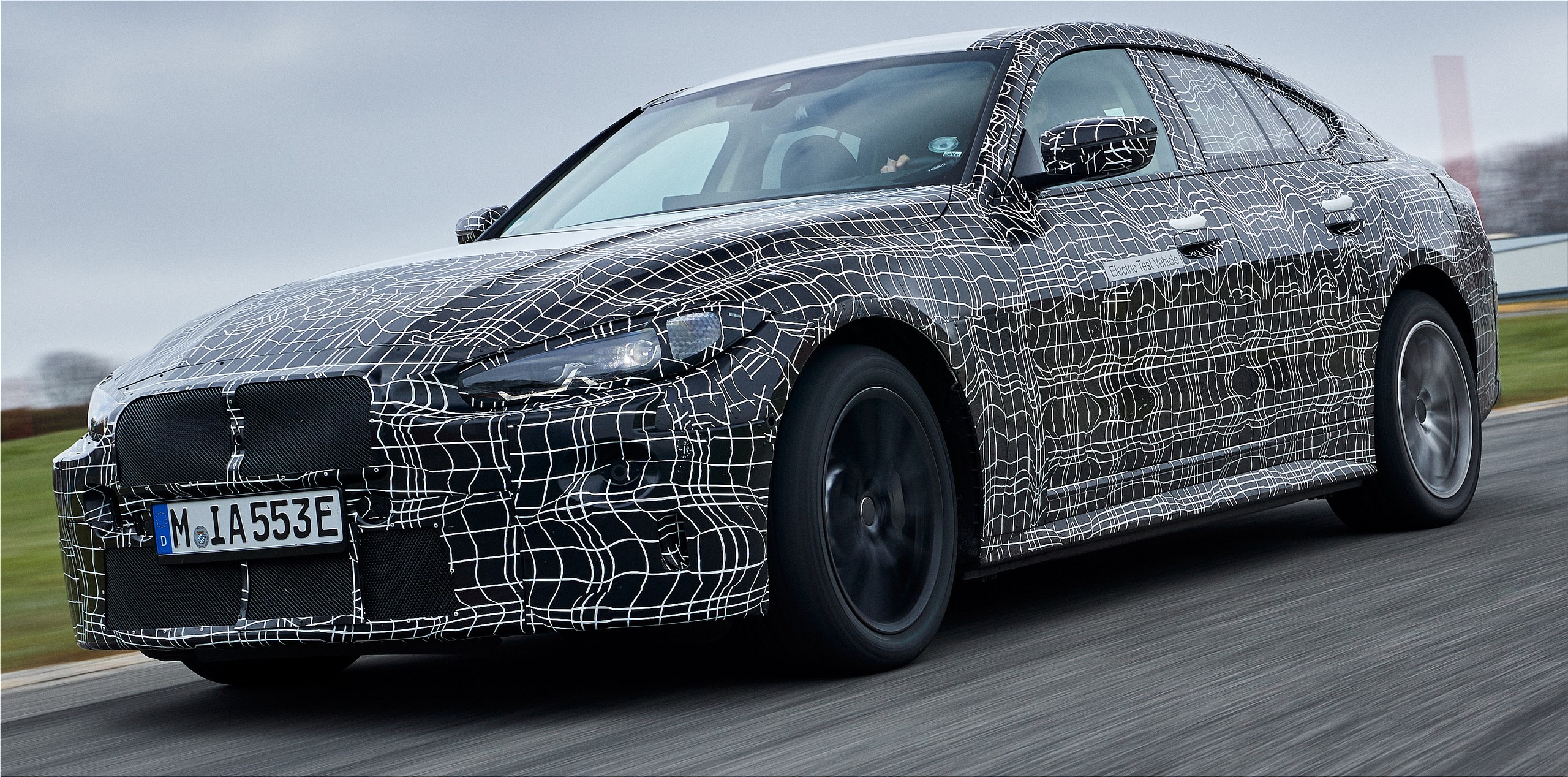
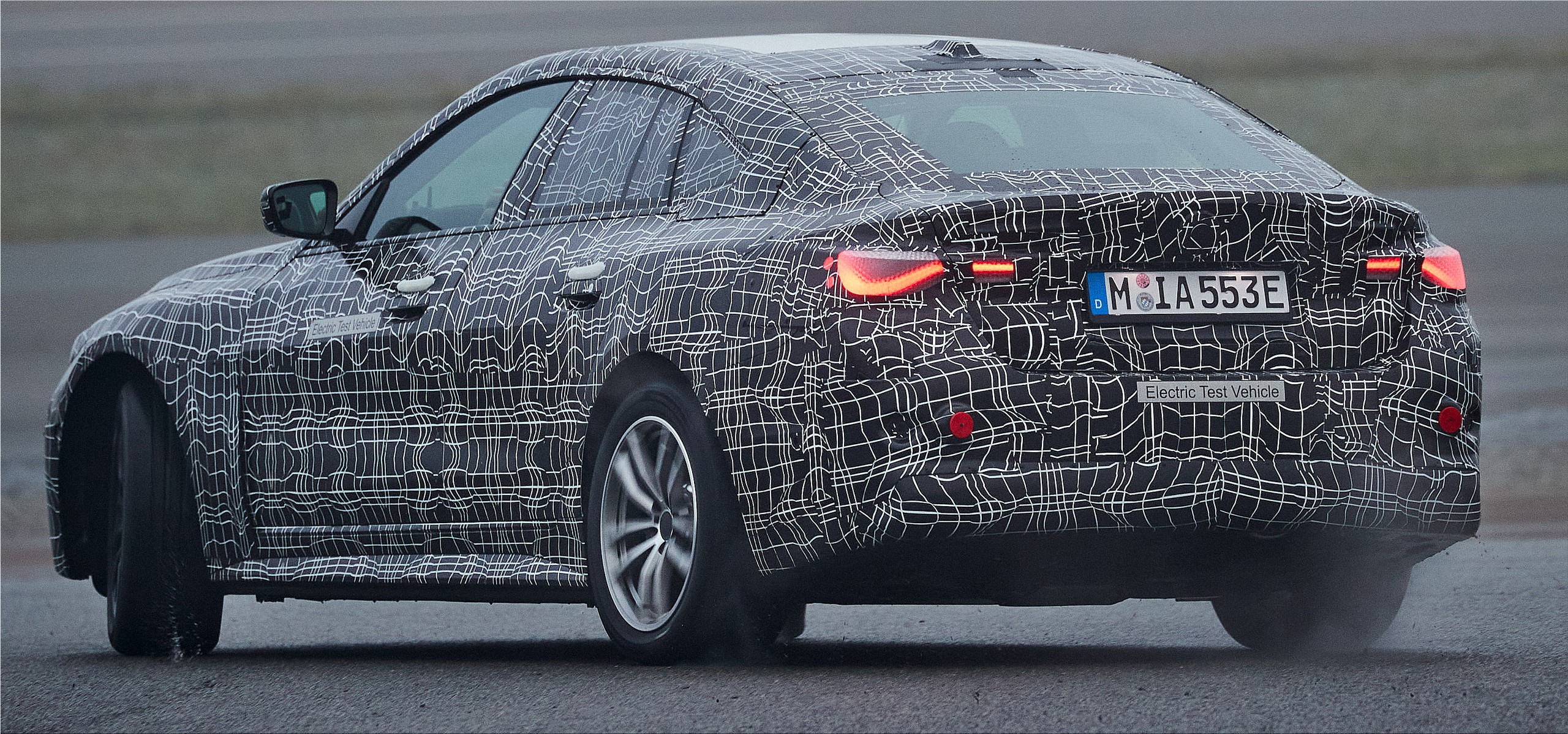
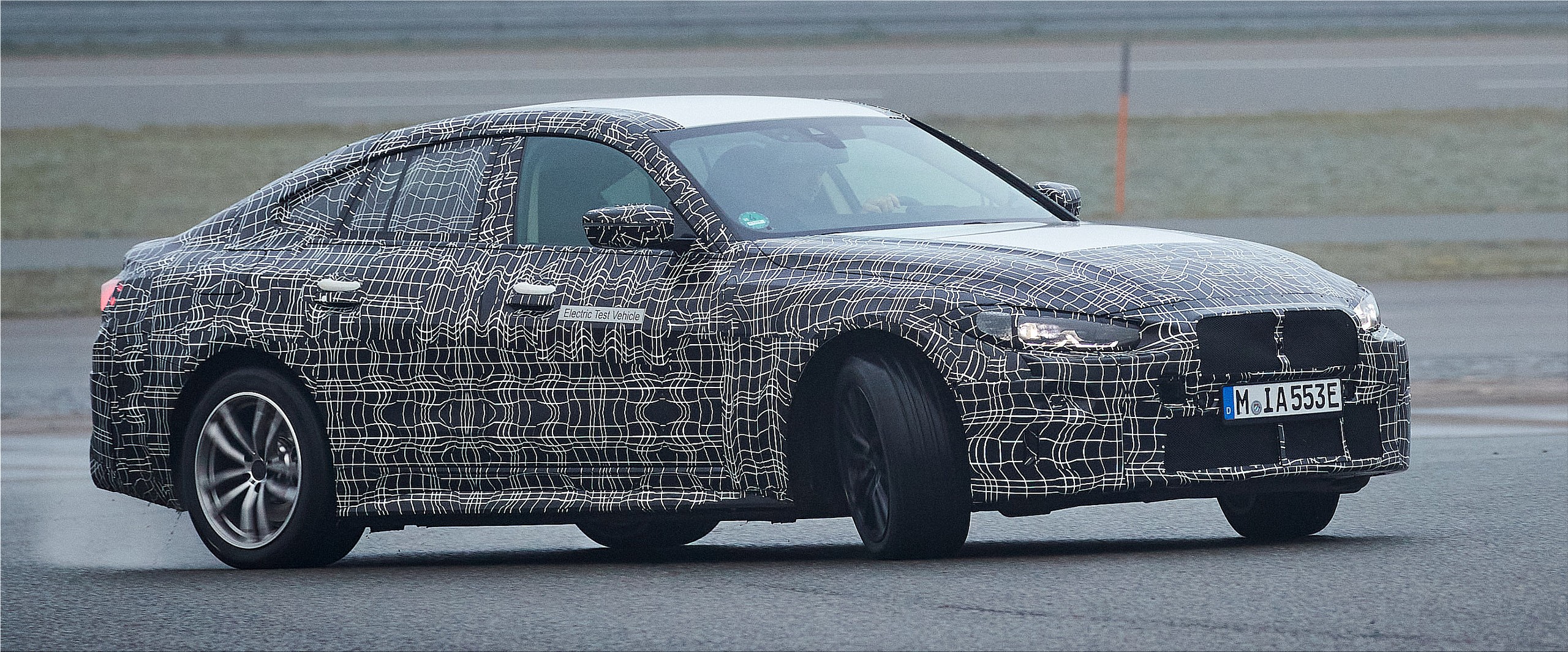
The BMW Group is constantly increasing the number of electrified cars. The intention is to double the number of electrified cars to 25 models by 2023.
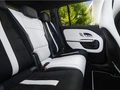
A Compact SUV Built for Practical Results Mercedes-Benz pushes its compact SUV line with the 2026 GLB. The company focuses on three outcomes: more range, more space, and more digital… Continue reading
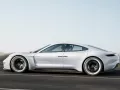
The German brand Porsche announces that it will double its investment in the development of electric vehicles from this time until the year 2022: it will exceed 6,000 million euros. The move to all-electric cars seems necessary for any car manufacturer… Continue reading
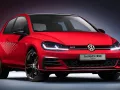
Volkswagen is preparing to launch the ID family of 100% electric vehicles. However, it also intends to offer new propulsion options by combining traditional gasoline or diesel engines with electricity and natural gas, offering hybrid versions… Continue reading

The charging station register of the Federal Association of the Energy and Water Industries (BDEW) has currently around 17,400 public charging locations in Germany. From these, about twelve percent are fast-charging. More than three-quarters of the… Continue reading