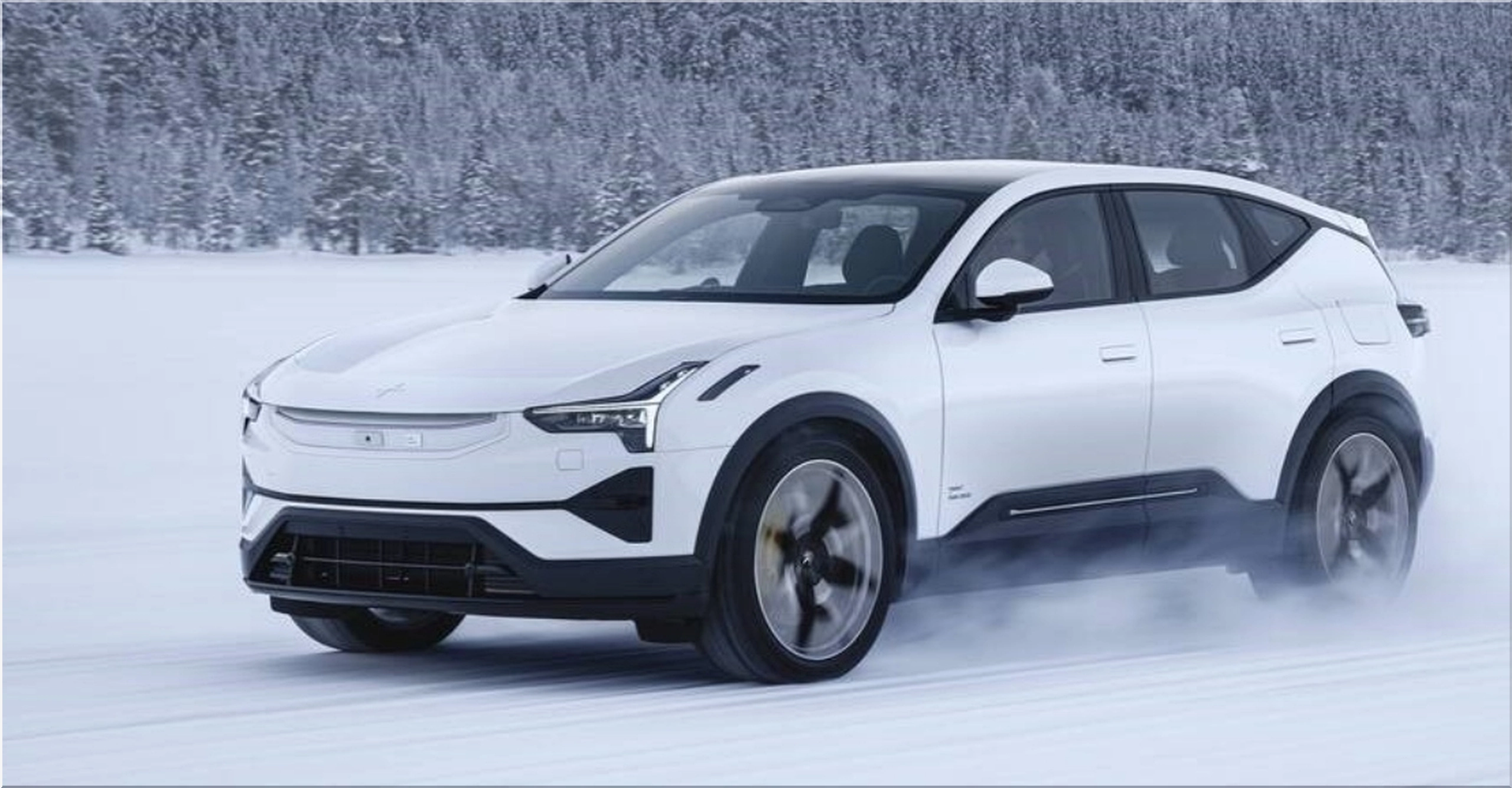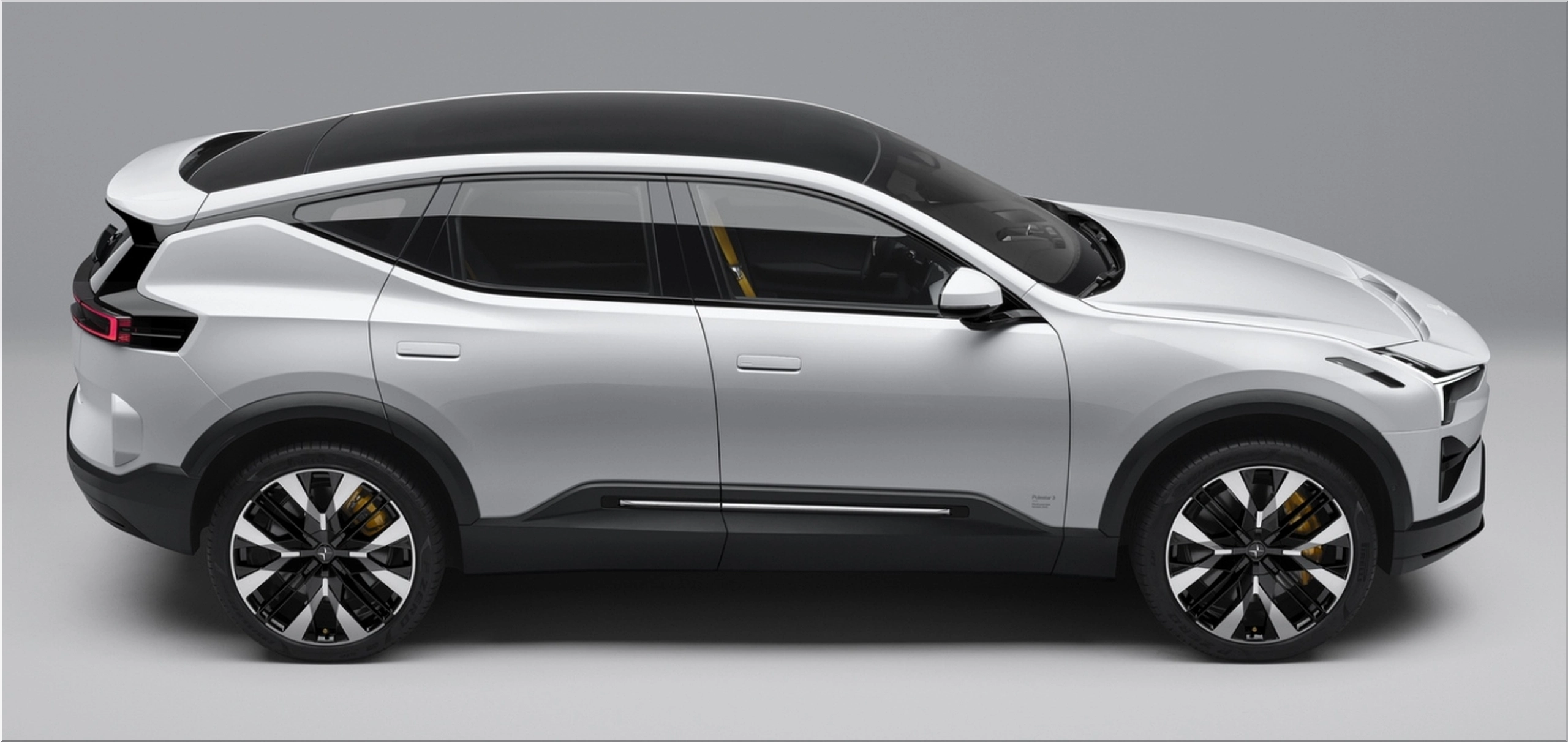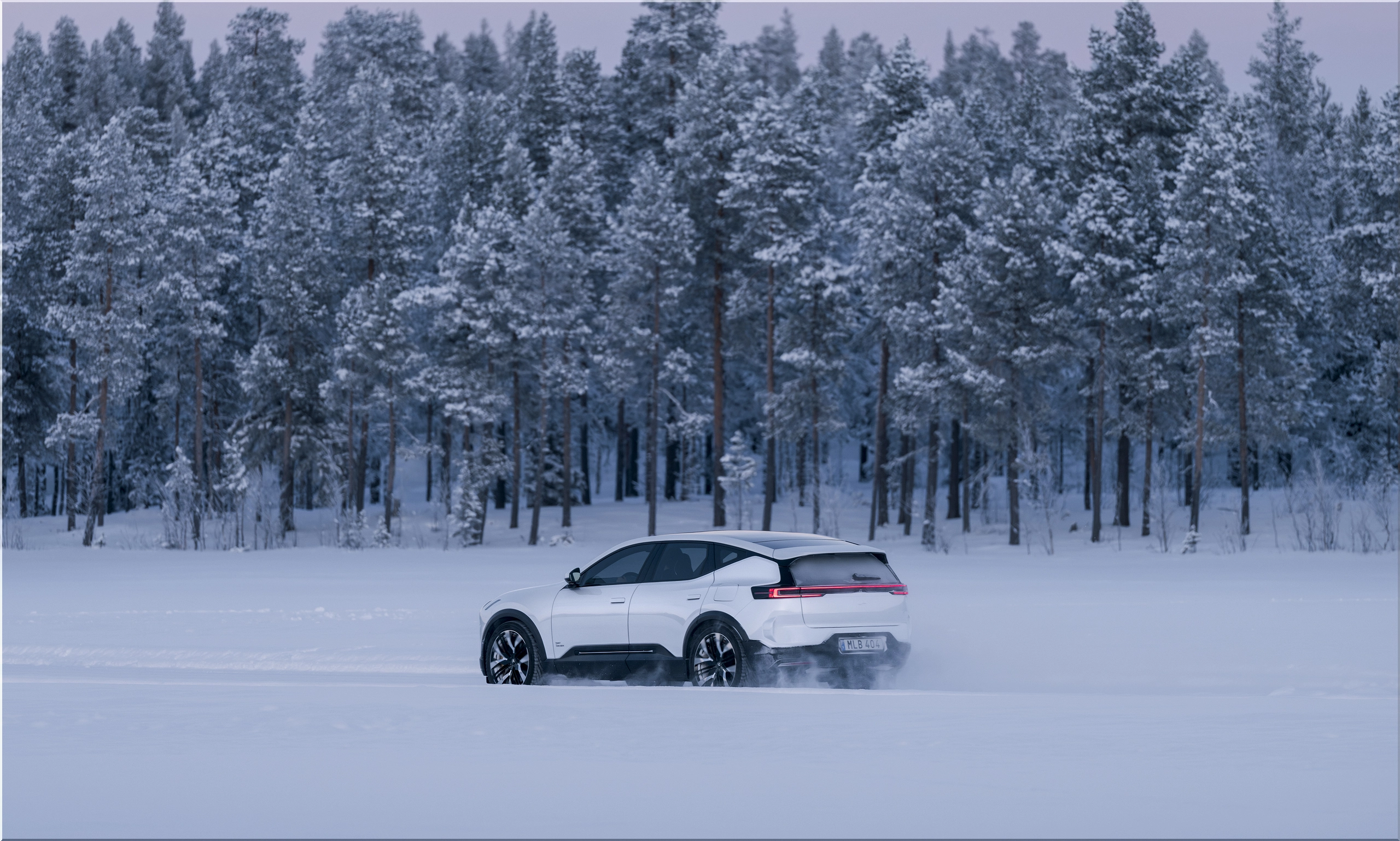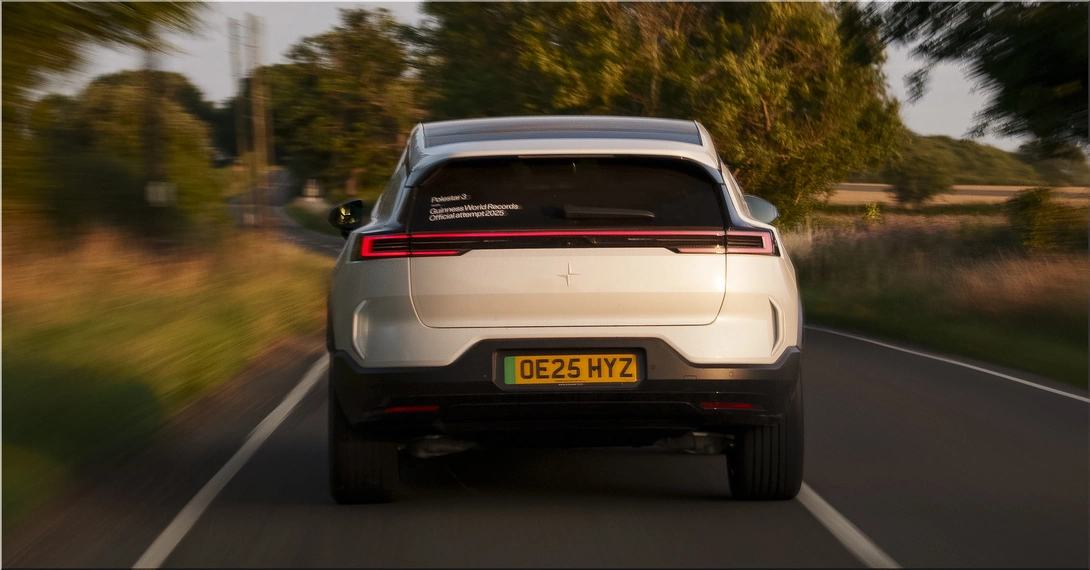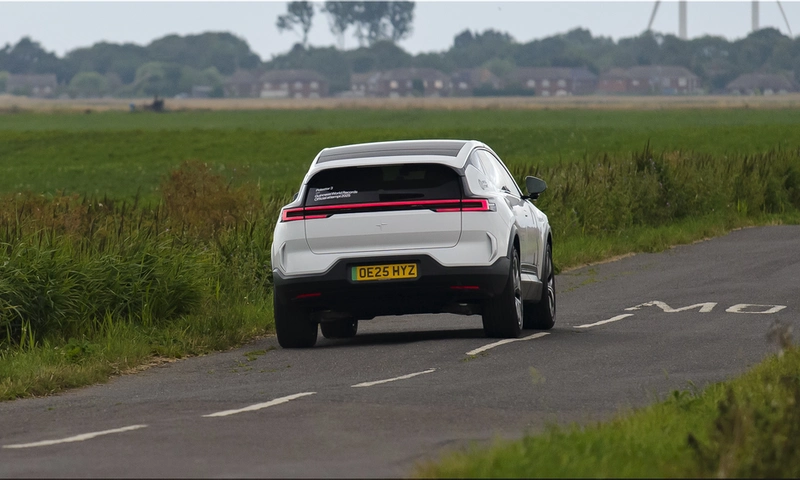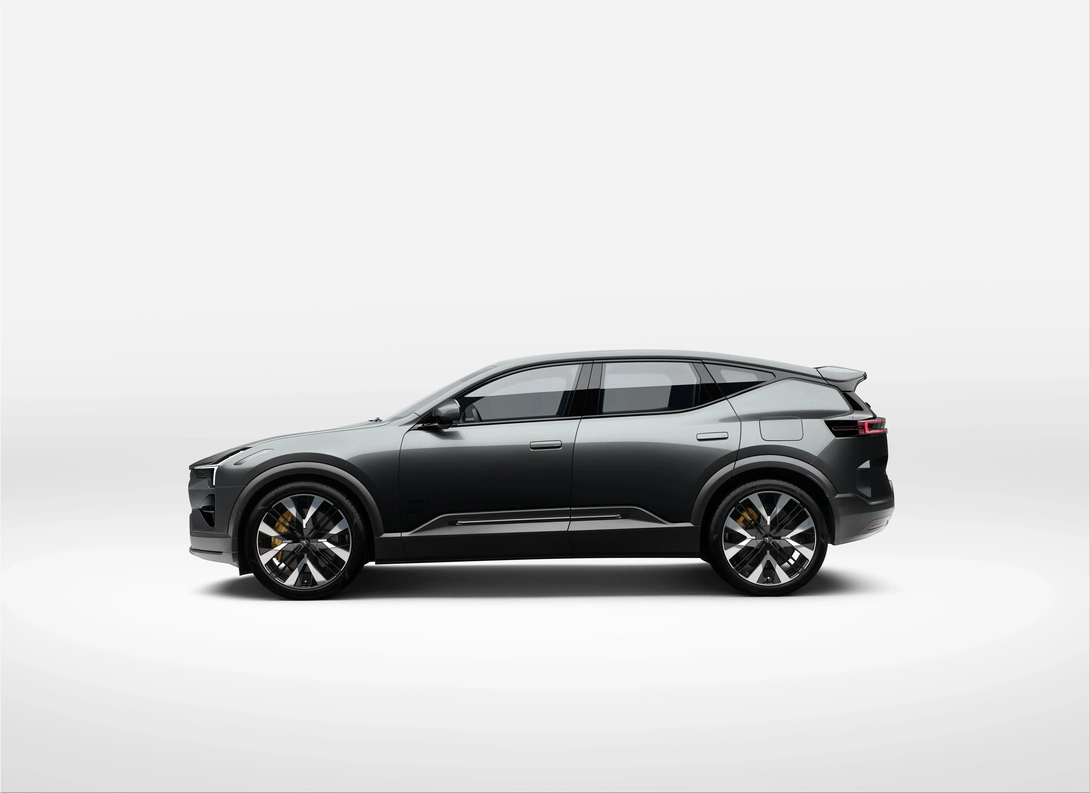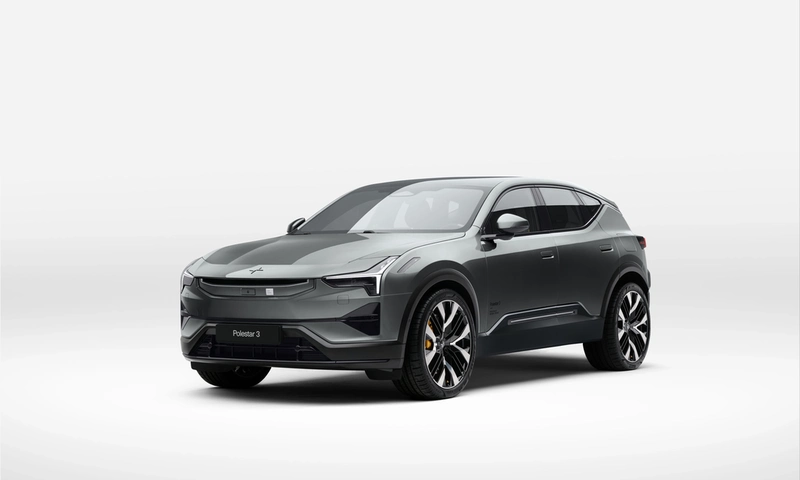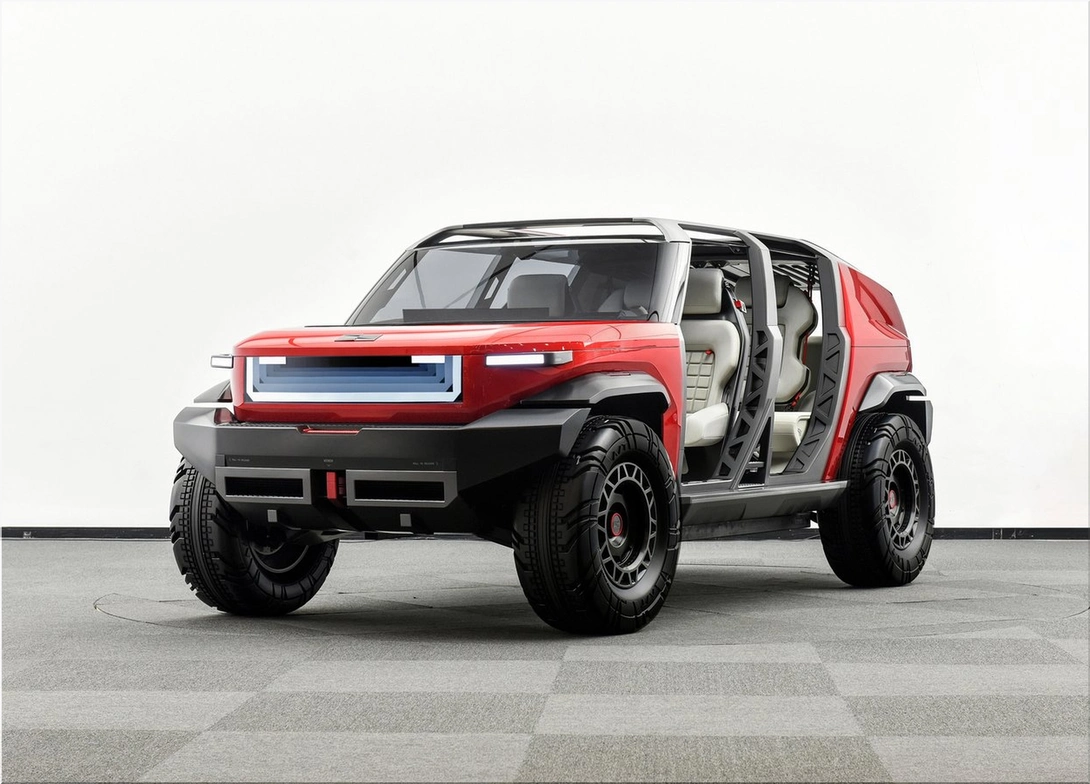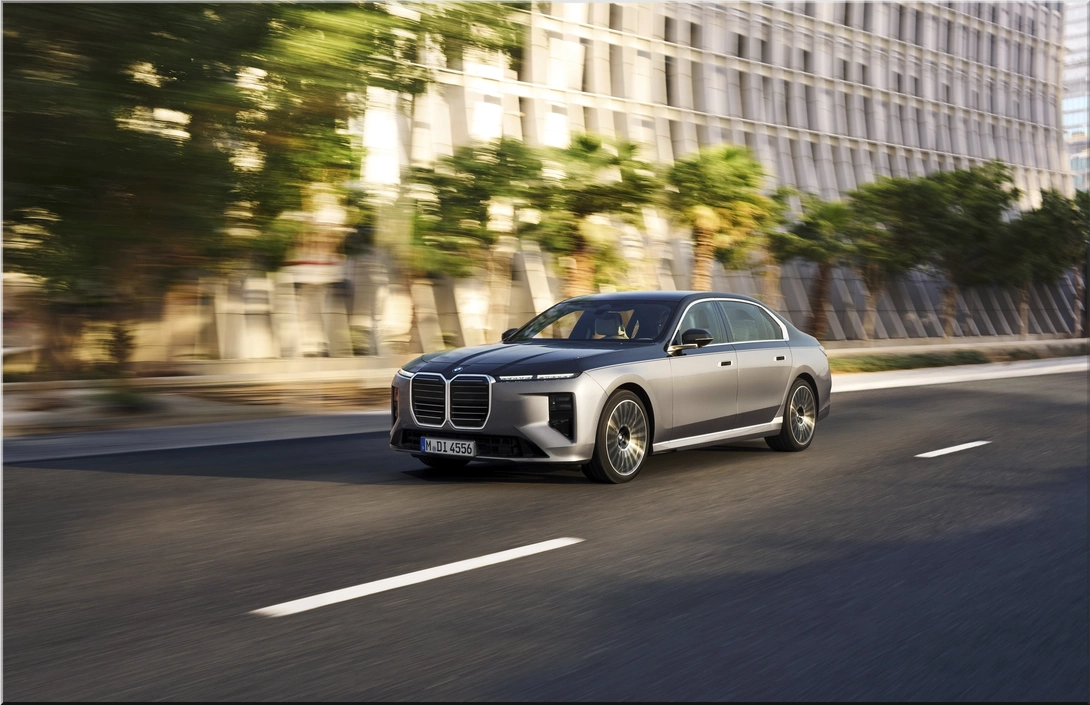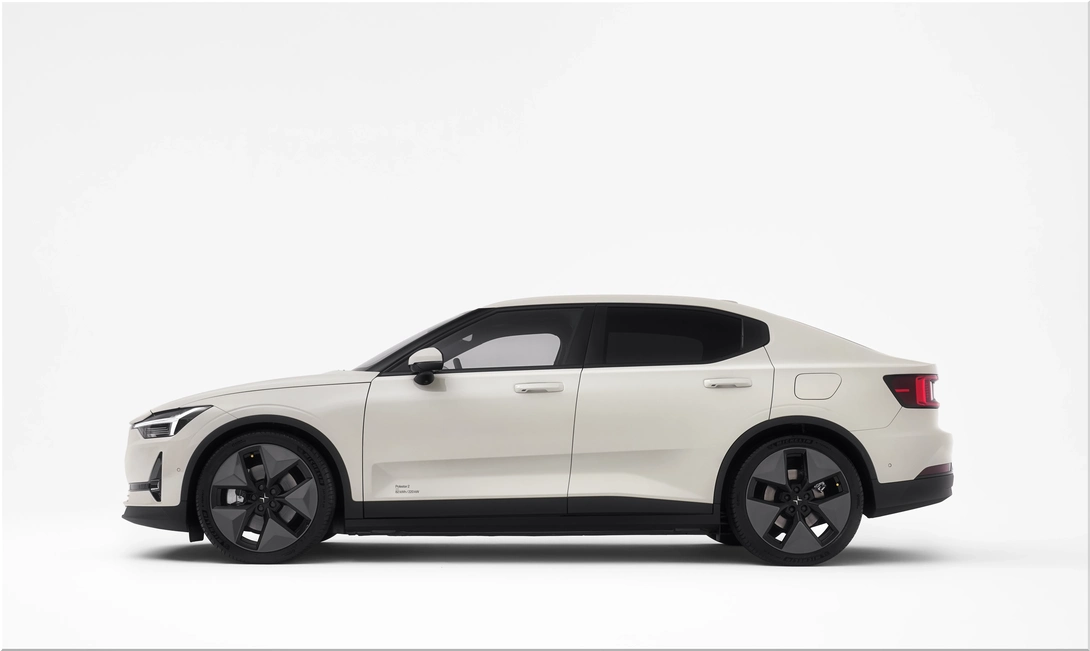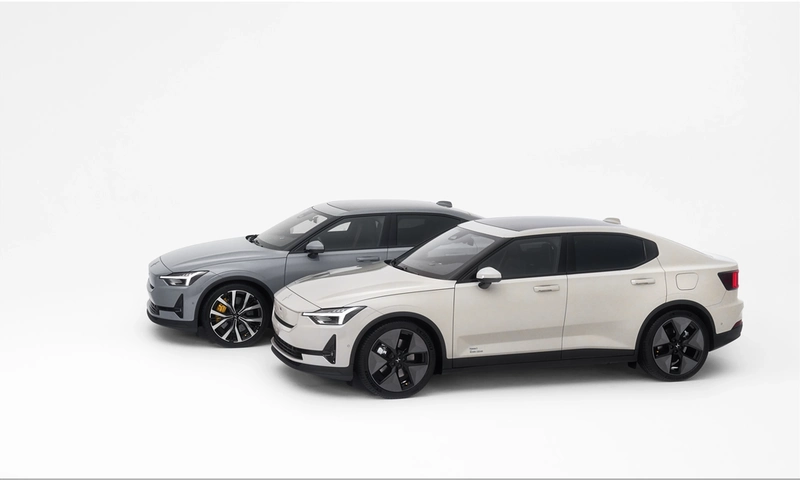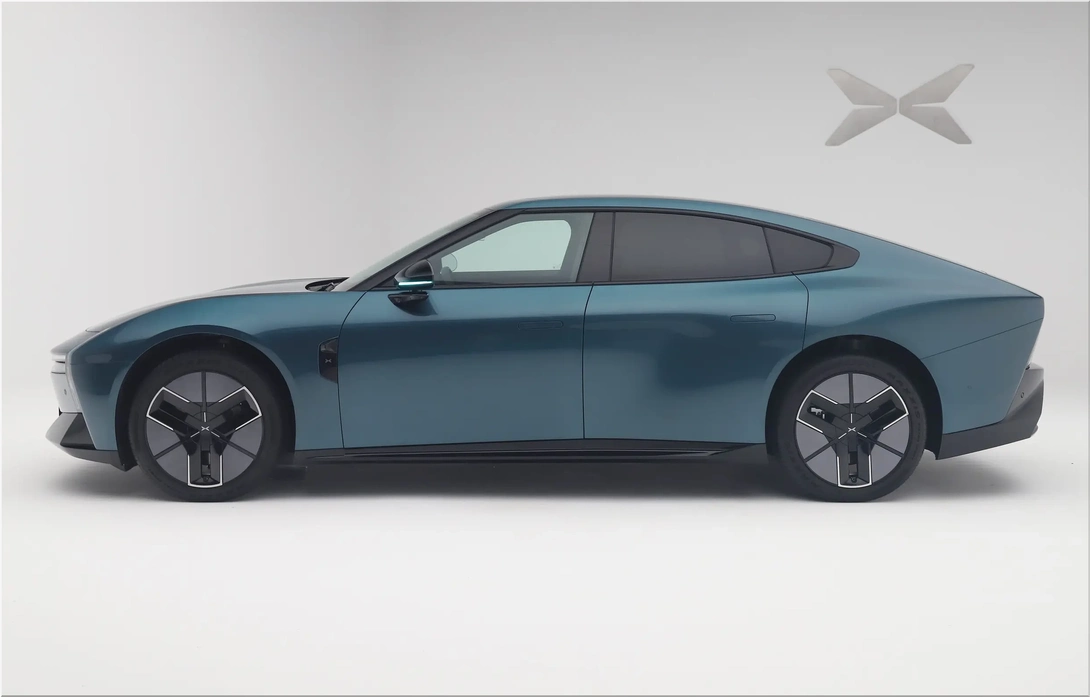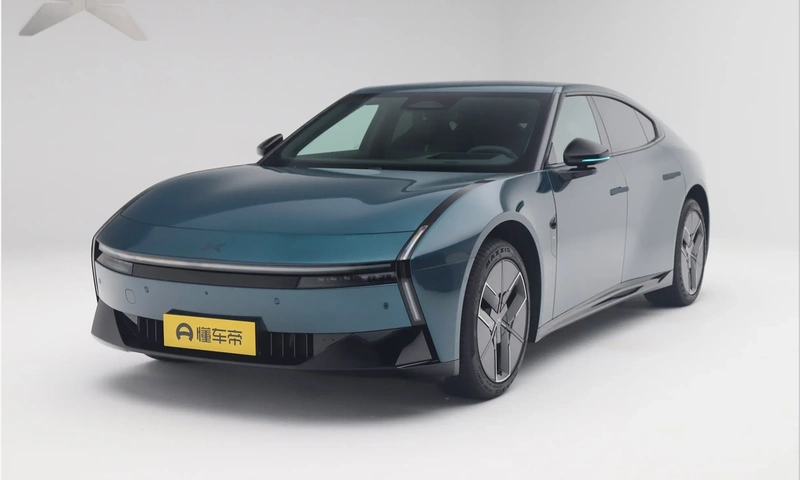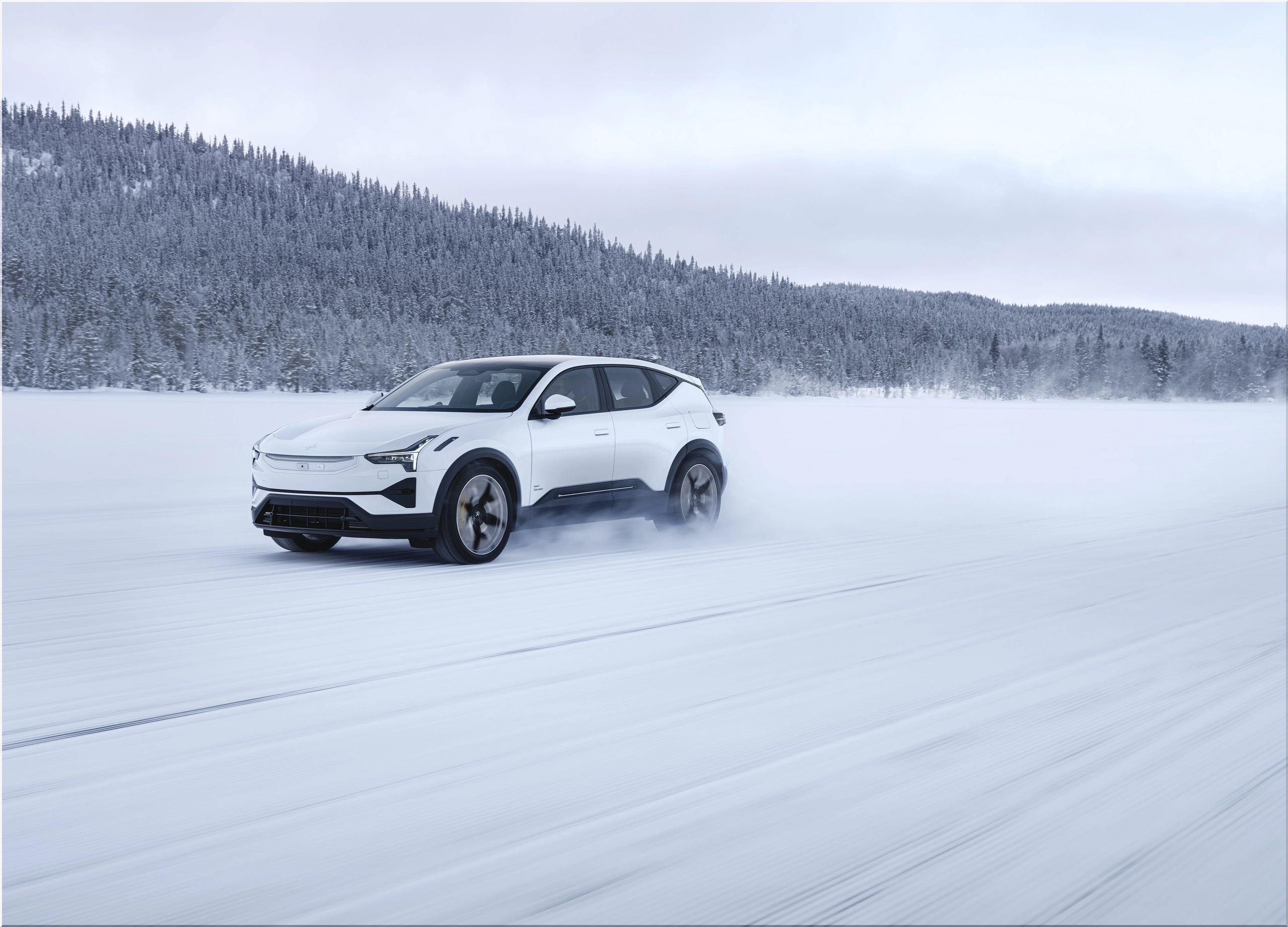
Polestar has thrown down the gauntlet in the electric vehicle (EV) arena with a decisive victory in the world’s largest independent winter range test. This test, conducted by the Norwegian Automobile Federation (NAF), saw the Polestar 3 leave its competitors out in the cold—quite literally. In a showdown that’s as much about science as it is about survival, the Polestar 3 showed that when the temperature drops, it’s still capable of keeping drivers warm and on the move.
Why Winter Range Matters for EVs
Let’s face it: winter is no friend to EVs. The physics behind this seasonal sabotage is simple yet brutal. Cold climates:
- Reduce battery efficiency by slowing down the chemical reactions within the battery cells. Think of your battery as a sluggish teenager refusing to get out of bed.
- Impact regenerative braking systems, which are less effective on icy roads where grip is already hard to find.
- Increase energy consumption as your car doubles as a rolling sauna to keep you from freezing.
Winning a winter range test is like acing a stress test in front of a crowd of skeptics. It proves the vehicle’s reliability and energy management efficiency in real-world Arctic conditions—or at least what feels like the Arctic when you’re shivering in Oslo.
Test Overview
Key Details
- Organized by: Norwegian Automobile Federation (NAF), a group so thorough they probably count their socks before leaving the house.
- Vehicles tested: Over 30 EV models, making this a veritable buffet of battery-powered machines.
- Conditions: Sub-zero temperatures, snowy roads, and terrain so varied it could double as a ski resort brochure.
The Polestar 3 emerged victorious, showing that it’s not just built for comfort but also engineered for resilience. While other EVs were busy sipping their battery power like a tourist nursing an overpriced latte, the Polestar 3 powered through with the grace of a seasoned snowplow.
Polestar 3’s Test Performance
Range Achieved
- Official WLTP range: 379 miles (610 km). Think of this as the optimistic promise.
- Achieved winter range: 300 miles (483 km). The reality is impressive given the circumstances.
This translates to a range retention rate of 79%, leaving industry averages out in the cold. For comparison:
- Tesla Model Y managed a respectable retention rate of 74%, proving it’s still a worthy rival.
- Audi Q8 e-tron hit 70%, which isn’t bad but won’t win any medals.
- BMW iX clocked in at 68%, perhaps distracted by its own lavish cabin features.
Polestar’s superior result is a testament to its battery efficiency and thermal management system—or, as we like to call it, the car’s ability to wear a really good winter coat.
Technological Innovations in the Polestar 3
1. Heat Pump Efficiency
- The heat pump extracts ambient heat, even from the coldest air, to warm the cabin. It’s like finding spare change in your winter coat pocket.
- Unlike traditional systems that guzzle battery power, this heat pump is as frugal as a coupon-clipping grandma.
2. Battery Preconditioning
- Automatically adjusts battery temperature during charging, ensuring optimal energy use. Think of it as a pre-workout stretch for your car’s battery.
3. Advanced Aerodynamics
- The sleek design reduces drag, which means the car isn’t fighting the wind like a cat resisting a bath.
These features combine to make the Polestar 3 a cold-weather champion, proving that Scandinavian engineering is as smart as it is stylish.