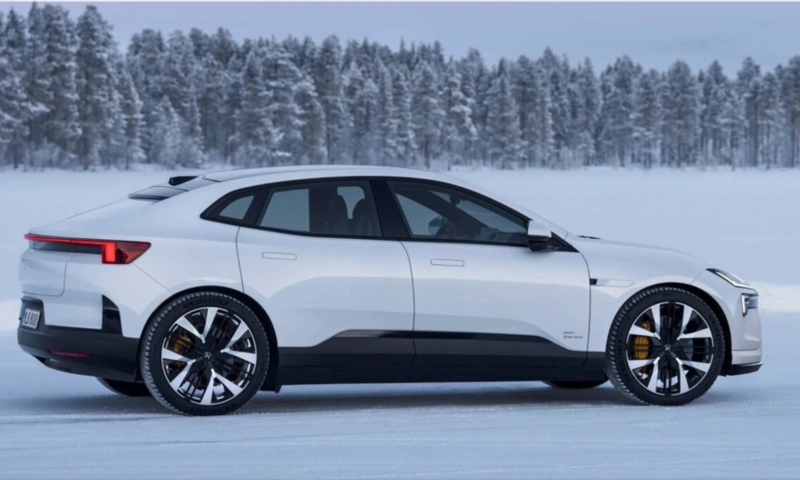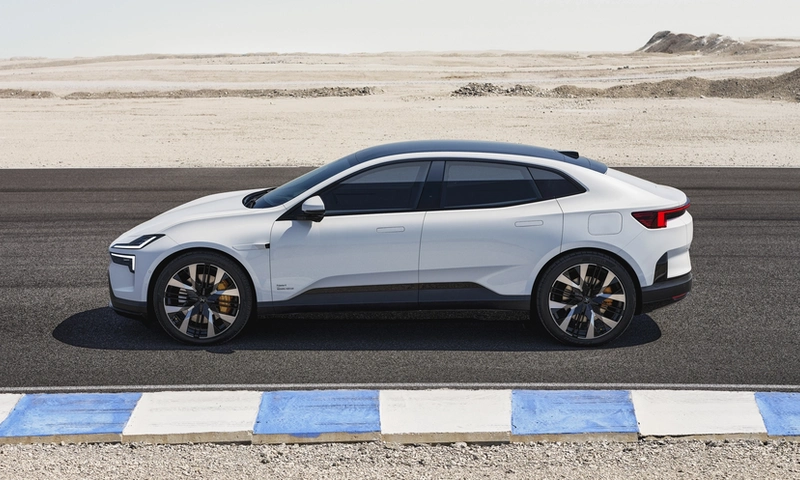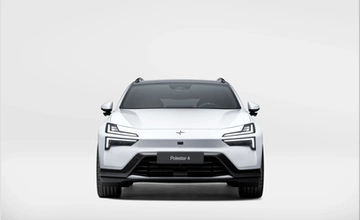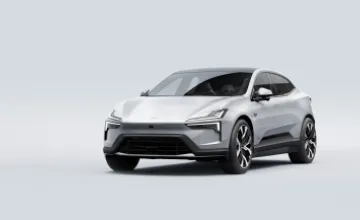
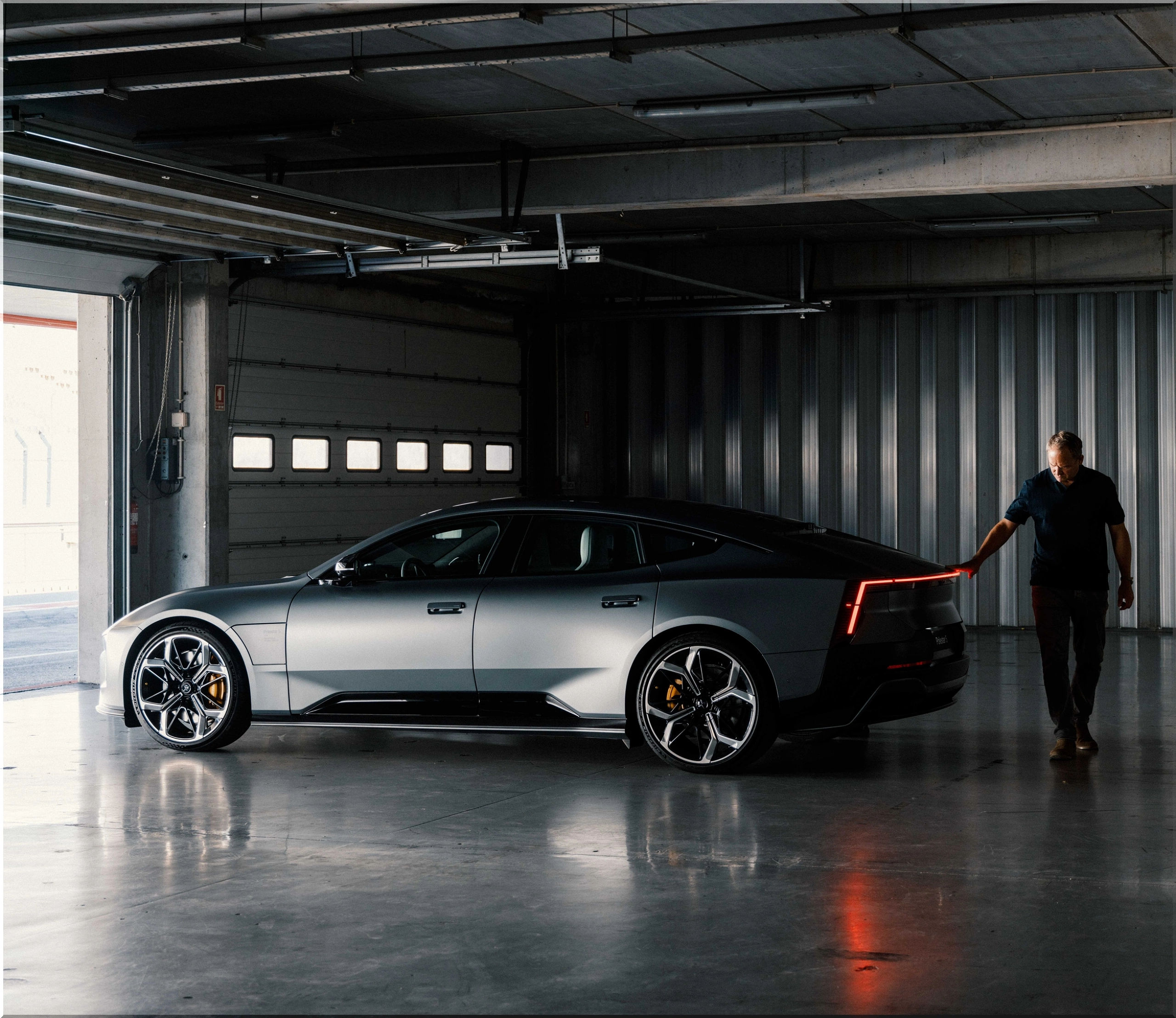
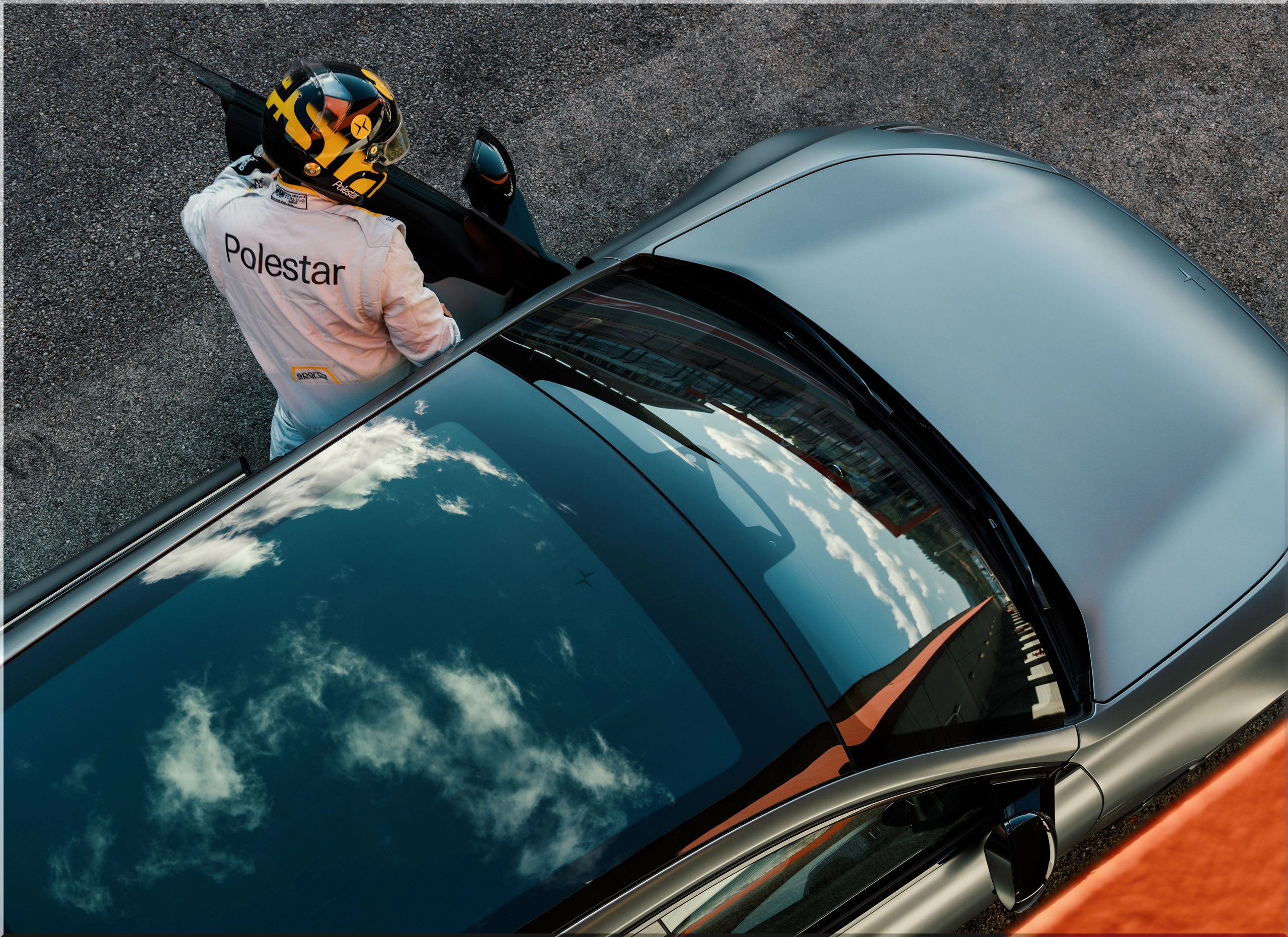
The Polestar Oxford study found that drivers preferred a dual-motor Polestar 4 with Performance pack over its rear-motor counterpart, while telemetry showed stronger acceleration with less steering effort. But this 12-person pilot tests a measurement approach; it does not establish a universal score for driving pleasure.
Image
How did Oxford and Polestar measure driving enjoyment?
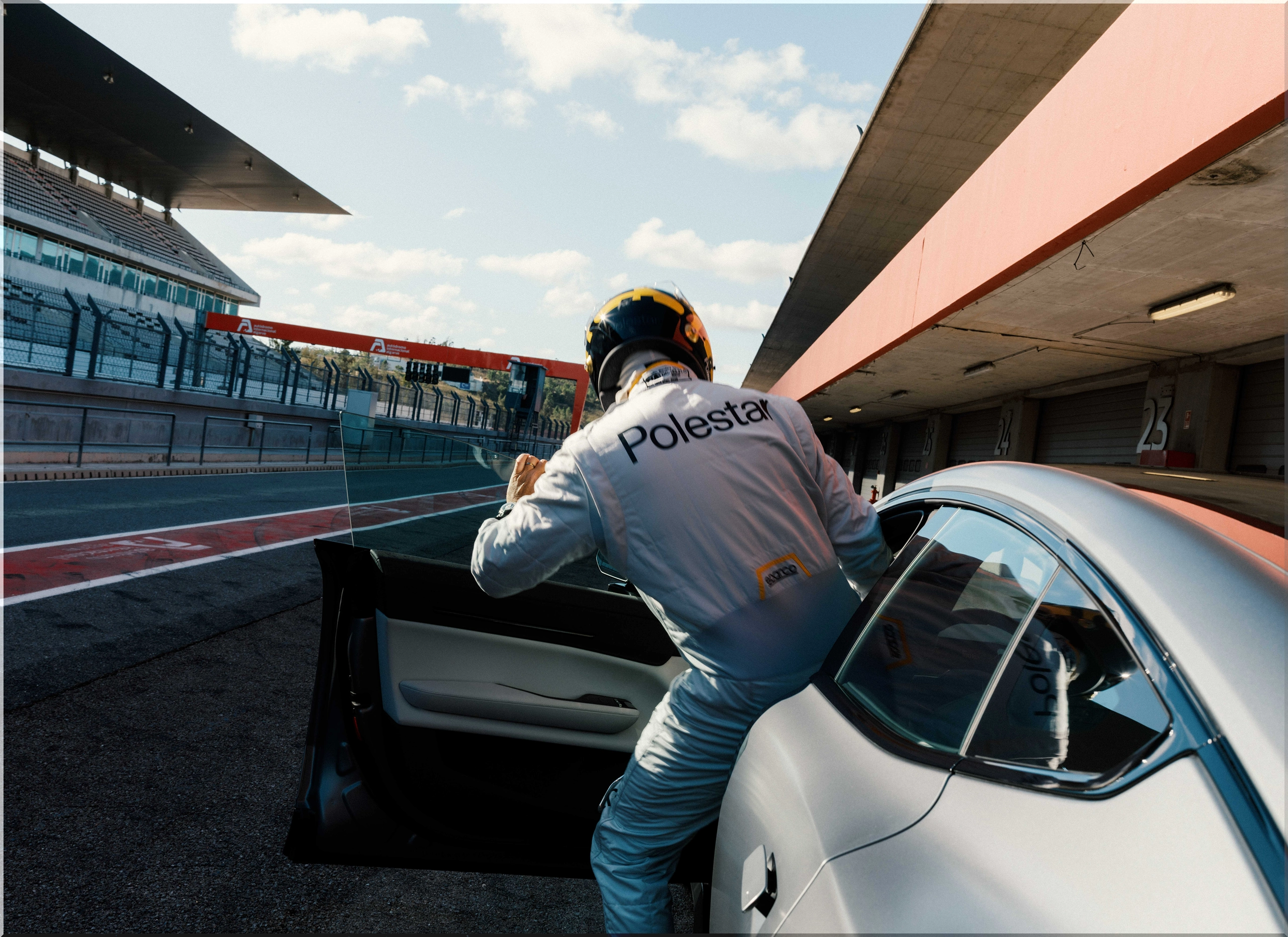
Researchers from the University of Oxford's SDG Impact Lab combined vehicle telemetry, body sensors, questionnaires, and interviews at Sweden's Gotland Ring. Each participant drove both cars at calm and dynamic paces, following a lead vehicle. Researchers counterbalanced the car order and kept the cabin and controls consistent across versions.
The team recruited experienced Polestar drivers, rather than a cross-section of car shoppers. Before track testing, a separate survey gathered responses from 60 Polestar owners across 15 countries; 35 mentioned handling and road connection, compared with 26 who mentioned performance and acceleration.
Video gallery
Video title
Polestar Oxford study 2026
What changed between the two Polestar 4 versions?
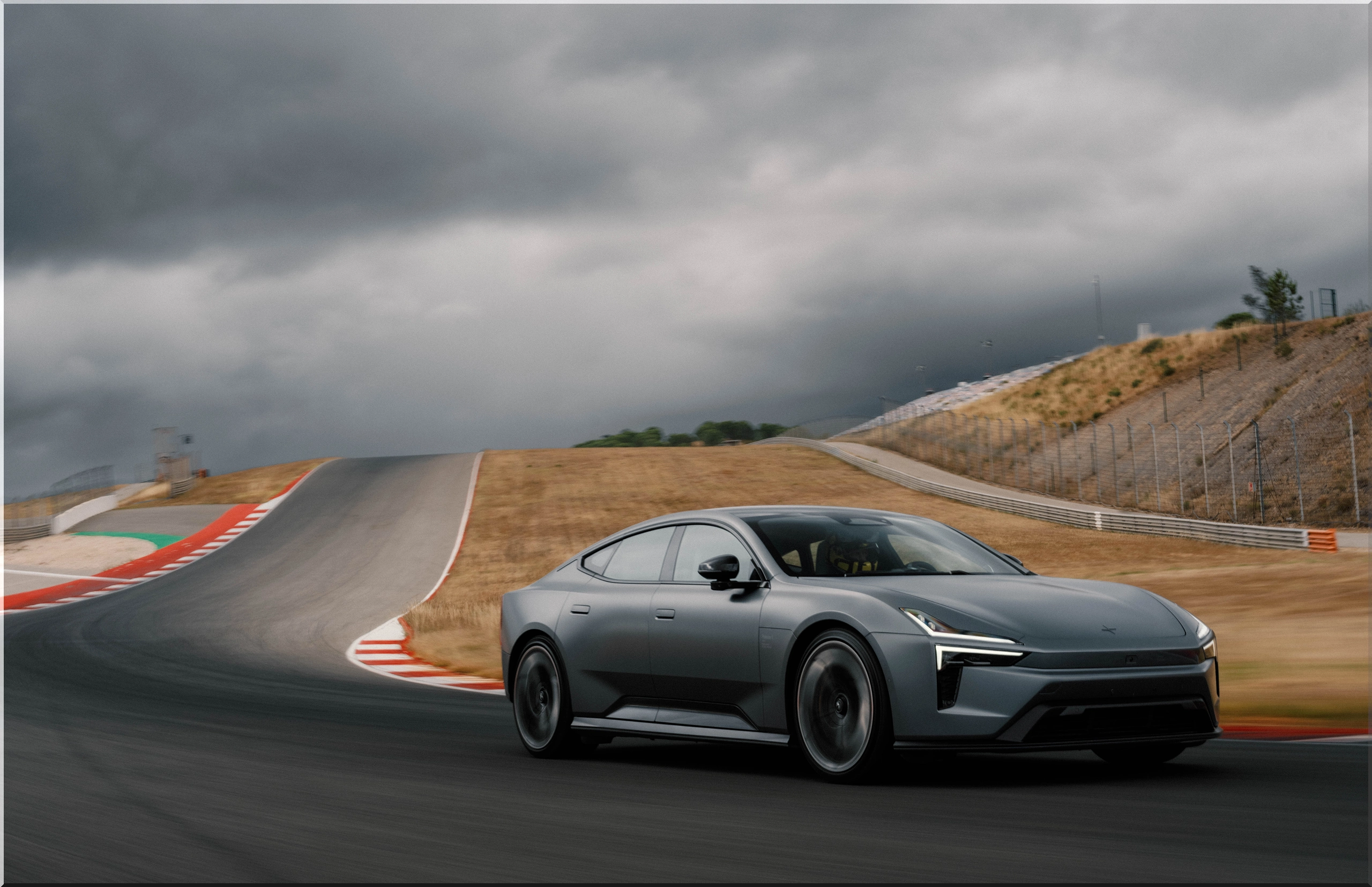
The dual-motor car doubled rated output from 200 to 400 kW, but the comparison produced something more useful than another acceleration headline. On matched fast laps, it delivered 32% higher peak acceleration while demanding 15% less steering effort. Complete telemetry covered six drivers, rather than all 12 participants.
| Measurement | Rear motor | Dual motor with Performance pack |
|---|---|---|
| Rated motor output | 200 kW | 400 kW |
| Matched fast-lap average speed | About 48.5 mph | About 49.1 mph |
| Peak acceleration index | 100 | 132 |
| Steering effort index | 100 | 85 |
| Performance/Dynamics rating, out of 100 | 67.7 | 89.2 |
| Experiential Quality rating, out of 100 | 77.9 | 93.0 |
The index rows set the rear-motor car at 100 to express the reported percentage differences. They do not represent absolute acceleration or steering torque measurements.
Looking at the data, the Performance car's advantage involved how it produced speed. Peak lateral acceleration rose 9%, while top speed during the test rose only 3%. The lead-car format constrained pace, so these results cannot predict unrestricted lap times or prove that horsepower alone caused the preference.
Why did acceleration changes matter more than speed?
Longitudinal jerk, the rate at which acceleration changes, showed the strongest association with physiological arousal among the telemetry variables. A corner exit or braking transition changes the force acting on the body; holding a steady speed does not produce that same surge. The report connects those transitions with drivers' descriptions of their strongest moments.
Definition: Jerk measures acceleration change over time, typically in meters per second cubed. It describes how abruptly force arrives, rather than how much power a motor produces.
During dynamic driving, participants also showed:
- Fewer blinks and longer gaze fixations.
- Larger pupils, consistent with greater attention.
- Higher heart rate and skin conductance than during calm driving.
Those signals describe activation. Interviews help distinguish pleasure from tension, while physical exertion can also raise heart rate.

How strong is the evidence?
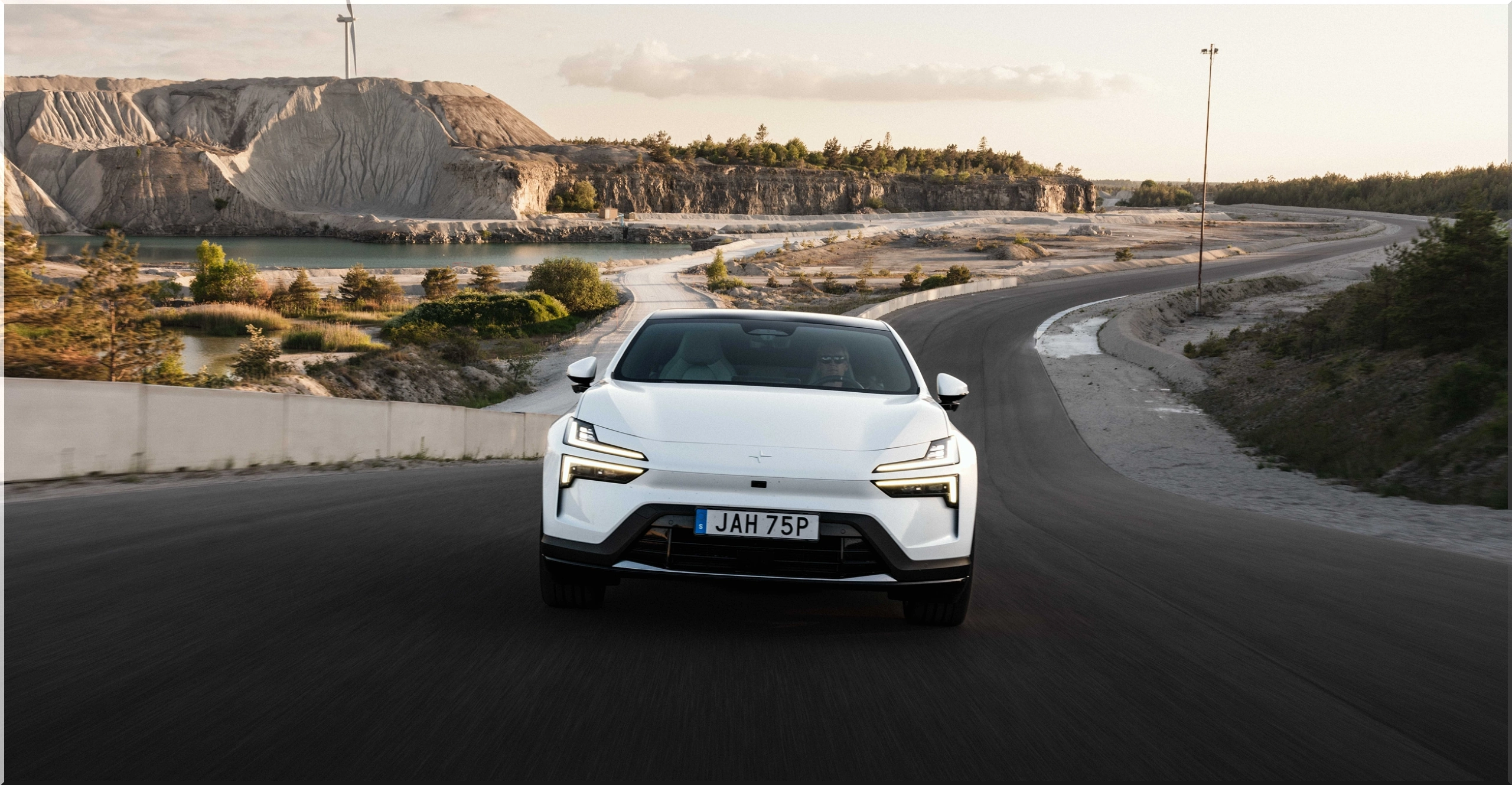
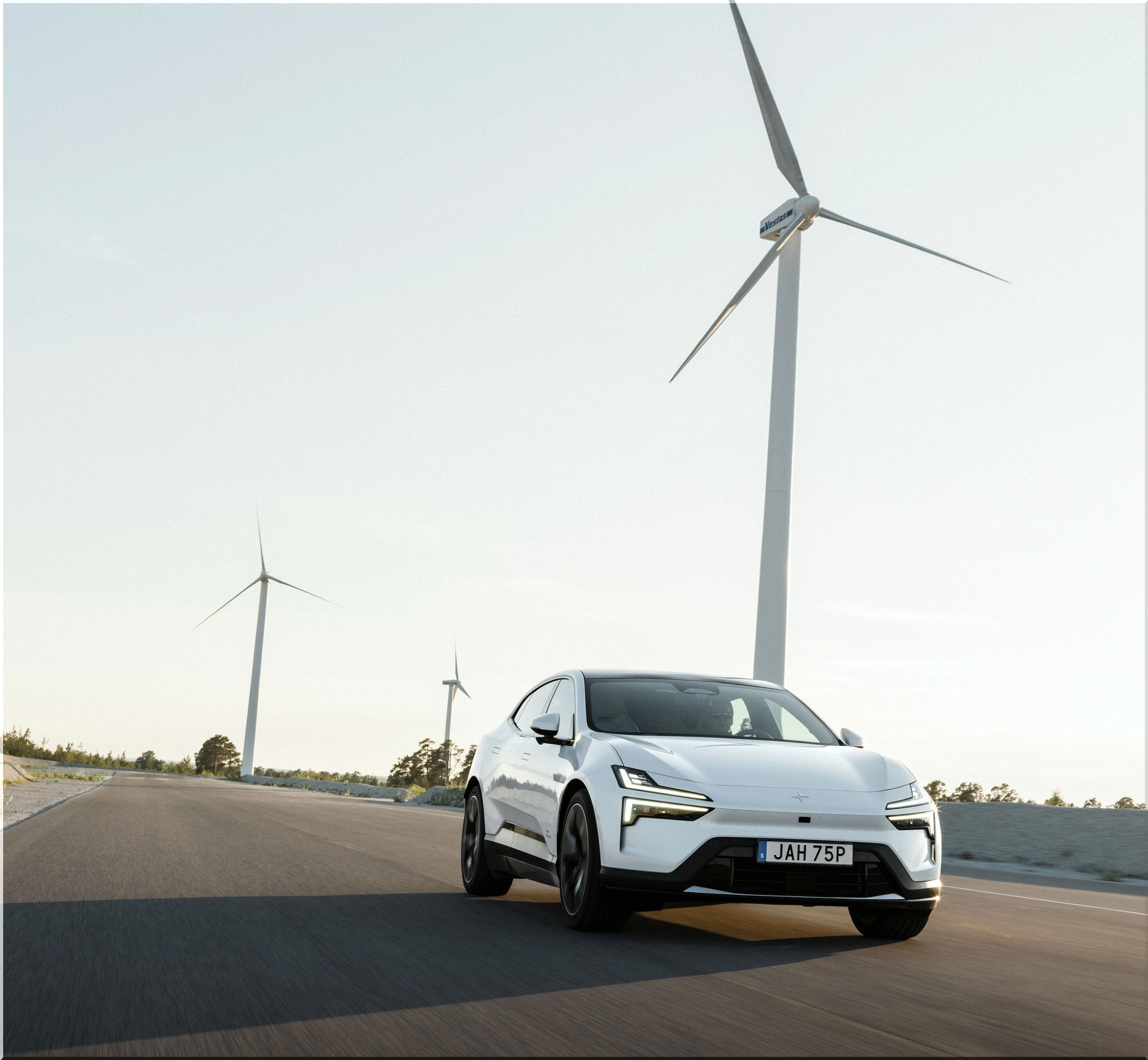
Oxford's team treated the results as descriptive and ran no formal statistical significance tests. The report also identifies recording and synchronization problems, recommends a larger study, and rejects reducing the experience to one thrill index. Its findings support further testing rather than a settled ranking of performance cars.
| Evidence | Pros | Cons |
|---|---|---|
| Same drivers, both cars | Within-person comparison reduces differences between drivers | Twelve experienced brand drivers limit generalization |
| Telemetry and physiology | Six complete datasets connect vehicle behavior with bodily response | Exertion complicates interpretation of heart rate |
| Eye tracking and EEG | Eye tracking detected attention changes | Motion artifacts undermined EEG; researchers recommend dropping it from the default setup |
| Sponsor disclosure | Researchers retained design and analysis responsibility | Polestar funded the work, recruited participants, and supplied vehicles and track access |
Image gallery:
Should you pay more for a performance EV?
I would use this study to improve a test drive, rather than justify an upgrade automatically. Compare steering precision, brake modulation, and body control on the same route at legal speeds. The pilot supplies no evidence about insurance premiums, tire replacement costs, charging performance, battery longevity, or depreciation.
Pro-Tip: Drive both versions over the same rough pavement and familiar corners. Check whether the faster car reduces steering corrections and makes braking easier to meter. Then compare ownership quotes. A higher enjoyment rating cannot tell you whether the upgrade fits your roads or budget.
- Add new comment
- 6 views