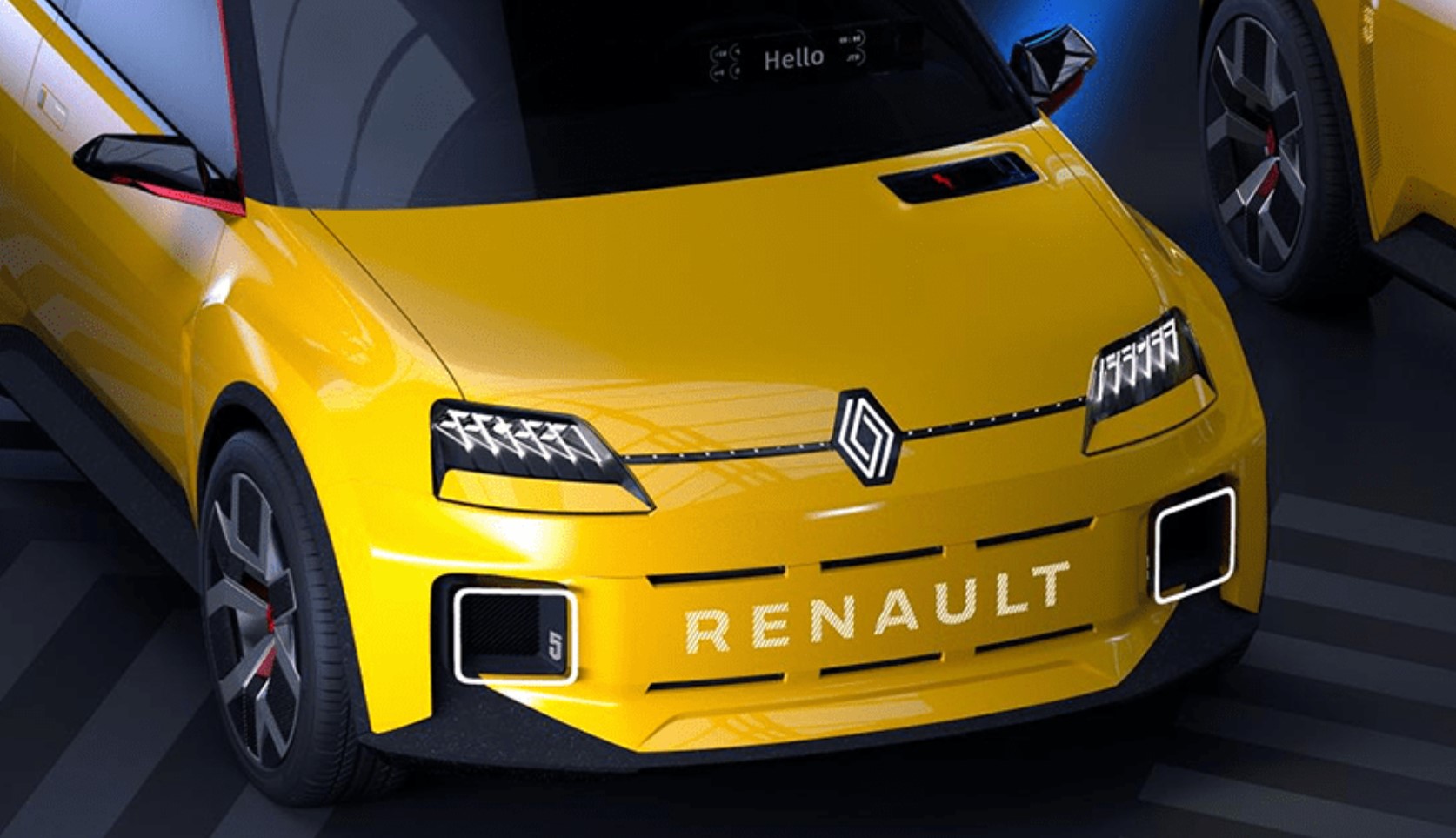
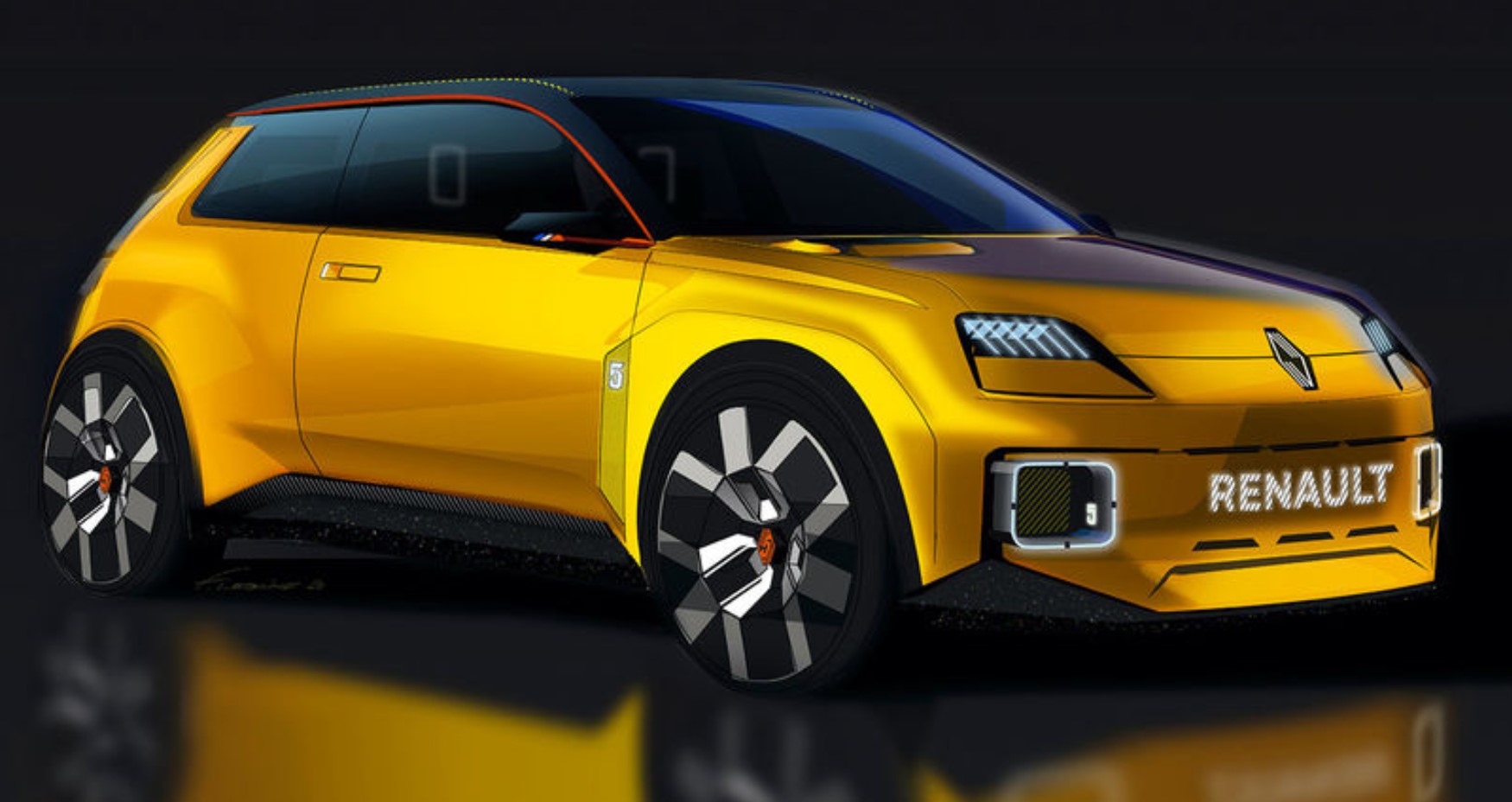
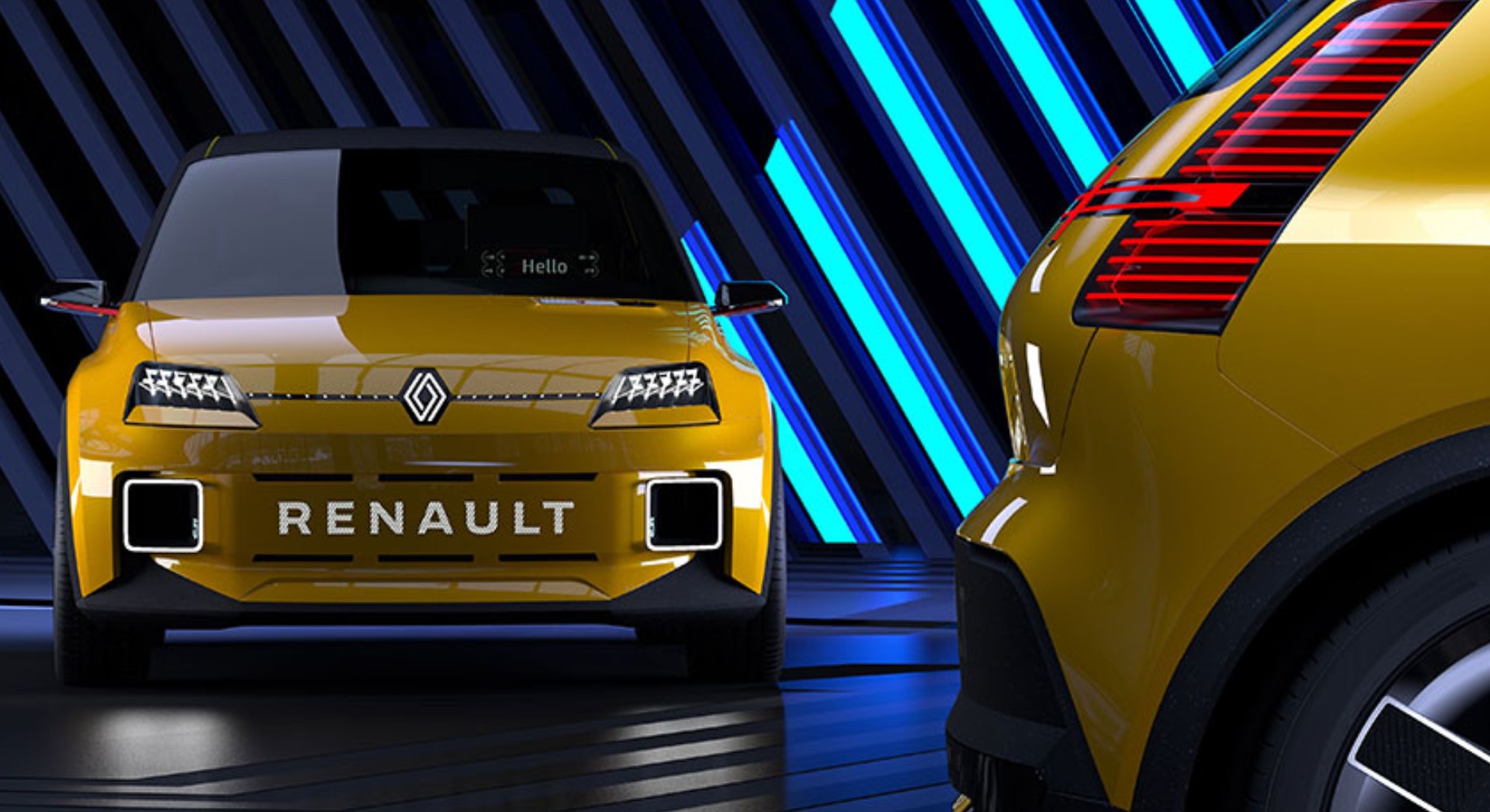
In order to be able to sell the production version of the all-electric Renault 5 Prototype planned for 2023 at a profit, Renault is analyzing the LFP batteries. The price range of the Renault 5 should be between 20,000 and 30,000 euros.
The LFP batteries (lithium iron phosphate batteries) have a more reasonable price and together with the new CMF-B EV platform for compact electric vehicles, could ensure that this goal is easily achieved.
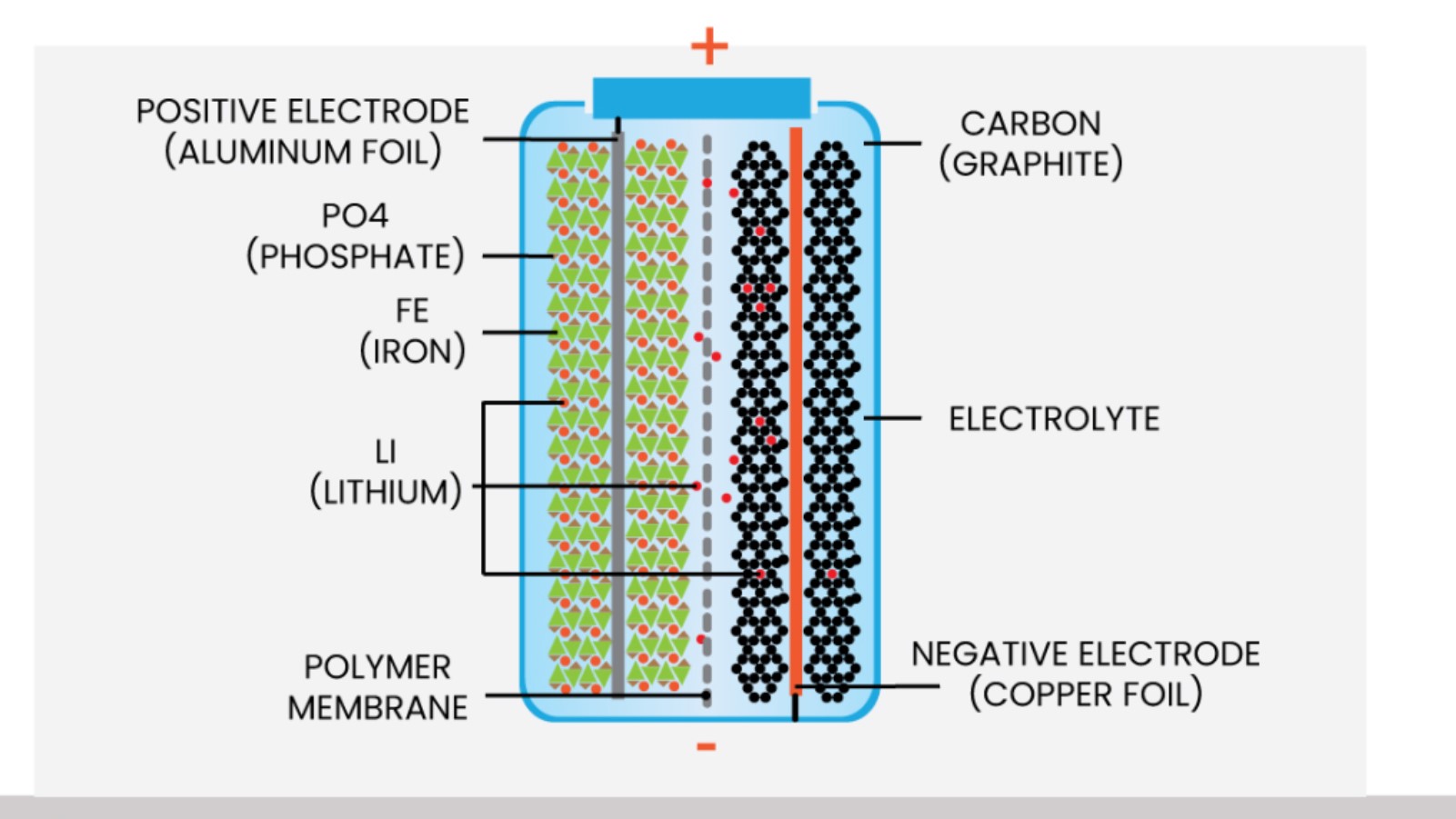
LFP batteries are more stable and more resistant to damages in the event of an accident. LFP batteries don't contain cobalt, which is still one of the most expensive metals in battery manufacturing. This is one of the reasons why they are cheaper than lithium-ion batteries with NMC (nickel, manganese and cobalt) cathodes. But, the energy density of LFP batteries is lower than that of NMC batteries. Also, LFP batteries can only offer reduced performance in cold weather.
However, it is unclear whether the electric Renault 5 will be offered exclusively with LFP batteries.
LFP batteries are not new technology. They are currently mainly used in China. For example, Tesla is now delivering its Model 3 SR + with LFP battery cells from CATL.

The Ford Ranger has done it again—ten years of being Europe's undisputed pickup champion. That’s a decade of crushing the competition, hauling more loads, and proving that bigger isn… Continue reading

A Fast Car That Doesn’t Waste Time Hyundai’s IONIQ 6 N arrives with one mission: prove that an electric car can deliver track-grade performance without compromise. Unveiled at the 2025 Goodwood… Continue reading

Polestar pushes real-time navigation forward Polestar has become the first automaker to integrate Google Maps’ new Live Lane Guidance directly into a production vehicle. The feature debuts in the… Continue reading
Polestar has published the full carbon footprint of the Polestar 5, and the big story sits in the data. The company's new life cycle assessment pegs the Polestar 5 carbon footprint at… Continue reading