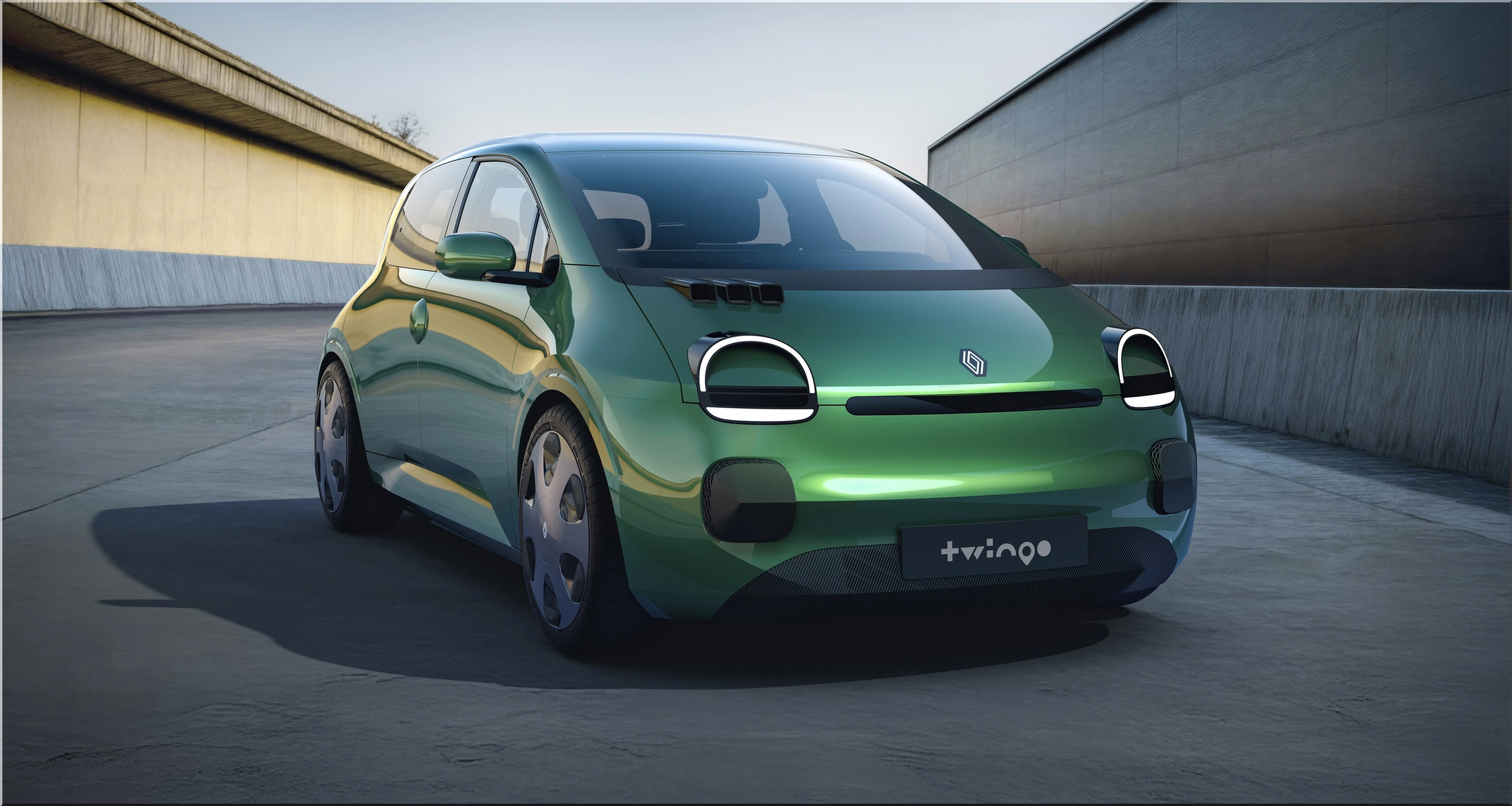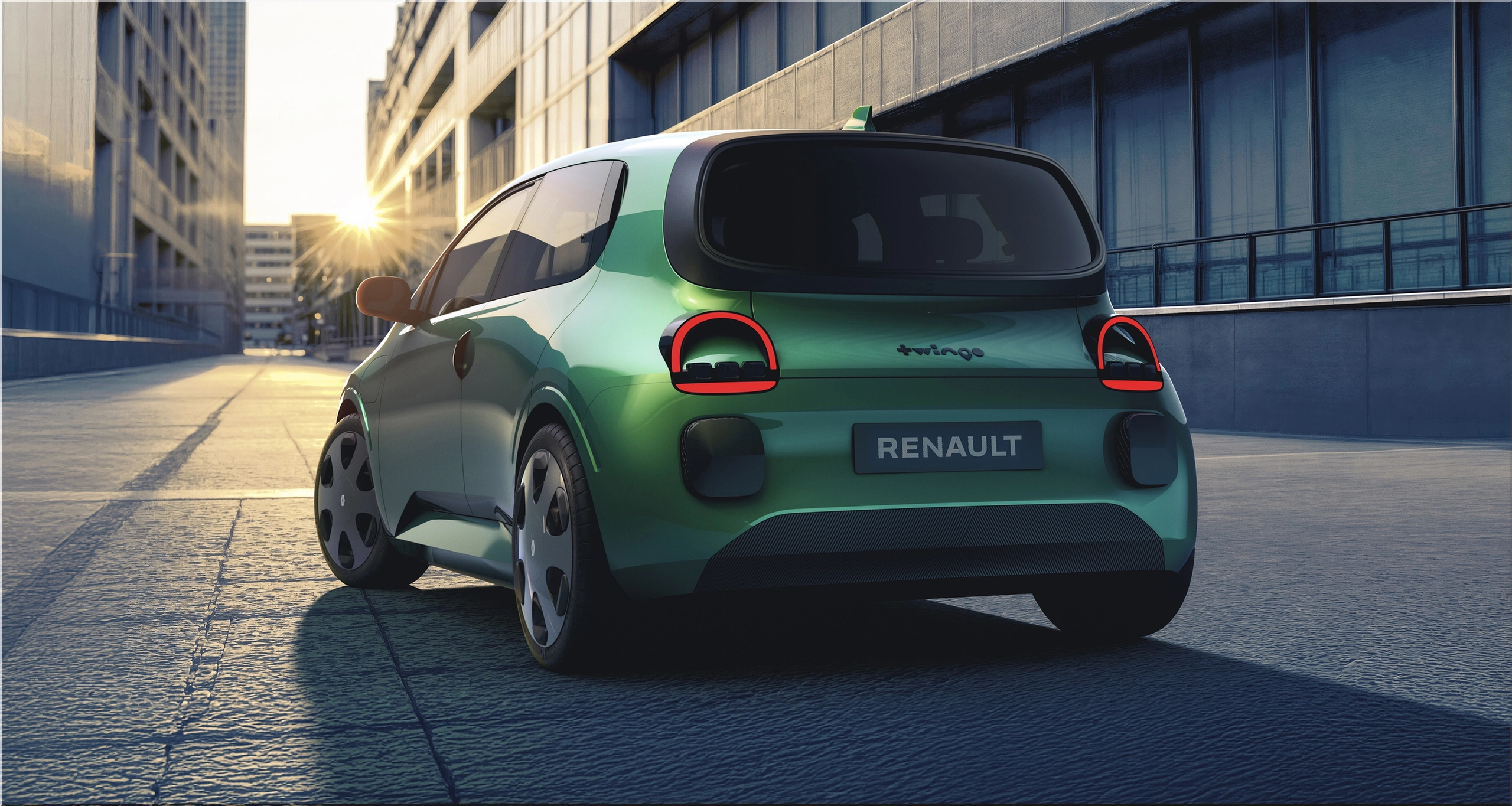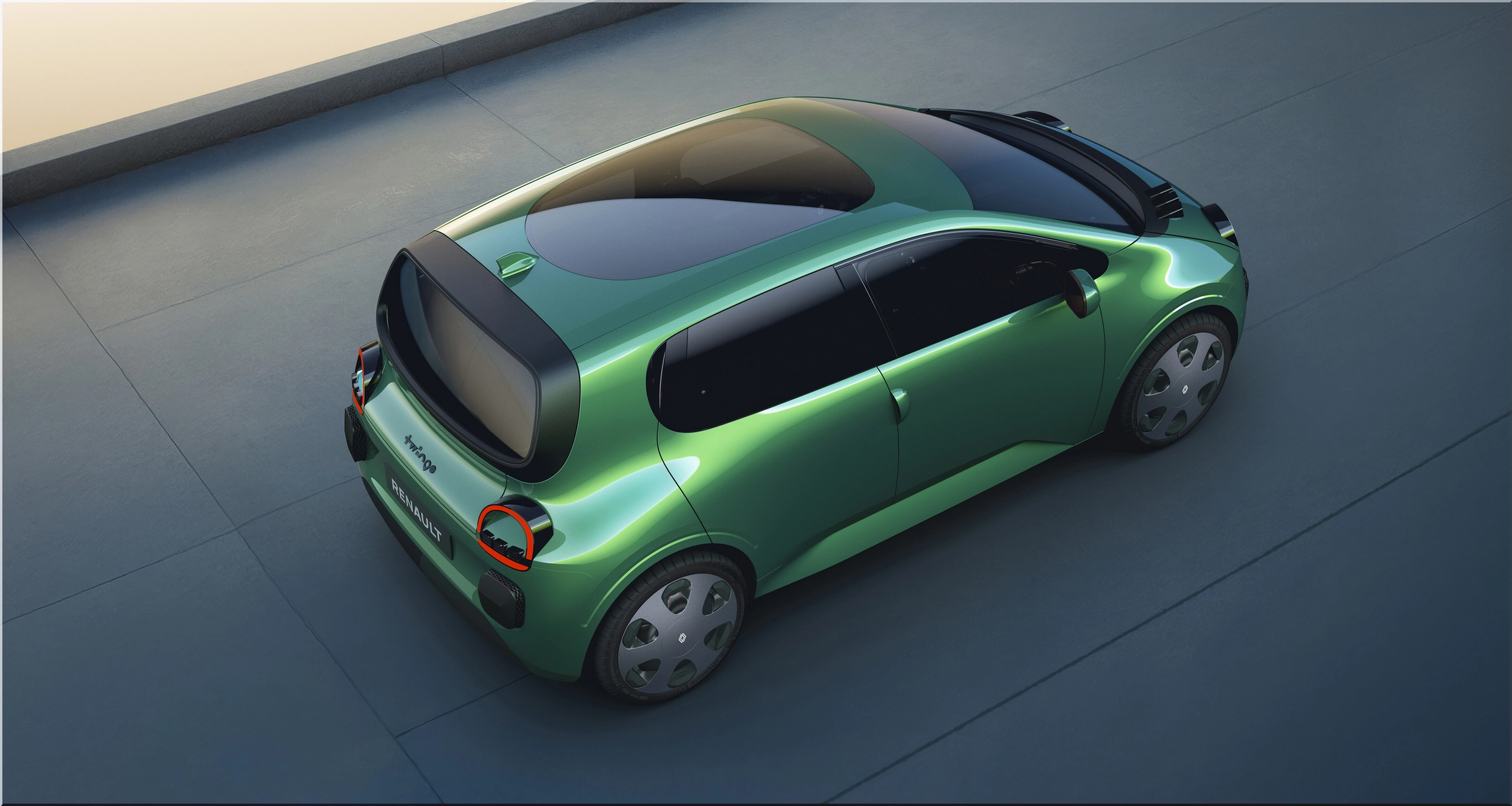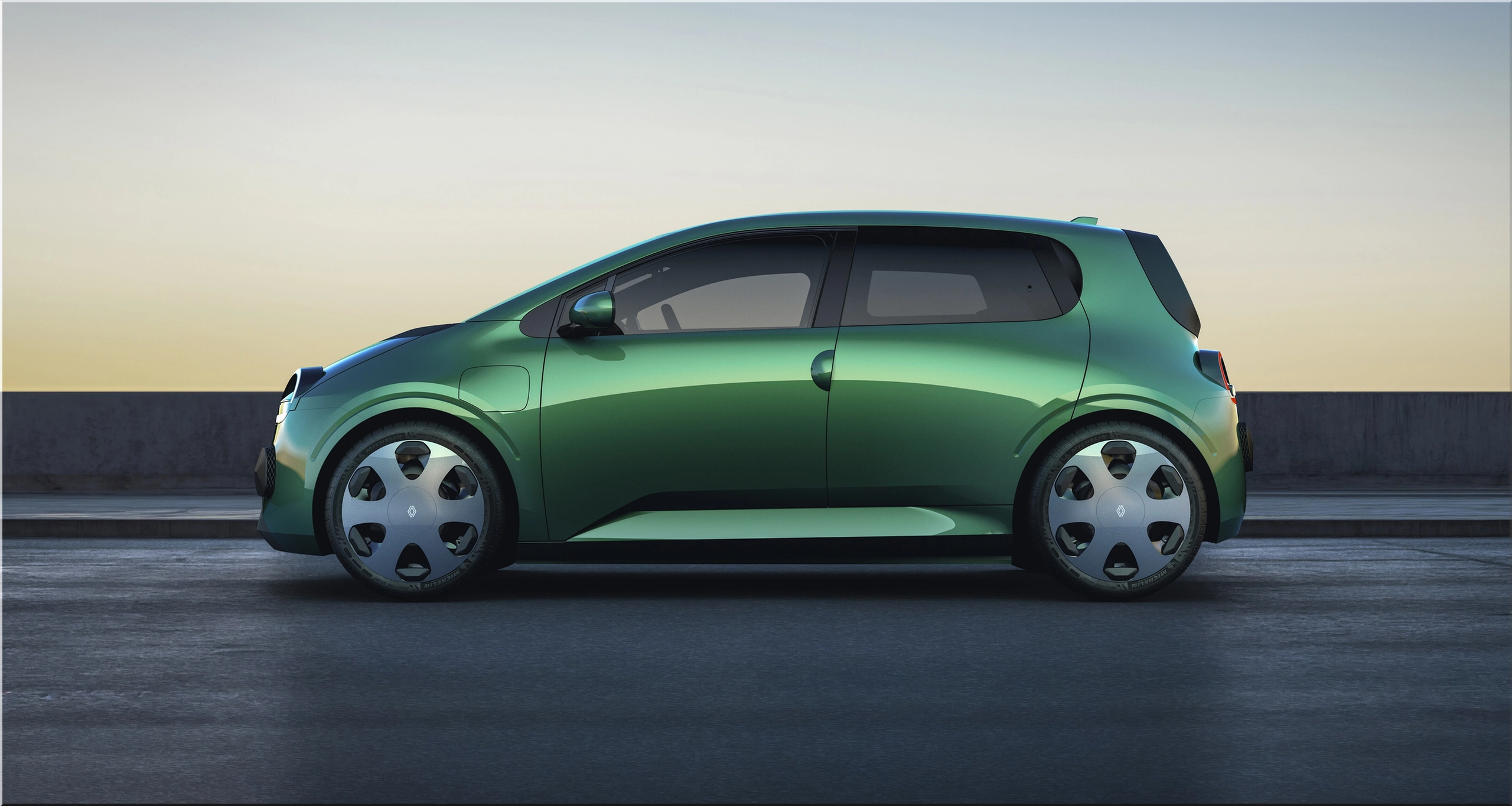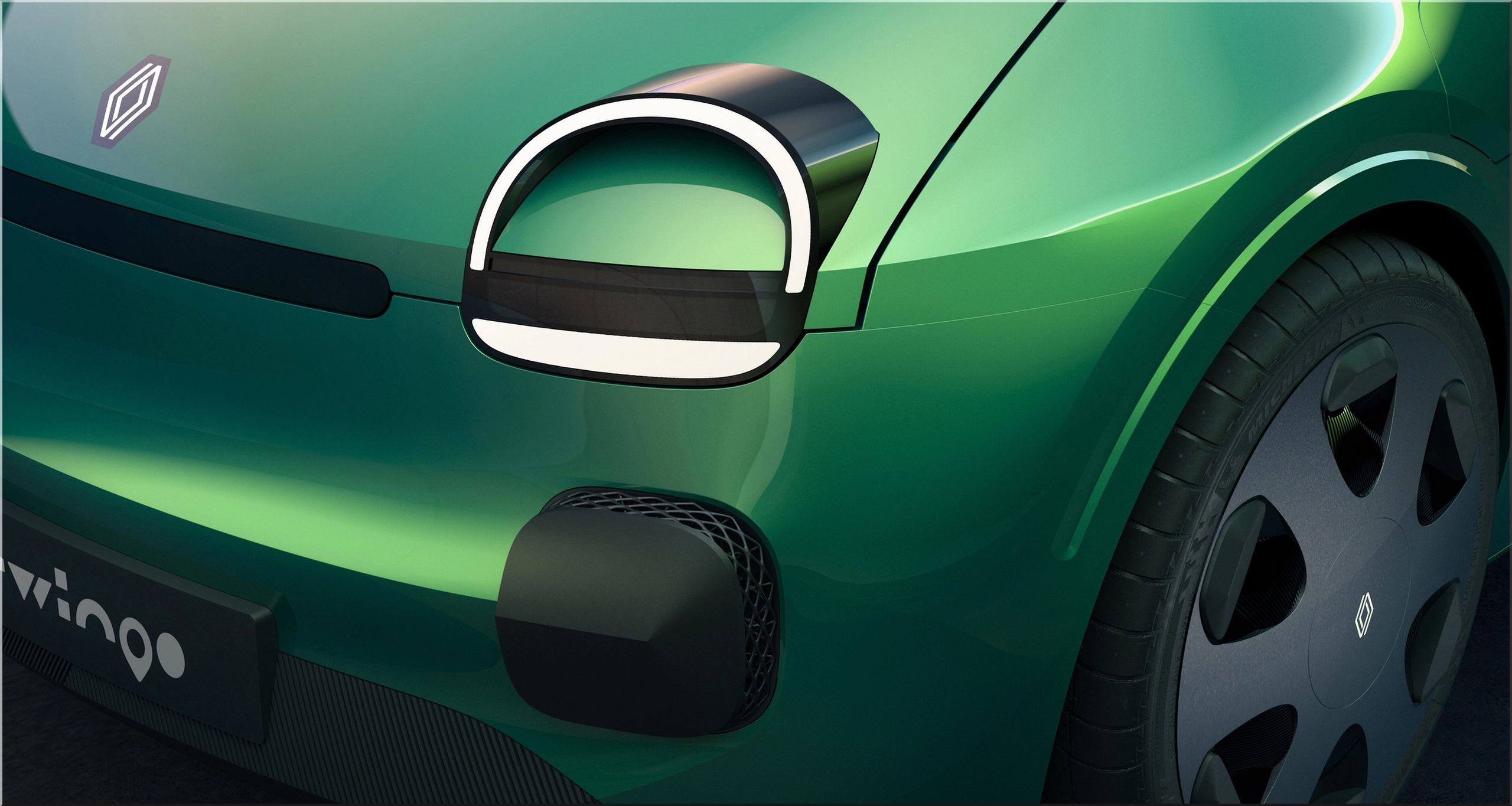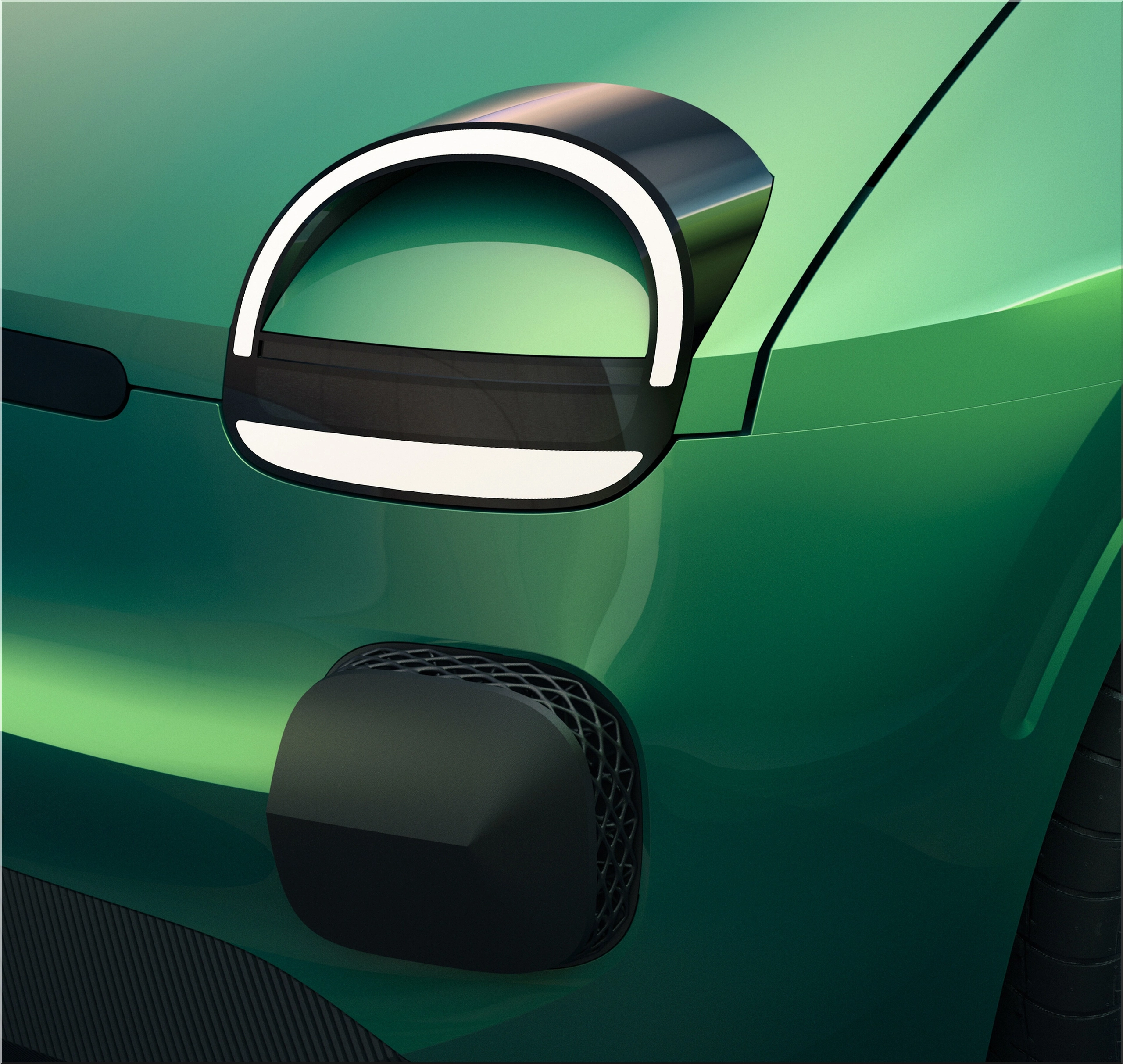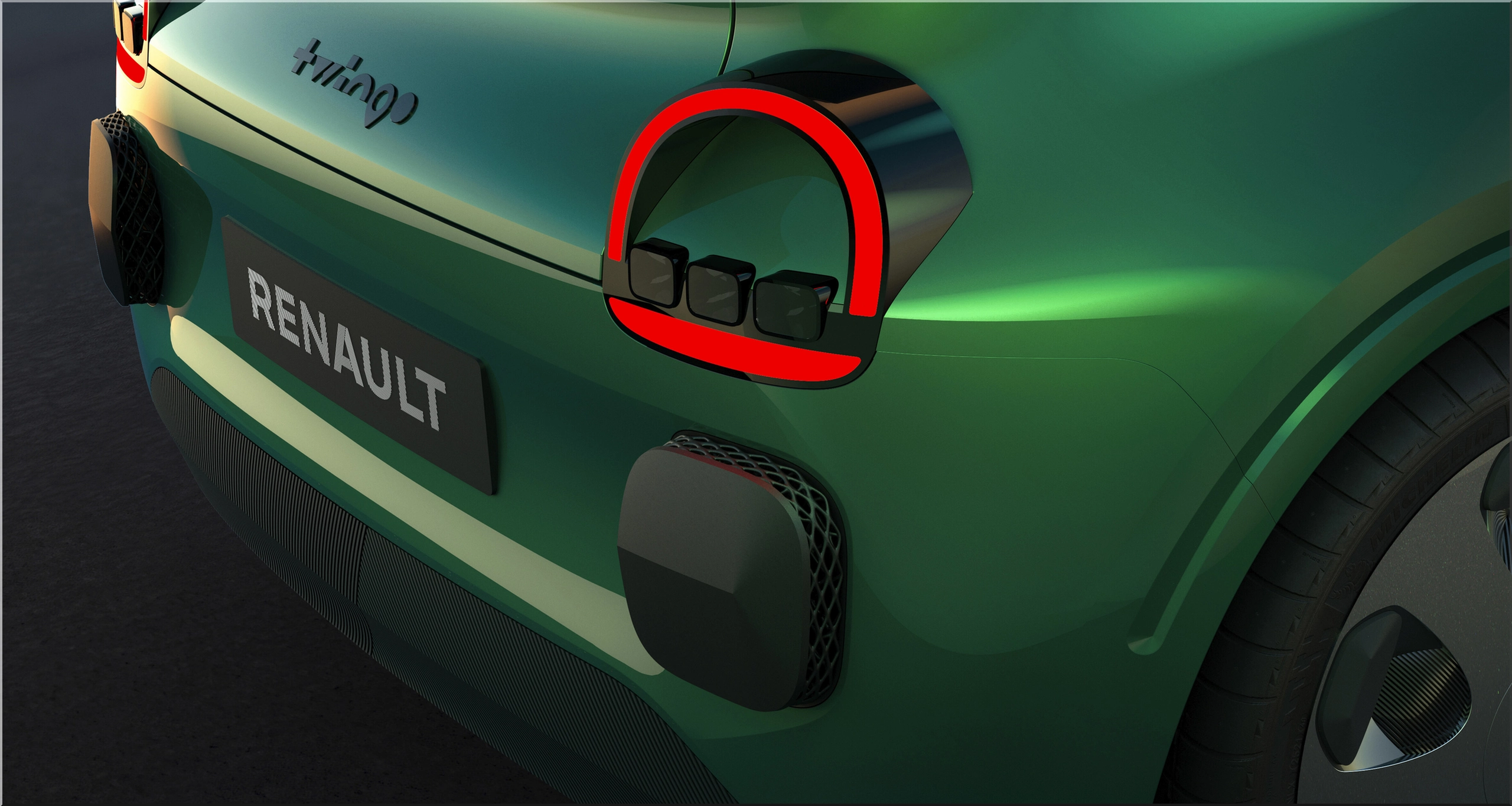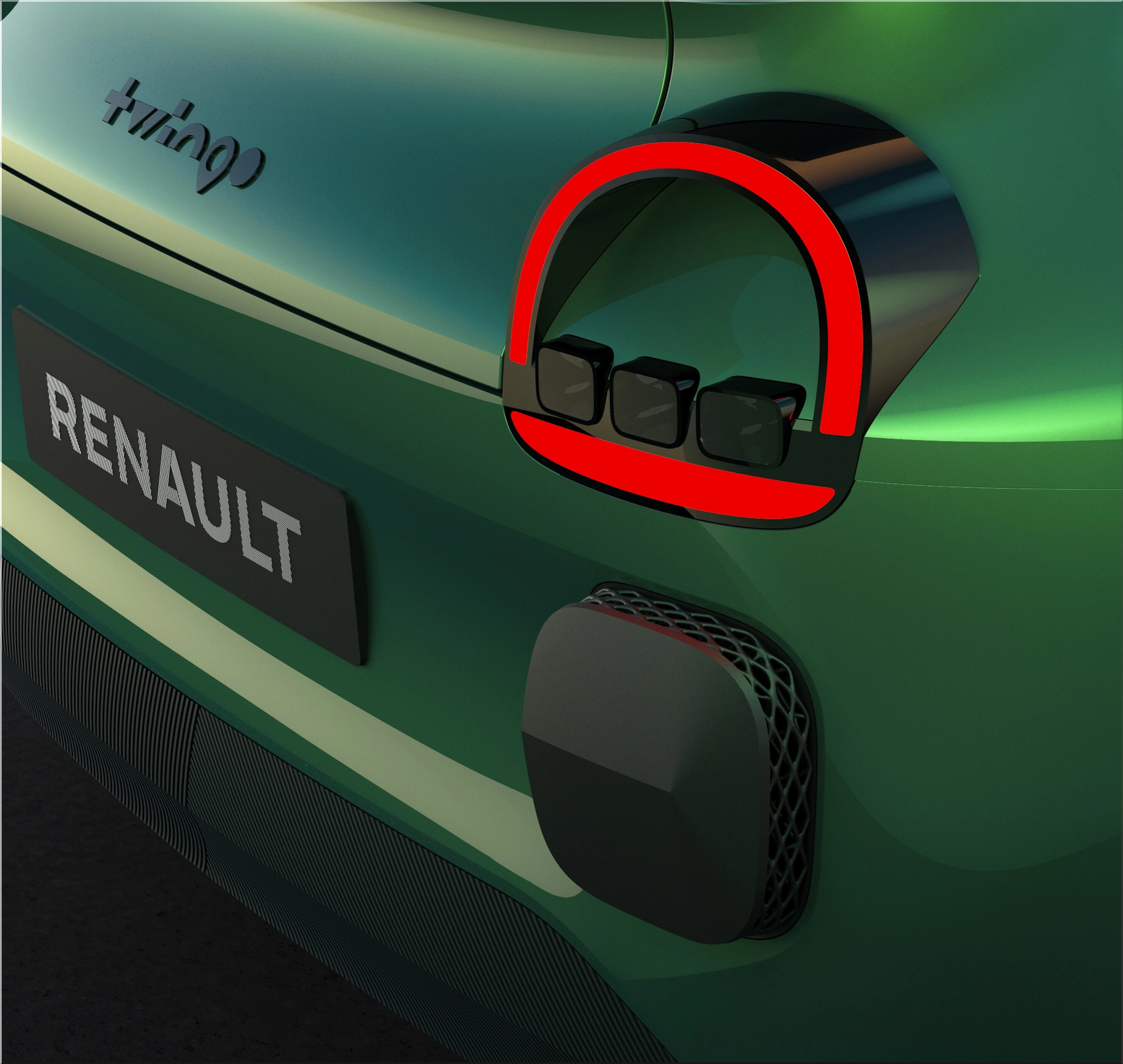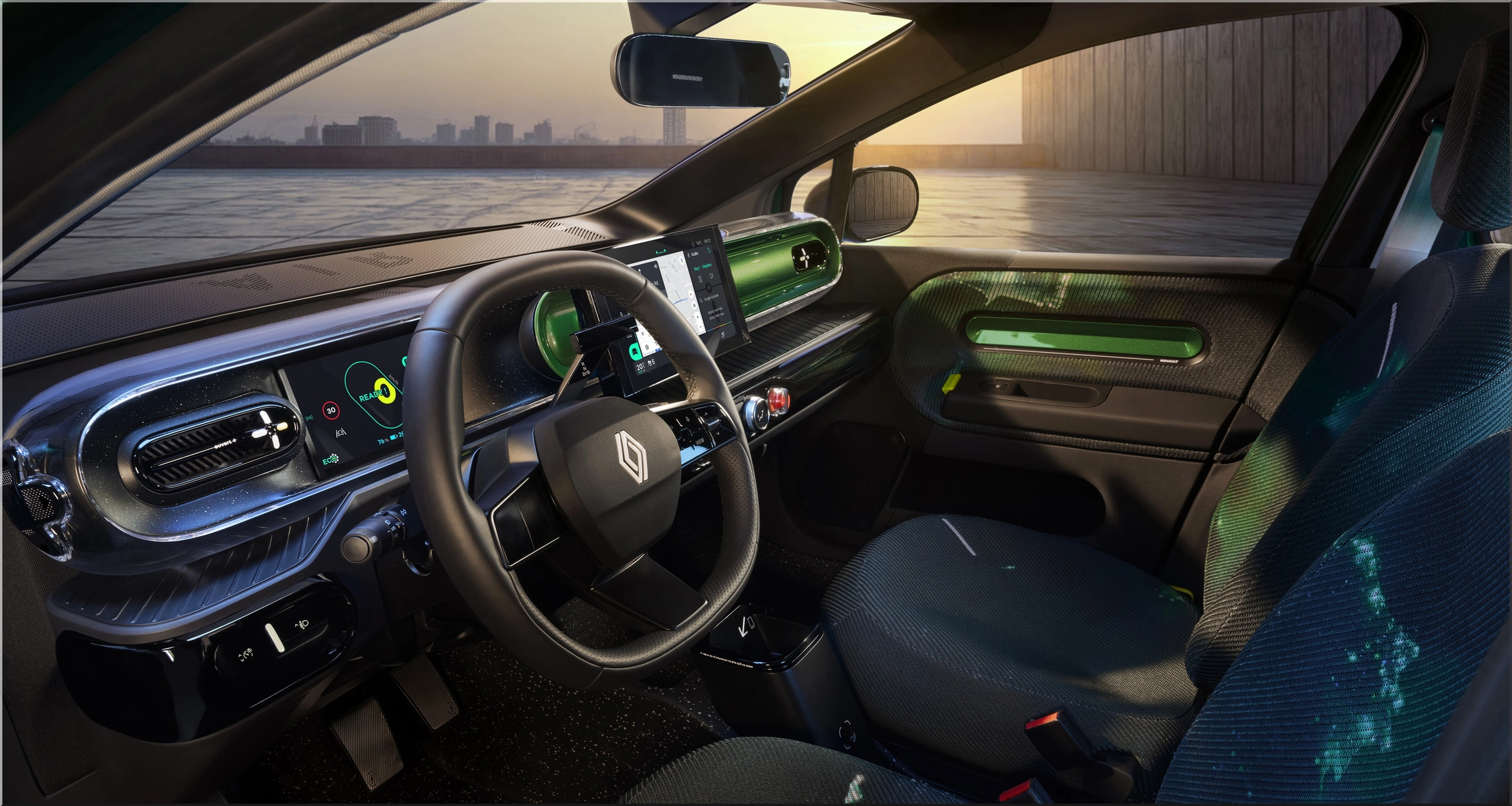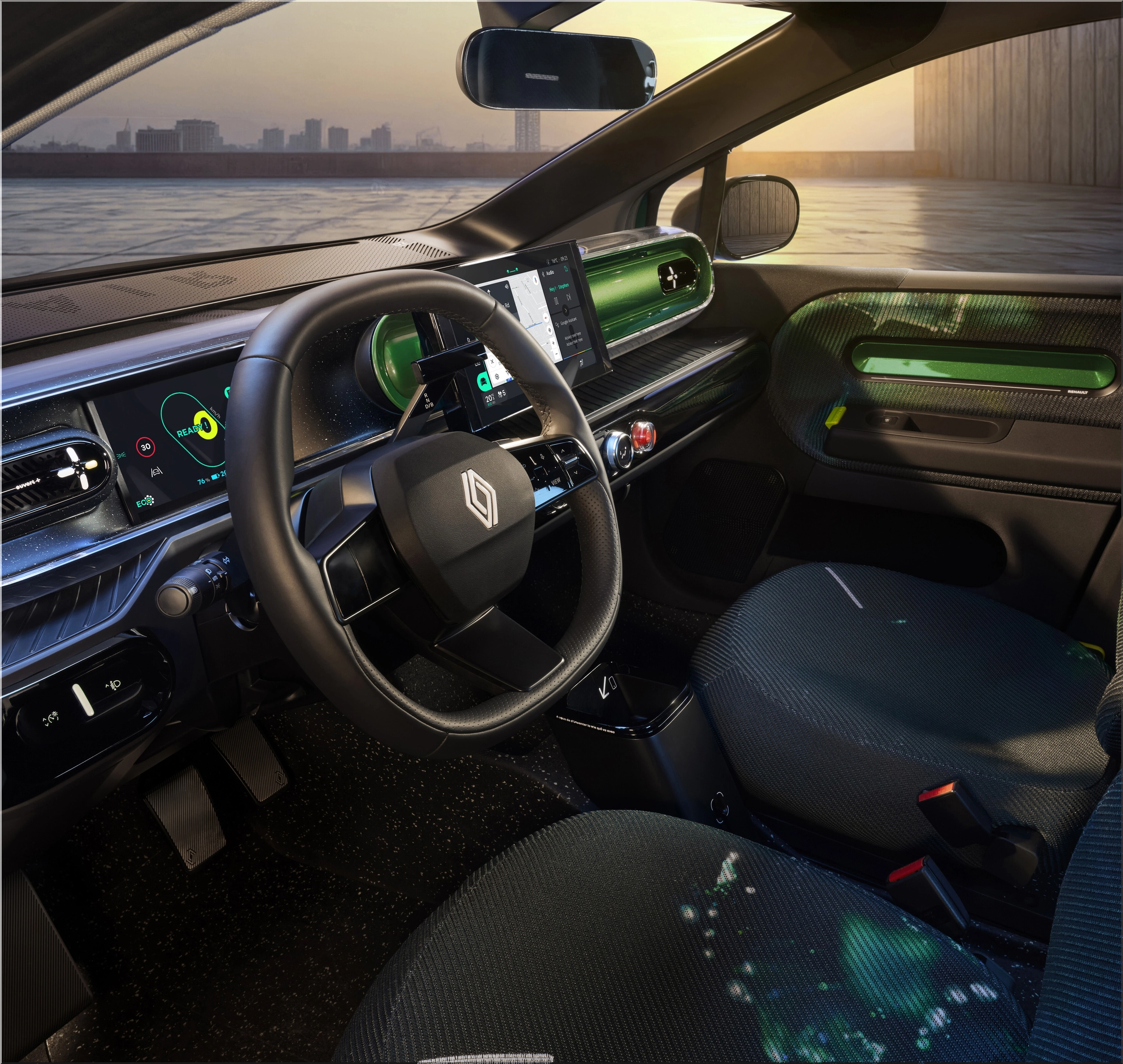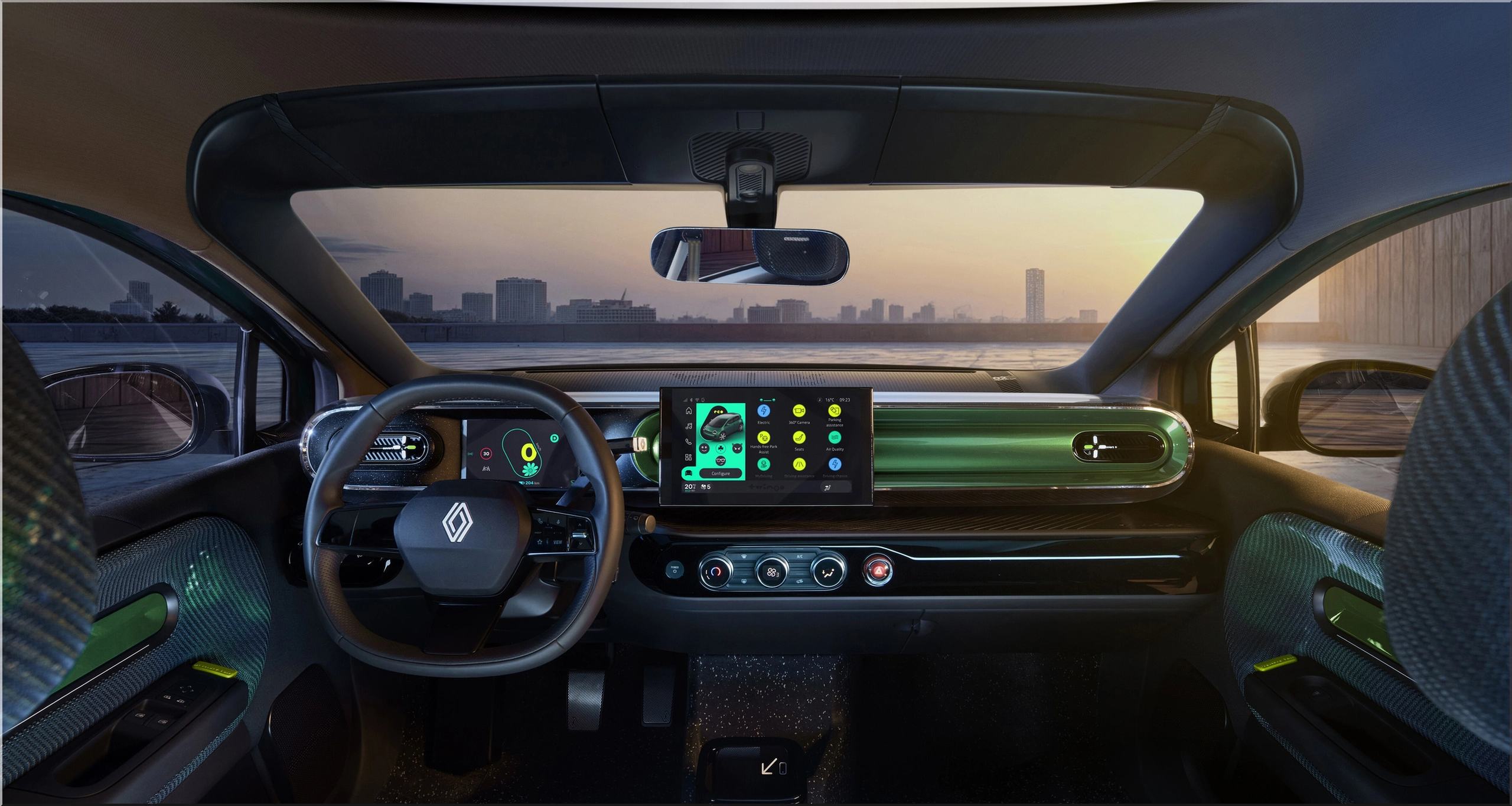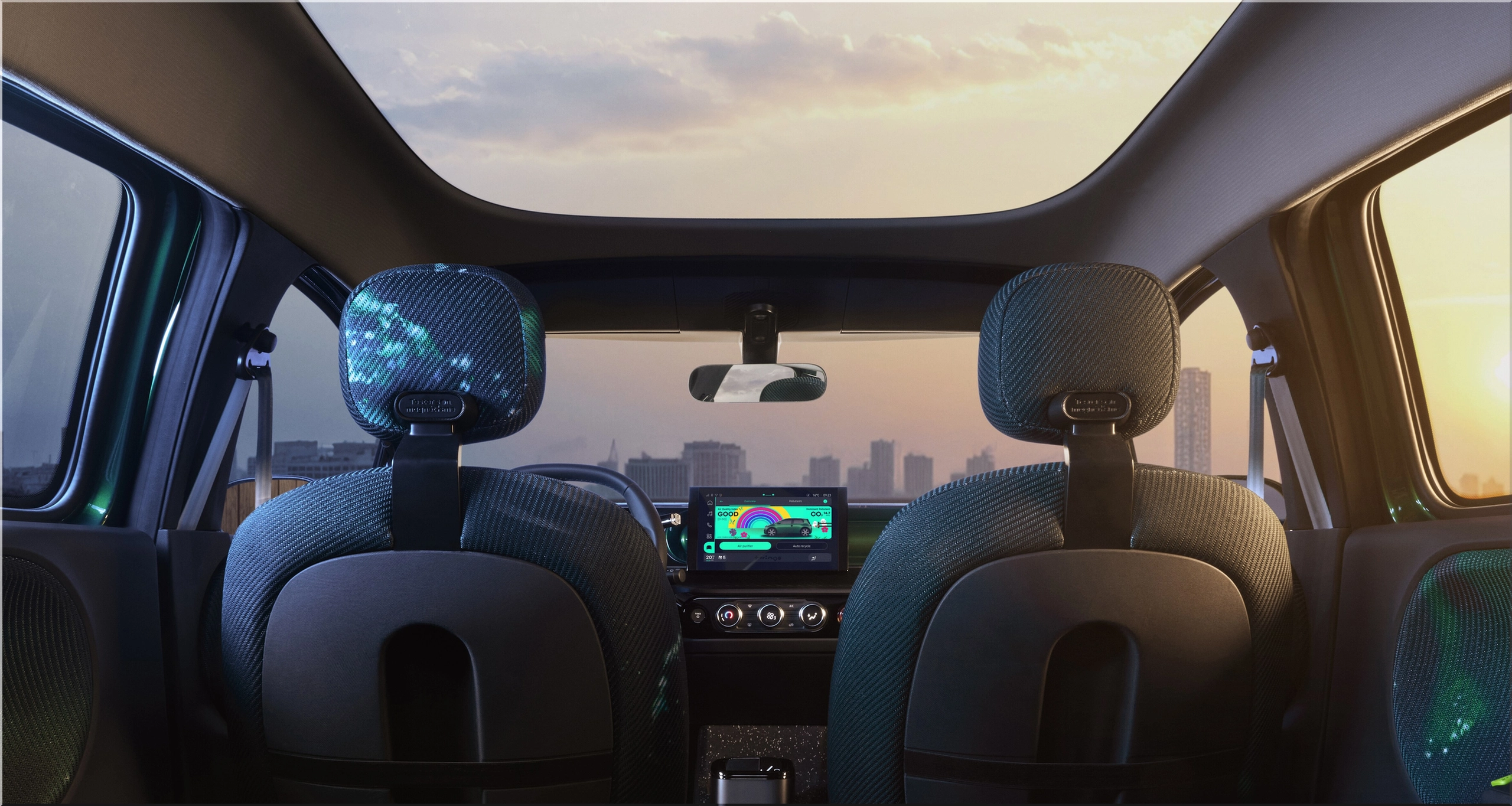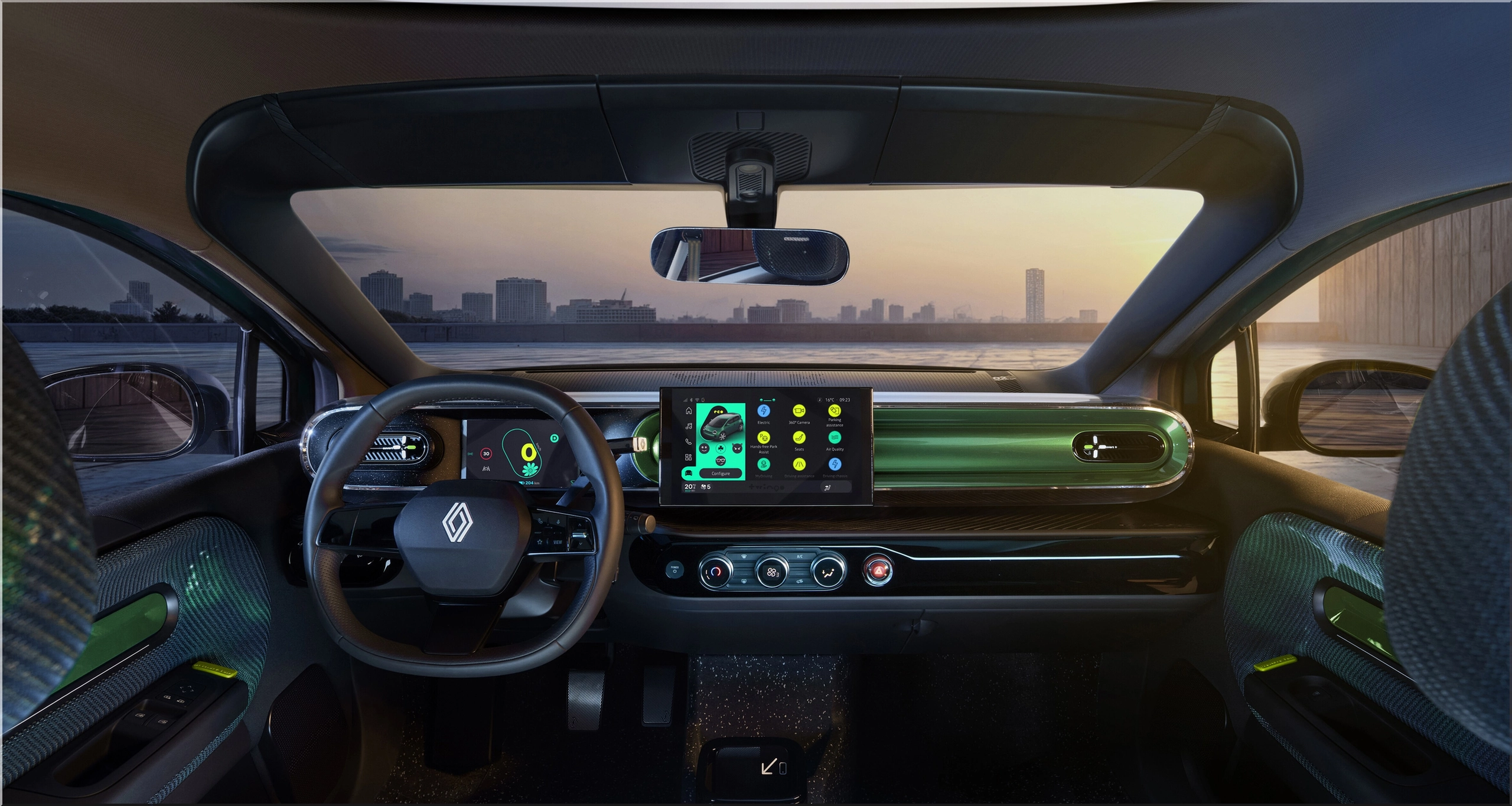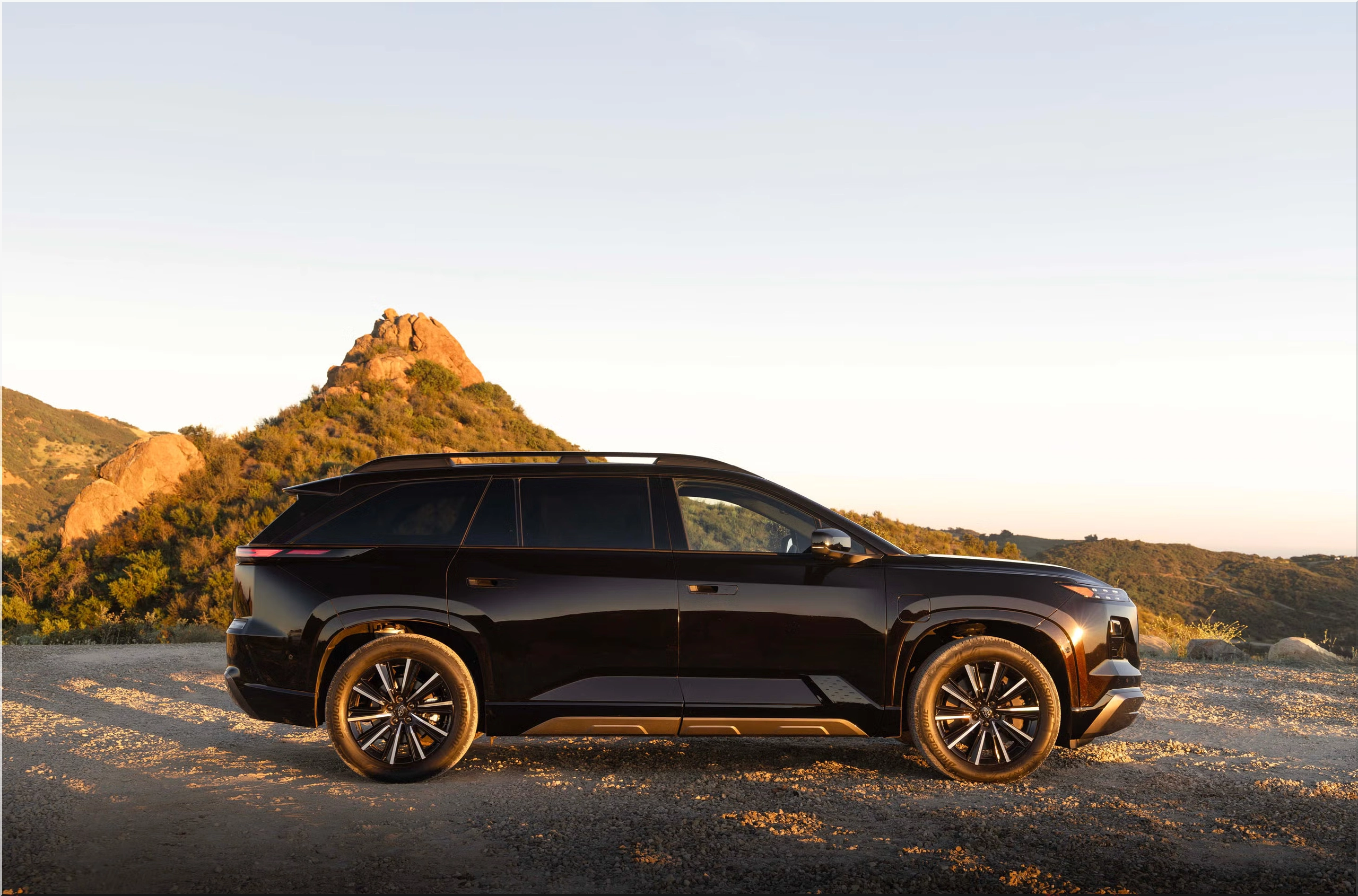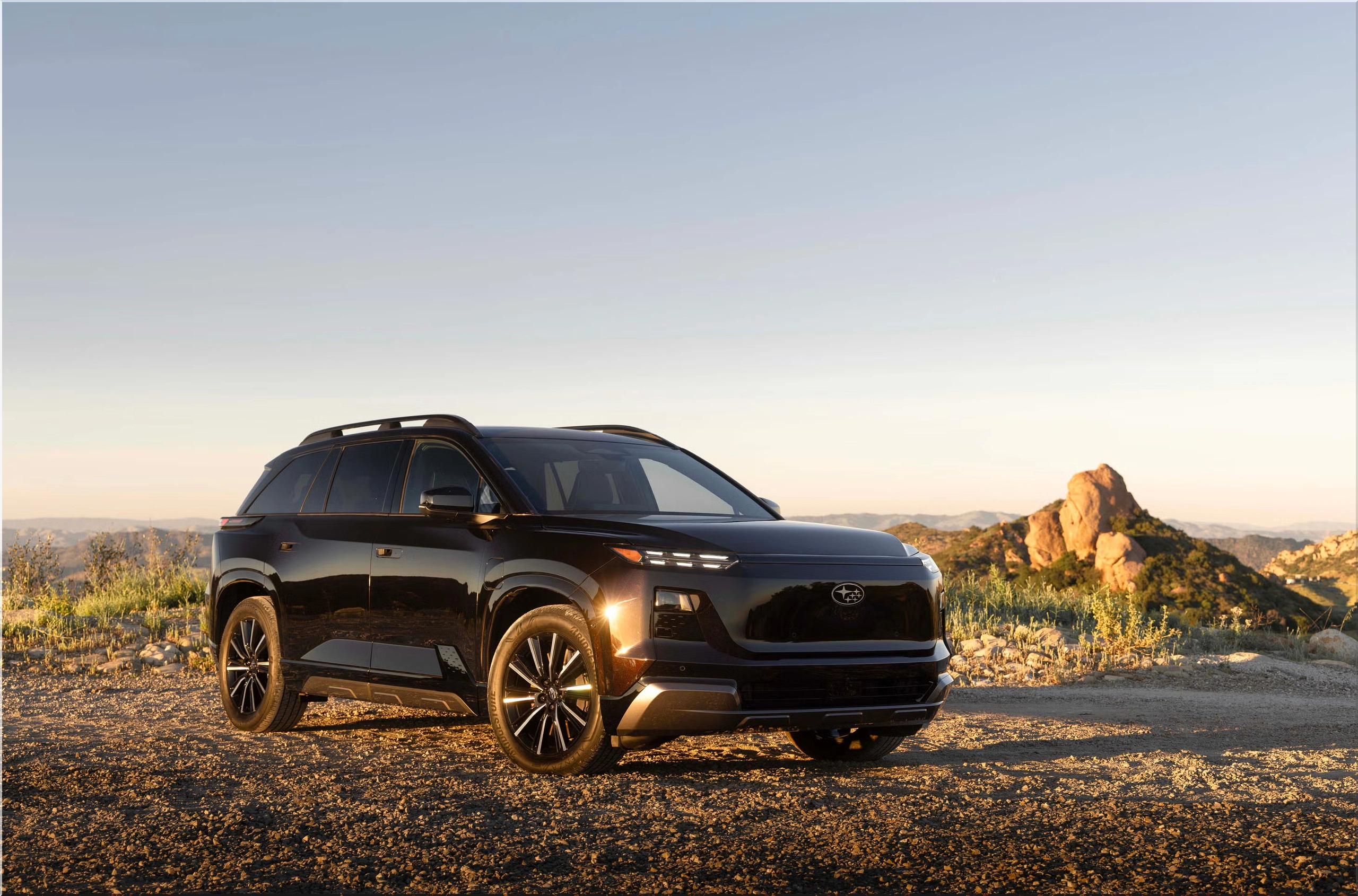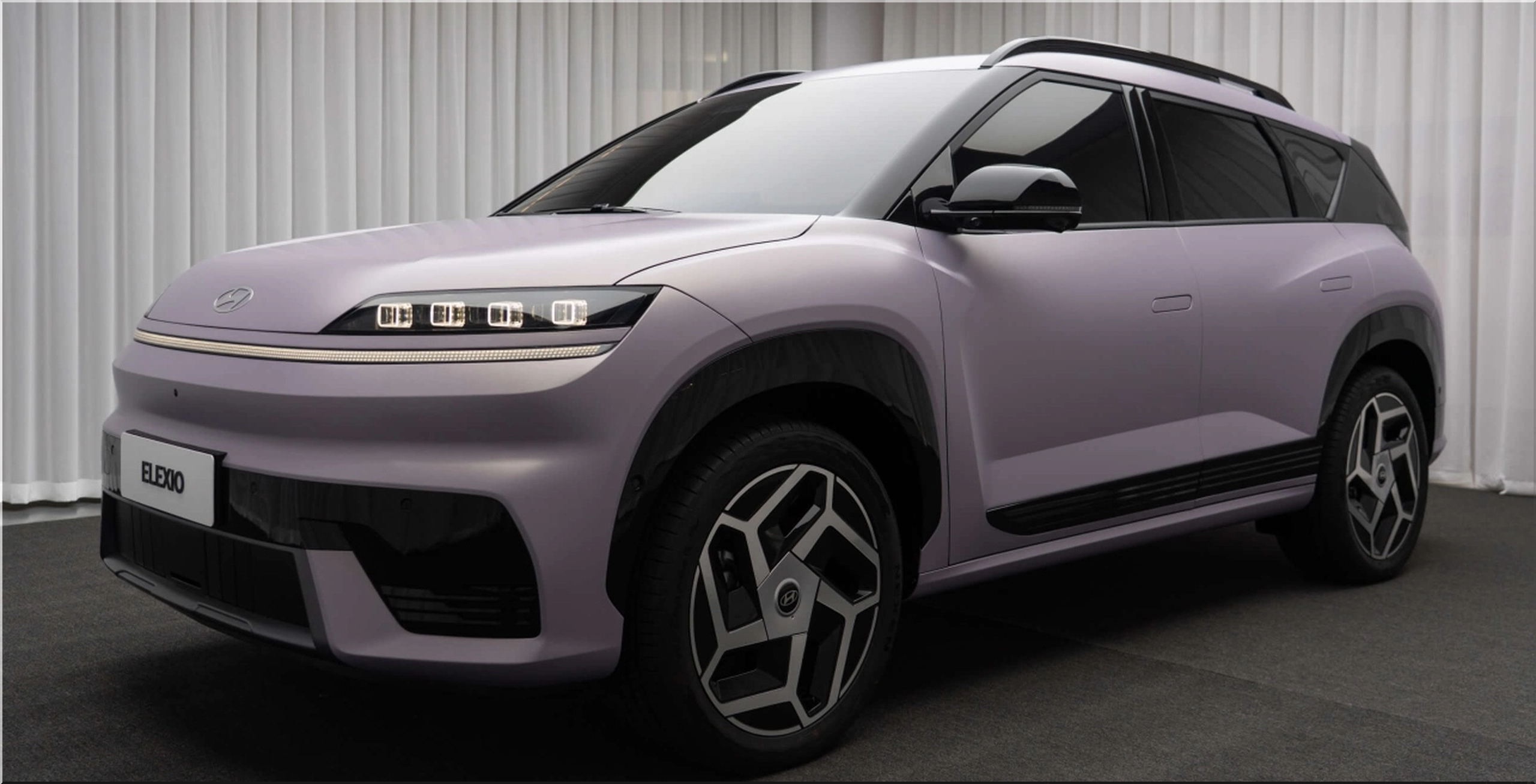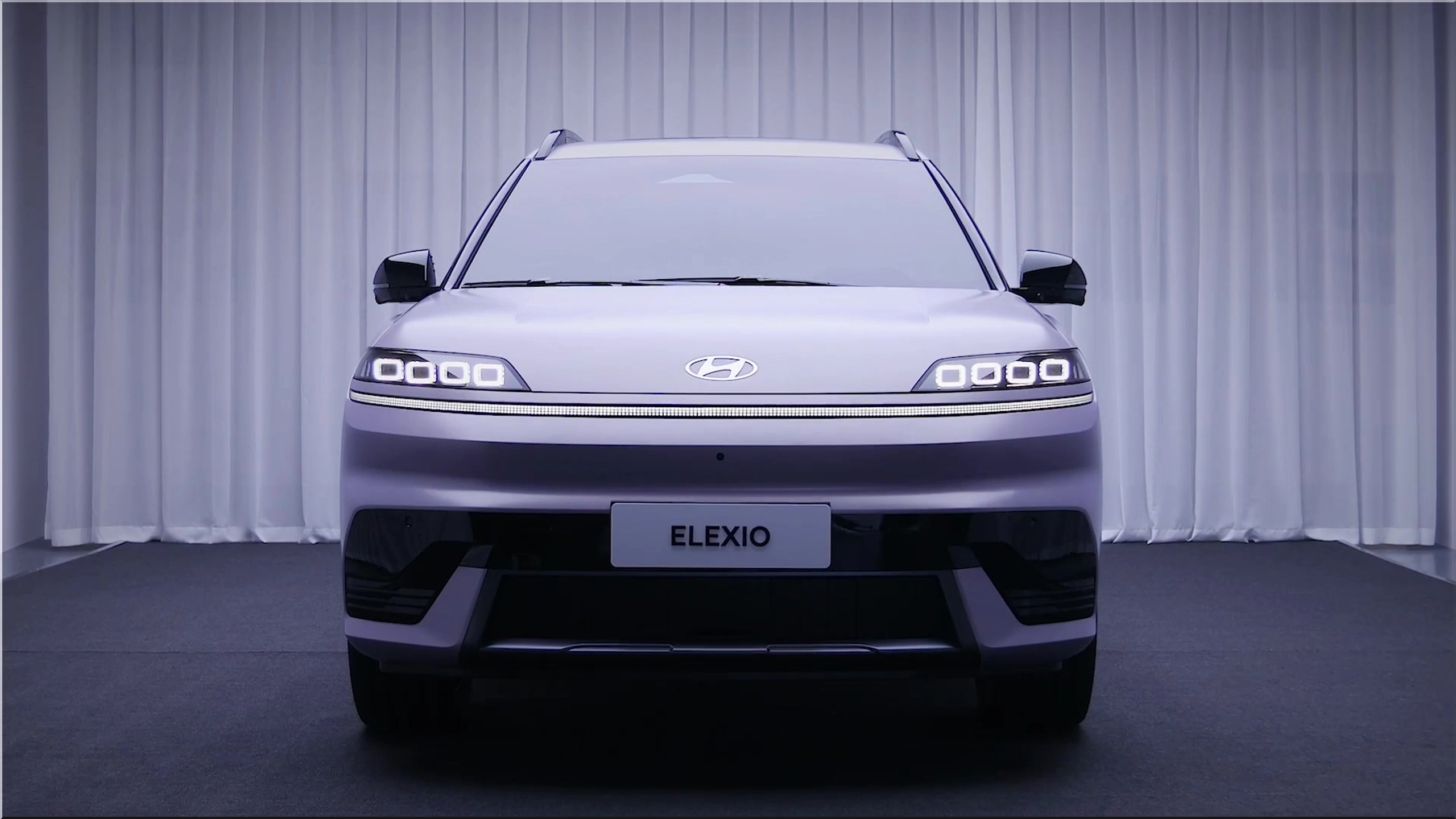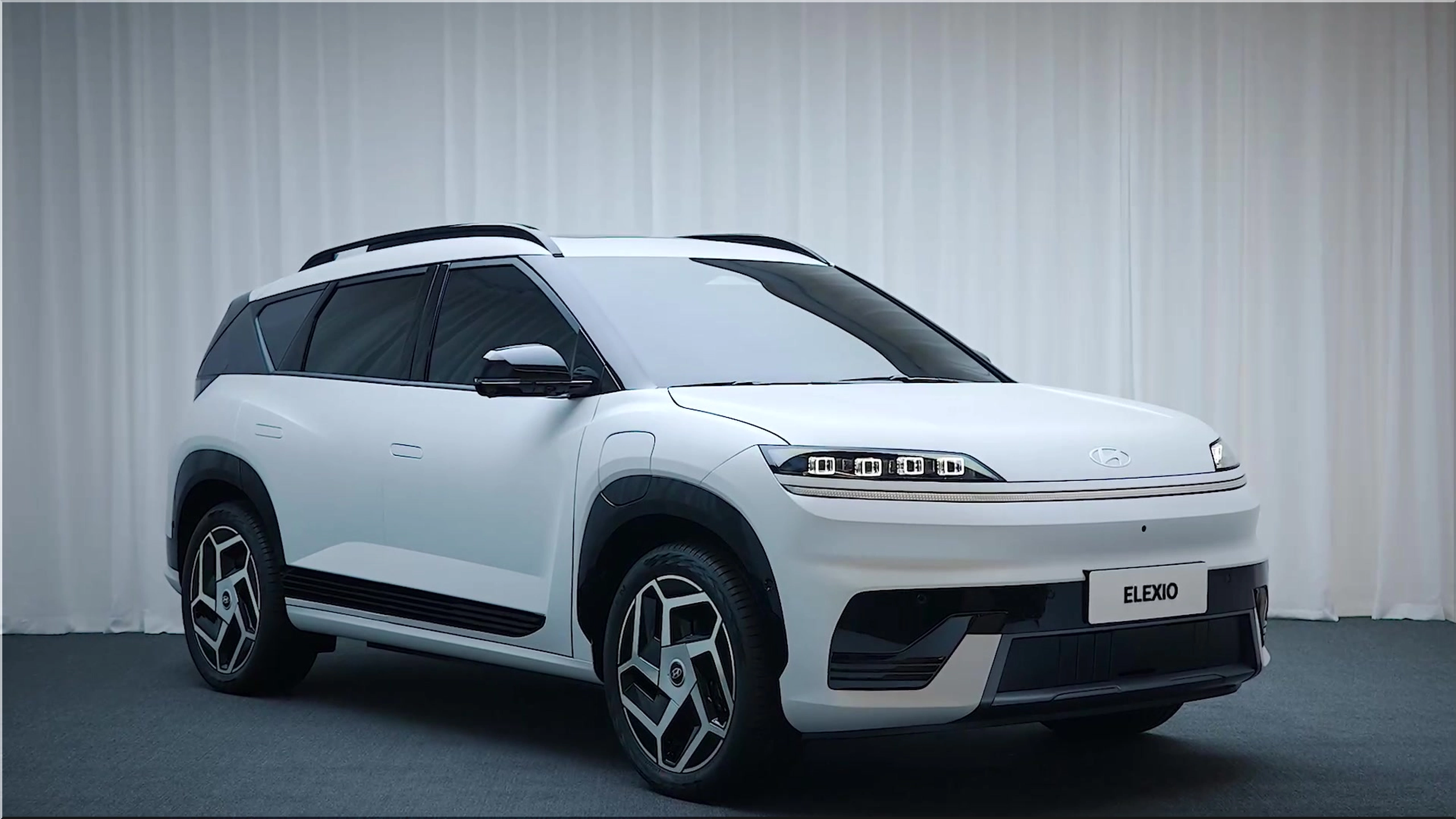
Drivers who crave cleaner mobility often worry about cramped cabins and limited storage. The push toward electric vehicles can raise concerns about practicality, comfort, and overall flexibility. Renault aims to calm these fears with the Twingo E-Tech electric prototype. This concept offers an innovative interior that adapts to everyday life, making a case for small cars that still offer convenience. Below, we break down key facts and strategies that may inspire any driver looking to optimize space in a modern electric car.
A Glimpse of the Twingo E-Tech Electric Prototype
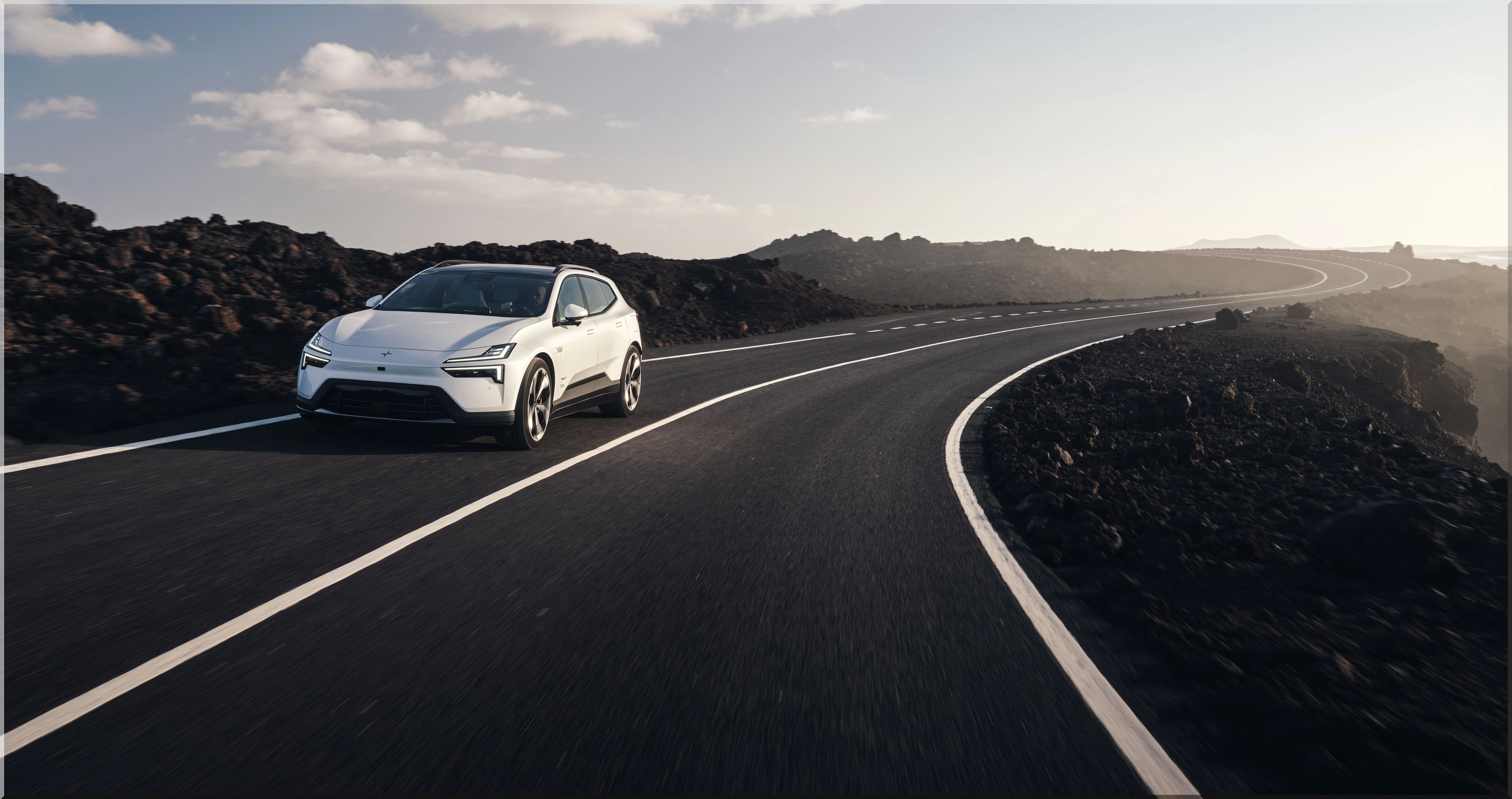
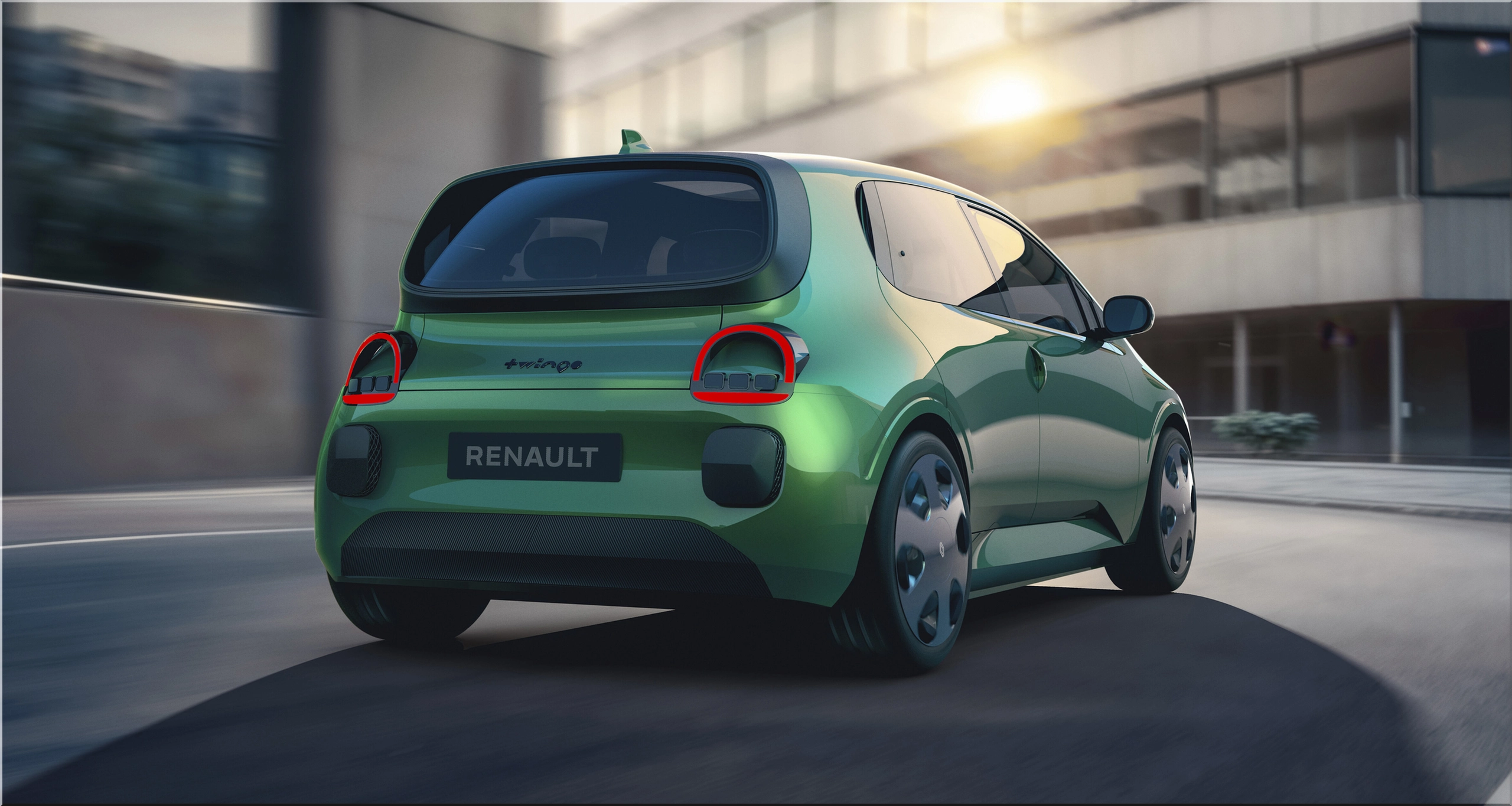
Renault’s Twingo has served urban drivers since the early 1990s, known for a small footprint and agile handling. According to official Renault press materials, this electric prototype builds on that tradition by focusing on interior upgrades. The main goal: deliver comfortable seating and ample cargo solutions within a compact shell. The Twingo E-Tech prototype features an electric motor designed for short daily commutes. Preliminary figures suggest a range aligned with other city-focused electric models, although exact stats may vary once final production specifications are set. Renault has mentioned that city-based trips remain the top usage for Twingo drivers, so the design prioritizes space-saving solutions and quick charging.
Modular Interior in Action
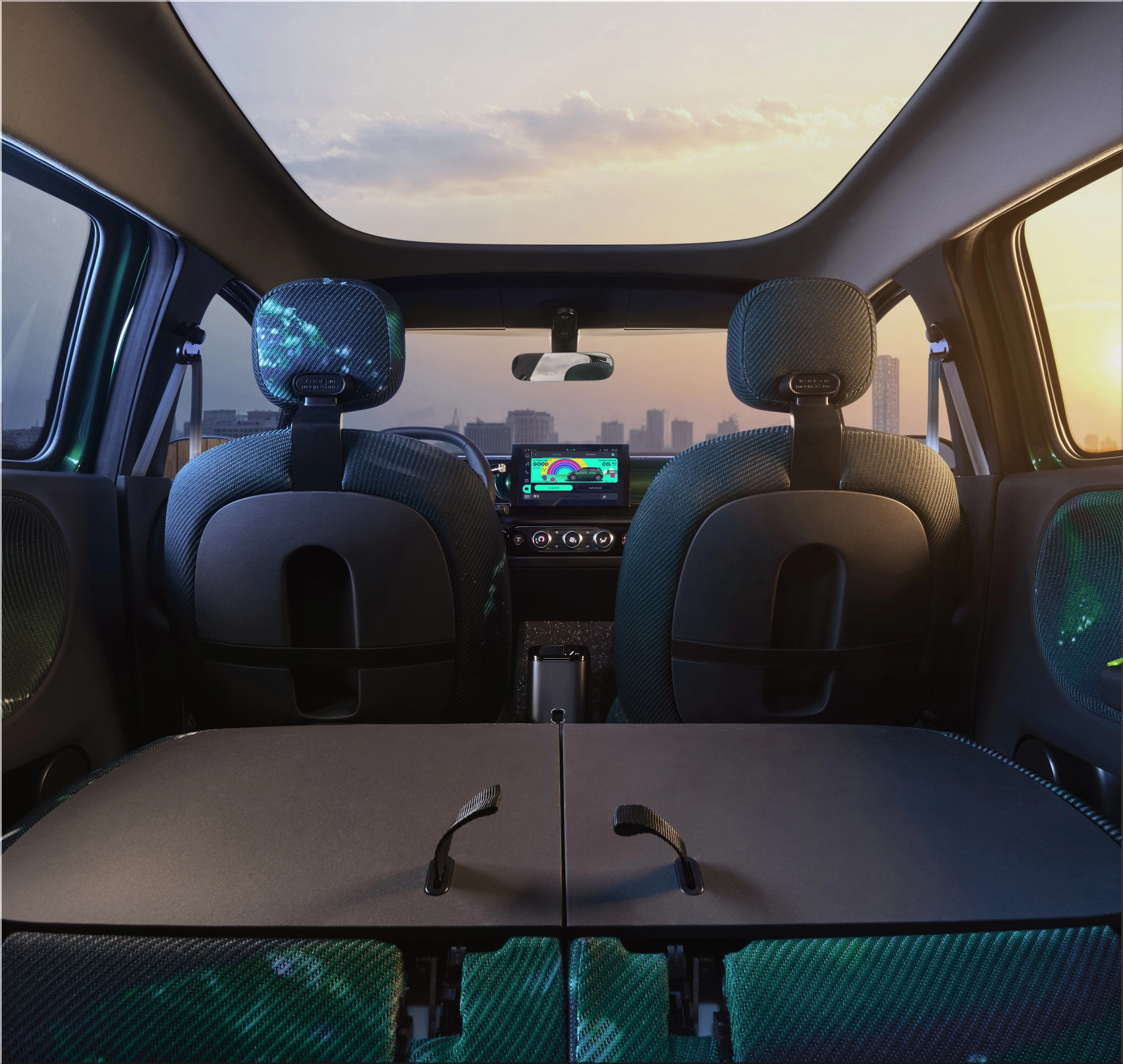
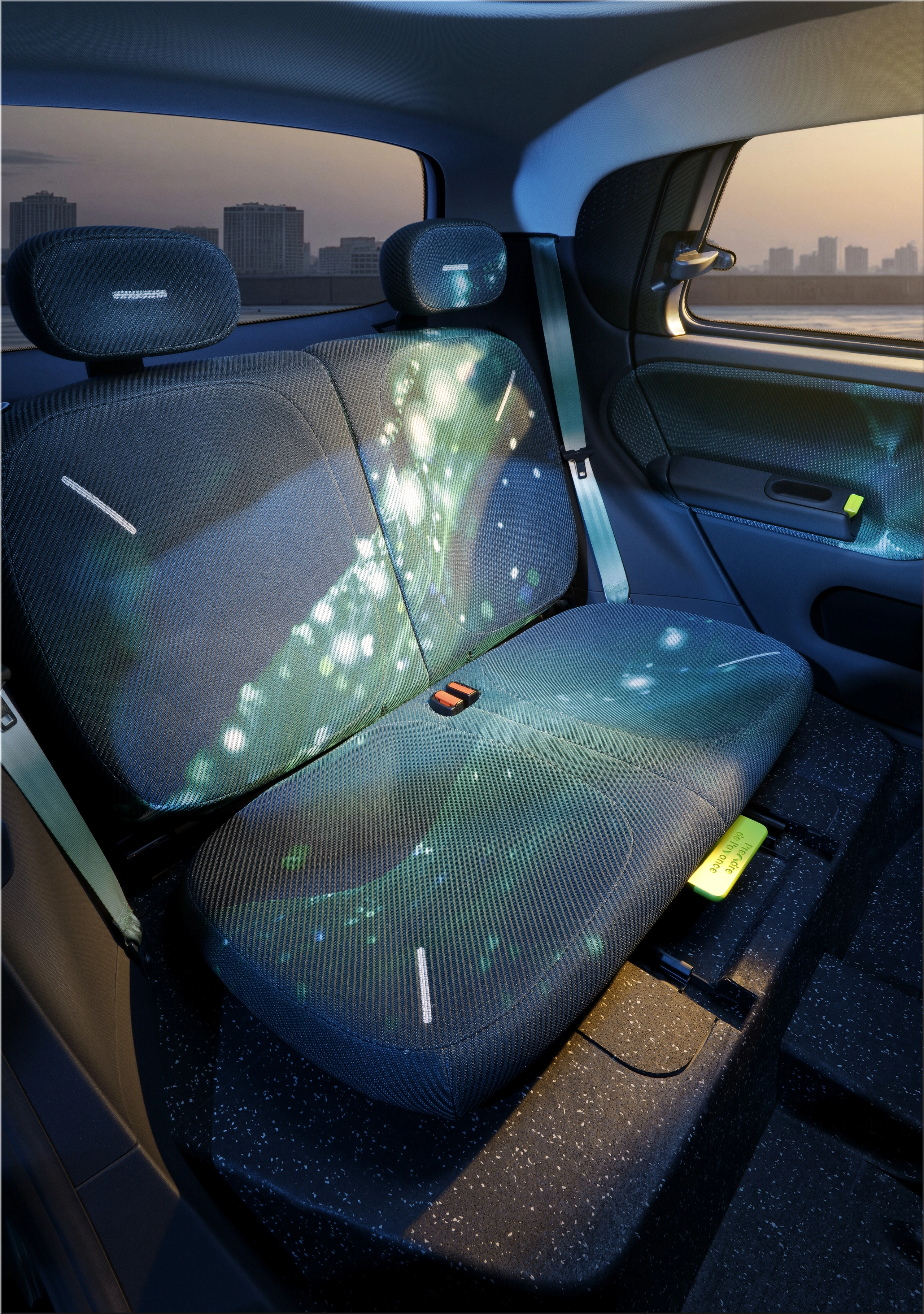
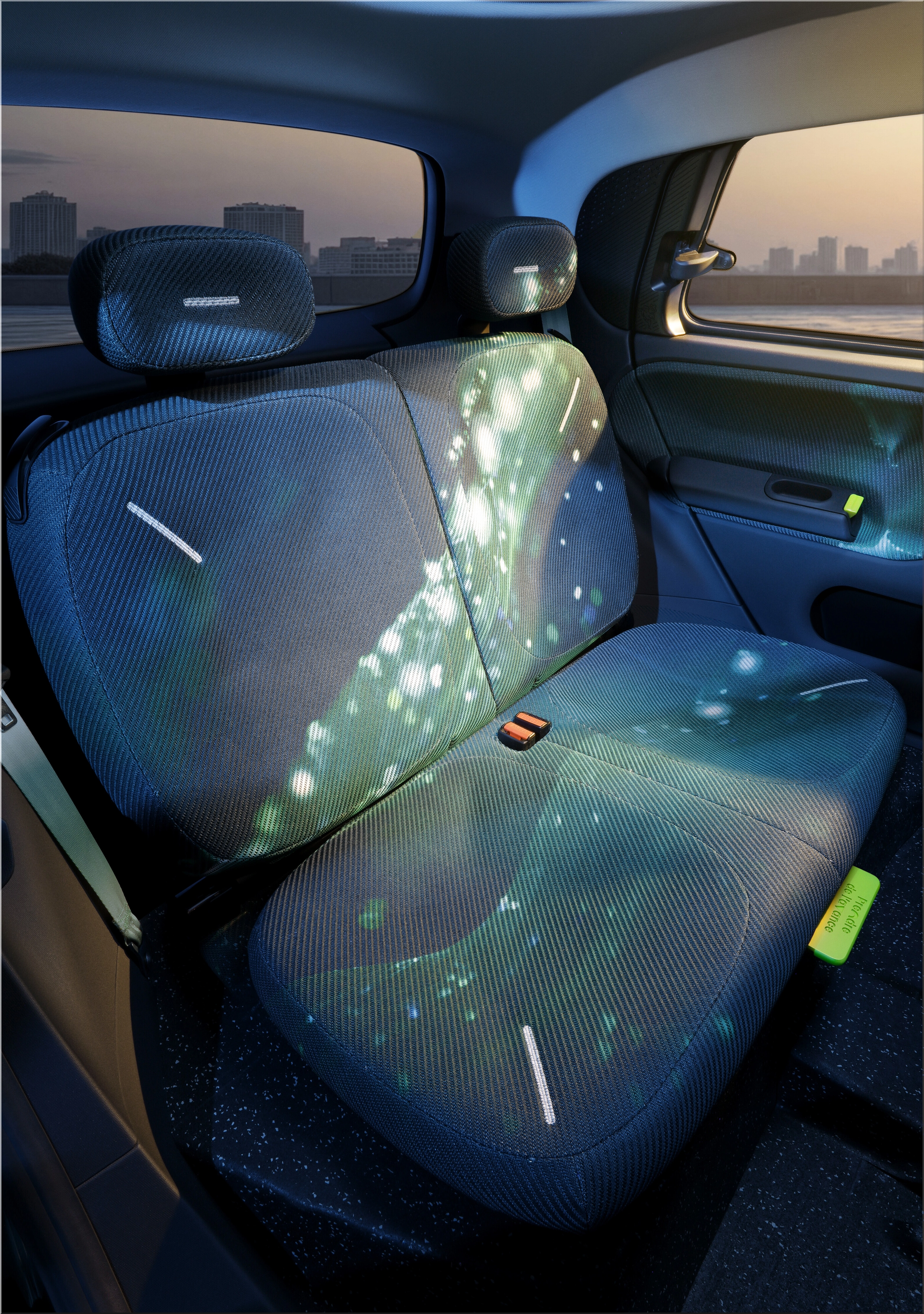
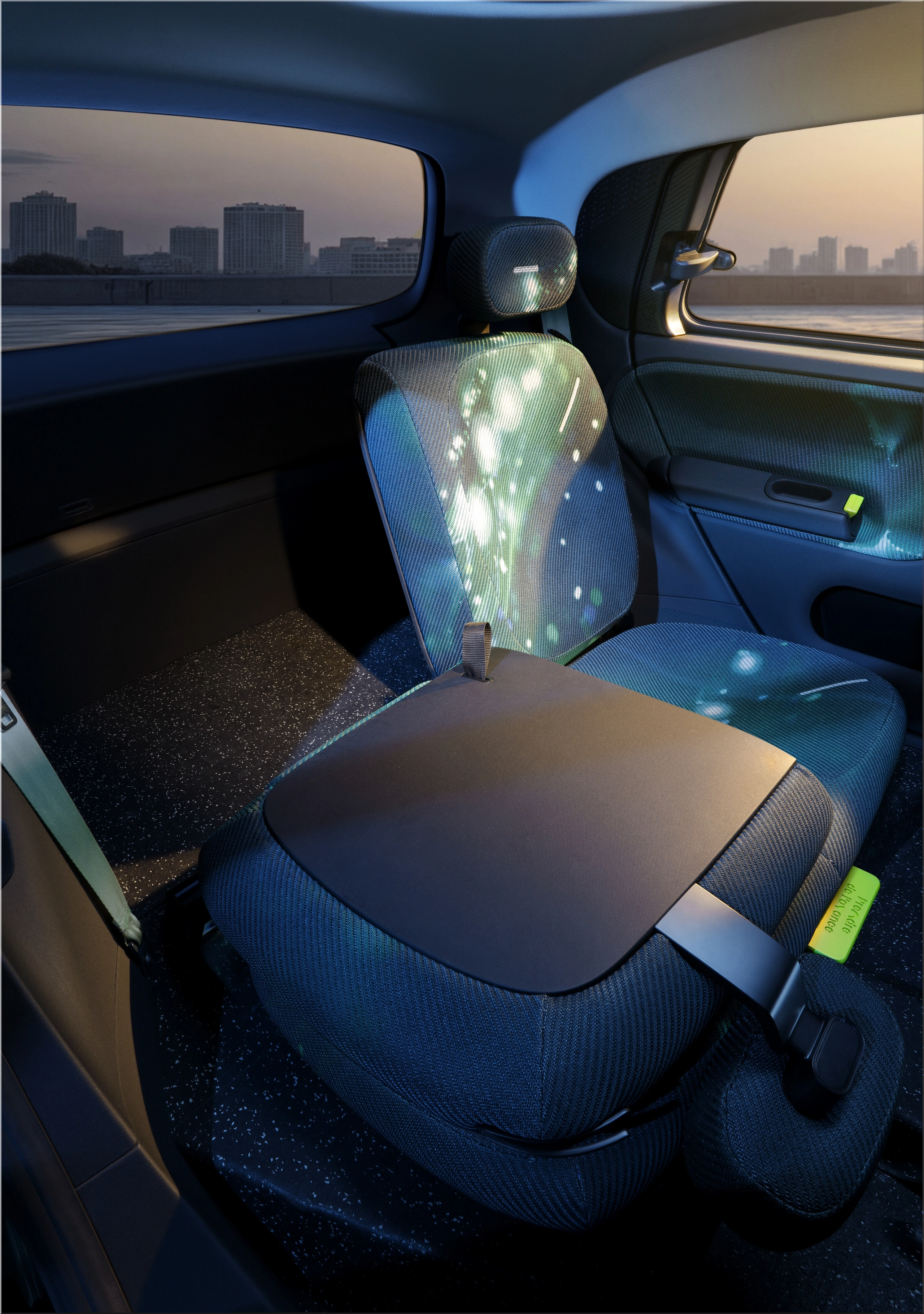
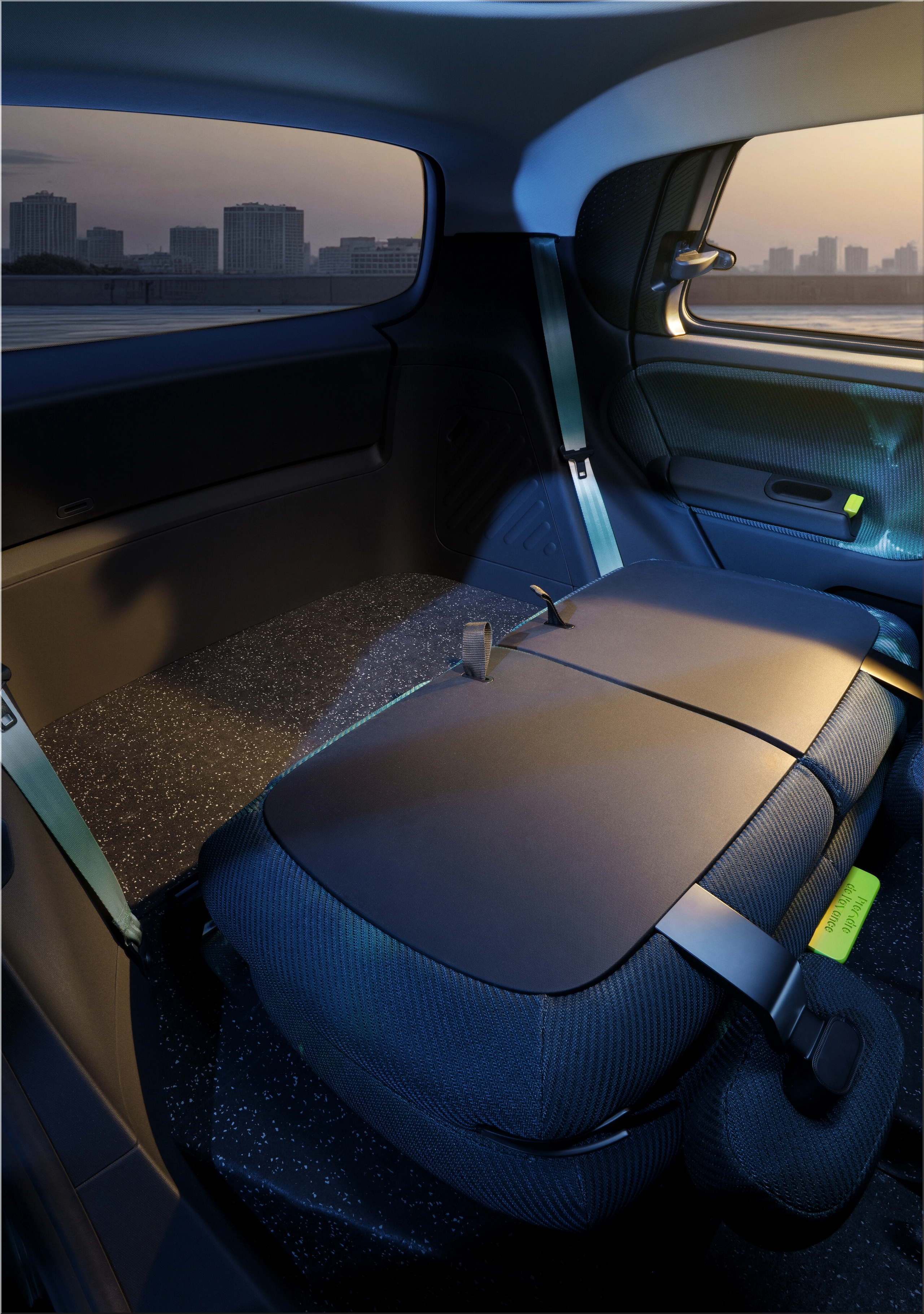
One standout element is the flexible cabin layout. Renault’s press statements describe a system of folding seats and movable panels. For example, the front passenger seat can collapse to expand load capacity, freeing up space for items like a small piece of furniture or sports gear. The rear seats follow a similar pattern, allowing various configurations without complicated steps. The seat cushions and backrests can be flipped or re-positioned. This approach benefits drivers who carry friends one day and groceries the next. Short errands or small family outings become hassle-free, thanks to the re-arranged seat design. Those who have tried to juggle cargo in tight city parking spots can see the merit of a simple, modular arrangement.
Everyday Comfort Meets Practicality
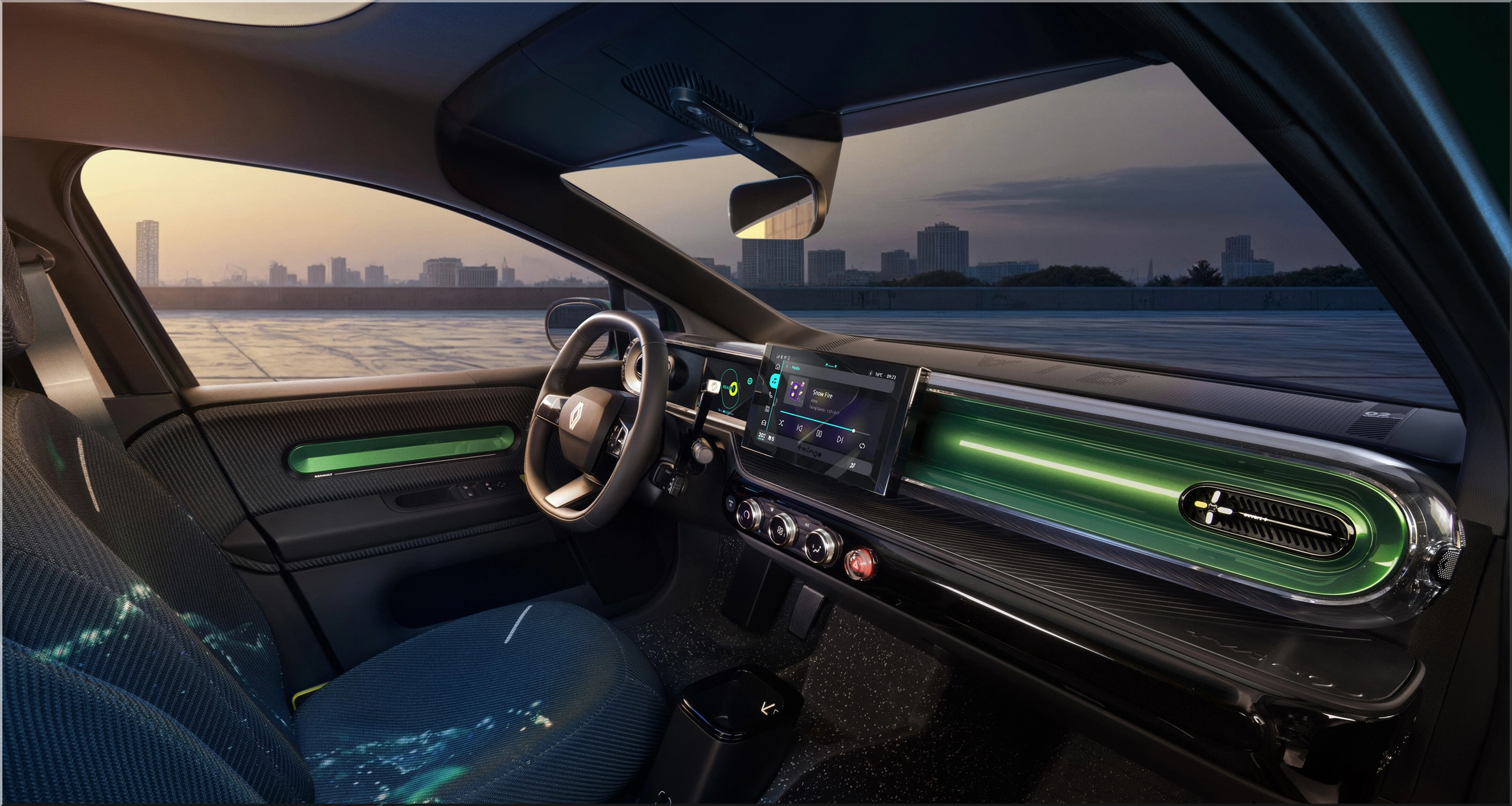
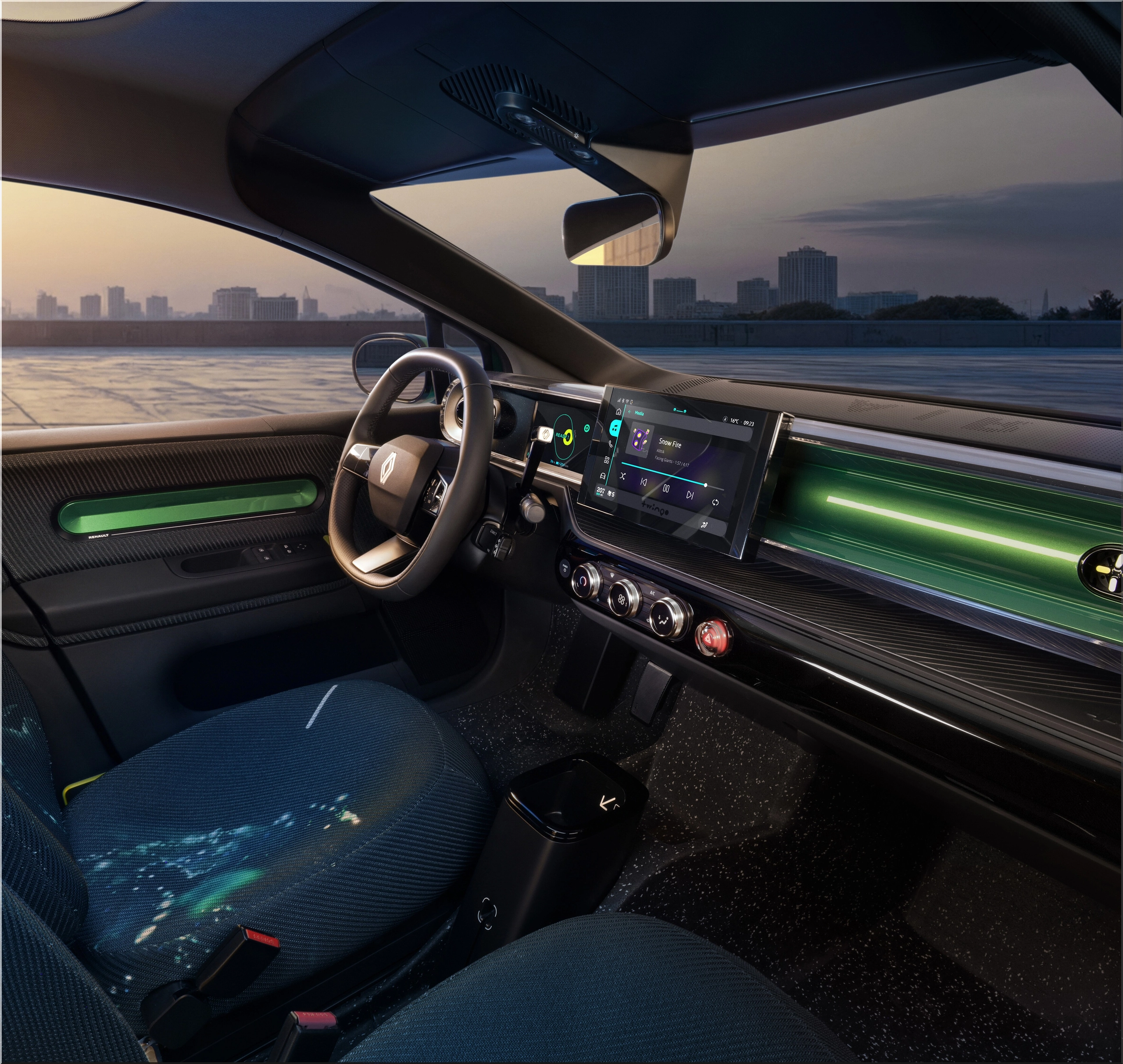
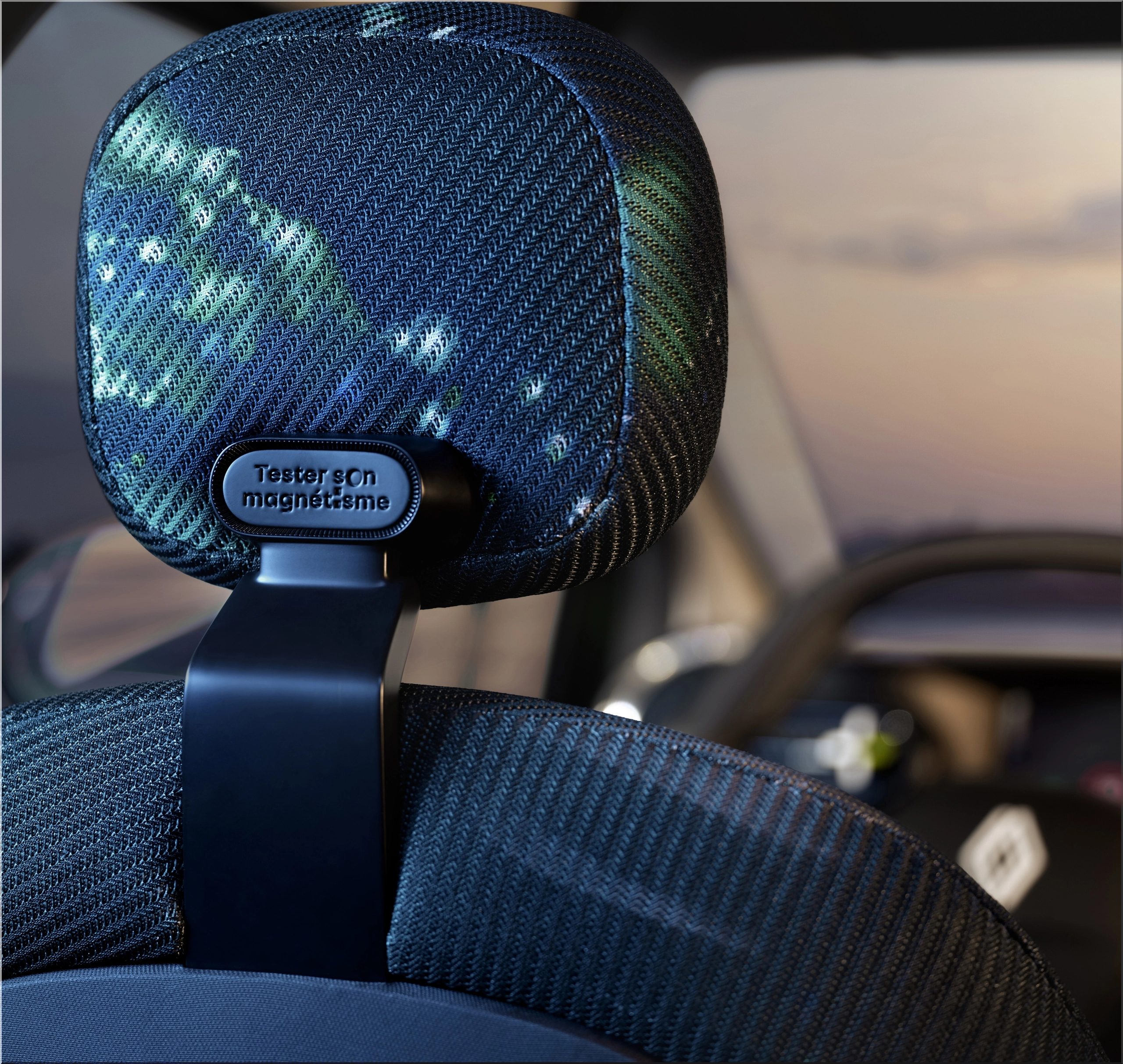
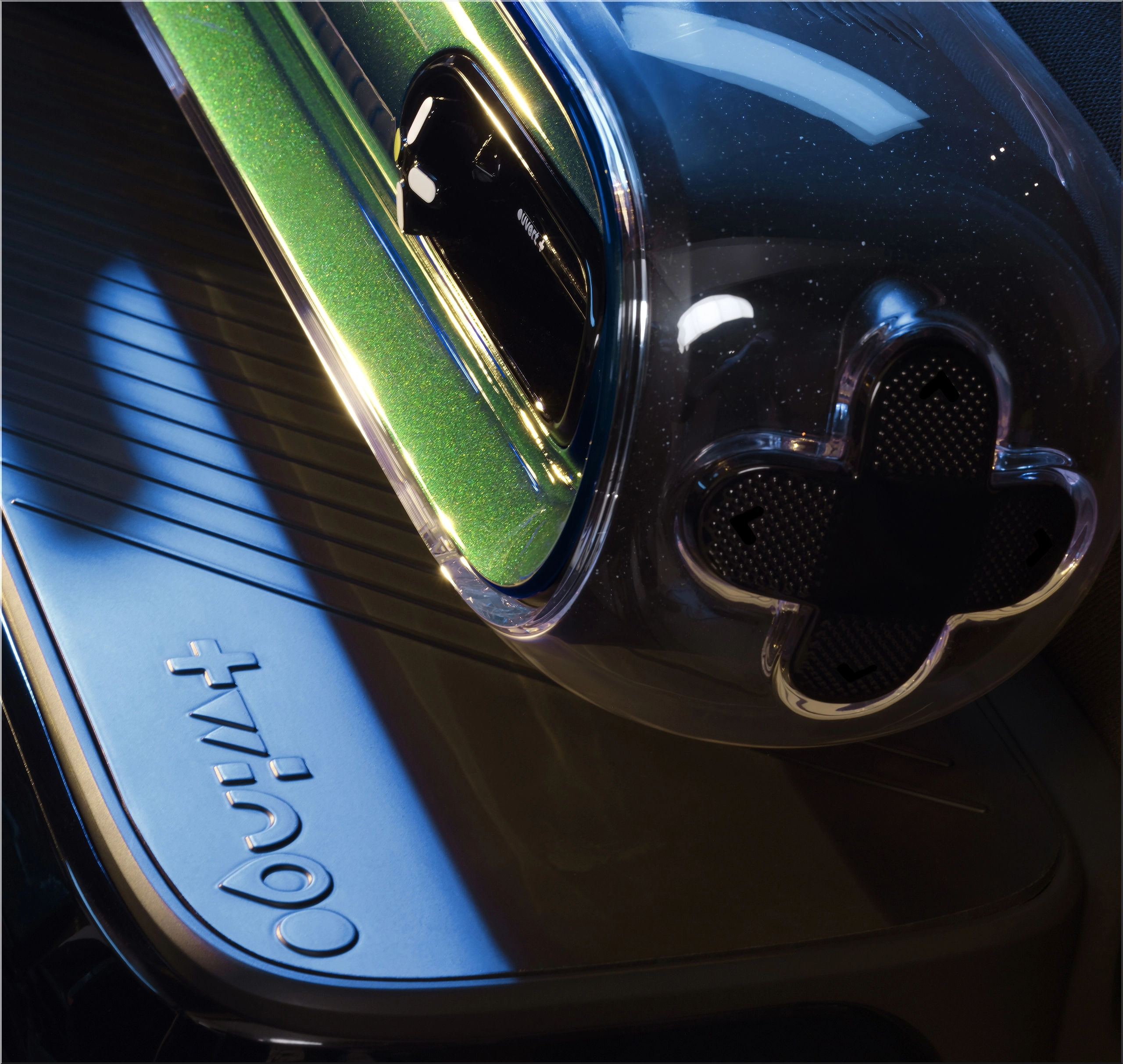
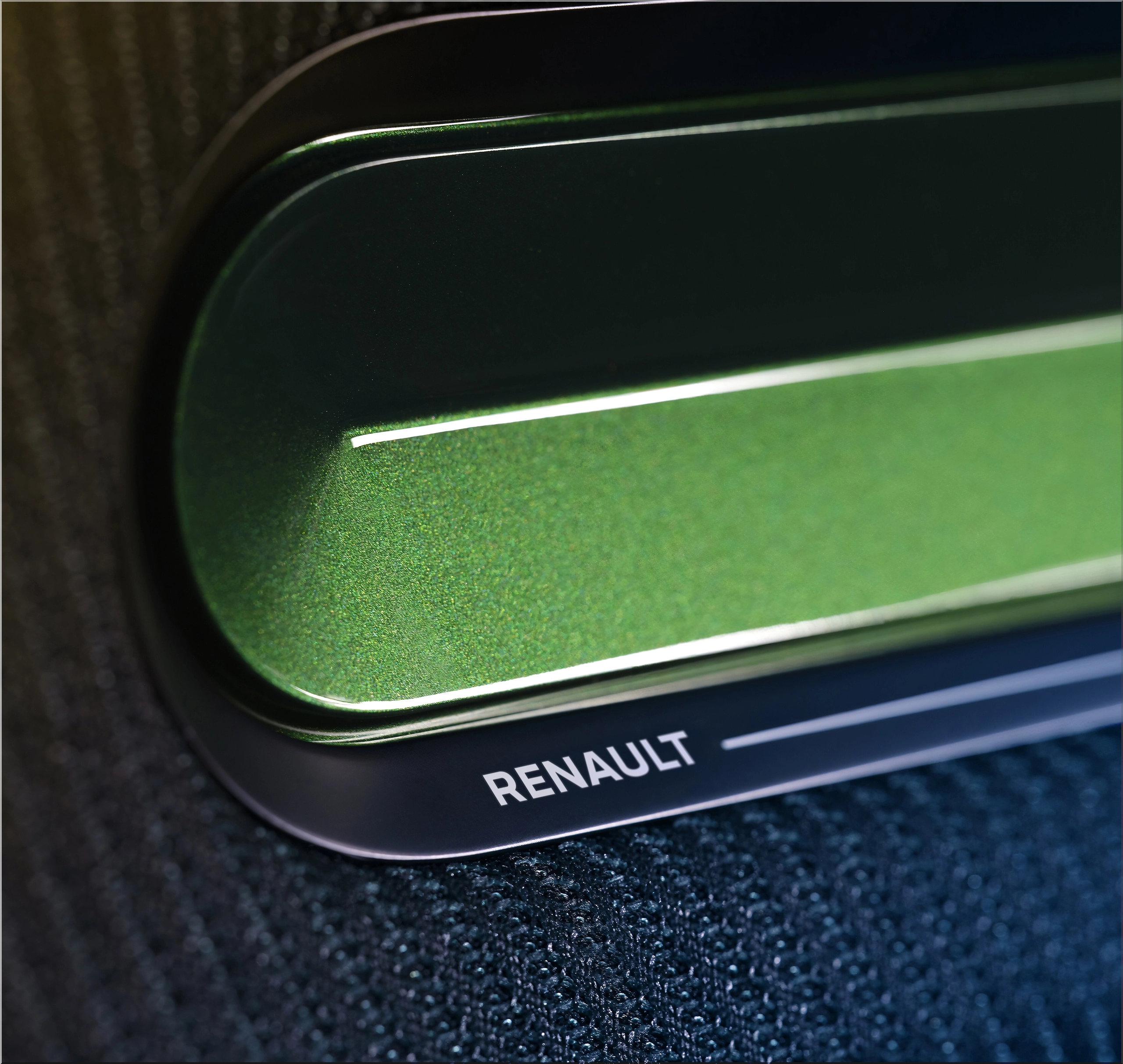
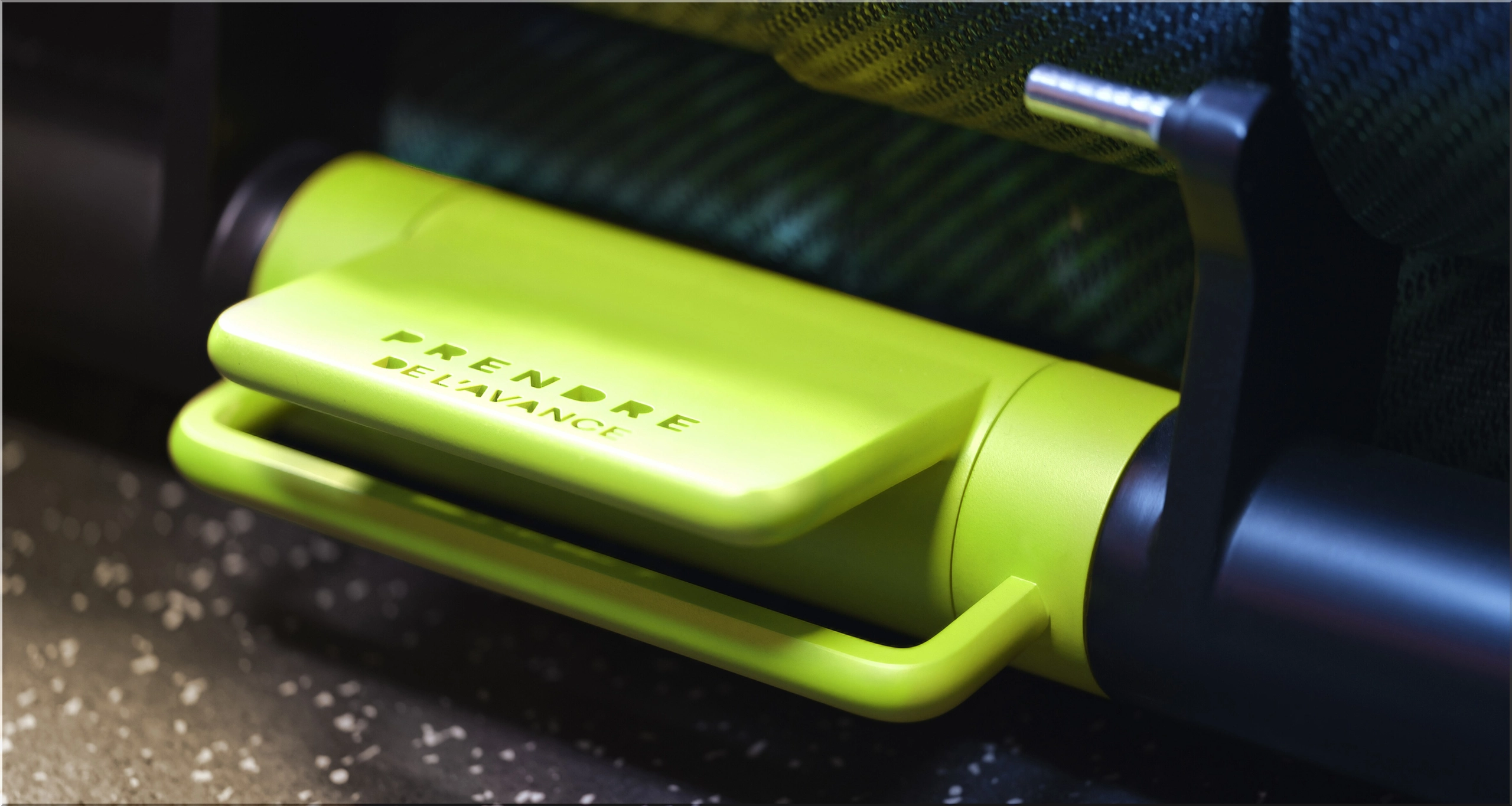
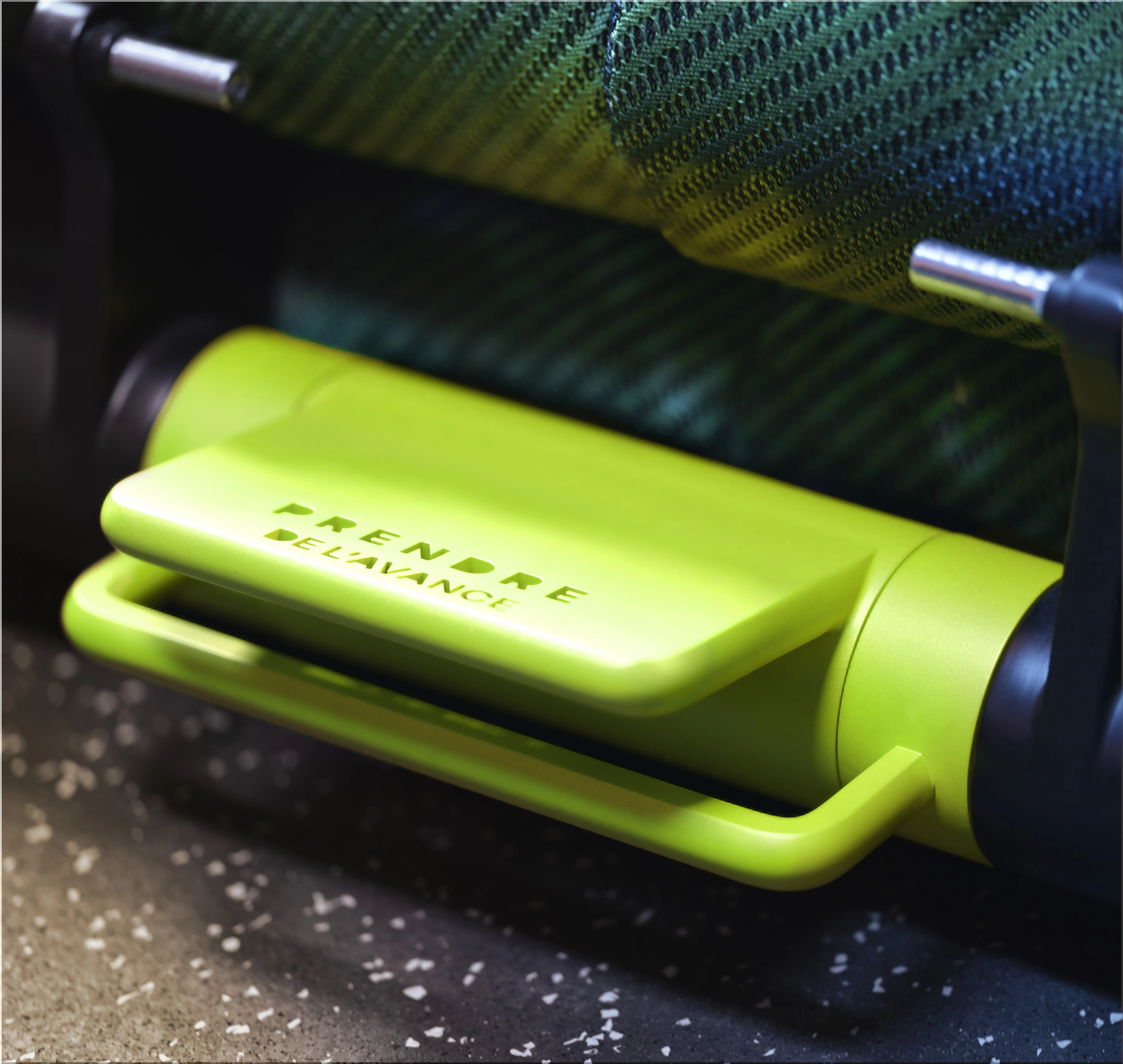
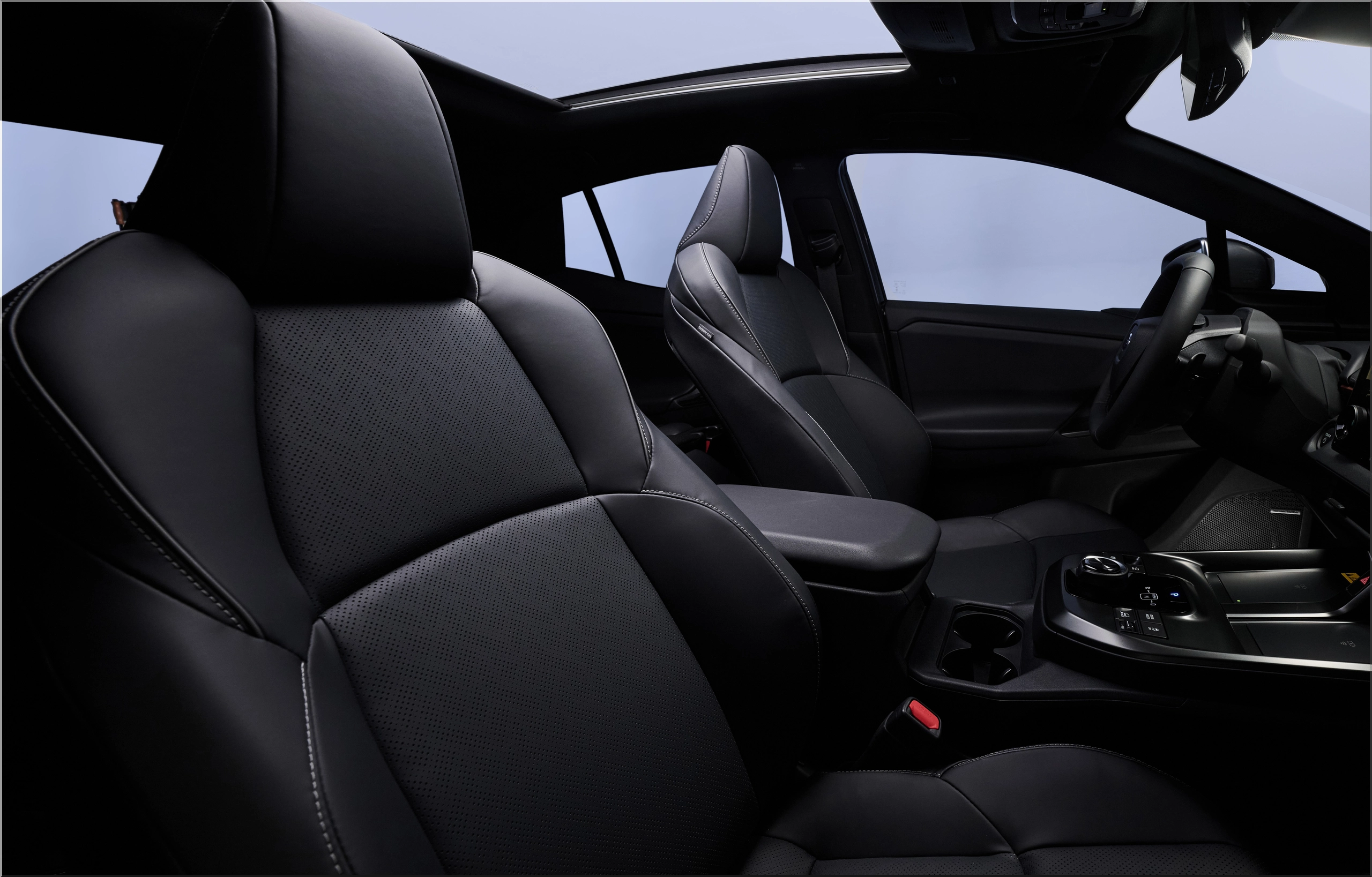
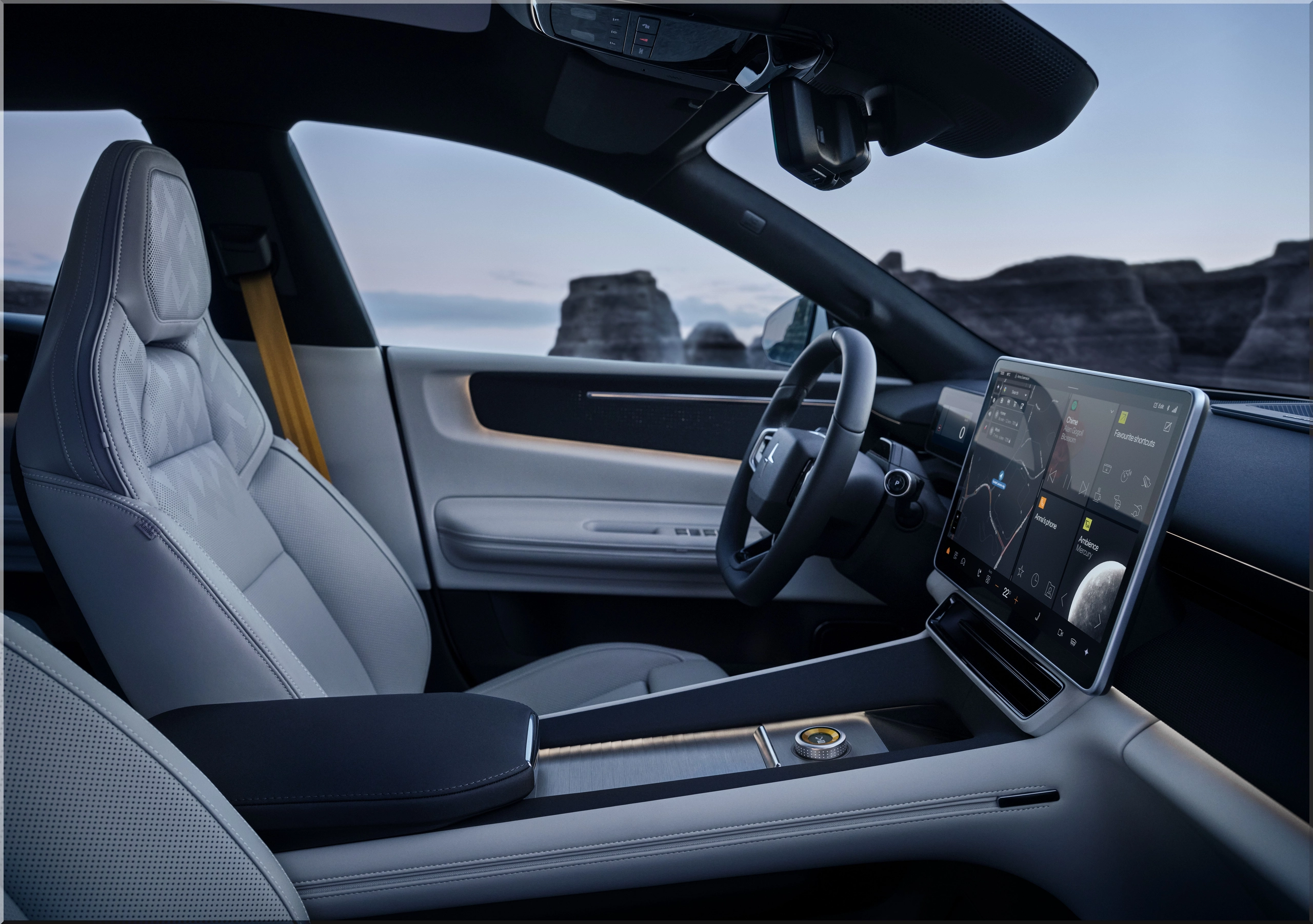
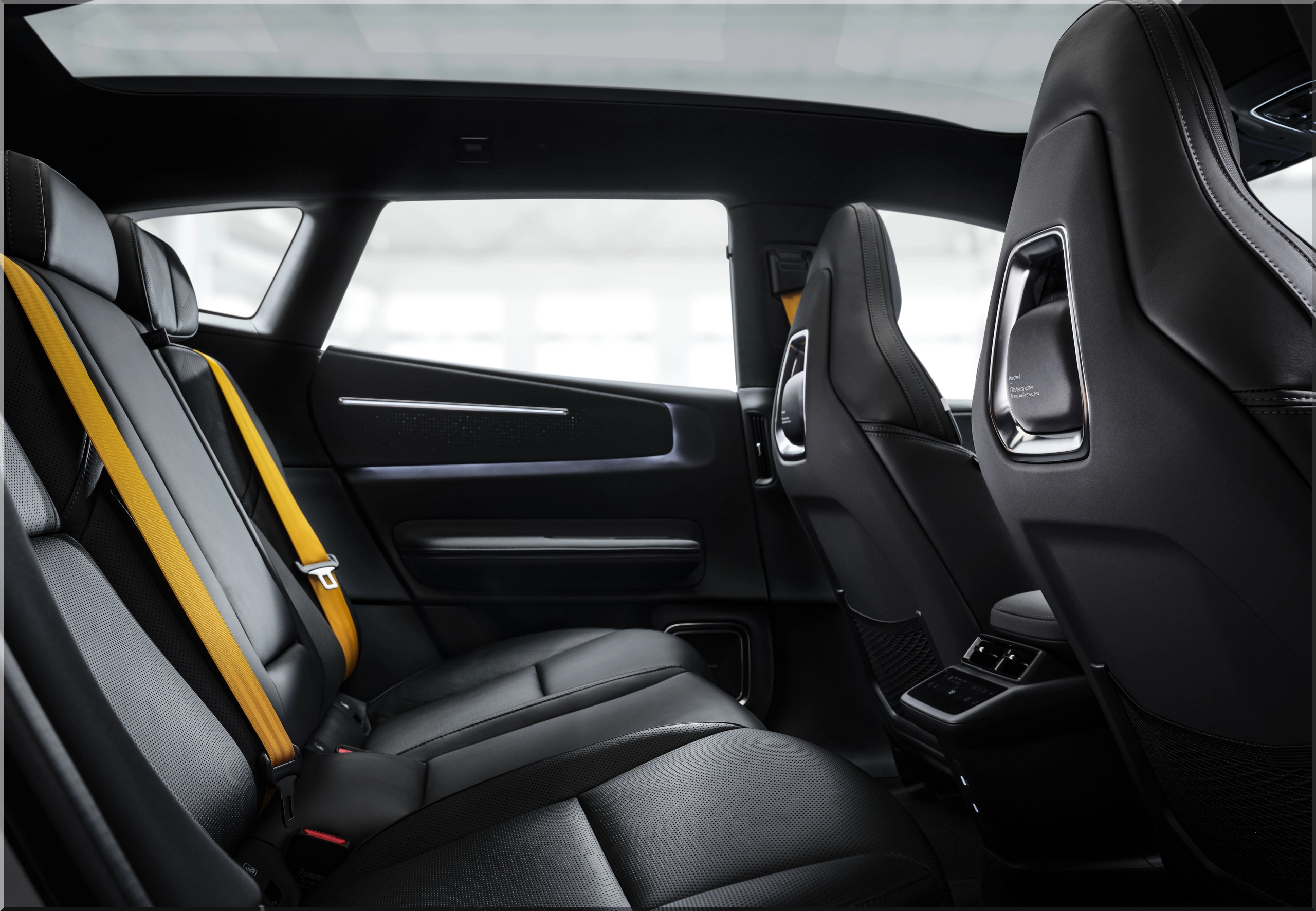
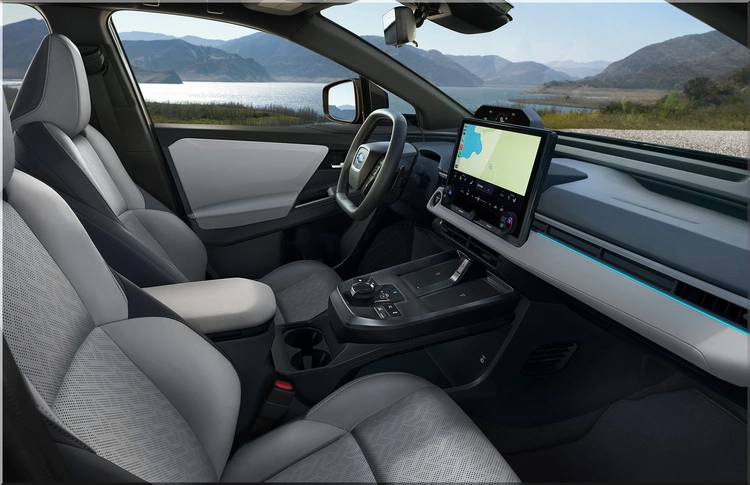
Renault’s goal: address modern concerns around minimal cabin space while keeping things pleasant. The Renault Twingo E-Tech electric prototype sports supportive seats that come with removable covers for quick cleaning or updates. According to the official images, each seat seems shaped to maximize leg and headroom. Soft but sturdy materials are used to handle daily wear without adding bulk. Storage bins and pockets fit along door panels and seat backs. Instead of plain recesses, designers added hooks and attachments to keep items from rolling. This is valuable for parents or professionals who carry gear but do not want it sliding around. Some compartments even snap into place, so no rummaging is required in transit.
Tech Features and Safety
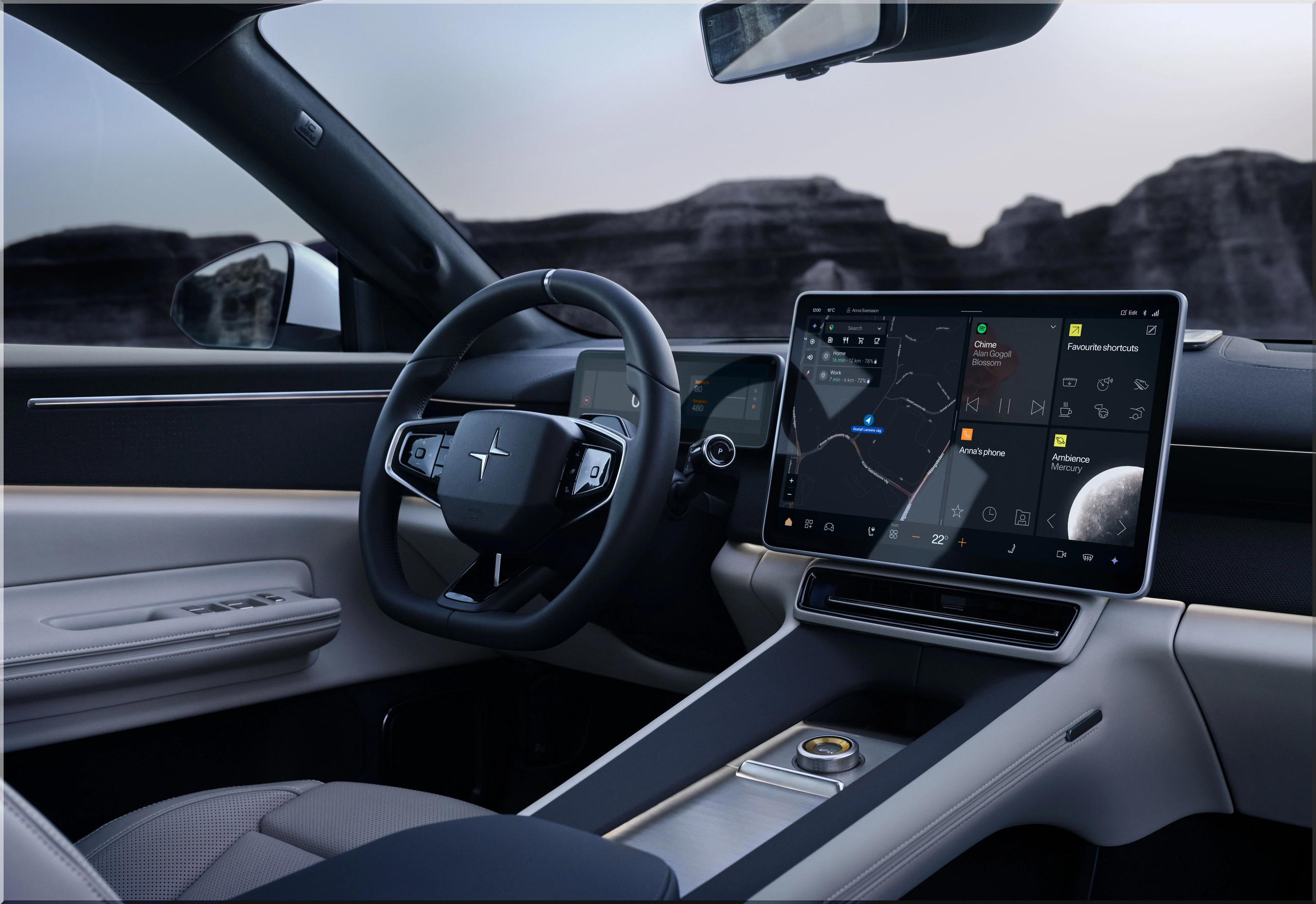
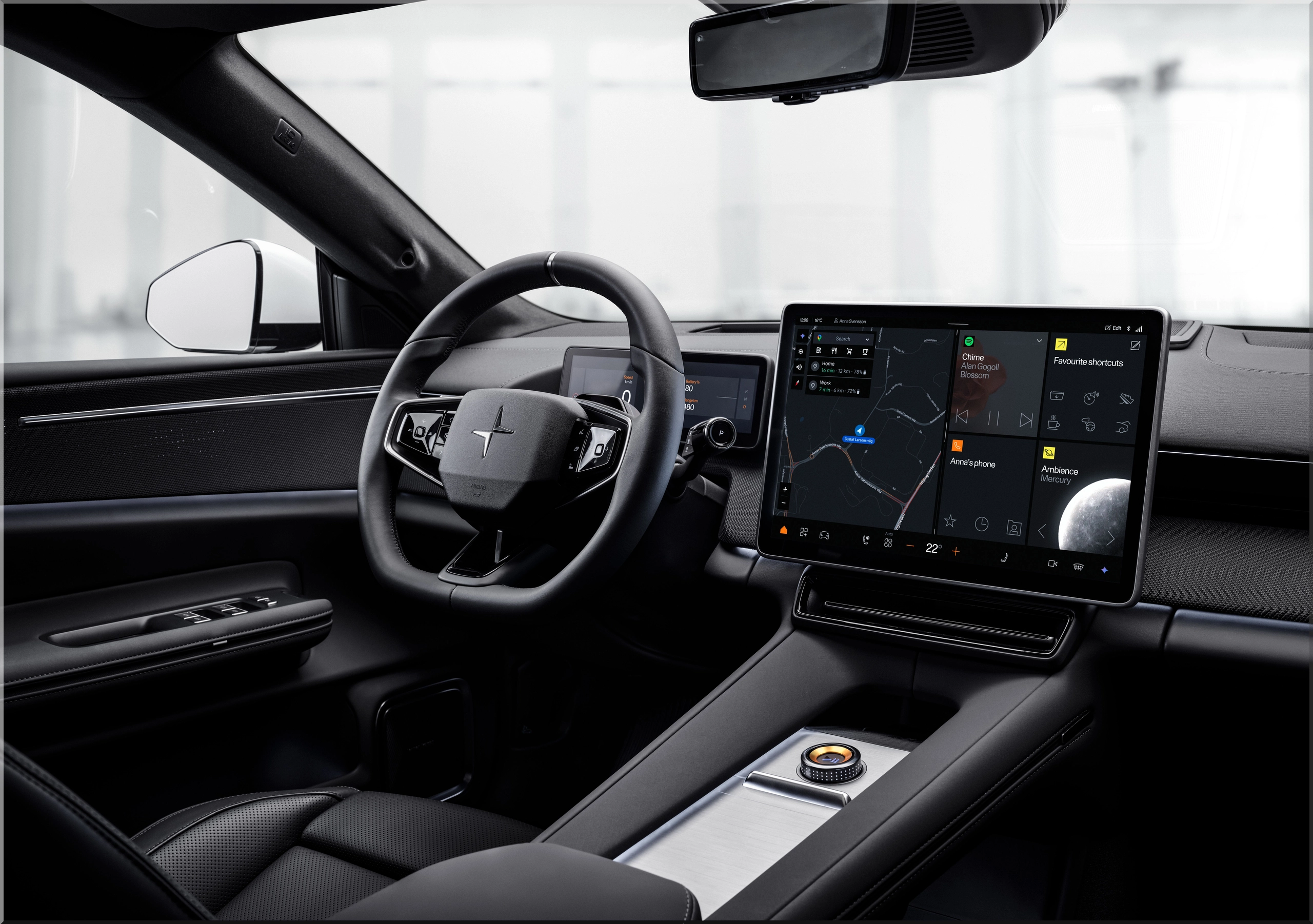
A modular interior pairs well with technology that promotes a relaxed drive. While full tech details are under wraps, early hints point to an infotainment hub with phone-mirroring features. Renault’s release highlights integration with popular navigation apps, so drivers can stay updated on charging stations and real-time traffic details. For many, that is a key advantage as city centers adopt new traffic rules for electric vehicles. Safety also appears central to Twingo E-Tech’s design. Features under consideration include collision mitigation, electronic stability control, and an advanced braking system. Renault has a long record of high safety ratings, and the Twingo E-Tech prototype aims to keep that tradition.
Facts, Figures, and Examples
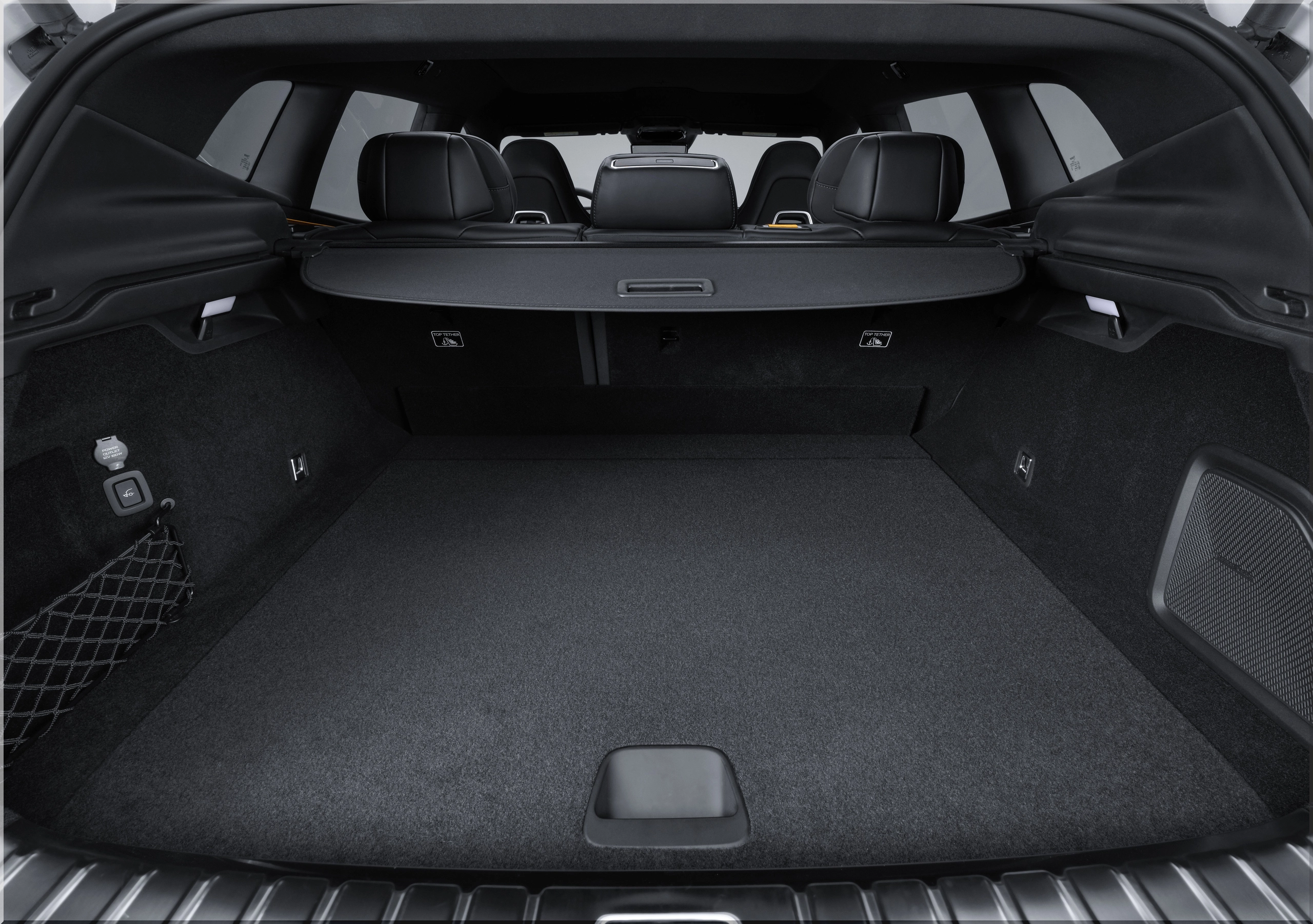
Renault’s data reveals past Twingo models had a cargo area of about 219 liters with the rear seats in place, expanding to around 980 liters once folded. While precise figures for this prototype may shift, the manufacturer’s approach suggests similar or better numbers. Urban drivers often need room for grocery bags or small luggage. This concept’s reworked seating helps in those exact scenarios. In Europe, electric mobility is rising.