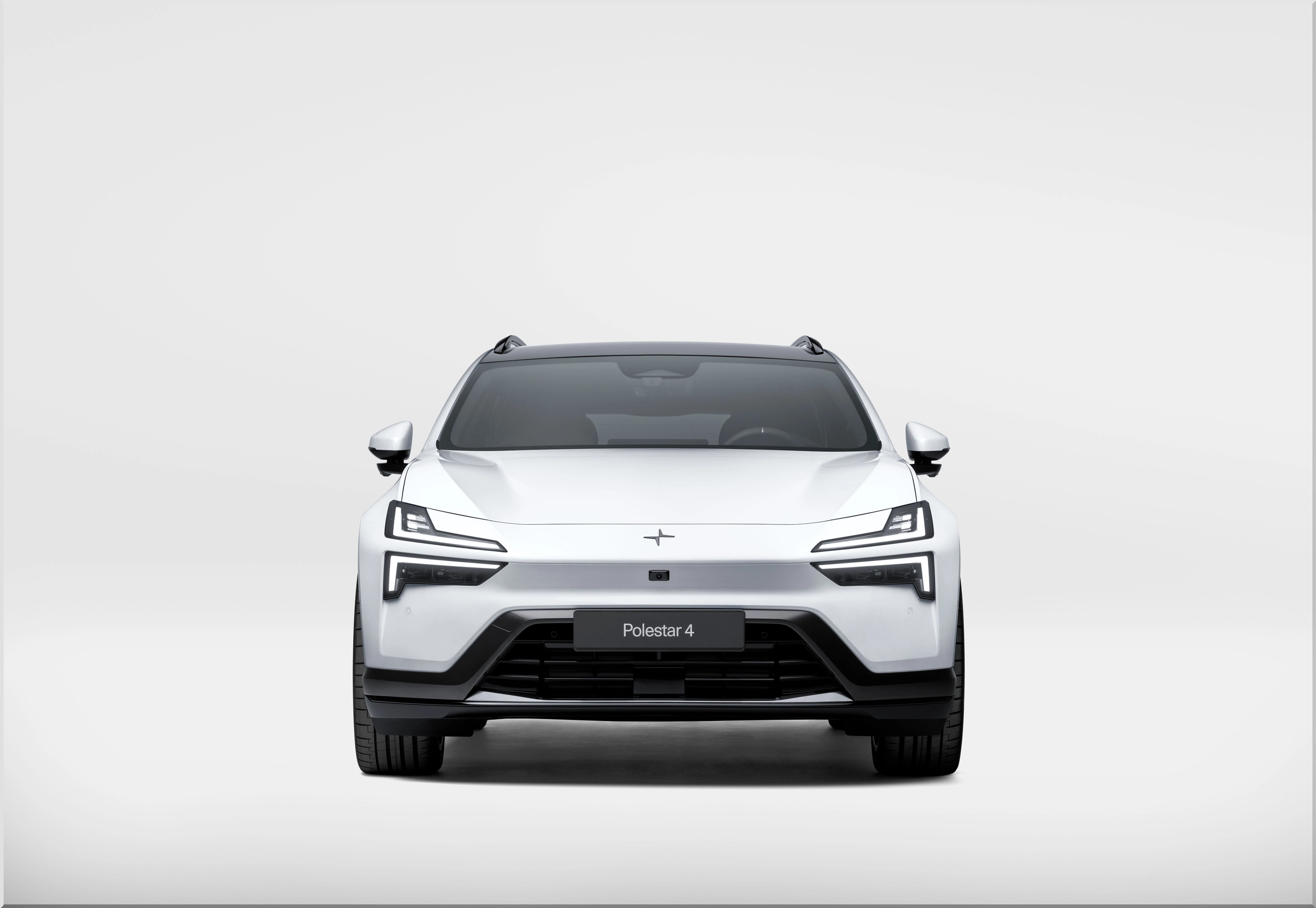
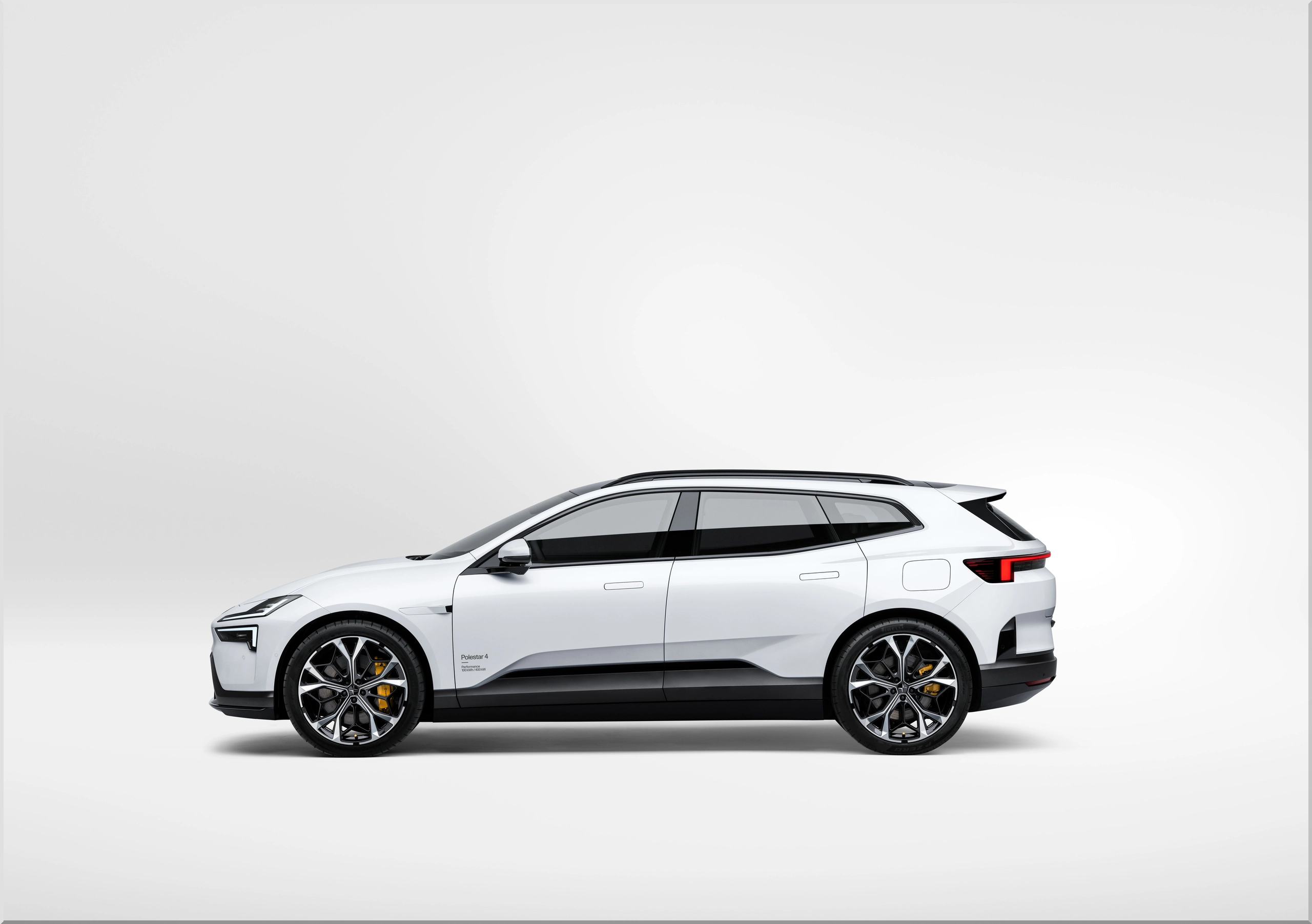
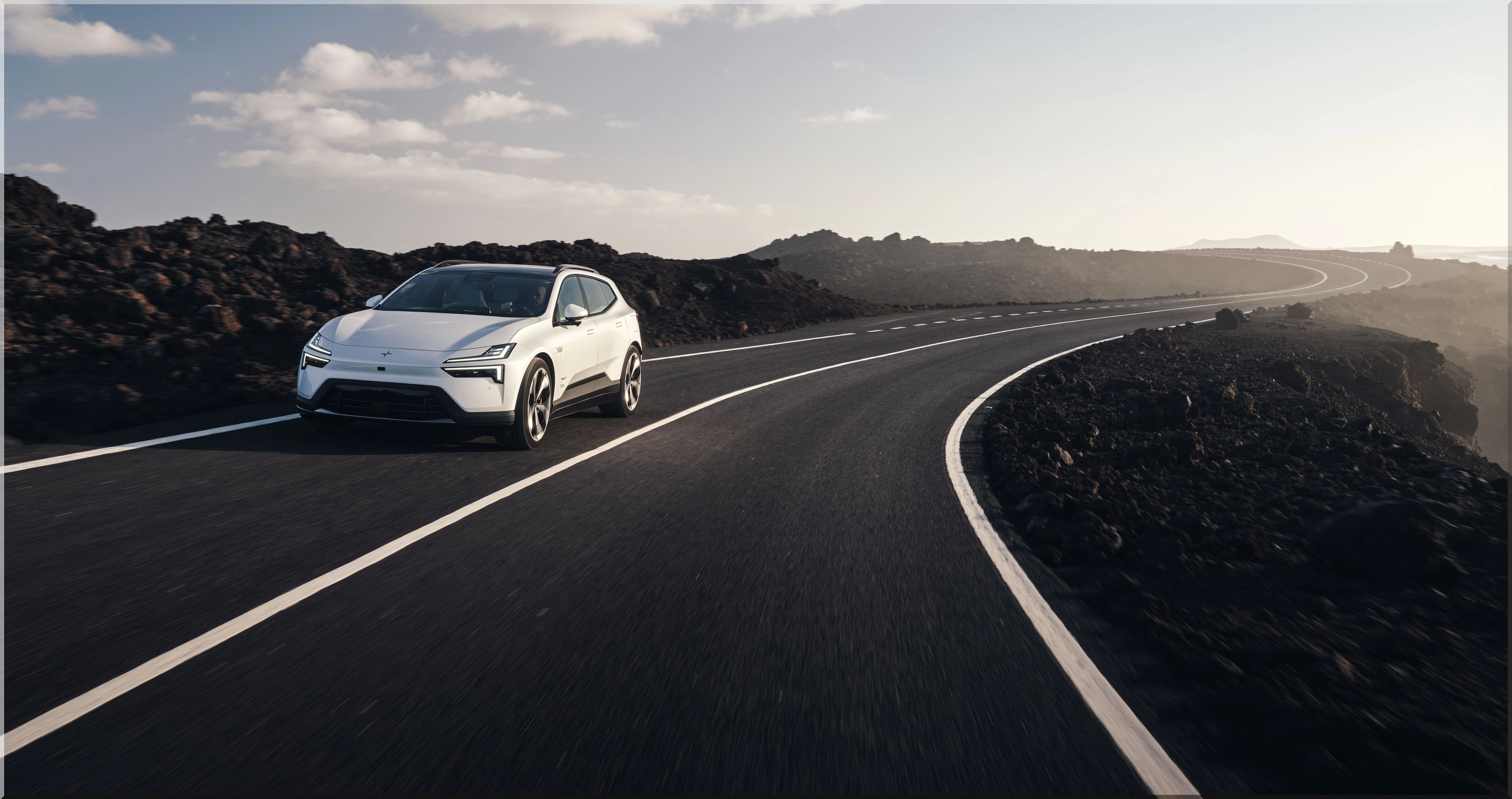
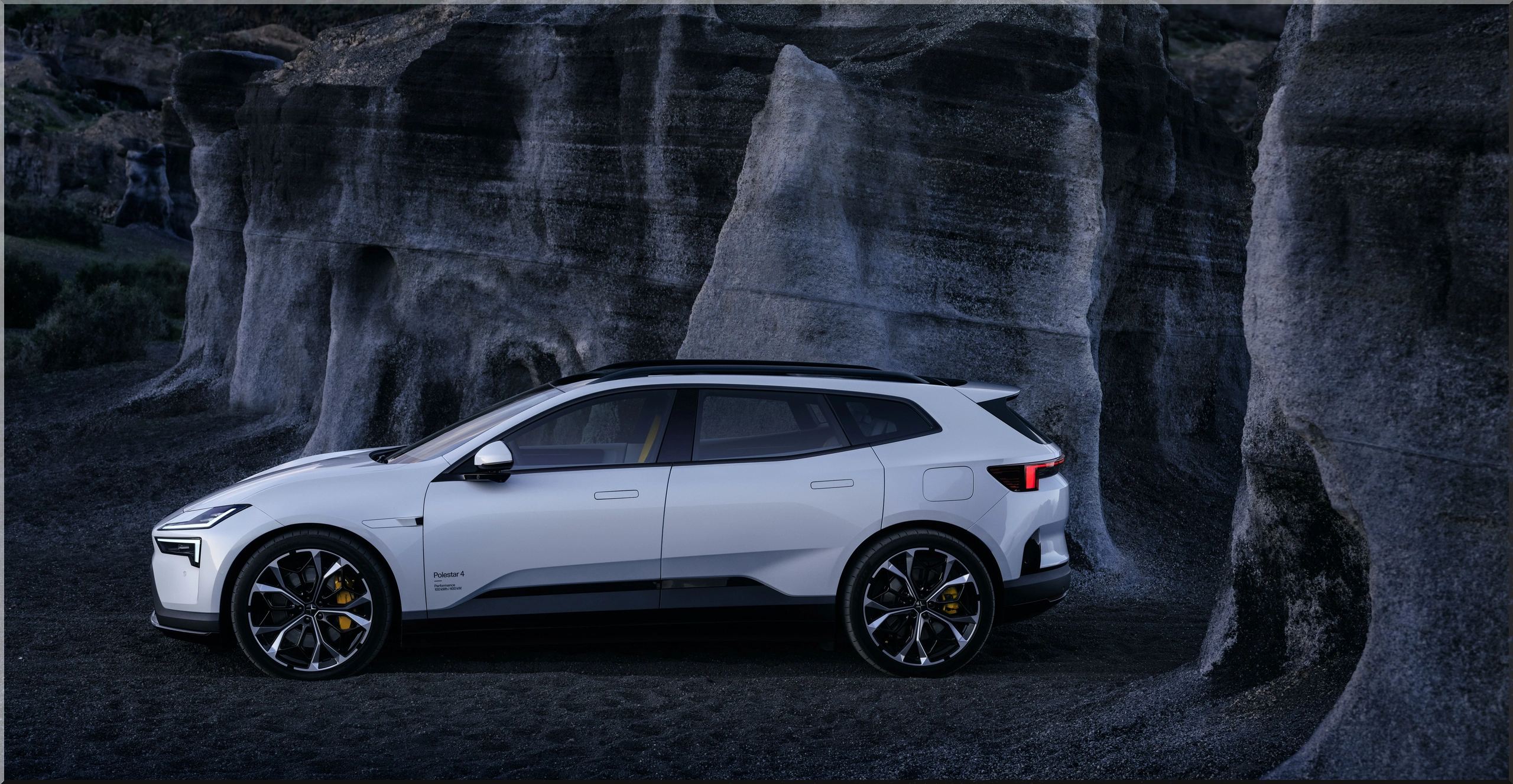
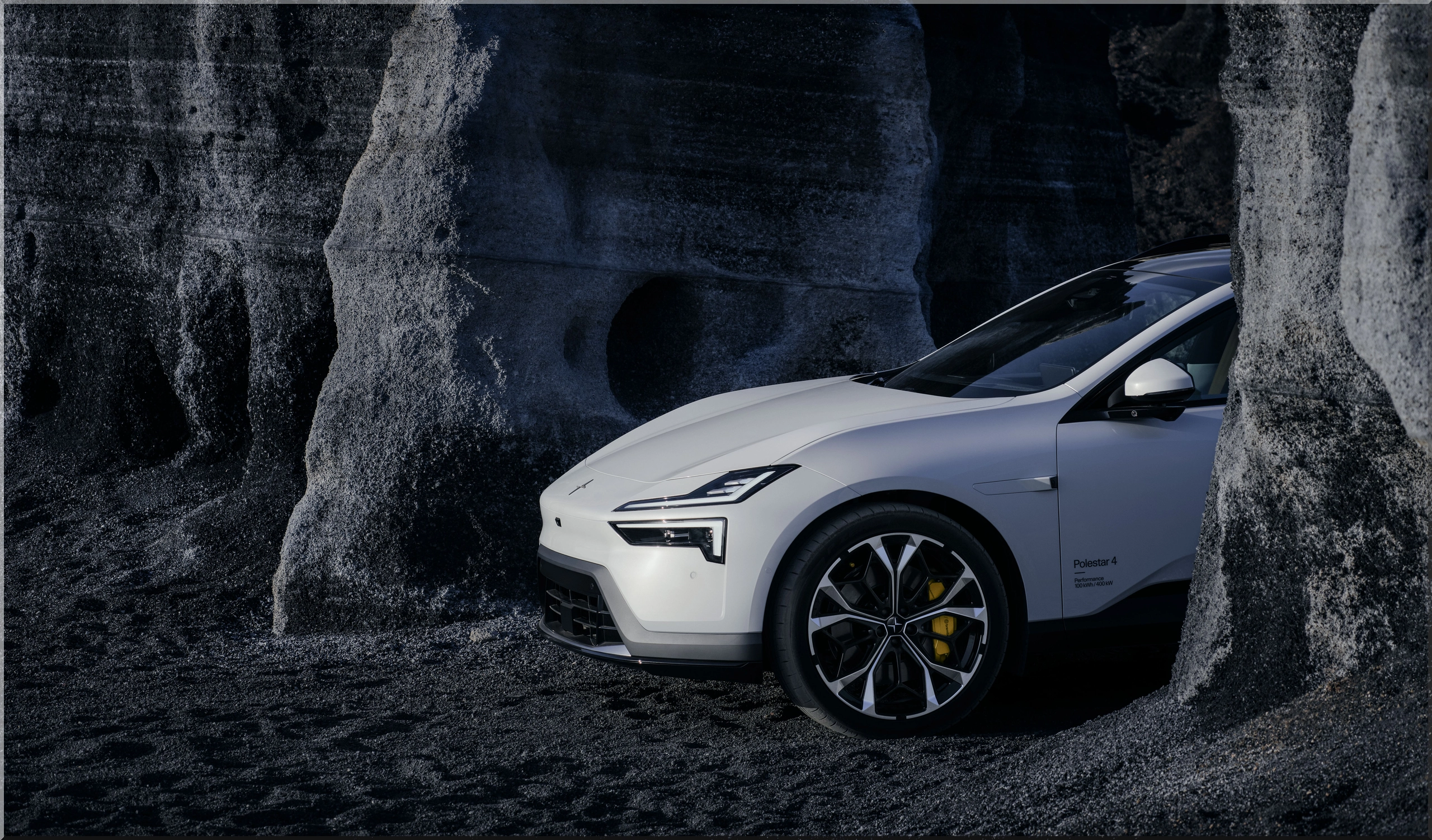
The 2027 Polestar 4 SUV turns the low-roof Polestar 4 Coupe into a more useful electric family vehicle. A straighter roof, conventional rear window, 100-kilogram roof-load rating, and up to 1,665 liters of cargo capacity address the Coupe's main limitations. Yet Polestar retains the 544-horsepower dual-motor system and 3.9-second acceleration time.
What Changed on the 2027 Polestar 4 SUV?
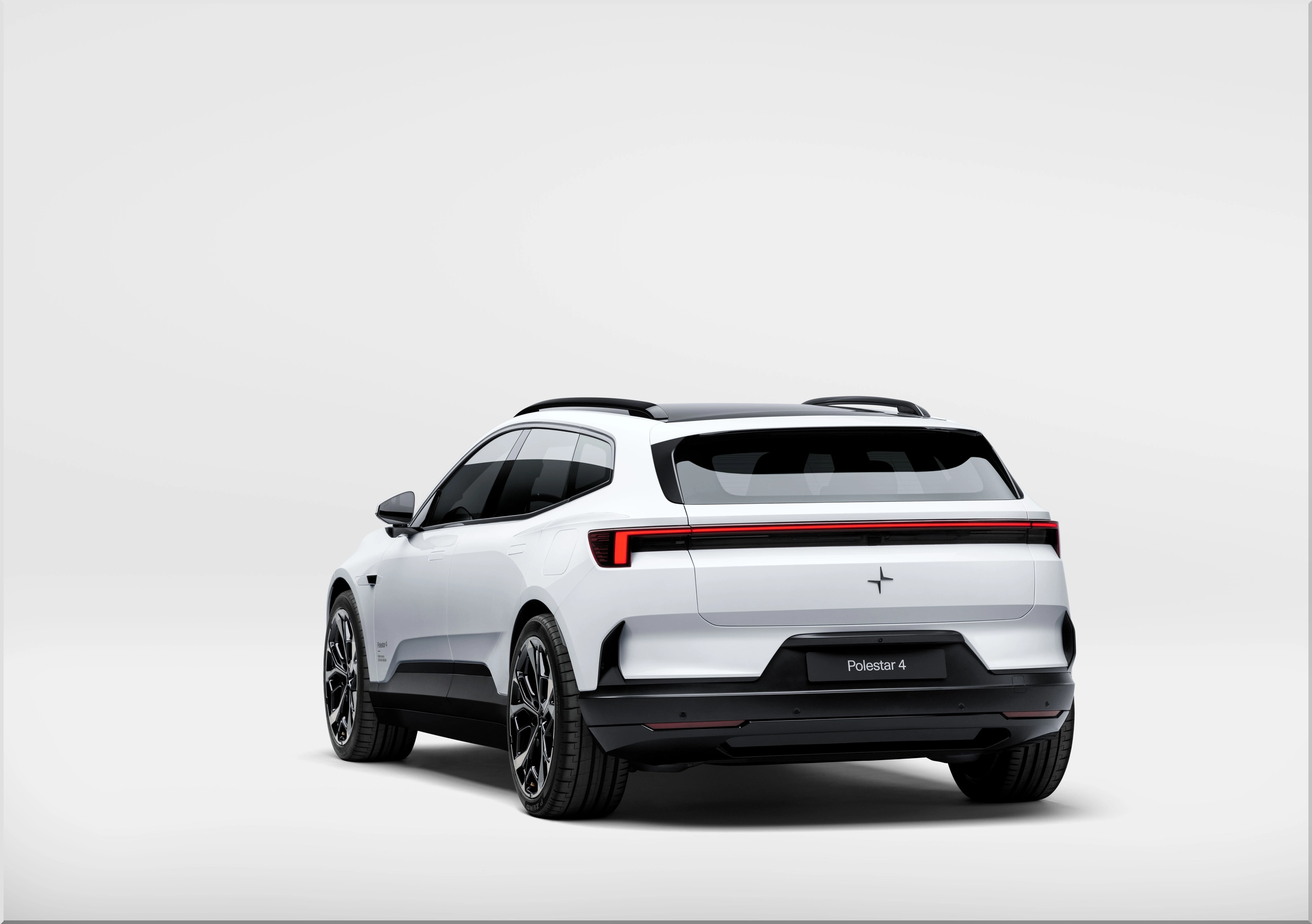
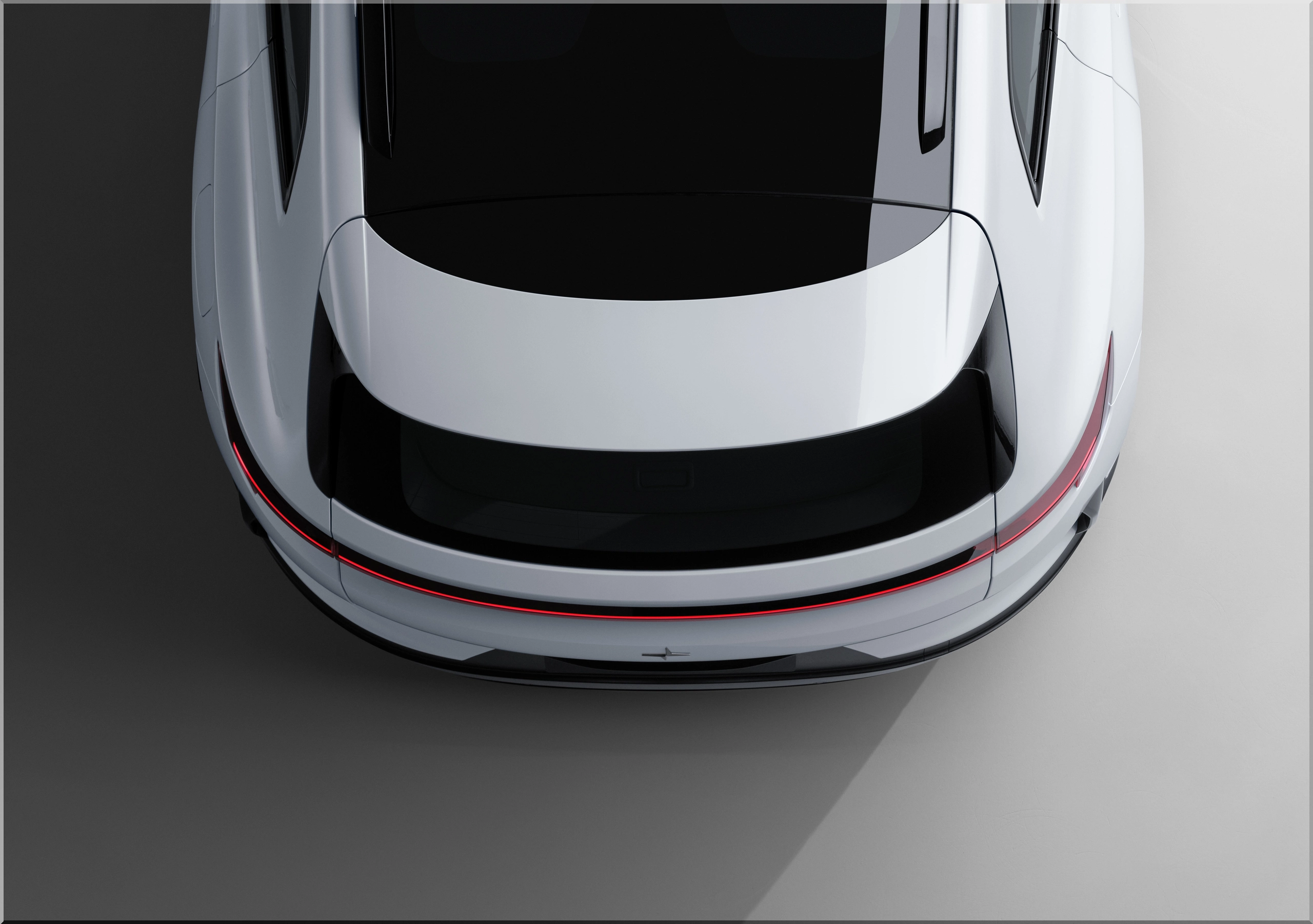
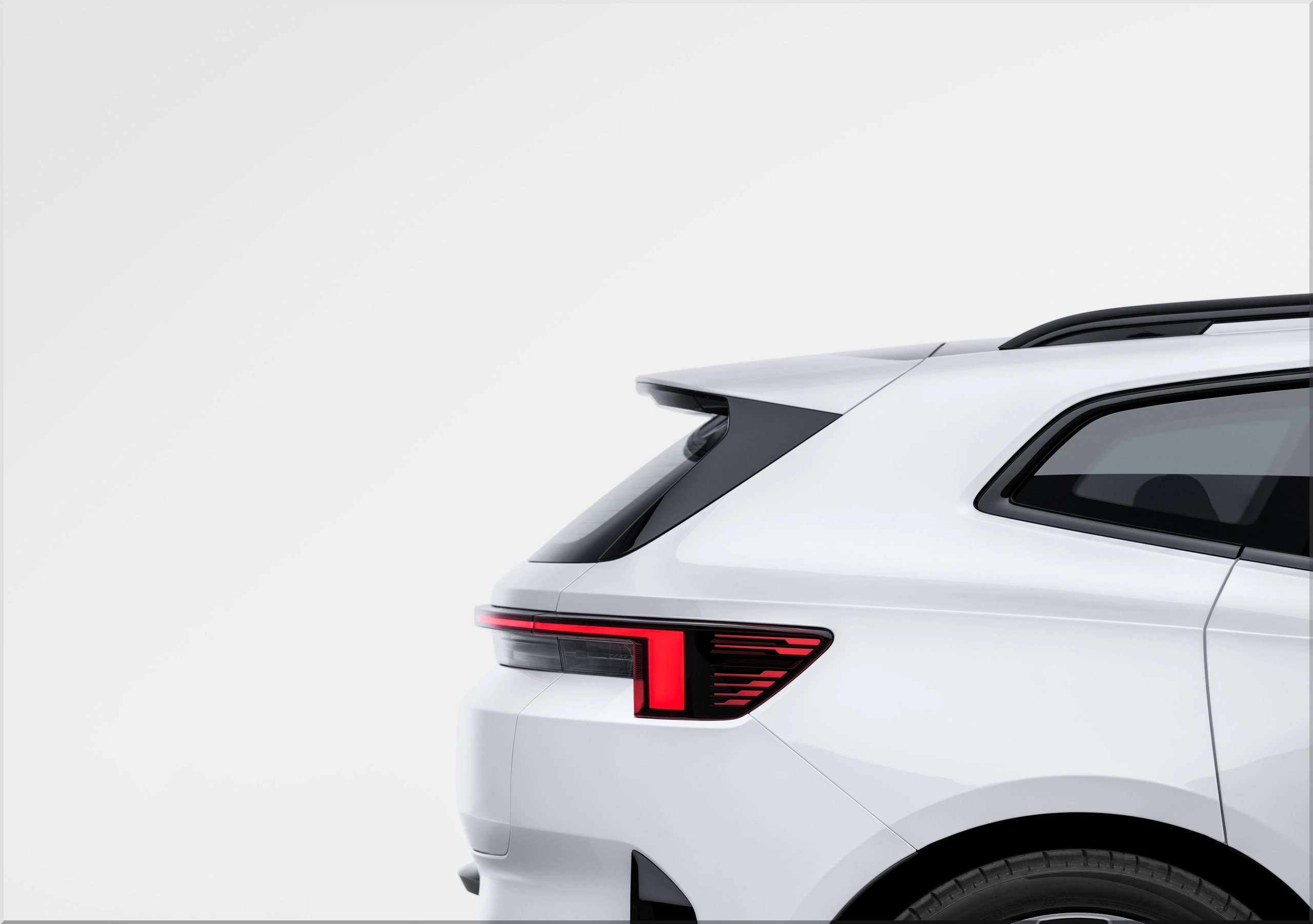
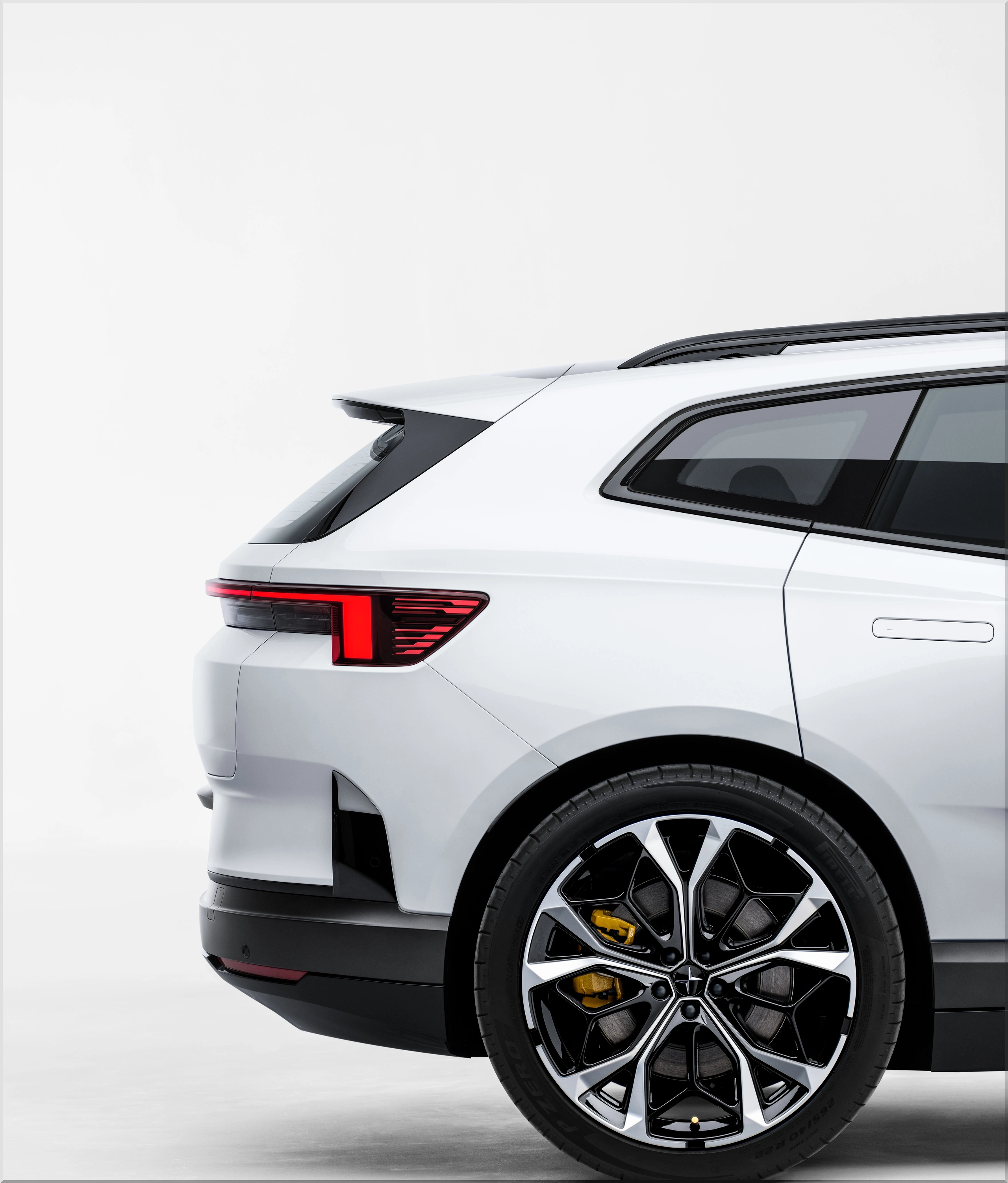
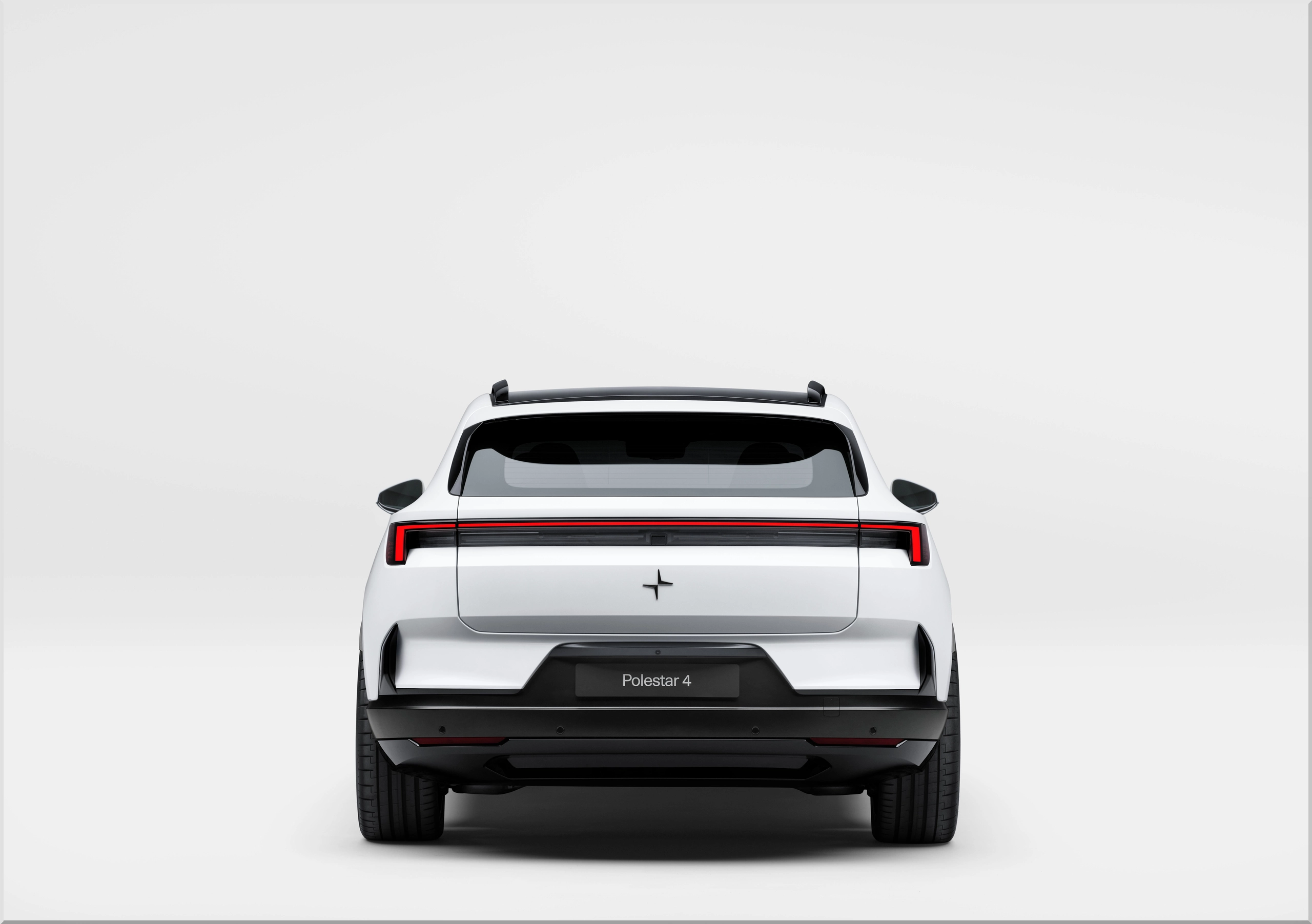
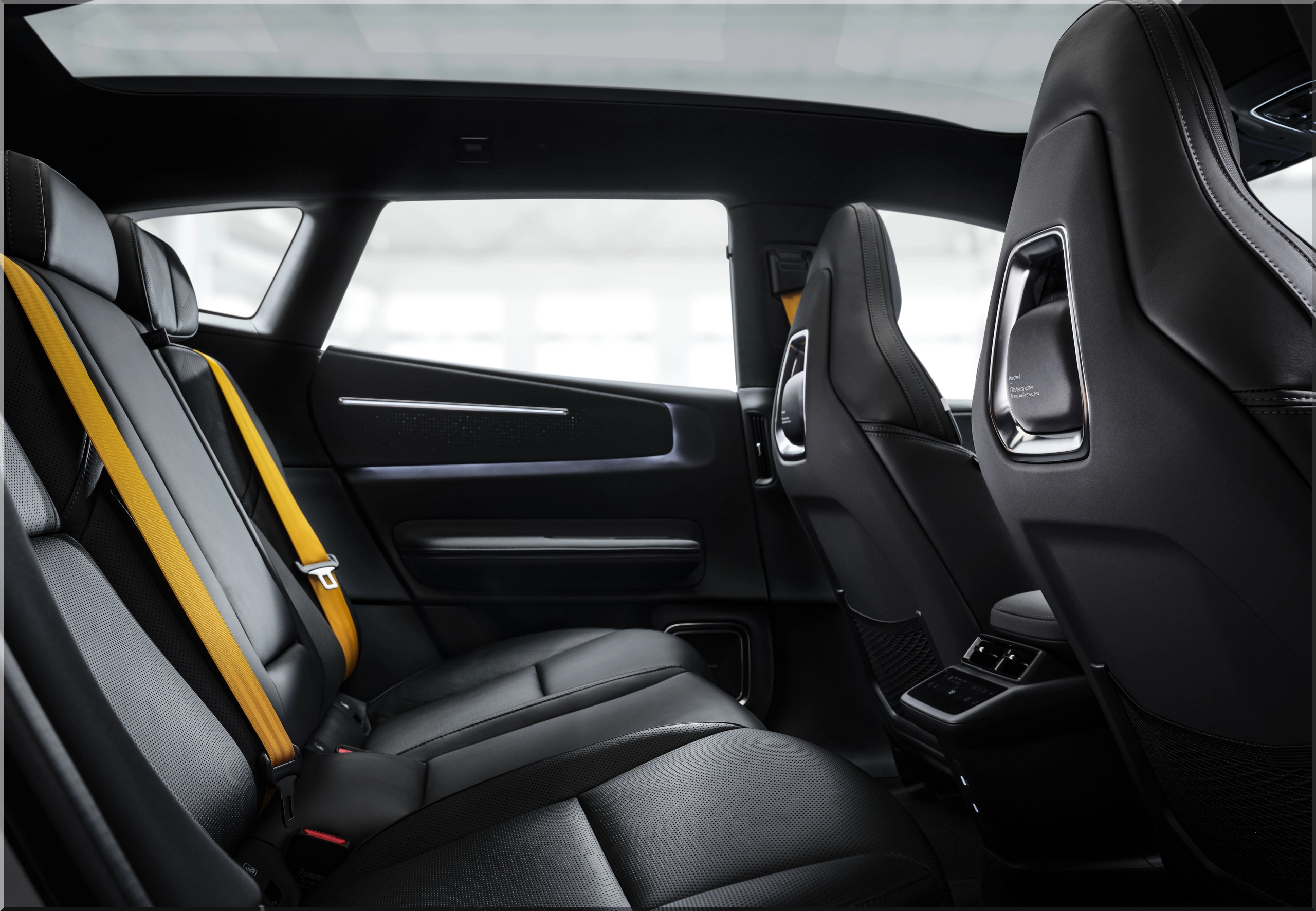
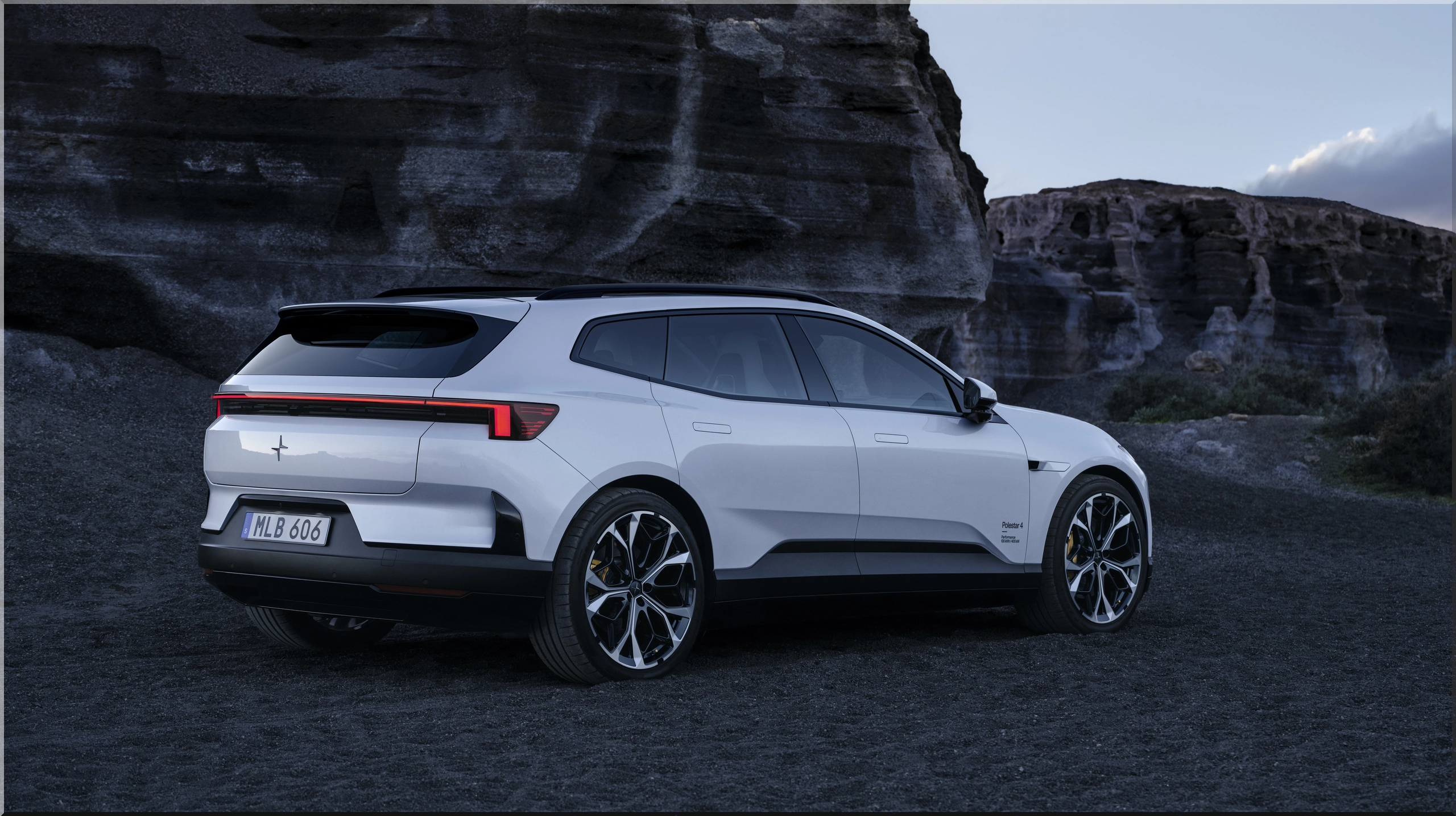
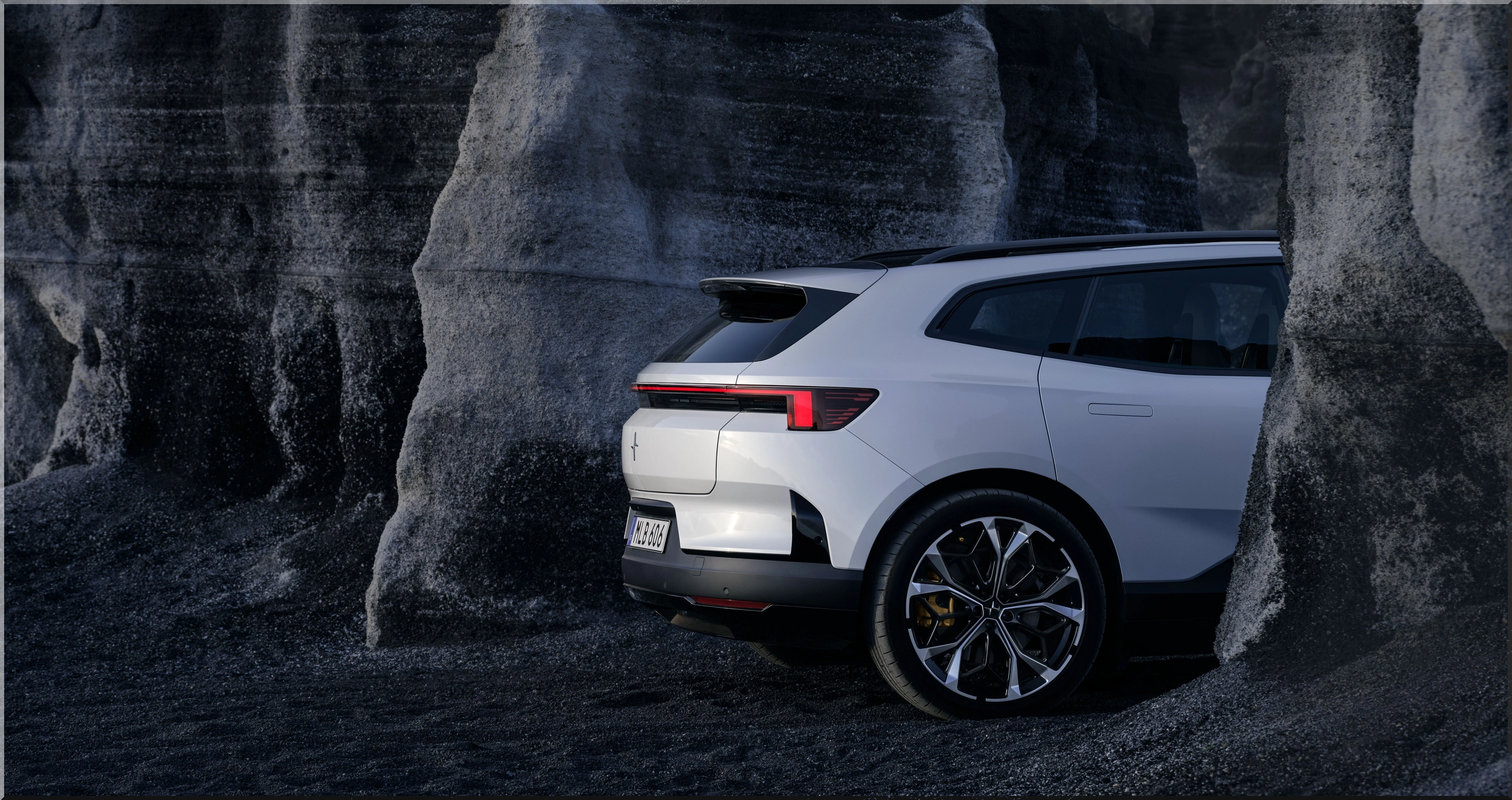
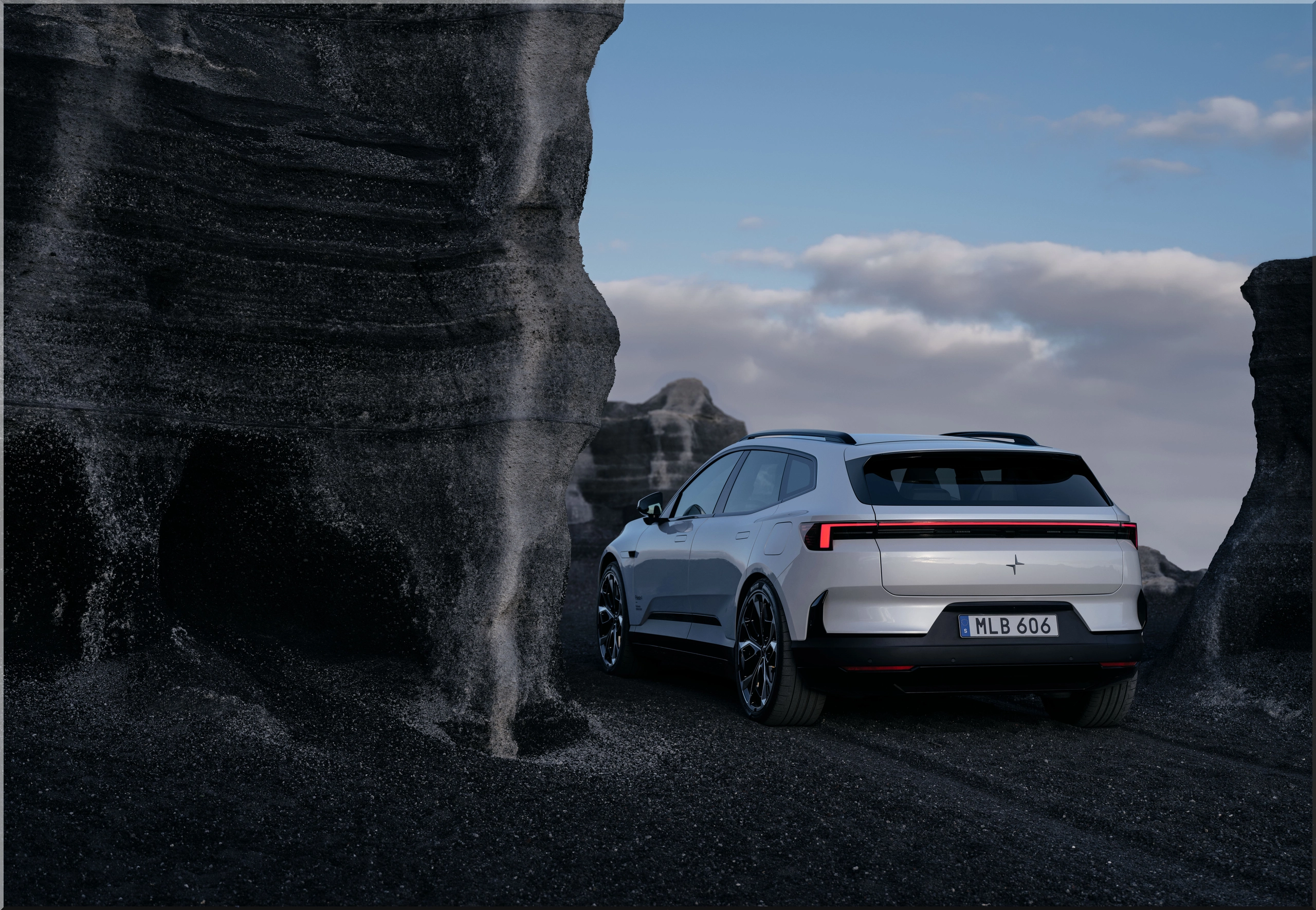
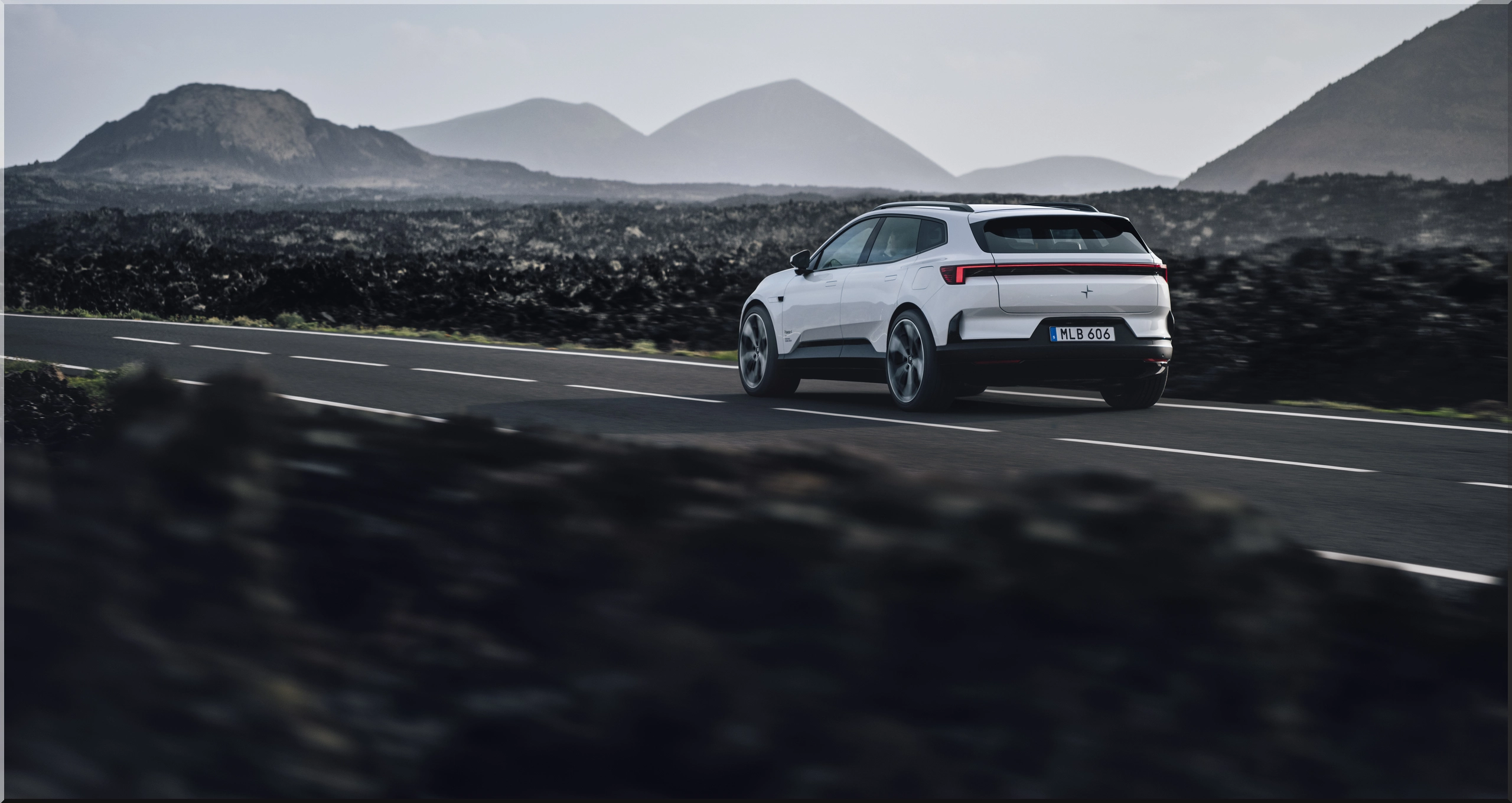
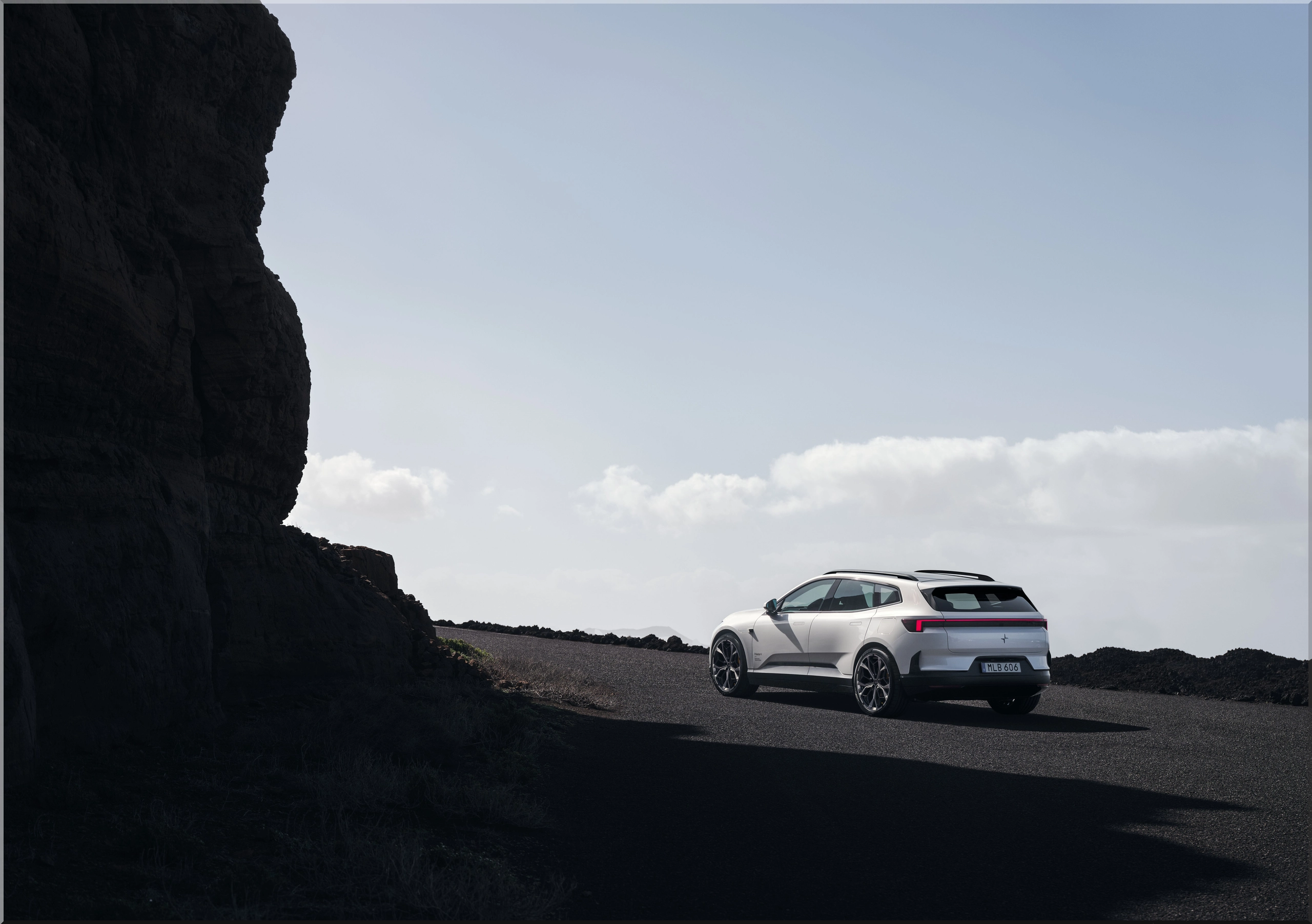
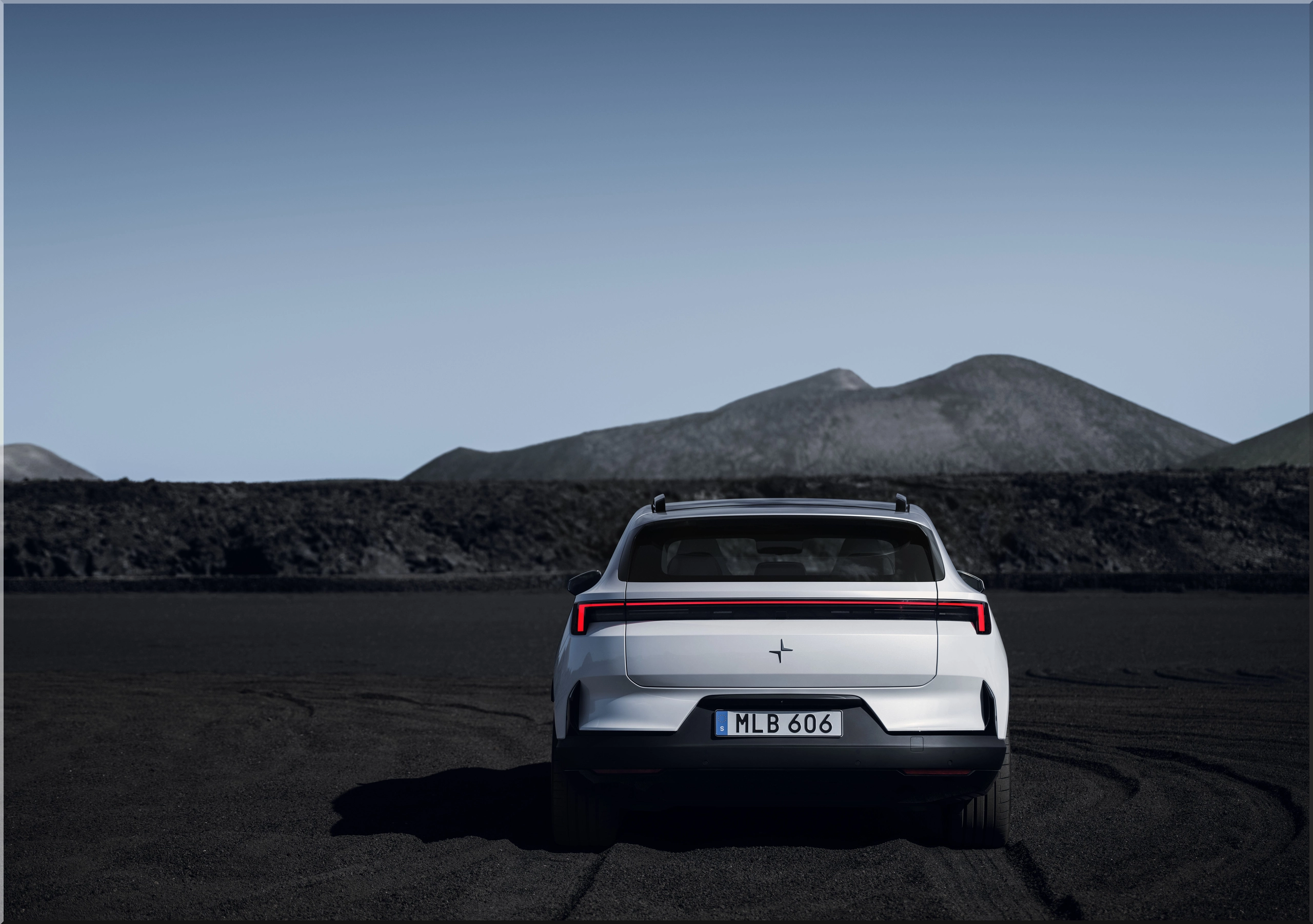
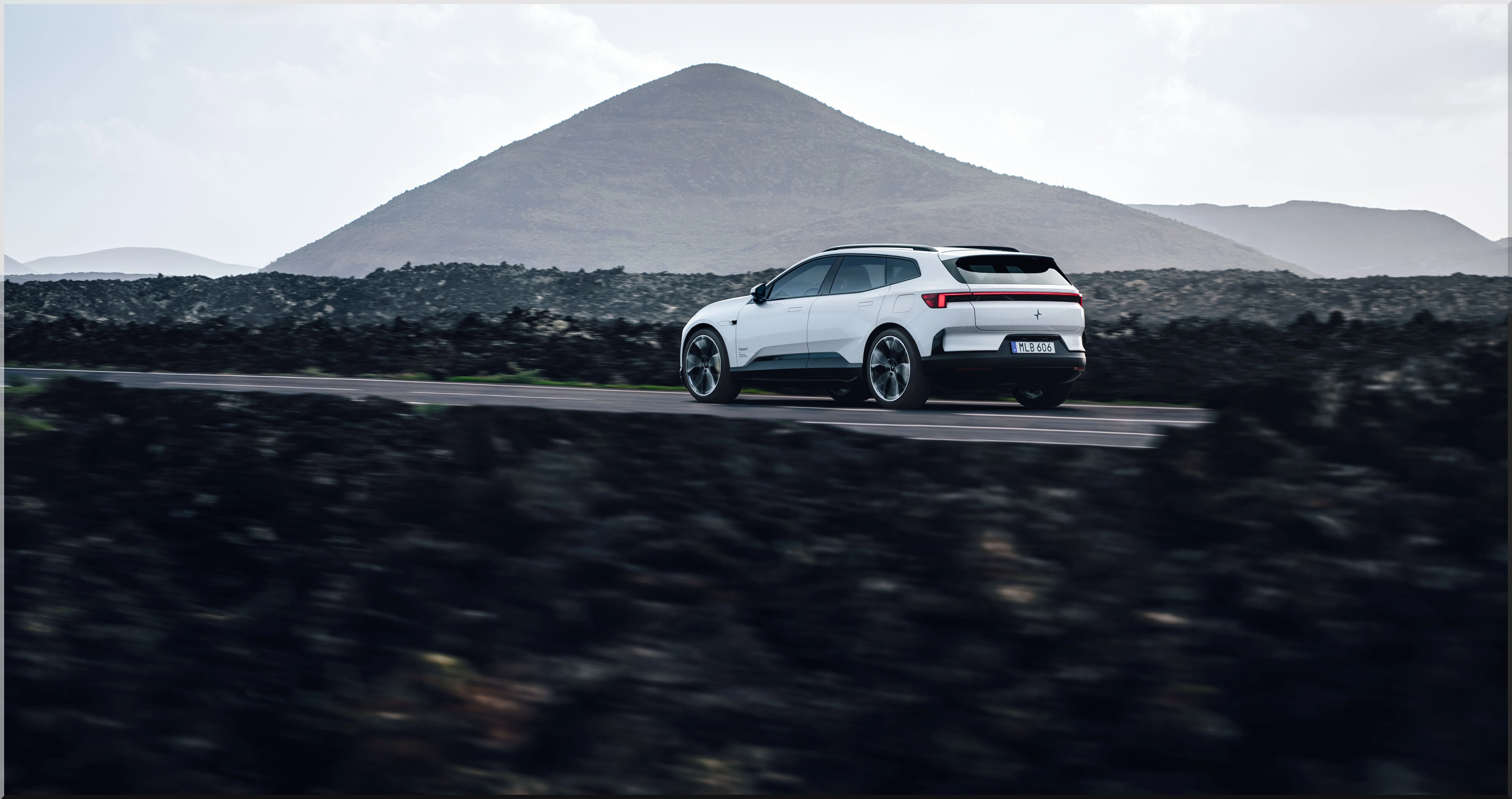
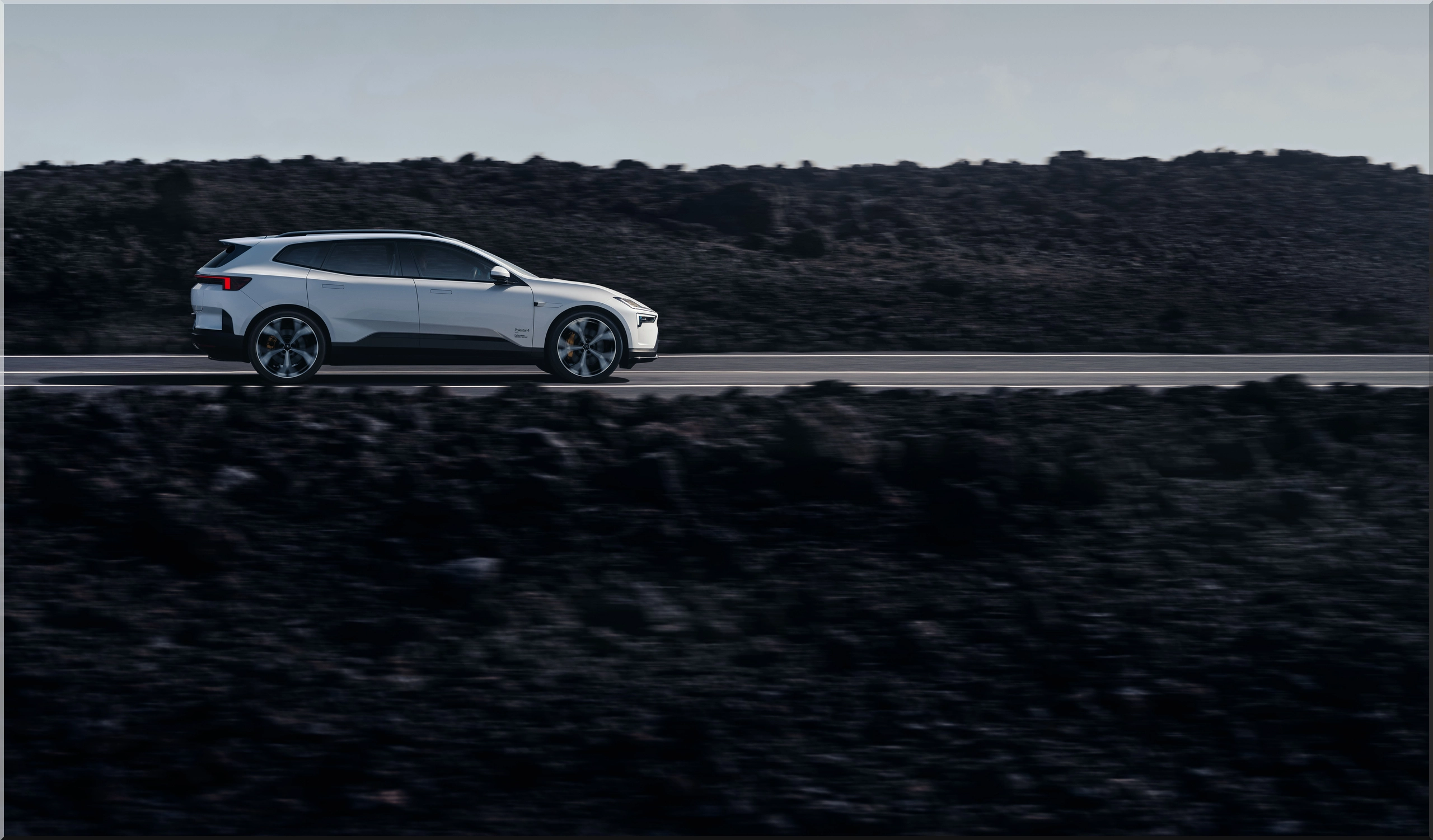
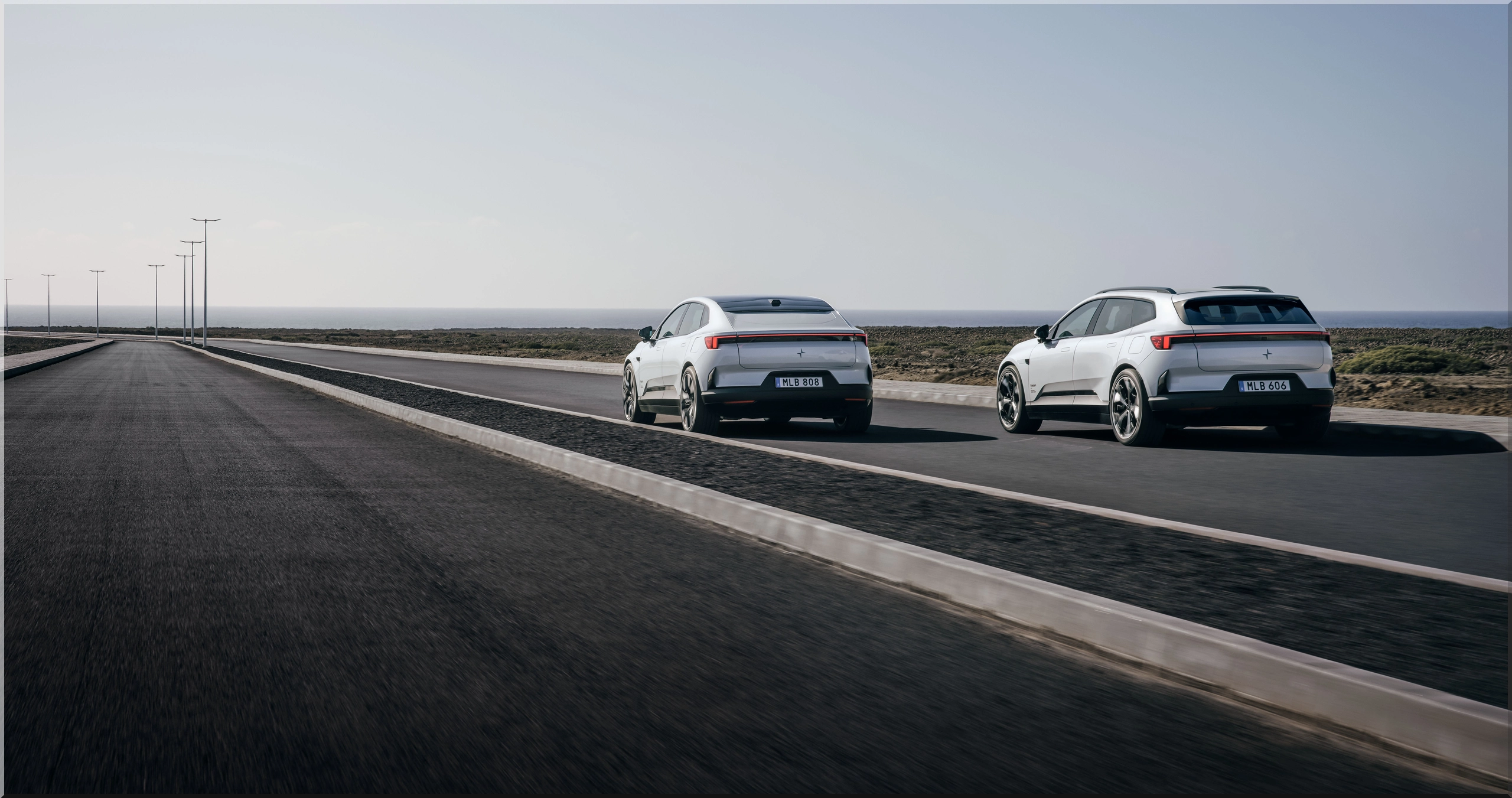
Polestar redesigned the body behind the rear doors. The Polestar 4 SUV gains a more upright liftgate, a flatter roof section, full-length roof rails, extra rear headroom, and a physical rear window. It still uses a camera-based digital rearview mirror, but drivers can now switch to a conventional optical view.
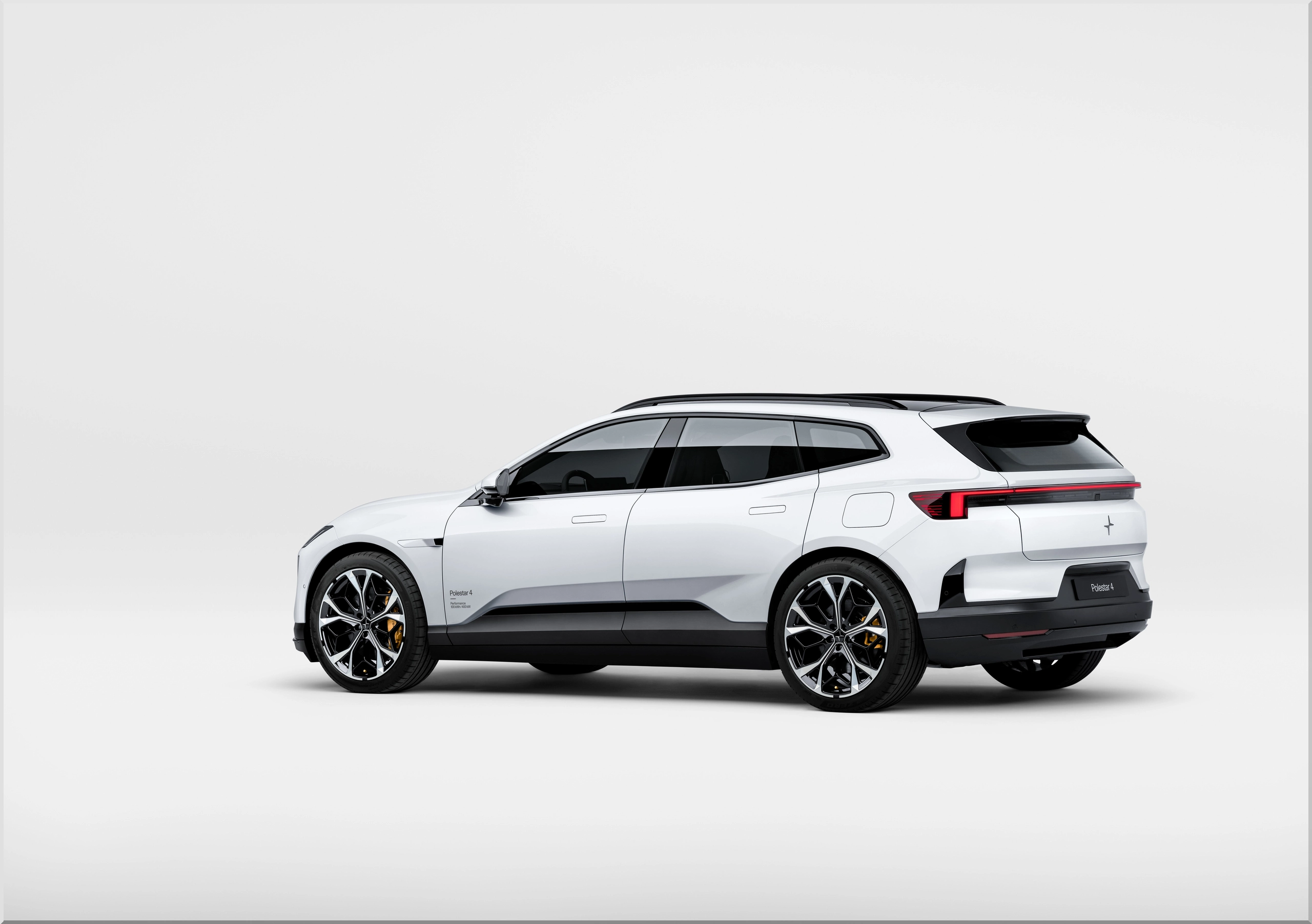
The body remains 190.6 inches (4,840 mm) long, with a substantial 118.1-inch (2,999 mm) wheelbase. Height rises to 61.3 inches (1,556 mm), while ground clearance measures 6.5 inches (166 mm) at the front and 7.3 inches (186 mm) at the rear.
| Exterior measurement | Metric | US conversion |
|---|---|---|
| Length | 4,840 mm | 190.6 inches |
| Height | 1,556 mm | 61.3 inches |
| Wheelbase | 2,999 mm | 118.1 inches |
| Front track | 1,703 mm | 67.0 inches |
| Rear track | 1,716 mm | 67.6 inches |
| Cargo-floor loading height | 717 mm | 28.2 inches |
| Dynamic roof-load capacity | 100 kg | 220 pounds |
The long wheelbase pushes the wheels toward the corners, creating a spacious passenger compartment without stretching the overall length. Specifically, the straighter roof gives rear passengers additional vertical space and creates a larger, more usable cargo box.
How Much Cargo Space Does the Polestar 4 SUV Offer?
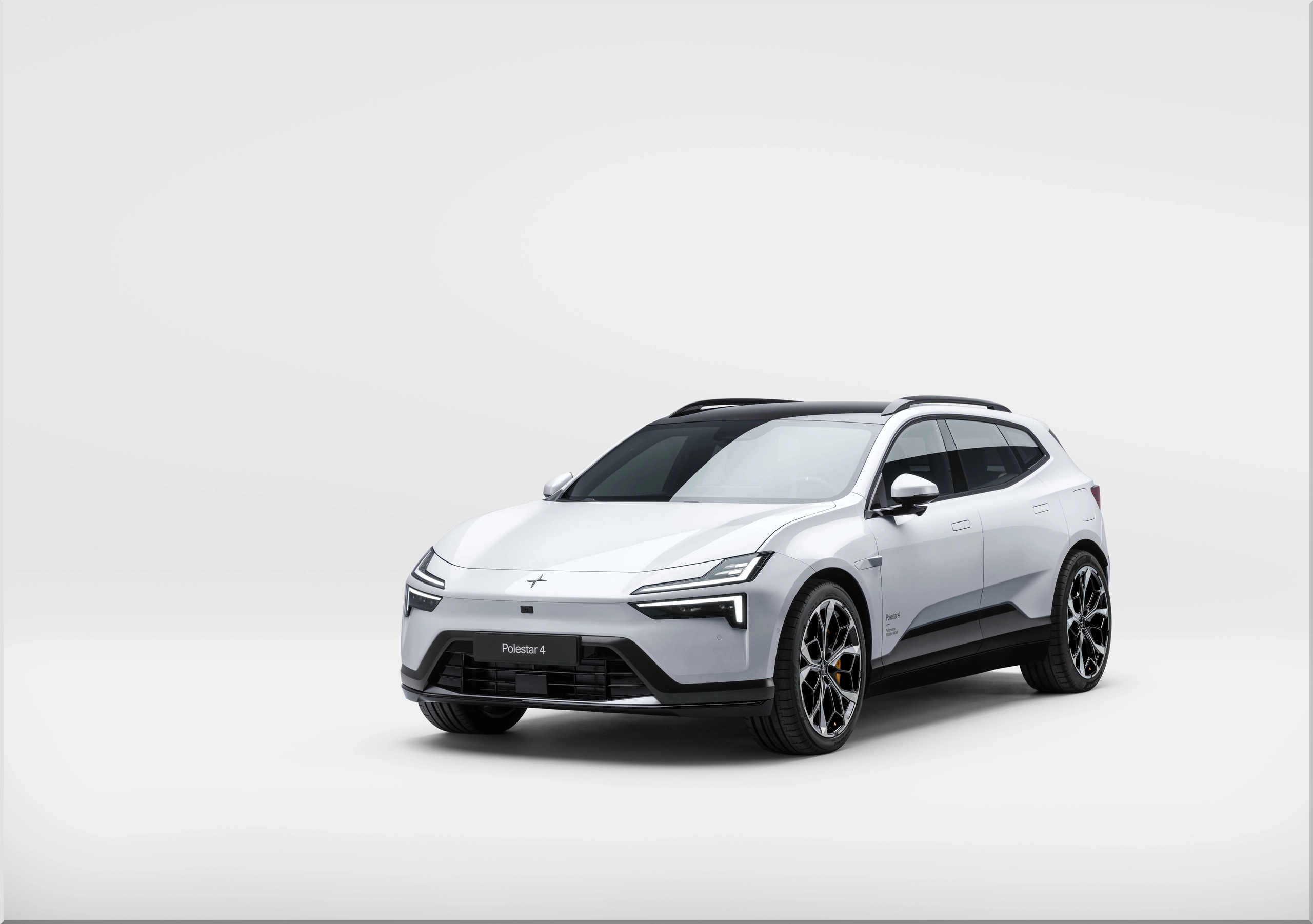
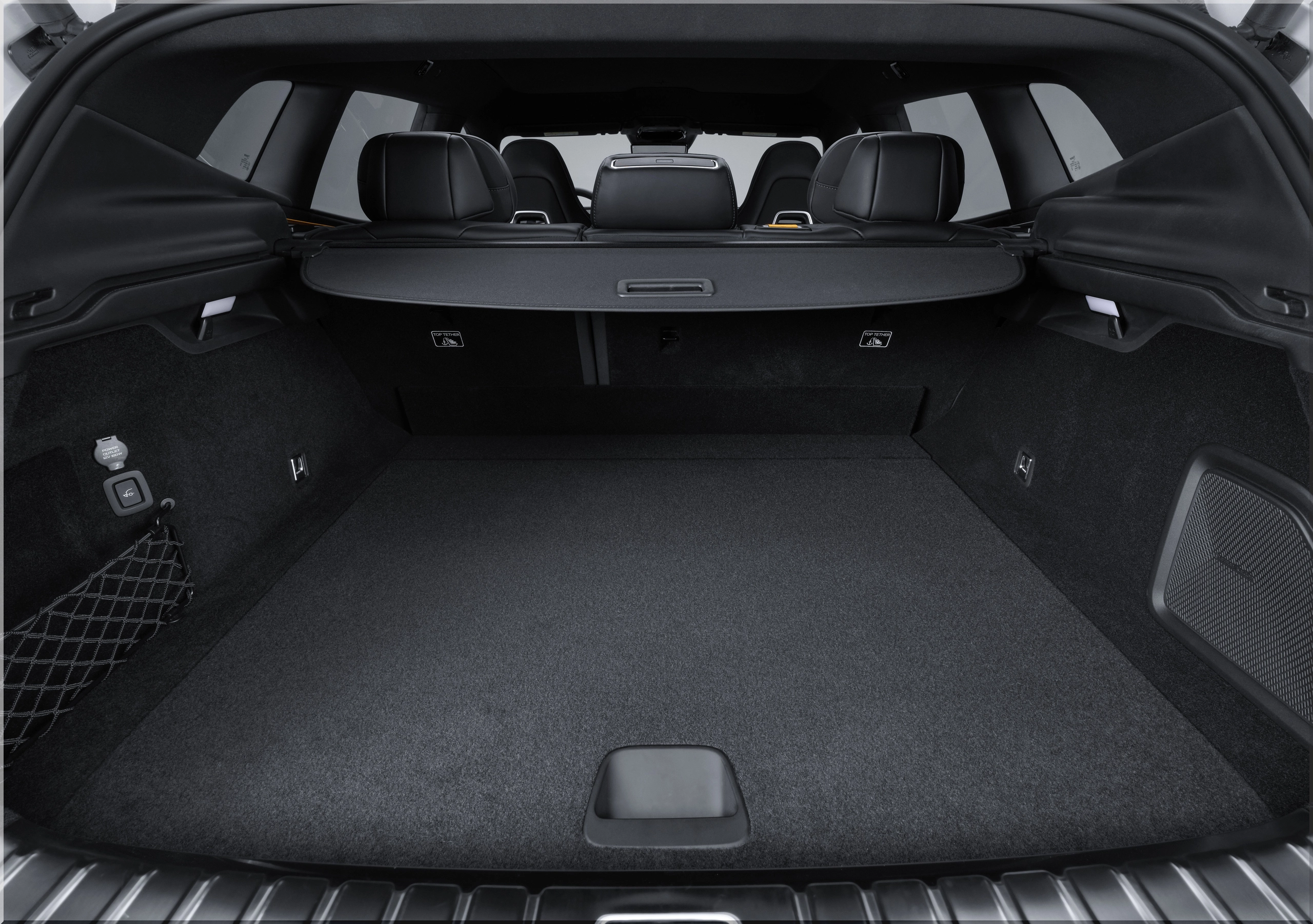
The SUV provides 530 liters, or approximately 18.7 cubic feet, behind the rear seats when loaded to the parcel shelf. Owners can use 655 liters, or 23.1 cubic feet, by stacking cargo to the roof. Folding the rear seats expands capacity to 1,665 liters, equal to roughly 58.8 cubic feet.
| Cargo configuration | Polestar 4 SUV | Polestar 4 Coupe | SUV advantage |
|---|---|---|---|
| Behind rear seats | 530 L | 526 L | 4 L |
| Seats folded | 1,665 L | 1,536 L | 129 L |
| Maximum volume in cubic feet | 58.8 cu ft | 54.2 cu ft | 4.6 cu ft |
| Rear window | Yes | No | Conventional visibility |
| Roof rails | Standard design feature | No full-length rails | Up to 220-pound load |
Looking at the data, the small four-liter increase behind the seats tells only part of the story. The upright rear structure adds 129 liters with the seats folded and creates a squarer opening for bulky items. That shape helps when loading bicycles, flat-pack furniture, large dog crates, or camping equipment.
Pro-Tip: Buyers who regularly fill the cargo compartment should select the digital rearview mirror upgrade. A roof-high load can block the physical rear window, while the roof-mounted camera preserves the driver's rearward view.
How Fast Is the Polestar 4 SUV?
Polestar offers two powertrains on the SEA platform. The Rear Motor model sends 272 horsepower (200 kW) and 253 pound-feet (343 Nm) to the rear wheels. It reaches 62 mph in 7.3 seconds and targets up to 391 miles (630 km) under Europe's WLTP test.
The Dual Motor model produces 544 horsepower (400 kW) and 506 pound-feet (686 Nm). It reaches 62 mph in 3.9 seconds and delivers up to 373 WLTP miles (600 km). A front-motor disconnect system reduces drag during light-load driving, allowing the all-wheel-drive version to operate primarily through its rear motor.
| Specification | Rear Motor | Dual Motor |
|---|---|---|
| Driven wheels | Rear | All four |
| Output | 272 hp | 544 hp |
| Torque | 253 lb-ft | 506 lb-ft |
| 0-62 mph | 7.3 seconds | 3.9 seconds |
| WLTP range | 391 miles | 373 miles |
| Battery capacity | 100 kWh | 100 kWh |
| Maximum DC rate | 200 kW | 200 kW |
From an expert perspective, the Rear Motor version offers the smarter efficiency-to-performance ratio for long-distance use. The Dual Motor model cuts 3.4 seconds from the acceleration run, but its extra motor, traction hardware, and available larger wheels raise energy consumption.
Is Its 400-Volt Charging System Competitive?
Every version uses a 100-kWh lithium-ion cell-to-pack battery with 110 cells. DC charging peaks at 200 kW, and Polestar claims a 10-to-80-percent session takes 30 minutes. That adds roughly 70 kWh, producing an average rate near 140 kW across the charging window.
The 400-volt EV architecture delivers acceptable road-trip performance, but it trails newer 800-volt systems that can complete a comparable session in around 18 to 22 minutes. In addition, 11-kW Level 2 Charging fills the battery in approximately 11 hours. Selected European configurations support optional 22-kW AC hardware, which cuts that figure to 5.5 hours.
Vehicle-to-Load output supplies up to 3.3 kW through an adapter. That capacity can run tools, cooking equipment, lights, or small campsite appliances. Polestar plans to activate V2L and Camping Mode through a future software update, including compatible Polestar 4 Coupe vehicles.
What Technology Comes Inside?
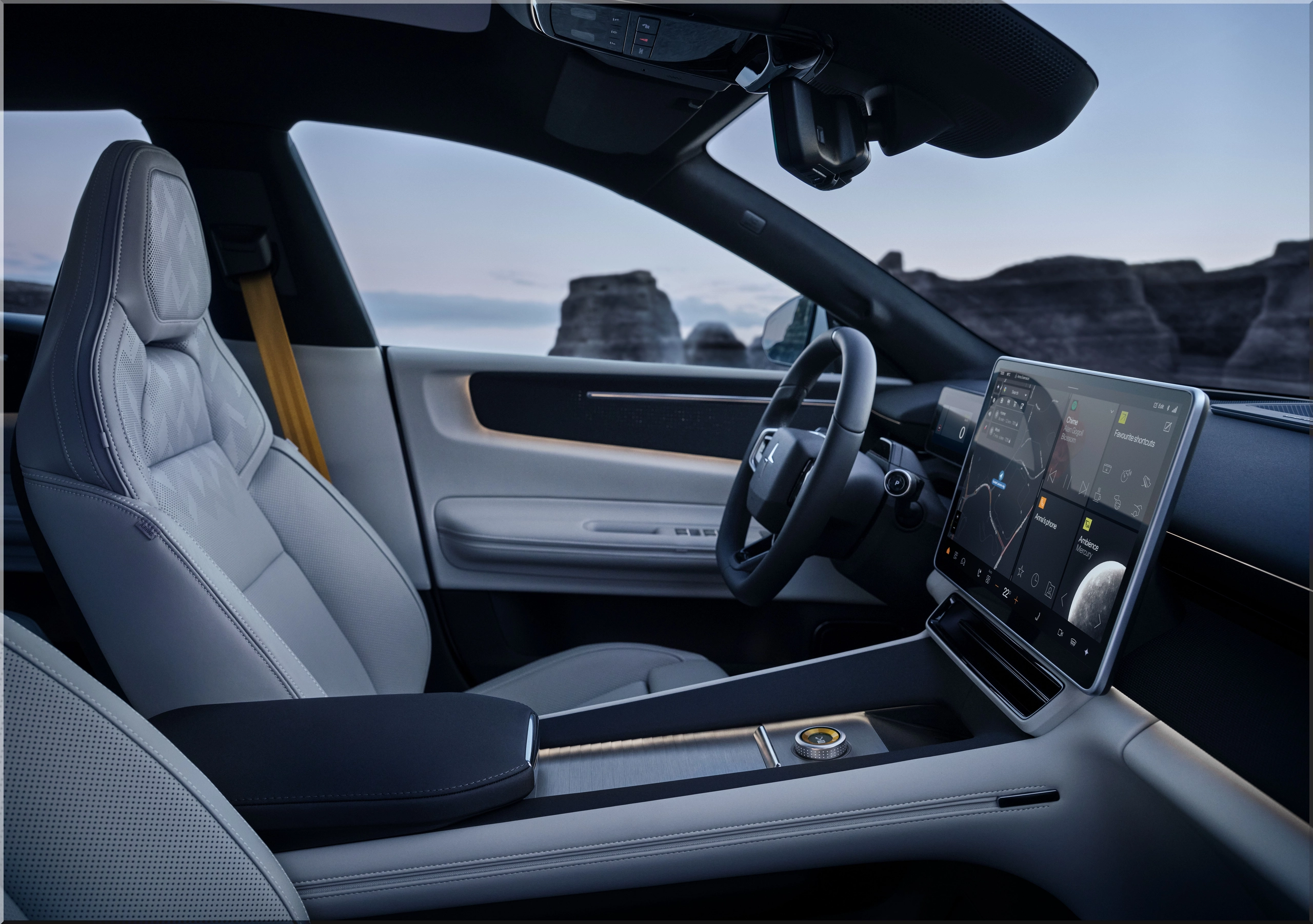
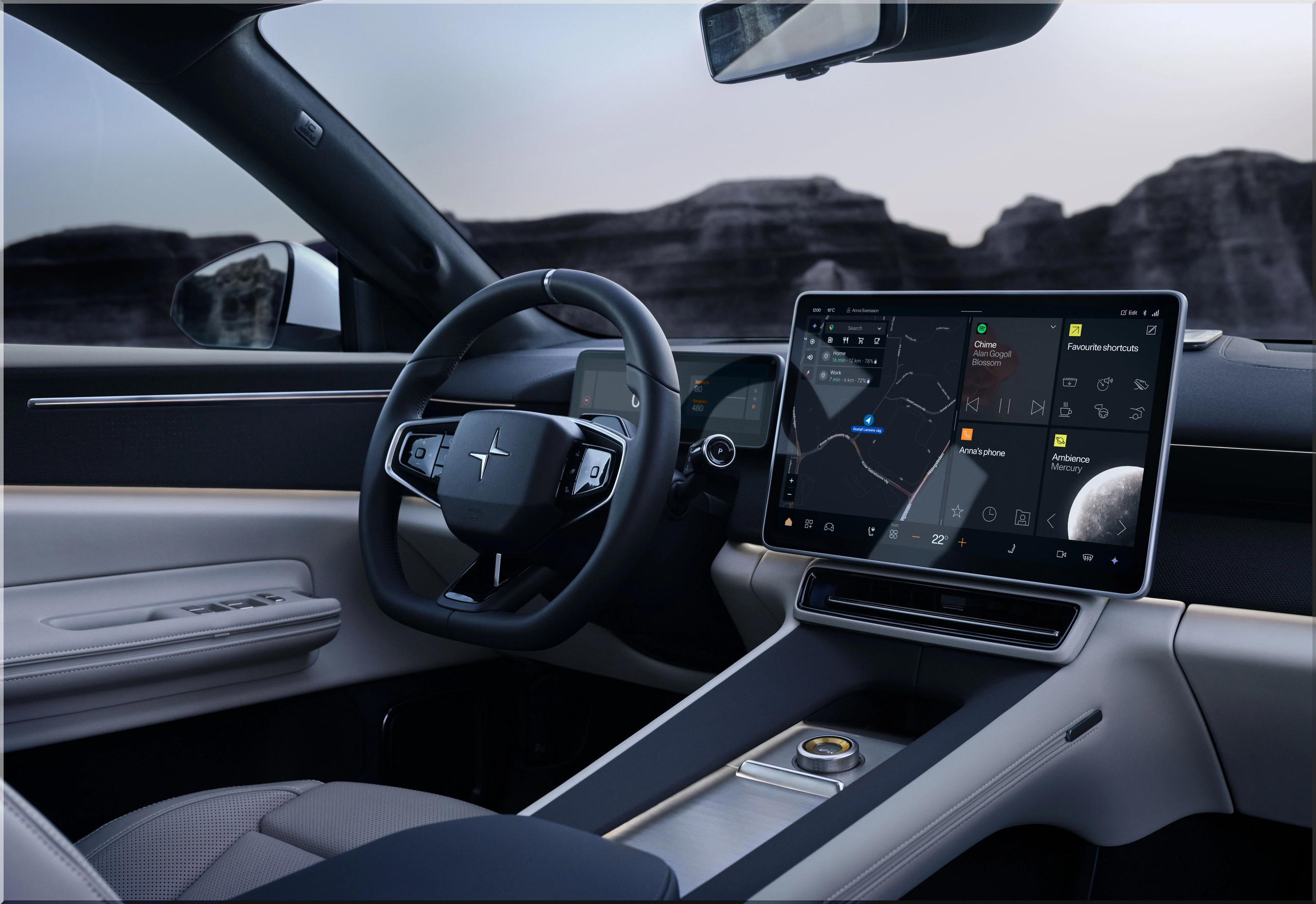
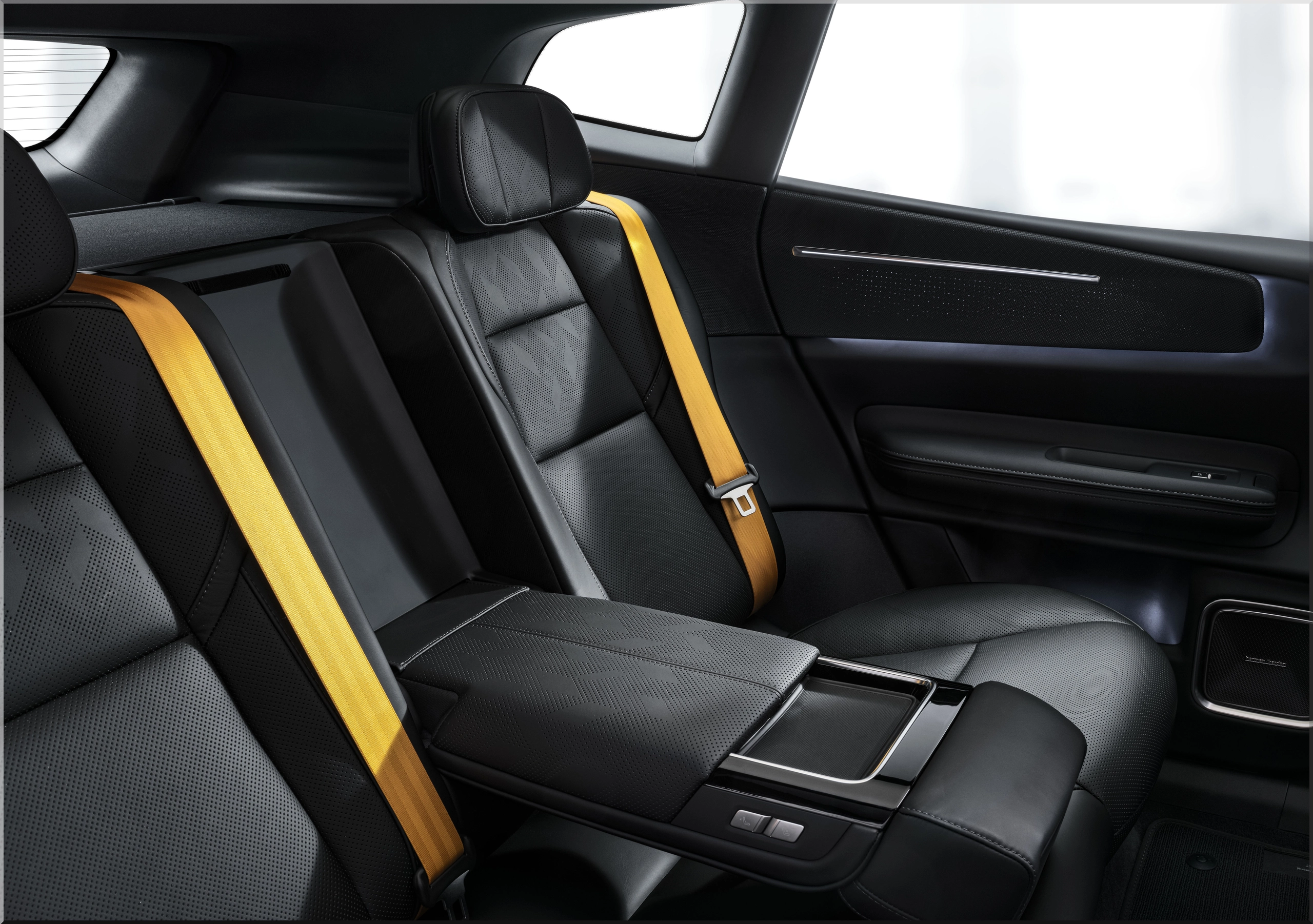
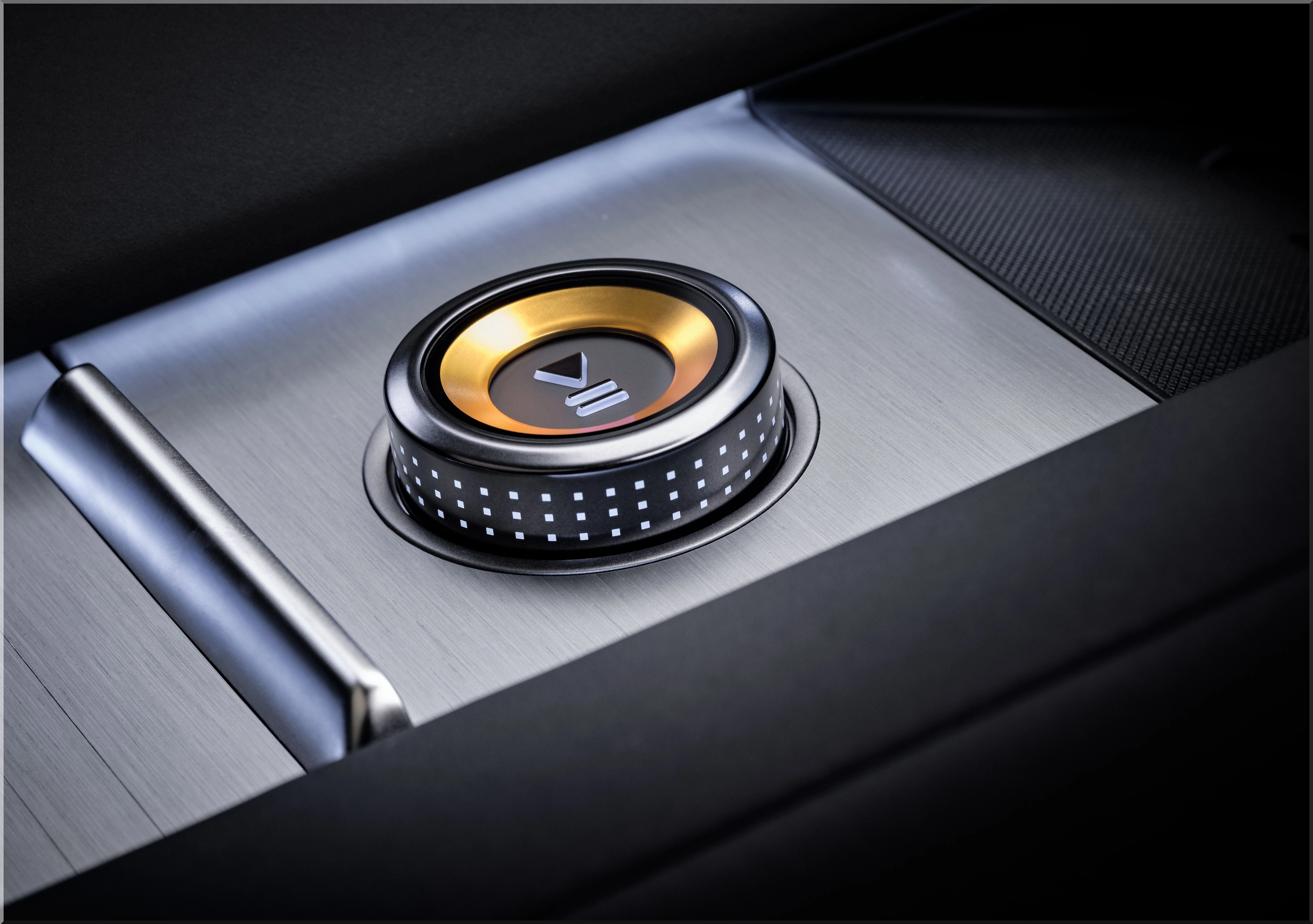
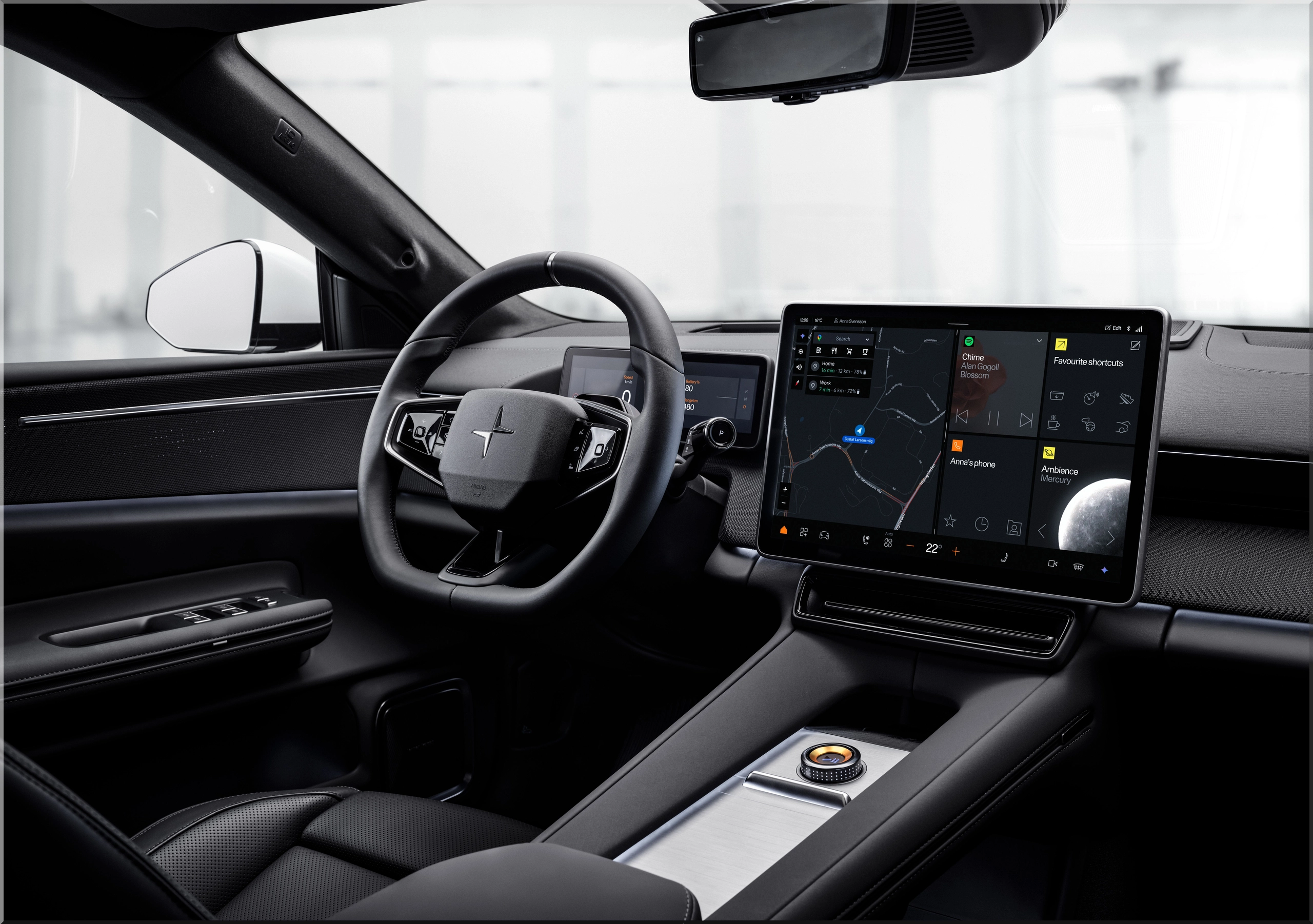
The cabin retains the Polestar 4's minimalist dashboard, panoramic glass roof, and Google-based infotainment system. Google Gemini supports conversational requests for navigation, climate settings, and vehicle functions. Buyers can also specify an electrochromic roof, ventilated and massaging front seats, reclining rear seats, three-zone climate control, and a 5.7-inch rear control screen.
Key equipment includes:
- A 15.4-inch horizontal center touchscreen
- A 10.2-inch driver display
- A 14.7-inch head-up display
- Over-the-air software updates
- Up to 16 speakers and 1,400 watts
- Nine solar-system-inspired ambient-light settings
- A PM2.5 cabin filtration system
- 20-, 21-, or 22-inch wheels

How Much Does the 2027 Polestar 4 SUV Cost?
European pricing starts at approximately $67,100 for the Rear Motor version and $76,400 for the Dual Motor model. The Performance Pack version starts near $86,800. These conversions use an exchange rate of roughly $1.159 per euro and include local European taxes, so they do not represent confirmed US prices.
Production began in Busan, South Korea, during the second quarter of 2026, with initial customer deliveries scheduled for the fourth quarter. Polestar has not published final US pricing or an American delivery schedule for the SUV variant.
The practical verdict looks clear. The Coupe remains the sharper visual statement, while the 2027 Polestar 4 SUV supplies the rear window, roof capacity, and squared-off cargo area that families actually use. Buyers still face average 400-volt charging speed, but the combination of 544 horsepower, 58.8 cubic feet of storage, and V2L capability creates a credible premium electric utility vehicle.

A new era of sustainable performance driving has arrived in Europe with the commencement of customer deliveries for the highly anticipated Polestar 4 electric SUV coupe. This marks a significant milestone for… Continue reading

A Direct Step Toward Energy-Ready EV Ownership Volvo adds a new capability to the 2025 Volvo EX90 that shifts how drivers use electric vehicles at home. The SUV can now send power back to a residence through bi-directional charging… Continue reading

The 2026 Polestar 4 enters the U.S. market as a performance-focused electric SUV coupe. Built in Busan, South Korea, it avoids Chinese import tariffs and positions itself competitively with sharp pricing,… Continue reading

Upon announcing on August 16 that the Polestar 6 LA Concept edition would be available for production reservations, the Swedish electric car firm received an incredible response. The Polestar 6 electric sports car concept was shown for the… Continue reading