The competition to develop more competitive batteries is fierce. The latest research from Stanford University and the National Accelerator Laboratory (SLAC) has presented a major discovery that will allow increased energy density and lithium battery safety.
The works have focused their efforts on the redesign of the current collector. A component that currently has been tried to solve with a thinner or porous design, something that means reducing weight but at the cost of increasing the risk of fire, which has led many manufacturers to add more electrolytic material.

Lithium batteries have a pair of current collectors, one at the anode and one at the cathode, which works with the device's two electrodes to distribute current flow in either direction. Today's current collectors are typically made of copper foil or aluminium foil, making them one of the heaviest components in the battery, sometimes accounting for up to 50% of the total weight of the device.
According to Yi Cui, a professor at SLAC and Stanford, "The current collector has always been considered dead weight, and until now it hasn’t been successfully exploited to increase battery performance. But in our study, making the collector 80% lighter increased the energy density of lithium-ion batteries—how much energy they can store in a given weight—by 16-26%. That’s a big jump compared to the average 3% increase achieved in recent years.".
The Stanford University team have been experimenting with a lightweight polymer called polyimide. This was integrated with a fire retardant called triphenyl phosphate. One of the great advantages of this approach according to its developers is that the new collector should be easy to manufacture and also cheaper, by replacing some of the copper with an inexpensive polymer.
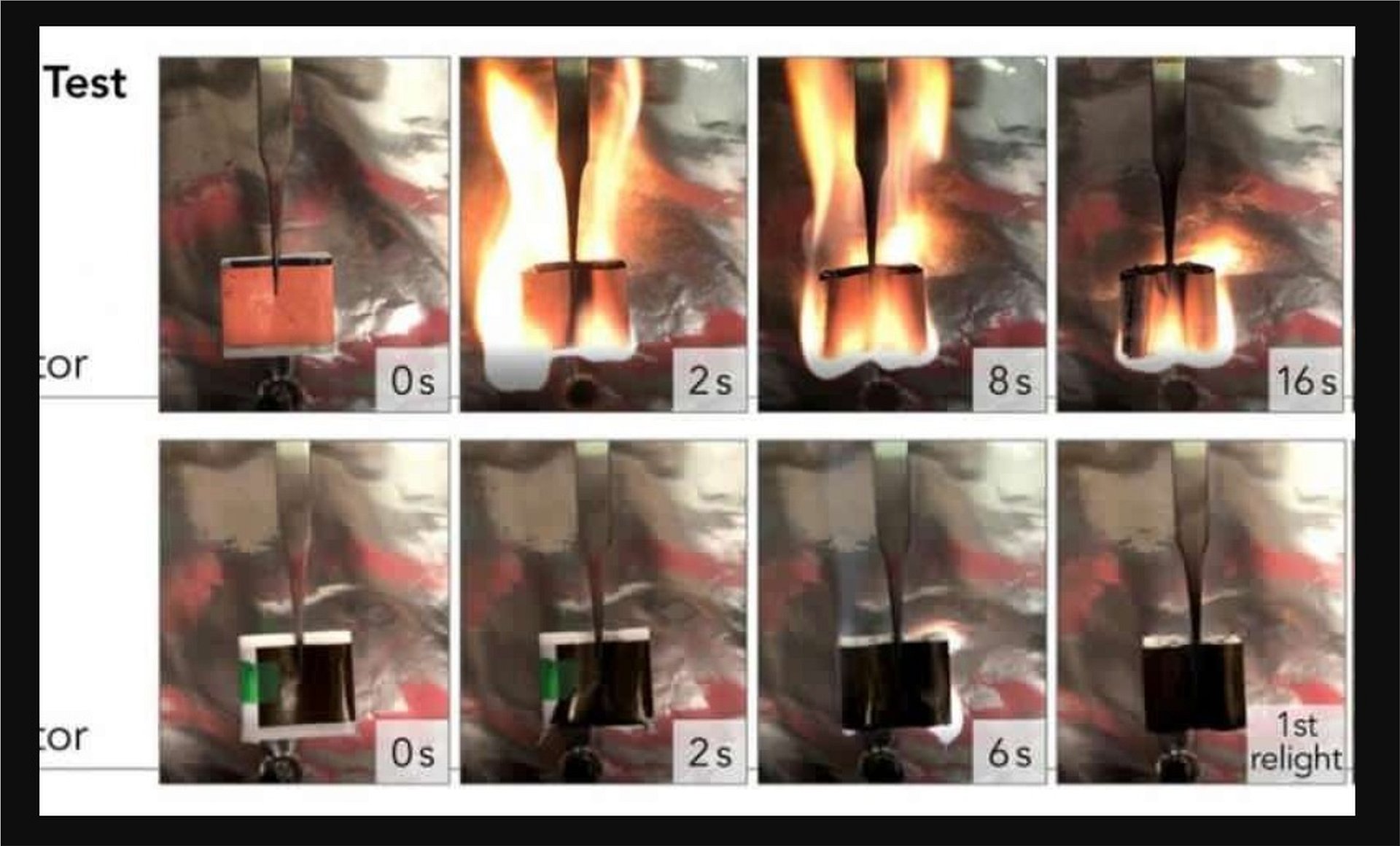
Some achievements have already been patented, and they have even been sent to different battery manufacturers to begin exploring the possibilities of this exciting advance that will help increase the energy densities of batteries, improve safety, and even reduce their costs. via nature.com.

Hyundai accelerates the market introduction of electric utility vehicles such as e-vans, e-buses and e-trucks. According to "Business Korea", the South Koreans want to offer electric versions of the small truck Porter as well as the light… Continue reading

The Chinese electric car startup WM Motor has been able to generate nearly 400 million euros in a financing round led by Baidu. Other investors in the new round are Linear Venture and the Taihang Industrial Fund. The fresh capital should… Continue reading

Everyone knows that pollution is a problem that is affecting our planet and, fortunately, or unfortunately, the automotive industry has a lot to do with it. To remedy this, there are already many brands that are beginning to bet massively on alternatives to… Continue reading

The new electric and electrified cars, like the Tesla of Elon Musk and all the other EVs and plug-in hybrids on the market, are famous for their extreme quietness. These cars are too silent according to the EU, thus risking being dangerous. Electric vehicles… Continue reading