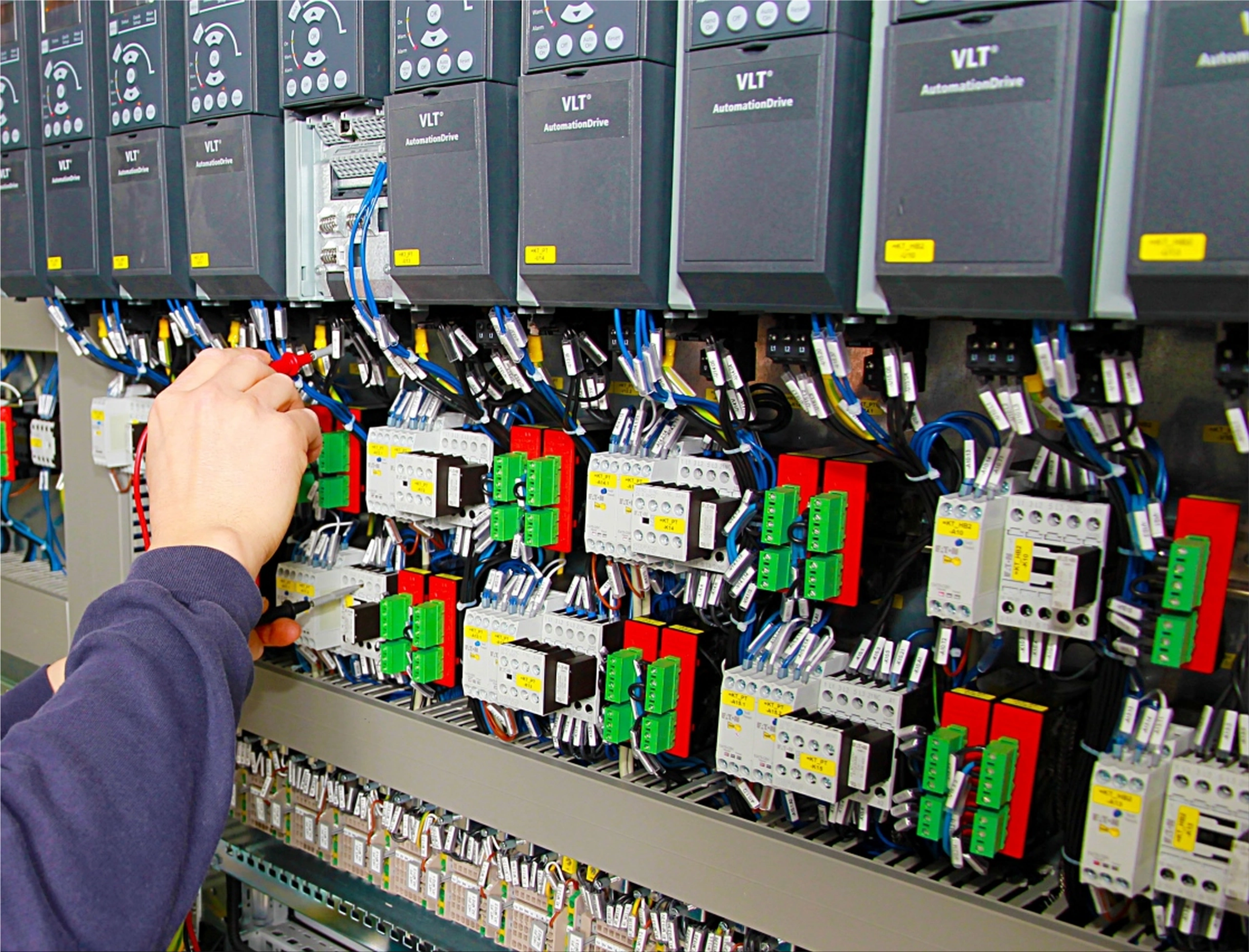
An electrician is a professional who installs and maintains electrical equipment in industrial facilities. They typically work with large machinery, lighting, and security systems, reporting to maintenance supervisors. They must complete years of apprenticeship job training to become a certified industrial electrician. Another type of electrician is a commercial electrician. They specialize in installing electrical systems in commercial buildings.
Functions
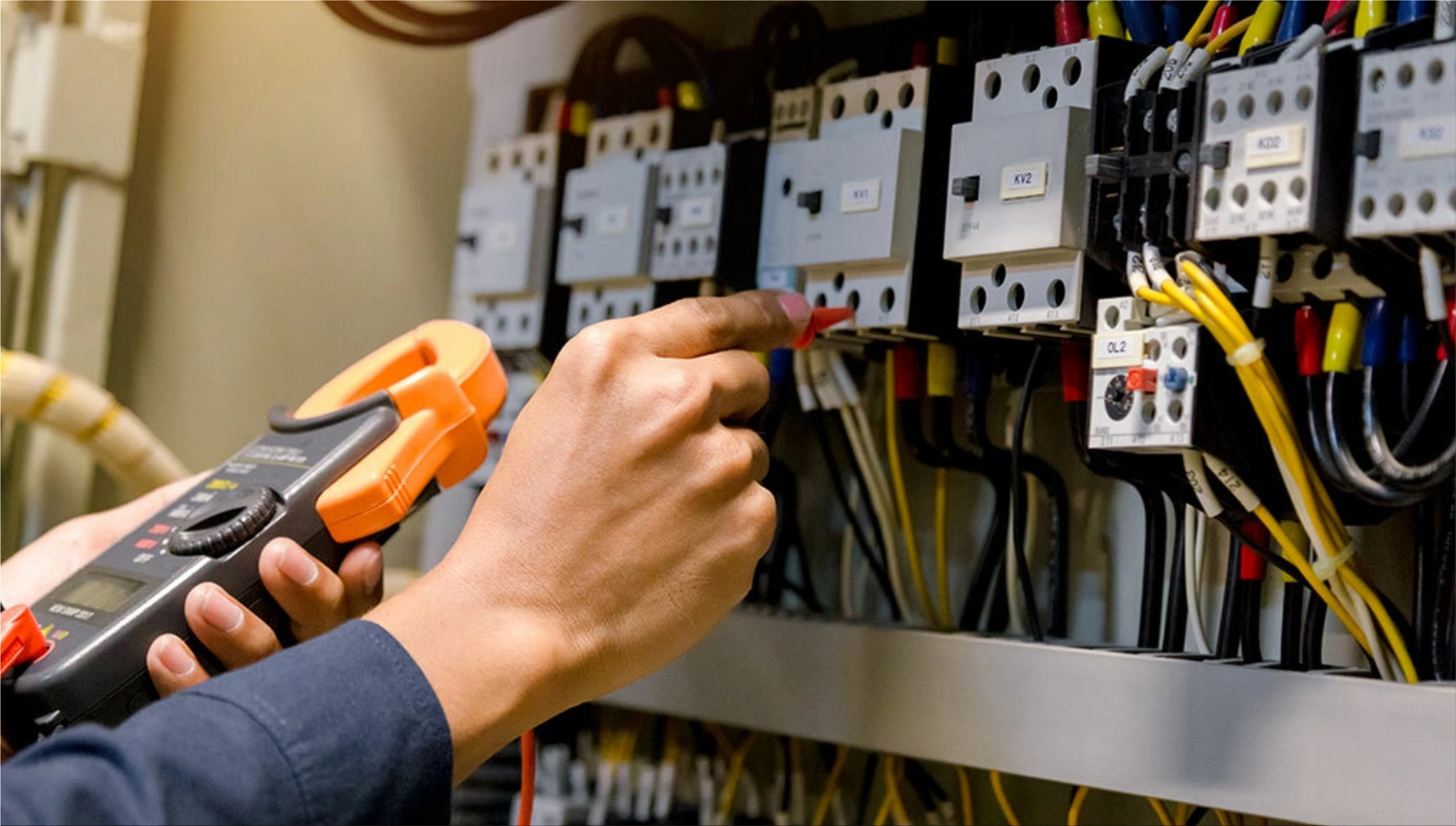
Electricians at electrician van Buren AR maintain electrical systems in a variety of environments. This includes homes, offices, factories, and power plants. They perform maintenance work, including installing and repairing sockets, switches, energy meters, ceiling and wall lights, and other electronic appliances. They also perform routine inspections and tests of devices. These professionals are responsible for maintaining the safety of the environment. They must possess extensive knowledge and be able to make competent decisions quickly. As such, they are in high demand.
Many electricians also work in airports. These facilities have many moving parts and millions of people who require continuous power. In addition, electrical systems have to function correctly for the safety of both workers and passengers. However, industrial electricians are less in-demand than commercial electricians. These industrial electricians can earn high salaries. However, a few industries require them to perform their duties.
Electrical contractors install wiring, lighting, and control systems in buildings. These professionals also perform maintenance on finished buildings. They use various tools and equipment to detect electrical problems and replace or repair devices if necessary. They can work in both residential and business properties. Industrial electricians generally install industrial fixtures, while residential electricians work in homes.
Education
An electrician's career involves installing, maintaining, and repairing electrical systems. They specialize in the wiring of buildings, transmission lines, and stationary machines. They may be responsible for installing new components, or they may be responsible for maintaining an existing system. Many electricians work in both public and private sector establishments.
Many electricians start their training by taking an apprenticeship. This program combines classroom instruction with on-the-job training and mentorship from a master electrician. The apprenticeship typically lasts four years and requires 6,000 and 10,000 hours of training. Upon completing the internship, the student can take an examination to earn an electrician license. This exam tests the student's knowledge of the National Electric Code and other on-the-job skills.
An associate degree will help prepare students for the electrical apprenticeship. This type of education may cost between $1,000 and $11,000, but it will prepare students for real-world situations and allow them to apply what they've learned. An associate degree is not required to work as an electrician, but some apprenticeships accept it as an alternative to a four-year degree.
Job Outlook
An electrician's job involves wiring buildings, transmission lines, stationary machines, and related equipment. They are trained to conduct inspections and troubleshoot problems in the wiring system. They may also install new electrical components or maintain existing electrical infrastructure. A bachelor's degree in electrical engineering is usually required. Some electricians may pursue additional studies or specialize in a specific field.
Demand for electricians is expected to grow by nine percent over the next decade. This will largely be due to new construction and the increased use of alternative energy sources. Electricians skilled in solar and wind technologies will be in high demand. However, downturns in the economy will affect employment growth.
While the outlook for electrician jobs may be mixed, there are some bright spots. The construction industry has continued to grow, so job opportunities for electricians remain strong. According to the U.S. Bureau of Labor Statistics, the number of electricians will grow by 9.1% over the next decade. In addition, the number of new homes will continue to rise, increasing the need for electricians.
The European Automobile Manufacturers Association (ACEA) is noticing a shift in registrations in favour of electric cars for the first quarter of 2020. New registrations of cars with combustion engines shifted the share in favour of electric cars in the EU in… Continue reading

Mercedes-Benz is currently working on the first electric car that uses modular electrical architecture (MEA). With Mercedes-Benz EQS, Daimler is planning a flagship that is at the level of an S-Class. Thanks to the coupé body and a new… Continue reading
The Hungarian production unit of Audi AG opened a new logistics centre in Gyёr on 7 October 2020. It houses the largest rooftop solar power plant in Europe. Alfons Dintner, CEO of Audi Hungaria, called the project a symbol of the… Continue reading

Skoda launched the Enyaq IV model last fall, and now, the Czech carmaker has announced that this model can be ordered in a Sportline version. With numerous glossy black elements, the powerful Enyaq iV in the Sportline… Continue reading