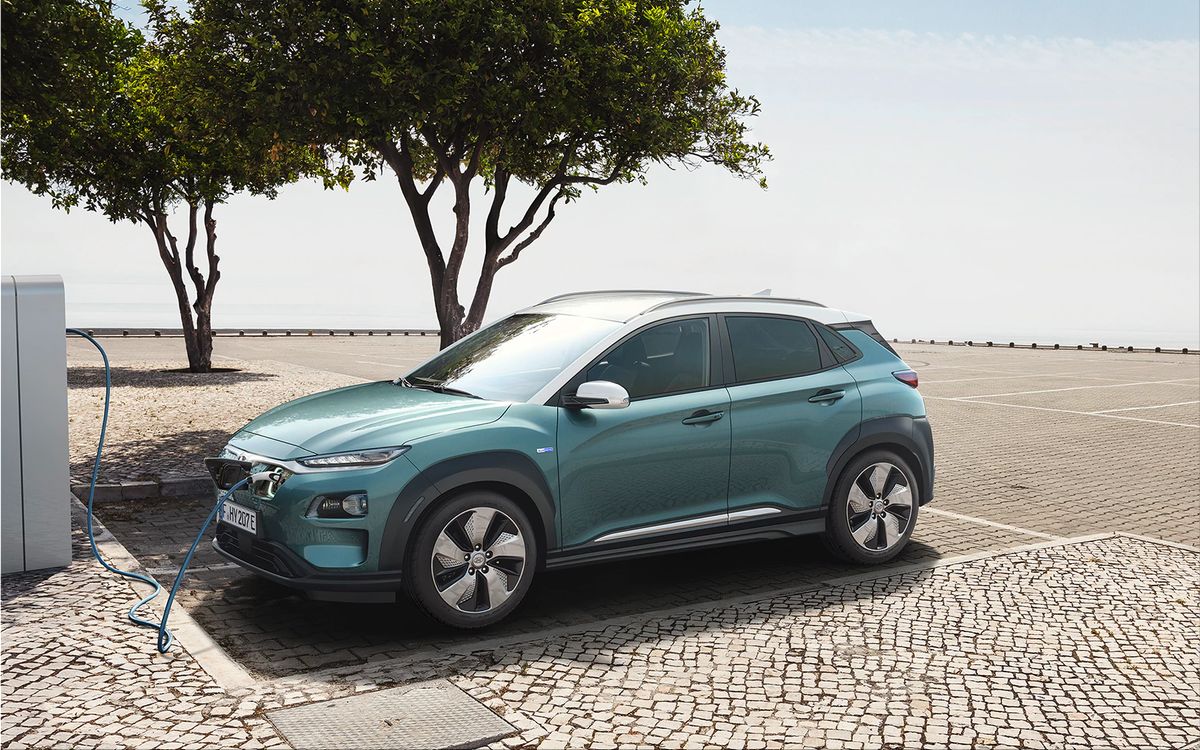
As announced a few days ago Hyundai has presented for everyone and through the Internet, the new Kona electric, a medium-sized SUV.
The fundamental characteristic of the Hyundai Kona electric are its two versions:
- The basic version will have a 39.2 kWh battery with an autonomy of 300 kilometers (186 miles) and a consumption of 14.8 kWh / 100 km. In this case the associated electric motor is 99 kW (135 HP ).
- The long-range version has a 64 kWh battery with a range of 470 kilometers (292 miles) and a 150 kW (204 HP) engine. Acceleration from 0 to 100 km / h of 7.6 seconds. Hyundai announces an average consumption of 15.2 kWh / 100 km.
Hyundai Motor is offering the first fully-electric compact SUV through an official video.

The battery is placed under the ground and the engine in the front position in the same place that the combustion engine would go, which allows to maintain in both cases the same space for both passengers and the trunk has at least 361 liters.
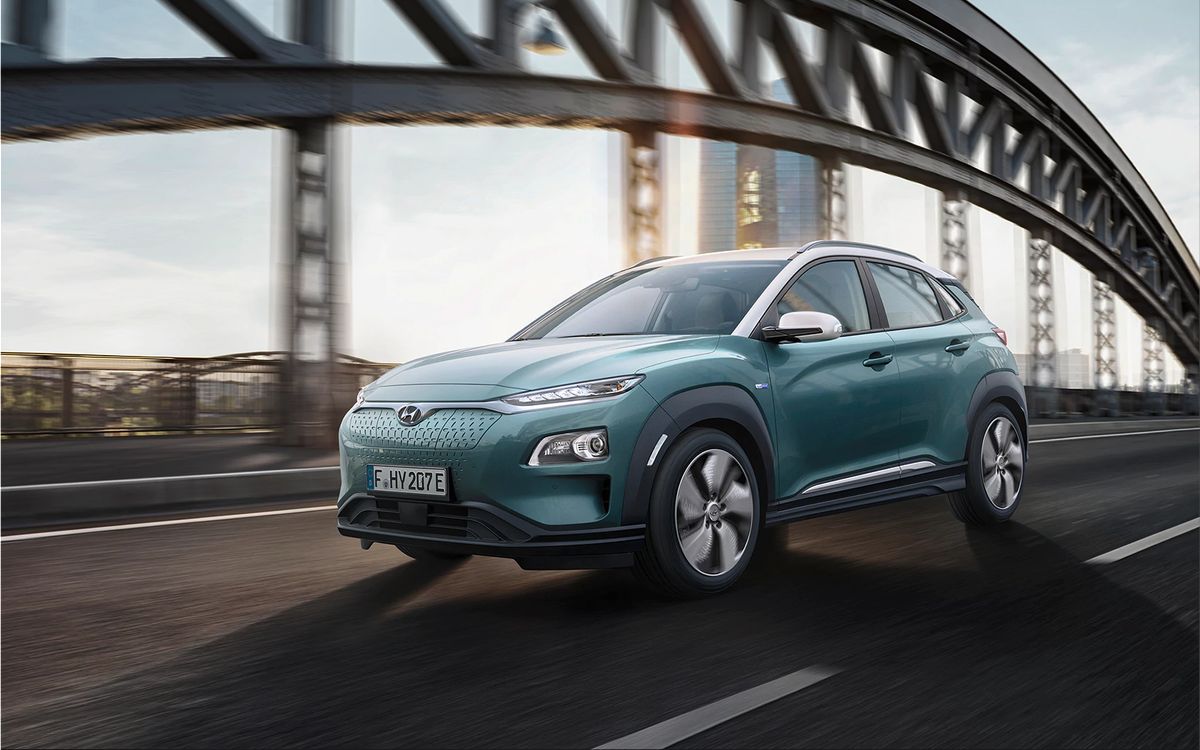
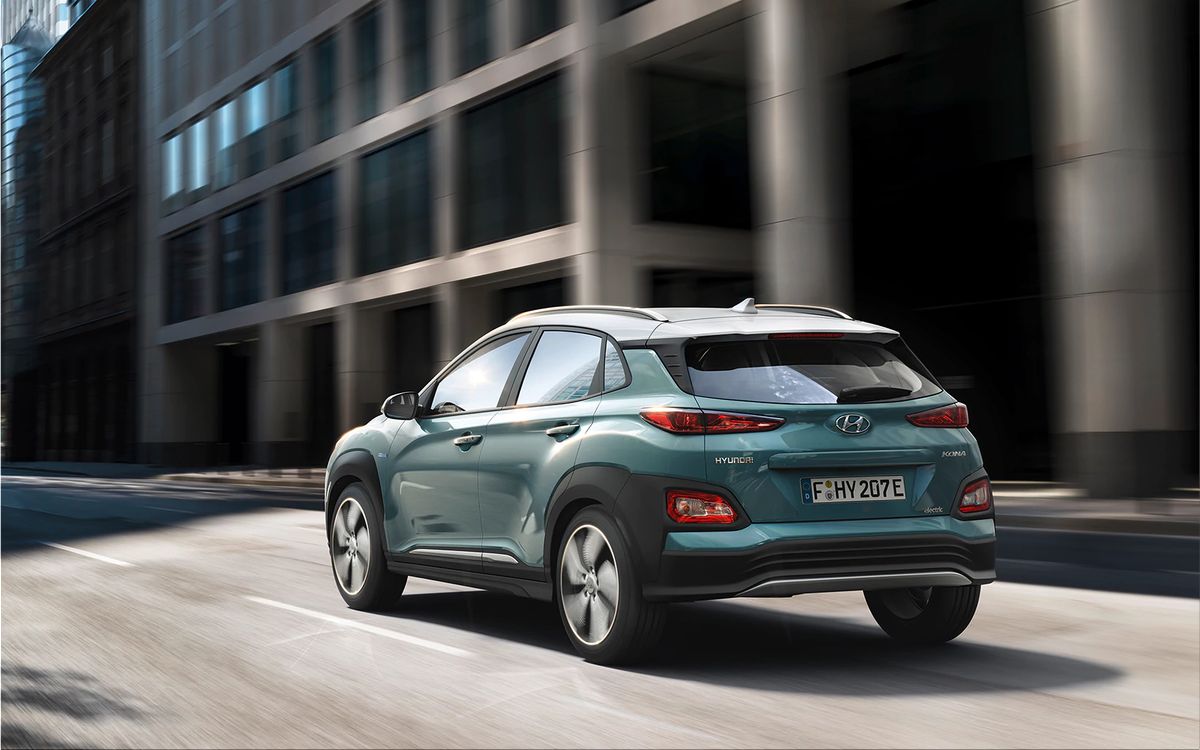
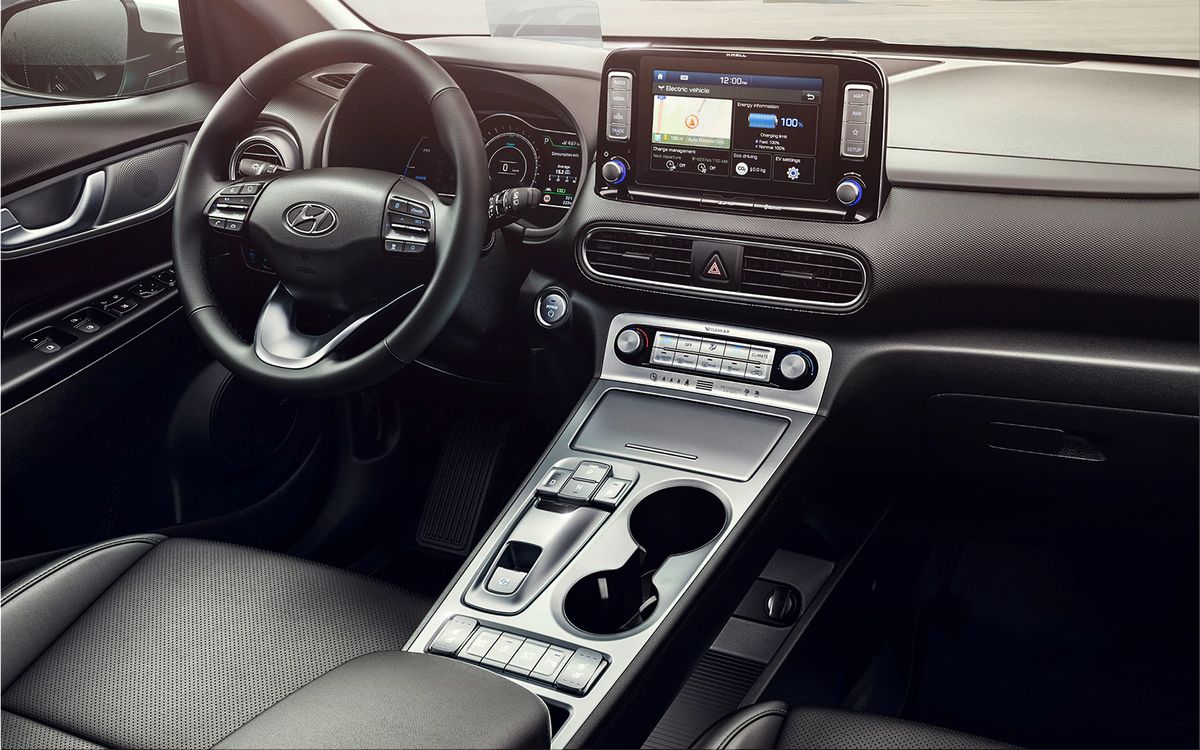
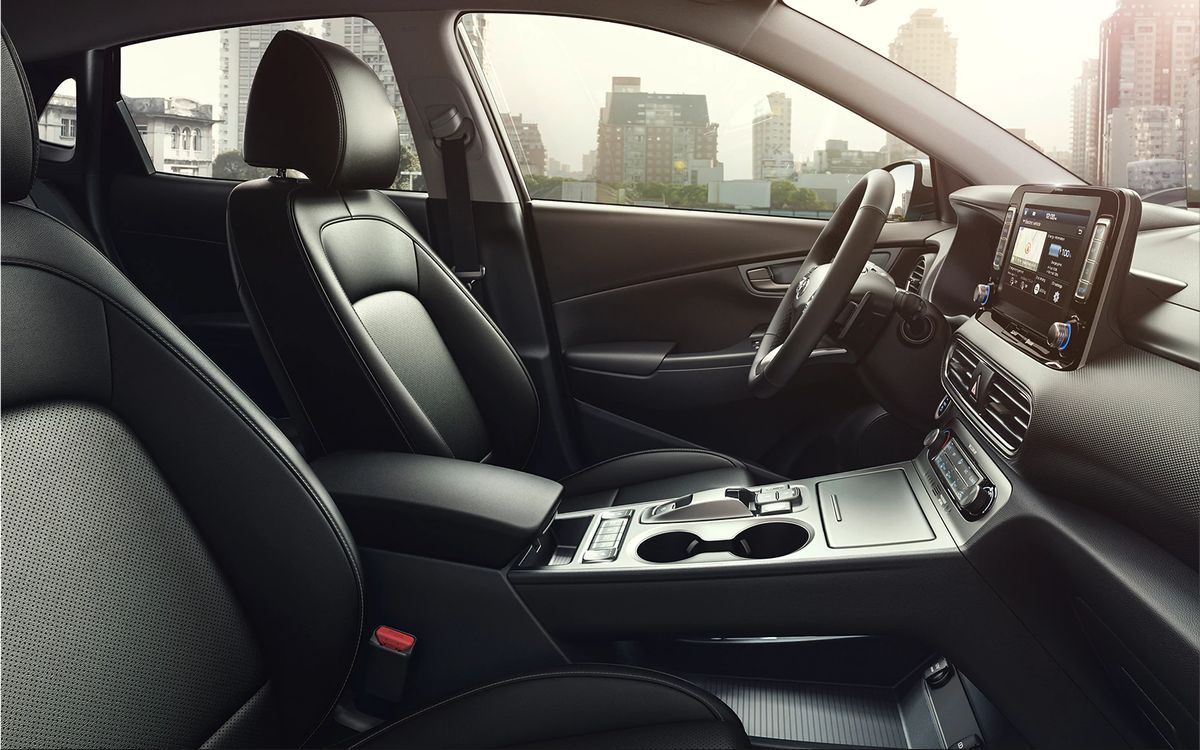
In both versions, Hyundai Kona has a torque of 395 Nm and a maximum speed of 167 km / h . It will be offered with 17-inch wheels and 21 exterior colors.
Prices for the gasoline-powered Kona start at about $21,000 in the United States. The electric version is expected to cost more.
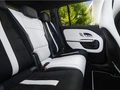
A Compact SUV Built for Practical Results Mercedes-Benz pushes its compact SUV line with the 2026 GLB. The company focuses on three outcomes: more range, more space, and more digital… Continue reading
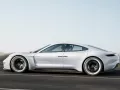
The German brand Porsche announces that it will double its investment in the development of electric vehicles from this time until the year 2022: it will exceed 6,000 million euros. The move to all-electric cars seems necessary for any car manufacturer… Continue reading
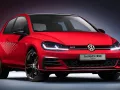
Volkswagen is preparing to launch the ID family of 100% electric vehicles. However, it also intends to offer new propulsion options by combining traditional gasoline or diesel engines with electricity and natural gas, offering hybrid versions… Continue reading

The charging station register of the Federal Association of the Energy and Water Industries (BDEW) has currently around 17,400 public charging locations in Germany. From these, about twelve percent are fast-charging. More than three-quarters of the… Continue reading