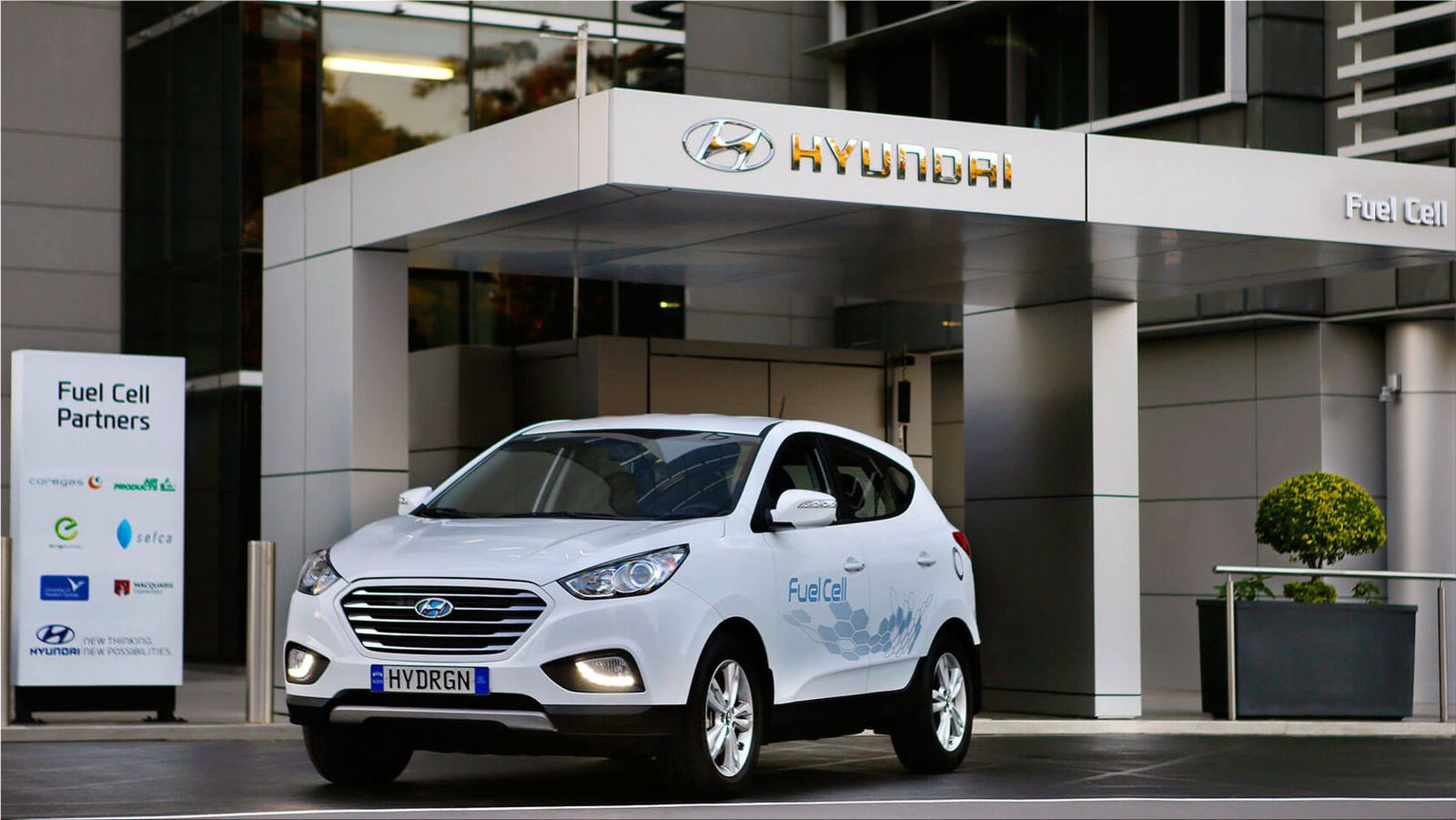
The Japanese automobile manufacturers Toyota, Nissan and Honda, along with eight other companies, have formed Japan H2 Mobility, a company that will be dedicated to the development of hydrogen stations for fuel cell vehicles in Japan.
The objective of Japan H2 Mobility is to gradually increase the number of fuel cell vehicles in Japan and in parallel to make sustainable the hydrogenation business.
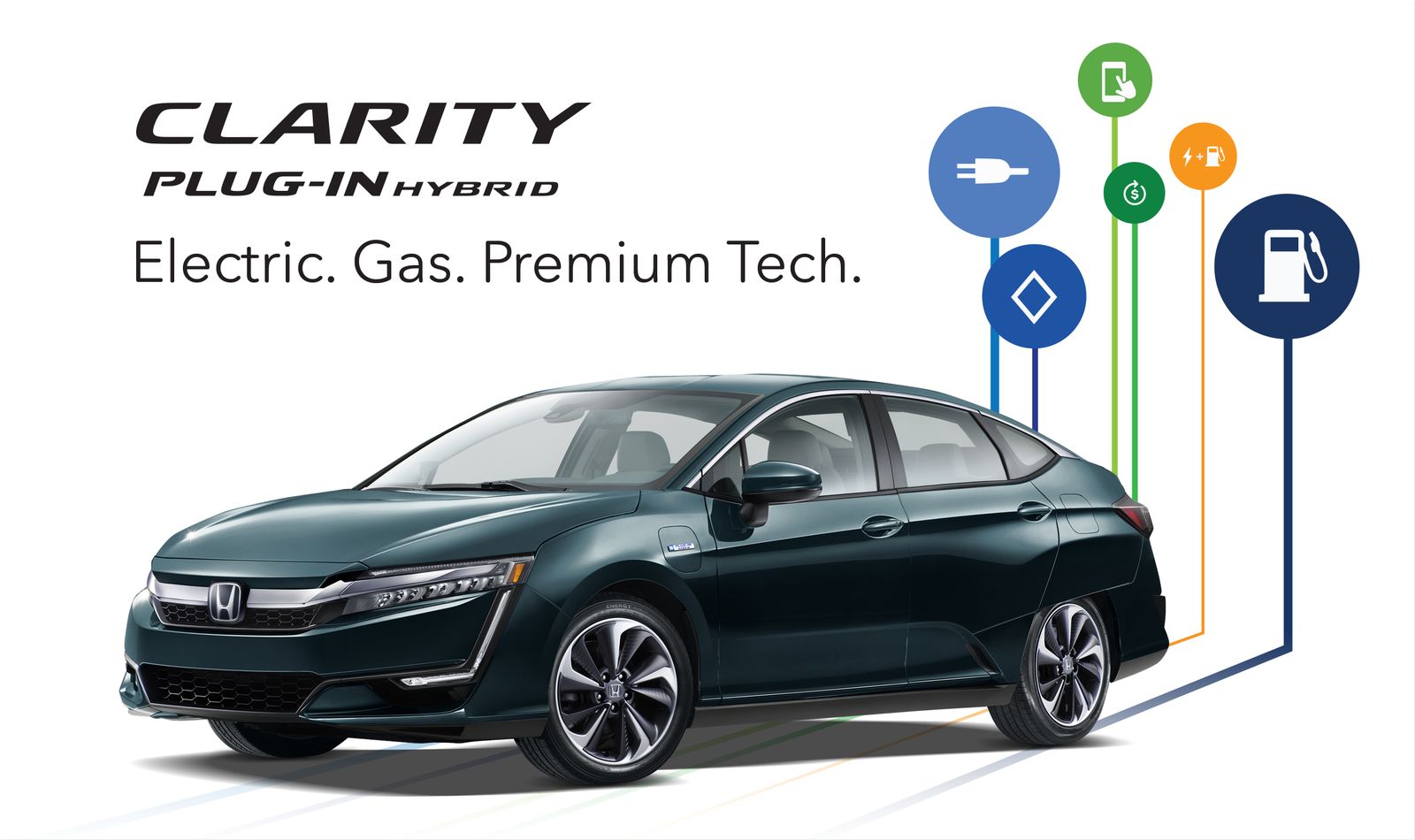
The initial capital of Japan H2 Mobility is $469,948 and will be chaired by Hideki Sugawara. The purpose is to begin the building of 80 stations throughout the country for the year 2021, according to 'Strategic roadmap for hydrogen and fuel cells'.
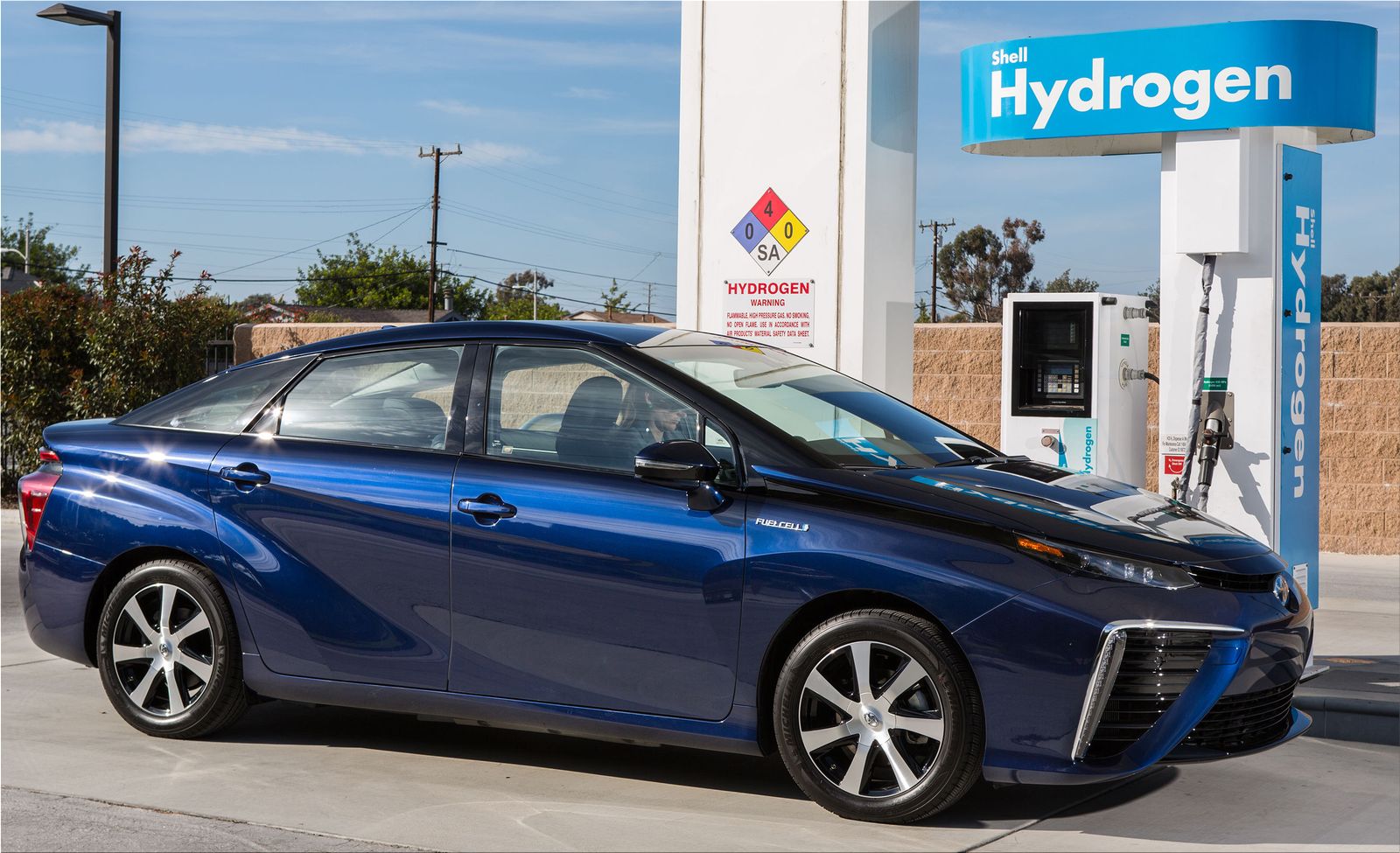
Japan H2 Mobility will start operating in April 2018, with the goal of attracting the maximum possible participation of hydrogenation operators and investors.

Heavy vehicles are also part of the European plan to reduce CO₂ emissions, and for the first time, representatives of Parliament and the European Council have reached an agreement that affects trucks, coaches and buses. The new regulations… Continue reading

Lidl intends to equip approximately 400 of its branches throughout Germany with charging stations for electric vehicles within one year. Lidl is investing in the nationwide expansion of electromobility: within one year, around 400 Lidl branches will be… Continue reading

The German car company Audi has increased its forecast for sales of all-electric vehicles and plug-in hybrids and now expects its sales of this type of car to represent around 40% of its total registrations worldwide by the year 2025. The German manufacturer… Continue reading

The Blacksmith B2 is an Indian electric motorcycle, a mixture of classic and technological design, a great autonomy thanks to its interchangeable batteries and a very affordable price. The Blacksmith B2 electric motorcycle is the third… Continue reading