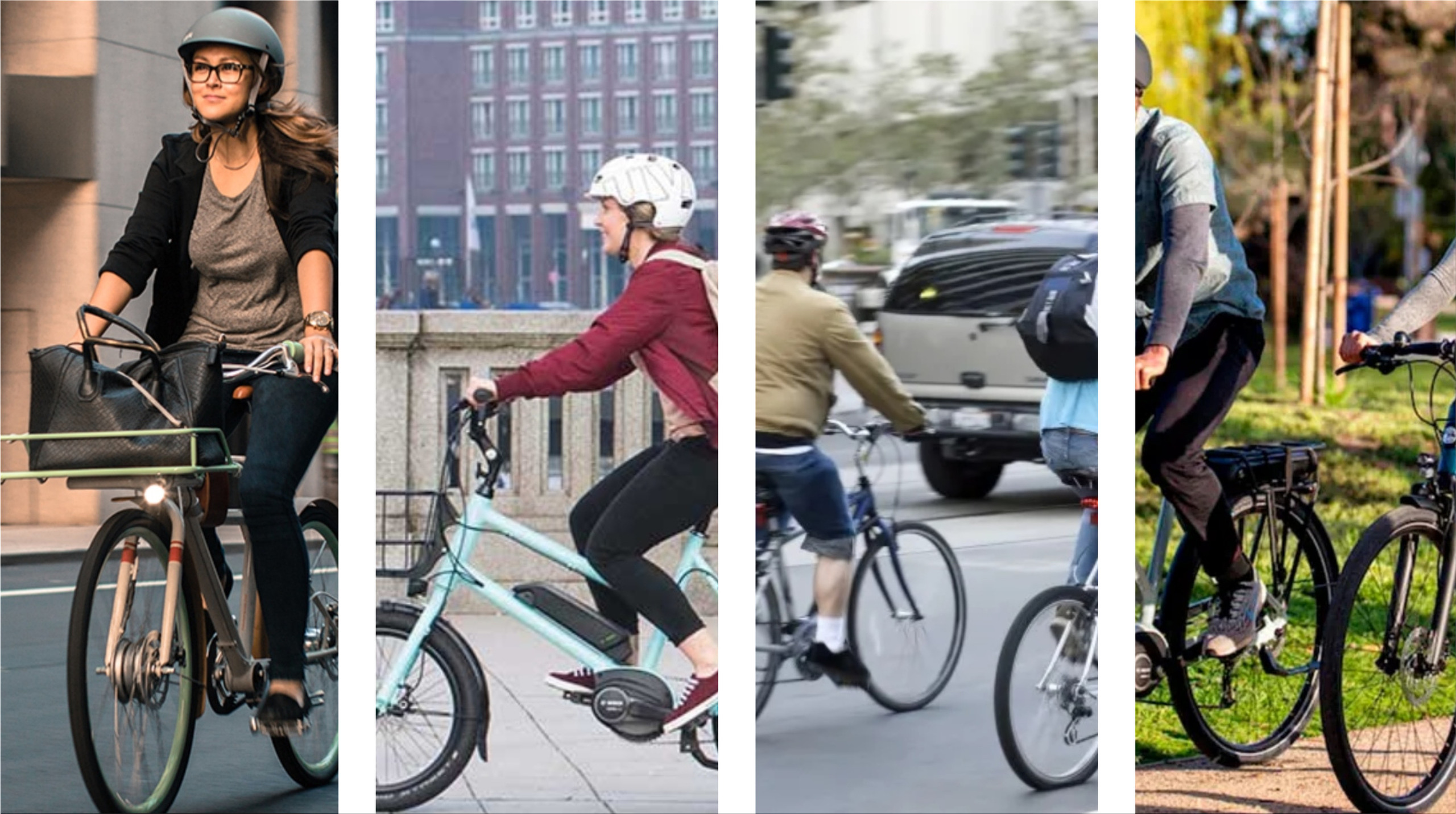
Shimano's survey is one of the most extensive European studies on electric bikes riders' opinions; it polled over 15,500 people across 12 countries. The worldwide spread of the pandemic impacted prior reports from Shimano. As Europe emerges from its lockdowns, new motivations, and anxieties for people to ride electric bikes become apparent.
In 2021, 39% of respondents said they rode an electric bike so they wouldn't have to take public transportation. By the year 2022, this figure will have decreased to 18%. Currently, 47% say that rising living costs are the primary reason they ride their bikes to work. Forty-one percent of respondents said they would be more likely to purchase an electric bicycle if offered a subsidy to offset the upfront investment cost.
Vice President of Shimano Europe Frank Peiffer says the cycling sector should remain cautious despite the study's findings because of the possibility of new crises affecting the supply chain and manufacturing techniques and the cost of food and energy.
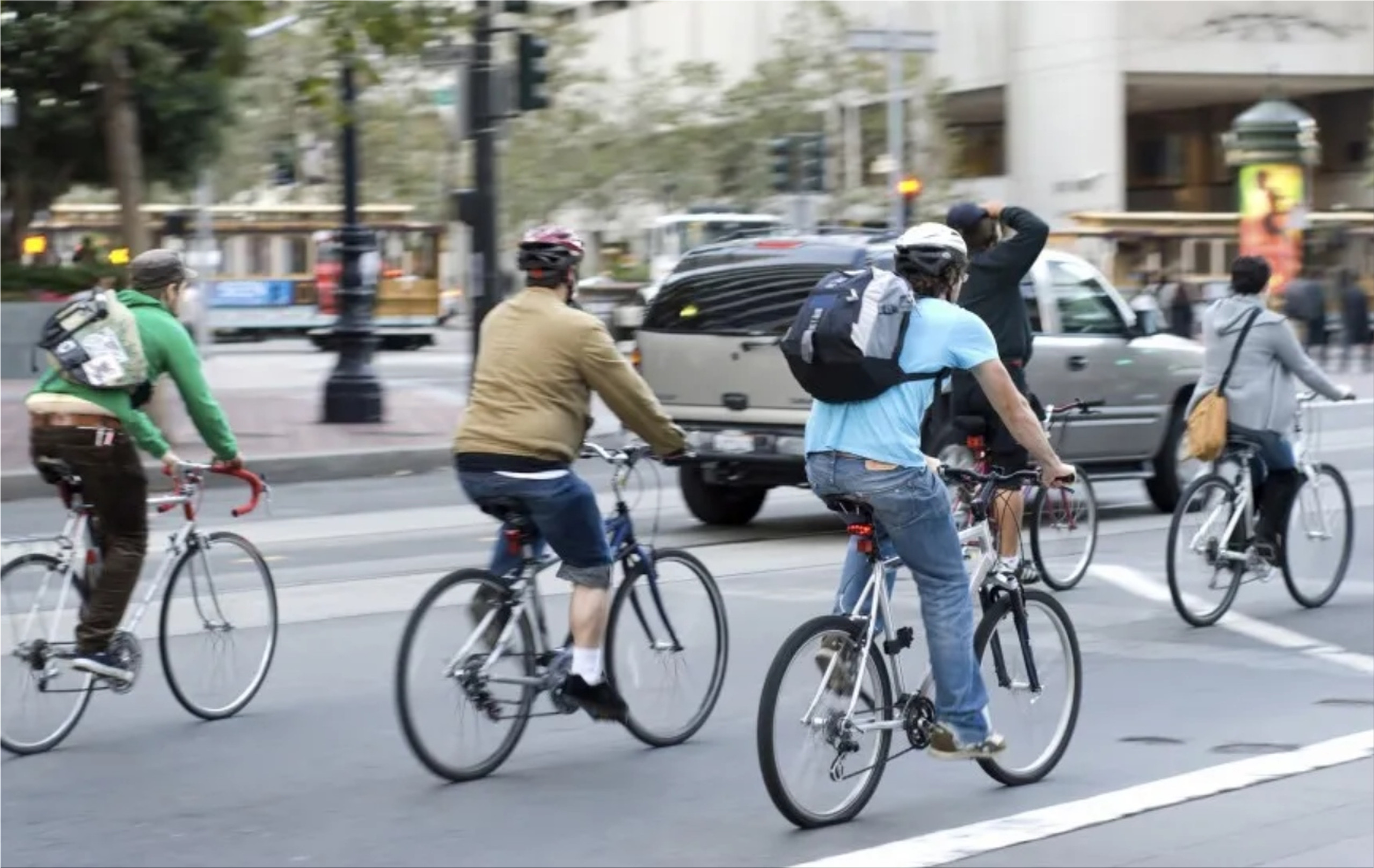
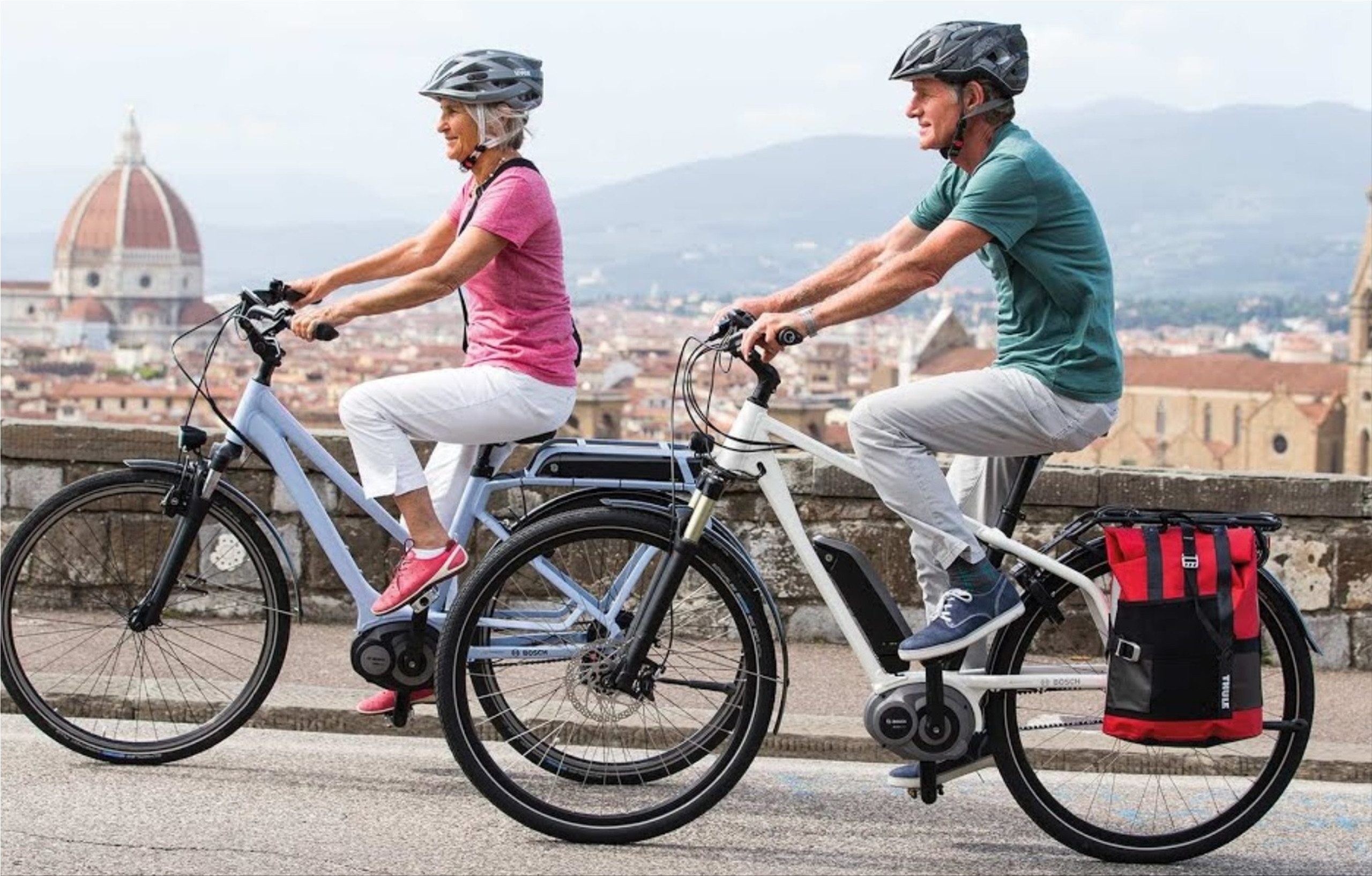
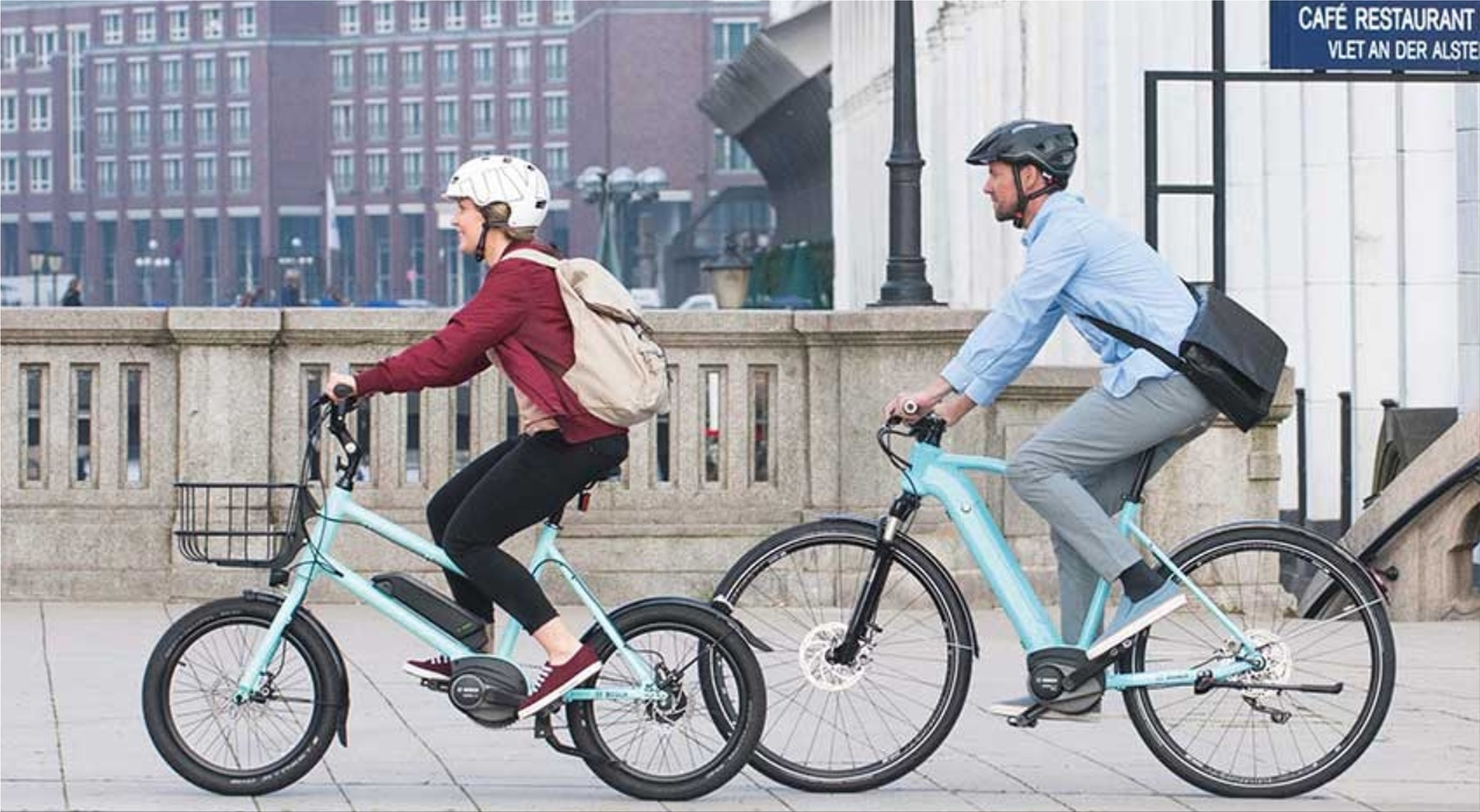
"Our survey reveals that in the 12 European nations studied, the growing cost of living, such as higher fuel prices, is the key driving factor in the usage of e-bikes, in that 47% of those polled in those countries said that they would be more likely to use an e-bike," Peiffer predicts that such effects will continue to be felt, compounded by the addition of a projected energy crisis compared to the previous year.
In 2022, environmental issues will be front and center. While 33% of Europeans, on average, cited environmental impact reduction as a reason for cycling, that number is substantially higher in nations experiencing heat and drought. It is, for instance, 46% in Spain and 51% in Italy. Those responding between the ages of 18 and 24 are the most concerned about their environmental impact, but the gap in attitudes between the younger and older age groups has shrunk since 2021.
Because of their potential to cut down on automobile use and traffic congestion in urban areas, electric bikes are generally thought of as belonging to a niche market of environmentally conscious consumers. The reduced negative effects on the environment are a major selling point for electric bicycles. Urban workers trail those who prioritize the environment by a small margin (52% to 48%). This consensus acknowledges that electric bicycles offer an alternative to driving or taking public transportation during rush hours.
Among those asked, 41% said they didn't have a bike at home. Some countries have far fewer bicycles in circulation than the rest of Europe. 63% of people in the United Kingdom do not own a bike. It's 51% in France. The percentage of people in the Netherlands who do not possess bicycles is among the lowest in the world (13% or fewer).
Due to the prohibitive expense of owning a car, many people are turning to electric bicycles as a viable alternative mode of transportation. Another factor that receives a lot of attention is the unreliability of public transport, which makes electric bikes attractive. Seventy percent of people say they would use them as a mode of transportation to and from work (compared to 48% of Europeans on average), and sixty percent of people say they are very concerned about environmental issues (62 percent of women and 57 percent of men).
According to the data, youth are the most environmentally conscious when riding electric bicycles. Whereas the gender gap between 18 and 24-year-olds across Europe is 37% (36% women, 30% males), it is even wider in Spain (49% women, 43% men, 56% overall), for example. A survey of Spanish residents found that 29% think there needs to be more education about the benefits of electric bikes.
Here is a link to Shimano's whole report.
E-VIA FLEX-E is a project co-funded by the European Commission that aims to install ultra-fast charging stations for electric cars in southern Europe. And more specifically, in Spain, France and Italy. The first phase of this… Continue reading

Irish Post is planning to buy 750 electric vehicles by 2022, of which 200 will hit the streets later this year. In addition to delivery vans, pedelecs (pedal electric cycle) are also on the shopping list. The background to this is that… Continue reading
Renault presents the experimental vehicle of a light commercial electric vehicle for urban traffic delivery: Renault EZ-FLEX. The EZ-FLEX comes with a purely electric drive and full network integration. A dozen models will soon go out to… Continue reading
The EQC will be the first electric car of the EQ family. It is already available for order and from July you will start with the deliveries. We tell you what you need to know about the first electric SUV from Mercedes. The Mercedes EQC is… Continue reading