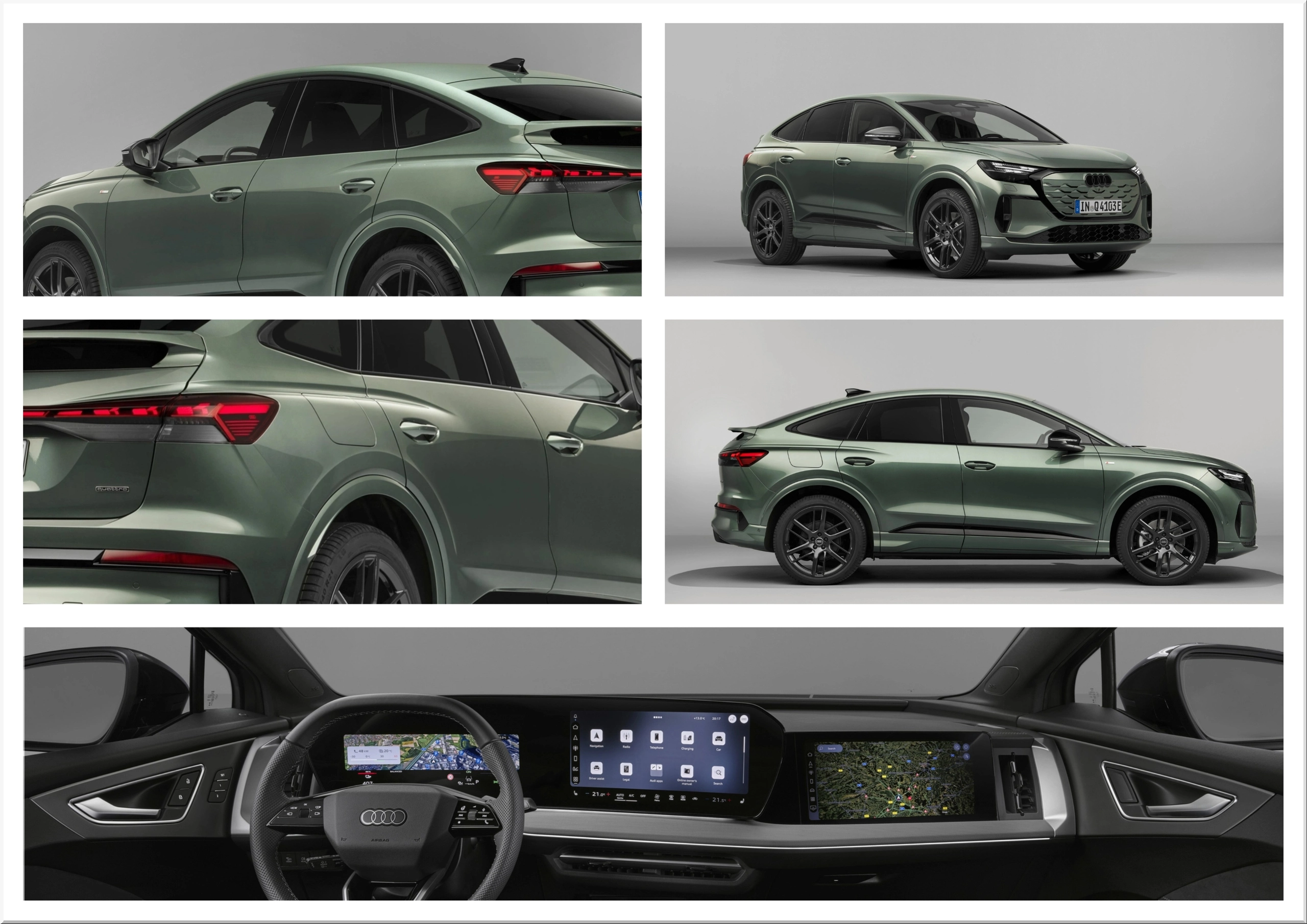
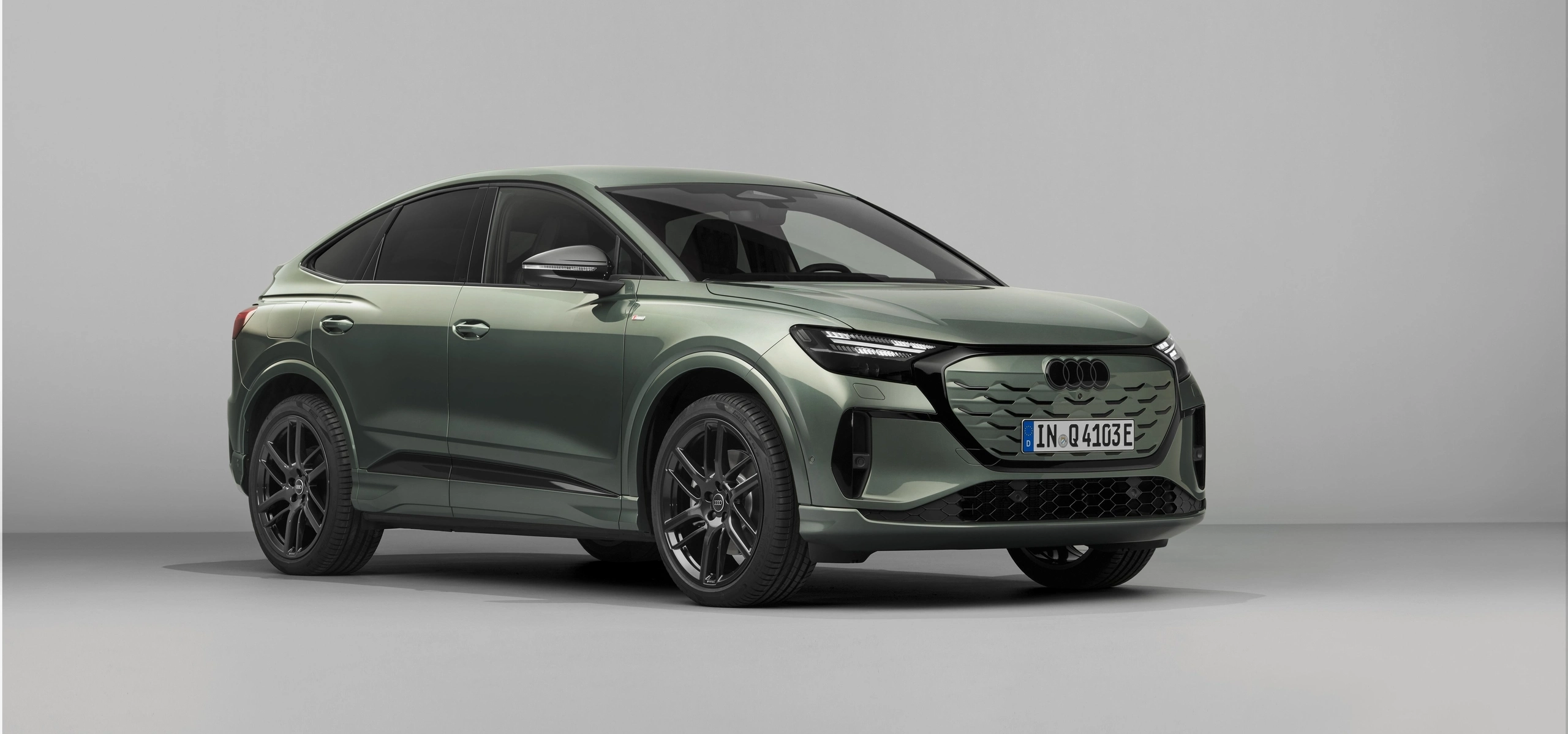
Audi has sharpened the Q4 e-tron electric SUV where owners feel it most: range, charging speed, cabin tech, towing strength, and home-energy use. The upgraded Q4 e-tron keeps its compact luxury SUV footprint but adds a more efficient APP350 rear motor, up to 592 km (368-Mile) of WLTP range, 185 kW DC fast charging, and Audi's first bidirectional charging setup.
Why does the upgraded Audi Q4 e-tron matter?
The Audi Q4 e-tron upgrade matters because it targets the weak spots that make or break a daily EV: charging time, cold-weather efficiency, usable cargo space, towing capacity, and cabin usability. Audi did not chase headline-grabbing acceleration alone. It focused on lower energy loss, better software control, more torque, and stronger real-life practicality.
The Q4 e-tron has already become Audi's electric entry point for buyers who want premium branding without stepping into the larger Q8 e-tron or Porsche-adjacent price zone. That position matters. Compact electric SUVs now carry the volume fight, and Audi knows a family EV must work in traffic, on road trips, in apartment garages, and at Level 2 charging stations without turning ownership into homework.
Looking at the data, the upgrade reads like a serious mid-cycle correction. The new Q4 e-tron gains range through a revised rear motor, silicon carbide power electronics, new software, and lower-friction transmission lubricant. That last detail sounds dull, but it gives the car up to 12 km, or about 7.5 miles, of extra range in cold weather with a full battery.
What changed on the Audi Q4 e-tron?
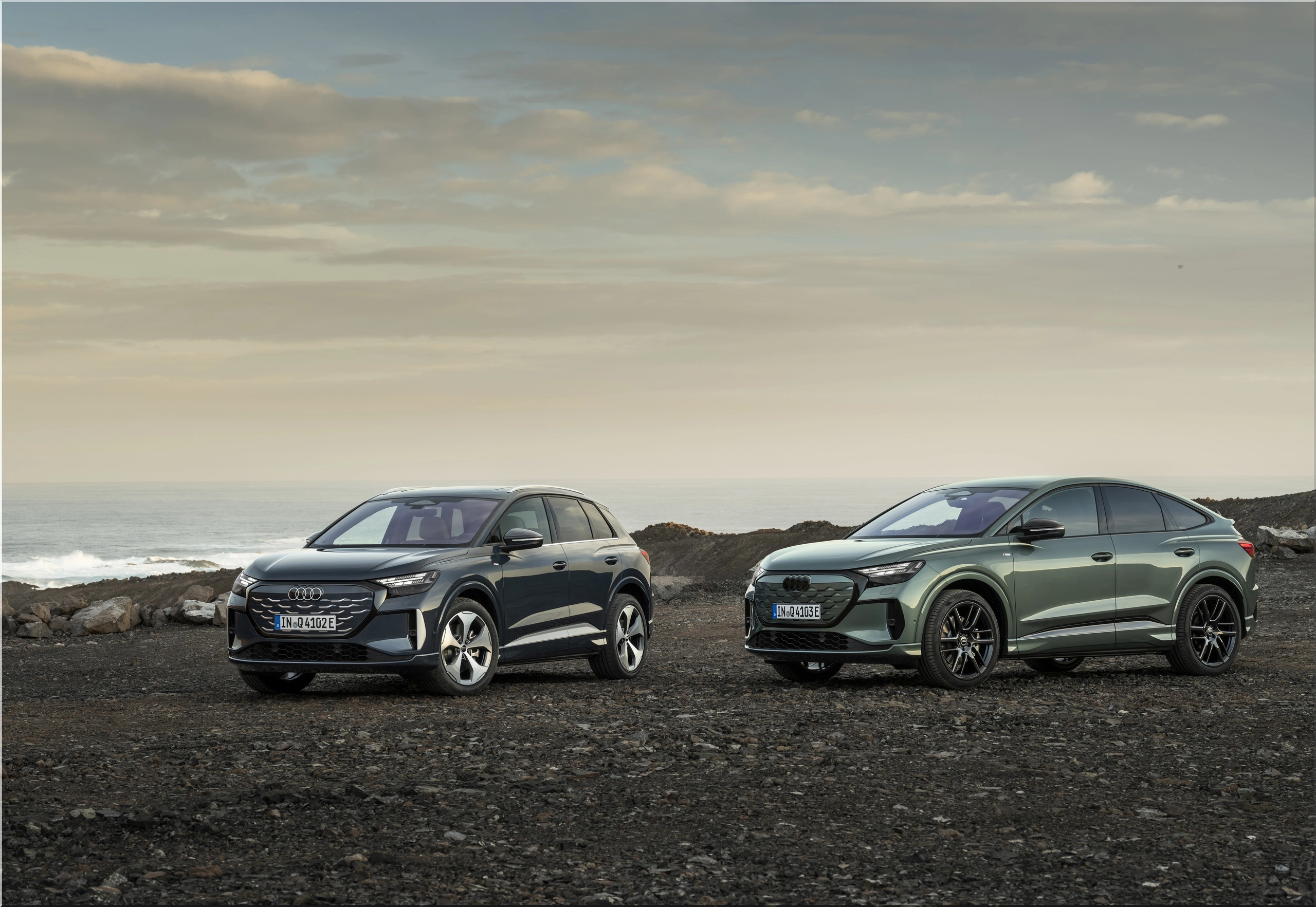
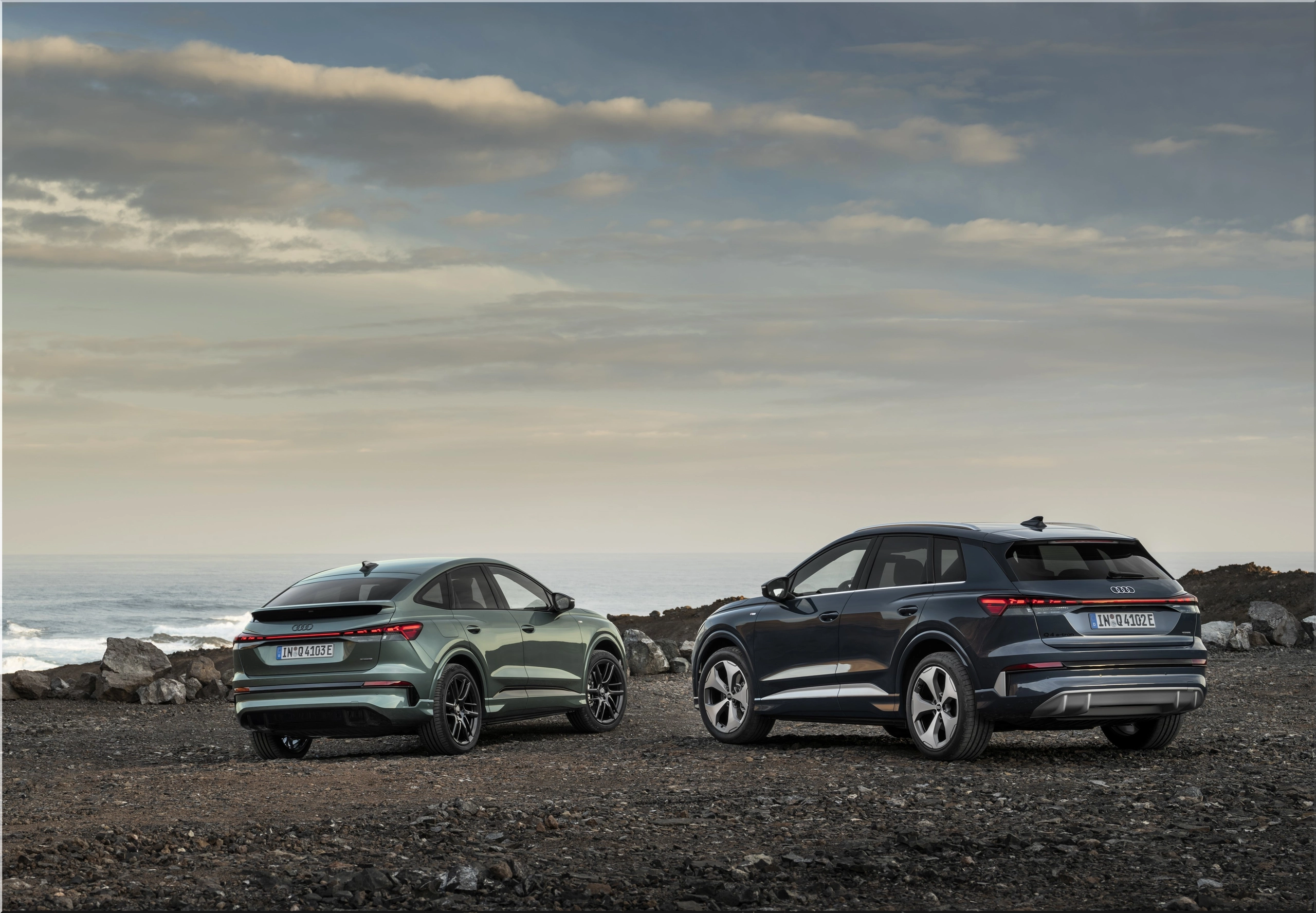
Audi updated the Q4 e-tron with revised electric drive systems, faster DC charging, bidirectional charging, a redesigned interior, new lighting, more standard practicality, and stronger towing capacity on quattro versions. The SUV and Sportback body styles continue, while the powertrain range now spans 150 kW to 250 kW depending on version.
The headline number lands with the Q4 Sportback e-tron performance, which reaches up to 592 km, or about 368 miles, on the WLTP cycle. That figure does not translate directly to EPA range in the U.S., but it still signals a meaningful efficiency gain from the prior car.
Specifically, Audi now offers these core technical improvements:
- APP350 rear electric motor with higher efficiency and stronger torque output
- Silicon carbide pulse inverter to reduce switching losses under partial load
- New power electronics software for better energy use at lower charge levels
- Low-viscosity transmission lubricant to cut friction loss in colder weather
- Battery preconditioning that can activate automatically or manually
- Plug & Charge as standard on compatible public charging networks
- Vehicle-to-Load and Vehicle-to-Home capability on supported versions and markets
From an expert perspective, this upgrade matters because it attacks losses throughout the system instead of relying on a larger battery. Larger packs add cost and weight. Better motor efficiency pays dividends every mile.
Audi Q4 e-tron powertrain specs
The upgraded Audi Q4 e-tron specs show four distinct performance levels across rear-wheel-drive and quattro all-wheel-drive layouts. Audi keeps the range broad, starting with a practical 150 kW rear-drive SUV and ending with a 250 kW quattro performance variant that cuts 0-100 km/h to 5.4 seconds.
| Audi Q4 e-tron version | Drive layout | Power | Torque | 0-100 km/h | Top speed | Max WLTP range |
|---|---|---|---|---|---|---|
| Q4 SUV e-tron | Rear-wheel drive | 150 kW / 201 hp | 350 Nm / 258 lb-ft | 8.1 sec | 160 km/h / 99 mph | 440 km / 273 miles |
| Q4 Sportback e-tron | Rear-wheel drive | 150 kW / 201 hp | 350 Nm / 258 lb-ft | 8.1 sec | 160 km/h / 99 mph | 451 km / 280 miles |
| Q4 SUV e-tron performance | Rear-wheel drive | 210 kW / 282 hp | 545 Nm / 402 lb-ft | 6.6 sec | 180 km/h / 112 mph | 578 km / 359 miles |
| Q4 Sportback e-tron performance | Rear-wheel drive | 210 kW / 282 hp | 545 Nm / 402 lb-ft | 6.6 sec | 180 km/h / 112 mph | 592 km / 368 miles |
| Q4 SUV e-tron quattro | All-wheel drive | 220 kW / 295 hp | 134 Nm front / 350 Nm rear | 6.2 sec | 180 km/h / 112 mph | 558 km / 347 miles |
| Q4 Sportback e-tron quattro | All-wheel drive | 220 kW / 295 hp | 134 Nm front / 350 Nm rear | 6.2 sec | 180 km/h / 112 mph | 573 km / 356 miles |
| Q4 SUV e-tron quattro performance | All-wheel drive | 250 kW / 335 hp | 134 Nm front / 545 Nm rear | 5.4 sec | 180 km/h / 112 mph | 541 km / 336 miles |
| Q4 Sportback e-tron quattro performance | All-wheel drive | 250 kW / 335 hp | 134 Nm front / 545 Nm rear | 5.4 sec | 180 km/h / 112 mph | 554 km / 344 miles |
By comparison, the quicker quattro performance version gives up some range to the rear-drive Sportback performance version. That trade makes sense. A second motor adds traction and punch, but it also adds mass and parasitic loss.
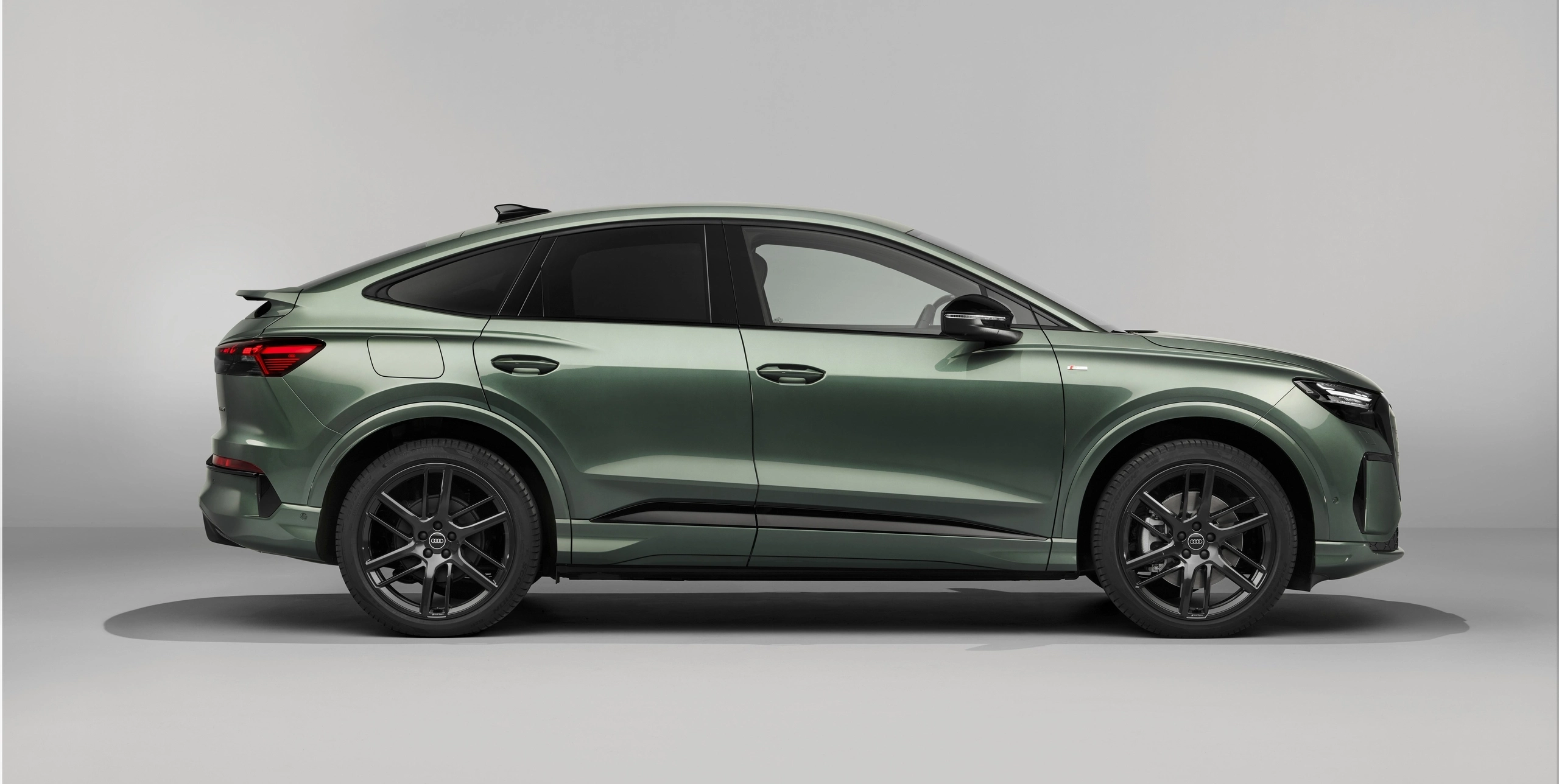
How much range does the upgraded Audi Q4 e-tron get?
The upgraded Audi Q4 e-tron range reaches up to 592 km, or about 368 miles, on the WLTP cycle in Q4 Sportback e-tron performance trim. The standard rear-drive SUV reaches up to 440 km, or about 273 miles, while quattro performance versions reach up to 541 km for the SUV and 554 km for the Sportback.
Audi claims around 10 percent better efficiency versus the previous version. That gain comes from hardware and software, not a single magic trick. The APP350 motor uses energy more effectively, the inverter cuts losses under lighter loads, and the transmission lubricant reduces friction when the drivetrain runs cold.
Definition: What is APP350?
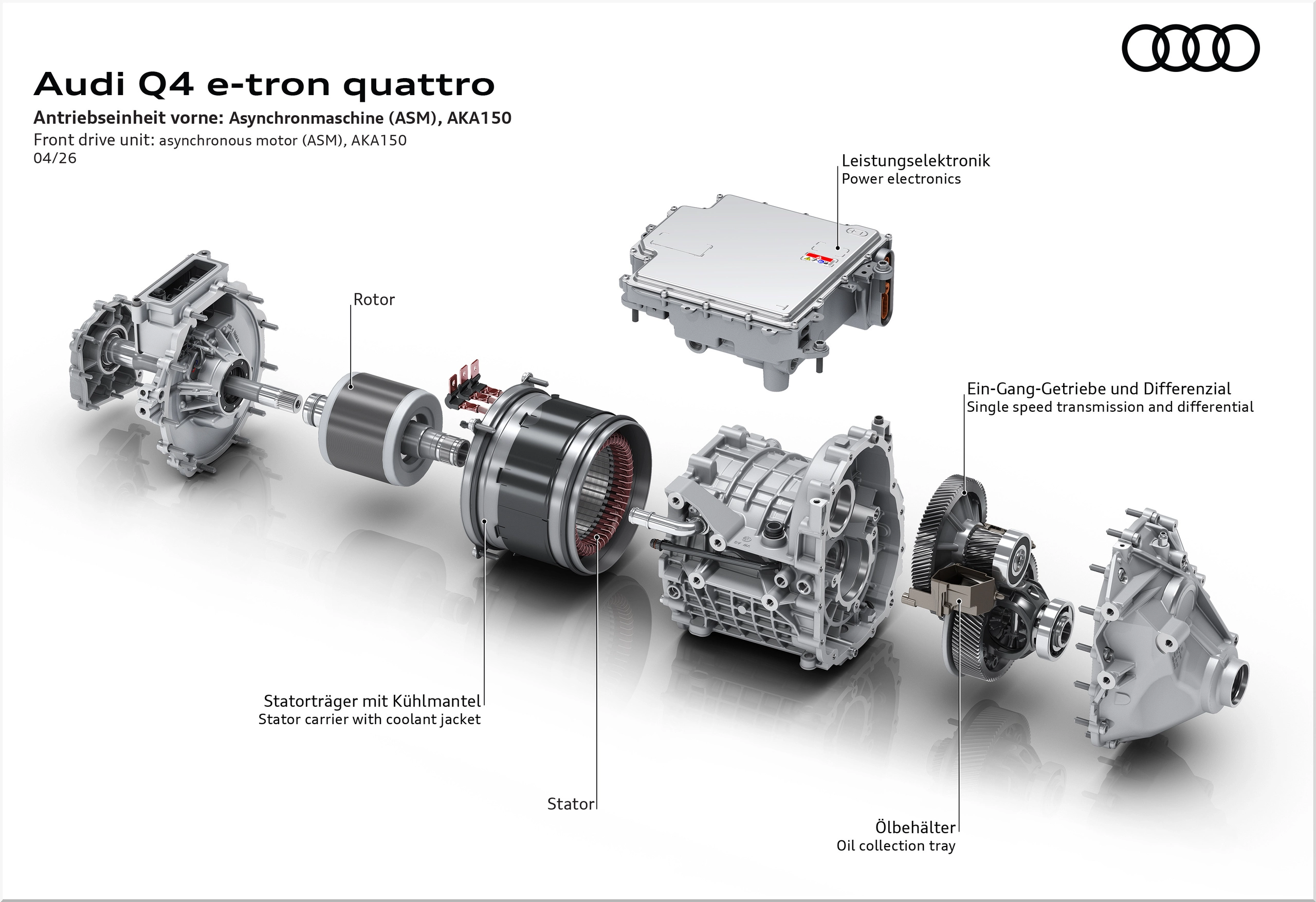
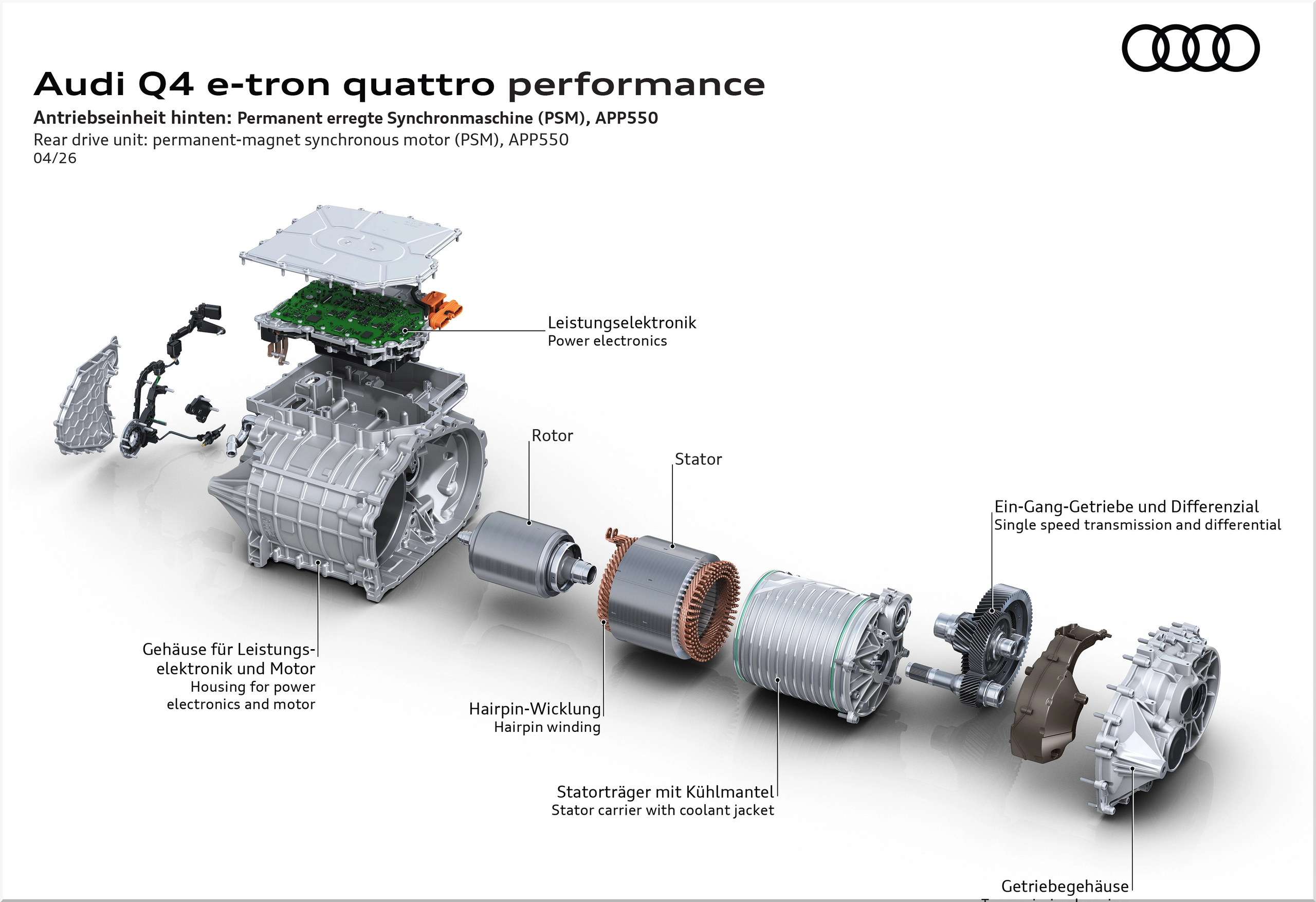
APP350 refers to Volkswagen Group's newer rear electric drive unit used across several MEB-based EVs. In plain English, it acts like a more efficient electric engine and gearbox package. It delivers stronger torque, wastes less energy as heat, and helps extend range without forcing Audi to fit a heavier battery.
Consequently, the upgrade feels strategic. Audi improves the Q4 e-tron's daily range while keeping the vehicle inside the same compact SUV class. That balance matters for cost, tire wear, braking load, and winter range.
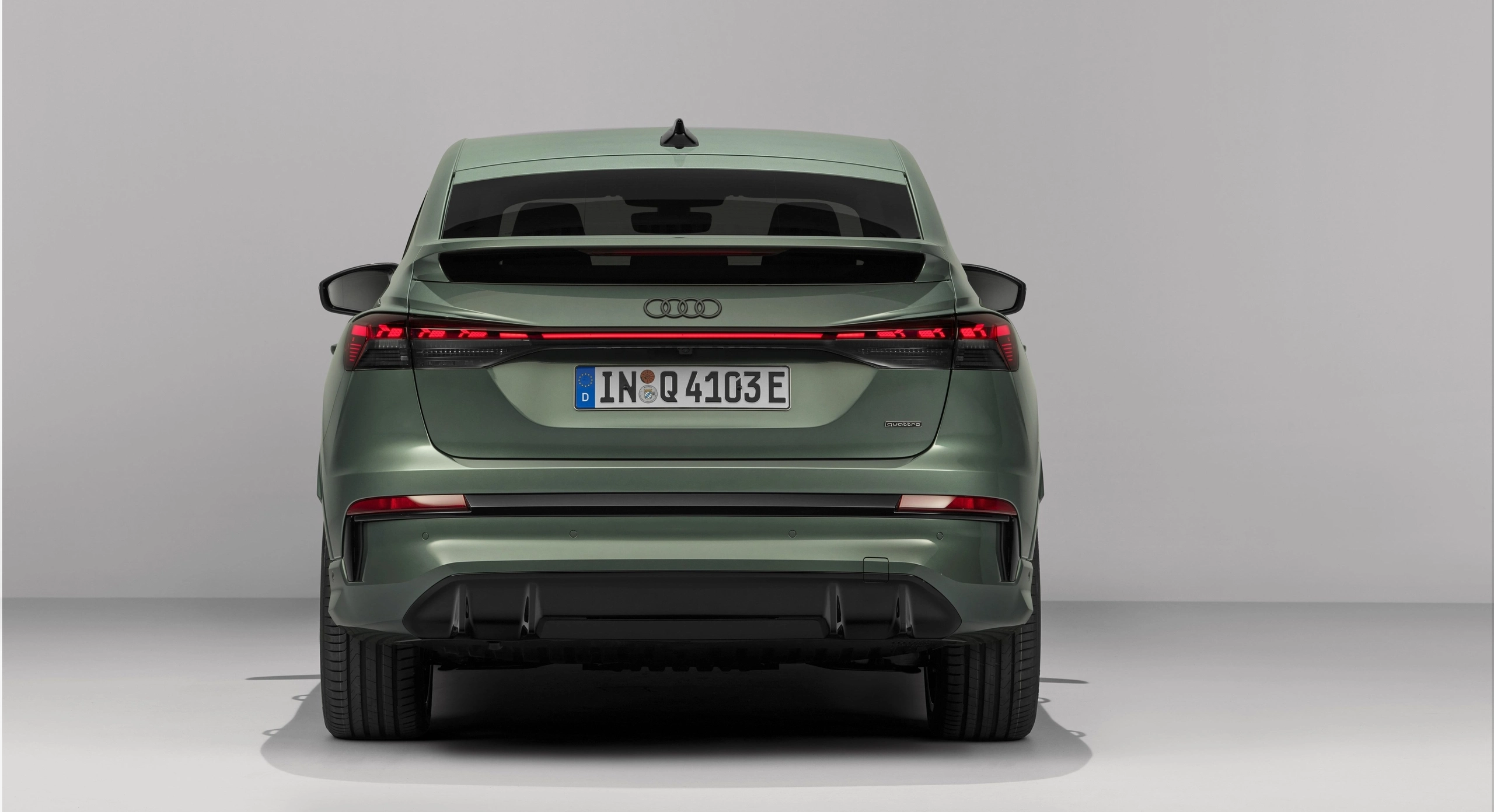
How fast does the upgraded Audi Q4 e-tron charge?
The fastest upgraded Q4 e-tron versions charge at up to 185 kW DC, up from 175 kW. Audi says the 82 kWh battery can charge from 10 to 80 percent in about 27 minutes, while the Q4 Sportback e-tron quattro performance can add up to 185 km, or 115 miles, of WLTP range in 10 minutes.
| Charging and battery item | Upgraded Audi Q4 e-tron data |
|---|---|
| Small battery | 63 kWh gross / 59 kWh net |
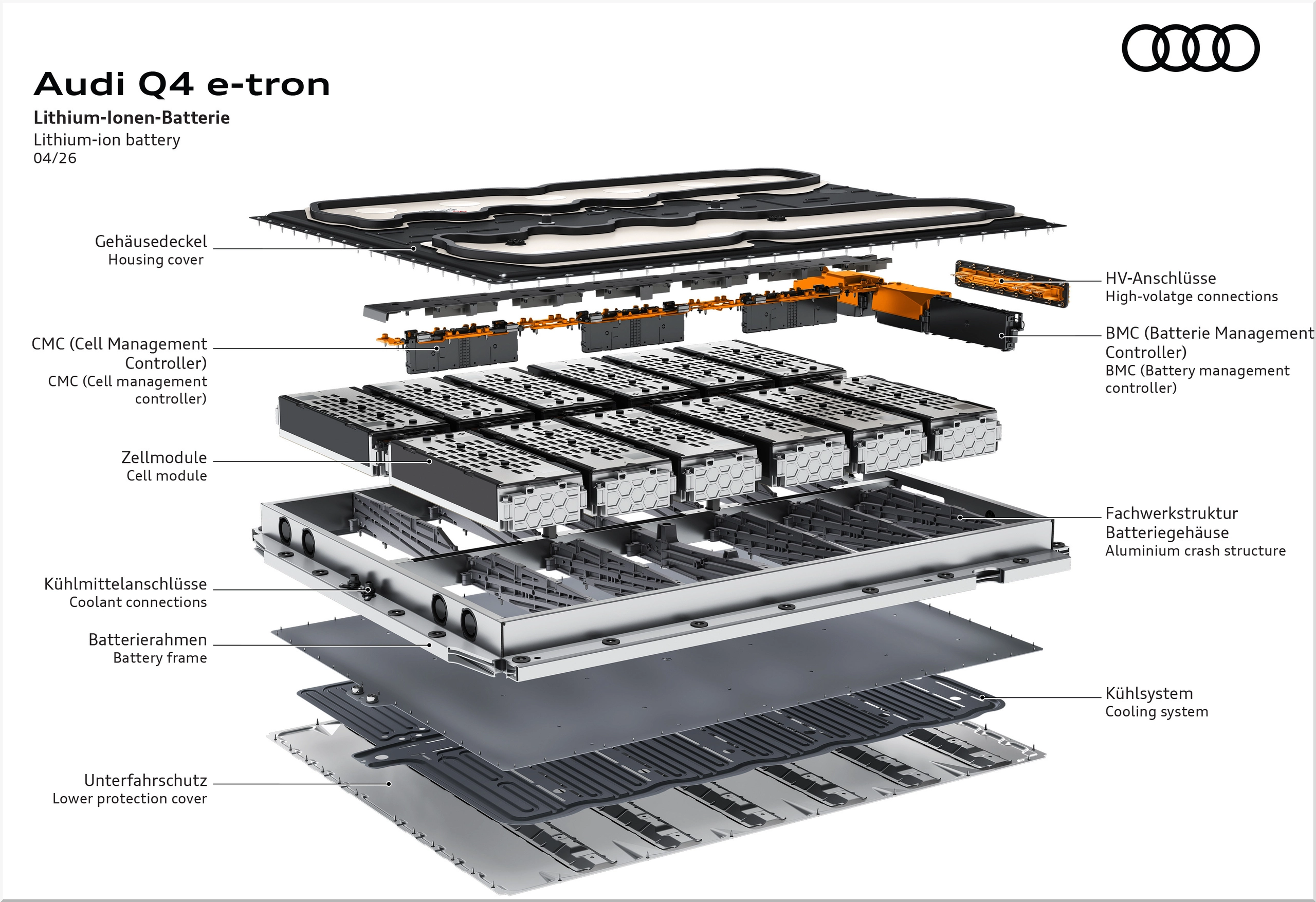
| Larger battery family | 82 kWh gross / 77 kWh net |
| Rear-drive performance technical listing | 84 kWh gross / 79 kWh net |
| Max DC charging, entry rear-drive version | 160 kW |
| Max DC charging, performance rear-drive and quattro versions | 165 kW to 185 kW |
| Fastest 10-80 percent charge | About 27 minutes |
| Max range added in 10 minutes | 185 km / 115 miles |
| Plug & Charge | Standard on compatible chargers |
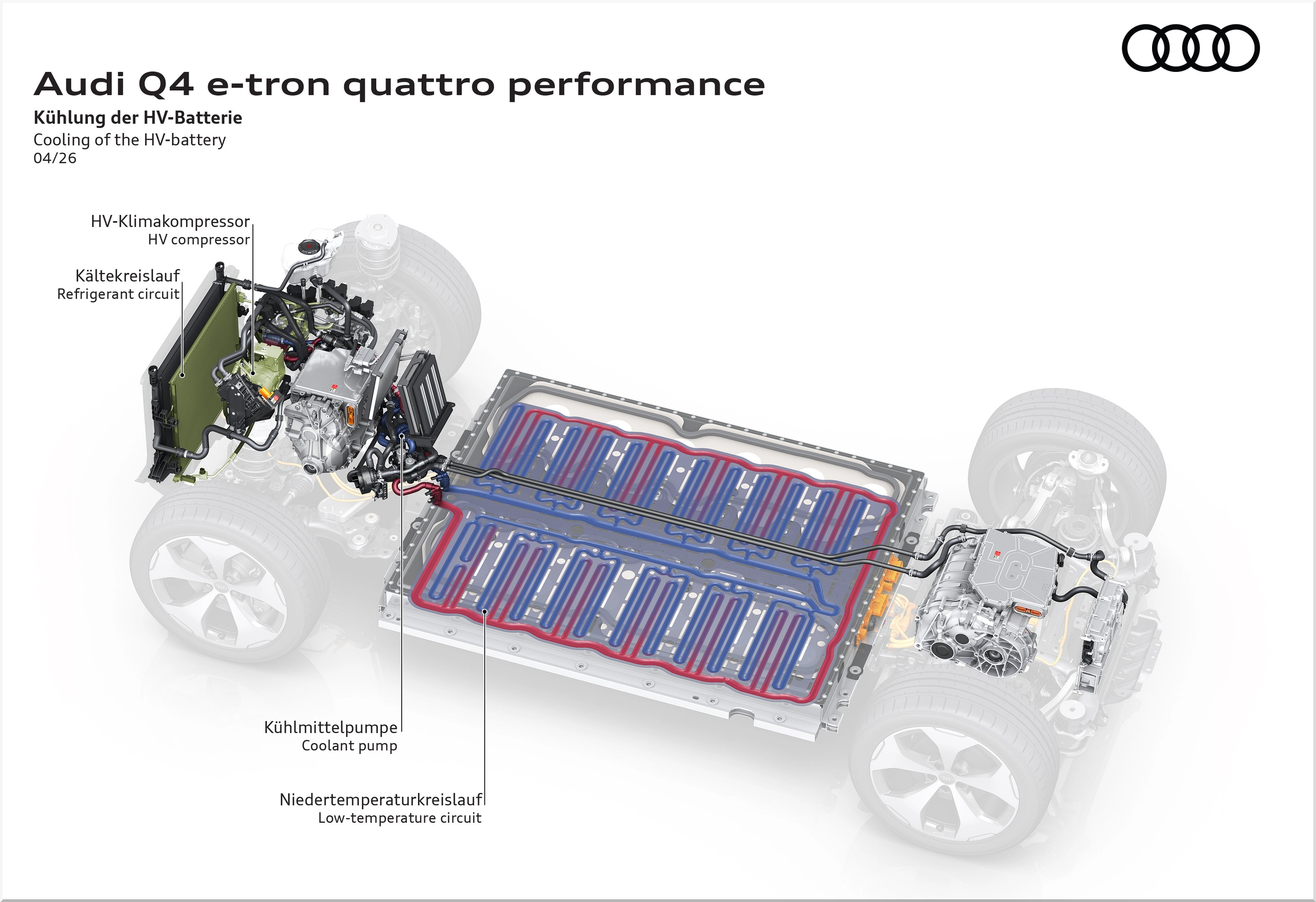
| Battery preconditioning | Automatic or manual |
In addition, Plug & Charge removes one of the most annoying public charging steps. At compatible stations, the car authenticates itself when the driver plugs in, starts the session, and handles billing through the charging contract.
Pro-Tip: For road trips, the 185 kW peak rating tells only part of the story. Battery preconditioning matters just as much because it warms or cools the pack before arrival, allowing the car to accept higher power more consistently during the first half of the charging session.
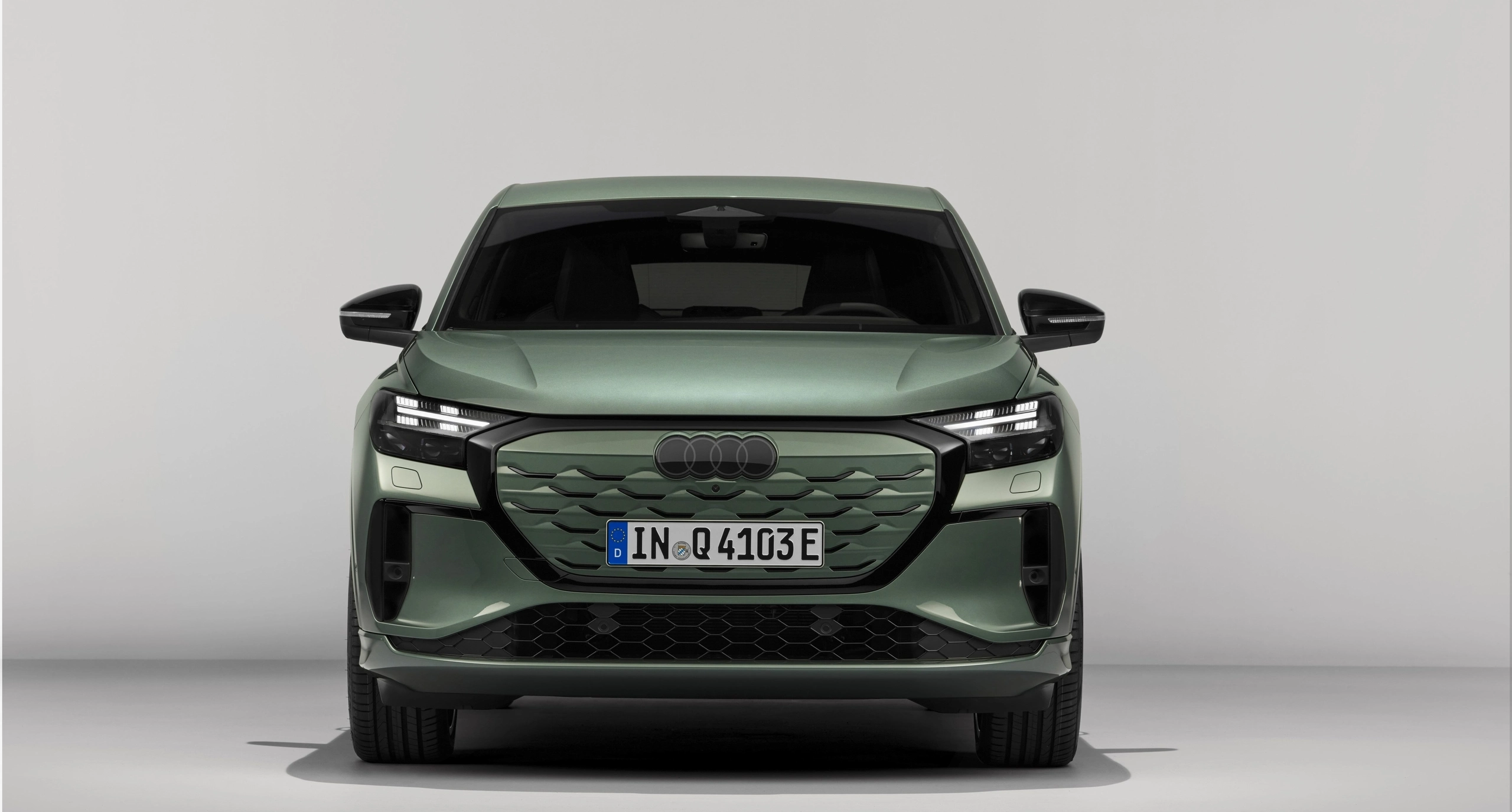
What does bidirectional charging add?
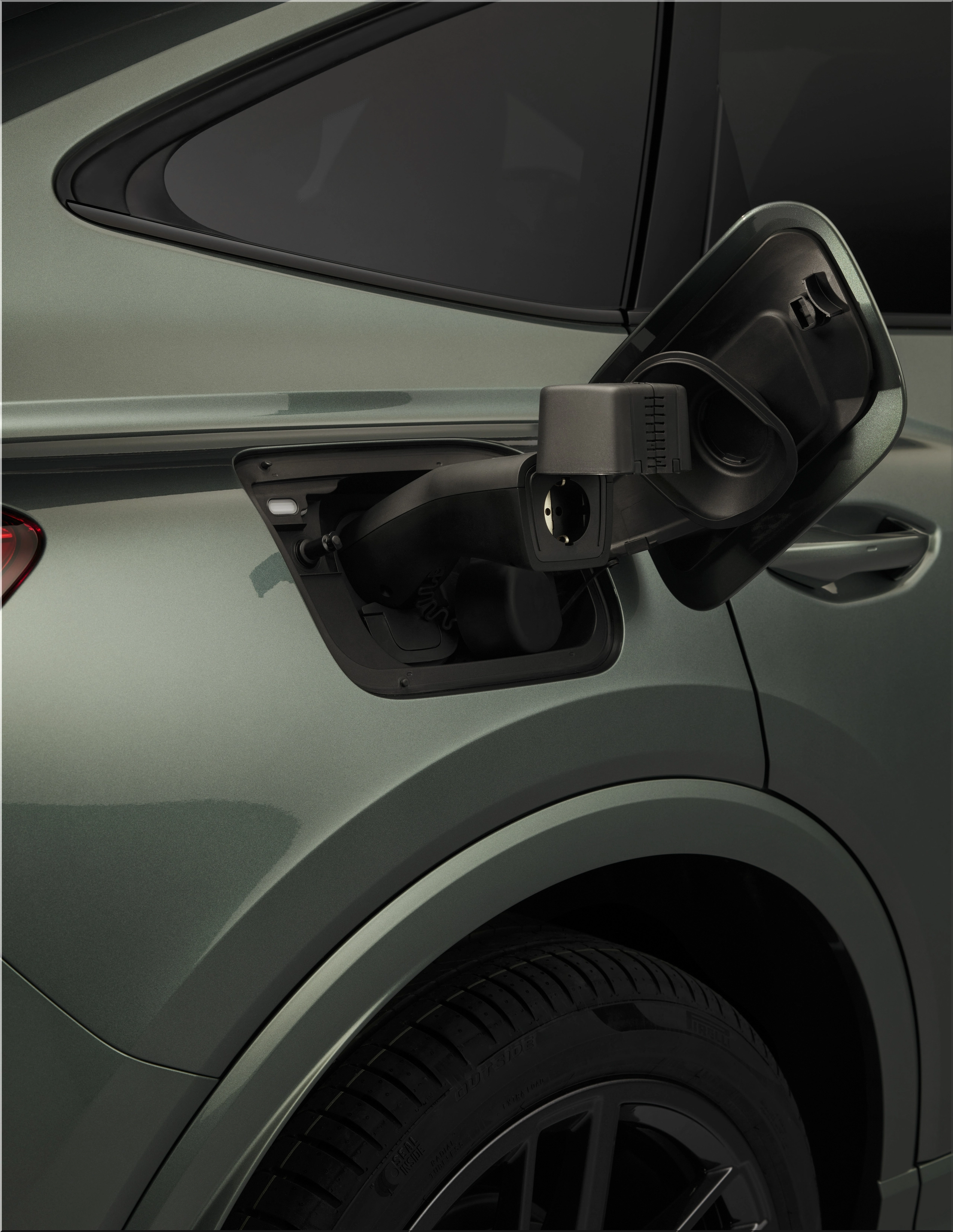
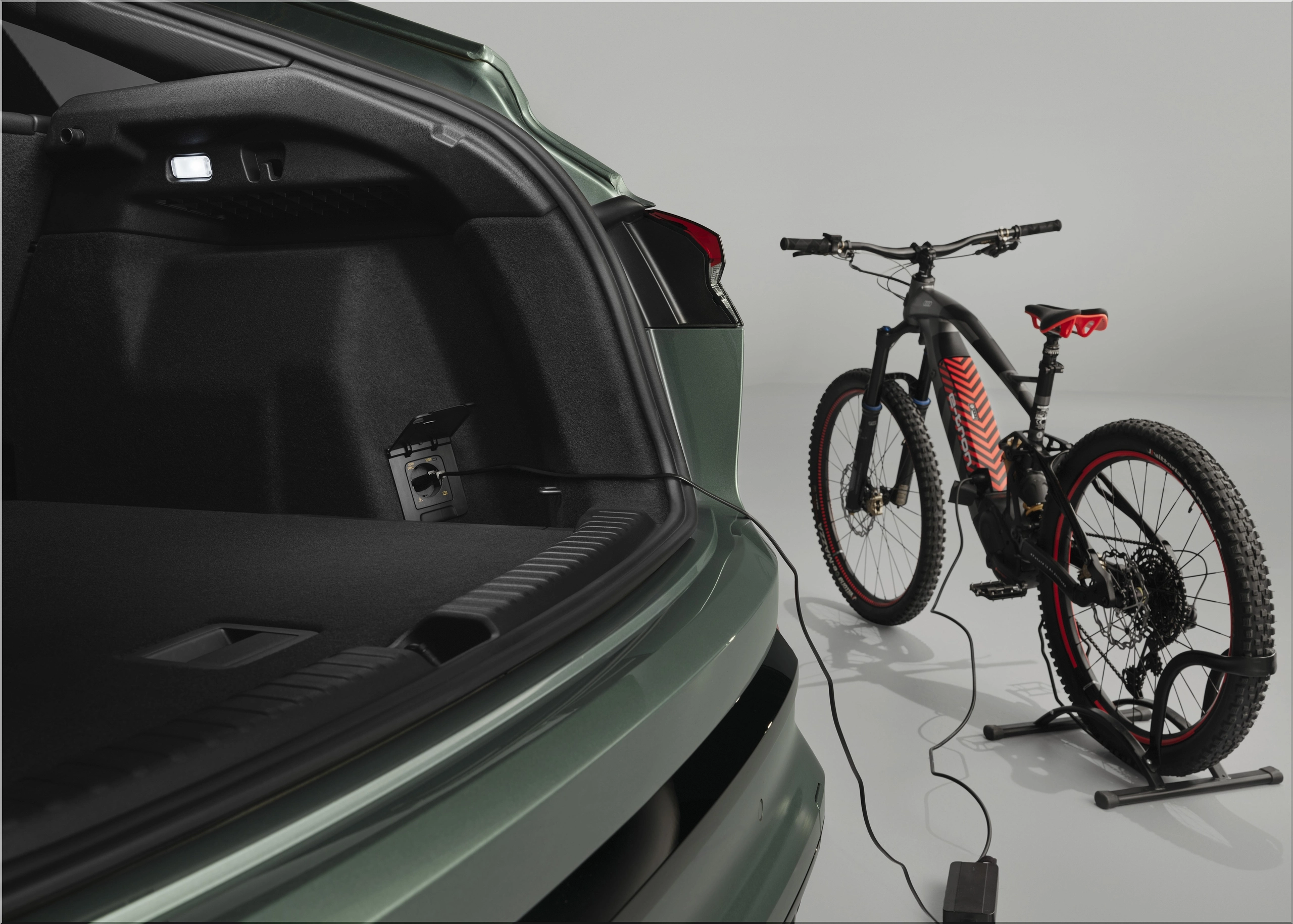
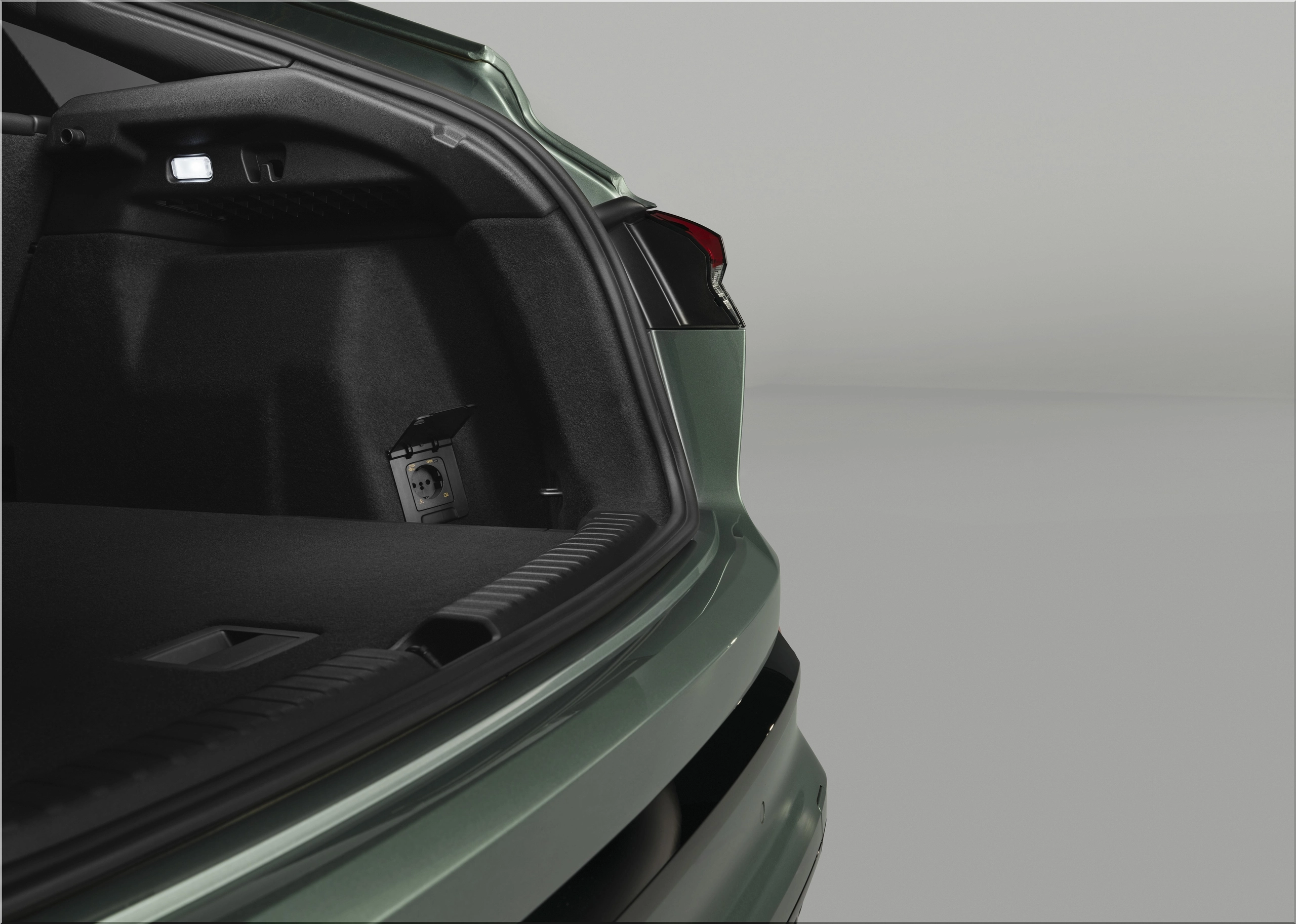
The upgraded Audi Q4 e-tron becomes the first Audi to support bidirectional charging. Vehicle-to-Load lets the car power devices through a 230-volt AC socket in the trunk or through an adapter at the charge port. Vehicle-to-Home support lets the battery feed energy into a compatible home system in Germany, Austria, and Switzerland.
That gives the Q4 e-tron a new role. It can run an e-bike charger, camping gear, small tools, or emergency household loads depending on market hardware and wallbox support. The trunk outlet supplies 2.3 kW continuous power, while the optional side-port adapter can provide 2.3 kW through a domestic socket or 3.6 kW through a camping socket.
The Vehicle-to-Home system works between 20 and 80 percent state of charge. That range protects battery reserve while still giving homeowners usable stored energy. The car also tracks discharged energy as a mileage equivalent, which helps drivers understand how much driving range they traded for external power.
From an expert perspective, this feature deserves attention because V2H turns an EV from transportation into a flexible energy asset. It does not replace a whole-home generator for every use case, but it can reduce grid draw during high-rate periods and improve solar self-consumption in supported markets.
Is the Q4 e-tron still practical for families?
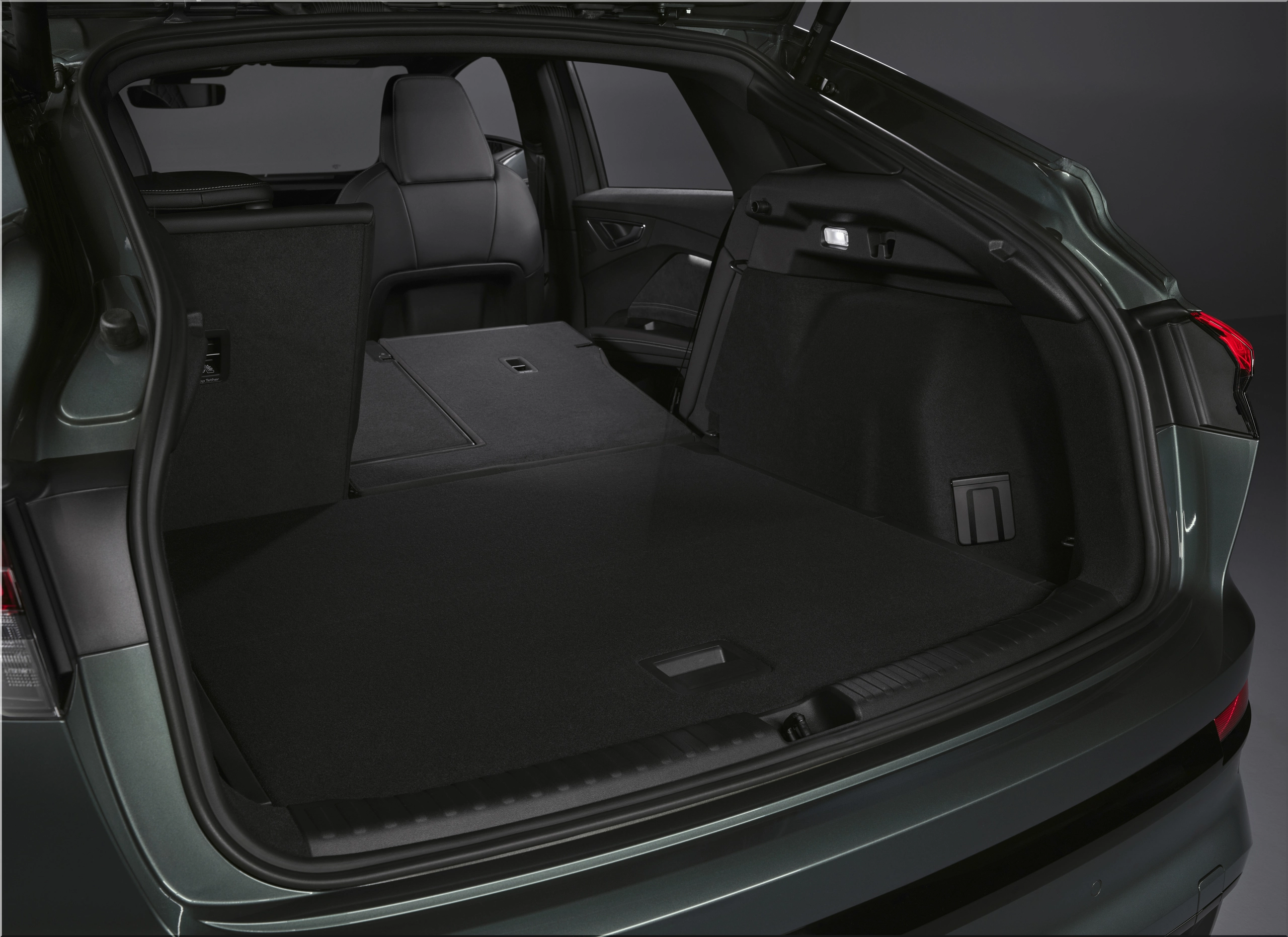
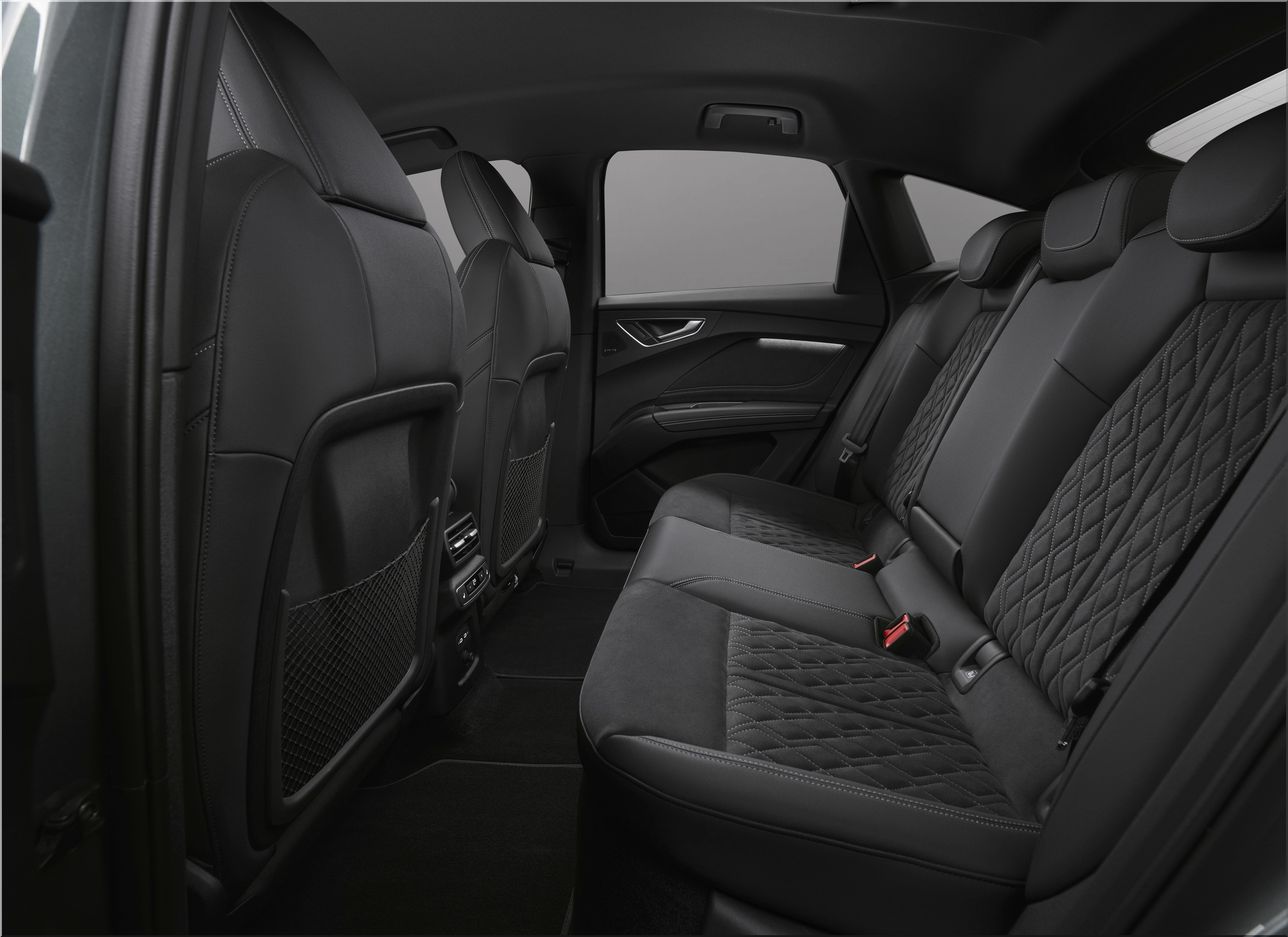
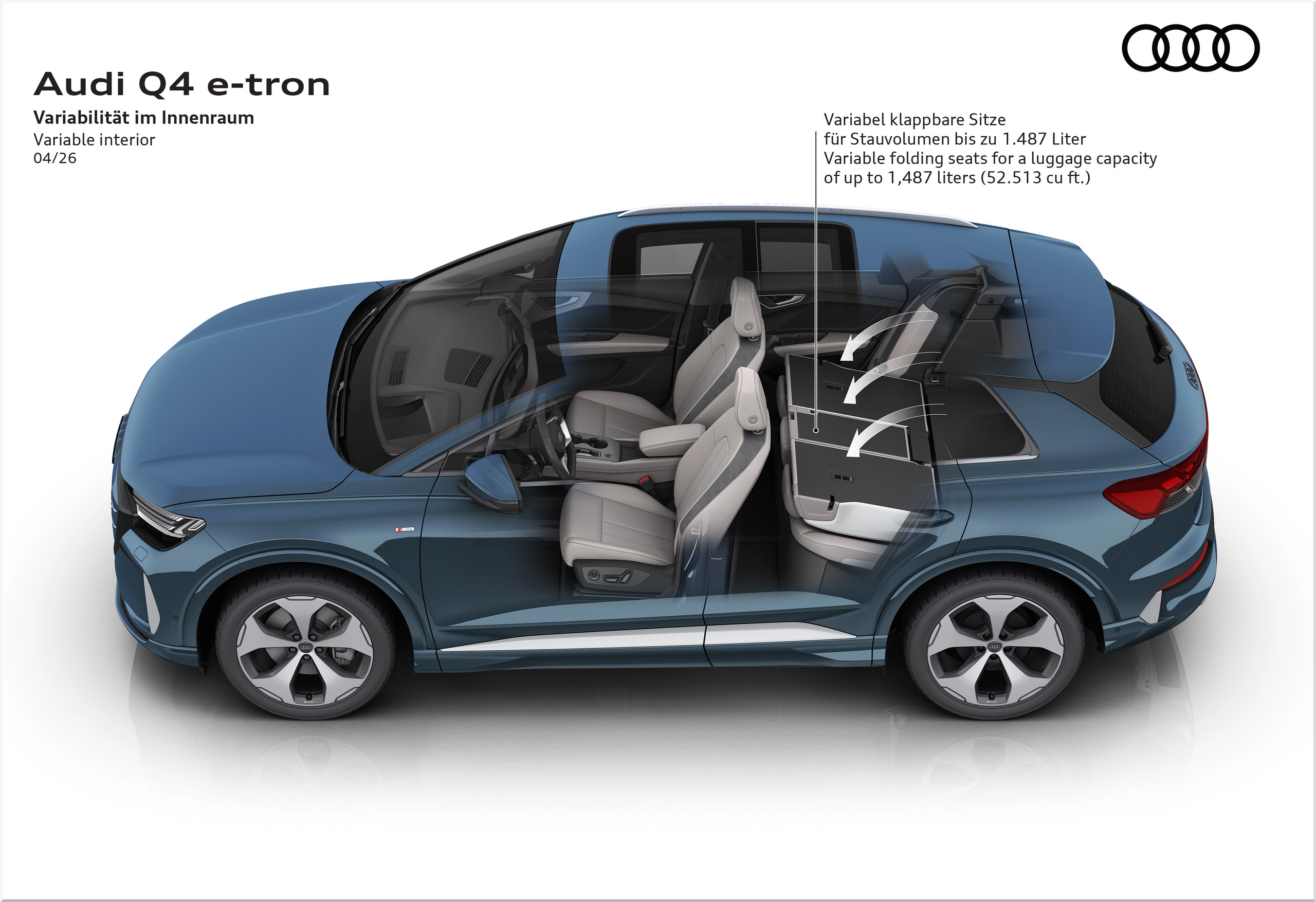
The upgraded Q4 e-tron keeps the practical footprint that made the original car easy to live with. The SUV body offers a 515-liter trunk, or about 18.2 cubic feet, and expands to 1,487 liters, or about 52.5 cubic feet, with the rear seats folded. Audi also quotes around 25 liters of cabin storage.
The proportions stay family-friendly. Based on available Q4 e-tron dimensional data, the SUV measures roughly 4,590 mm long, 1,864 mm wide, and 1,631 mm tall. In U.S. terms, that equals about 180.7 inches long, 73.4 inches wide, and 64.2 inches tall. The 2,761 mm wheelbase, or about 108.7 inches, gives the rear cabin more legroom than the exterior length suggests.
Practical numbers that matter
- Length: 4,590 mm / 180.7 inches
- Width: 1,864 mm / 73.4 inches, excluding mirrors
- Height: 1,631 mm / 64.2 inches for SUV
- Wheelbase: 2,761 mm / 108.7 inches
- Trunk space: 515 liters / 18.2 cubic feet
- Seats-folded cargo space: 1,487 liters / 52.5 cubic feet
- Cabin storage: Around 25 liters / 0.9 cubic feet
- Nose weight: 75 kg / 165 pounds
- Max quattro trailer load: 1,800 kg / 3,968 pounds
The towing upgrade may interest European buyers most, since quattro versions now reach 1,800 kg, or about 3,968 pounds. That represents a 400 kg increase, or about 882 pounds. For U.S. shoppers, final towing ratings depend on Audi of America's certification, equipment, and hitch availability.
What changed inside the Audi Q4 e-tron?
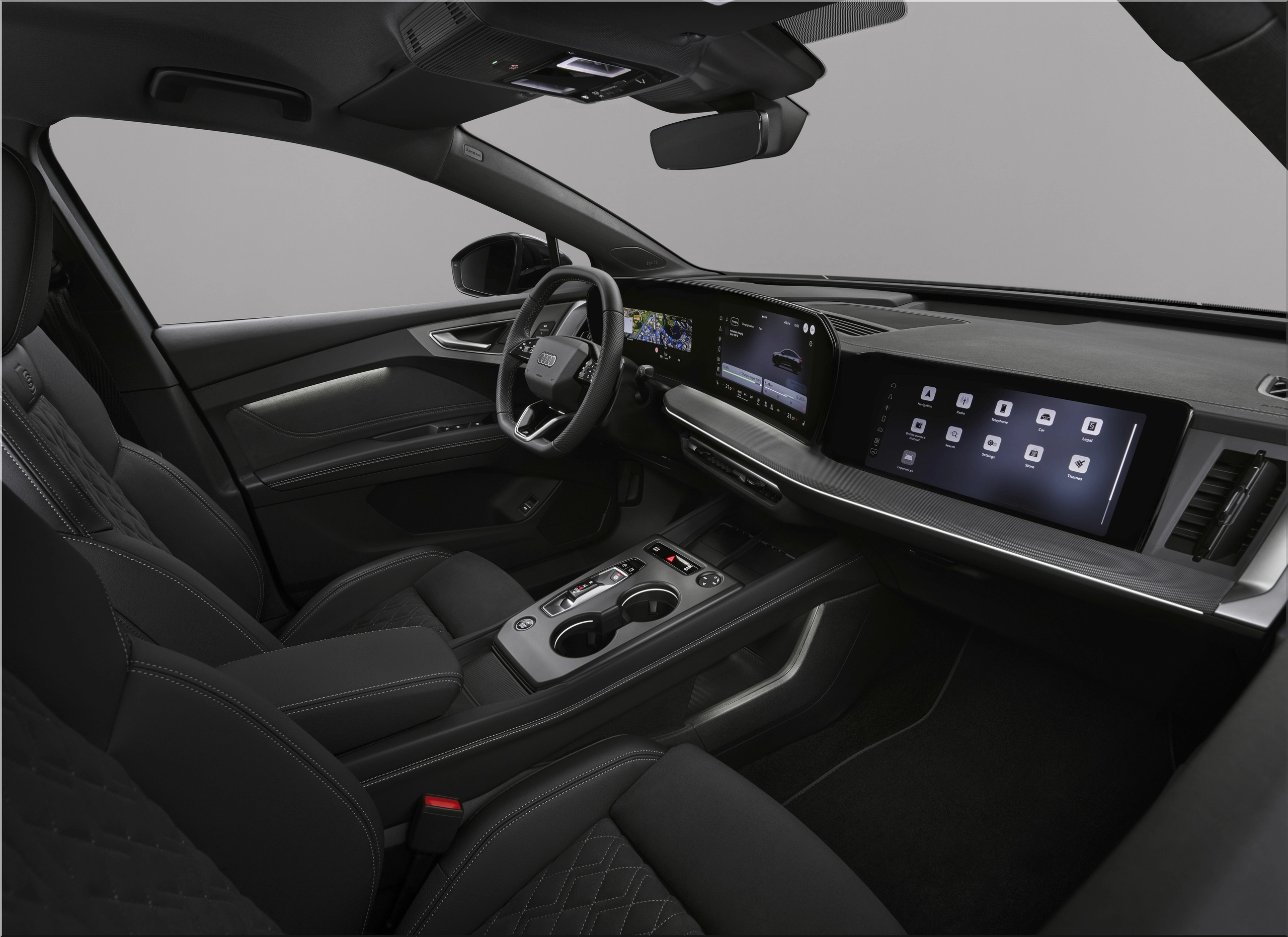
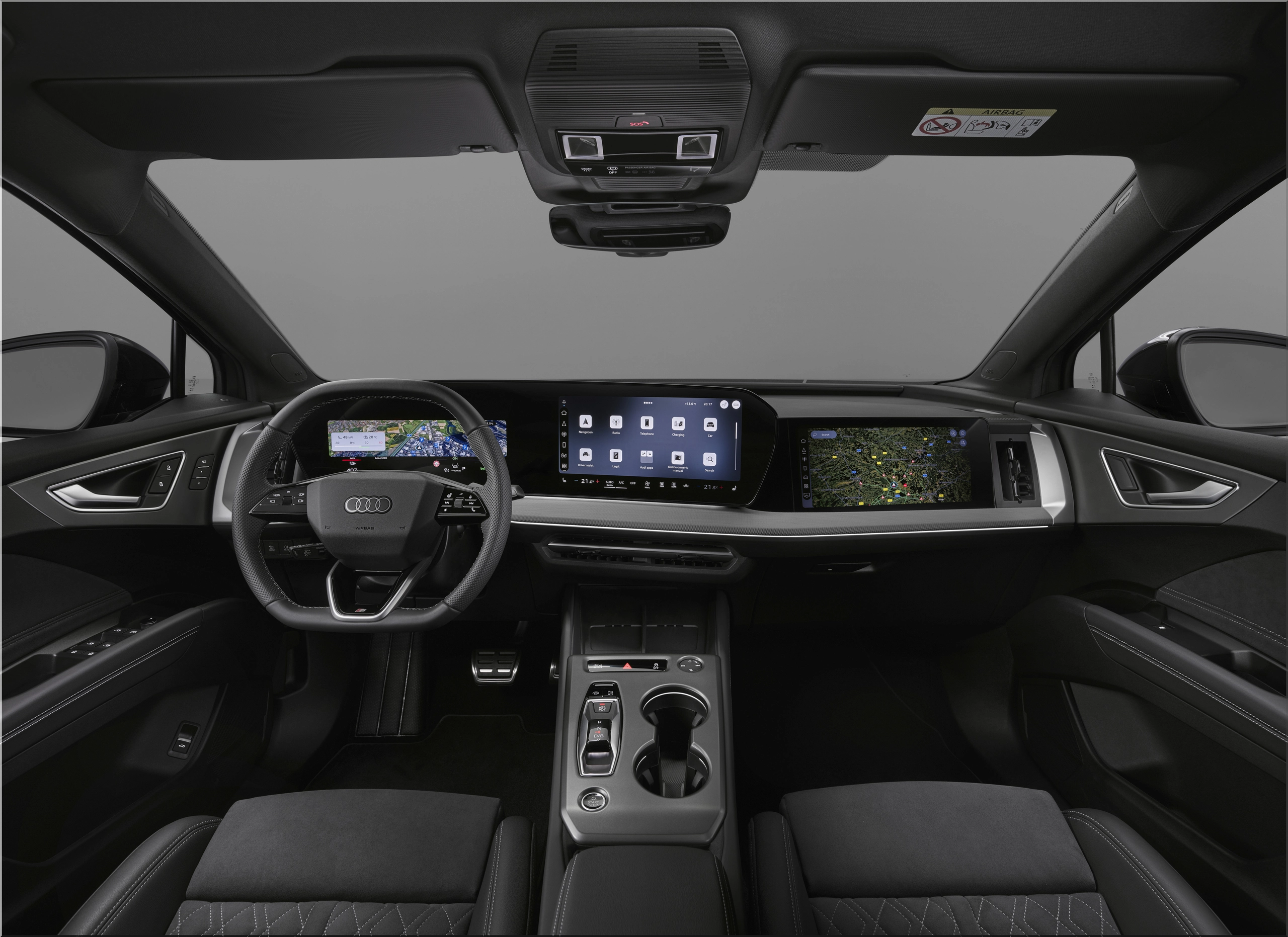
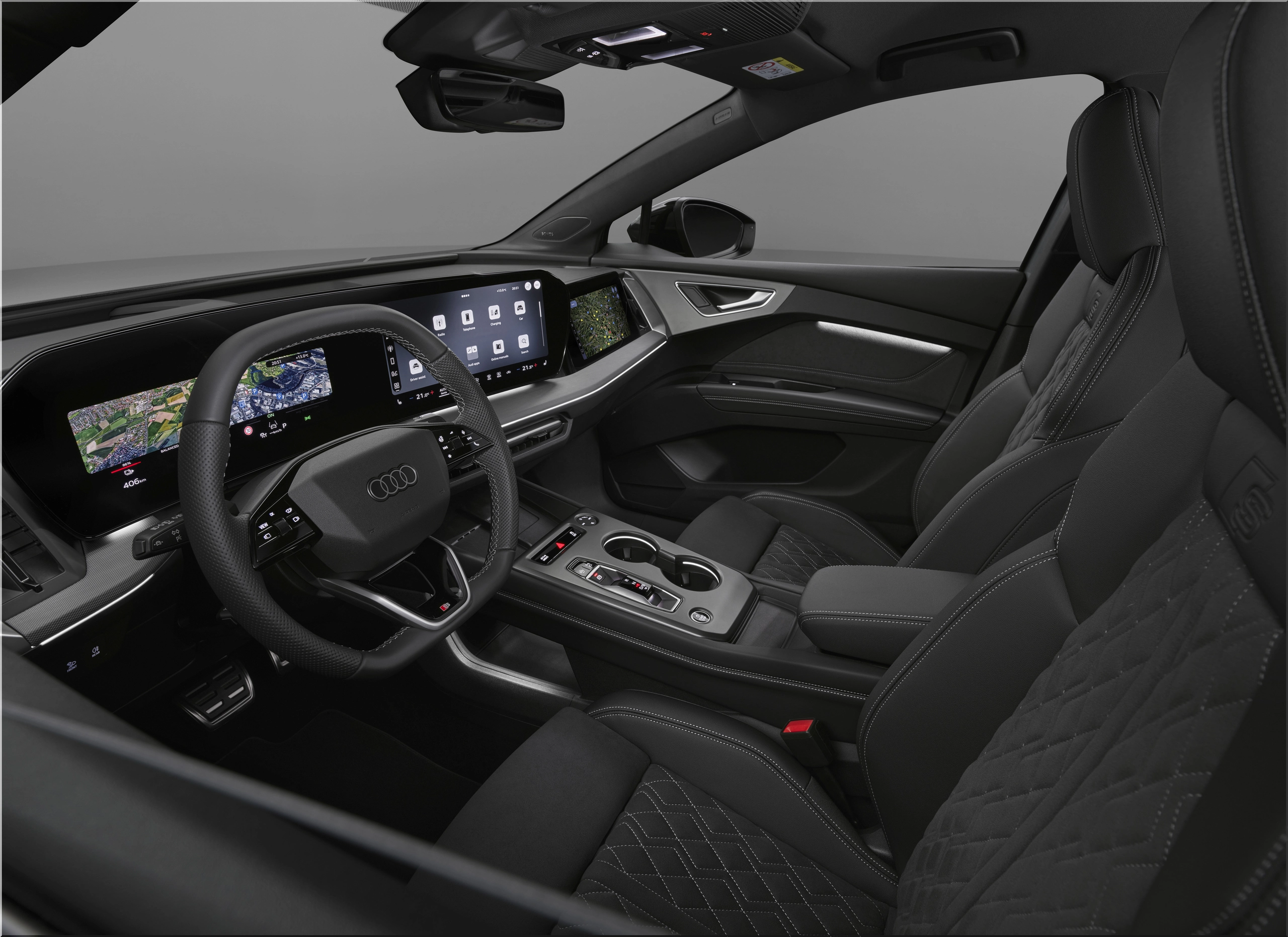
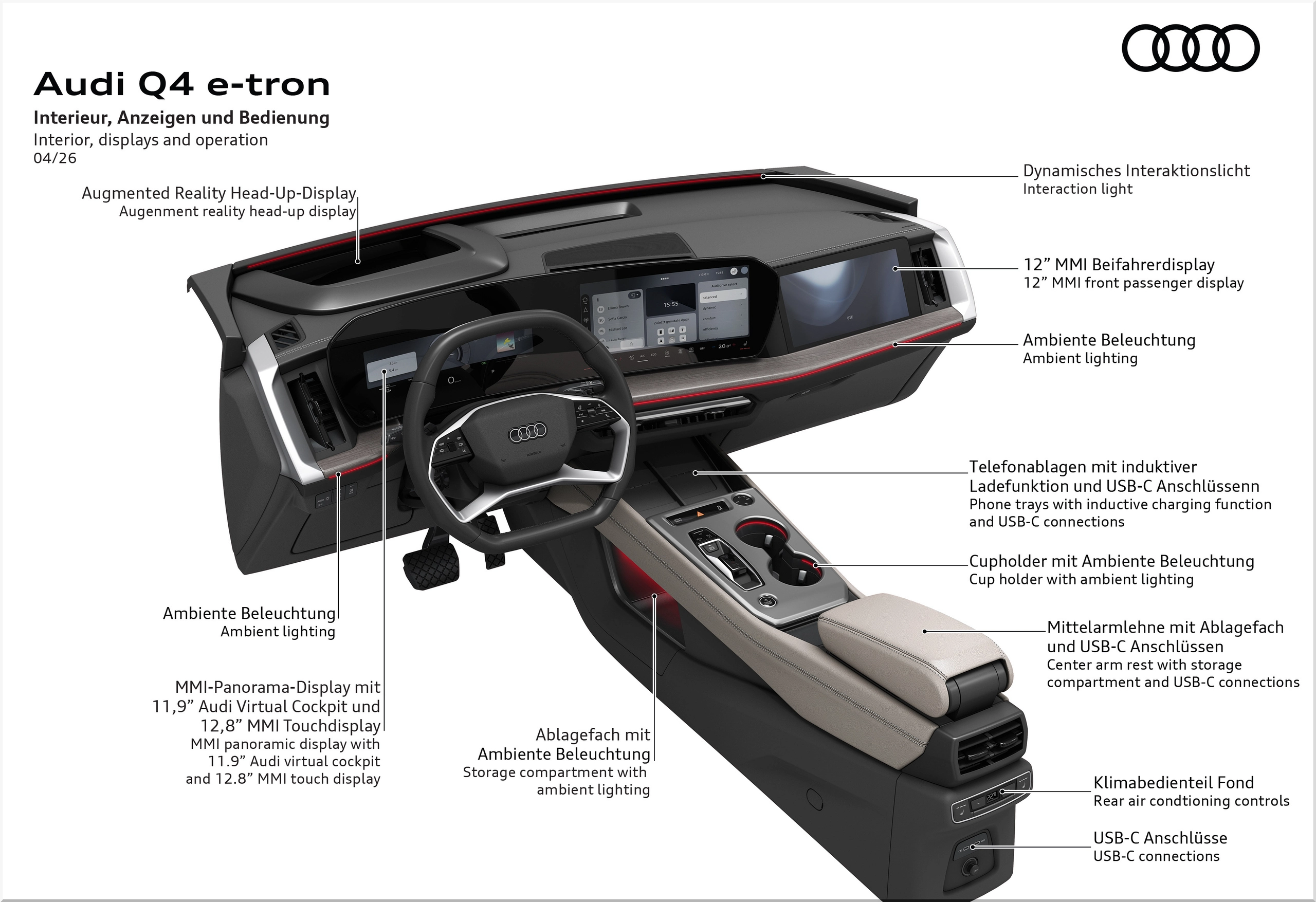
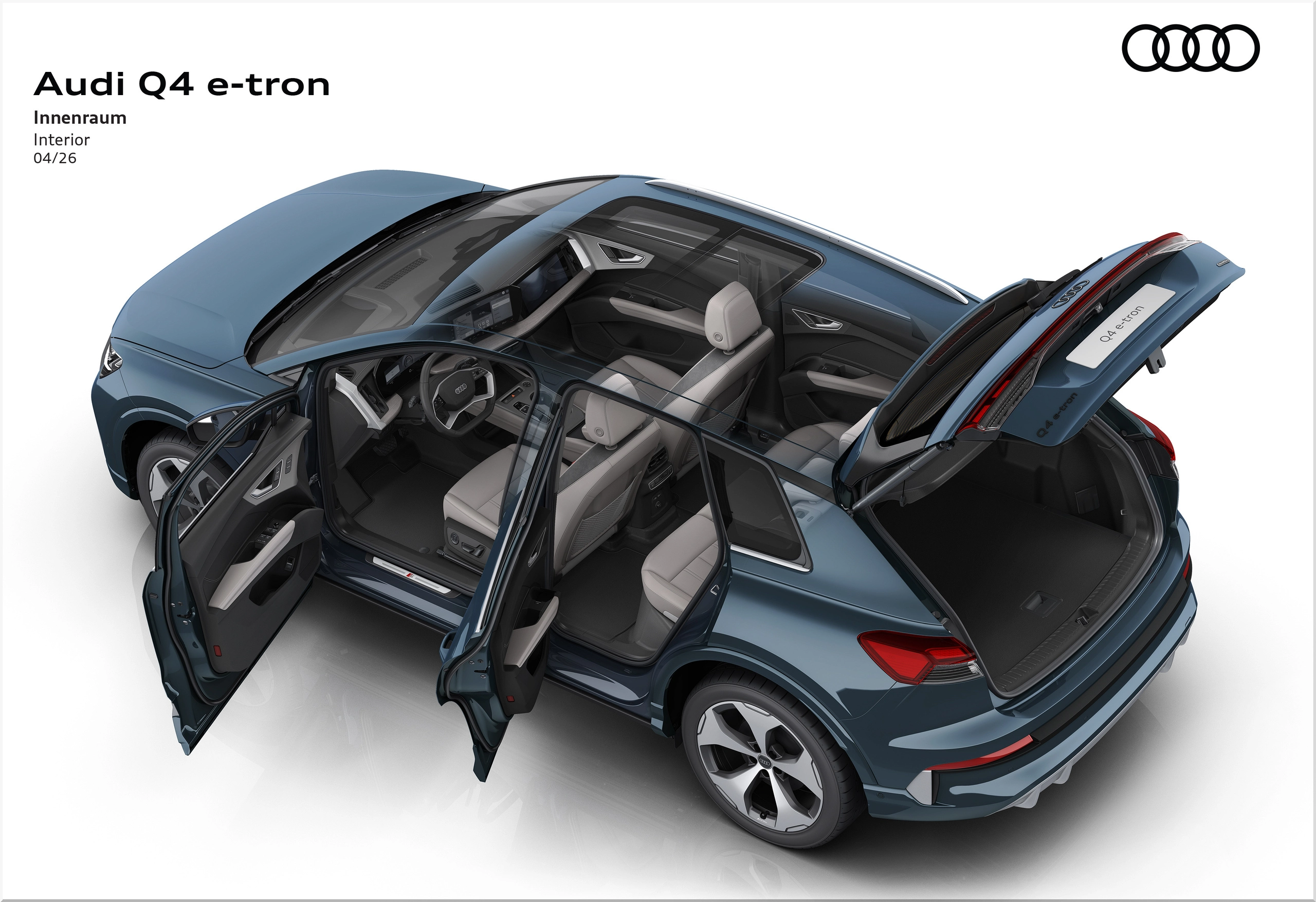
Audi redesigned the Q4 e-tron cabin around a new digital stage with an 11.9-inch instrument cluster and a 12.8-inch MMI touchscreen. The optional 12.0-inch passenger display adds a third screen, while the augmented-reality head-up display projects navigation and driver-assistance cues into the driver's field of view.
The cabin update fixes a perception problem. The previous Q4 e-tron delivered premium packaging, but parts of the interface felt closer to Volkswagen Group parts-bin logic than true Audi polish. The revised layout gives the car a wider dashboard, better screen integration, and more useful charging spaces for phones.
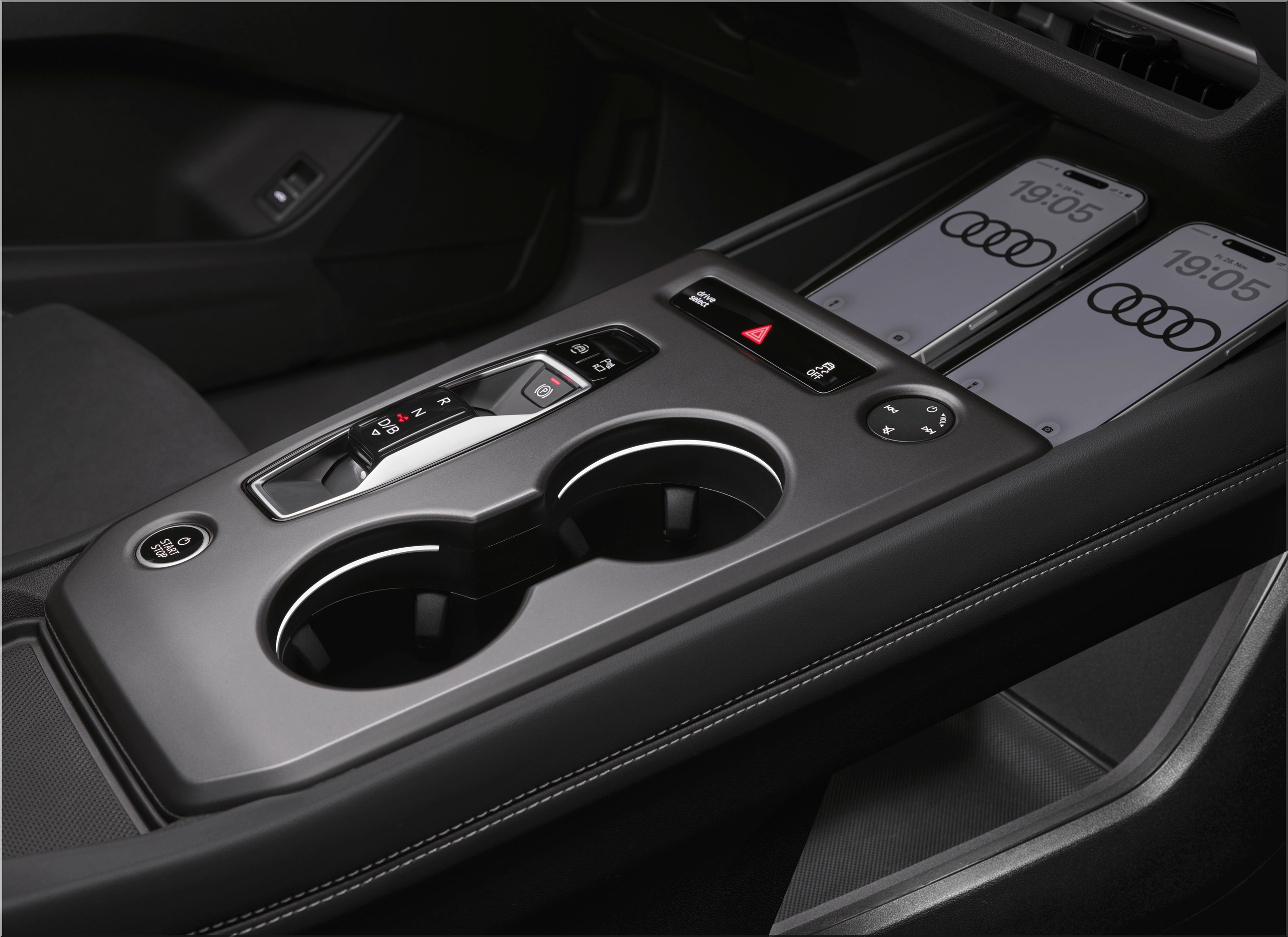
Specifically, Audi adds two cooled 15-watt wireless charging trays and two USB-C ports under the center armrest. Rear passengers can get two optional USB-C ports. That sounds minor until a family of four starts sharing a compact EV on a 300-mile weekend run.
The augmented-reality display projects key guidance roughly 10 meters, or about 33 feet, ahead of the driver for the main AR layer. The field of view for AR content spans about 70 inches diagonally from the driver's perspective. That setup can reduce missed turns when traffic, lane splits, and charging stops collide in real time.
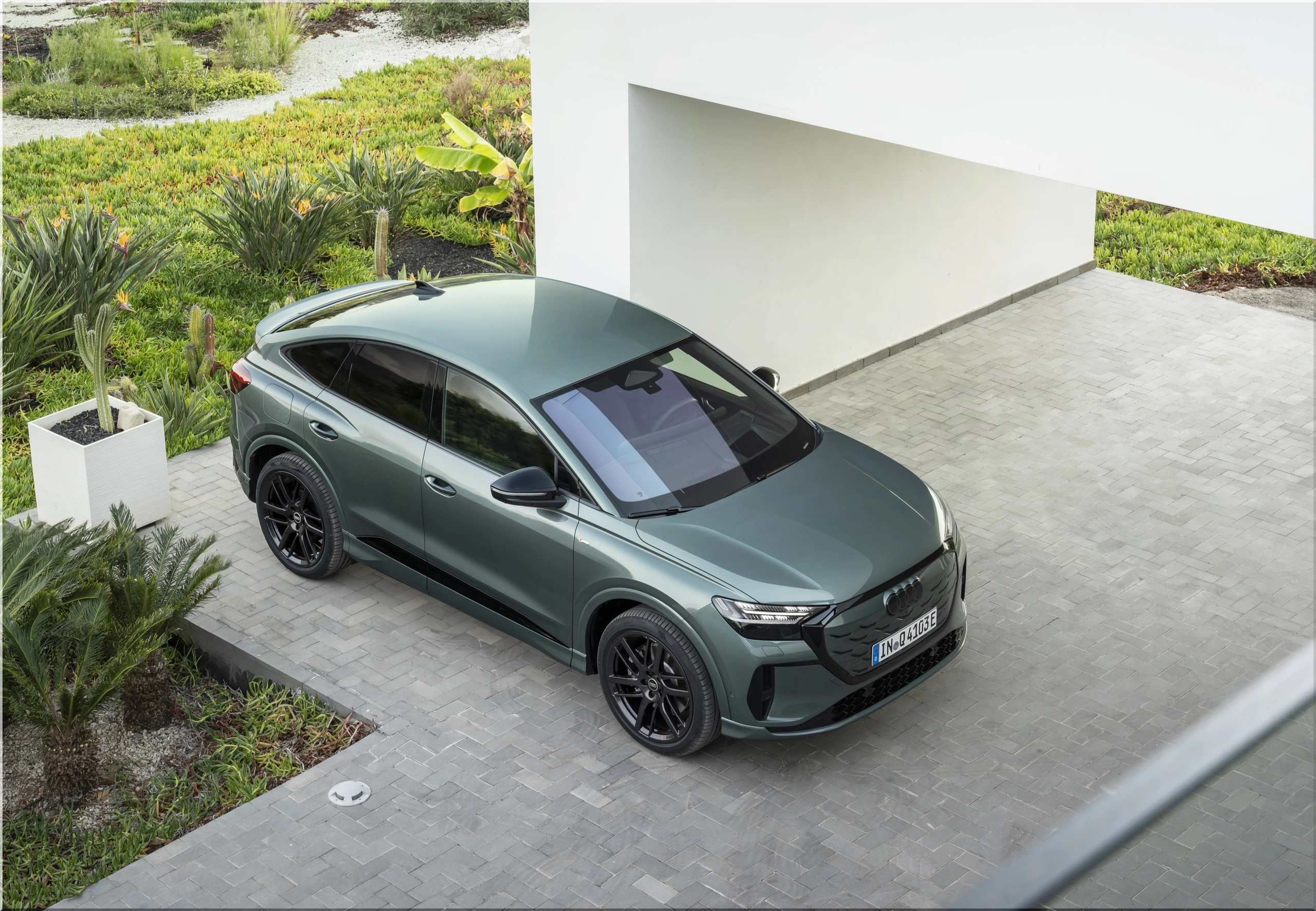
How does the exterior update improve the Q4 e-tron?
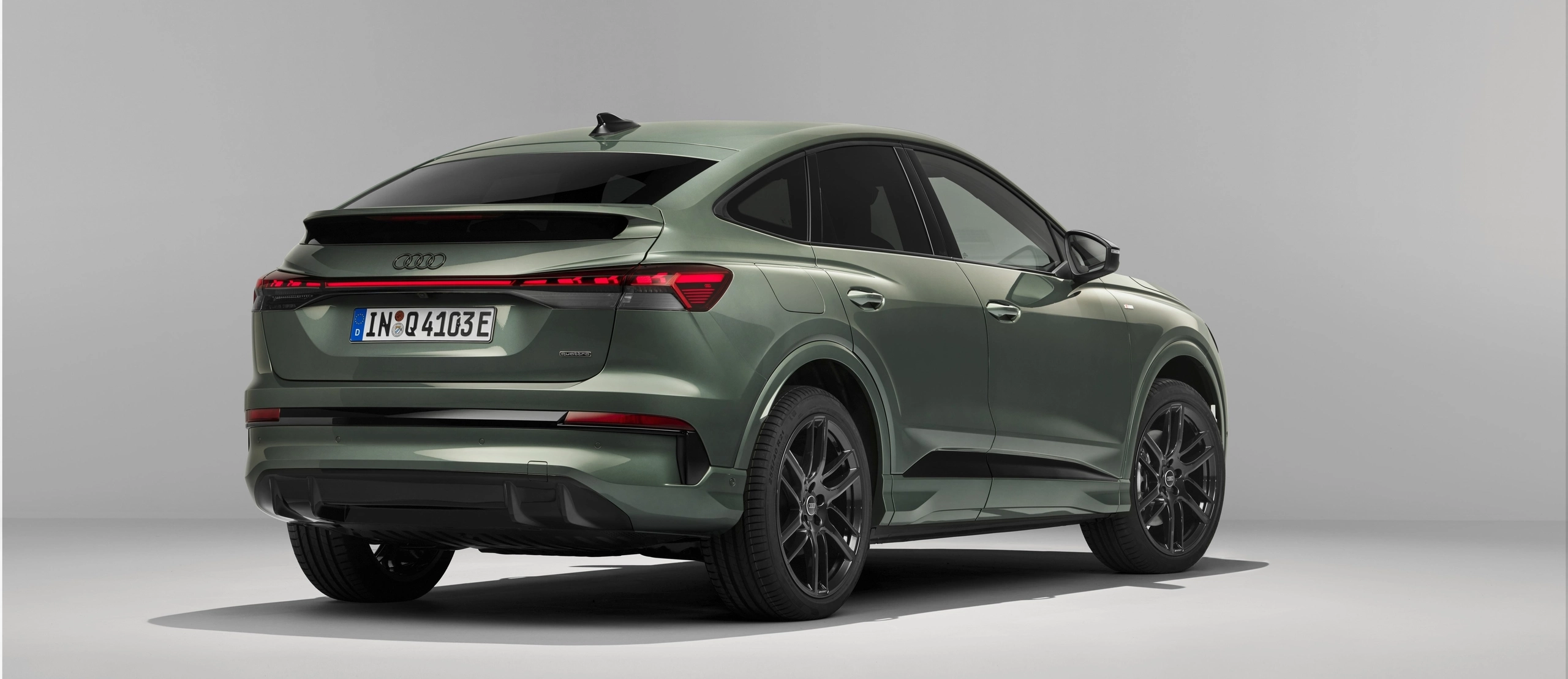
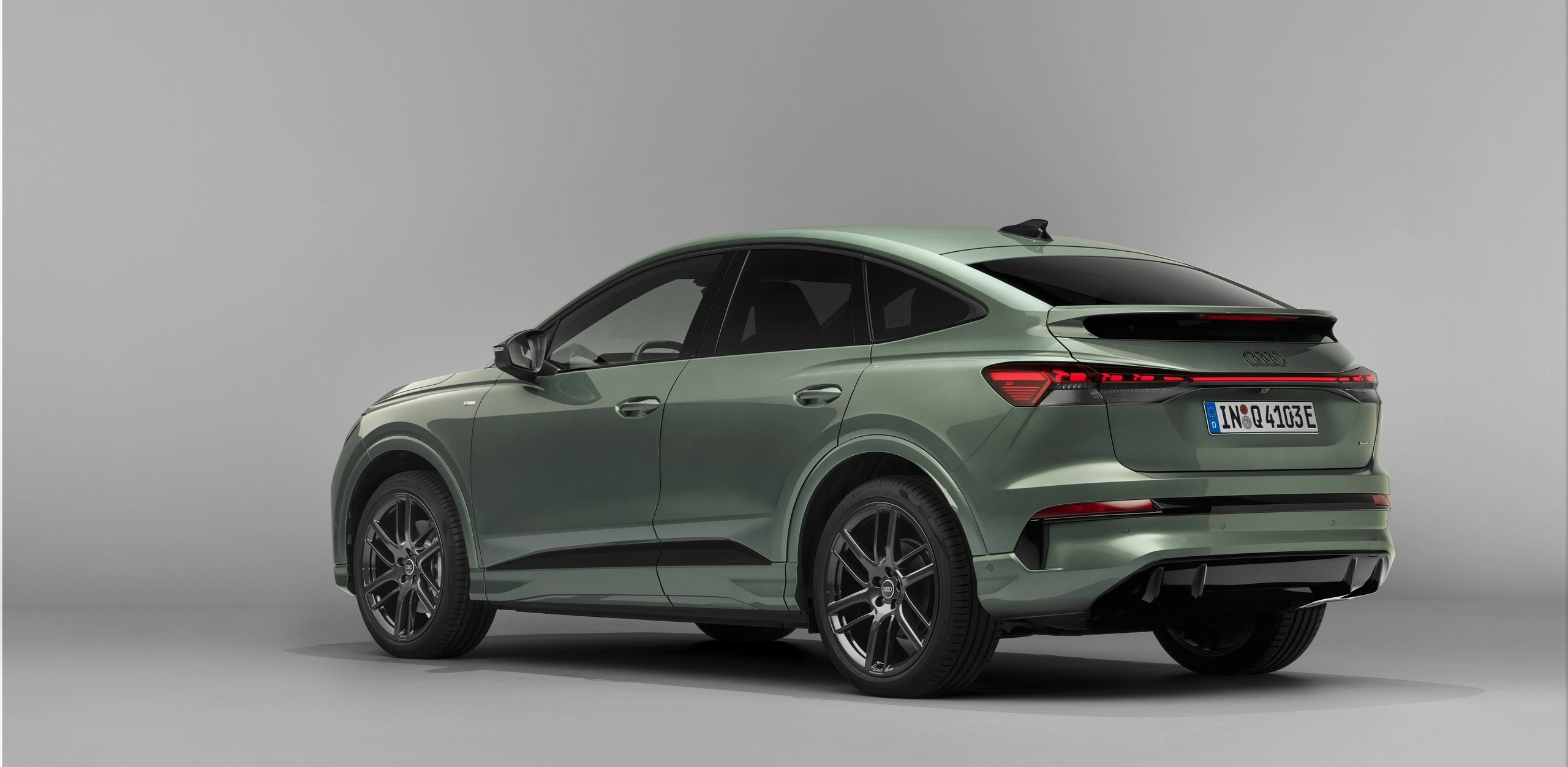
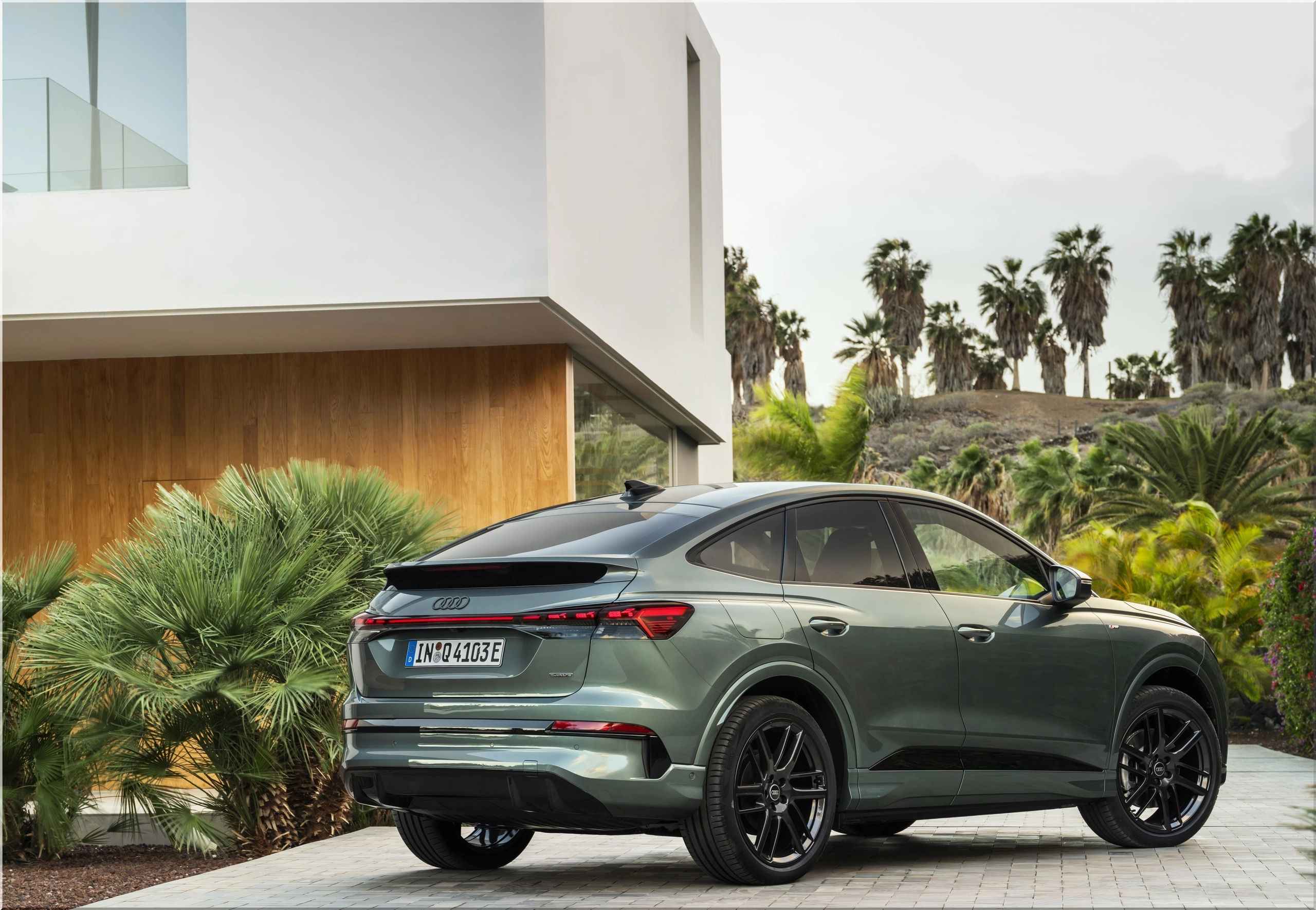
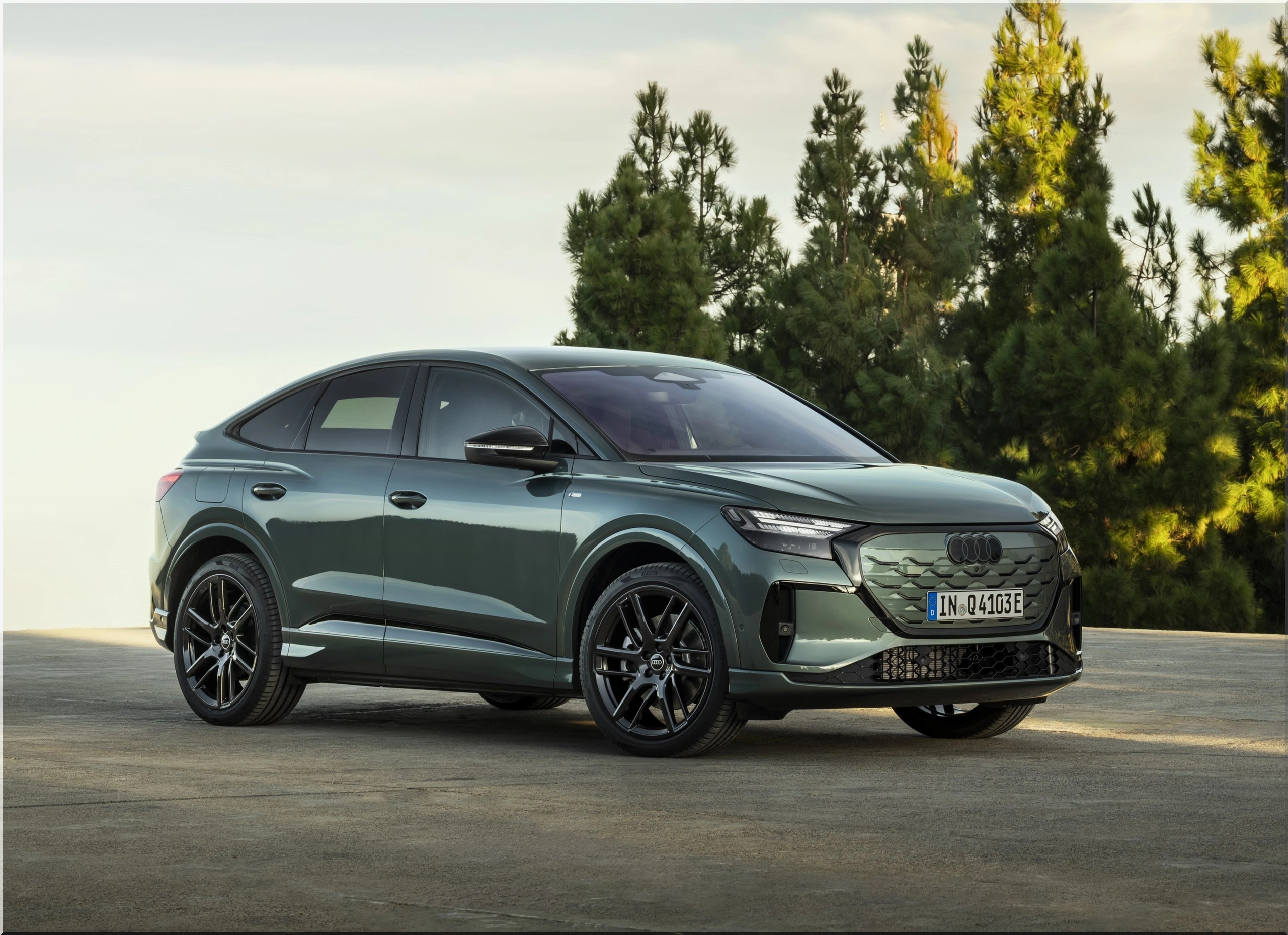
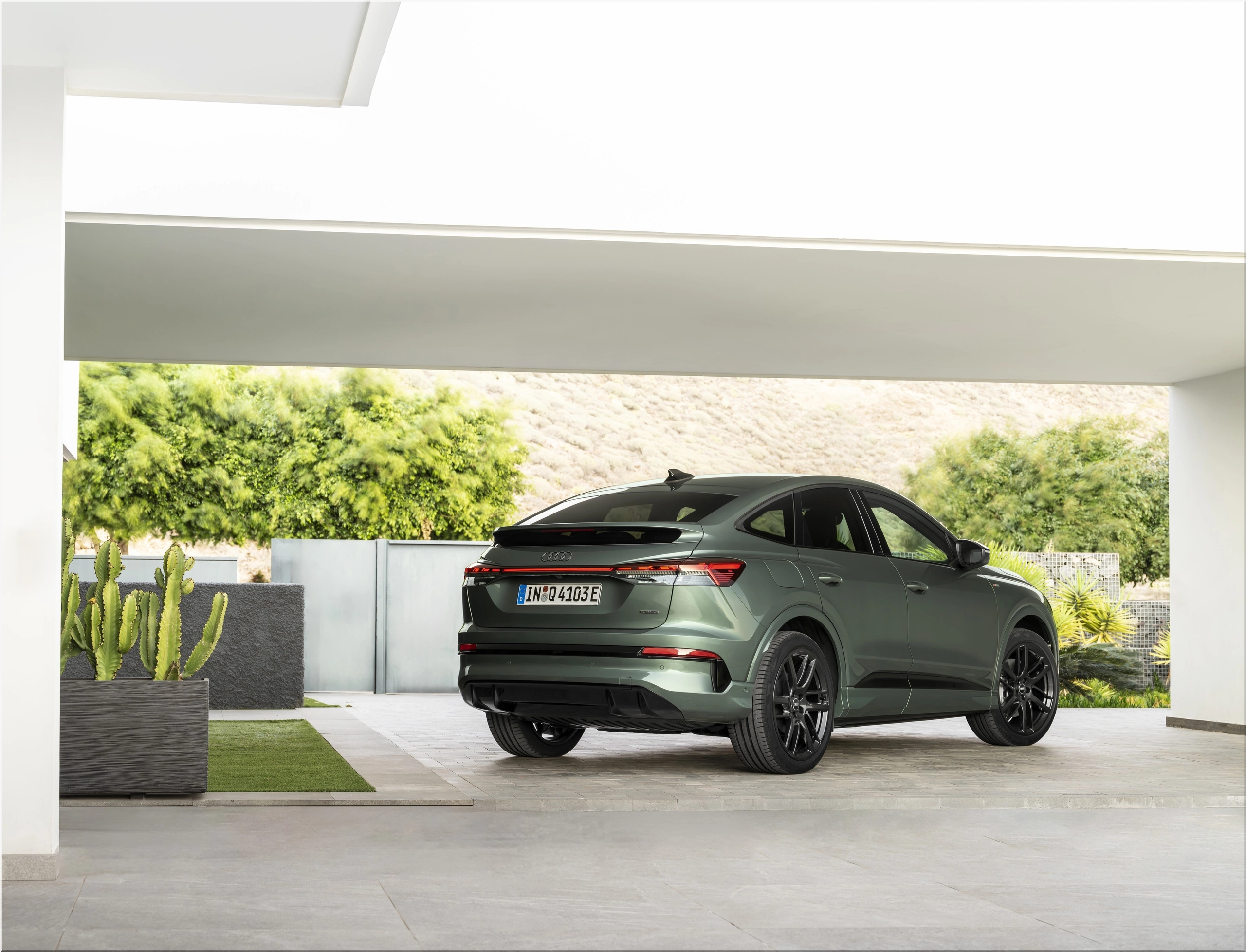
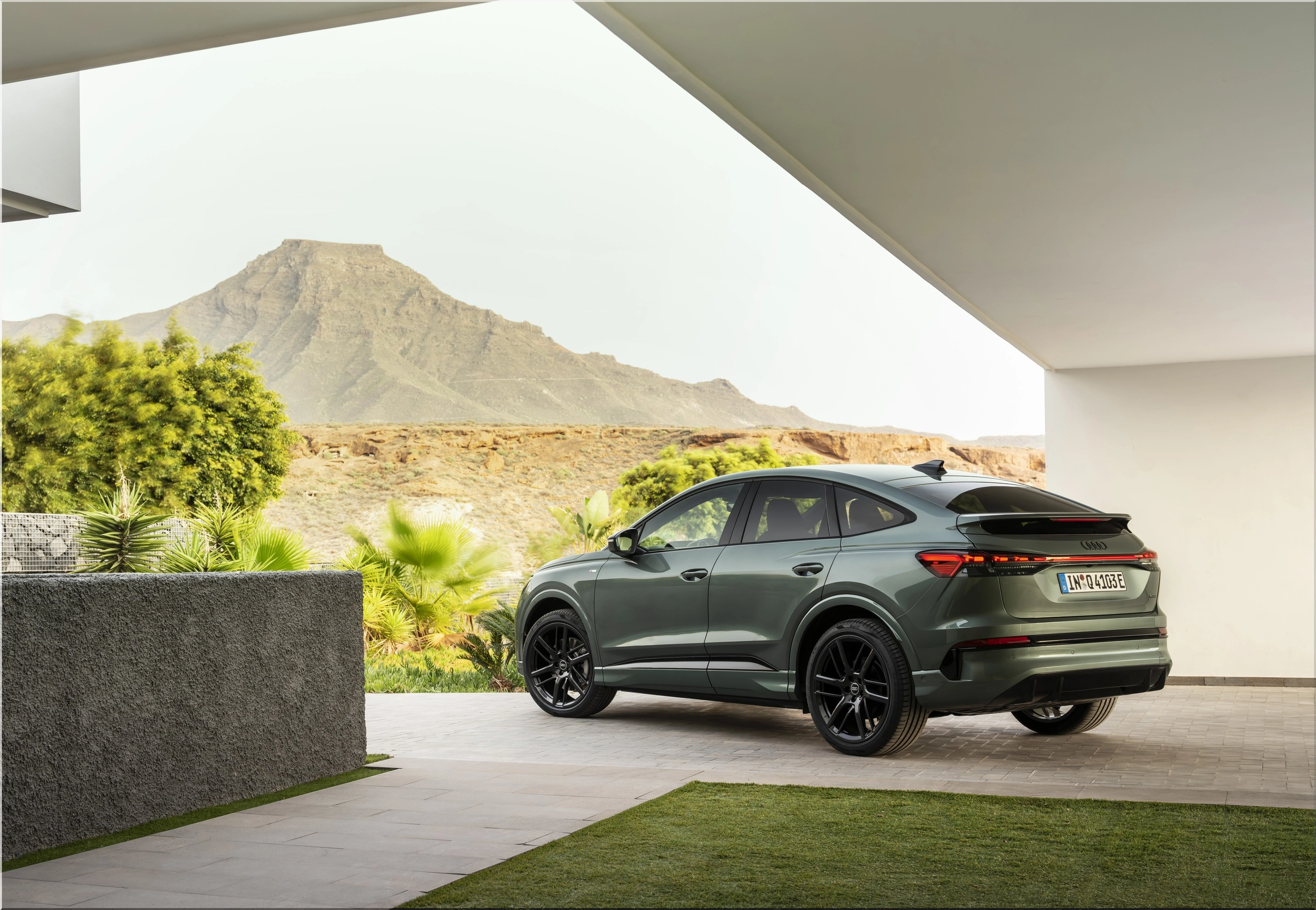
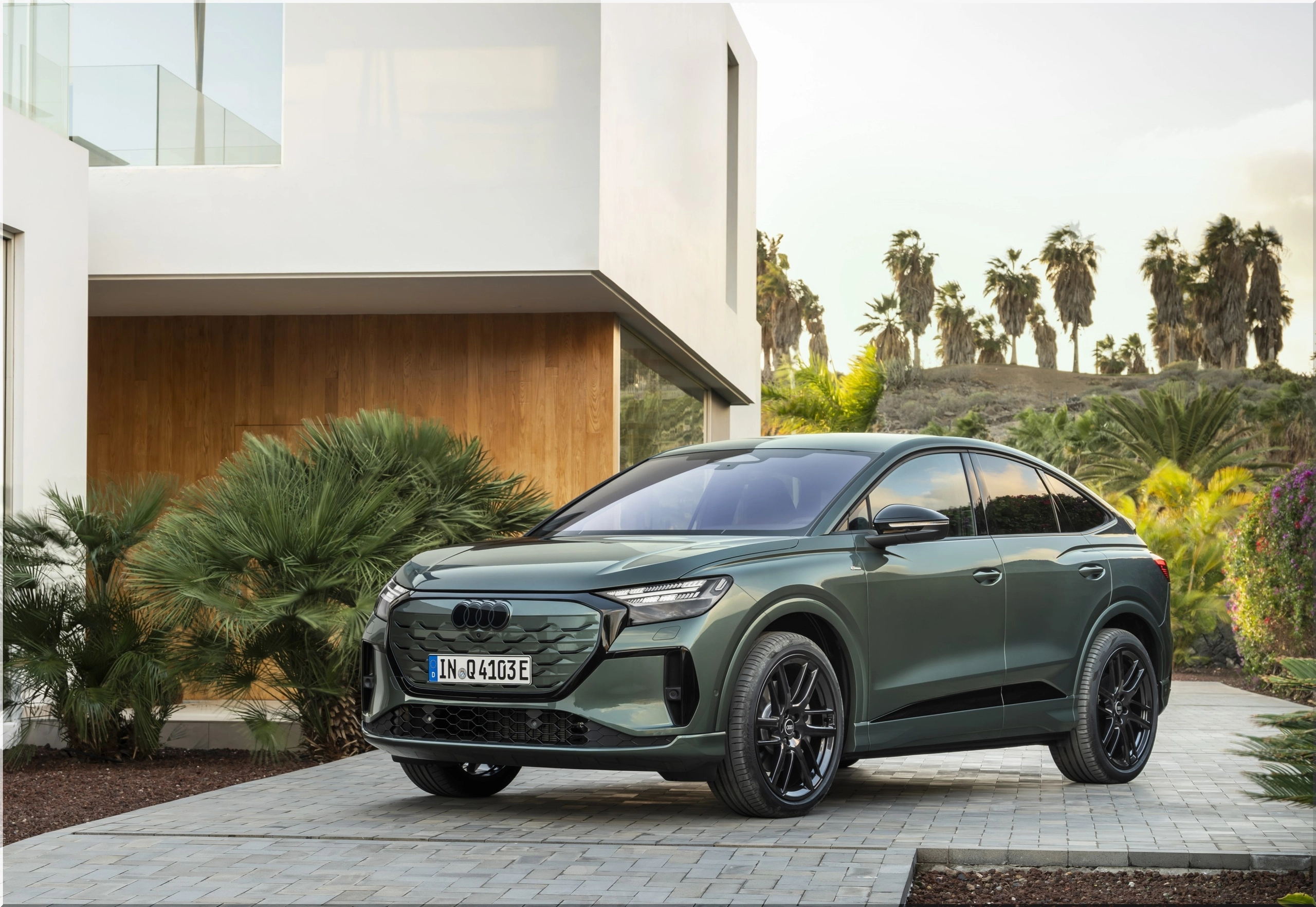
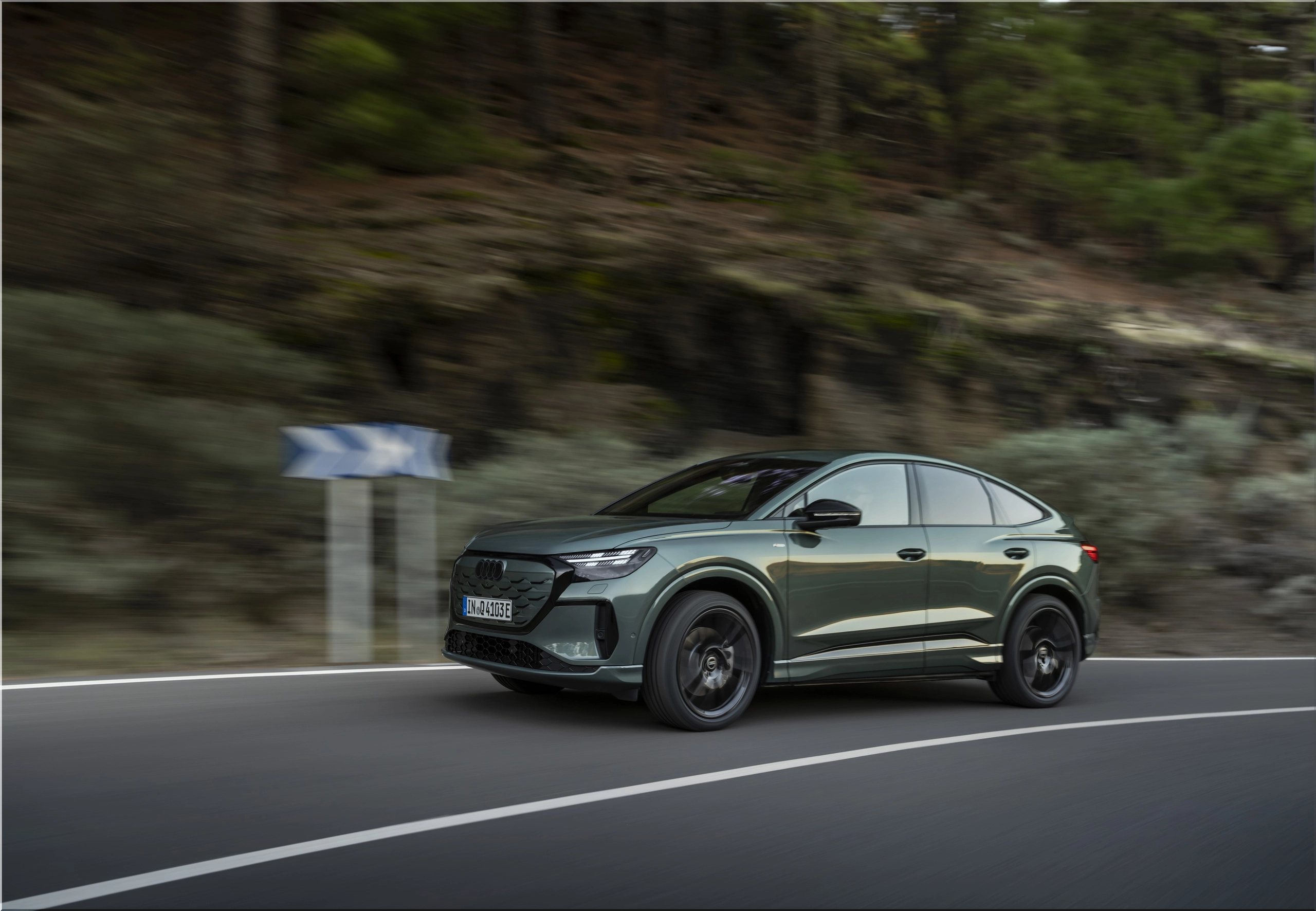
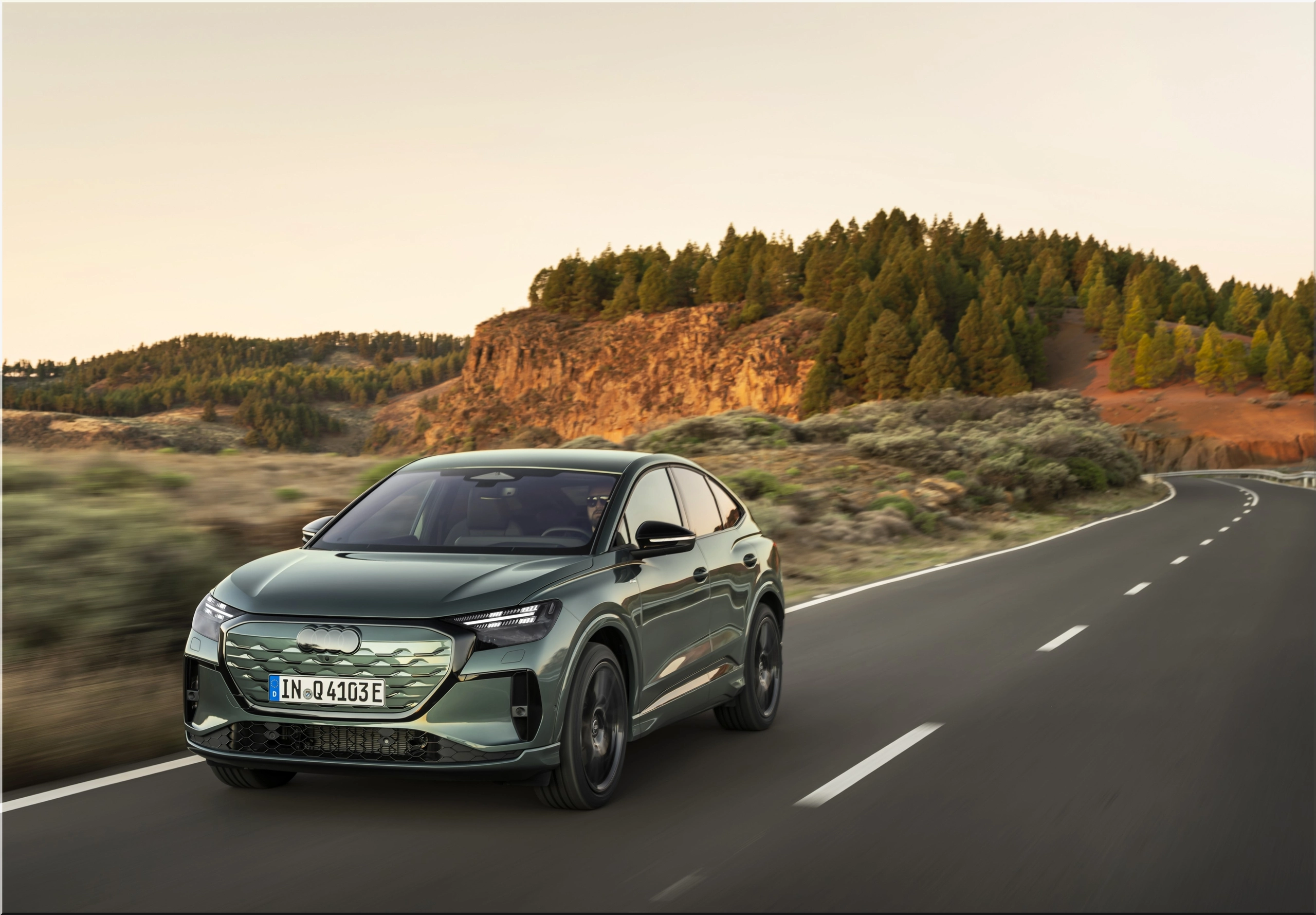
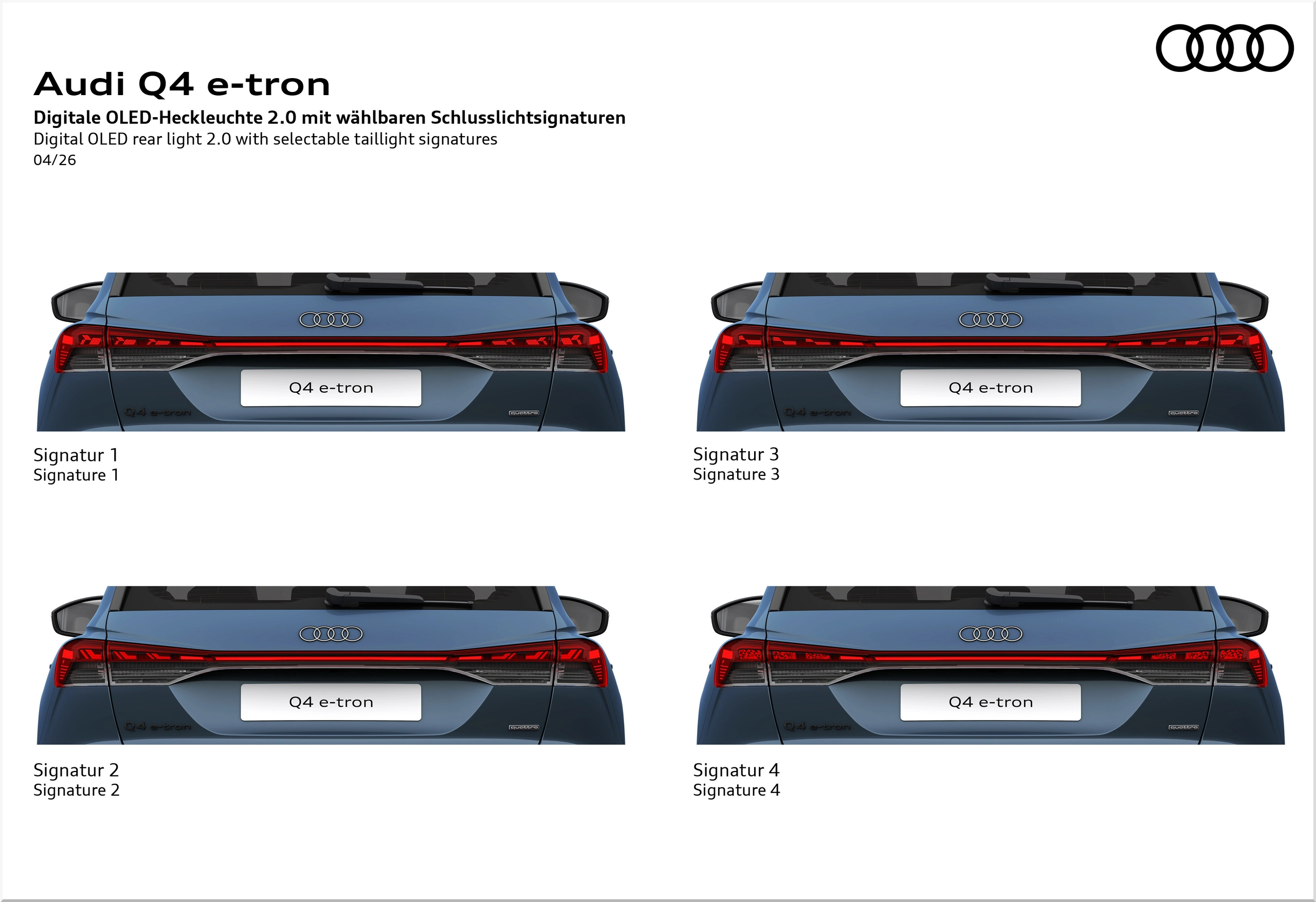
The exterior update gives the Q4 e-tron a cleaner front end, new light signatures, revised bumpers, functional air intakes, and second-generation digital OLED rear lights. The Singleframe now matches the body color, while S line versions add vertical blades in Selenite silver matte or high-gloss Mythos black with the black exterior package.
Audi also worked aero details into the redesign. Functional air intakes guide air around the front wheels, while the SUV gains a new rear spoiler and diffuser. The Sportback still carries the range advantage because its roofline cuts drag more effectively than the upright SUV tail.
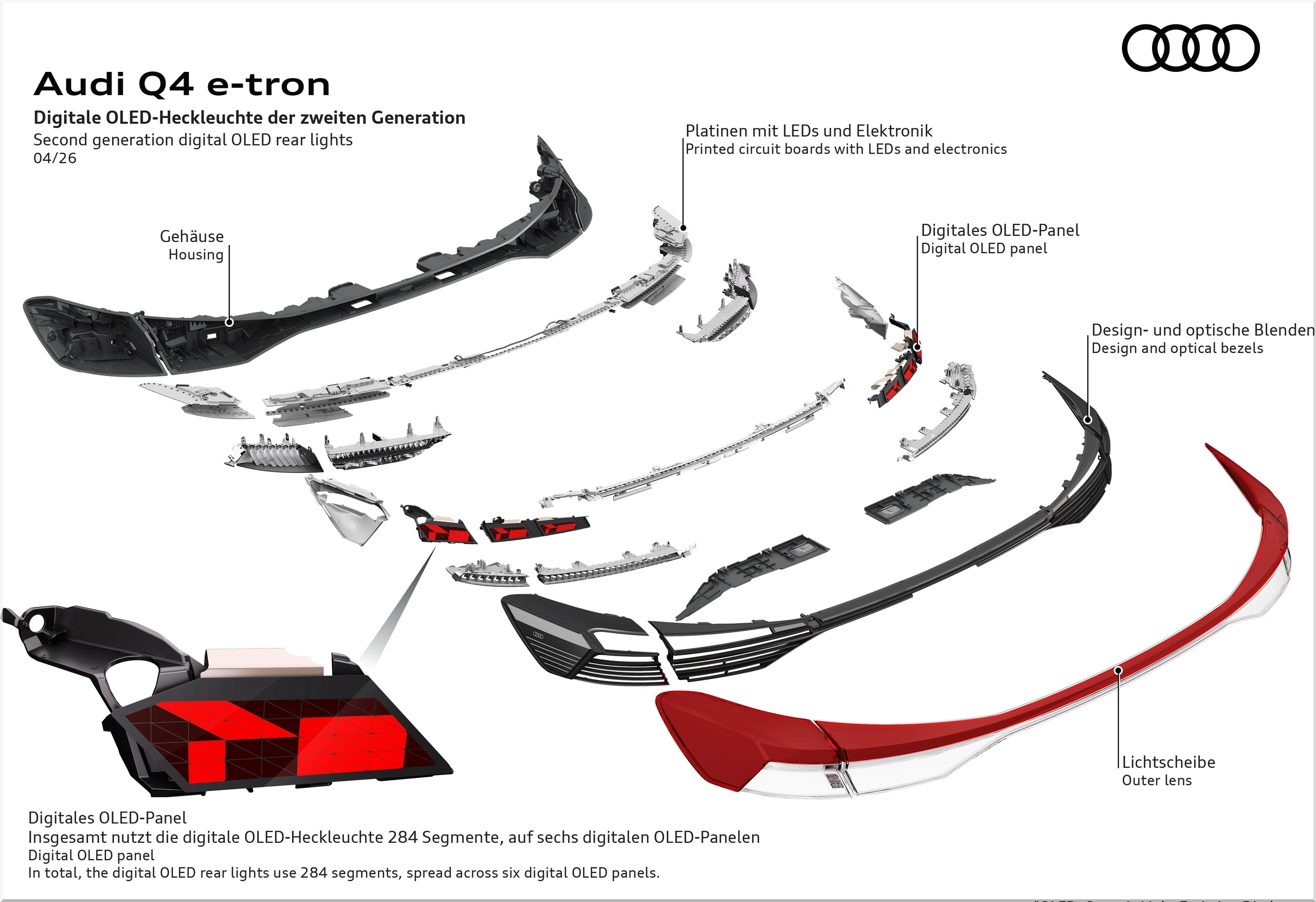
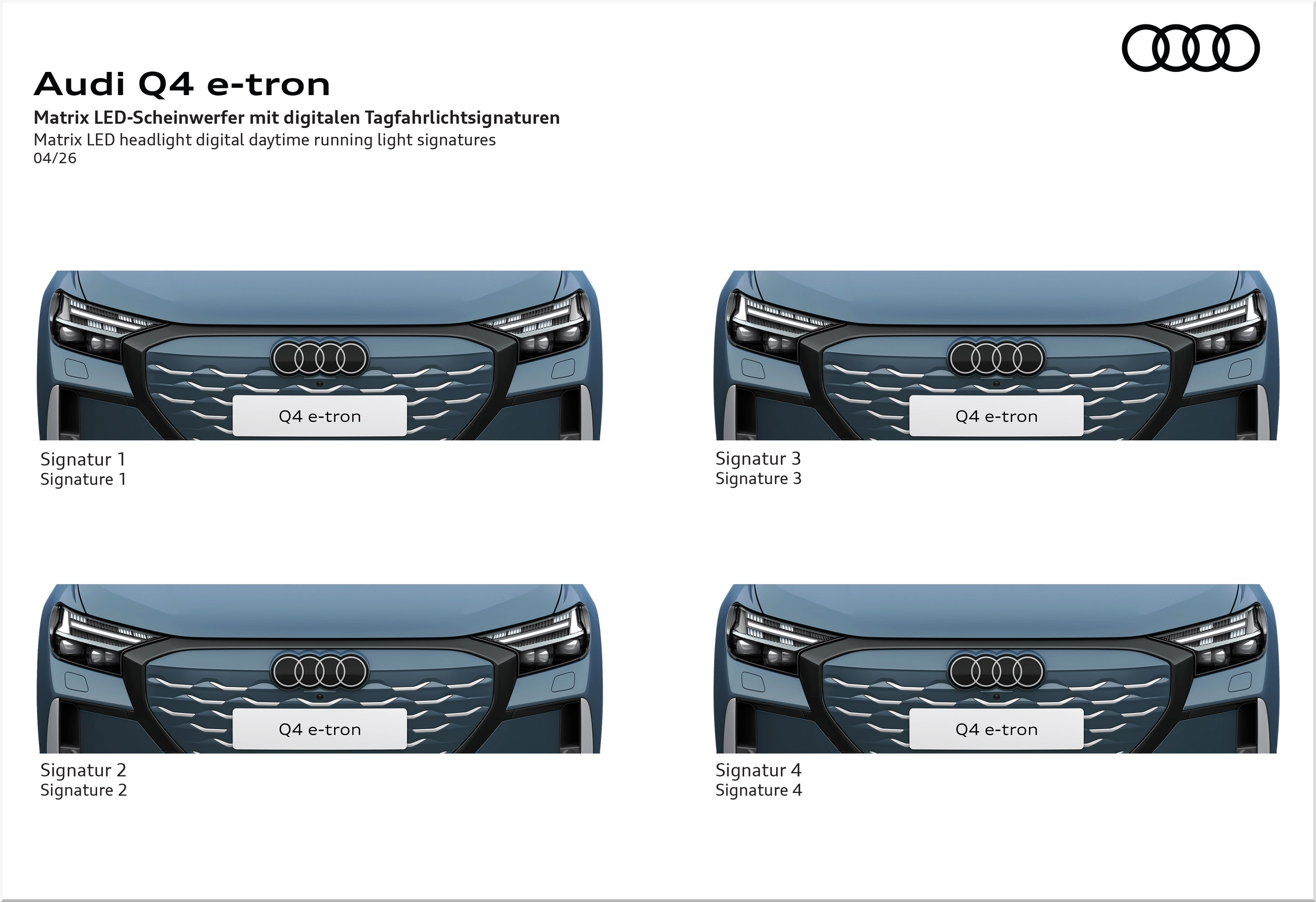
Lighting now carries more than styling value. Matrix LED headlights and digital OLED rear lights 2.0 allow four selectable light signatures at the top of the range. The rear OLED setup uses six panels and 284 segments, and proximity lighting can warn following traffic when another vehicle comes too close to a stationary Q4 e-tron.
How much does the upgraded Audi Q4 e-tron cost?
In Germany, the upgraded Audi Q4 SUV e-tron starts at 47,500 euros, which converts to about $55,584. The SUV quattro versions cost 55,900 euros and 59,000 euros, or about $65,414 and $69,042. The Sportback body adds 1,950 euros, or about $2,282.
| European price item | Euro price | Approx. USD conversion |
|---|---|---|
| Audi Q4 SUV e-tron base, 63 kWh gross | 47,500 euros | $55,584 |
| Audi Q4 SUV e-tron quattro | 55,900 euros | $65,414 |
| Audi Q4 SUV e-tron quattro performance | 59,000 euros | $69,042 |
| Sportback body surcharge | 1,950 euros | $2,282 |
These are converted European prices, not confirmed U.S. MSRPs. Taxes, destination fees, equipment packs, certification rules, and market positioning can shift the final U.S. number. For context, current U.S.-market Q4 e-tron pricing already sits in premium compact SUV territory, so Audi needs the upgraded range and cabin tech to justify the spend against the Tesla Model Y, BMW iX1 and iX2 in Europe, Mercedes EQA and EQB in Europe, Volvo EX40, and Volkswagen ID.4.
Should buyers wait for the upgraded Q4 e-tron?
Buyers should wait for the upgraded Audi Q4 e-tron if they want better range, faster charging, bidirectional power, and a more modern cabin. Current Q4 e-tron discounts may still make sense for lease shoppers, but the upgrade brings enough hardware change to make patience rational for long-term owners.
The strongest case favors the rear-drive performance versions. They deliver the best range, a big jump in torque, and lower complexity than the quattro cars. The quattro performance version makes sense for snowbelt drivers, frequent mountain trips, or buyers who value acceleration and traction more than maximum range.
What now?
Choose the 2027 Audi Q4 Sportback e-tron performance if range ranks first. Choose the Q4 SUV e-tron quattro performance if traction, towing, and year-round stability rank higher. Skip the larger battery upsell only if your daily driving stays local and you can charge at home every night.
The no-BS verdict: Audi finally gave the Q4 e-tron the kind of technical polish it needed. The upgrade does not turn it into a bargain. It turns it into a more credible premium EV, and that difference matters in a segment where charging speed, real range, and cabin usability now decide the sale.

The new BMW X5 moves into its fifth generation with a rare powertrain spread: gasoline mild hybrid, diesel mild hybrid, plug-in hybrid, full battery-electric BMW iX5, and a later hydrogen fuel-cell version. The headline spec… Continue reading
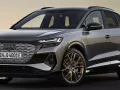
Announced almost a year ago and after an intense teasing campaign, Audi has officially launched the Q4 e-tron and Q4 e-tron Sportback electric SUVs. The drive portfolio for the Audi Q4 e-tron and Audi Q4 e-tron Sportback includes two… Continue reading
The Escalade IQL measures 228.5 inches in length, making it one of the longest production SUVs available. This extension of 4.2 inches over the standard Escalade IQ translates to enhanced interior… Continue reading
Klasse BMW iX3 Electric SUV The BMW iX3 50 xDrive is more than a model refresh. It is the first Neue Klasse SUV, built on a new platform, with new software, and a new battery system. Production begins in late… Continue reading