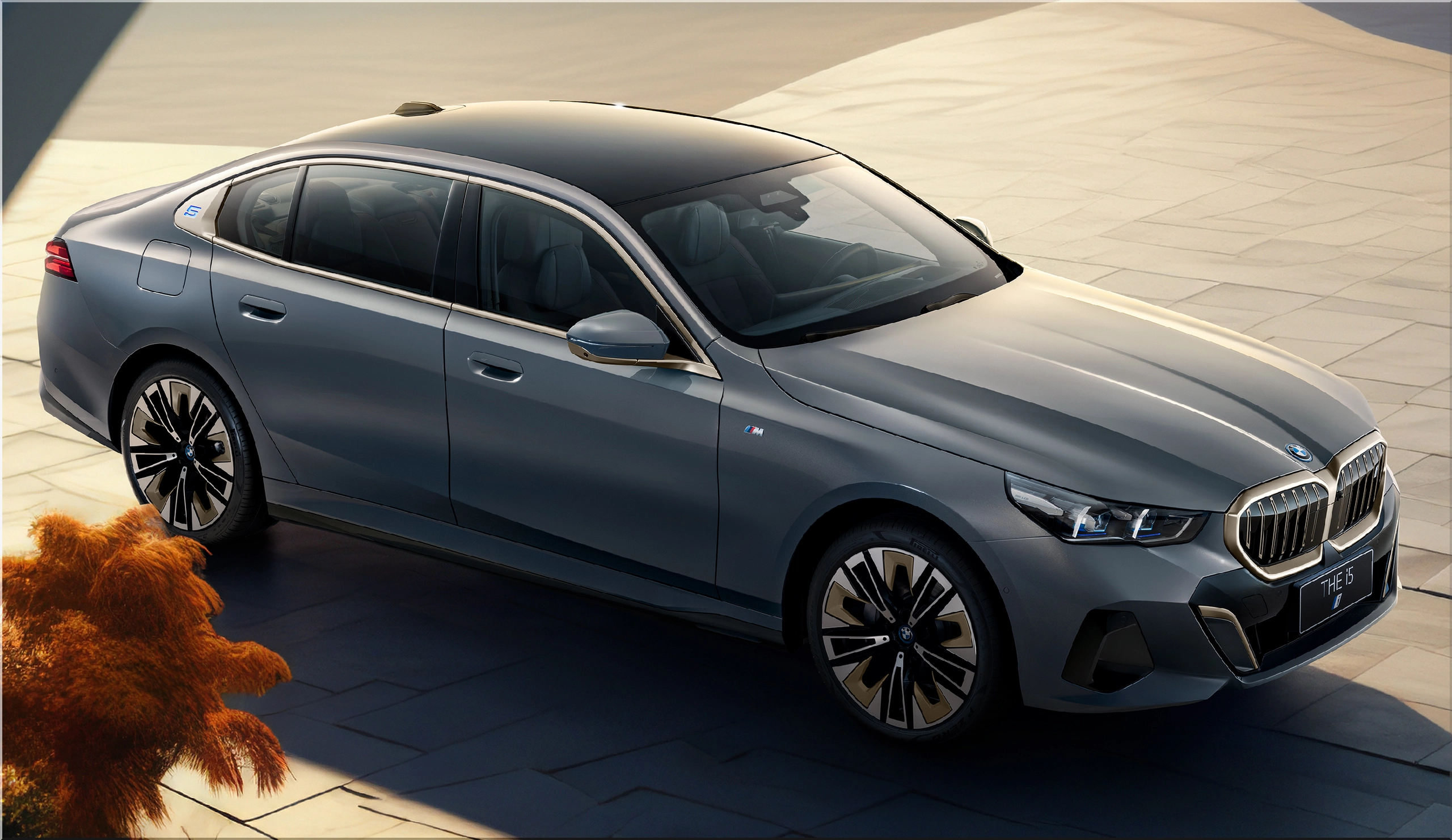
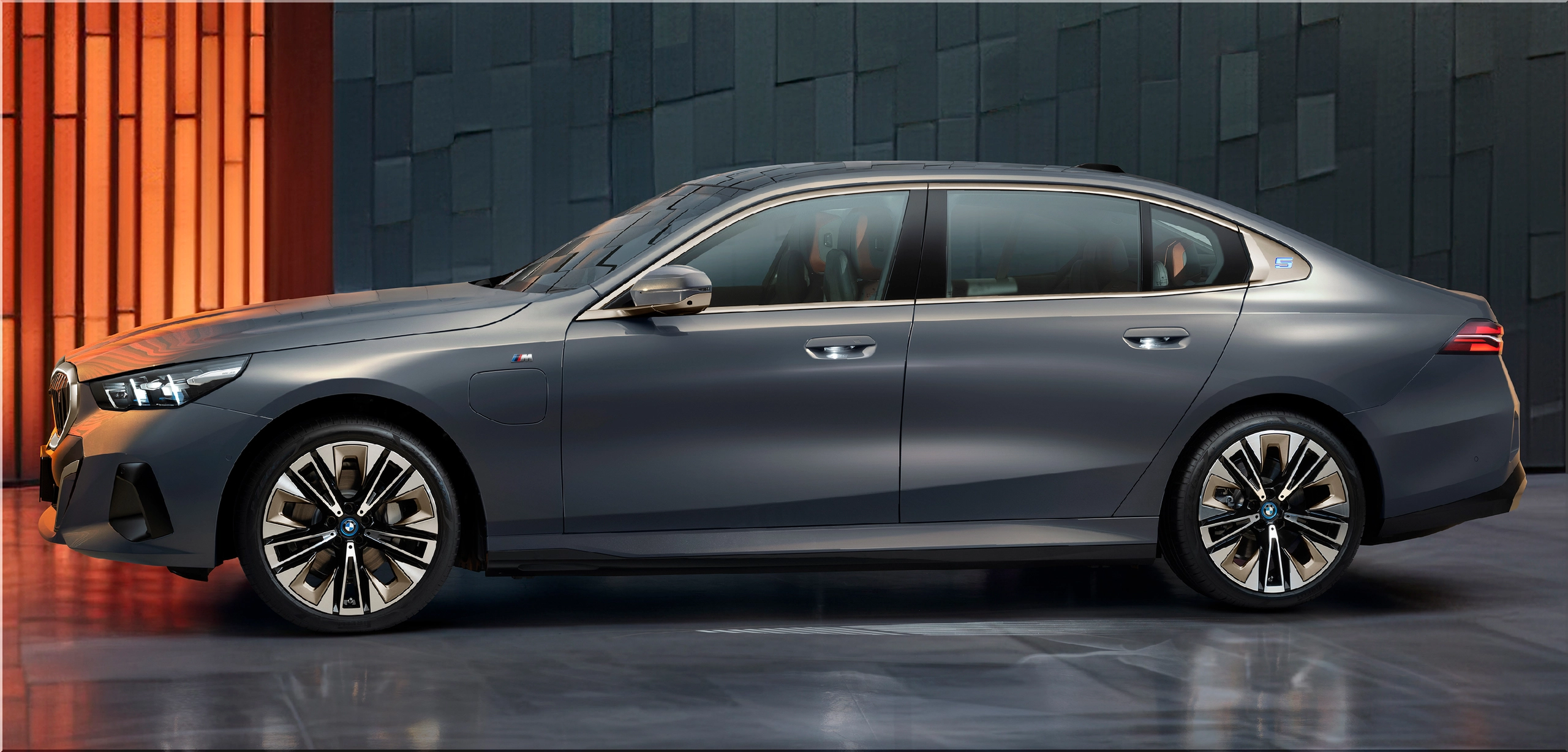
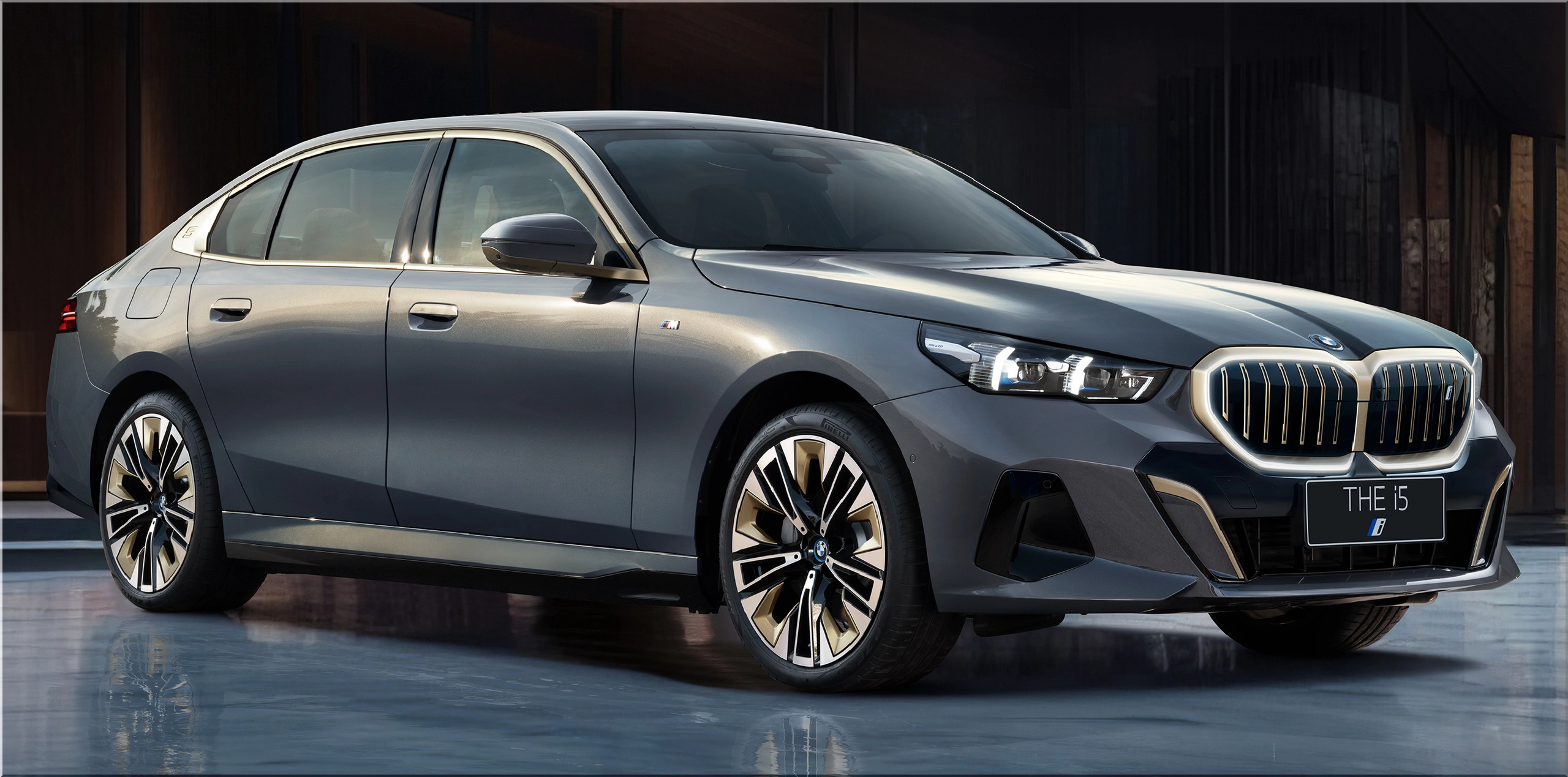
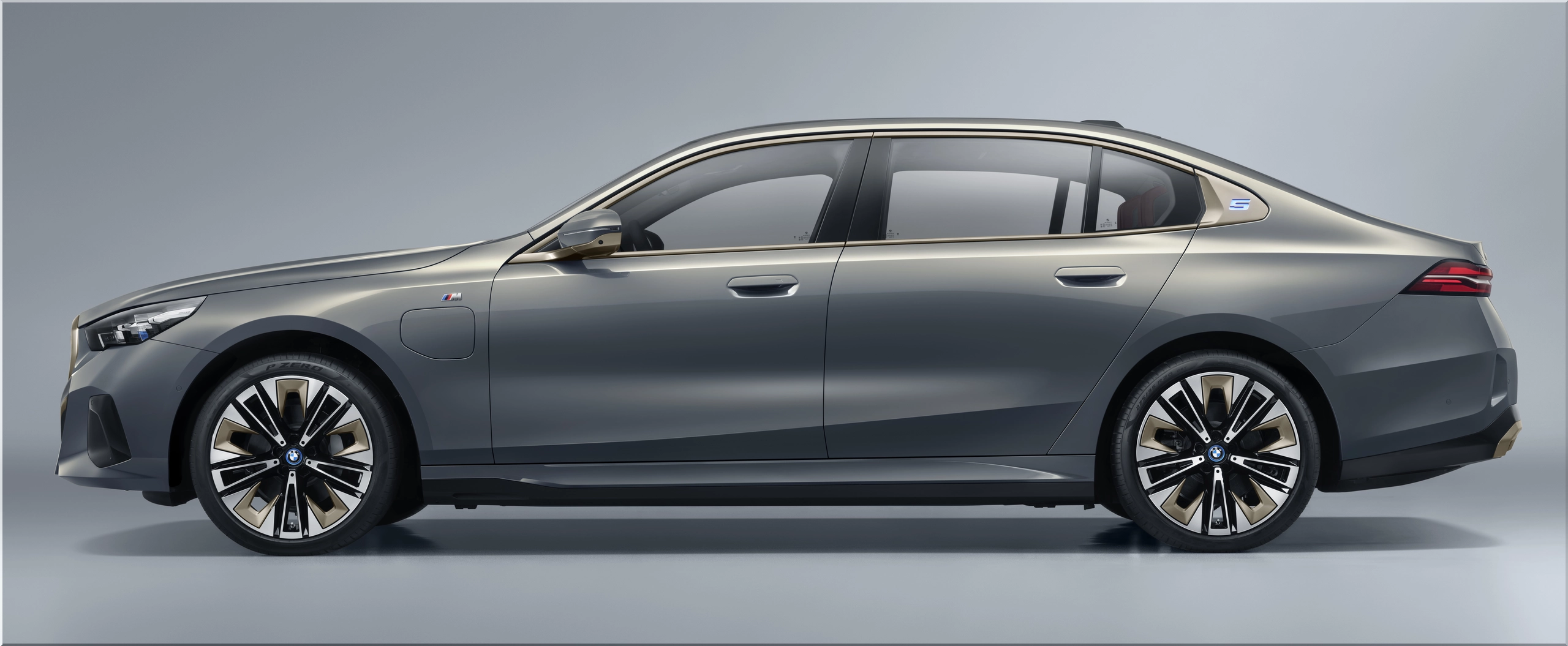
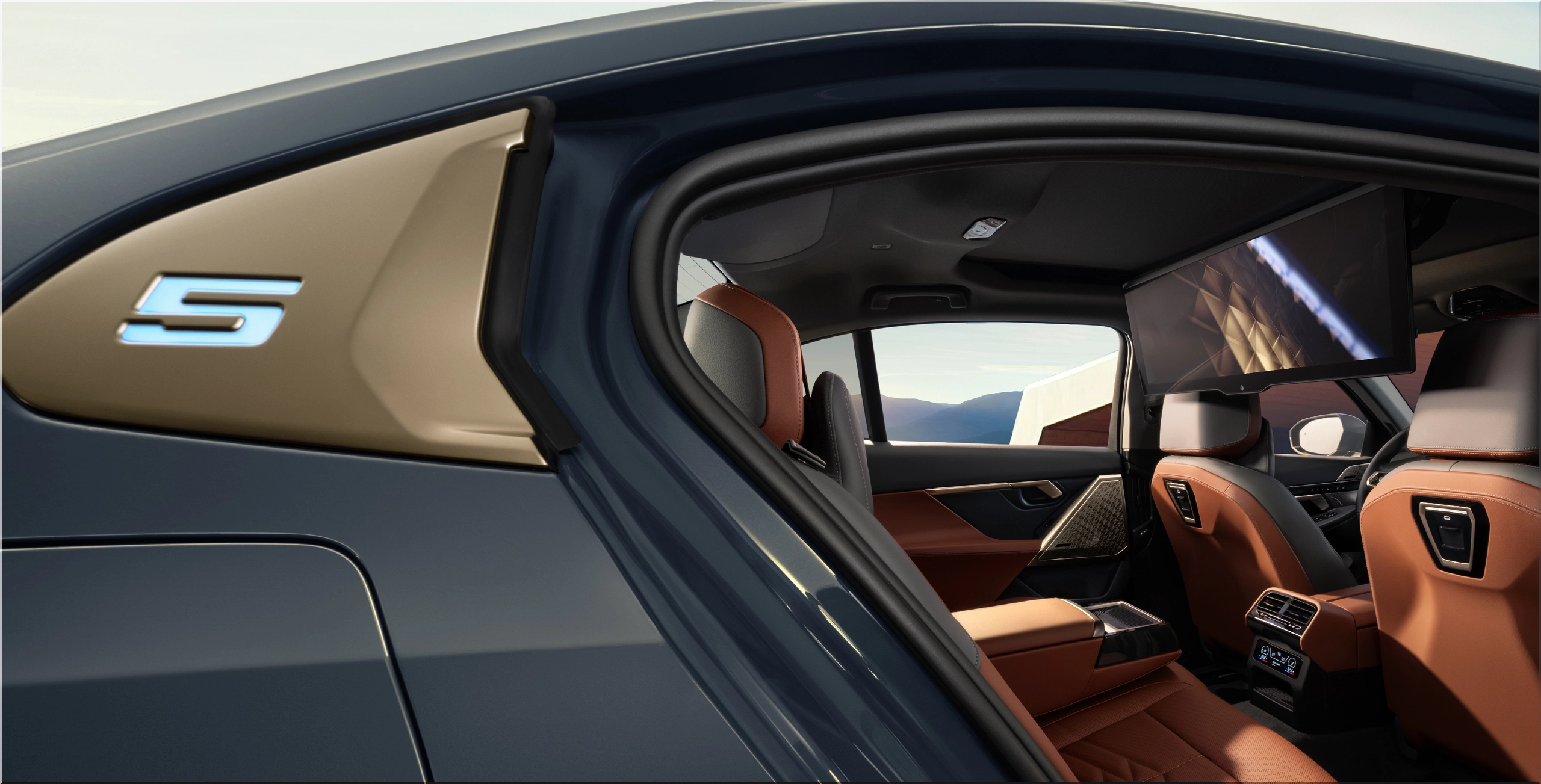
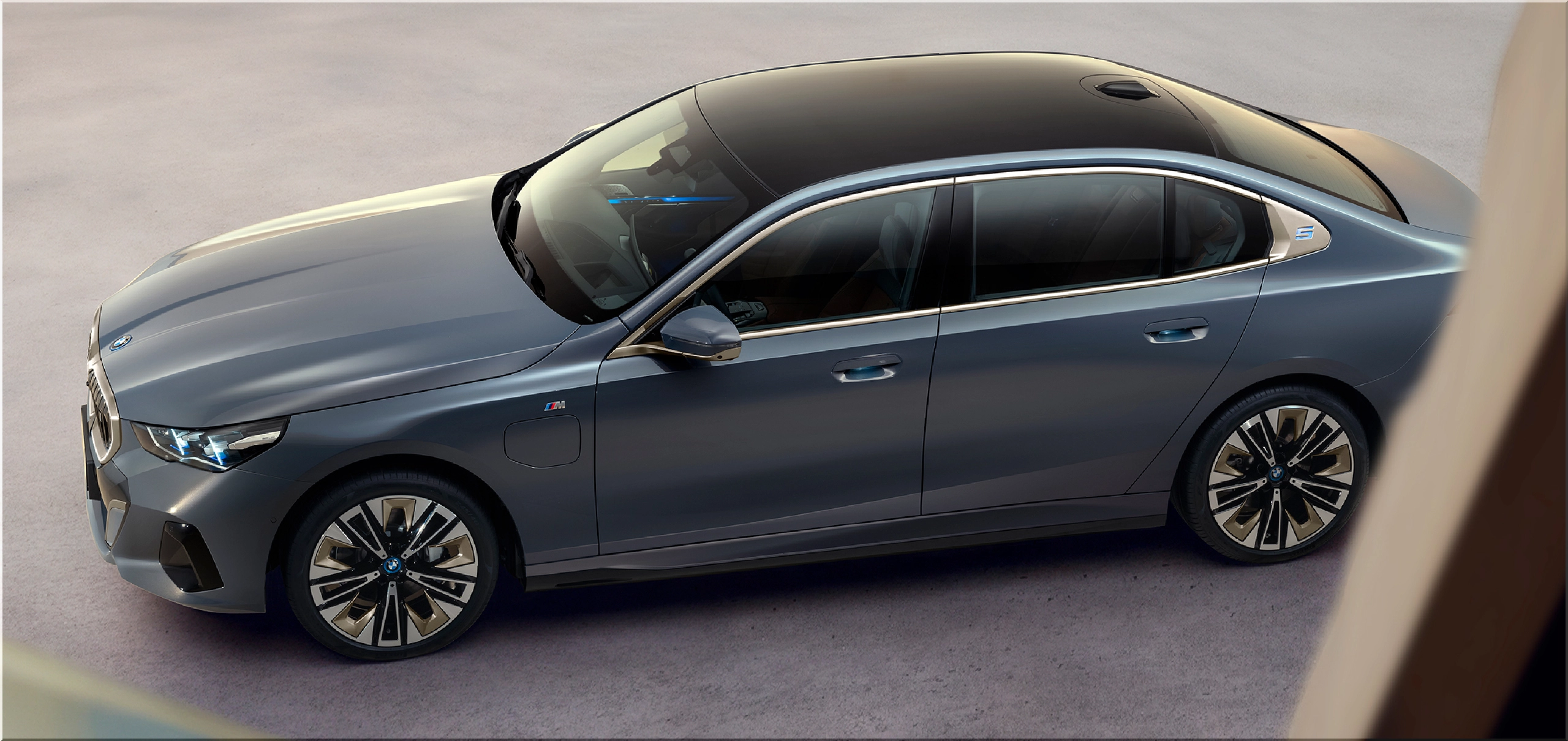
BMW has recently unveiled a special version of its 5 Series Sedan and the all-electric BMW i5 for the Chinese market. The new models are designed to cater to the preferences and needs of Chinese customers, who value spaciousness, luxury, and technology in their cars. The BMW i5 is also part of the German carmaker's ambitious plan to electrify its entire portfolio and compete with Tesla in the world's largest EV market.
What makes the BMW i5 different from other 5 Series models?
The BMW i5 electric sedan is based on the same platform as the regular 5 Series but has some distinctive features that set it apart. The most obvious one is the powertrain: the i5 is powered by a battery-electric drivetrain that delivers up to 536 hp and 795 Nm of torque. The battery capacity is not disclosed, but BMW claims that the i5 can travel up to 600 km on a single charge, according to the WLTP cycle.
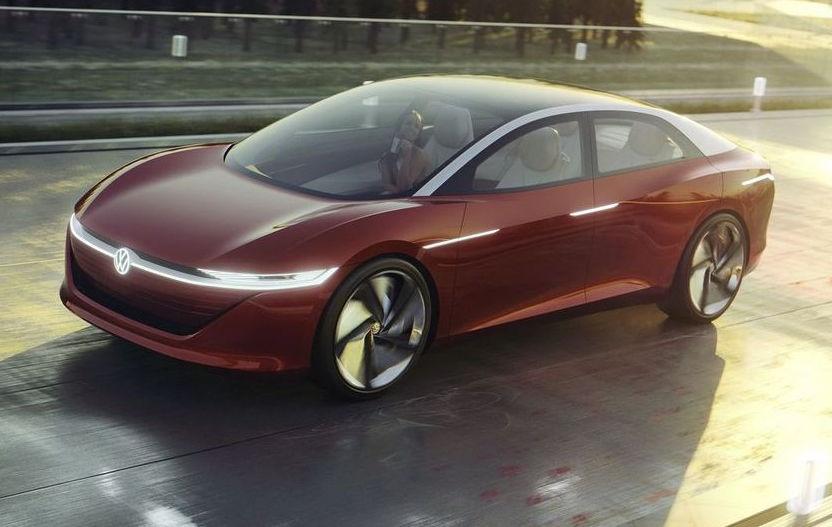
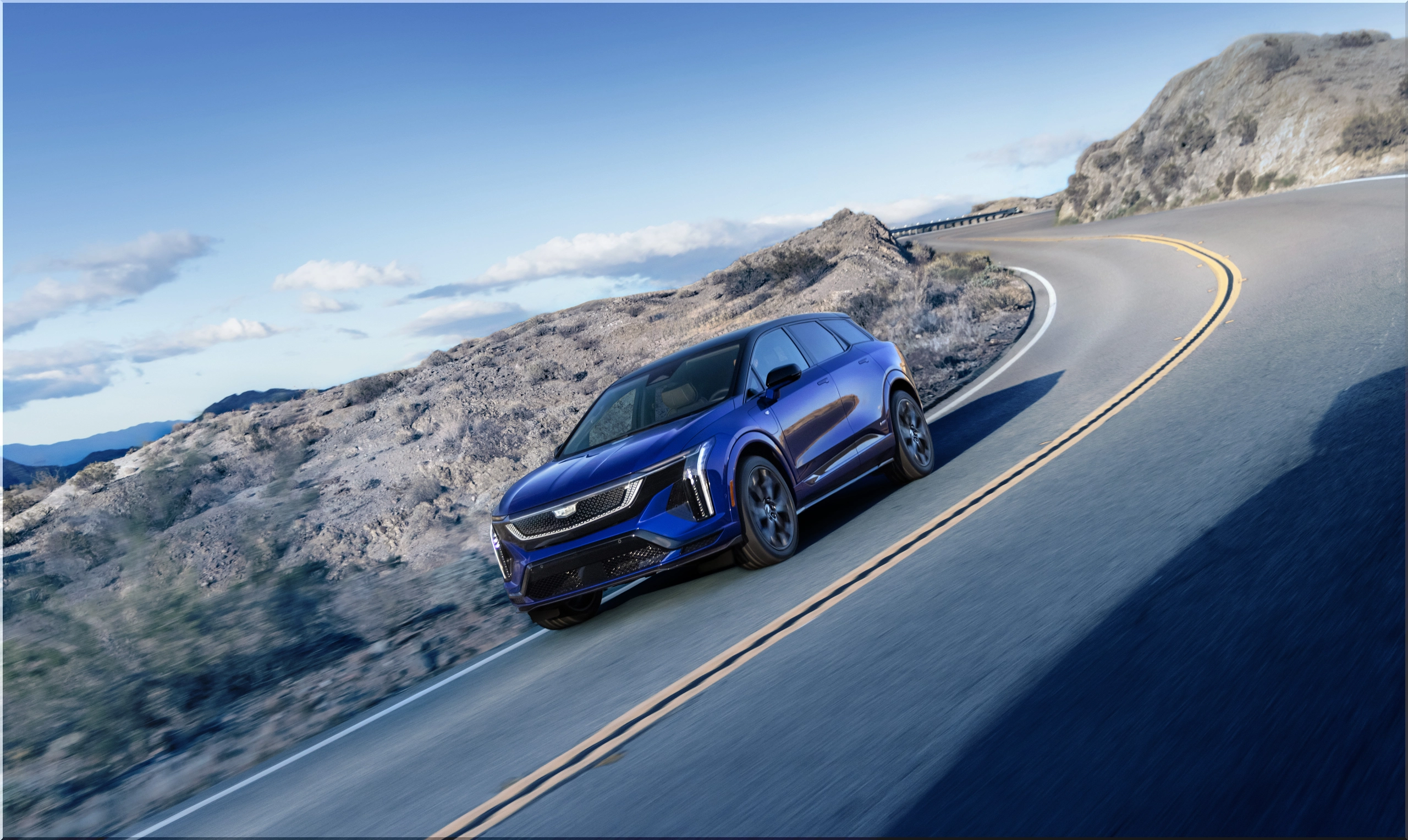
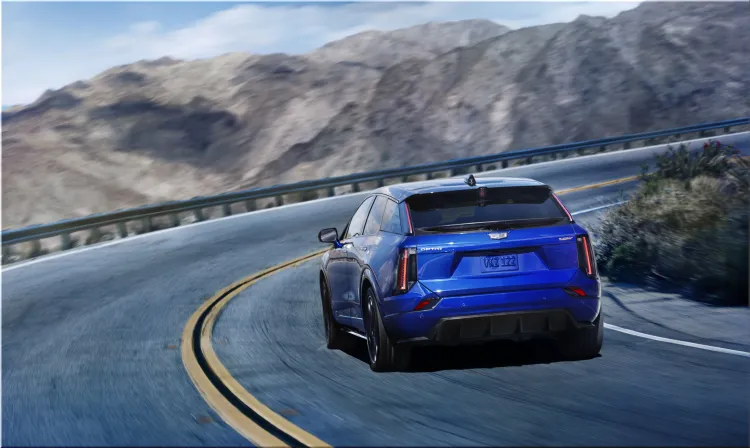
The BMW i5 also has a different design language than its combustion-engine siblings. The front fascia features a closed-off kidney grille outlined in gold accents, slim LED headlights, and a sculpted bumper. The side profile is sleek and aerodynamic, with flush door handles and a distinctive character line that runs along the lower part of the doors. The rear end is dominated by a full-width LED light bar connecting the taillights and a diffuser integrating the charging port.
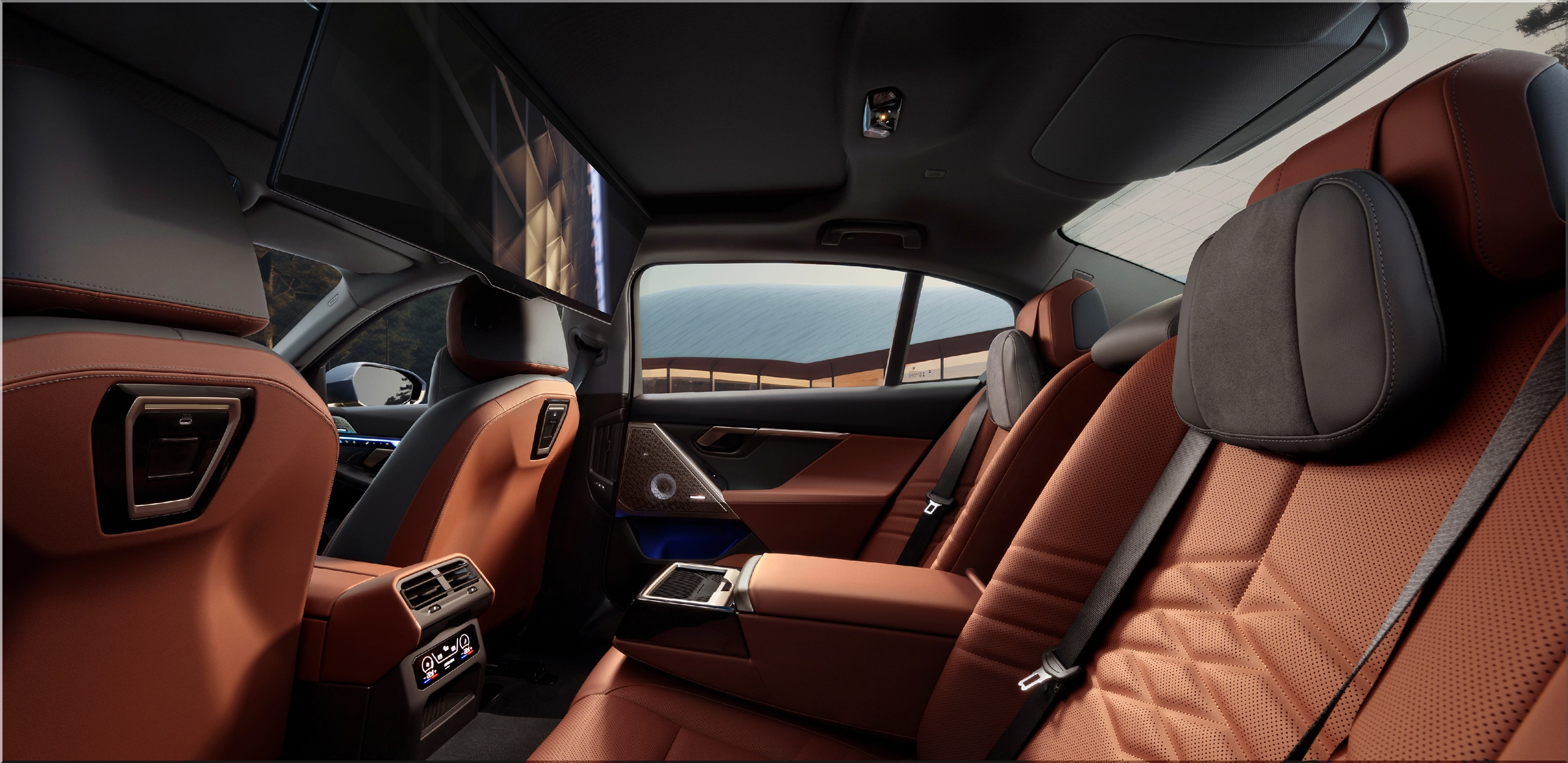
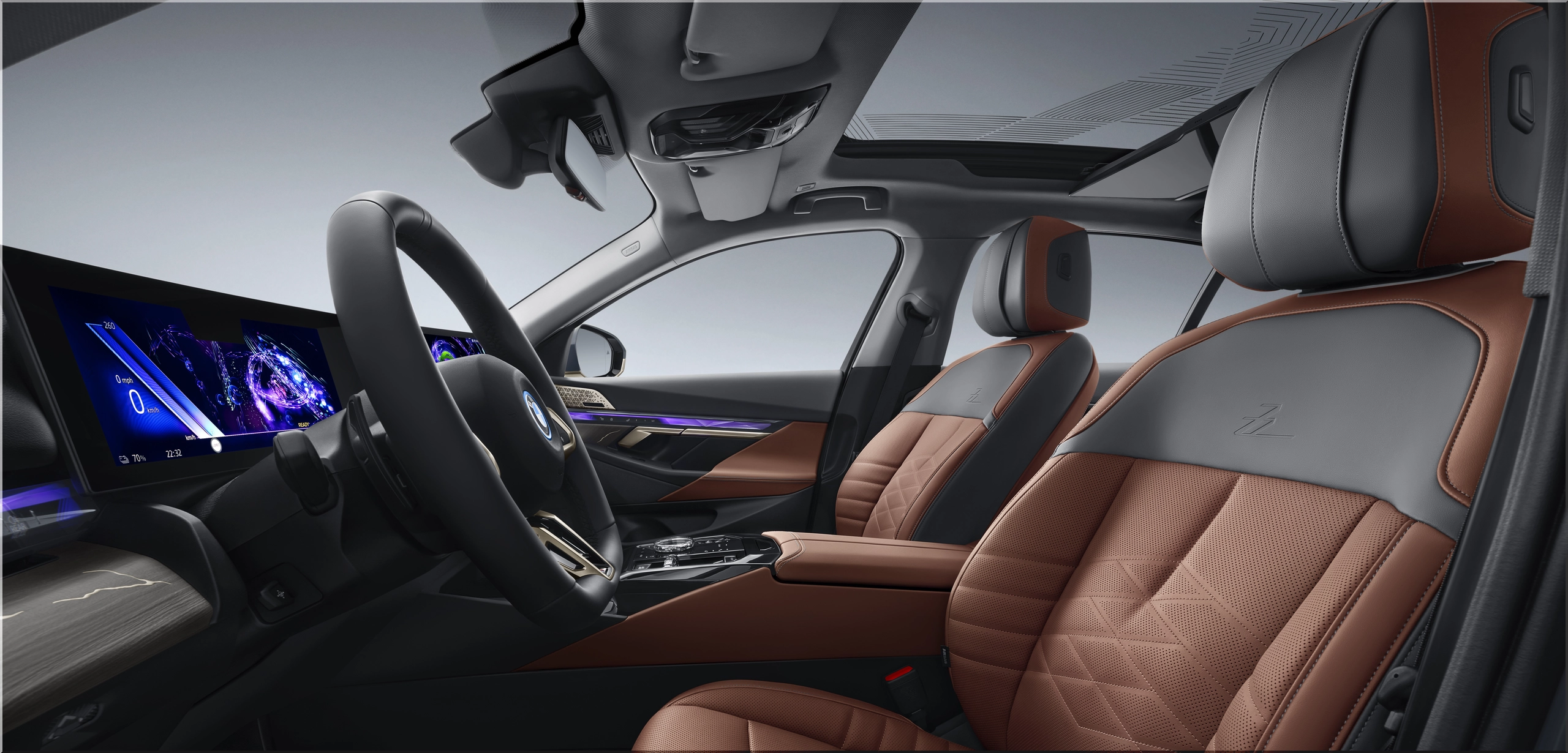
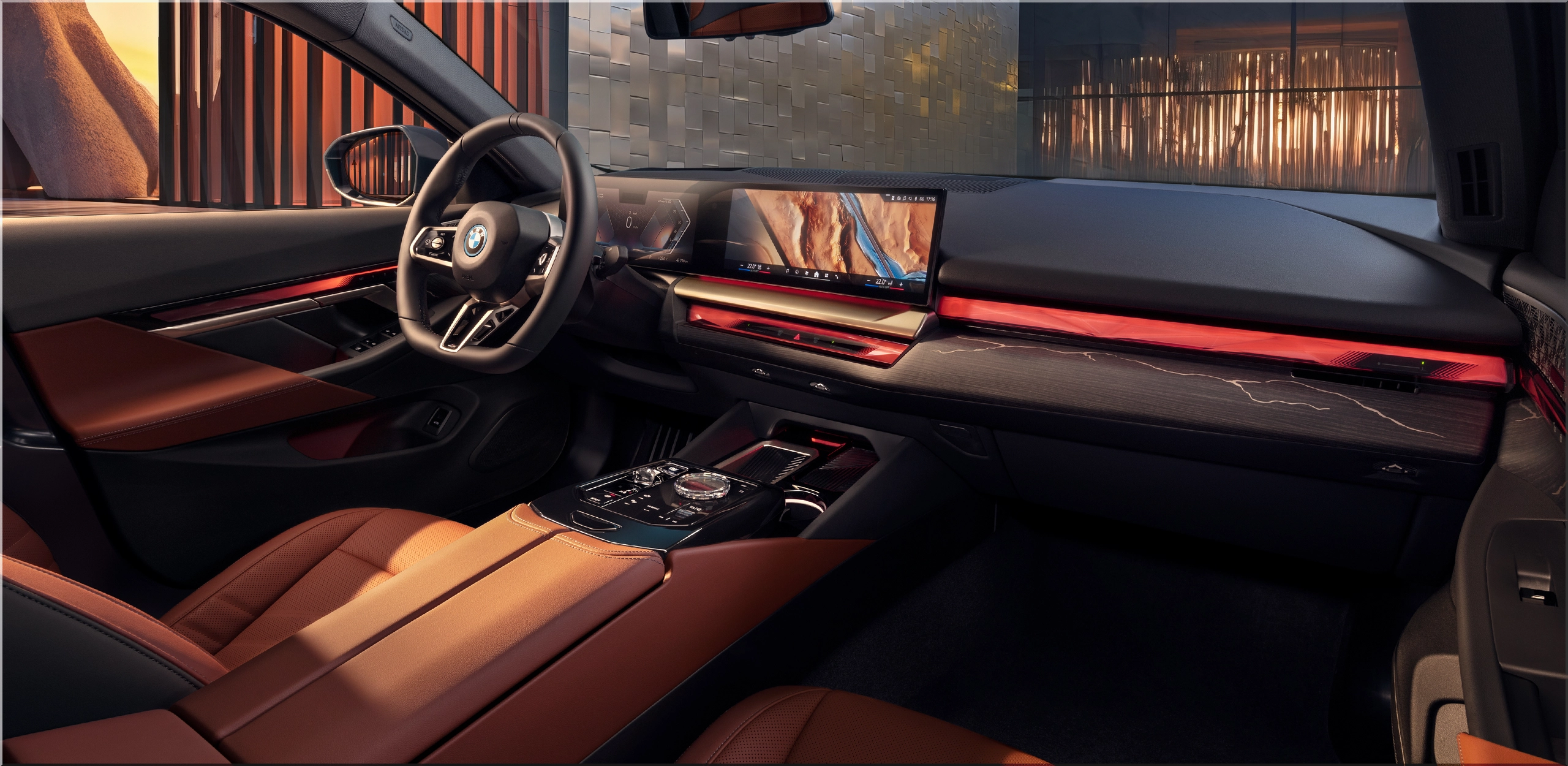
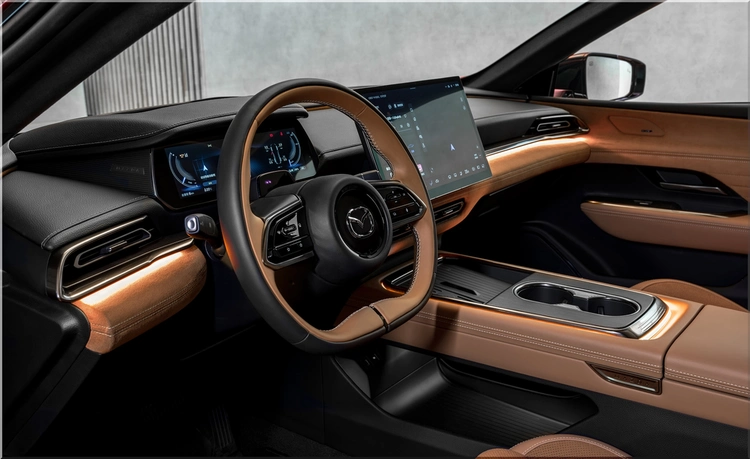
The interior of the BMW i5 is also unique, with a minimalist and futuristic dashboard that houses the BMW Curved Display. This consists of a 12.3-inch digital instrument cluster and a 14.9-inch touchscreen infotainment system that are seamlessly integrated into one curved screen. The i5 also comes with a host of advanced features, such as wireless Apple CarPlay and Android Auto, head-up display, gesture control, voice assistant, ambient lighting, and a Bowers & Wilkins sound system.