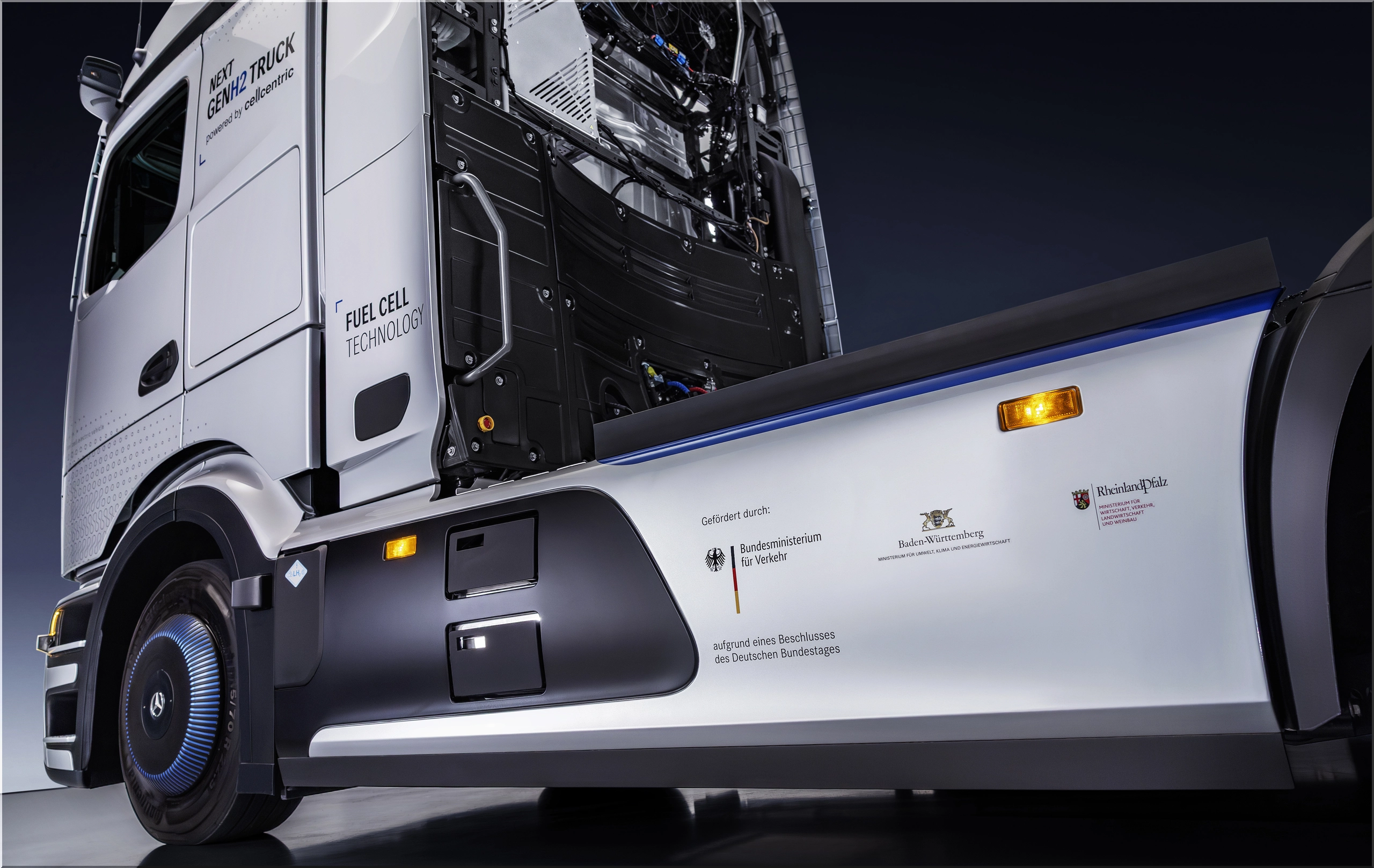
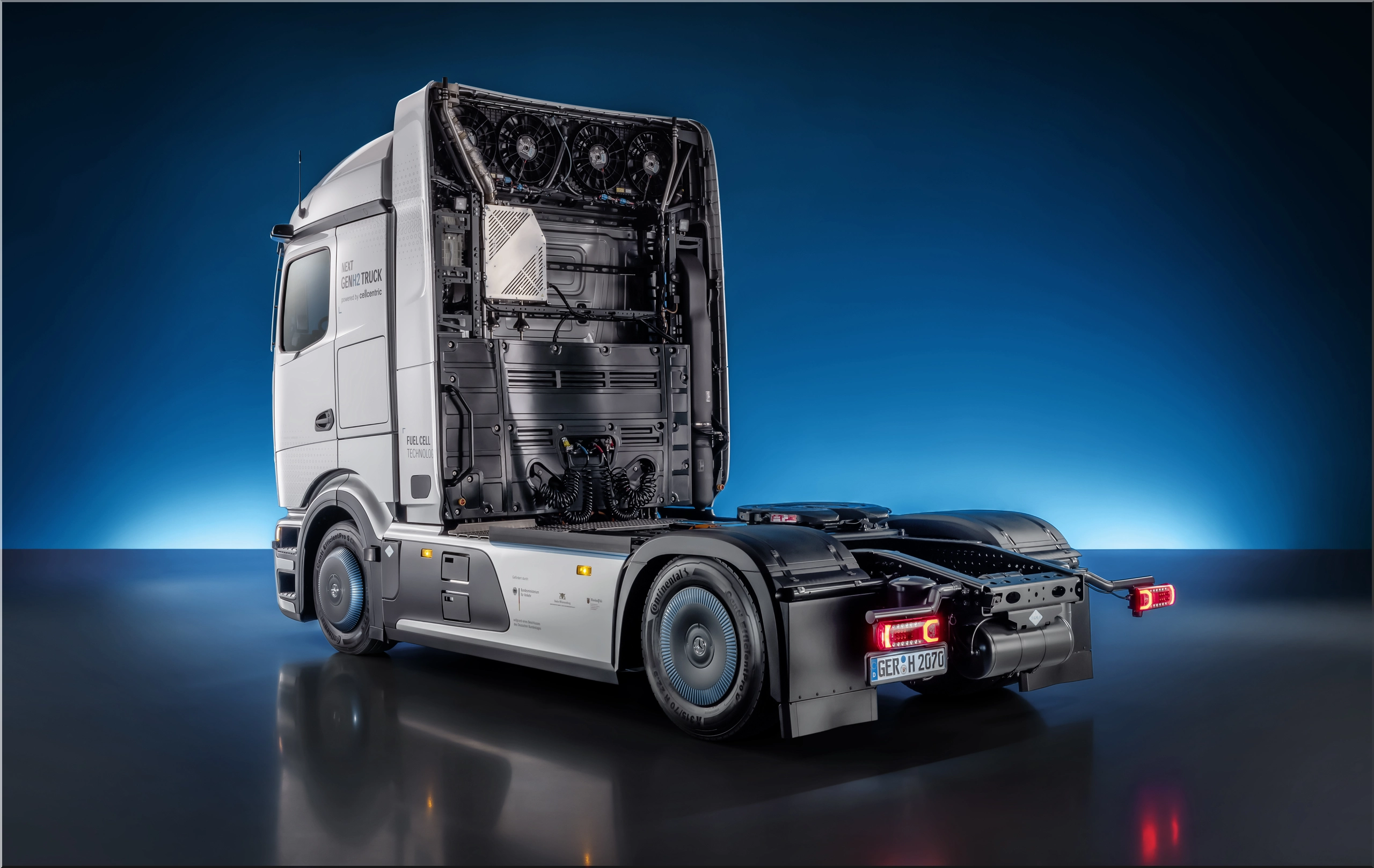
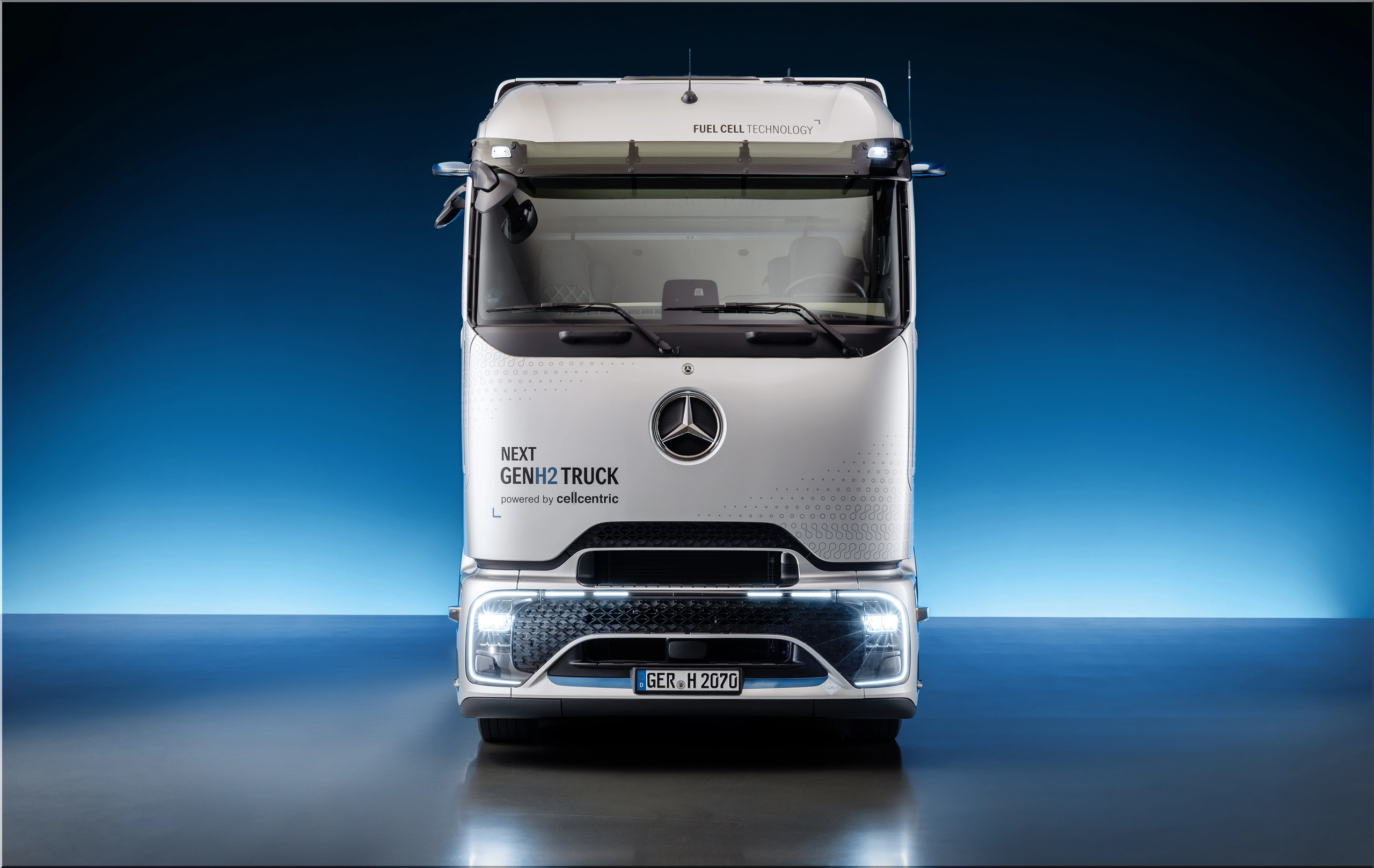
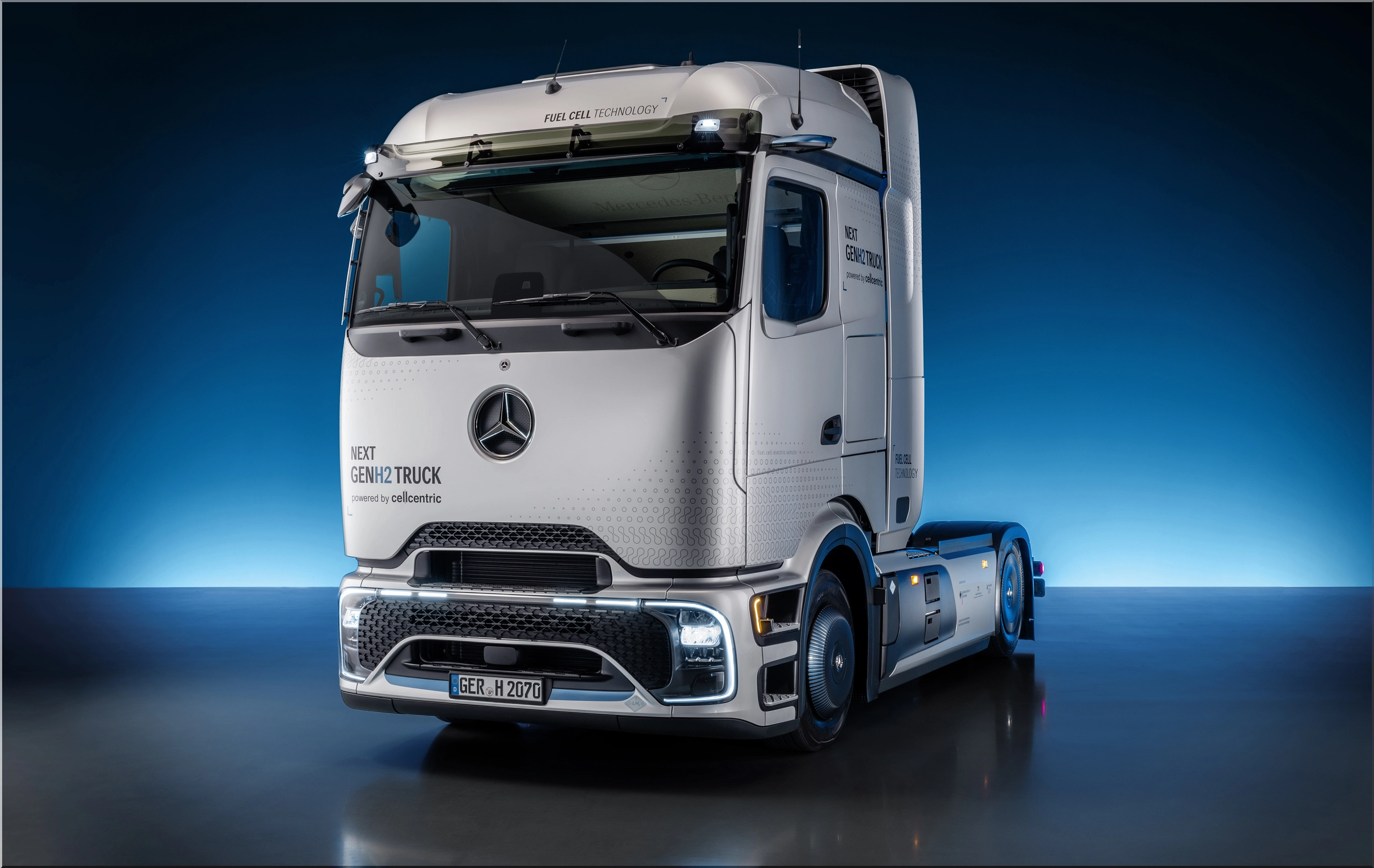
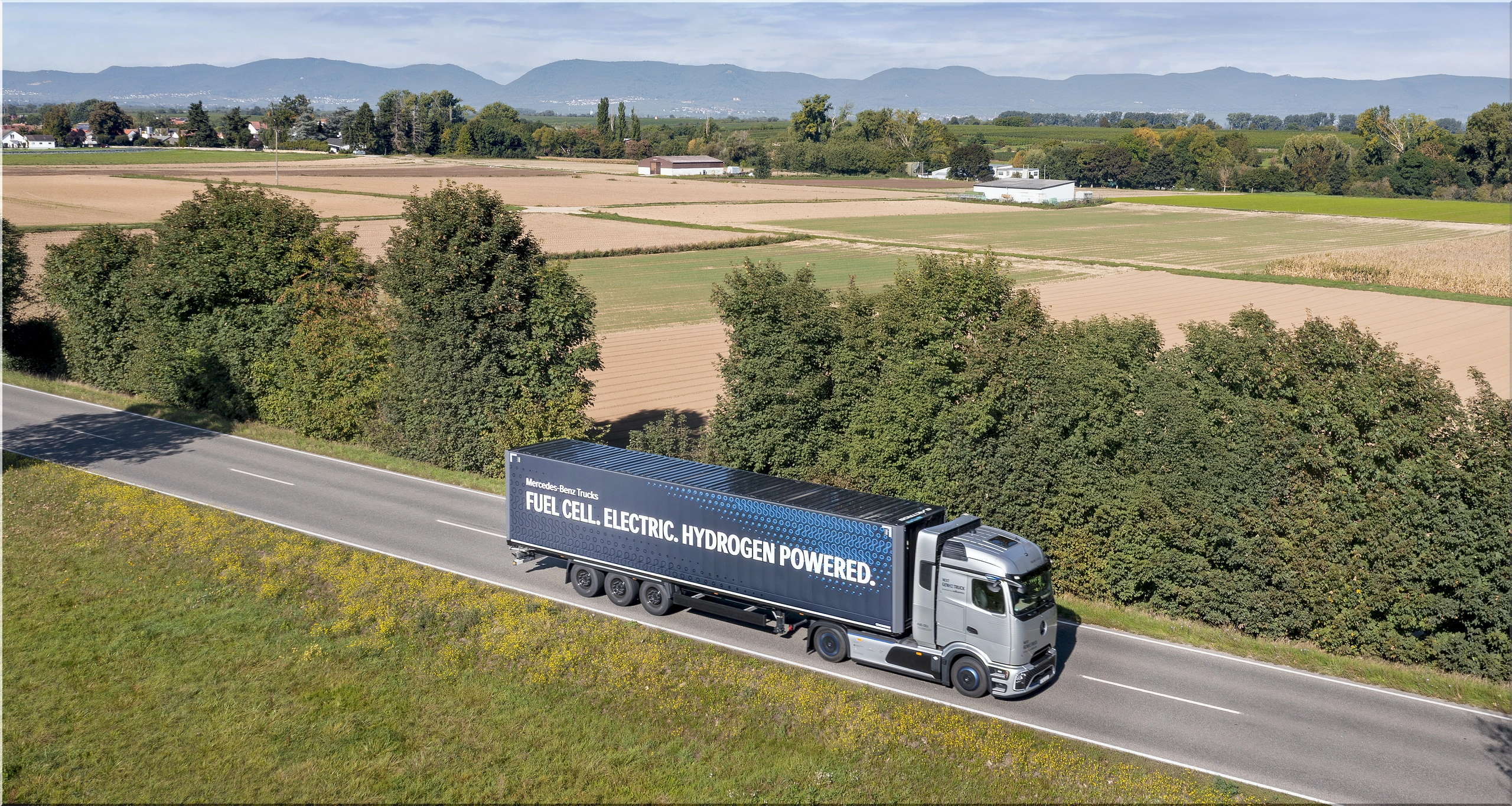
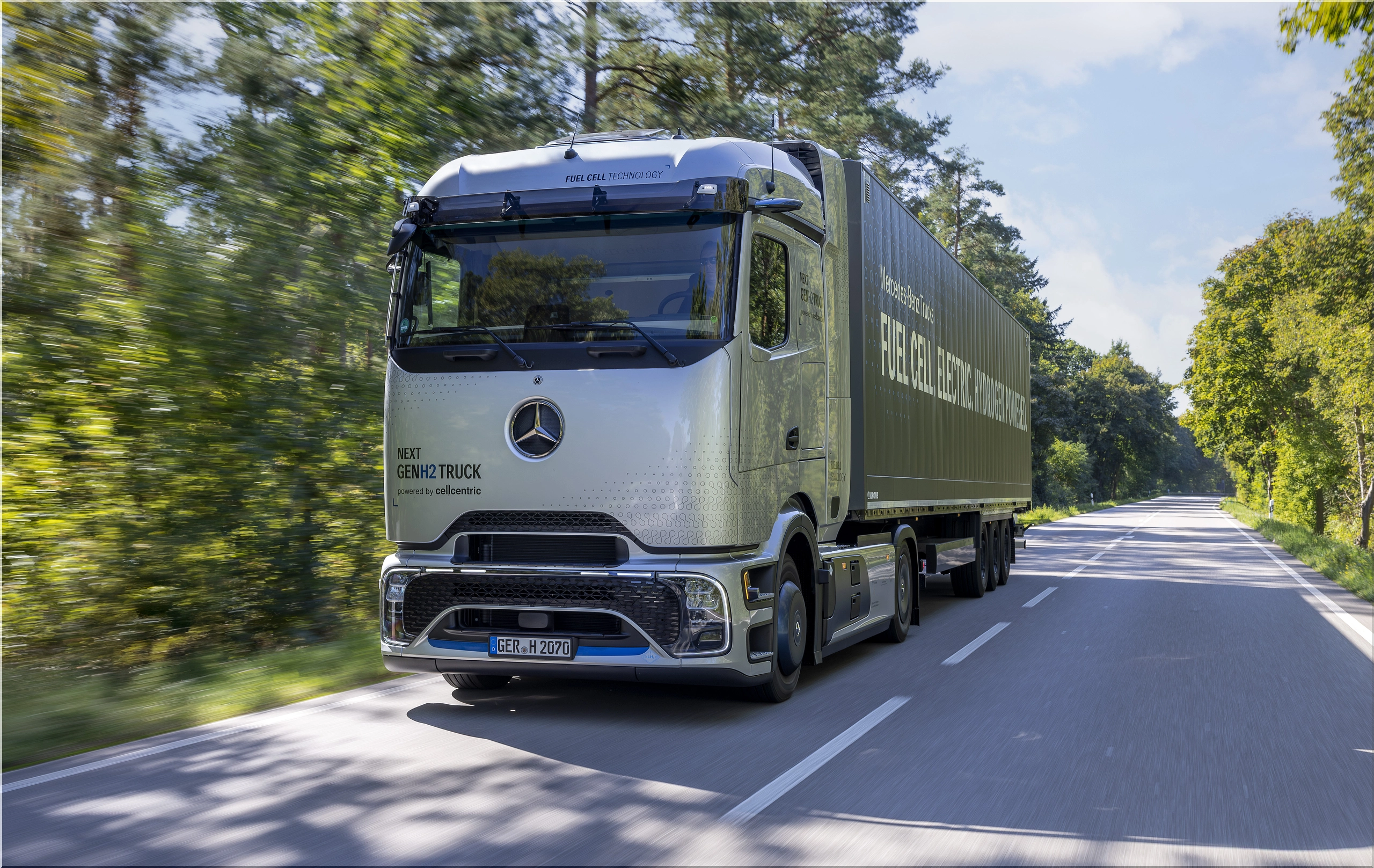
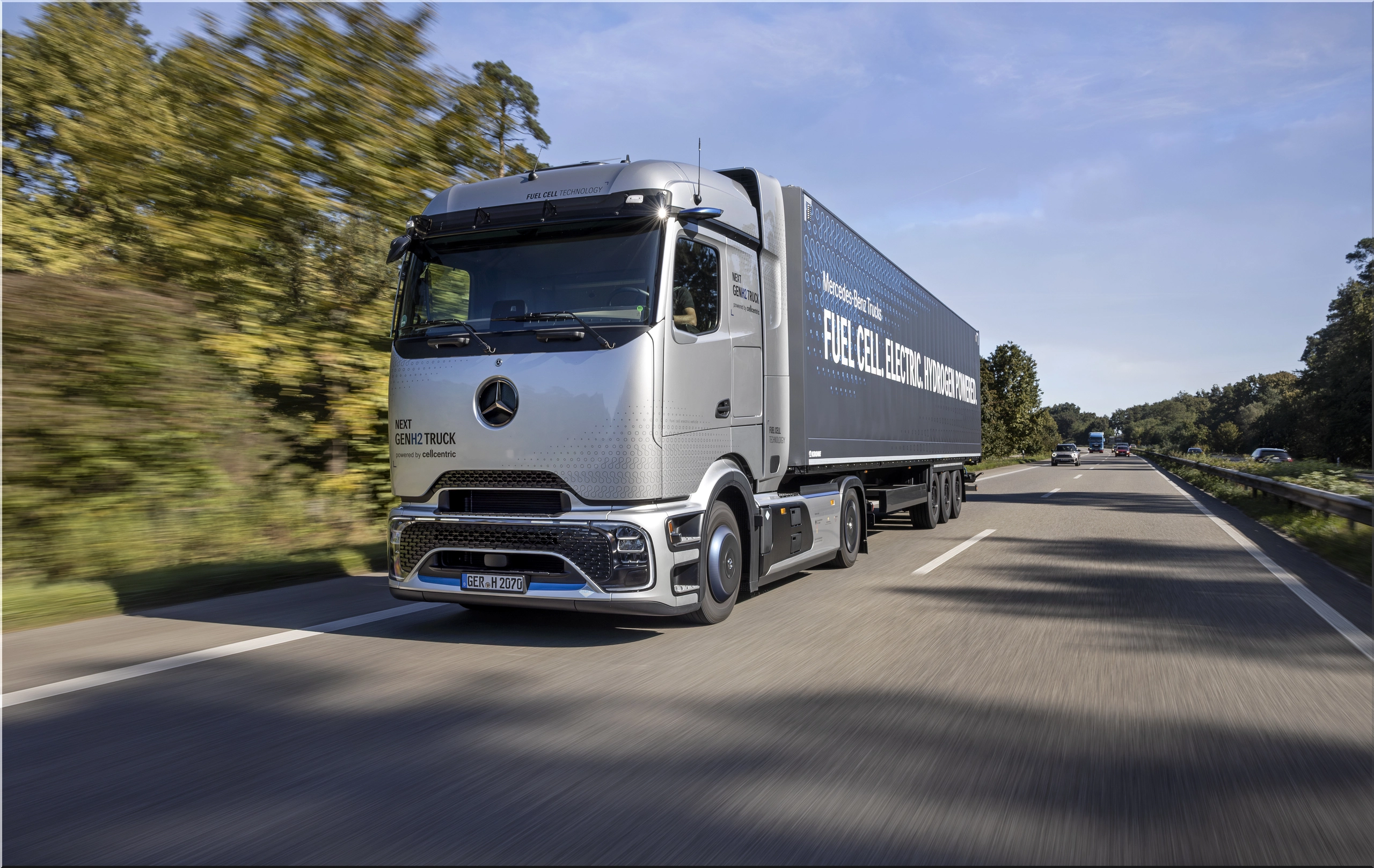
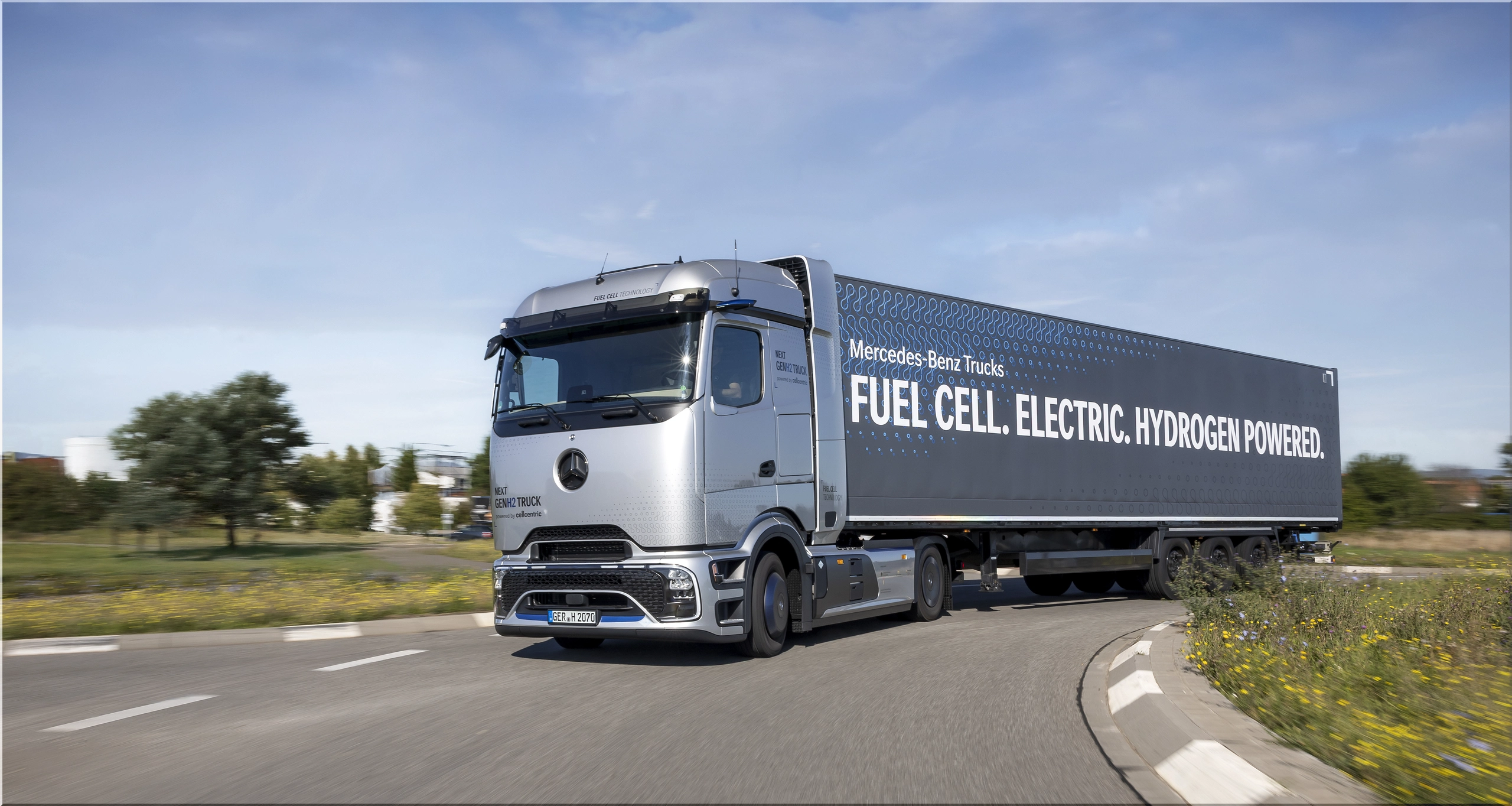
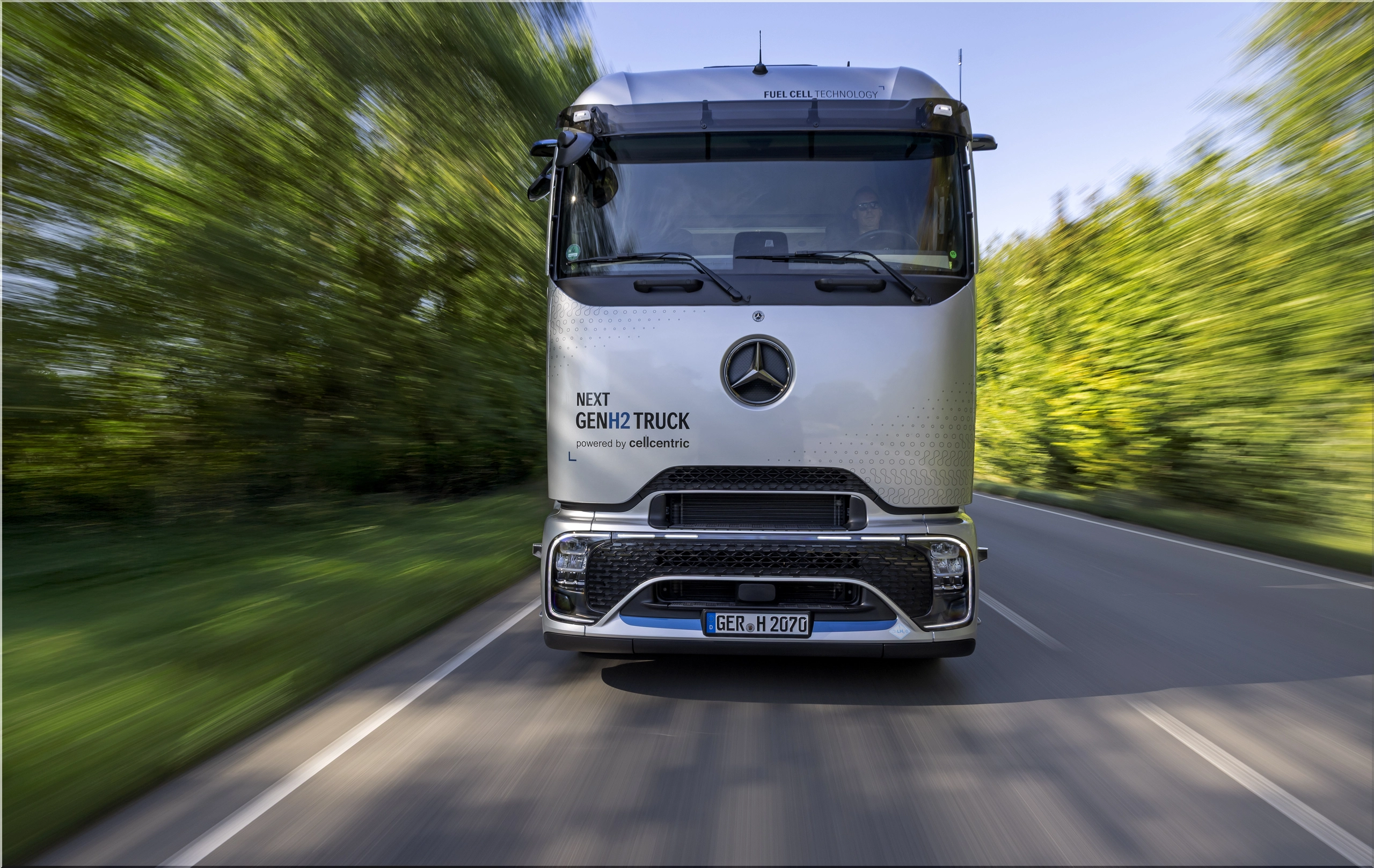
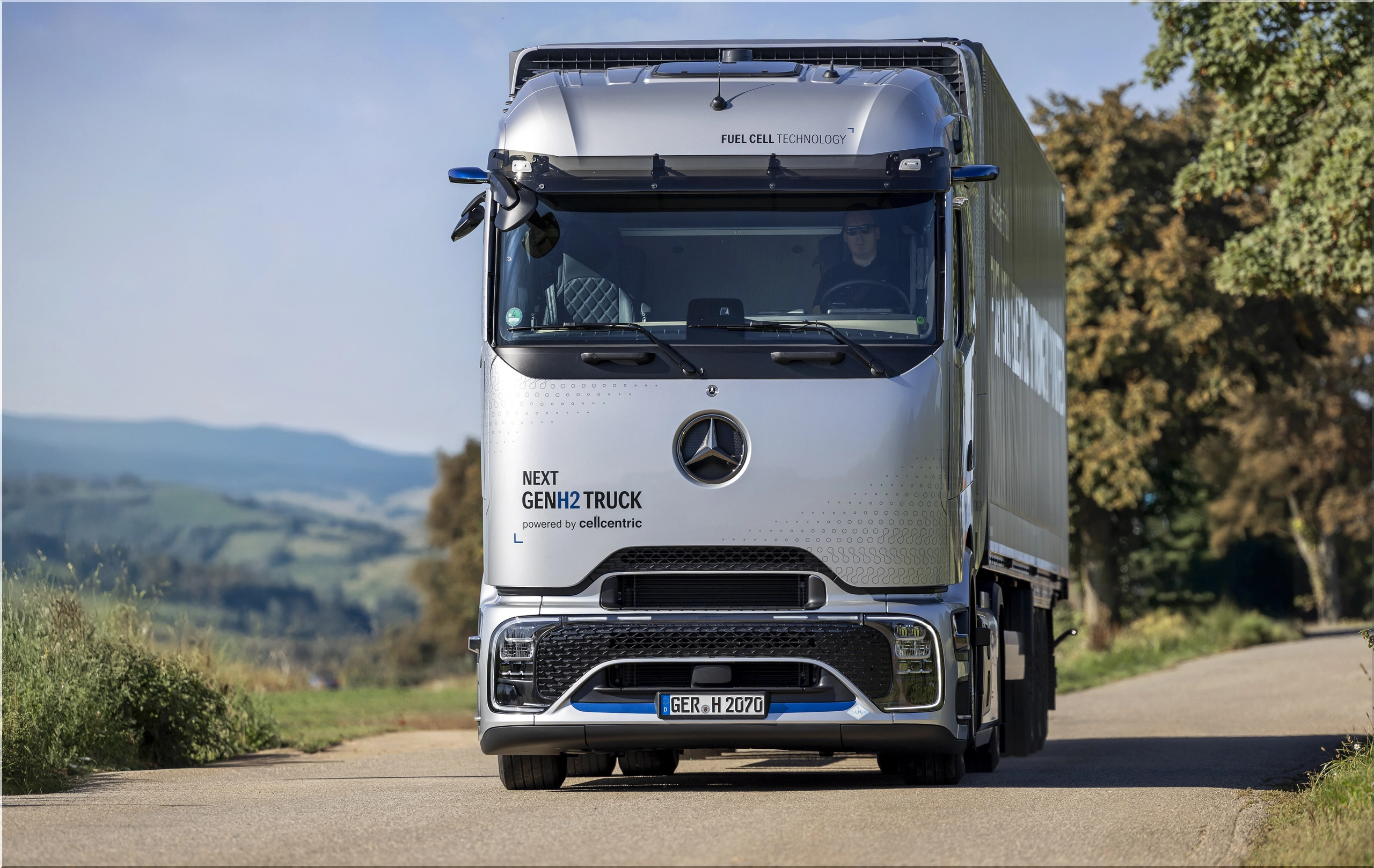
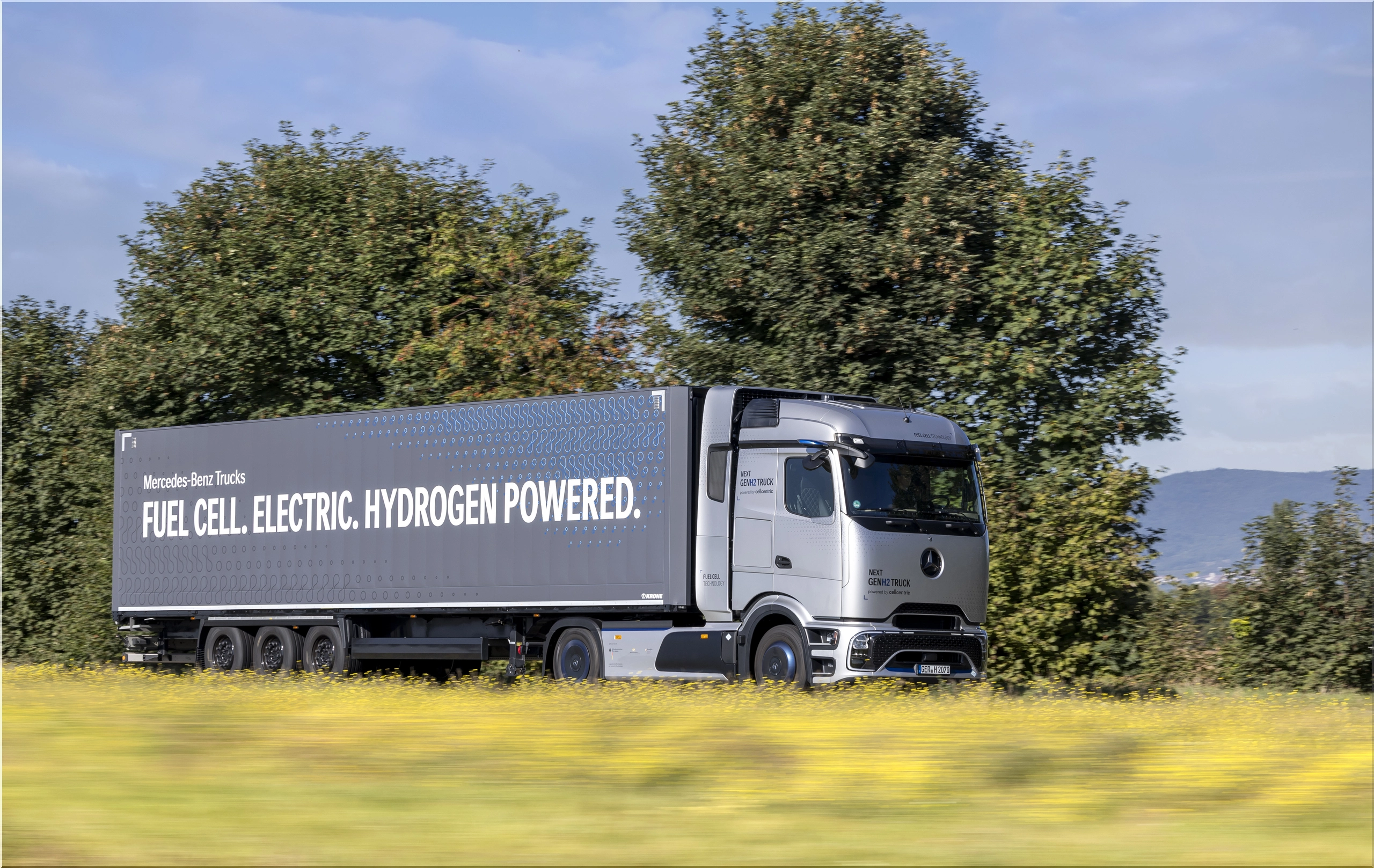
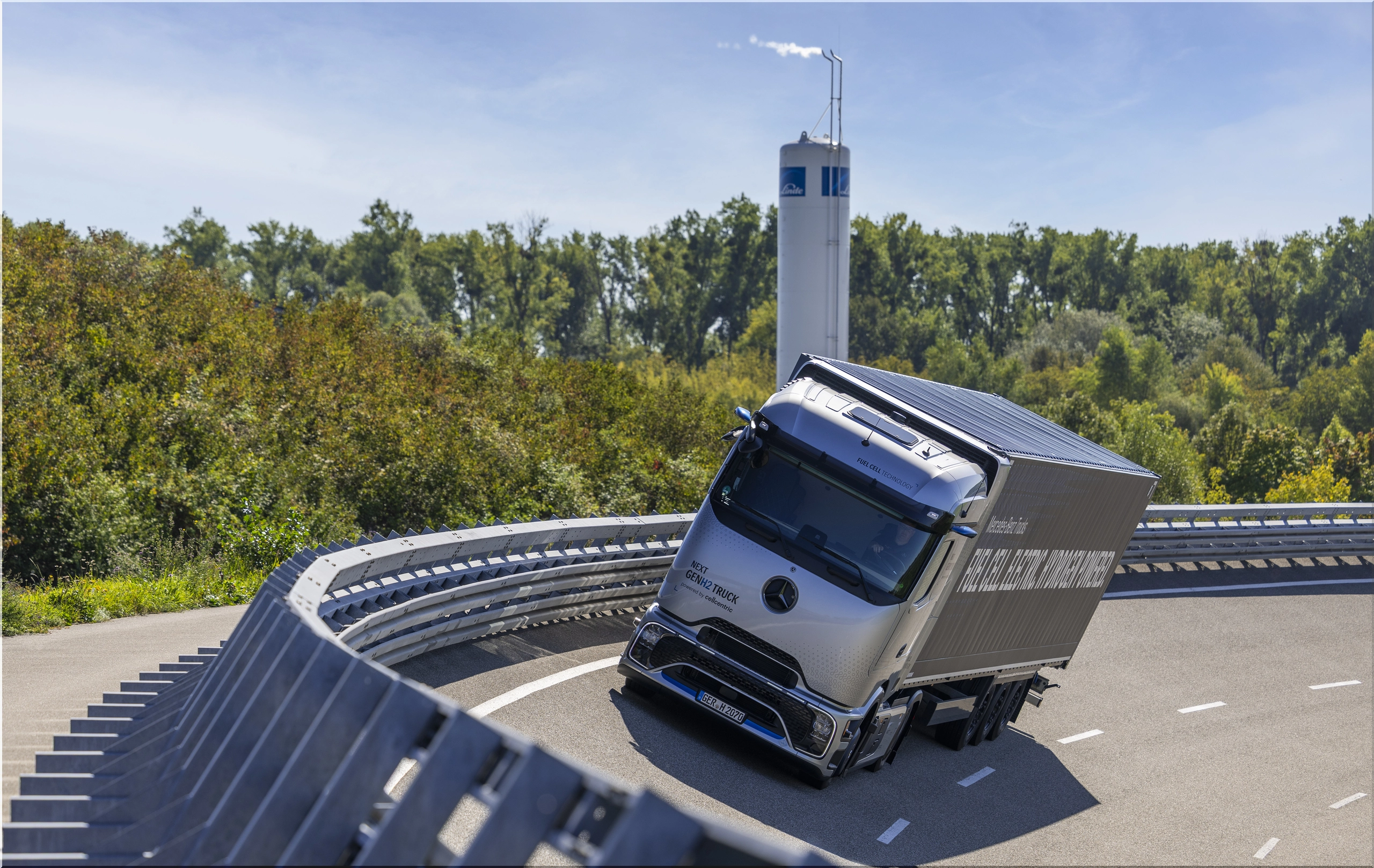
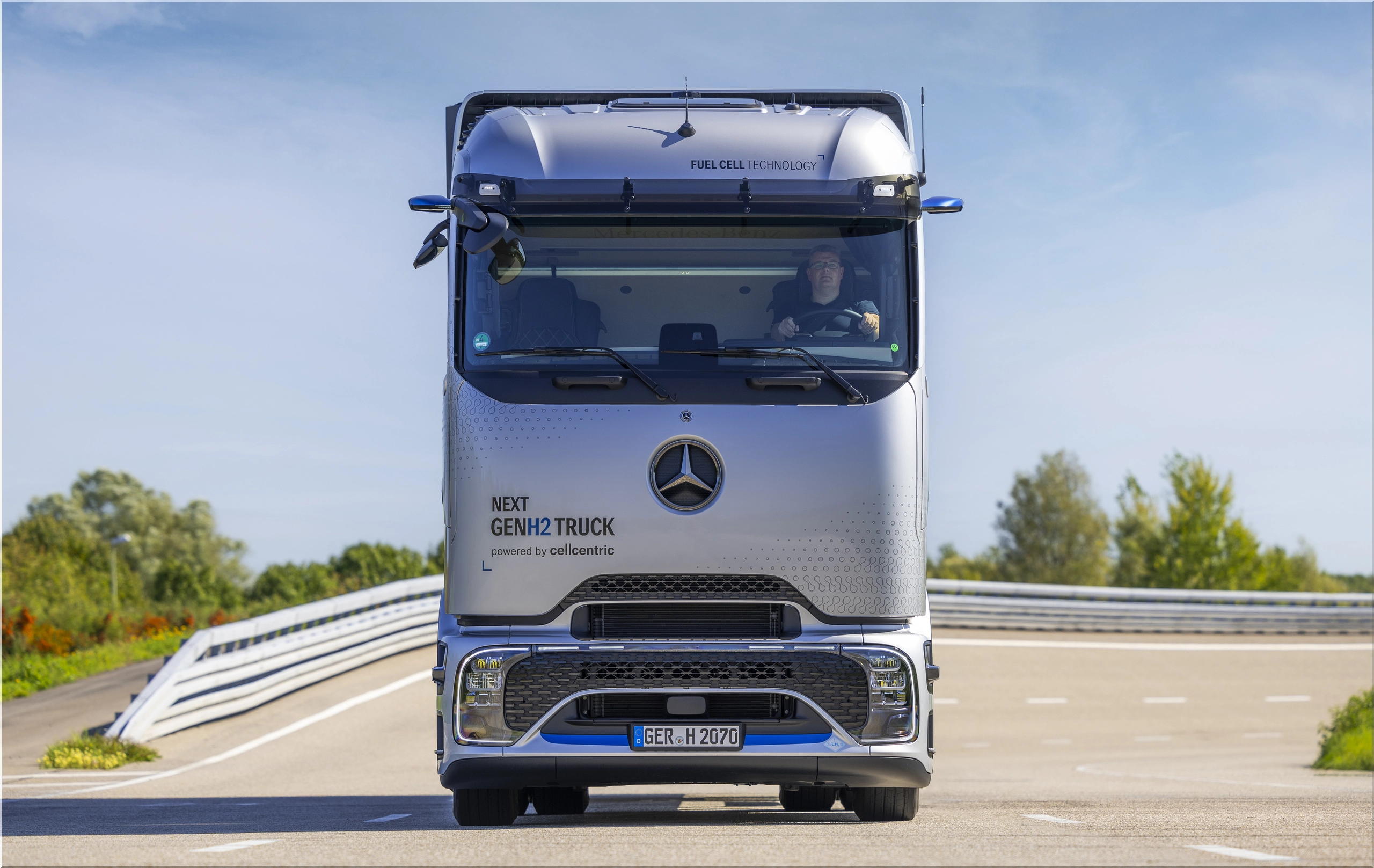
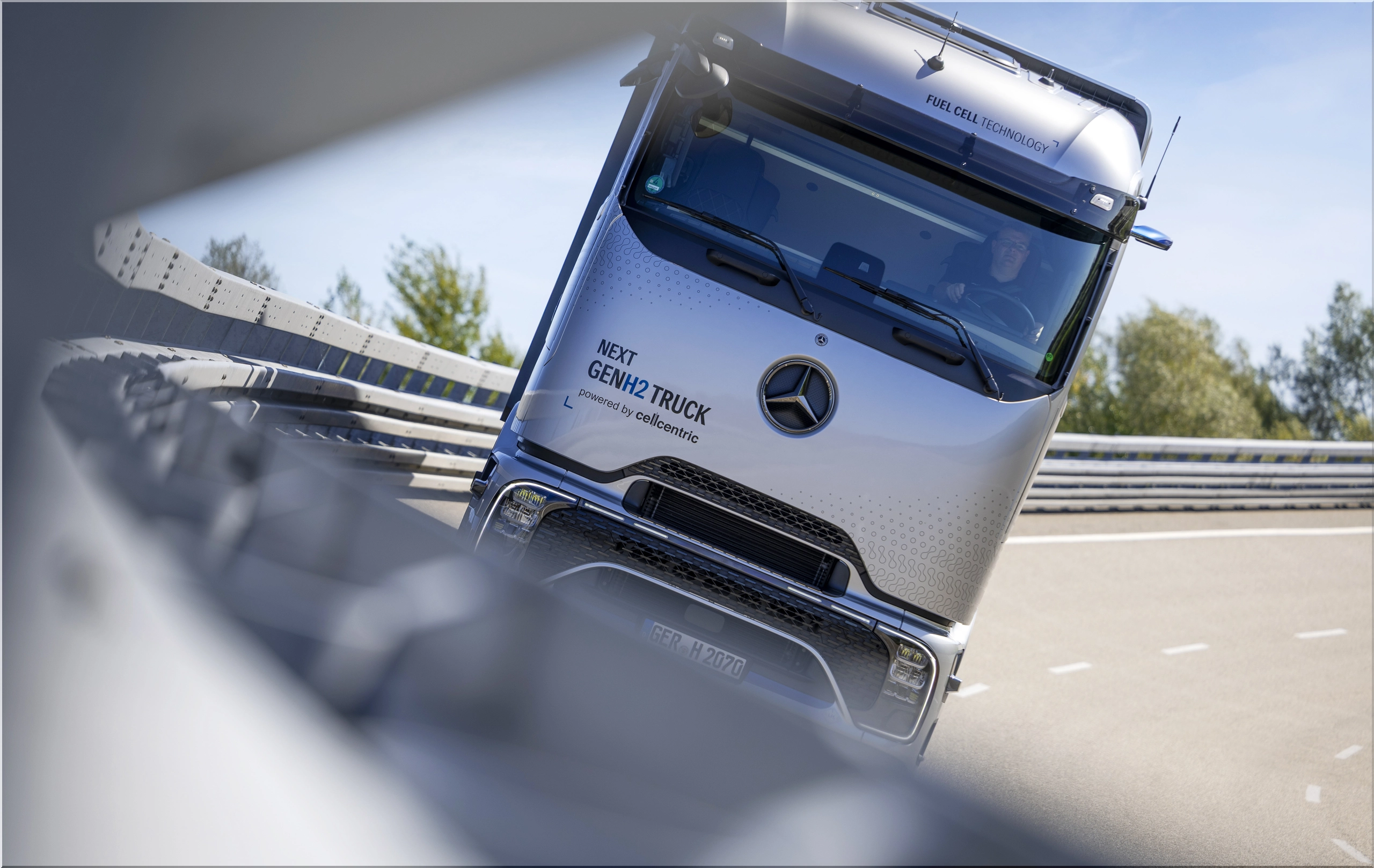
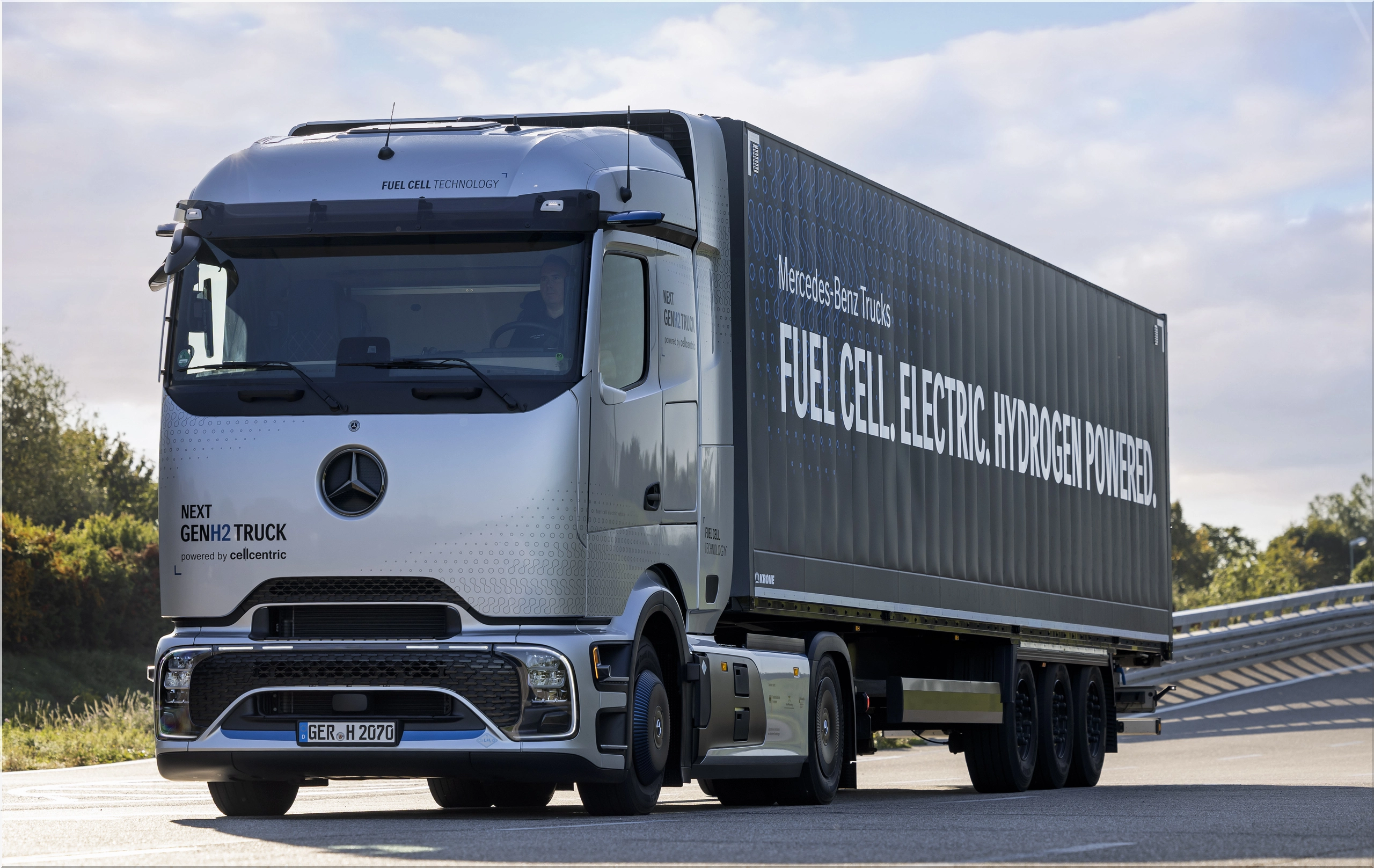
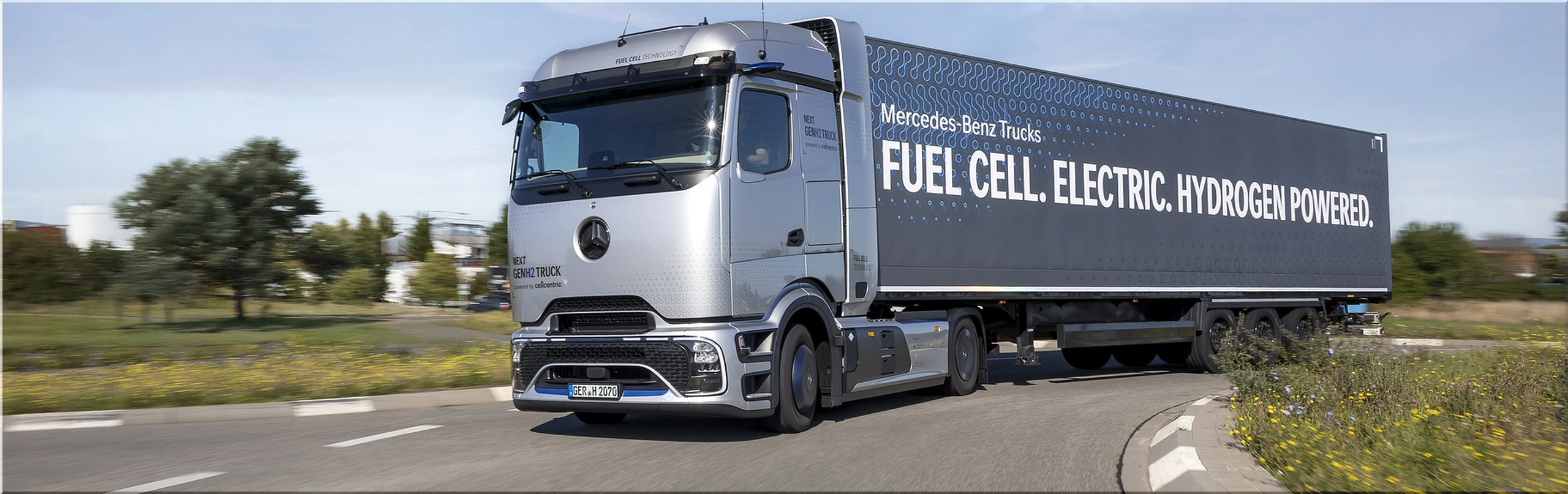
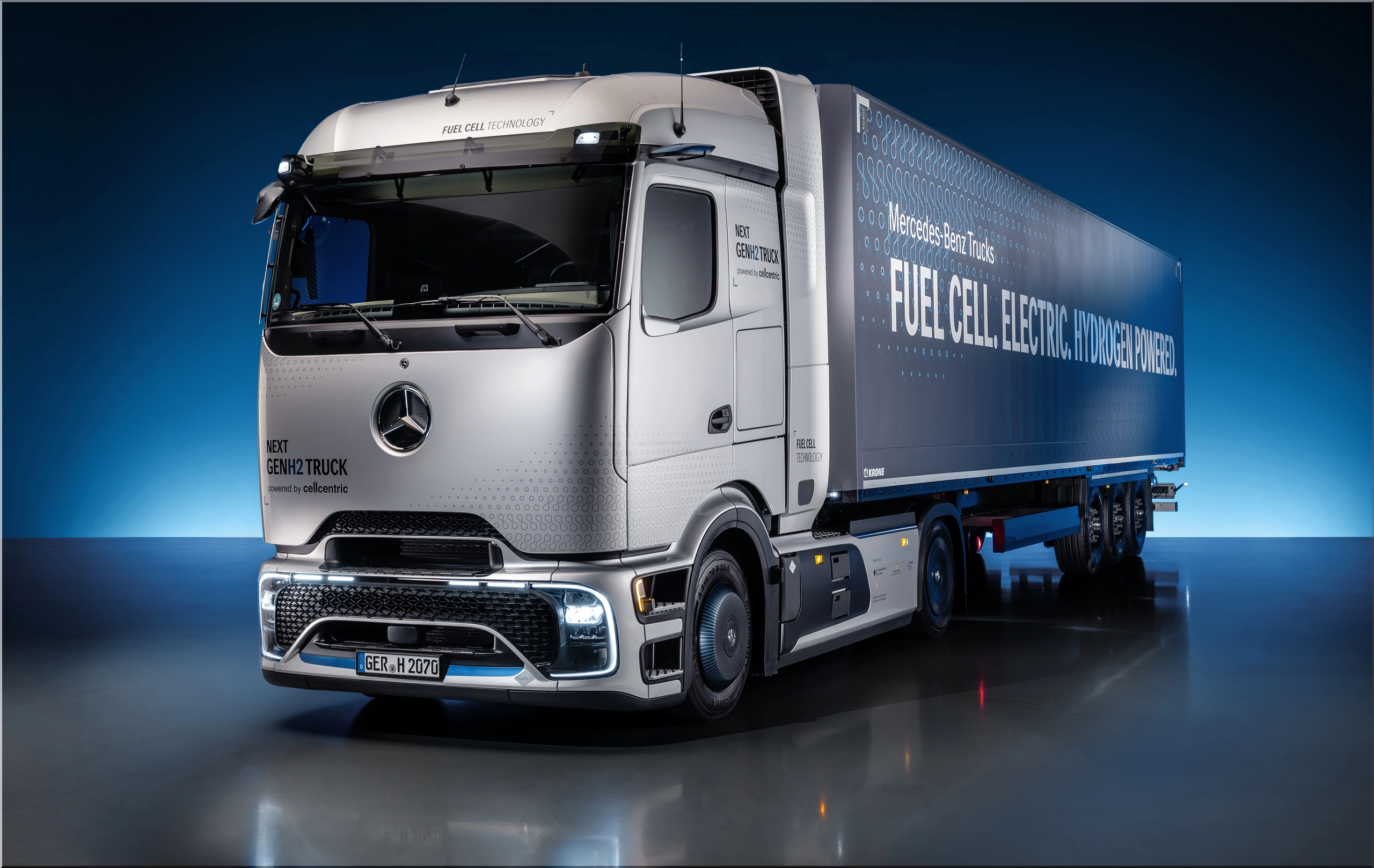
The freight industry needs zero-emission solutions that do not sacrifice payload or uptime. Mercedes-Benz Trucks is betting on subcooled liquid hydrogen (sLH2) to solve the long-distance equation. The company recently unveiled the Mercedes-Benz NextGenH2 Truck in Germany, representing a bridge between the record-breaking Mercedes-BenzGenH2 prototypes and full-scale commercialization. Unlike earlier testing phases, this vehicle integrates series-production components to ensure reliability and serviceability for fleet operators.
Data-Driven Engineering: Borrowing What Works
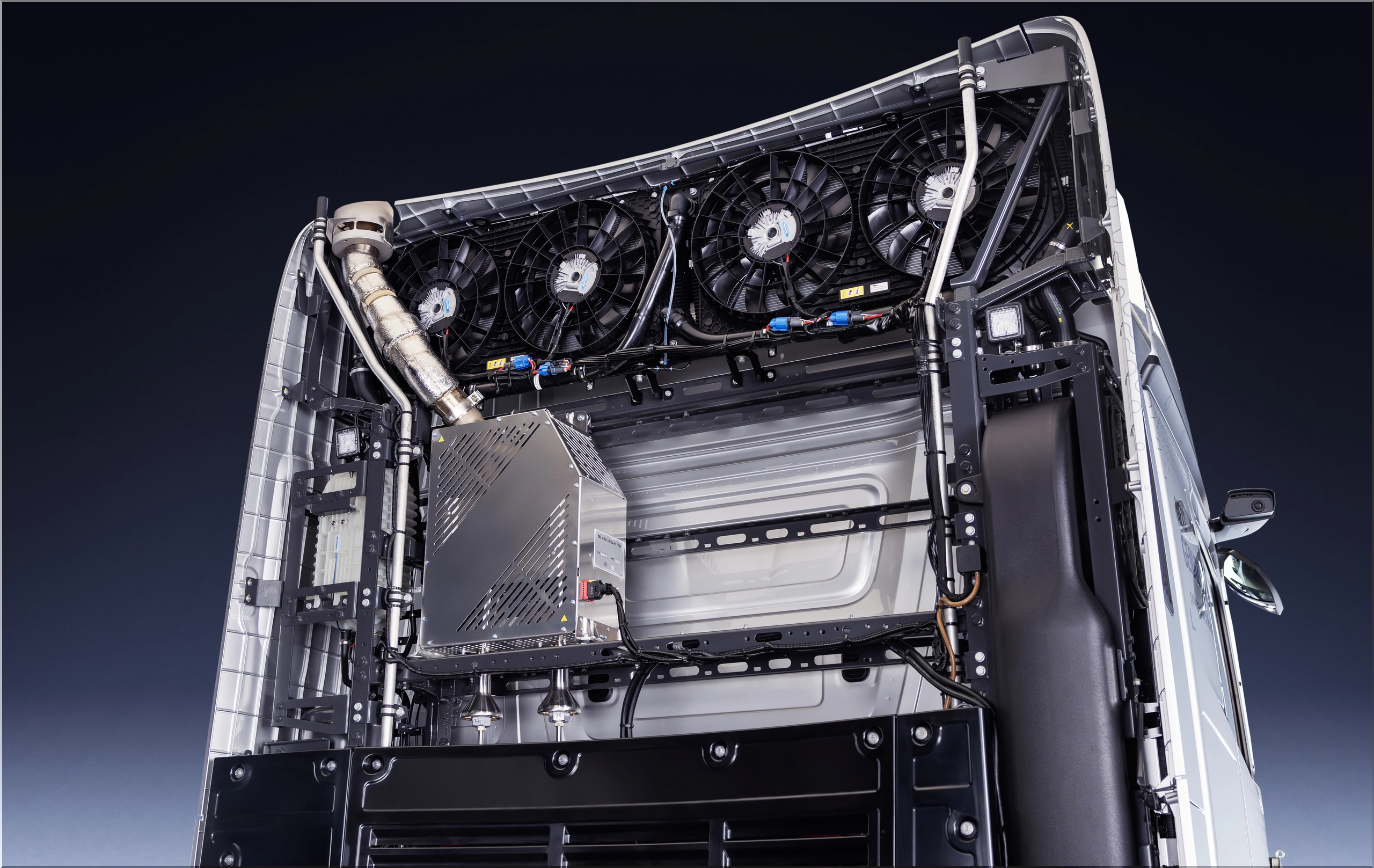
Daimler Truck is not starting from scratch; it is utilizing a modular strategy to accelerate time-to-market. The NextGenH2 Truck leverages hardware from its existing battery-electric flagship, the eActros 600, which recently entered series production.
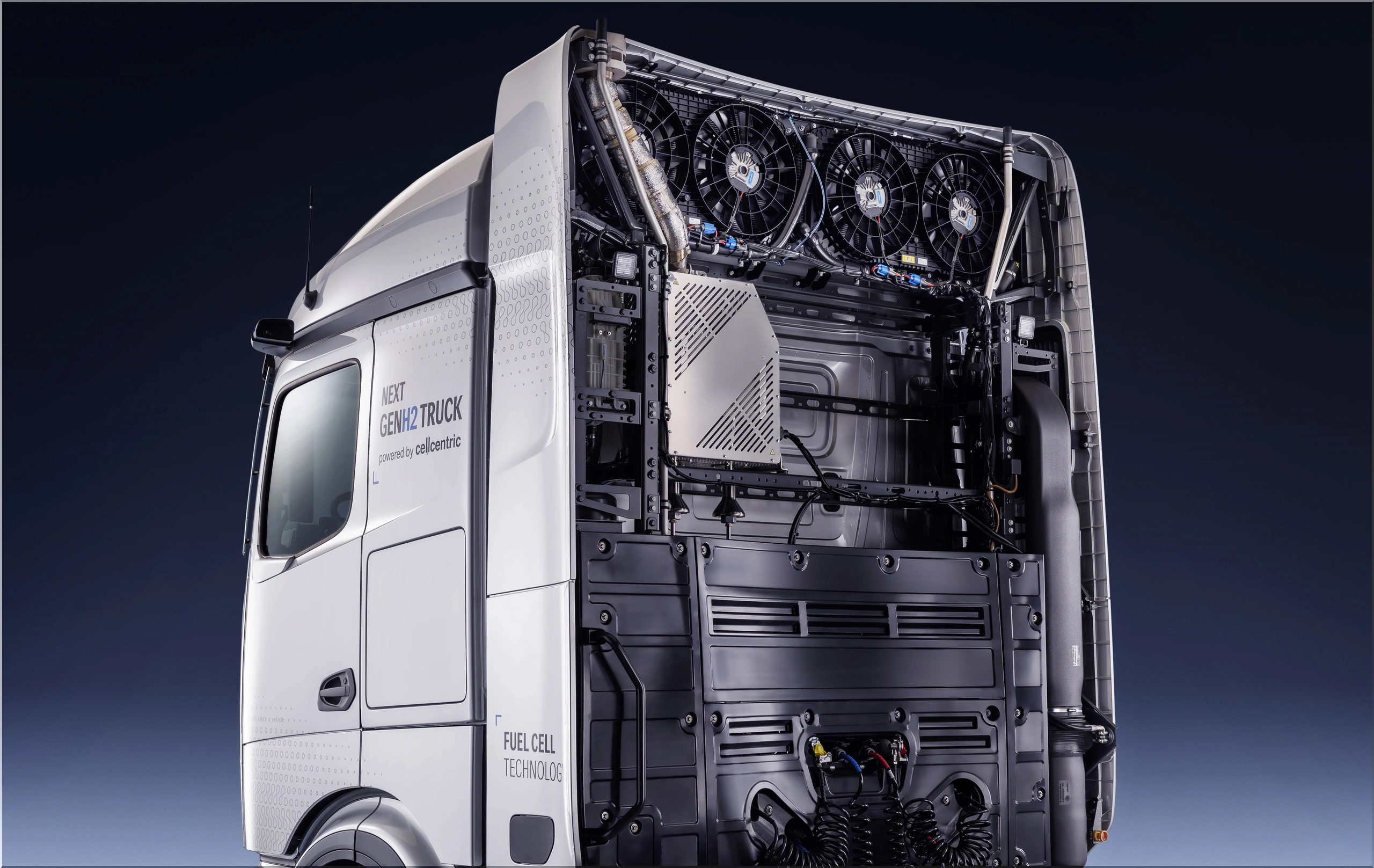
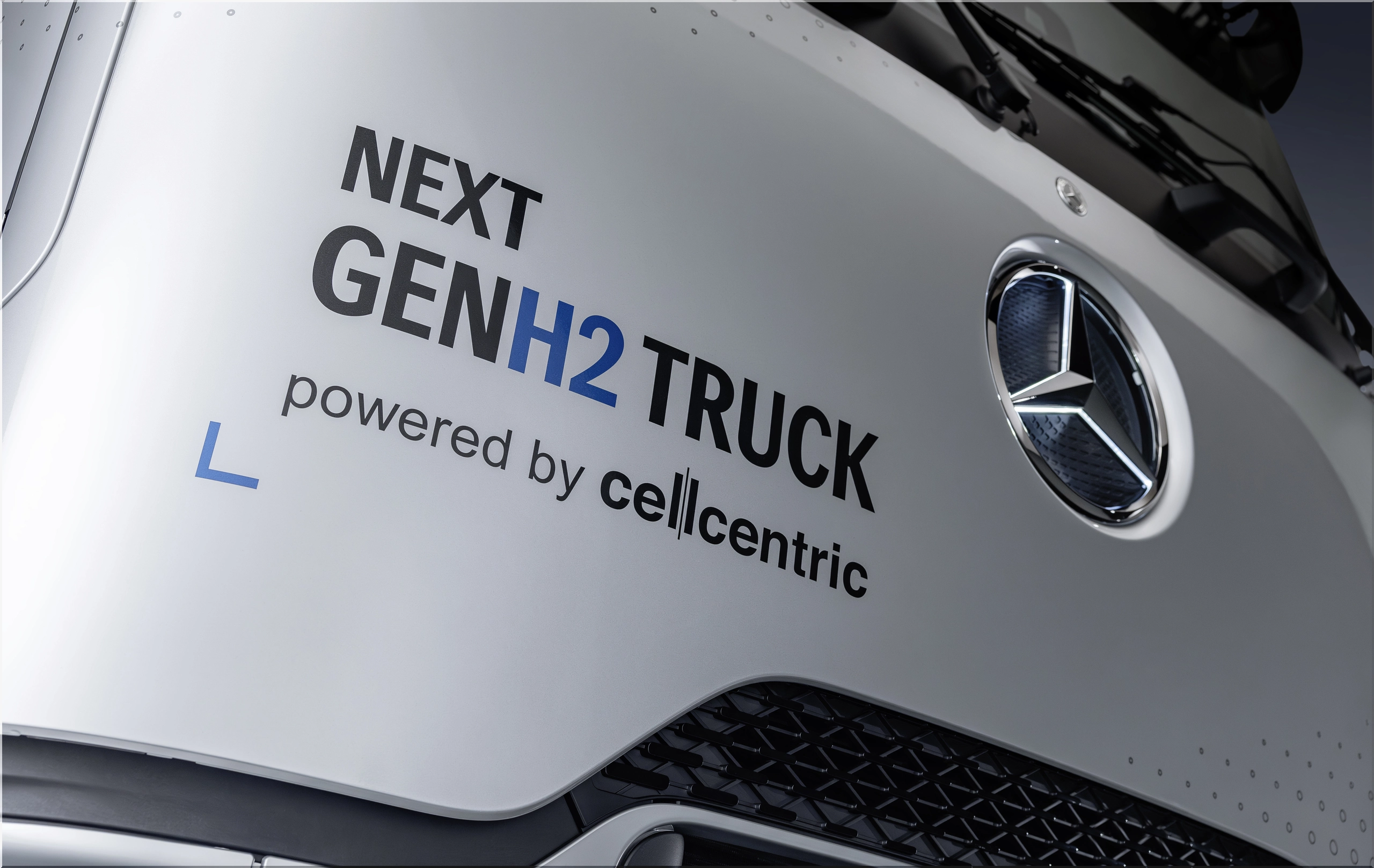
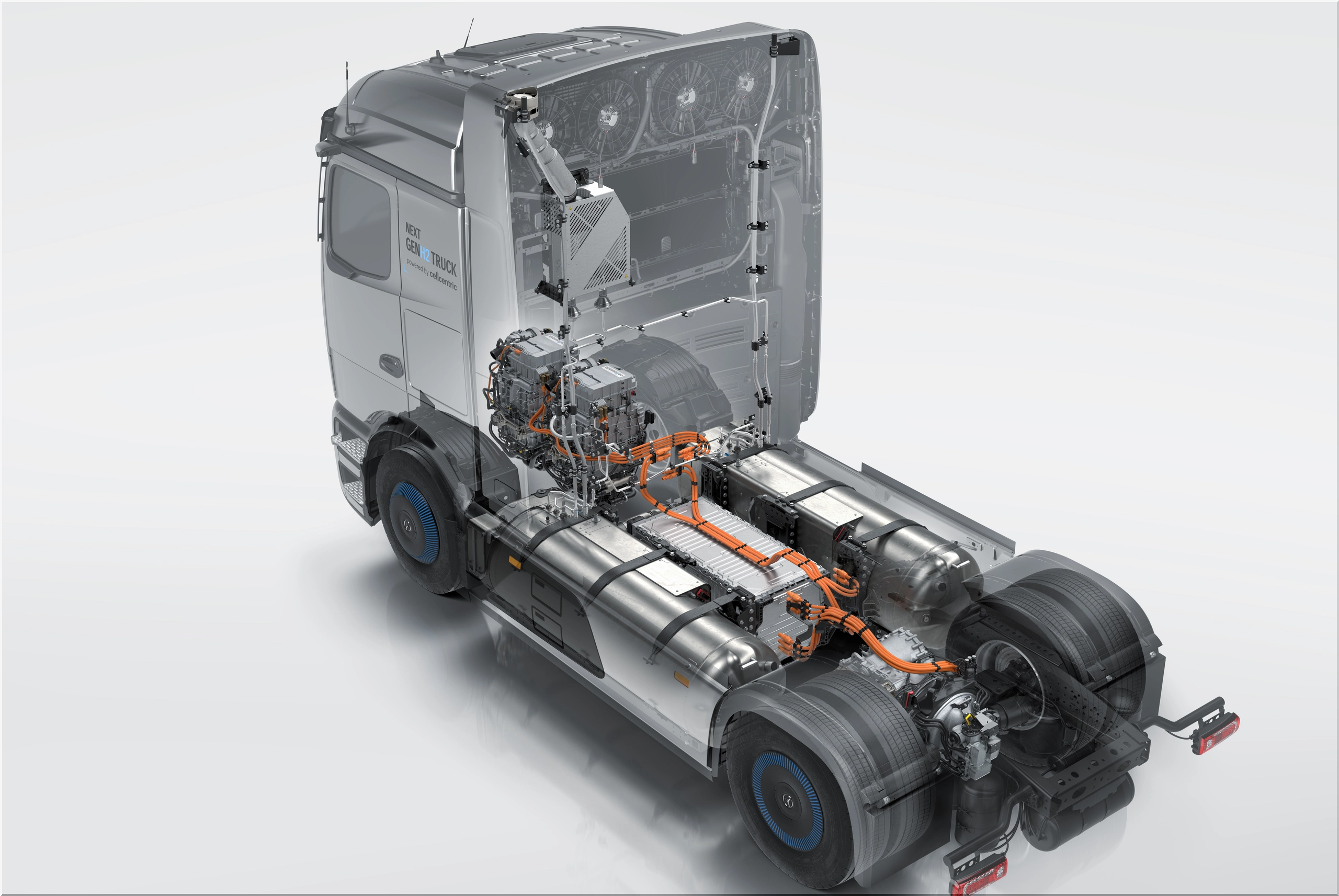
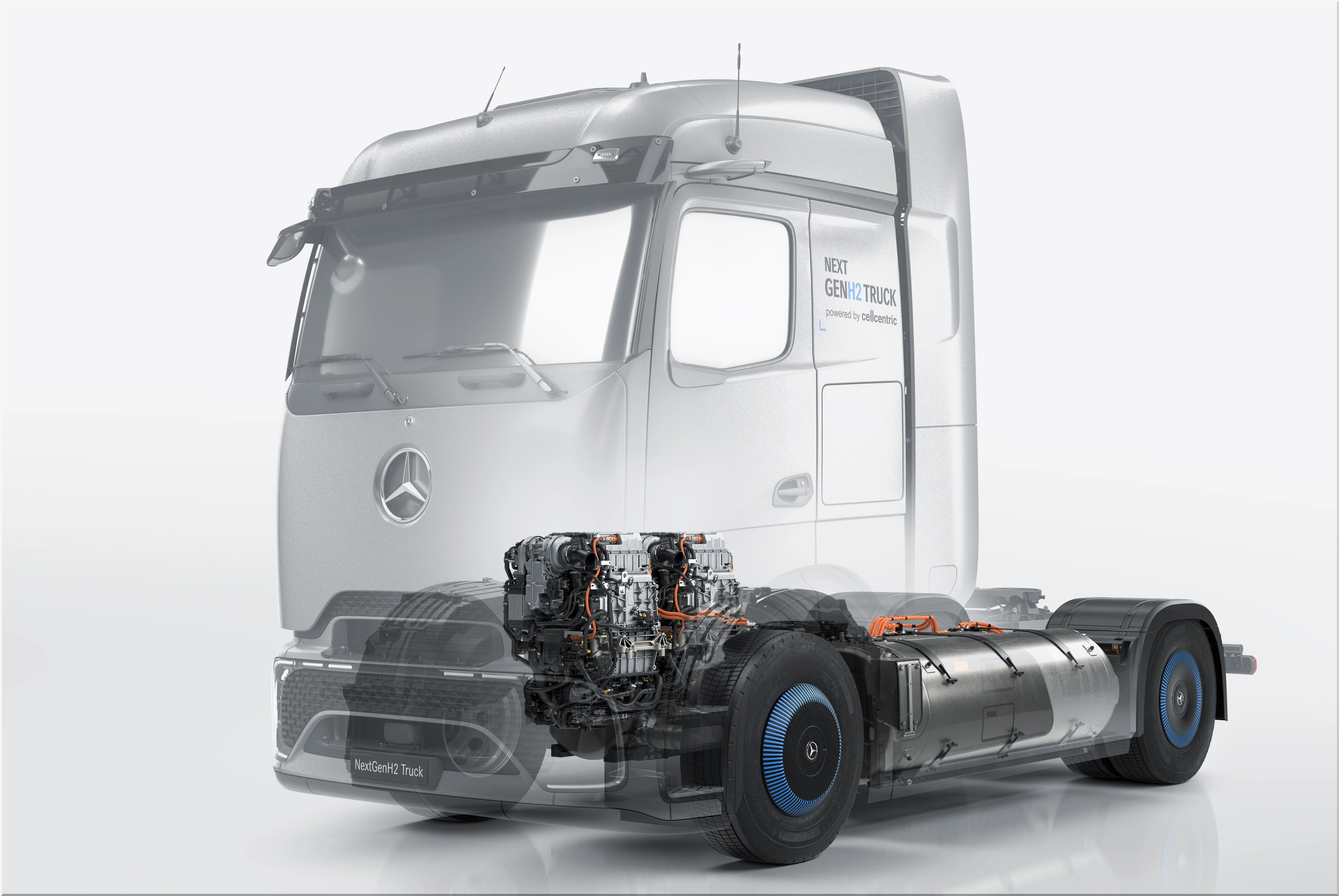
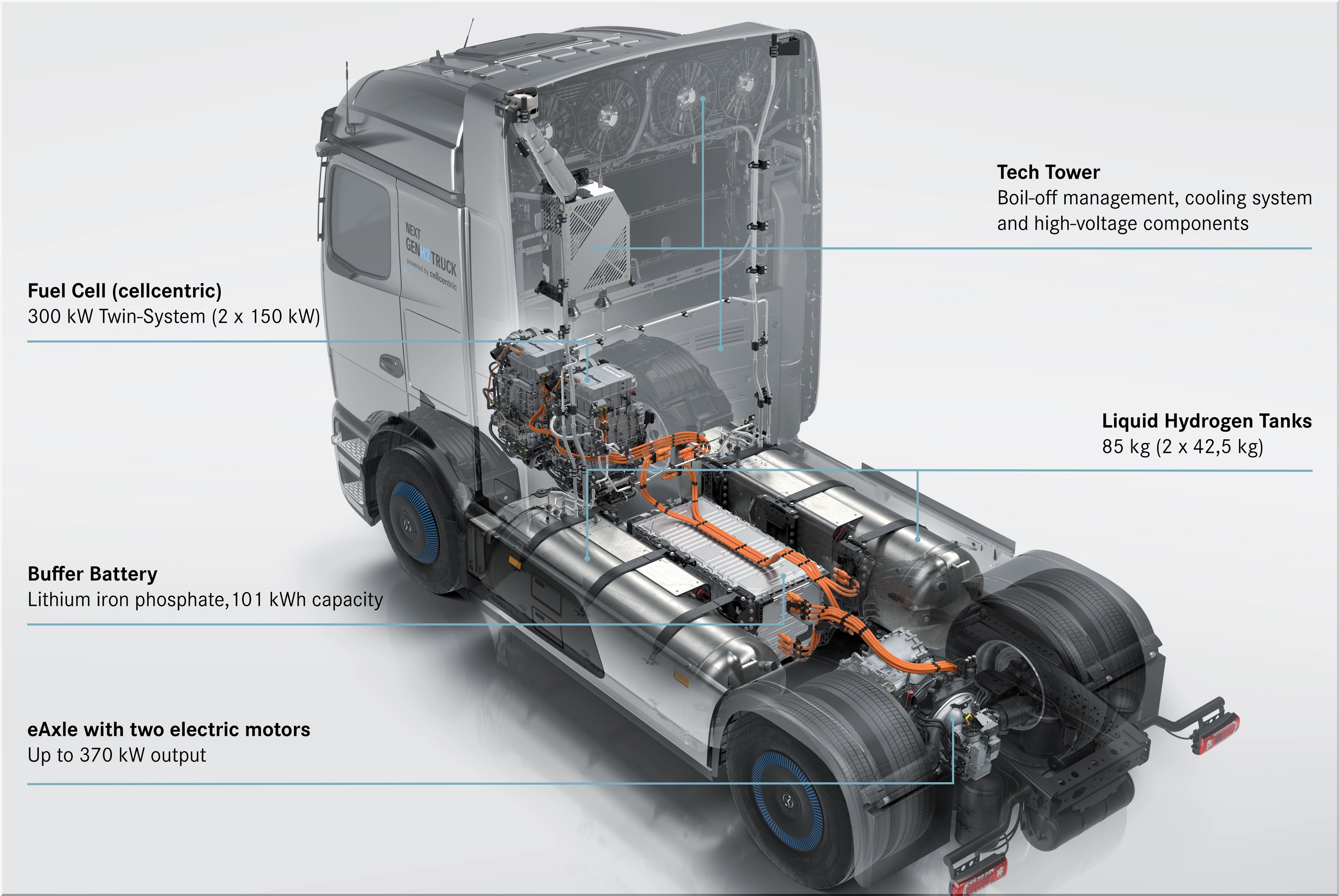
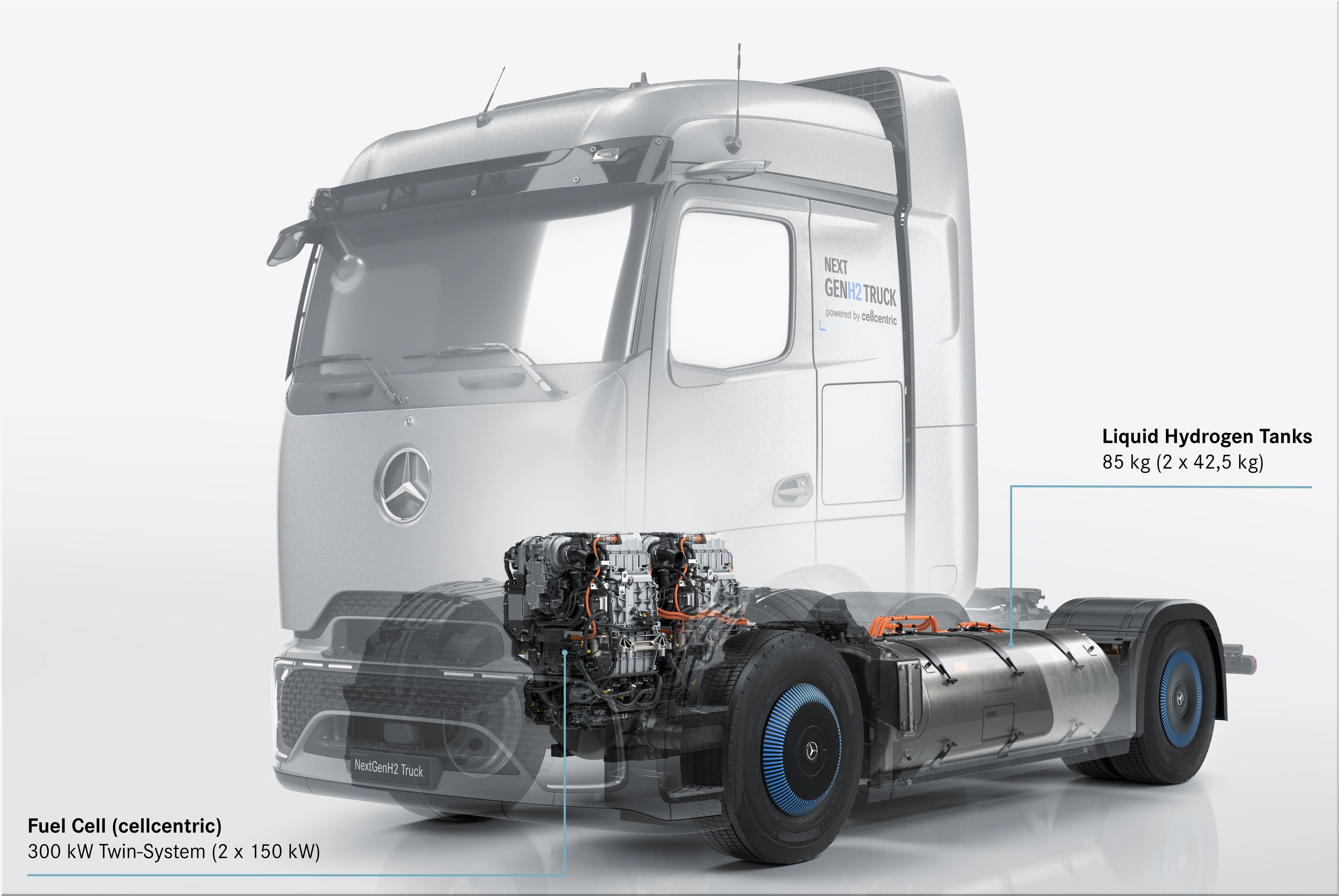
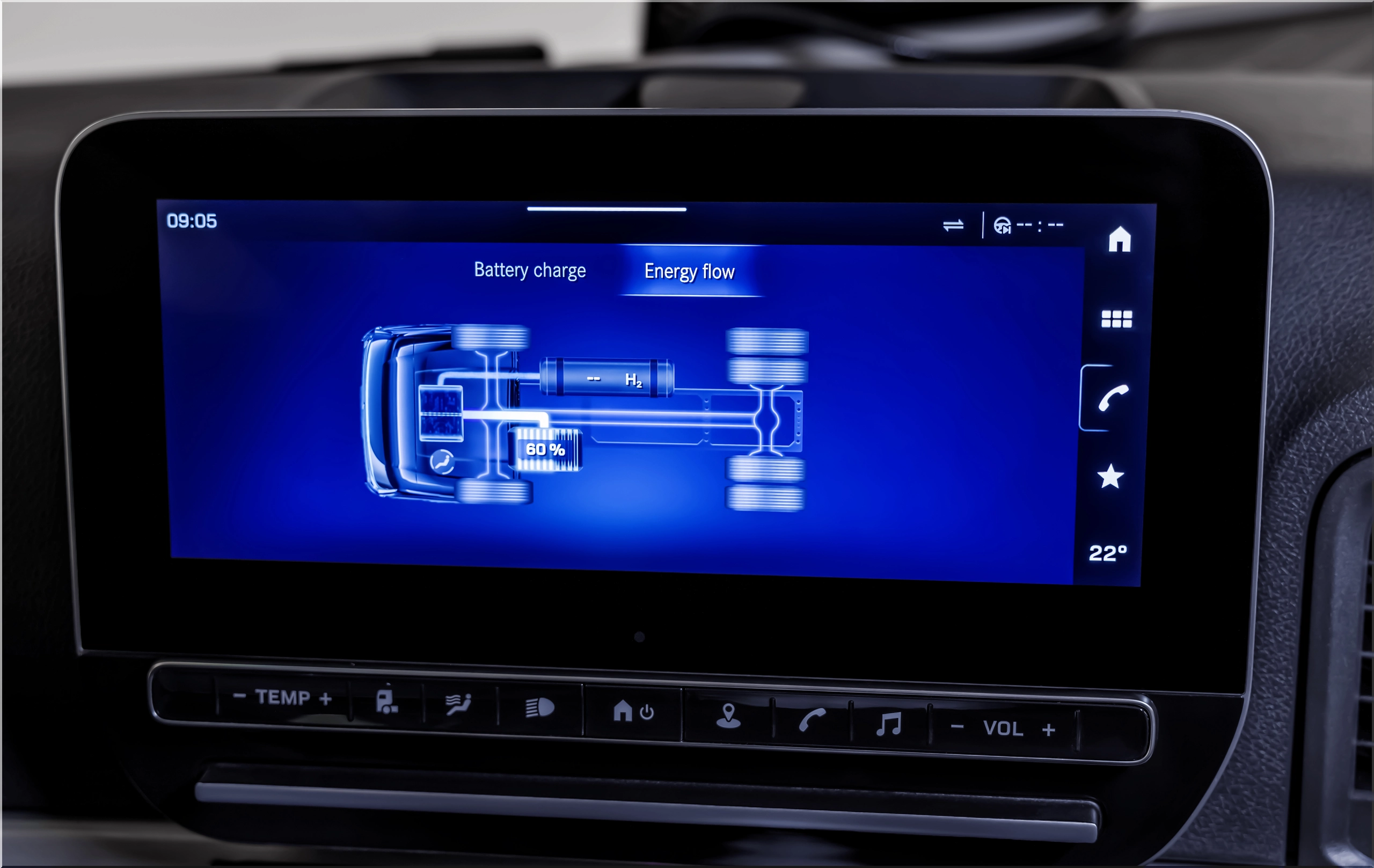
The powertrain features the cellcentric fuel cell system, a joint venture between Daimler Truck and Volvo Group. This system provides a continuous output of 300 kW, supported by a 70 kWh buffer battery that provides an additional 400 kW for peak loads—such as climbing steep highway grades or accelerating with a full 40-ton load. By integrating the e-axle and the four-speed transmission from the eActros 600, engineers have maximized efficiency while ensuring that parts remain available through the existing dealer network.
Liquid Hydrogen vs. Gaseous Storage
Most hydrogen vehicles use compressed gas stored at 350 or 700 bar. Daimler Truck takes a different, higher-density path. The NextGenH2 uses liquid hydrogen stored at temperatures below -423°F (-253°C). This choice is based on pure physics: subcooled liquid hydrogen (sLH2) offers a 50% higher energy density than compressed gas.
Using sLH2 allows for lighter, stainless steel vacuum-insulated tanks instead of heavy, carbon-fiber-reinforced high-pressure tanks. A lighter fuel system directly translates to a higher payload capacity, roughly 25 tonnes for a 40-ton gross combination weight. The NextGenH2 targets a range exceeding 621 miles (1,000 km) on a single 80 kg fill. This performance matches the operational flexibility of traditional diesel trucks, allowing for multi-day trips without the "range anxiety" often associated with electric infrastructure.
The 2026 Deployment Plan
Daimler Truck plans to deploy a fleet of 100 trucks starting in late 2026. These are not test mules; they are customer-ready vehicles designed for daily logistics. This phase allows the company to gather operational data from partners like Amazon, Air Products, and Holcim before ramping up to mass production by the end of the decade.
Key technical upgrades in the NextGenH2 include:
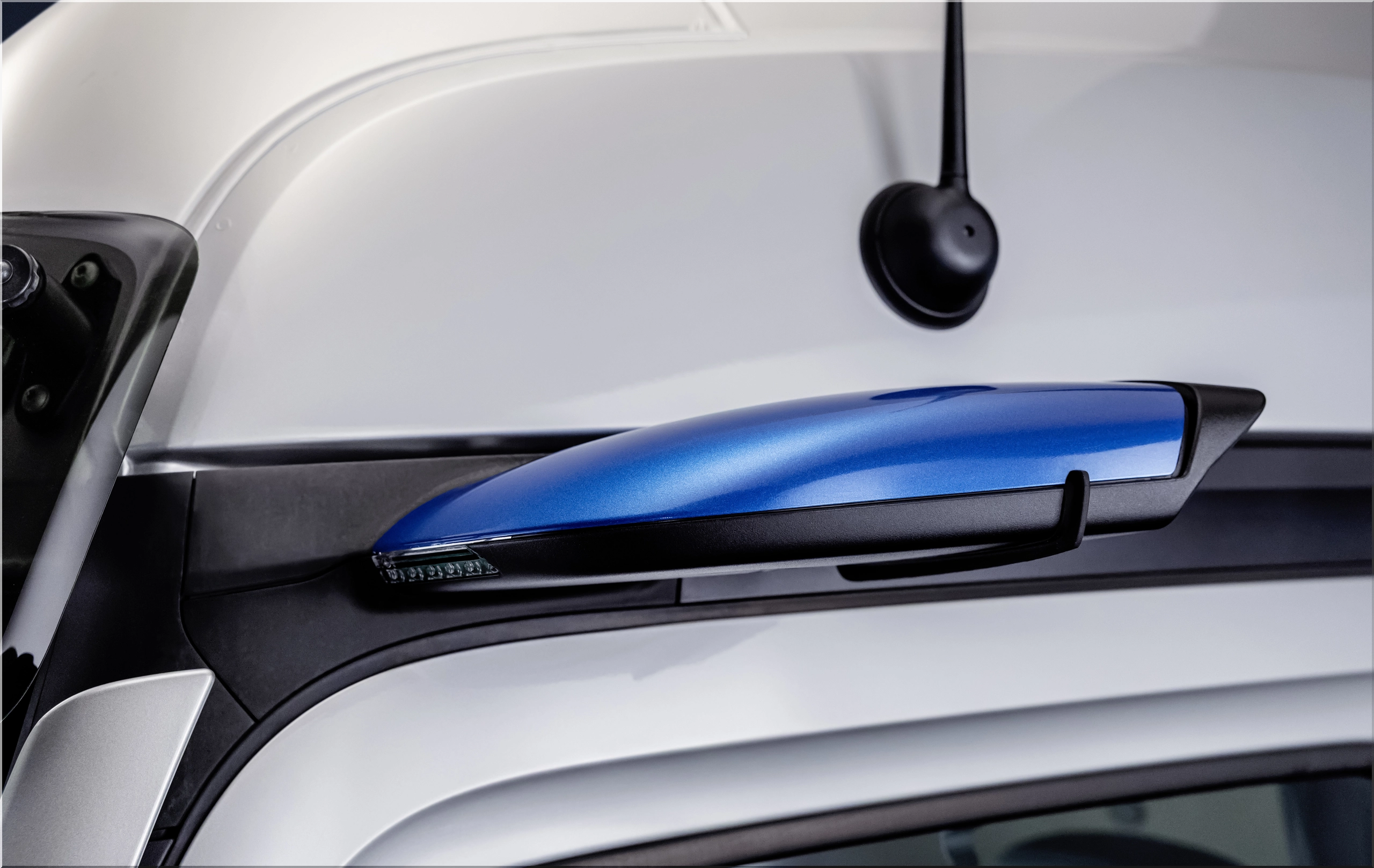
- ProCabin: An aerodynamically optimized cab with an extended front, reducing drag to lower fuel consumption.
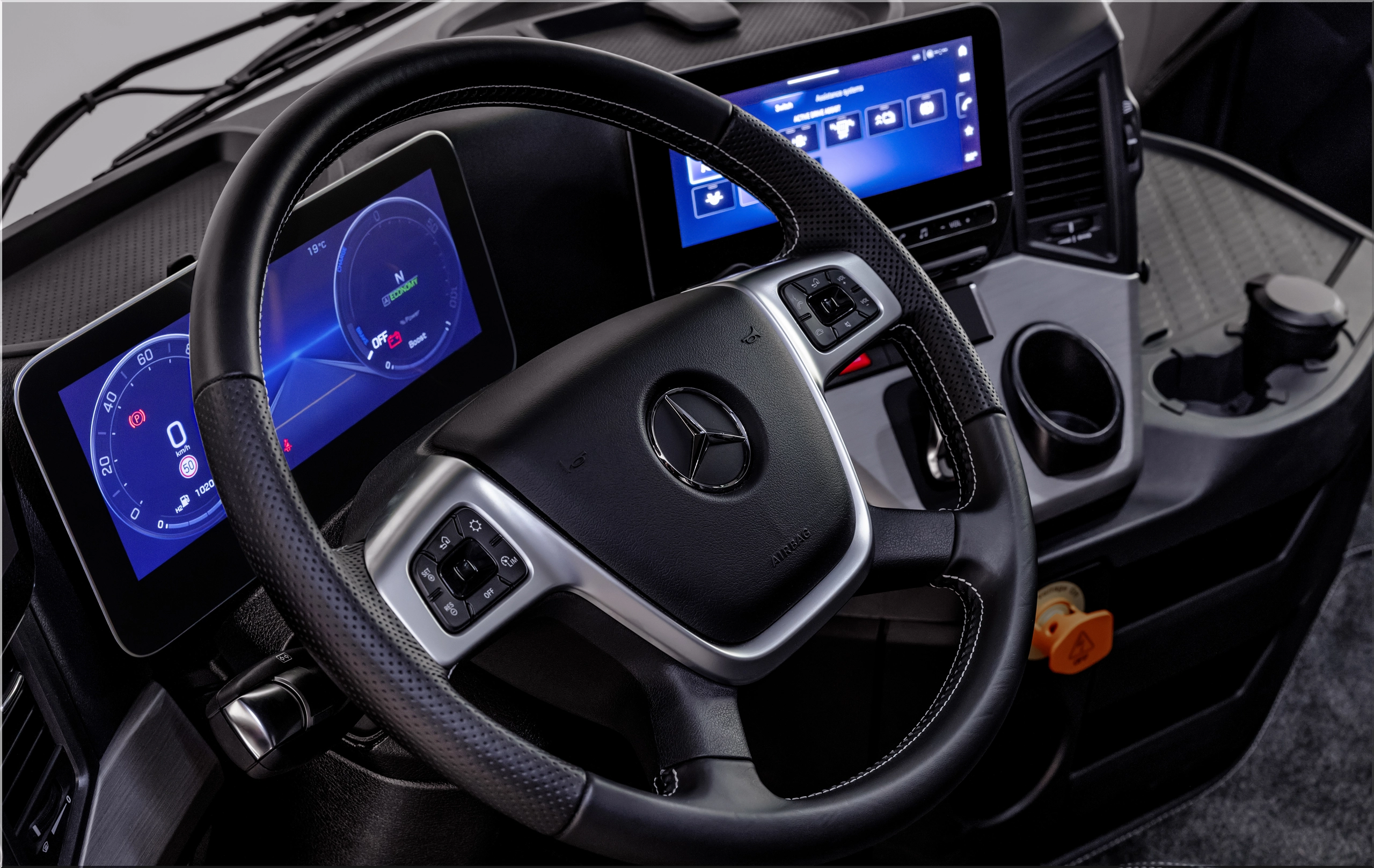
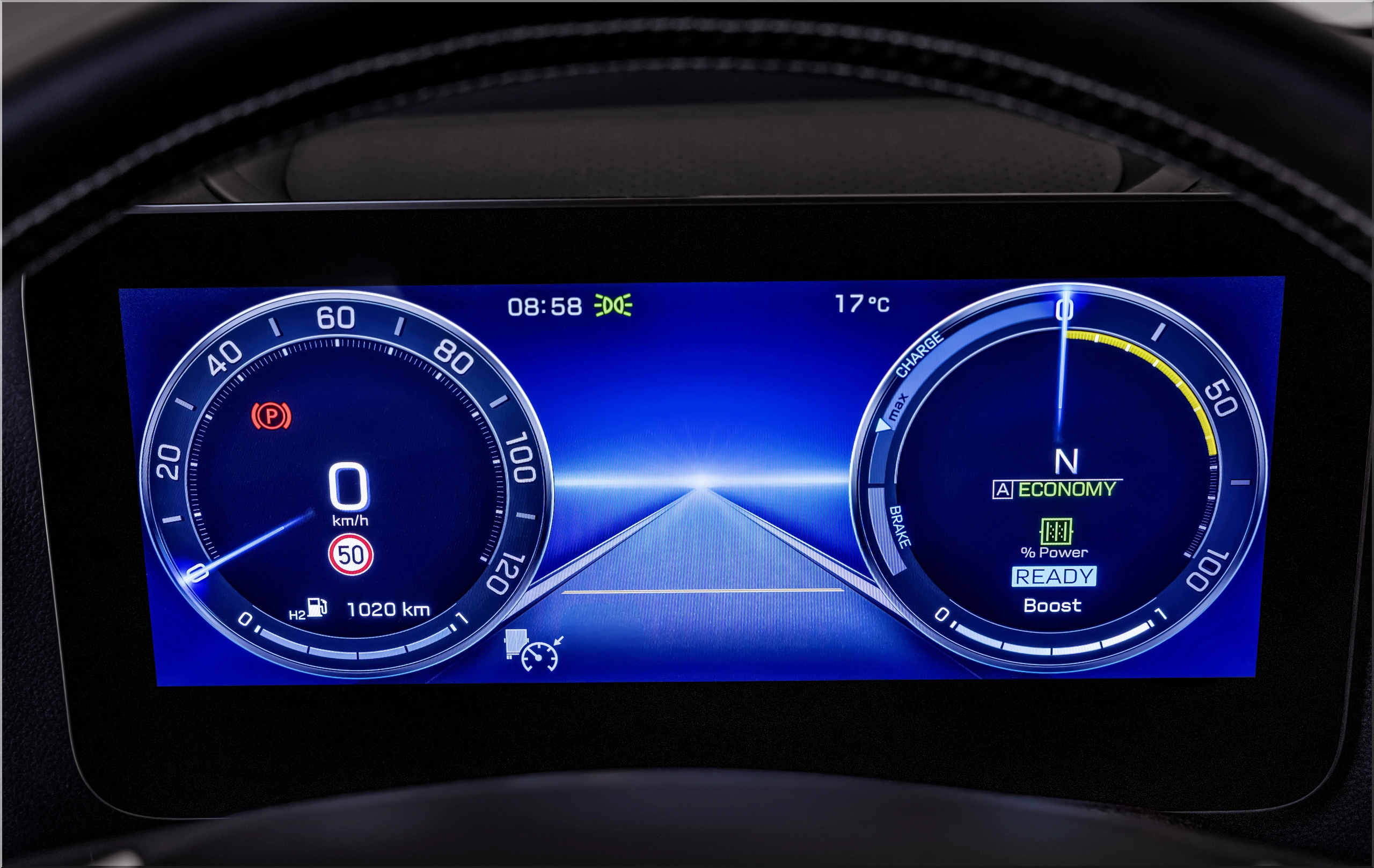
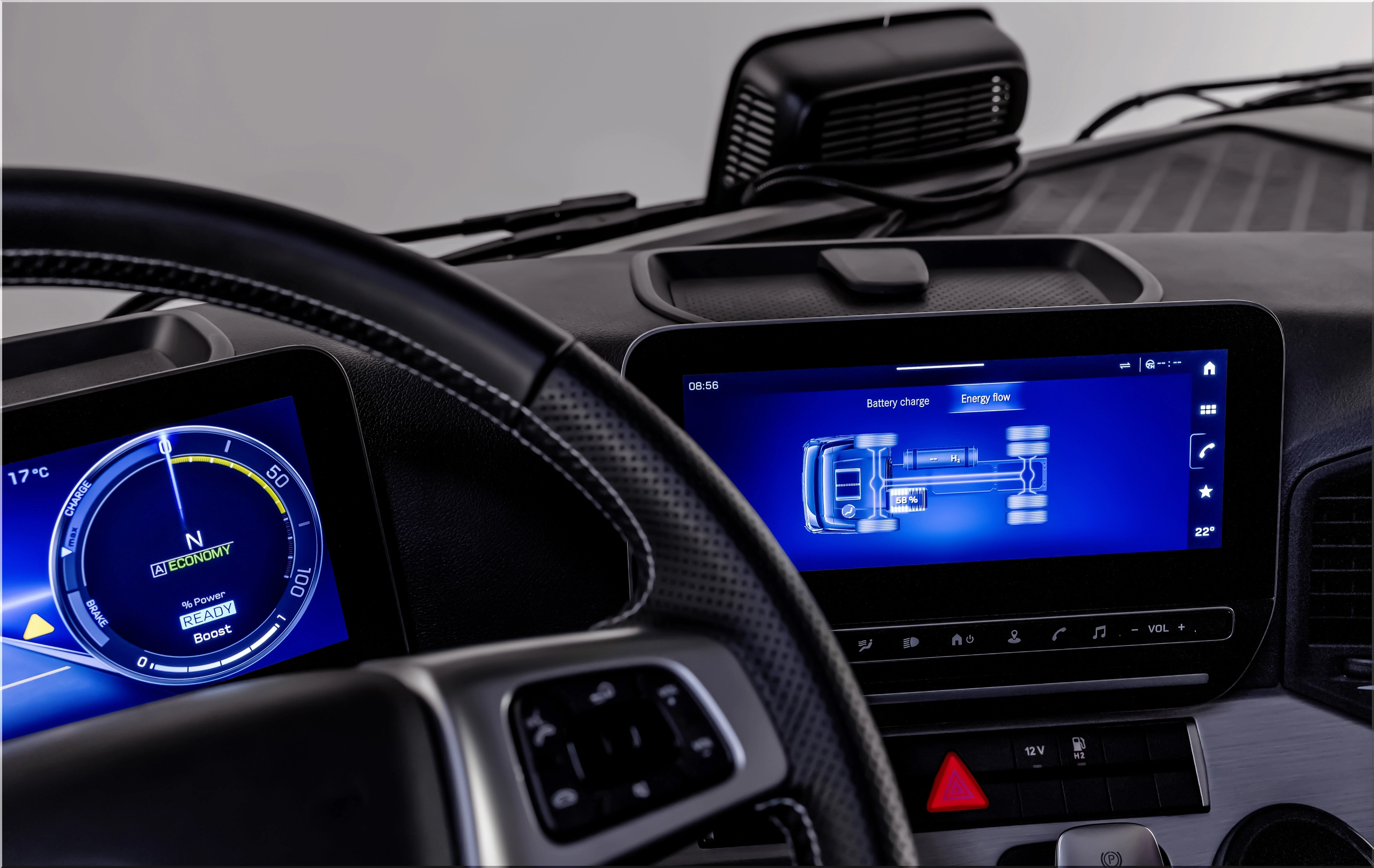
- Multimedia Cockpit Interactive 2: A digital interface with truck-specific navigation that accounts for hydrogen station locations.
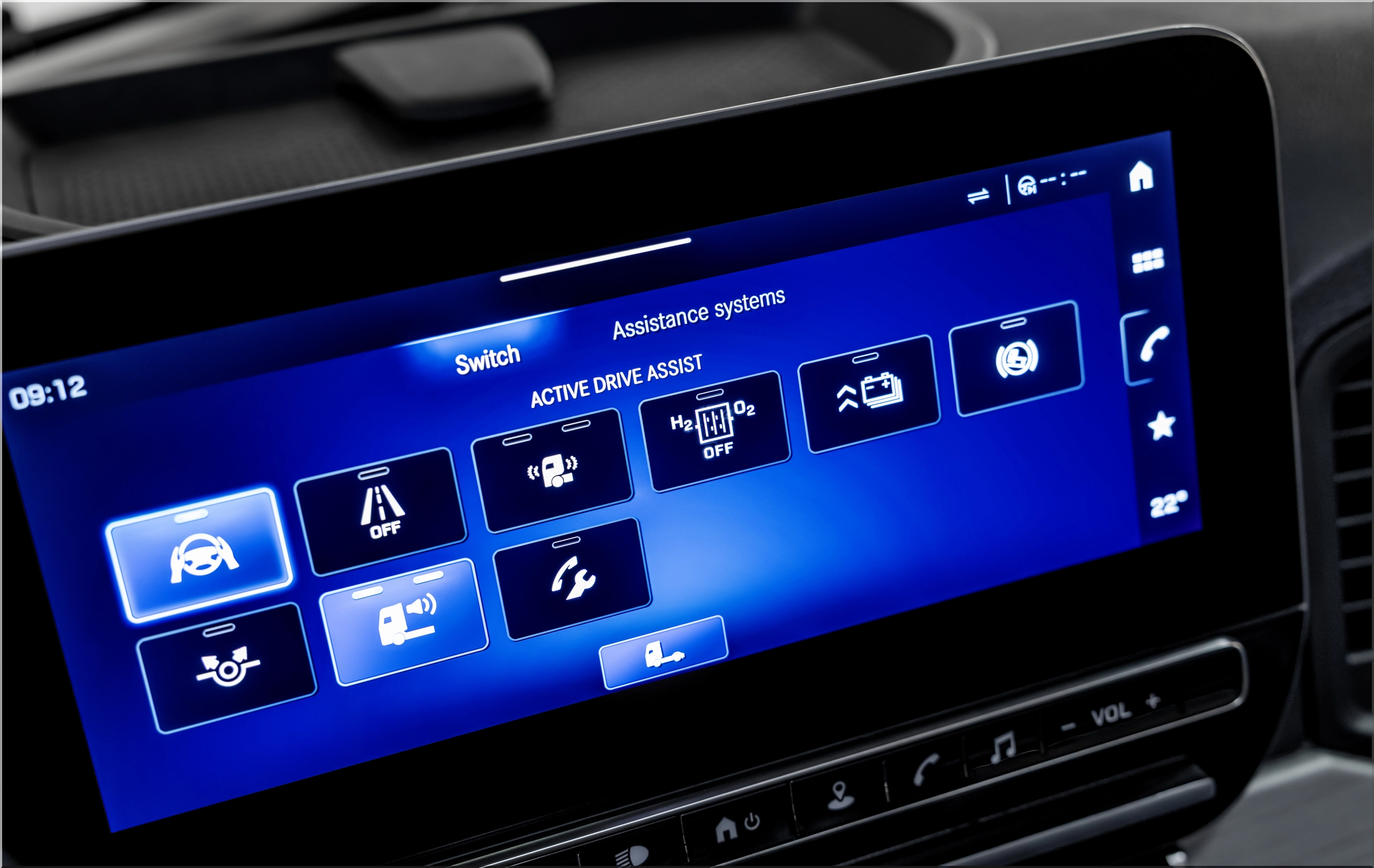
- Active Drive Assist 3: Advanced semi-automated driving technology that helps reduce driver fatigue on long hauls.
- Safety 270° Fusion: A sensor array combining radar and camera tech for unmatched side-guard and braking assistance.
Market Context: How the Competition Stacks Up
The hydrogen heavy-duty market is accelerating. While Mercedes-Benz focuses on liquid storage for maximum range, competitors like Hyundai are utilizing 700-bar and 350-bar gaseous systems respectively. Volvo is also expected to launch its version of the cellcentric platform soon.
The table below compares the NextGenH2's performance targets against existing and upcoming heavy-duty hydrogen competitors. All currency conversions use an approximate rate of 1.09 USD per Euro.
| Feature | Mercedes-Benz NextGenH2 | Hyundai XCIENT |
|---|---|---|
| Fuel State | Liquid (sLH2) | Gaseous (350 bar) |
| Target Range | 621+ miles (1,000 km) | 250 miles (400 km) |
| Refuel Time | 10-15 minutes | 8-20 minutes |
| Payload Est. | 25 tonnes | 18 tonnes |
| Series Start | Late 2026 | In Production |
| Est. Price (USD) | $550,000 - $630,000 | $400,000 - $450,000 |
Economic Reality and Infrastructure
The success of the NextGenH2 depends on a specialized hydrogen refueling network. Liquid hydrogen stations are currently rare, but Daimler is partnering with Linde Engineering to establish sLH2 as an ISO-standard. An sLH2 station requires a footprint of just 50 square meters and consumes 30 times less energy for refueling compared to gaseous compression.
Cost remains a hurdle. A hydrogen truck currently costs approximately three to four times more than a diesel equivalent. However, Total Cost of Ownership (TCO) parity is achievable by 2030 through carbon tolls and subsidies. In Germany, for example, zero-emission trucks save approximately $0.44 per mile ($0.30 per km) in road tolls compared to diesel, a saving that can total over $20,000 annually for high-mileage operators.
Driver-Centric Design
Trucking faces a global talent shortage, making equipment quality a retention tool. The NextGenH2 interior is a direct carryover from the premium eActros 600. Drivers benefit from a quiet, vibration-free cabin. The e-axle provides instant torque, allowing the truck to maintain speed on inclines where diesel engines often struggle. This improved drivability simplifies merging and mountain crossings, making the job safer and less stressful.
Decarbonization Mandates
Regulatory pressure is no longer a suggestion. The Corporate Sustainability Reporting Directive (CSRD) requires large logistics firms to audit their Scope 3 emissions. Companies like INEOS Inovyn and Wiedmann & Winz are participating in these trials because they must reduce their carbon footprint to remain eligible for high-value shipping contracts. These early adopters are avoiding the "risk of inaction" by securing their place in the zero-emission supply chain.
Technical Safety Solutions
Storing fuel at cryogenic temperatures requires precise engineering. The NextGenH2 uses double-walled, vacuum-insulated stainless steel tanks. If the vehicle remains stationary for an extended period, the system manages "boil-off" gas safely. Internal tests show that even with a 100% state of charge, boil-off does not begin for 10 hours, and a half-full tank can sit for over 160 hours without venting fuel.
The Path to 2030
Daimler Truck aims for its entire vehicle portfolio to be CO2-neutral in its main sales regions by 2039. The NextGenH2 is the cornerstone of the long-haul strategy. By 2030, the company expects zero-emission vehicles to represent 60% of its new sales. Hydrogen is the only viable path for heavy-duty trips where battery weight would displace profitable freight. The NextGenH2 proves the technology is a 2026 reality for the industry’s most demanding routes.
Actionable Insights for Fleet Managers
If you manage a heavy-duty fleet, 2026 represents the window for strategic transition.
- Map Energy Needs: Use telematics to identify routes over 300 miles where battery charging is not feasible.
- Infrastructure Lead Times: Engaging with energy providers now is necessary, as permitting for hydrogen stations can take 24-36 months.
- TCO Modeling: Factor in the elimination of CO2-based road tolls and carbon taxes when comparing hydrogen to diesel.
The Mercedes-Benz NextGenH2 is designed to replace the diesel truck on the hardest routes. With its 1,000-km range and rapid 15-minute refuel, it offers the first practical, zero-emission alternative for the heavy-duty sector.
Toyota has unveiled its third-generation fuel cell system (3rd Gen FC System) as part of its long-term commitment to hydrogen-powered mobility and carbon neutrality. With enhanced durability, efficiency, and cost… Continue reading
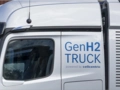
GenH2 fuel cell trials Daimler Truck finished a year of Mercedes-Benz GenH2 fuel cell trials. Five trucks ran more than 225,000 km with customers. Average hydrogen consumption landed between 5.6–8.0 kg/100 km across use cases… Continue reading
The Jaguar I-Pace is the very first 100% electric model from the British manufacturer, a viable mid-range electric SUV. The I-Pace present sustainable sports car performance, innovative artificial intelligence (AI) technology and five-seat… Continue reading

Kia launches in Germany the presale of the new generation of Soul 100% electric car. The basic version Kia e-Soul will be available from 33,990 euros, the more powerful version from 37,790 euros. The e-Soul shows a modern, new design, is… Continue reading