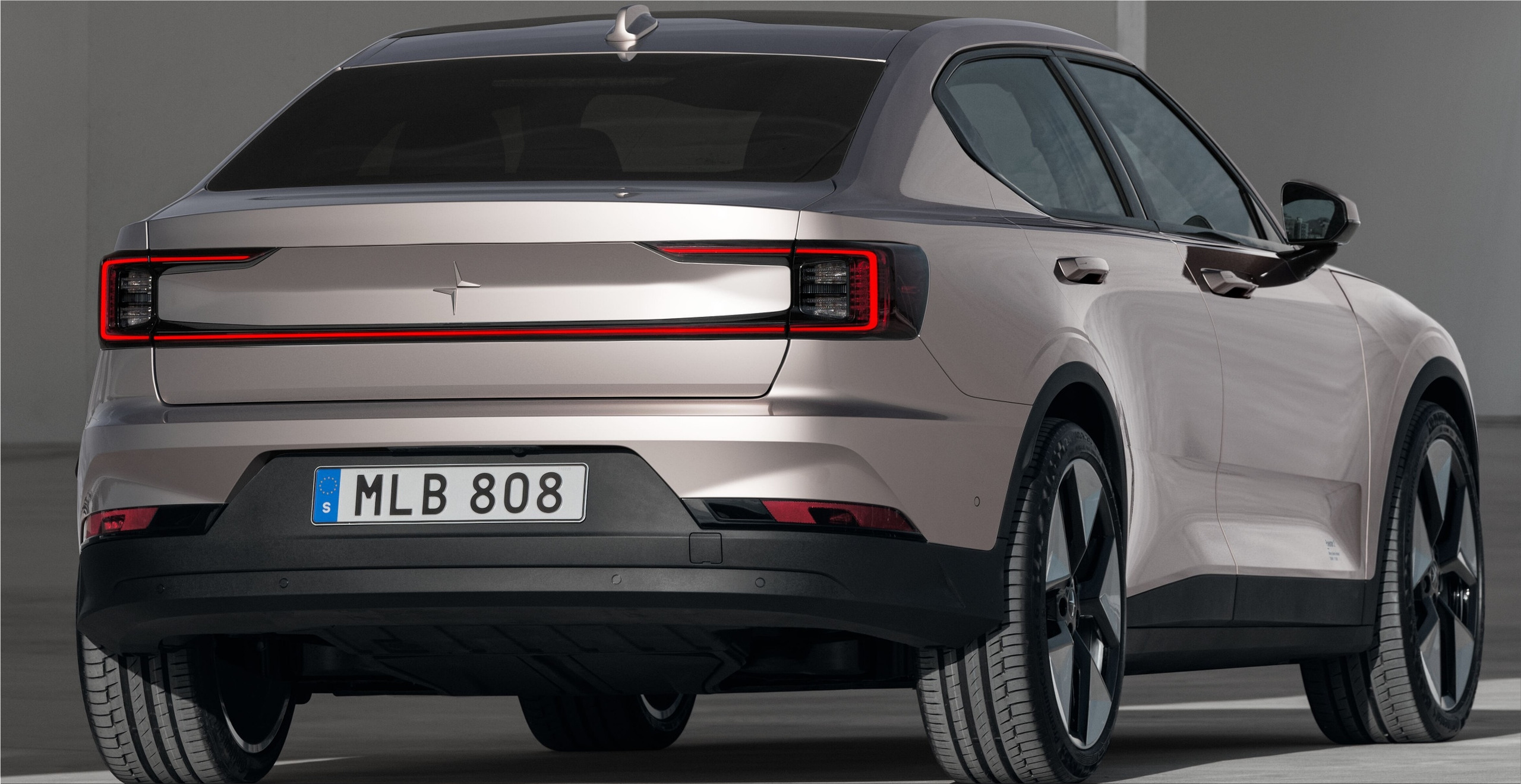
Polestar announces a new update to Polestar 2 electric car, which with CO2 reductions, enhanced traceability, and unique design details, allows for new visual expressions and improved efficiency.
"We have reviewed the materials and processes involved in the production of Polestar 2 and introduced updates that reduce the climate impact and increase material traceability. These are important additions to how we can improve cars during their lifetime - not just focusing on functionality and design, but also in terms of a lower CO2 footprint," says Thomas Ingenlath, CEO of Polestar.

Polestar's partnership with the Circulor company also includes blockchain traceability of minerals and cobalt, which is already traced in the Polestar 2 battery. In addition, blockchain technology enables Polestar to track hazardous minerals across the production chain.
The Polestar 2 Standard Range Single Motor's battery gets improved cell chemistry, which delivers a higher capacity: 69 kWh. This battery leads to an increased range of up to 474 km WLTP, faster charging (now up to 130 kW DC), and higher motor power of 170 kW. In addition, the aluminum tray, which carries the battery housing in all versions, will achieve a CO2 reduction of 750 kg per car based on the decision to buy only aluminum from smelters that use renewable energy.
"With all our updates, we want to be at the forefront of improvements that can help reduce the burden on the environment. Product updates are common in the automotive industry. Still, we choose a more in-depth approach and combine our updates, which provide a lower CO2 footprint," says Fredrika Klarén, head of sustainability at Polestar, and continues:
"We have already rolled out a pilot project in which aluminum in the rims has been replaced by low-carbon aluminum produced using renewable energy. As a result, we expect a CO2 reduction of 600 kg per car for Polestar 2 in the second half of 2022. "Together with the improvements in aluminum and the battery, we expect a total reduction of around 1,350 kg per car."
Updates to design details give a new look to all Polestar 2 variants. When it comes to interior design, Polestar's goal is to use renewable materials that are recycled and also include a vegan option. In the updated Polestar 2 electric car, an imitation leather cover from Nappa will therefore be available.
"We have a requirement that all leather used in Polestar's products live up to the strictest animal welfare standards and be fully traceable and free of chromium. Our new leather supplier, Bridge of Weir, meets these requirements," says Fredrika Klarén.
All the new design and feature updates for the Polestar 2 electric car:
- The new colors Space and Jupiter replace Void and Moon, respectively.
- Magnesium has become the new standard color.
- New designs for the standard 19-inch rims and optional 20-inch
- A new Zinc Nappa leather upholstery in off-white replaces ventilated Nappa Barley upholstery.
- Detachable sunshade for the panoramic glass roof (available in Polestar's webshop from mid-June 2022 for all Polestar 2 with glass roof)
- Performance software update with a maximum output of 350 kW (476 horsepower) and a torque of 680 Nm is now included in the Performance package.
- The heat pump included in the Plus package has an improved optimal temperature range, now between -7 ° C and 25 ° C
- The Plus package offers an advanced cabin filter and upgraded internal particle sensor with a new app in the car that improves the air quality in the cabin.
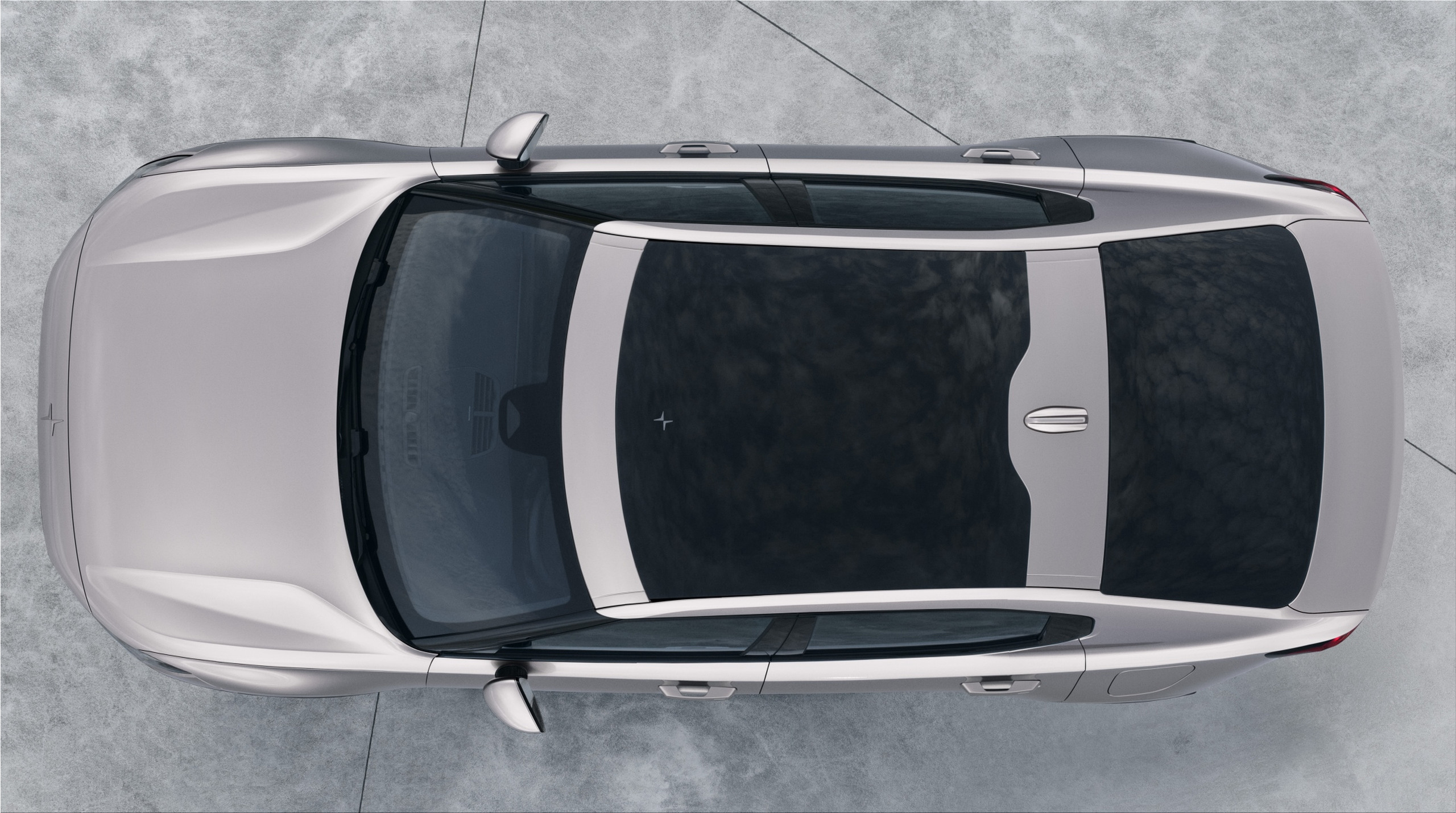
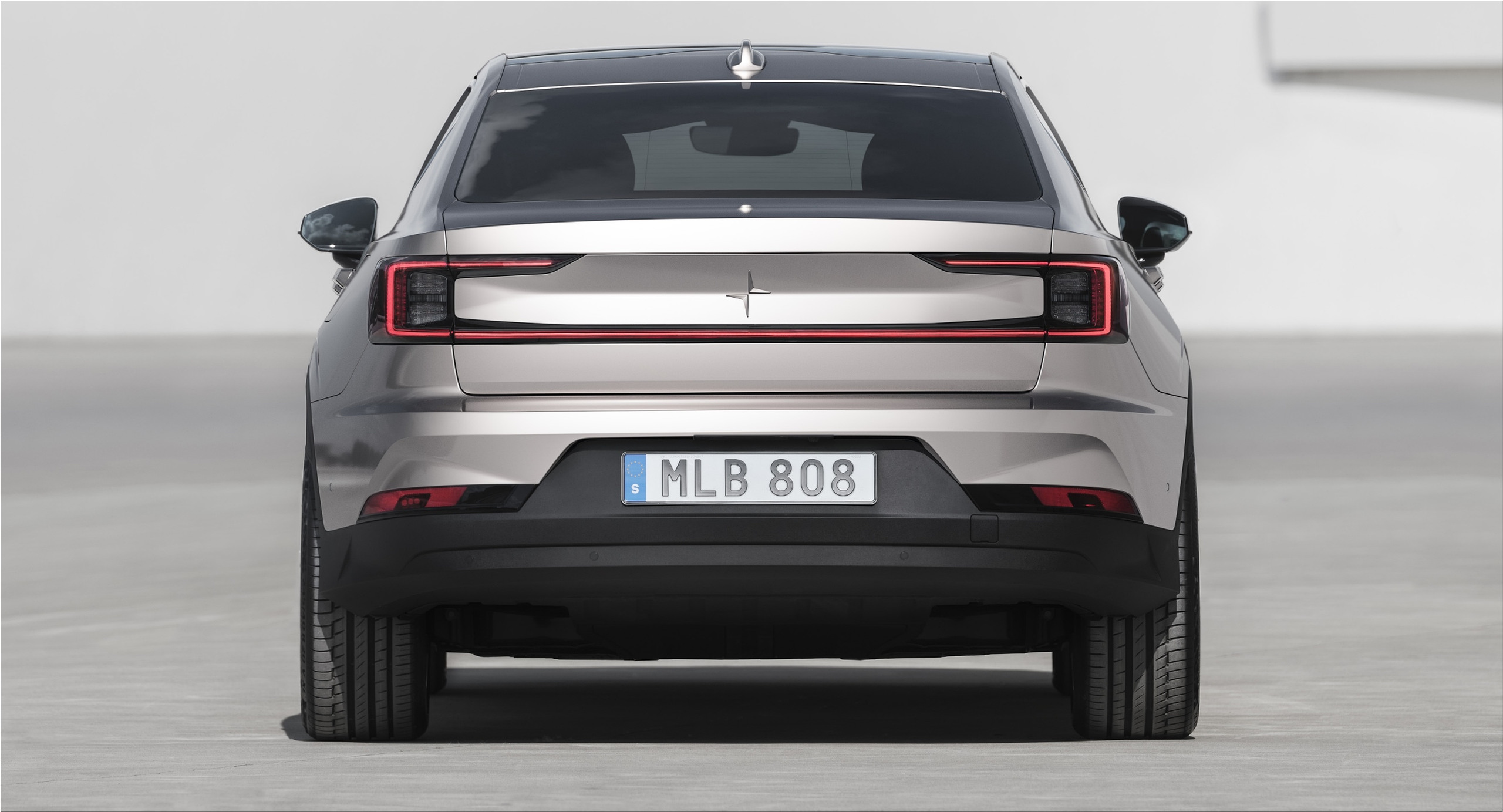
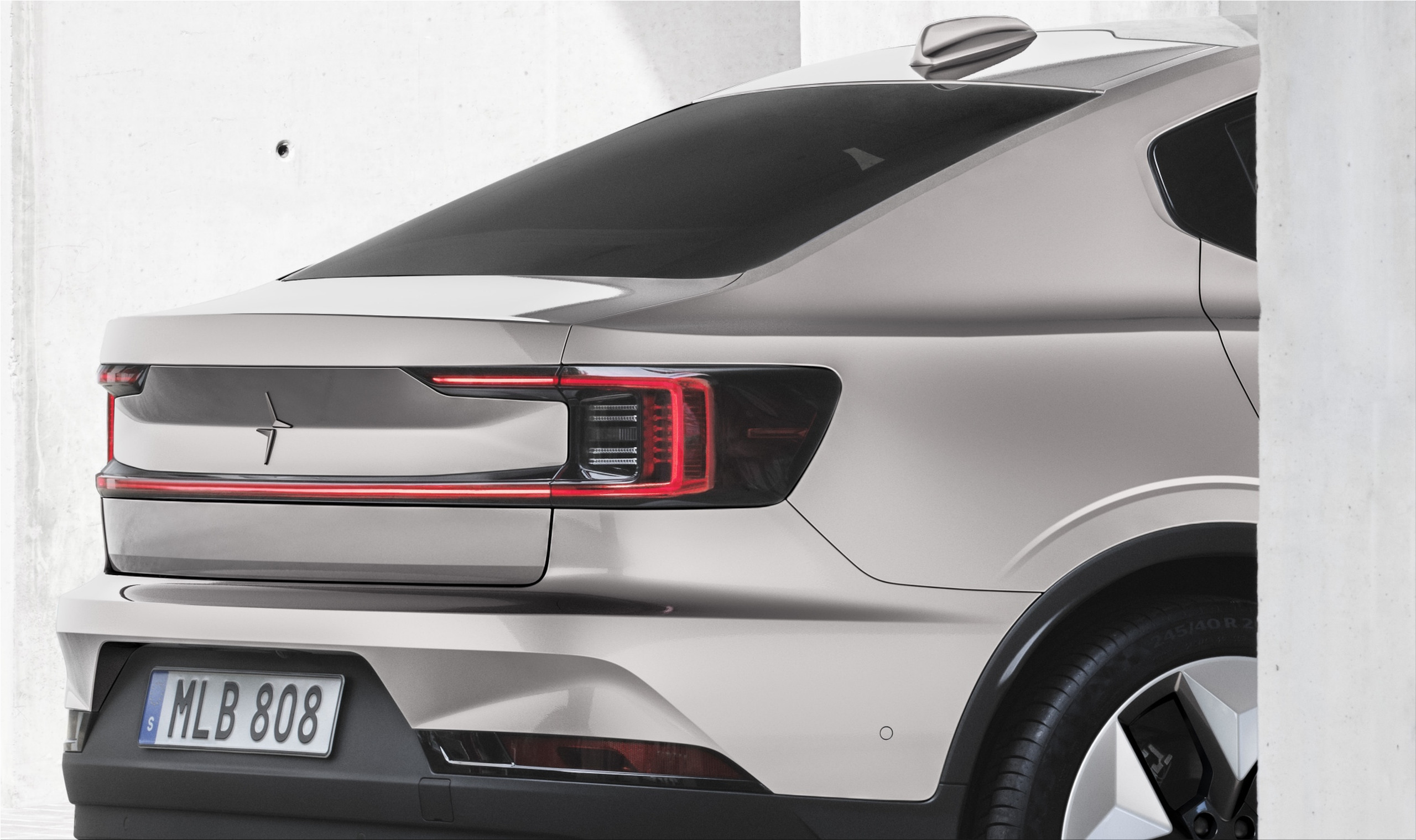

Orders for Polestar 2 electric cars are now open with the updated improvements on Polestar.com. The first electric cars are expected in September 2022. @via Polestar.

Popular and quirky designer Erik Buell , along with Frederic Vasseur (known by Spark Racing, who builds Formula E cars) and third-party founder François-Xavier Terny, plans to build electric motorcycles and e-bikes. The manufacturer is called "VanguardSpark". Continue reading
Although deliveries of the Tesla Model 3 on the European market started only in February this year, its success is already visible. We talk about the fact that Model 3 has become the best-selling electric model in the month of February in… Continue reading

The campaign to promote the future of the Mini Cooper SE (commercial name of the electric version) has begun since March, and voices close to the company say the model will be exhibited for the first time at the Frankfurt Motor Show. In order to maintain the… Continue reading
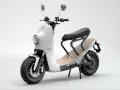
NITO NES 10 is the Italian scooter of Nuova Industria Torinese designed to change the rules in the world of electric scooters. NITO NES 10 is perhaps not easily digested by everyone but certainly able to stand out and succeed: to… Continue reading