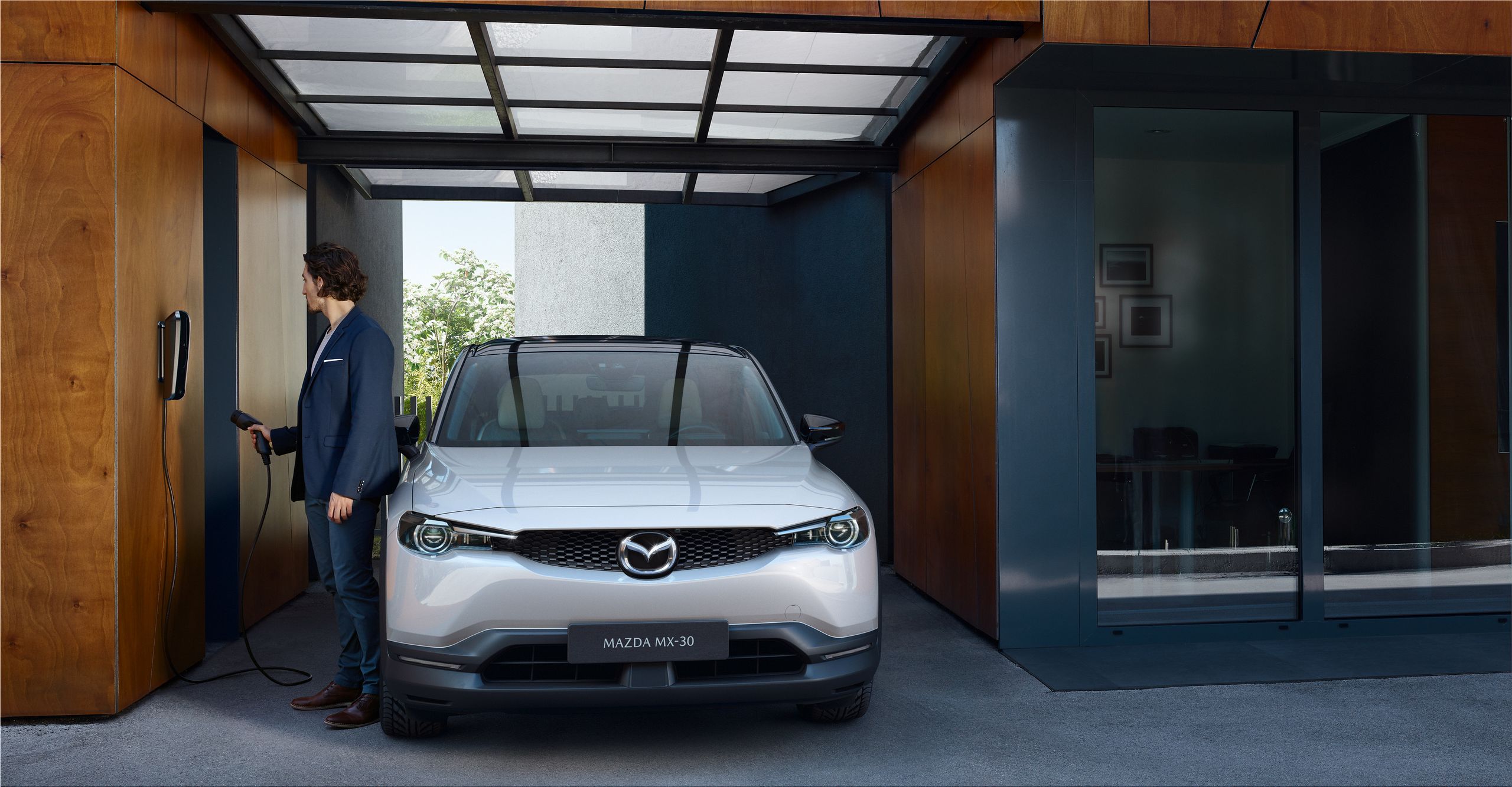
Revealed at the end of last year at the Tokyo Motor Show, the Mazda MX-30 has just taken a new step. This Wednesday, the Japanese brand announced the start of production of the electric car at the factory in Ujina, Hiroshima, Japan. The all-electric Mazda MX-30 will arrive in European dealerships in the second half of 2020.
The Mazda MX-30 is available in four trim levels and sold from 33,490 euros excluding bonuses.
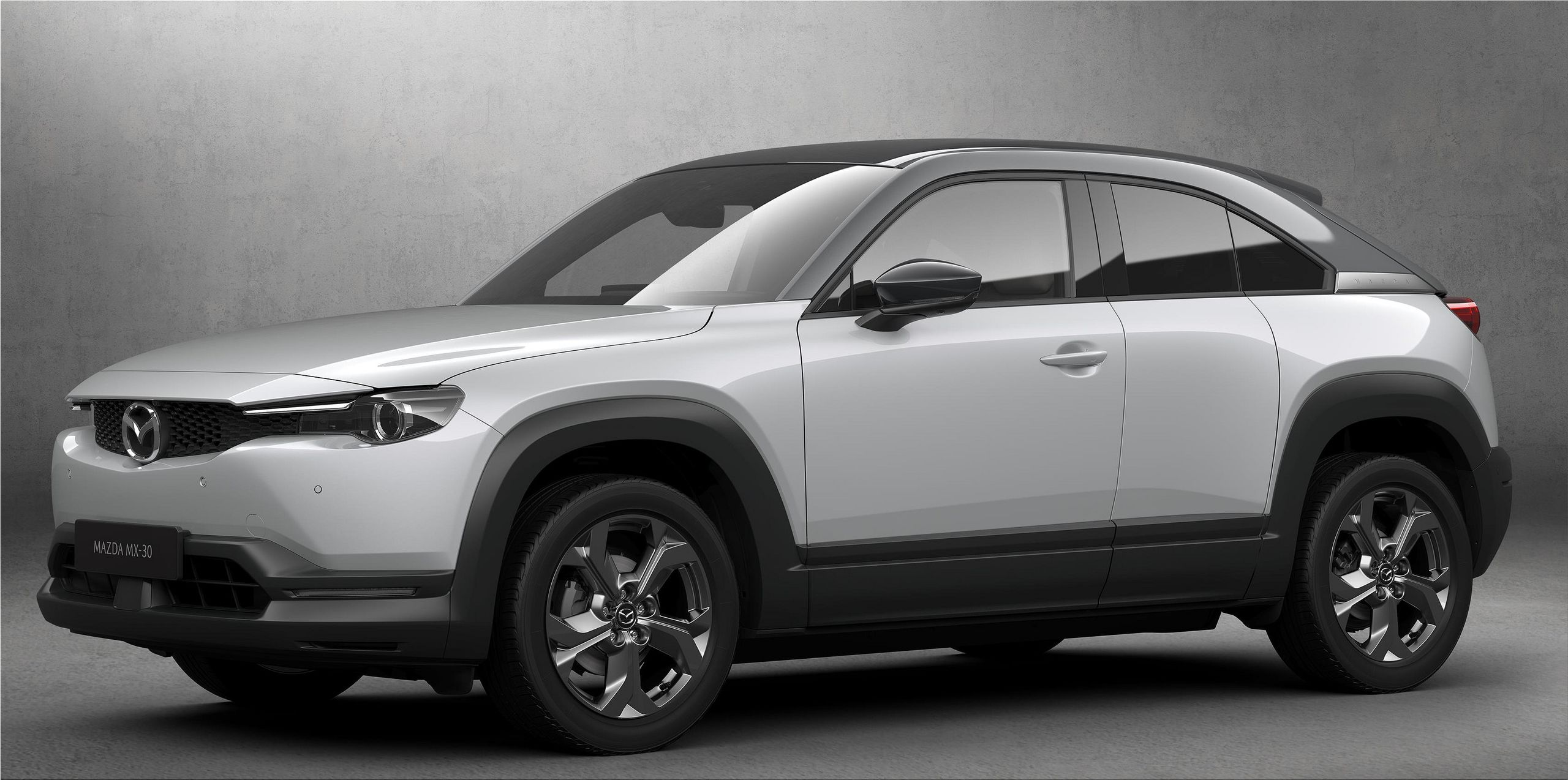
The new Mazda MX-30 is equipped with e-Skyactiv - Mazda's new electric drive technology. The front-wheel drive train combines a 107 kW (145 hp) AC synchronous electric motor with a 35.5 kWh lithium-ion battery, which enables the Mazda MX-30 to achieve a range of up to 262 kilometres in a pragmatic WLTP cycle. The Skyactiv-Vehicle Architecture of the Mazda MX-30 was specially tailored to complement the effortless, fully electric driving behaviour of the car.
Equipped with a Combo charging port, the MX-30 can be recharged to 80% in about 40 minutes on a DC fast-charging station.
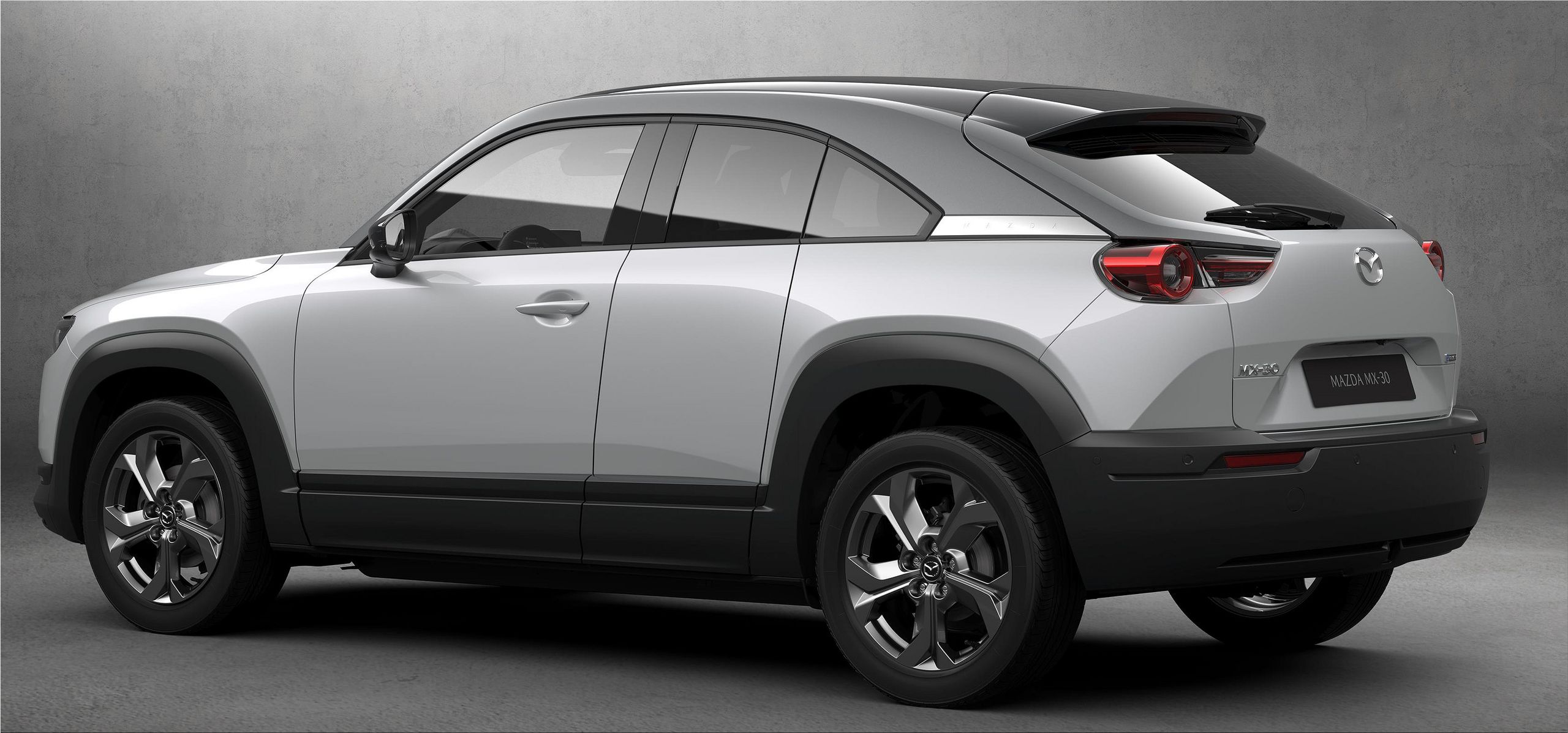
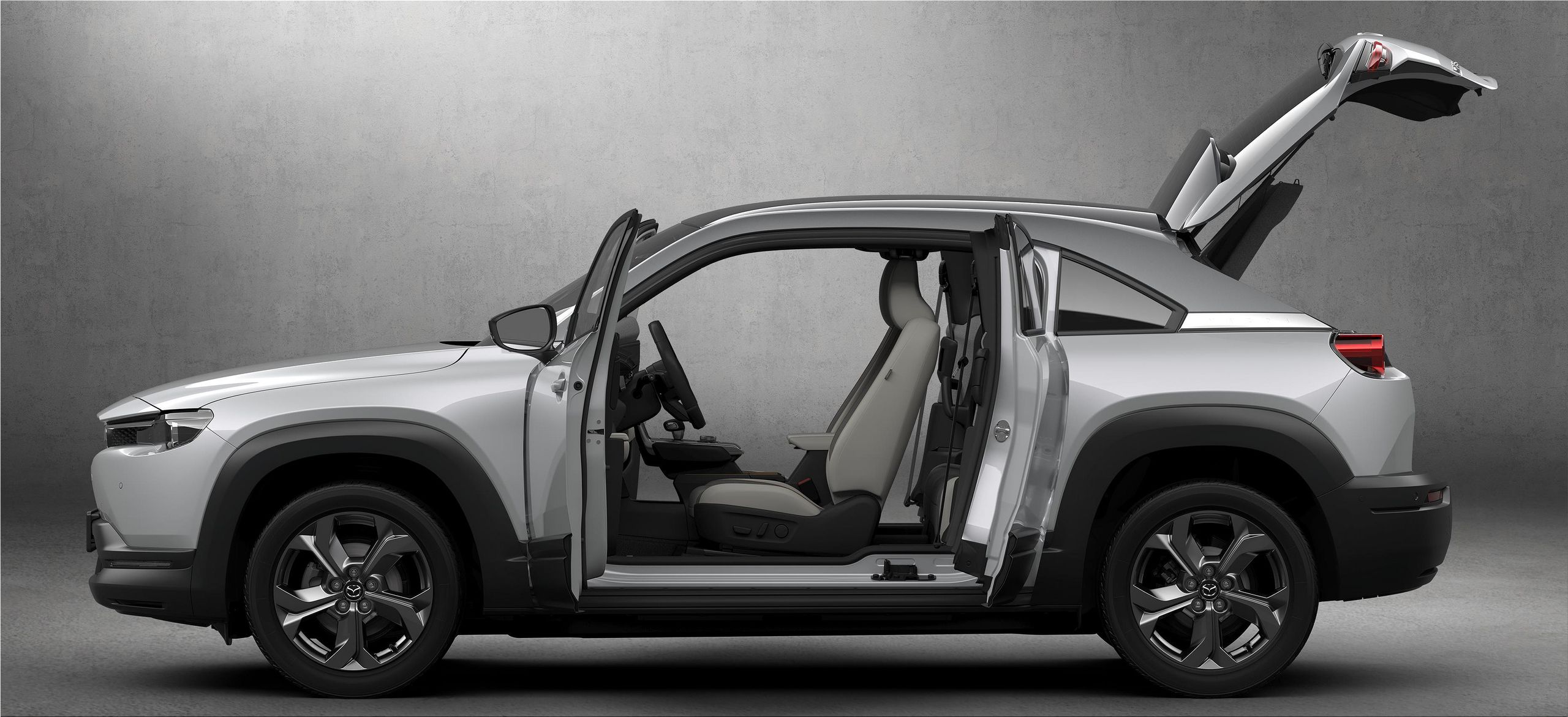
In 2021, Mazda plans to add a version with a range extender, and the small electric engine should noticeably increase the range. The Japanese do not yet give technical data or prices for this version.
Volkswagen Group Components is giving a glimpse of a prototype of its mobile charging robot for electric vehicles. It is a visionary concept that will successfully expand the charging infrastructure for electric cars over the next few years.… Continue reading
The German brand Porsche announces that it will double its investment in the development of electric vehicles from this time until the year 2022: it will exceed 6,000 million euros. The move to all-electric cars seems necessary for any car manufacturer… Continue reading
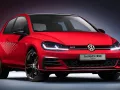
Volkswagen is preparing to launch the ID family of 100% electric vehicles. However, it also intends to offer new propulsion options by combining traditional gasoline or diesel engines with electricity and natural gas, offering hybrid versions… Continue reading

The charging station register of the Federal Association of the Energy and Water Industries (BDEW) has currently around 17,400 public charging locations in Germany. From these, about twelve percent are fast-charging. More than three-quarters of the… Continue reading