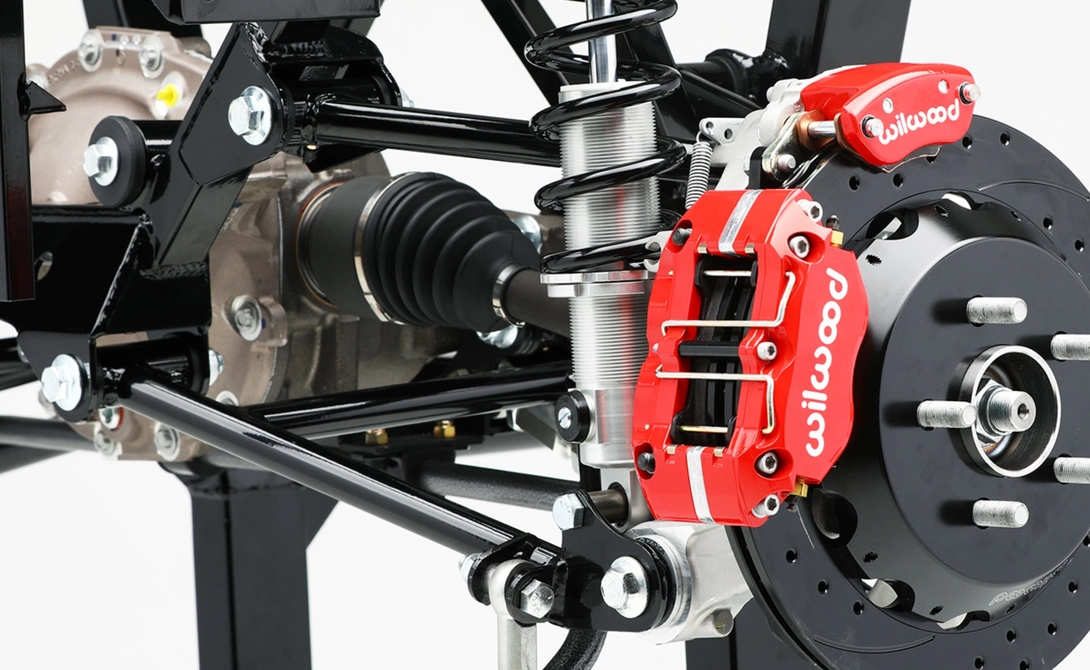
Your car's suspension is made up of many parts, most notably shocks, struts and springs. These parts all come together beautifully to distribute your vehicle's weight and ensure a smooth ride. Over time, certain factors can cause a collapse of your car's suspension. Here are four of the leading causes of suspension failure.
1. Passage of Time
Many people keep their car as long as possible after it's paid off, and that means more age-related repairs. As time passes, metal components under your vehicle are exposed to bumps, jolts and bending. Eventually, you may need suspension work Lakewood CO for no other reason than your car is just old.
2. Too Many Bumps
Taking rough roads will naturally cause suspension failure quicker than if your car never saw a bump. You also risk a suspension collapse if you hit a large bump while you're traveling at a high speed. To avoid untimely repairs, it pays to avoid uneven roads and potholes whenever possible.
3. Accumulation of Rust
If you live in an area that gets snowfall, rust is a serious problem. Road salt used to treat highways exacerbates the rate of corrosion. Since suspension springs are made of metal, rust will eventually wear them down. To slow this process, rinse your car's undercarriage whenever there's a warm day.
4. Excessive Weight
Suspension springs are strong, but if you're hauling excessive weight, you're at risk. Vehicles are only meant to carry a certain amount of weight and when you regularly overload a work truck or your personal automobile, it's dangerous. Not only are you compromising your suspension, but also your tires and engine.
Sometimes suspension failure can't be avoided, but try to protect your vehicle by avoiding bumpy roads and excessive cargo. If you experience suspension problems, see your mechanic immediately.
- Add new comment
- 246 views