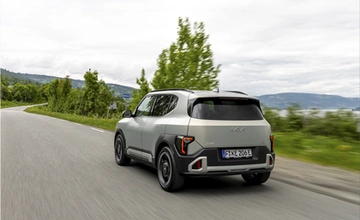
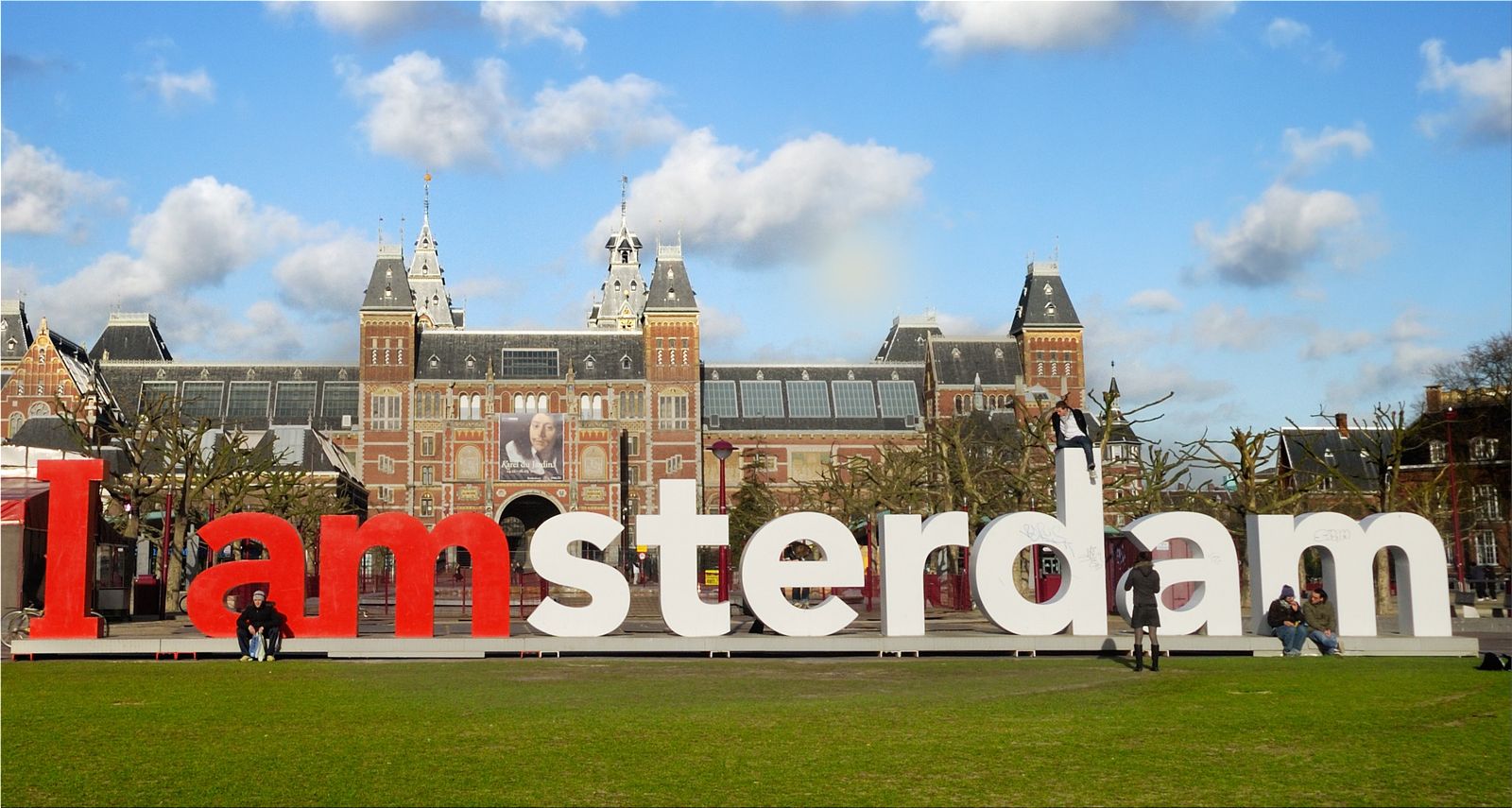
Cars and motorcycles that run on gasoline or diesel will be banned in the Amsterdam, Netherlands, starting 2030.

Starting next year, diesel cars older than 15 years will be banned on the A10 road around the Dutch capital.

Also, buses and vans emitting exhaust gases will no longer have access to downtown by 2022. Until 2025, the ban will be extended to boats, motorcycles and mopeds.
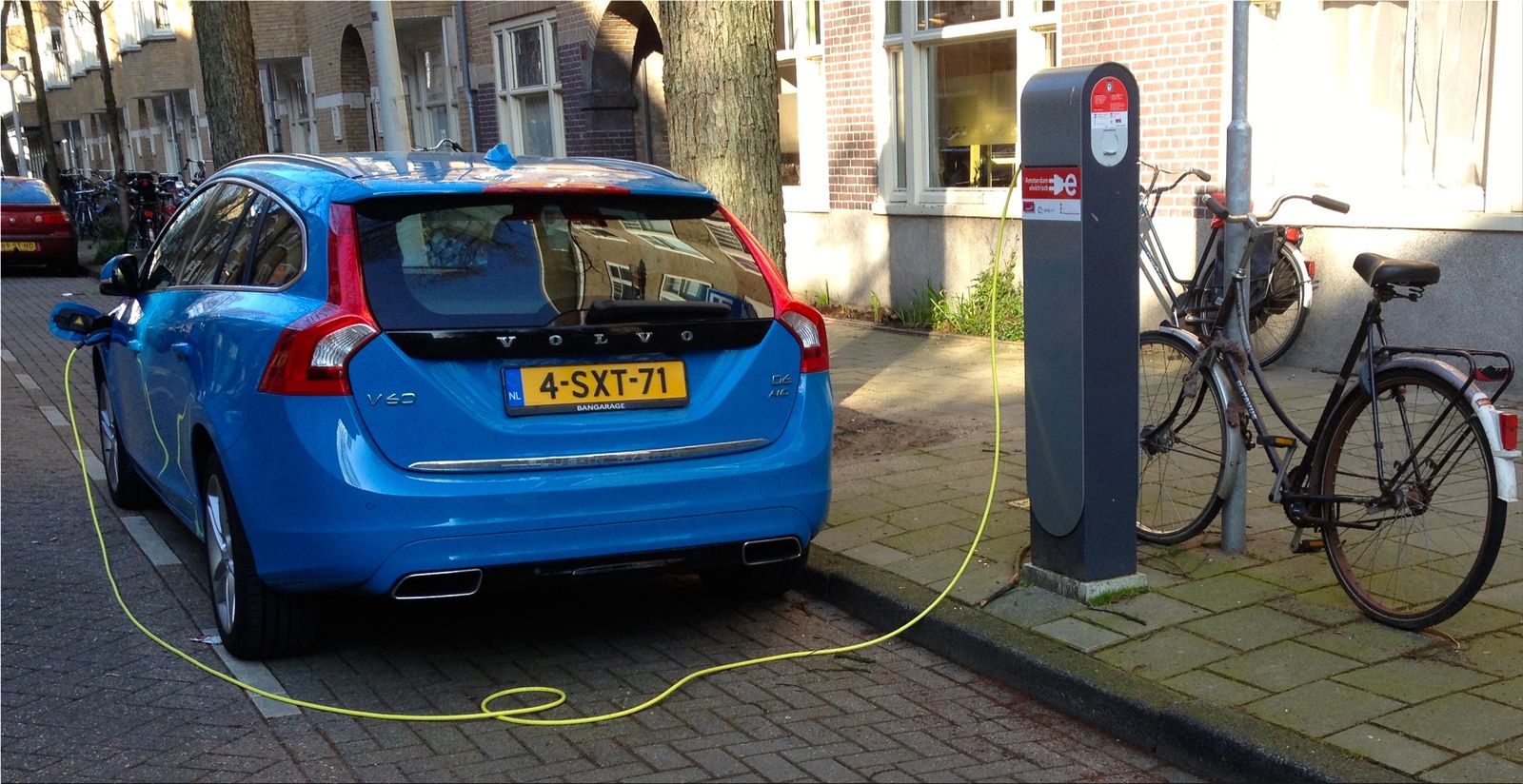
Thus, the city intends to encourage its inhabitants to switch to electric cars, offering charging stations to every buyer of such a vehicle. Authorities expect the second-hand electric car market to grow significantly in the coming years. 

Starting in 2025, there will need to be between 16,000 and 23,000 EV charging stations to make the project viable. At present, there are only 3,000 such stations in Amsterdam. 


Wireless charging is a new technology that allows an electric car to charge without being hooked into a charging station. Instead, a wireless charging system comprises a ground pad beneath a parked electric vehicle and a receiving system that… Continue reading

Polestar announces a new update to Polestar 2 electric car, which with CO2 reductions, enhanced traceability, and unique design details, allows for new visual expressions and improved efficiency. "We have reviewed the materials and… Continue reading

If you ask a random stranger on the street what they identify with Volvo Cars, the majority will say safety. Volvo is delighted to be renowned for this association, as safety is the ultimate core of its business. "Security is not a marketing… Continue reading

Audi's activesphere concept is a unique crossover vehicle that fuses the luxury of an Audi Sportback with the utility of an SUV and the robust off-road capabilities of a traditional Audi. It shares the Audi PPE architecture with the… Continue reading