The use of a known resistance in an electric circuit produces electric warmth. As there are few free electrons in this resistance, it does not easily conduct electric current. When there is a resistance in the movement of electrons, heat is produced as a result of the resistance. The heat generated will be the heat energy required to operate electric gadgets. Due to this, resistant heating requires a lot of electrical energy, electric heating is the most efficient but also the most expensive method. Electricity is too expensive when compared to other energy sources like water, gas, and fossil fuels. These electric heaters are less attractive to purchasers when compared to other factors such as purchase price and installation. For more information, visit the following link electric heaters.
Due to its abundance and low cost, natural gas is the most commonly used fuel for water and indoor heating. However, just because natural gas contains the word "natural" in its name does not mean it is a clean heat source. Even though its emissions are fewer than those of coal and oil, natural gas is still a fossil fuel. You can theoretically have zero-emissions heat by employing clean power when heating systems run on electricity.
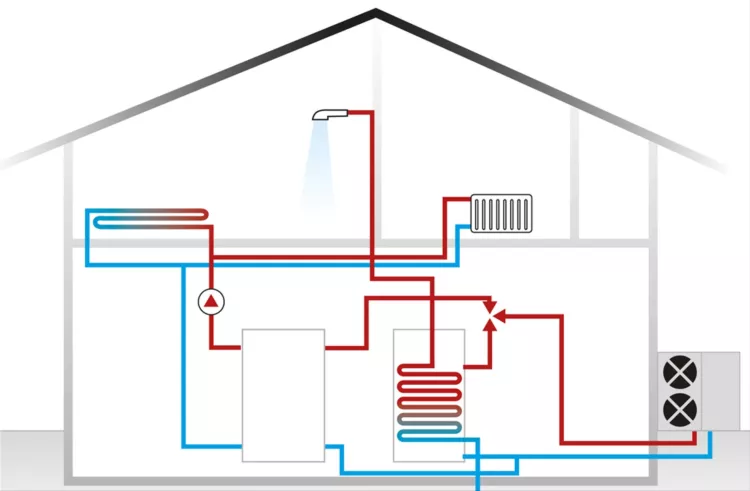
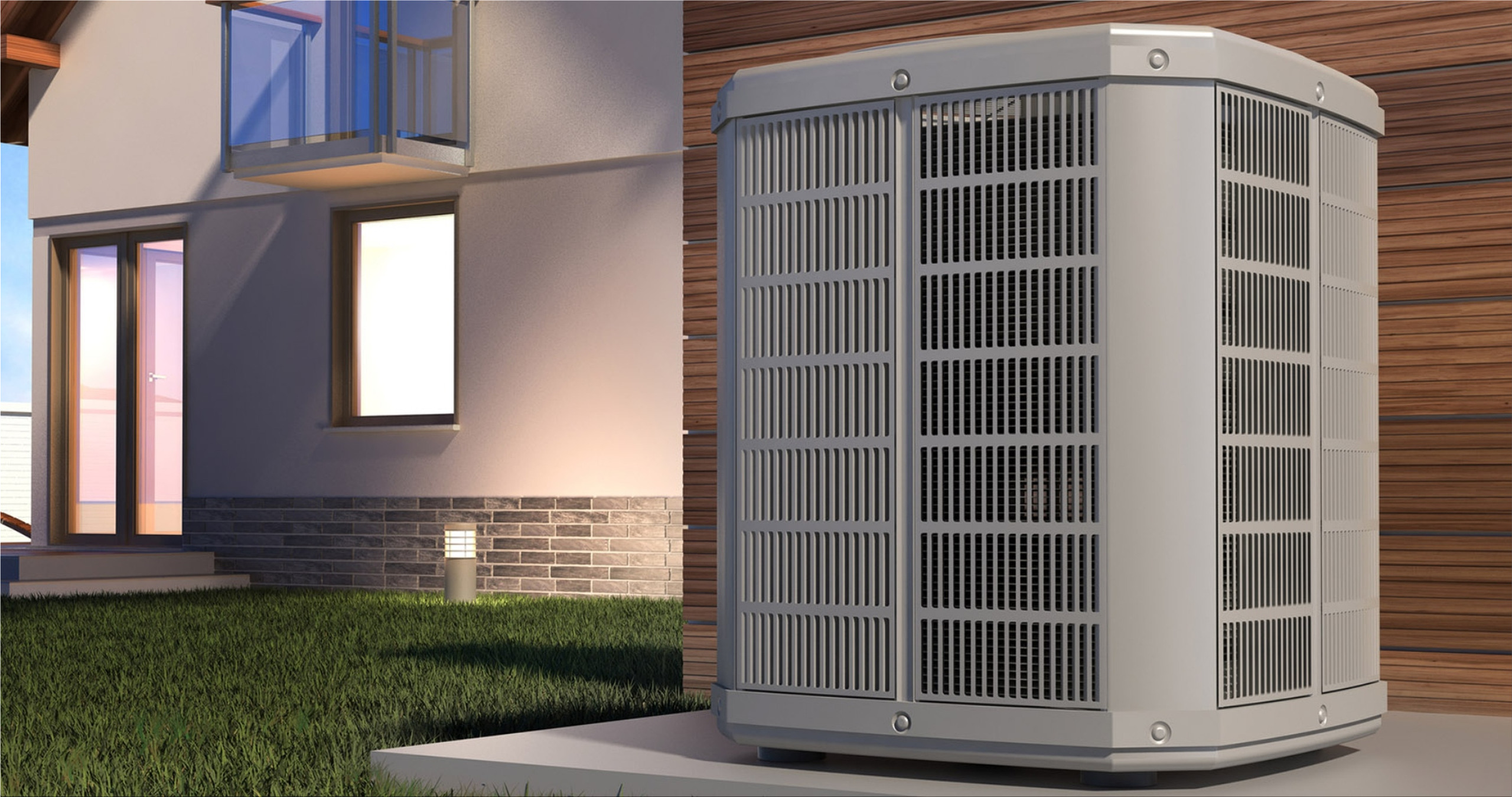
Due to the high operating costs of resistance heaters, gas-fired heating systems are unfortunately favored in homes and workplaces. Electric heat pumps, on the other hand, are a cutting-edge technology that can match the cost of gas without combustion and pollution. In simple terms, a heat pump is a refrigerator or air conditioner that operates in the opposite direction. A heat pump collects heat from the environment and supplies it to an indoor room or a container, whereas standard cooling equipment removes heat from closed spaces to release it outside. You may get the same effect indoors during the winter by reversing the direction of heat flow.
An evaporator, compressor, condenser, and expansion valve are all included in a heat pump, just as they are in an air conditioner. The distinction is that these components are designed to transport heat into a structure, whereas an air conditioner removes heat. You might be wondering how a heat pump extracts heat from the cold outdoor air in the winter.
The procedure is similar to how air conditioners remove heat from rooms that are cooler than the outside air. Air conditioners and heat pumps can oppositely move heat by repeatedly evaporating, compressing, condensation, and expanding a refrigerant fluid. Some heat pumps are reversible, meaning they may be used as regular air conditioners in the summer. If your air conditioner and space heater are both old, consider replacing both with a reversible heat pump.
You'll be able to combine two appliances into one, lowering both your power expenses and your carbon footprint. Heat pumps are a cutting-edge technology for air conditioning, space heating, and household hot water. When utilized for space cooling, they can match the efficiency of a modern ductless air conditioner, and in space heating and domestic hot water systems, they can match the cost of natural gas without the pollutants.

The National Transportation Safety Board (NTSB) is investigating what could be the second fatal accident of a Tesla with the Autopilot mode connected. On March 23, a Tesla Model X car crashed into a freeway… Continue reading

The Federal Ministry for the Environment in Germany is providing an additional 180 million euros for the purchase of electric buses in urban public transport. As a result of the extension, the ministry now intends to pay around € 300 million on the… Continue reading

One of the noisiest, biggest and dirtiest vehicles that have been created is undergoing a hopeful transformation. And is that more and more companies are aiming to develop electric garbage trucks, and even autonomous as Volvo has done. Mack Trucks, part of… Continue reading

For the 20th anniversary of the VW subsidiary in California, the German carmaker has shown the legendary Type 2 T1 as an electric minibus. The VW Type 20 is just a concept. Type 20 is an electric minibus based on the iconic Volkswagen Type 2 T1 that in… Continue reading