Spain is a country that loves cars. It has a long history of automotive innovation, from the pioneering Hispano-Suiza to the iconic SEAT 600. It also has a strong car industry, with more than 2.8 million vehicles produced in 2019, making it the second-largest car producer in Europe and the eighth in the world.
But Spain is also facing a challenge: reducing its carbon emissions and meeting the European Union's ambitious climate goals. According to the European Environment Agency, transport accounts for 27% of Spain's greenhouse gas emissions, and road transport is the main contributor. To tackle this problem, Spain needs to embrace a new mobility paradigm: electric mobility.
Electric mobility is good for the environment, economy, and society. It can reduce air pollution, noise, and dependence on fossil fuels. It can also create new jobs, boost innovation, and improve competitiveness. And it can offer a better driving experience with more comfort, performance, and convenience.
But electric mobility is not easy to achieve. It requires a lot of investment, infrastructure, and incentives. It also requires a change of mindset, both from consumers and manufacturers. And it requires a range of products that can meet drivers' diverse needs and preferences.
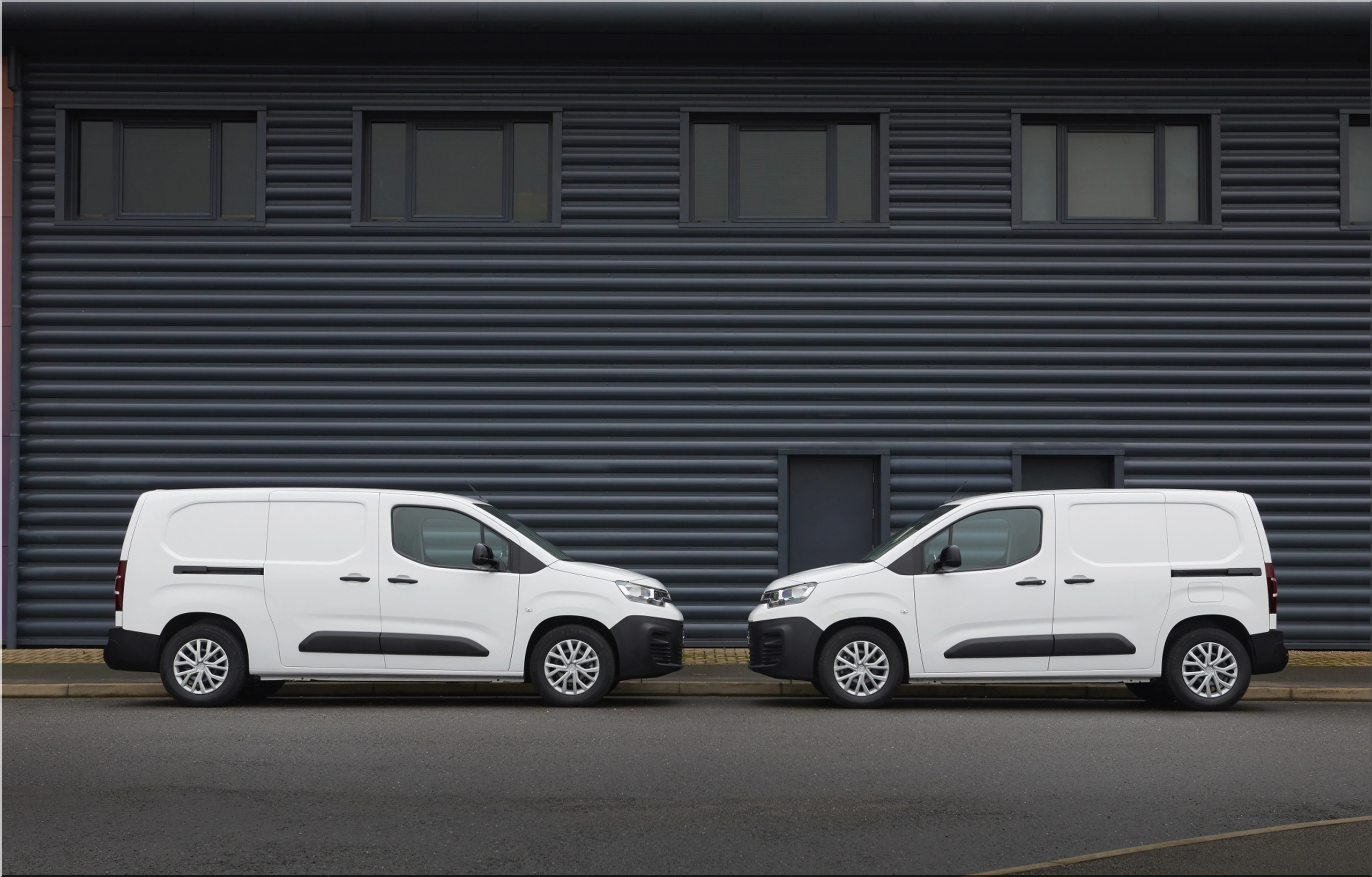
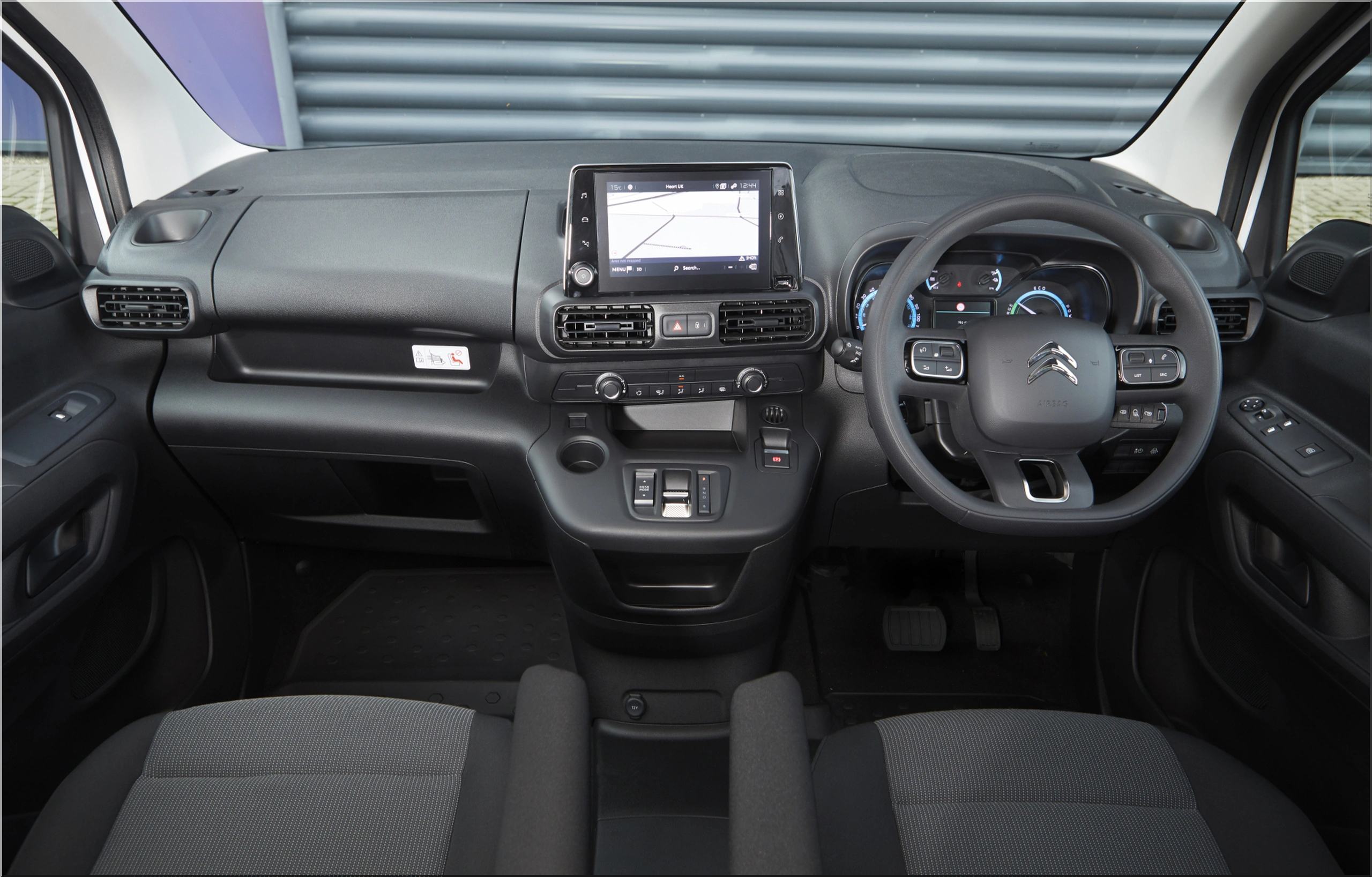
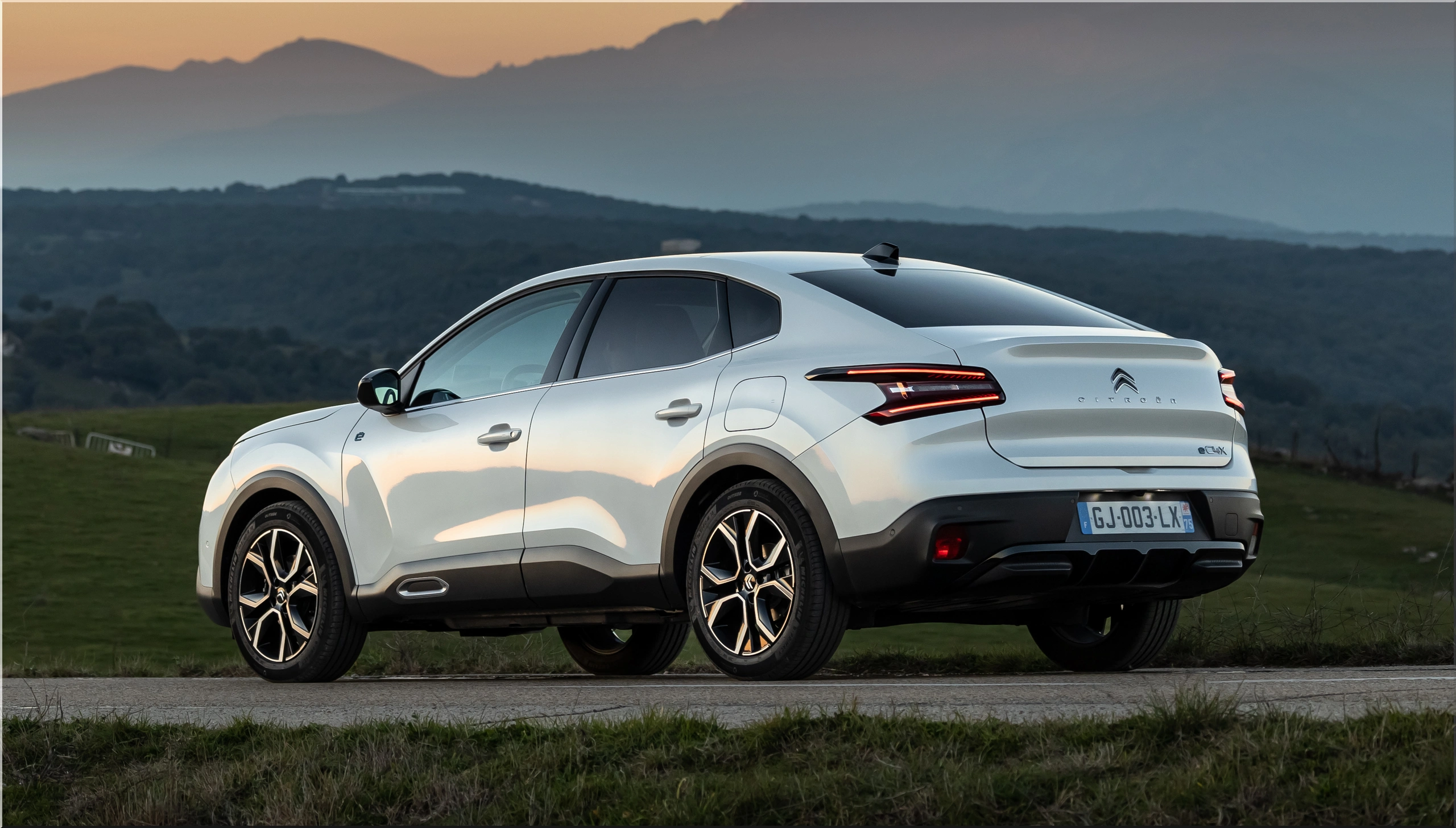
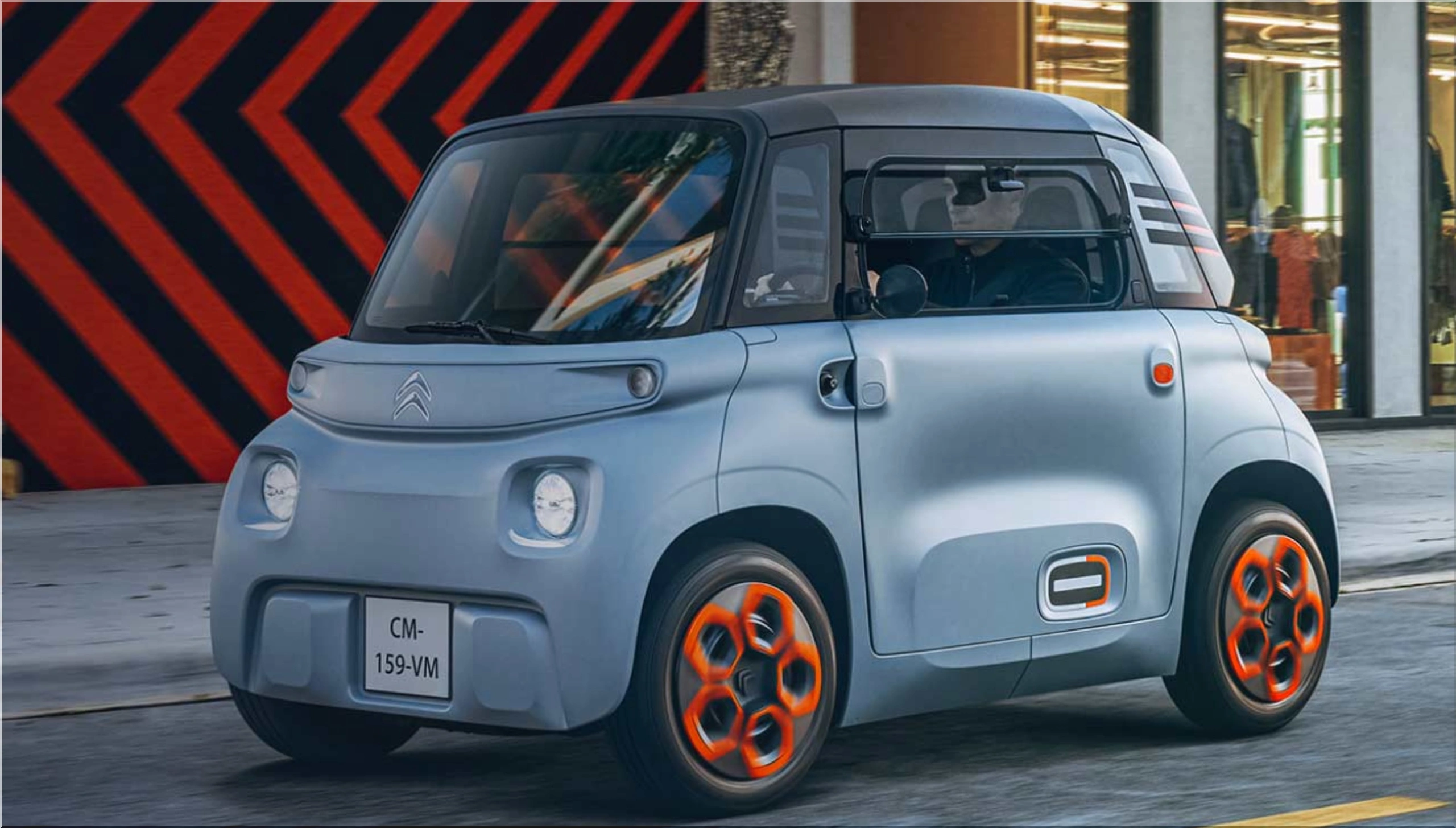
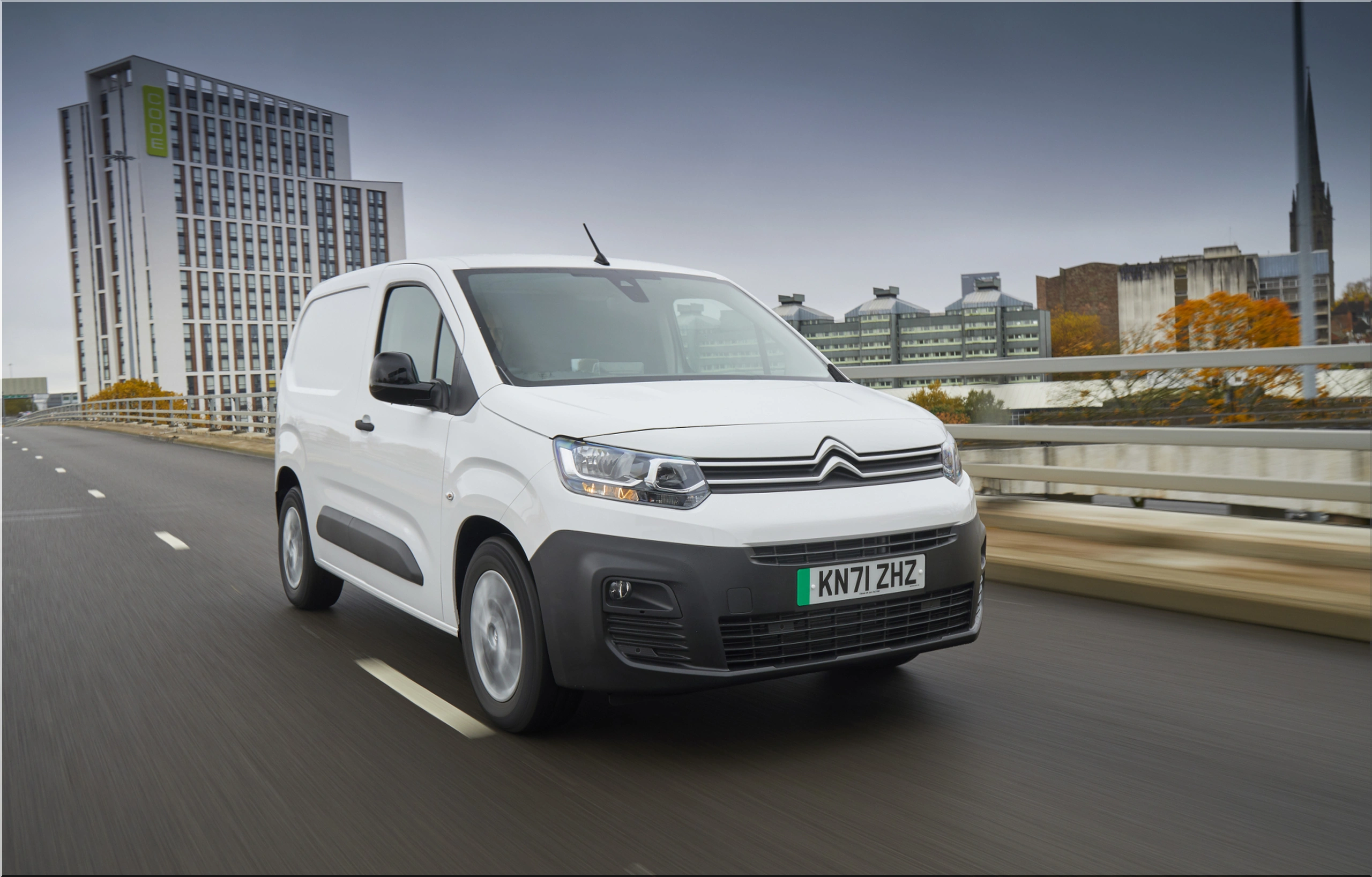
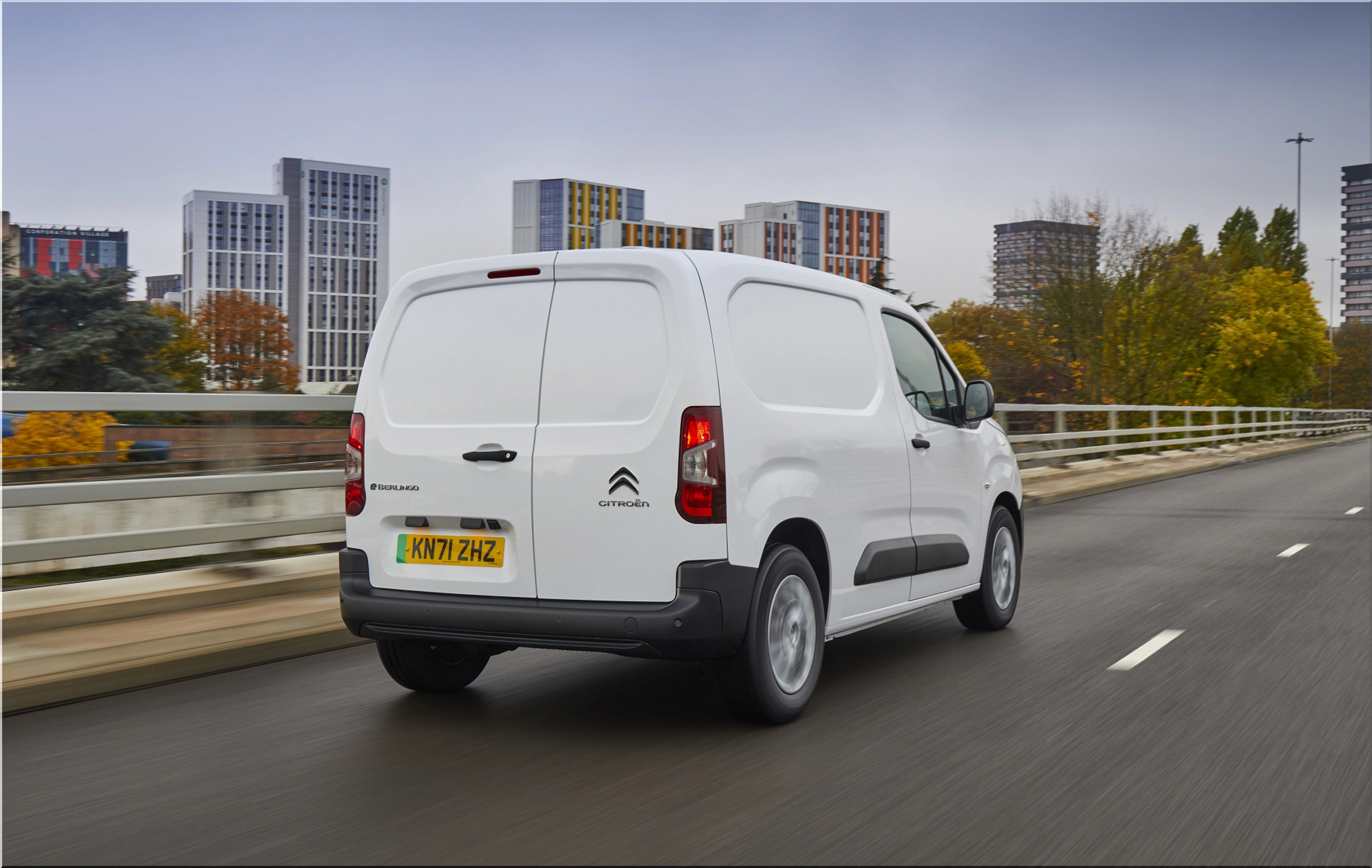
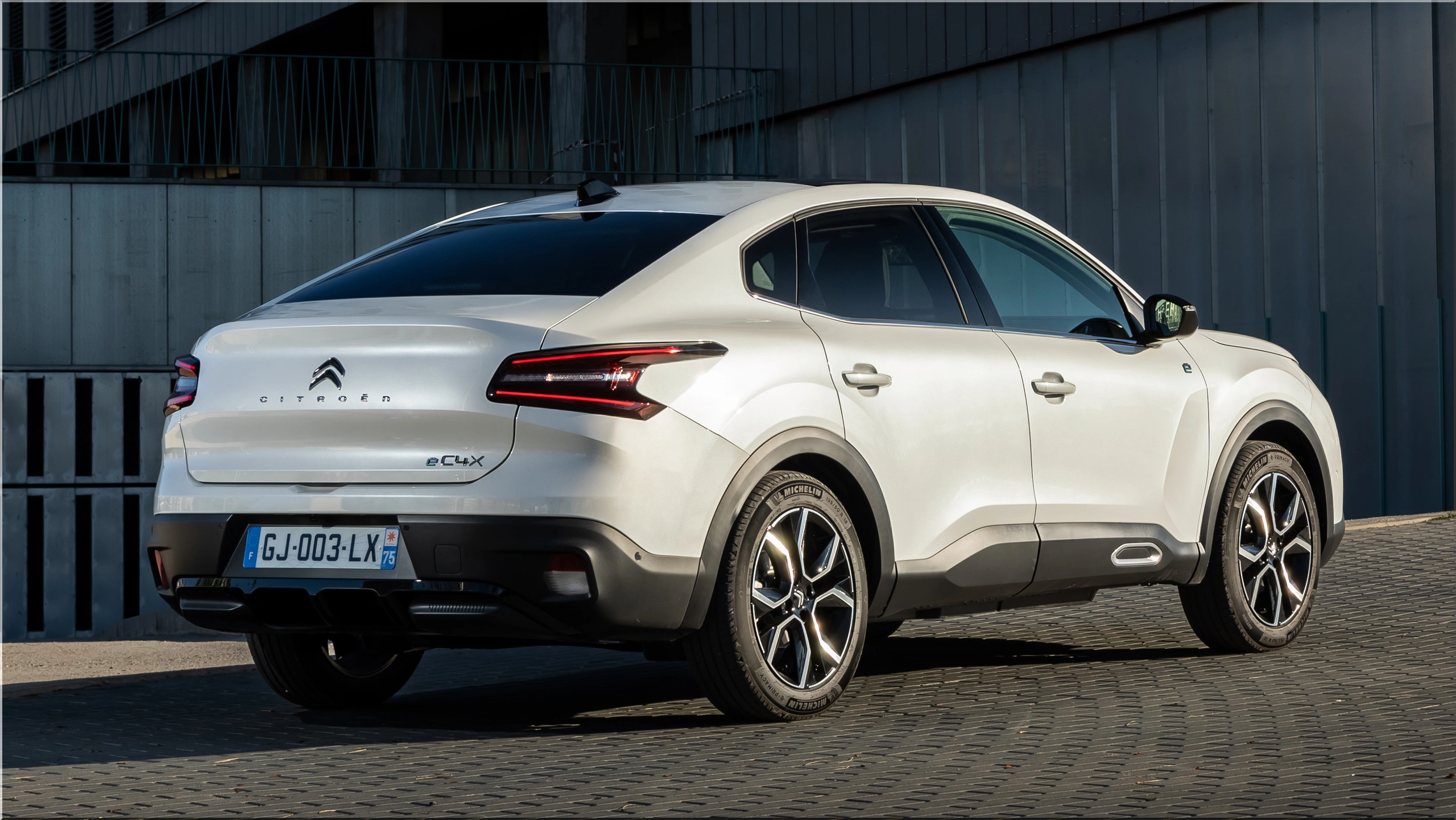
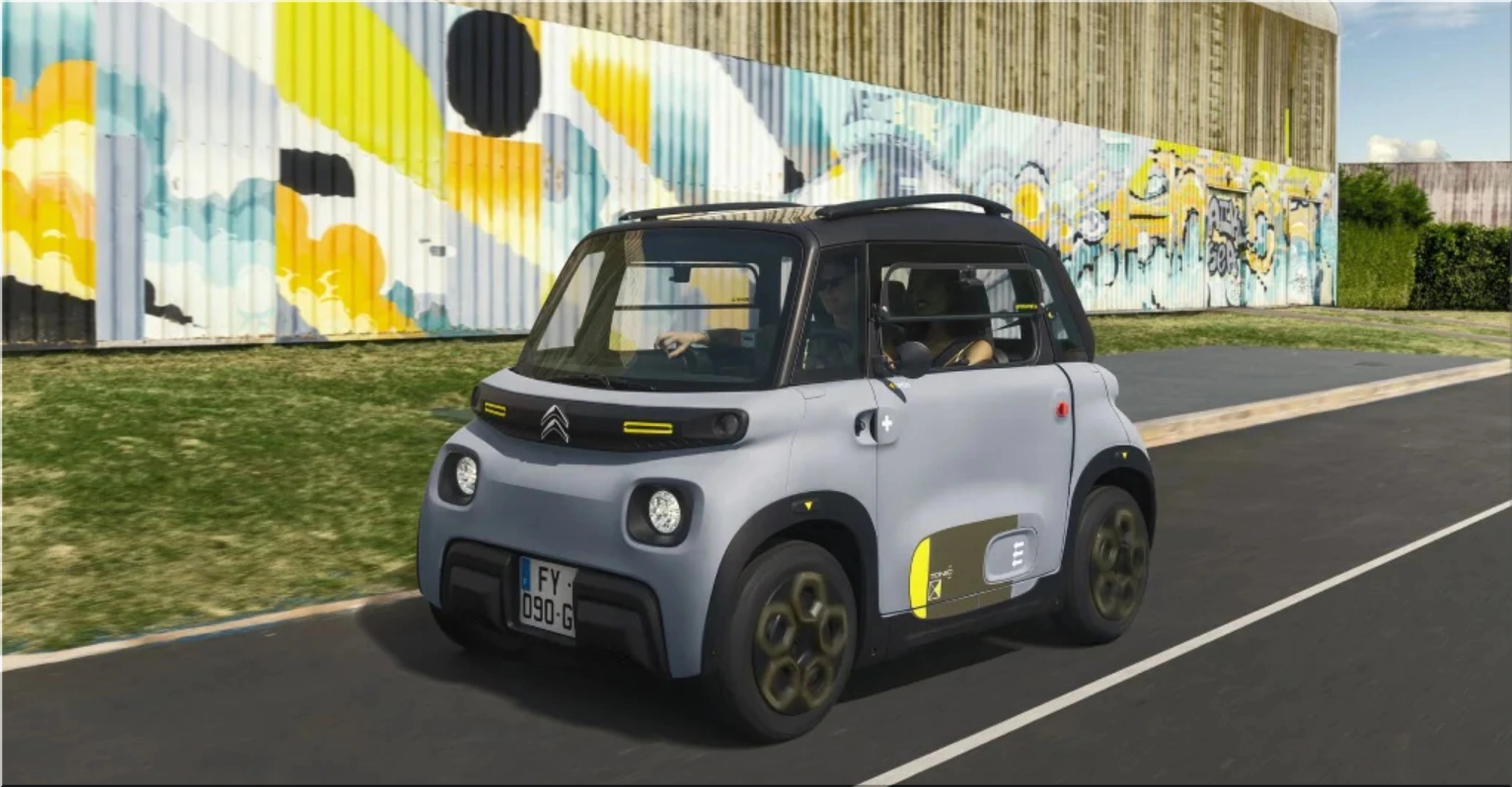
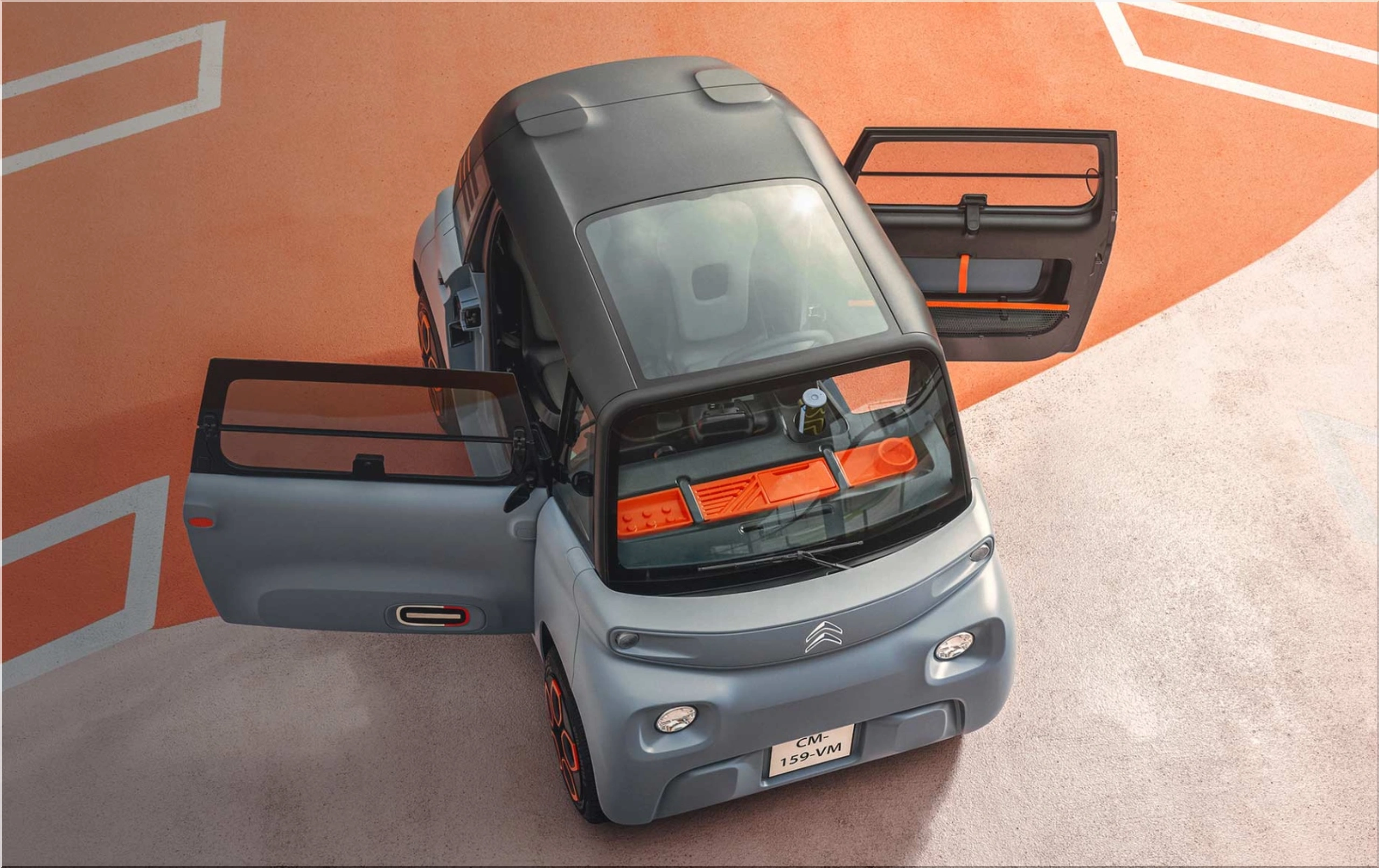
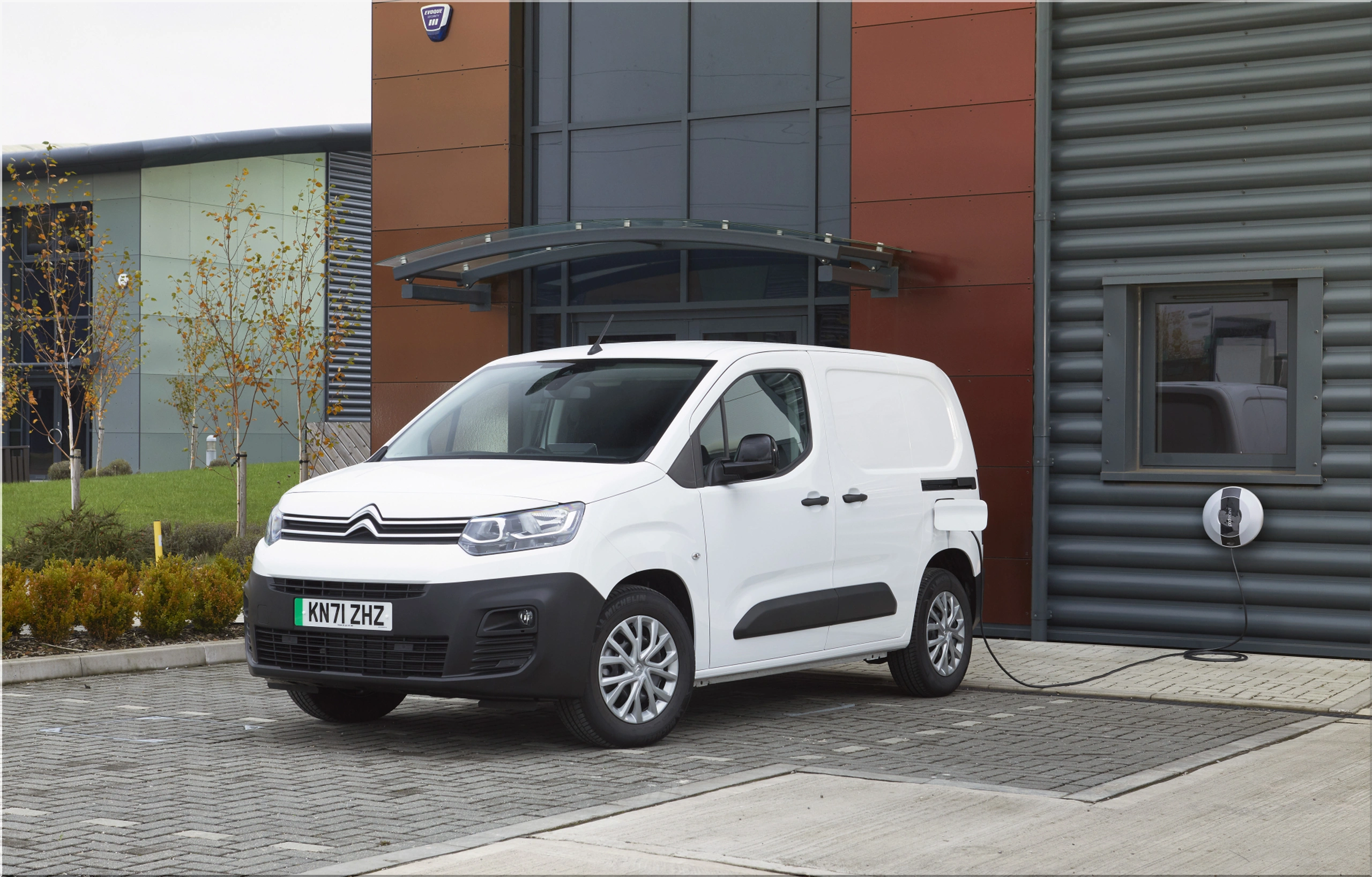
That's where Citroën comes in. The French brand, part of the Stellantis group, has been a pioneer in electric mobility since the 1990s when it launched the first electric version of its Berlingo van. Since then, Citroën has developed a comprehensive range of electric vehicles, from city cars to SUVs, from hatchbacks to vans. And it has done so with its distinctive flair for design, comfort, and innovation.
But Citroën is not only producing electric vehicles for the world. It is also producing them in Spain, for Spain. Citroën has three plants in Spain: Vigo, Madrid, and Zaragoza. And each of them is making 100% electric cars that are conquering the Spanish market.