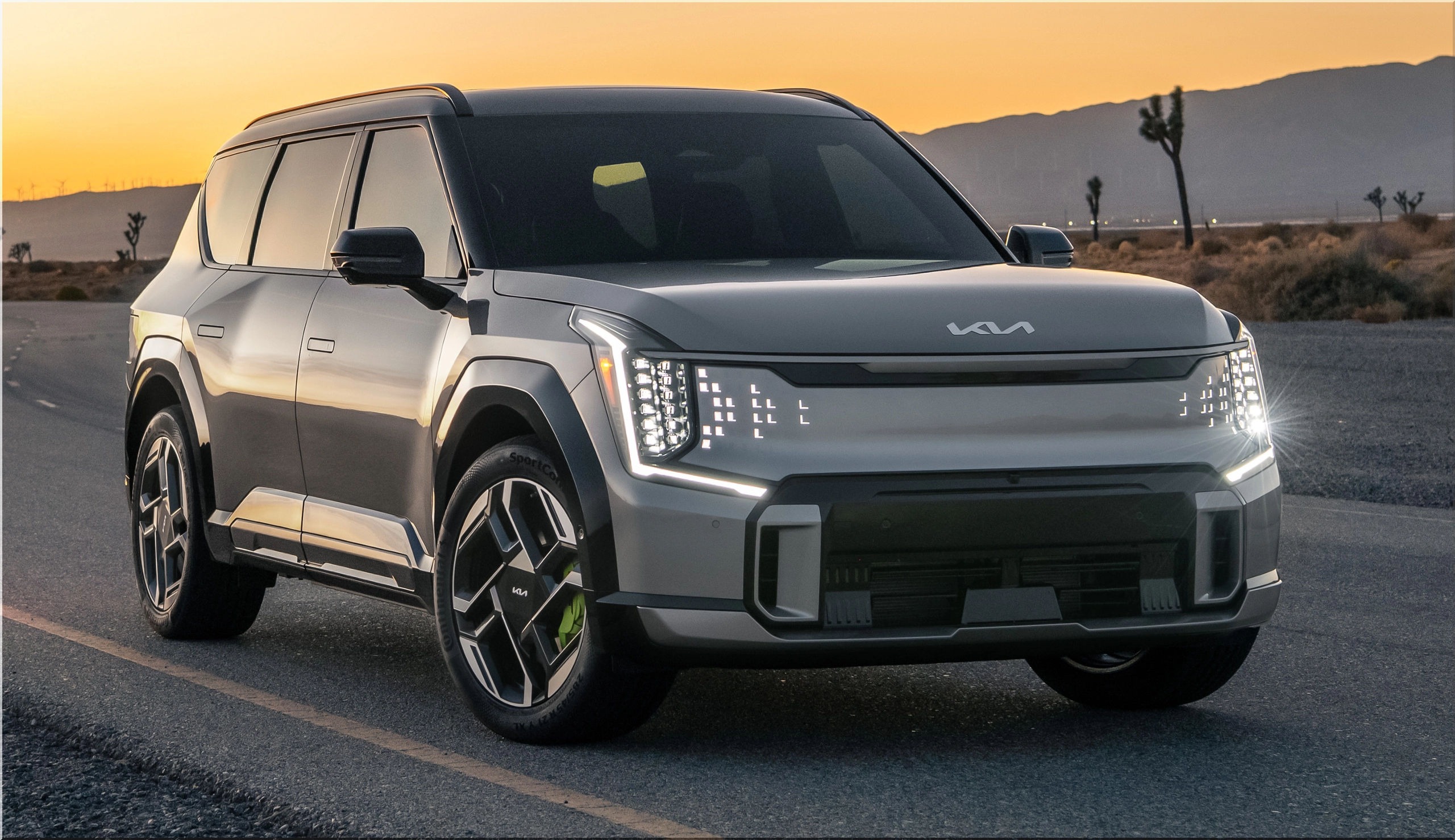
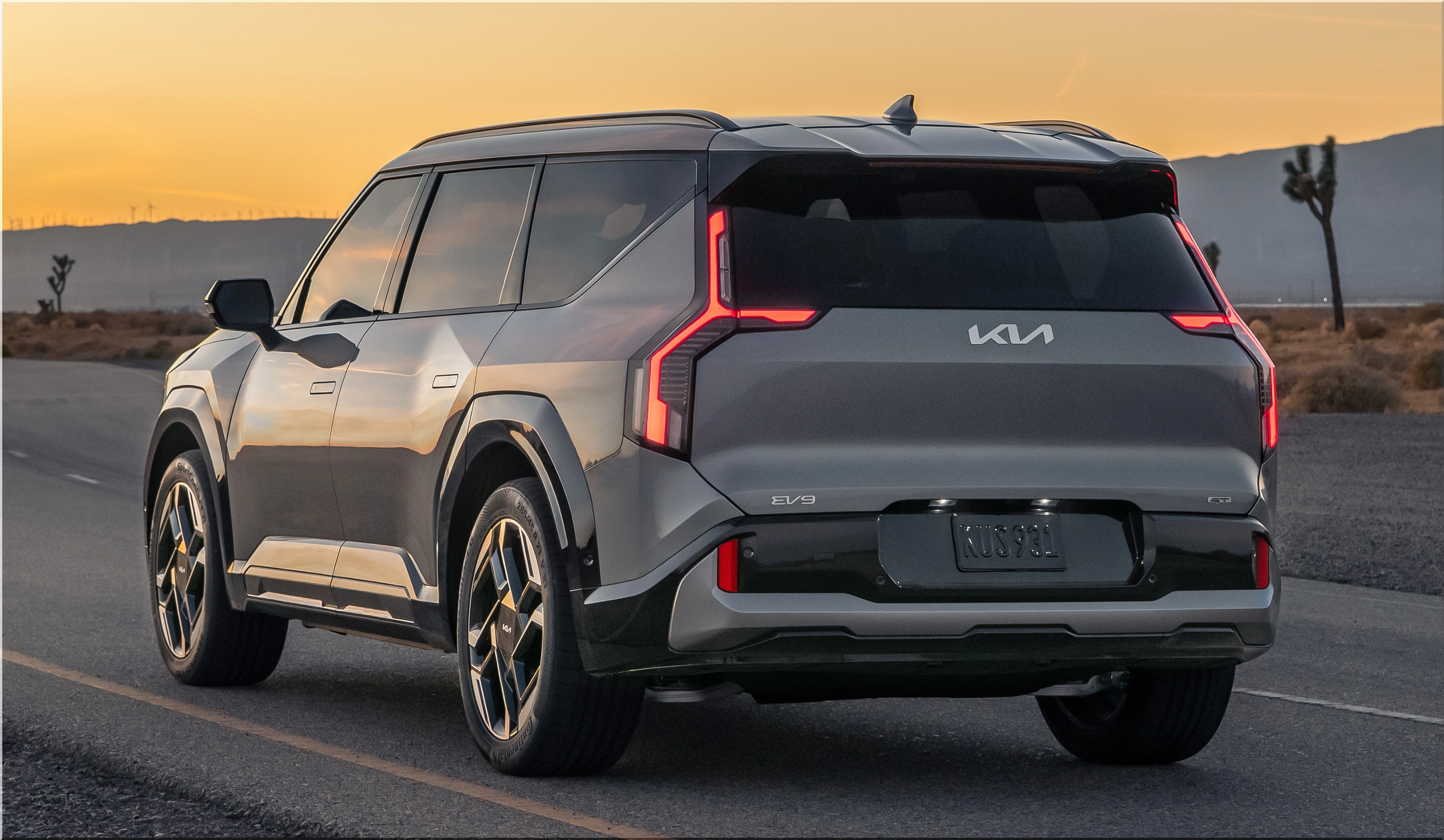
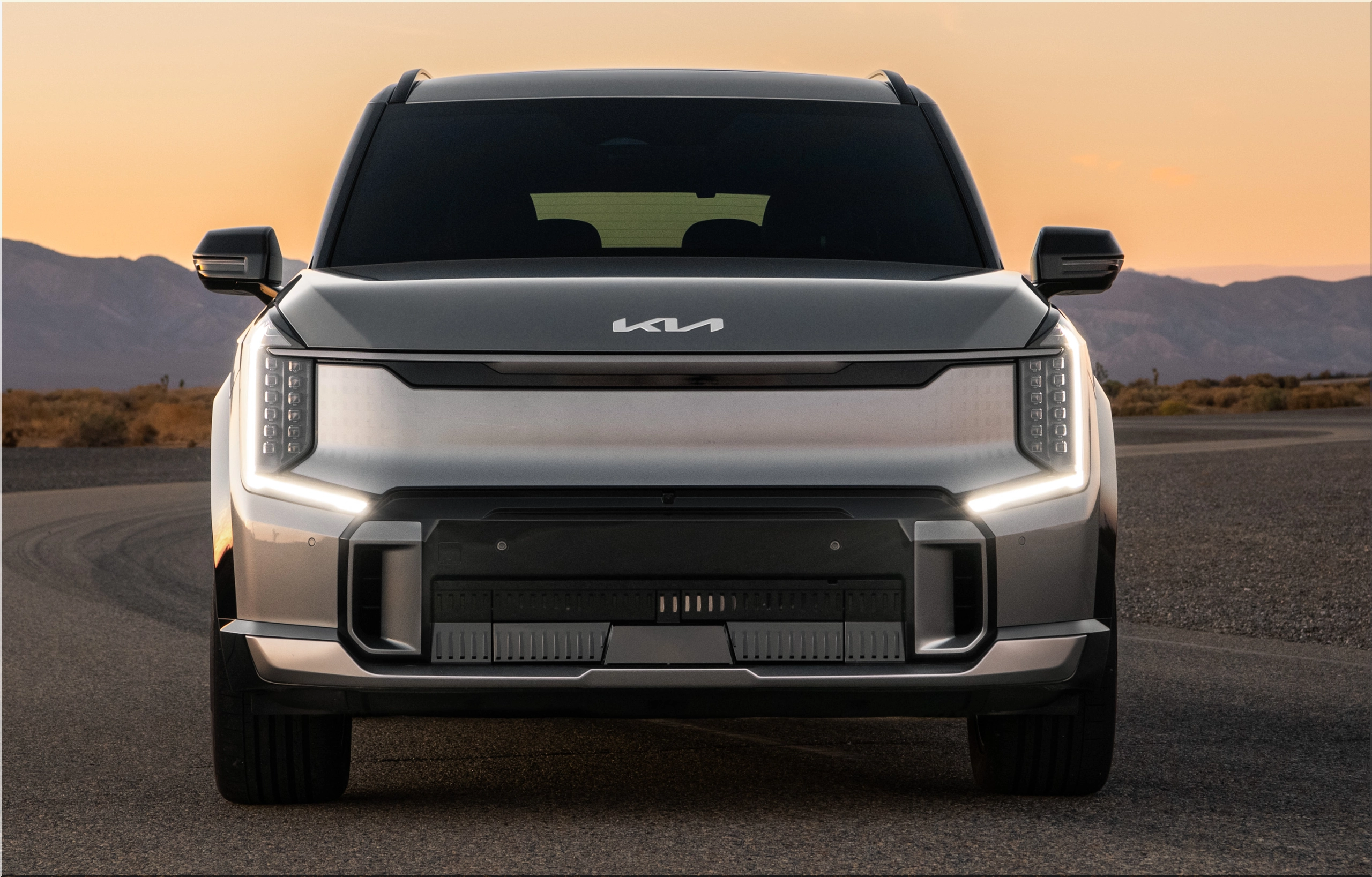
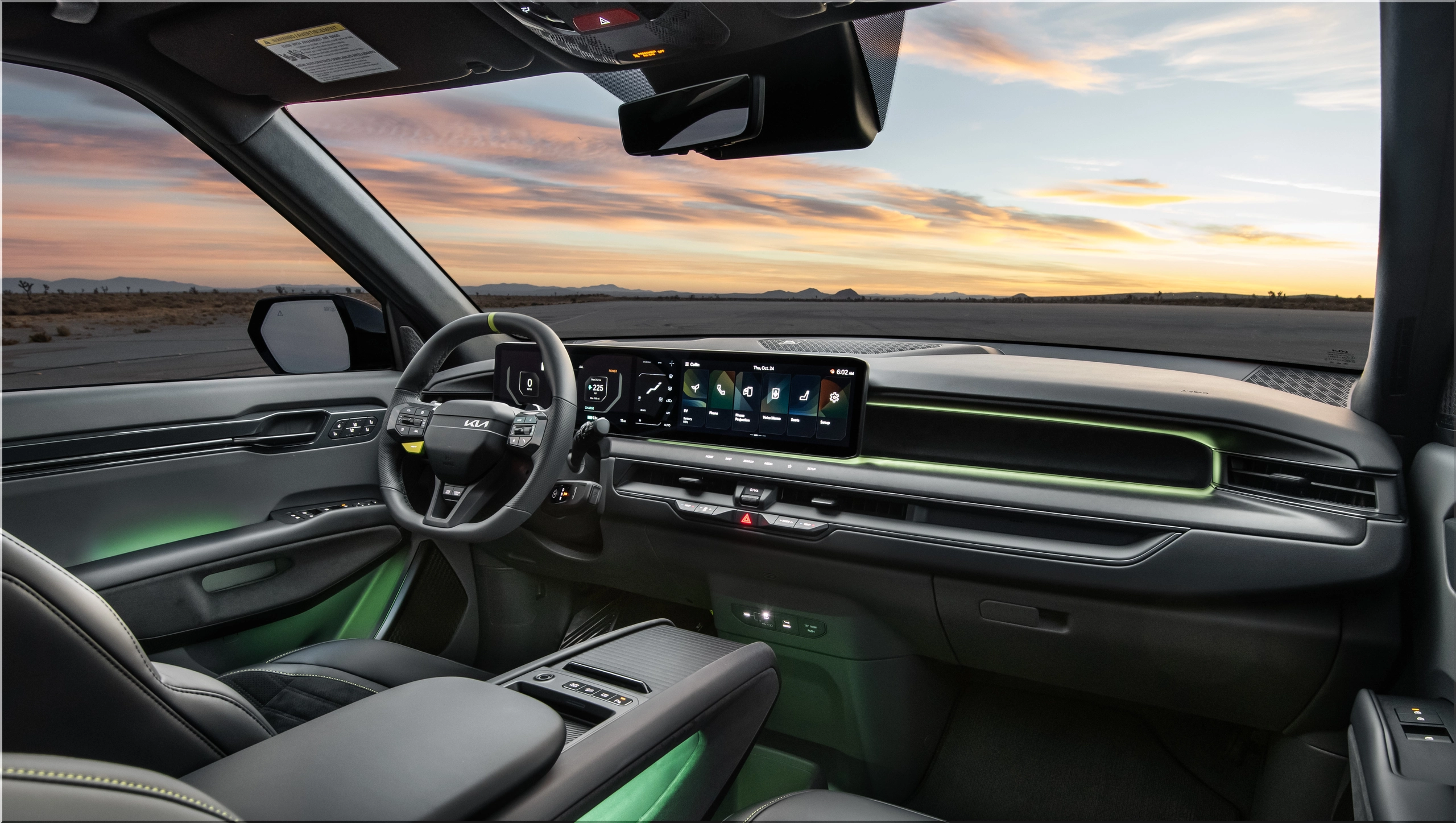
Vehicle-to-Home (V2H) charging now enables EVs to serve as backup power sources for homes. Kia's introduction of V2H technology in the EV9 model exemplifies this innovation, providing drivers with enhanced energy autonomy.
Understanding Vehicle-to-Home (V2H) Charging
V2H charging allows an EV to supply power to a home, effectively transforming the vehicle into a mobile energy storage unit. Key benefits include:
- Backup Power: During power outages, the EV can maintain essential household functions.
- Energy Cost Management: By utilizing stored energy during peak electricity rates, homeowners can reduce utility expenses.
- Renewable Energy Integration: Excess energy from home solar panels can be stored in the EV's battery for later use. This technology enhances energy resilience and offers financial advantages to users.
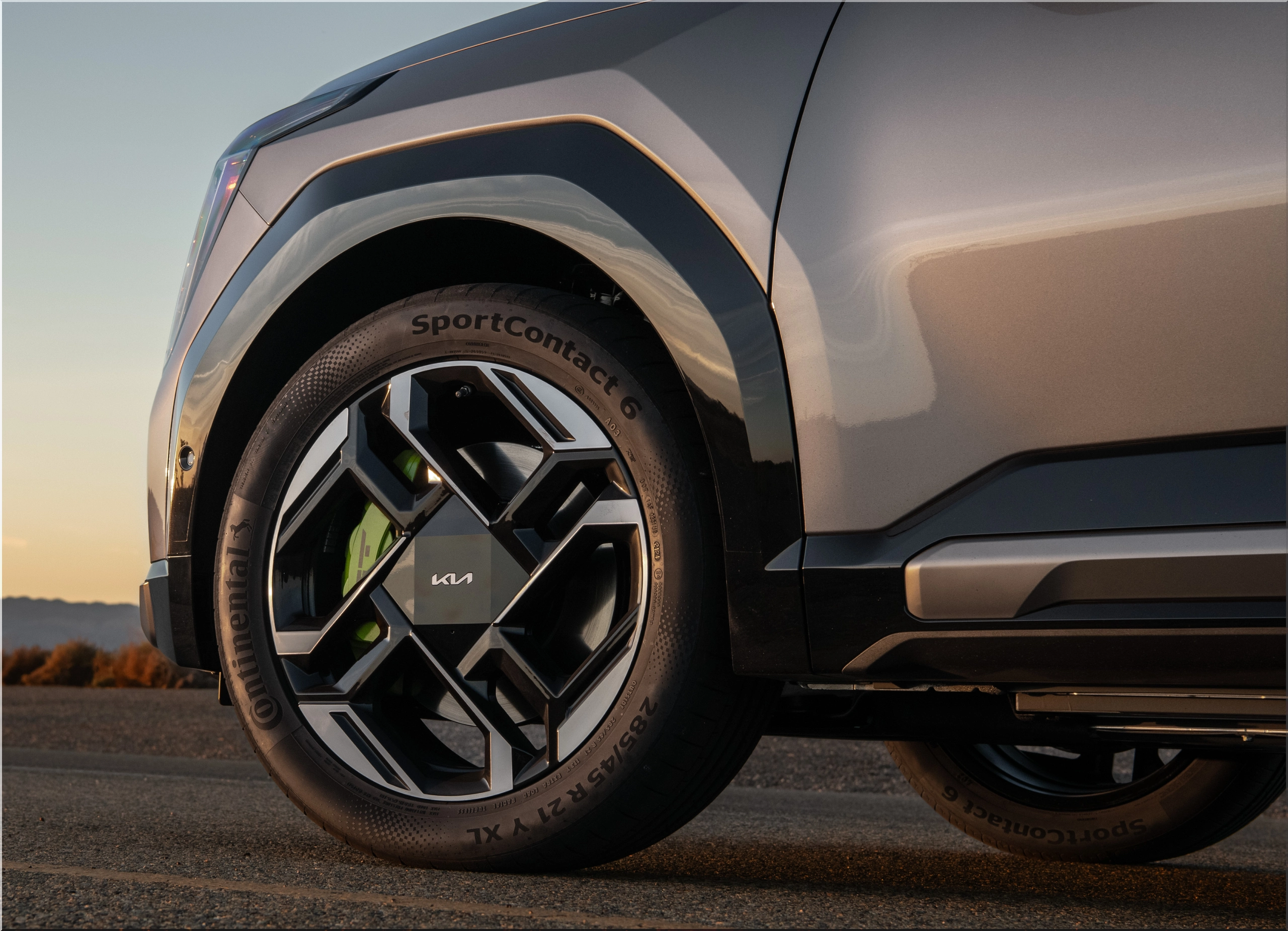
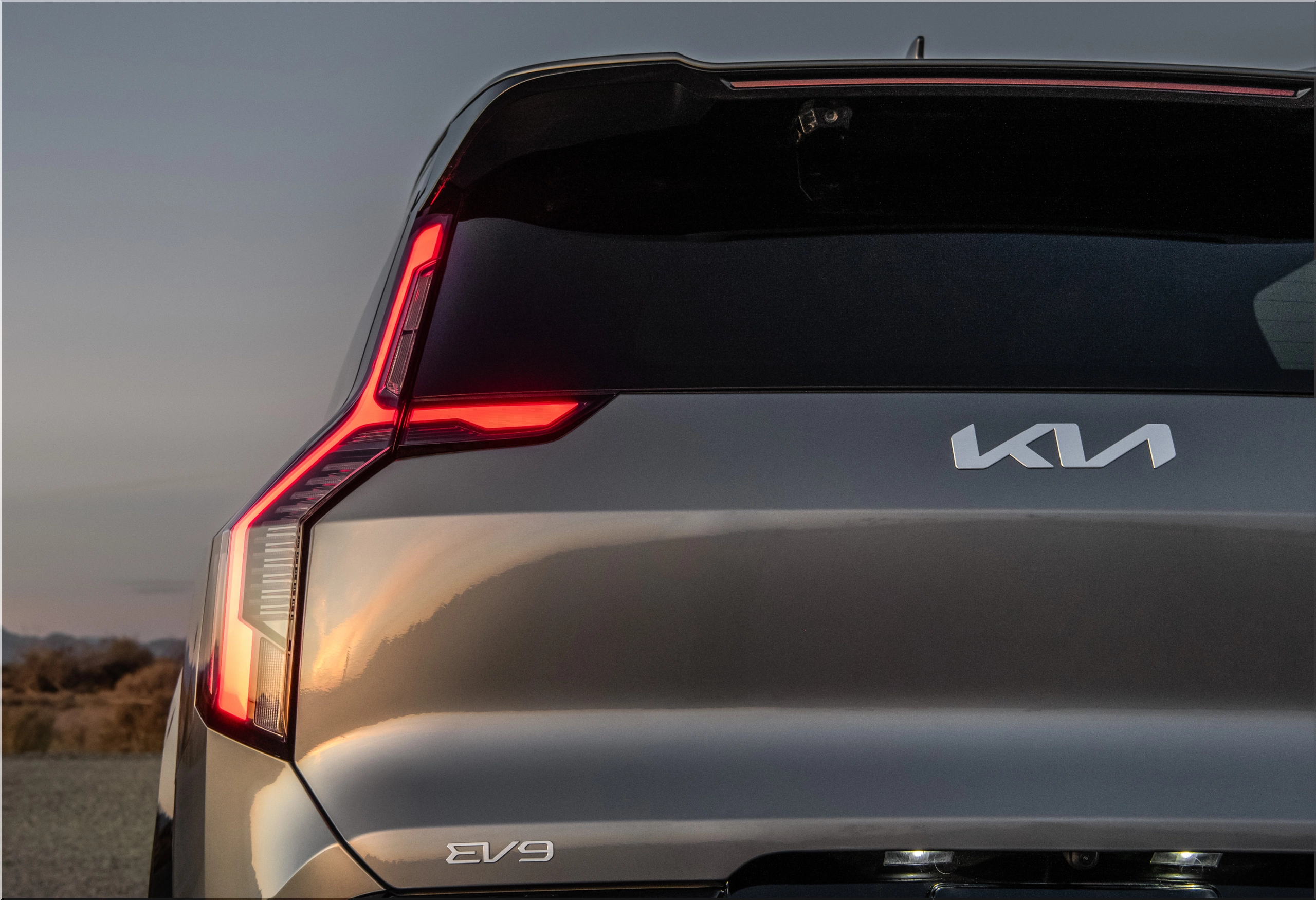
Kia EV9 and V2H Capability
Kia's EV9 is among the pioneering models equipped with V2H functionality. Through a partnership with Wallbox, Kia offers the Quasar 2 bi-directional charger, enabling this feature. The Quasar 2 provides up to 12 kW of power for both charging and discharging, facilitating efficient energy transfer between the EV9 and the home.
Features of Quasar 2 Charger
- Bi-Directional DC Charging: Allows energy flow from the EV to the home and vice versa.
- High Power Output: Supports fast charging and discharging at 12 kW.
- Energy Management: Enables scheduling of charging times to optimize energy costs. The Quasar 2 is priced at $6,440 (excluding taxes and installation fees).
Benefits of V2H for EV9 Owners
Implementing V2H technology in the EV9 offers several advantages:
1. Backup Power Supply
In events like blackouts or natural disasters, the EV9 can power essential home appliances, ensuring continuity of critical functions.
2. Energy Cost Savings
By discharging stored energy during peak utility rates, homeowners can lower electricity bills. Charging the EV9 during off-peak hours further enhances savings.
3. Environmental Impact
Utilizing the EV9's battery for home energy needs reduces reliance on fossil fuels, contributing to a decrease in carbon emissions.
4. Grid Stability
V2H technology supports the electrical grid by balancing demand, especially during peak periods, enhancing overall grid reliability.
Installation and Compatibility
To utilize V2H with the EV9, specific requirements must be met:
- Compatible Charger: Installation of the Wallbox Quasar 2 charger is necessary.
- Home Electrical System: The residence must be equipped to handle bi-directional energy flow, which may involve electrical upgrades.
- Professional Installation: Certified electricians should perform the installation to ensure safety and compliance with local regulations. Kia has partnered with Wallbox to facilitate the acquisition and installation of the Quasar 2 charger for EV9 owners.
Considerations and Challenges
While V2H technology offers numerous benefits, potential challenges include:
- Initial Investment: The cost of the Quasar 2 charger and installation can be substantial.
- Technical Compatibility: Not all homes may be immediately compatible with V2H technology, necessitating additional modifications.
- Battery Degradation: Frequent cycling of the EV's battery for home energy use could impact its lifespan over time. Prospective users should weigh these factors against the benefits when considering V2H implementation.
Future Outlook
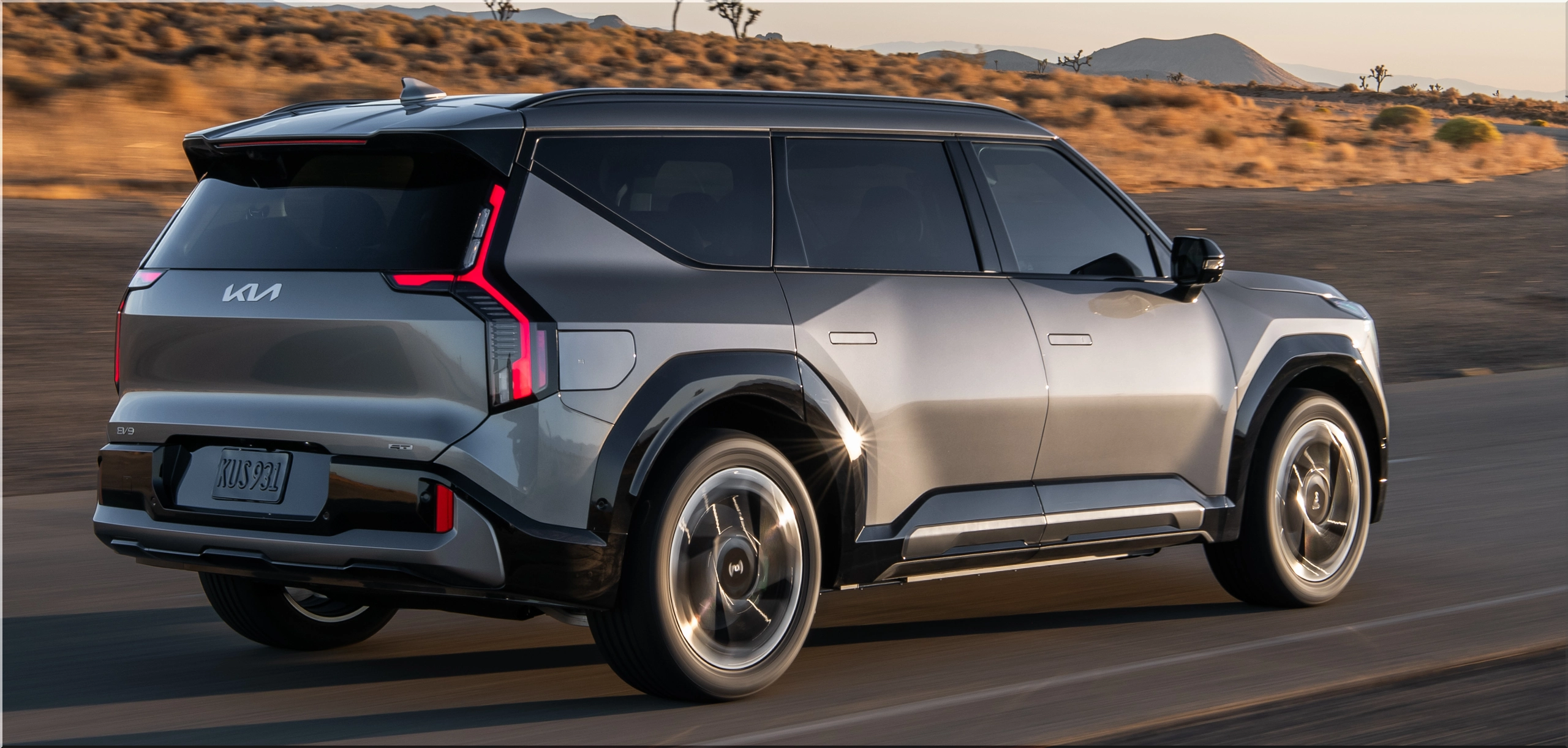
The integration of V2H technology in vehicles like the Kia EV9 represents a significant step toward sustainable energy solutions. As more manufacturers adopt bi-directional charging capabilities, the potential for widespread energy resilience and cost savings increases. Continued advancements in battery technology and supportive regulatory frameworks will further enhance the feasibility and attractiveness of V2H systems.
Conclusion
Kia's EV9, equipped with Vehicle-to-Home charging capabilities, offers owners a versatile tool for energy management. By serving as both a mode of transportation and a backup power source, the EV9 exemplifies the multifaceted benefits of modern electric vehicles. As V2H technology becomes more prevalent, it holds the promise of transforming how we consume and manage energy, contributing to a more sustainable and resilient future.

A Direct Step Toward Energy-Ready EV Ownership Volvo adds a new capability to the 2025 Volvo EX90 that shifts how drivers use electric vehicles at home. The SUV can now send power back to a residence through bi-directional charging… Continue reading
Renault has unveiled its vision for the future of family transportation with the Renault Emblème, a concept car that prioritizes sustainability and eco-friendliness. This futuristic family car boasts a 90%… Continue reading

Porsche, renowned for its high-performance vehicles, has expanded its mobility solutions with the introduction of the Porsche eBike Sport 2025. This fifth-generation electric bicycle combines cutting-edge technology with sophisticated design,… Continue reading
The New Xpeng P7 Is Built to Win, Not Impress Xpeng’s new P7 sedan hit the Chinese market with a clear goal—scale fast, beat rivals, and solidify EV dominance. It didn’t waste time. Within 6 minutes and 37 seconds, Xpeng… Continue reading