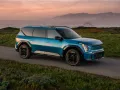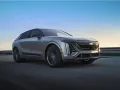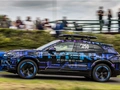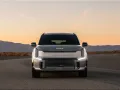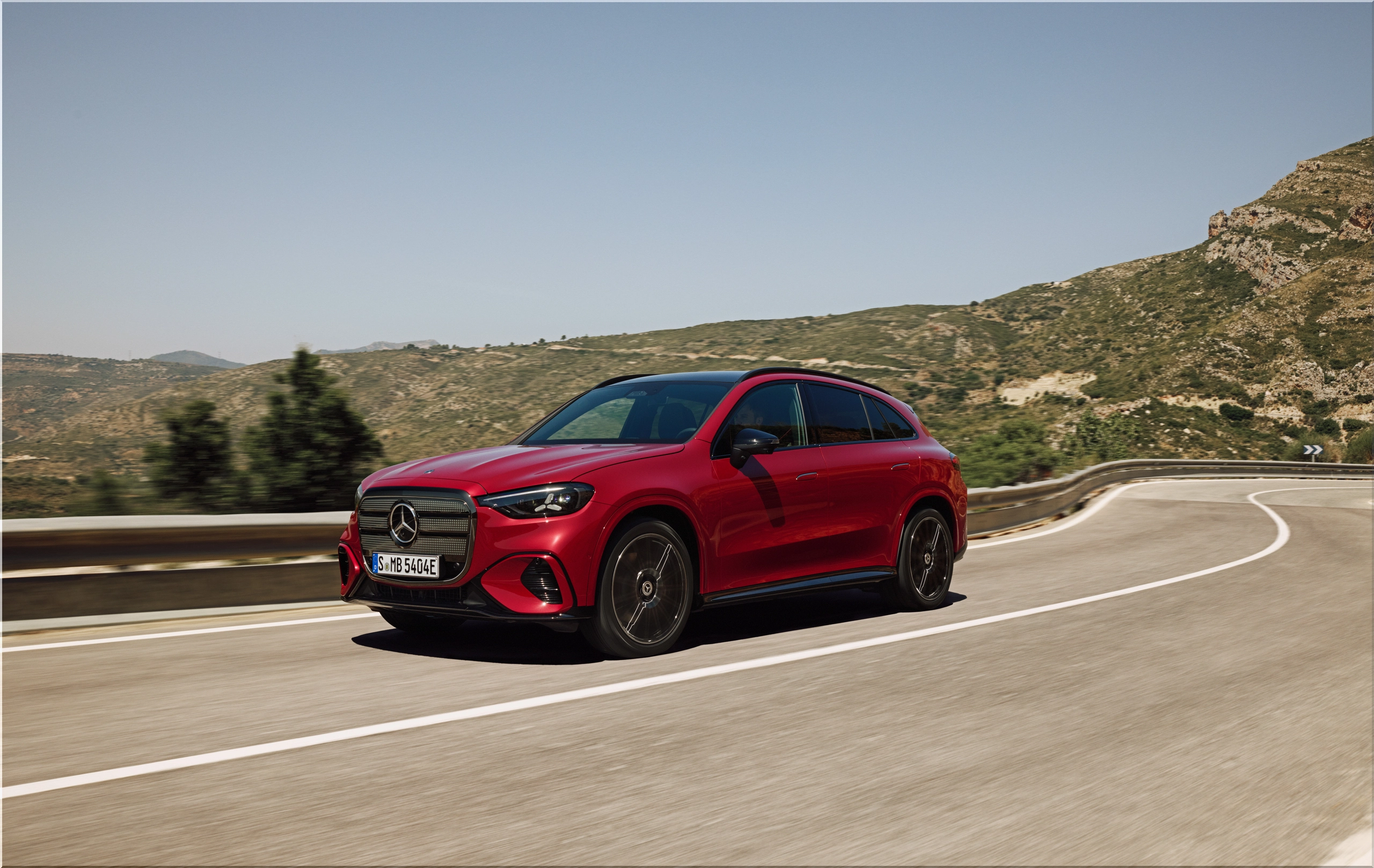
Mercedes-Benz has launched the all-new electric GLC 400 4MATIC, a bold shift in its best-selling SUV lineup. Available for order in Europe starting October 29, 2025, this marks the company’s strongest signal yet that electric mobility is ready for the mainstream.
With a starting price of €71,281 (≈ $77,000), the GLC 400 4MATIC offers comparable pricing to its combustion counterpart — a clear strategic move to accelerate EV adoption without pricing out loyal GLC buyers.
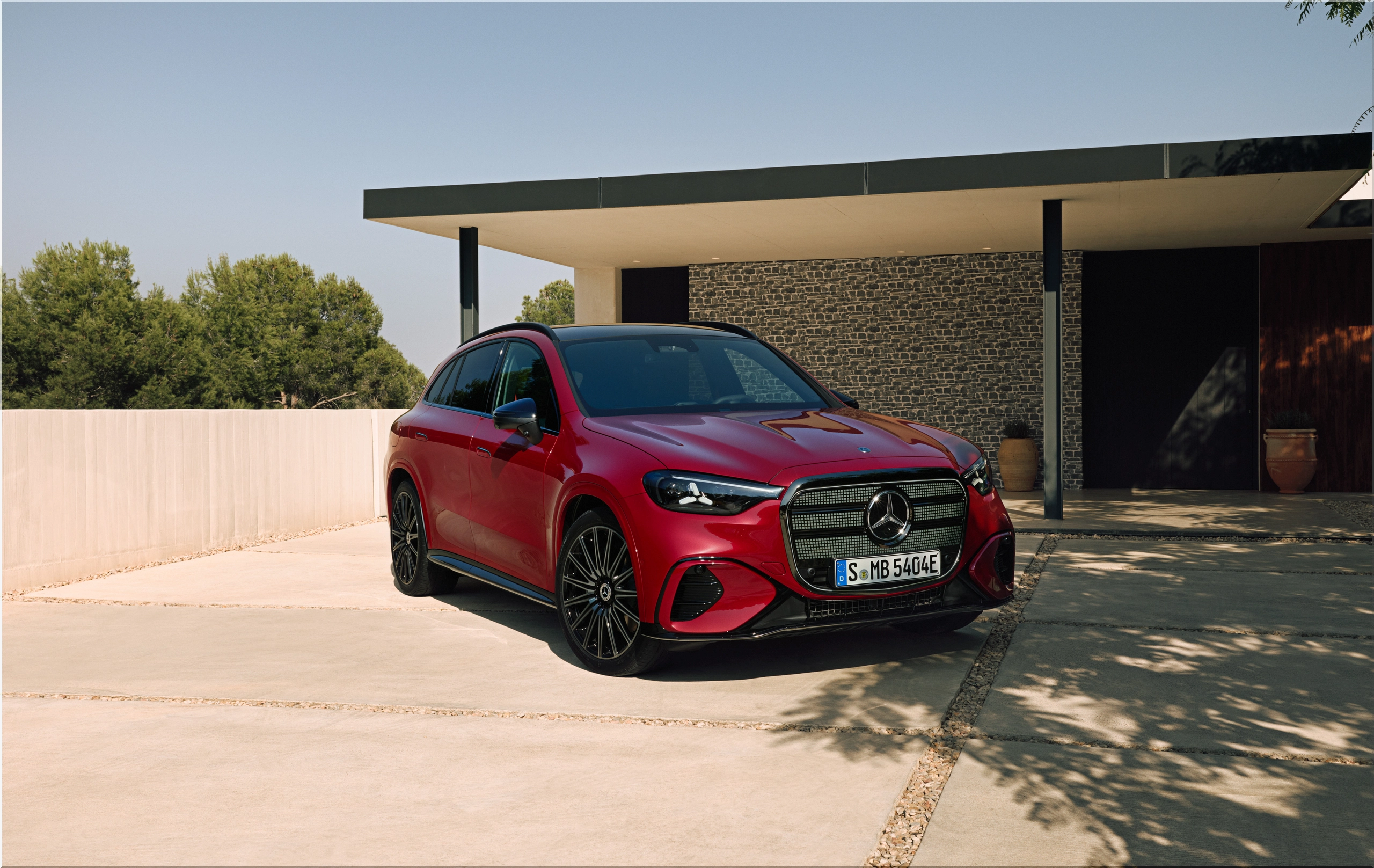
Key Performance Metrics
Mercedes-Benz built the new GLC 400 4MATIC to deliver electric power without compromise.
- Power Output: 360 kW (483 hp)
- WLTP Range: Up to 715 km (444 miles)
- Charging Speed: Up to 303 km (188 miles) added in 10 minutes
- Energy Consumption: 14.9–18.9 kWh/100 km
- Top Charging Voltage: 800V architecture
The electric GLC isn’t experimental. It’s engineered for real-world range and practicality, targeting long-distance drivers and families who need more than urban efficiency.
Pricing and Accessibility
Mercedes-Benz knows price parity drives adoption. That’s why the electric GLC starts at around $77,000, roughly the same as a high-trim gasoline GLC. Leasing options in Germany start from €475/month (≈ $510), making the switch to electric less intimidating for private buyers.
By offering competitive financing, the brand signals confidence in residual values and long-term reliability — two factors that have traditionally deterred EV skeptics.
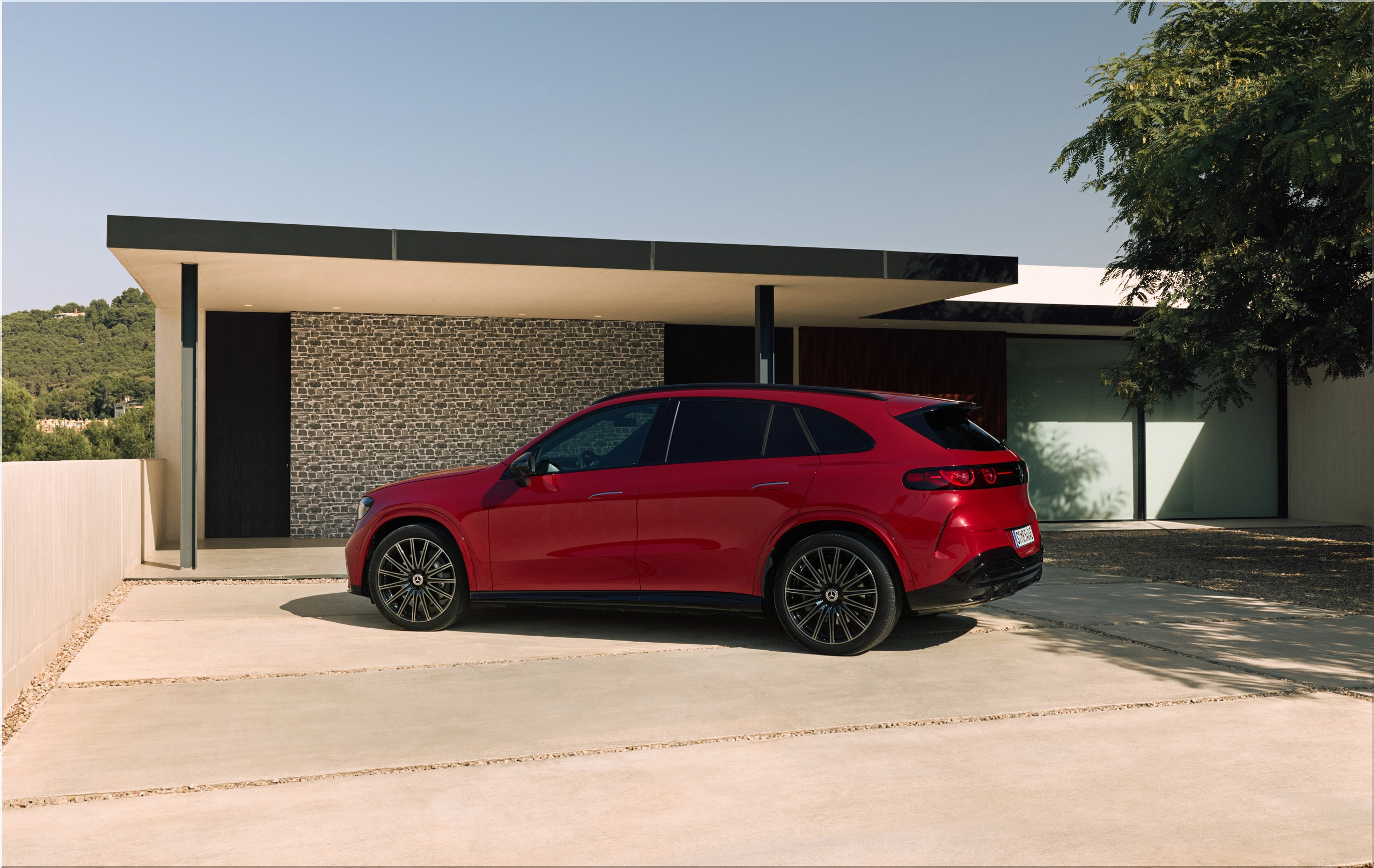
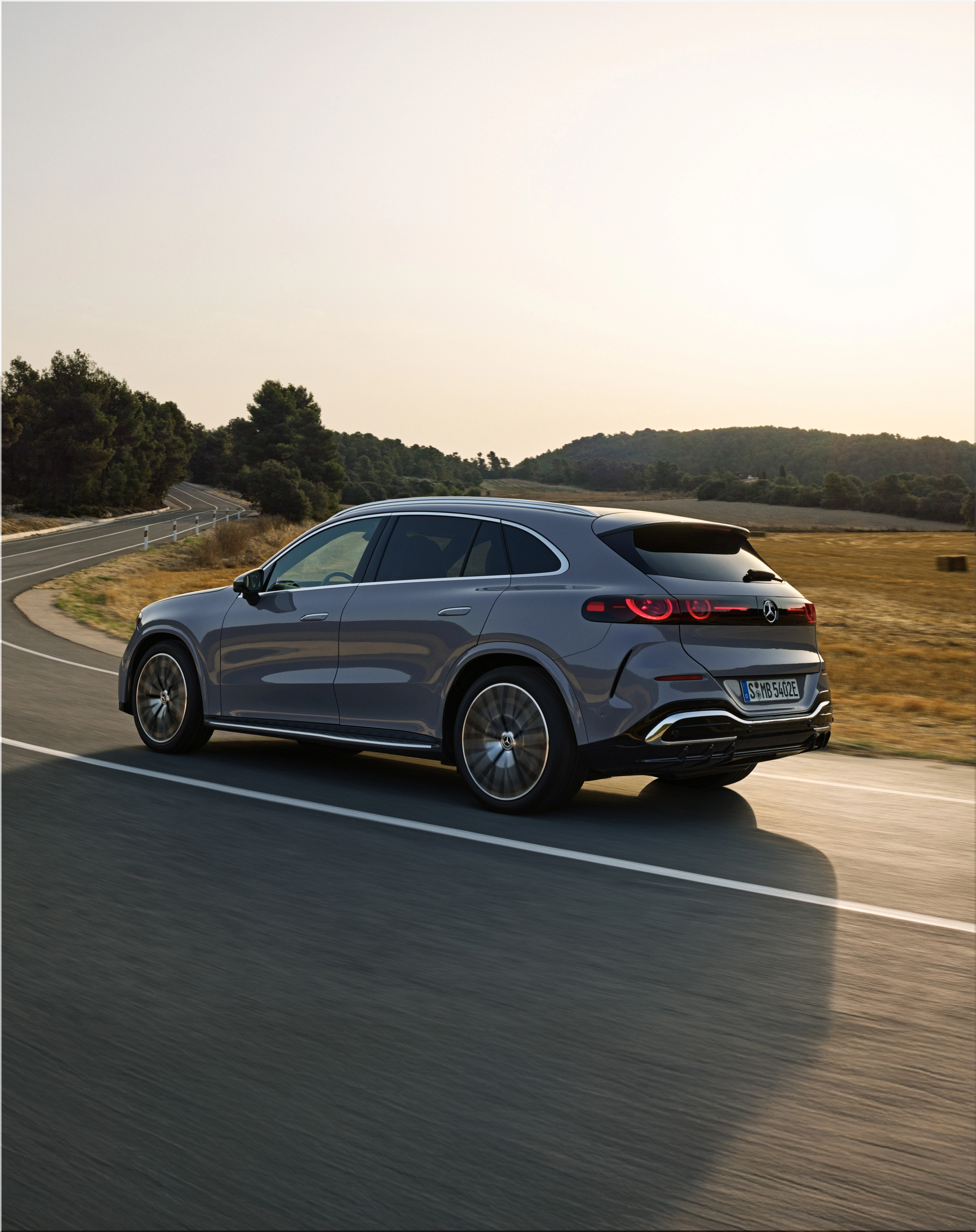
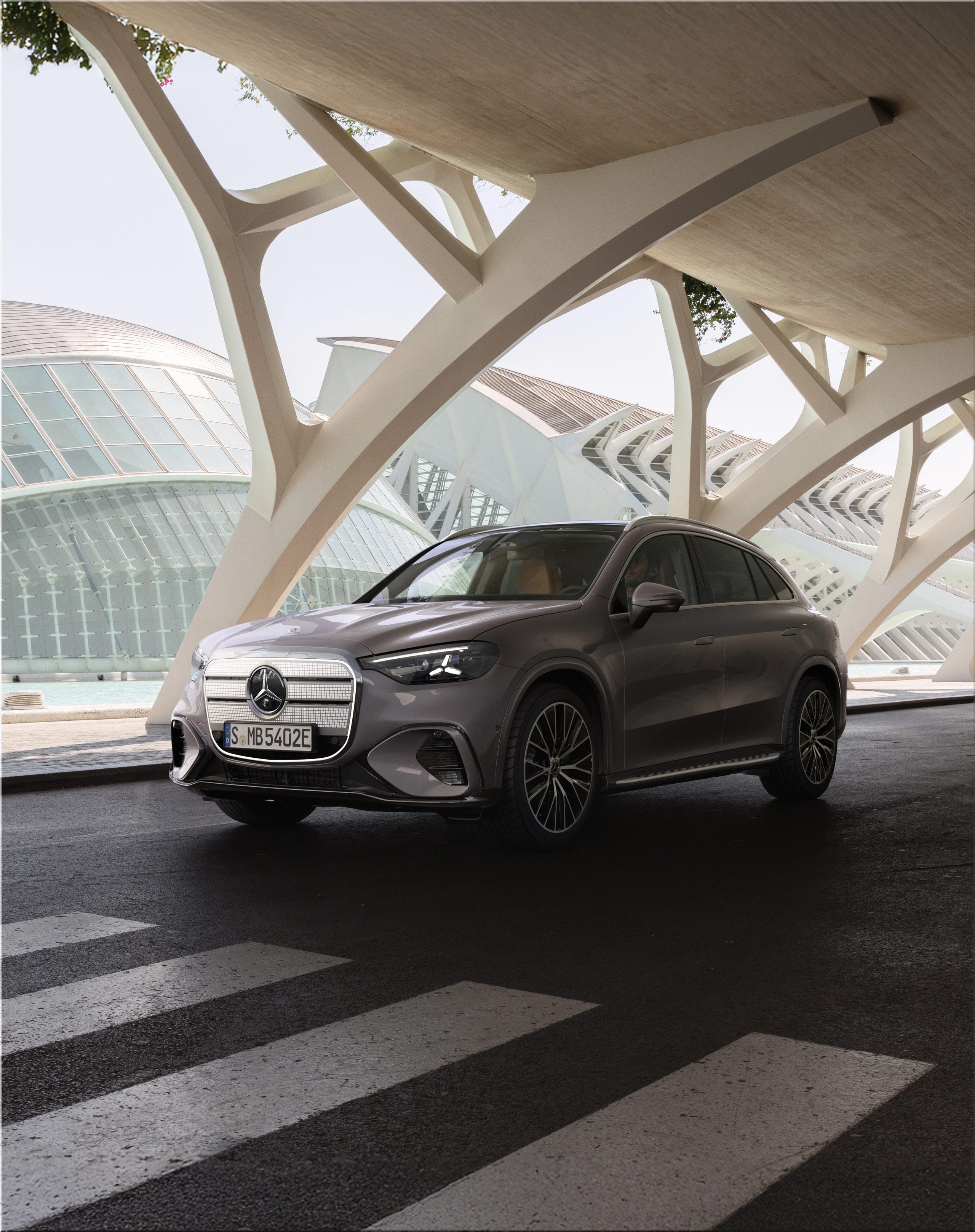
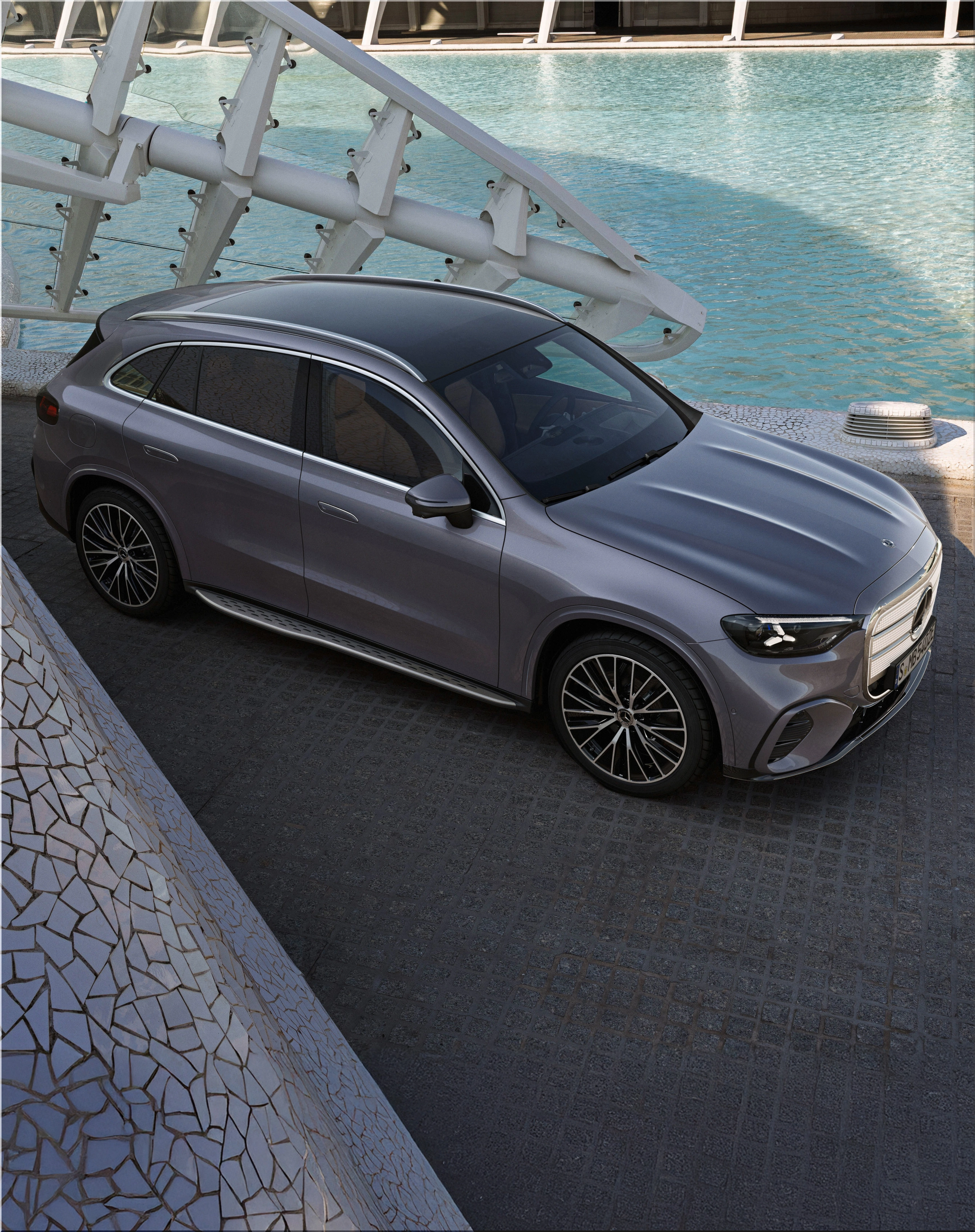
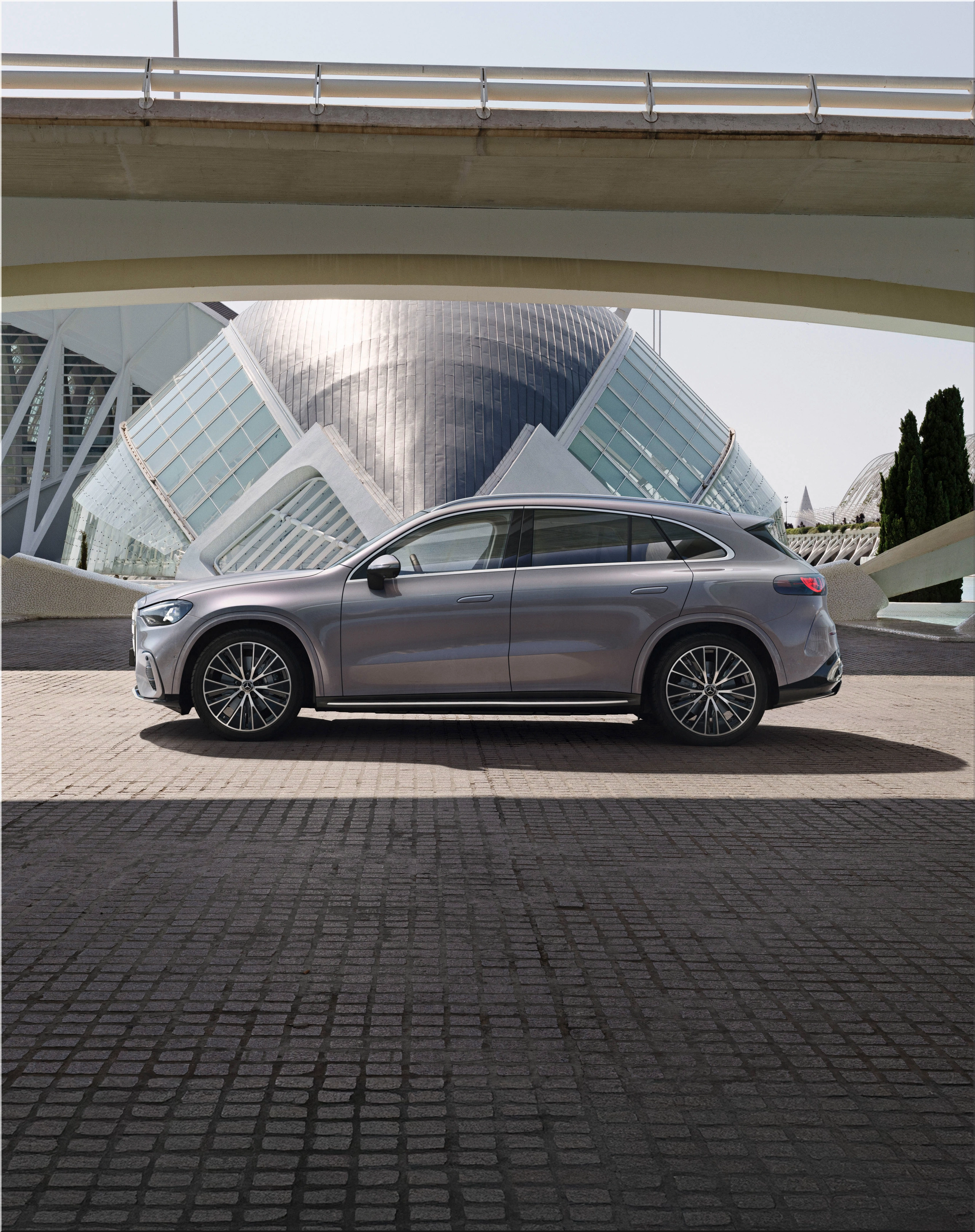
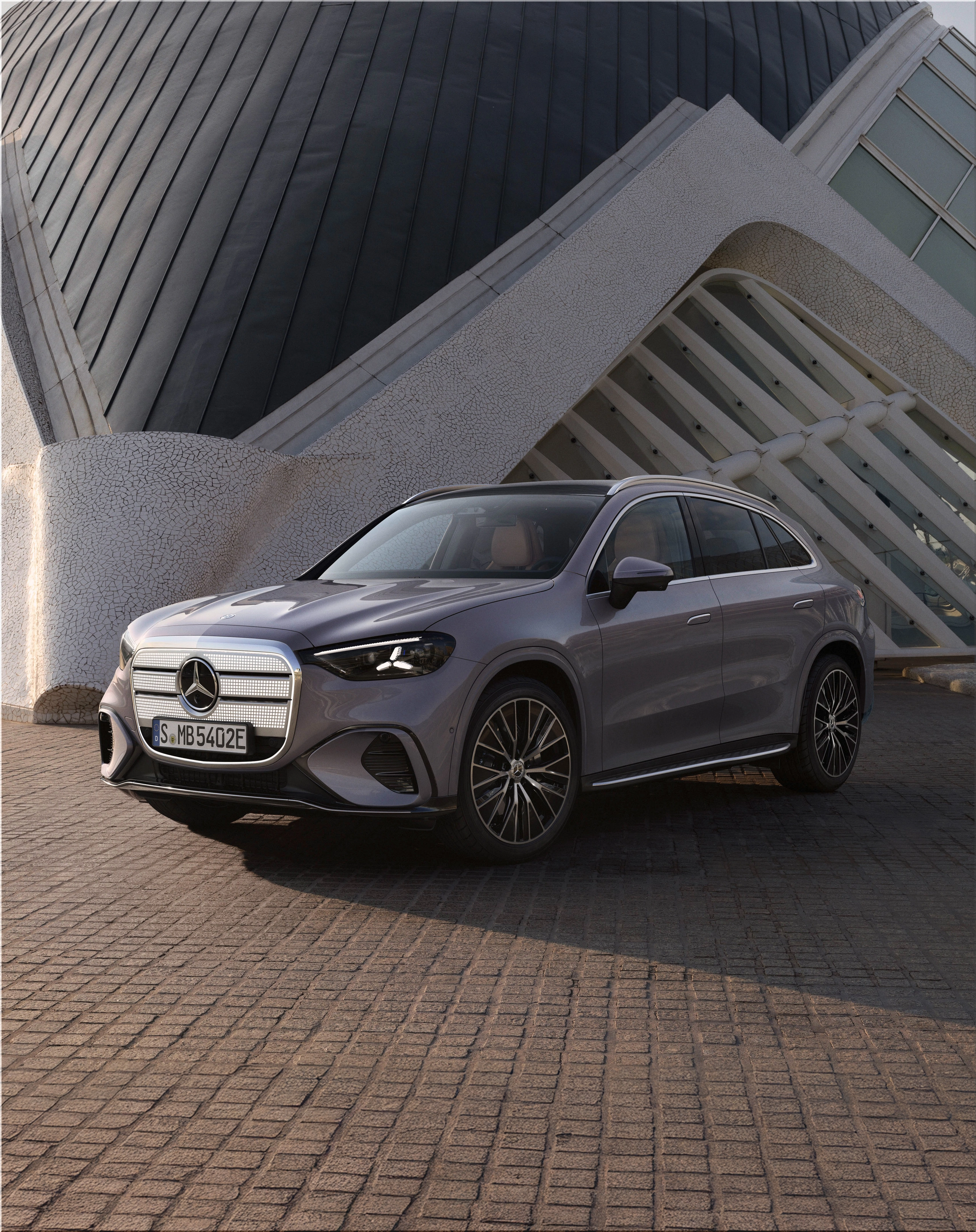
Design: Familiar Shape, New Identity
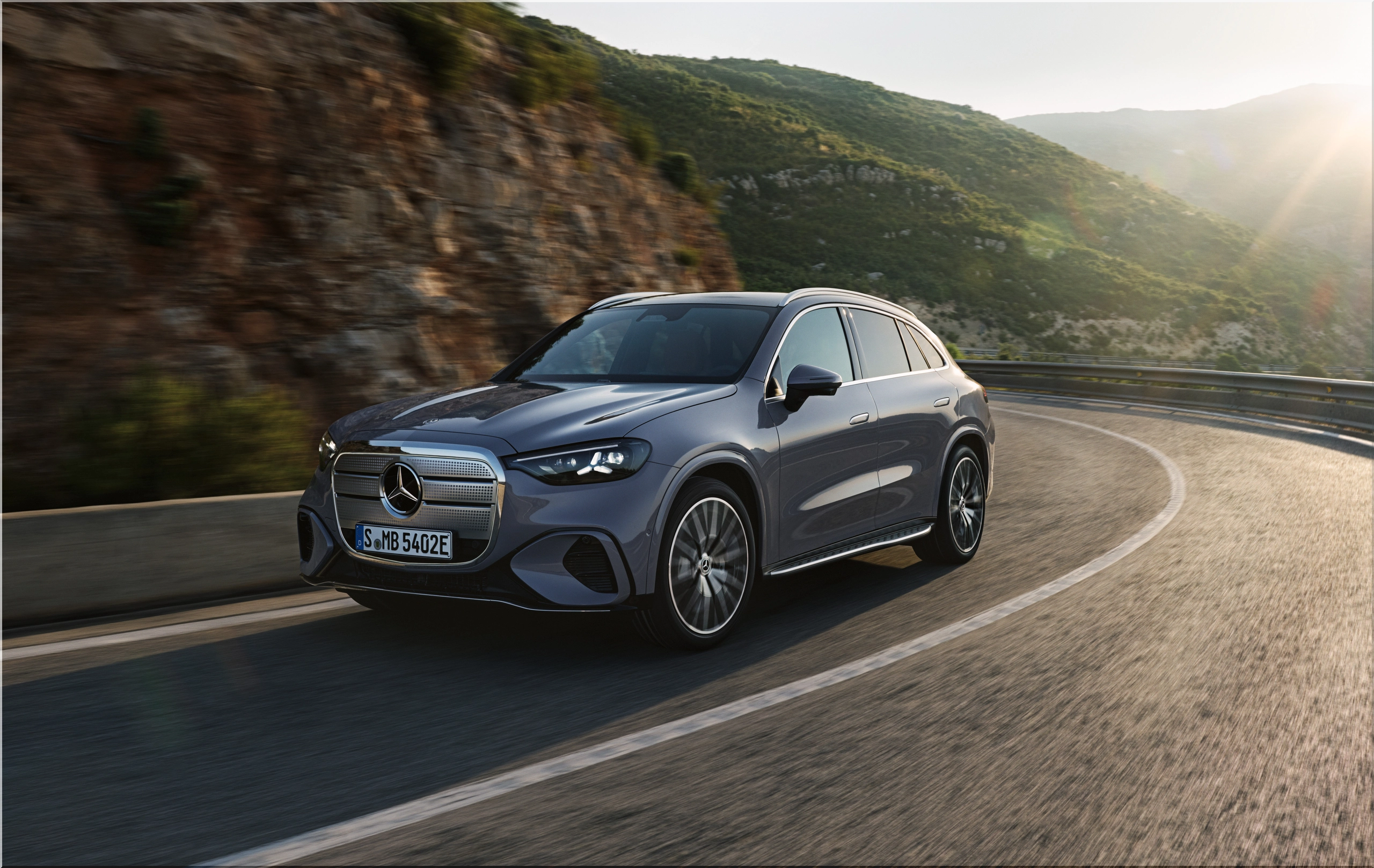
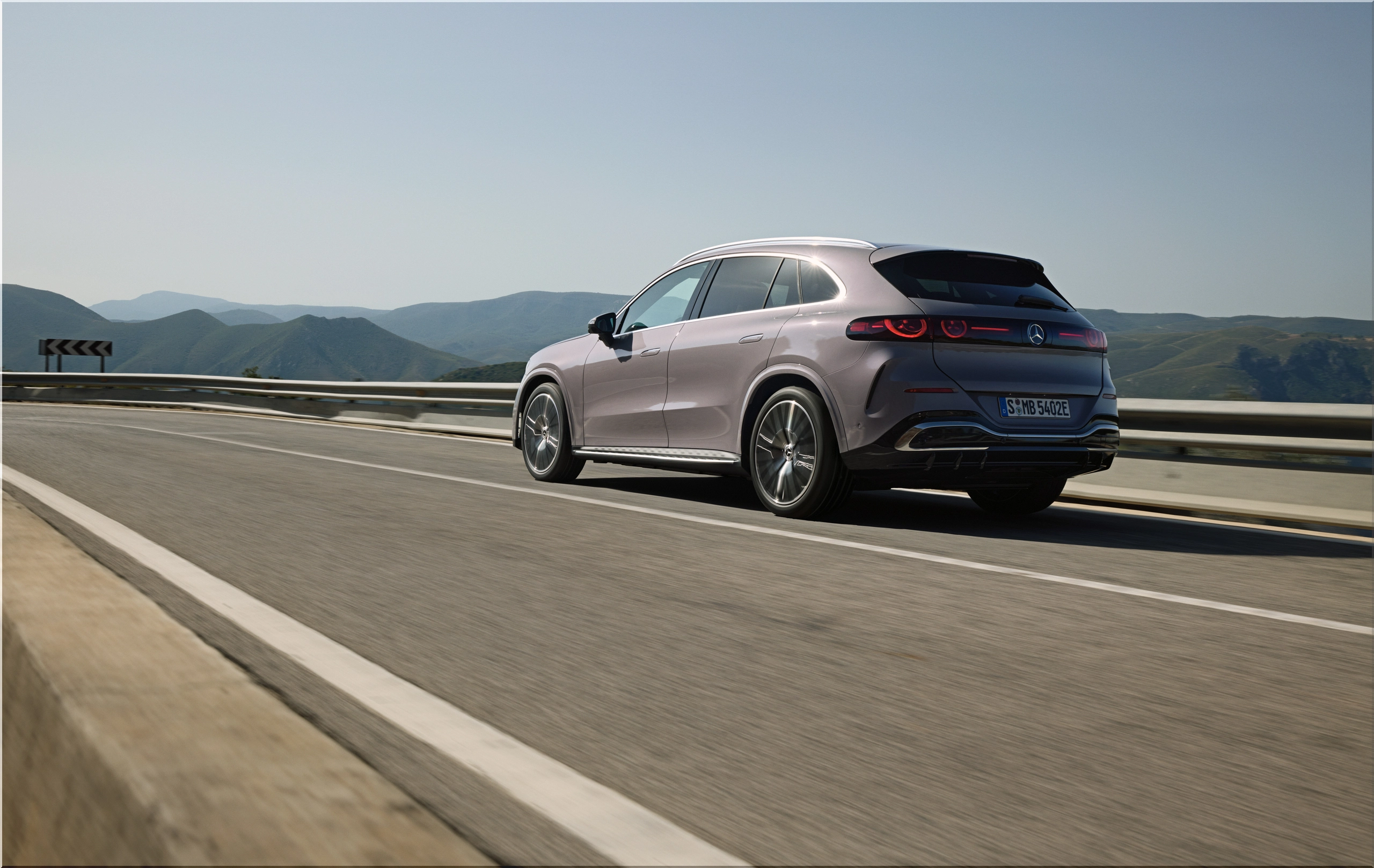
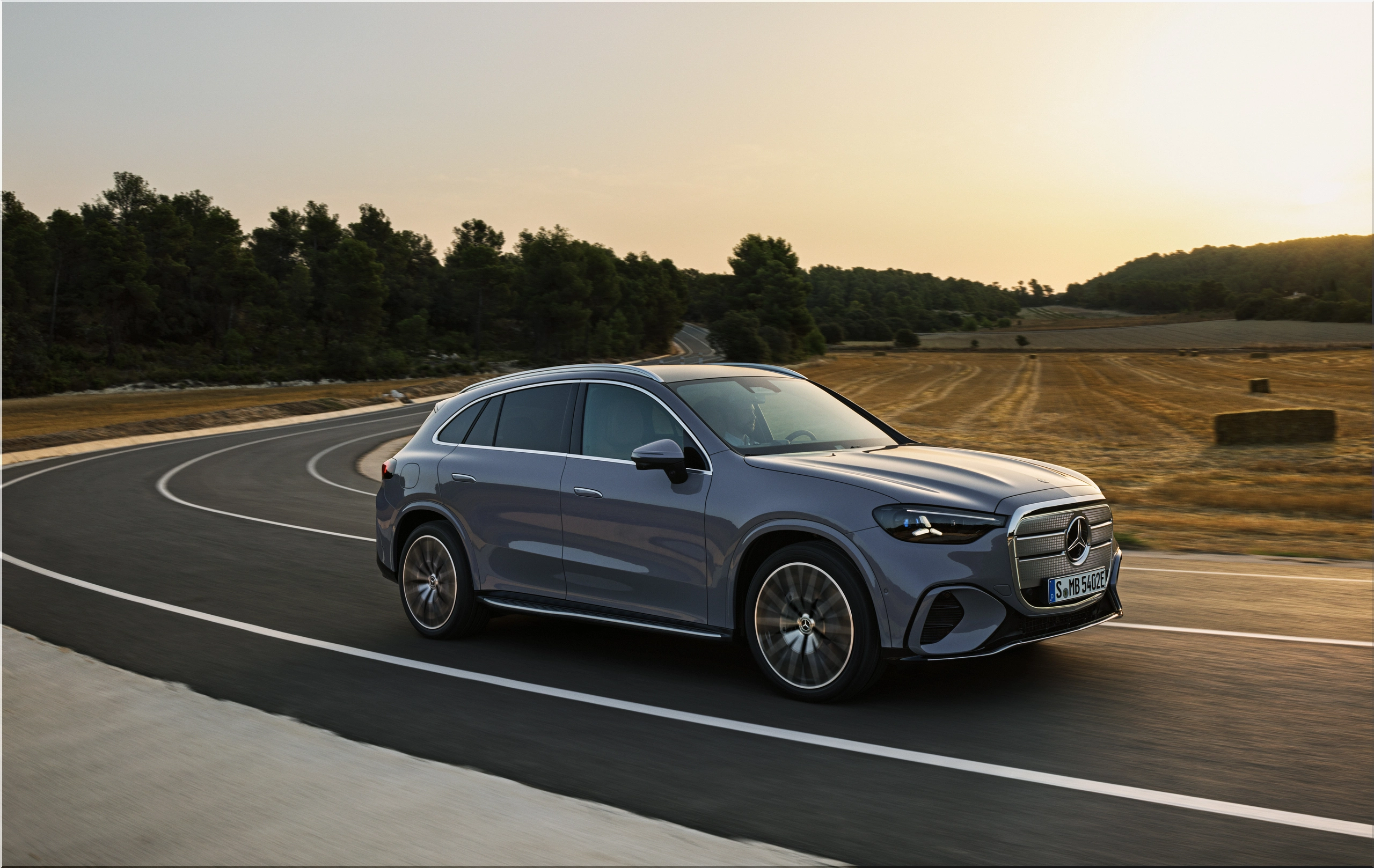
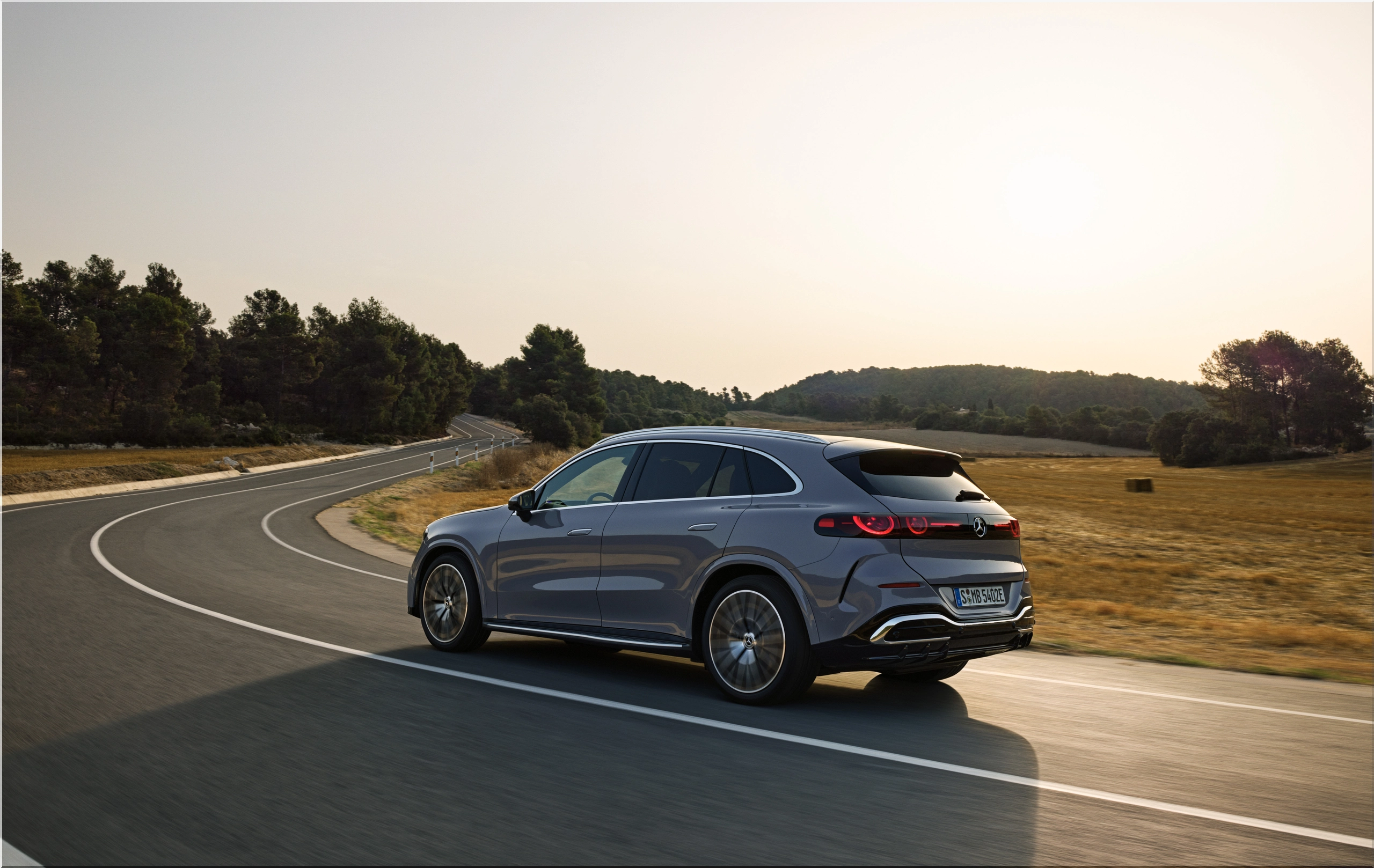
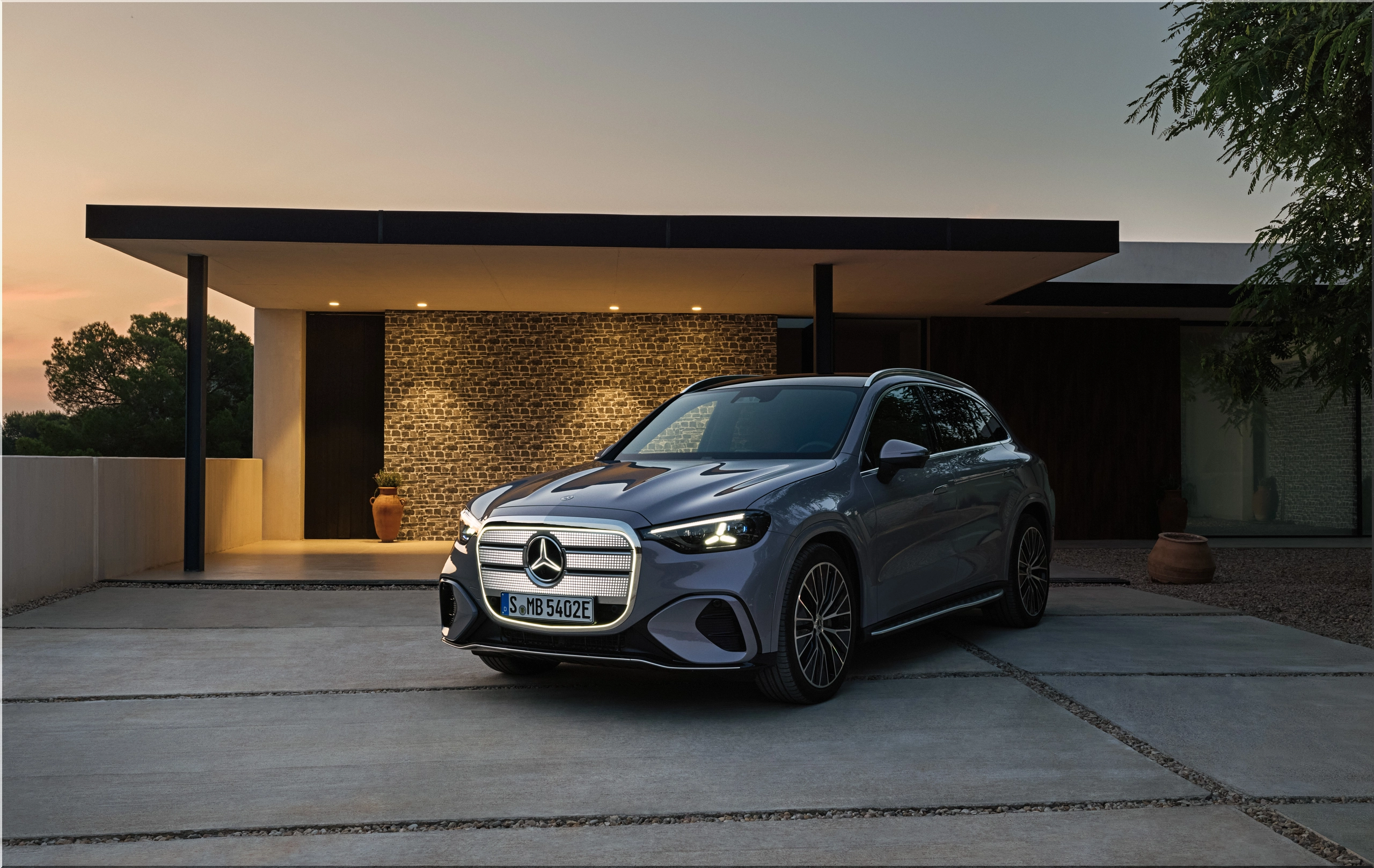
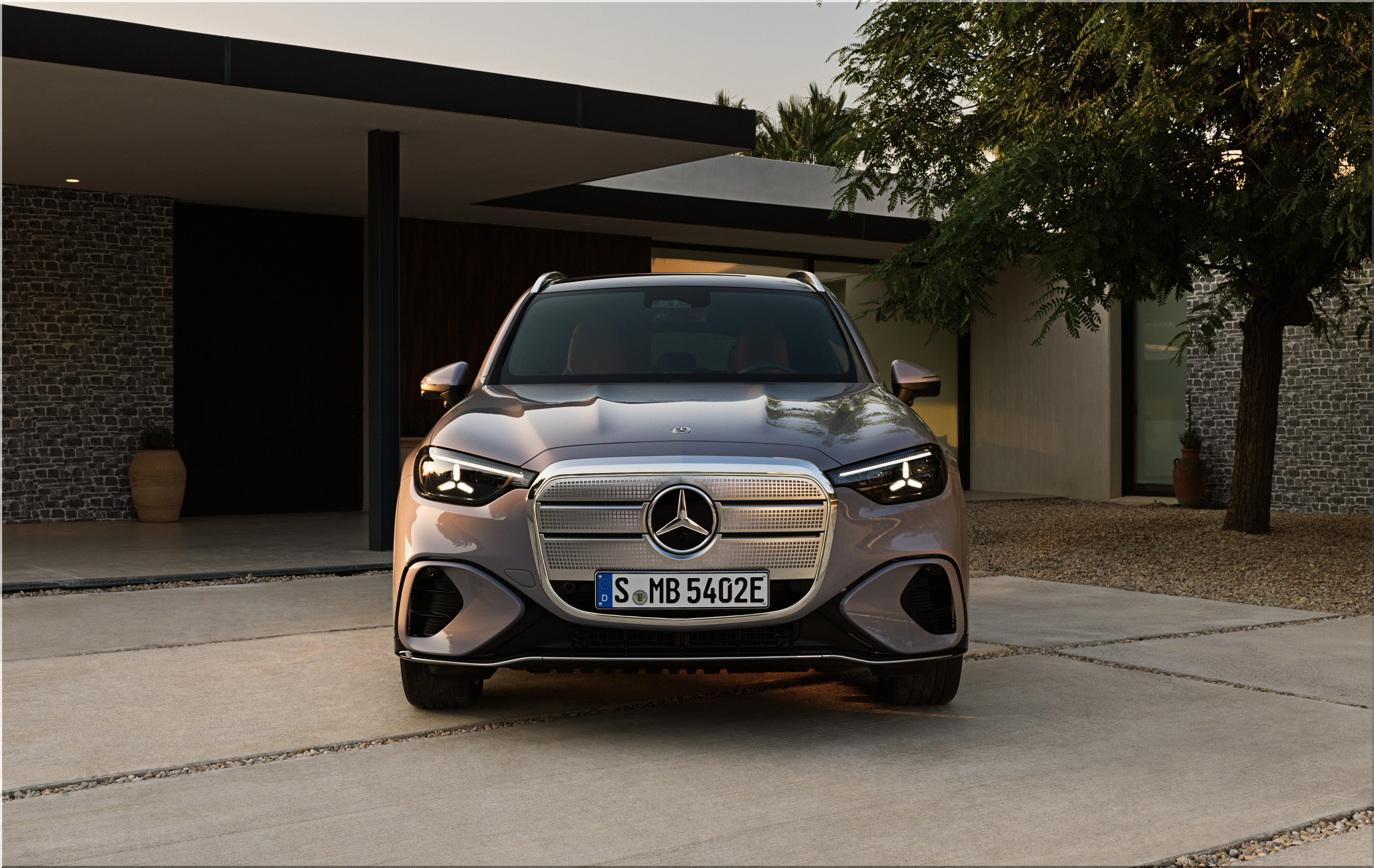
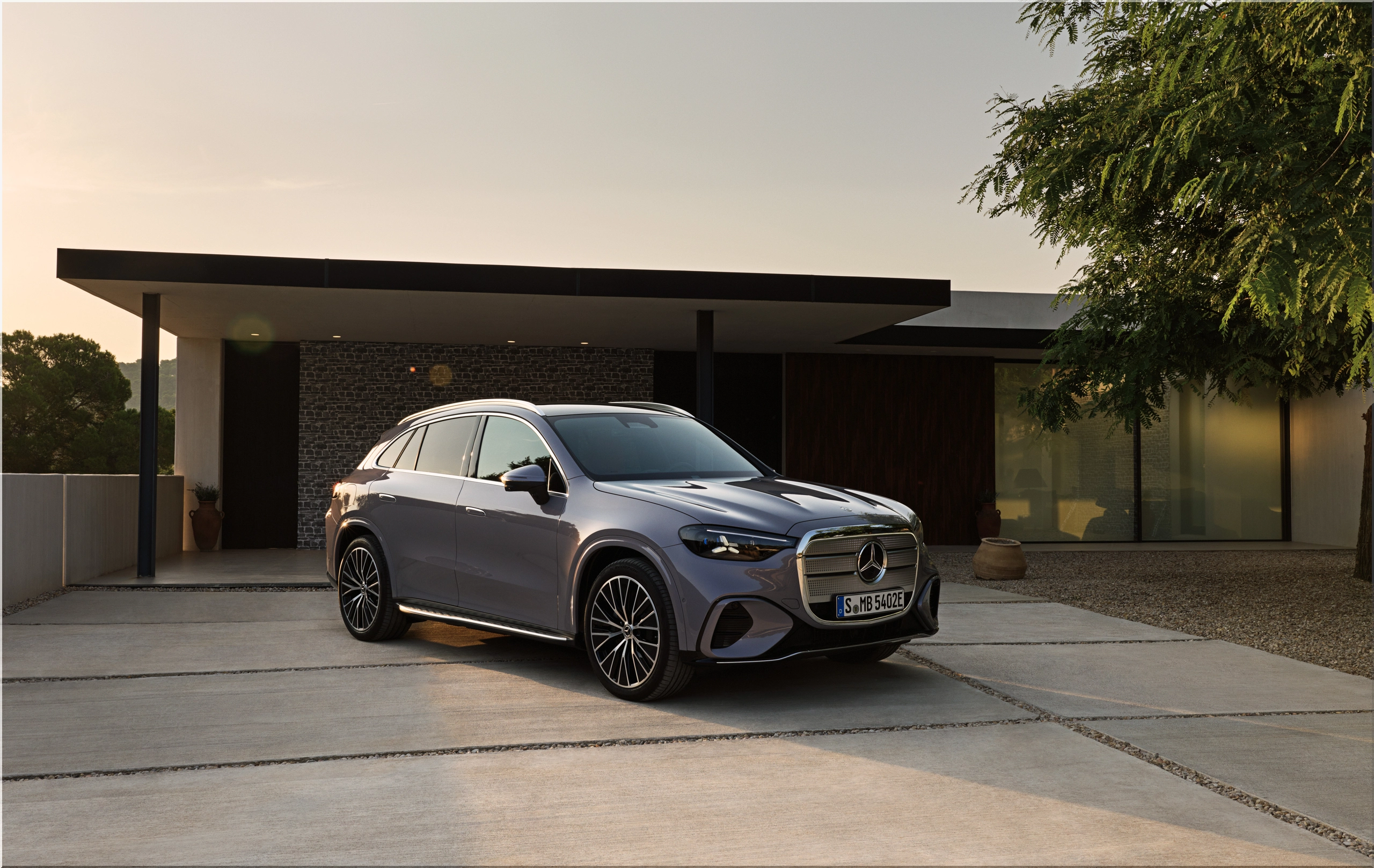
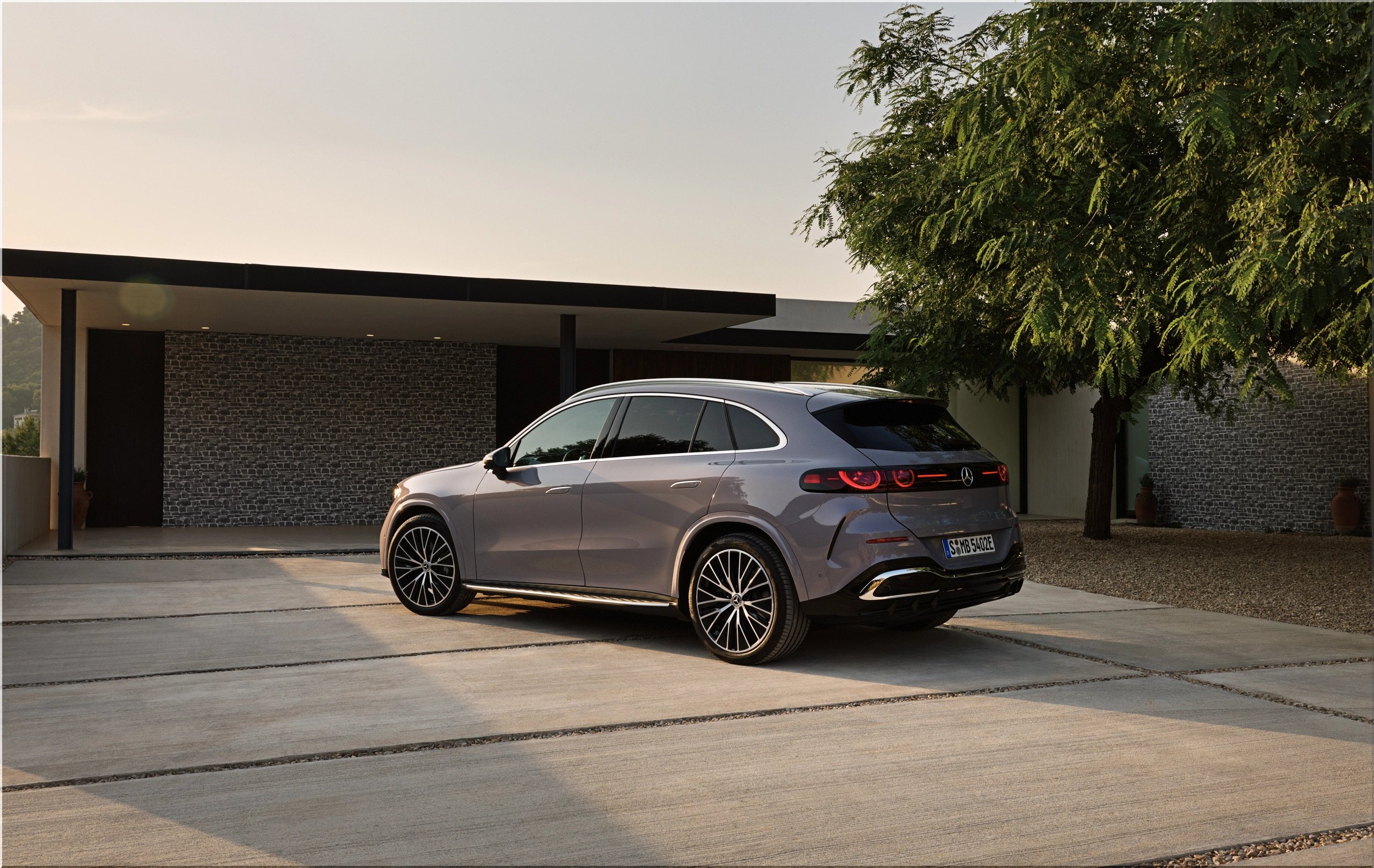
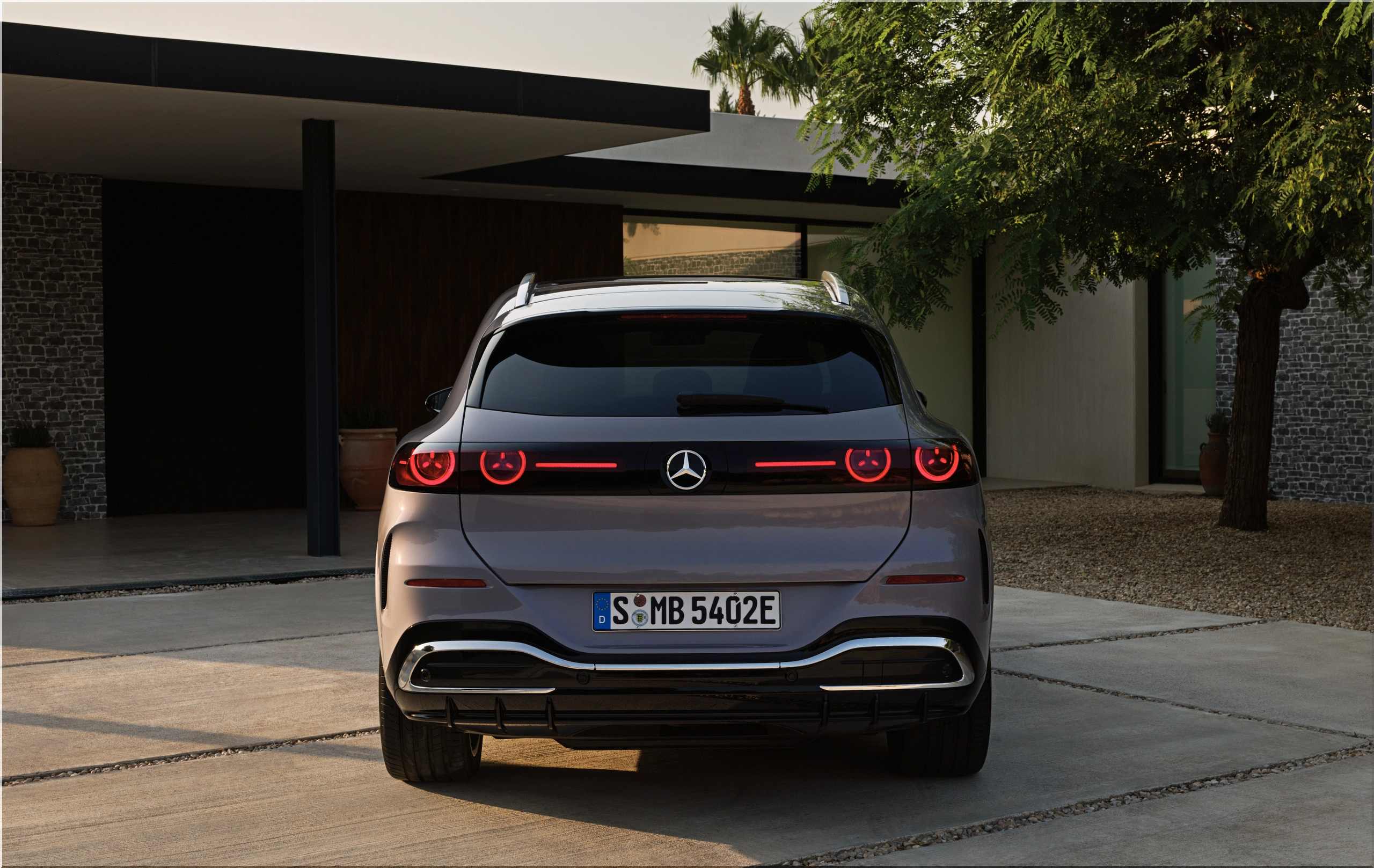
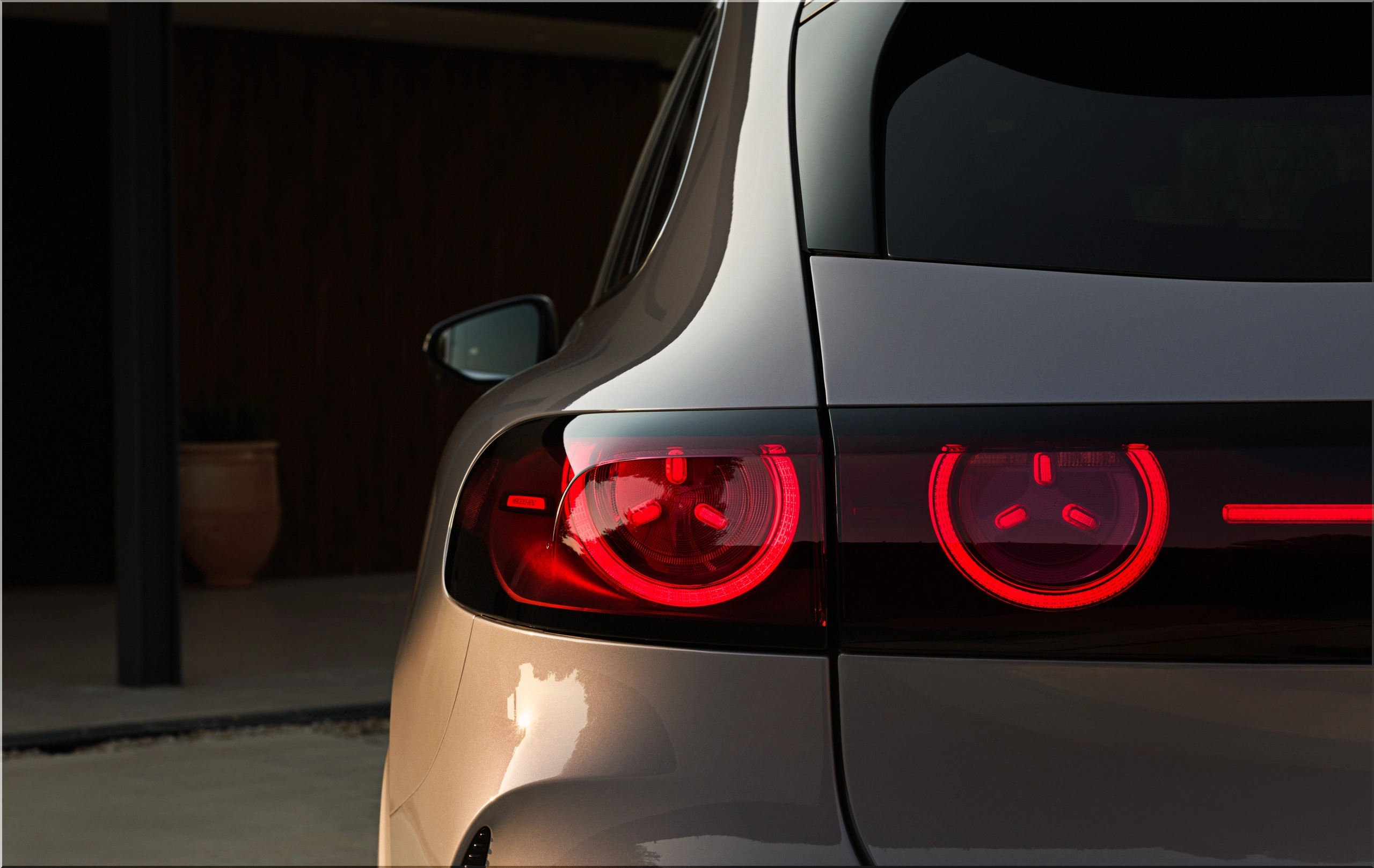
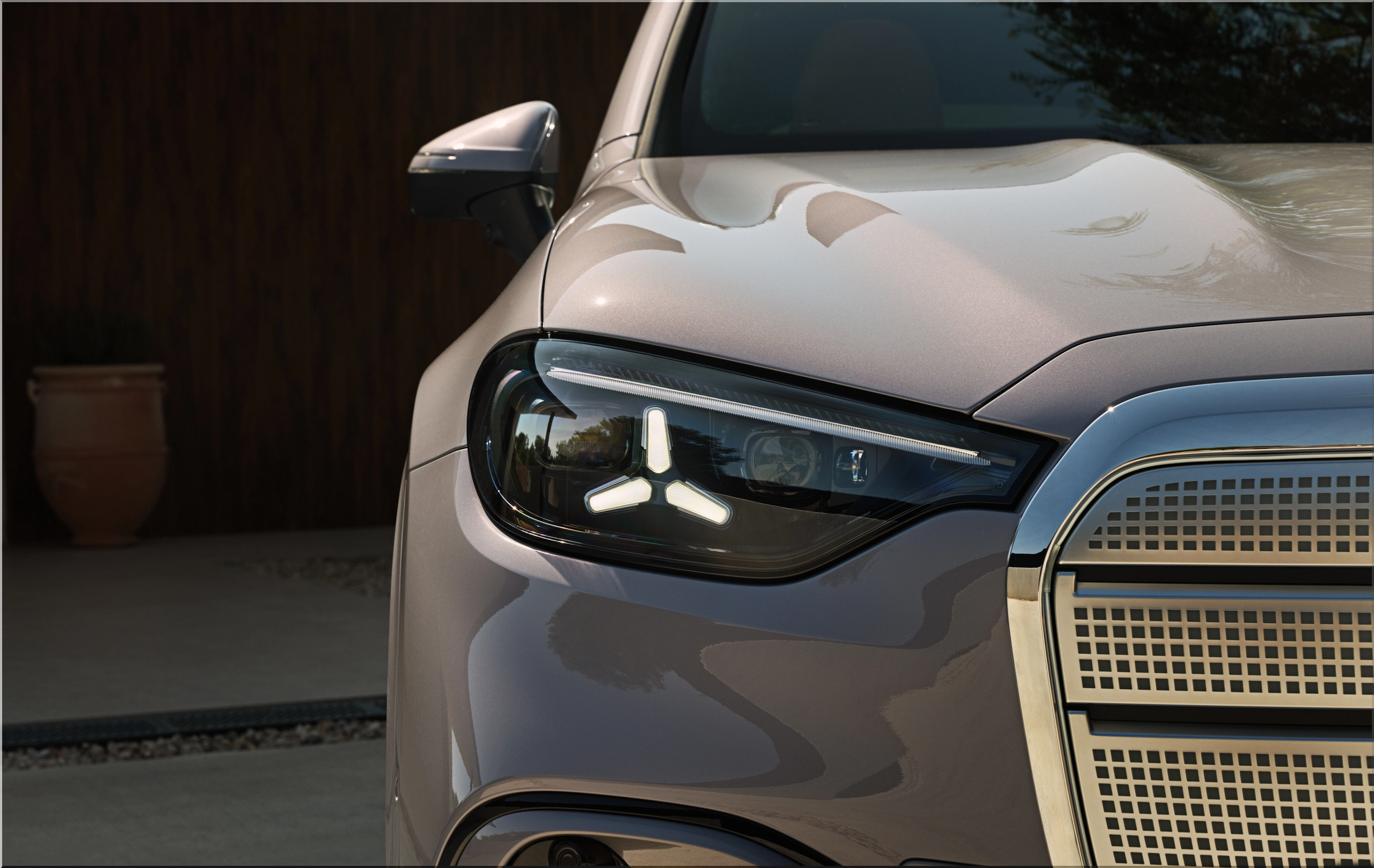
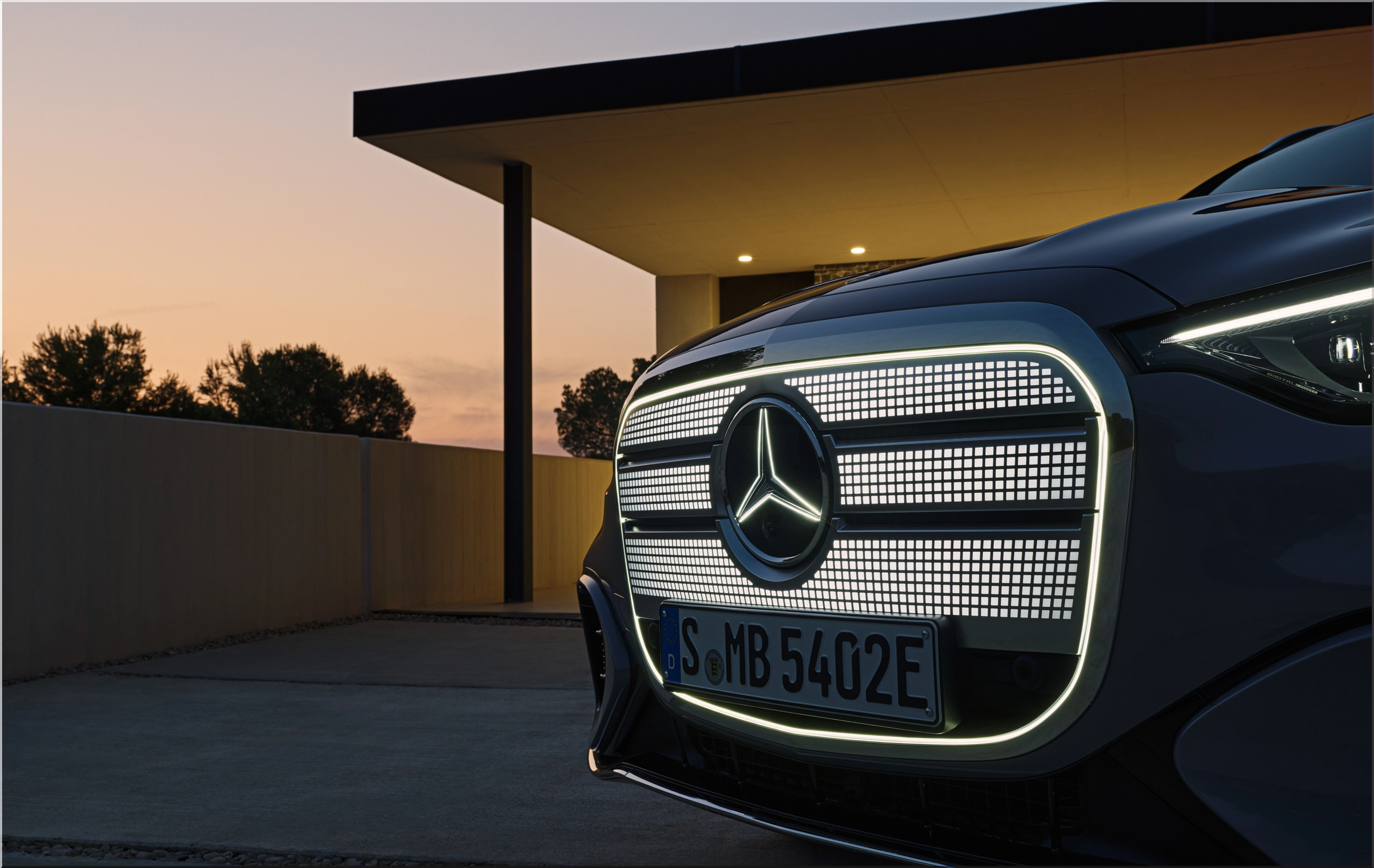
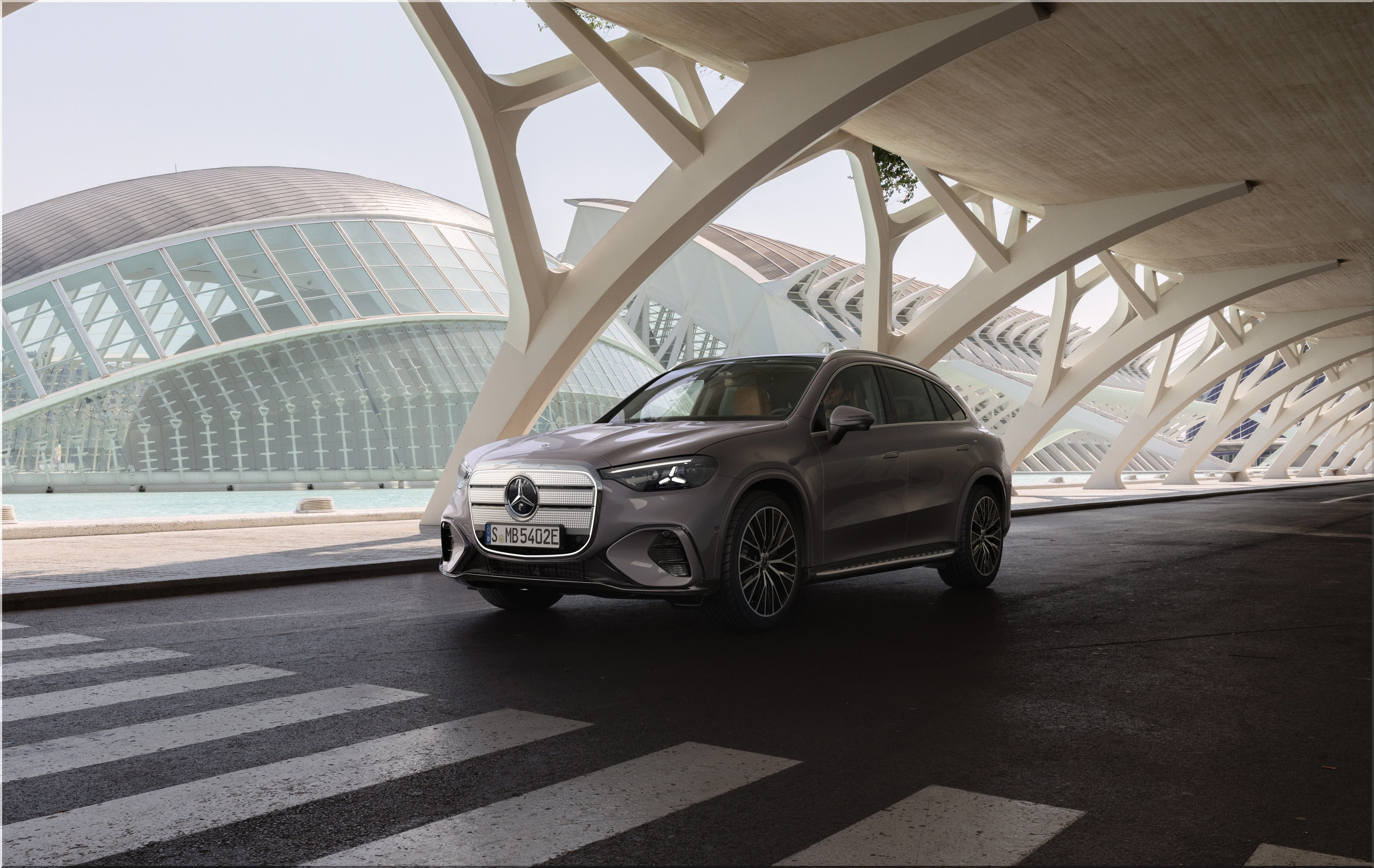
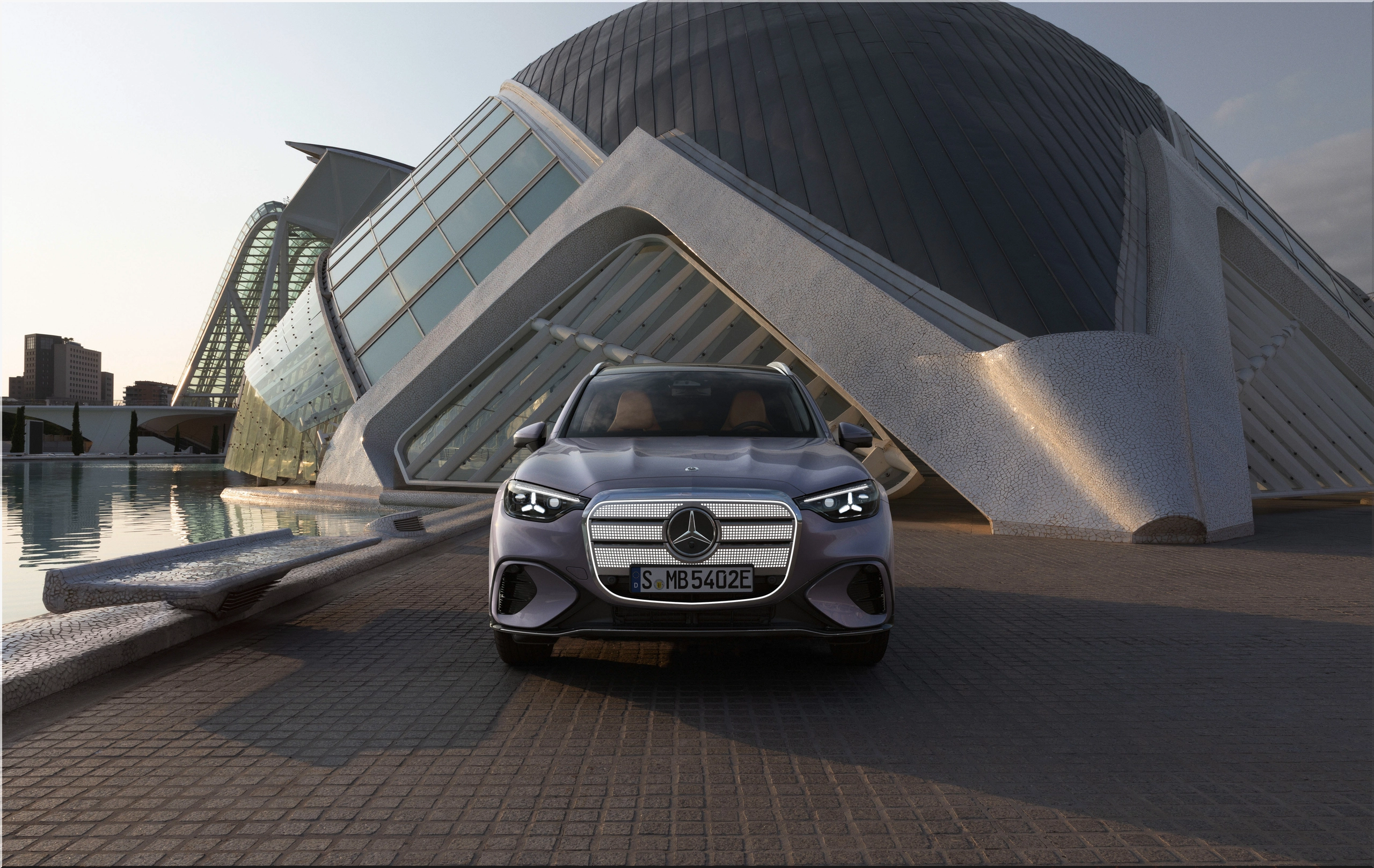
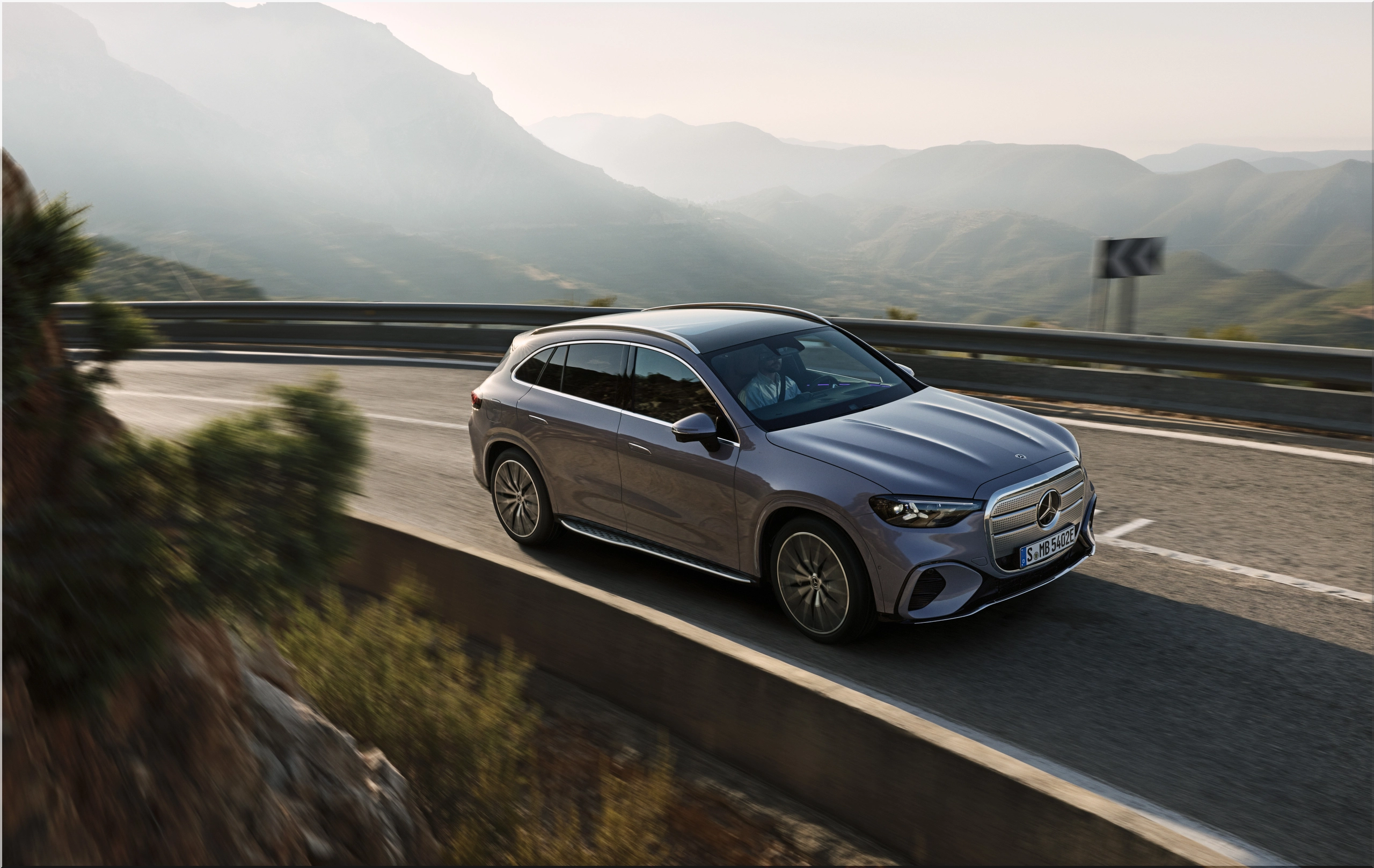
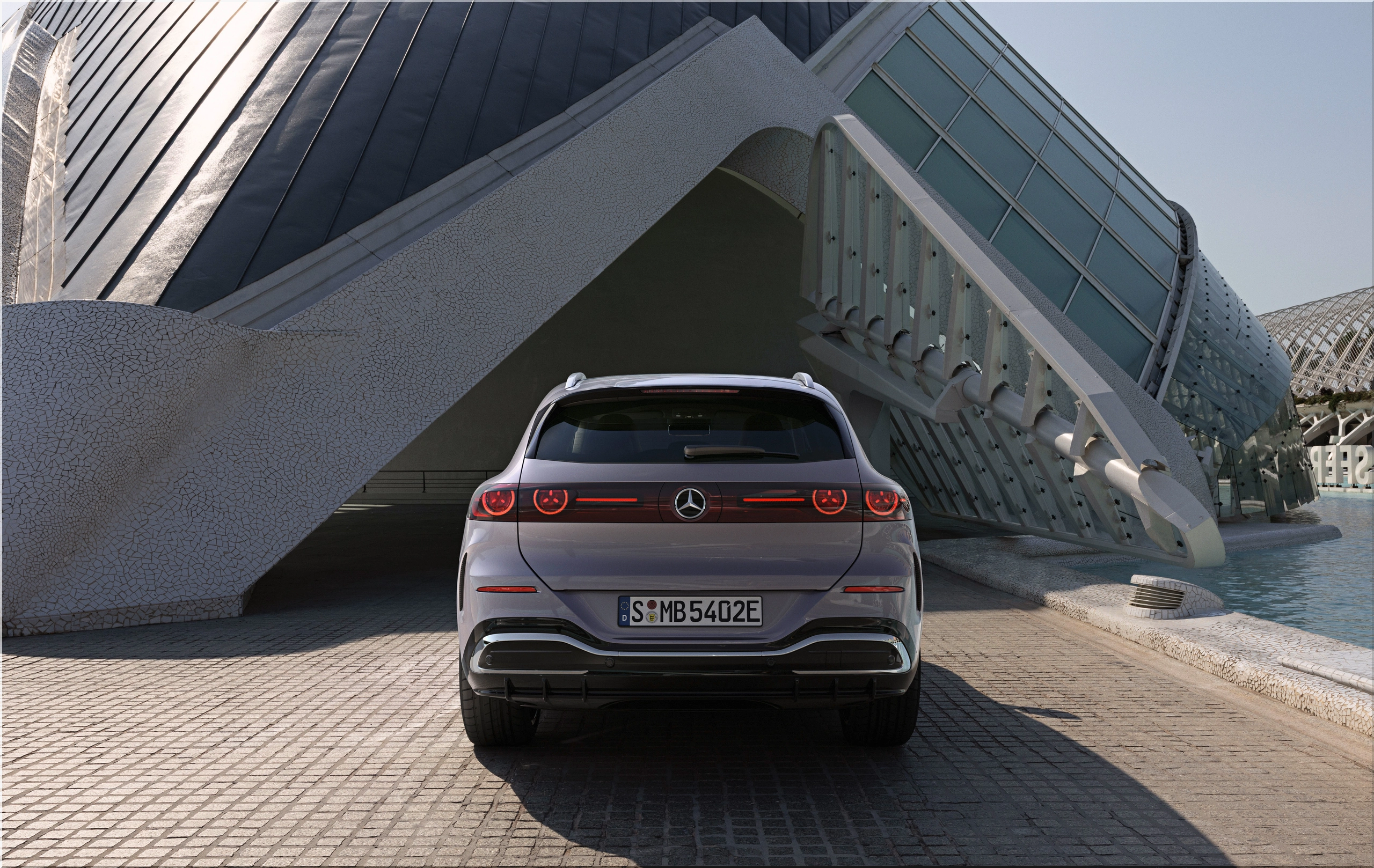
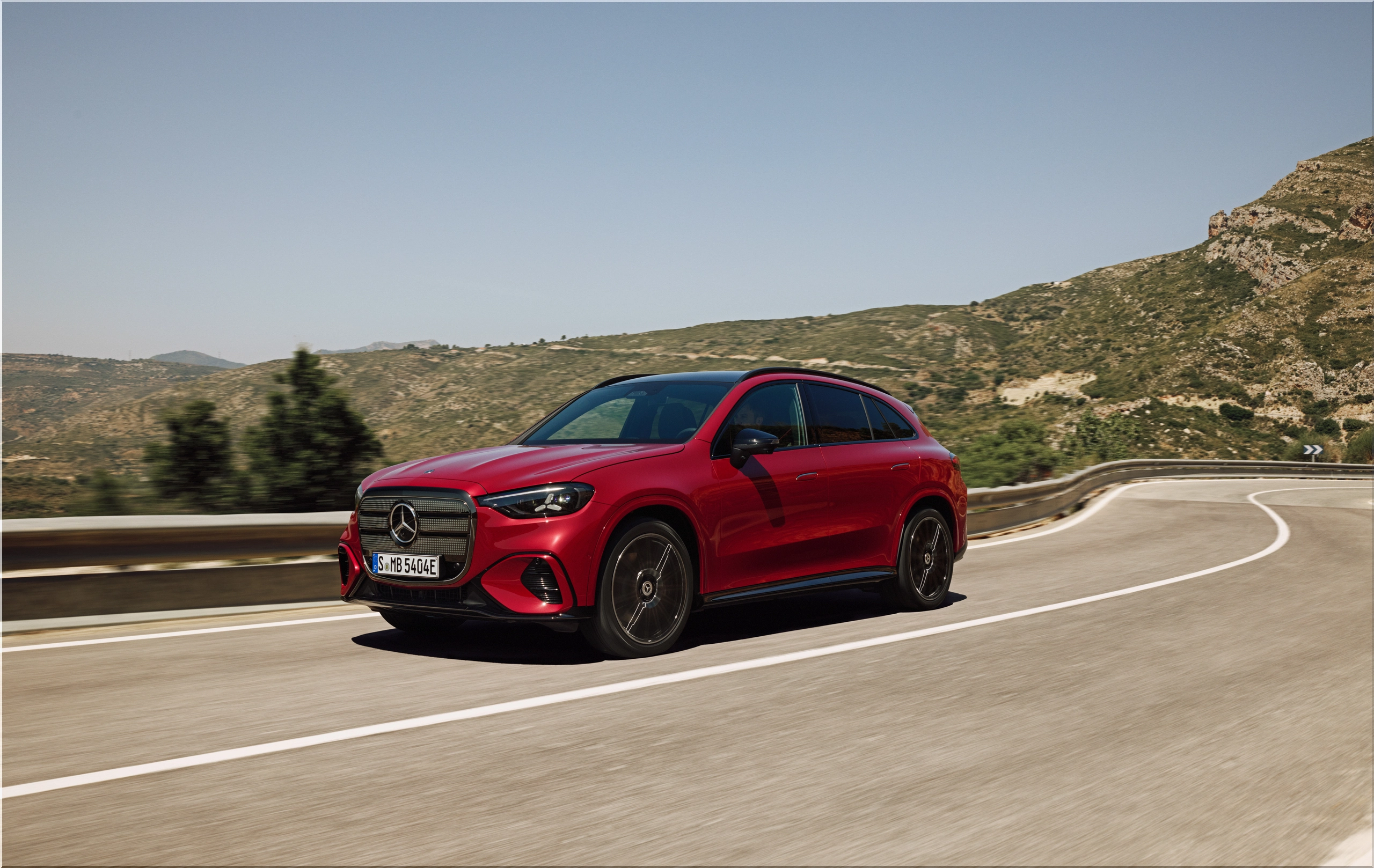
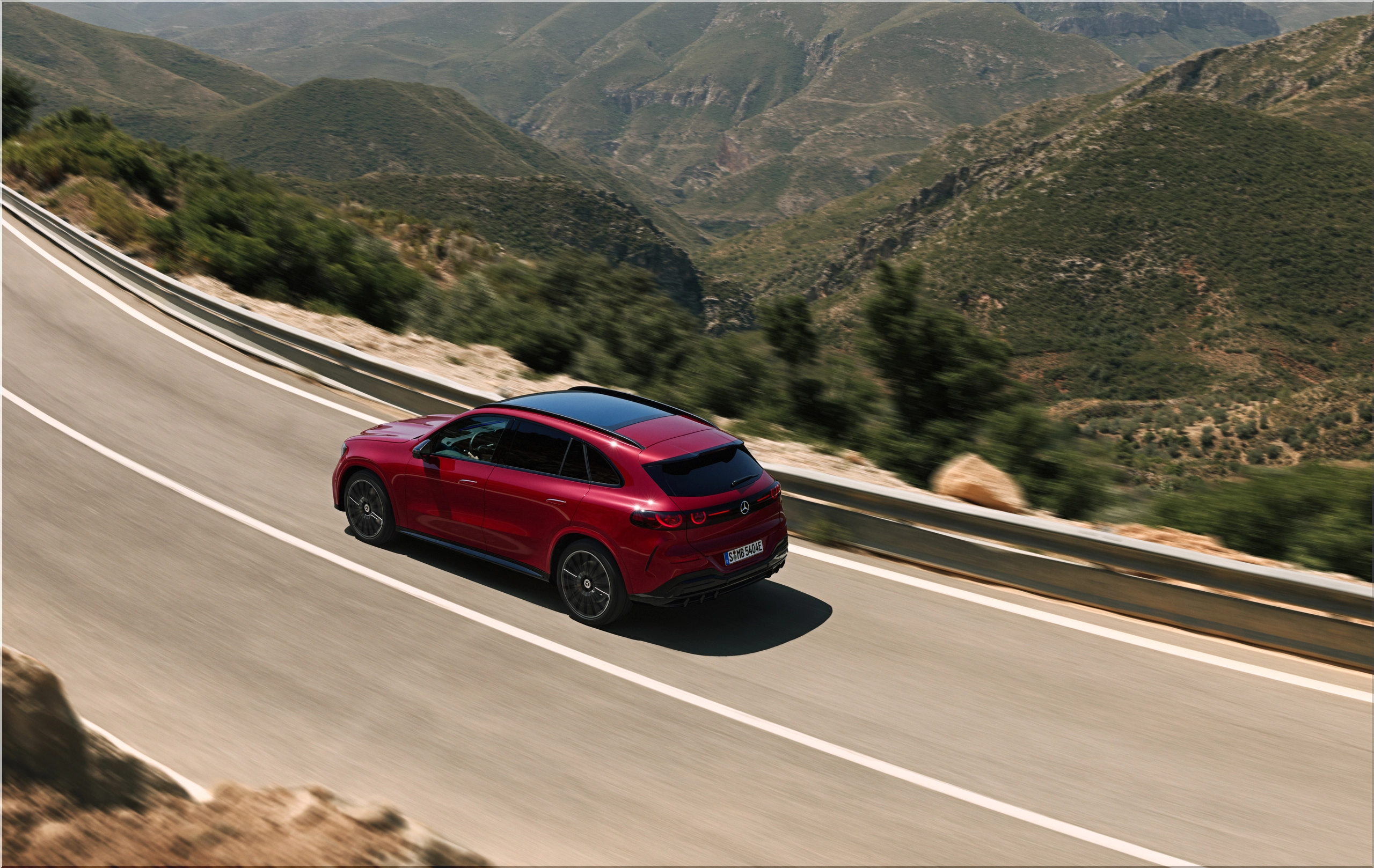
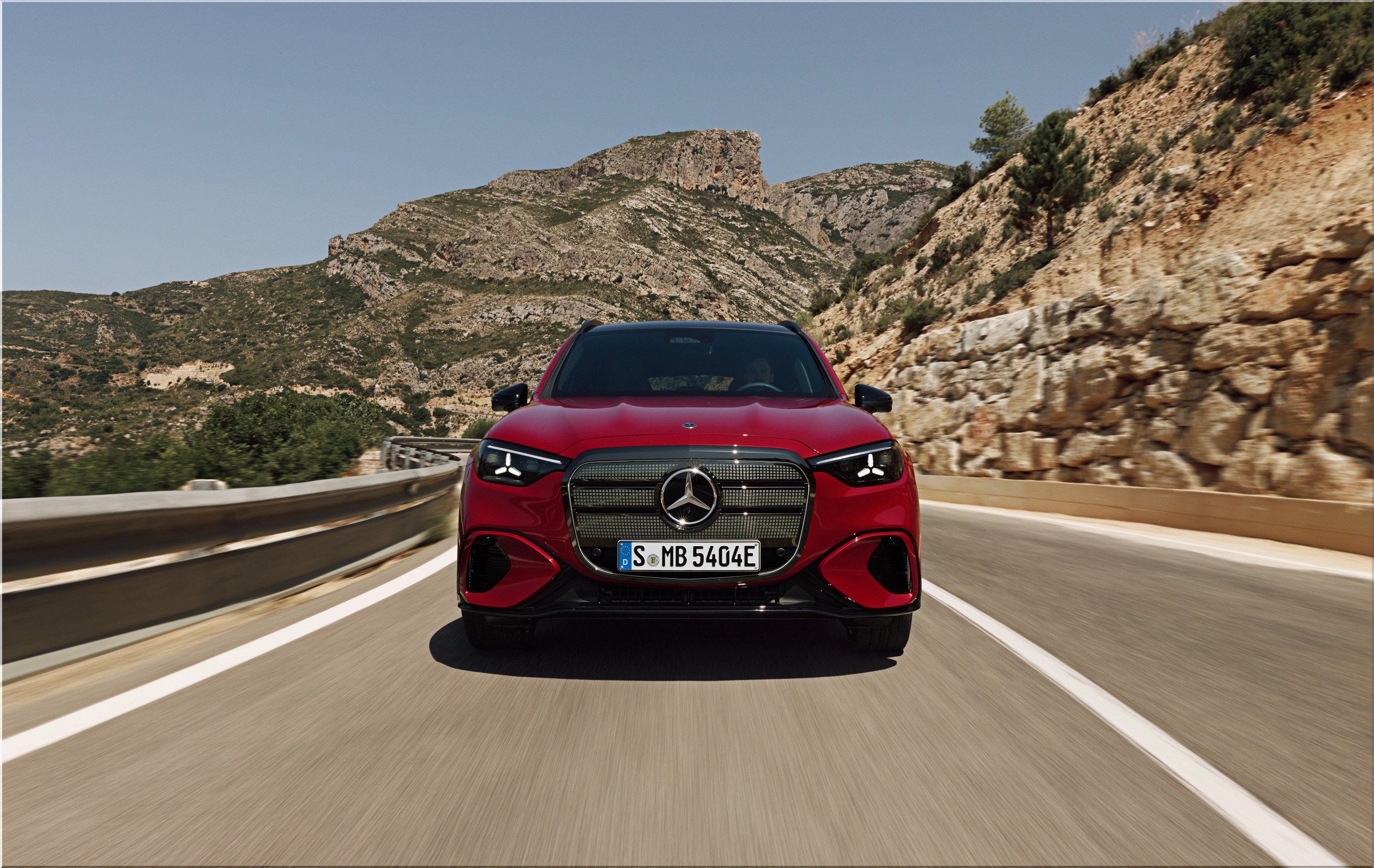
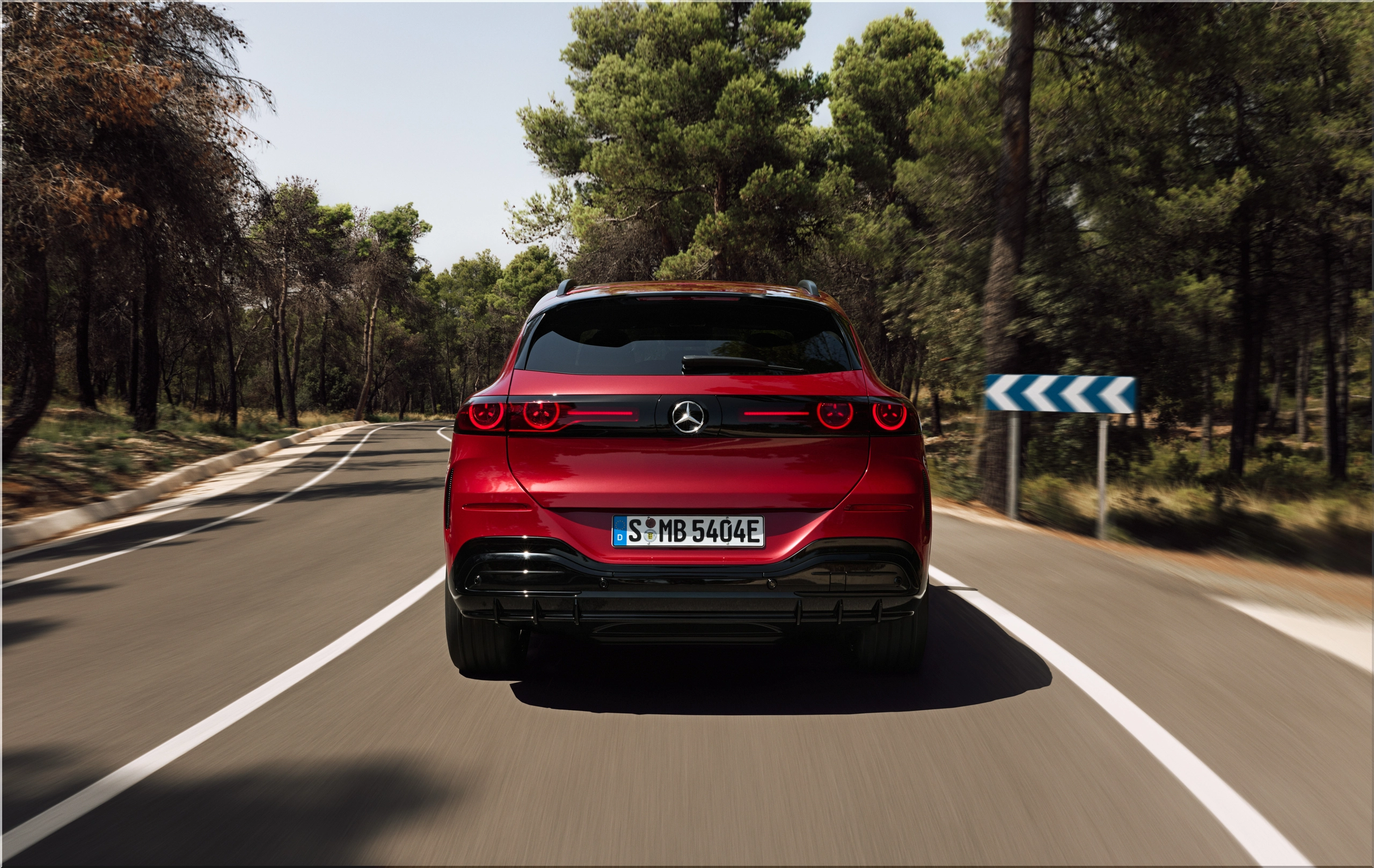
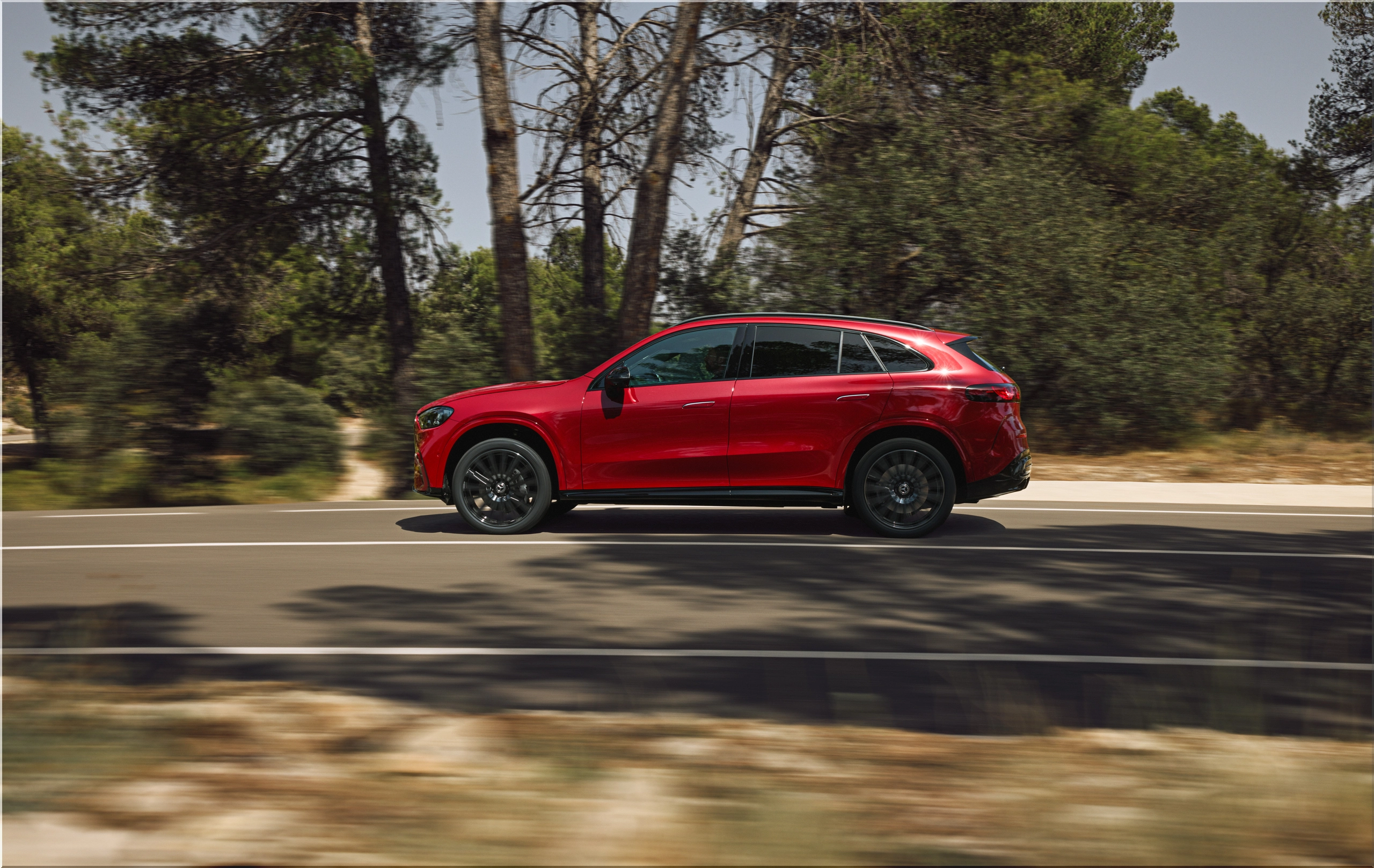
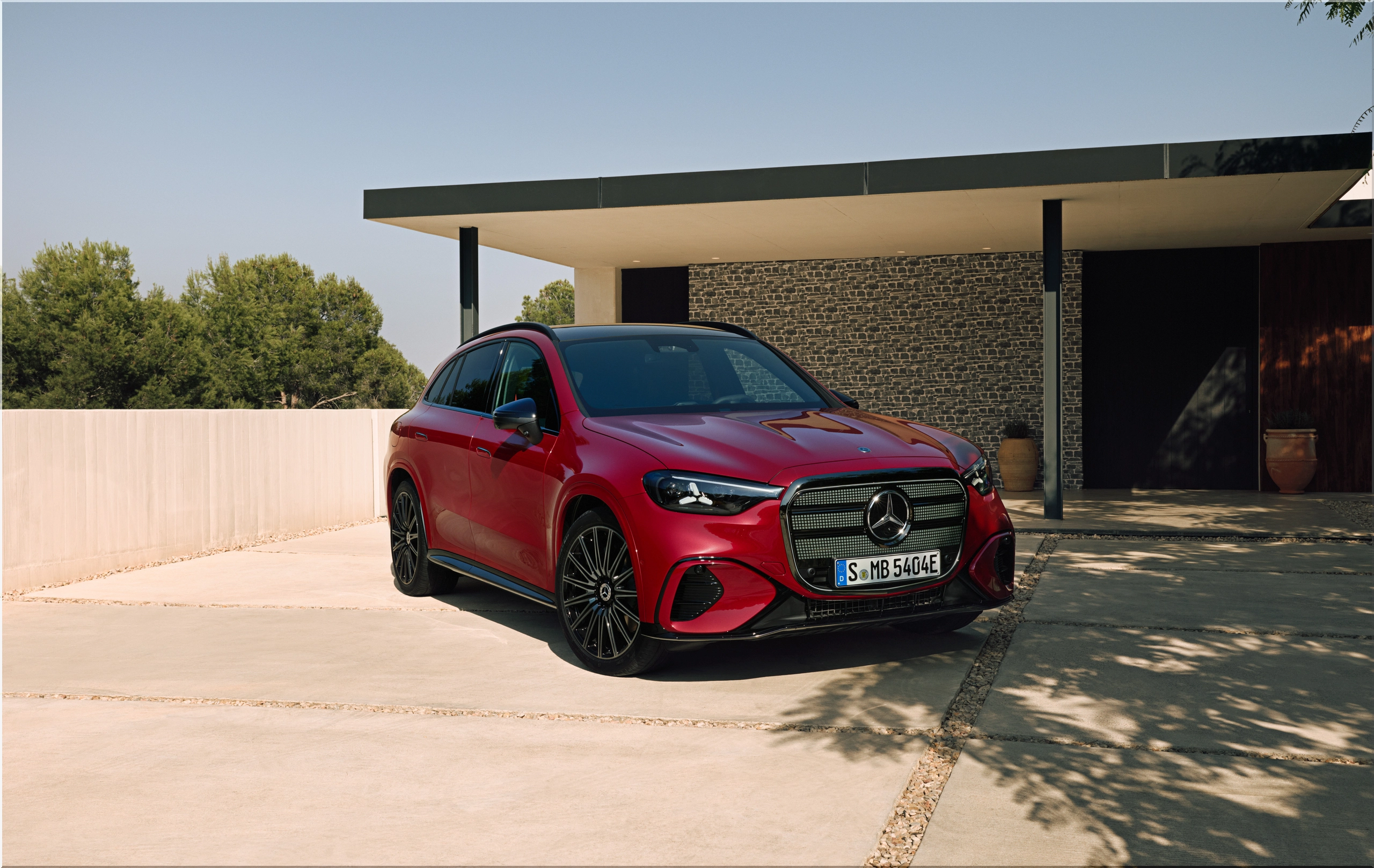
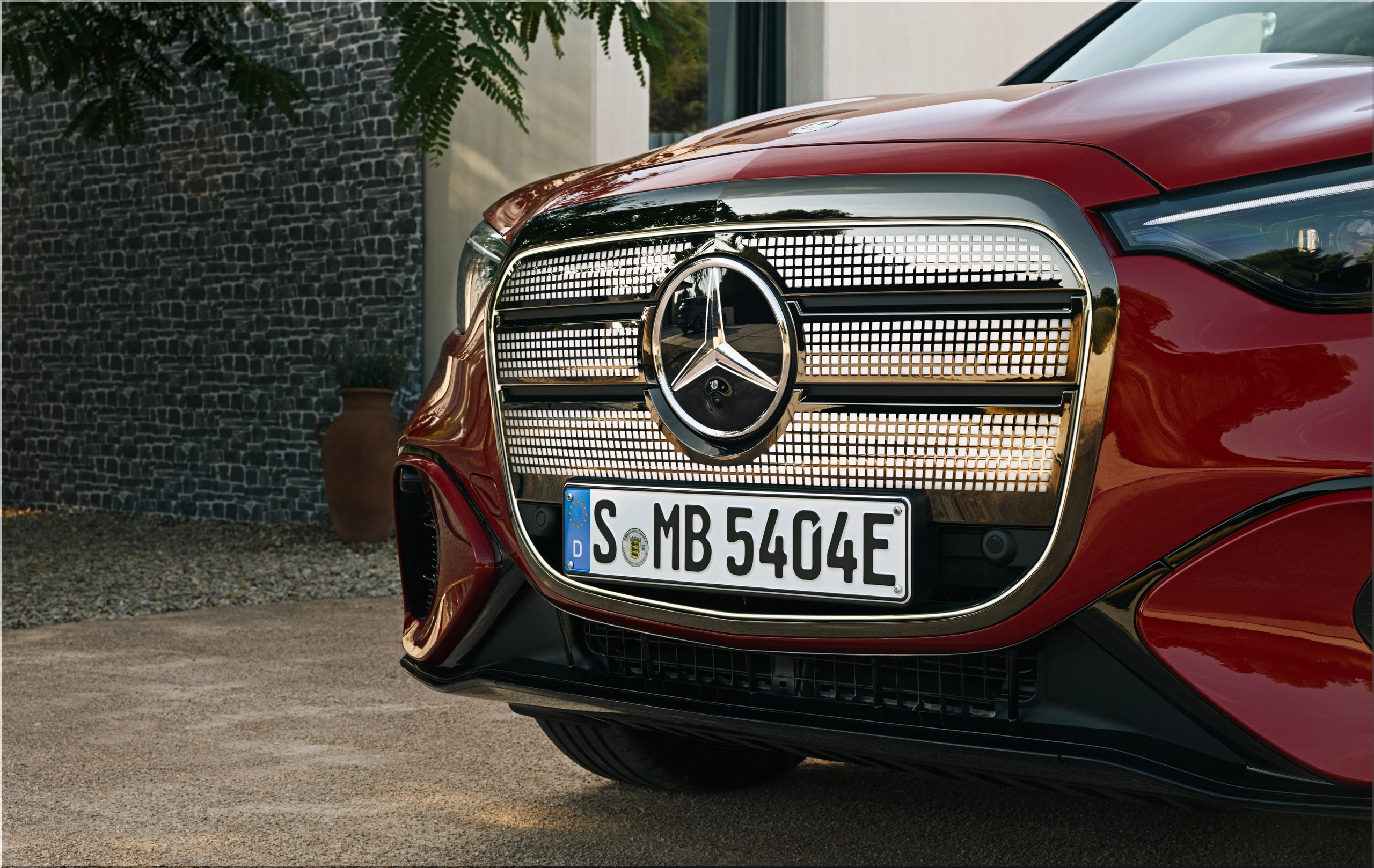
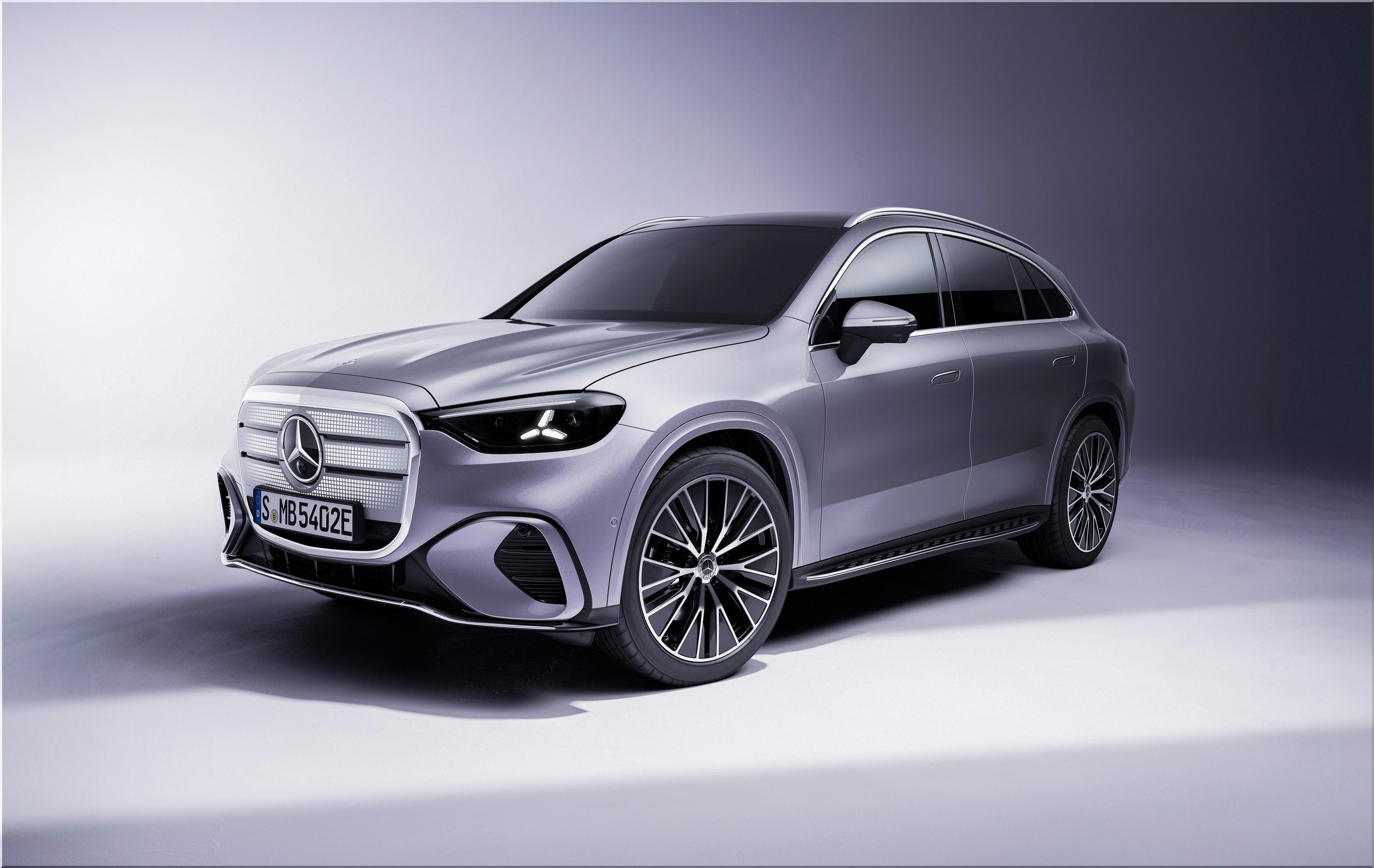
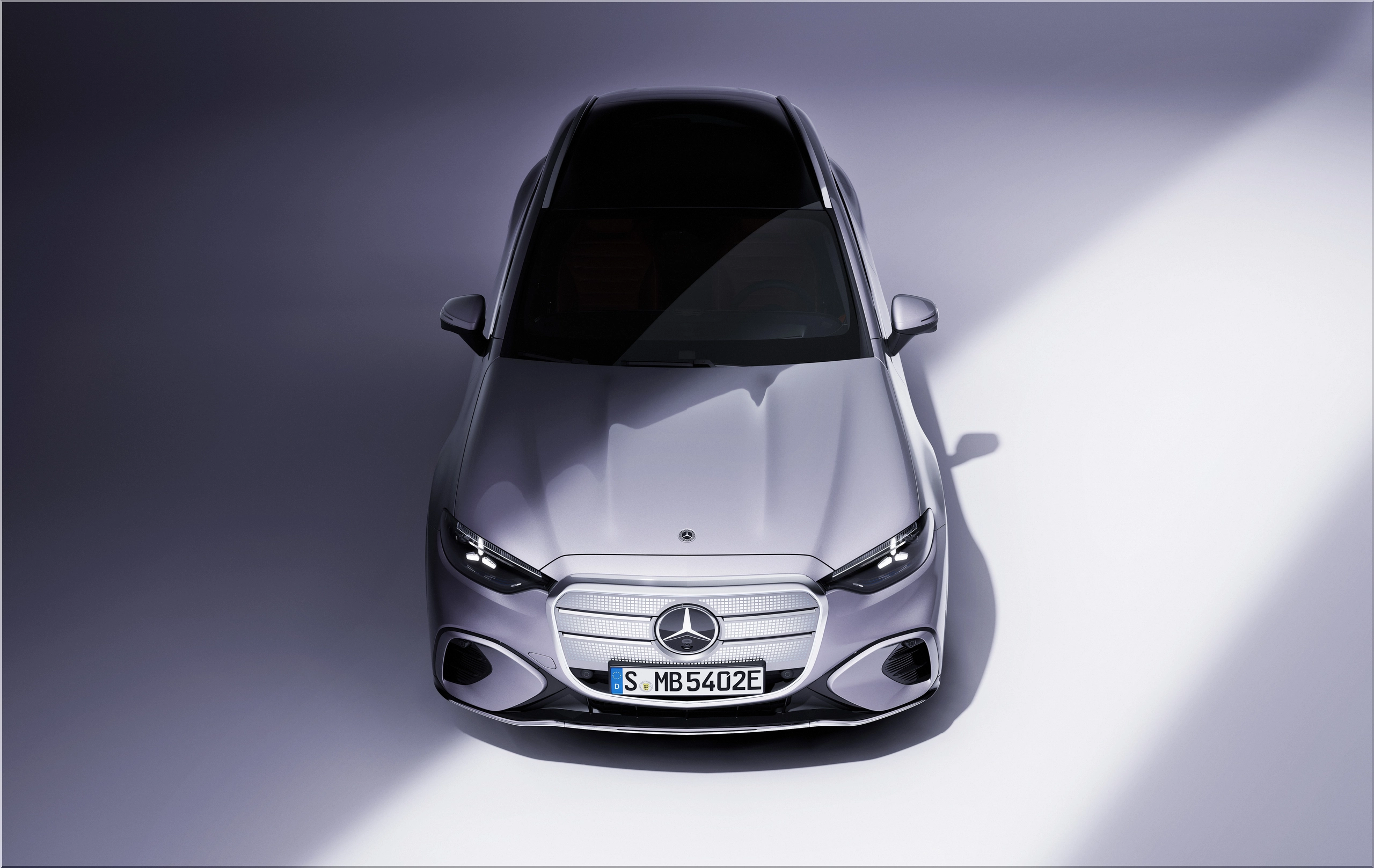
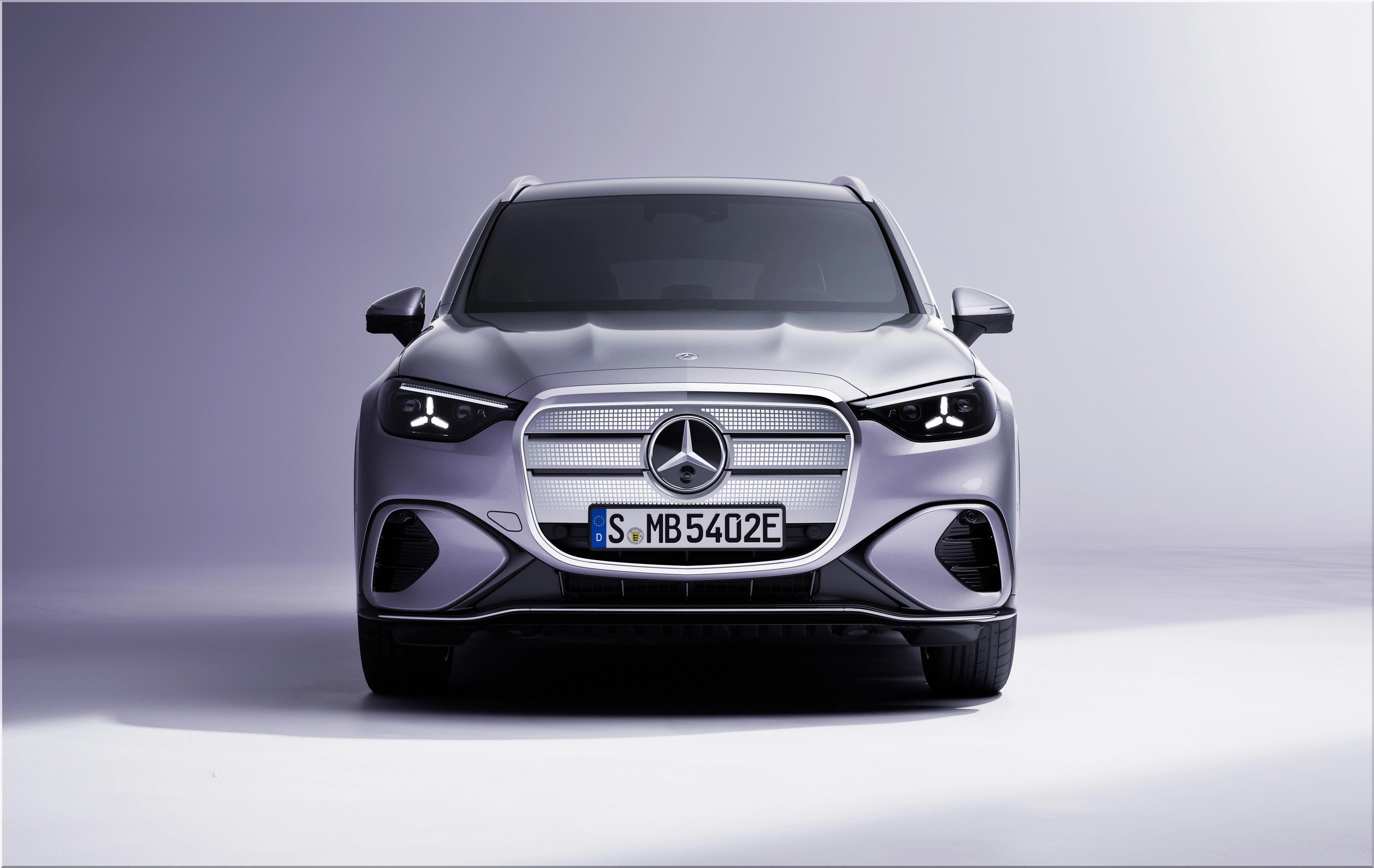
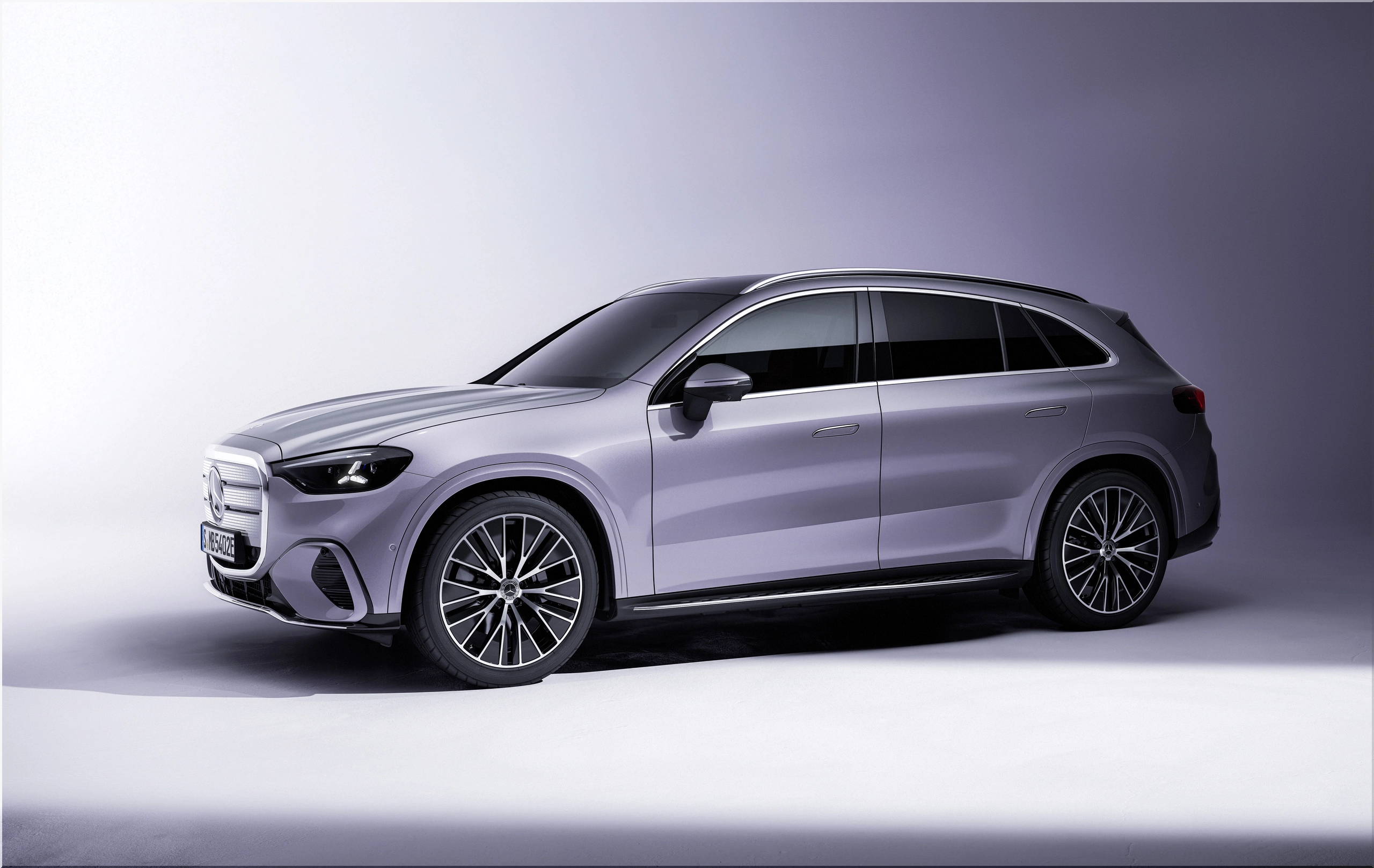
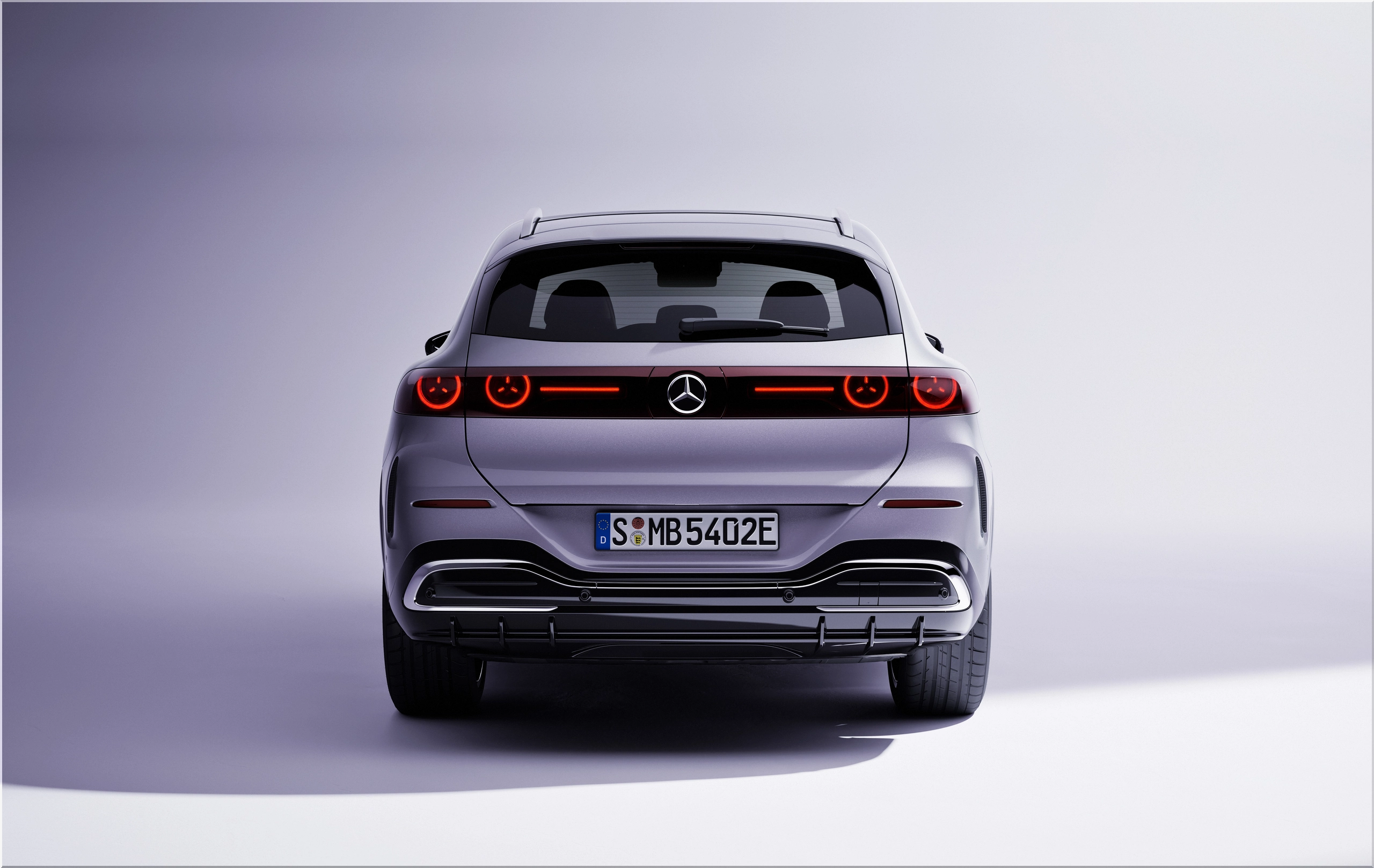
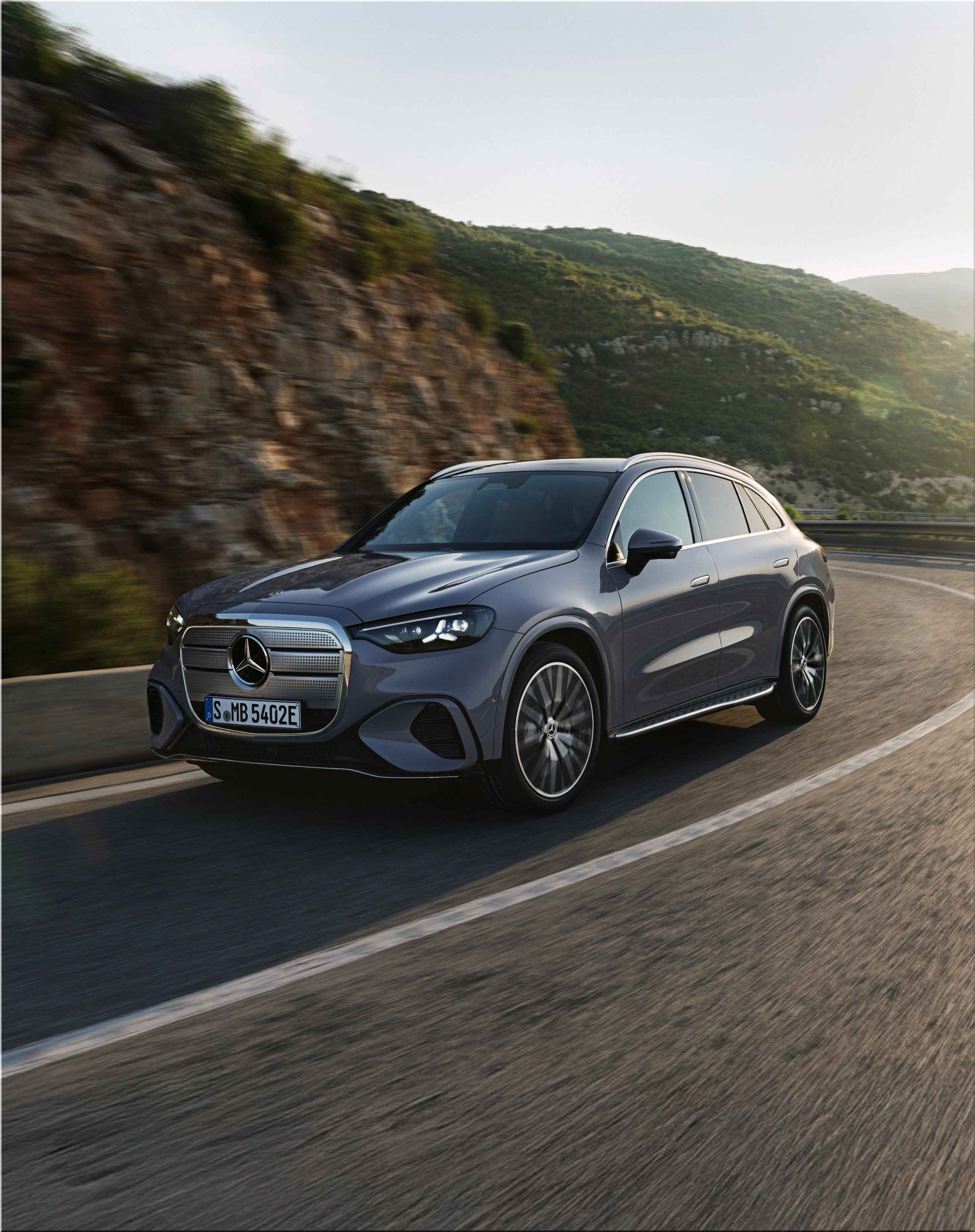
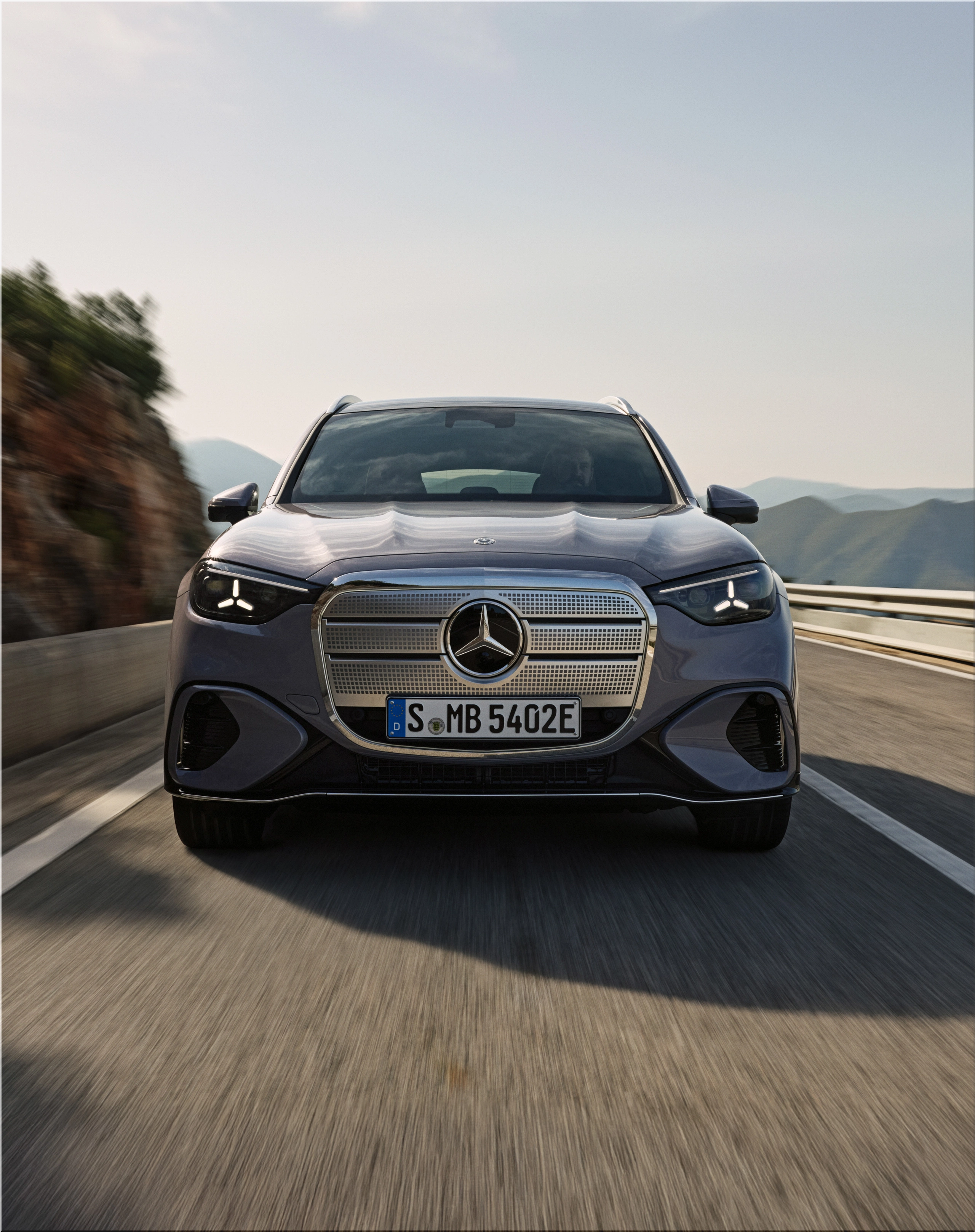
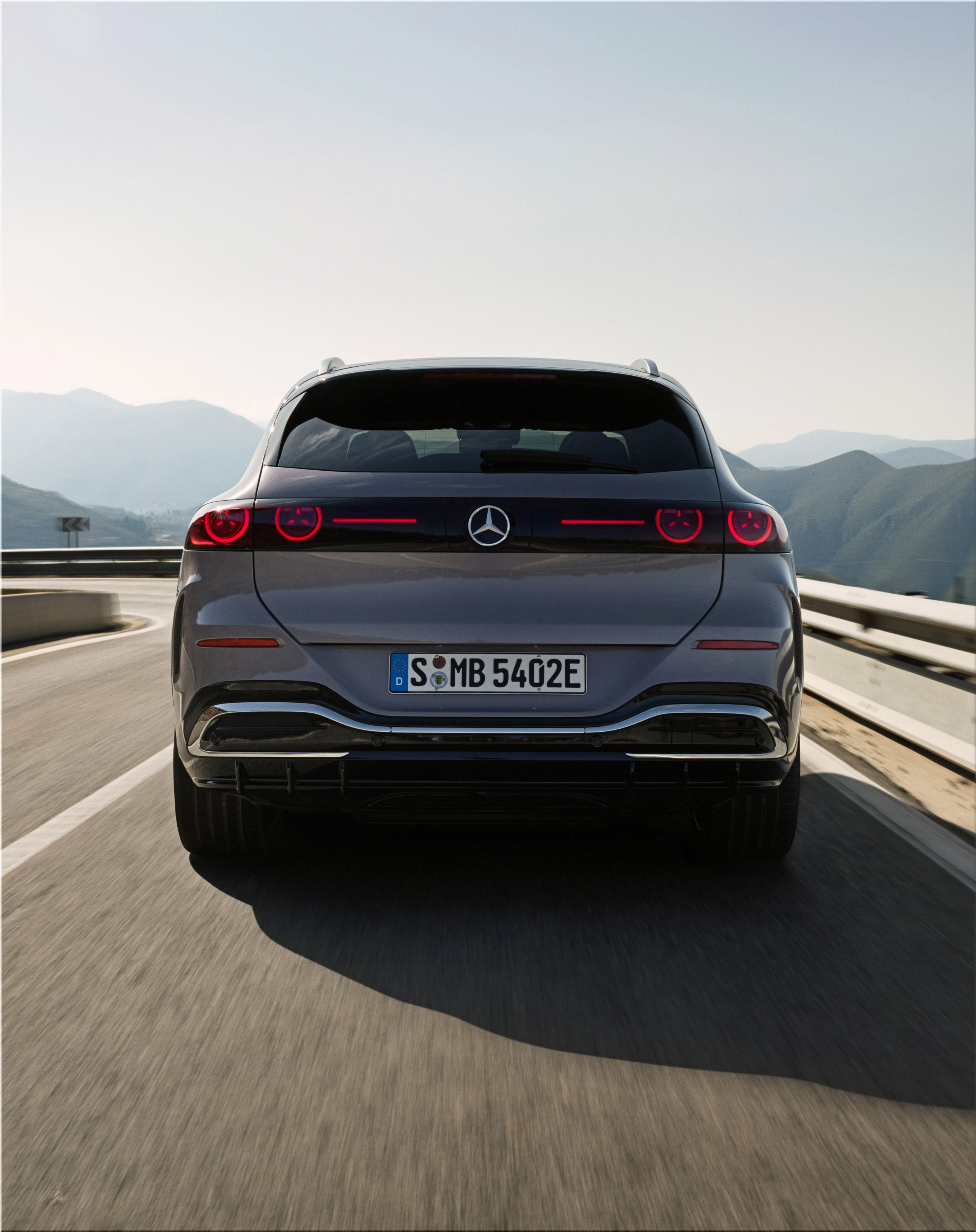
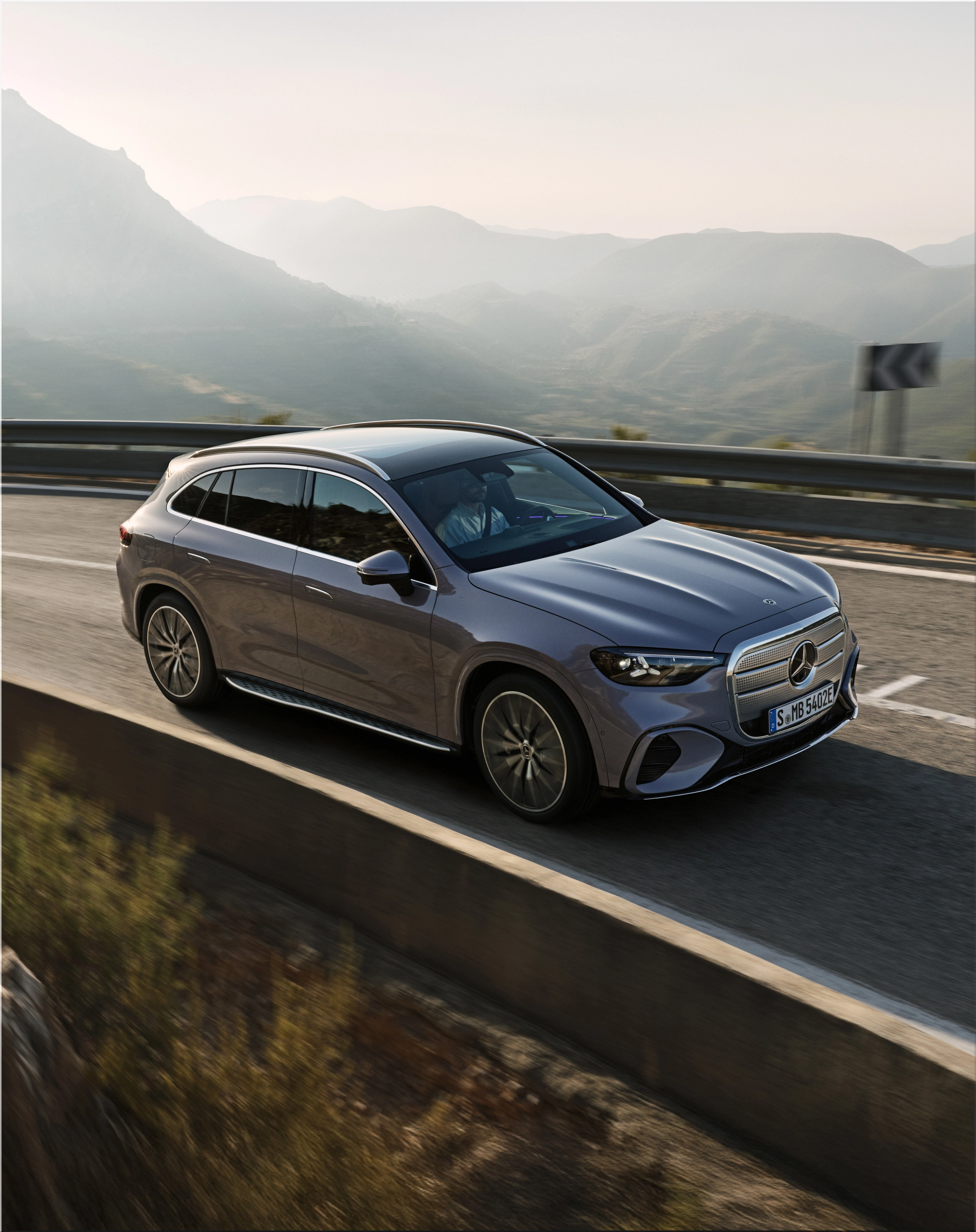
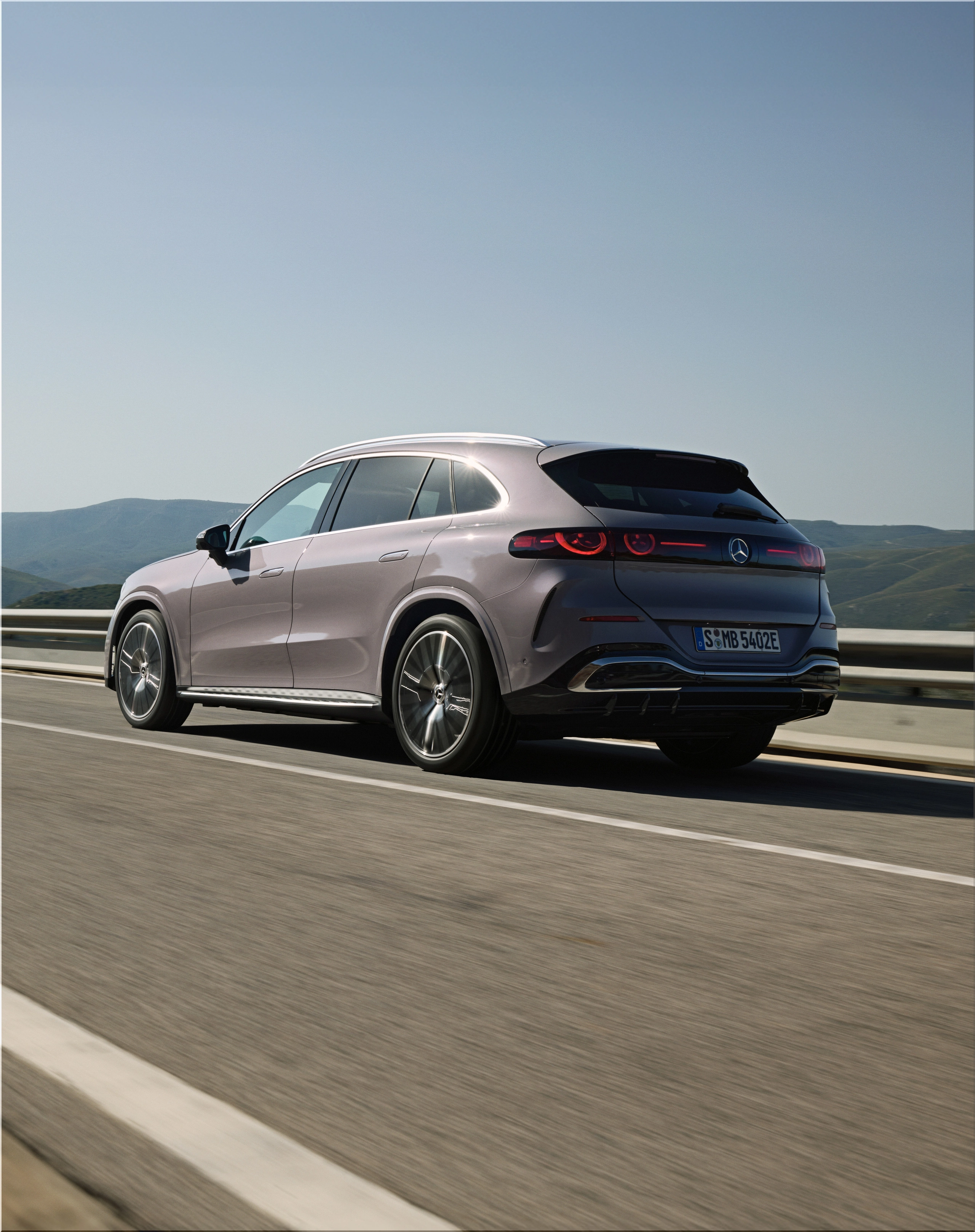
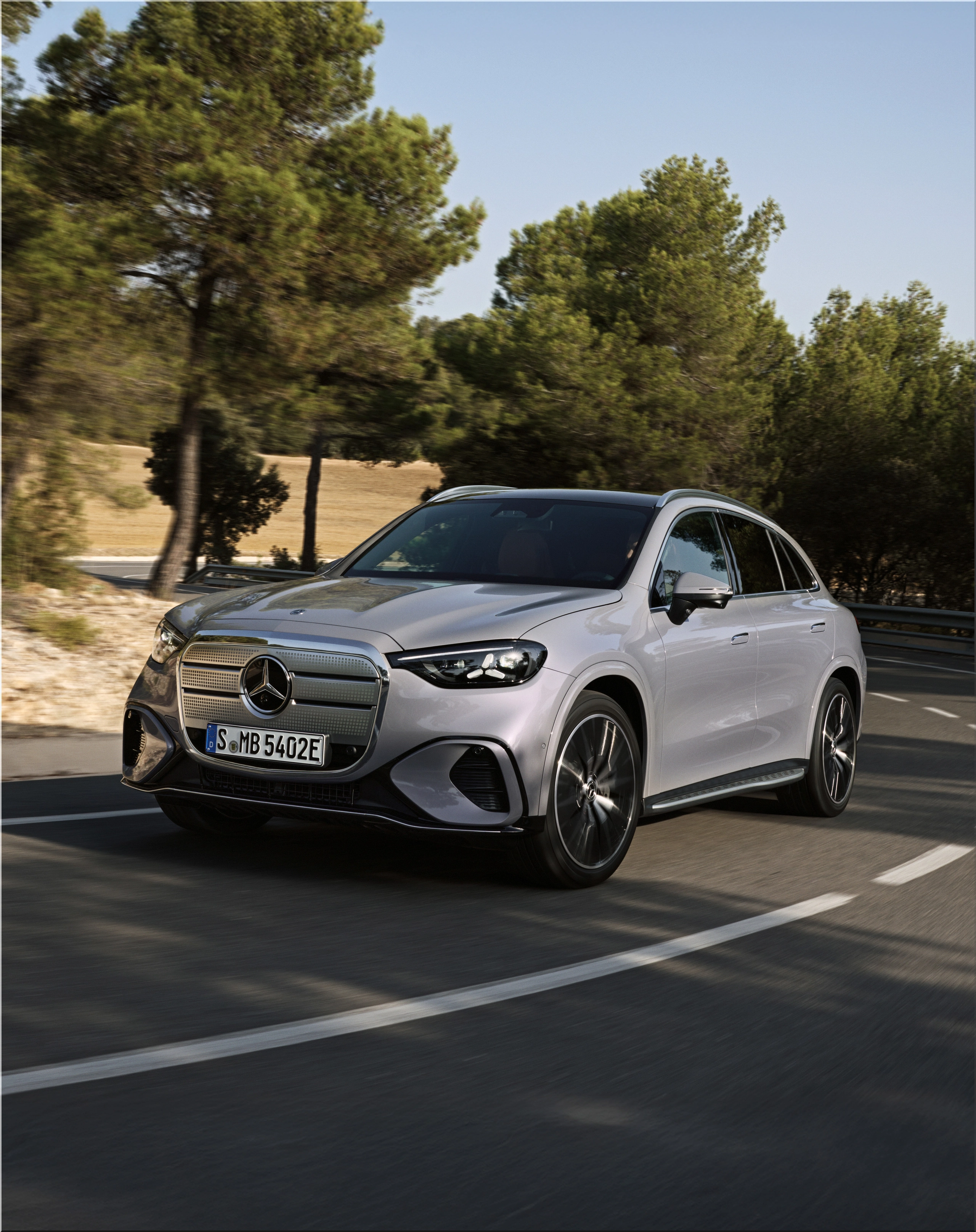
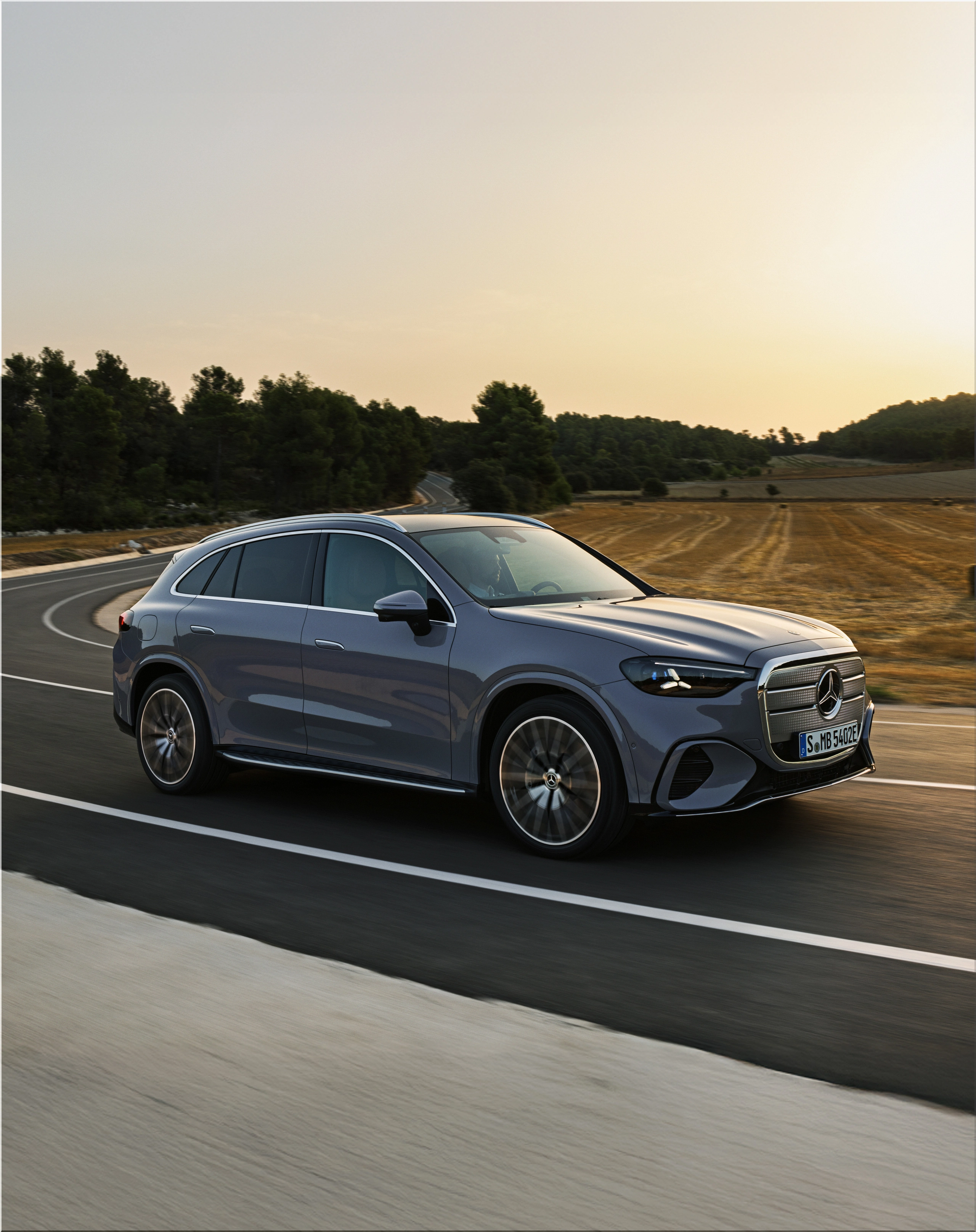
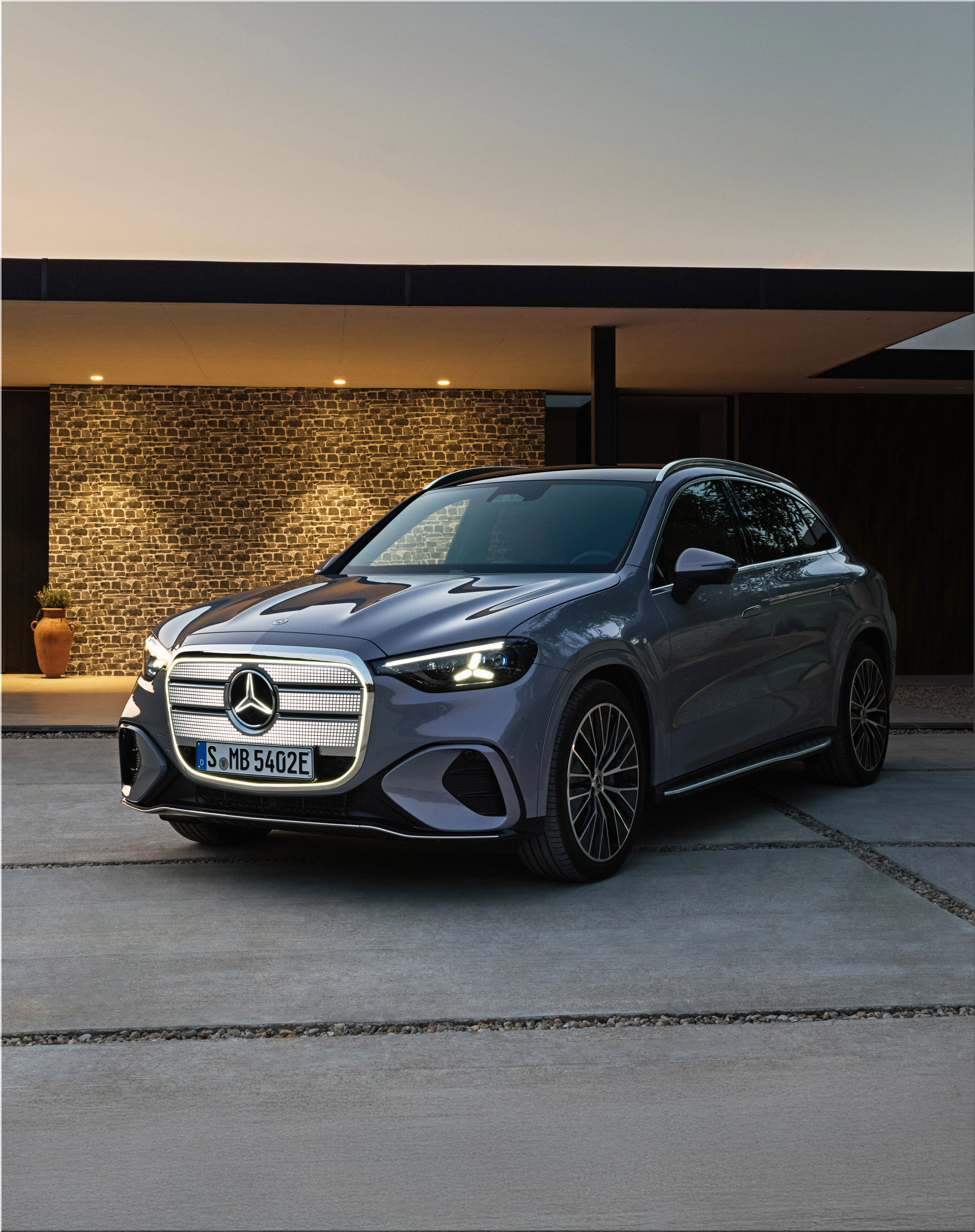
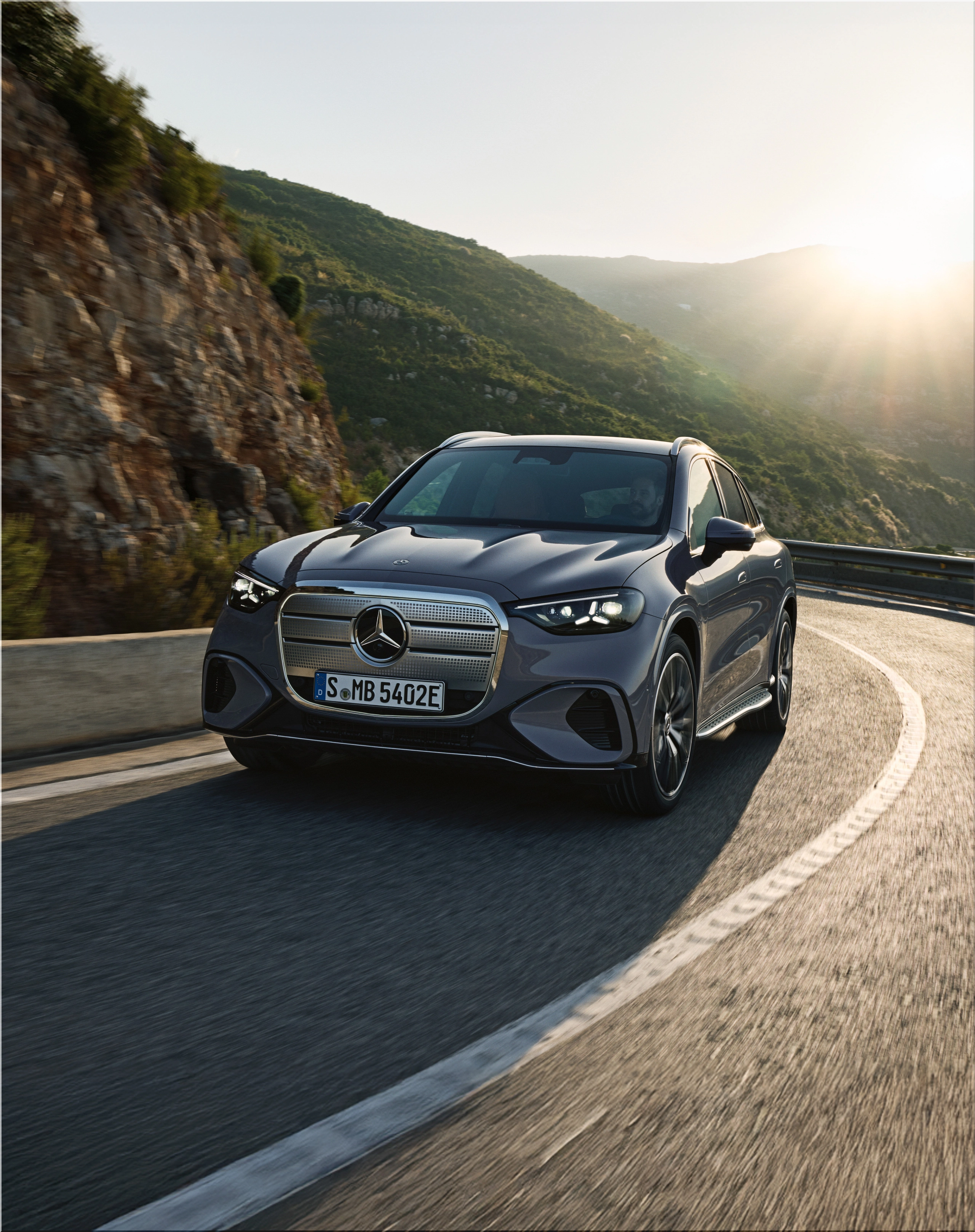
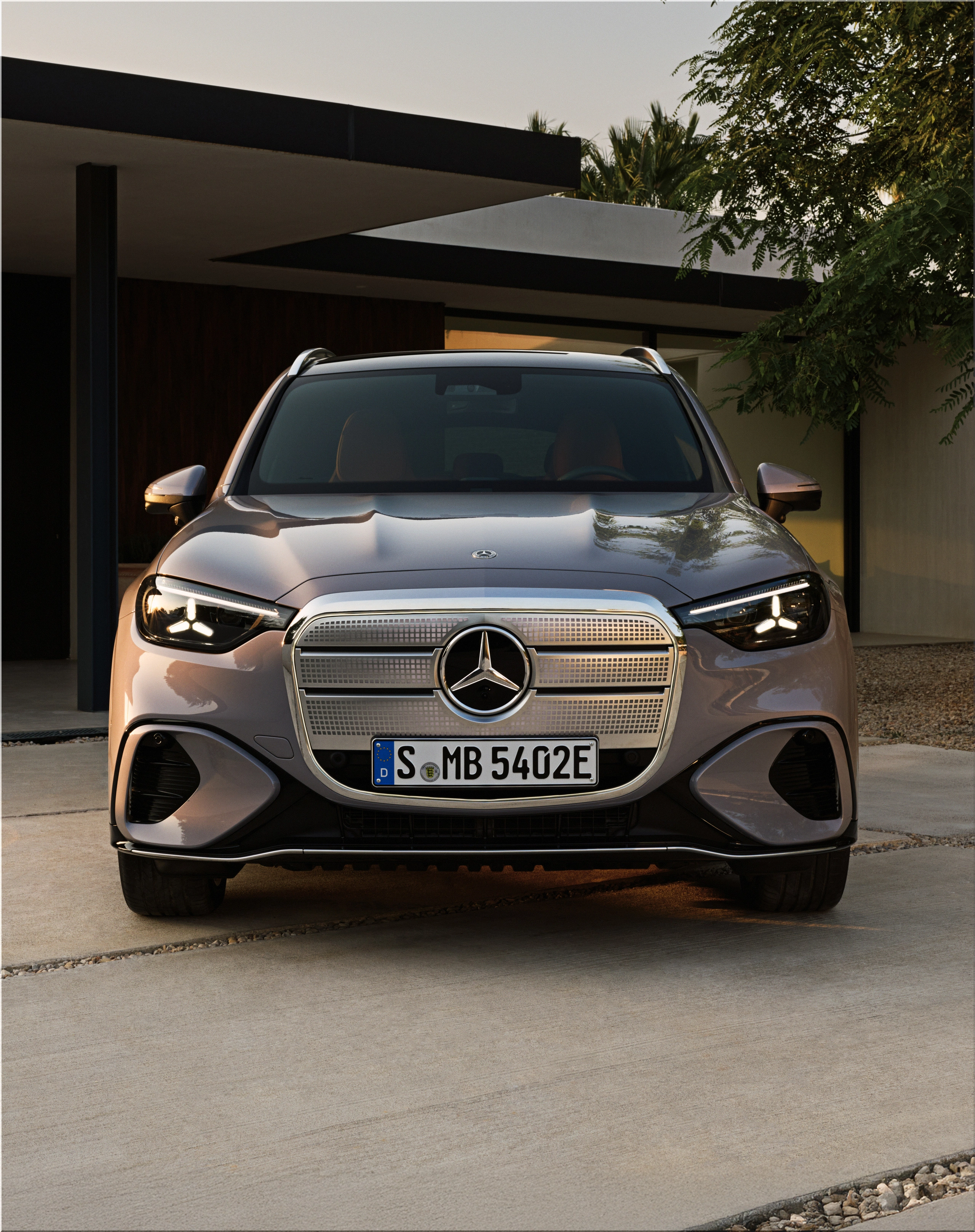
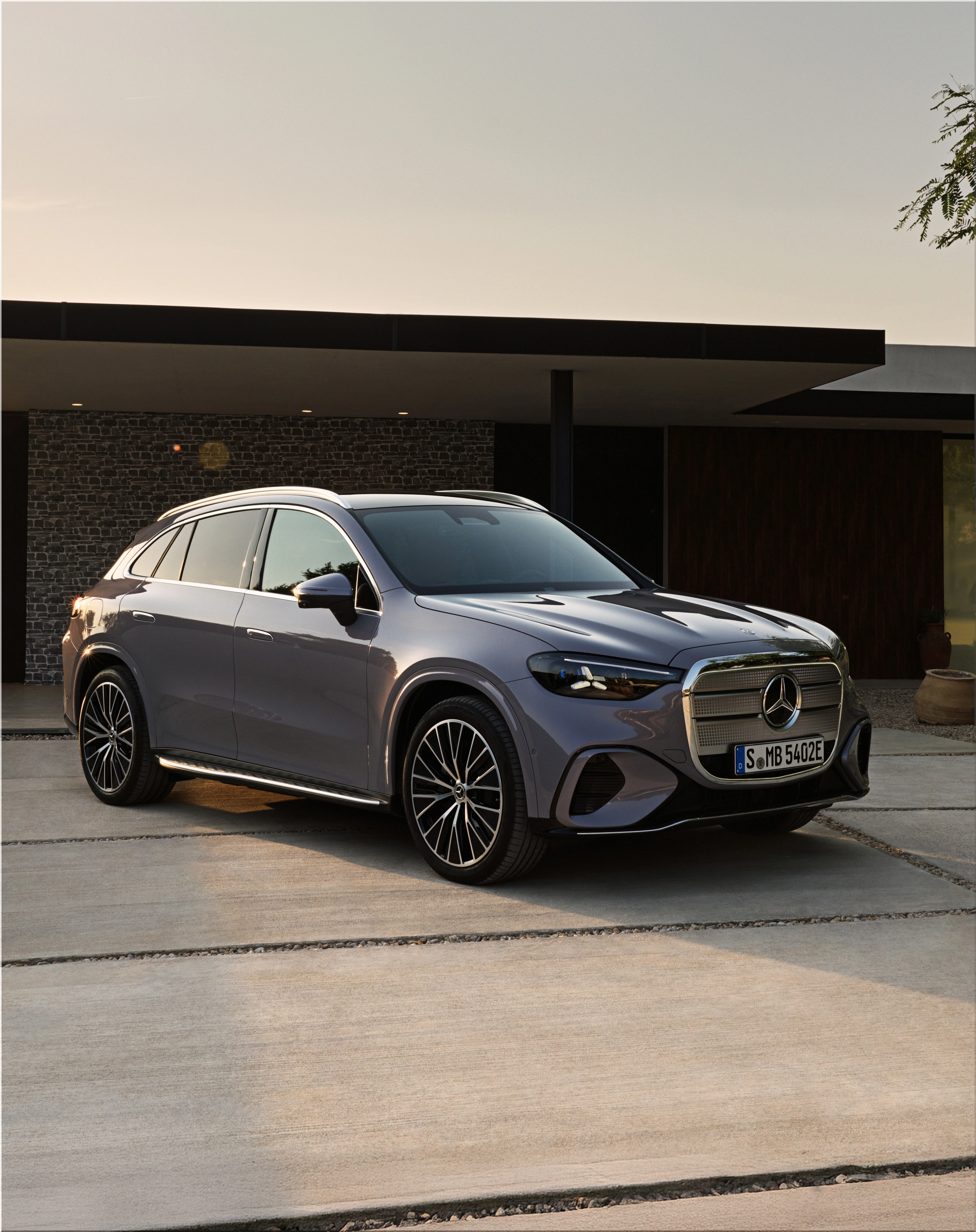
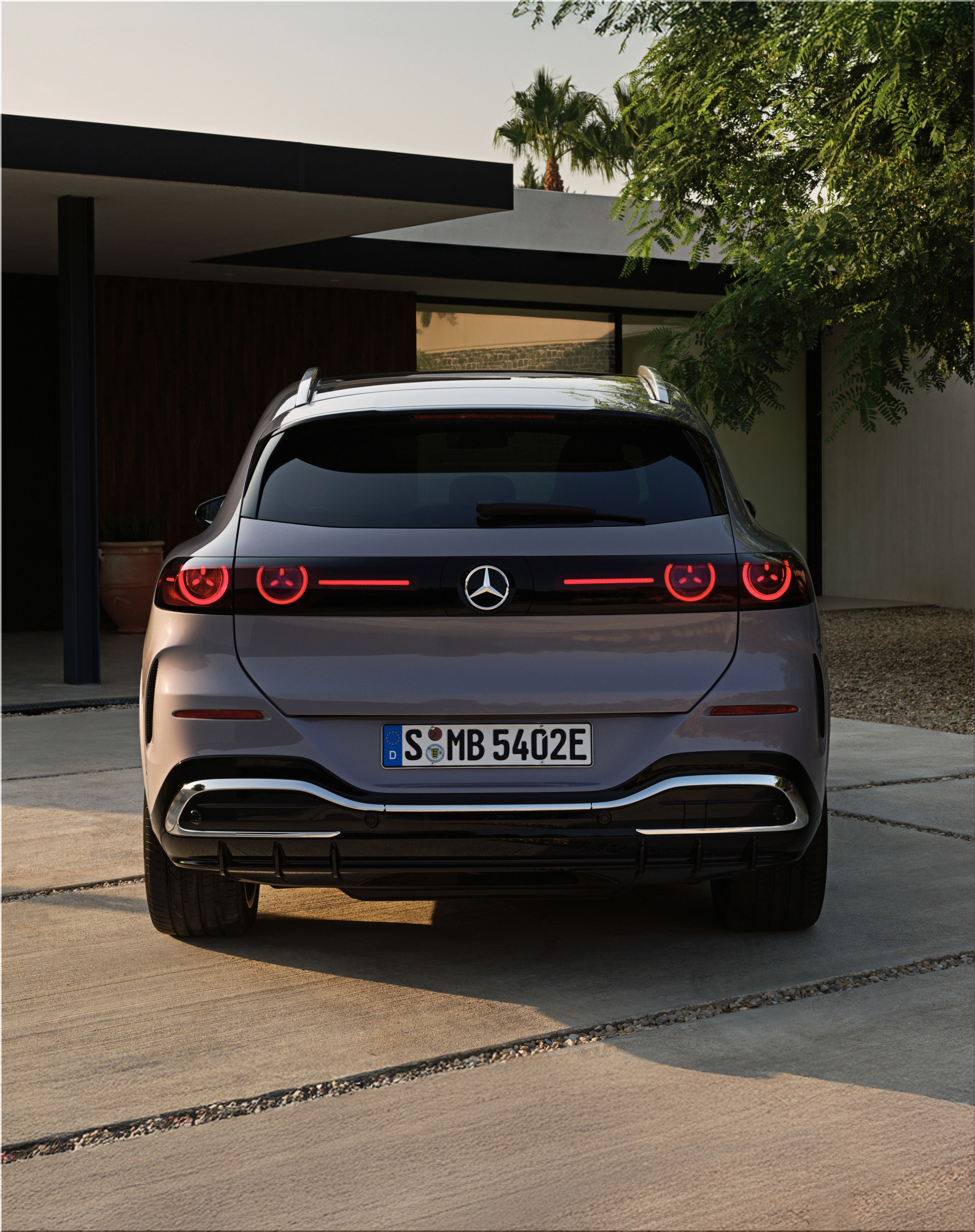
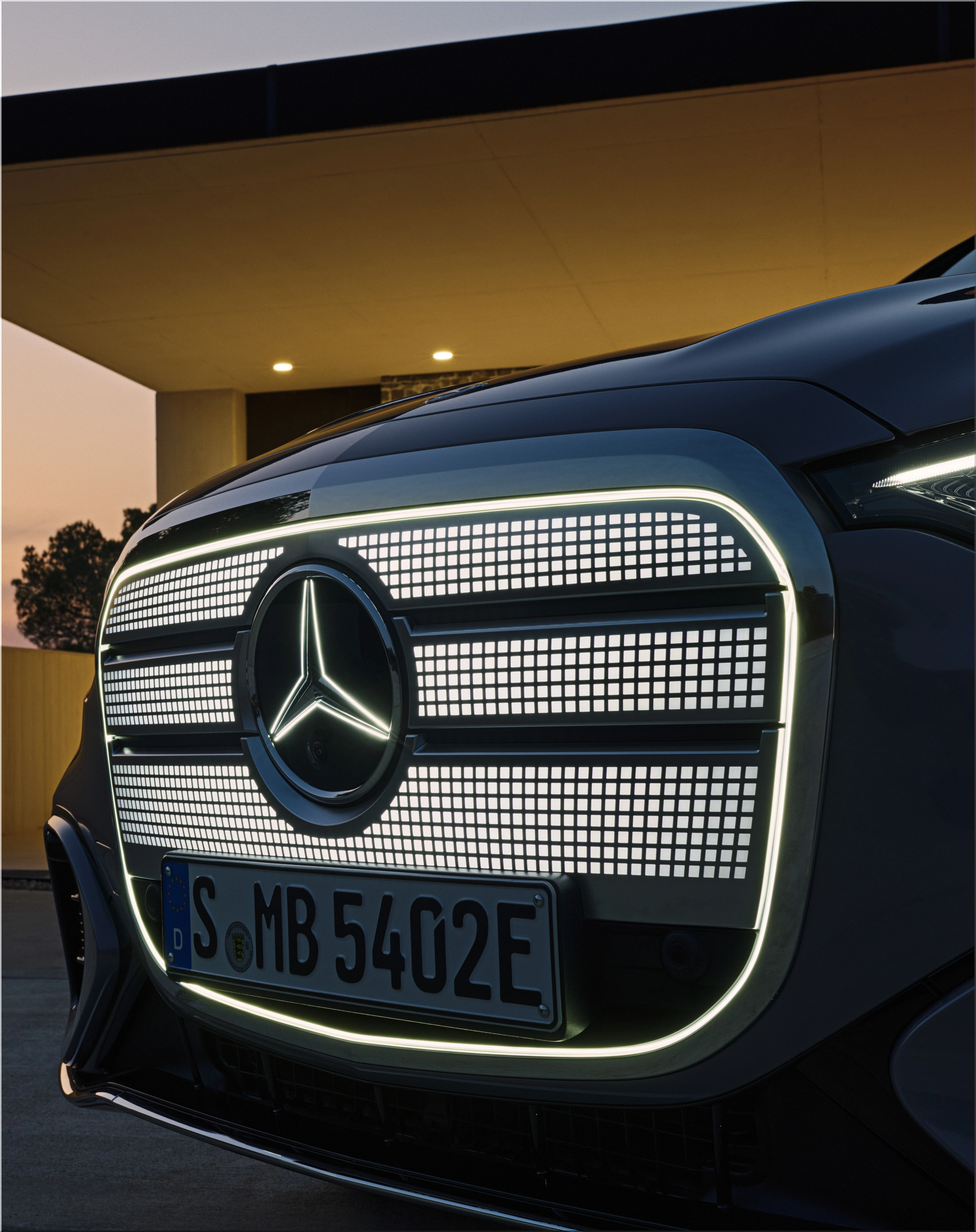
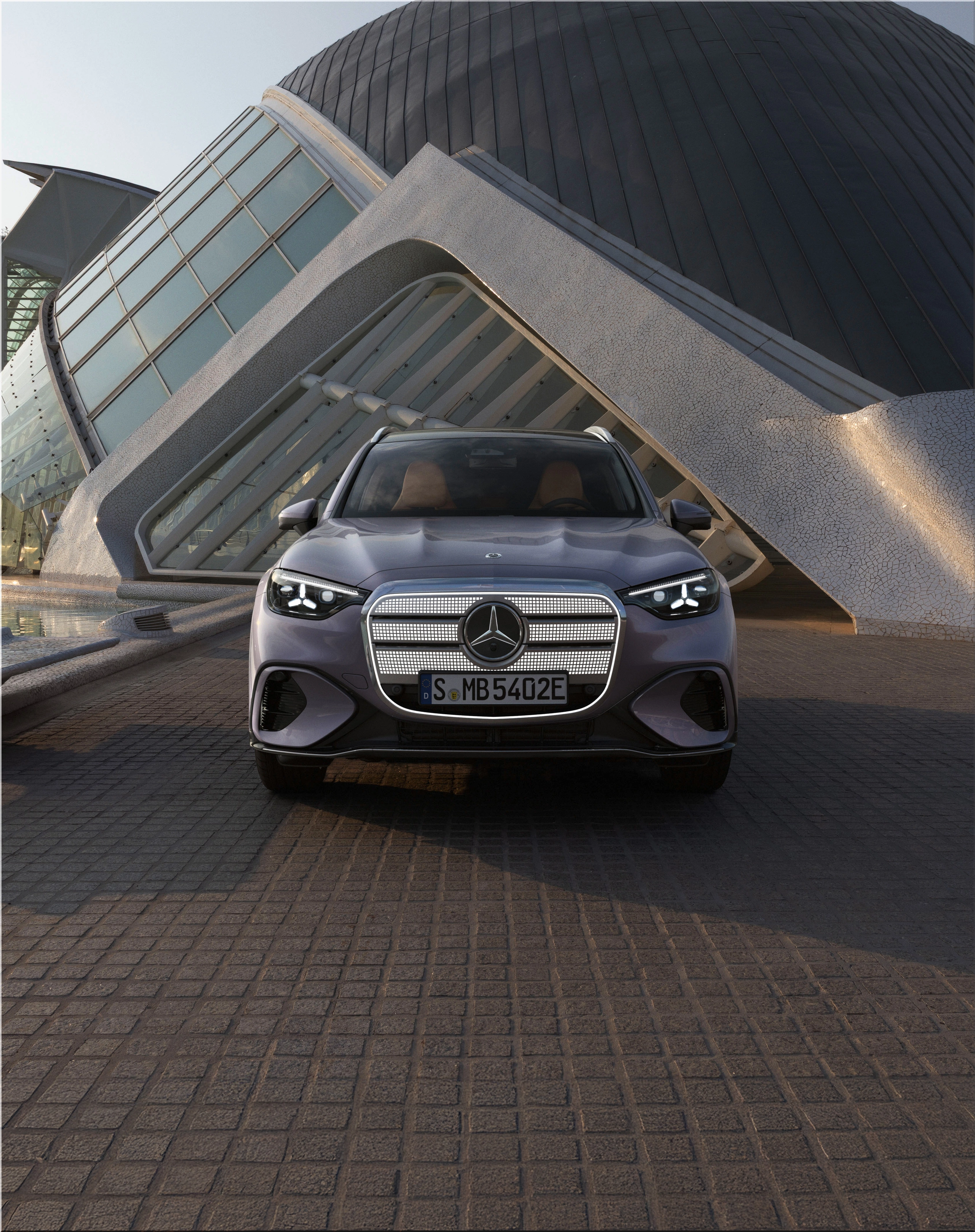
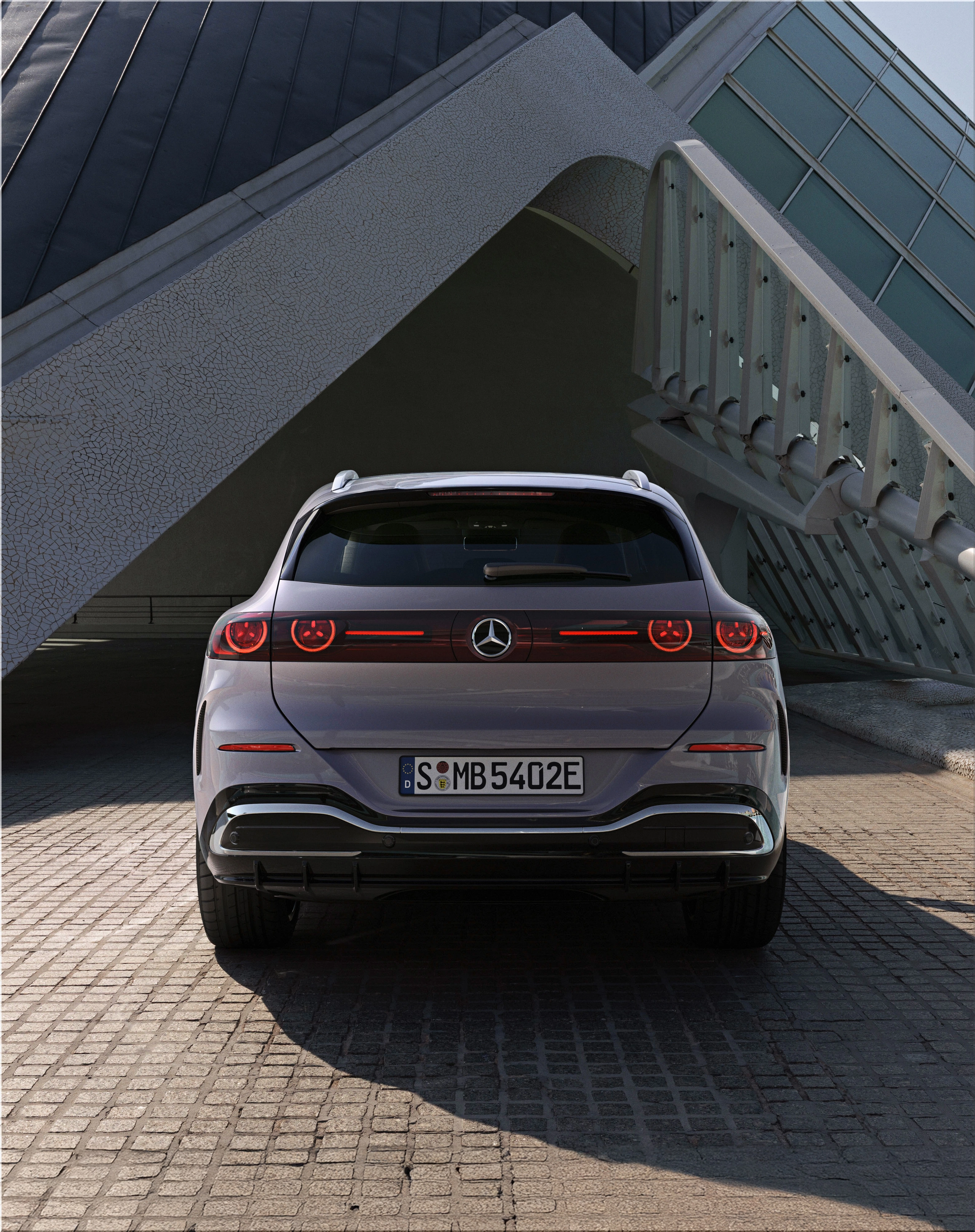
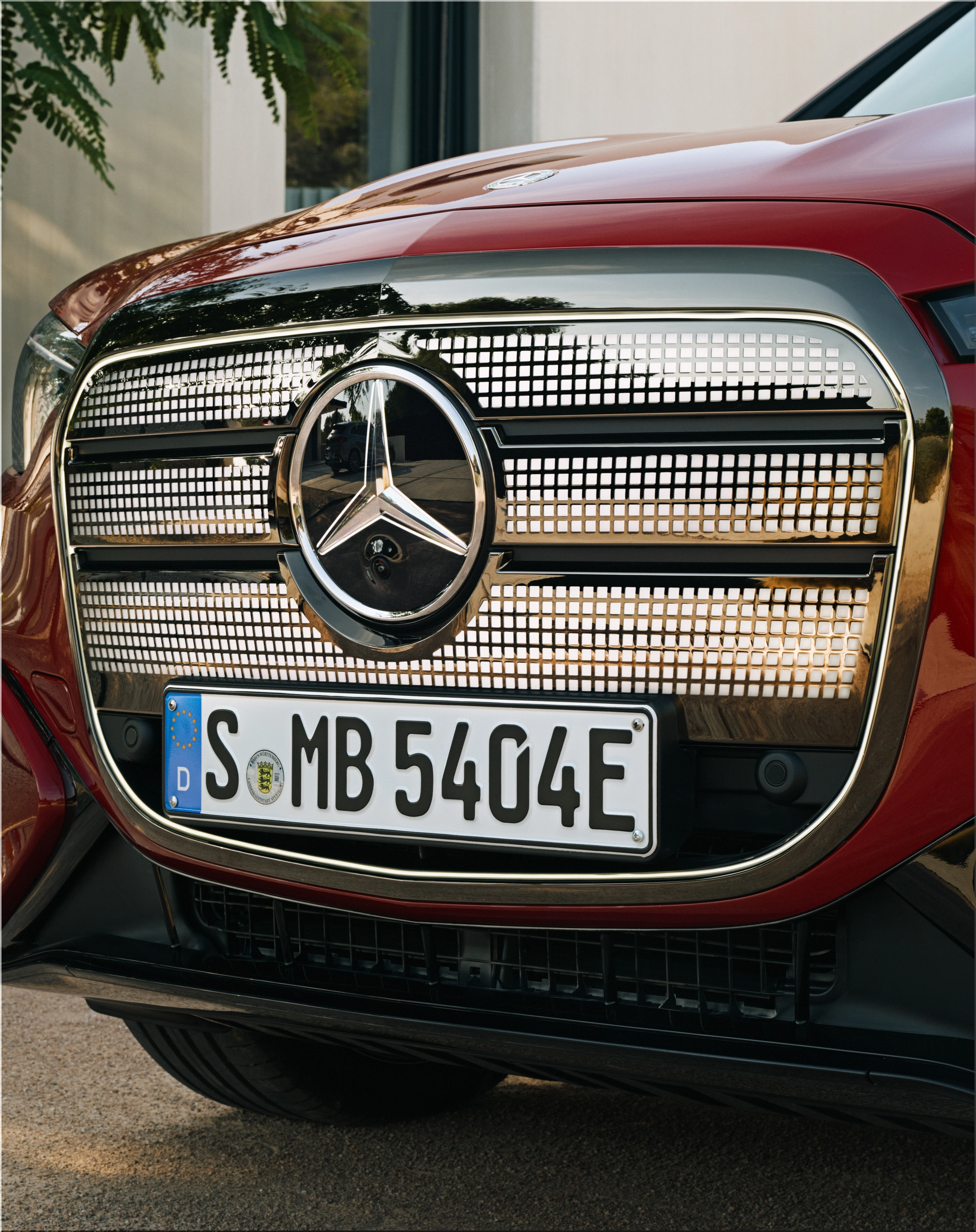
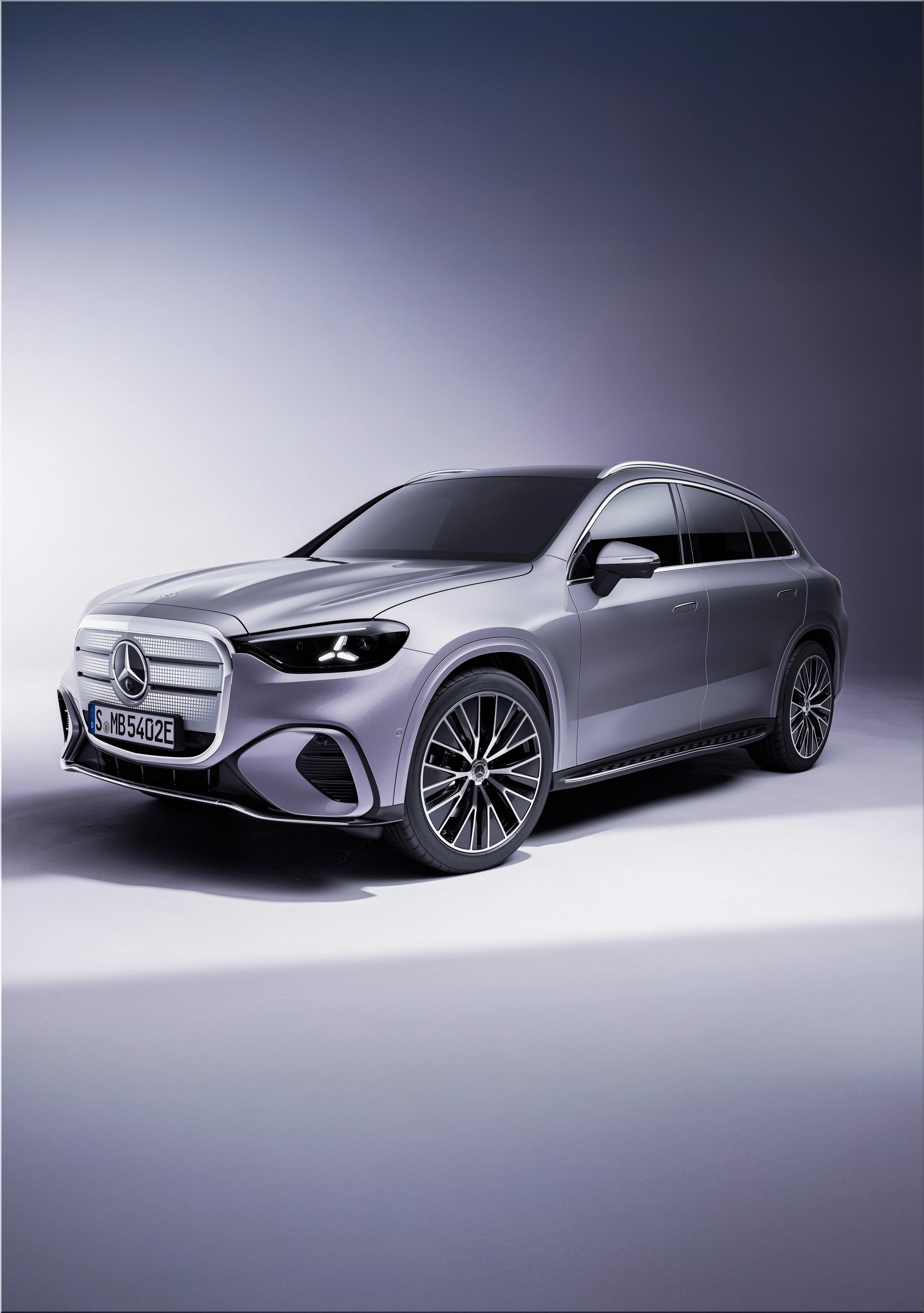
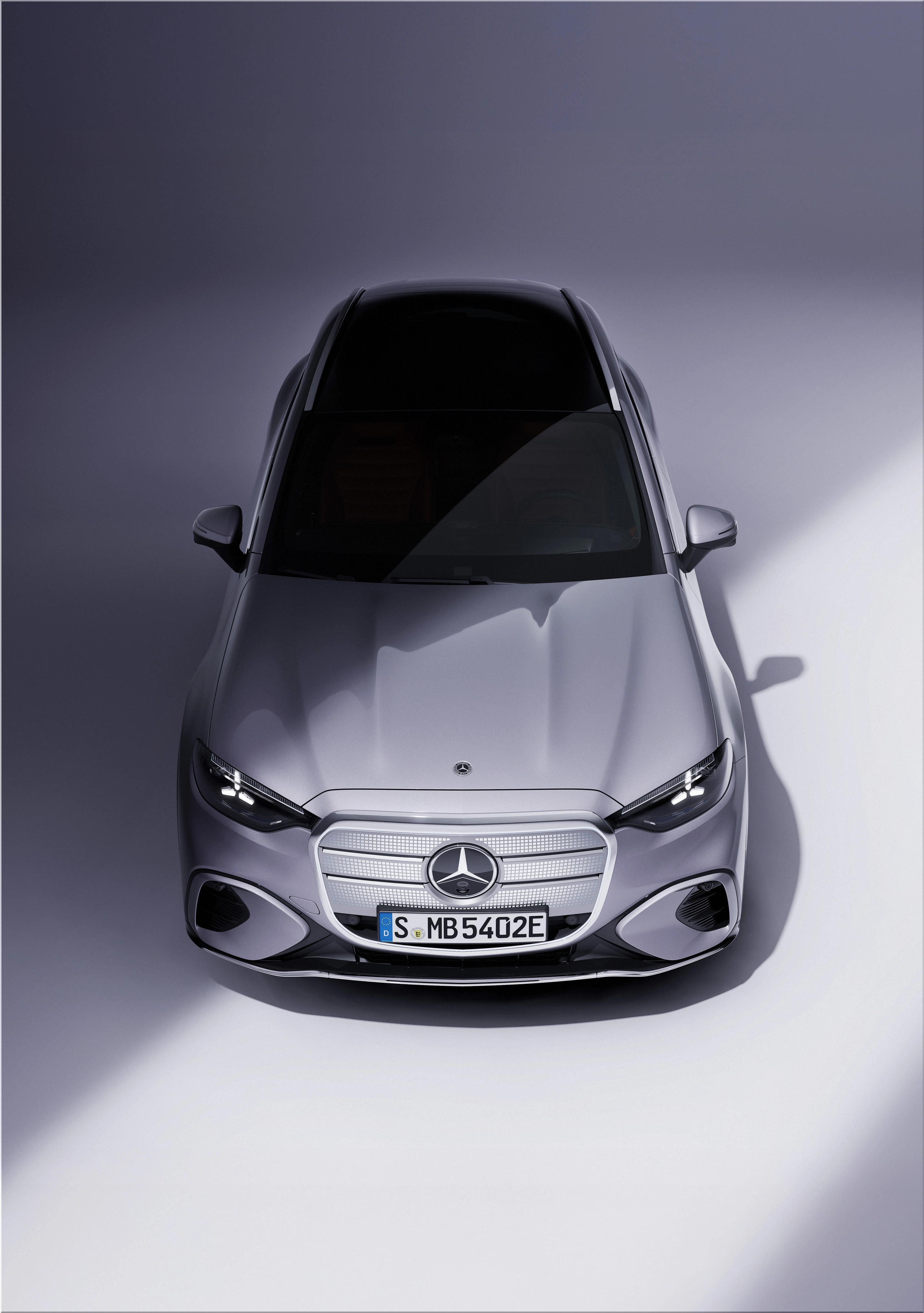
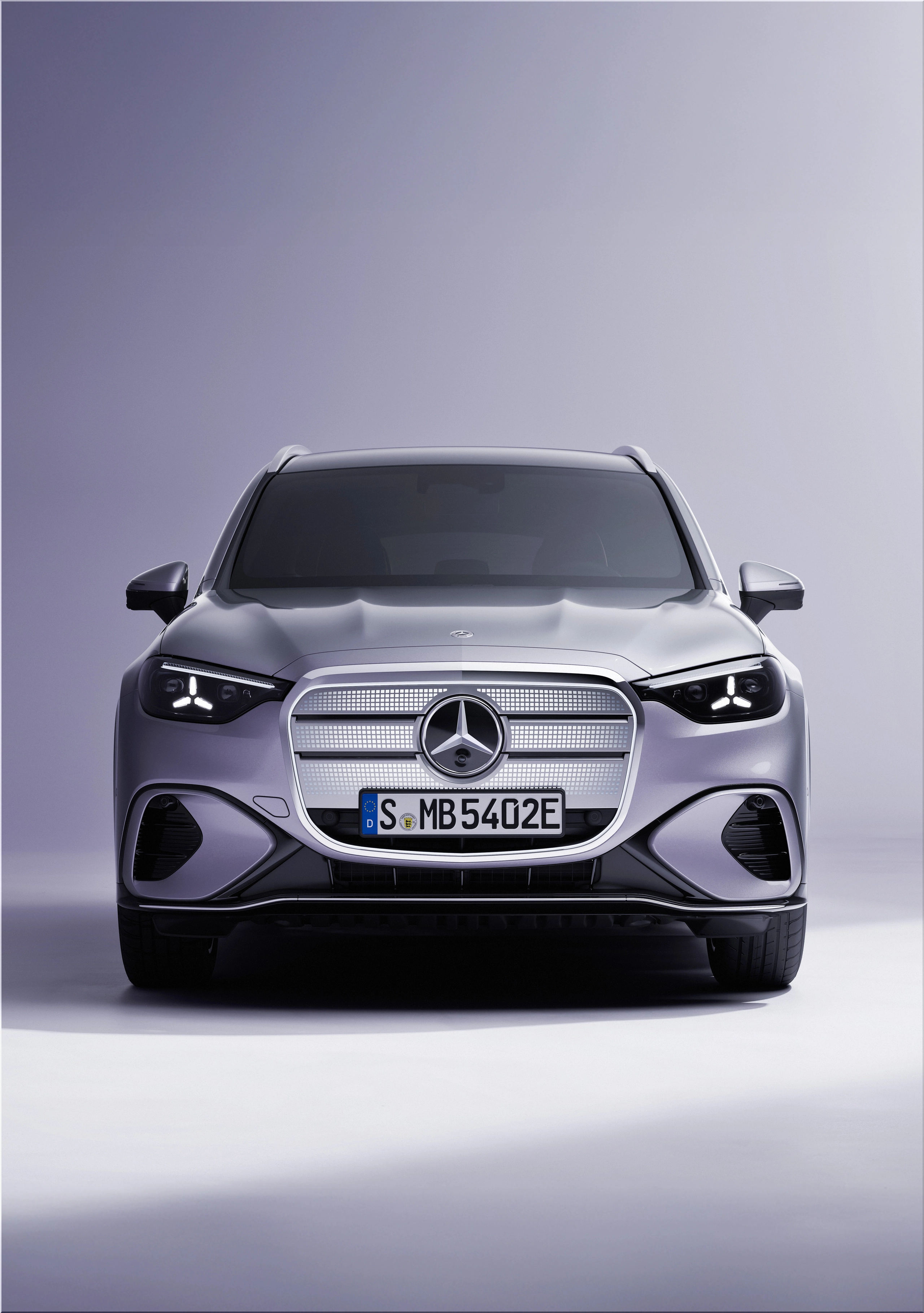
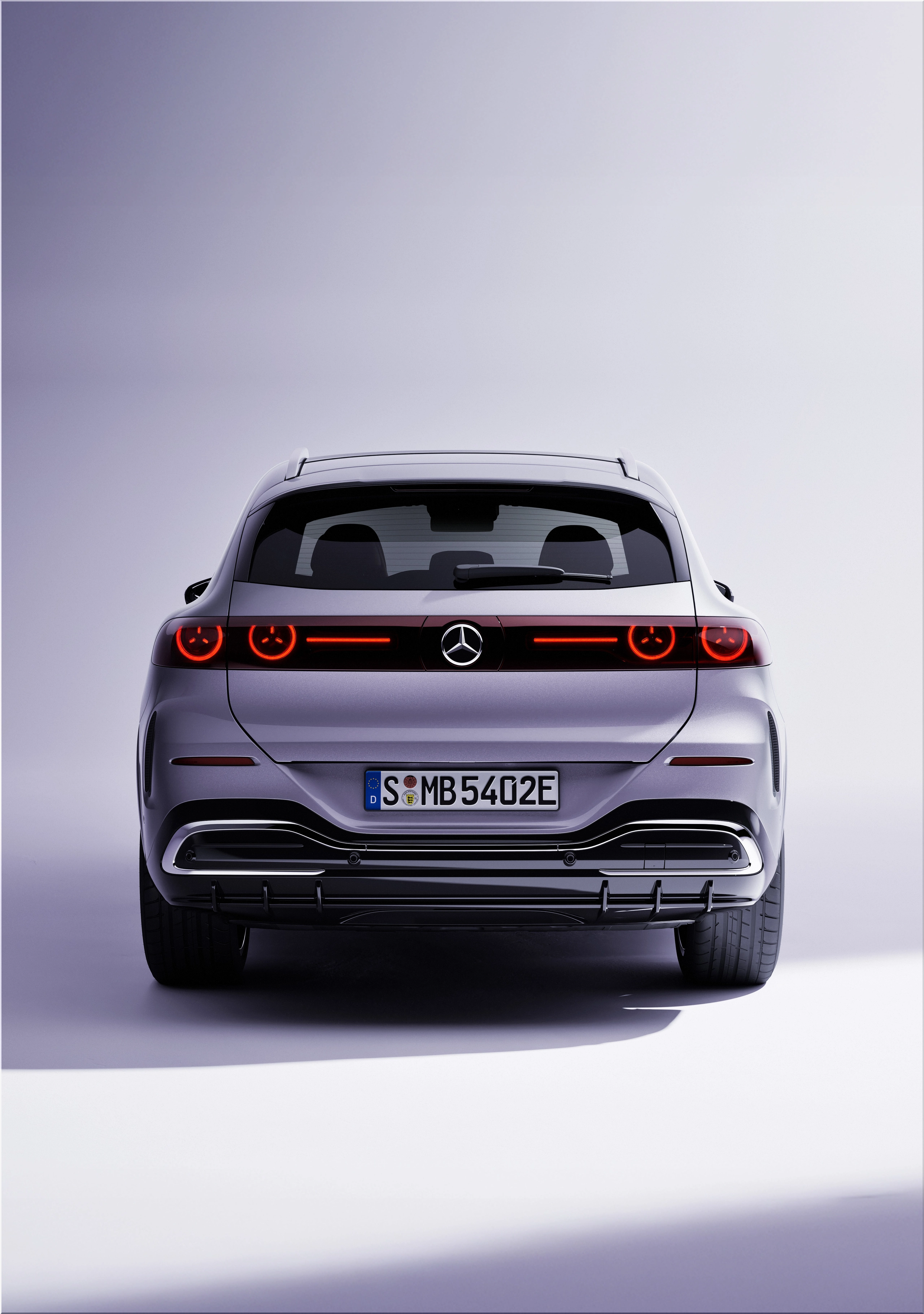
Mercedes-Benz calls the new design language “elevated yet familiar.” The GLC retains its iconic SUV stance but adds a redesigned illuminated grille that now defines the brand’s electric face. The grille doesn’t just glow; it’s animated and chromed, projecting a modern “Welcome Home” aesthetic across the lineup.
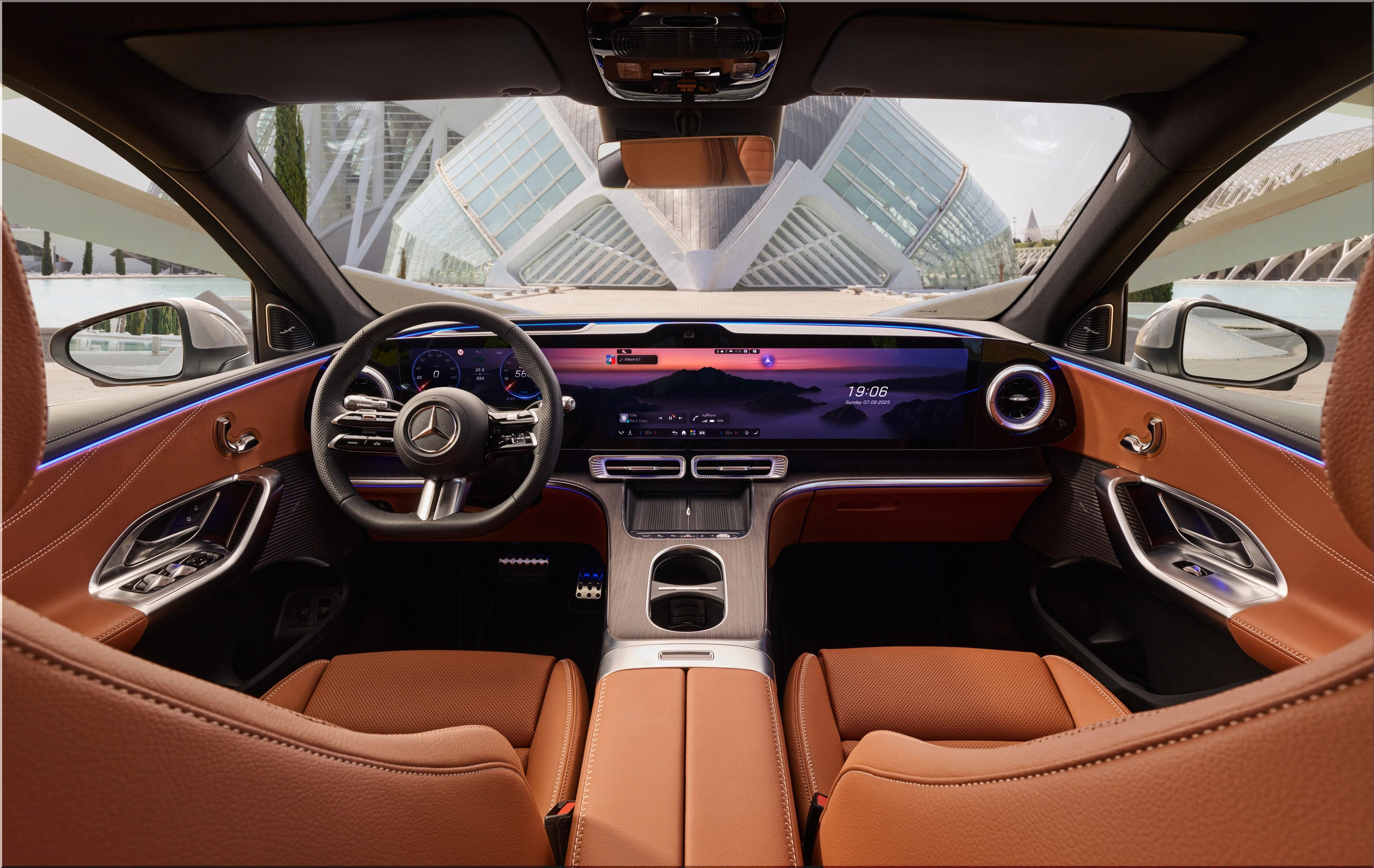
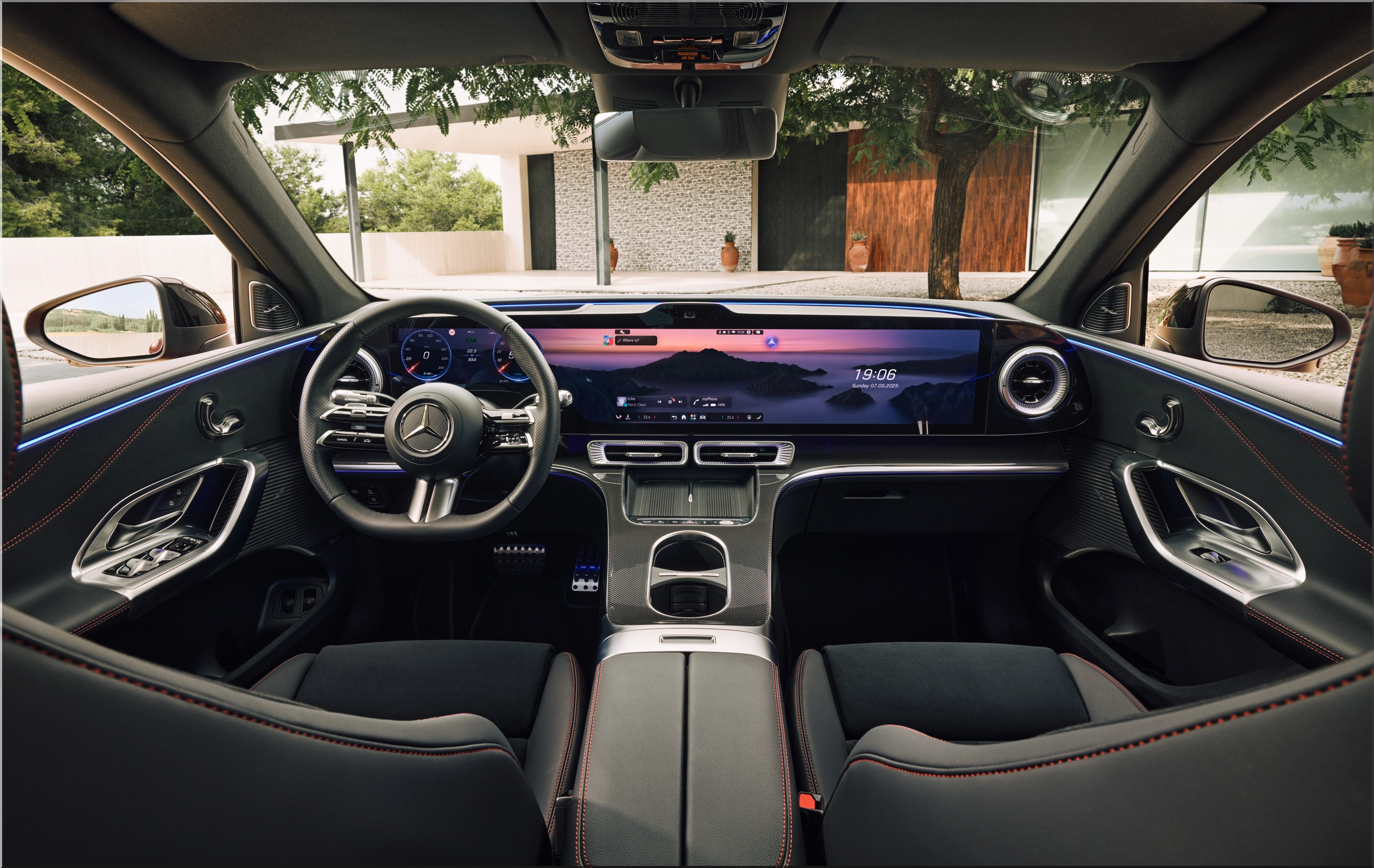
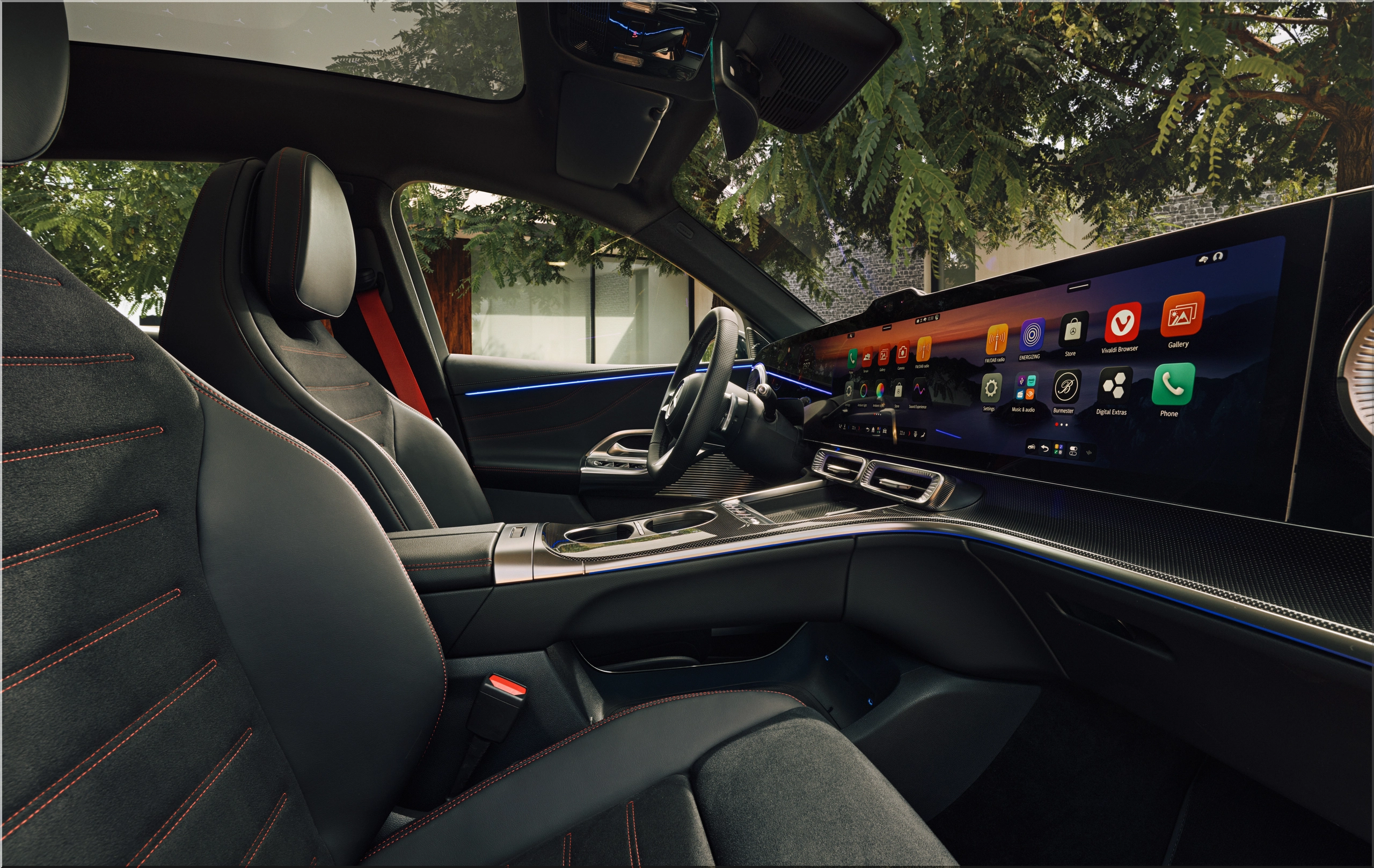
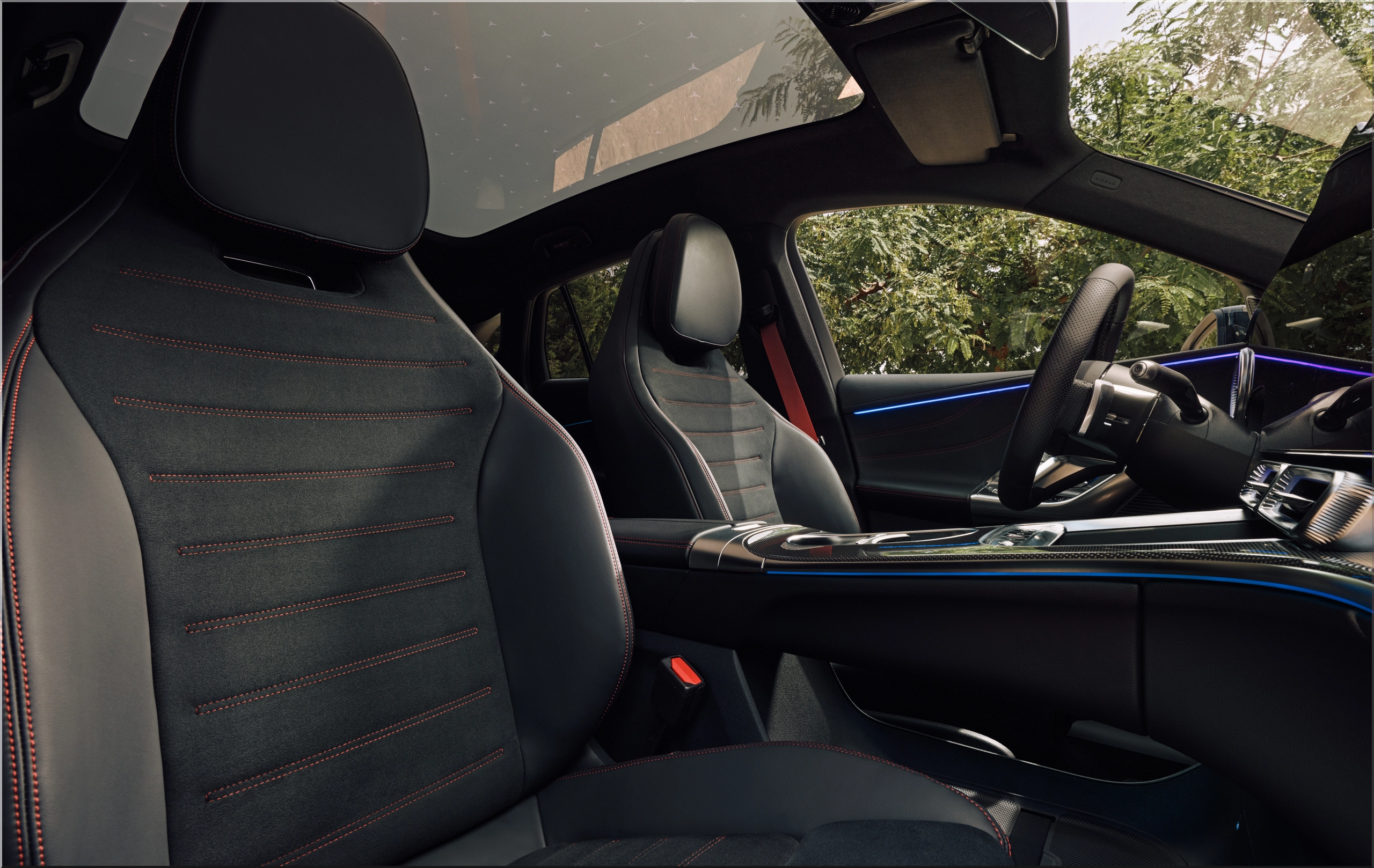
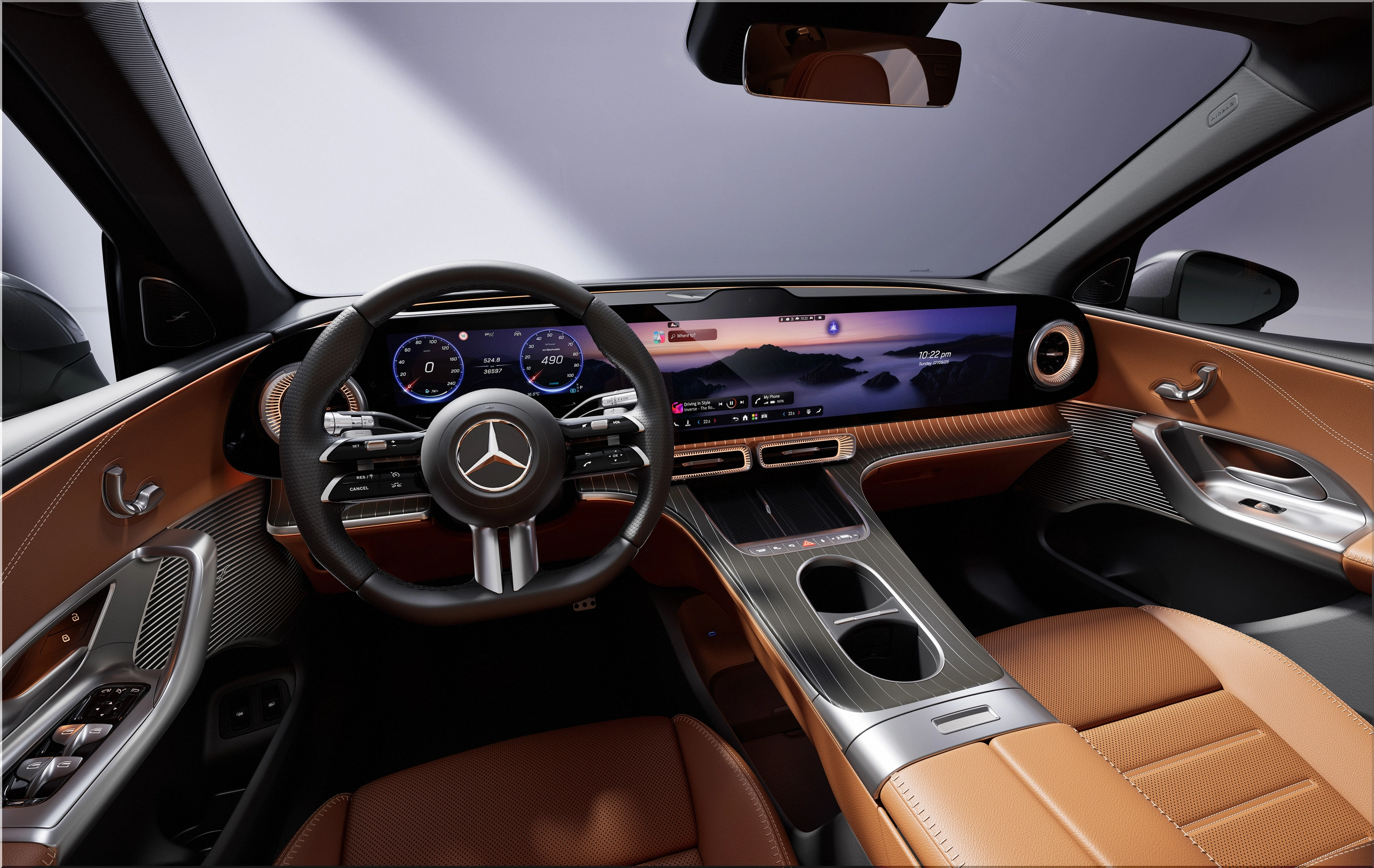
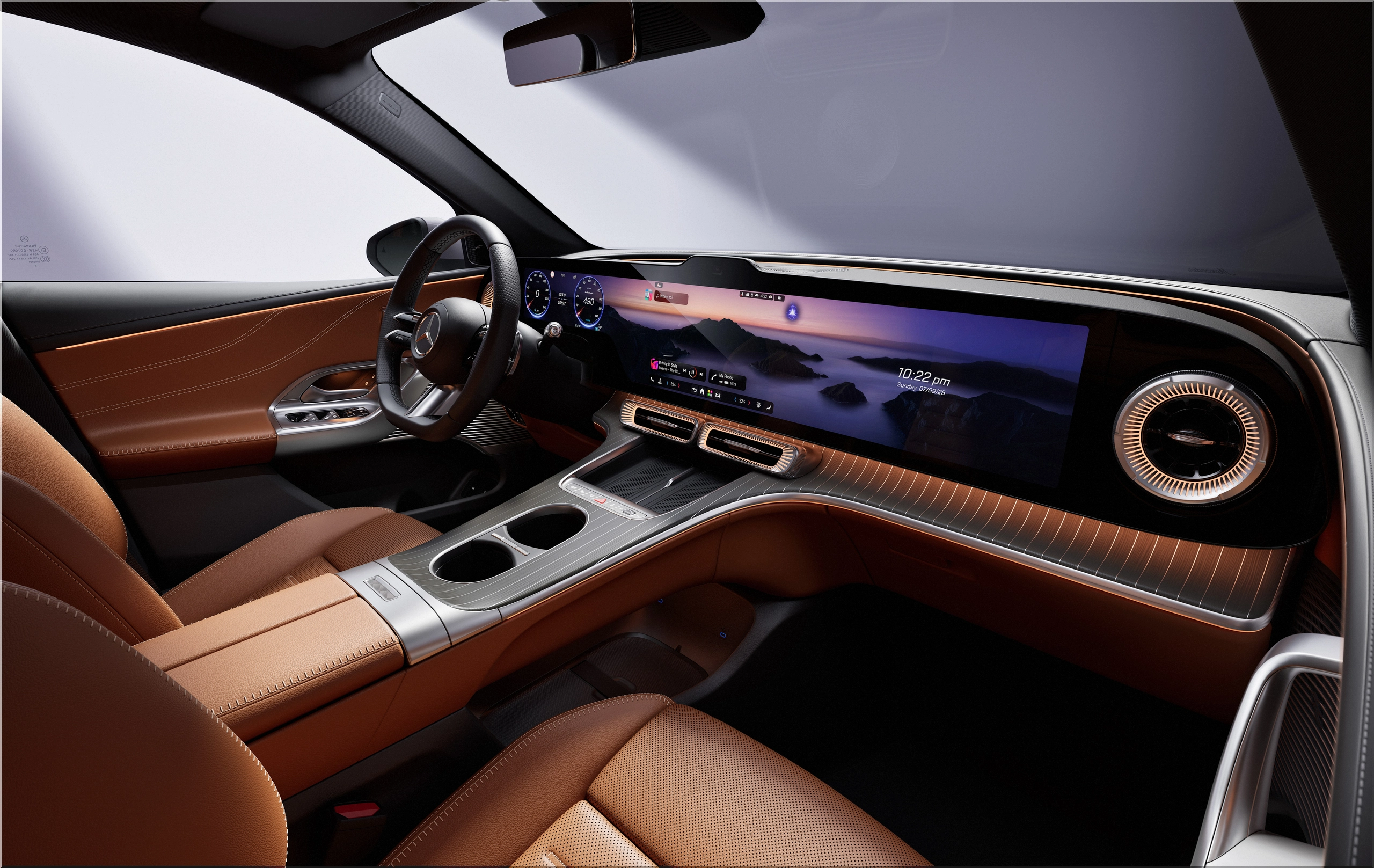
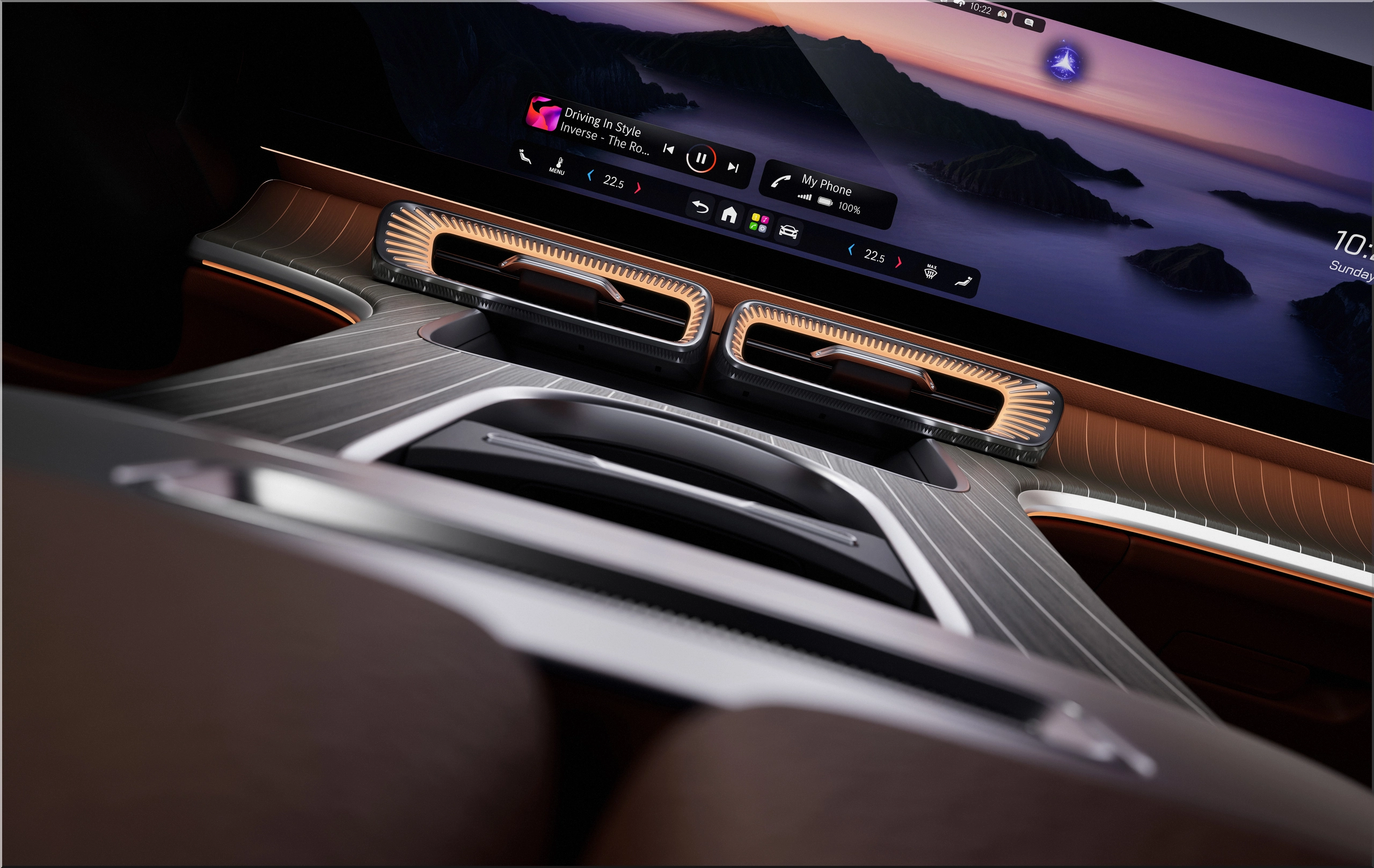
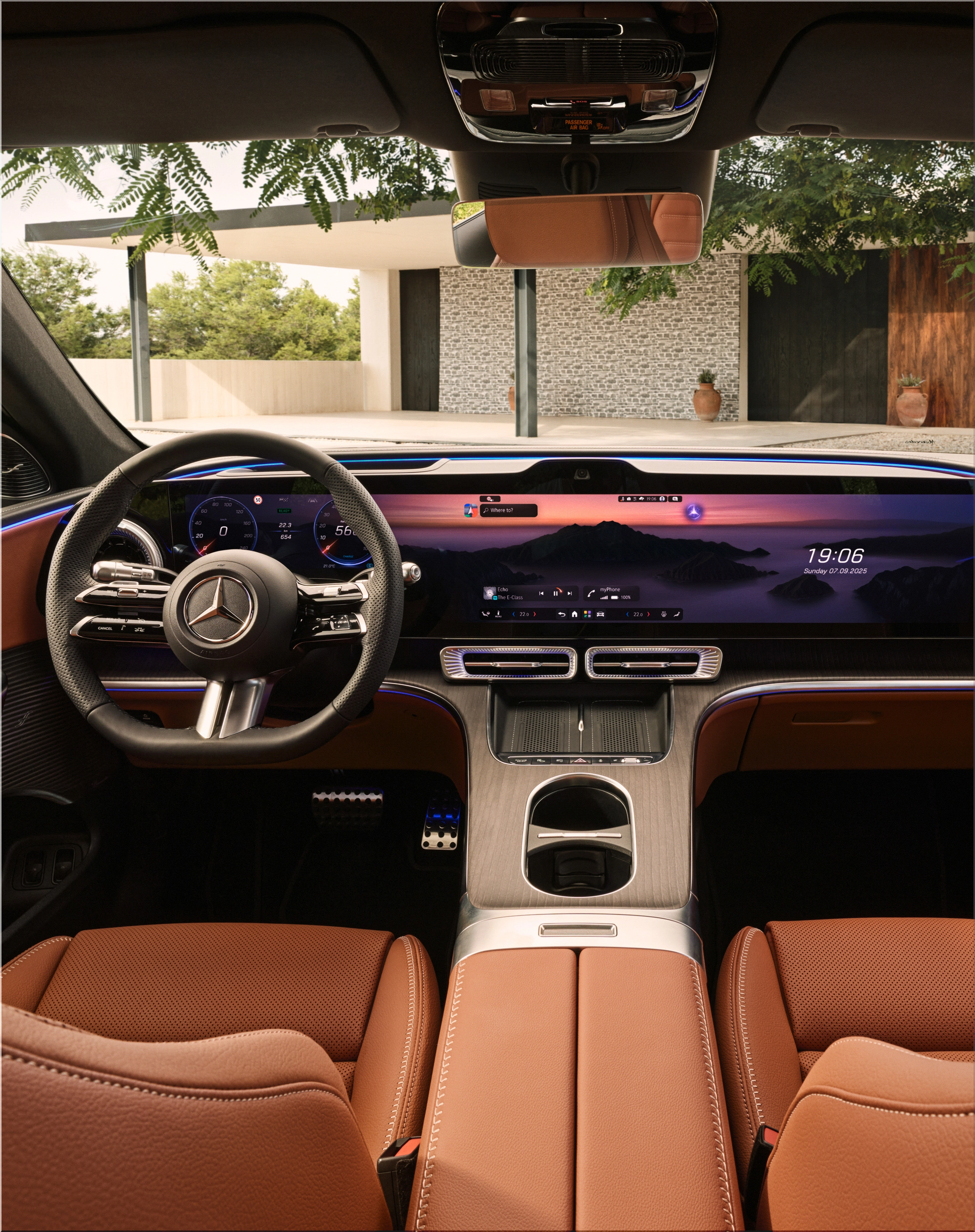
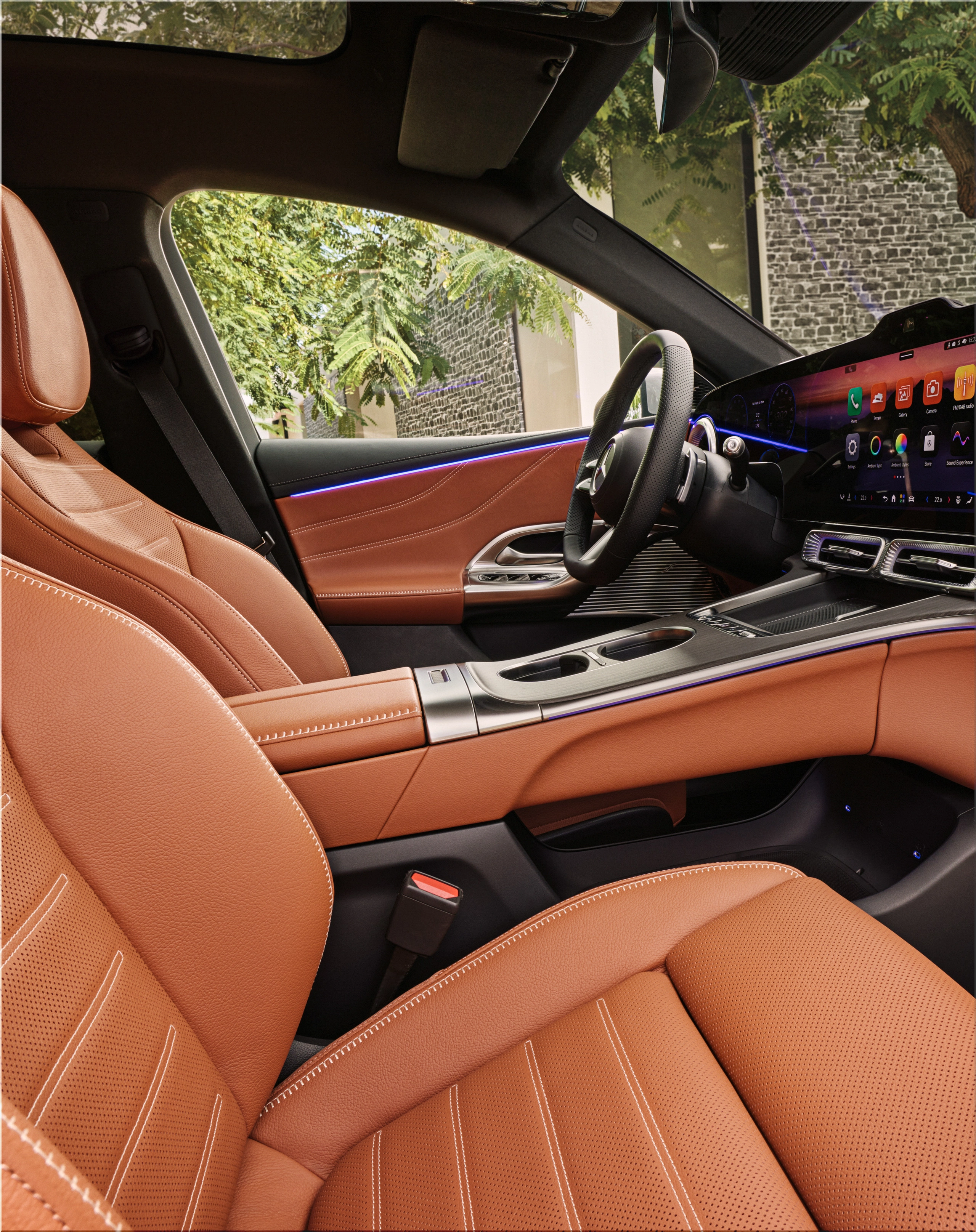
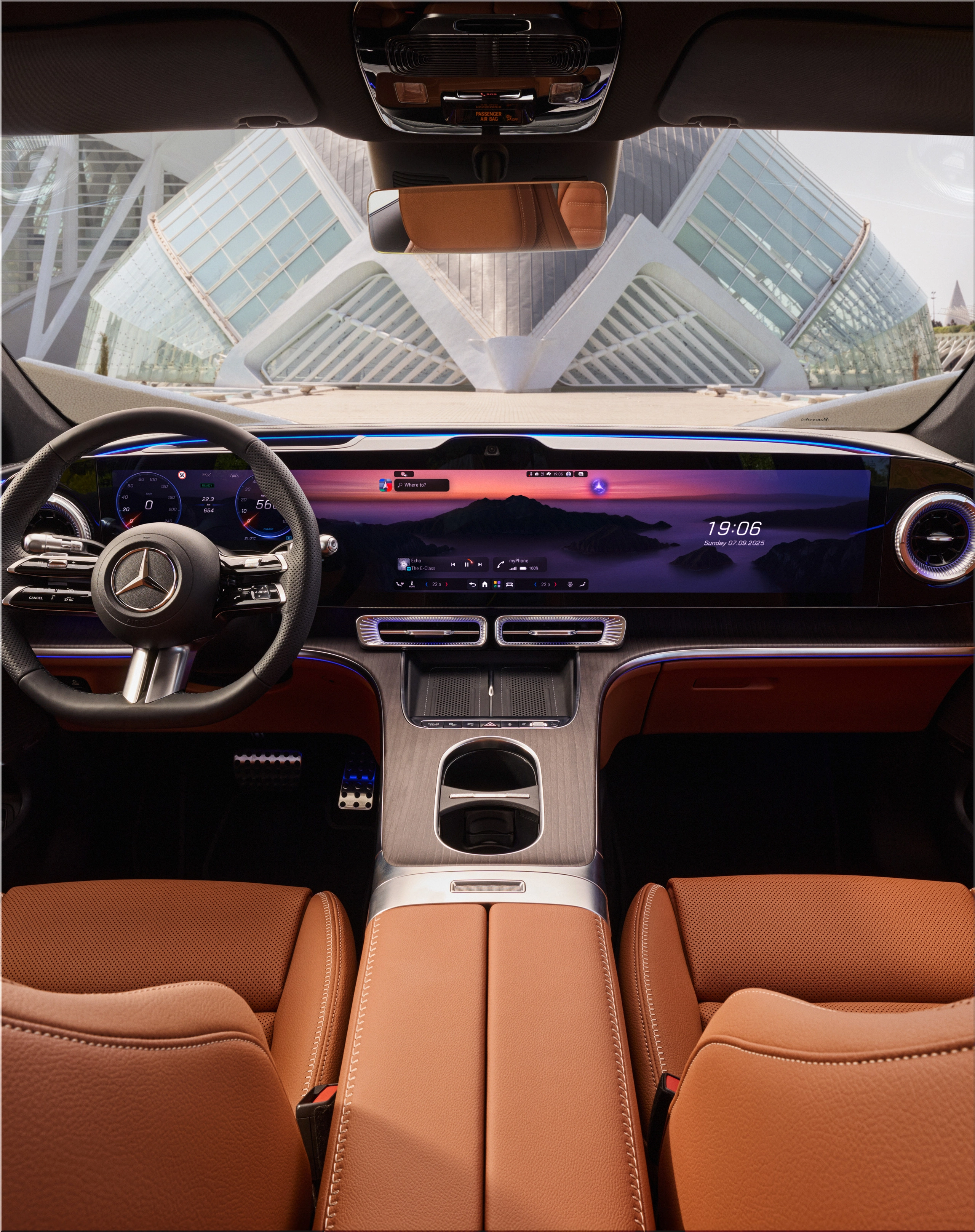
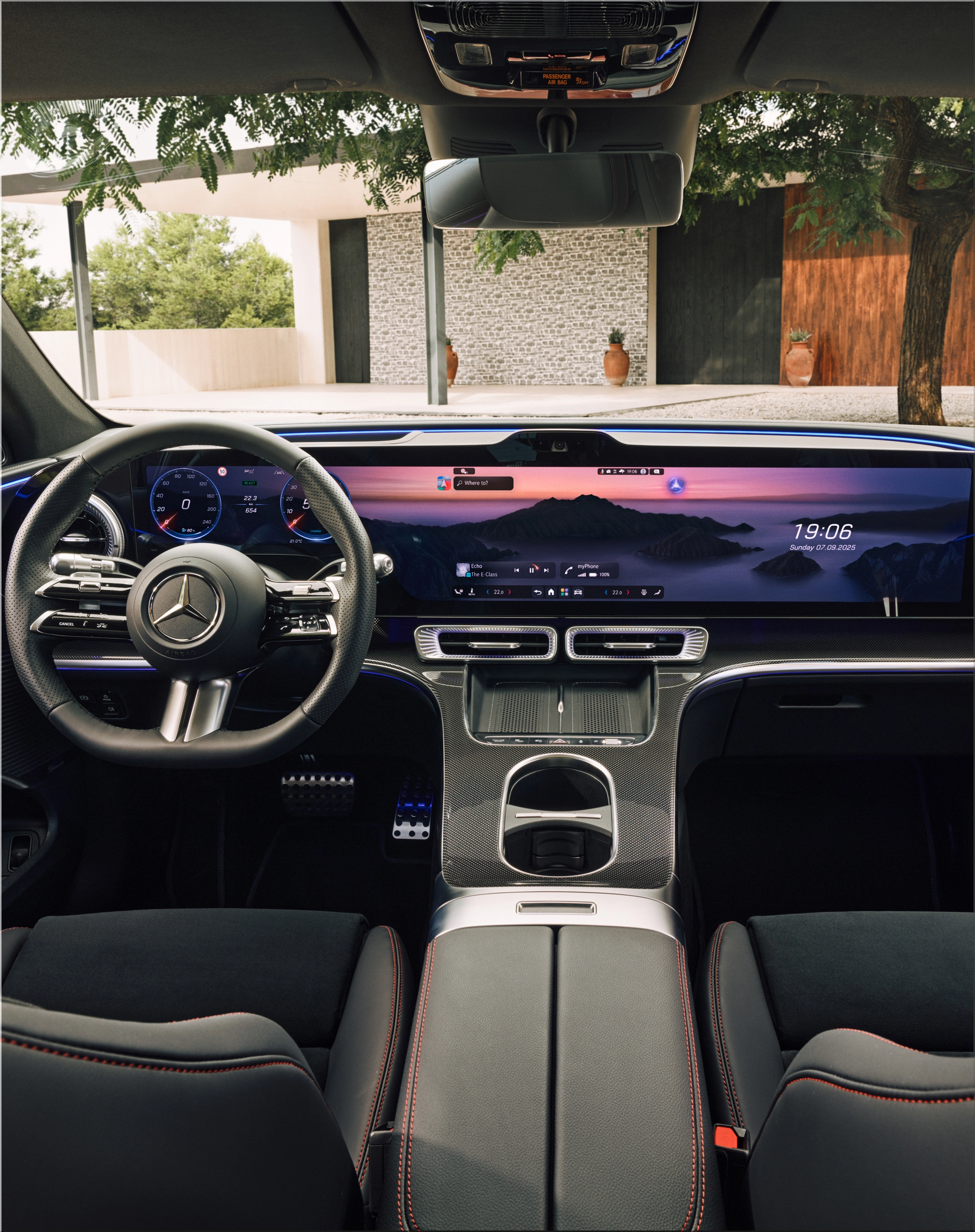
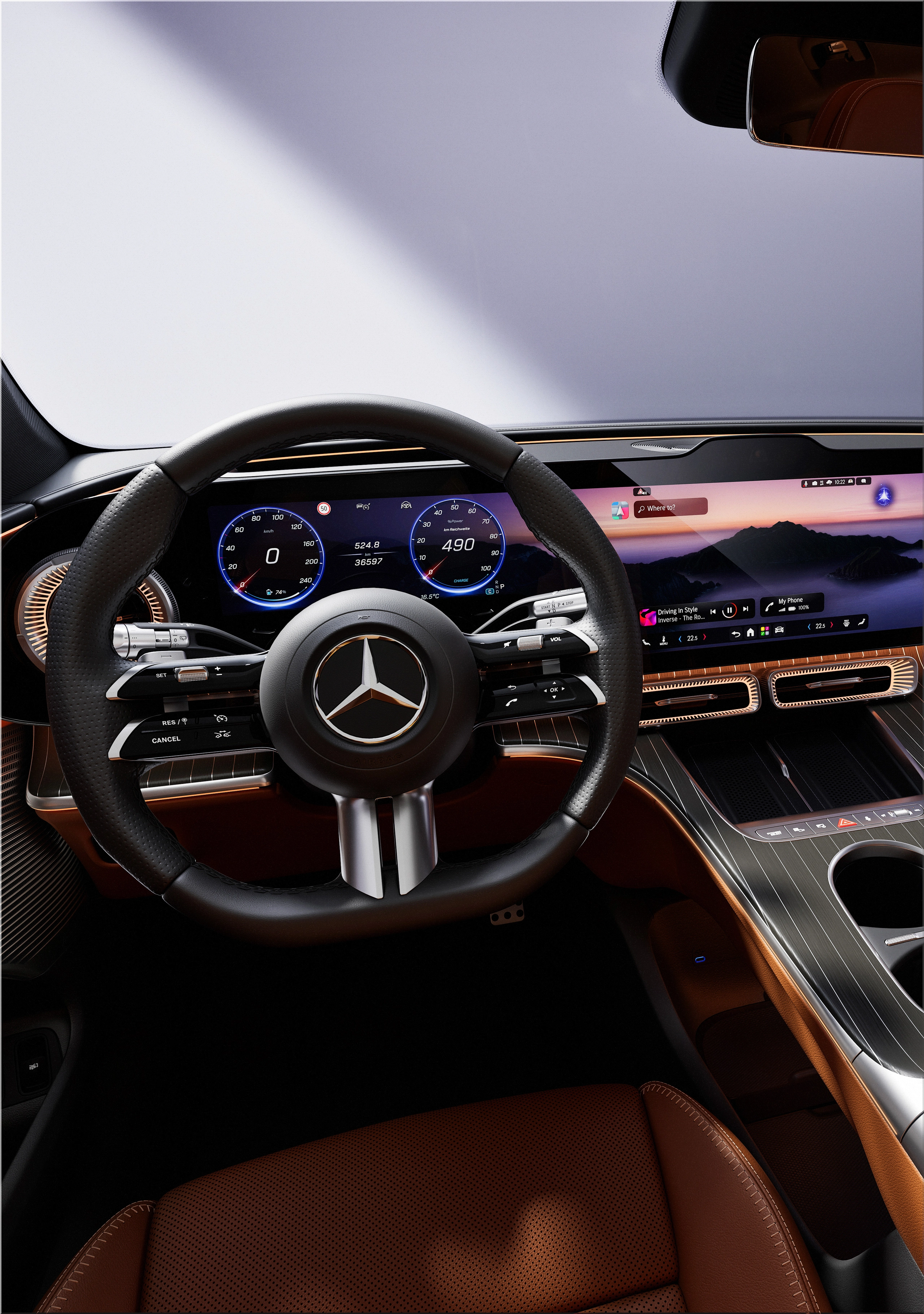
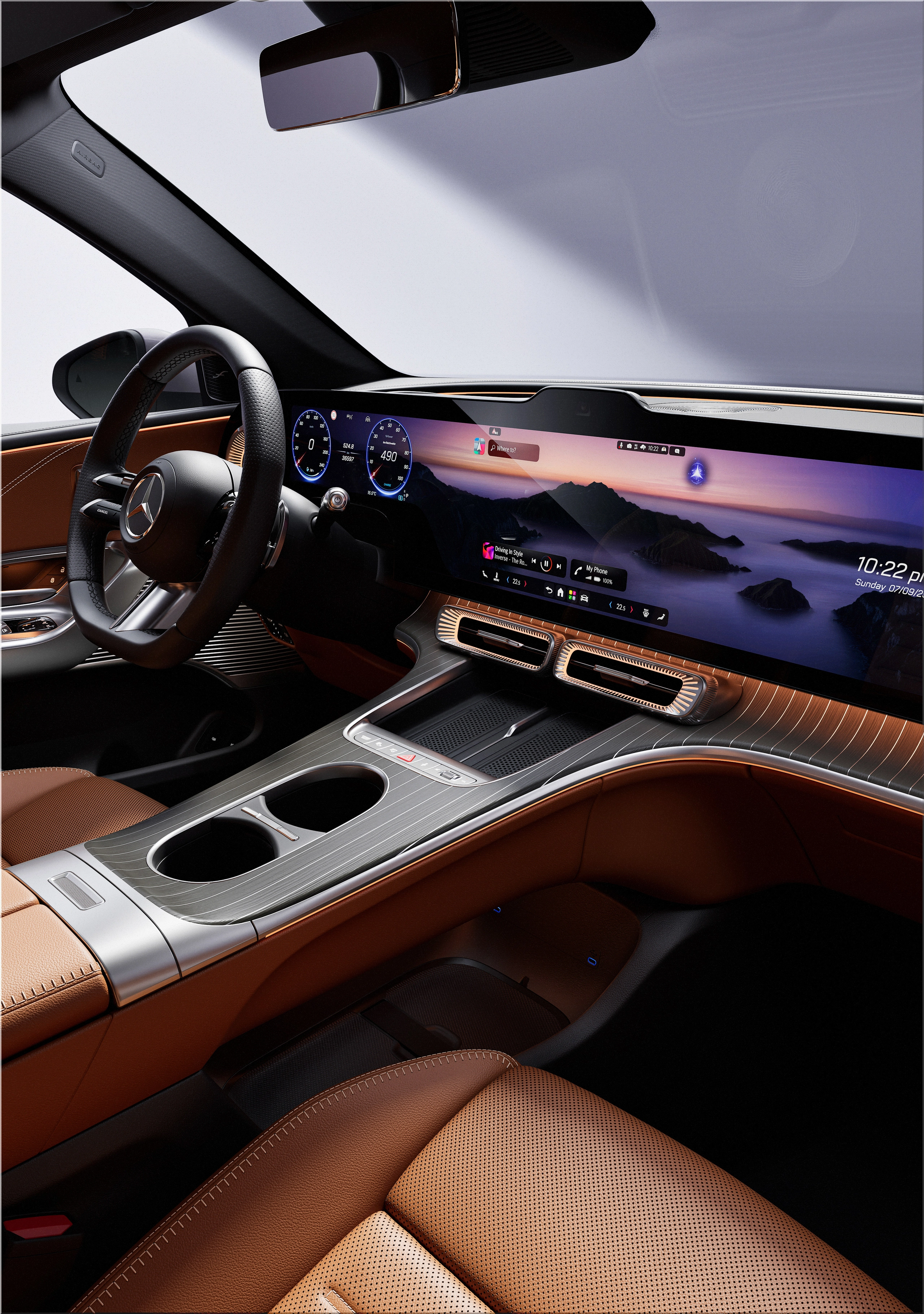
Inside, the GLC adopts a digital-first design philosophy anchored by the MBUX Hyperscreen, a sweeping 39-inch display that spans the dashboard. The interface is powered by MB.OS, the brand’s new software backbone allowing over-the-air updates and future function expansion.
Comfort and Space: Larger in Every Direction
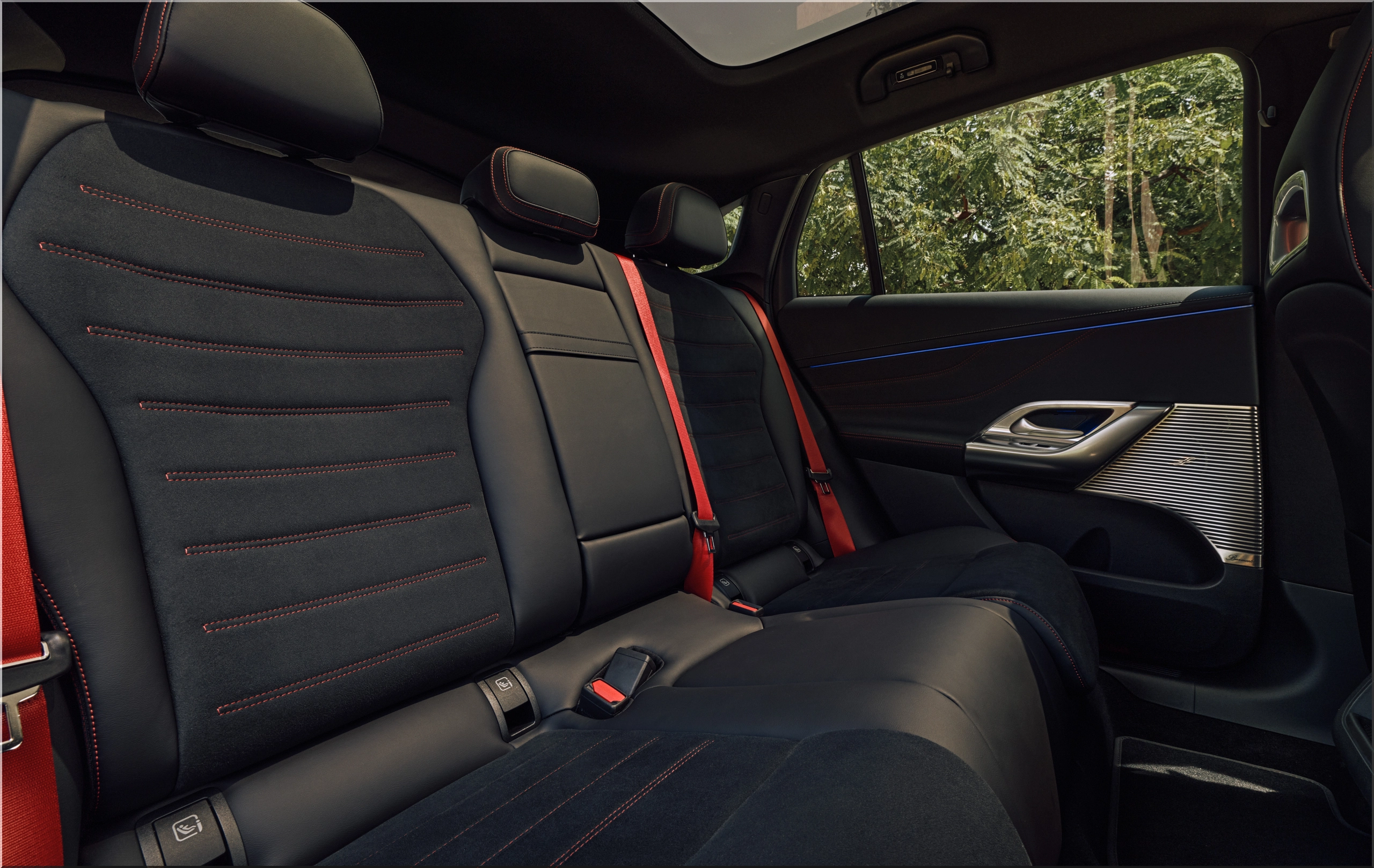
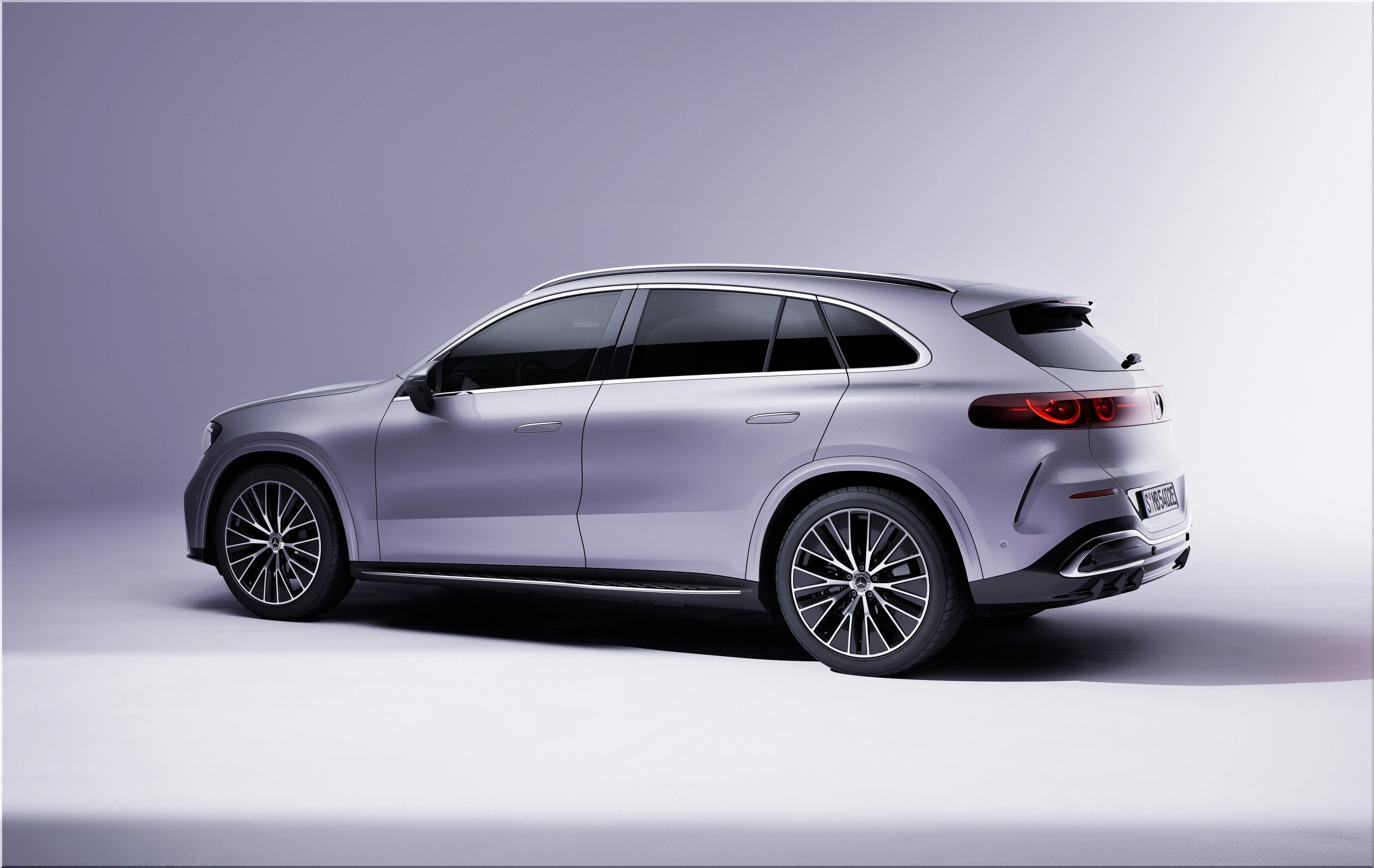
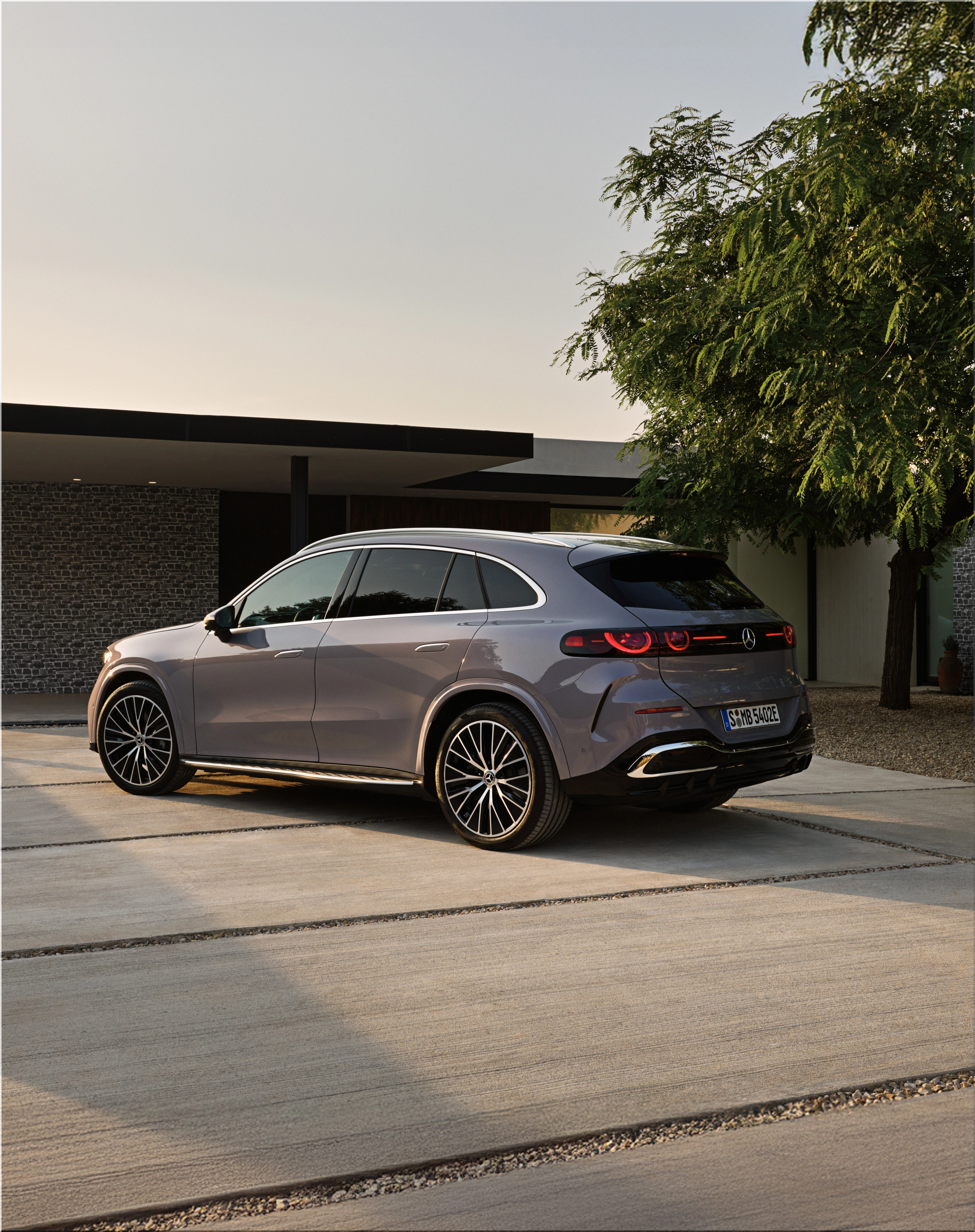
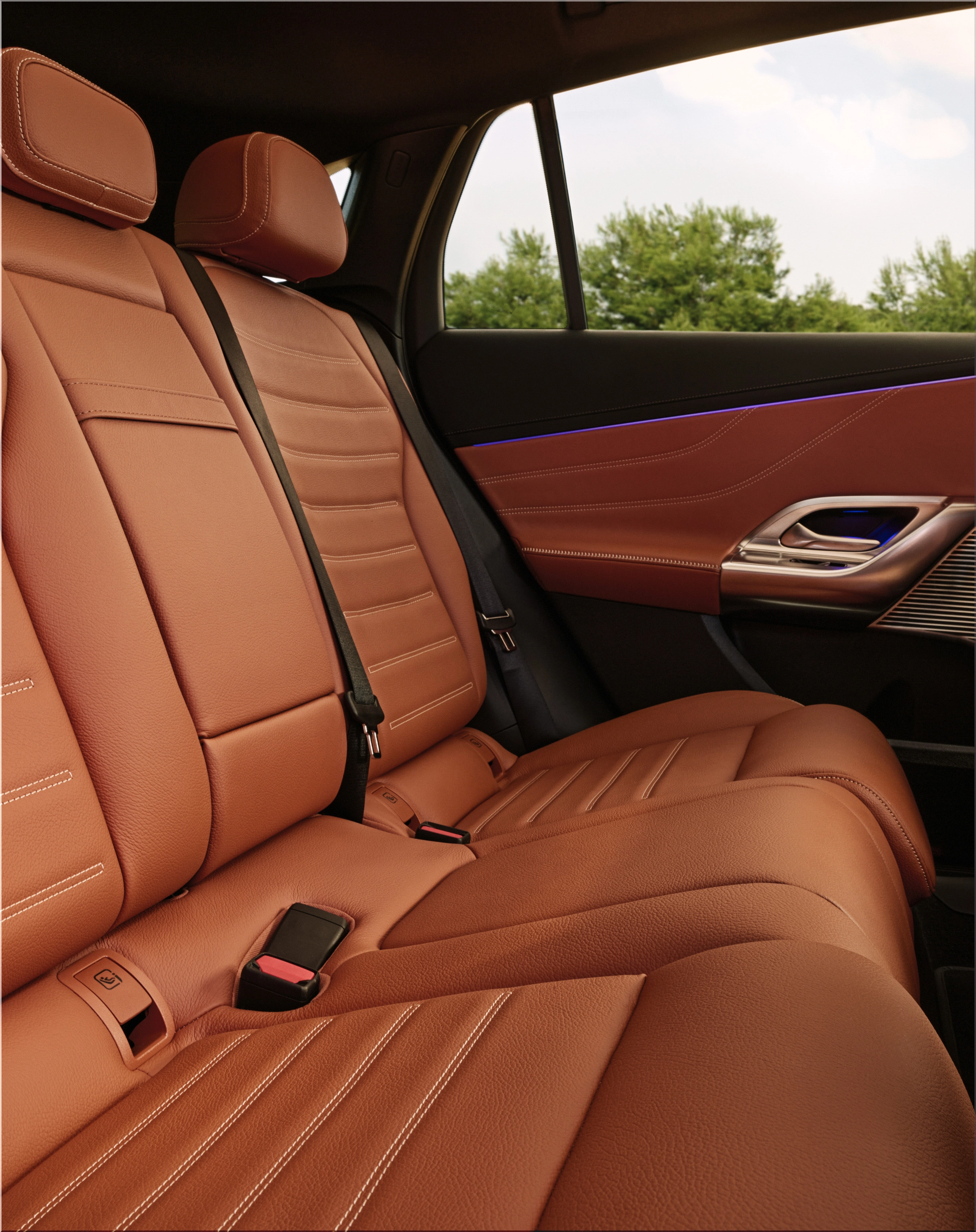
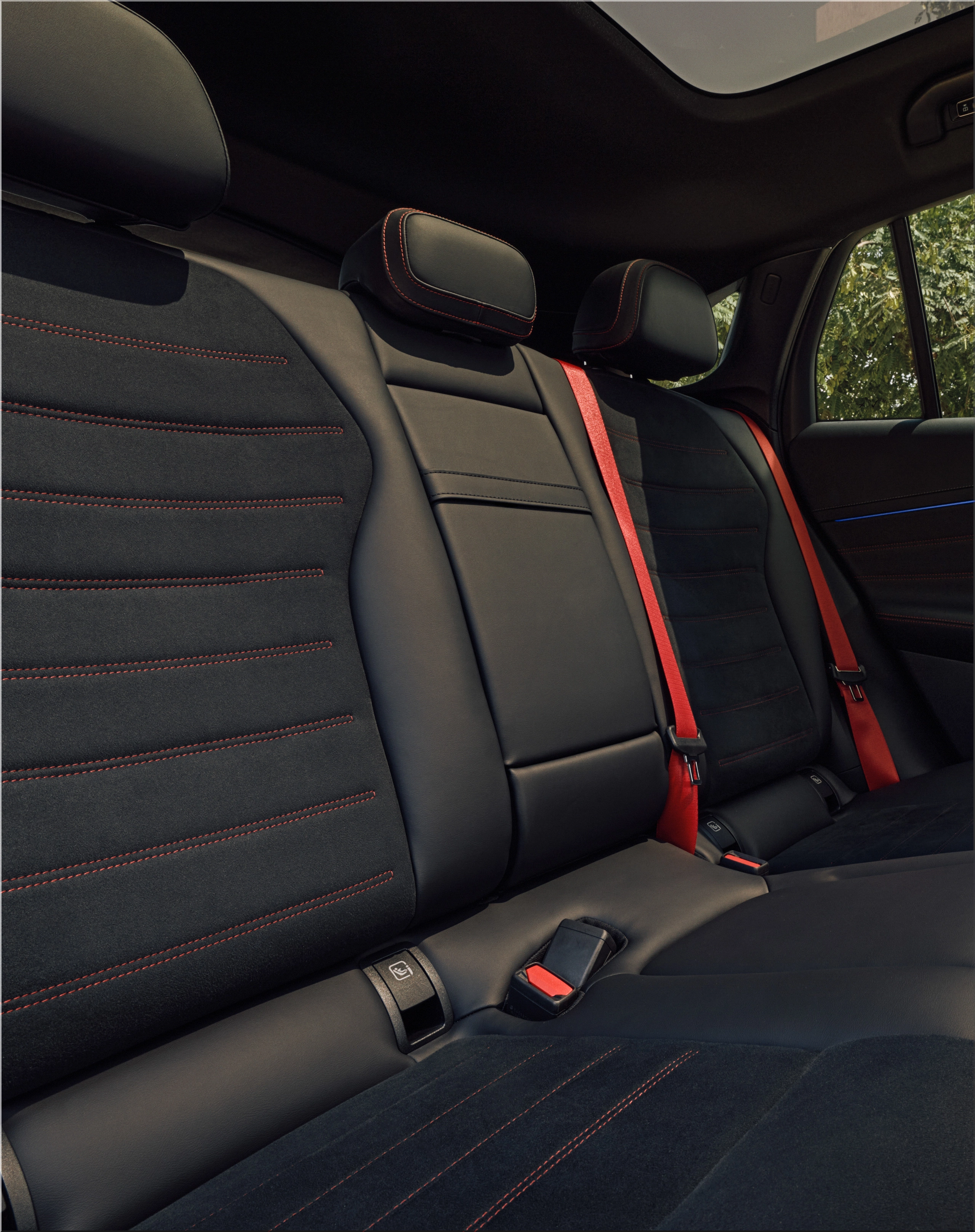
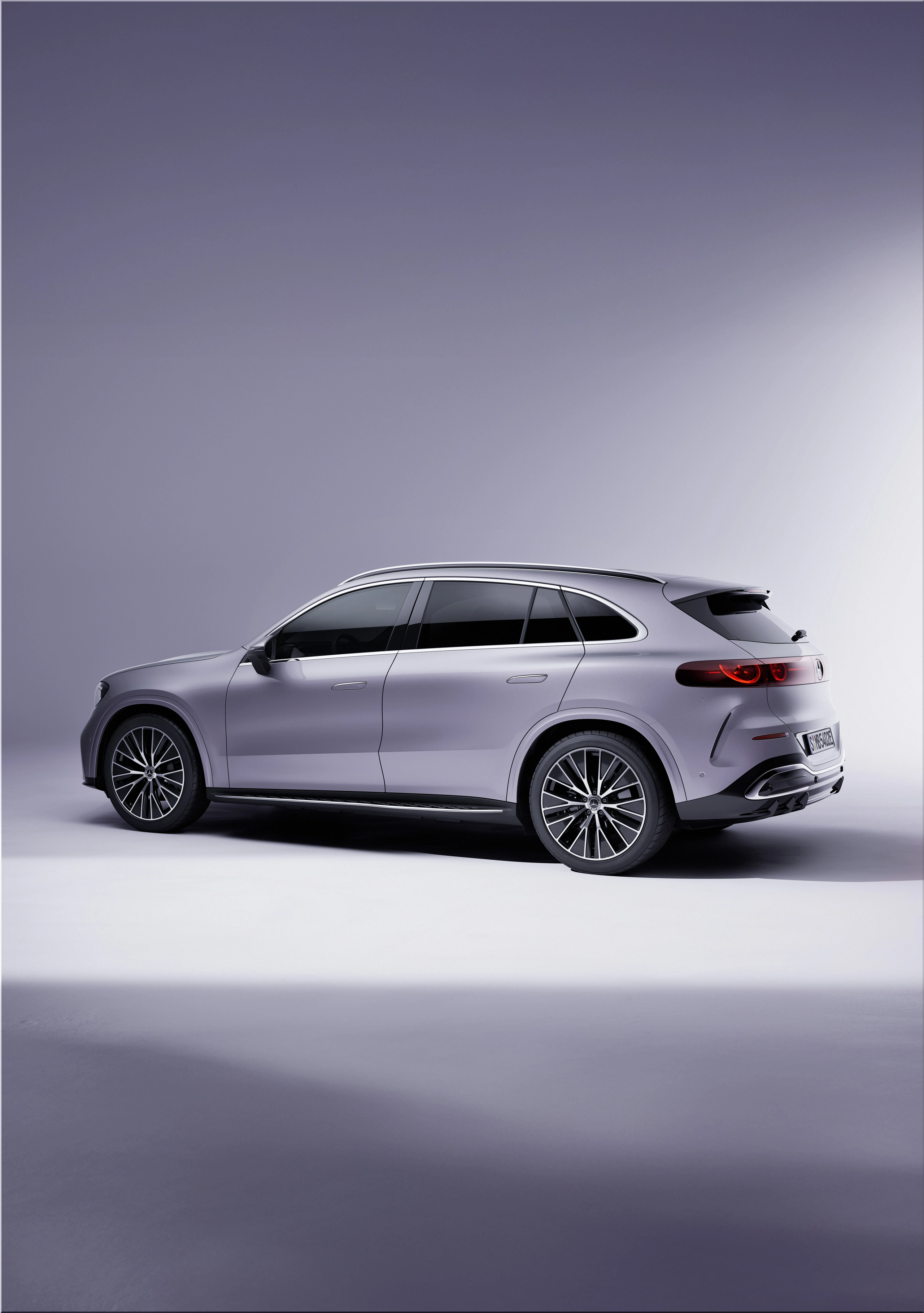
Mercedes-Benz extended the wheelbase by 84 mm (3.3 inches), expanding both passenger space and cargo capacity.
- Front Legroom: +13 mm
- Rear Legroom: +47 mm
- Front Headroom: +46 mm
- Rear Headroom: +17 mm
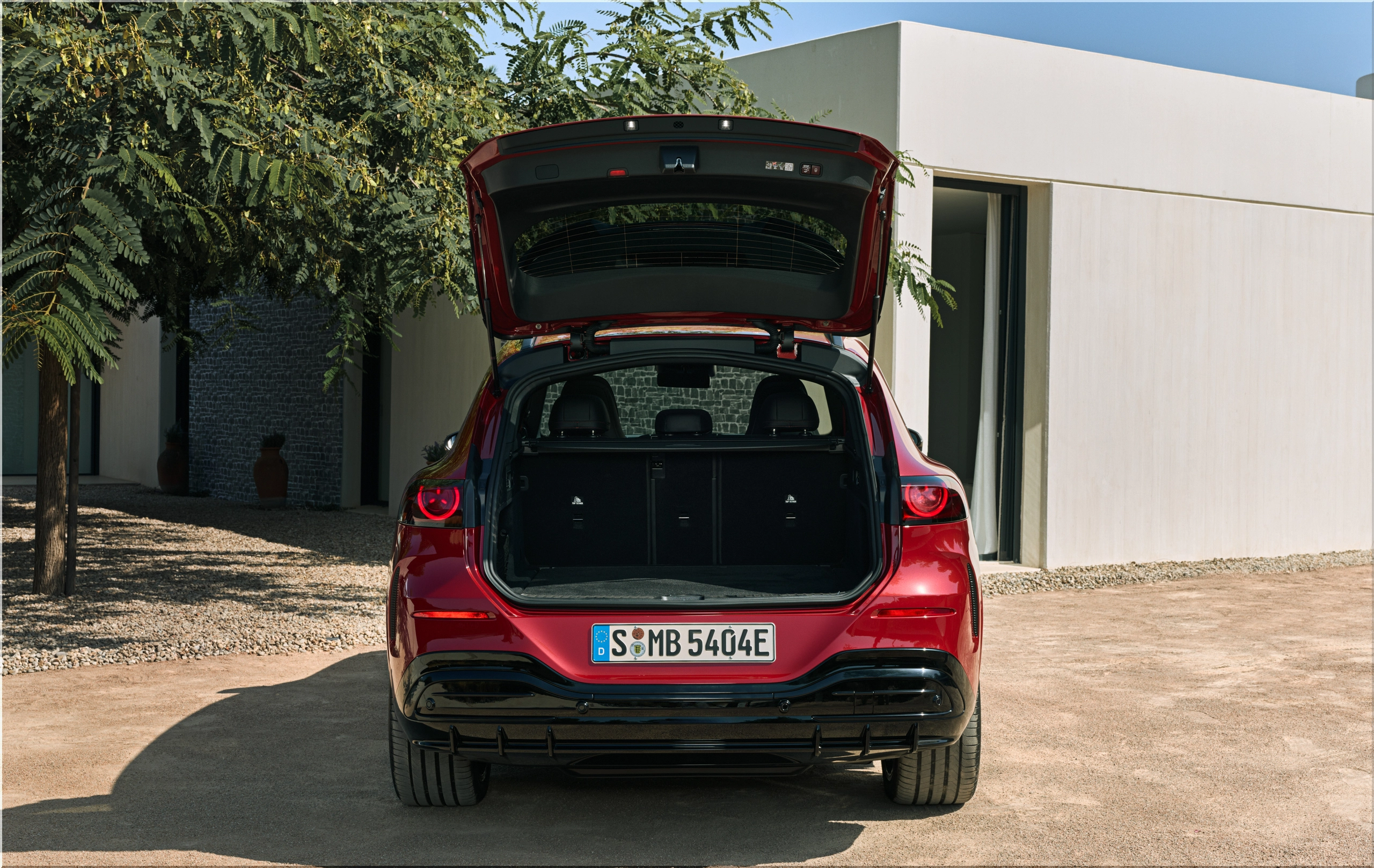
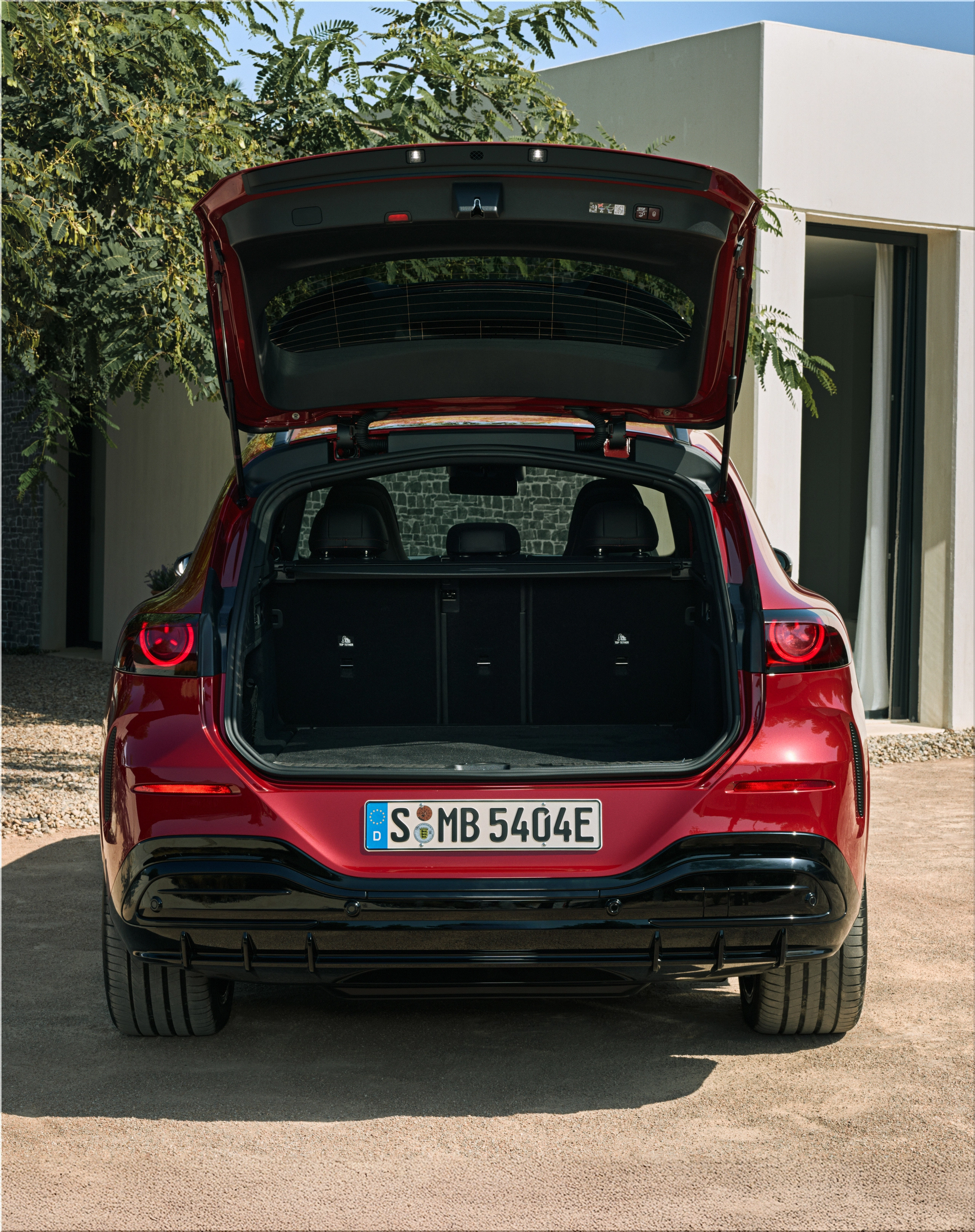
- Cargo Capacity: 570 liters (expandable to 1,740 liters)
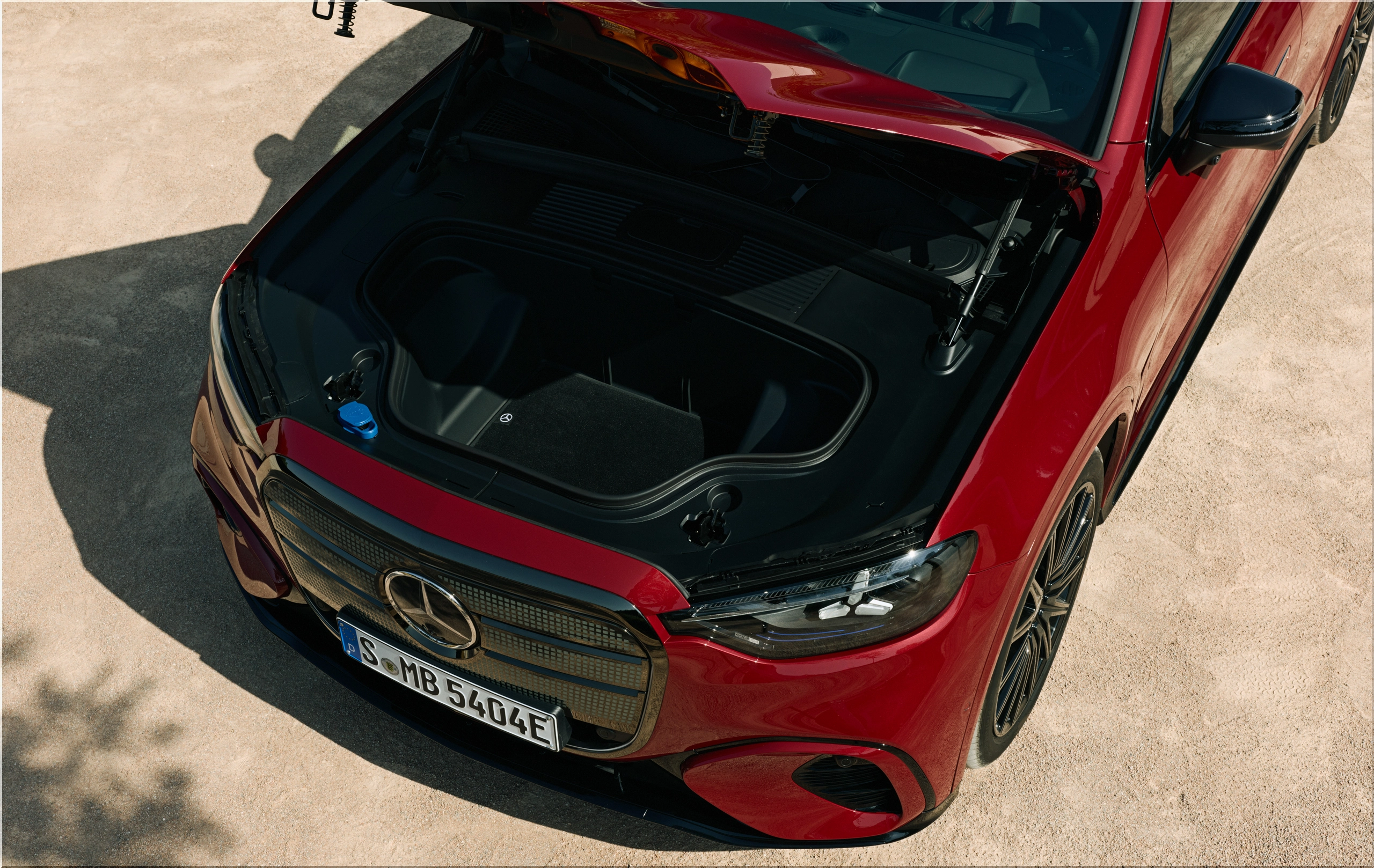
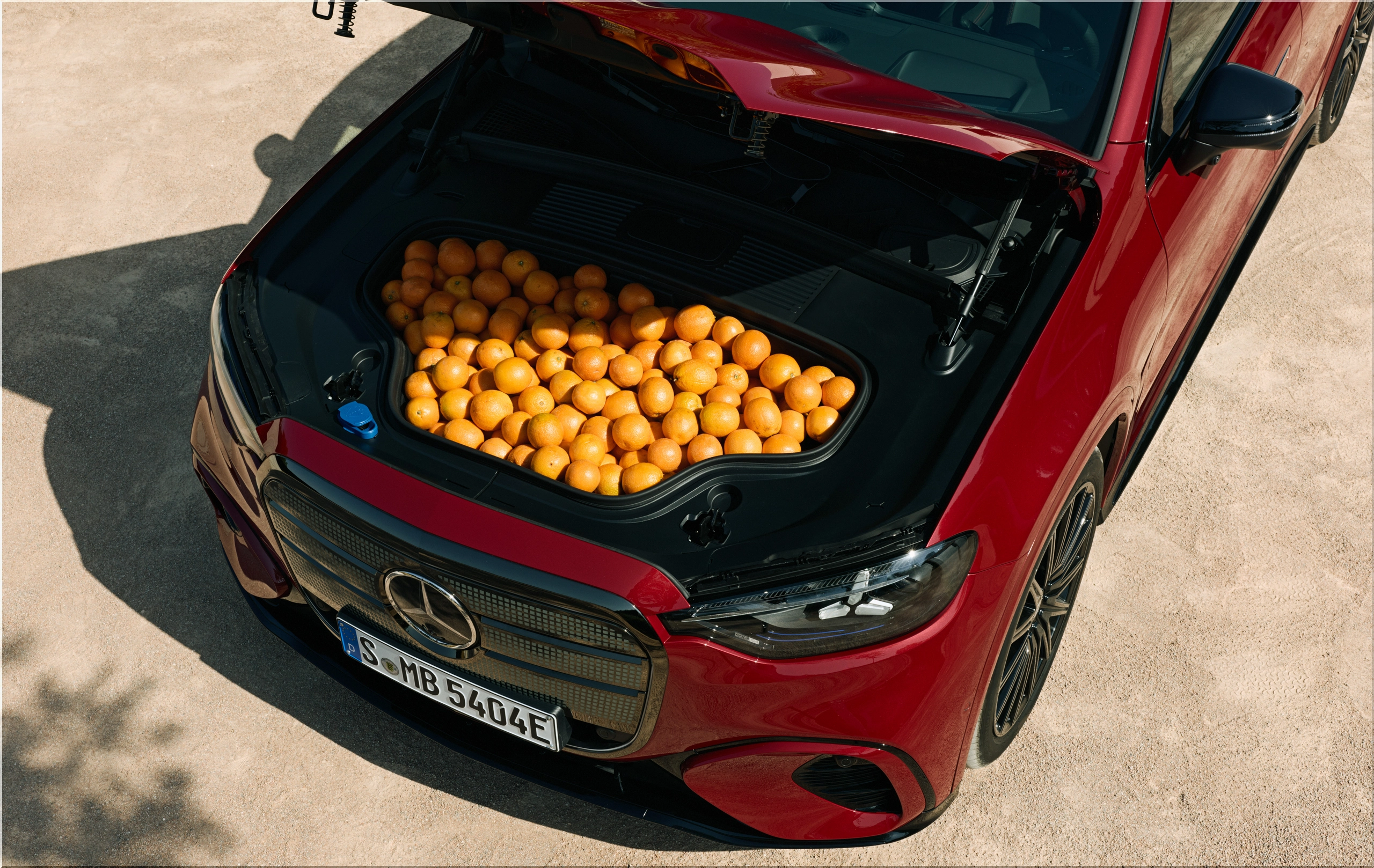
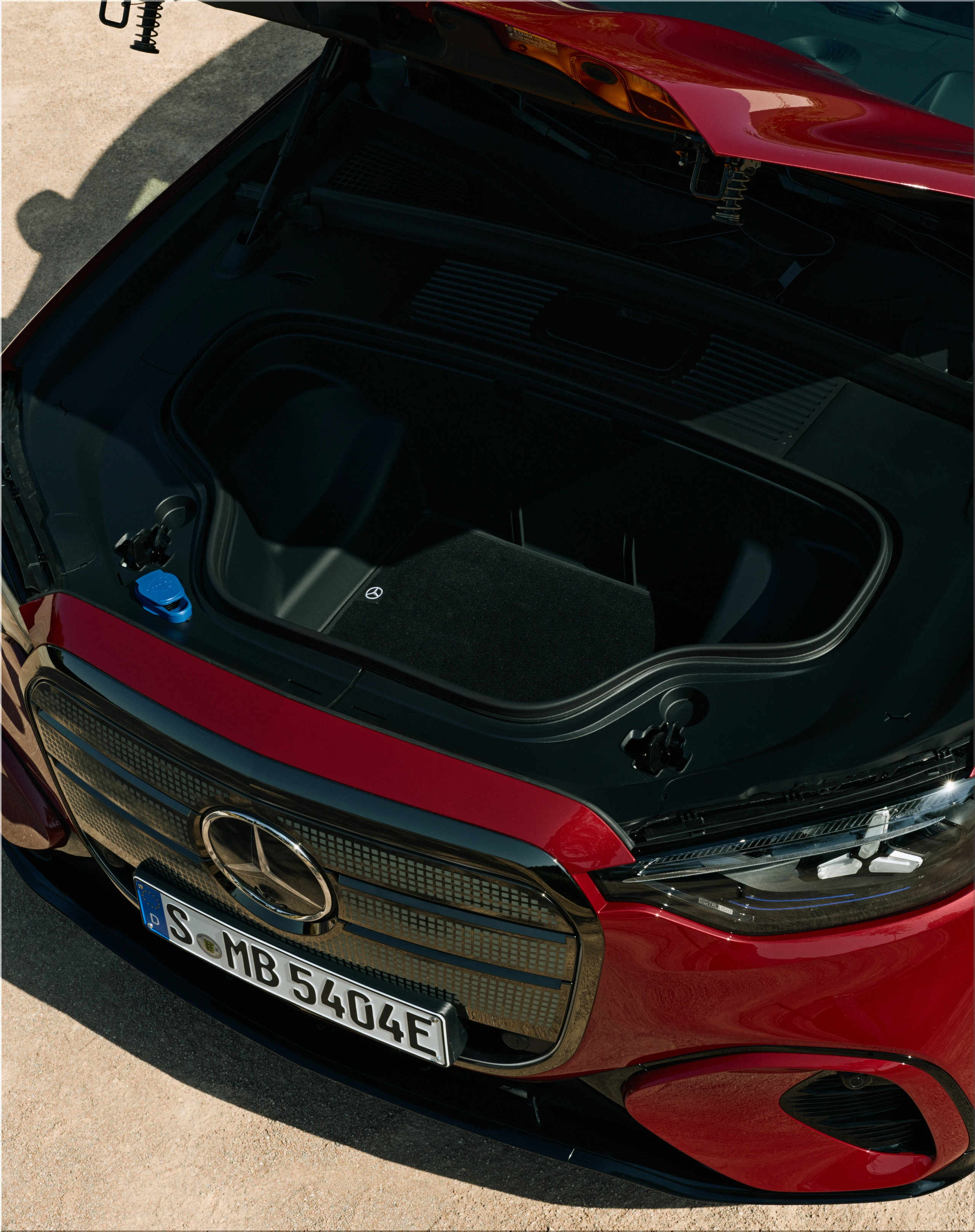
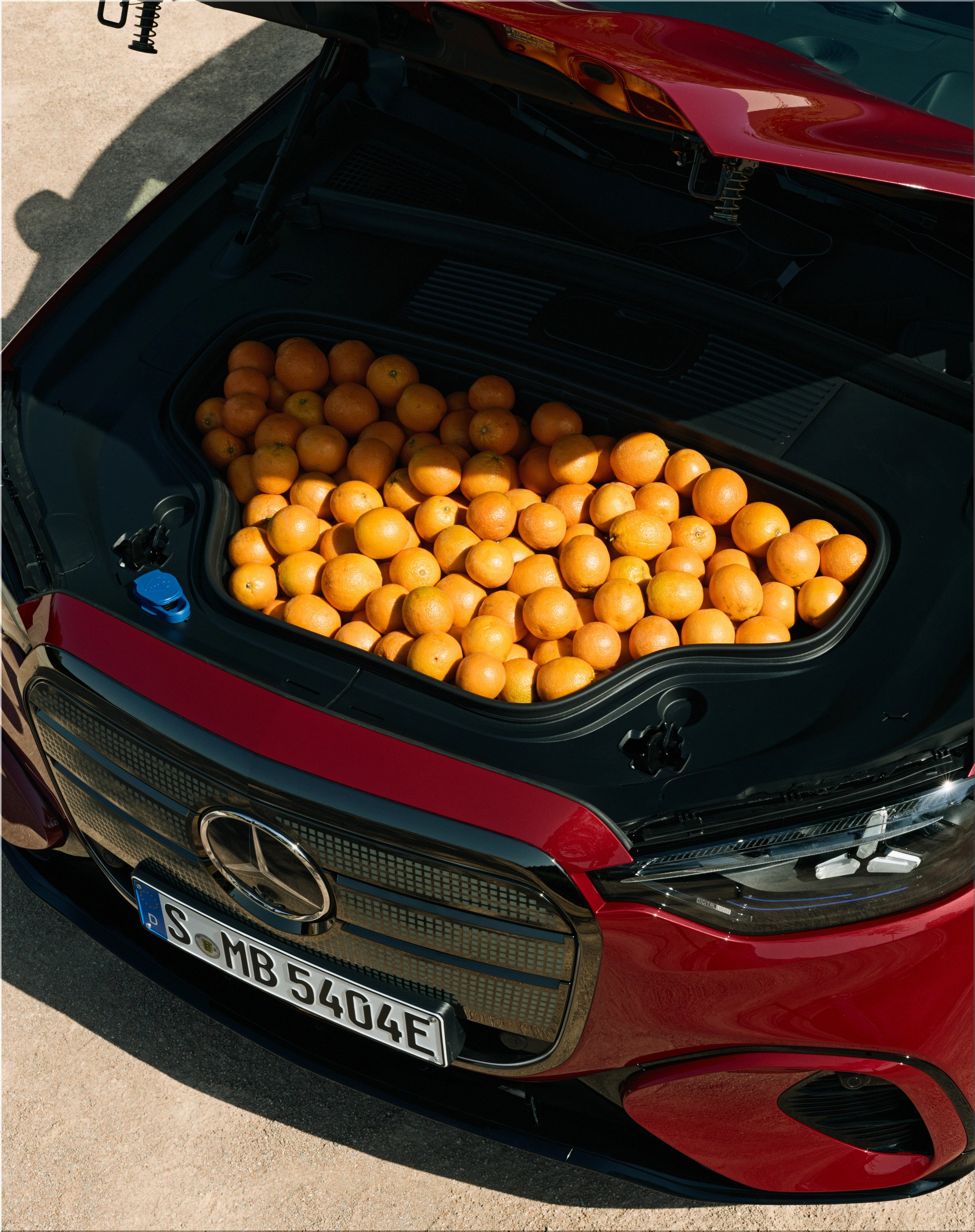
- Frunk (Front Trunk): 128 liters
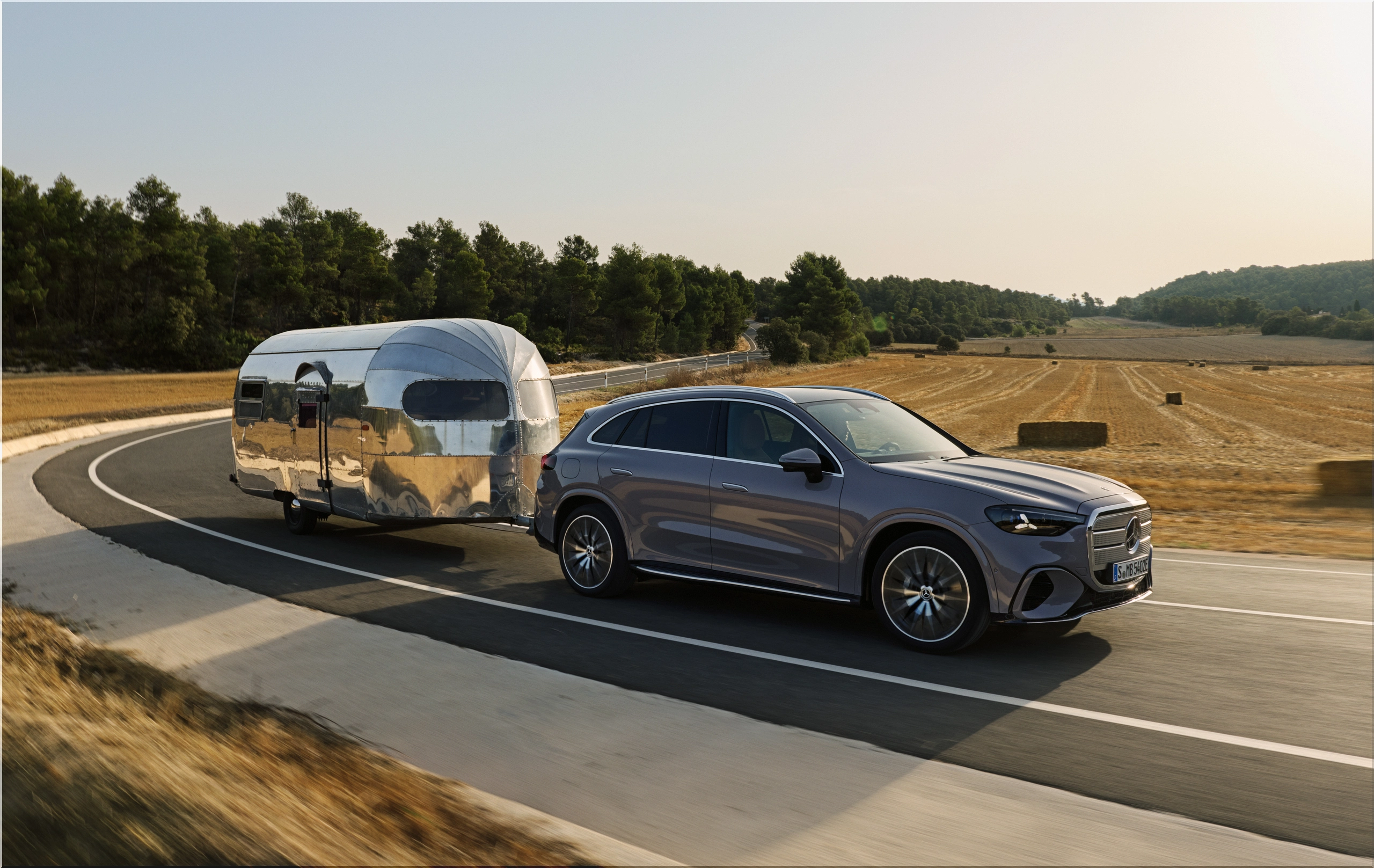
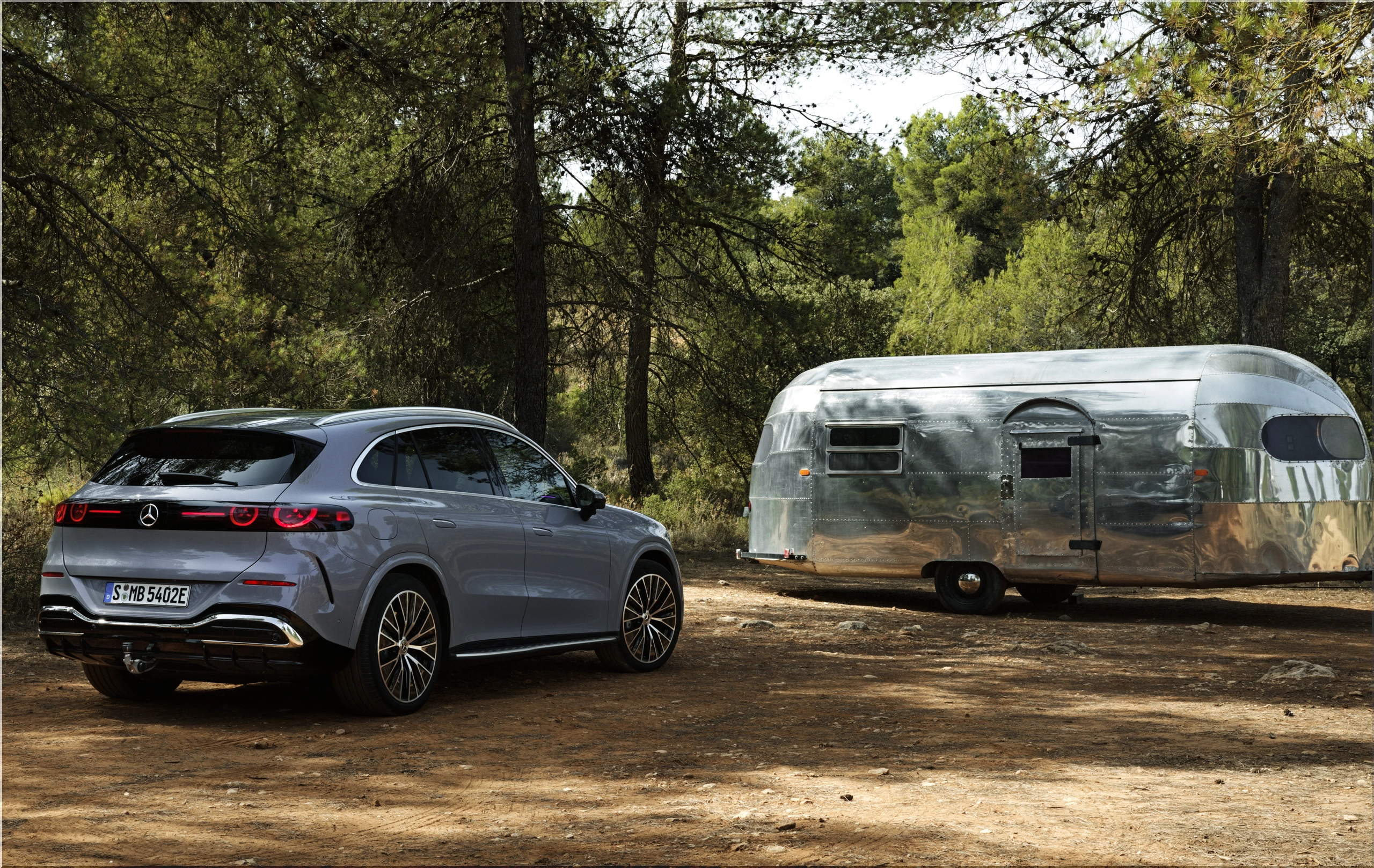
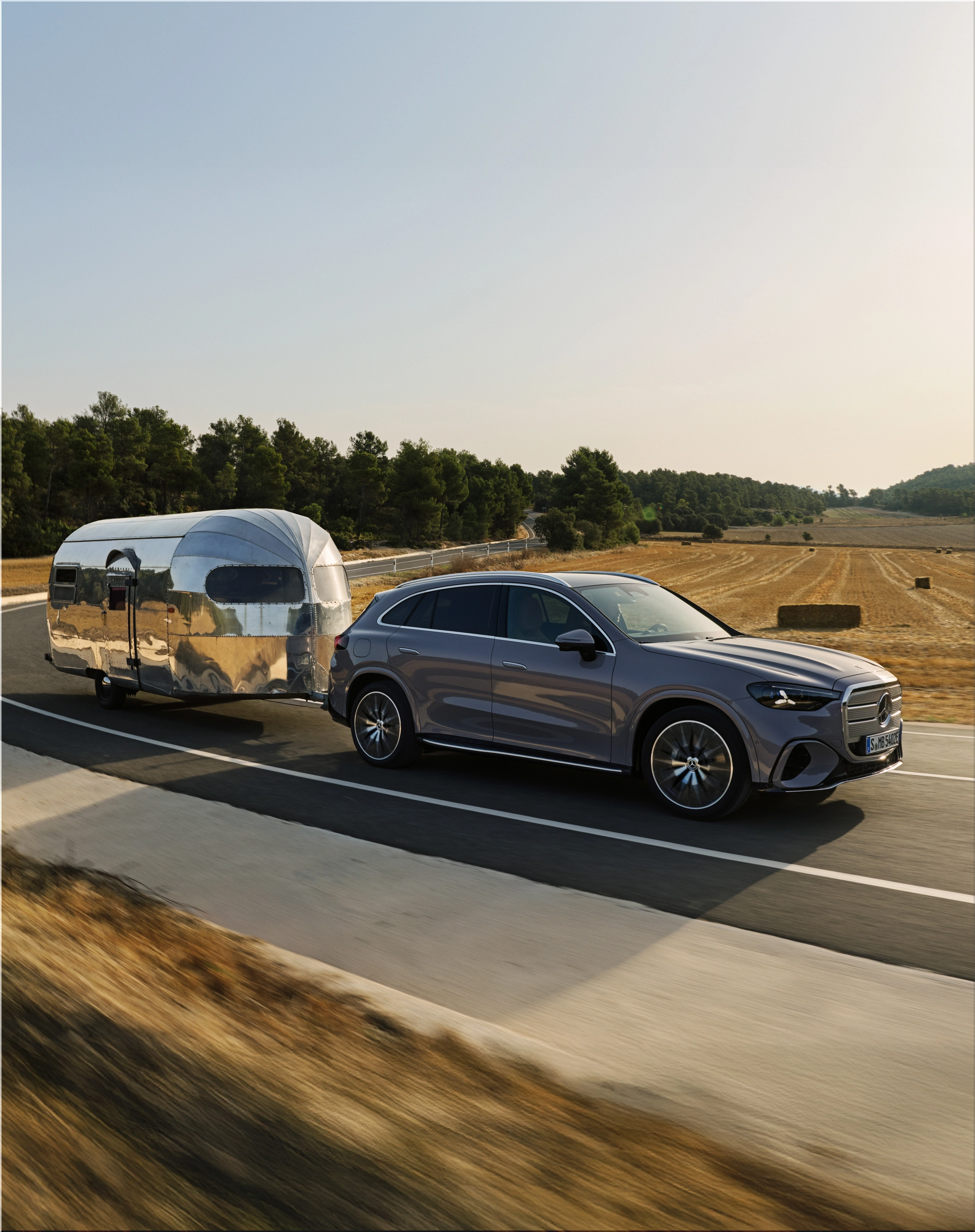
- Towing Capacity: 2.4 tonnes (≈ 5,291 lbs)
The gains make the electric GLC one of the most spacious midsize electric SUVs on the market. The addition of a frunk enhances usability, giving it an edge over many EV rivals that skip front storage.
Driving Experience: Comfort Meets Precision
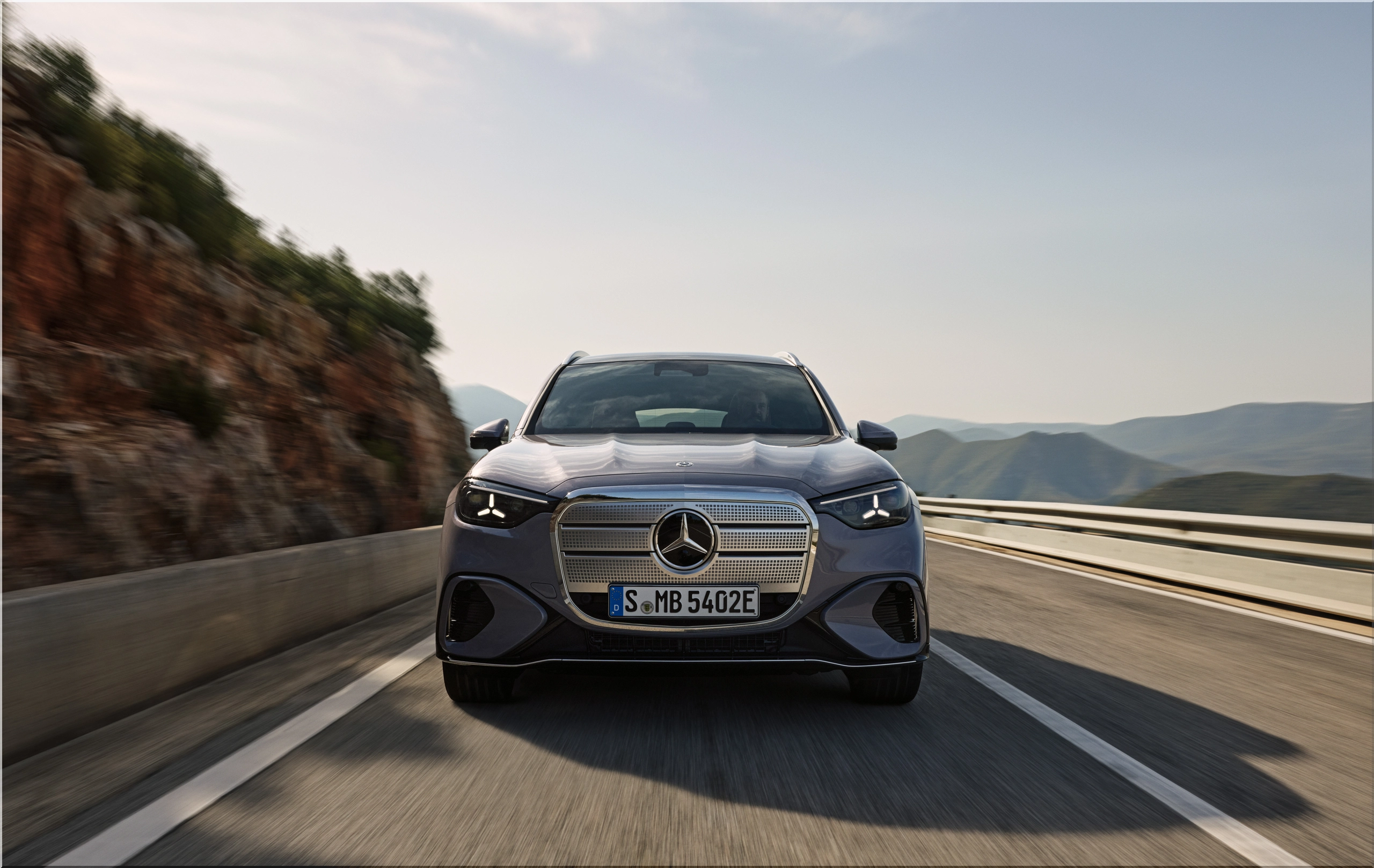
Ride quality has always been central to GLC appeal. The electric version refines this with AIRMATIC air suspension and rear-axle steering up to 4.5 degrees, standard in most trims.
This combination shortens turning radius in city driving and stabilizes high-speed lane changes. Drivers will feel the weight of the battery pack neutralized by intelligent suspension tuning — something Mercedes has perfected through its EQS and EQE models.
The DISTRONIC adaptive cruise system comes standard, supported by a network of:
- 10 cameras
- 5 radar sensors
- 12 ultrasonic sensors
- A water-cooled high-performance computer
The hardware is future-ready for software updates, paving the way for MB.DRIVE, a suite of advanced driver assistance features that evolve over time.
Charging: Designed for Real Use
Charging isn’t an afterthought here. Mercedes introduces MB.CHARGE Public, a digital system with station reservation capability — an industry-first feature allowing drivers to reserve a charging slot before arrival.
Initially available in Germany and the U.S., the system will expand globally by the end of the decade. Mercedes plans to establish 10,000 charging points across its network, many equipped with high-power 800V chargers for rapid replenishment.
The vehicle’s DC fast-charging capability enables up to 303 km of range in 10 minutes, depending on conditions. For daily driving, that means a quick top-up during coffee breaks rather than long charging sessions.


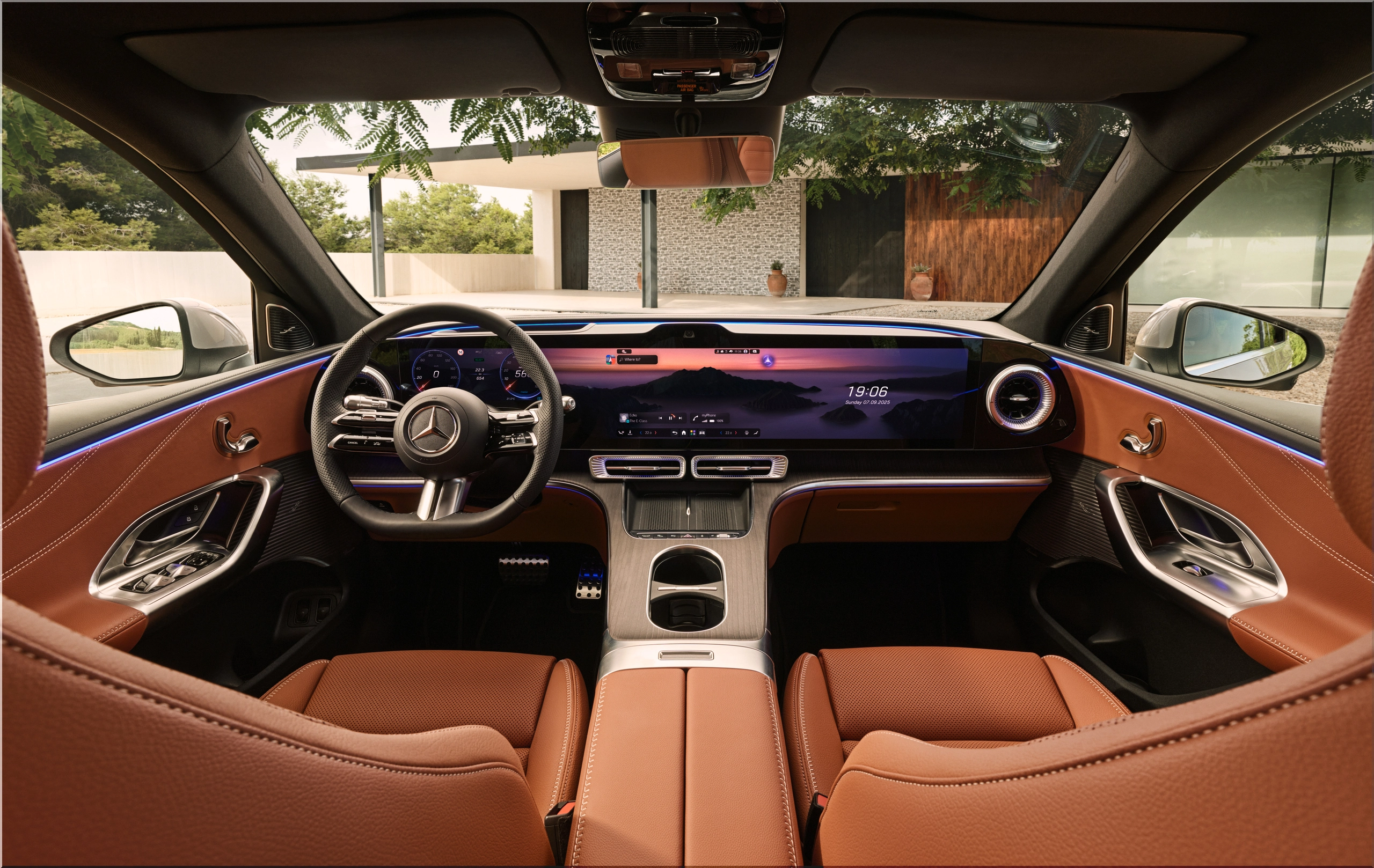
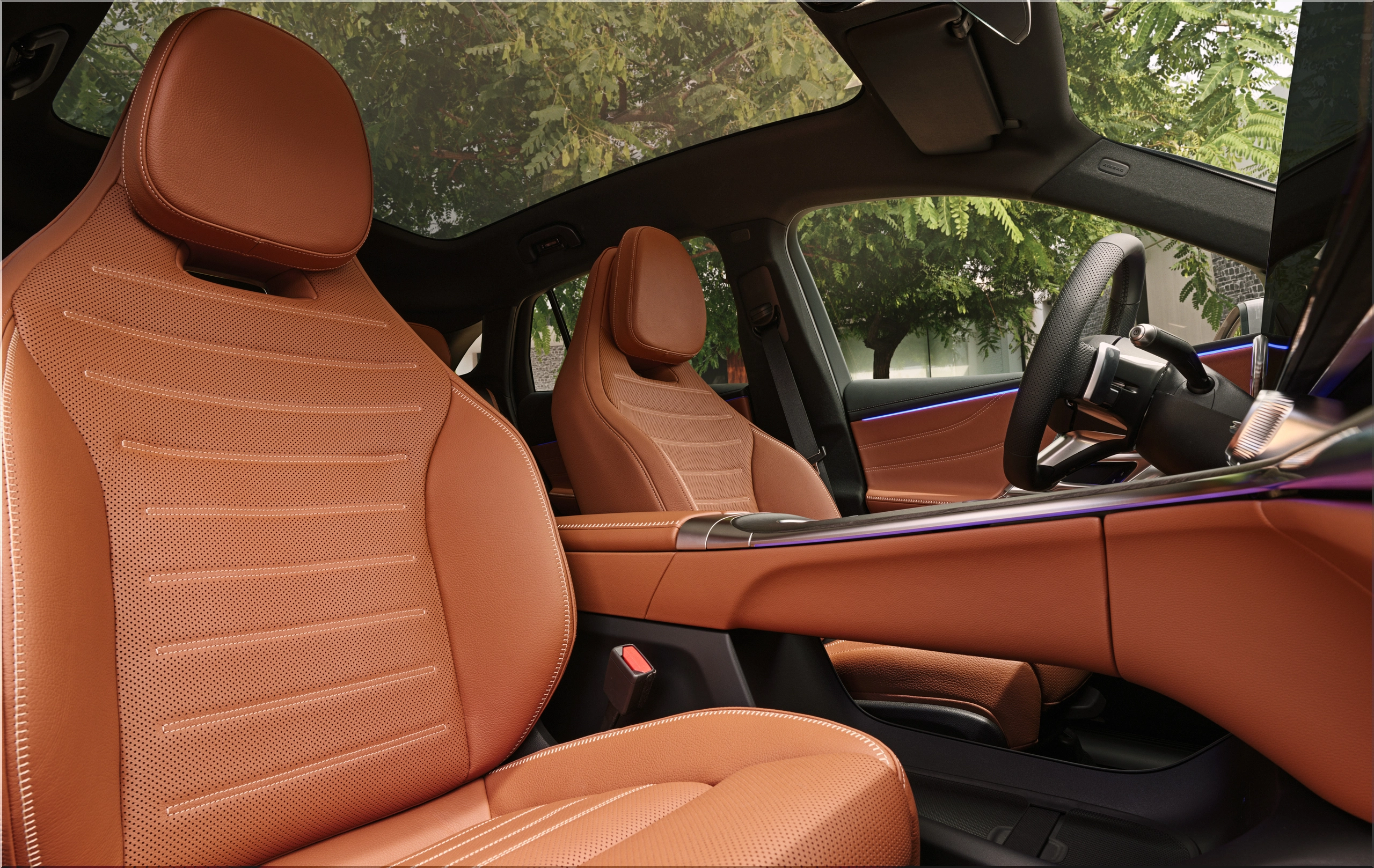
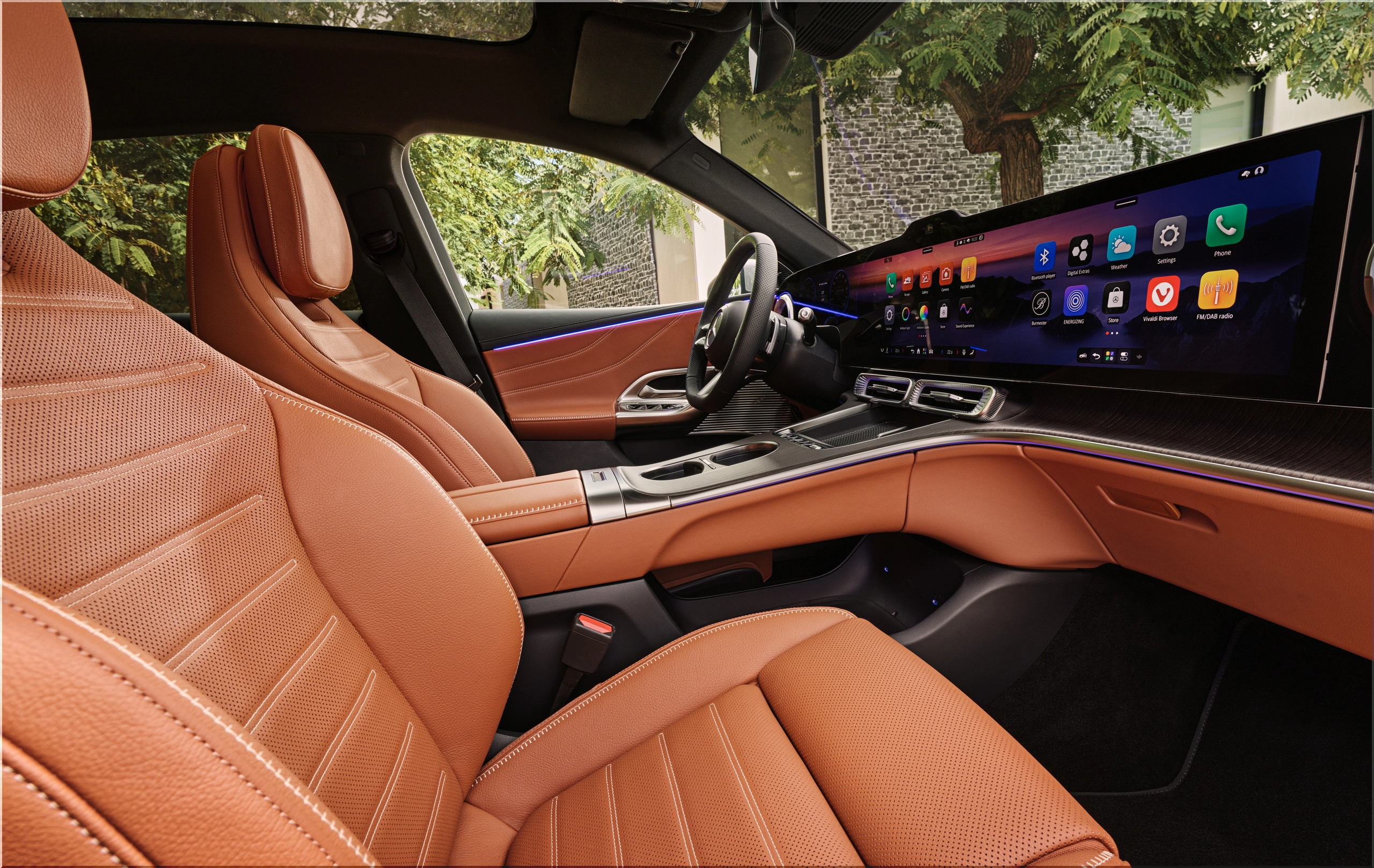

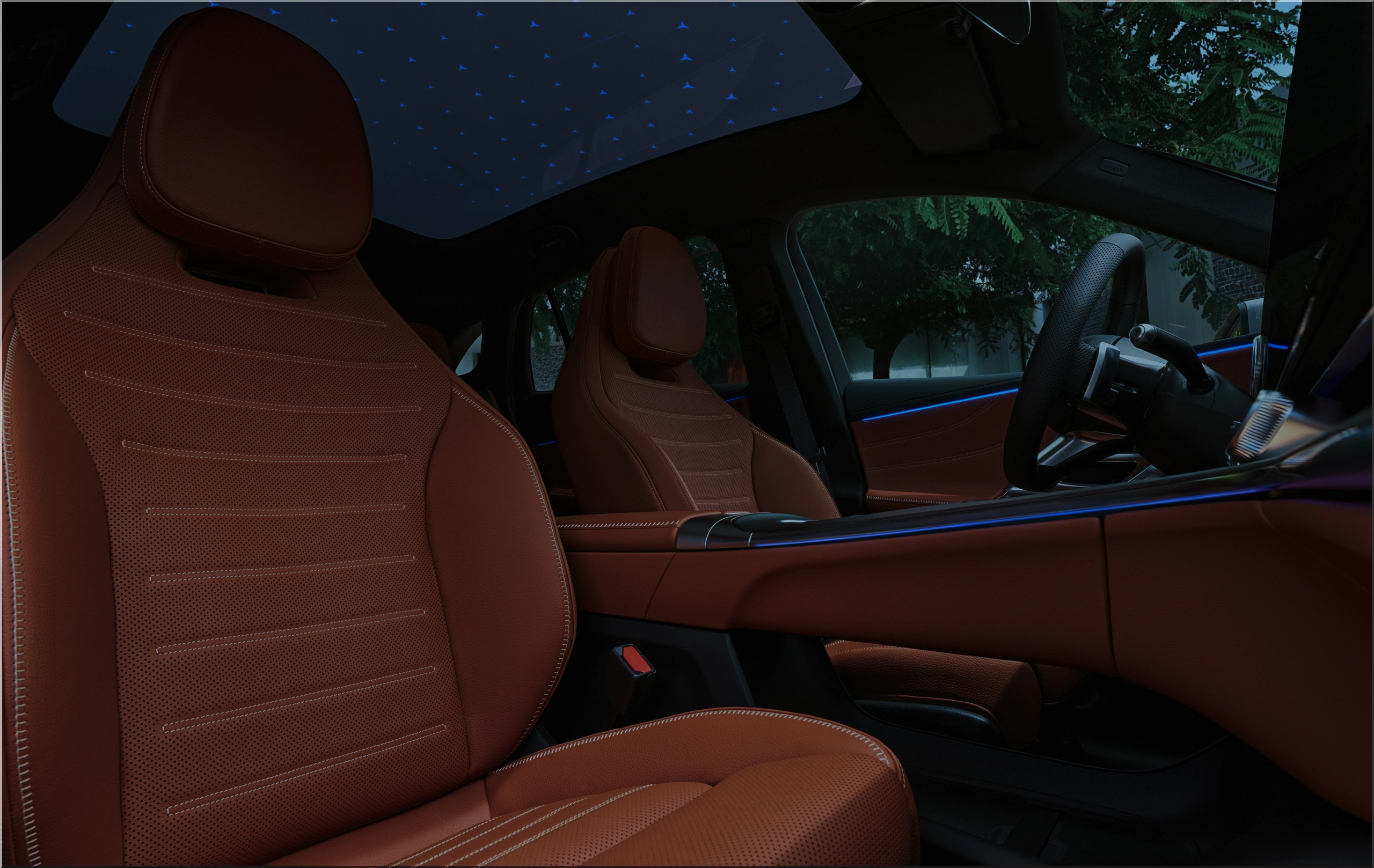


Digital Cabin and User Interface
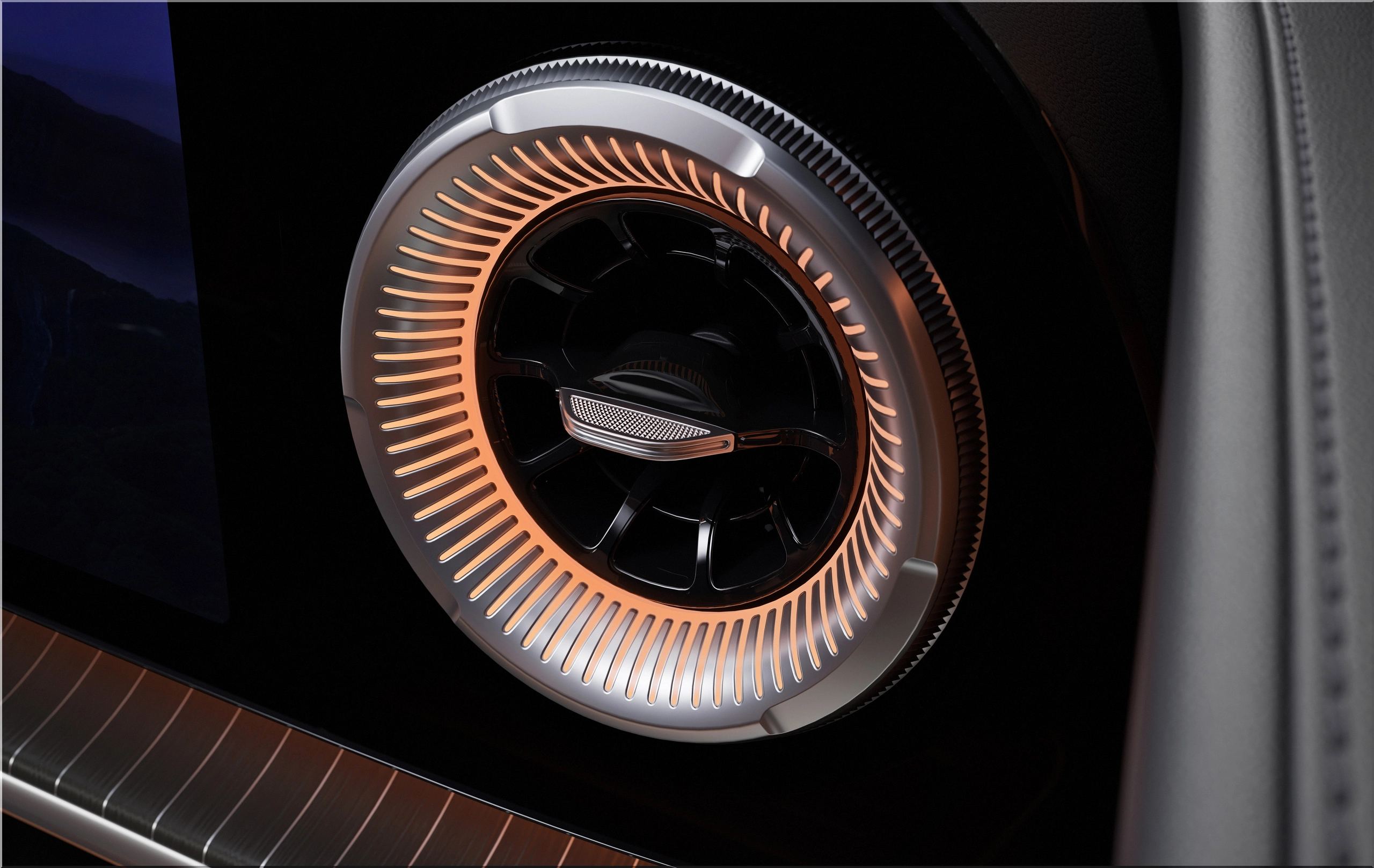
The MBUX Hyperscreen isn’t just wide; it’s adaptive. The 99.3-centimeter interface allows customizable display themes, syncing ambient lighting, instrument cluster colors, and digital motifs to create personalized environments.
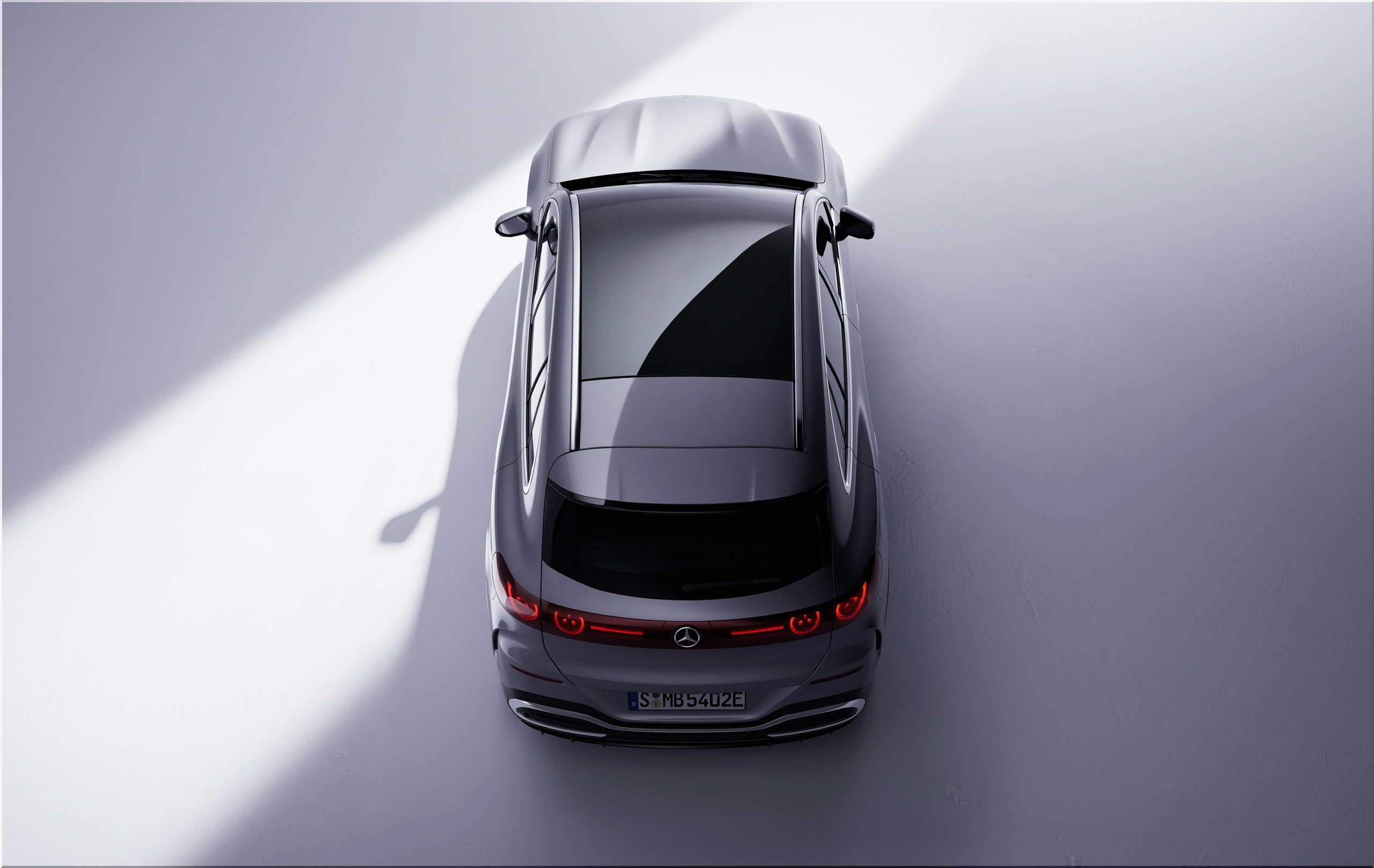
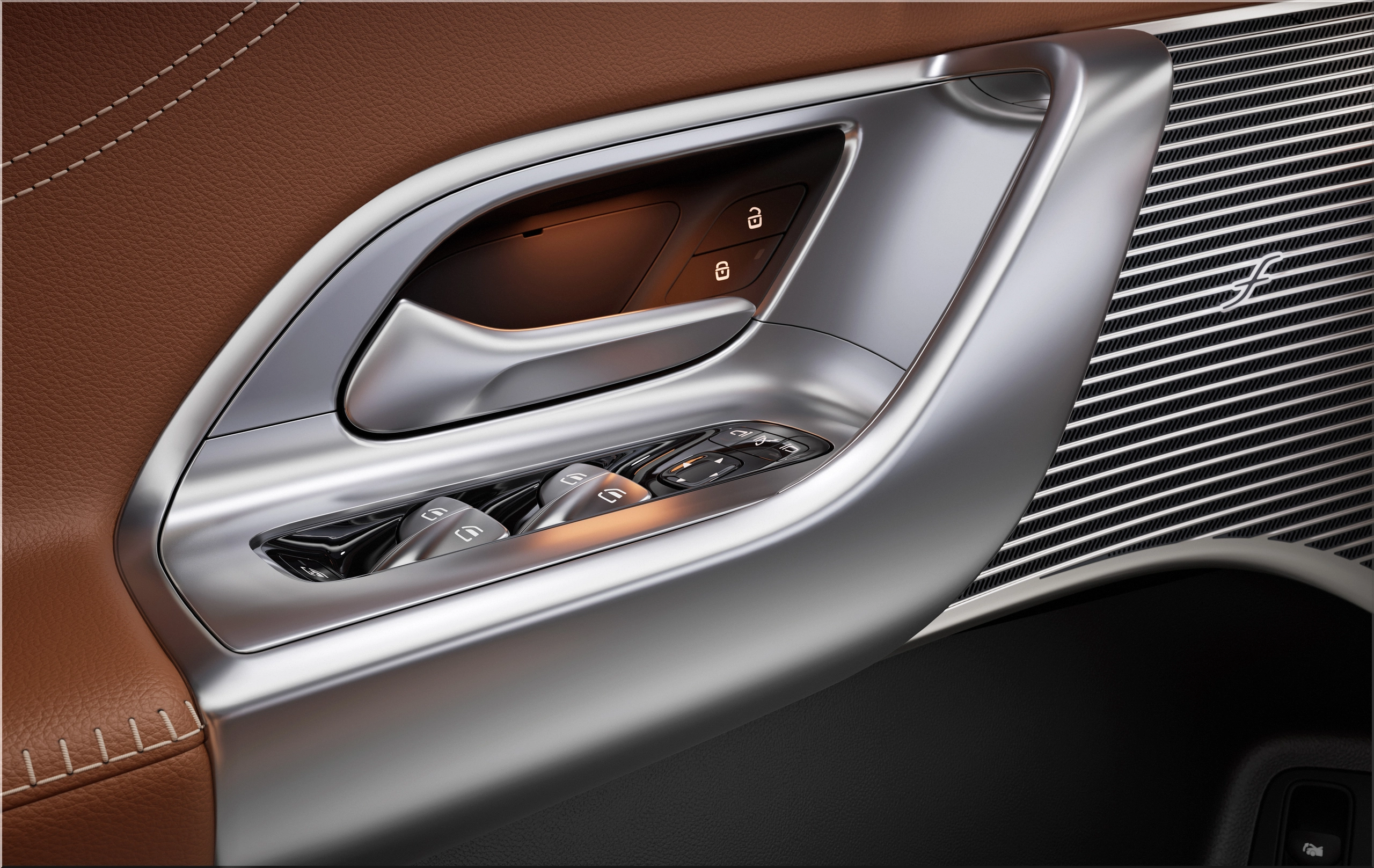
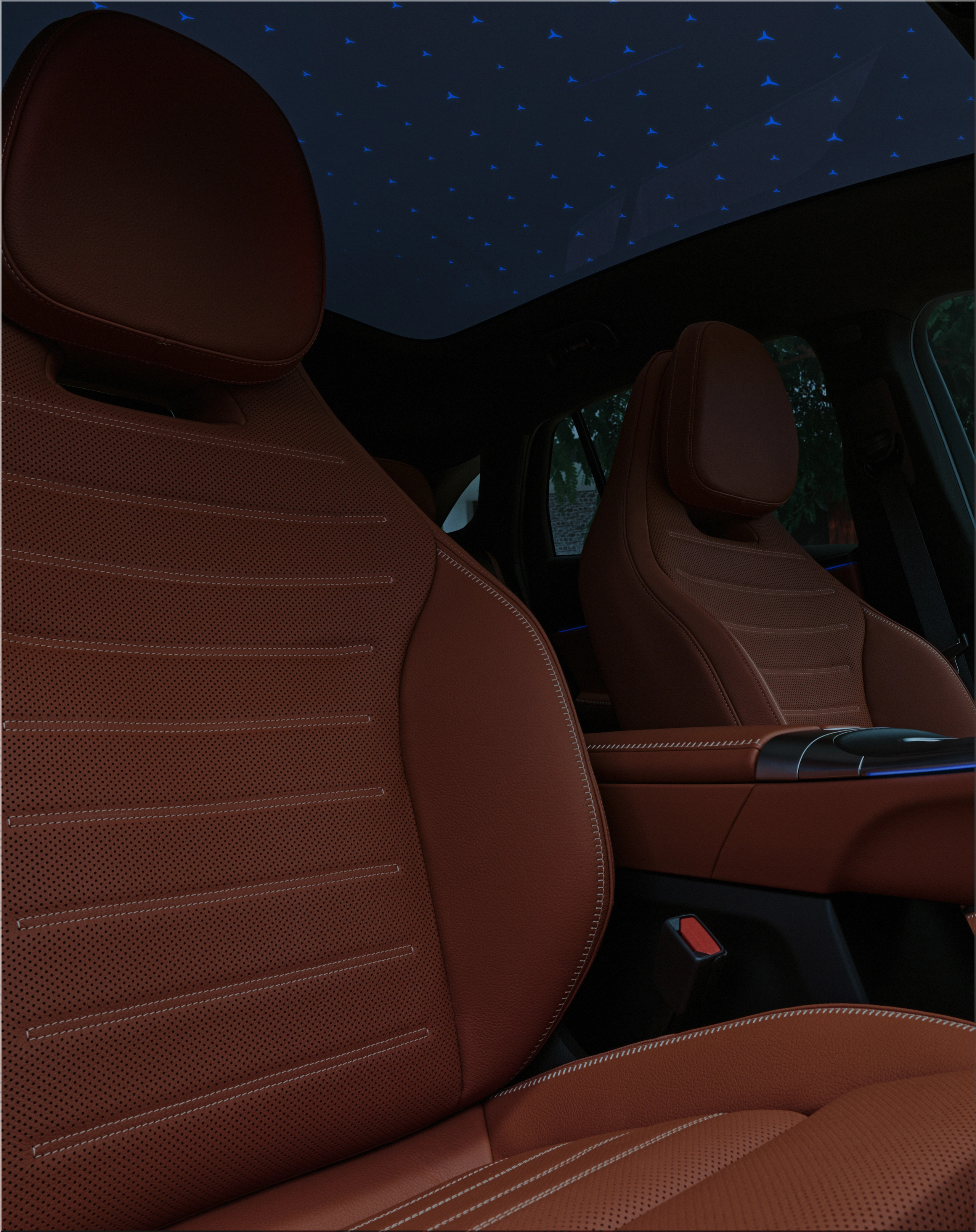
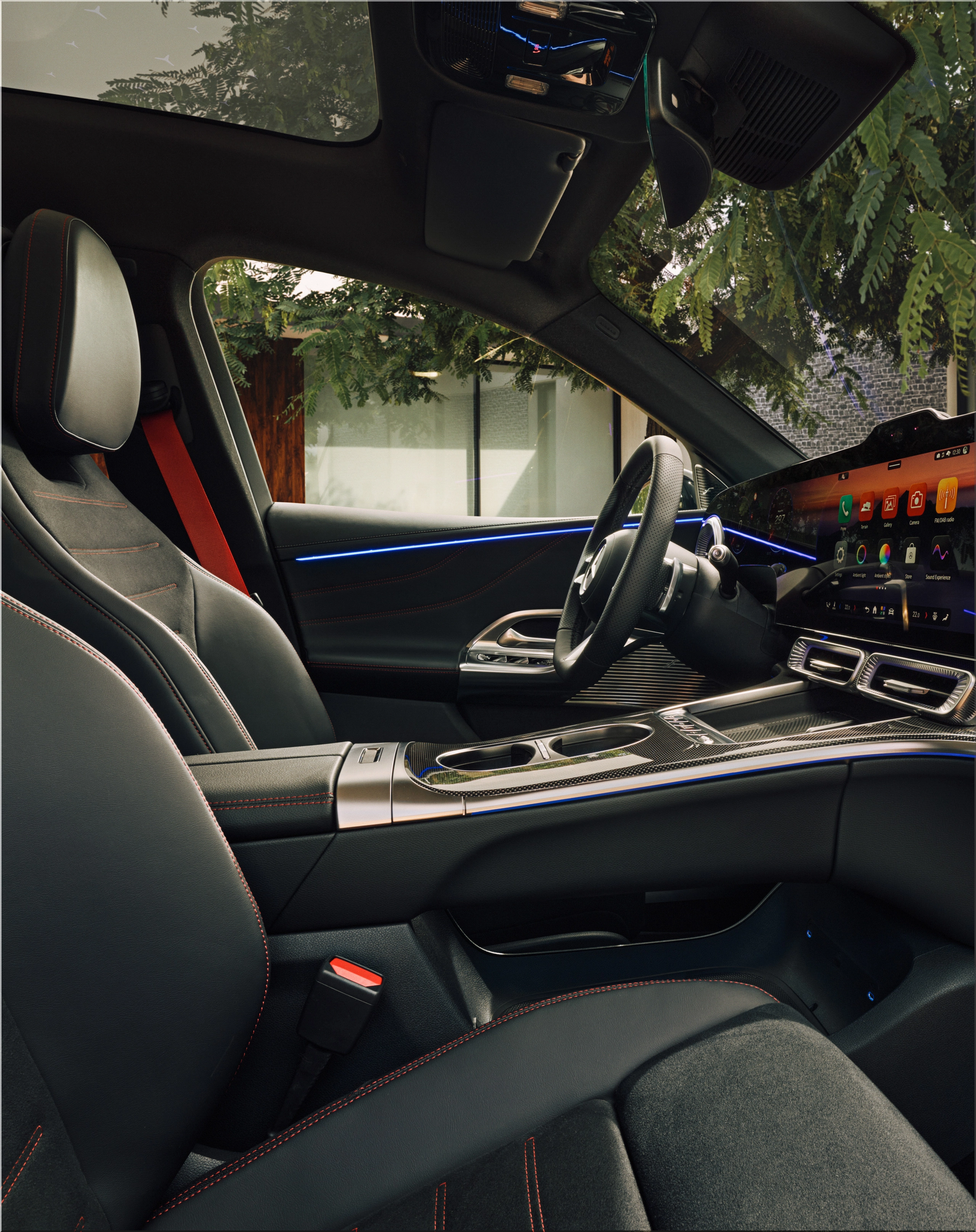
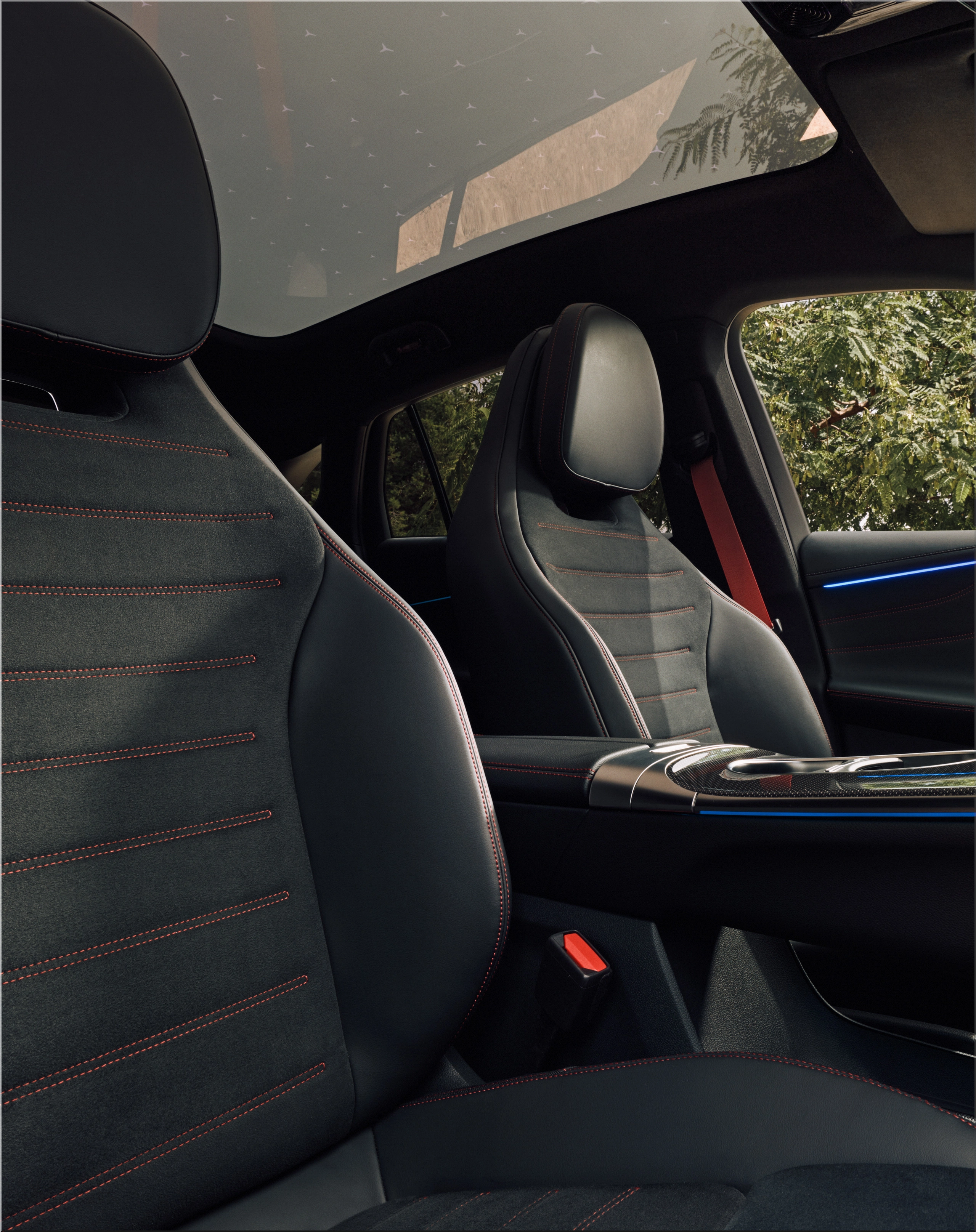
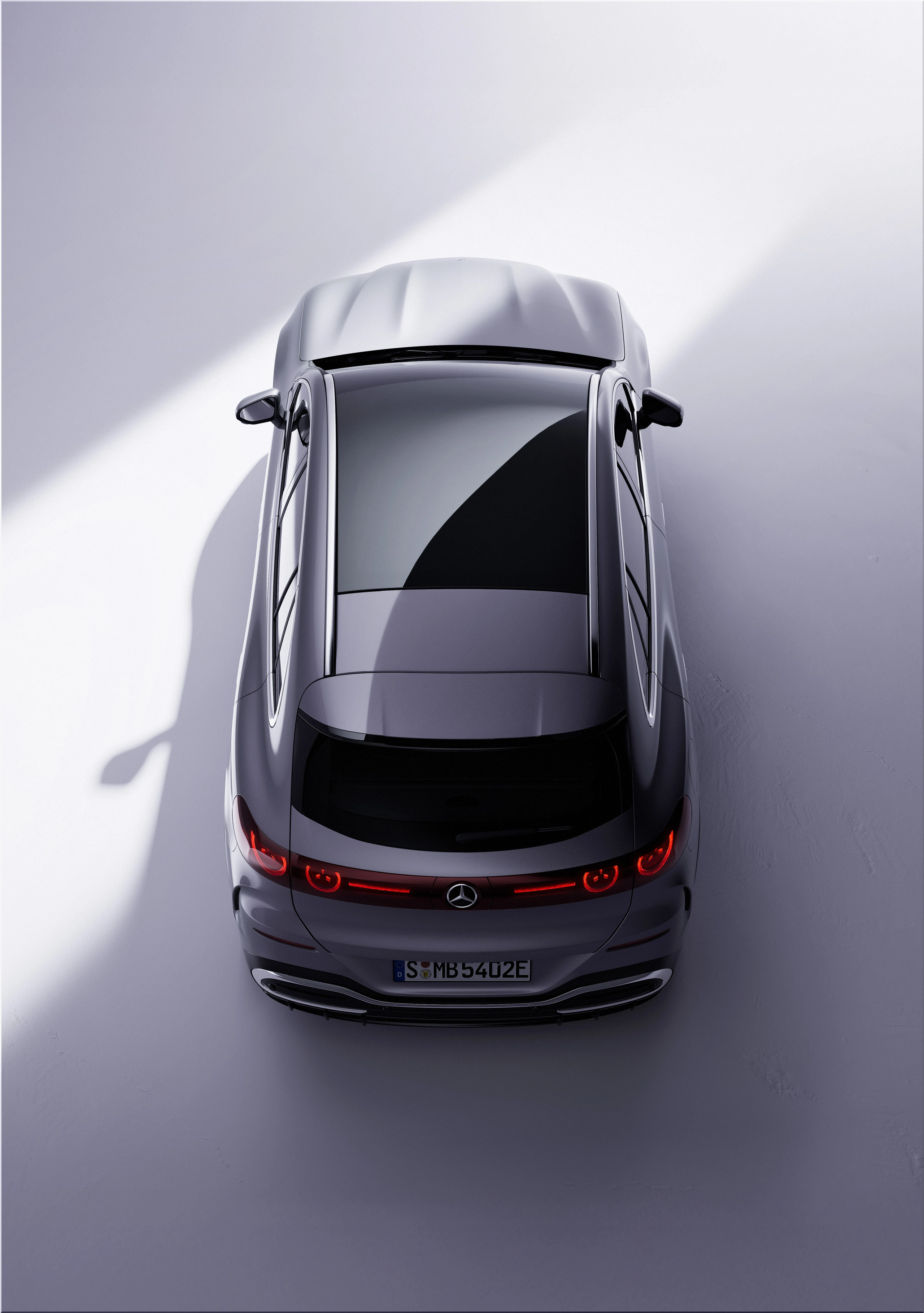
The SKY CONTROL panoramic roof features switchable glass segments, letting drivers control transparency levels at will. Ambient lighting, combined with these effects, produces what Mercedes calls a “digital comfort space.”
Every input — from navigation to climate — responds to voice, touch, or gesture. The system learns from usage patterns, optimizing menus and shortcuts based on driver behavior.
Sustainable Materials and Vegan Options
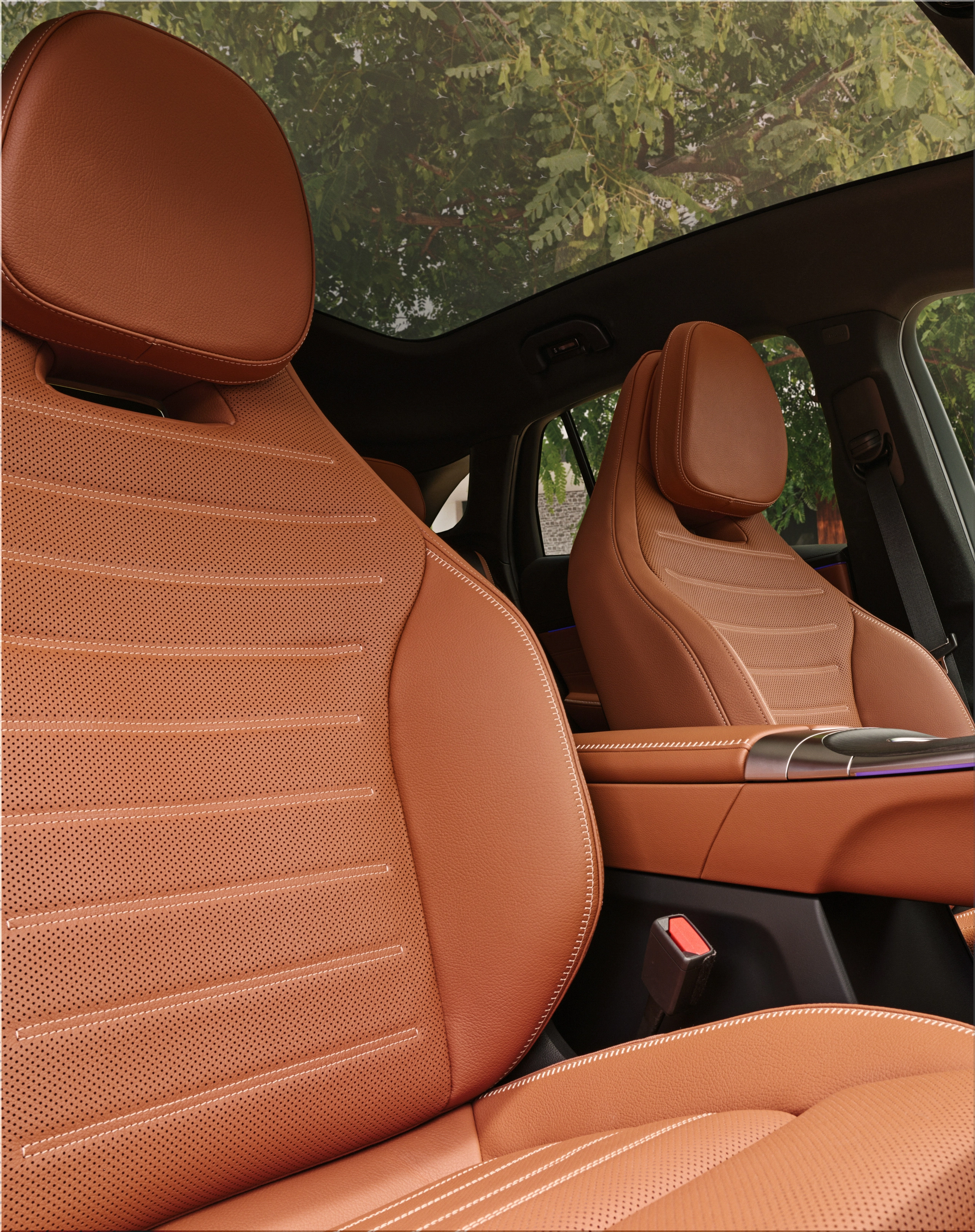
Mercedes-Benz introduces an industry first with its certified Vegan Package, featuring animal-free interior materials verified by The Vegan Society. This marks the company’s push to decouple luxury from traditional materials without sacrificing tactile quality.
The option sits alongside natural fiber composites and sustainably produced textiles, reinforcing the brand’s environmental strategy.
Trim Levels and Packages
Mercedes-Benz simplifies complexity by offering three main equipment packages, each building on the last:
| Package | Key Features |
|---|---|
| Advanced Plus | AVANTGARDE Line, panoramic roof, acoustic glass, digital trim, heated seats, MBUX Superscreen |
| Premium | Adds Burmester 3D sound, Comfort Plus Package, dual wireless charging, Digital Light |
| Premium Plus | Includes MBUX Hyperscreen, 4D Burmester system, massage seats, illuminated roof pattern |
The AMG Line adds 20-inch alloy wheels, chrome accents, and a sportier steering wheel. For more aggressive styling, AMG Line Plus offers 21-inch wheels, black exterior trim, and red MANUFAKTUR seat belts.
Optional Night Package and Sport Seat Package allow further personalization. Buyers can combine performance styling with practical comfort, creating configurations tailored to preference without overlapping trim confusion.
Mercedes-Benz Strategy: Electric Parity and Brand Identity
Mercedes-Benz executives made the intent clear. According to Mathias Geisen, Head of Sales and Marketing, the goal is to “make electric mobility accessible” while maintaining price parity with combustion models.
That’s a bold commitment. The company’s EV rollout is accelerating, with four more electric models scheduled by 2026 — two of them arriving later that year.
The electric GLC anchors this strategy as the bridge between traditional buyers and early EV adopters, proving the transition doesn’t require sacrifice.
Industry Context and Market Impact
The GLC remains Mercedes-Benz’s top global seller, and electrifying it signals how serious the company is about its transformation goals. In 2024, Mercedes-Benz sold 2.4 million passenger cars and vans, and the GLC accounted for a major share of that volume.
By producing the electric GLC on an electric-only architecture, Mercedes improves packaging efficiency, reduces drivetrain complexity, and enhances performance per kilowatt-hour.
The pricing approach — EV at combustion parity — could pressure rivals like BMW’s iX3, Audi Q6 e-tron, and Tesla Model Y Long Range, all of which operate in similar price bands.


Verdict: Familiar Luxury, New Foundation
The Mercedes-Benz GLC 400 4MATIC doesn’t chase hype. It focuses on what customers actually value: range, space, speed, and usability. The 715-kilometer range and 800V charging push it into the top tier of electric SUVs, while its pricing strategy challenges the assumption that luxury EVs must cost more.
With production-ready technology, competitive pricing, and real-world range, the electric GLC represents Mercedes-Benz at its most pragmatic — design-driven, customer-led, and future-focused.
Xiaomi is scaling up its electric vehicle ambitions with the all-new Xiaomi YU7 SUV. The fast-growing Chinese tech giant moves deeper into the EV market, directly targeting Tesla’s Model Y, the world’s best-selling… Continue reading
The Mercedes-Benz GLC with EQ Technology now makes more sense for buyers who wanted the electric SUV but did not need the full-power GLC 400 4MATIC. Mercedes-Benz has opened orders for new GLC 250 and GLC 300 4MATIC… Continue reading
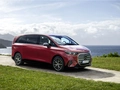
The Mercedes-Benz VLE 300 turns the premium electric van into a serious long-distance family and shuttle tool. It pairs a 115 kWh usable battery, 800-volt charging, up to 443 miles of WLTP range, and a flexible five-to-eight-seat cabin with… Continue reading
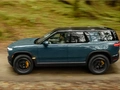
Rivian finally put hard numbers behind the Rivian R2 electric SUV. That matters because the R2 has carried one big promise since its debut: deliver Rivian design, software, and utility at a far lower price than the R1S and R1T. Now buyers… Continue reading