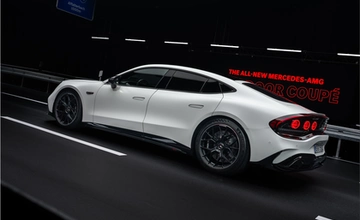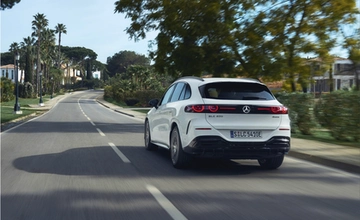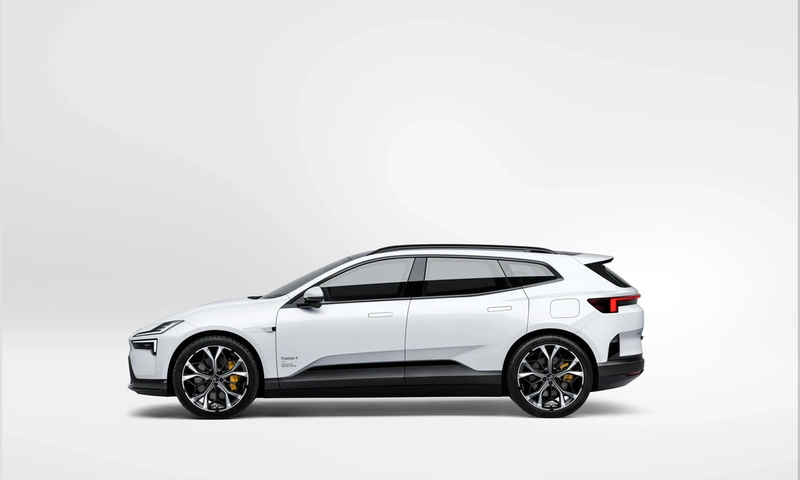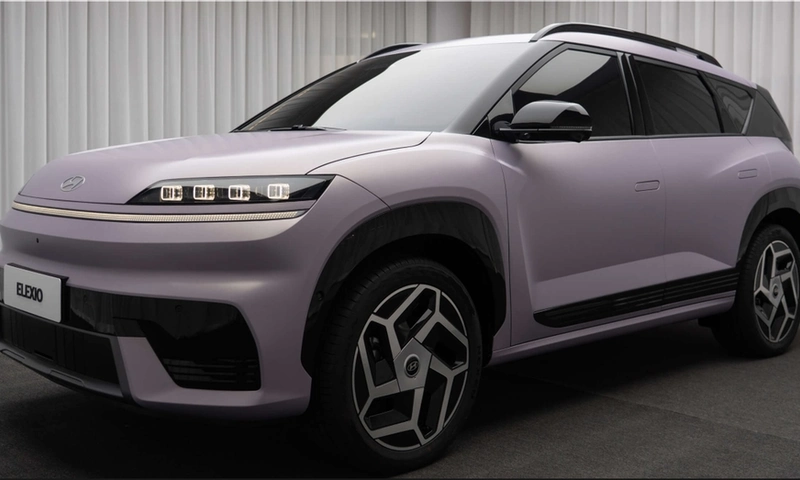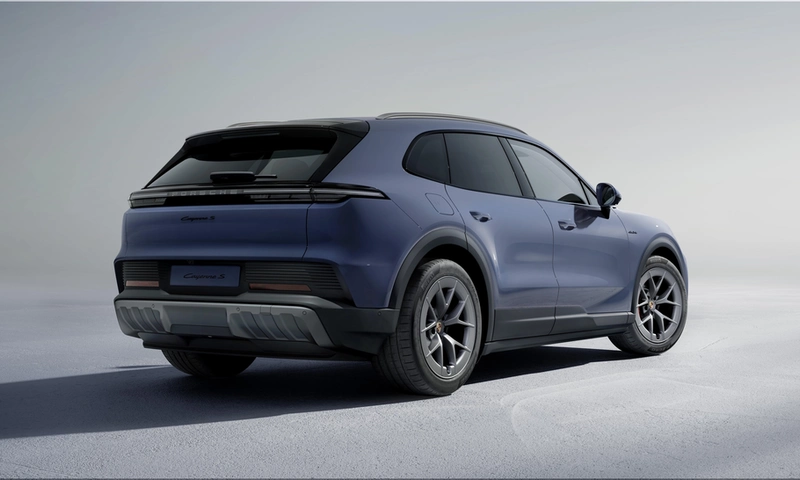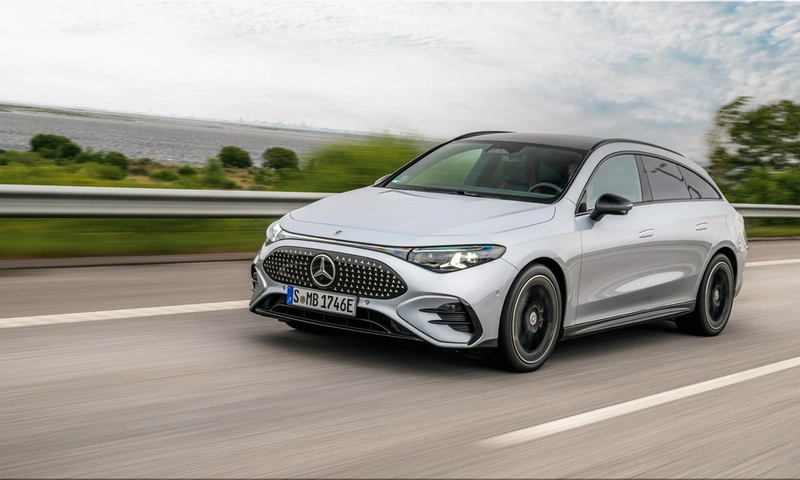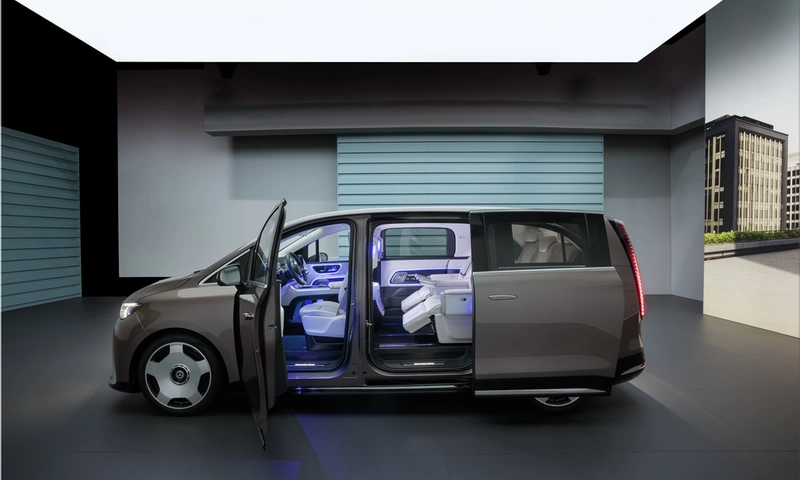
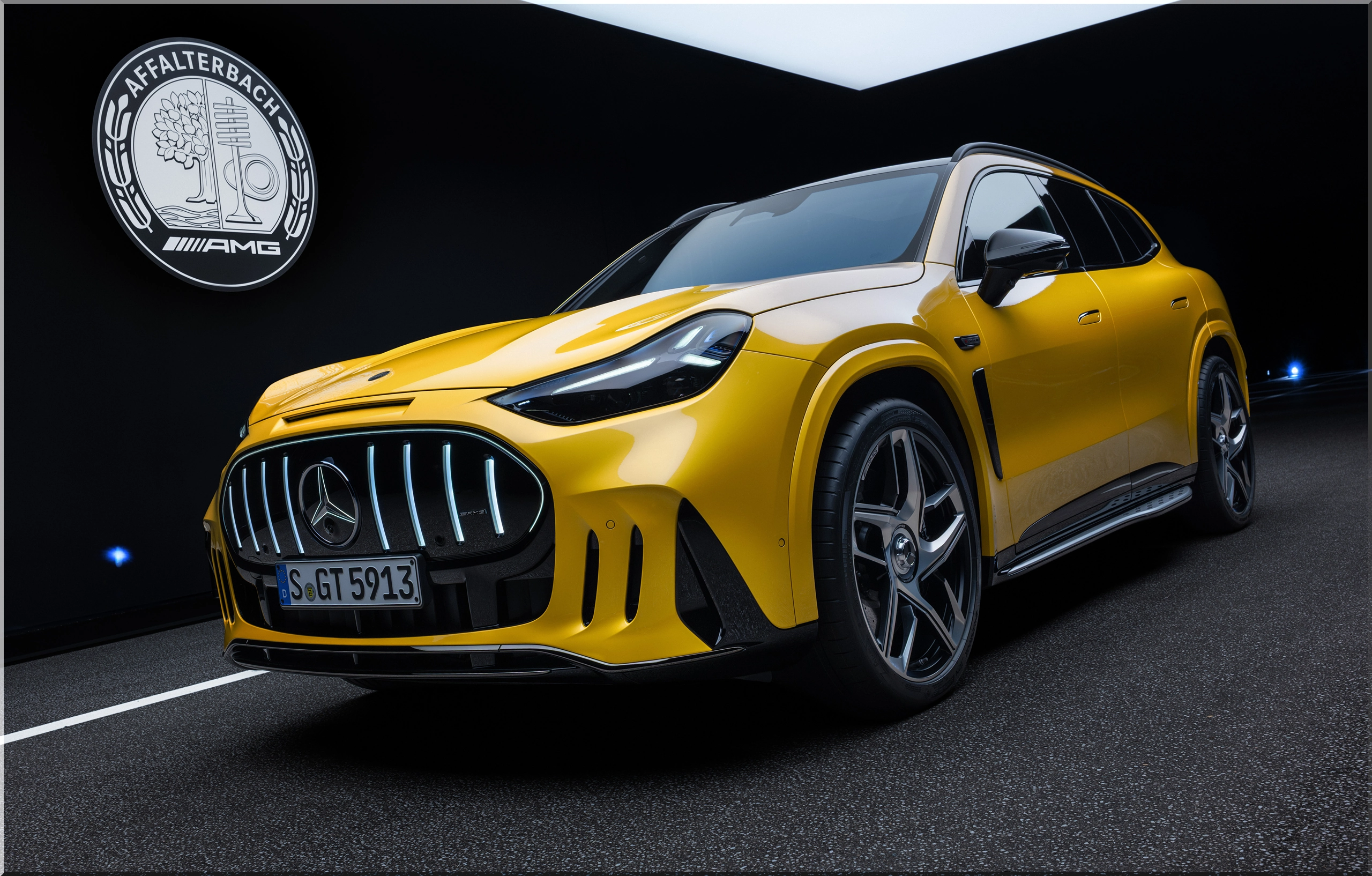
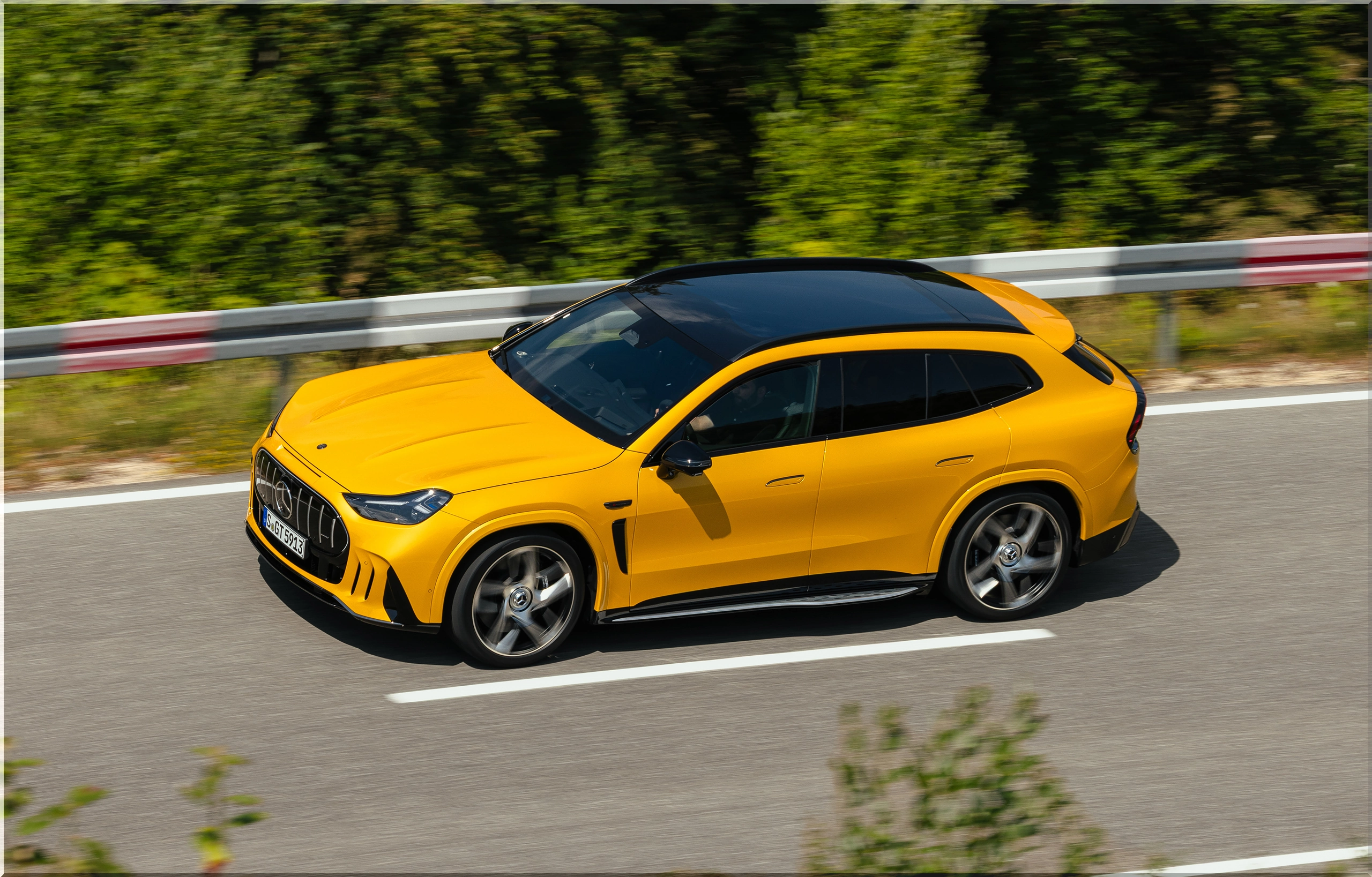
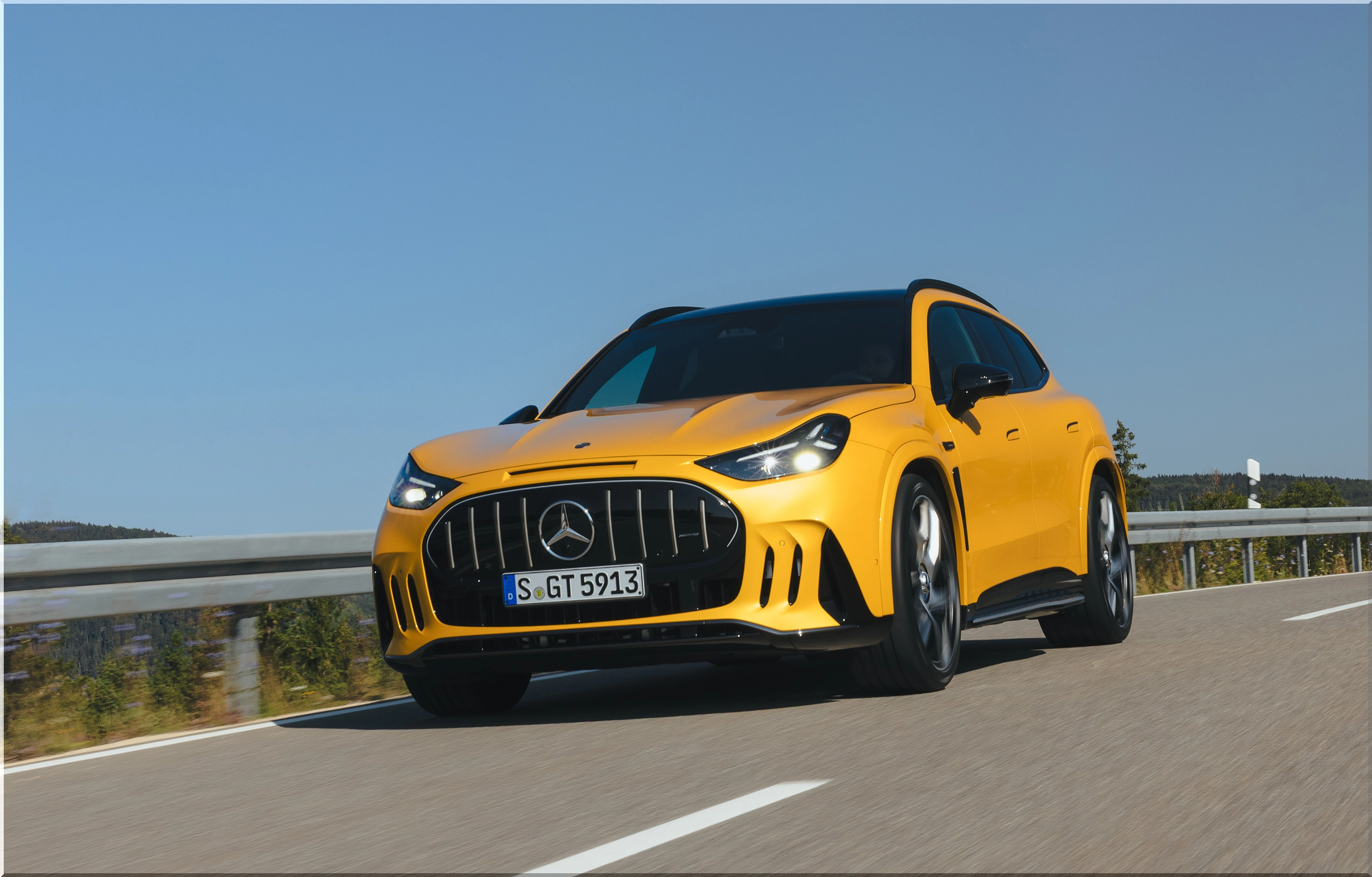
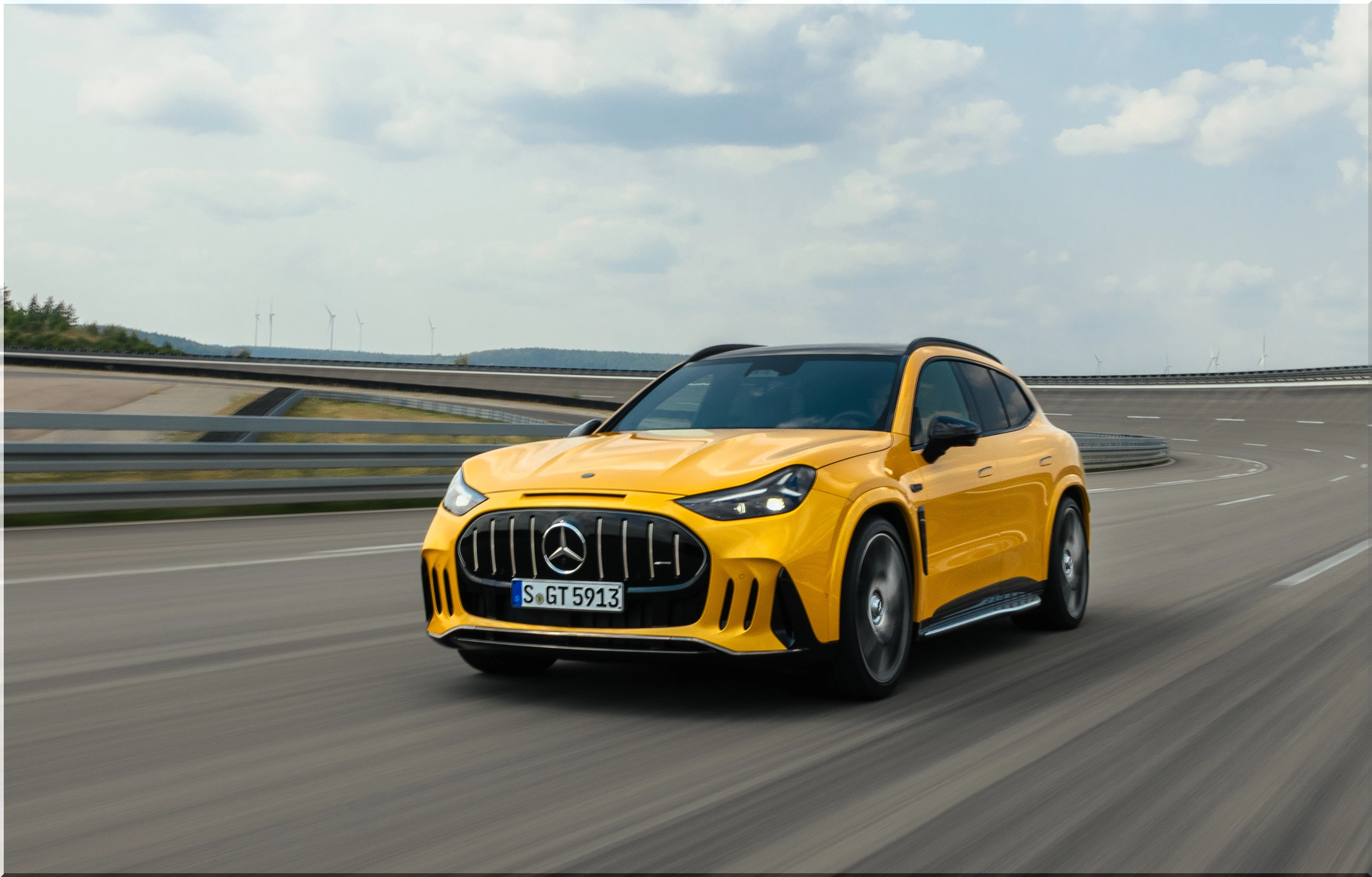
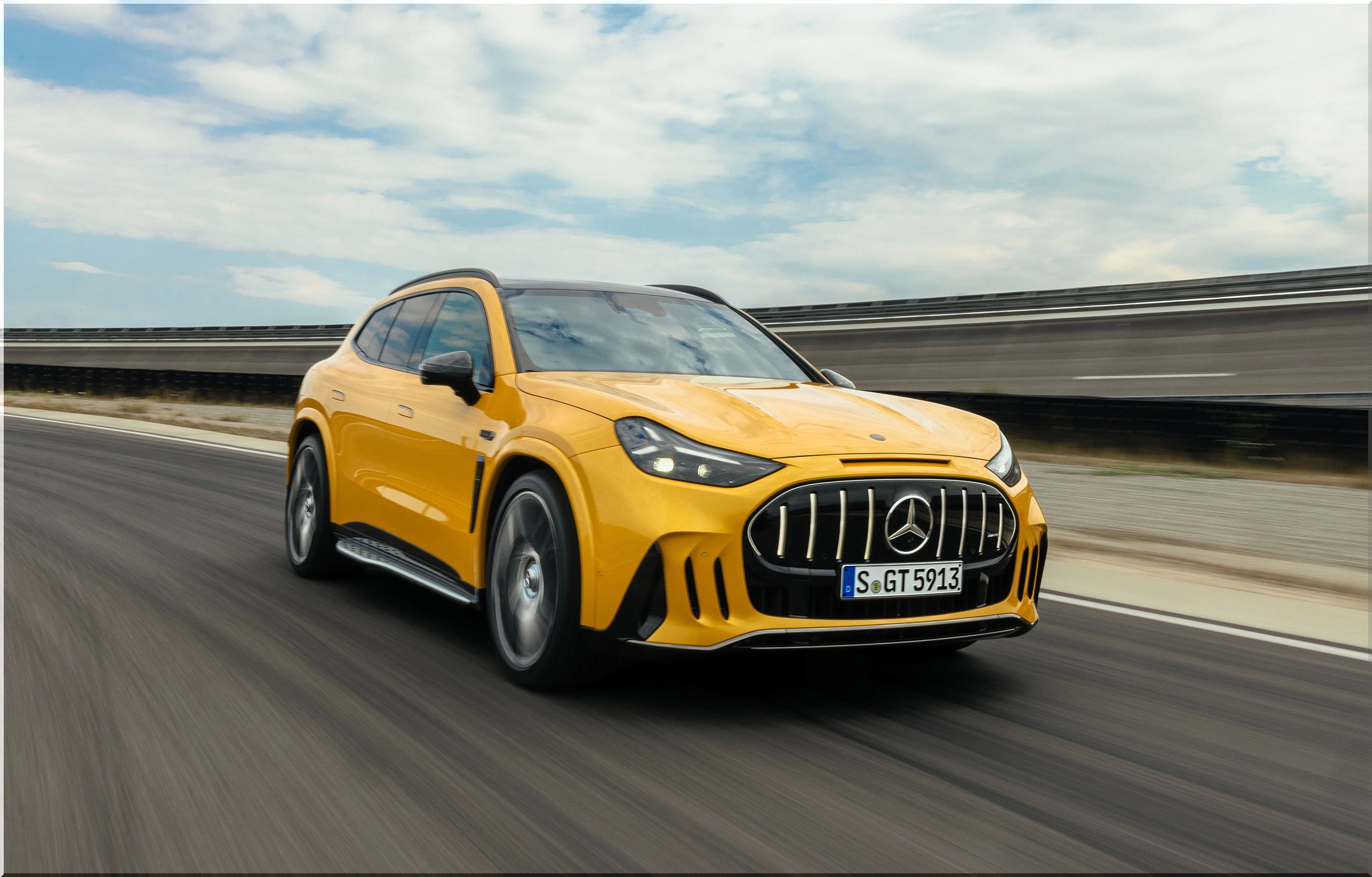
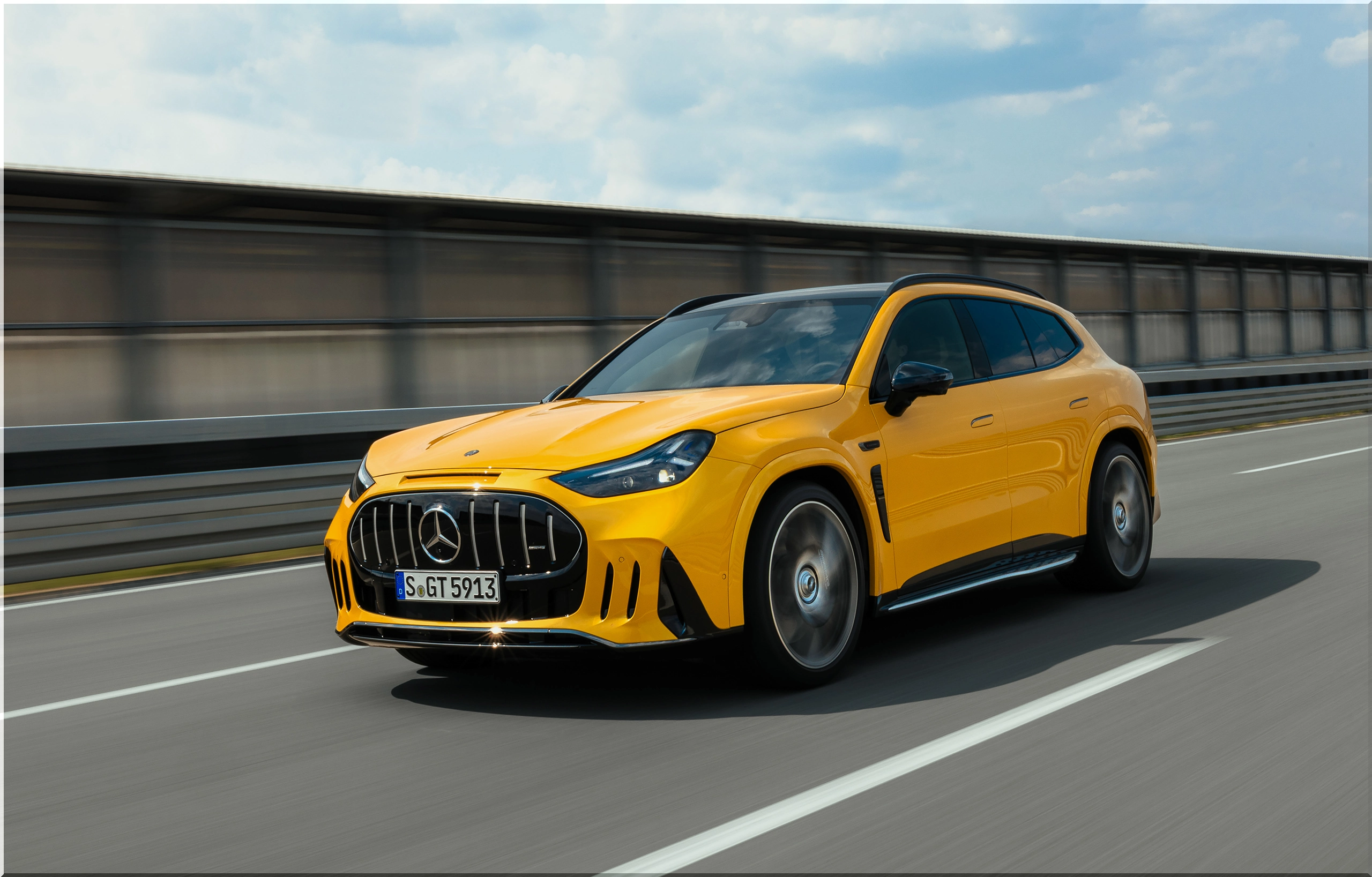
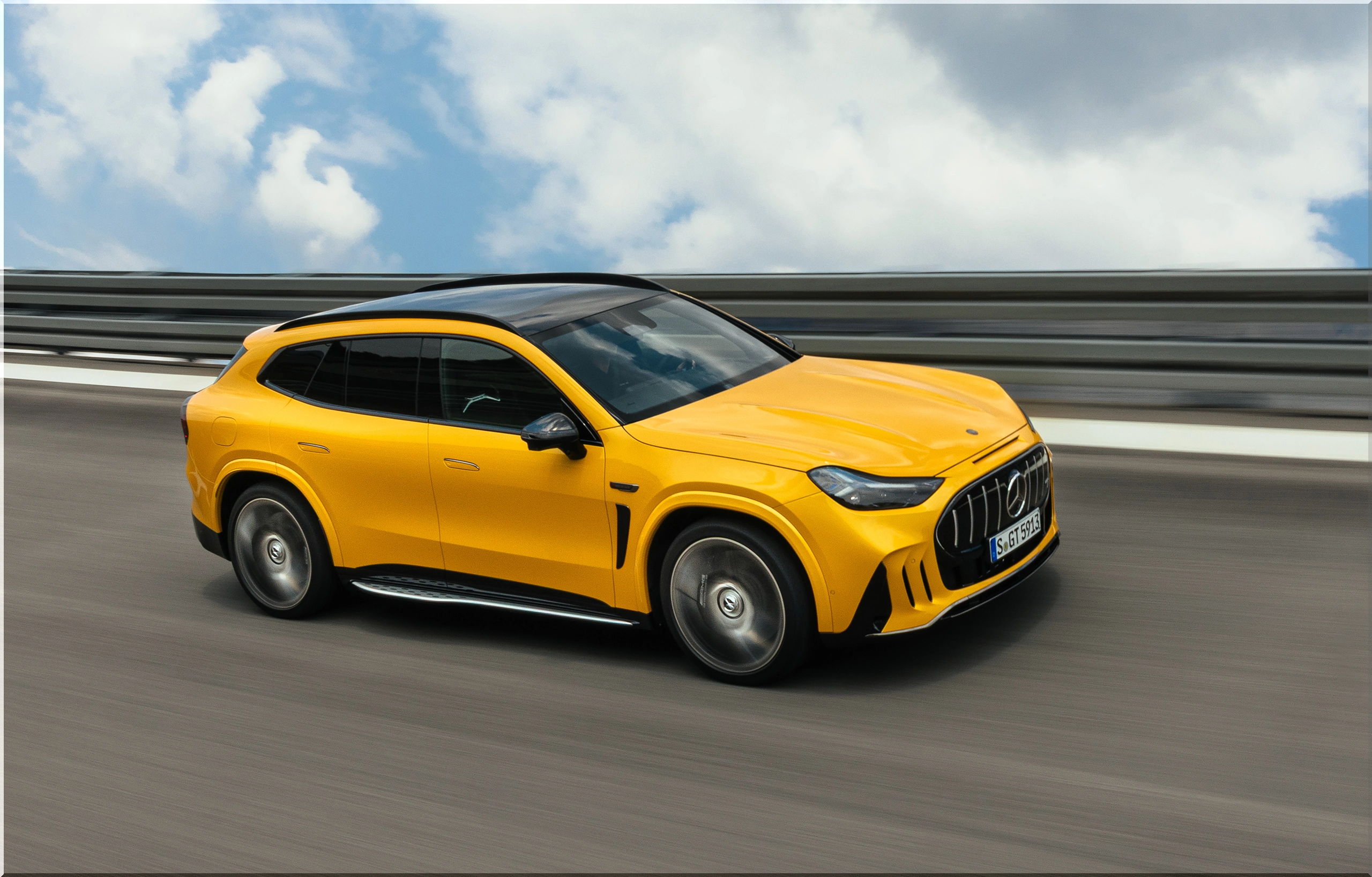
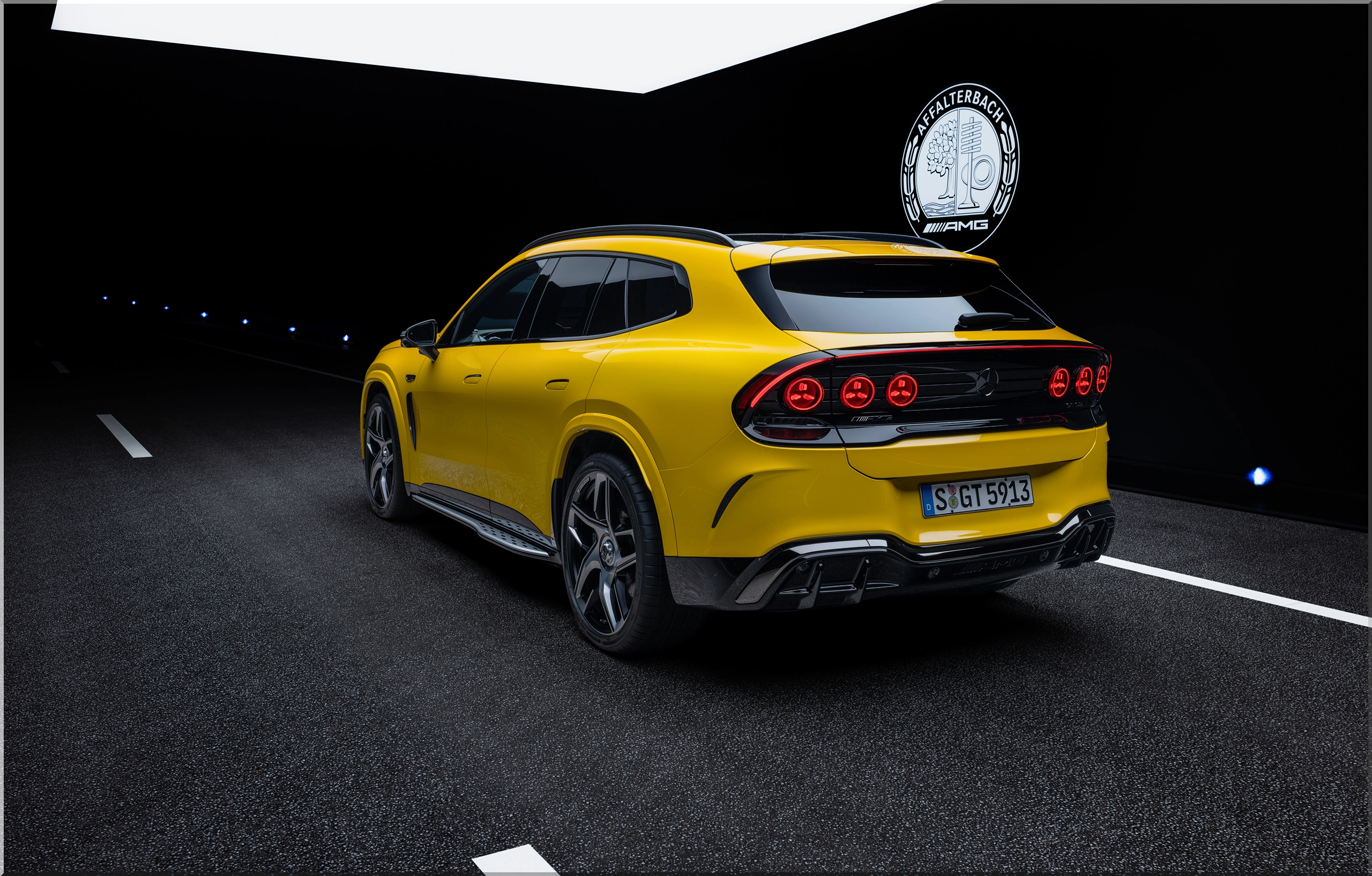
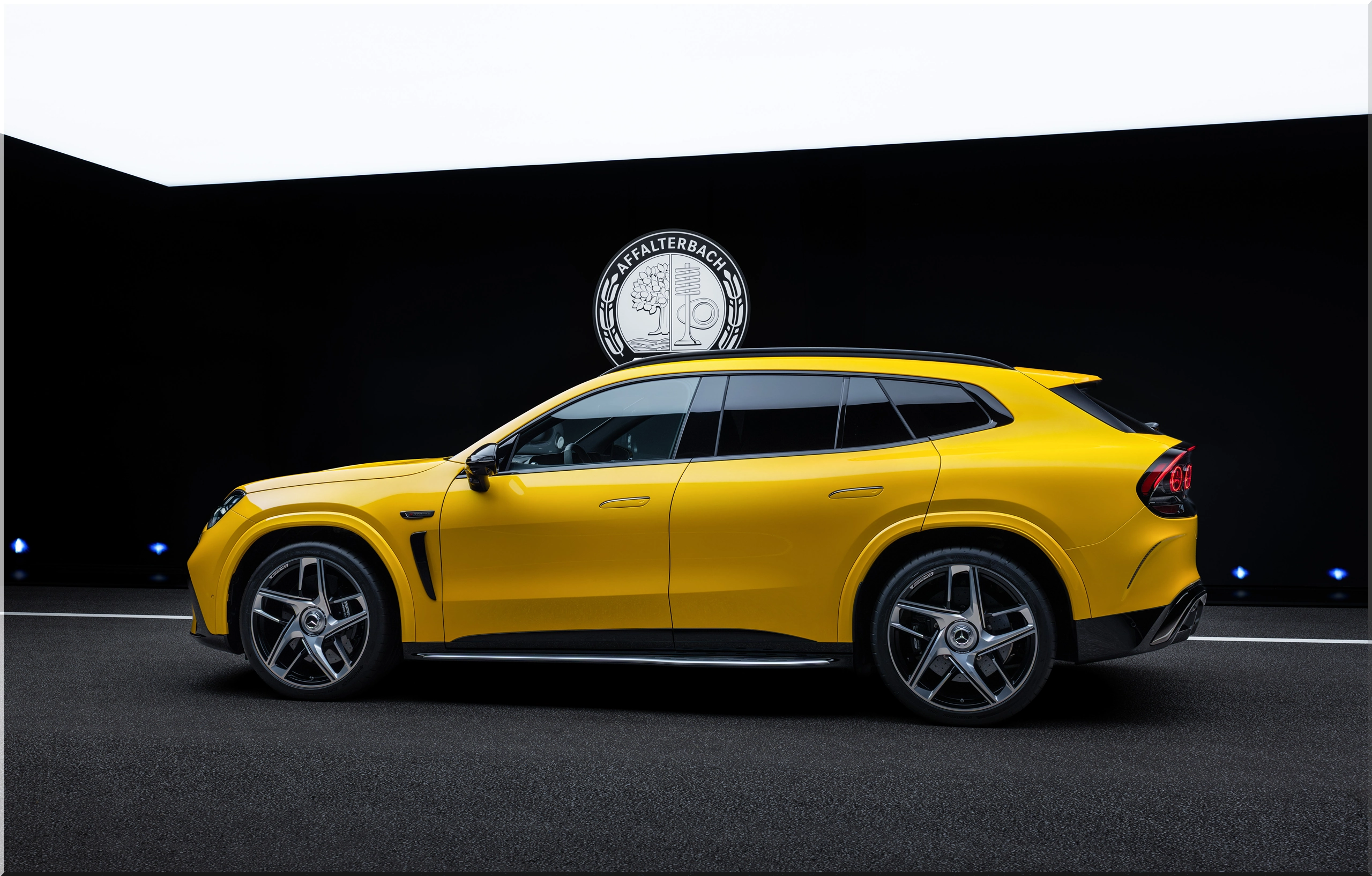
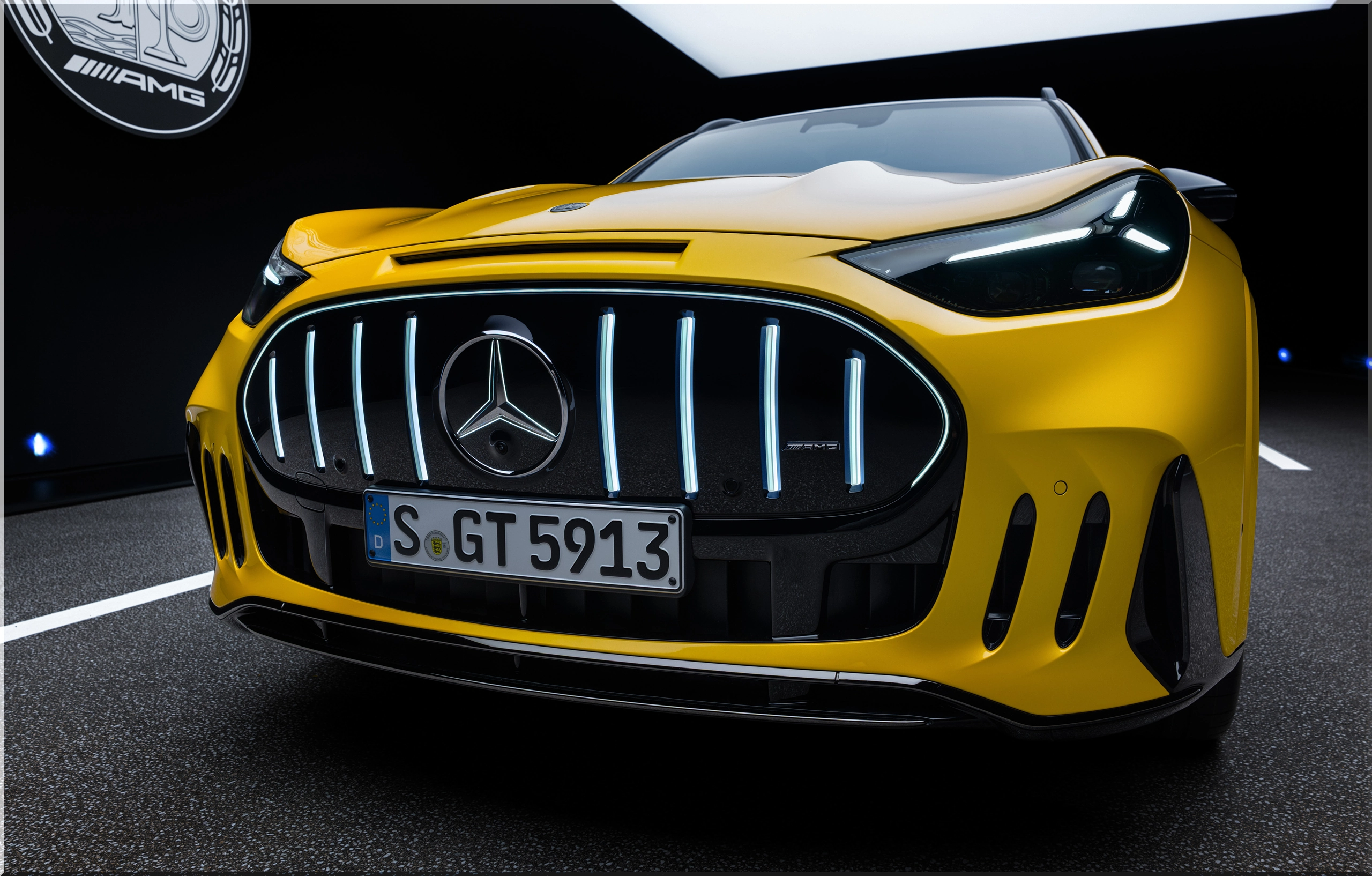
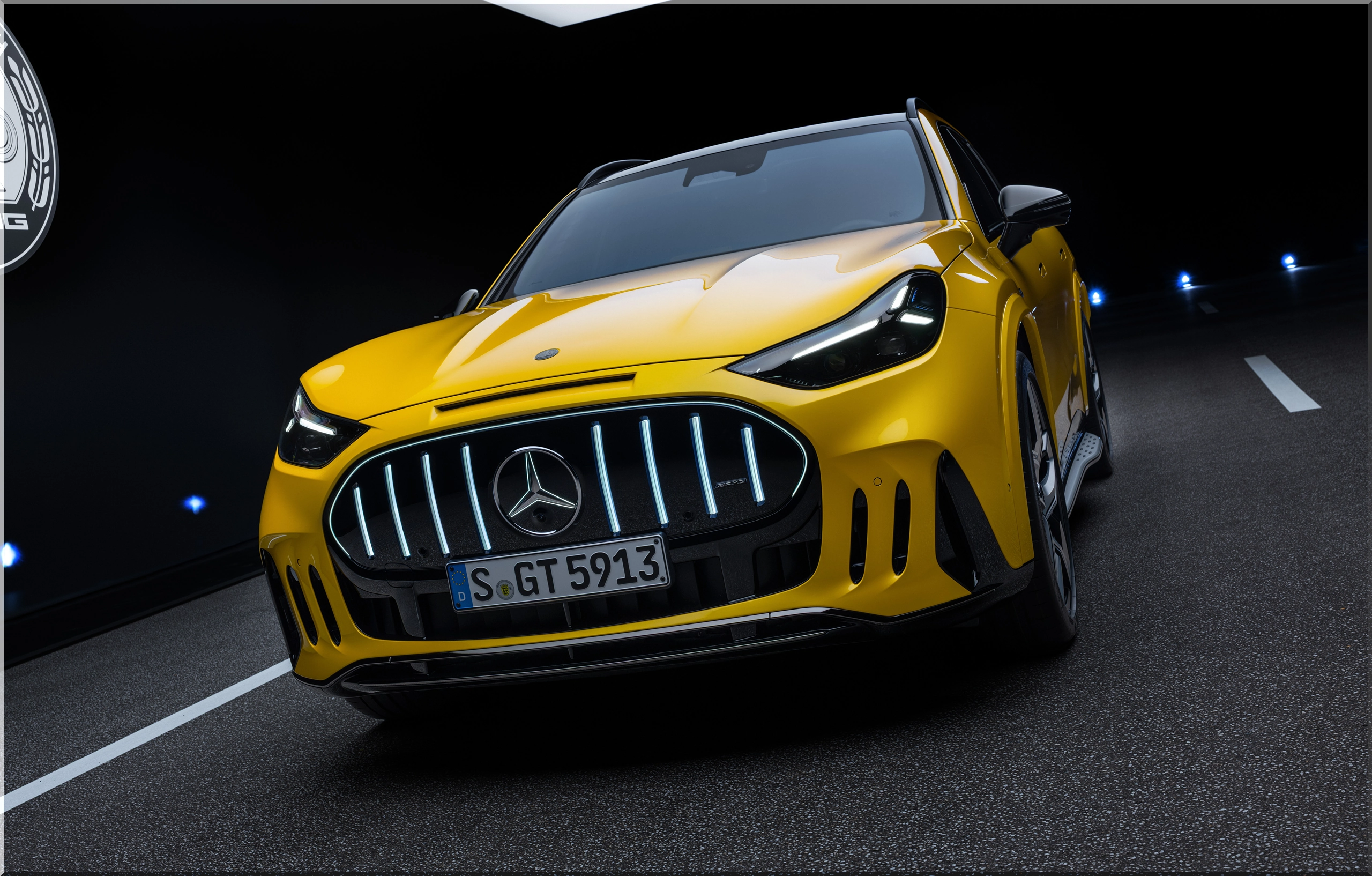
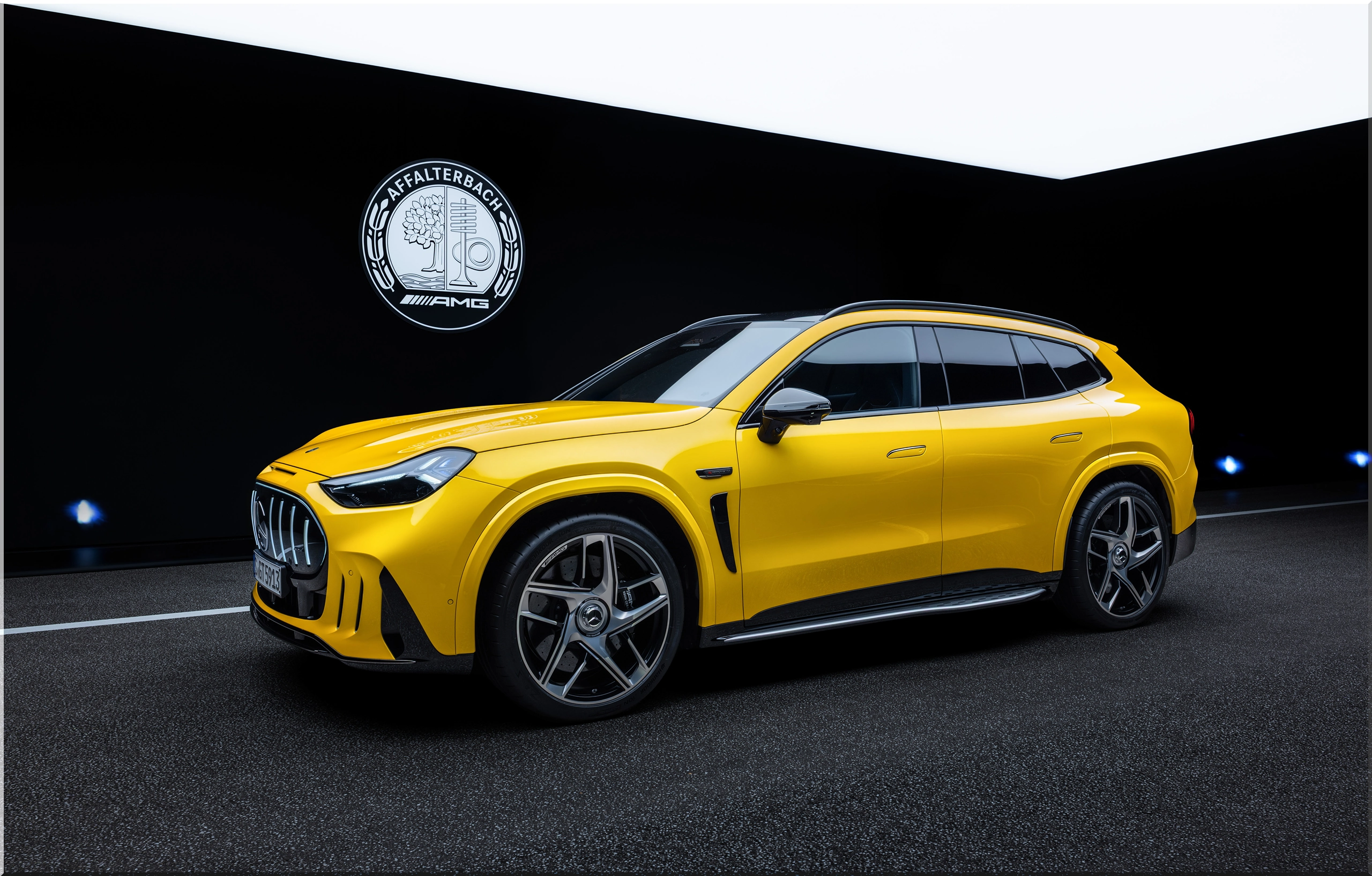
The 2028 Mercedes-AMG GT SUV combines up to 1,153 hp with an 800-volt architecture, two battery sizes and a claimed 12-minute charging stop for its larger pack. AMG developed this five-seat electric SUV in-house. US prices and EPA ratings remain pending, so buyers still lack key ownership data.
Image
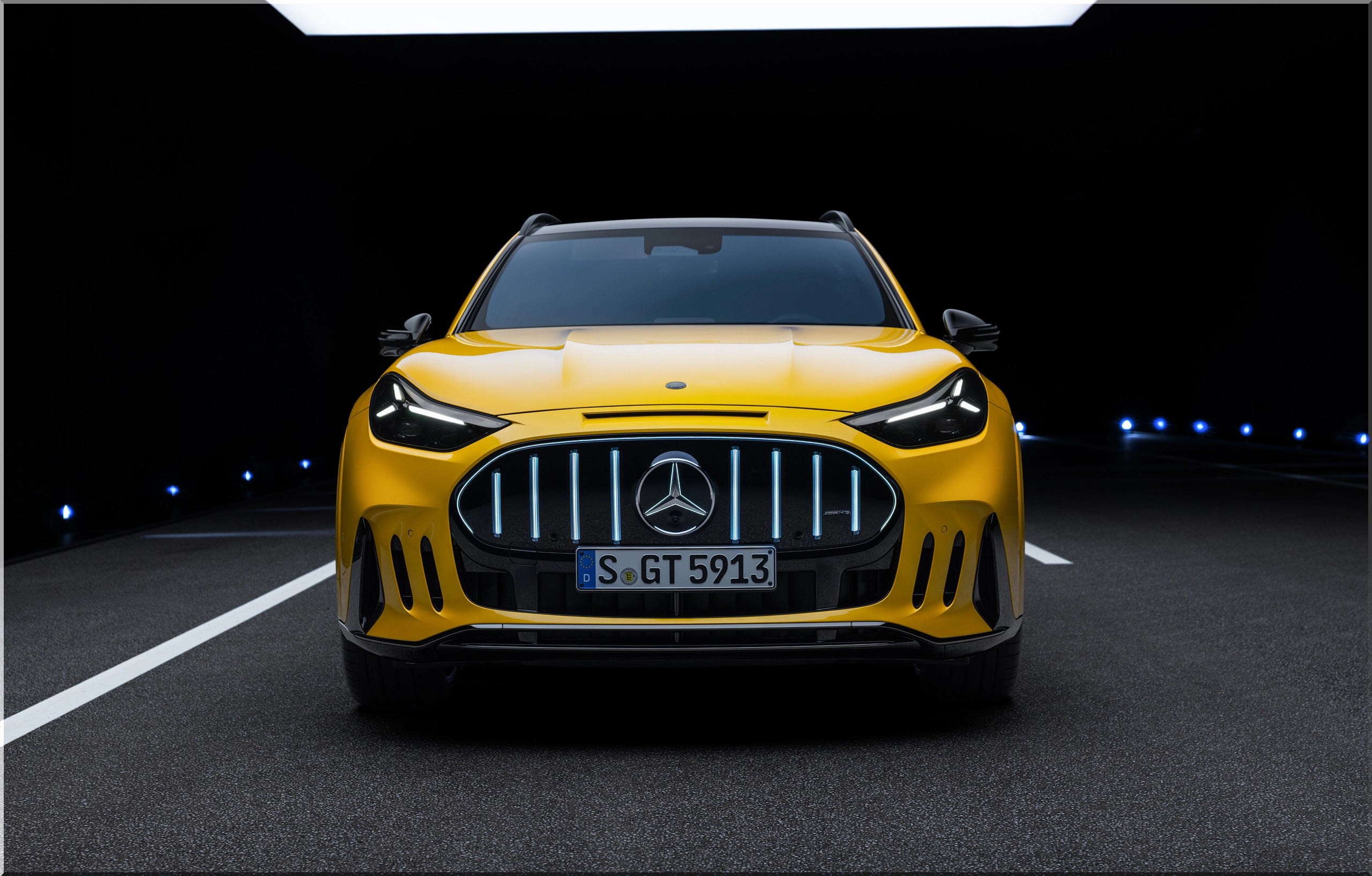
Which Mercedes-AMG GT SUV trim makes sense?
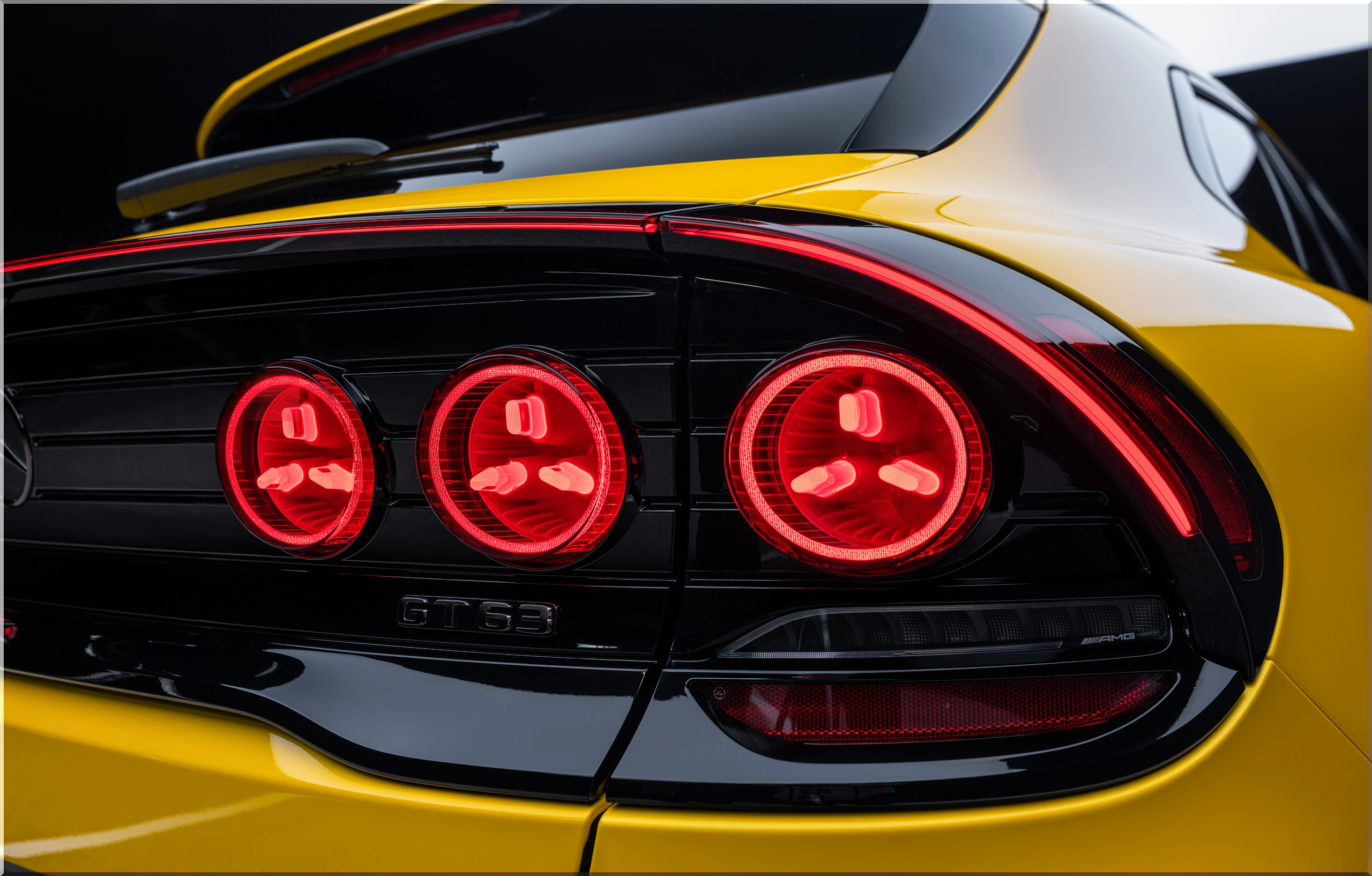
The GT 53 uses two synchronous motors and a two-speed rear transmission. The GT 55 and GT 63 use three axial-flux motors, including separate rear motors for wheel-specific torque control. That layout helps rotate the SUV through corners by varying rear-wheel thrust.
Video gallery
Video title
2028 Mercedes-AMG GT SUV
| Preliminary specification | GT 53 | GT 55 | GT 63 |
|---|---|---|---|
| Peak output, US hp | 536 | 805 | 1,153 |
| Continuous output, US hp | 362 | 711 | 711 |
| Peak torque | 590 lb-ft | 1,372 lb-ft | 1,475 lb-ft |
| Usable battery shown | 106 kWh | 128 kWh | 128 kWh |
| Peak DC charging | 600 kW | 710 kW | 710 kW |
| 0-62 mph, no rollout | 4.2 seconds | 3.1 seconds | 2.7 seconds |
Mercedes also lists 106-kWh configurations for the GT 55 and GT 63. Acceleration figures represent manufacturer estimates, excluding rollout.
My take: Start with the GT 55's quote. Its 711-hp continuous rating matches the GT 63's, so extra peak output alone makes a weak value argument.
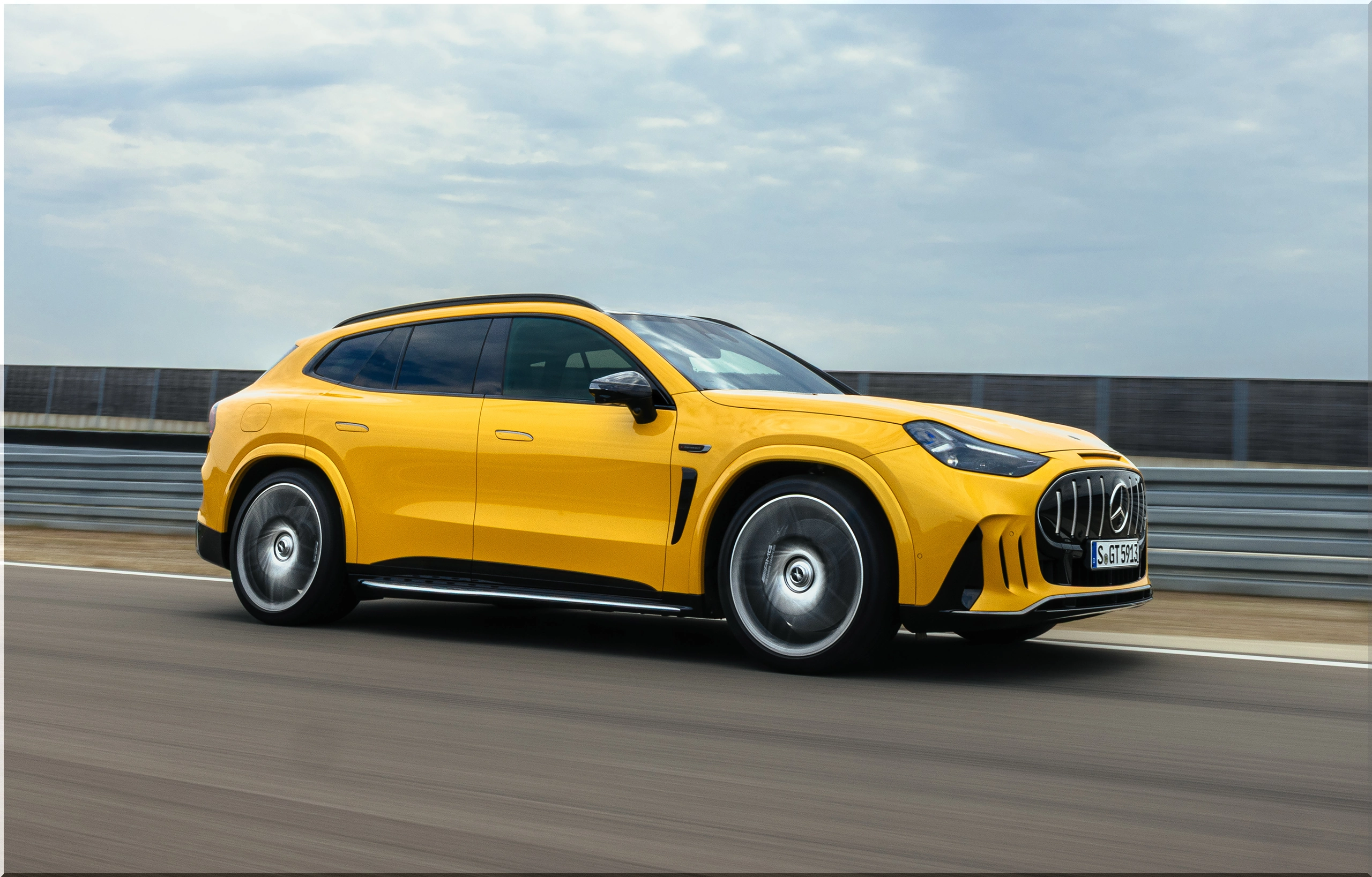
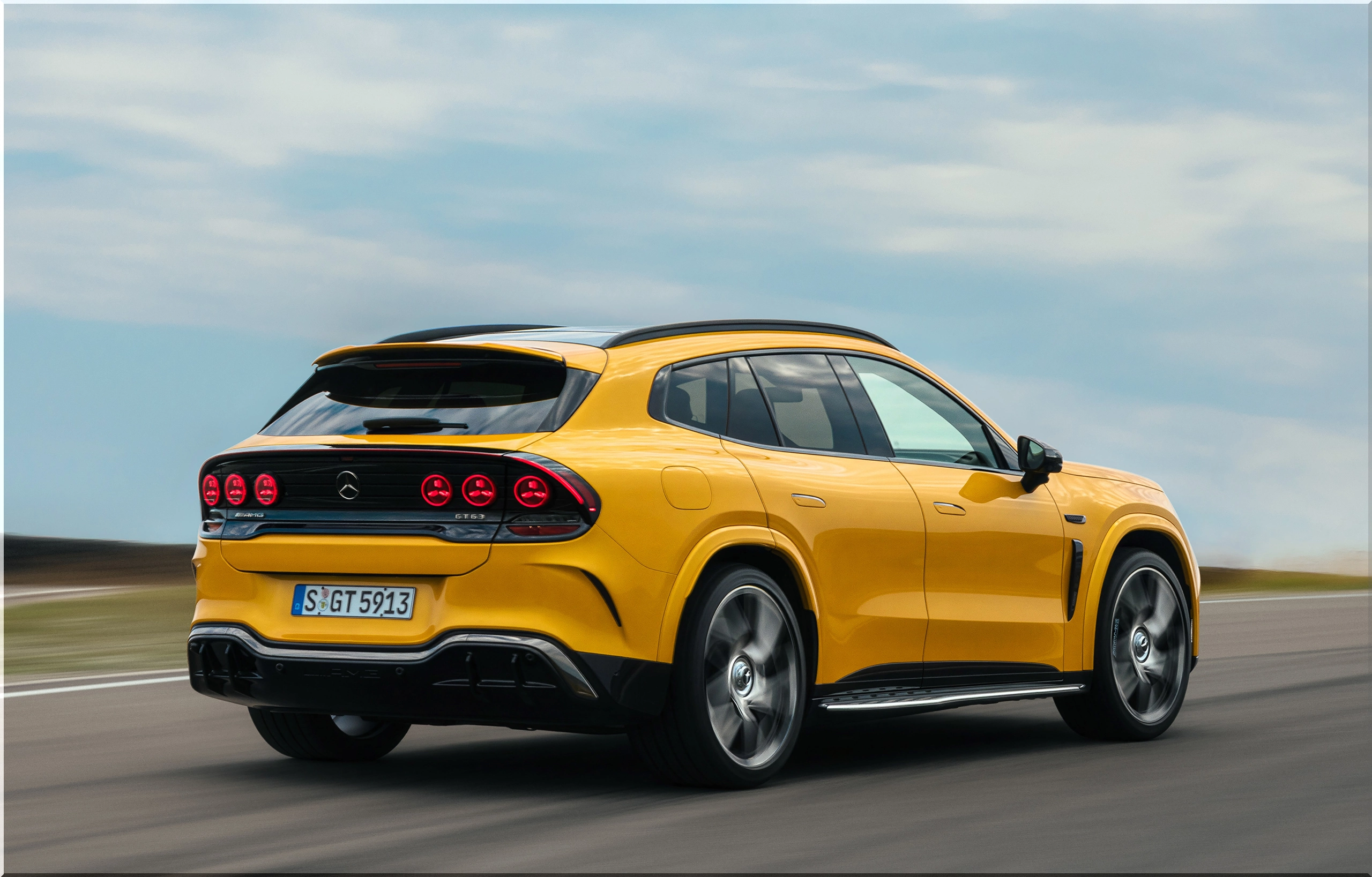
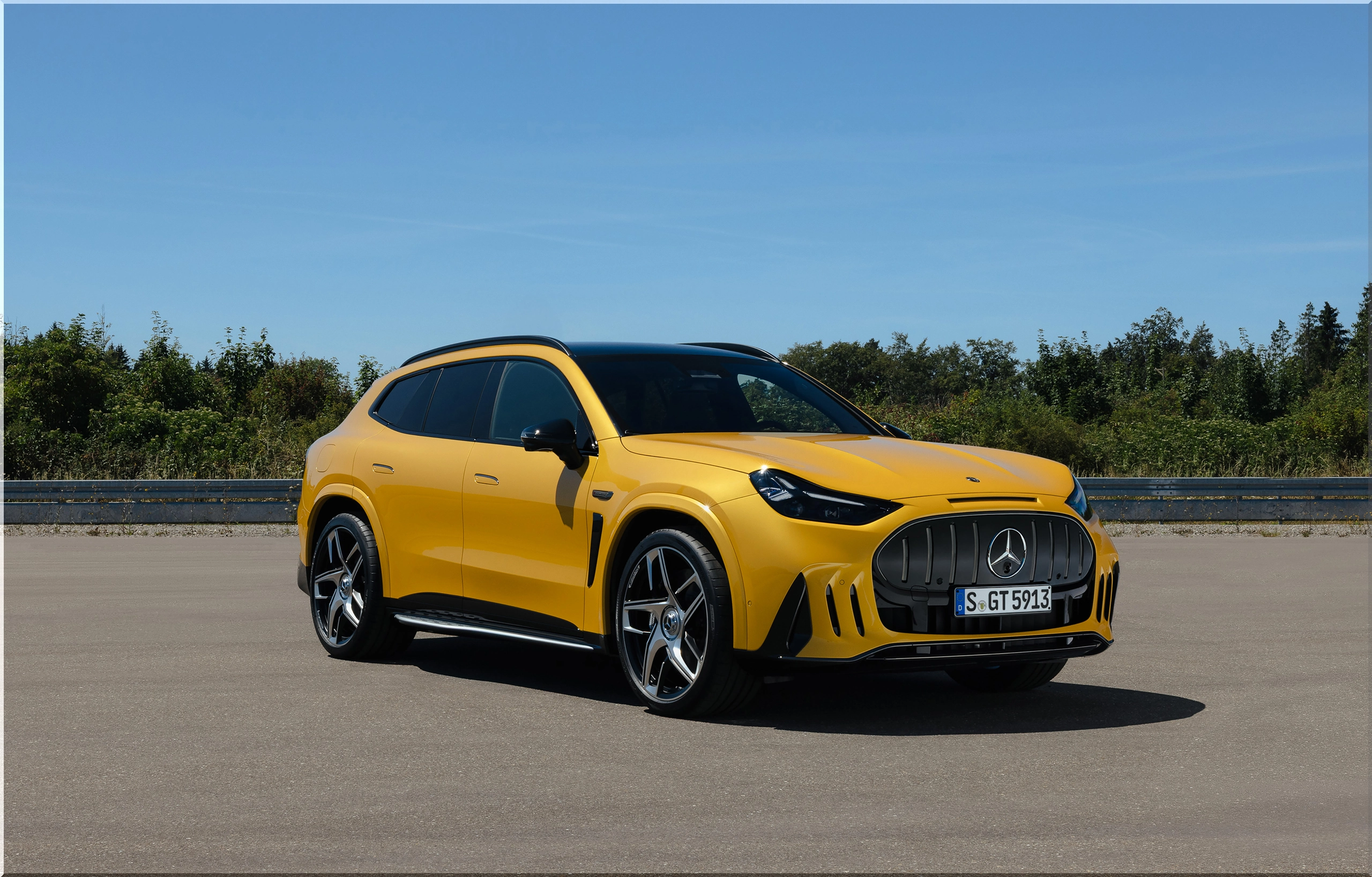
Can you actually charge at 710 kW?
Mercedes claims 10-80% charging in 12 minutes with the 128-kWh battery and suitable equipment. At a 400-kW station, its estimate increases to 16 minutes. The larger pack offers up to 435 miles of WLTP range; that European rating does not establish US freeway or winter range.
Direct cooling circulates electrically insulating oil around individual cells, helping the battery sustain repeated acceleration and fast charging. Each cell measures 4.13 inches (105 mm) tall and 1.02 inches (26 mm) across, shortening the heat path from its core to its surface.
For a cost example, adding 90 kWh costs $18 at $0.20/kWh or $54 at $0.60/kWh, before charging losses. Those assumed rates illustrate why routine Level 2 charging deserves attention alongside peak DC speed.
Image gallery:
Does the SUV's size pay off in daily use?
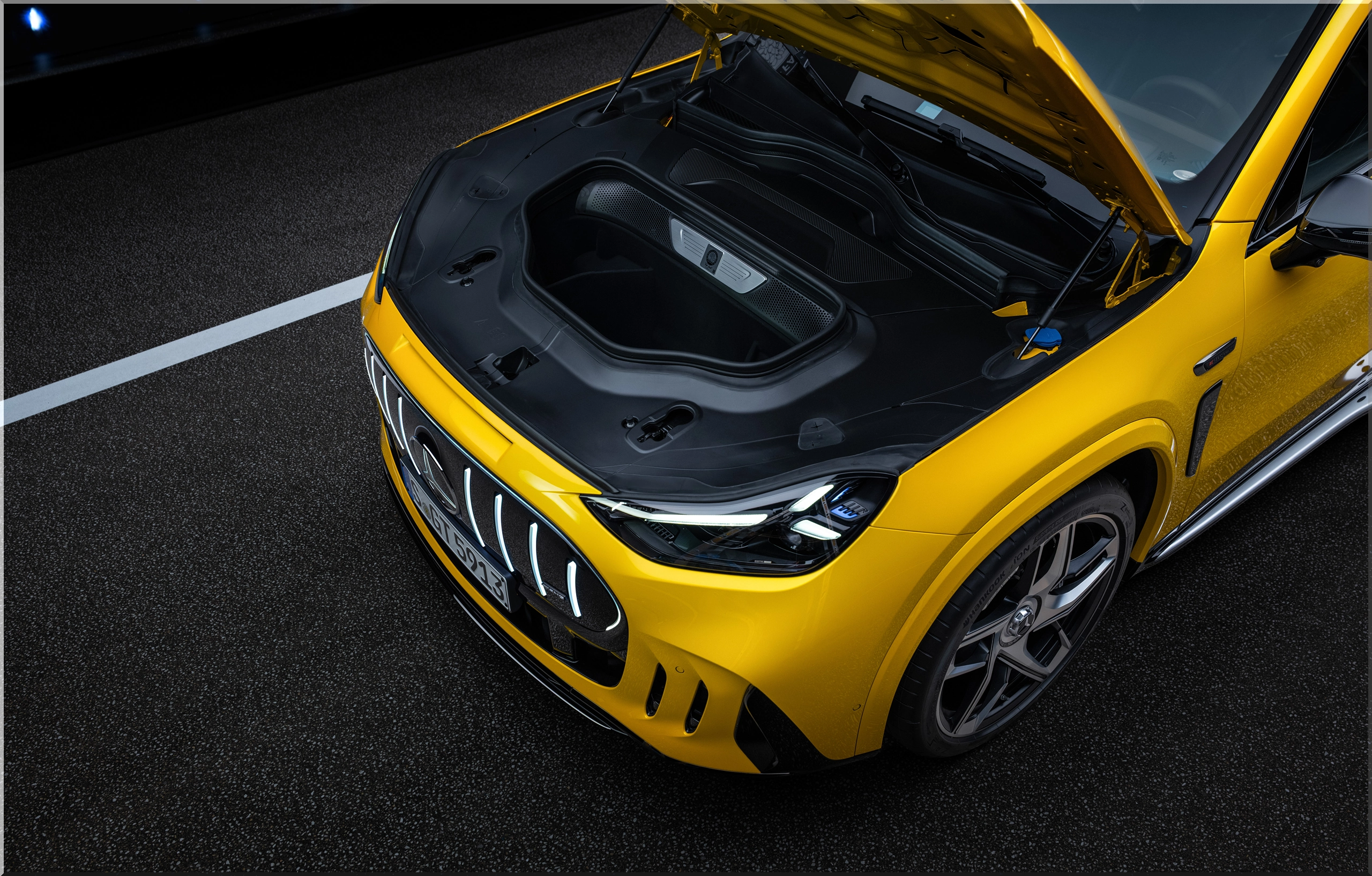
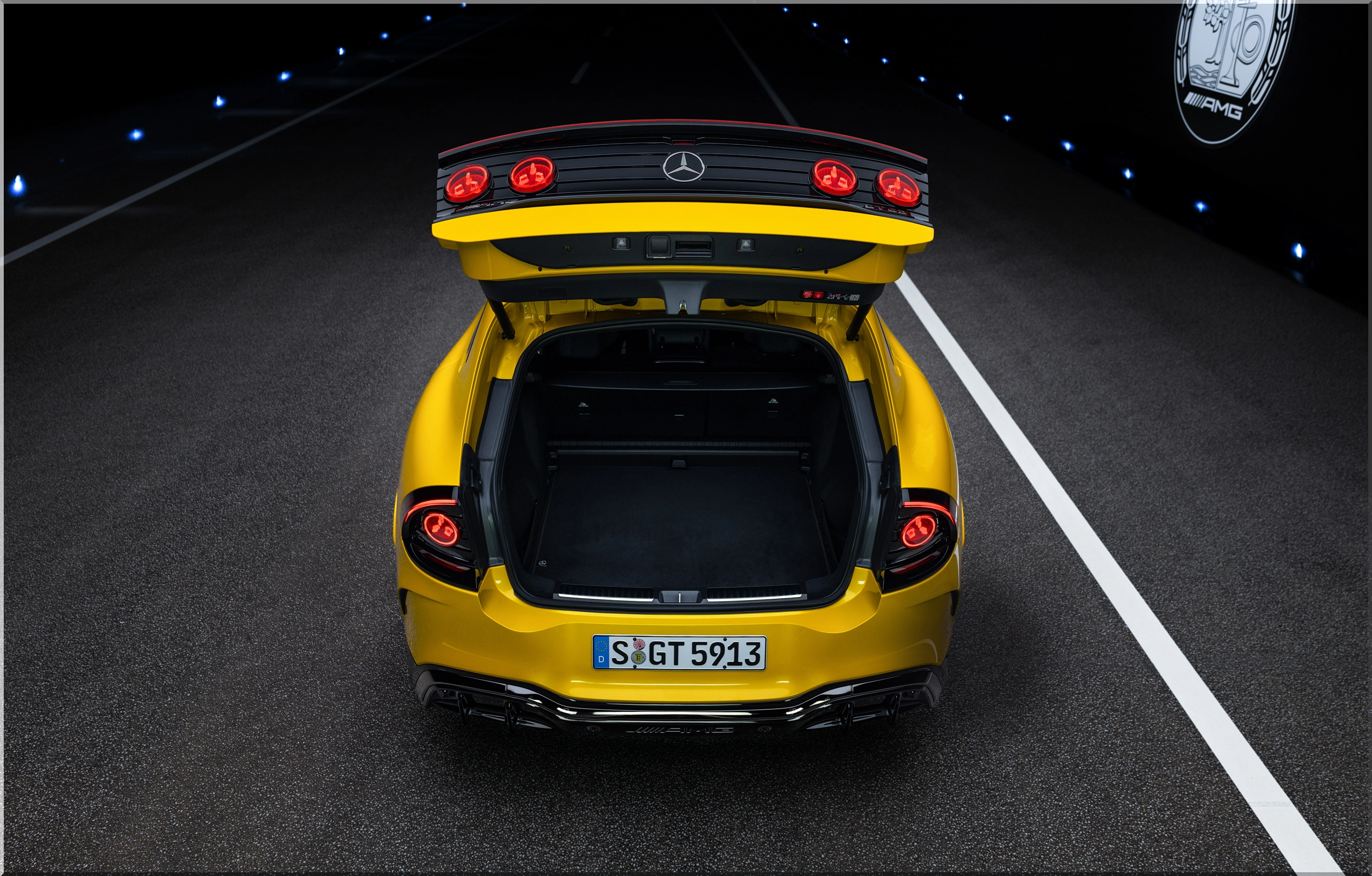
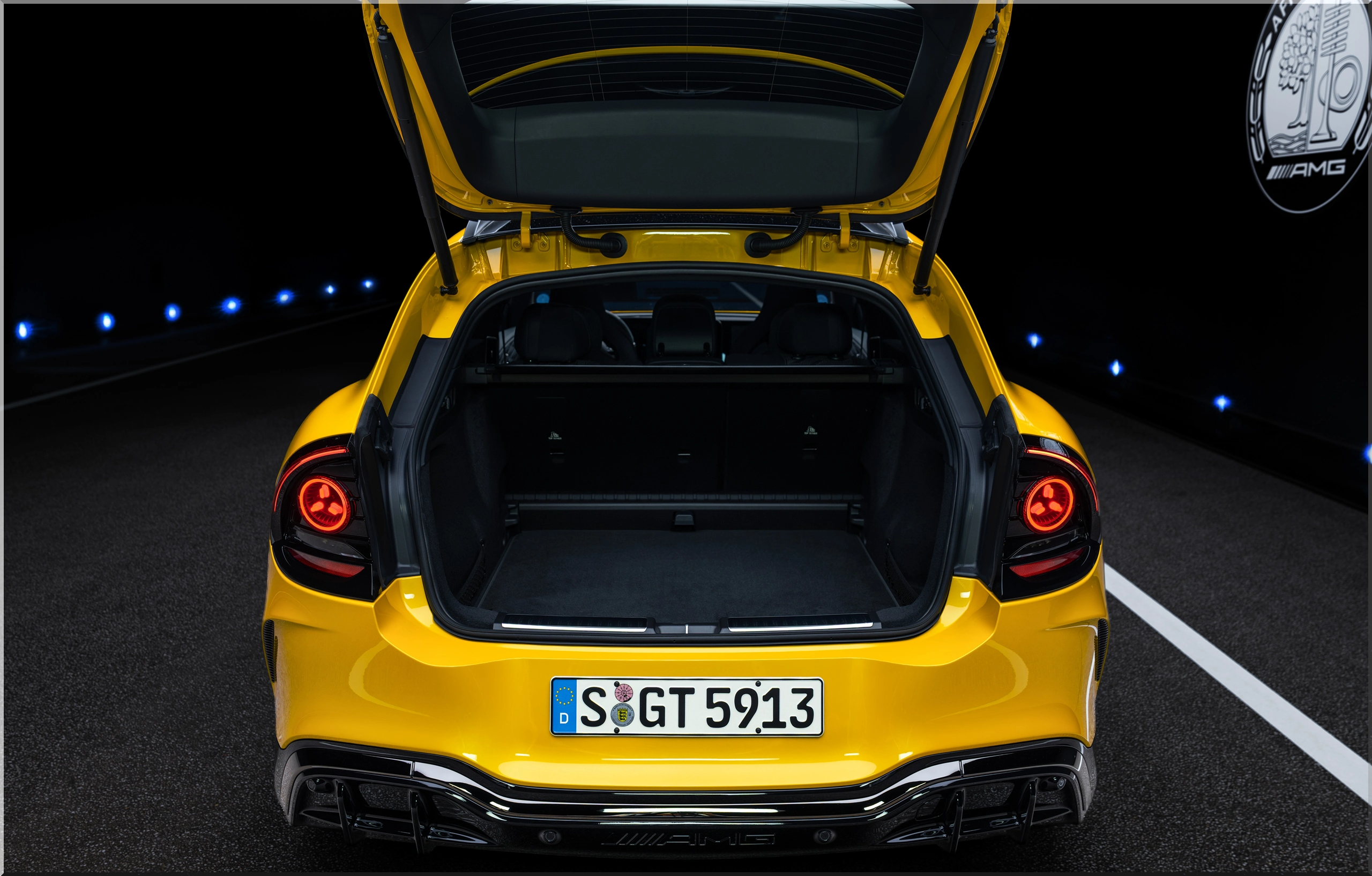
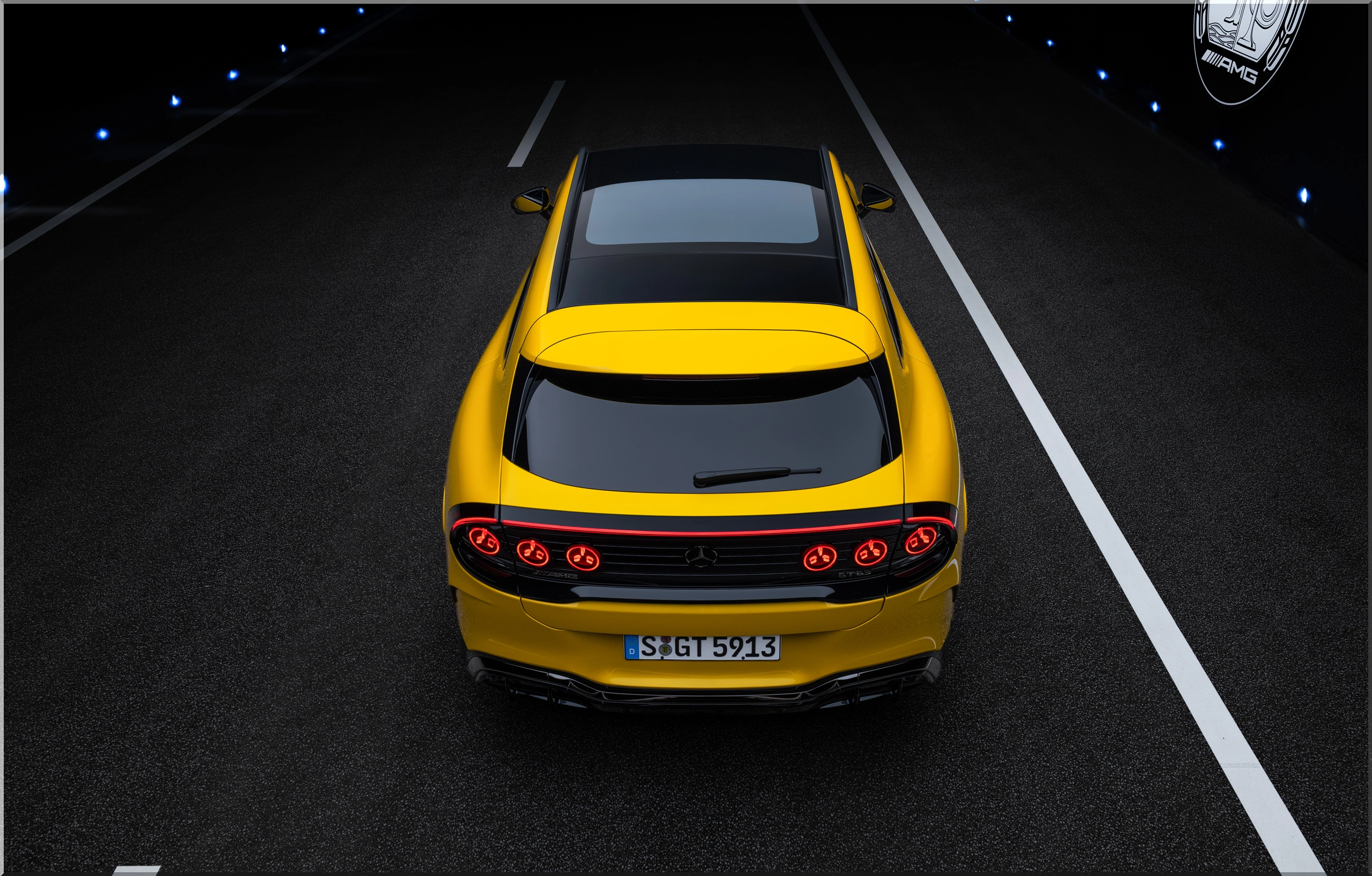
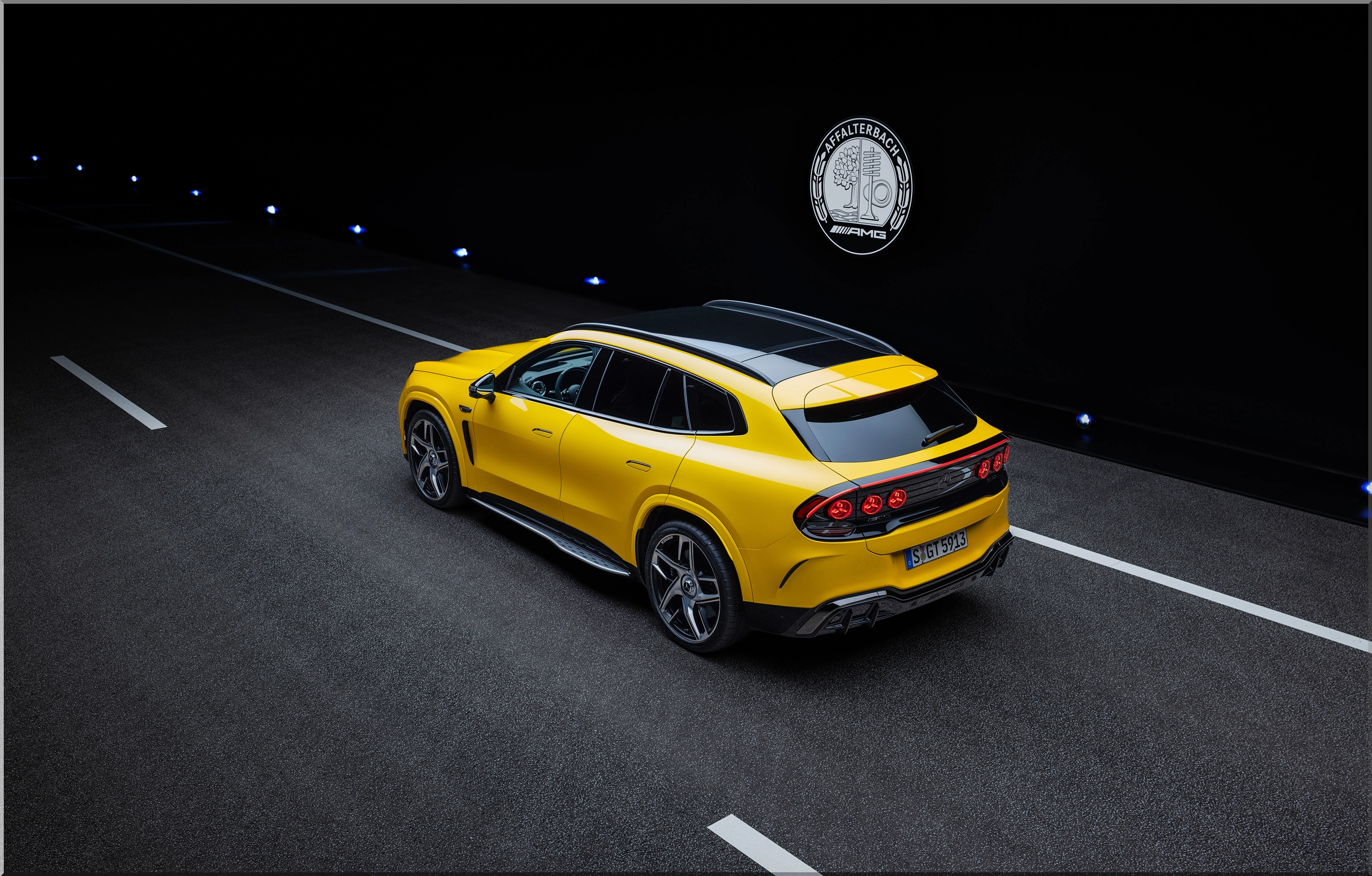
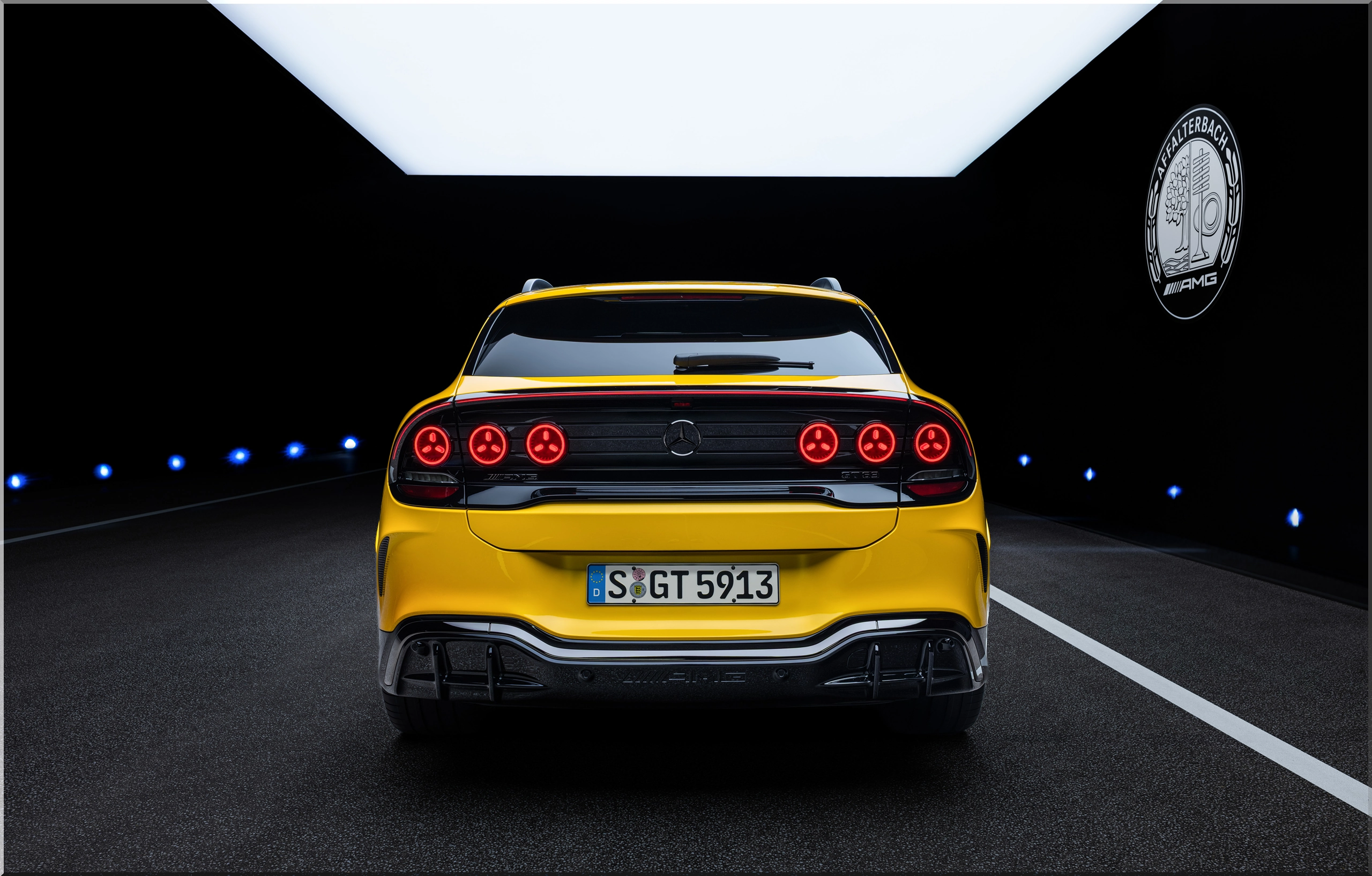
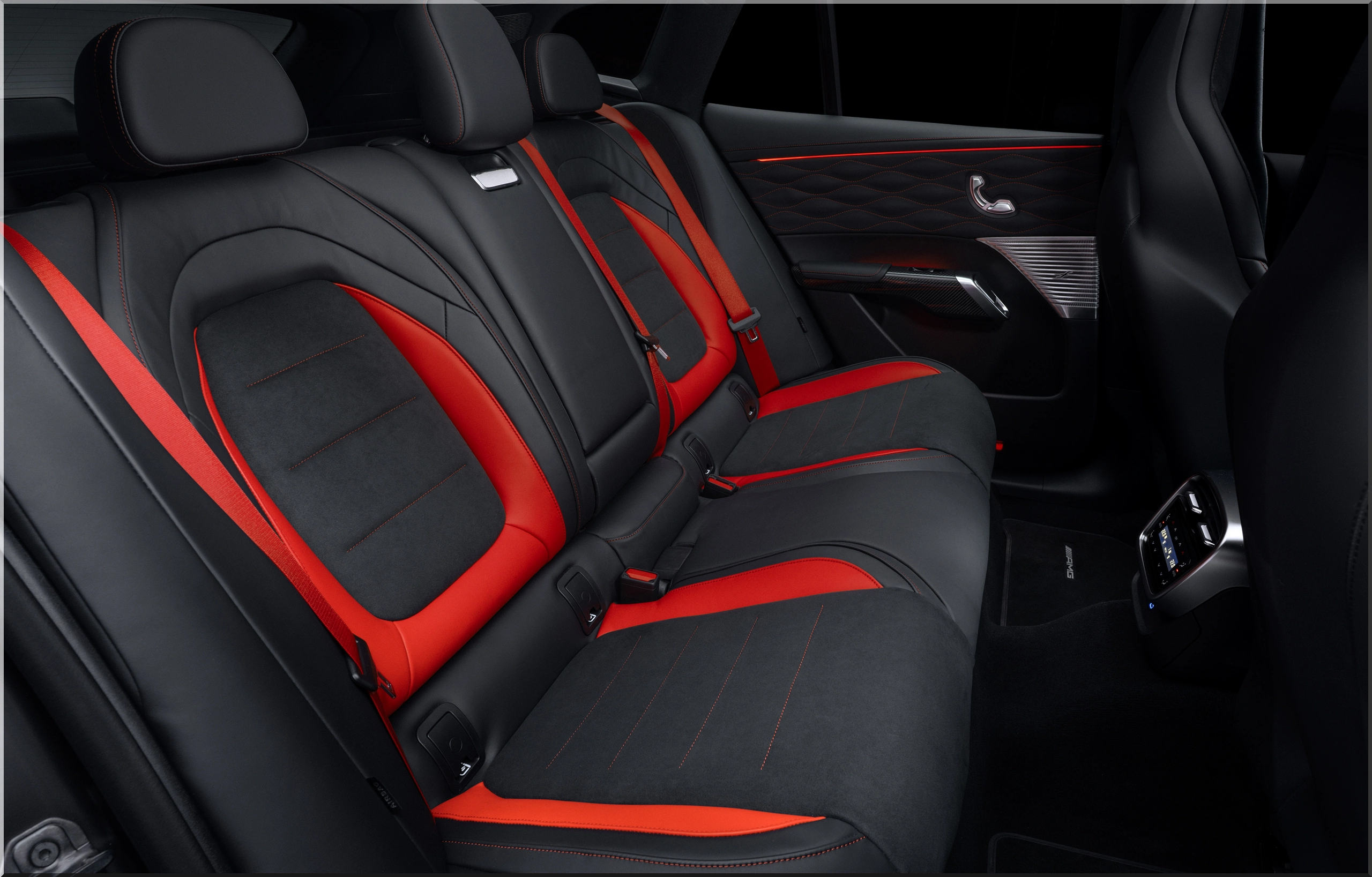
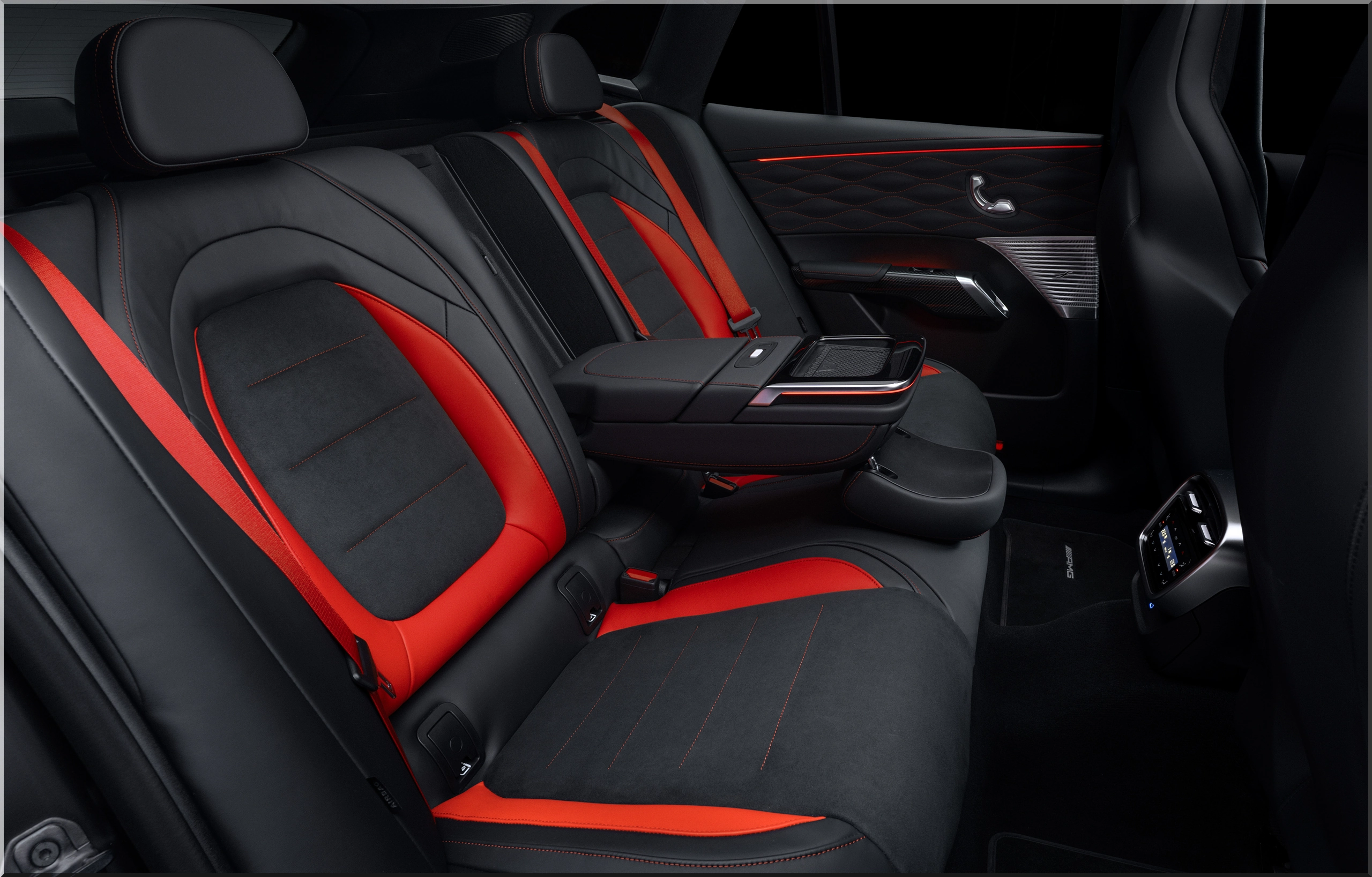
The GT 55 and GT 63 measure 200.2 inches (5,084 mm) long on a 119.7-inch (3,040 mm) wheelbase. Mercedes claims 21.4 cubic feet of trunk space and 61.4 with the seats folded, using VDA measurements. A stroller fit check will answer a more practical question than cargo volume alone.
| Area | Pros | Cons or checks |
|---|---|---|
| Chassis | GT 63 includes hydraulic pitch and roll control | GT 55 requires the optional system |
| Parking | Standard rear steering turns up to 6 degrees | The 78.8-inch (2,001-mm) body still needs space |
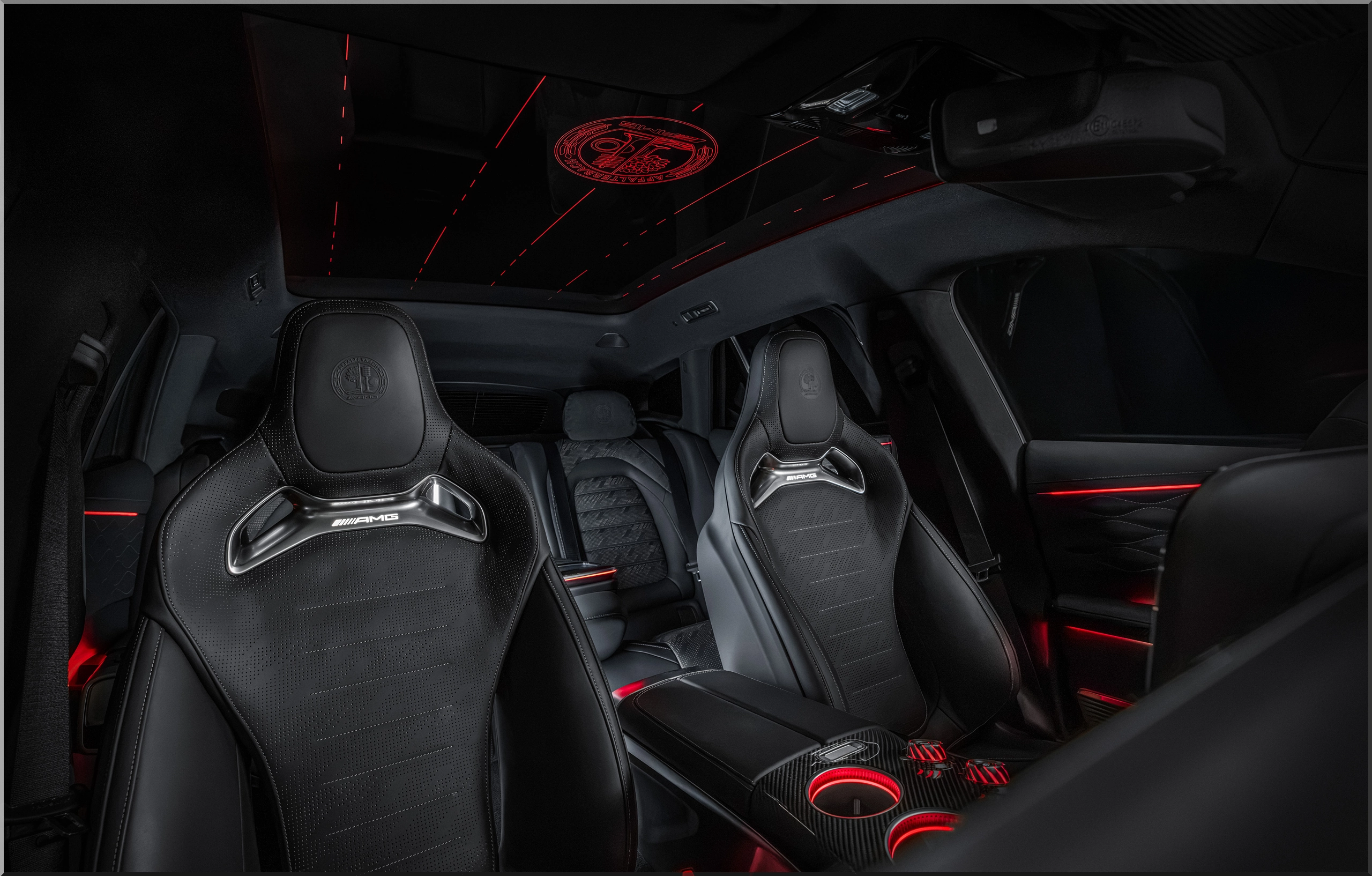
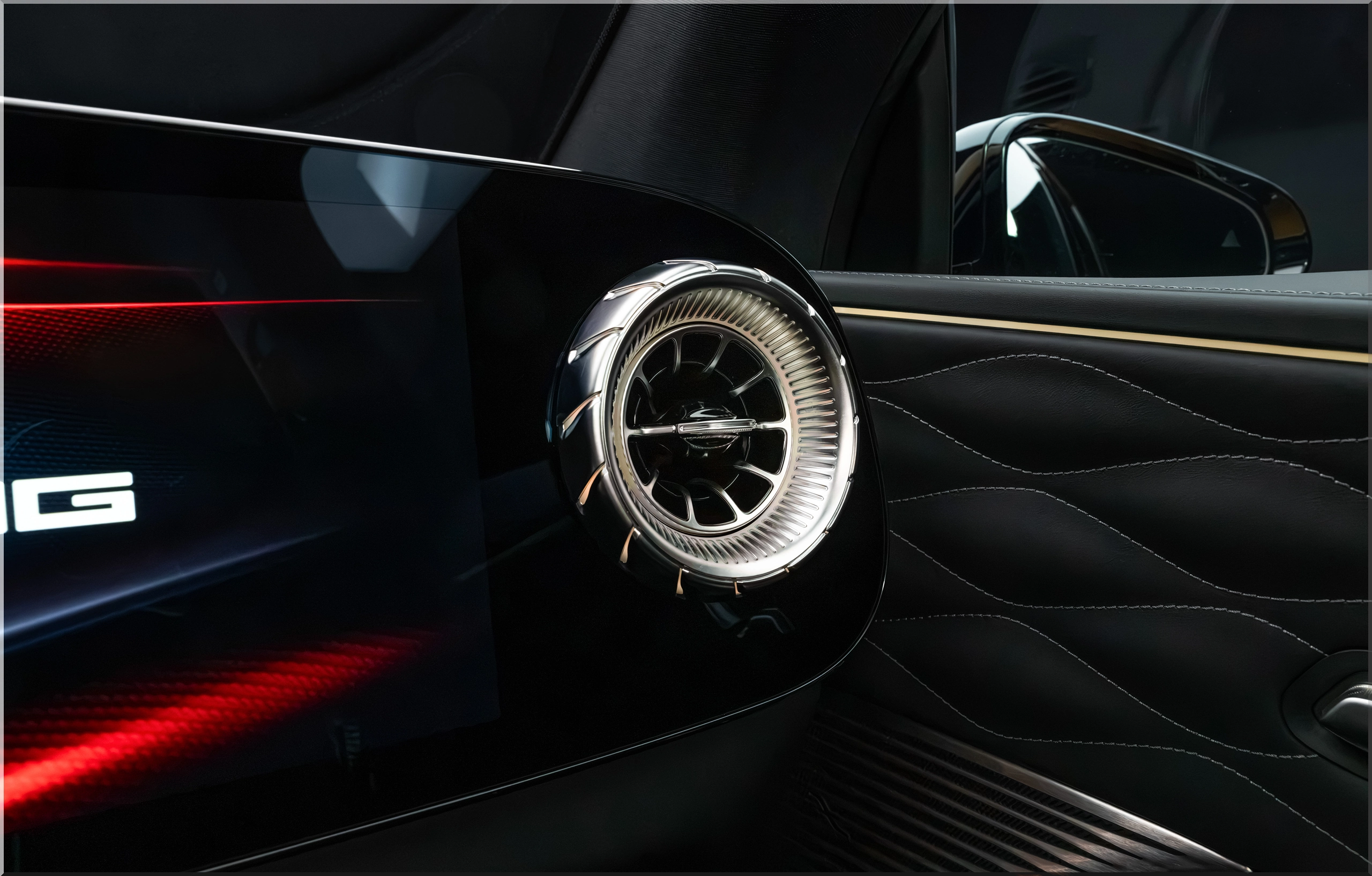
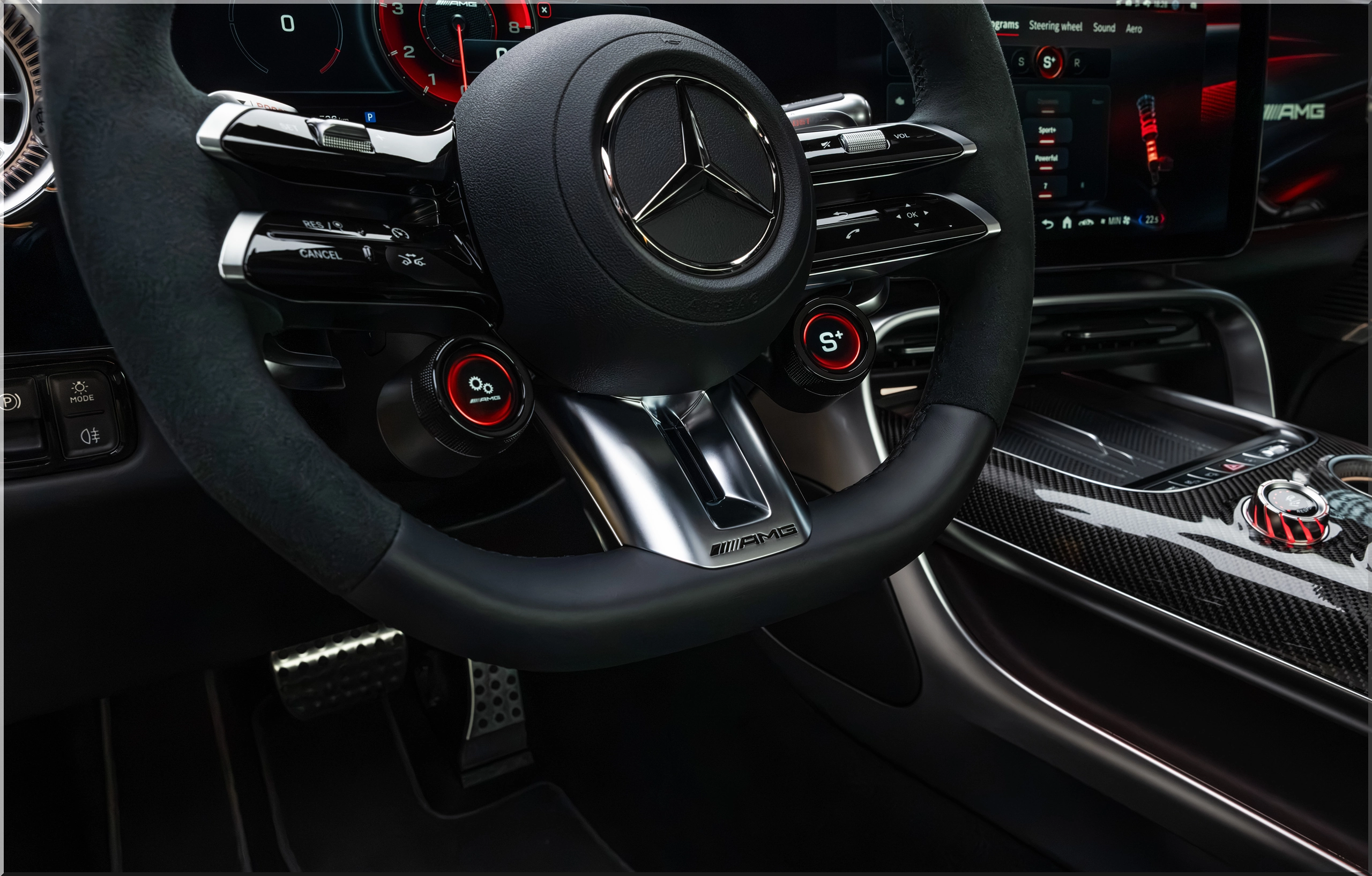
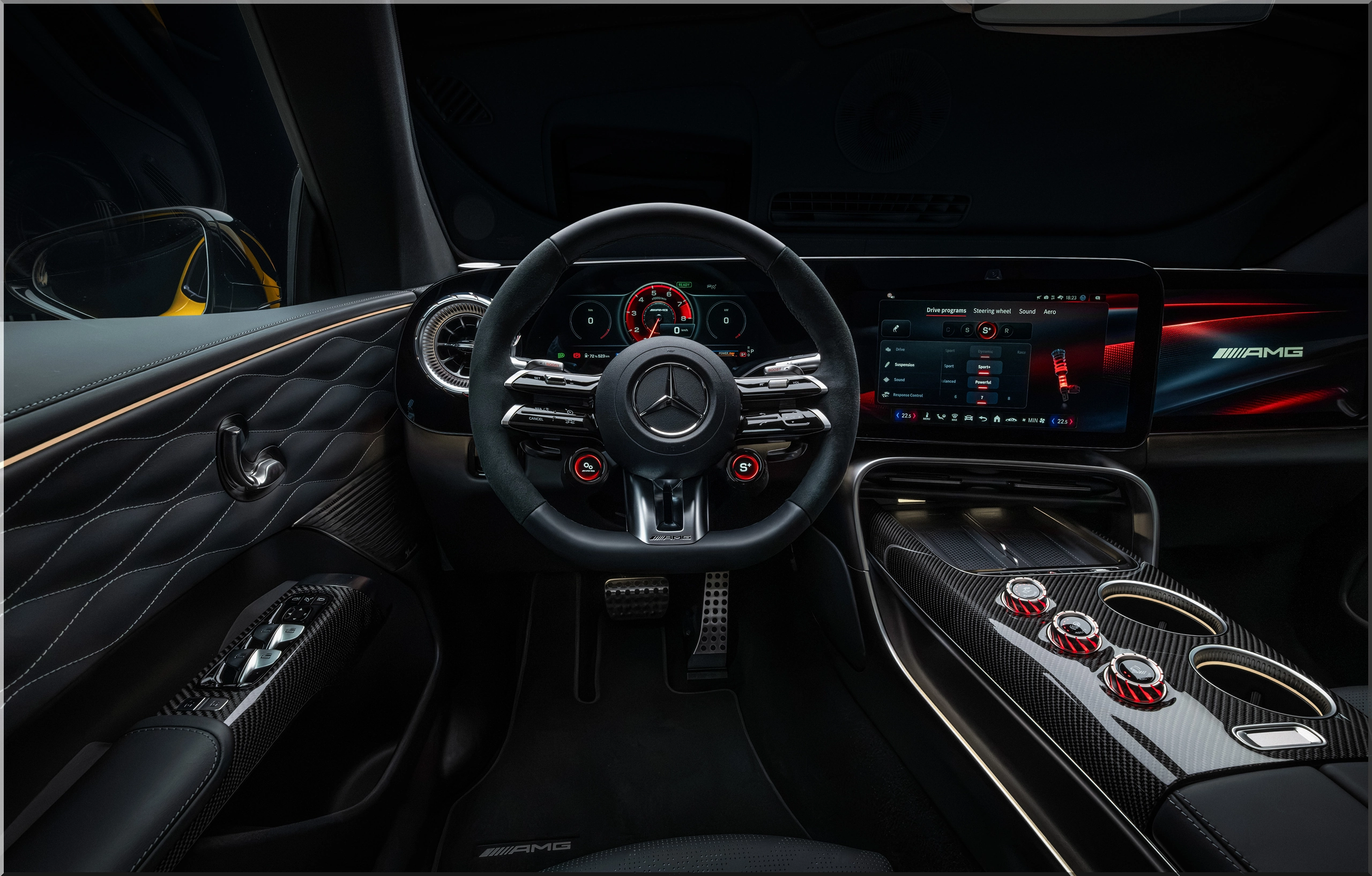
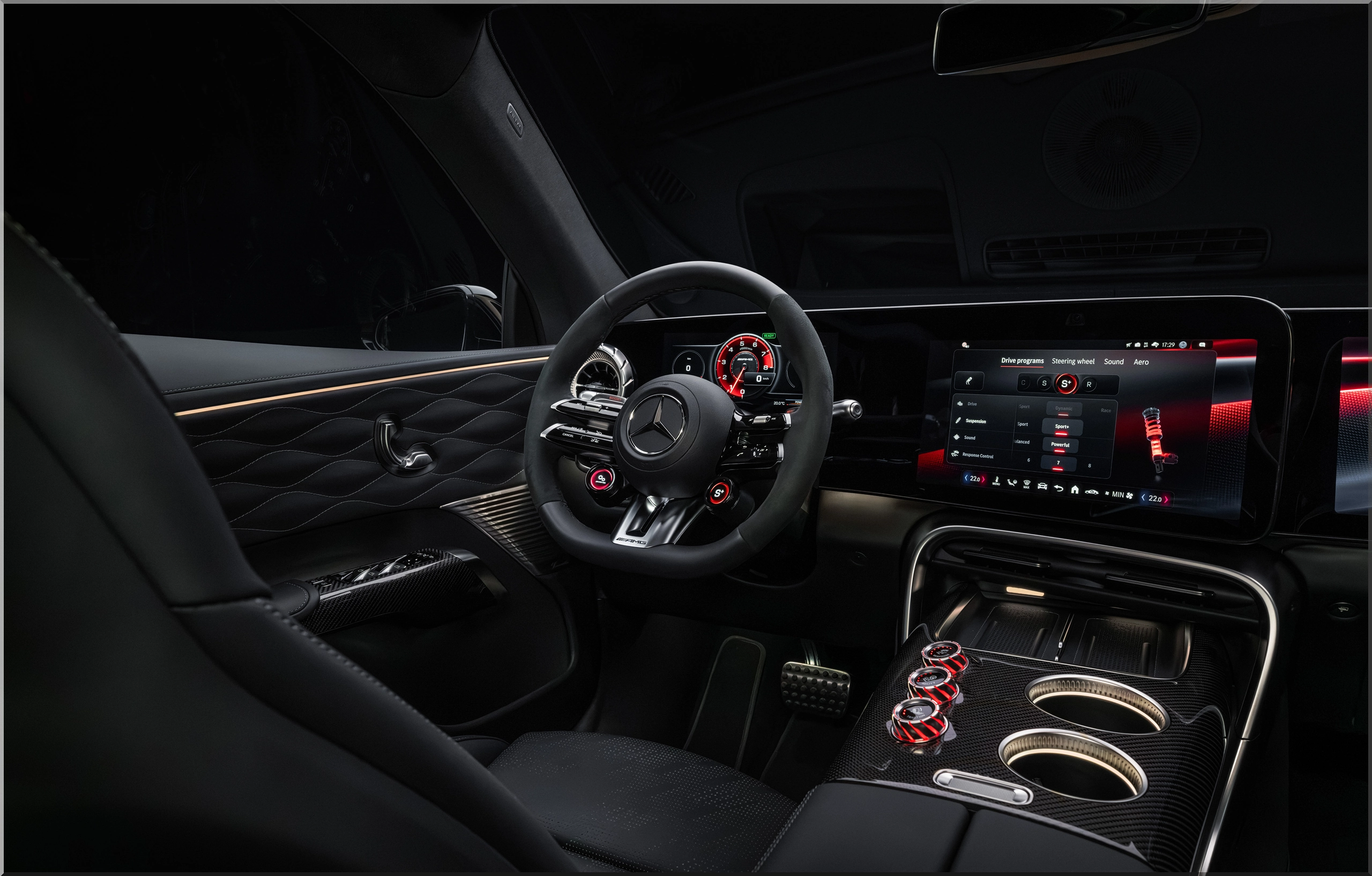
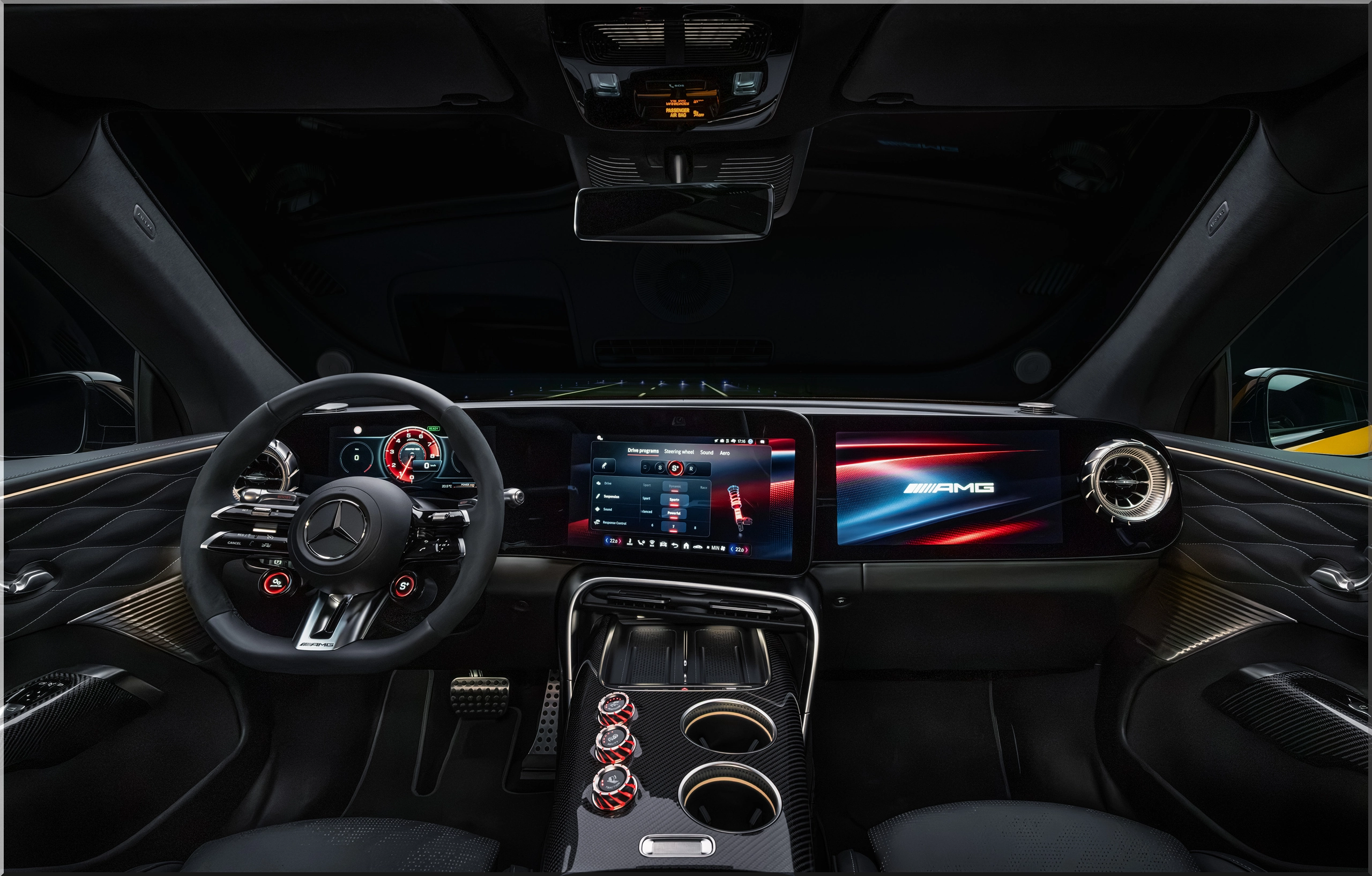
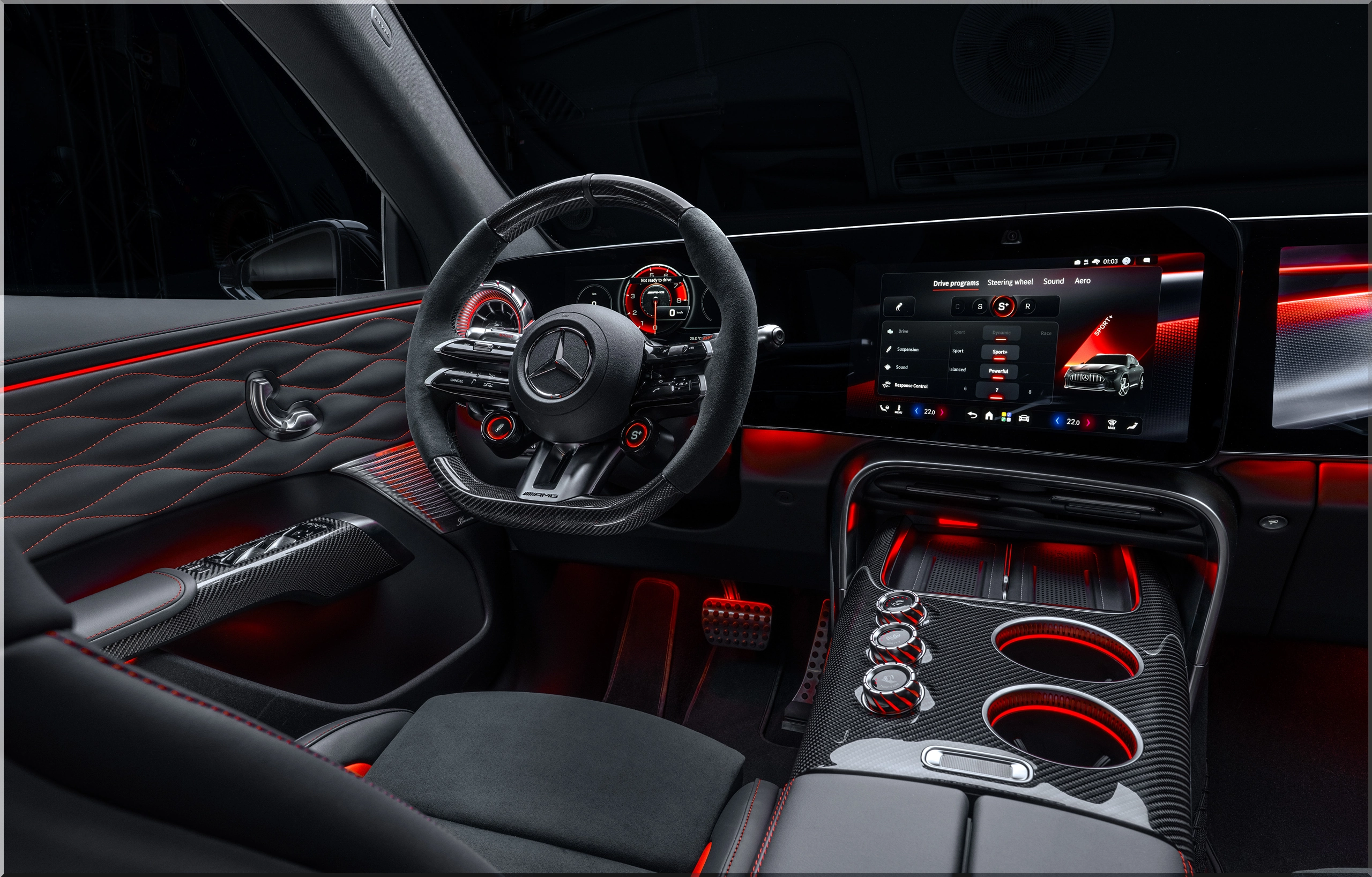
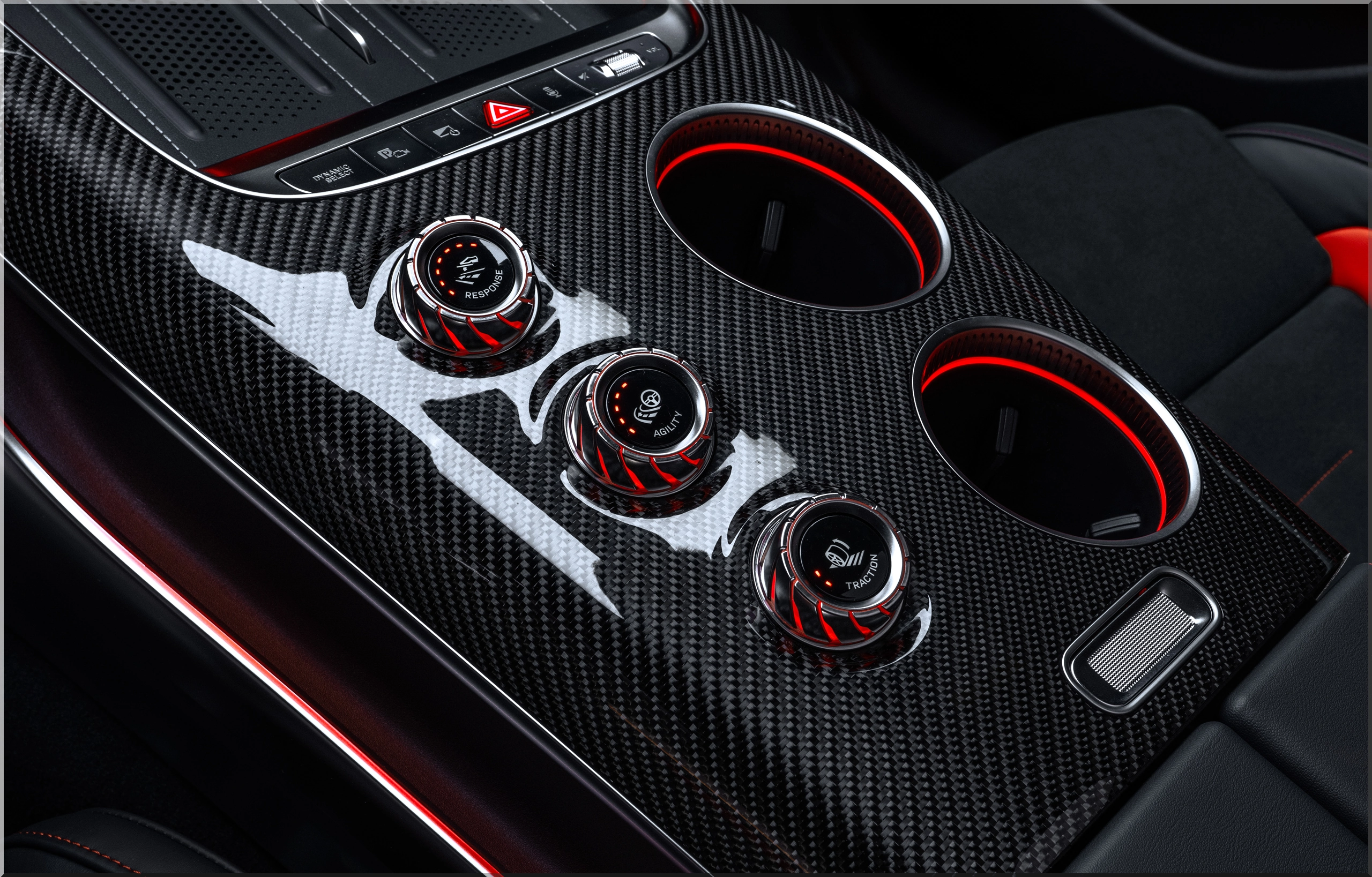
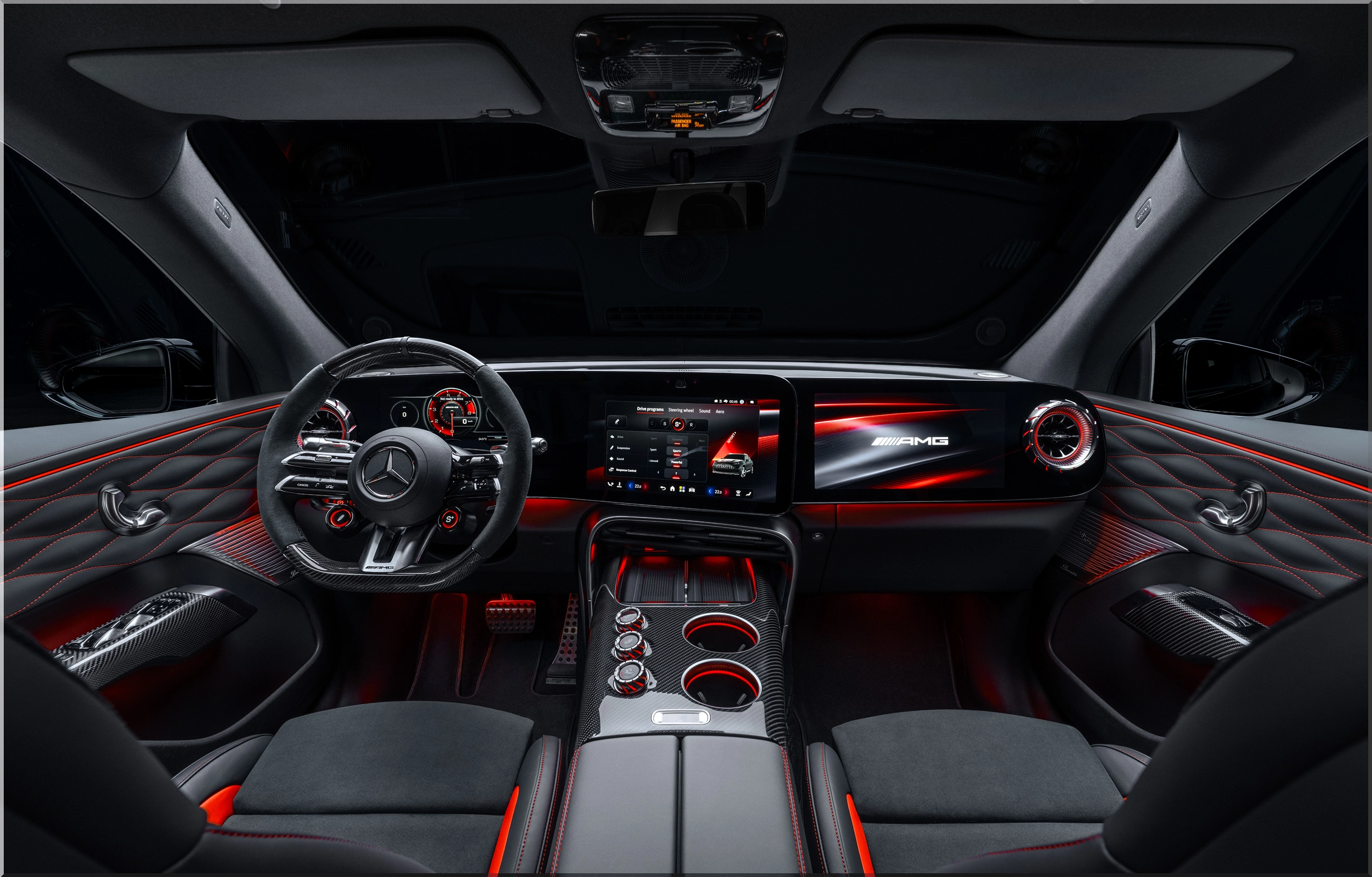
| Cockpit | 14-inch center screen and 10.2-inch driver display | Test control access during a drive |
Pro-Tips: What should you check before ordering?
- Verify NACS charging station voltage and available power along your regular routes.
- Get insurance, replacement tire and Level 2 installation quotes.
- Wait for US MSRP, EPA range, tow ratings and battery warranty terms before judging ownership value.
- Add new comment
- 23 views