Concept C
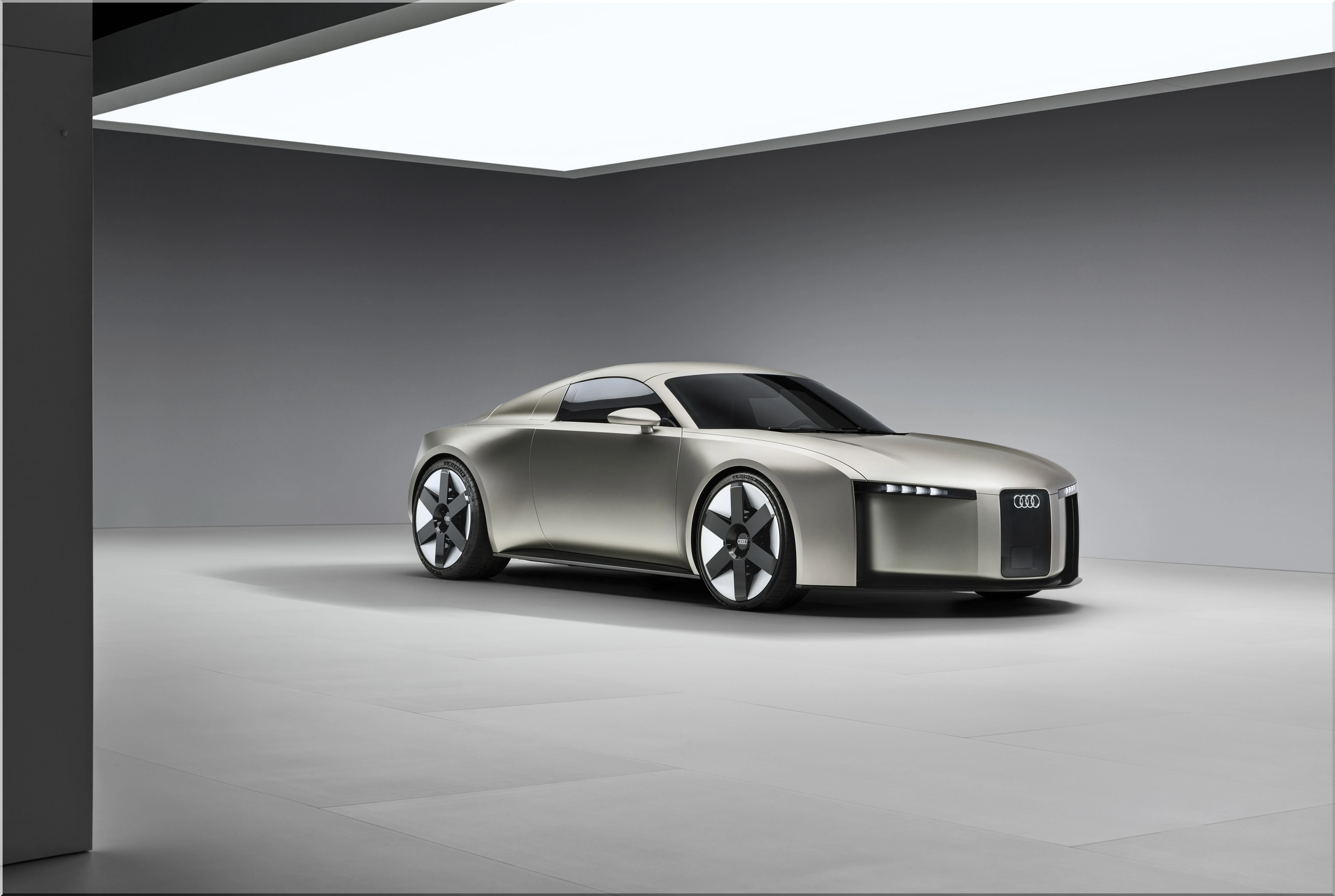
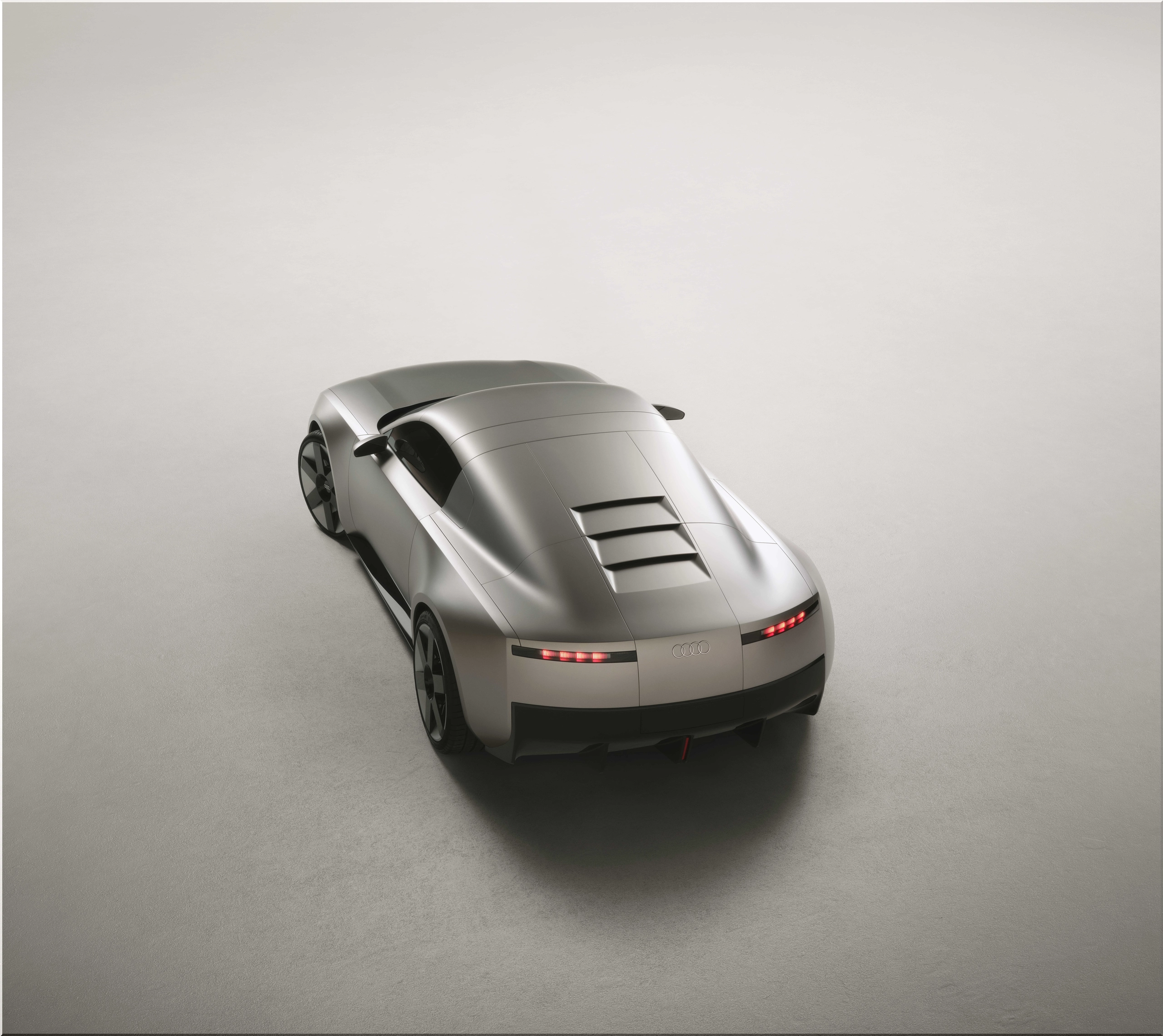
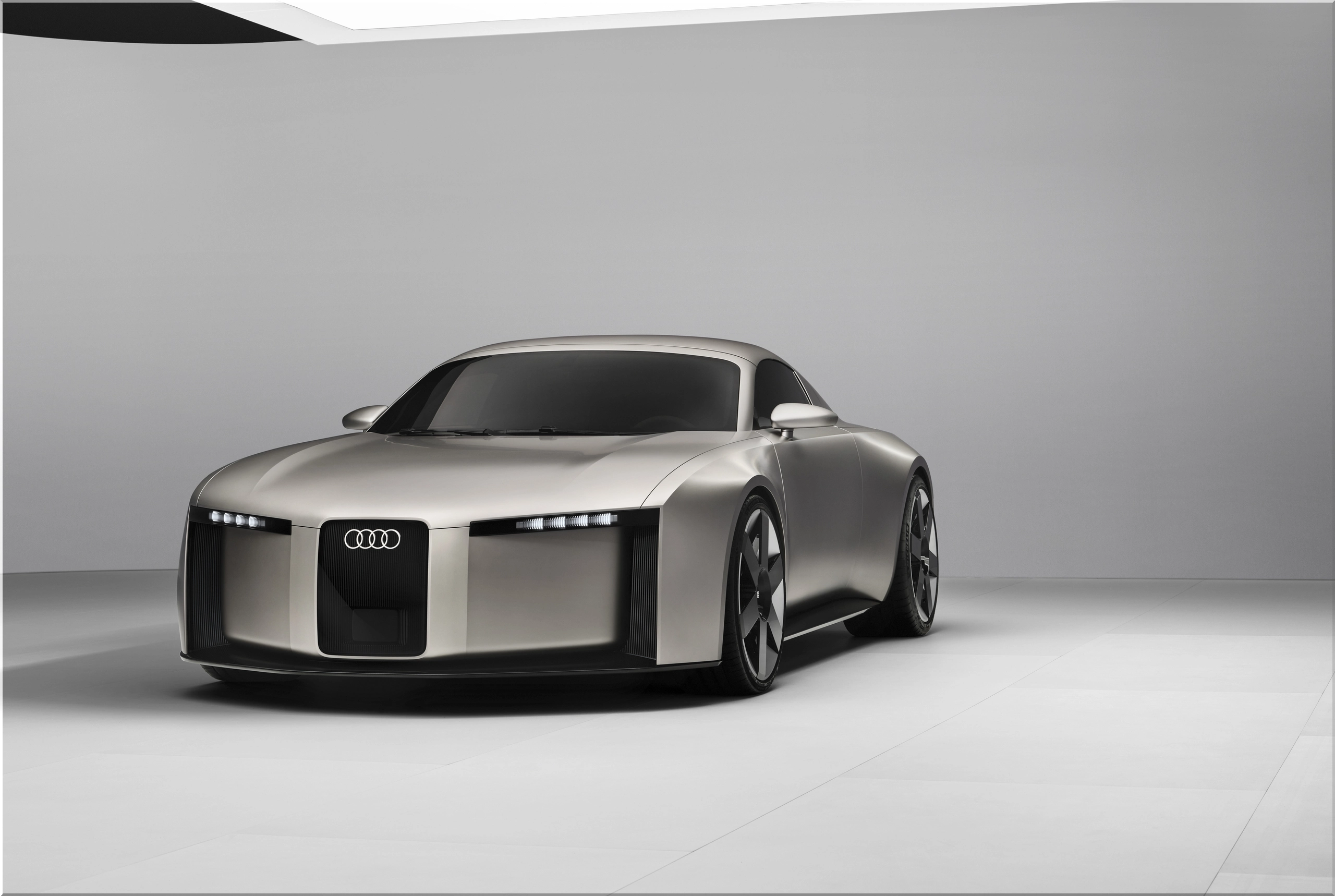
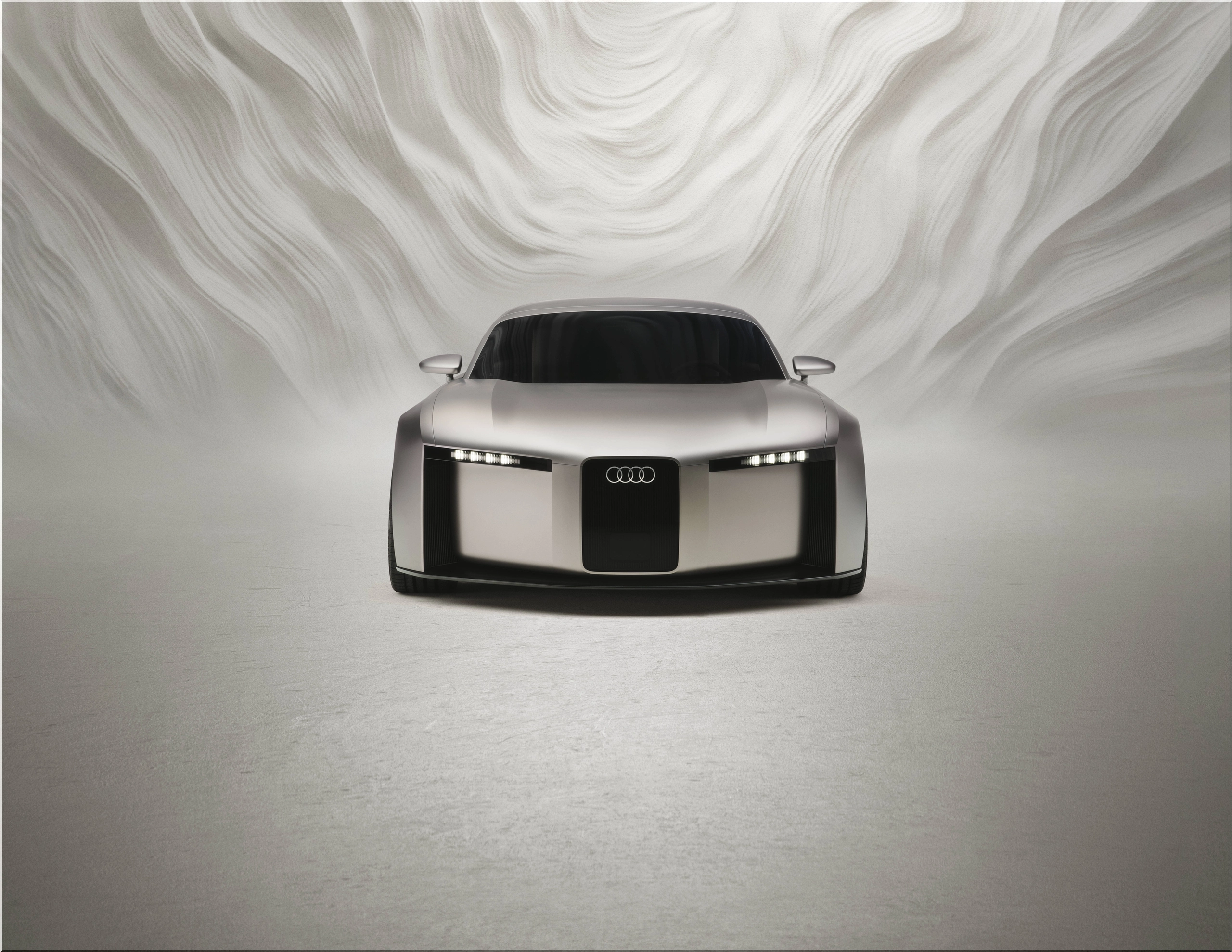
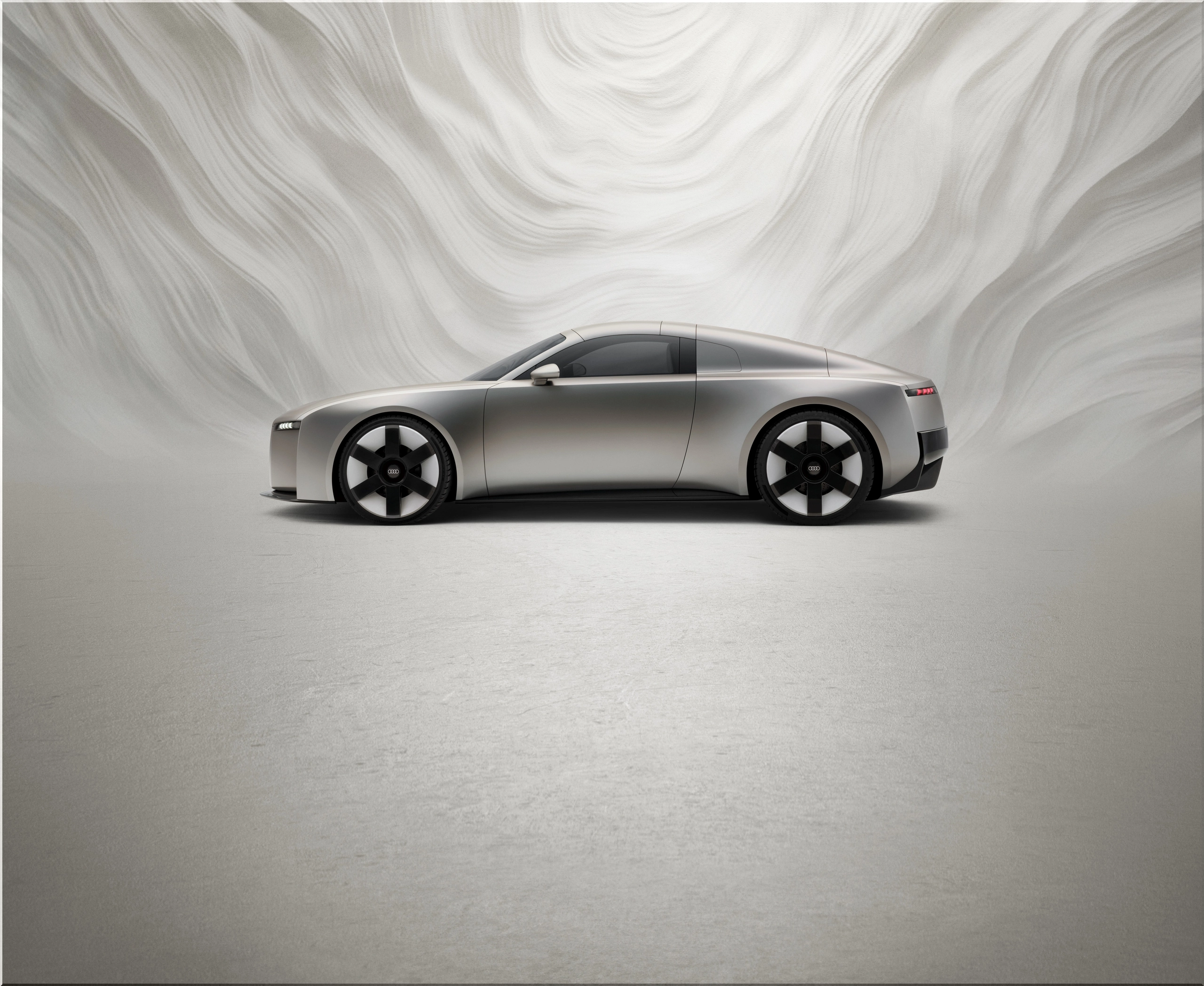
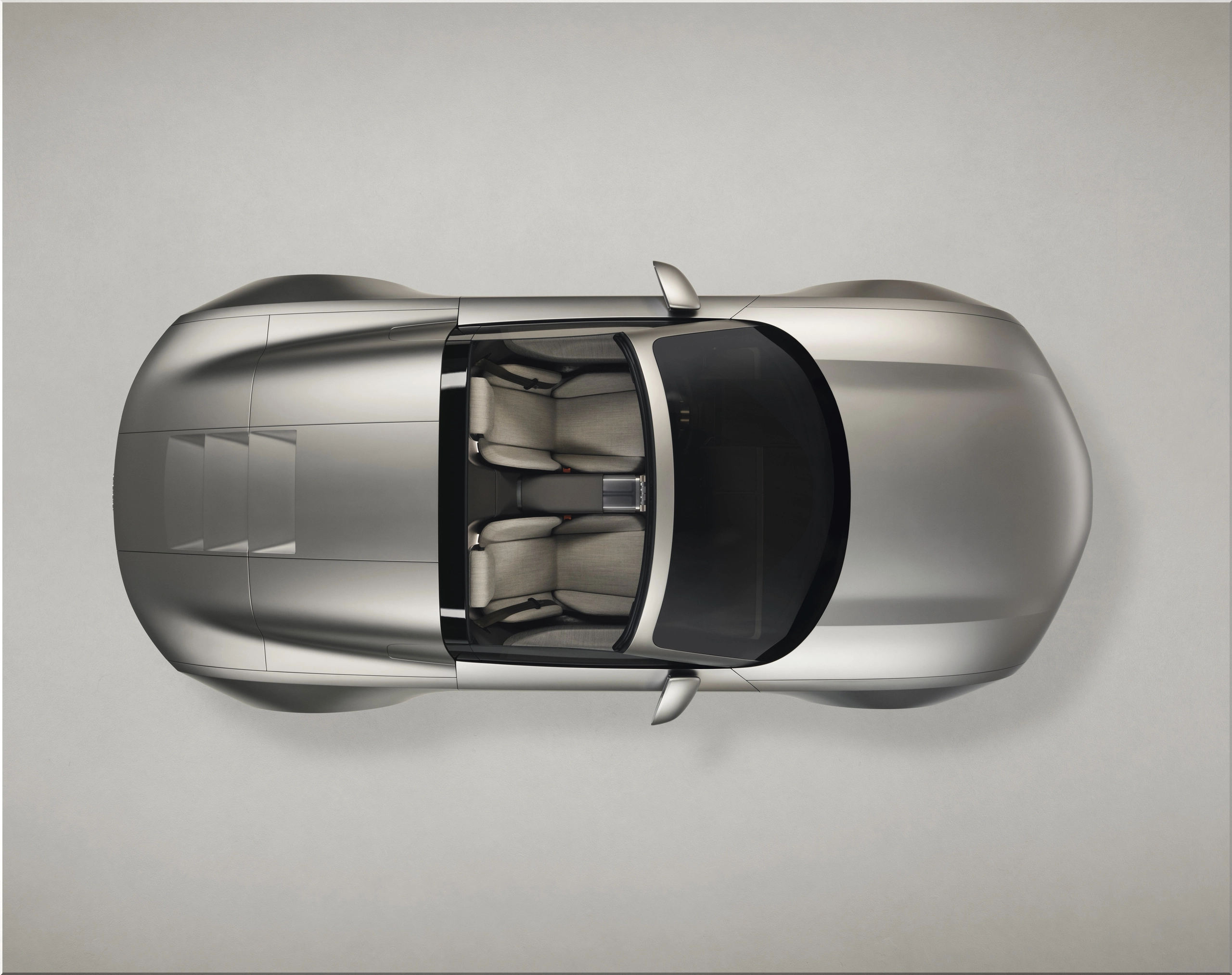
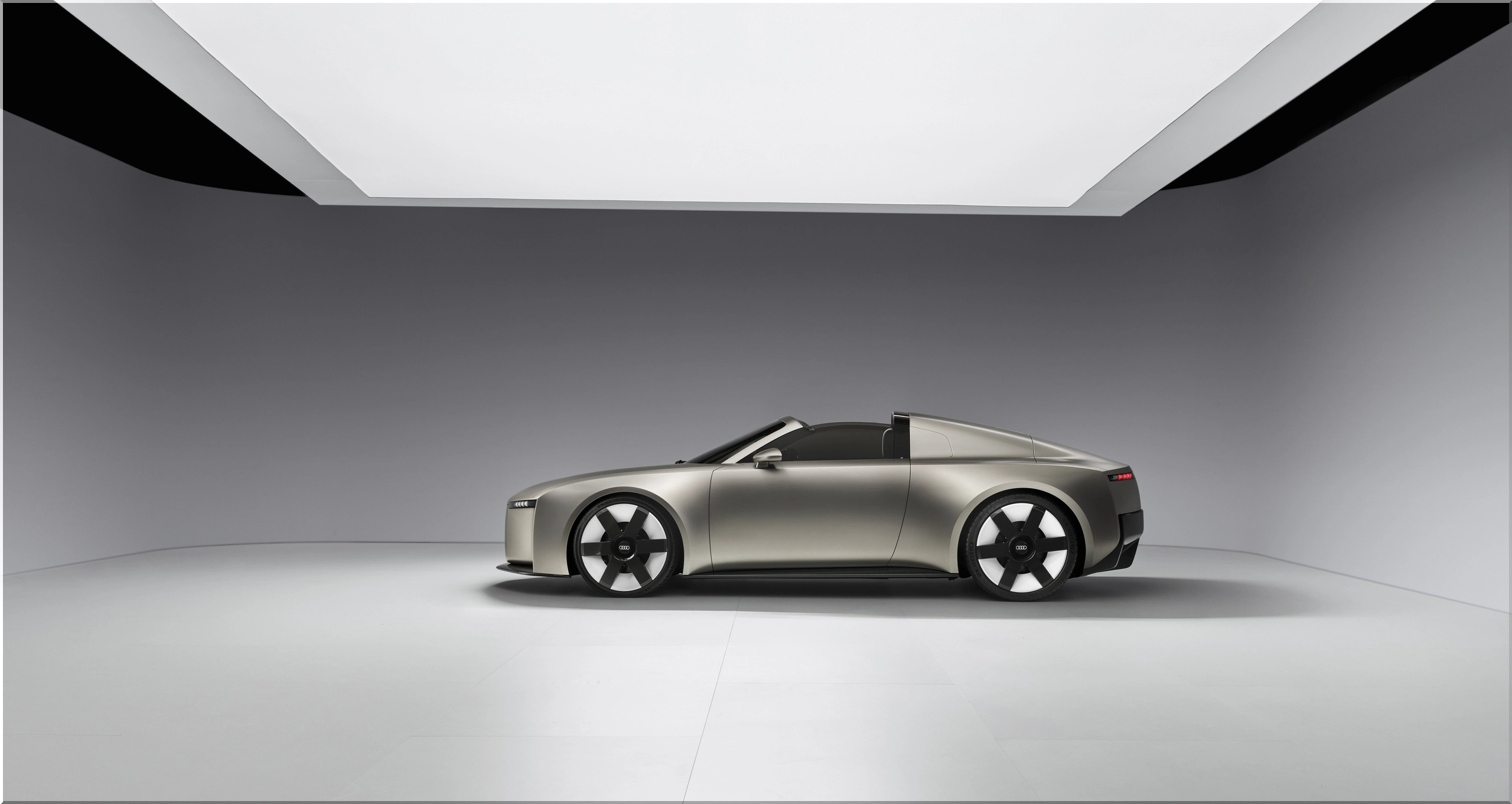
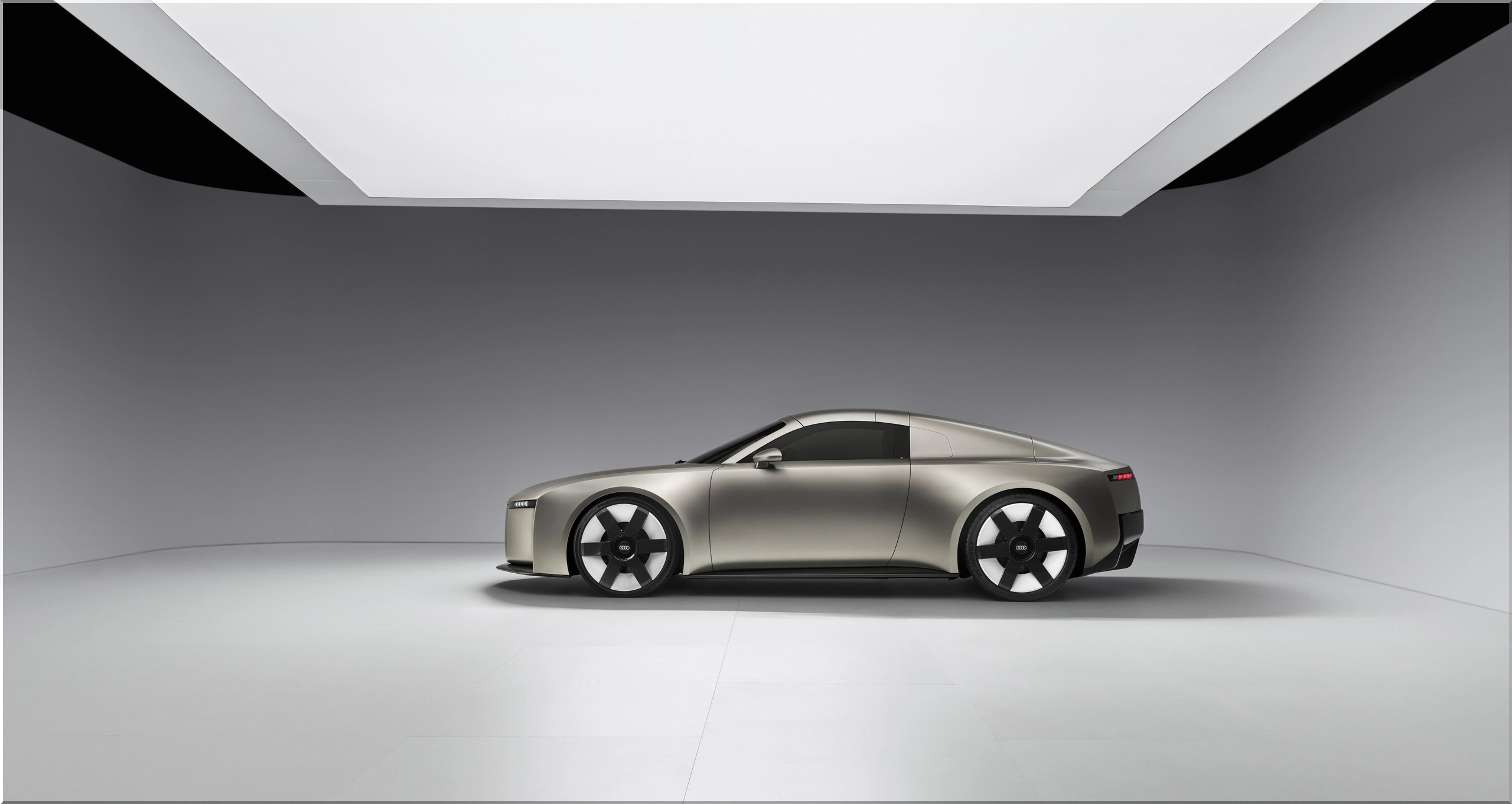
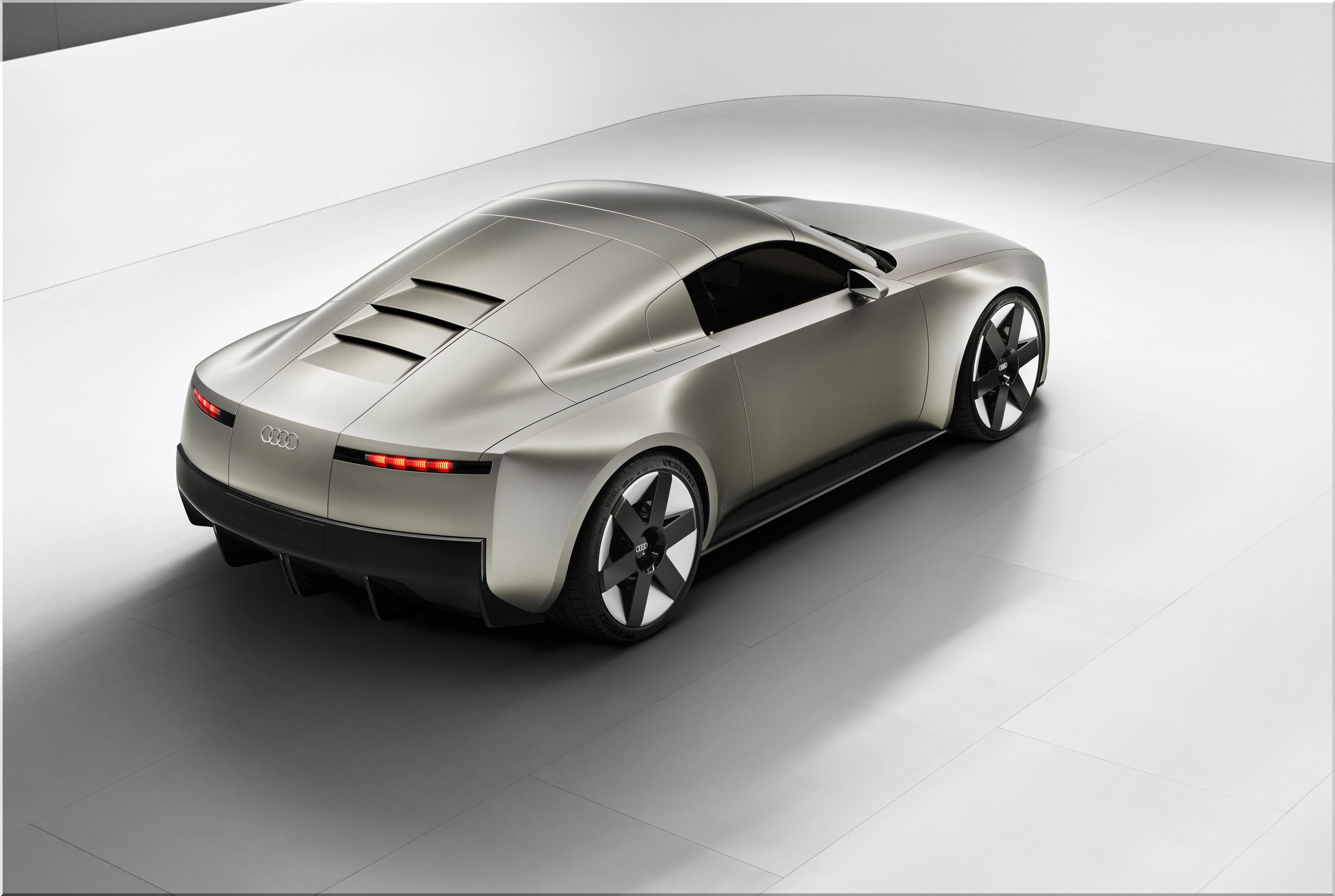
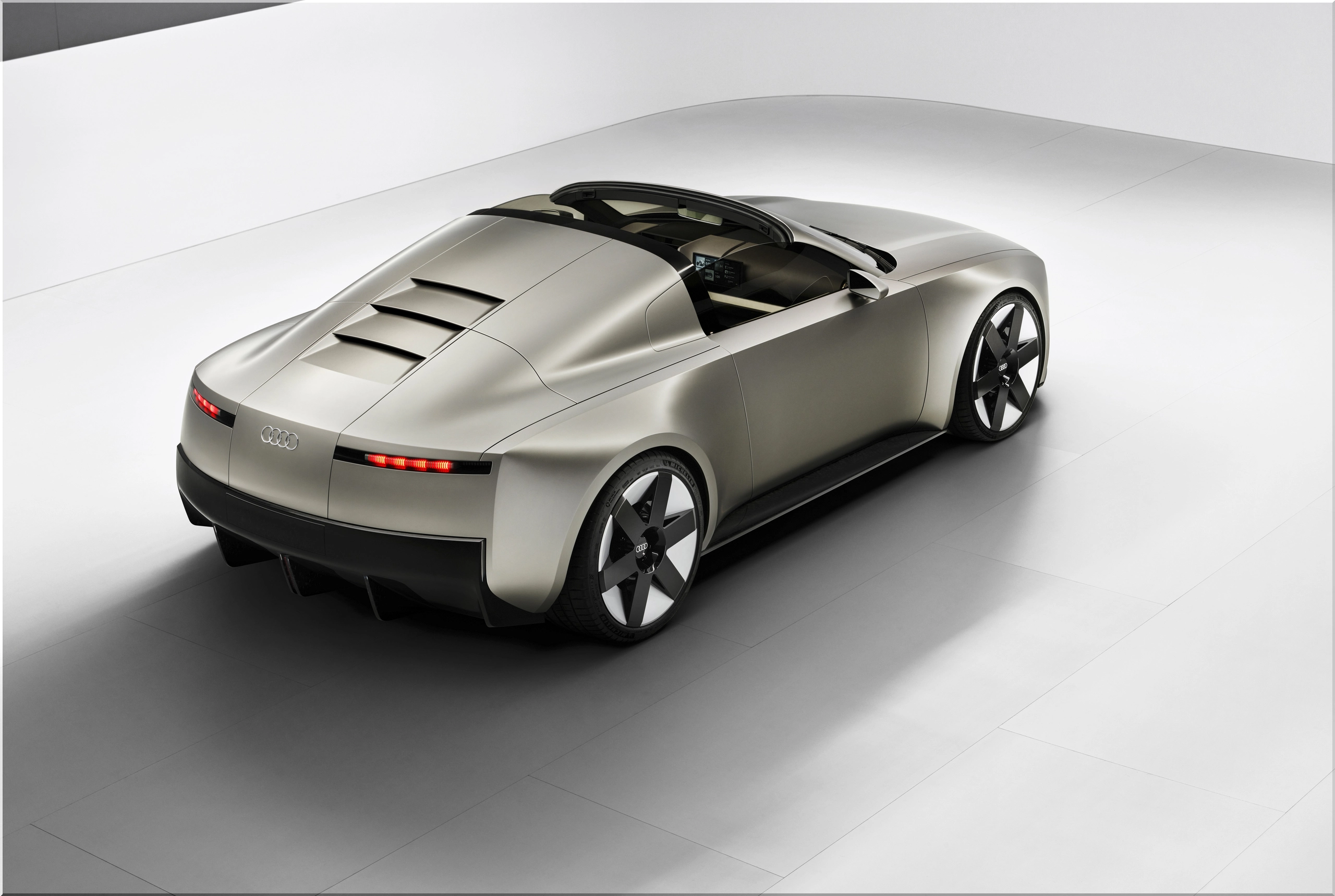
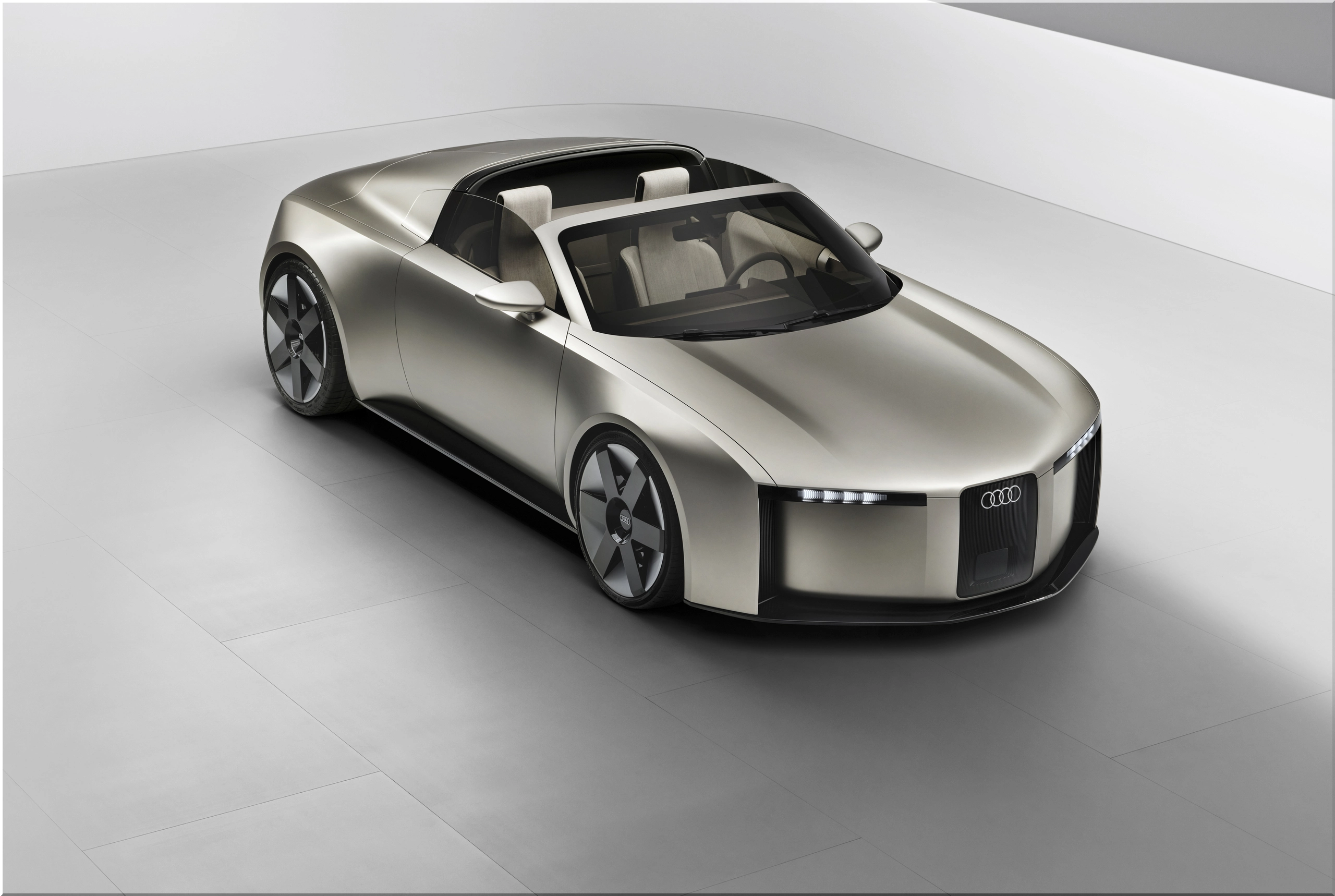
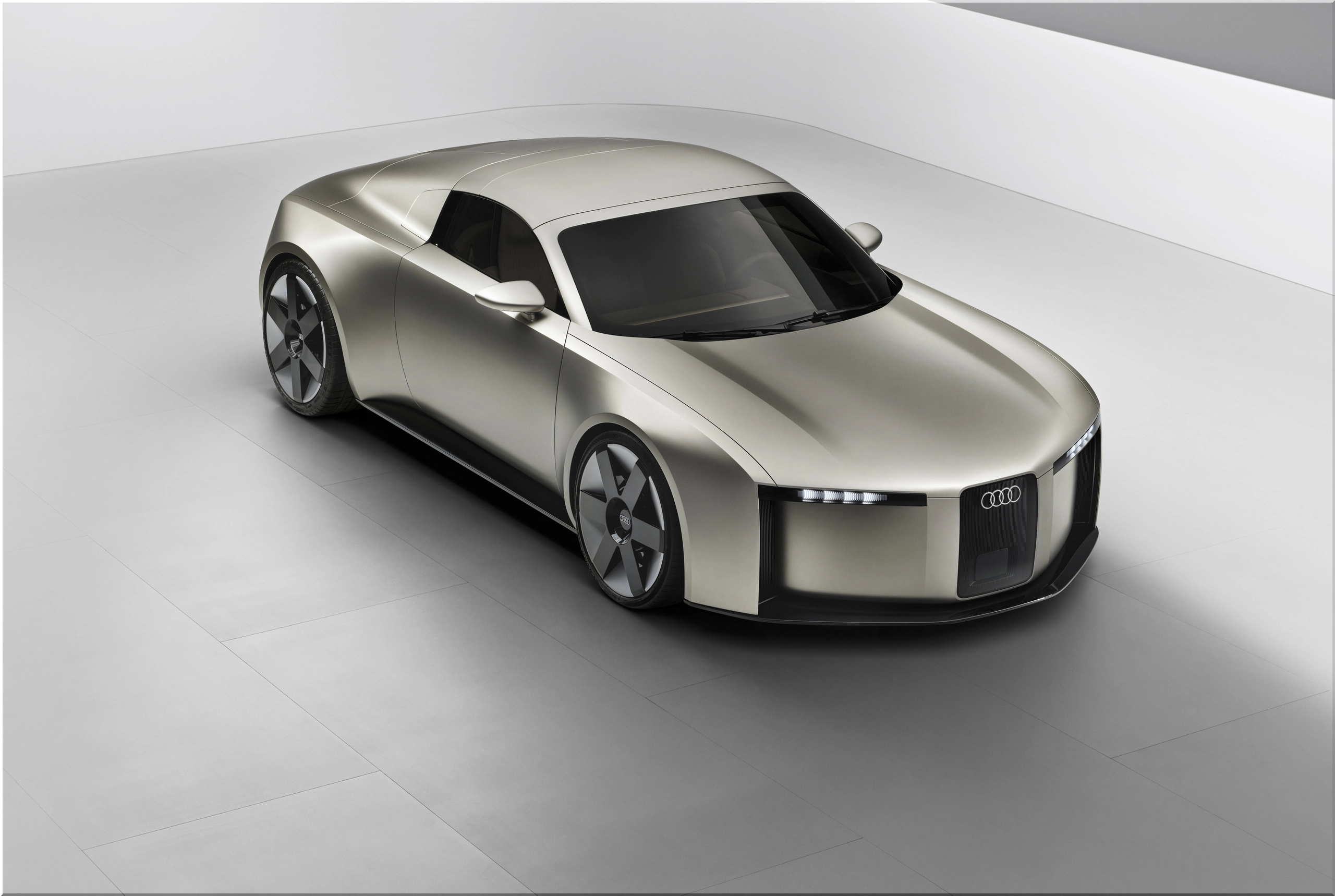
Audi has introduced the Audi Concept C, an all-electric two-seat sports car. This model signals a new design philosophy for the brand. The Concept C shows where Audi plans to go with both design and technology. It combines a vertical front frame, a retractable hardtop, and a focus on minimalism. This concept is not only a styling exercise but a preview of a future production model.
Key Highlights of the Audi Concept C
- All-electric two-seat sports car
- Retractable hardtop combining coupé elegance with open-top driving
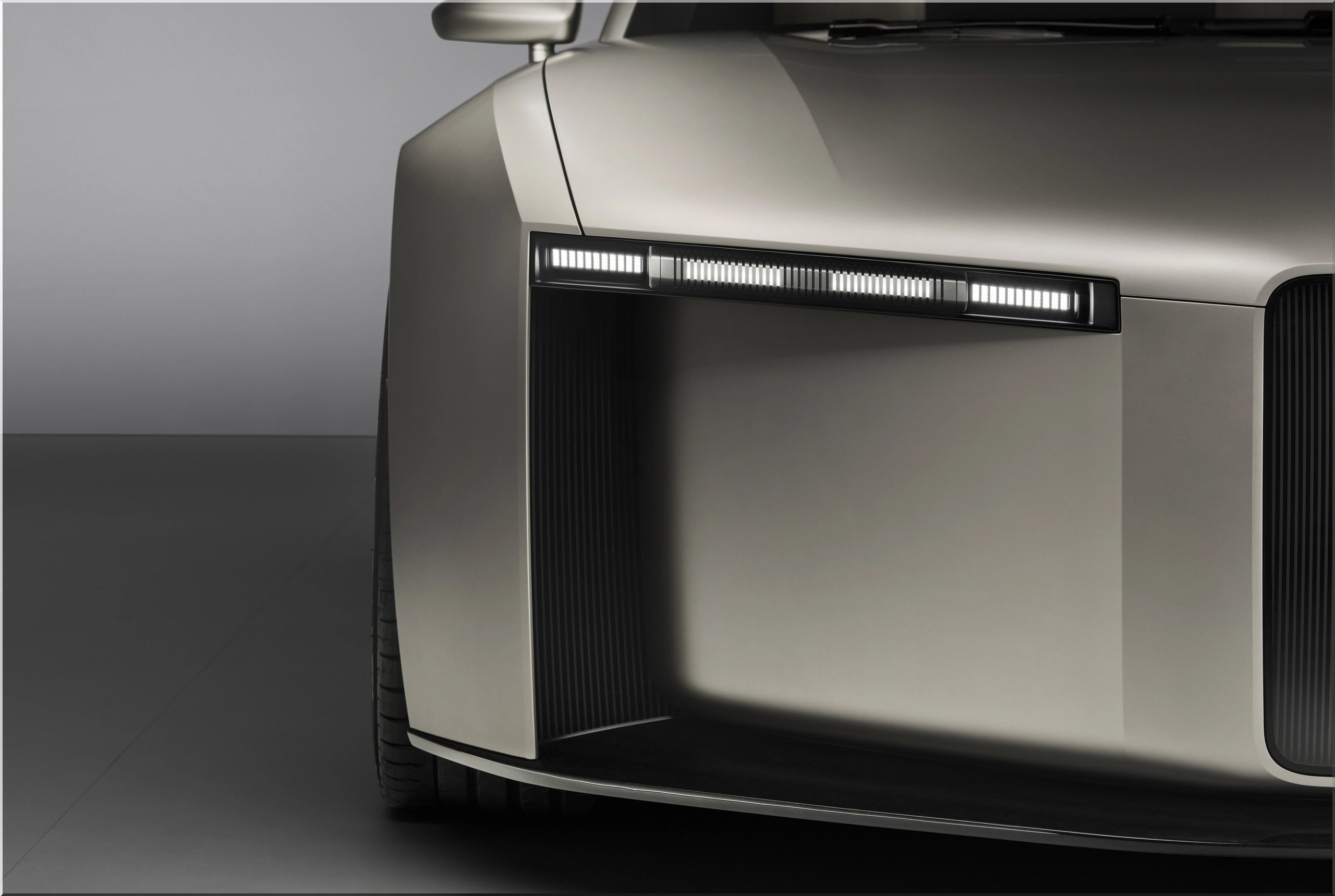
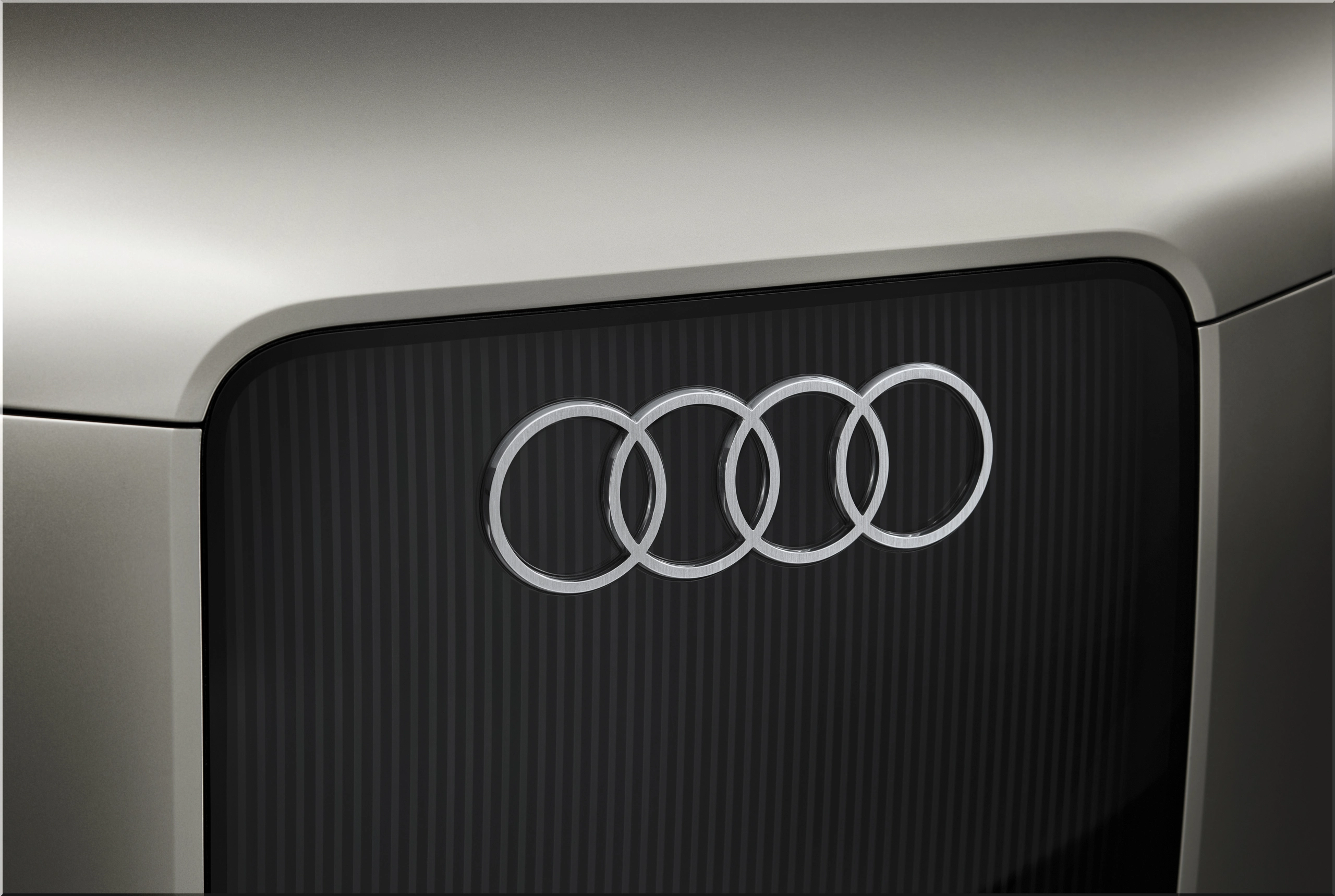
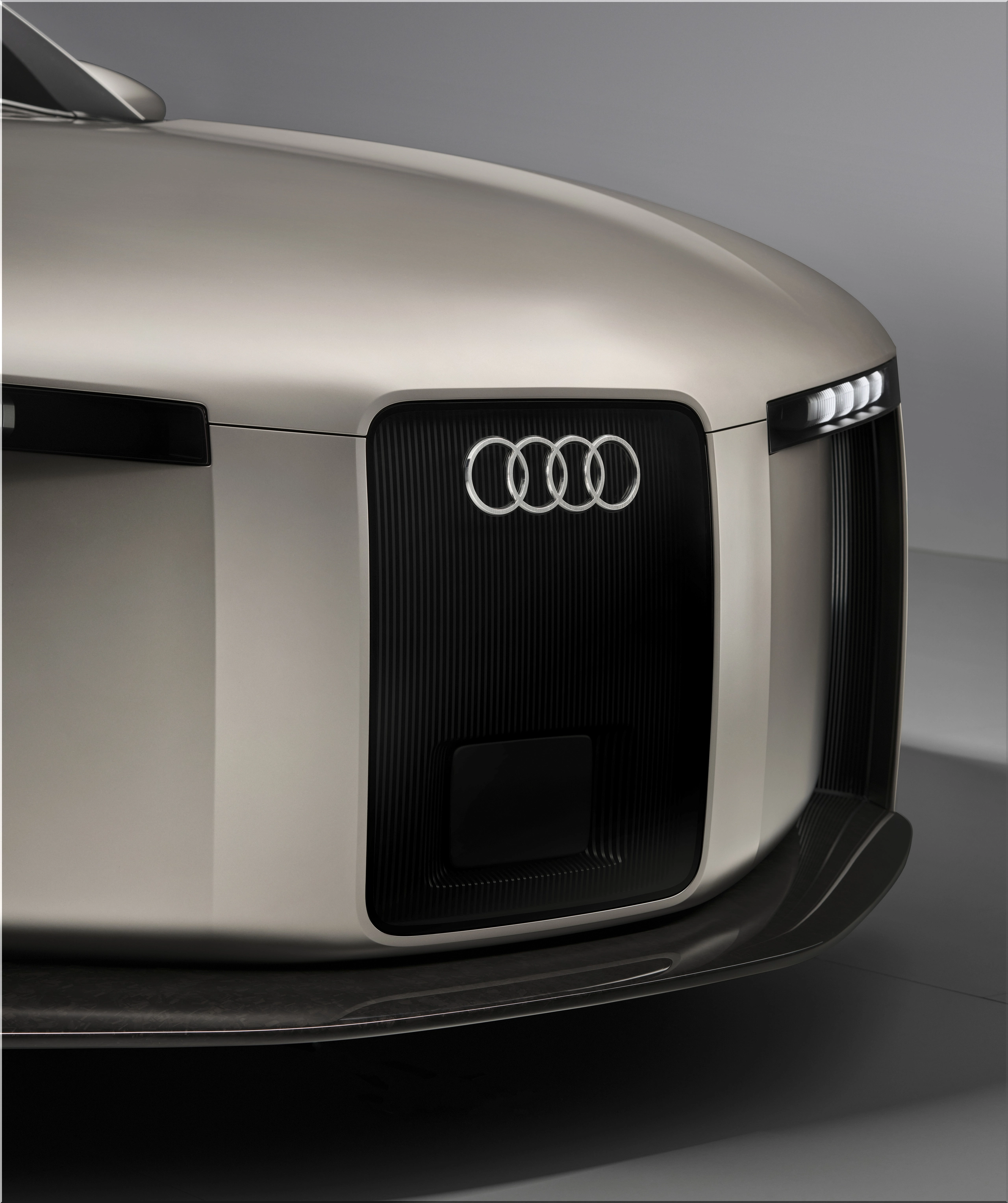
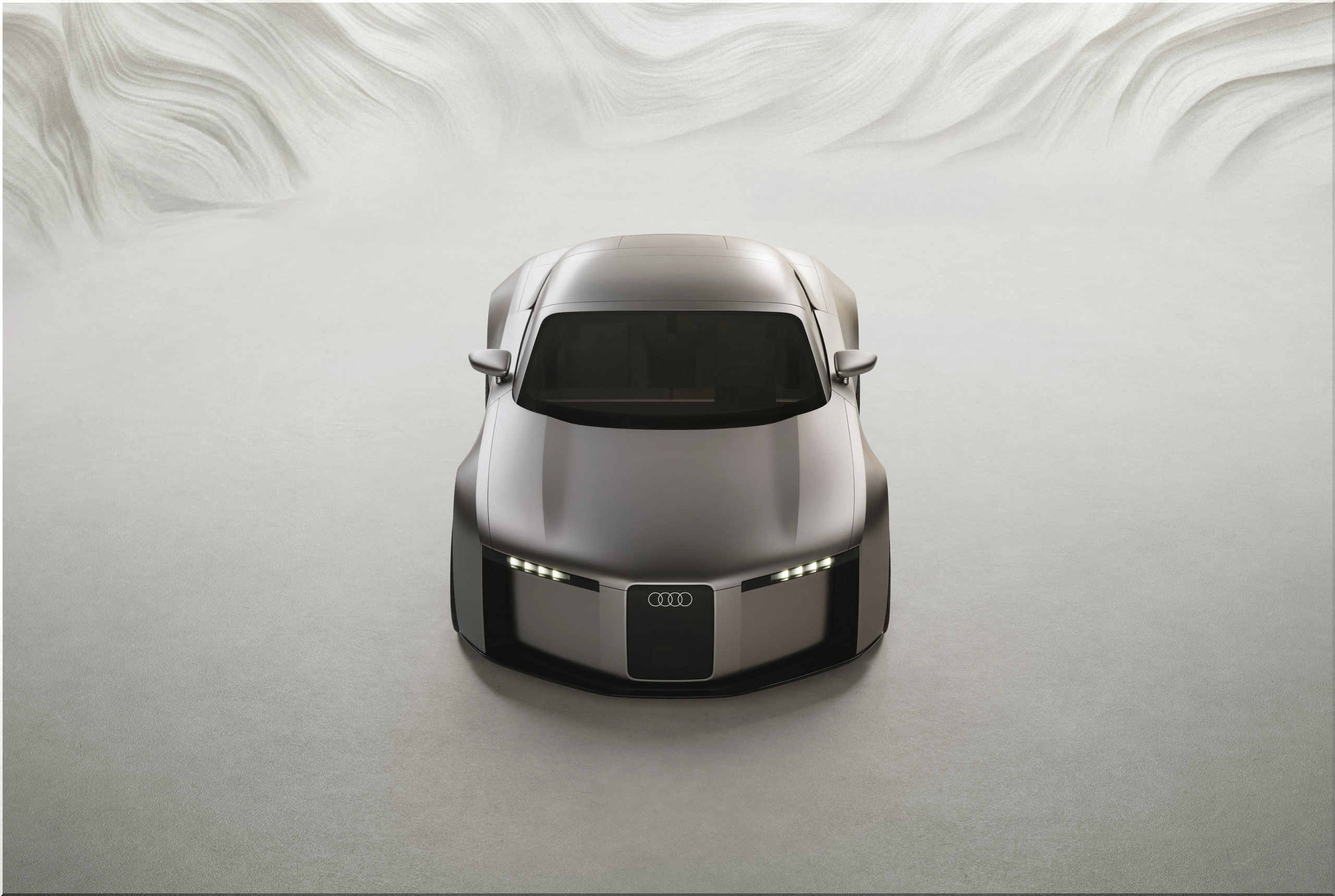
- Vertical frame front design, inspired by historic Audi models
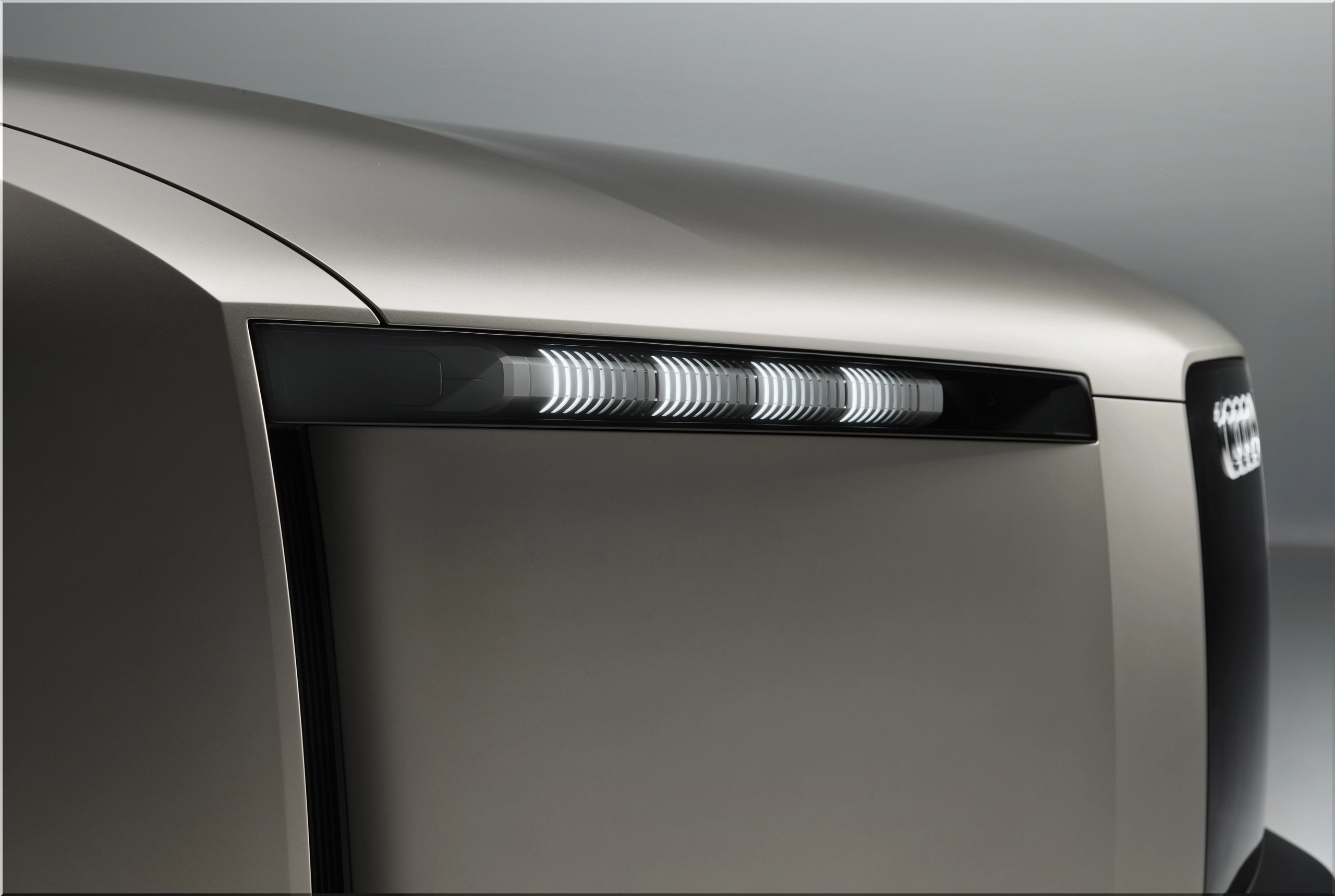
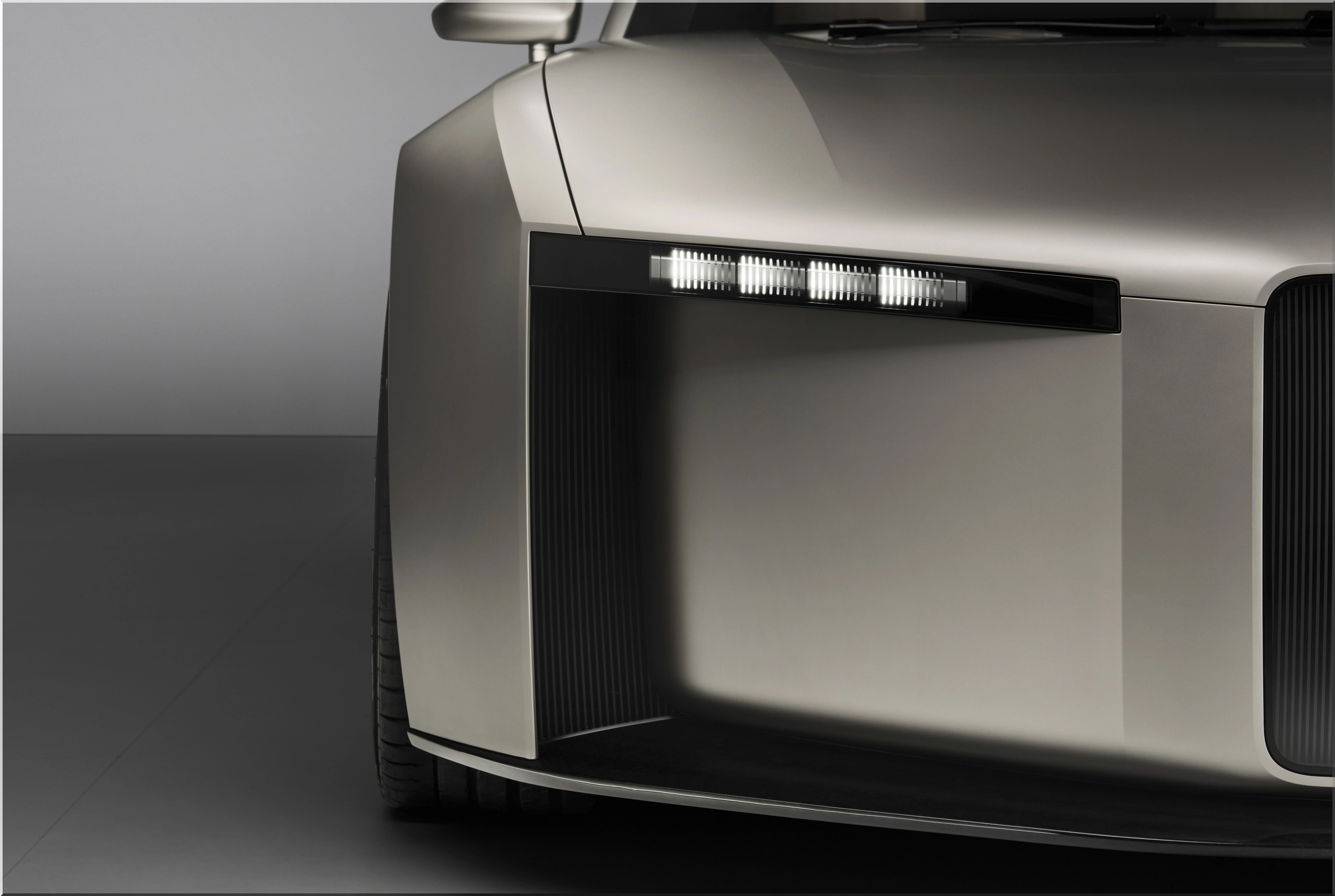
- Four-element light signature for a new visual identity
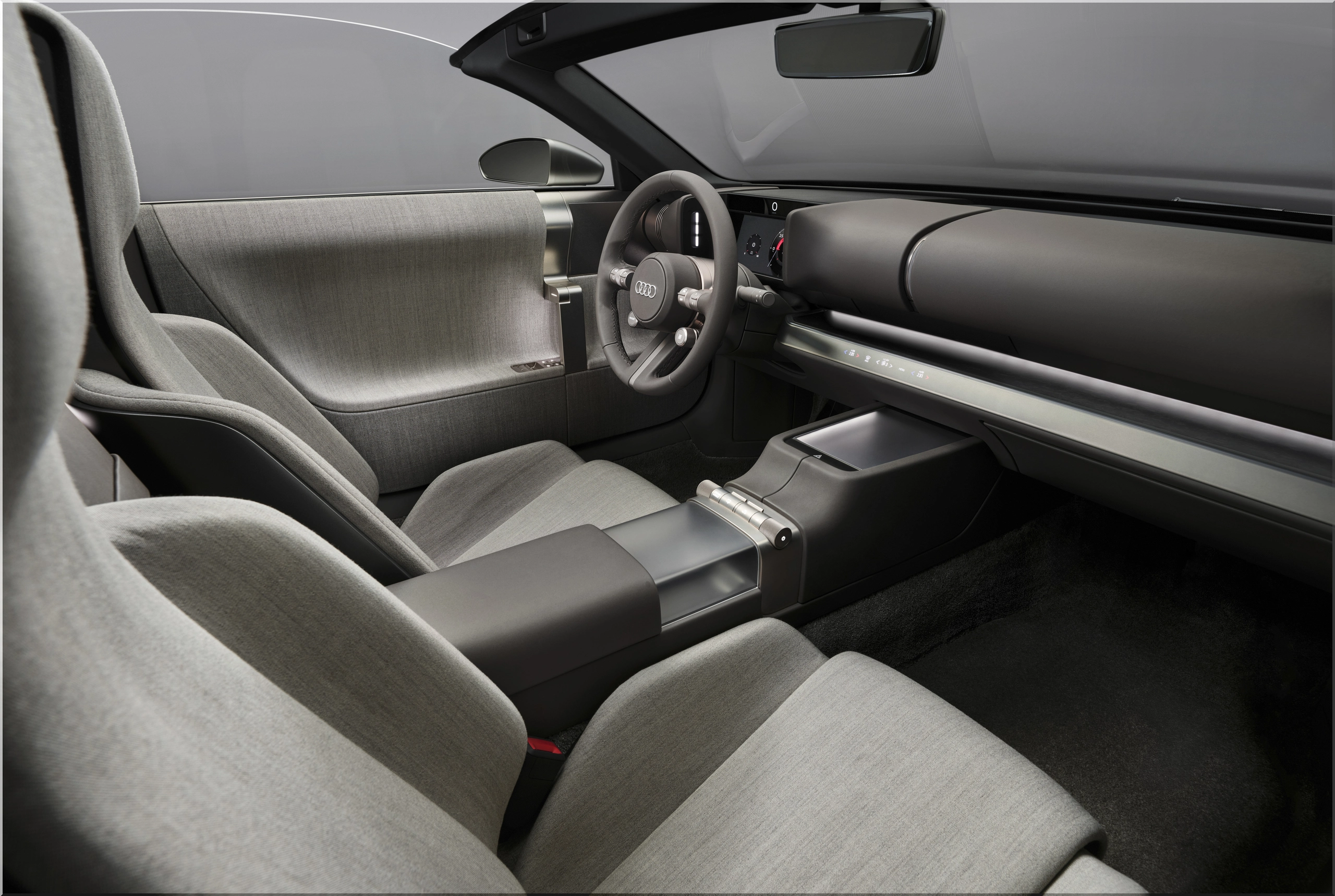
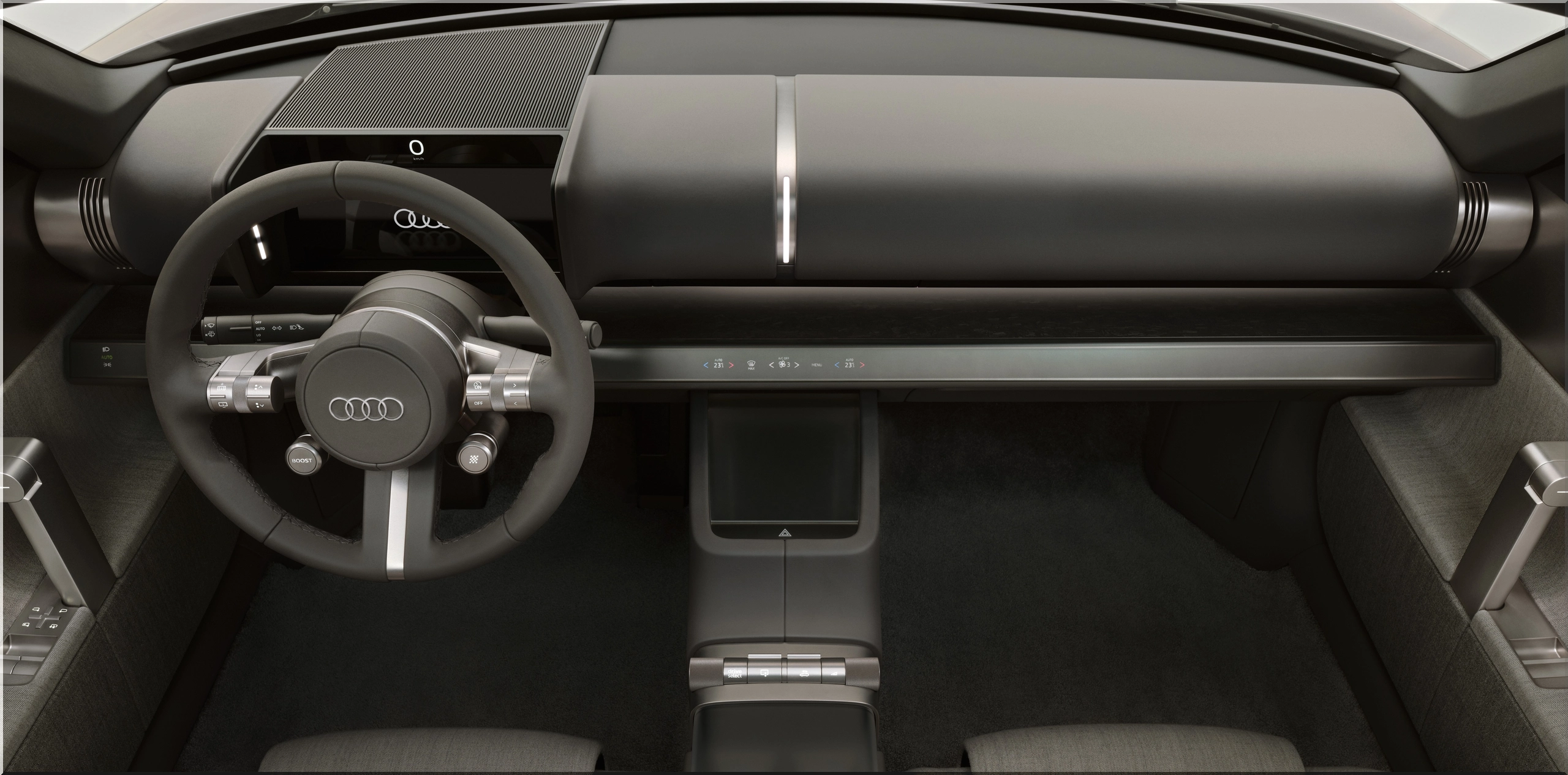
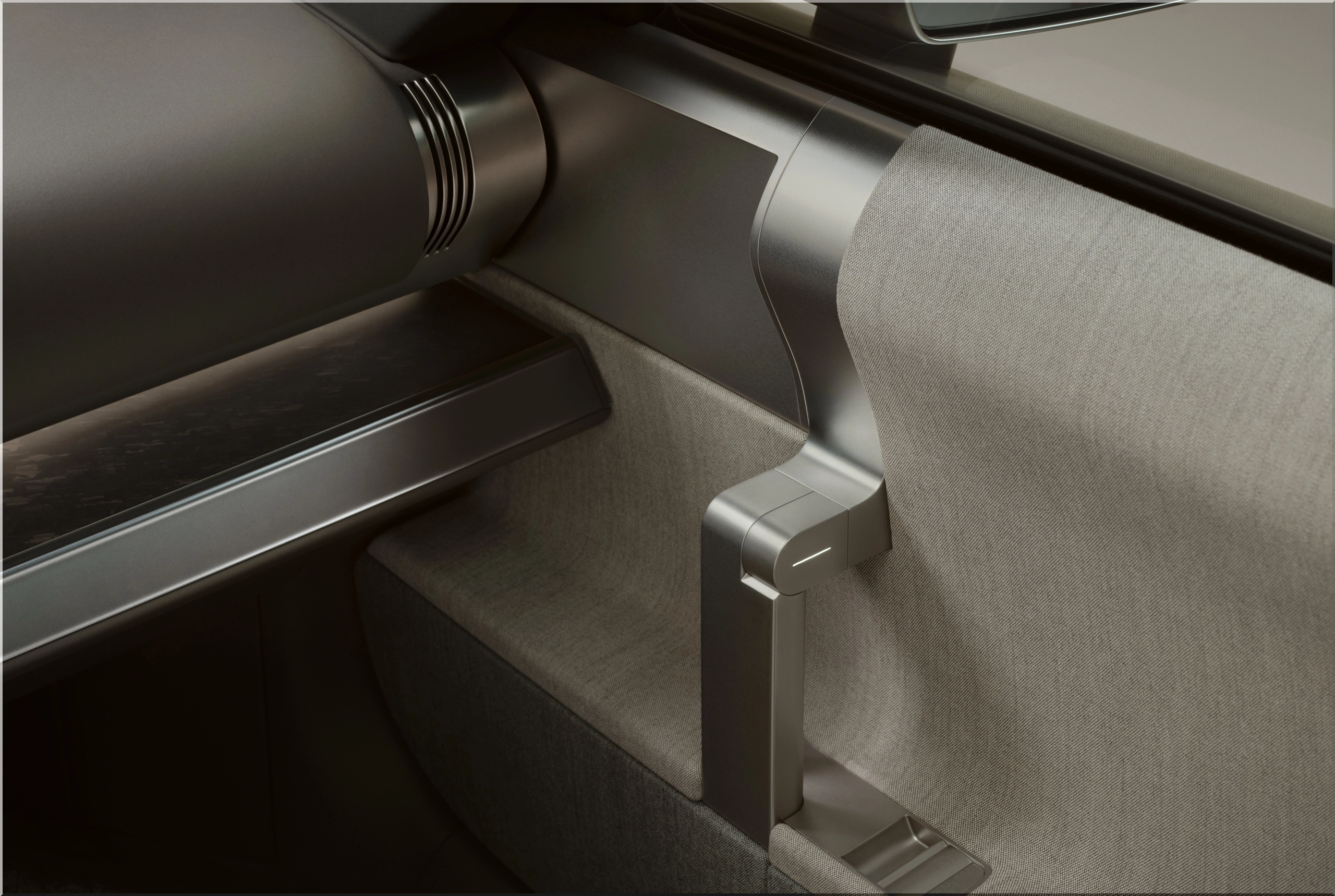
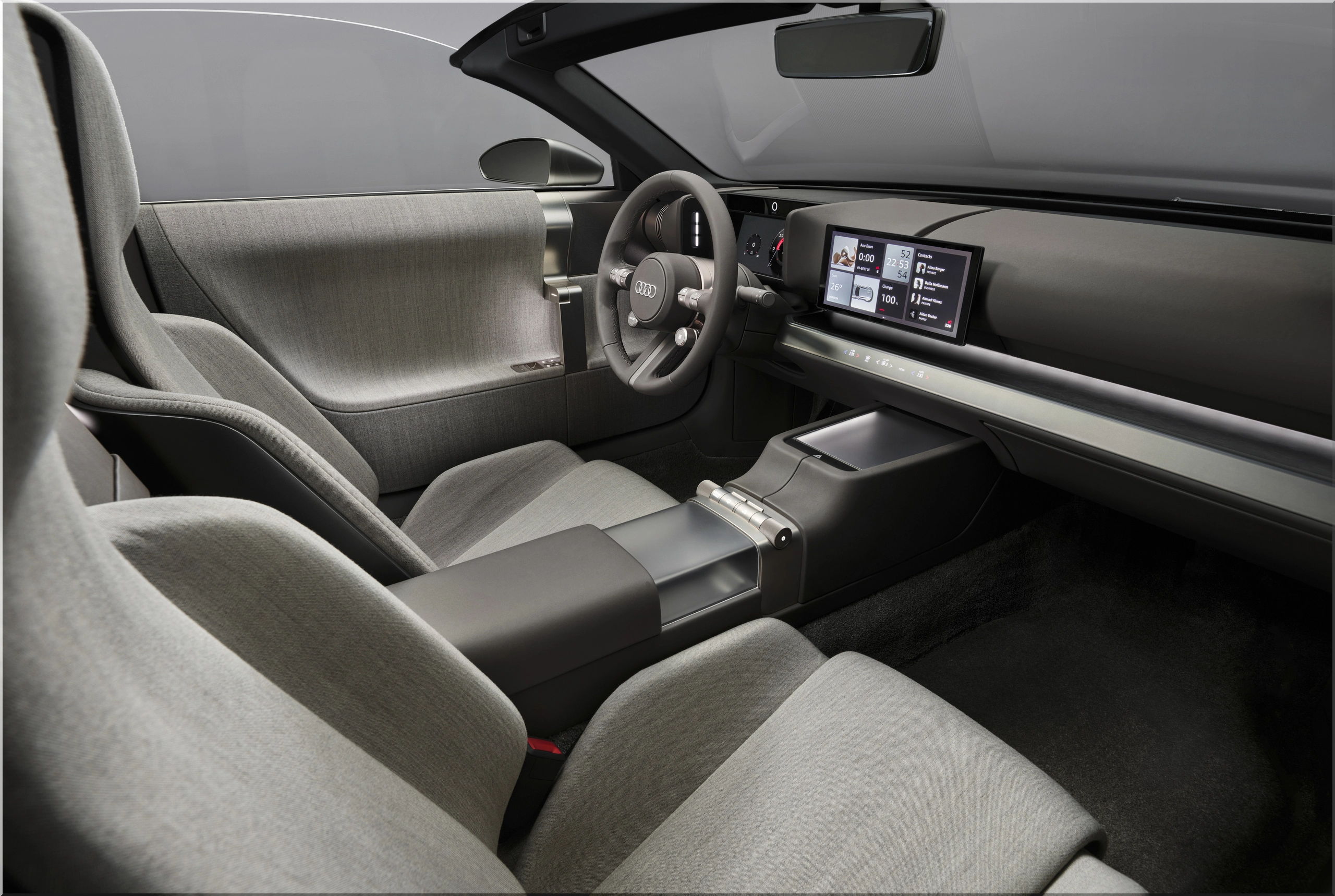
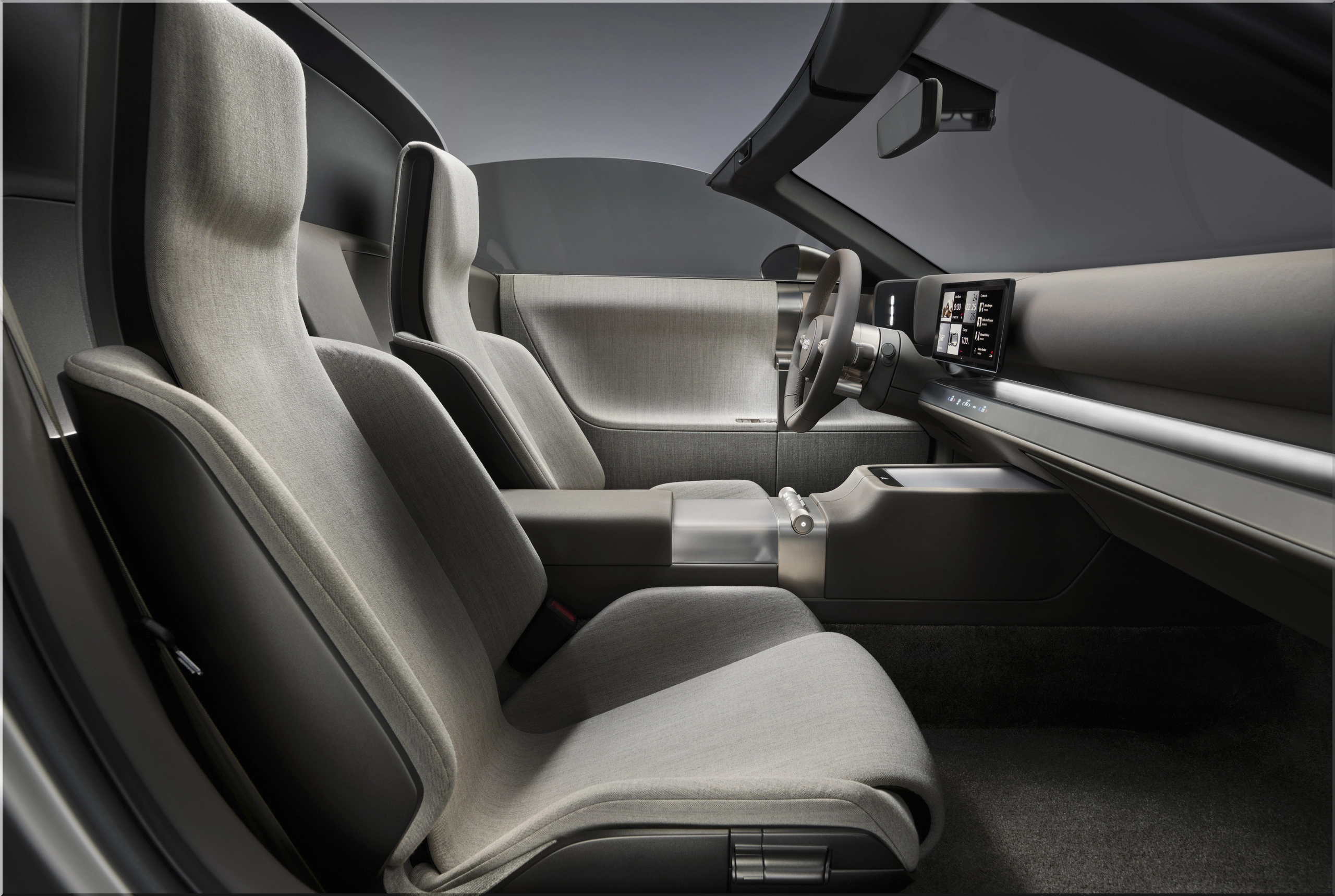
- Minimalist interior with tactile, mechanical-quality controls
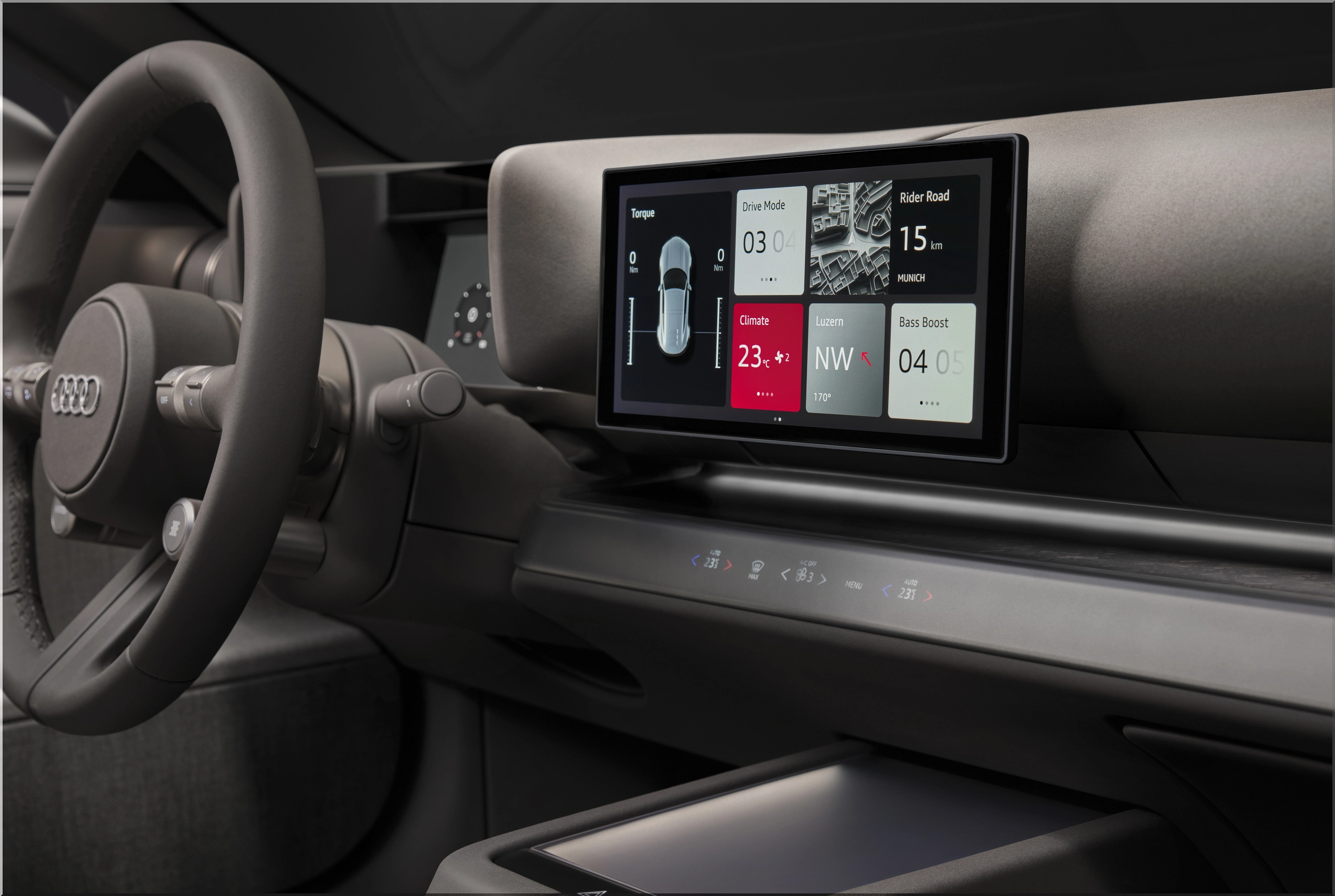
- Shy tech approach with foldable digital display and intuitive interaction
Audi's New Design Philosophy
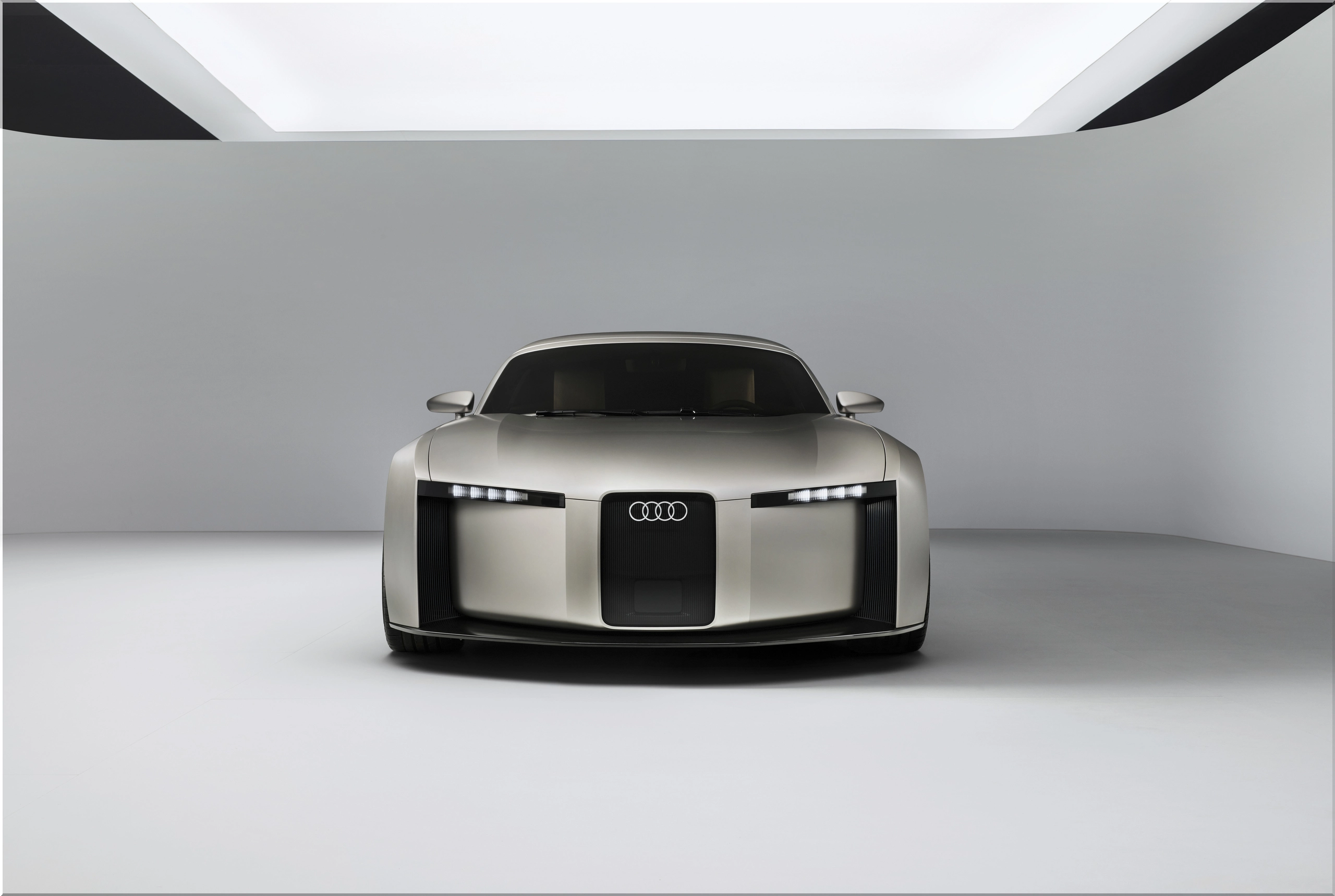
The Concept C represents radical simplicity. Audi calls it athletic minimalism. Surfaces are clean, intersected by one strong line. The vertical frame defines the front and creates a strong identity. This element links past icons such as the Auto Union Type C (1936) and the Audi A6 (2004) with the future.
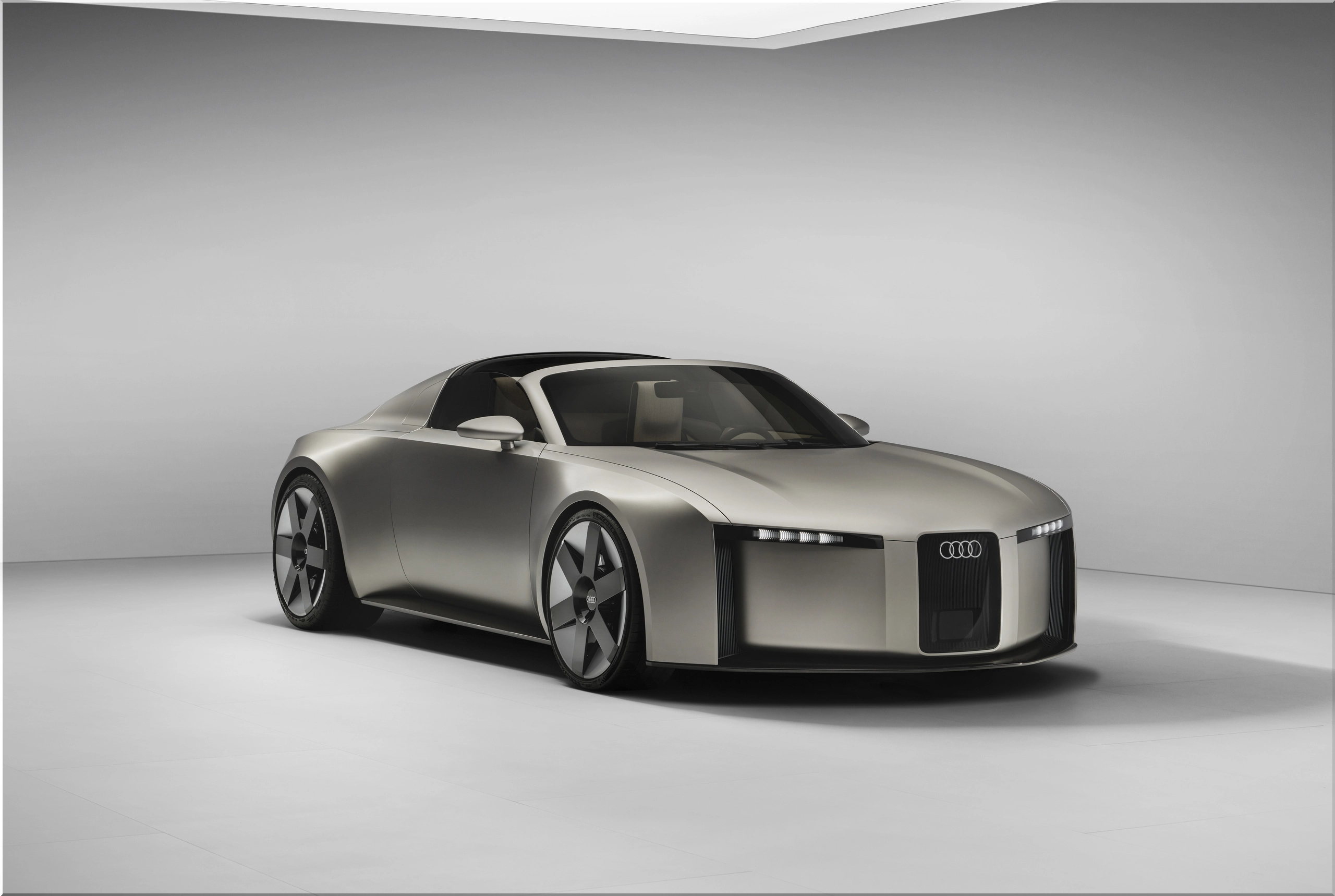
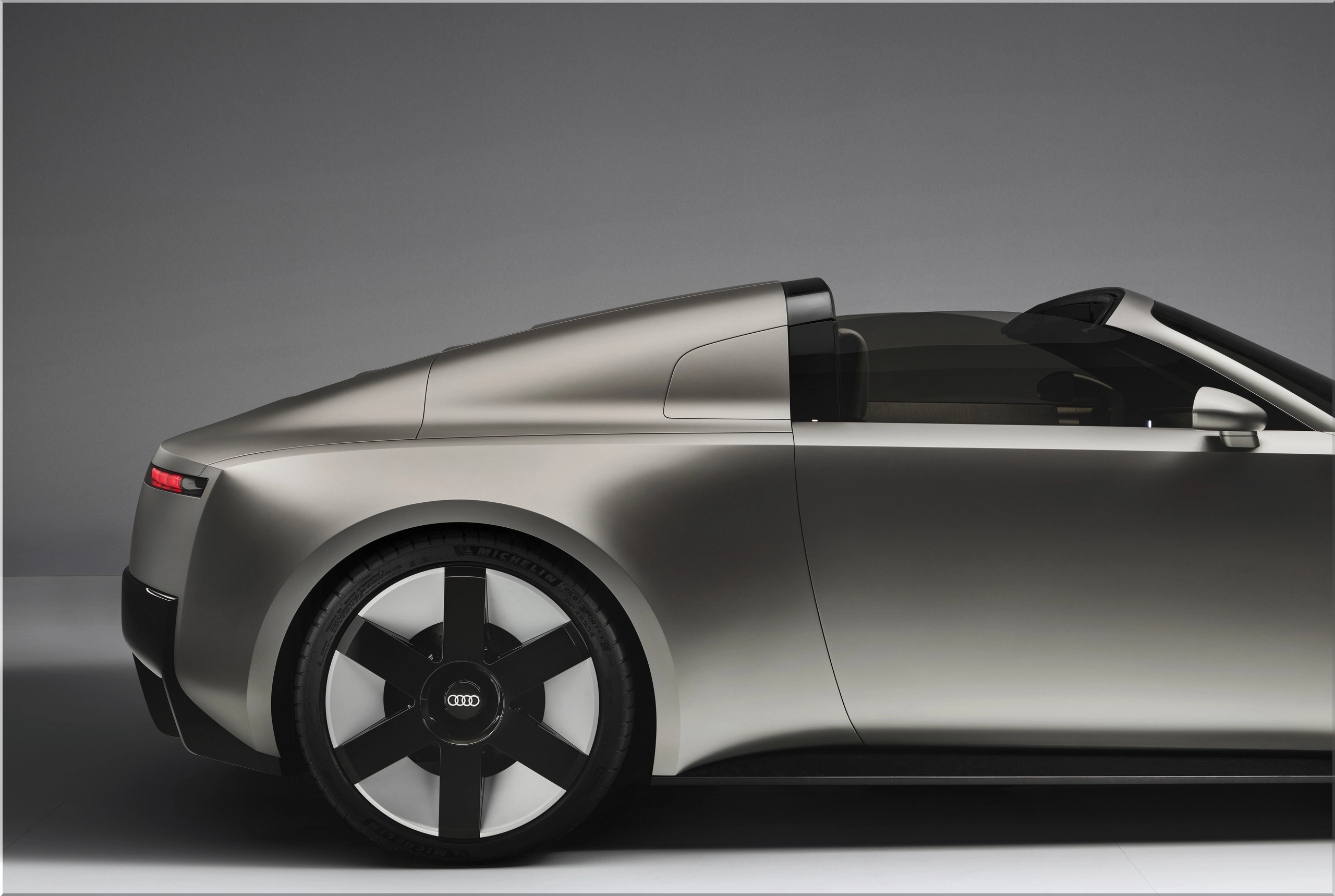
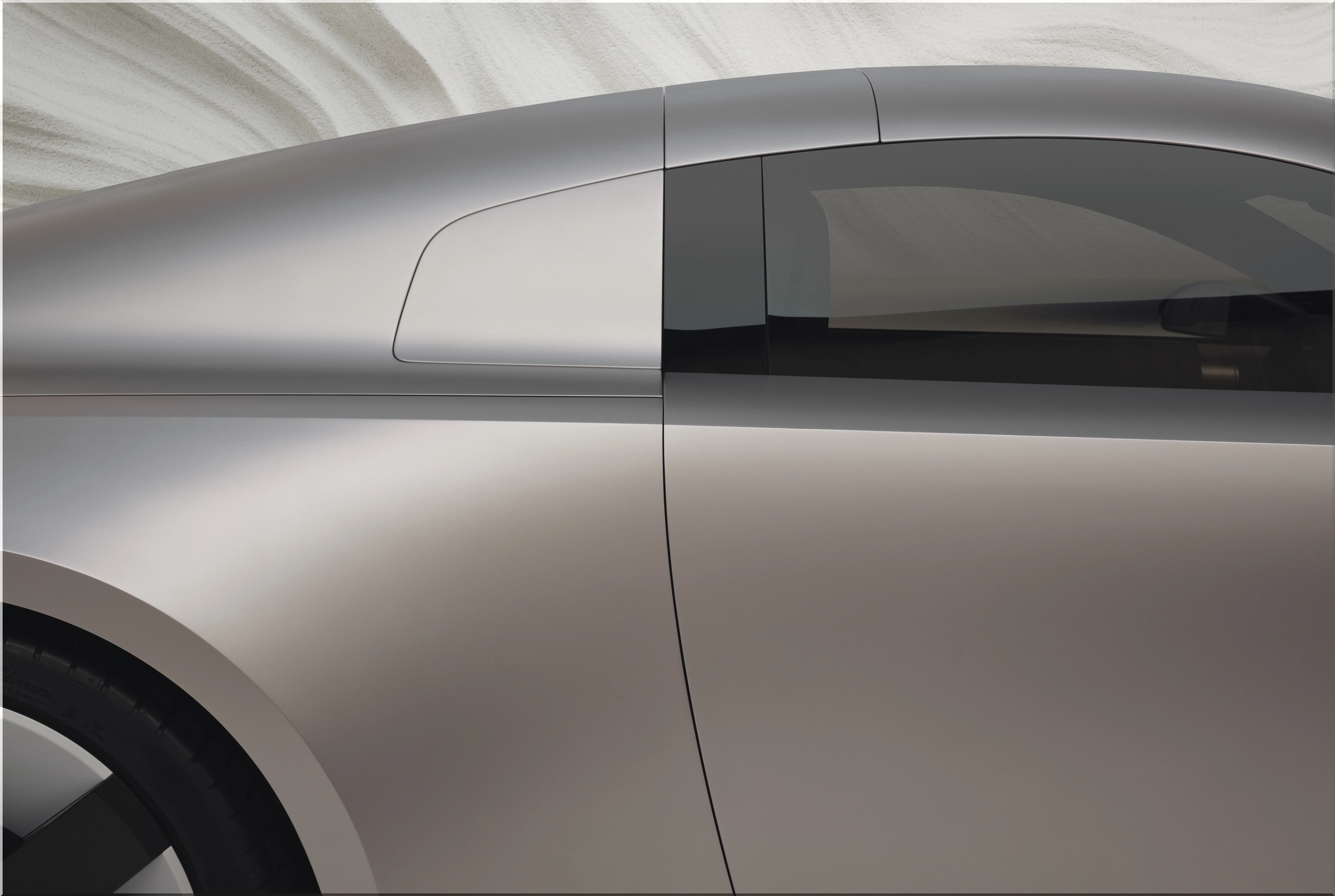
The proportions come from a central battery layout. The cabin sits far back, emphasizing a powerful stance. The body looks monolithic when closed but transforms into a true roadster with its retractable roof.
Retractable Hardtop Innovation
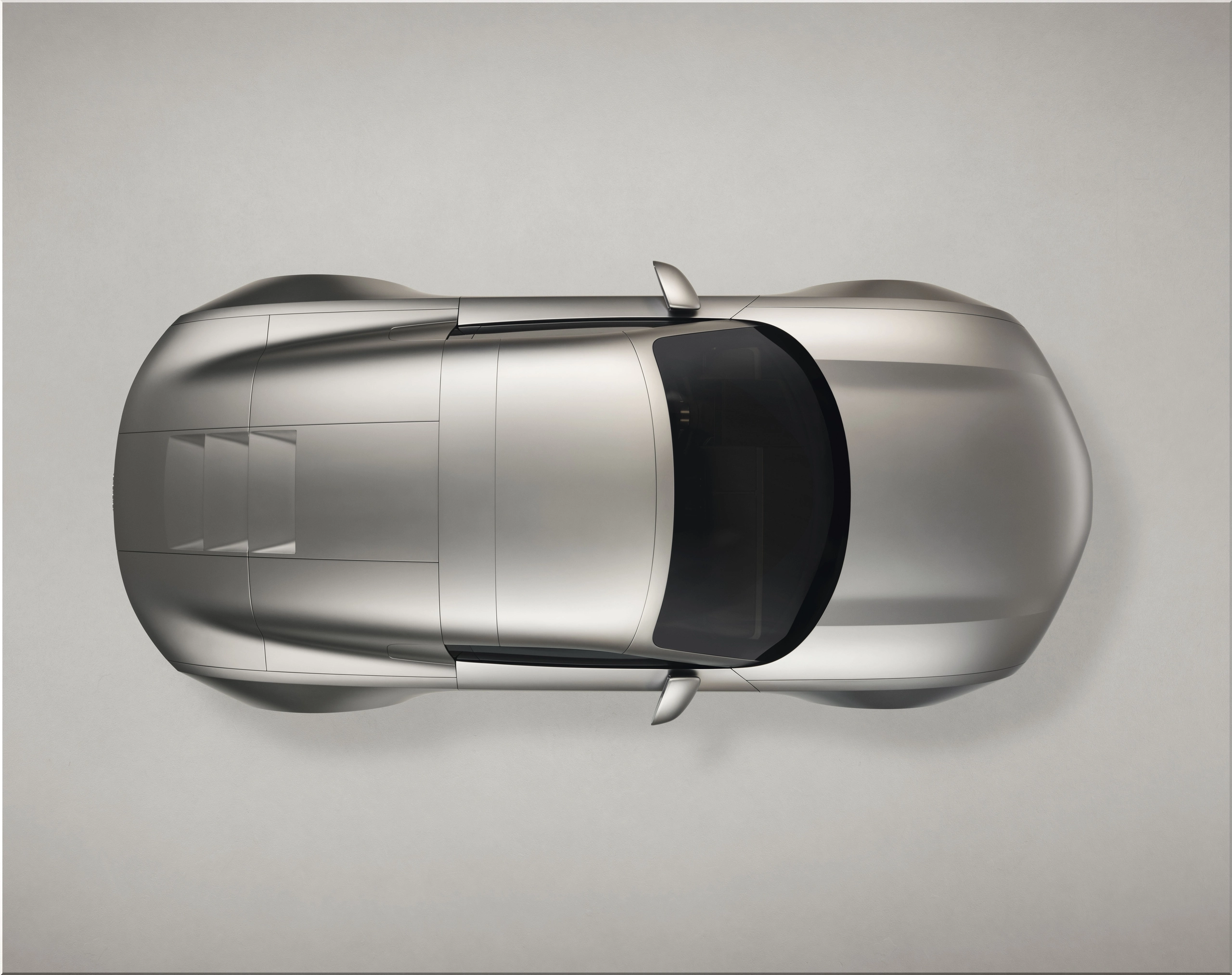
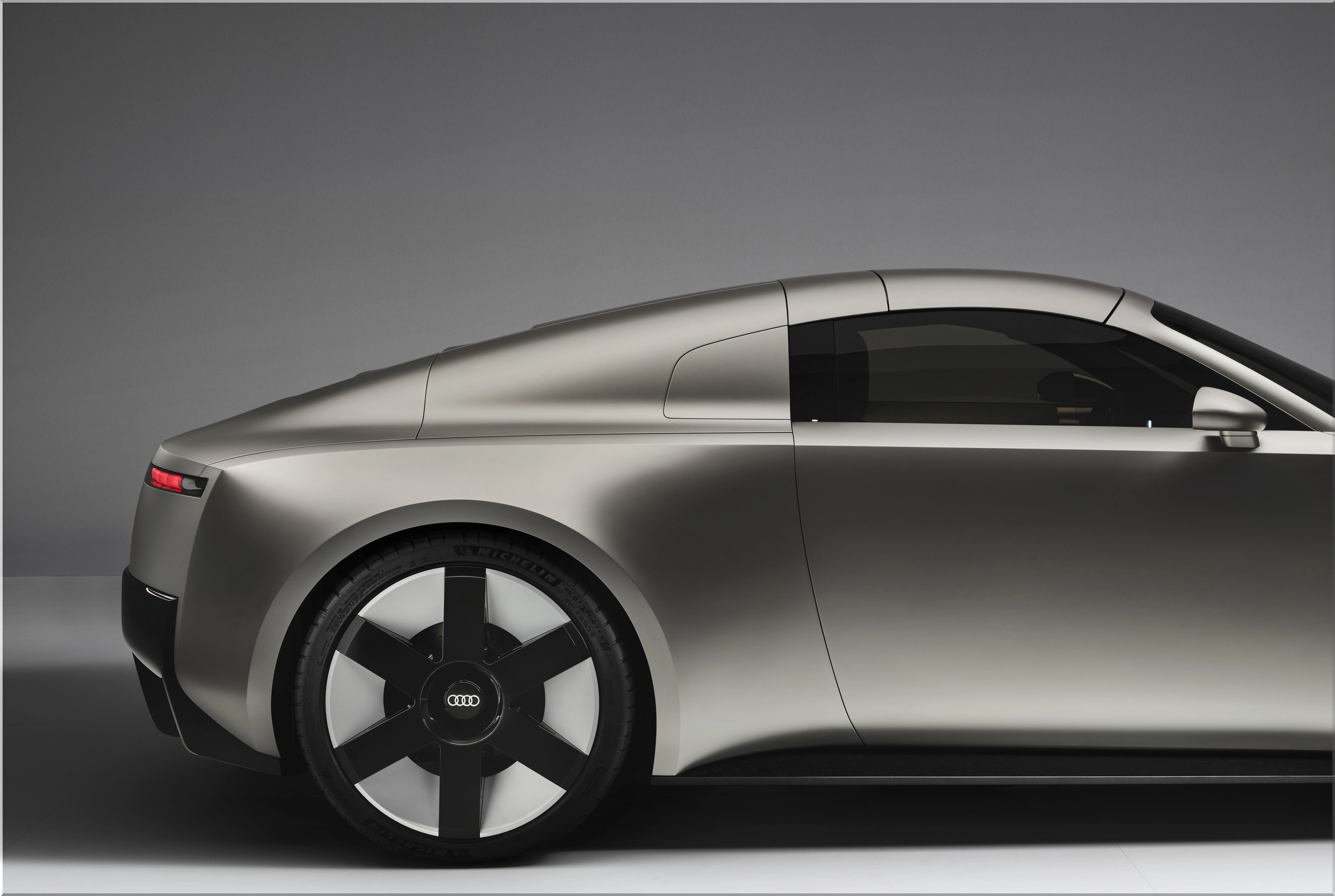
Audi uses an electrically retractable hardtop on a roadster for the first time. It is made of two roof elements. When closed, the car looks like a sculpted coupé. When opened, it delivers a pure open-top experience. This flexibility widens its appeal: coupe buyers and convertible enthusiasts both find value.
New Light Signature
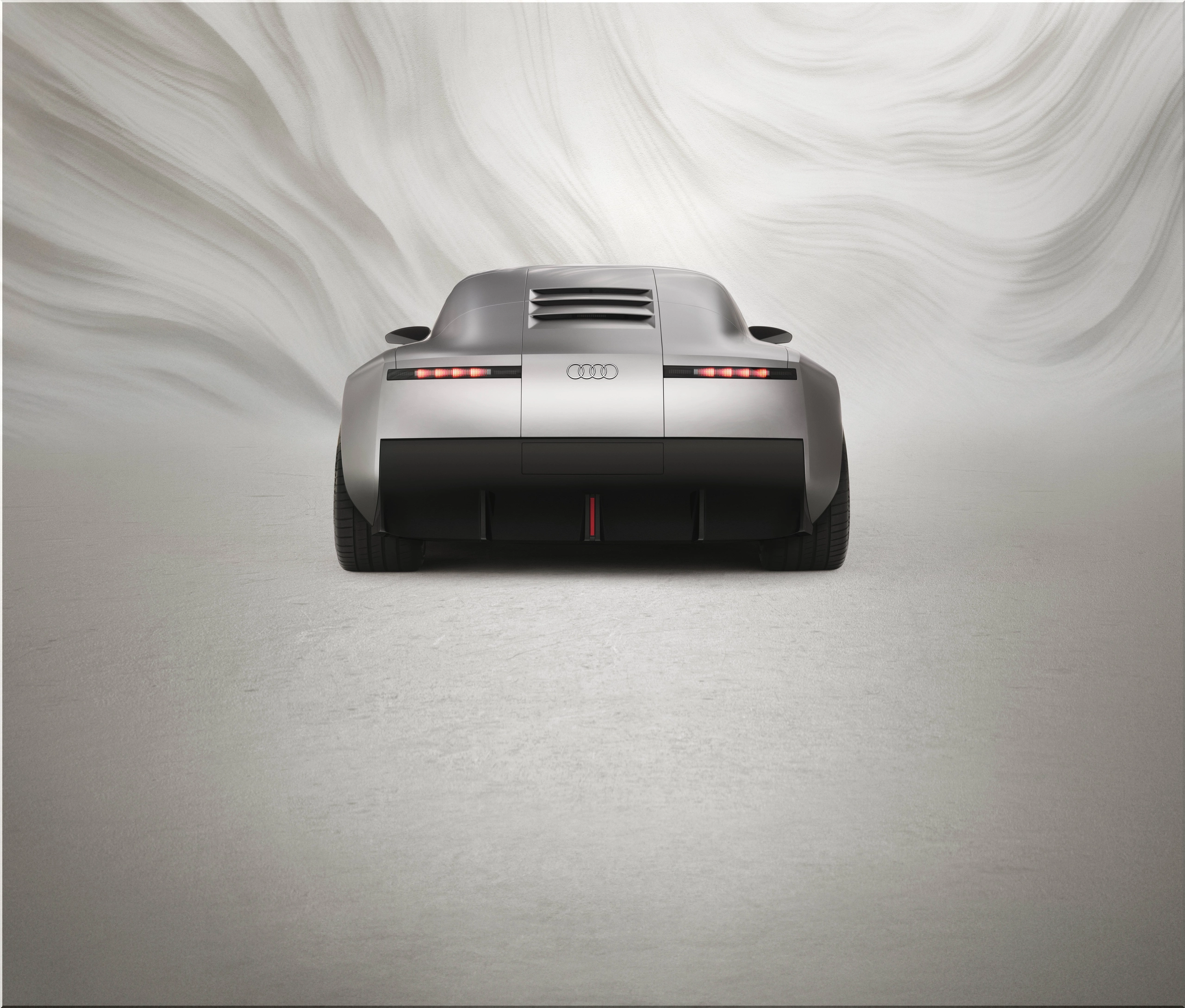
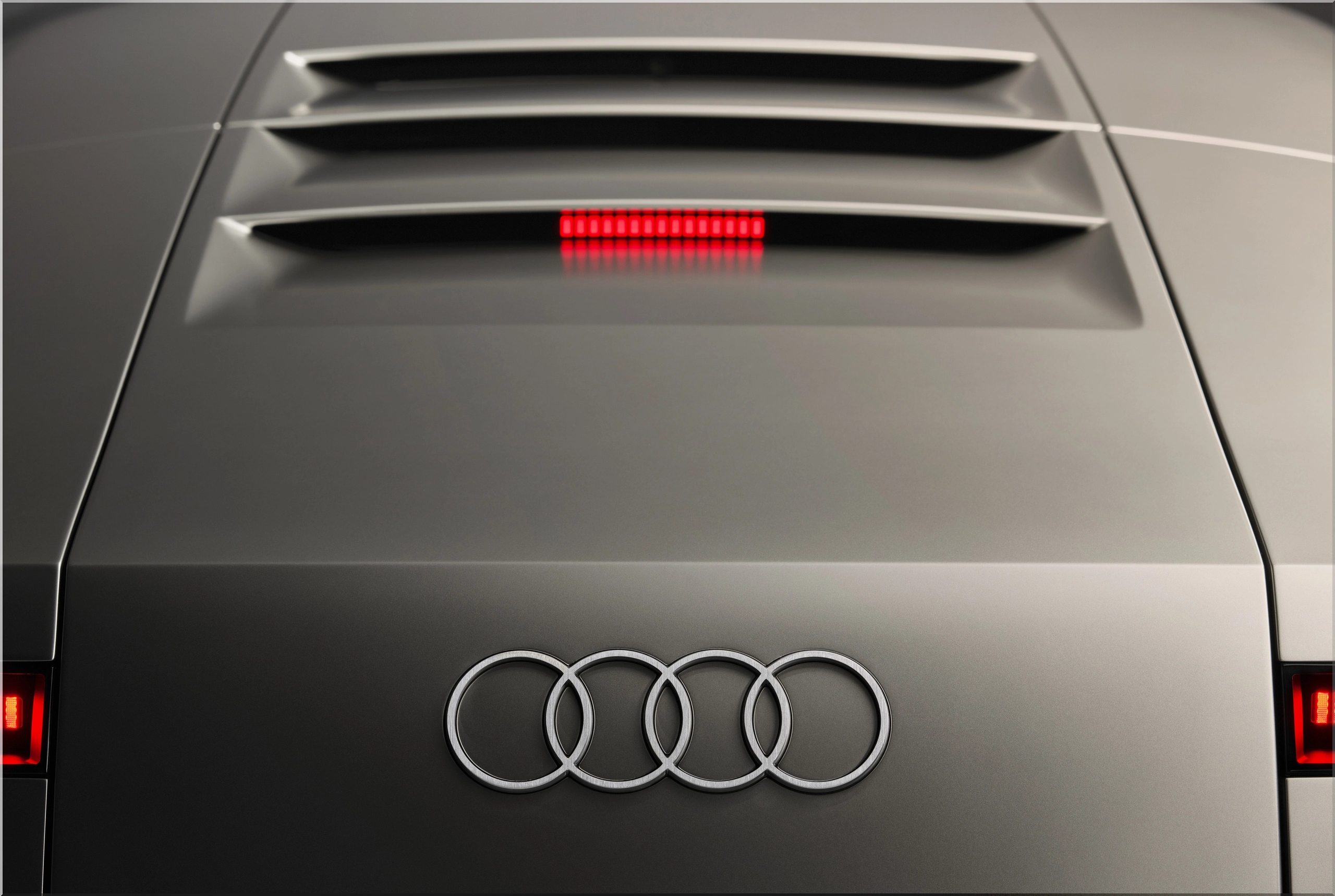
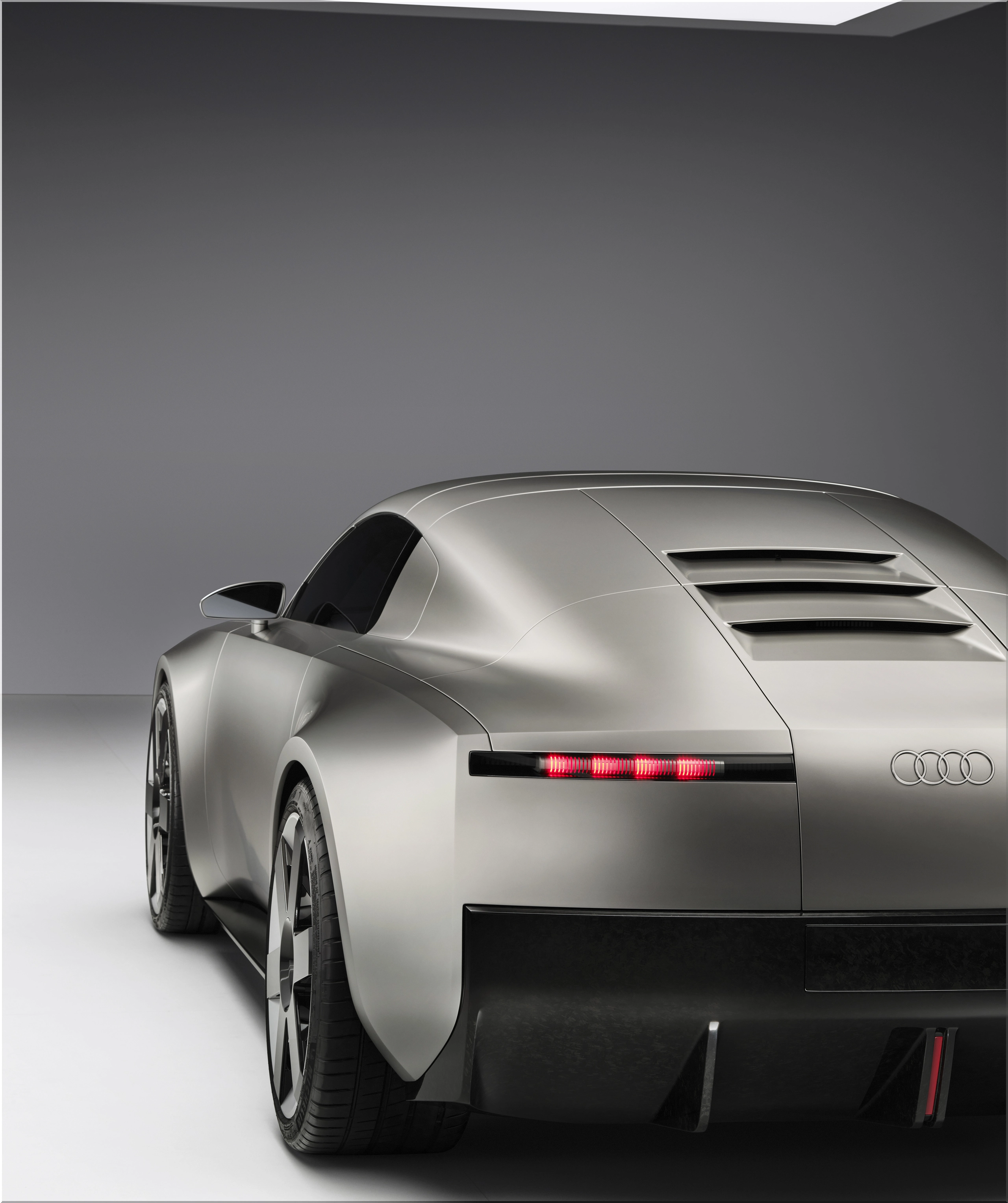
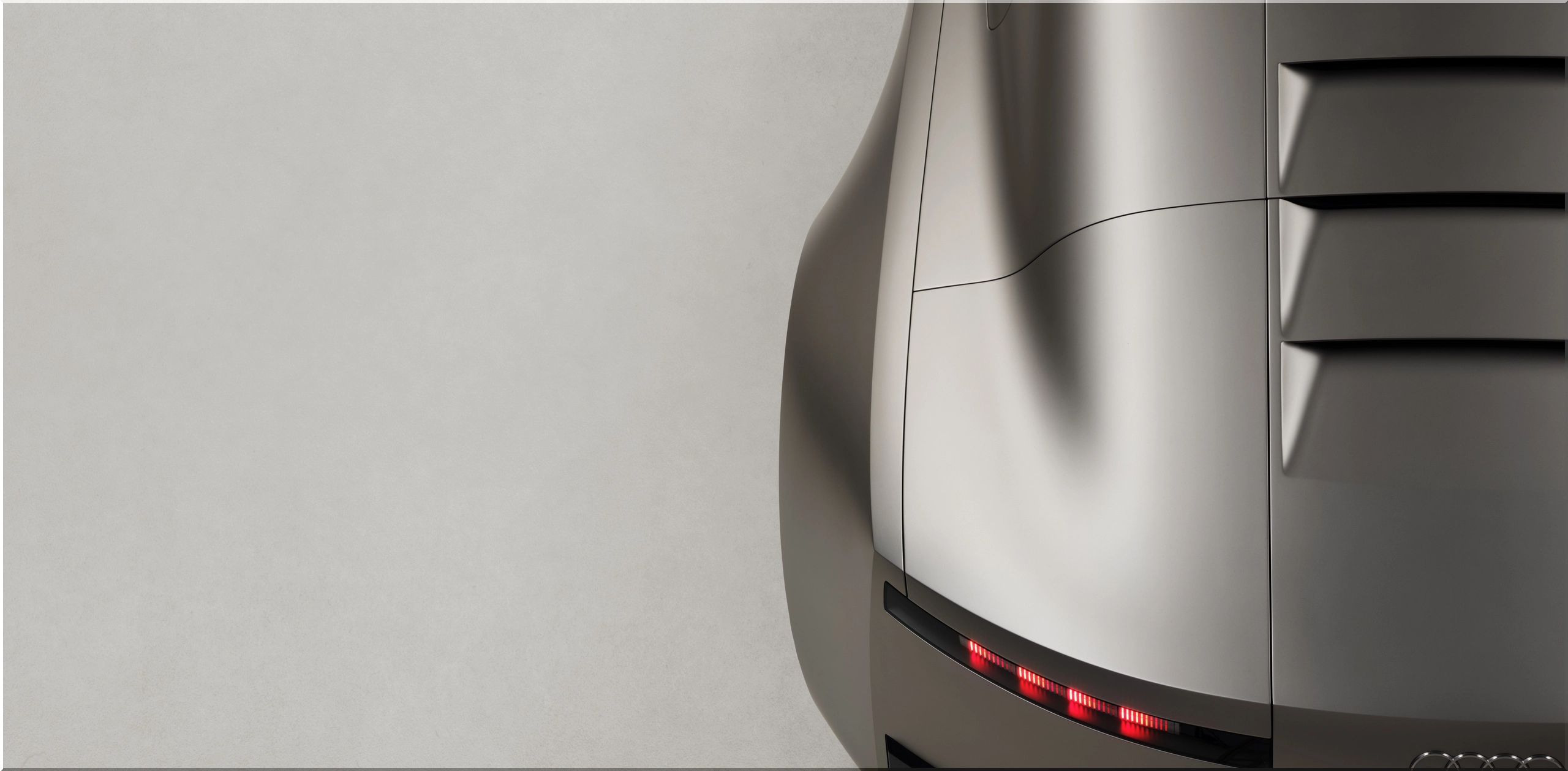
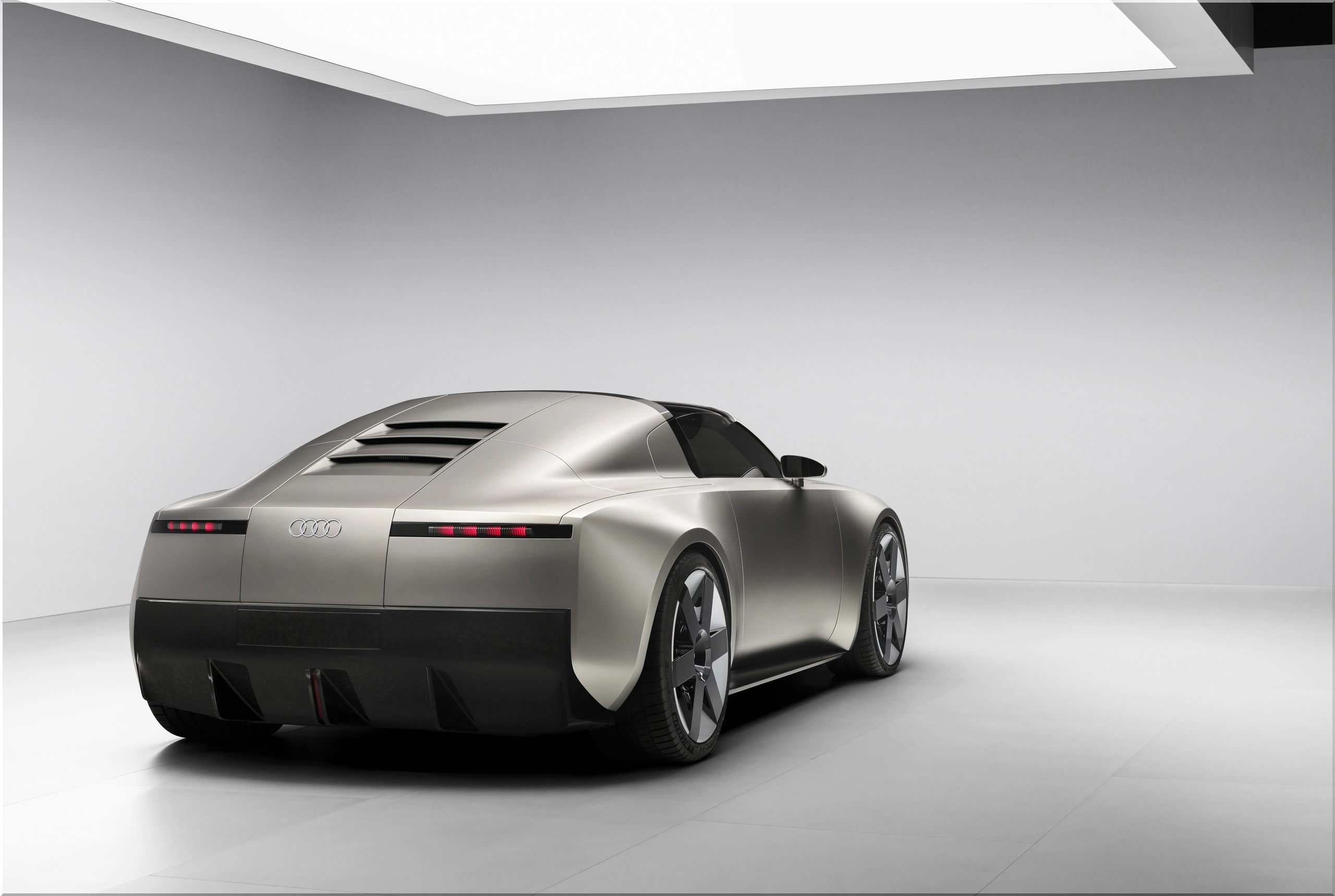
Audi introduces a four-element light signature. Each headlight and rear light contains four horizontal elements. This design is simple, repeatable, and highly visible. It sets a new identity marker for upcoming Audi models. Day or night, this design ensures instant recognition on the road.
Exterior Design and Materials
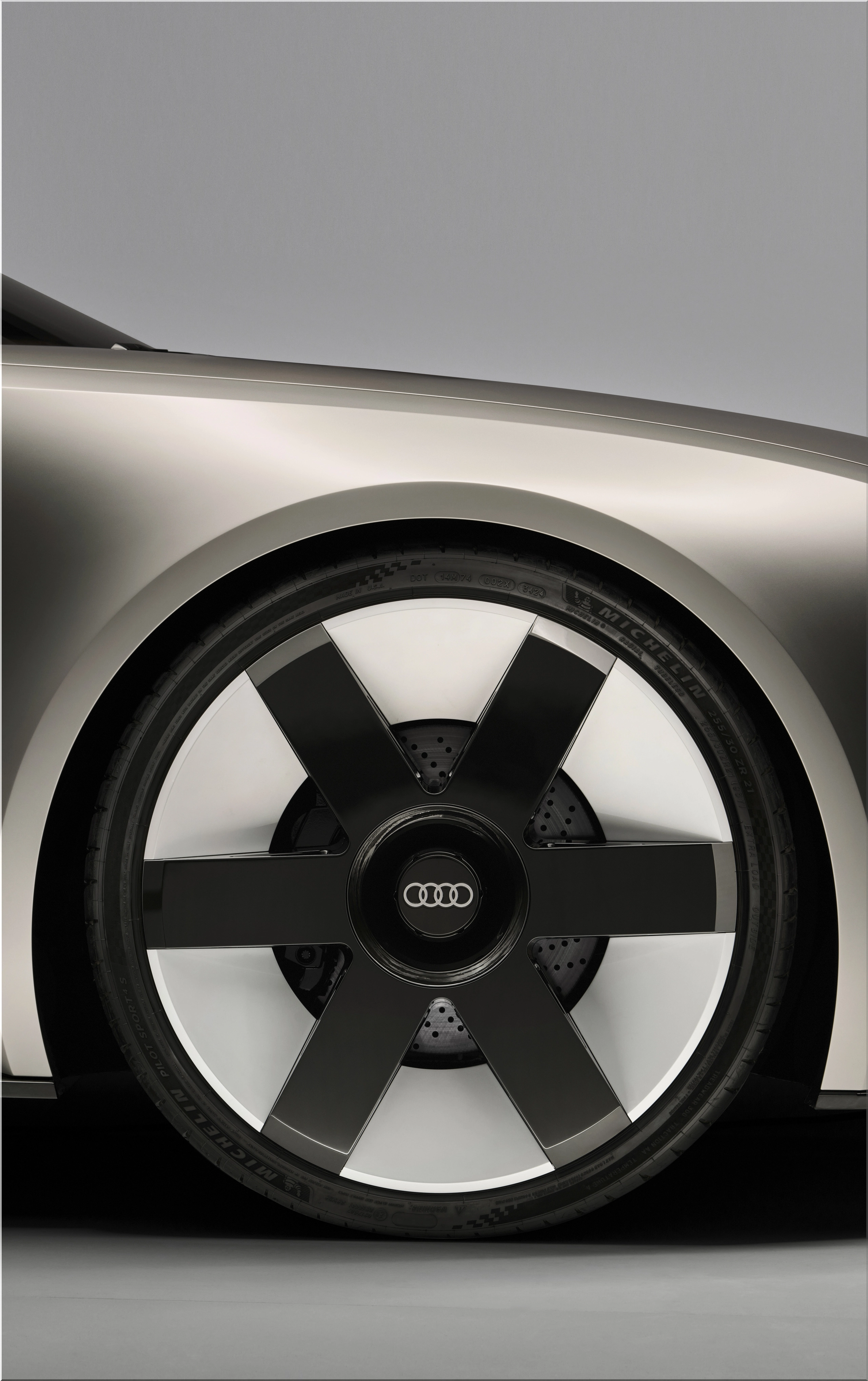
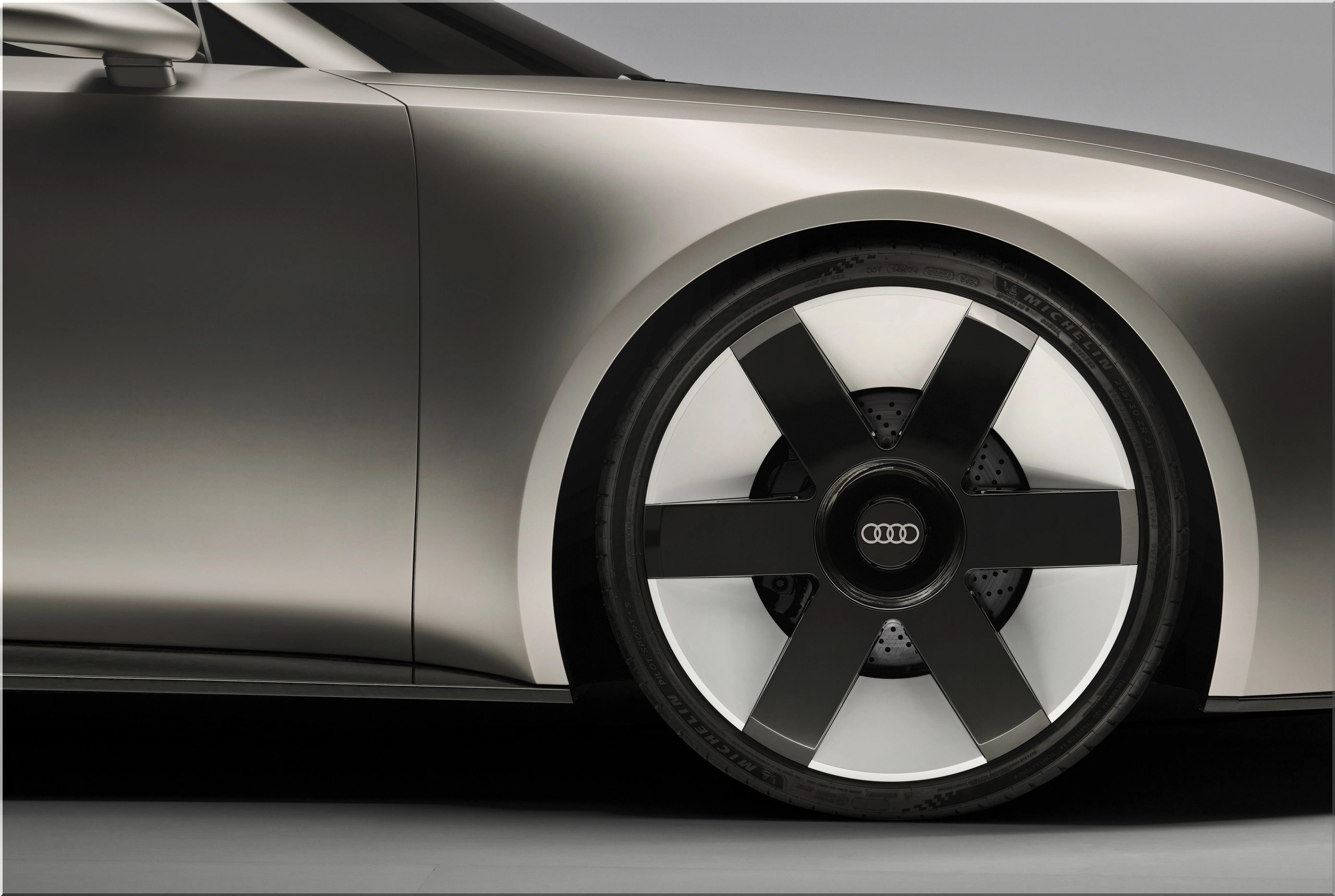
The exterior color, Titanium, links to strength, lightness, and precision. The shoulder line runs along the sides, enhancing stance and balance. At the rear, horizontal slats reinforce the sporty character. The surfaces are clean and precise, avoiding unnecessary decoration.
Interior: Precision and Tactility
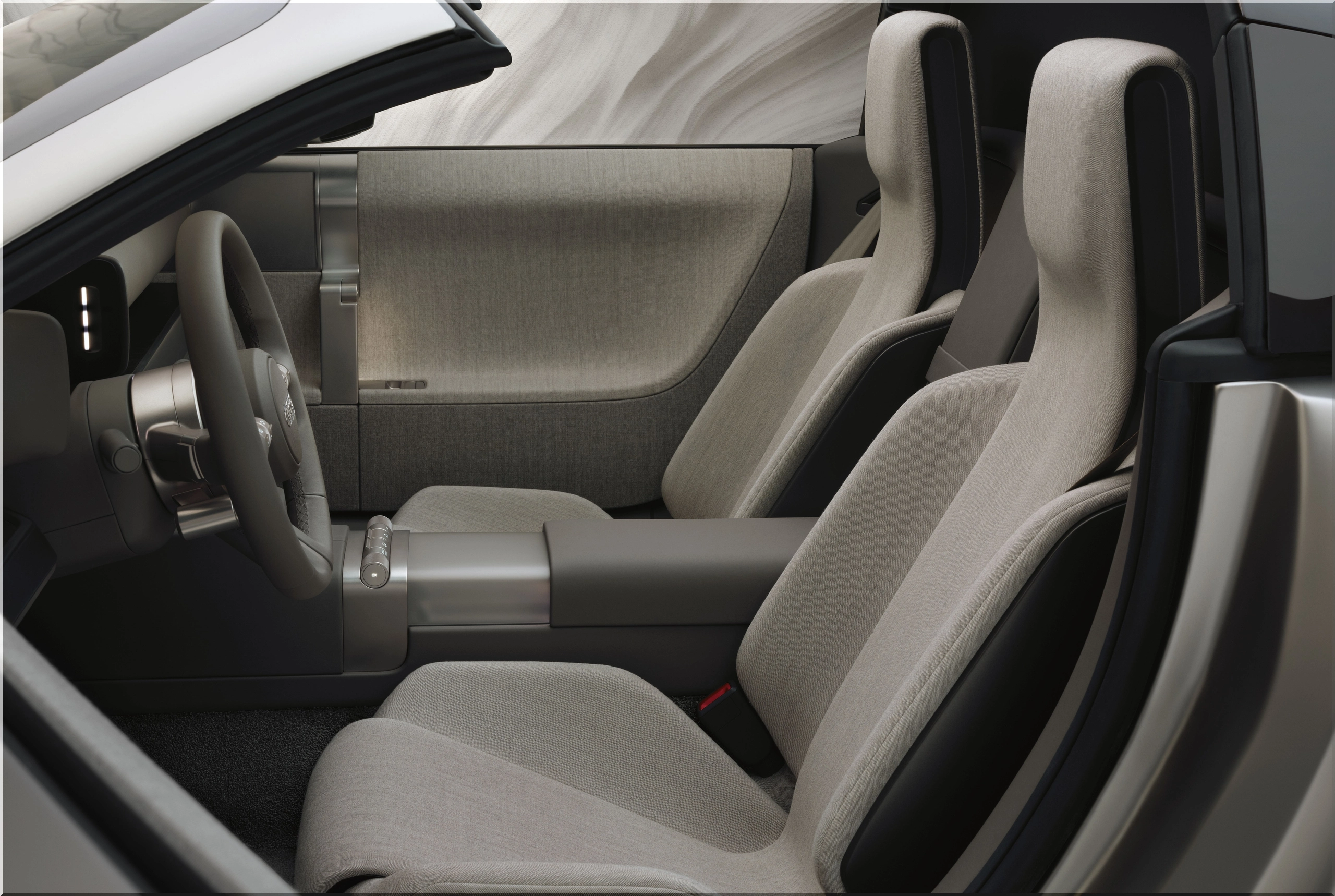
The interior follows the same philosophy: geometric, minimal, and focused. The design gives space to both occupants but centers attention on the driver. Key features:
- Anodized aluminum controls with mechanical feedback
- Audi steering wheel with metal Audi rings at the center
- Titanium-inspired tones in the color palette
- Natural materials for warmth and refinement
- Ambient lighting designed to enhance materials, not dominate them
The Audi click defines the tactile quality. Drivers expect physical confidence in every interaction. Audi delivers that with buttons and switches that feel solid and precise.
Shy Tech Philosophy
Audi integrates technology that hides when not needed. Instead of large permanent screens, Audi uses a 10.4-inch foldable center display. The system activates only when necessary. This avoids distraction and aligns with minimalist design. The haptic controls on the steering wheel and center console make use intuitive and predictable. Technology supports driving but never dominates.

Market Context and Strategy
Audi sold 1.7 million vehicles in 2024. The company continues to invest heavily in electric platforms. The Concept C signals Audi's next step in design and electrification. Audi positions it not only as a design showcase but also a production preview.
Audi Group revenue in 2024: $70.2 billion (approx. €64.5 billion). Operating profit: $4.2 billion (approx. €3.9 billion). These figures show the financial strength to support ambitious concept-to-production projects.
Comparison with Competitors
The Audi Concept C enters a segment where Porsche, Tesla, and BMW push electric performance. Unlike competitors, Audi emphasizes design minimalism over raw performance claims. By doing so, it aims at buyers who want style, identity, and precision in addition to performance.
Key distinctions:
| Feature | Audi Concept C | Tesla Roadster (next-gen) | Porsche Mission R Concept |
|---|---|---|---|
| Seats | 2 | 2 | 2 |
| Roof | Retractable hardtop | Fixed roof | Fixed roof |
| Light Identity | Four-element signature | LED strip | Matrix LEDs |
| Interior Focus | Minimal, tactile | Digital-dominant | Driver-focused digital |
| Tech Philosophy | Shy tech, foldable display | Always-on screen | Immersive displays |
Implications for Production Models
Audi states the Concept C will influence a future production sports car. This could mean an electric TT successor or a new compact sports EV. The design language will also expand into sedans and SUVs. Expect the vertical frame and light signature across the lineup.
Actionable Insights for the Market
- Audi signals a pivot: design identity will matter as much as electric performance.
- Vertical frame + four-element light signature will become new brand markers.
- Minimalist interiors will spread beyond sports cars to volume models.
- Shy tech balances digital expectations with driver focus.
- Production timeline: expect a Concept C–inspired production model within 3–4 years.

Conclusion
The Audi Concept C is more than a concept car; it is a strategic message. Audi is redefining its design DNA with simplicity, clarity, and precision. This concept shows how the brand will compete in the electric era. It sets Audi apart in a crowded premium EV market. Buyers should expect this philosophy to influence production models starting in the late 2020s.

Even Porsche enters the era of electric mobility and does so in line with its style. The new Taycan, which was presented at the 2019 Frankfurt Motor Show, has nothing to envy of the other models of the German car manufacturer with thermal… Continue reading

The Audi e-tron GT quattro adds a lower entry point to Audi's electric grand tourer lineup. It targets buyers who want speed, long range, and rapid charging without moving into six-figure performance trims. This model focuses on usable output… Continue reading
Volvo Polestar 1 made its appearance at the 2018 Geneva Motor Show. It is a electric car with two doors, four seats and 600 horsepower that will offer an electric range of more than 150 kilometers (93 miles). The… Continue reading

MG's electric roadster, the Cyberster, marks a triumphant return for the brand to the sports car scene. This isn't just any electric vehicle (EV) – it carves out its own niche, offering a thrilling ride for fans and newcomers alike. While it… Continue reading