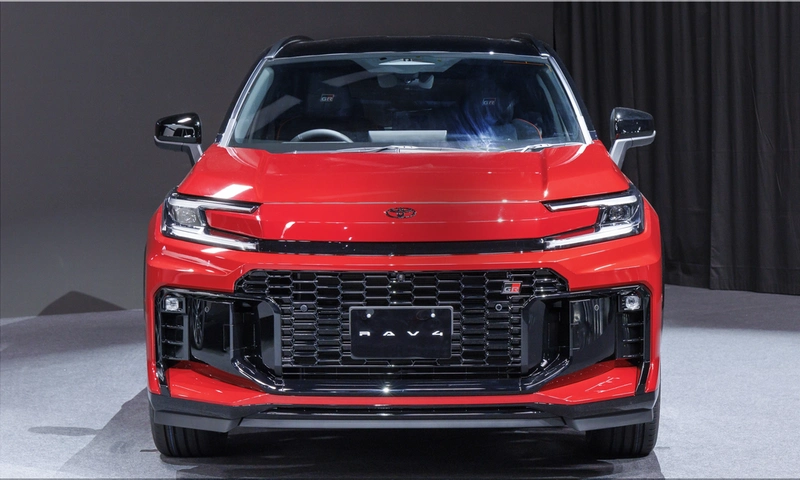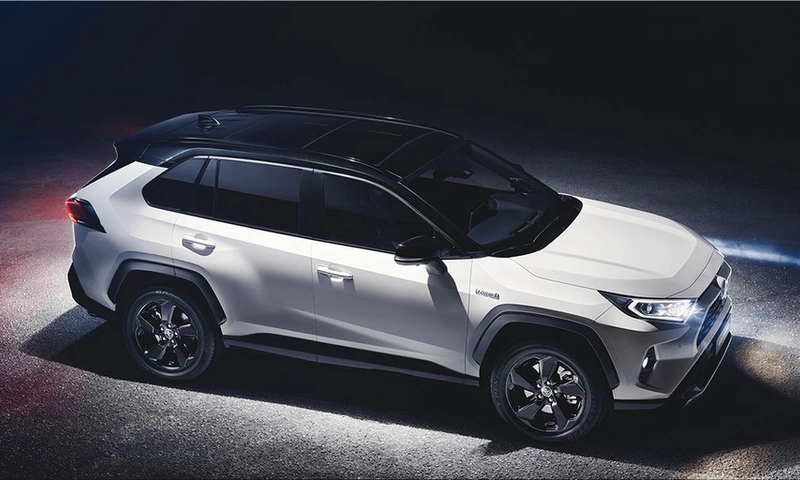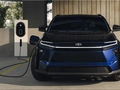
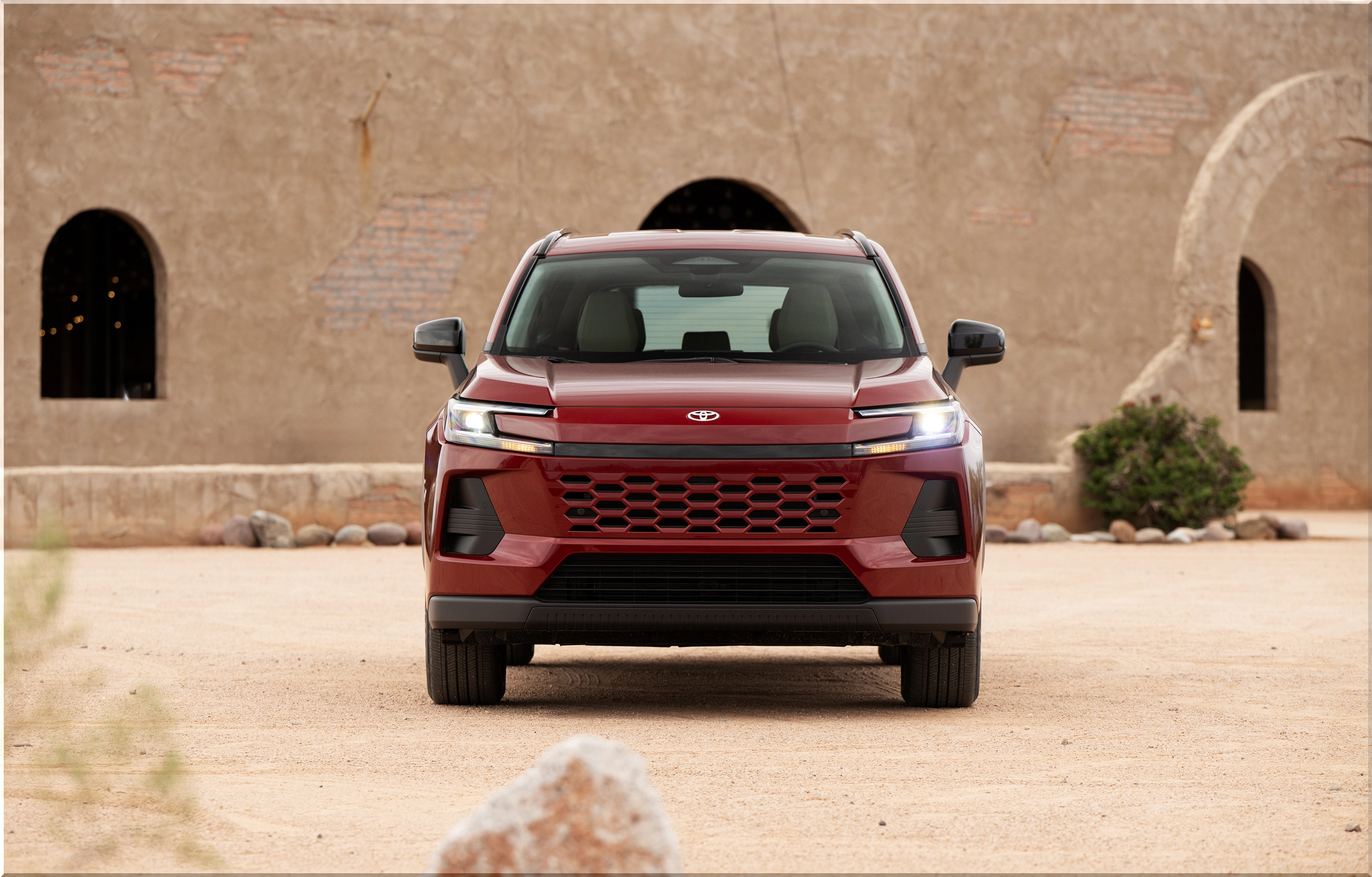
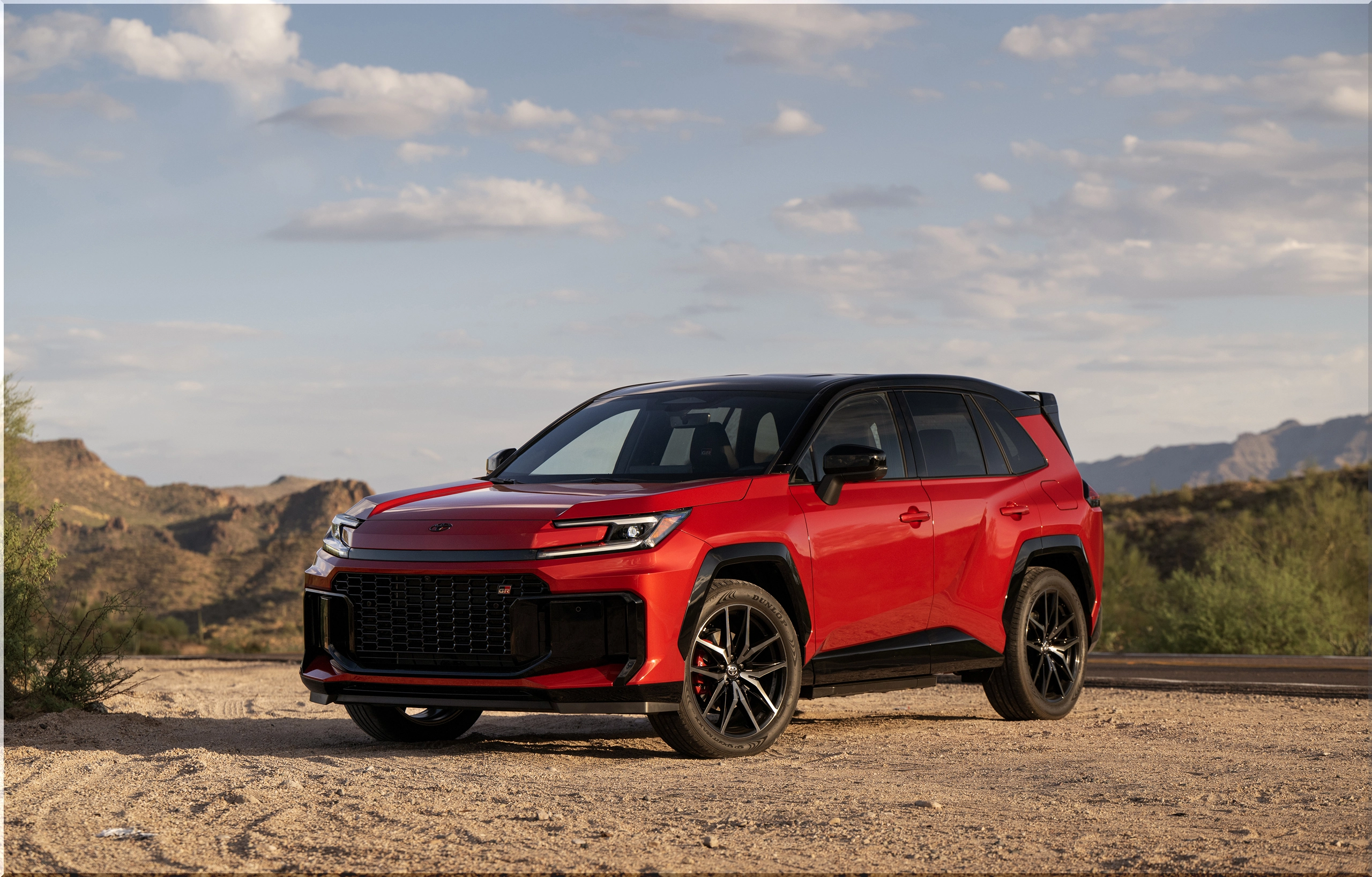
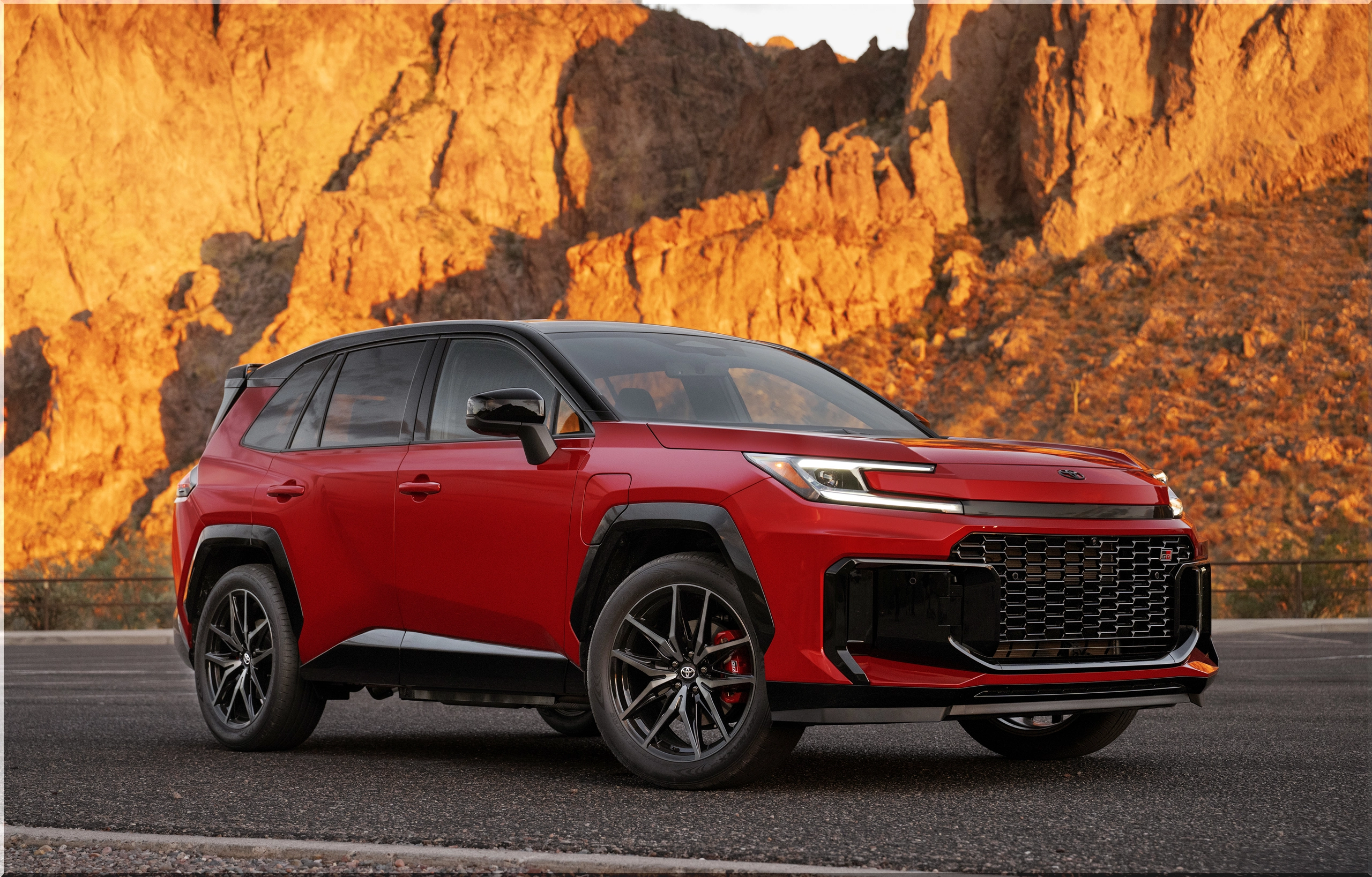
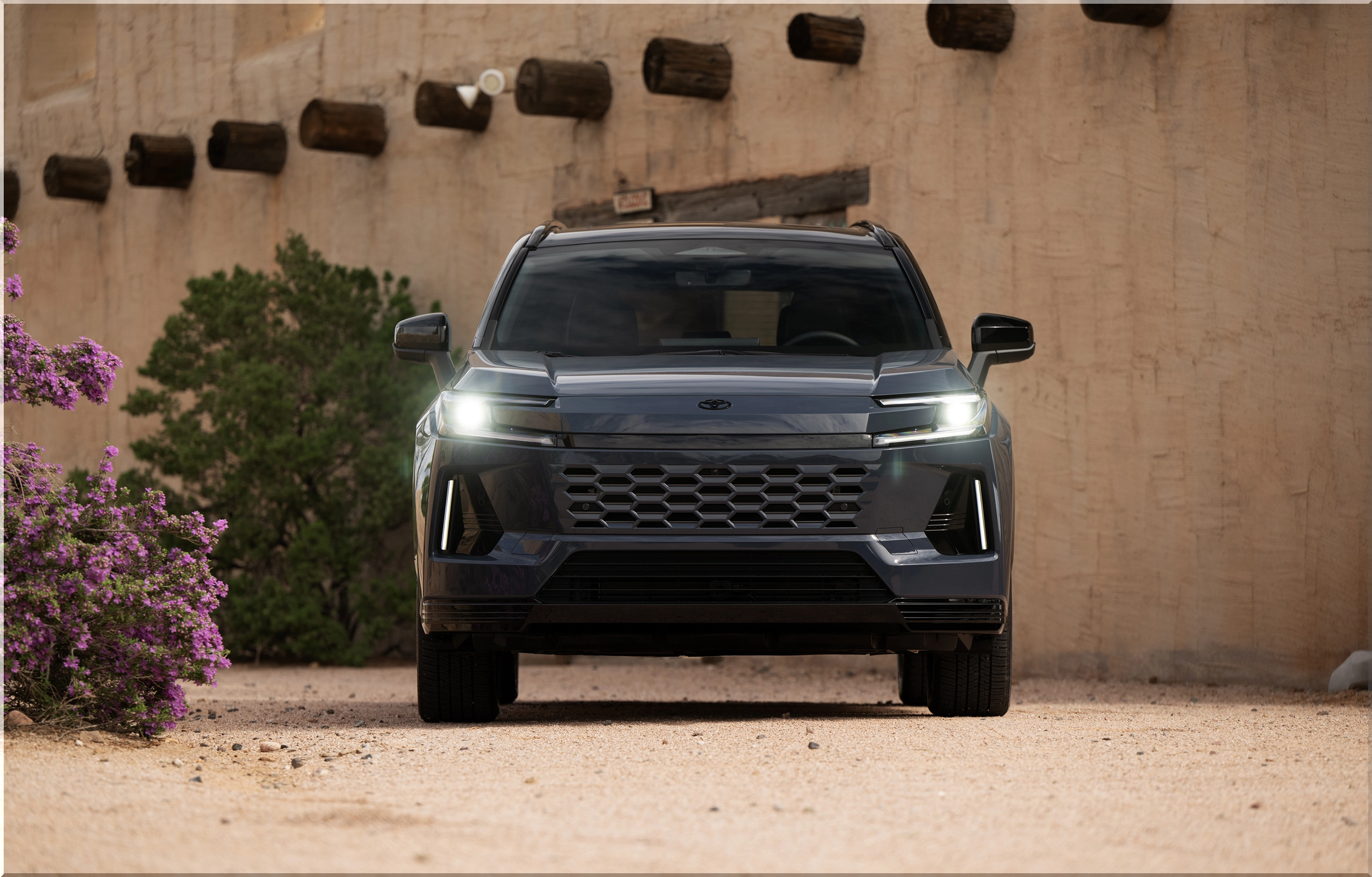
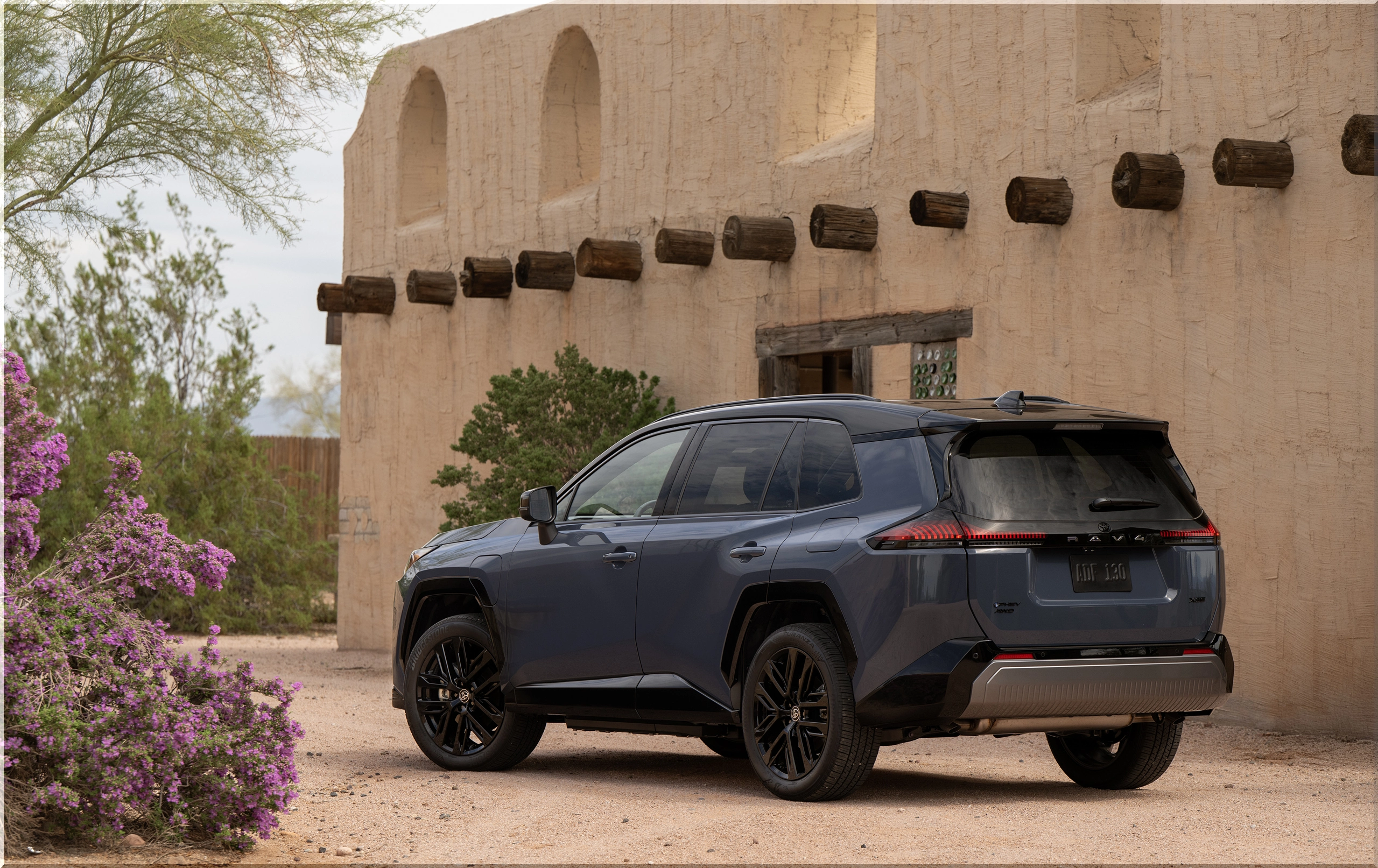
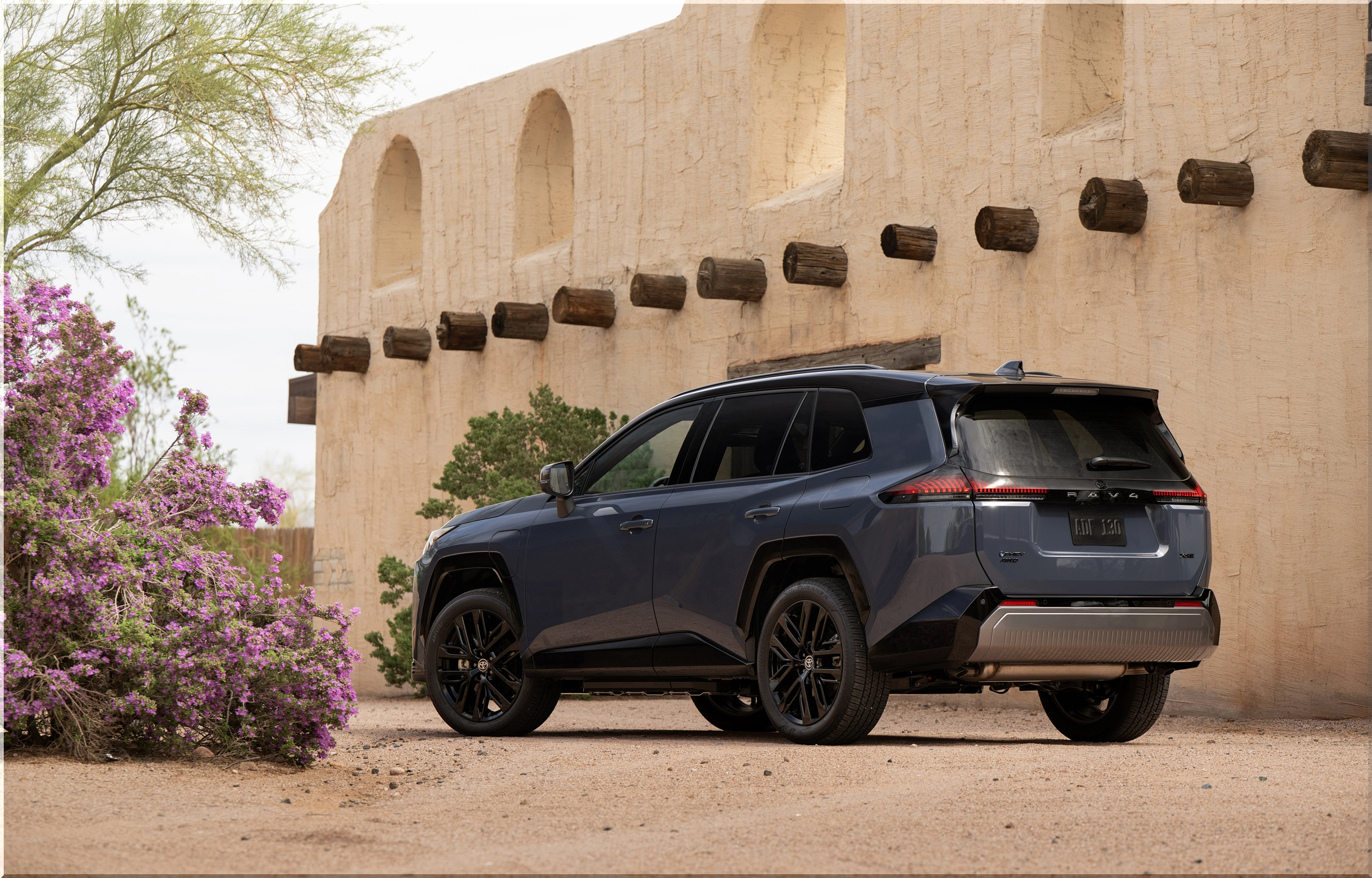
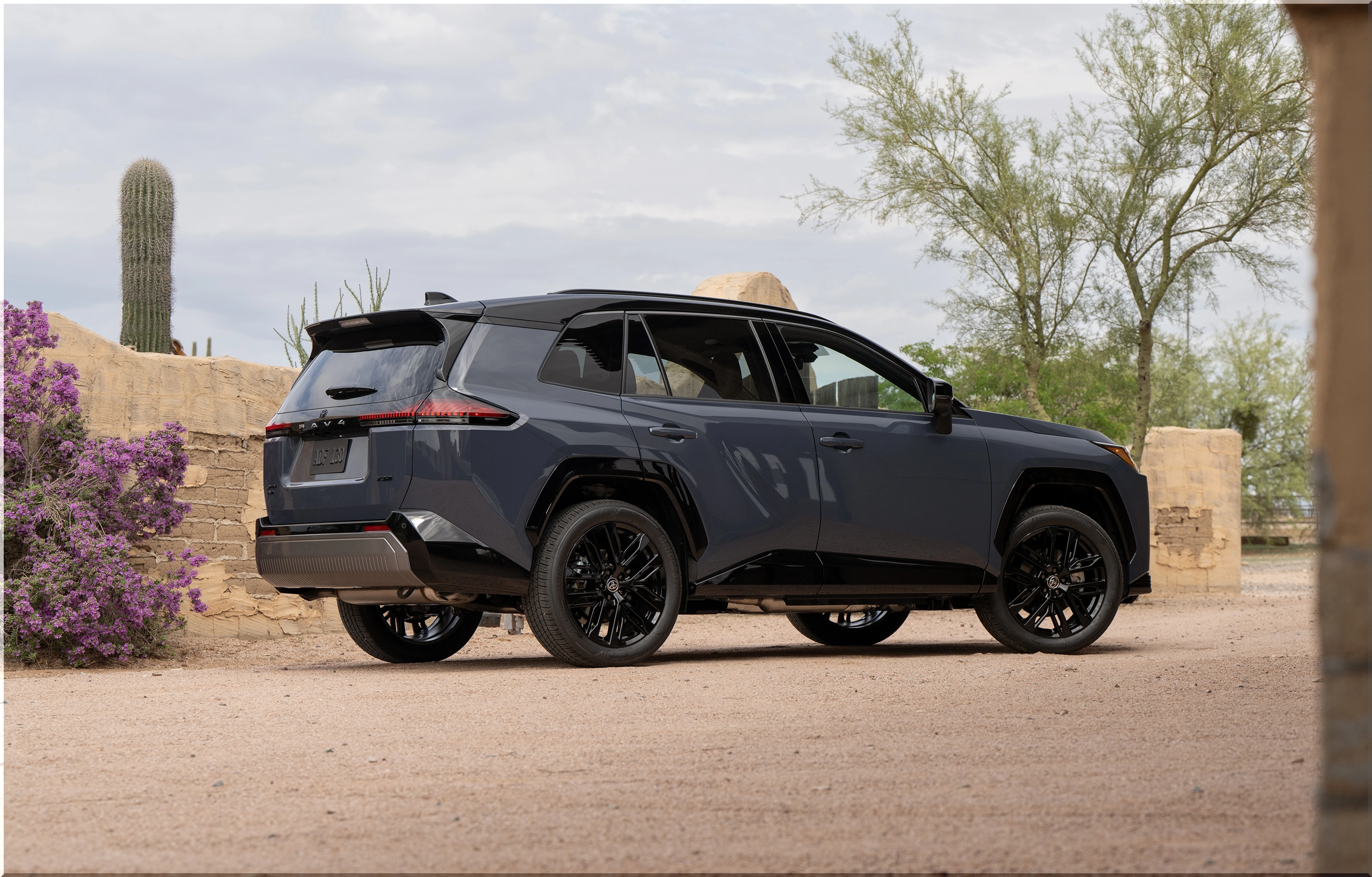
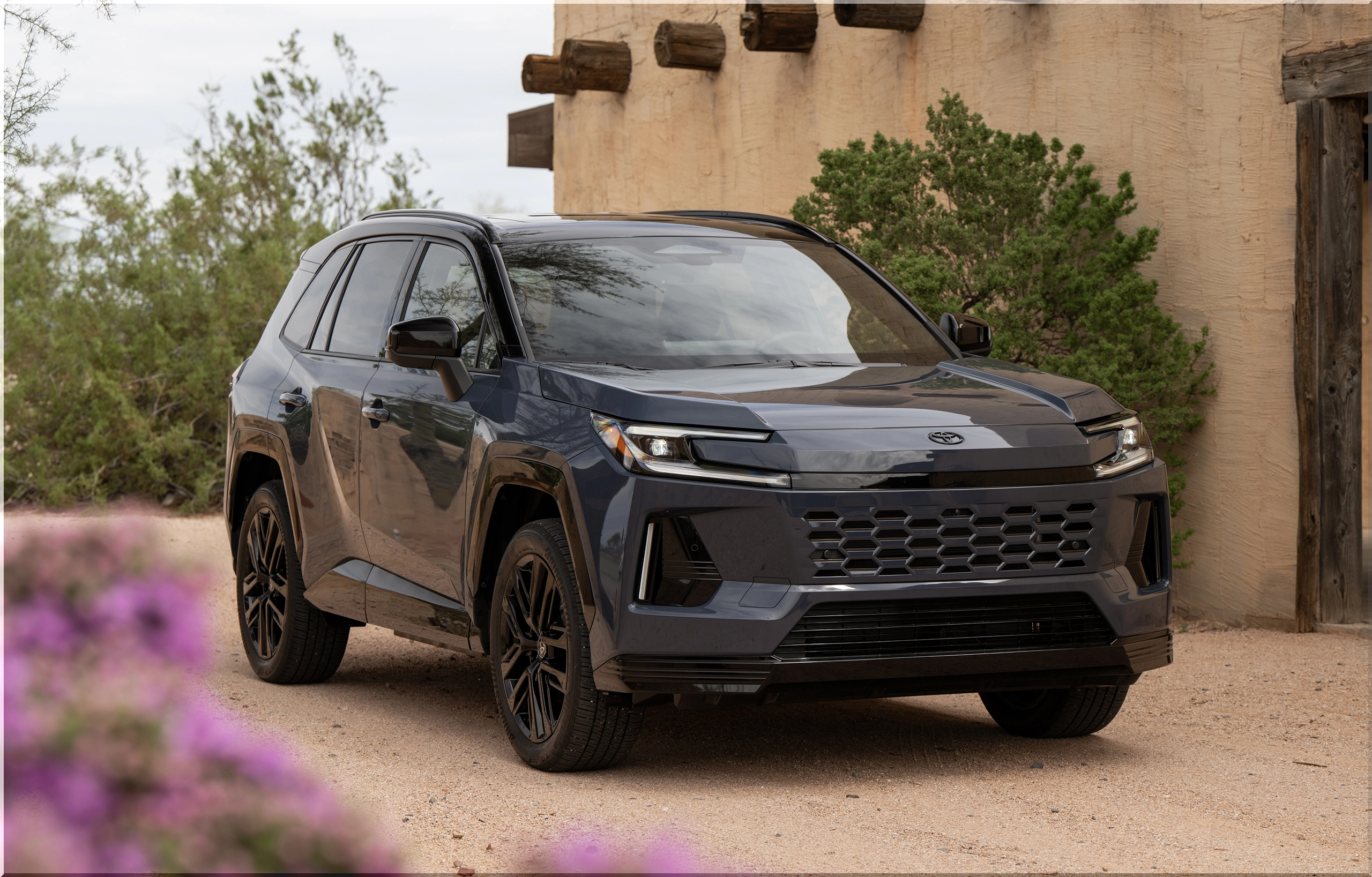
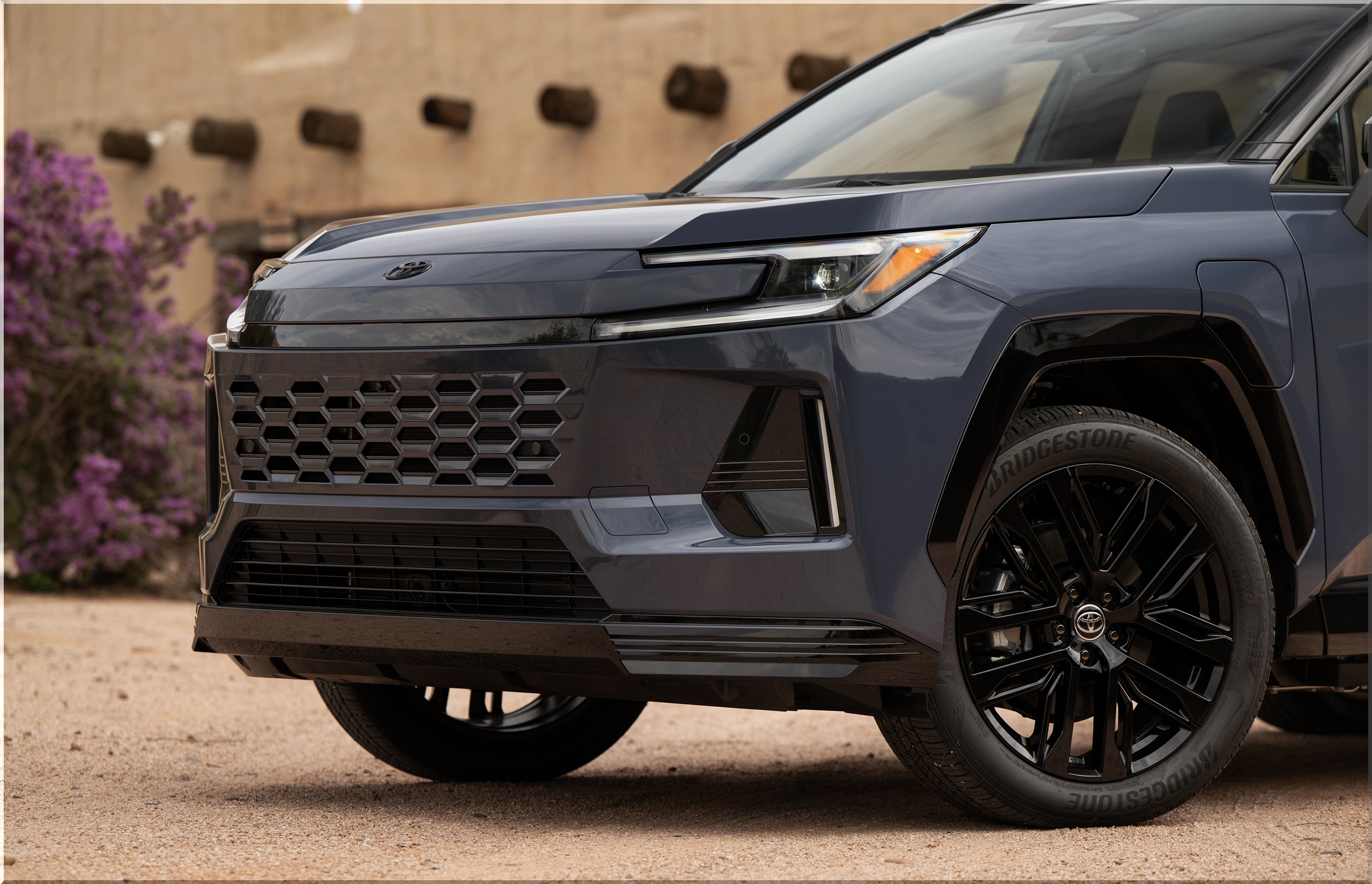
The 2027 Toyota RAV4 Woodland PHEV pairs 321 horsepower with Toyota's estimated 46-mile electric range, 9.1 inches of ground clearance, and a new NACS charging port. Every RAV4 still uses gasoline: buyers choose a conventional hybrid or plug-in hybrid. The Woodland targets drivers who want electric commuting and easier trail access.
Image
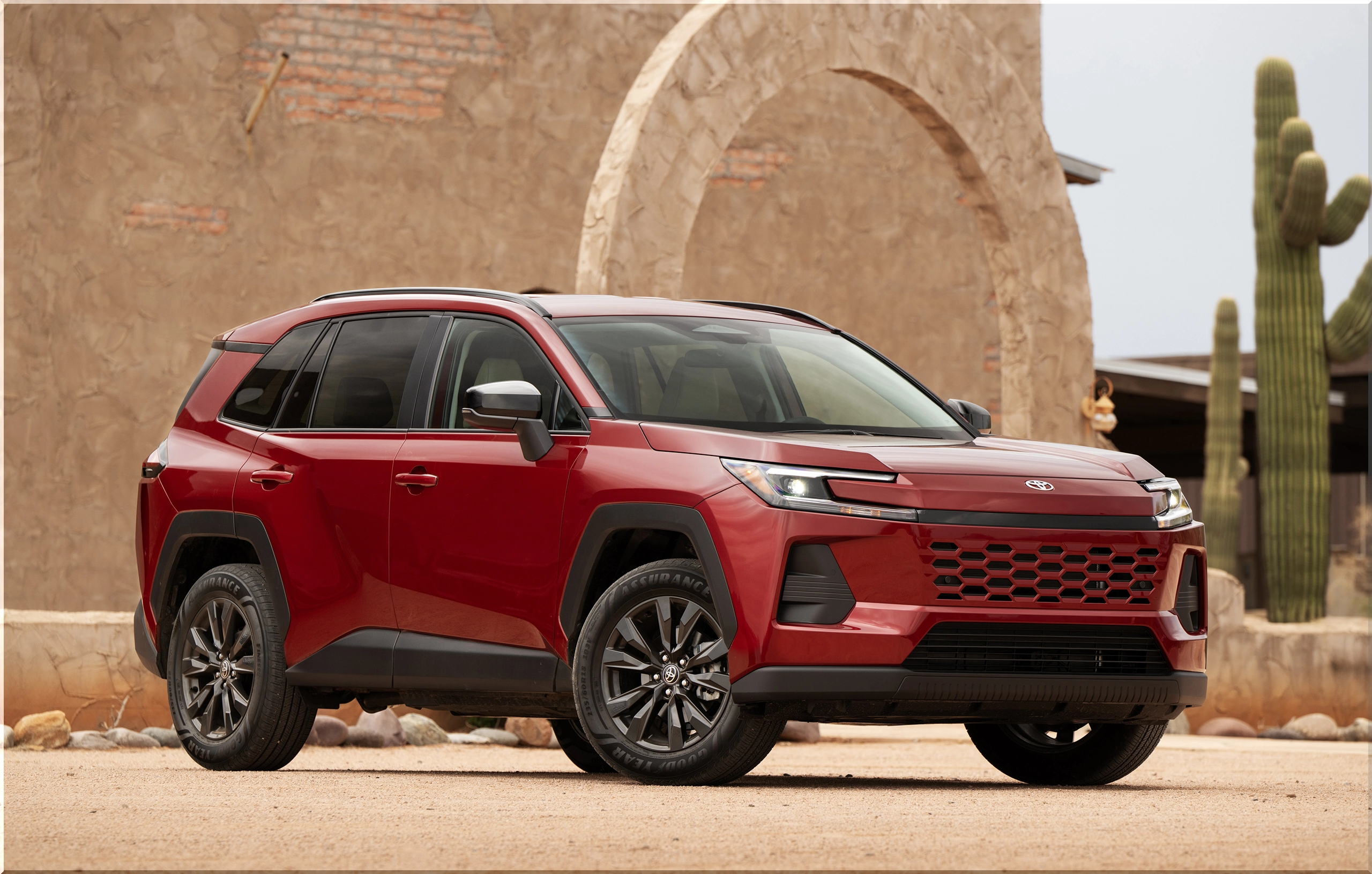
What does the 2027 RAV4 Woodland suspension change?
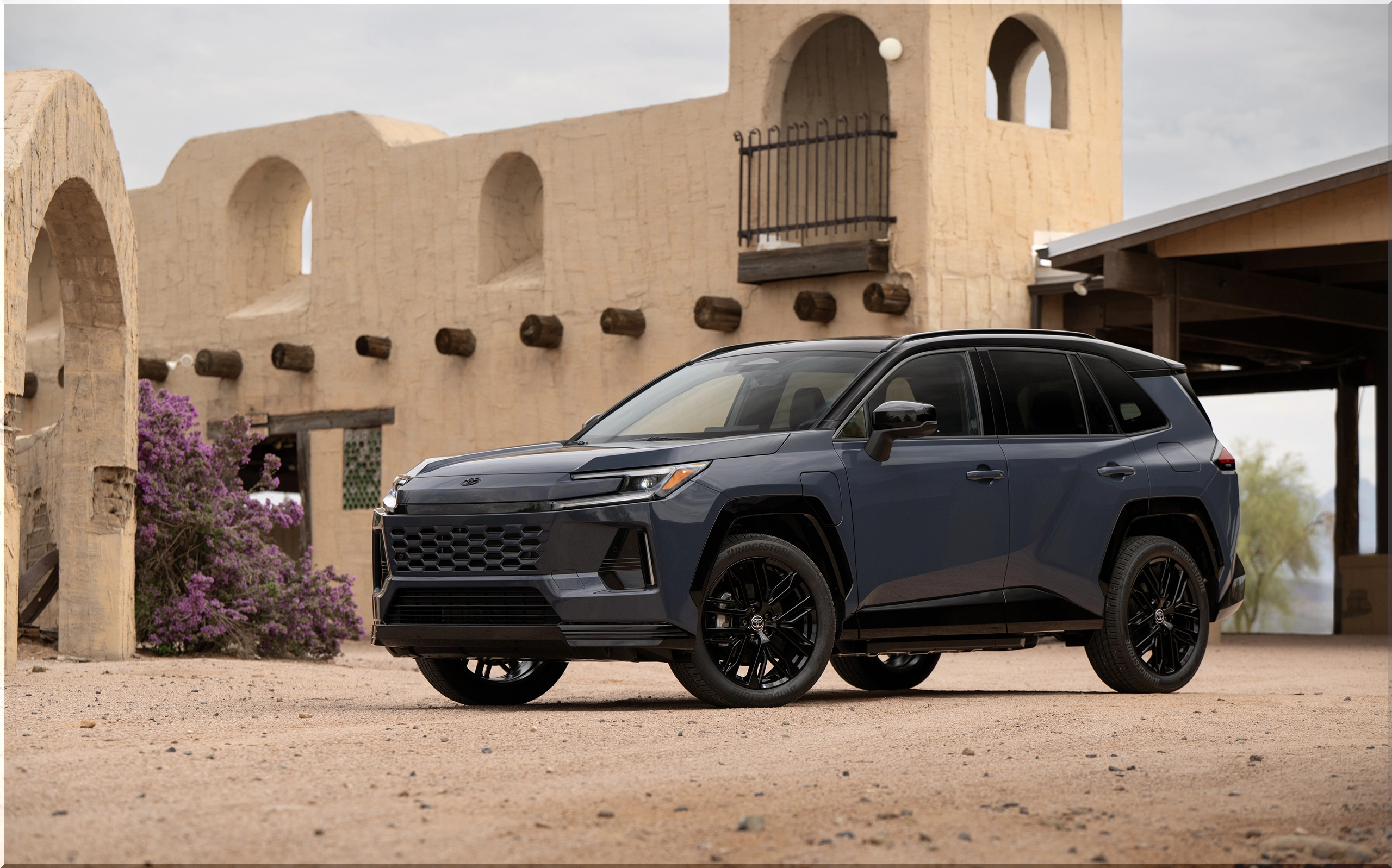
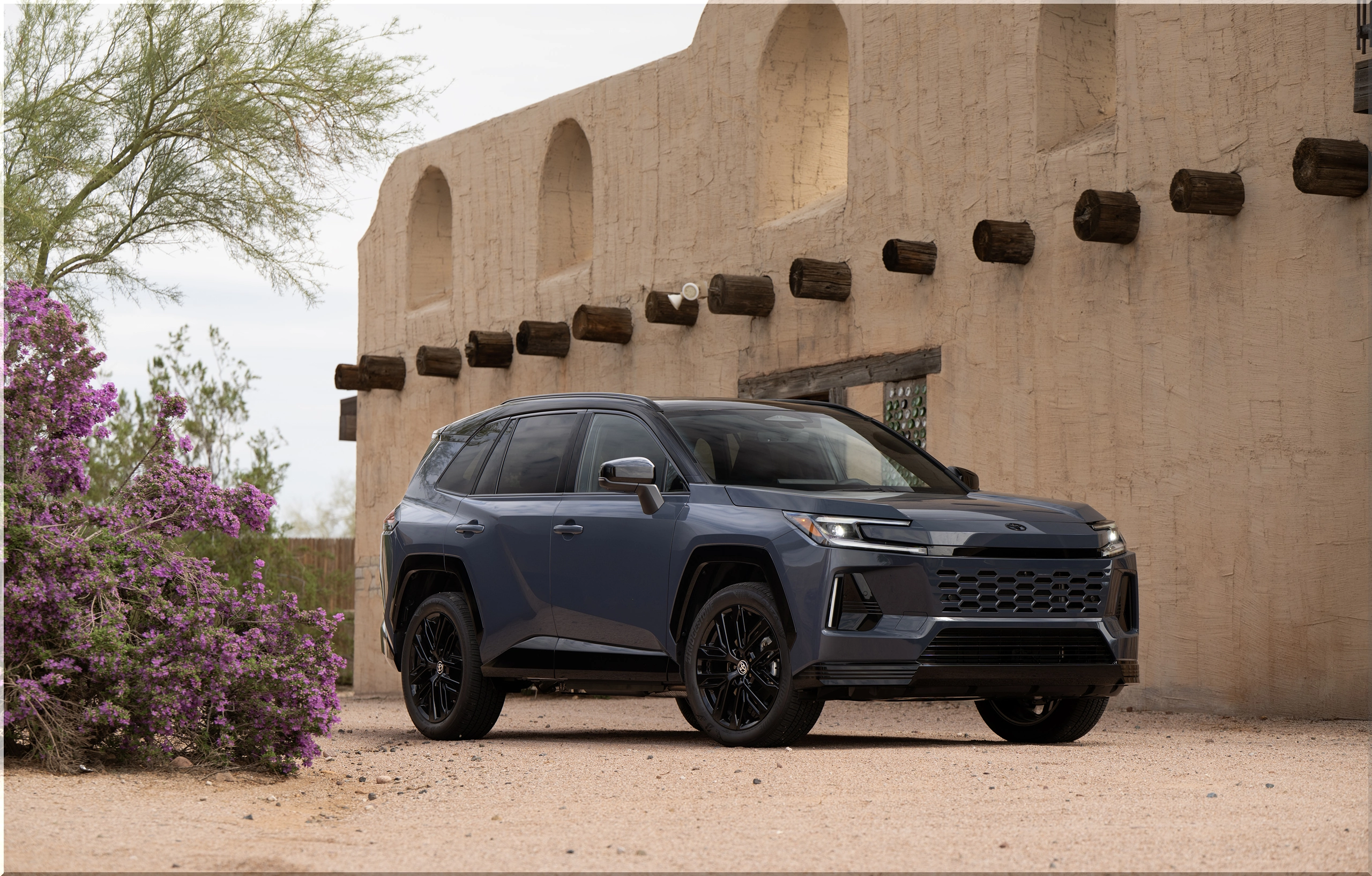
Toyota gives both Woodland powertrains new springs, shocks, and jounce bumpers, raising ground clearance to 9.1 inches, approximately 231 mm. That creates more space above ruts and rocks. Compared with the 2026 Woodland's 8.5 inches, the actual year-over-year increase measures 0.6 inch, or about 15 mm.
The distinction matters. Toyota's one-inch comparison references other 2027 grades with 8.1-inch clearance, rather than the outgoing Woodland. Springs establish ride height, dampers control suspension movement, and jounce bumpers cushion compression near the end of travel. Extra clearance alone cannot establish articulation, underbody protection, or rock-crawling ability.
Multi-Terrain Select adds Rock & Dirt and Mud & Sand settings to AWD models, adjusting throttle response, braking, and traction control. These controls help manage available grip; they cannot manufacture traction.
Video gallery
Video title
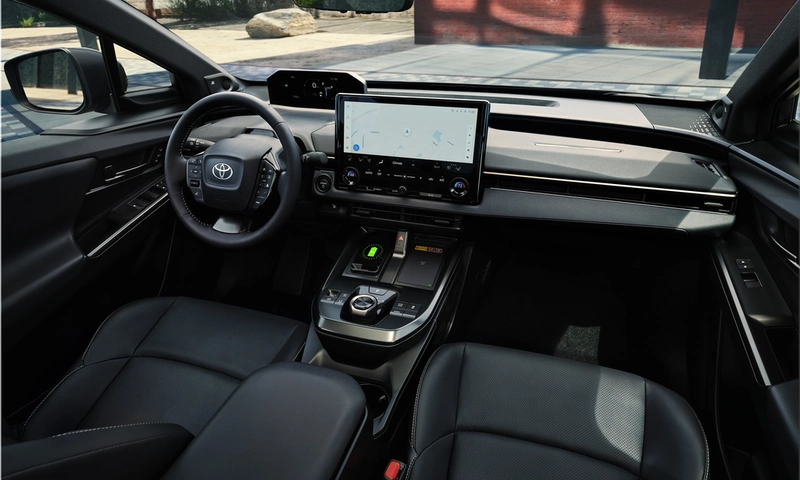
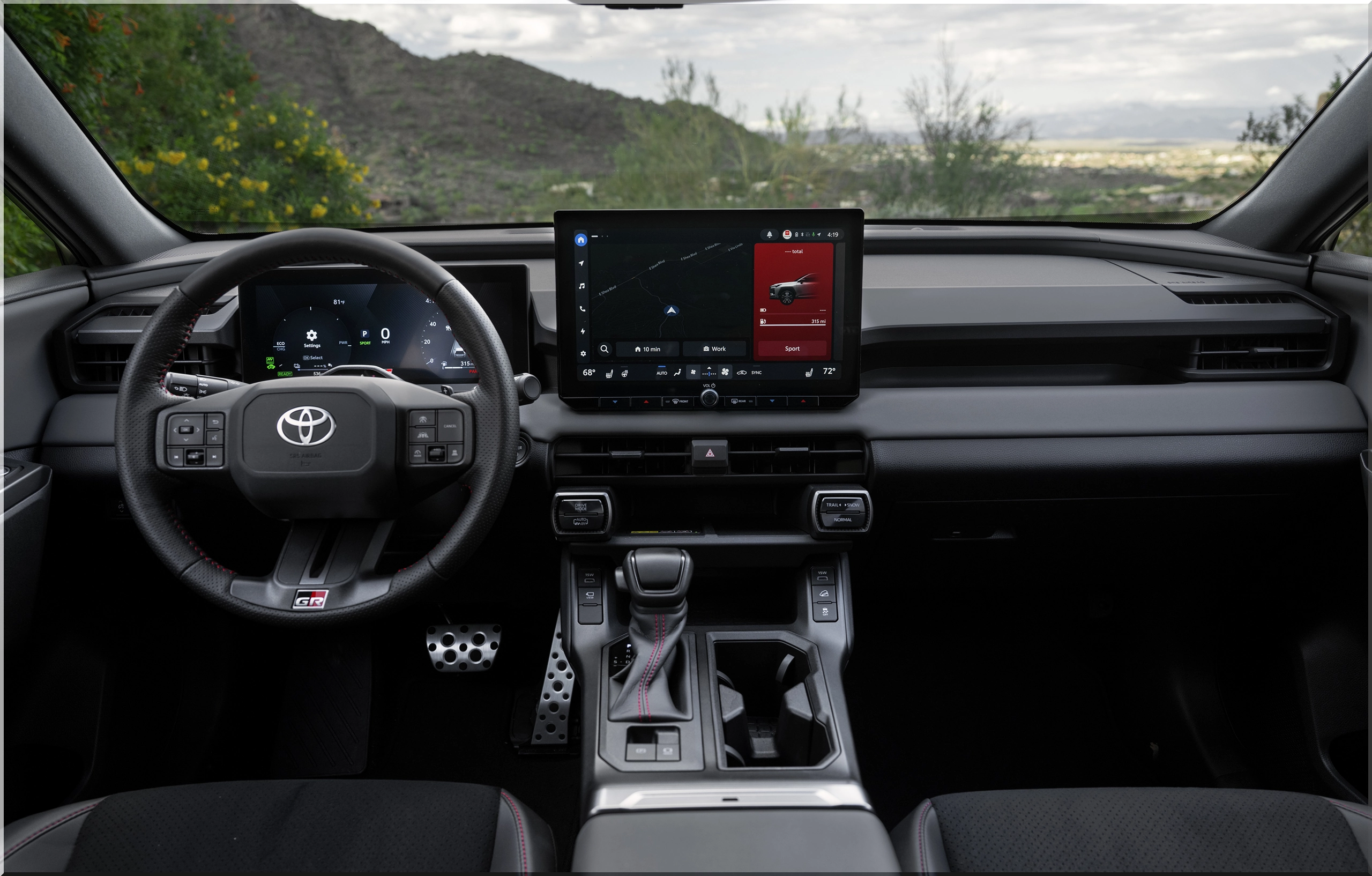
2027 Toyota RAV4 interior
2027 RAV4 Woodland equipment includes:
- 18-inch wheels with all-terrain tires.
- Roof rails, crossbars, and a tow hitch receiver.
- A 120-volt, 1,500-watt cargo outlet for compatible equipment.
Check the final 2027 towing rating and payload label before buying a trailer. A hitch receiver alone says nothing about your remaining payload after passengers, cargo, and trailer tongue weight.
Image
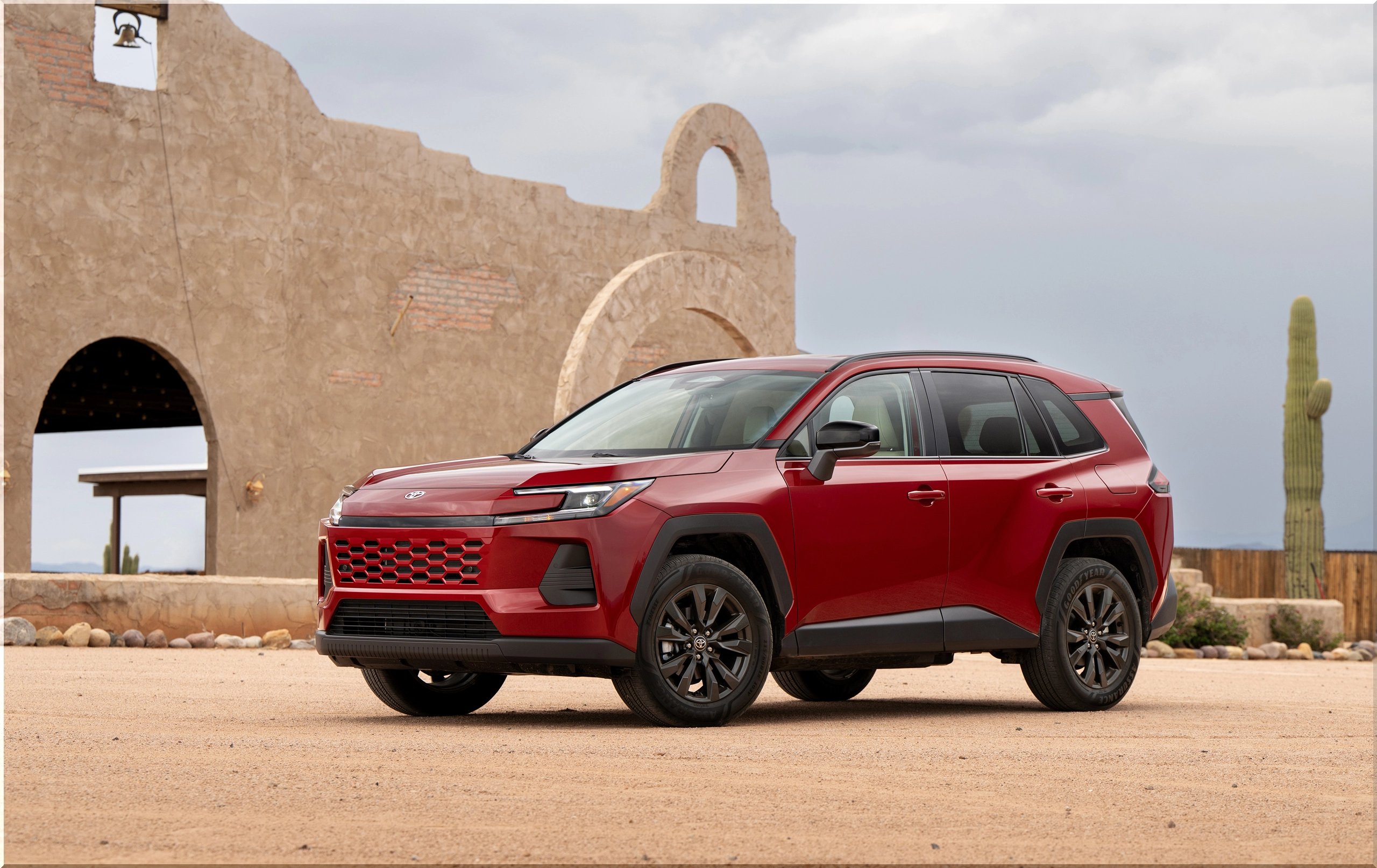
How far can each 2027 RAV4 PHEV travel on electricity?
Toyota estimates 52 electric miles for the SE, 50 for the XSE, 46 for the Woodland, and 45 for the GR SPORT. All four combine a 2.5-liter four-cylinder engine with electric motors and standard AWD. Their shared 321-hp system rating describes combined output, rather than electric-only horsepower.
| 2027 PHEV grade | Electric range | City/highway MPG | Combined MPG | Ground clearance |
|---|---|---|---|---|
| SE | 52 miles | 42/39 | 41 | 8.1 in / 206 mm |
| XSE | 50 miles | 40/37 | 39 | 8.1 in / 206 mm |
| Woodland | 46 miles | 38/35 | 37 | 9.1 in / 231 mm |
| GR SPORT | 45 miles | 39/34 | 37 | 7.5 in / 191 mm |
These figures reflect Toyota's manufacturer estimates, rather than final EPA ratings. MPG describes gasoline operation; it does not express electric efficiency.
Looking at the data, the Woodland gives up six electric miles versus the SE, roughly 12%. Its equipment package accompanies that tradeoff, although Toyota does not isolate each component's contribution. I would choose the SE for a pavement-only commute and reserve the Woodland for drivers who regularly need clearance and outdoor equipment. That recommendation follows the specifications; it does not claim a road test.
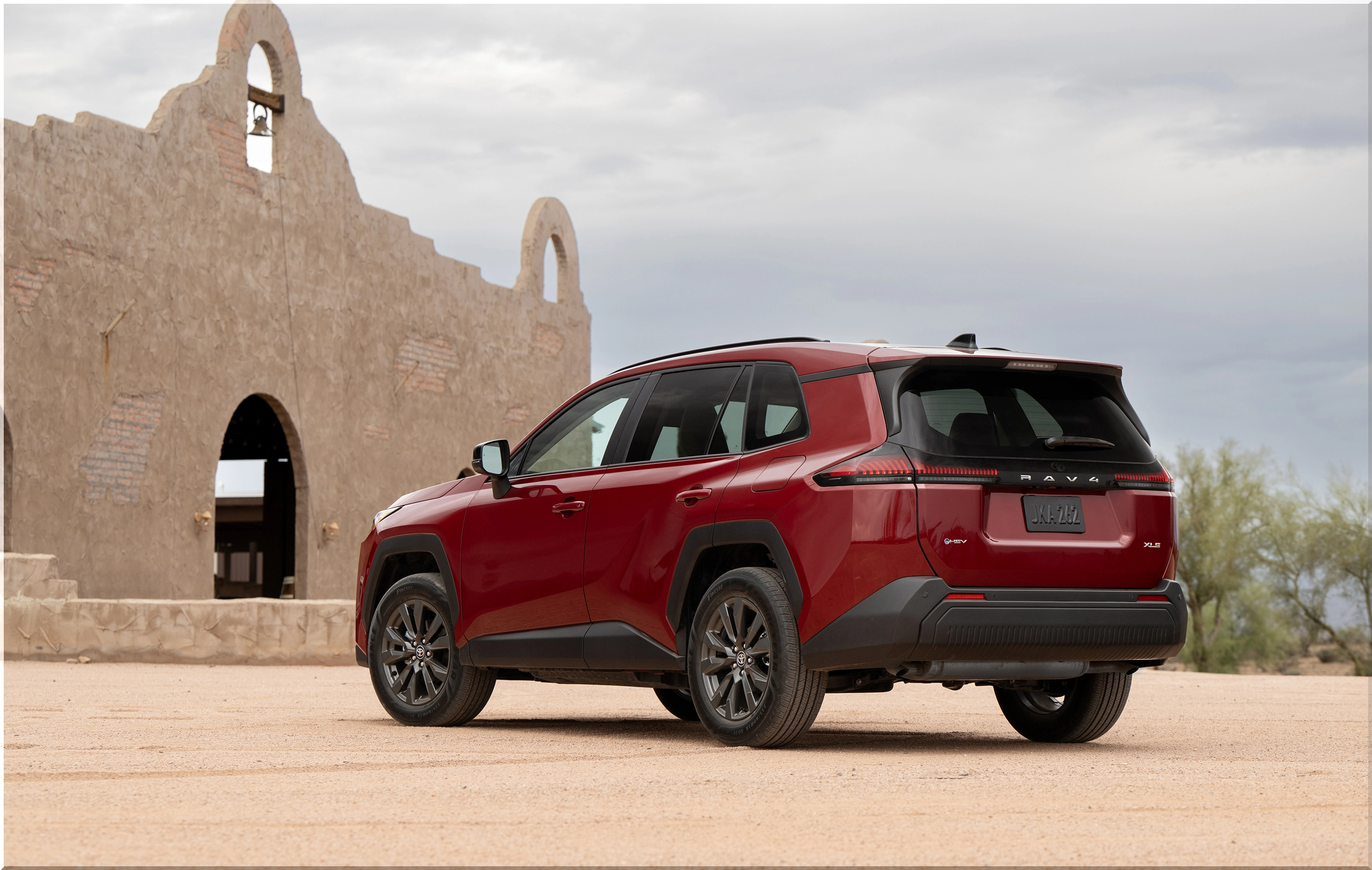
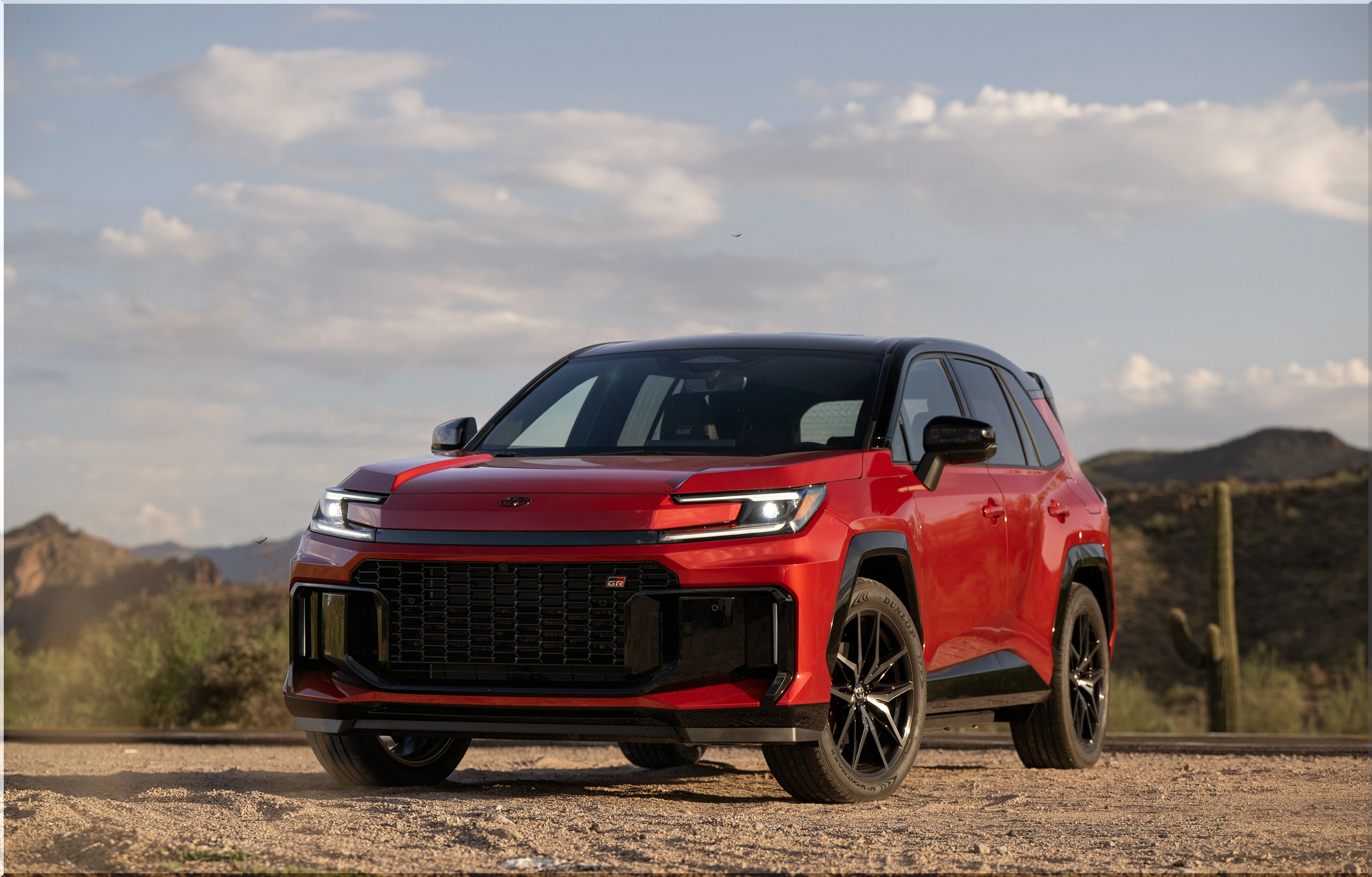
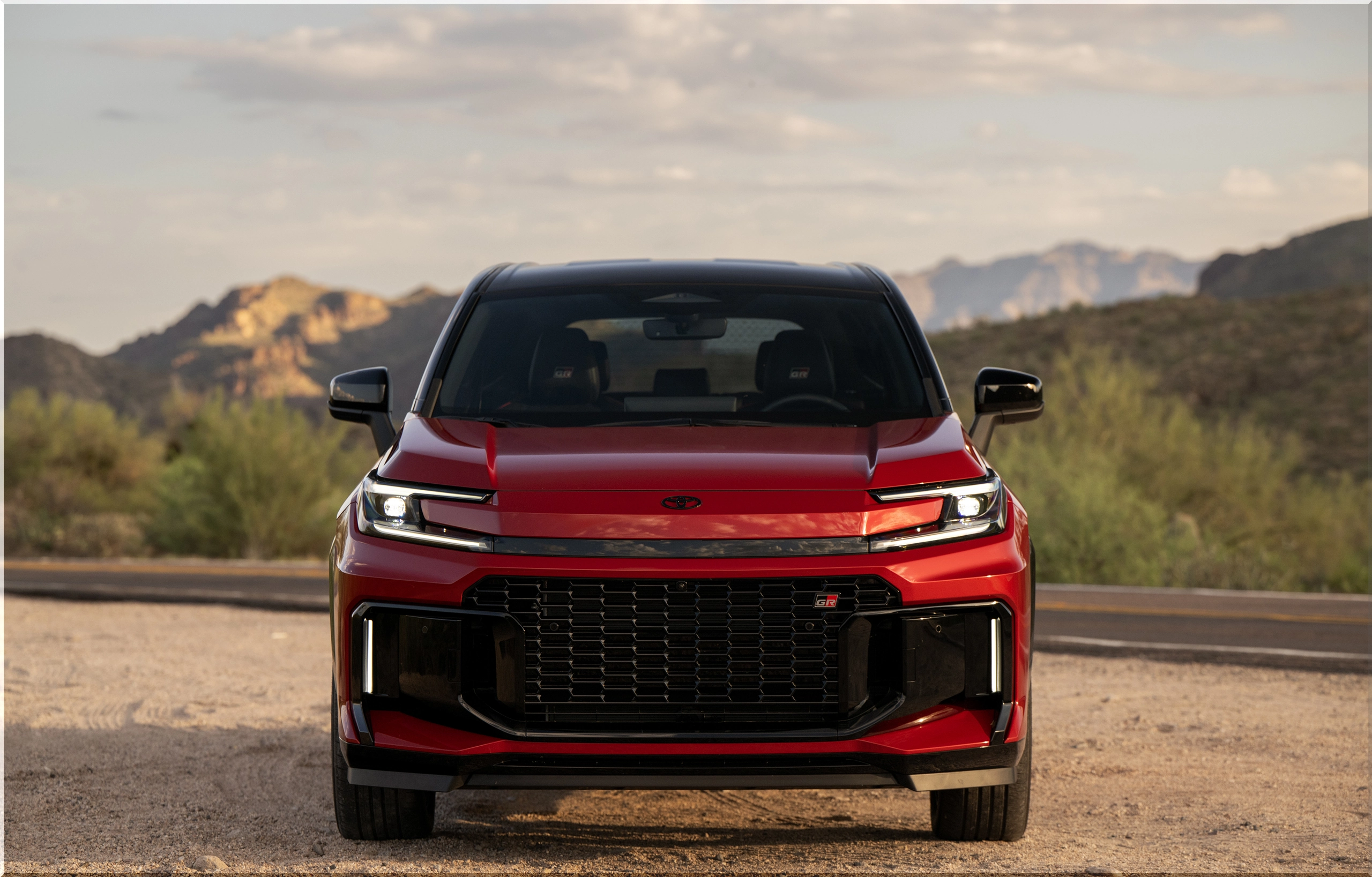
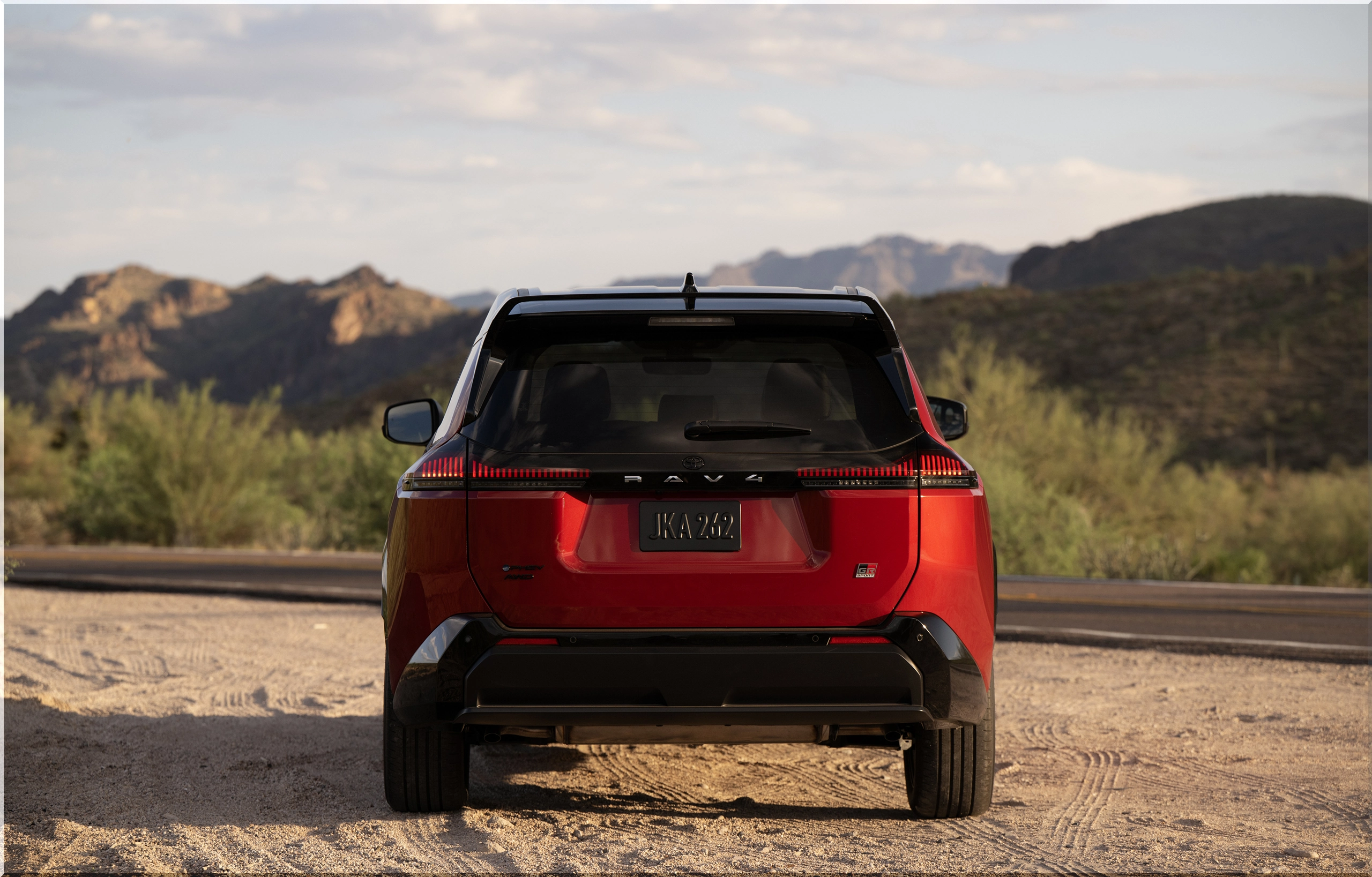
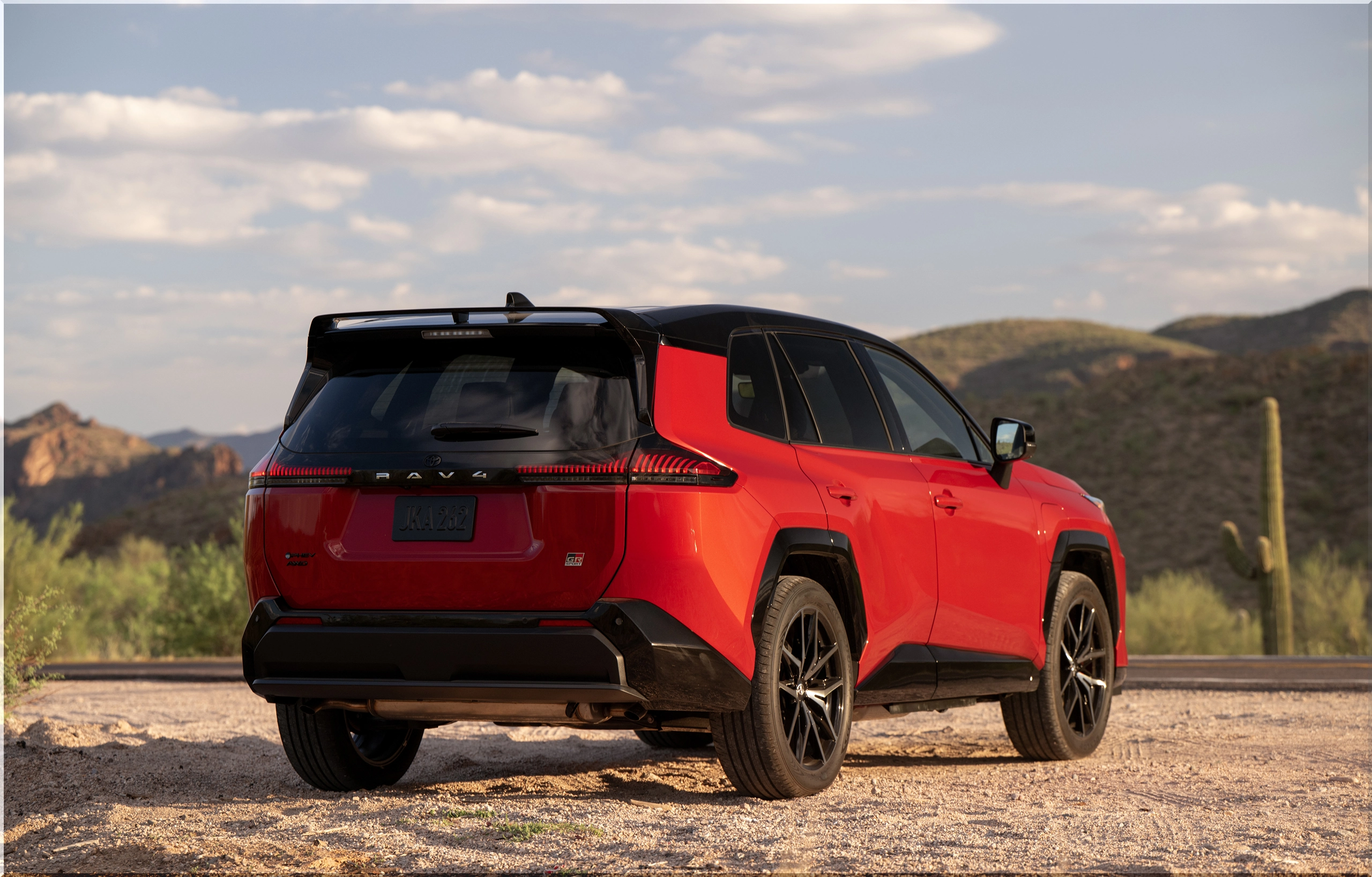
Does NACS make the 2027 RAV4 faster to charge?
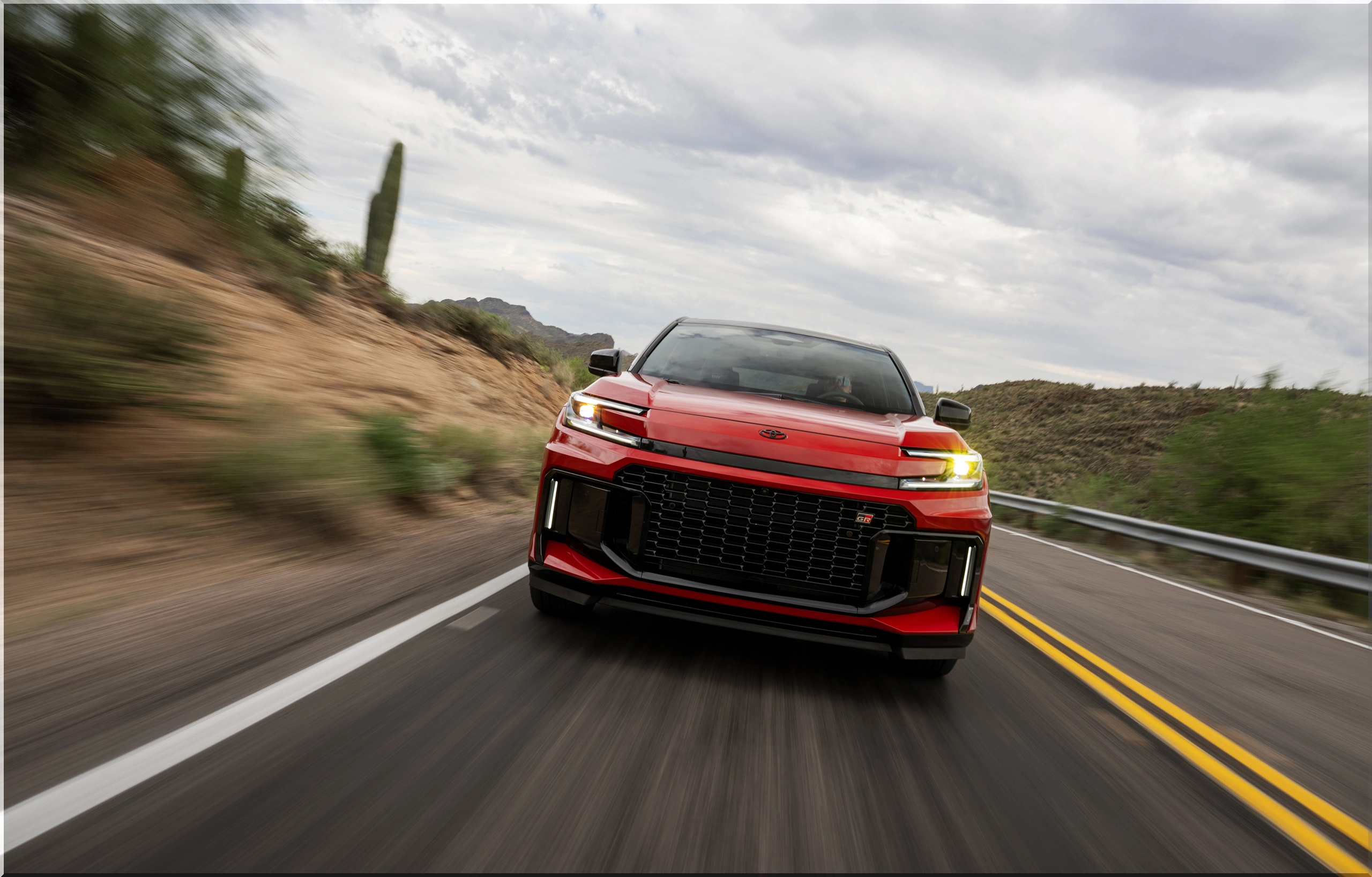
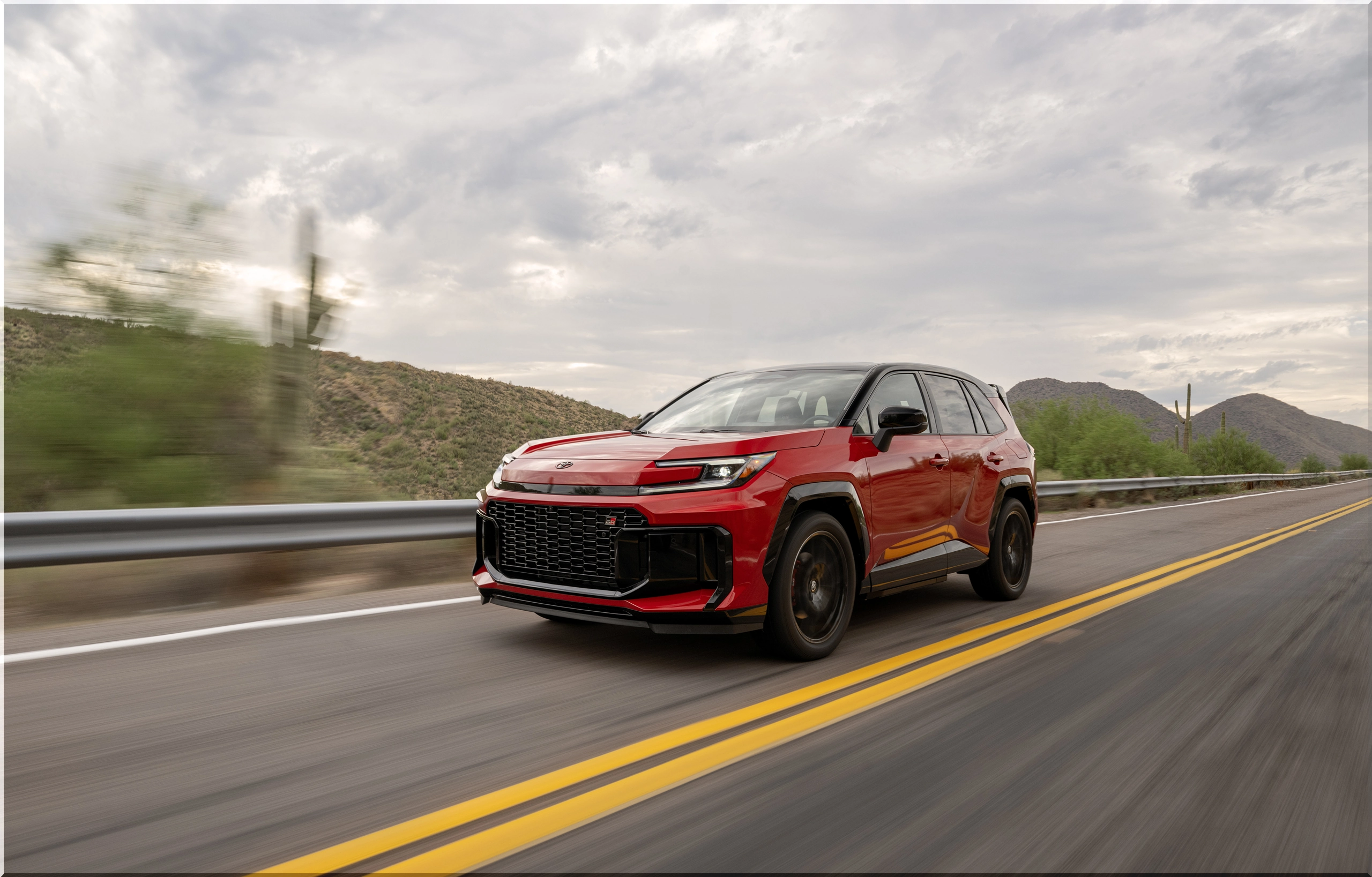
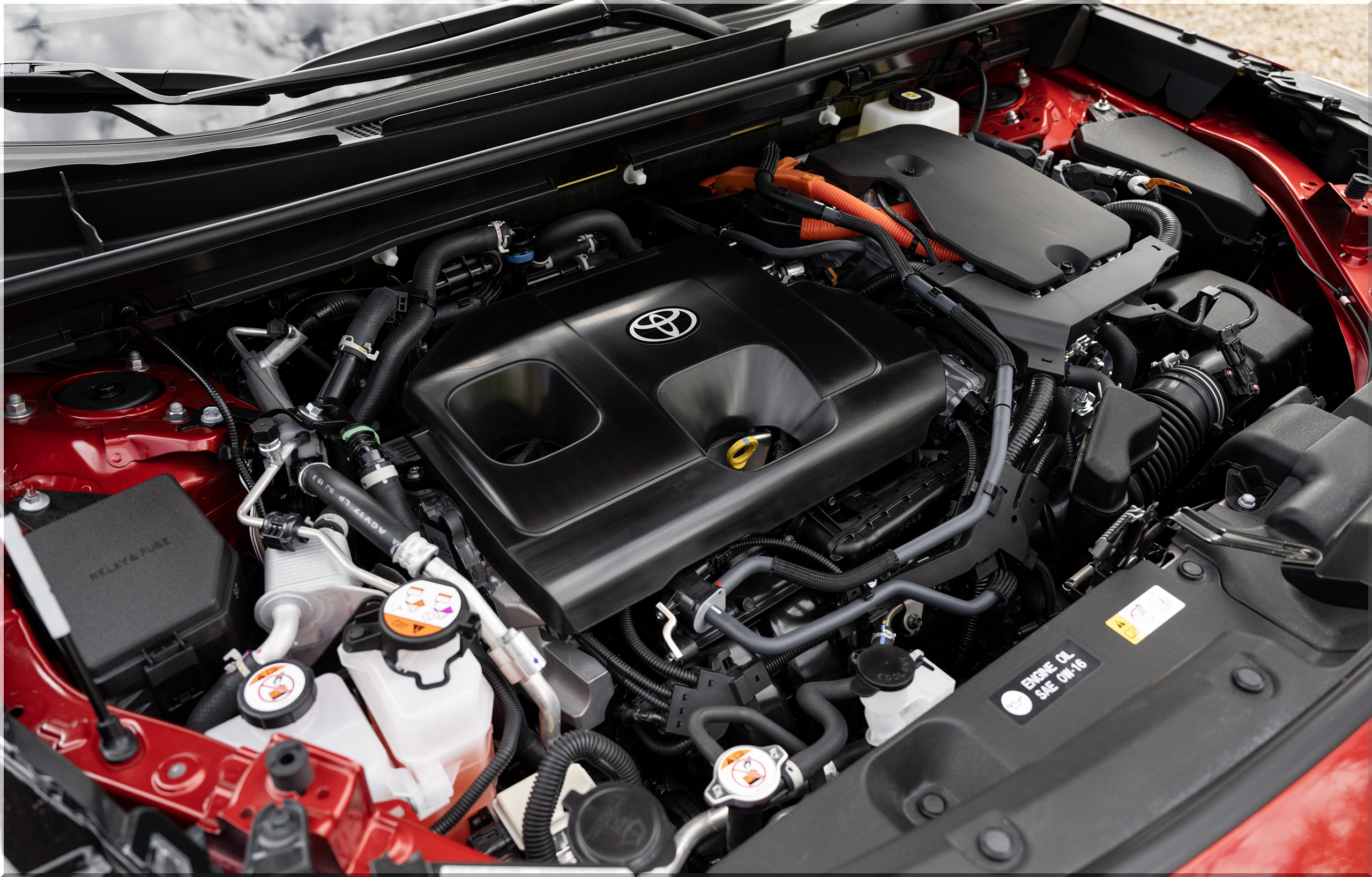
Every 2027 RAV4 PHEV gains a driver's-side NACS charging port, DC fast-charging capability, and an 11-kW onboard AC charger. Those changes simplify equipment choices across trims. They do not establish a DC charging speed: Toyota's announcement provides neither a peak DC power figure nor a new 2027 charging-time claim.
By comparison, Toyota equipped the 2026 SE and GR SPORT with 7-kW AC chargers and no DC fast charging. The 2026 XSE and Woodland already offered 11-kW AC charging and CCS1 fast-charging ports.
kW measures charging power; kWh measures energy. Think of power as the flow rate and energy as the amount delivered.
An 11-kW charger needs sufficient power from the station and electrical installation to reach its rating. Check connector compatibility and station eligibility before routing, and allow extra range margin during freezing weather, highway driving, or towing.
Image gallery:
Should you buy the Woodland PHEV or the hybrid?
Choose the PHEV when dependable charging can cover much of your daily driving and the purchase premium fits your budget. Choose the Woodland hybrid when charging access remains uncertain. Without regular plug-in miles, the PHEV's estimated 37 combined MPG slightly trails the Woodland hybrid's 38 MPG.
| Ownership factor | Pros | Cons |
|---|---|---|
| Daily driving | 46 estimated electric miles | Cold, speed, and loads can shorten range |
| Trail access | 231-mm clearance and all-terrain tires | SE offers six more electric miles |
| Charging | NACS, DC capability, 11-kW AC | Installation and public charging add costs |
For an illustrative calculation, assume 0.35 kWh per mile at the wall, $0.18/kWh electricity, and $3.50/gallon gasoline. Electric driving costs 6.3 cents per mile versus 9.5 cents at 37 MPG. Across 10,000 electric miles, that saves about $316 before installation, insurance, financing, and depreciation. These assumptions do not represent measured RAV4 consumption.
Image
Pro-Tips before ordering:
- Compare insurance quotes and actual transaction prices for both Woodland powertrains.
- Price electrical work before assuming Level 2 charging will pay back.
- Compare public charging rates with gasoline costs; under these assumptions, electric driving breaks even near $0.27/kWh.
Toyota starts the broader hybrid lineup at $32,300 and the PHEV lineup at $42,100, excluding delivery, processing, and handling. Those entry prices cover different grades, not a Woodland-to-Woodland comparison. Toyota expects hybrids in late 2026 and PHEVs in early 2027.
- Add new comment
- 22 views