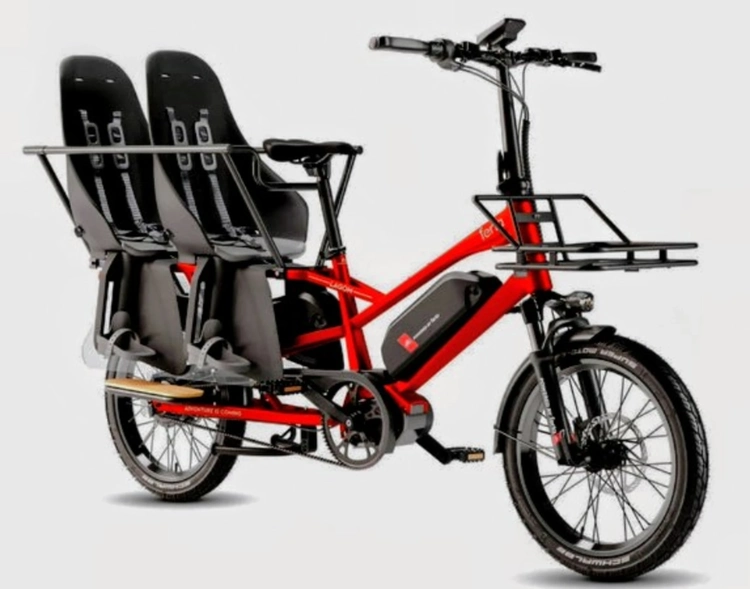
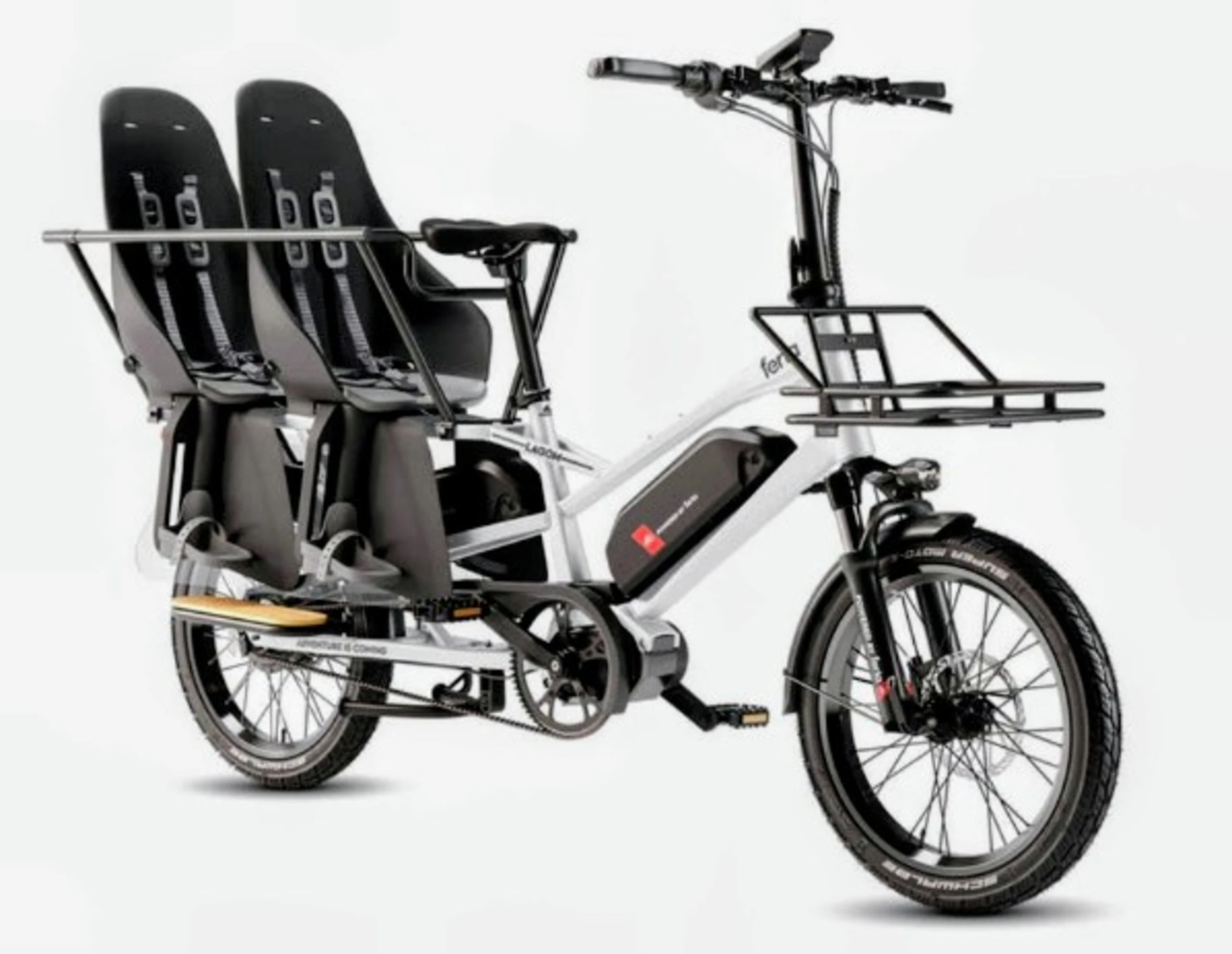
On weekday mornings in neighborhoods across the globe, you’ll spot a growing trend: parents riding through the streets with children on board, backpacks tucked neatly behind them, and even groceries strapped to the sides of sturdy cargo bikes: https://avantbikes.com/products/lagom. What used to be an unusual sight has now become part of everyday city life. Families are turning to cargo bikes as a healthier, more sustainable, and often more joyful way of getting around.
Why Families Are Making the Switch
For years, parents had only a handful of choices when it came to transporting kids: cars, buses, or traditional bikes with small child seats. But those solutions often came with trade-offs. Cars were convenient but costly, polluting, and stressful in traffic. Standard bicycles worked well for short trips but were limited in carrying capacity.
That’s where cargo bikes come in. They’re designed with extended frames or reinforced racks, which makes it possible to carry more weight without sacrificing balance. A parent can drop two kids off at school in the morning, ride to the grocery store for the week’s shopping, and still feel stable and safe on the road.
A Daily Routine on Two Wheels
The charm of these bikes is that they fit seamlessly into daily routines. Instead of loading children into car seats and navigating traffic, parents can cycle directly from doorstep to school gate. Shopping trips also change; rather than driving to a large supermarket, many families now cycle to local markets, filling baskets and panniers with fresh produce.
What’s more, the ride itself becomes part of family life. Parents often mention how much easier it is to talk to their children on a bike compared to when everyone is strapped into car seats. Kids point out animals, chat about their day, or simply enjoy the fresh air. A fifteen-minute school run turns into an opportunity to connect.
The Role of Electric Assistance
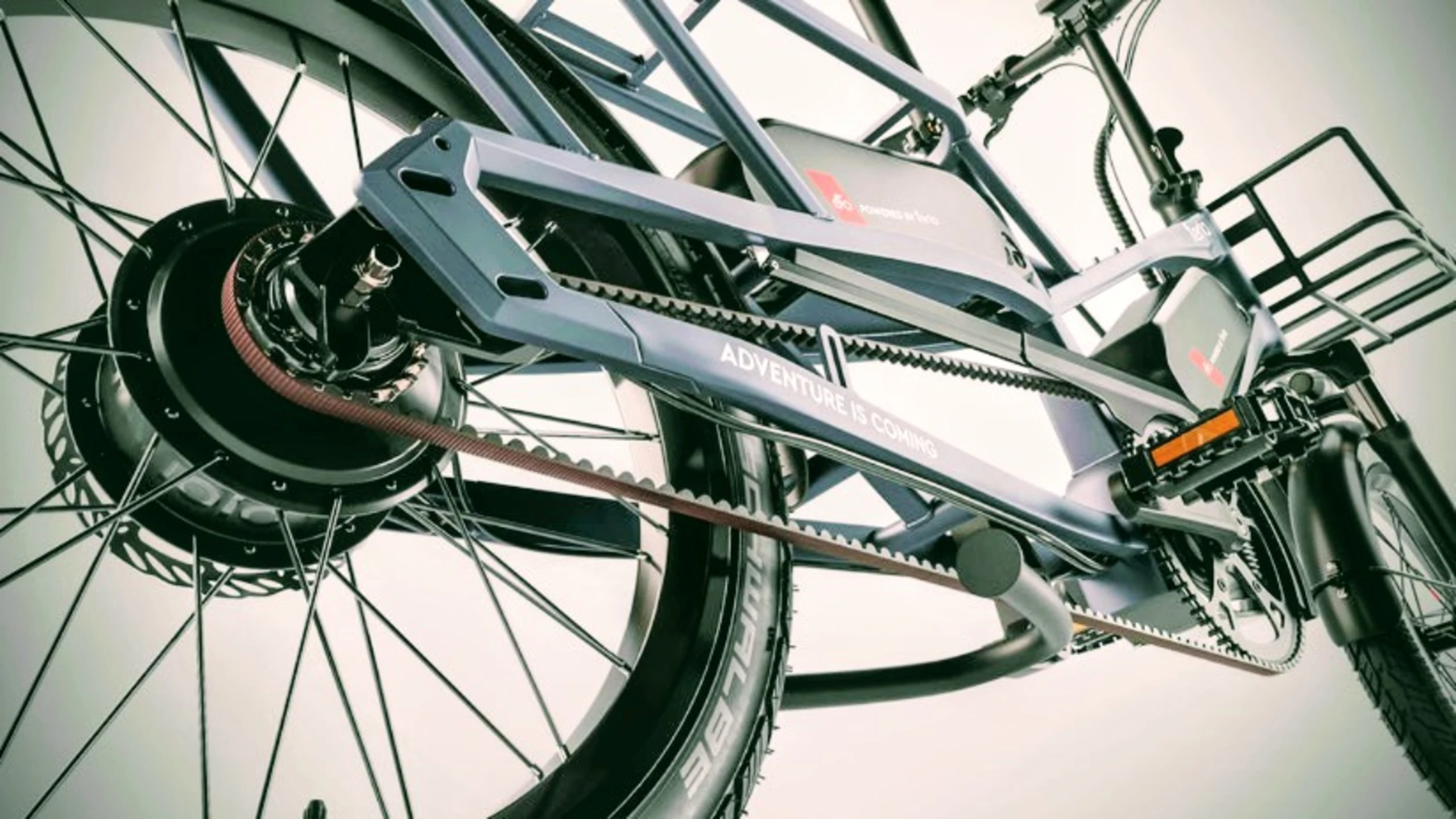
One of the biggest reasons for the rise in popularity has been the availability of electric assist. Pedaling uphill with children or heavy bags can be daunting, but an e-assist motor levels the playing field. Riders still get exercise, but without the fear of exhaustion halfway through a trip.
This has opened the door for many parents who never considered themselves “cyclists.” With the help of a motor, carrying two children plus groceries is manageable. In fact, many households report that once they buy an electric cargo bike, they use the family car far less often.
Cost and Environmental Benefits
The upfront cost of a high-quality cargo bike may raise eyebrows—prices often start in the low thousands. But when compared with car ownership, the math quickly shifts. Without fuel, insurance, or constant maintenance, these bikes often pay for themselves within a few years. Families that once needed two cars frequently find that they can now manage with just one, or even none at all.
There’s also the environmental impact. Short car trips, especially those under five miles, are among the least efficient journeys for fuel use and the most polluting. Replacing those drives with bicycle trips drastically reduces emissions. For many parents, riding a cargo bike isn’t only about convenience; it’s a way of teaching their children to value sustainable choices.
Building a Community
Another unexpected benefit is the sense of community. Parents who adopt cargo bikes often find themselves part of an informal network of riders. Online groups and local clubs offer advice on gear, accessories, and riding tips. Families organize group rides to schools, playgrounds, or even grocery stores, turning everyday errands into social activities.
Children, too, enjoy the camaraderie. It’s not unusual for kids to wave to one another from the back of their parents’ bikes or for parents to share a quick chat at red lights. In this way, biking transforms city streets into more human-scaled spaces, fostering connections that cars often shut down.
Options and Adaptability
Cargo bikes come in several shapes and styles, from front-loading box bikes to long-frame designs that place extra carrying space behind the rider. Each has its strengths. Some families prefer the stability of a two-wheeled design that allows them to carry heavier loads, while others like slimmer frames that weave easily through city streets.
Accessories expand the possibilities even further. Rain covers keep passengers dry during wet seasons. Sturdy bags or baskets make grocery runs simple. And many models can be adapted as children grow, turning from kid carriers into bikes for carrying teens, tools, or even pets.
Changing the Future of Urban Transport
Cities are beginning to take note of this shift. Investments in cycling infrastructure—protected lanes, safe crossings, and more bike parking—are making it safer and more appealing for families to ride. Some municipalities even offer subsidies or rebates for cargo bike purchases, recognizing their potential to reduce congestion and pollution.
The long-term implications are significant. As more households replace short car trips with cargo bike journeys, urban streets could become quieter, cleaner, and more people-friendly. For children growing up with parents who cycle daily, bikes become the default mode of travel rather than an exception.
Everyday Adventures
For many families, the real reward isn’t just the savings or the sustainability—it’s the fun. Parents often describe how their kids laugh on the ride to school, how they notice details of the neighborhood they’d otherwise miss, and how errands feel less like chores and more like small adventures.
Peugeot revives its iconic GTi badge for the electric era with the new Peugeot E‑208 GTi, combining proven motorsport engineering with a zero-emissions powertrain. Developed by Peugeot Sport,… Continue reading
A Pricing Reset for Hyundai's Core EV Hyundai is cutting prices across the 2026 IONIQ 5 lineup, making one of the most competitive electric crossovers on the market even harder to ignore.… Continue reading
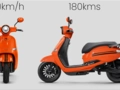
Urban riders want speed, low running costs, and design that does not scream appliance. The Fonz Arthur Z Series electric scooter targets that buyer with a clean shape, real-world performance, and pricing that undercuts most premium electric… Continue reading
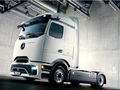
What makes the Mercedes-Benz eActros Lowliner important? The Mercedes-Benz eActros Lowliner targets volume freight, not headline-chasing range claims. It gives fleet operators a battery-electric 4x2 tractor built for mega trailers, low… Continue reading