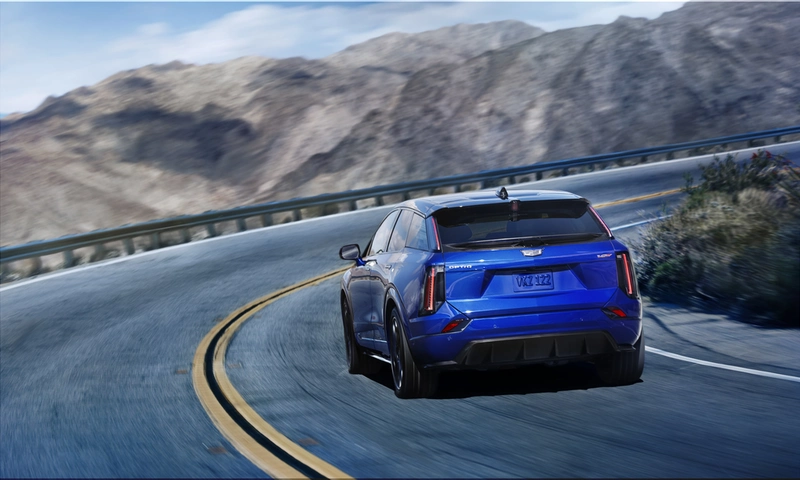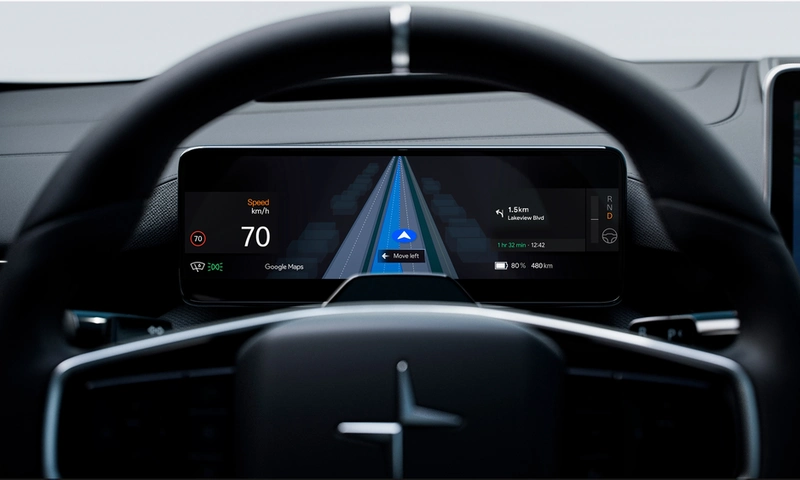
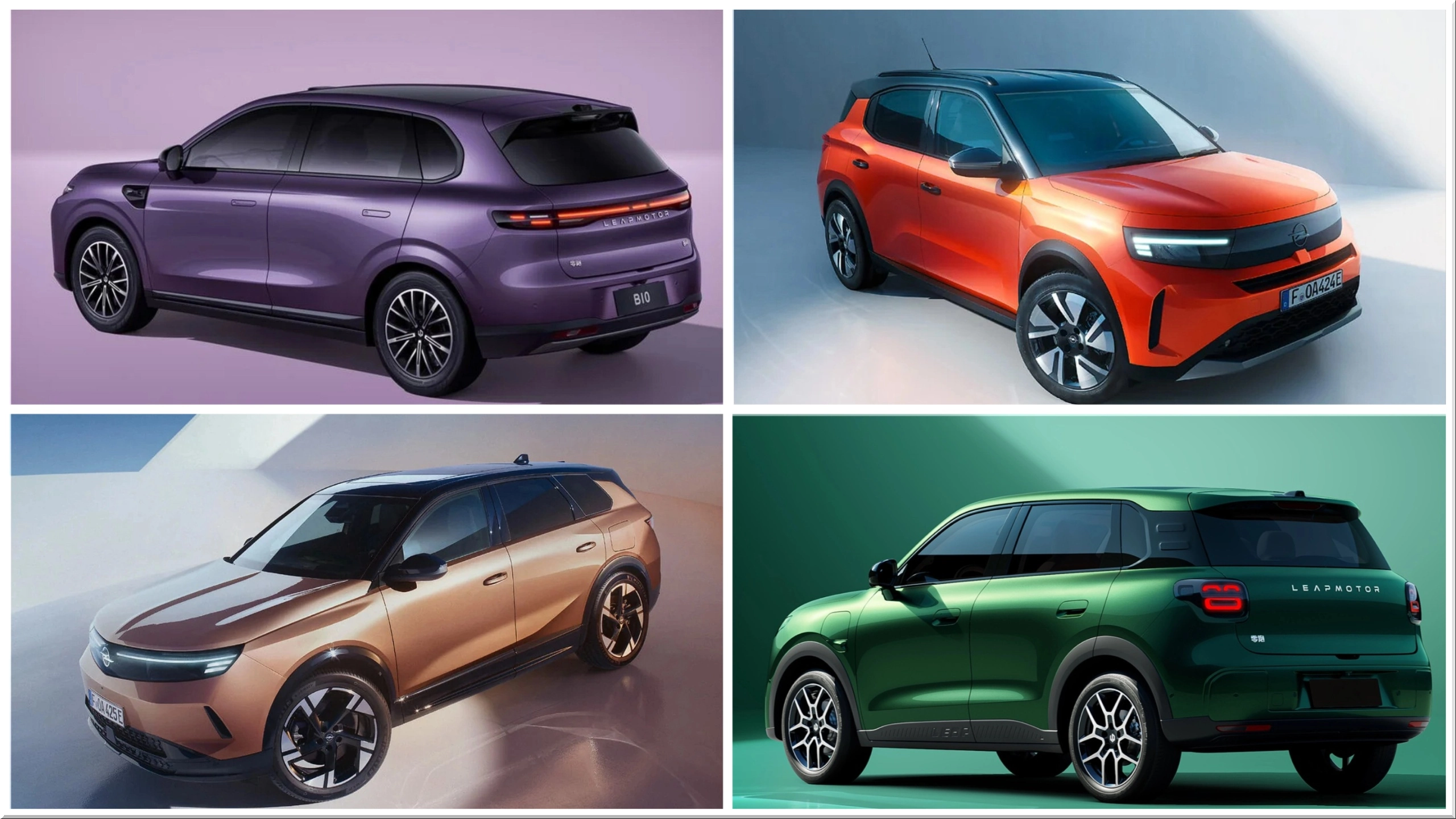
The Vauxhall-Opel and Leapmotor cooperation agreement sets out plans for a new compact electric SUV, with sales expected in 2028. The companies signed on November, 2026, and chose Zaragoza, Spain, for production. Leapmotor's stock-exchange filing puts the engineering fee at €100 million and forecasts a September 2028 production start.
What does the €100 million agreement cover?
Opel will pay Leapmotor €100 million for engineering and development through the expected production start. The agreement establishes a framework for vehicle requirements, milestones and cost targets. Future component sales need separate contracts: Leapmotor had signed no binding parts-sale agreement when it submitted the filing.
The fee does not represent the SUV's entire development budget, factory investment or future parts bill. Opel retains responsibility for total product cost, and the contract allows it to run durability and vehicle evaluations. Those provisions keep Opel involved in cost control and validation.
What technology will the new electric SUV use?
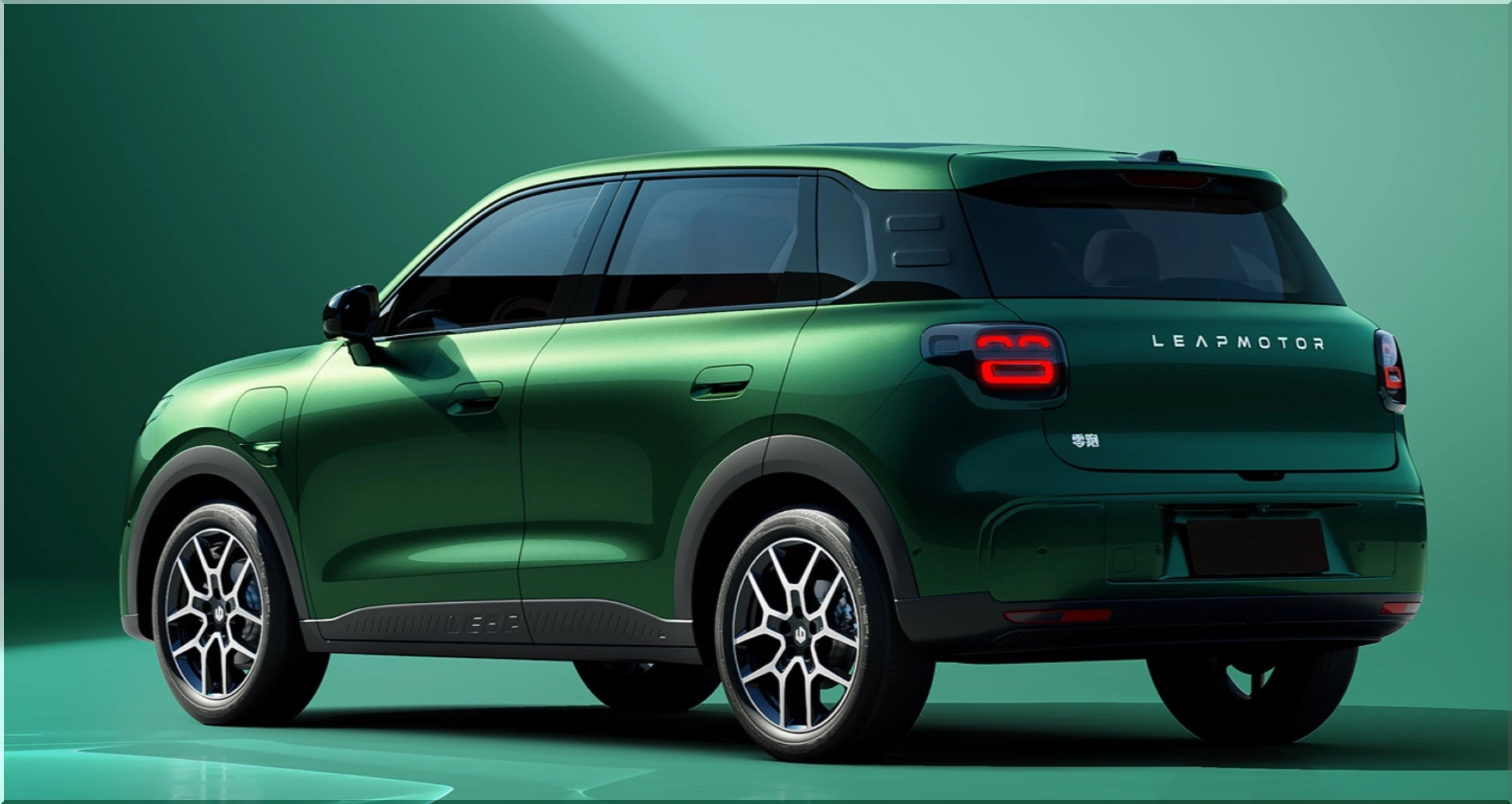
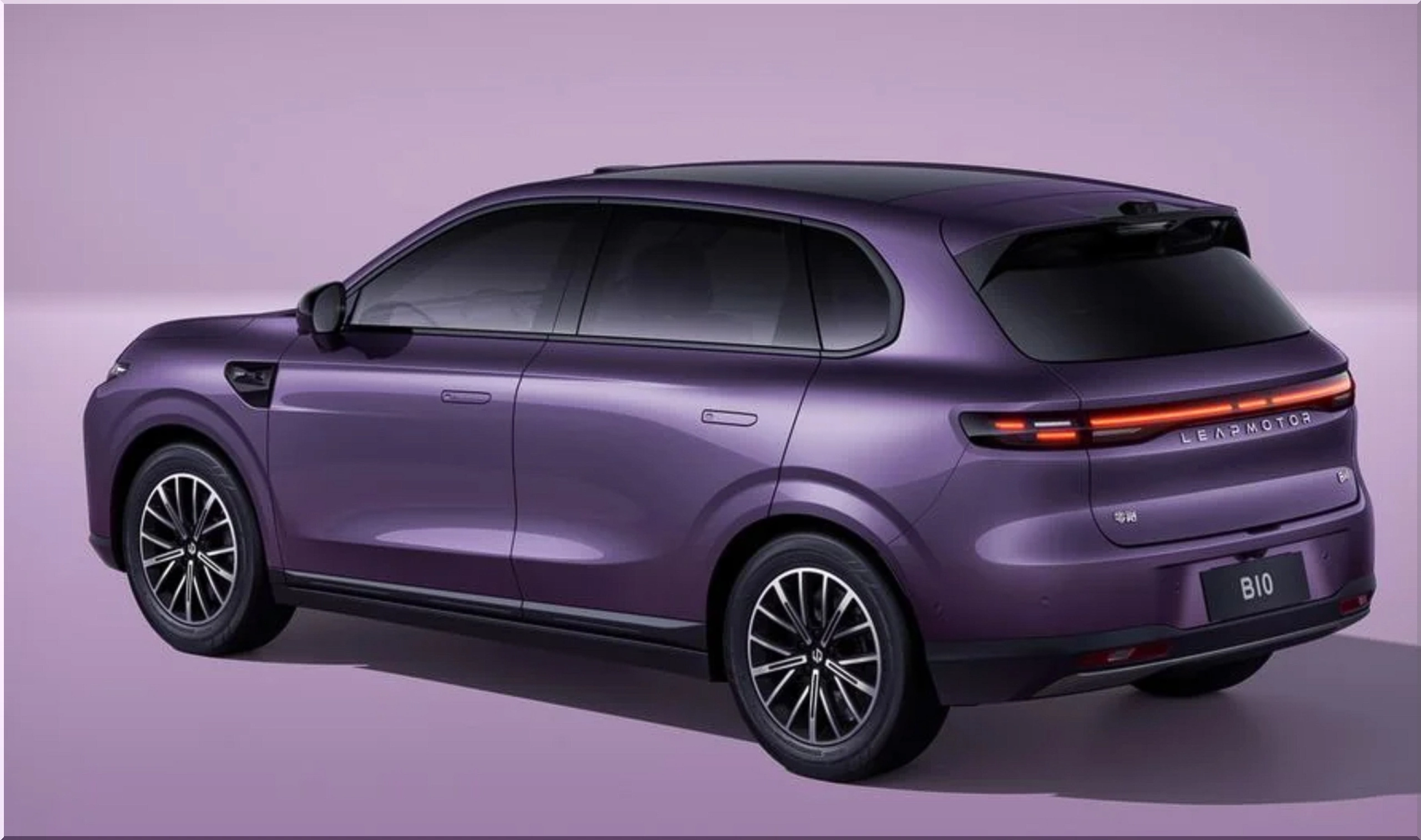
The plan pairs Leapmotor's electric architecture and battery technology with Opel's design, cabin ergonomics, chassis engineering, lighting and seating. Teams in Rüsselsheim, Germany, and Hangzhou, China, share development work. Opel's earlier announcement targeted less than two years for development, drawing on technology already available through the partnership.
Three groups share the work:
- Leapmotor: electrical architecture, battery technology and vehicle engineering support.
- Vauxhall-Opel: brand design, cabin experience, chassis development, lighting and seats.
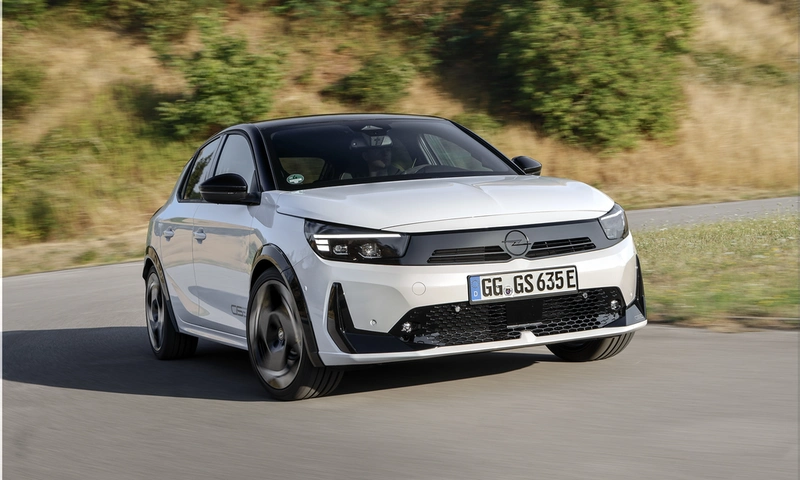
- Stellantis: European manufacturing at Zaragoza, which also builds the Corsa.
My take: I would judge the SUV's chassis tuning and cabin controls during a test drive. Common electrical hardware still permits different ride quality, steering response and everyday usability. Opel's engineering role gives it room to shape those traits; buyers will need the finished vehicle to judge the result.
Will the partnership make the SUV cheaper?
Stellantis sees shared sourcing through its Leapmotor partnership as a way to lower European EV prices. The November announcements provide no retail price or measured saving. Buyers will need insurance quotes, electricity consumption figures, warranty details and depreciation data before they can judge whether cheaper components translate into lower ownership costs.
| Pros | Cons |
|---|---|
| An established Spanish factory supports European production. | The announcements give no US or Canadian launch plan. |
| Opel contributes chassis, seating and cabin engineering. | The announcements omit range, charging and price figures. |
Image gallery:
Should buyers wait for the 2028 SUV?
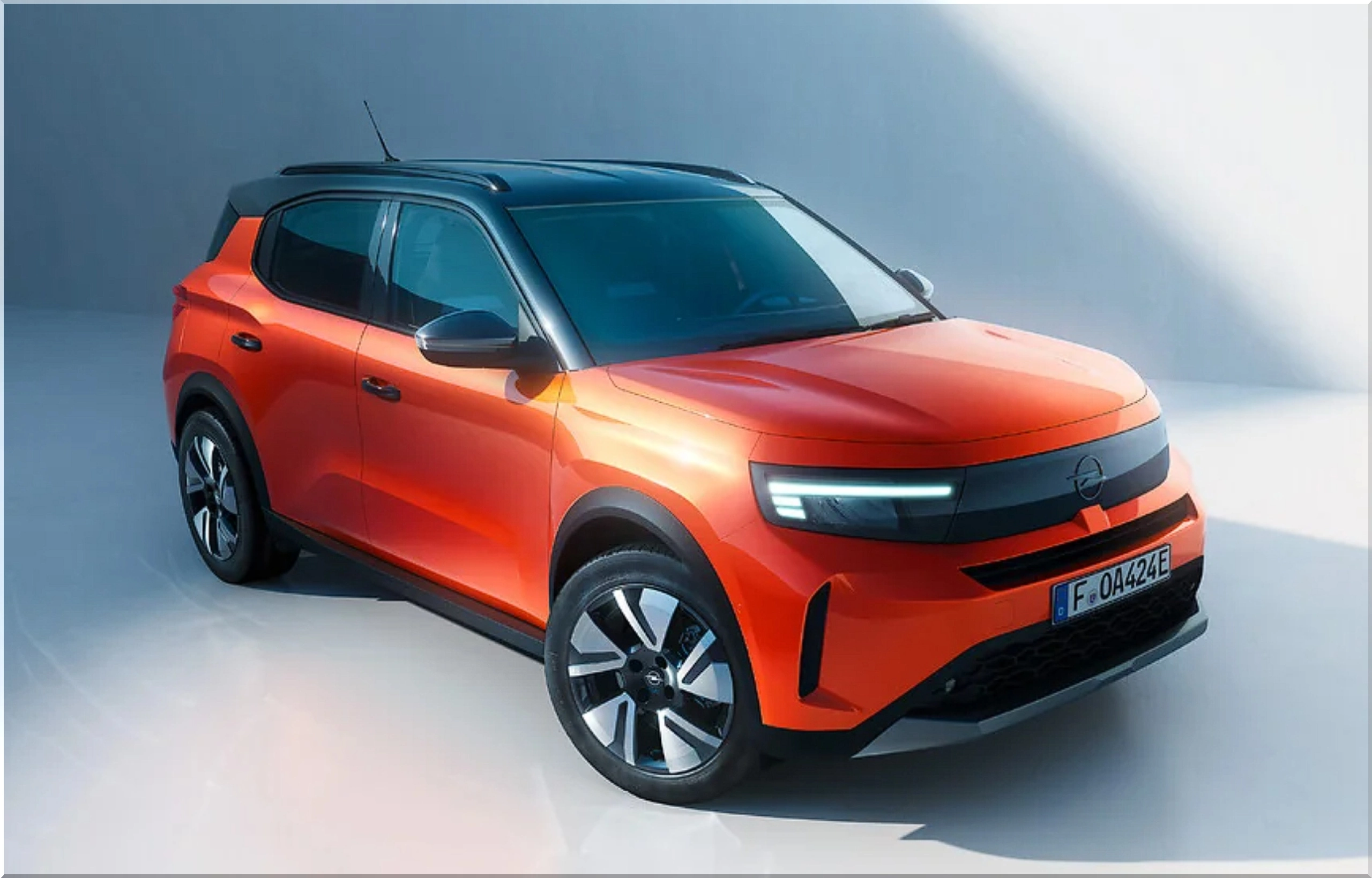
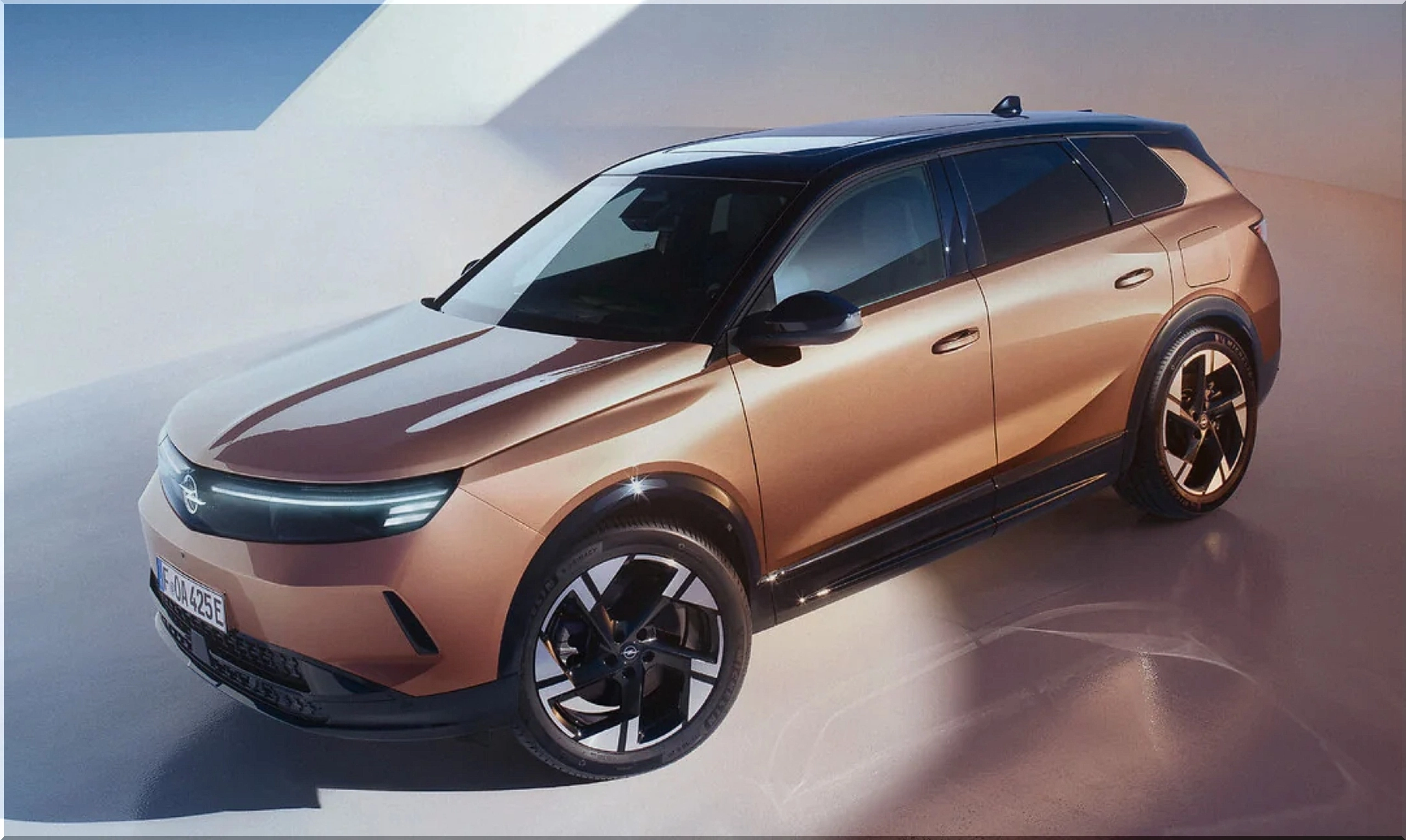
I would not delay an urgent purchase on the strength of this announcement. The SUV will join the Mokka, Frontera and Grandland. The companies have left battery capacity, 400V versus 800V architecture, charging times, dimensions and towing capability unspecified, which prevents useful comparisons with vehicles buyers can order today.
Pro-Tip: Before paying a deposit, ask for usable battery capacity, a 10-80% charging curve, Level 2 charging time and battery-warranty terms. North American shoppers should also request a confirmed local launch and NACS or CCS connector details. European production alone settles neither availability nor connector compatibility.
- Add new comment
- 54 views