Audi is no stranger to the world of motorsport. The German automaker has a rich history of success in various racing disciplines, such as Le Mans, Formula E, and DTM. But now, Audi is taking on a new challenge: the Dakar Rally.
The Dakar Rally is one of motorsport's most grueling and demanding events. It is a two-week-long off-road endurance race that covers thousands of kilometers across harsh terrain, such as deserts, mountains, and dunes. The Dakar Rally tests not only the vehicles' speed and performance but also the drivers' and co-drivers stamina and skill.
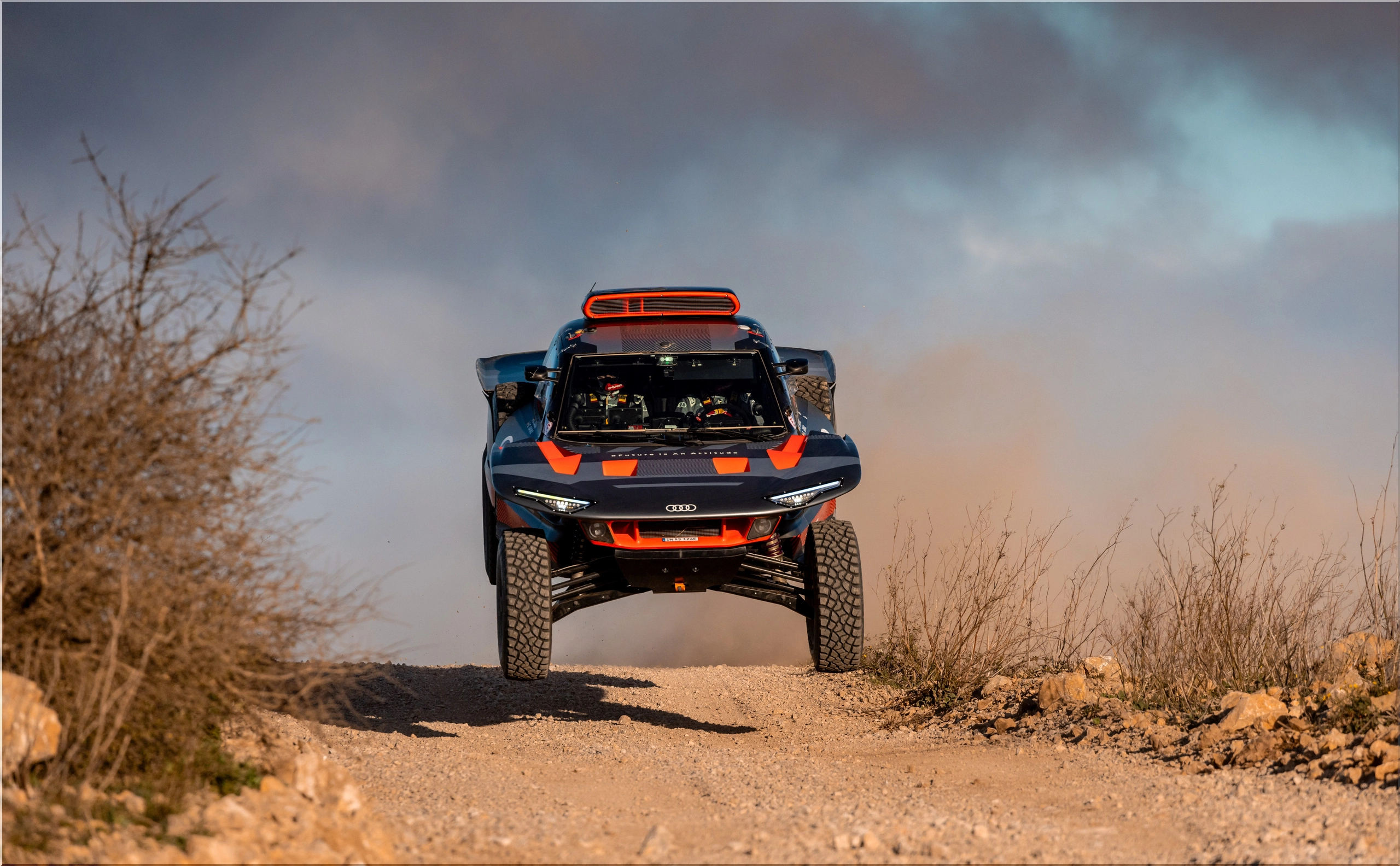
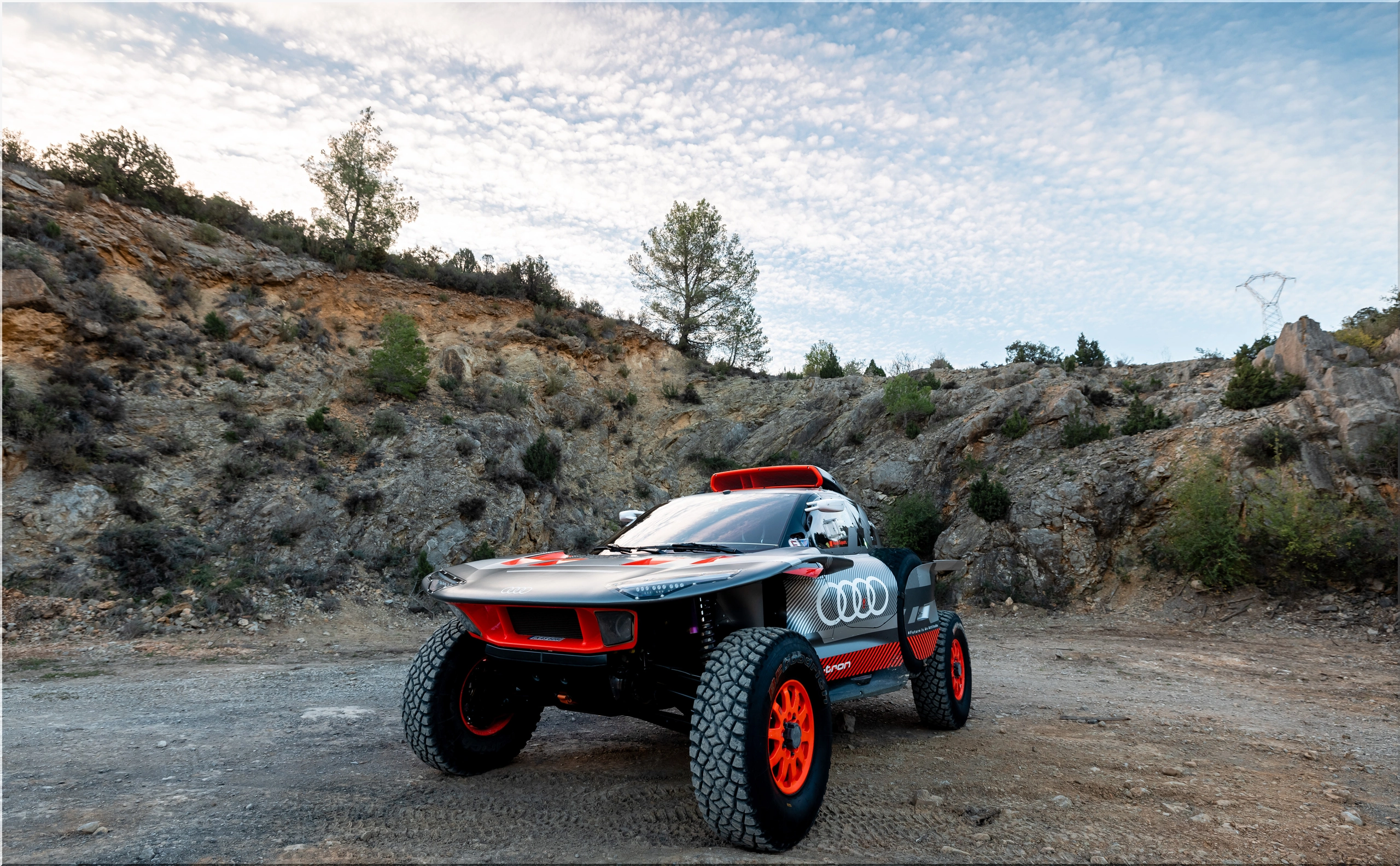
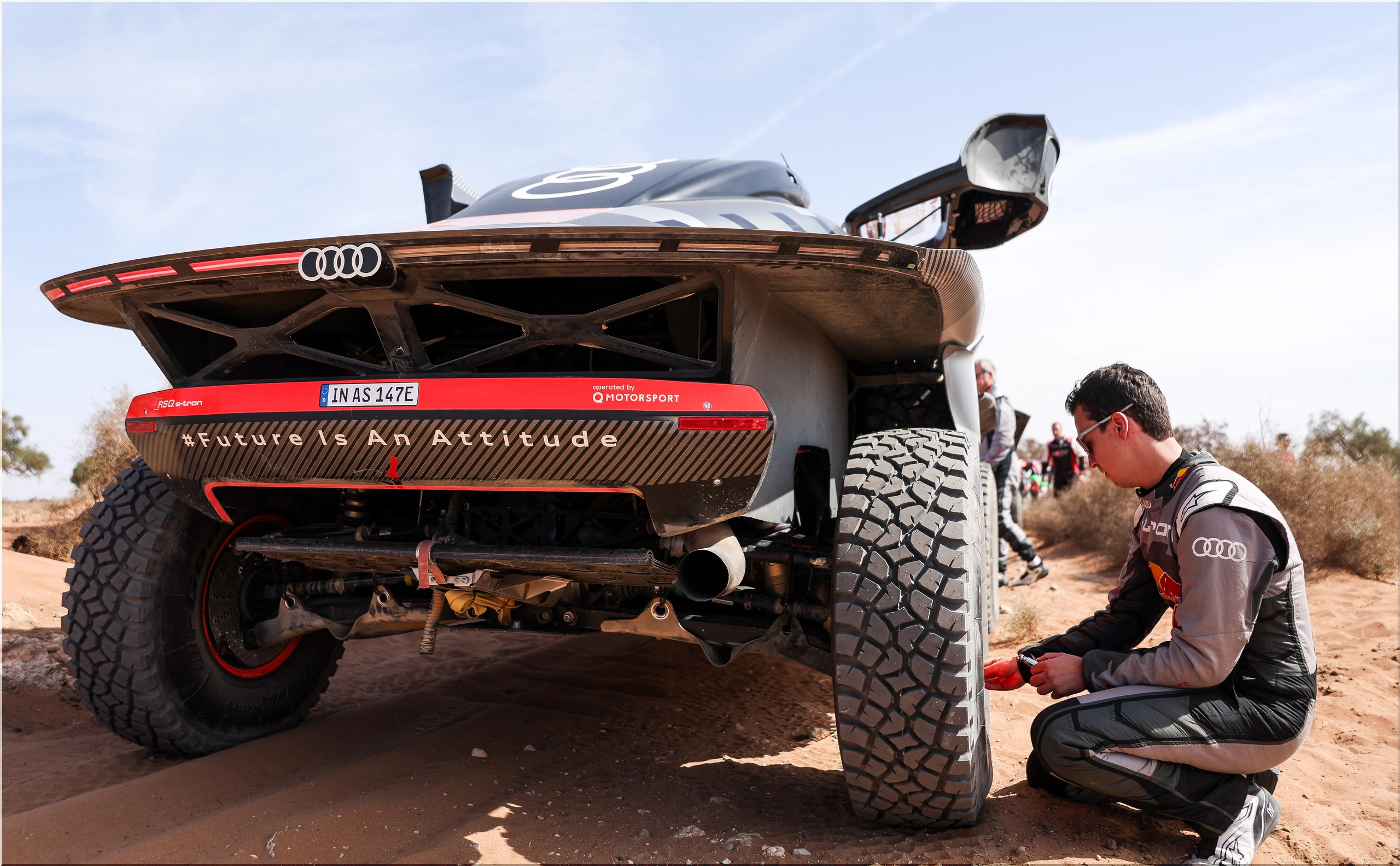
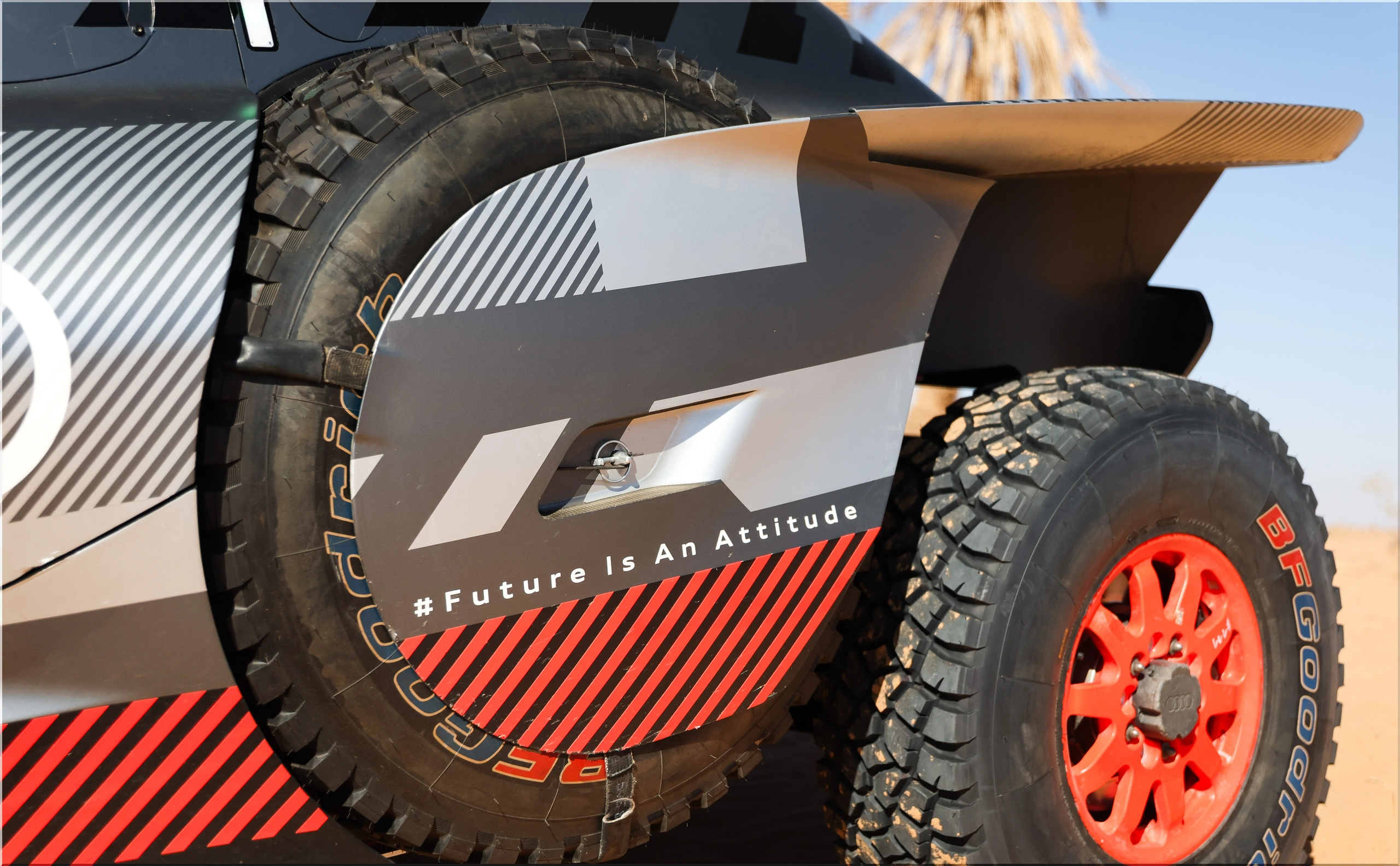
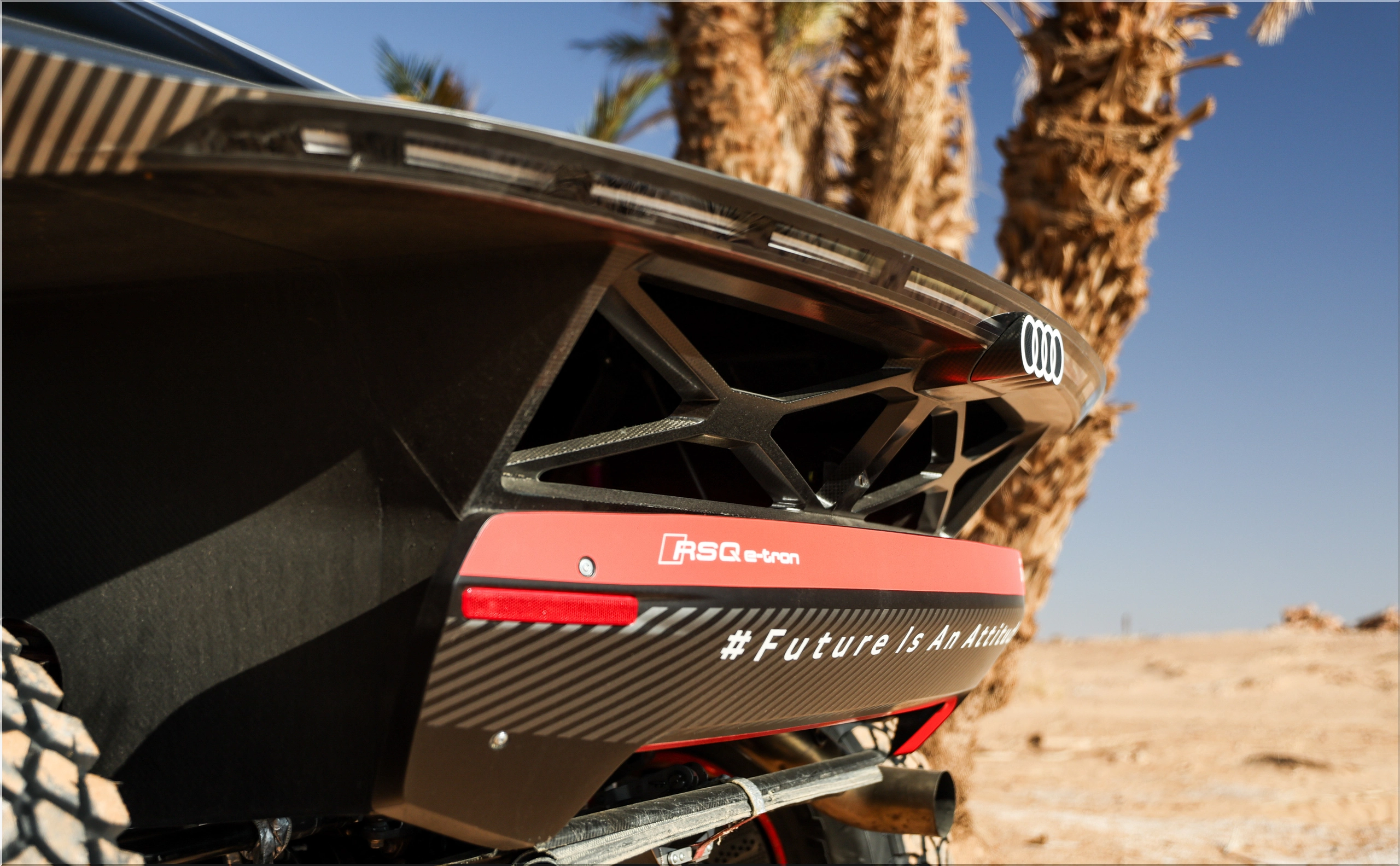
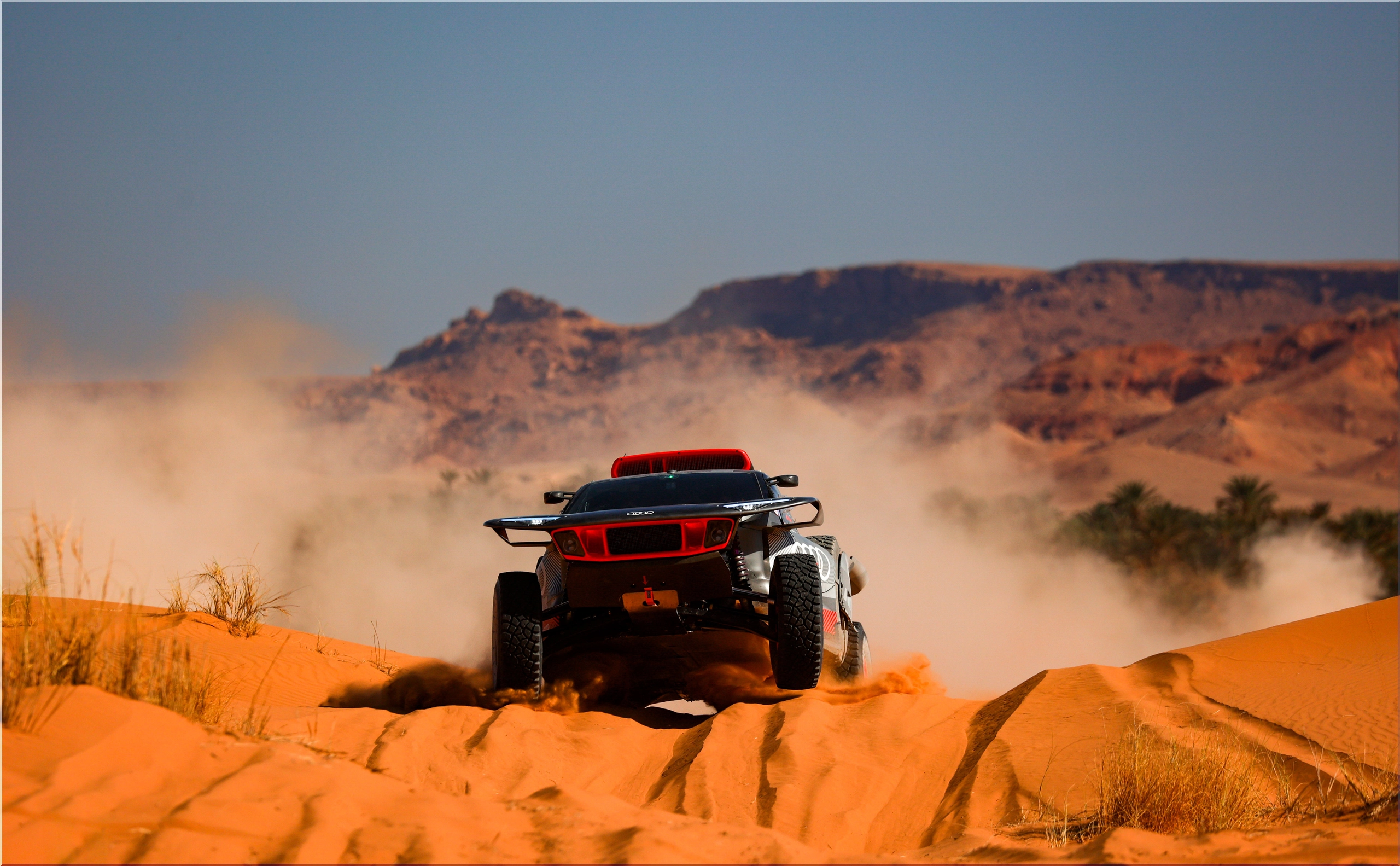
Audi is the first manufacturer to enter the Dakar Rally with an electric vehicle: the Audi RS Q e-tron. This innovative prototype combines an electric drivetrain with a high-voltage battery and a highly efficient energy converter. The Audi RS Q e-tron is designed to cope with the extreme conditions of the Dakar Rally while also showcasing Audi’s vision for the future of mobility.
The Audi RS Q e-tron: A Unique Concept
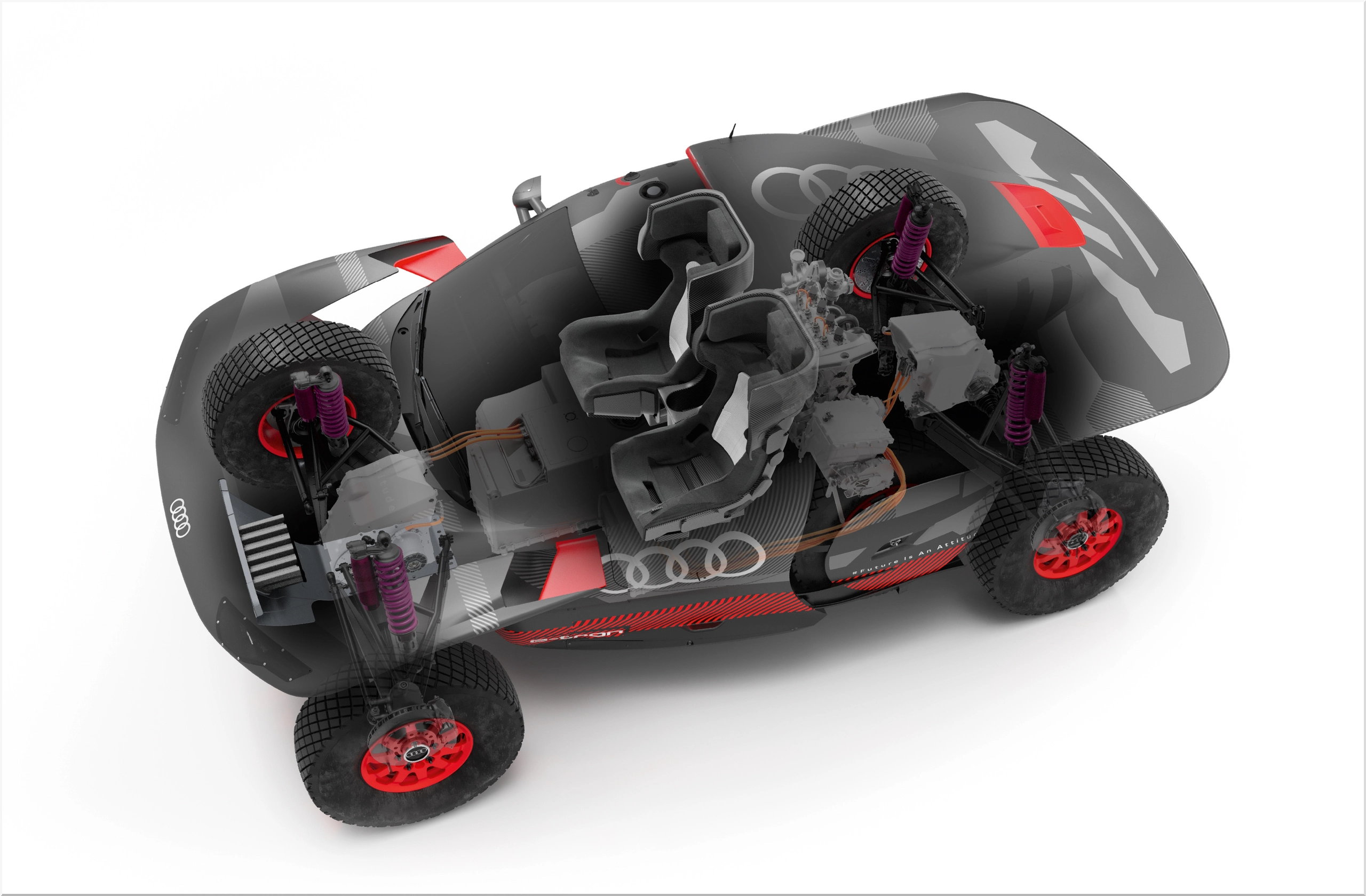
The Audi RS Q e-tron is not a conventional electric vehicle. It does not rely on charging stations or external power sources to replenish its battery. Instead, it uses a specially developed TFSI engine from the DTM series as a generator to supply electricity to the battery. The TFSI engine runs at a constant and optimal speed of around 4,500 rpm, regardless of the driving situation. This ensures a high level of efficiency and a low level of emissions.
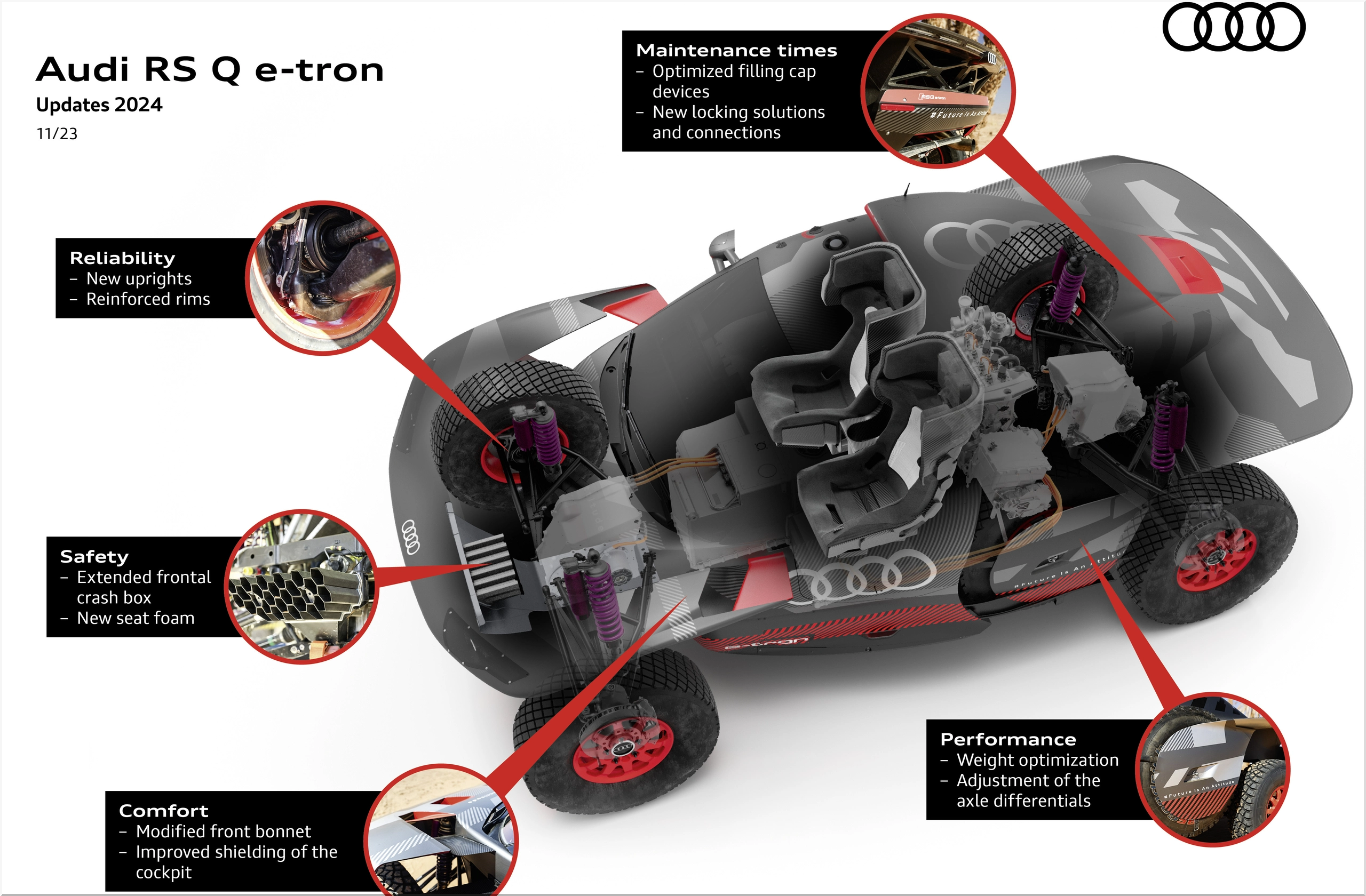
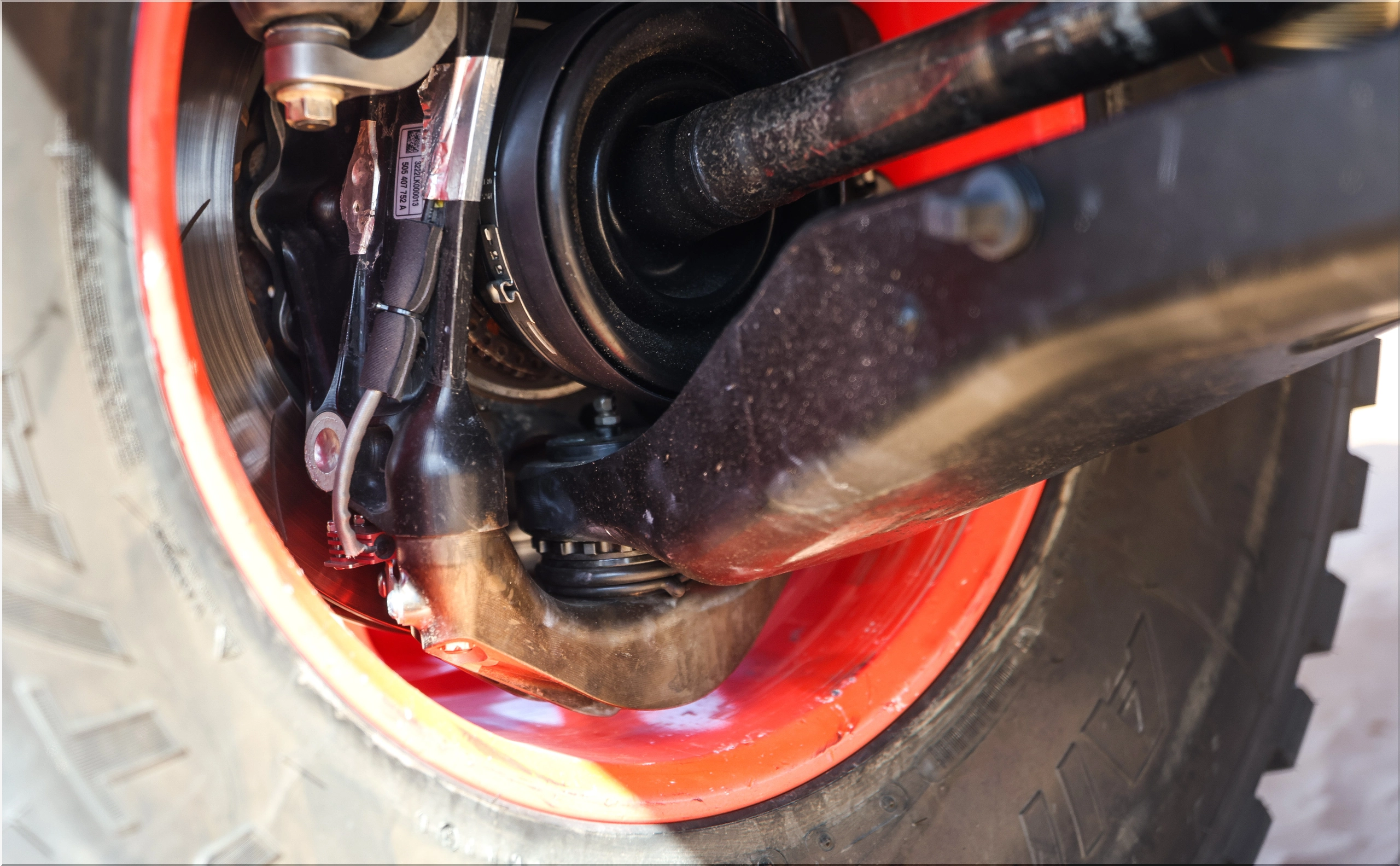
The battery is the heart of the Audi RS Q e-tron. It weighs about 370 kilograms and has a capacity of around 50 kWh. It is located between the axles in the safest possible position. The battery provides power to four electric motors, two on each axle, that drive the wheels. The electric motors are the same ones Audi uses in Formula E, with some modifications for the Dakar Rally. The electric motors deliver a maximum output of 500 kW or about 680 horsepower.
The Audi RS Q e-tron also features a sophisticated energy management system that optimizes power distribution and consumption. Depending on the terrain and the driving mode, the system allows for variable and selective torque distribution to each wheel. The system also recovers energy during braking and coasting and stores it in the battery for later use.
The Audi RS Q e-tron: A Successful Debut
The Audi RS Q e-tron made its debut at the 2022 Dakar Rally, where it faced tough competition from other manufacturers, such as Toyota, Mini, and Peugeot. The Audi team consisted of three driver crews: Stéphane Peterhansel and Edouard Boulanger, Carlos Sainz and Lucas Cruz, and Mattias Ekström and Emil Bergkvist.
The Audi RS Q e-tron proved its potential by scoring four stage victories and 14 stage podium results during the two-week event. The Audi team also led the overall standings for three days and was in contention for the top positions until the final stages. However, the Audi RS Q e-tron also encountered technical issues and setbacks, such as punctures, accidents, and penalties, that prevented it from achieving a better result. The best-placed Audi crew was Peterhansel and Boulanger, who finished in 10th place overall.
Despite the challenges, the Audi team gained valuable experience and data from the 2022 Dakar Rally, which they used to further improve the Audi RS Q e-tron for the next edition.