e-Palette
Toyota has launched its next-generation e-Palette, an autonomous mobility platform designed for flexible transportation and logistics. The vehicle, first shown in 2018, has been redesigned for greater practicality. Toyota sees the e-Palette as a foundation for urban mobility services, linking technology, business, and city infrastructure.
What the e-Palette Offers
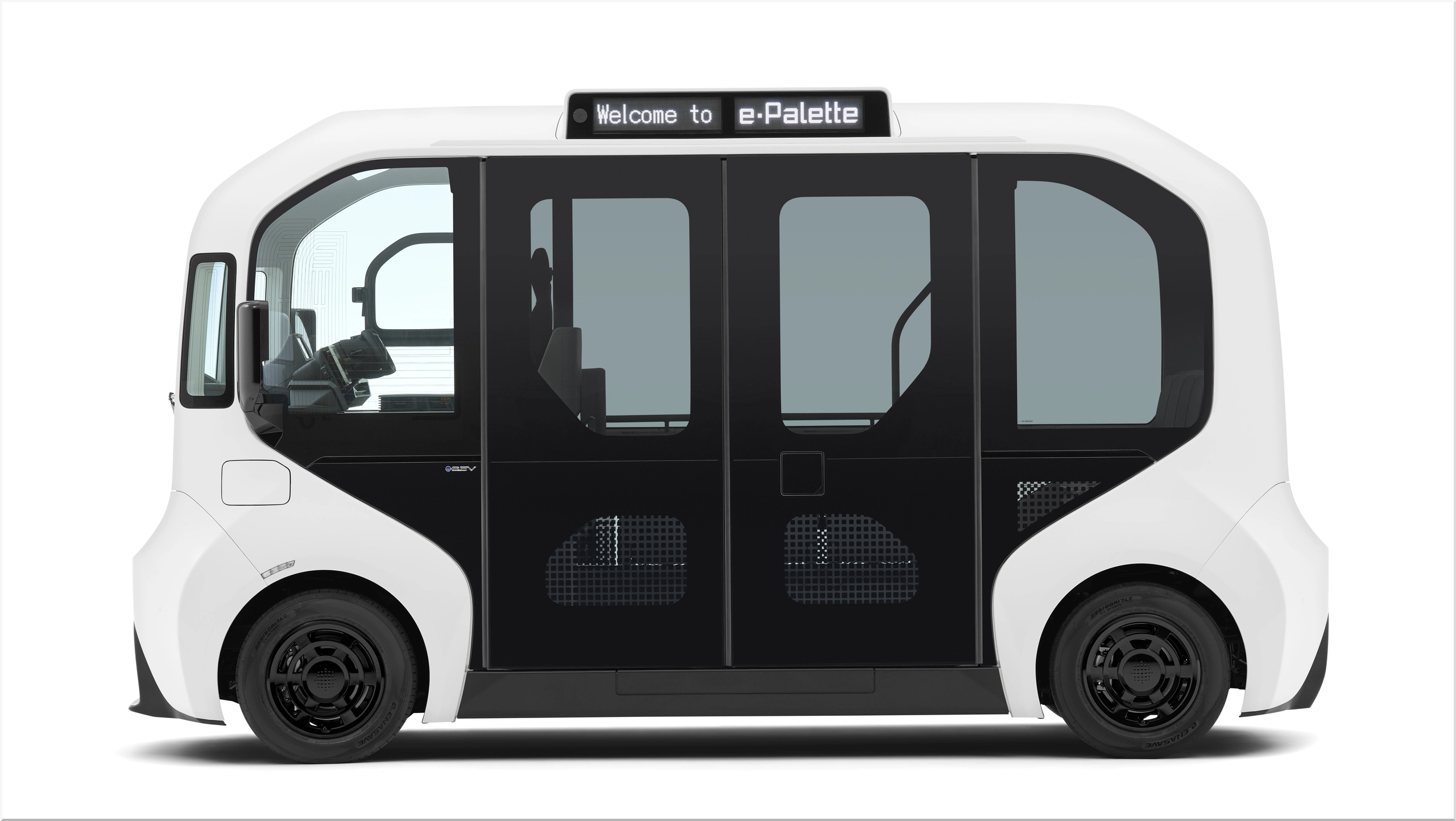
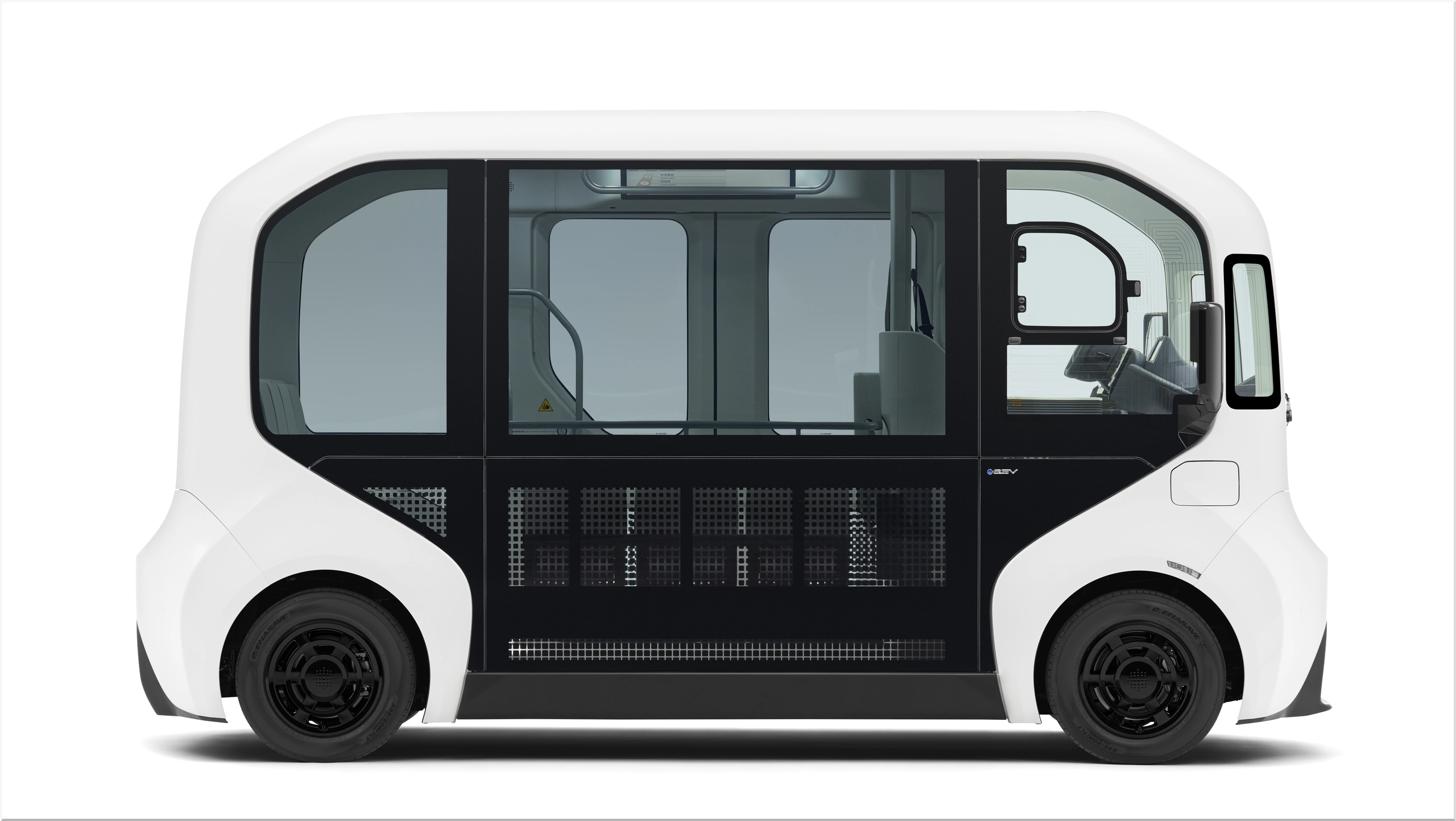
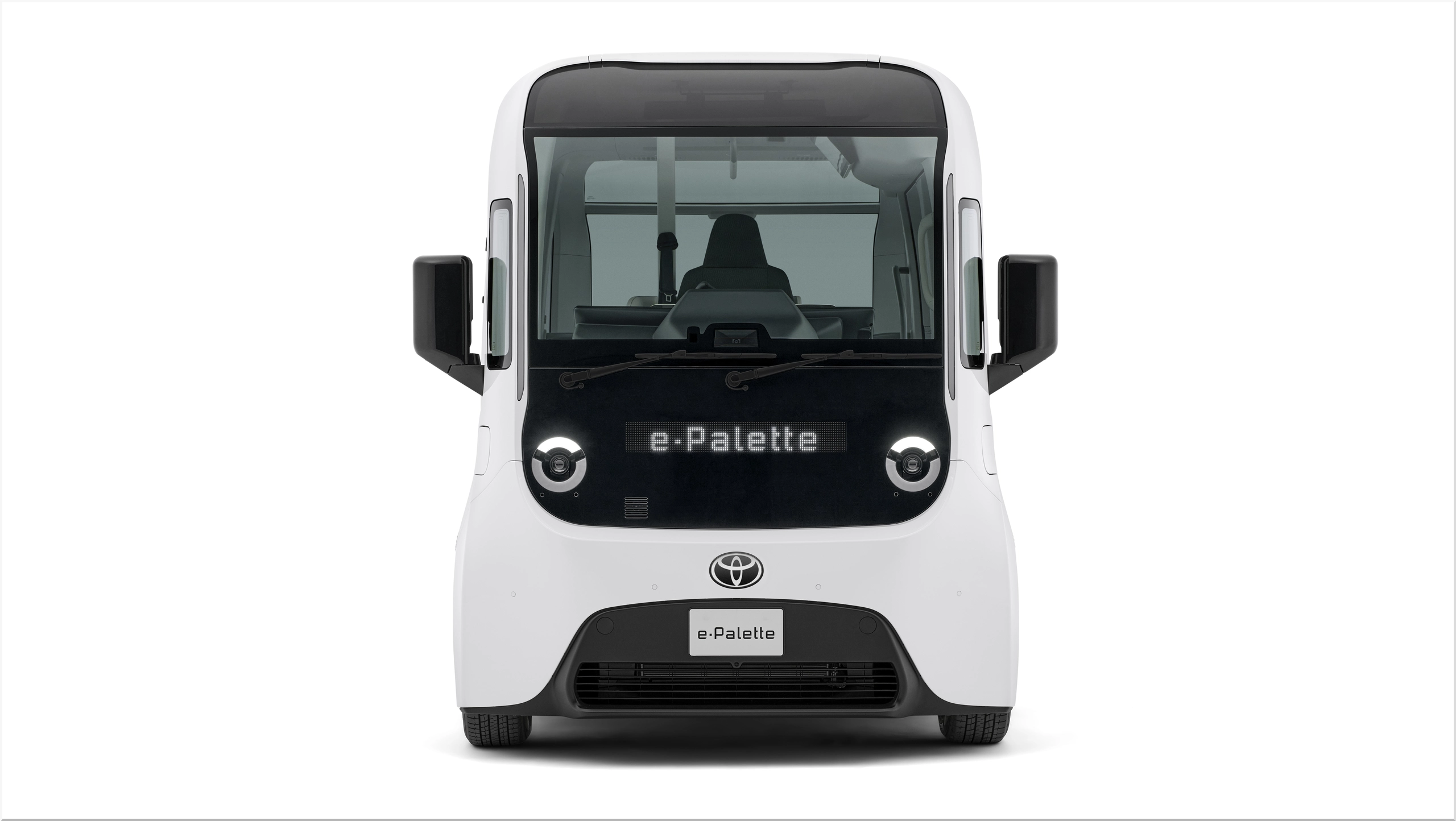
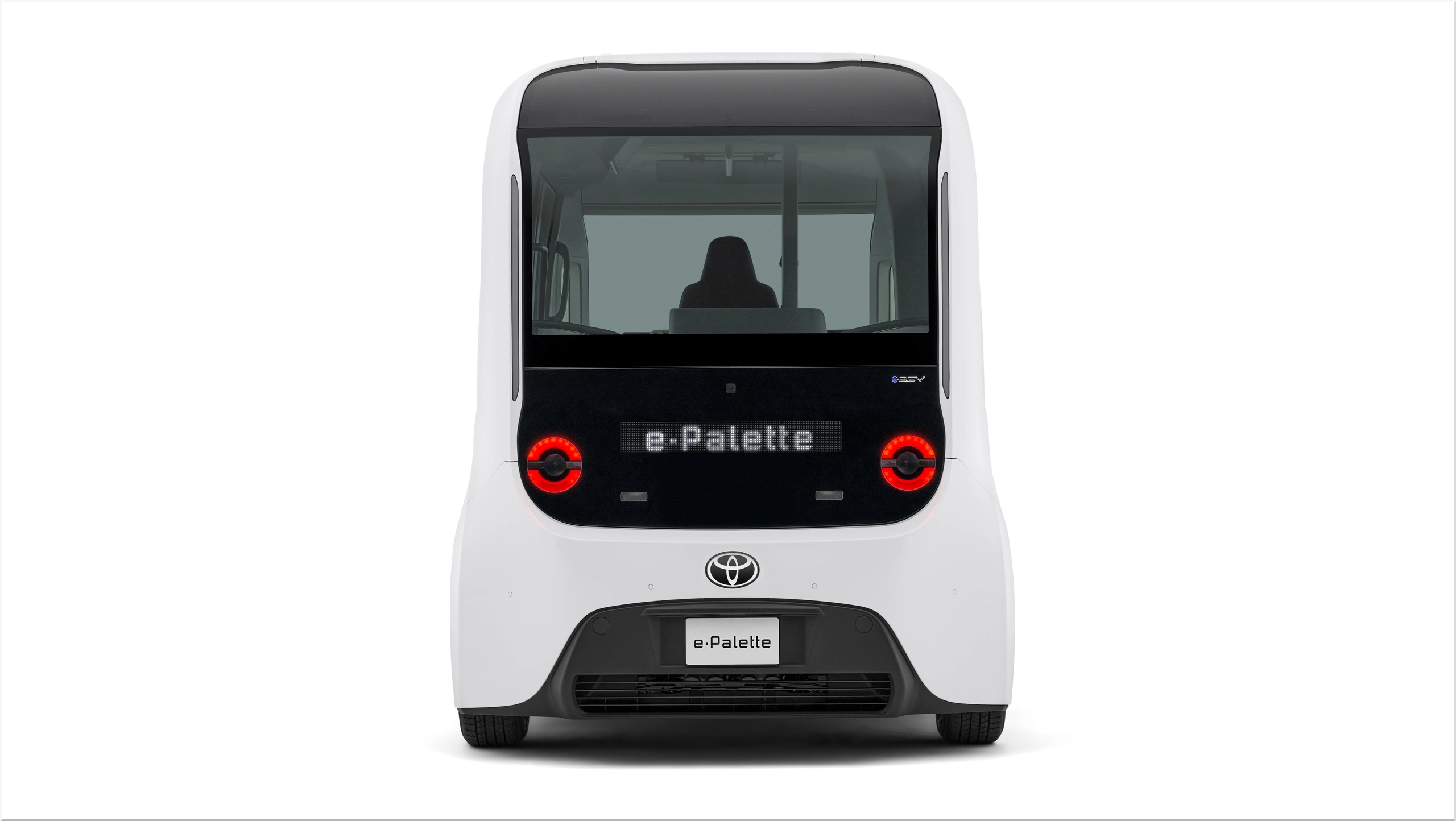
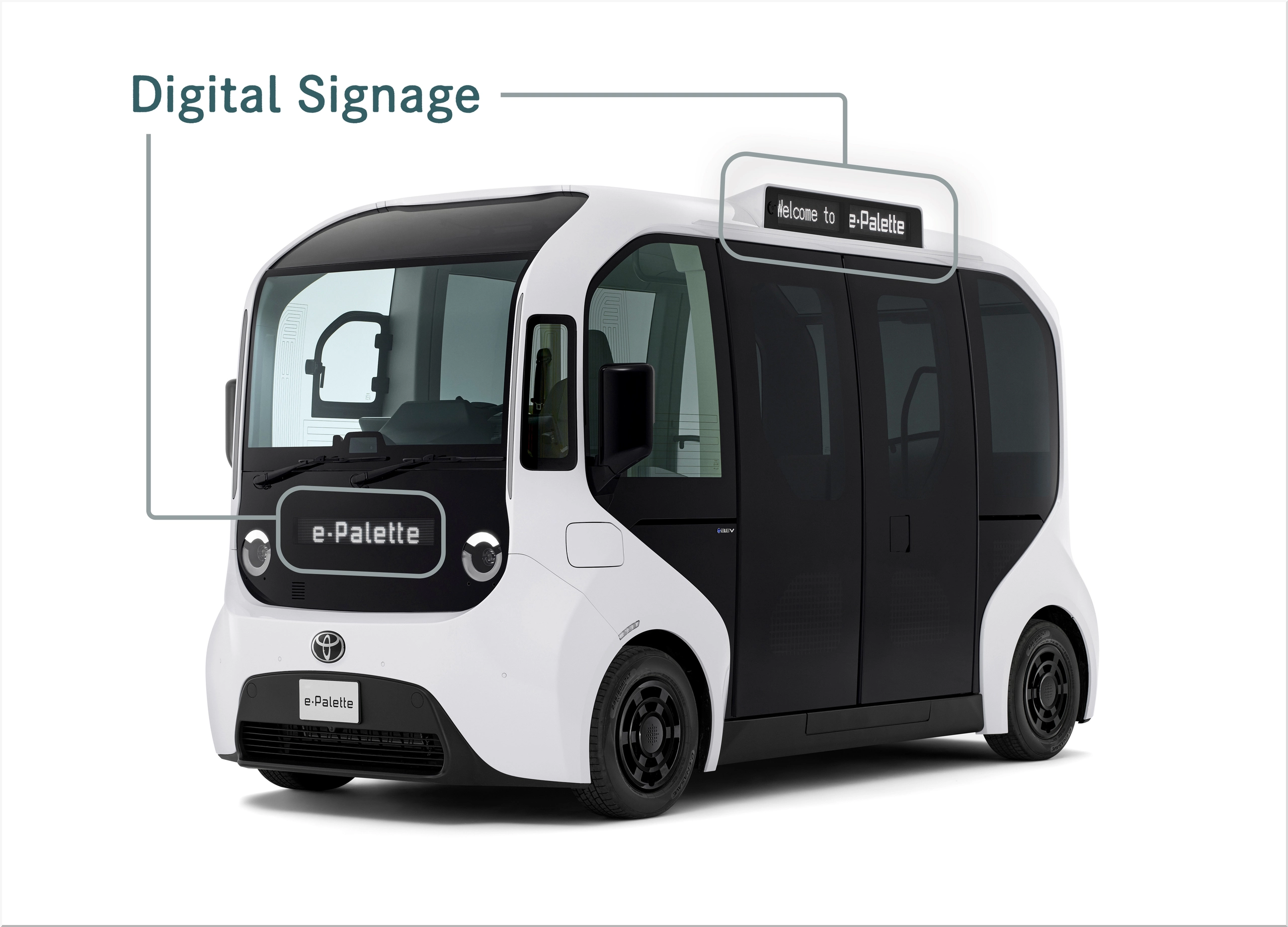
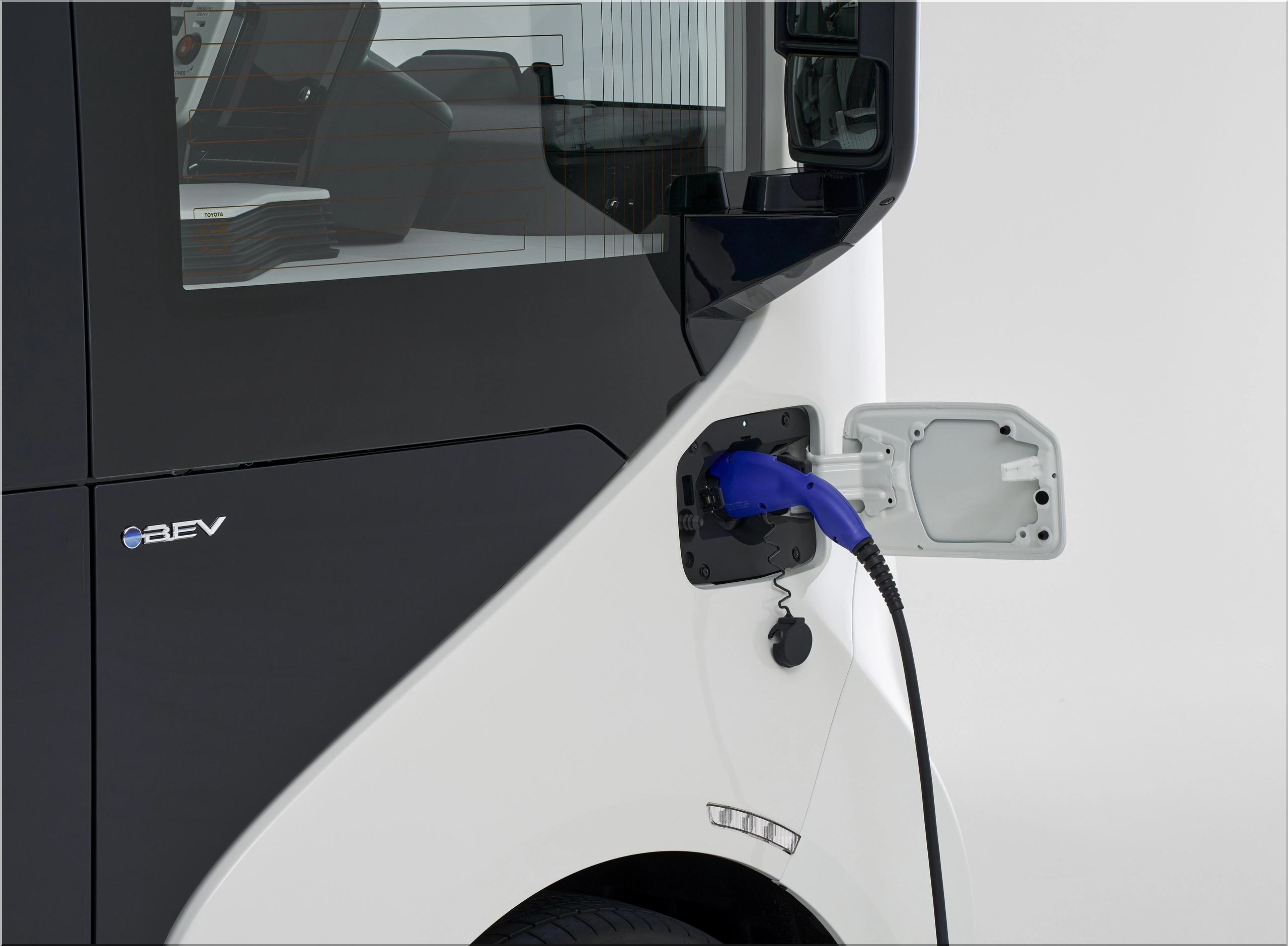
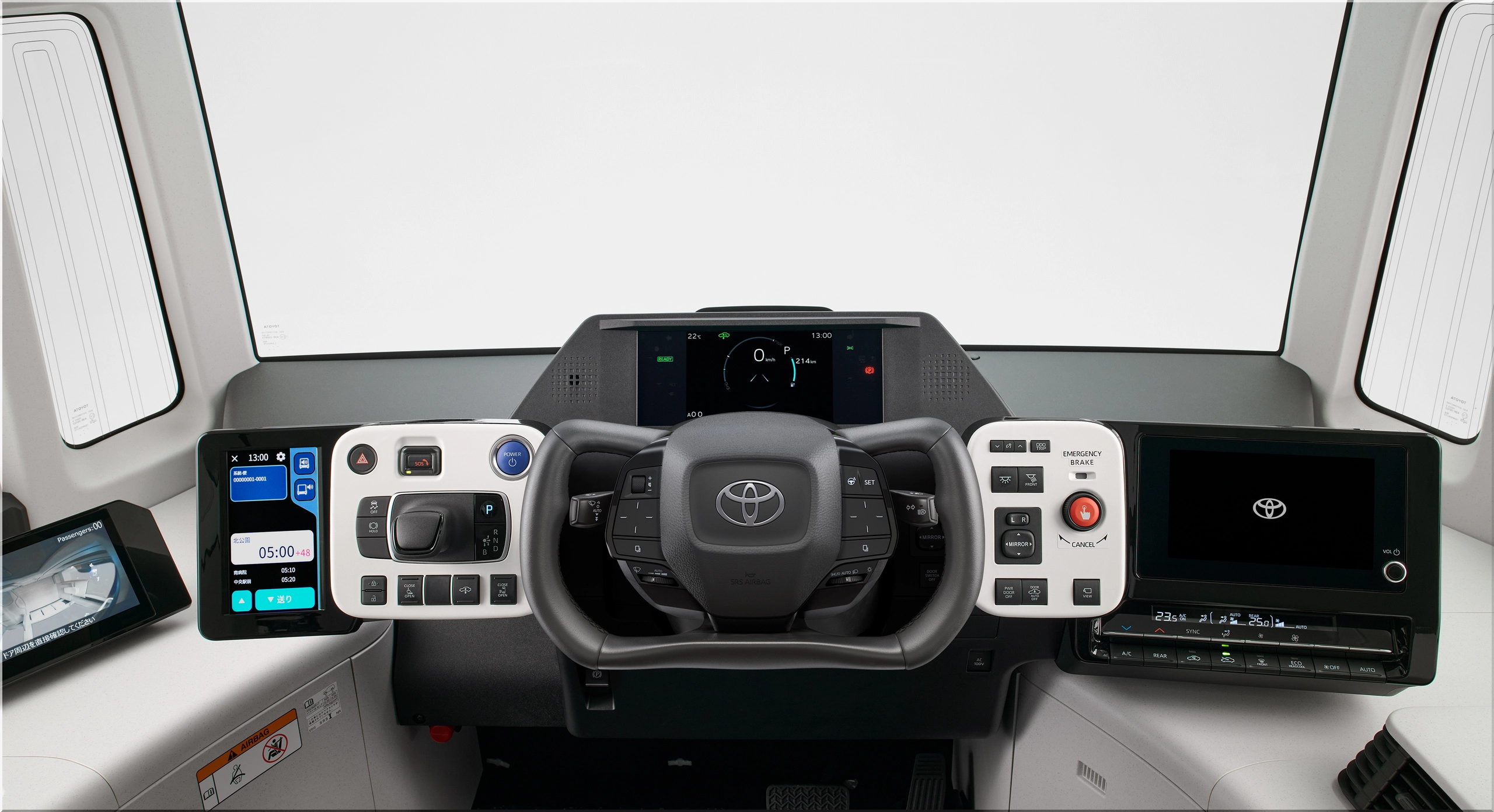
The Toyota e-Palette is a battery-electric, autonomous shuttle. Toyota built it as a modular platform. It can carry passengers, transport goods, or serve as a mobile shop. The concept is simple: one platform, many uses.
Key details:
- Fully autonomous driving system.
- Configurable interior layouts.
- Designed for shared services.
- Flexible operating models for businesses.
Why Toyota Built It
Cities face growing pressure from congestion and labor shortages. The e-Palette addresses these issues:
- Moves people efficiently in dense areas.
- Supports last-mile delivery for logistics companies.
- Provides a base for new retail and healthcare services.
By focusing on autonomy, Toyota aims to reduce reliance on drivers. This approach could help offset rising labor costs.
Technical Specifications
Toyota designed the e-Palette with scalability in mind.
Vehicle Dimensions
- Length: 5,300 mm
- Width: 2,050 mm
- Height: 2,760 mm
- Wheelbase: 4,000 mm
Powertrain and Autonomy
- Fully electric drivetrain.
- High-capacity battery pack.
- Autonomous system with integrated sensors and AI.
- Capable of low-speed urban operation.
Interior Capacity
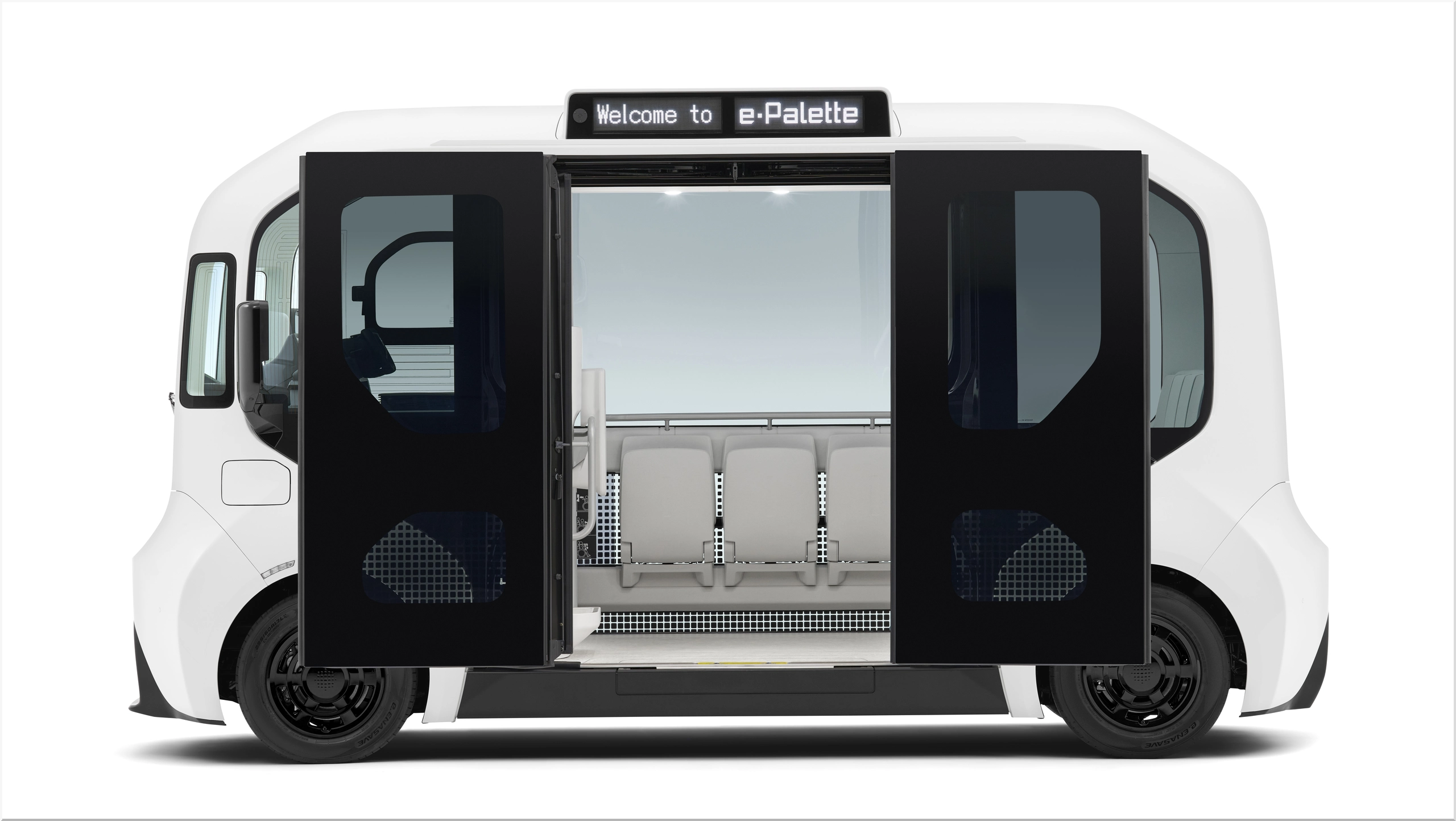
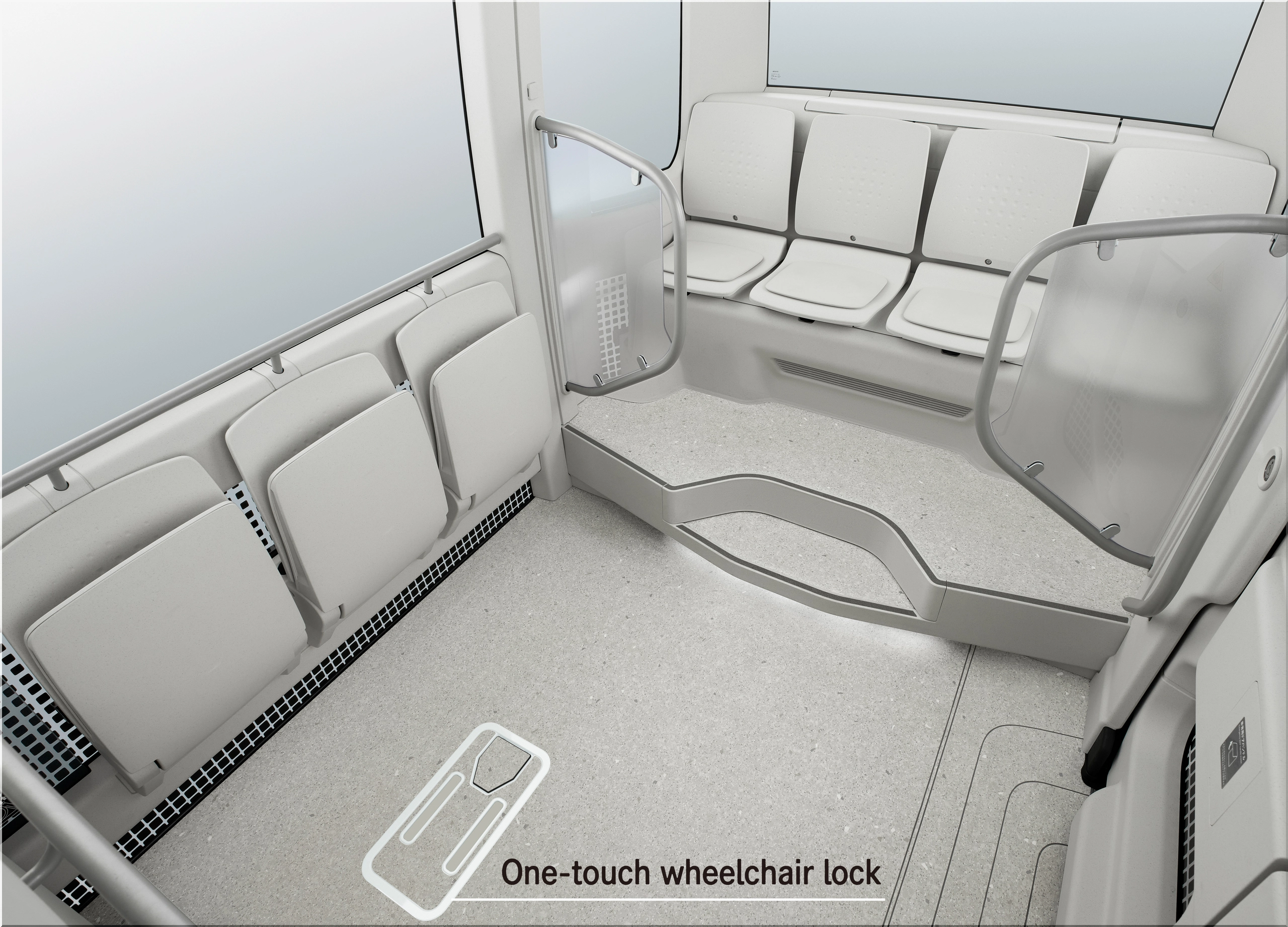
- Passenger model: seats 20, with room for 40 standing.
- Cargo model: modular shelving for delivery.
- Custom builds available for medical and retail needs.
Use Cases
Toyota highlights three main applications.
Passenger Transport
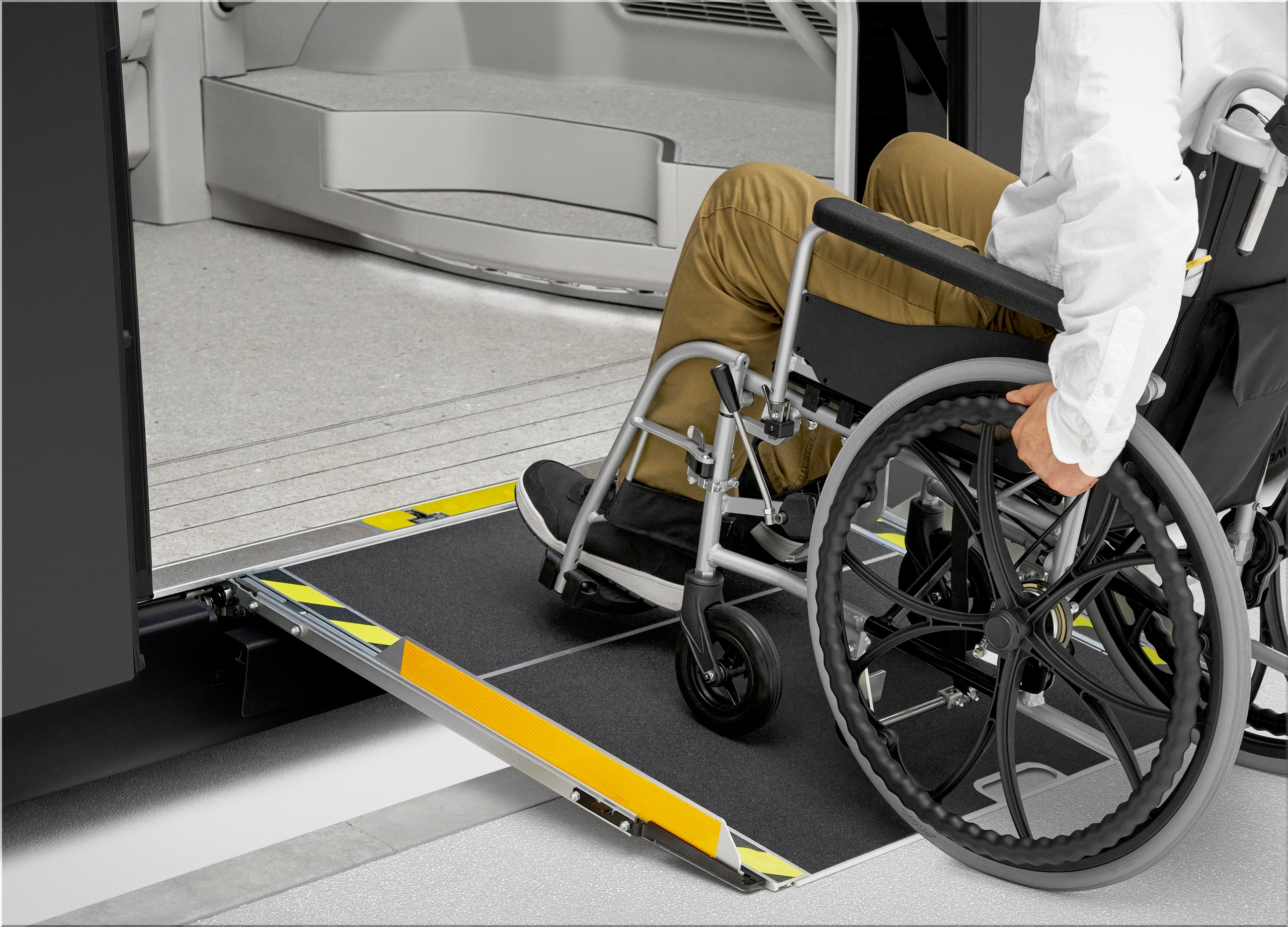
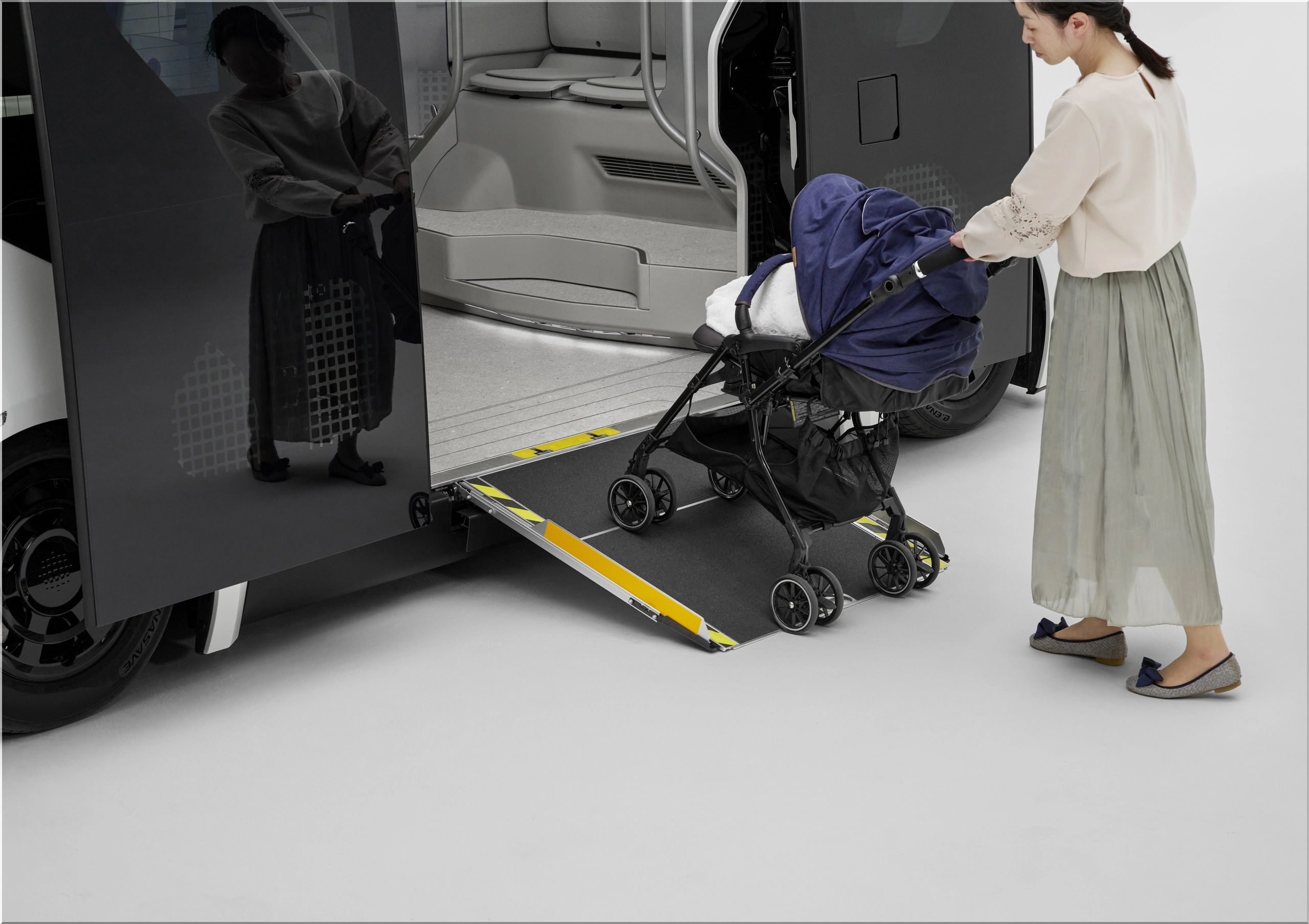
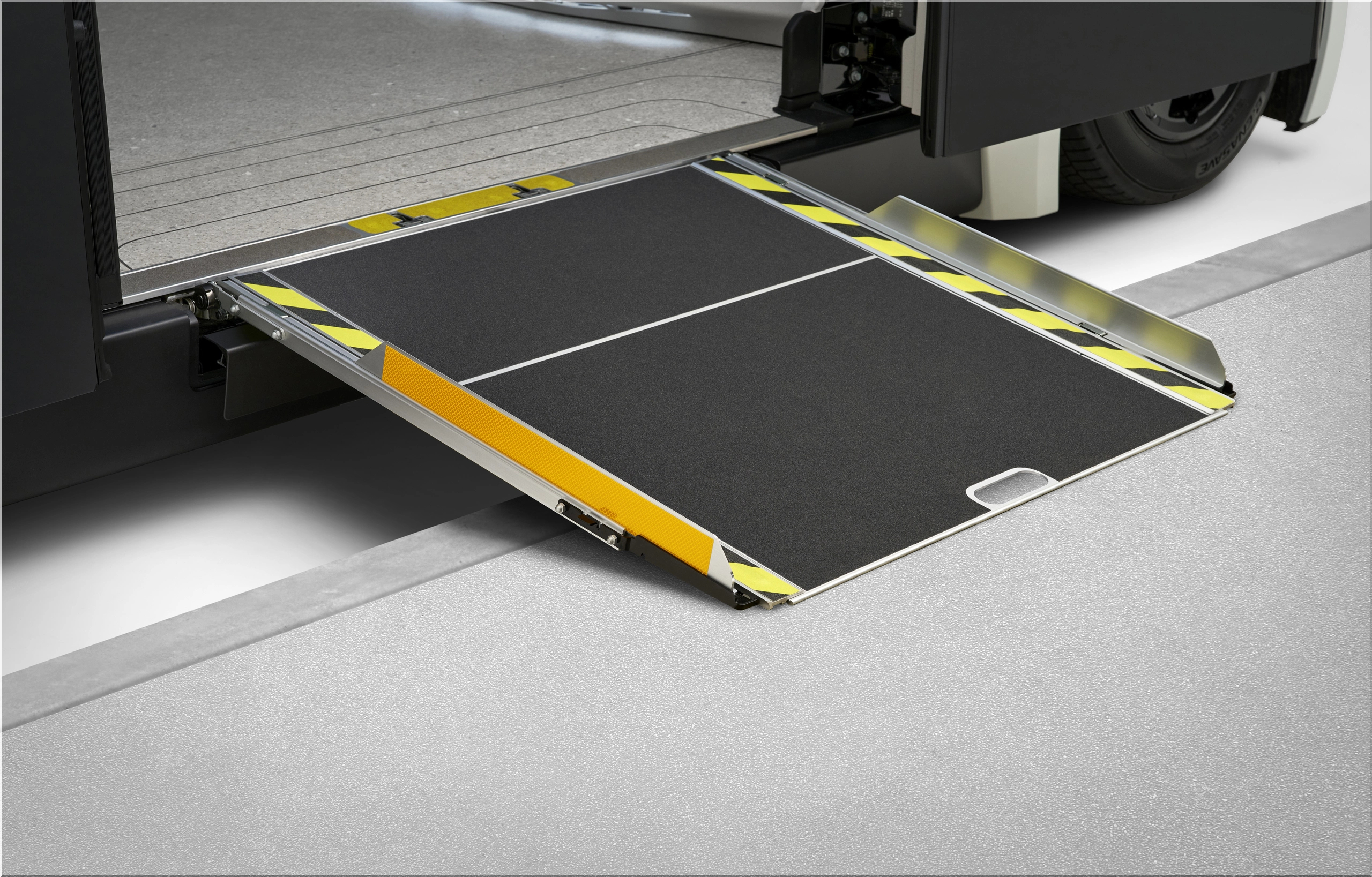
The e-Palette can operate as a shared shuttle. Airports, stadiums, and large campuses are ideal environments. Its low-floor design and wide-opening doors improve accessibility.
Goods Delivery
For logistics firms, the e-Palette enables automated delivery hubs. It can bring parcels directly to neighborhoods. Loading systems are automated to reduce human handling.
Mobile Services
The vehicle also functions as a mobile store, clinic, or office. Retailers could sell products on the move. Healthcare providers could deliver care in underserved areas.
Integration with Toyota’s Woven City
Toyota plans to integrate the e-Palette into Woven City, its experimental smart city in Japan. There, the platform will serve as a mobility testbed. Real-world deployment will guide global rollout.


Business and Market Strategy
Toyota offers the e-Palette as a service platform, not just a vehicle. Companies can customize it and operate fleets. Toyota expects interest from:
- Logistics providers needing delivery solutions.
- Public transport agencies serving urban areas.
- Retail chains and healthcare providers.
By providing both the hardware and software, Toyota positions itself as a mobility partner. This model shifts focus from selling cars to offering services.
Competitor Landscape
Toyota is not alone. Cruise, Zoox, Waymo, and Baidu are also developing autonomous shuttles. Each brings a different business model. Toyota’s edge lies in:
- Scale of global manufacturing.
- Partnerships with cities.
- Integration with its future mobility vision.
Challenges Ahead
Autonomous mobility faces hurdles:
- Regulatory approval in different markets.
- Safety validation under varied conditions.
- Public acceptance of driverless services.
- Cost control for operators.
Toyota acknowledges these risks but believes long-term demand will support adoption.
Economic Impact
Toyota sees the e-Palette as a tool for reducing costs:
- Lower labor expenses by replacing drivers.
- Improved efficiency in last-mile logistics.
- Reduced congestion by deploying fewer, larger shuttles.
For cities, the system could lower infrastructure stress. For companies, it creates new service channels.
Global Outlook
Toyota intends to launch pilot programs in Asia, North America, and Europe. Initial deployments will focus on controlled environments. Broader rollout will depend on safety results and regulatory support.
Projected market for autonomous shuttles exceeds $50 billion by 2035. Toyota aims to capture a significant share.
Conclusion
The next-generation Toyota e-Palette positions the company for a future where vehicles serve as platforms, not products. With its scalable design and focus on autonomy, it could reshape urban mobility, logistics, and services. Success will depend on regulation, cost, and public trust.
Mercedes-Benz has always been a pioneer in the automotive industry, introducing innovations that have shaped the way we drive and experience cars. From the first car with a gasoline engine to the first car with anti-lock brakes, Mercedes… Continue reading
Skoda has announced the launch of a full-electric version of its Citigo. The Citigo EV will have a maximum range of 300 km (186 miles) and will be called Citigo E. First rumors about an Skoda electric city car were from a… Continue reading

Voltabox continues to grow. According to preliminary figures, the German battery system manufacturer generated sales of 66.9 million euros in 2018. For the current financial year, it expects further revenue growth of around 60-70 percent (between 105… Continue reading

Cars and motorcycles that run on gasoline or diesel will be banned in the Amsterdam, Netherlands, starting 2030. Starting next year, diesel cars older than 15 years will be banned on the A10 road around the Dutch capital. Also, buses and vans emitting exhaust… Continue reading