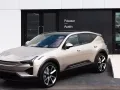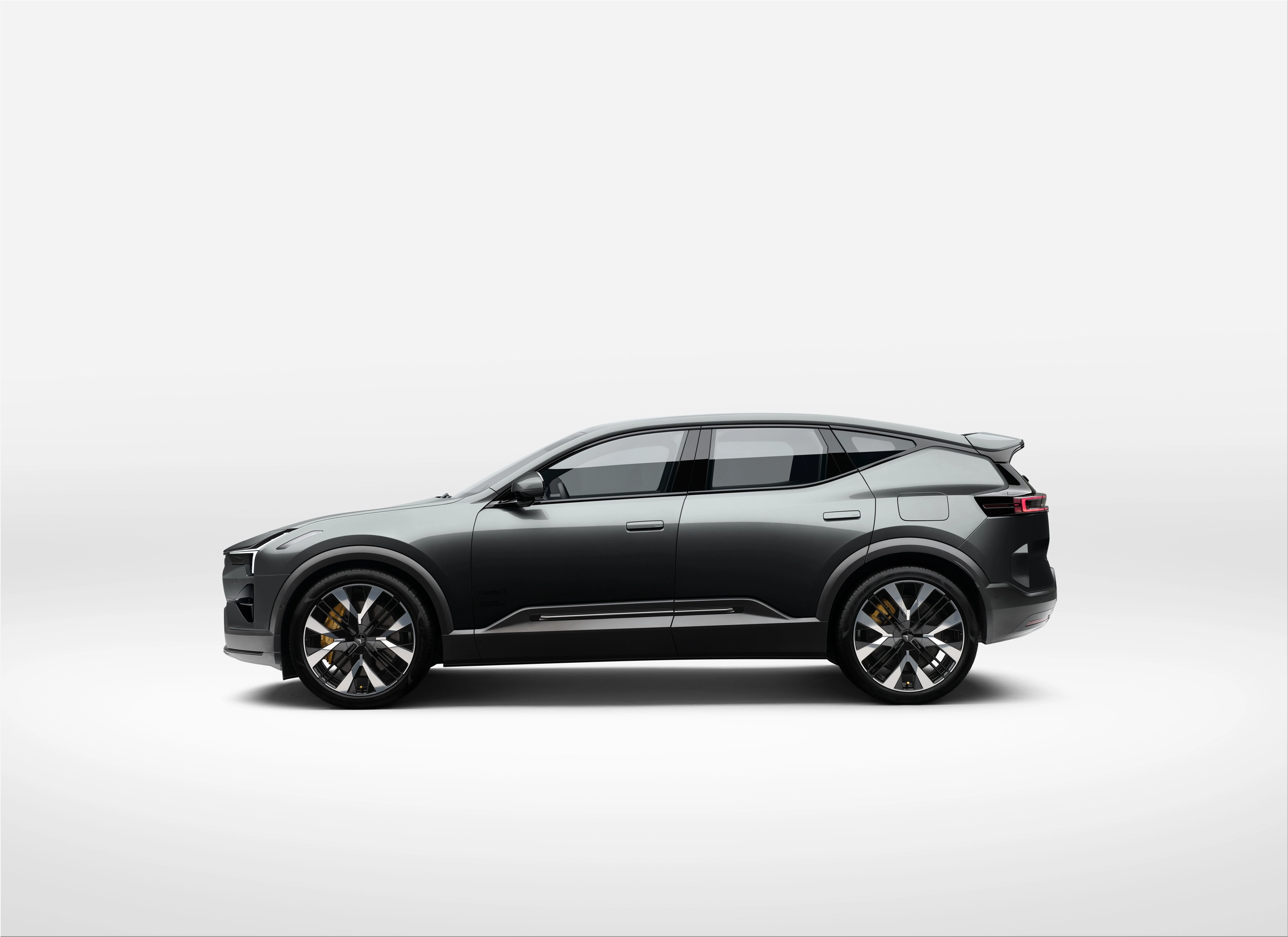
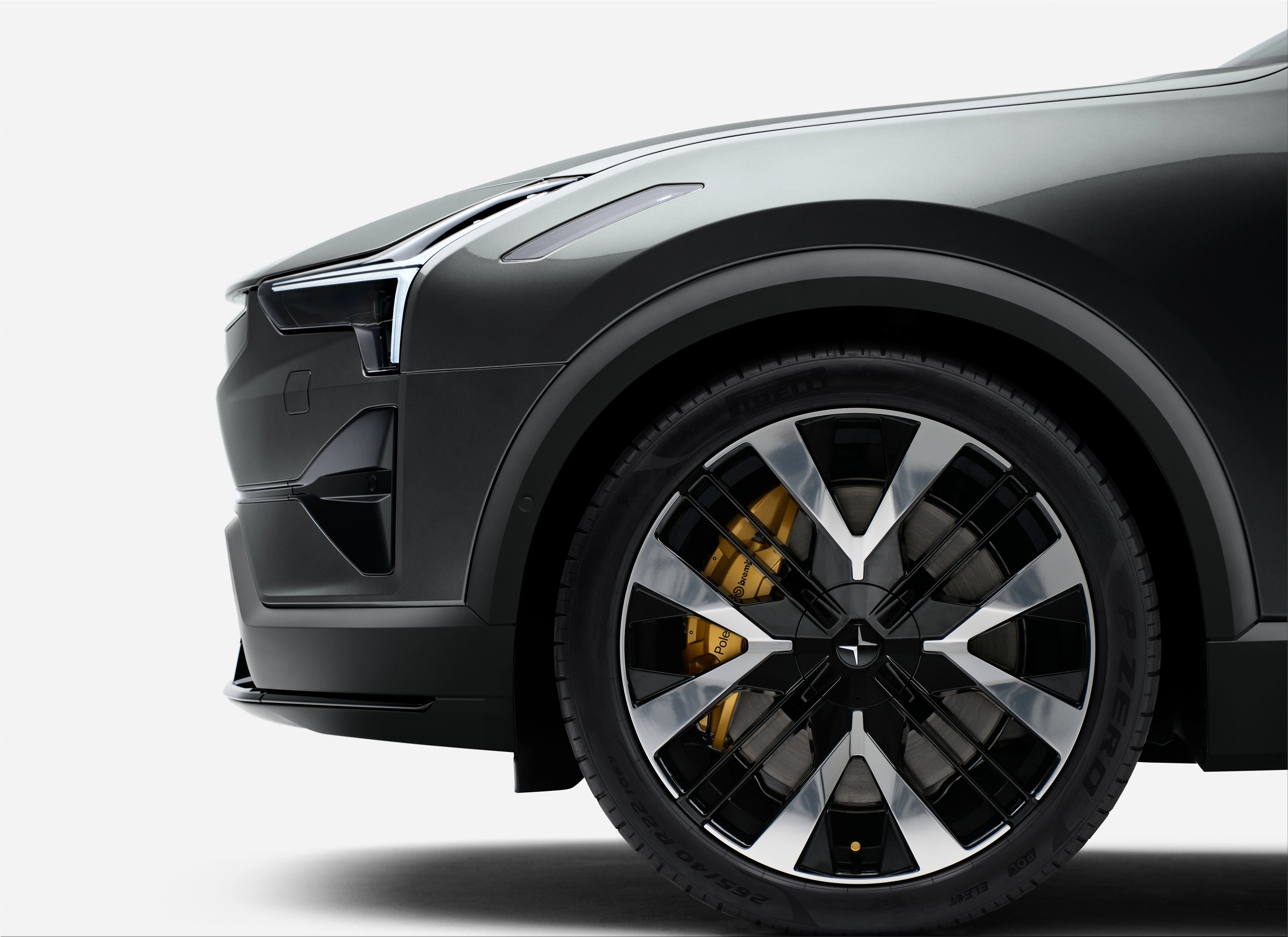
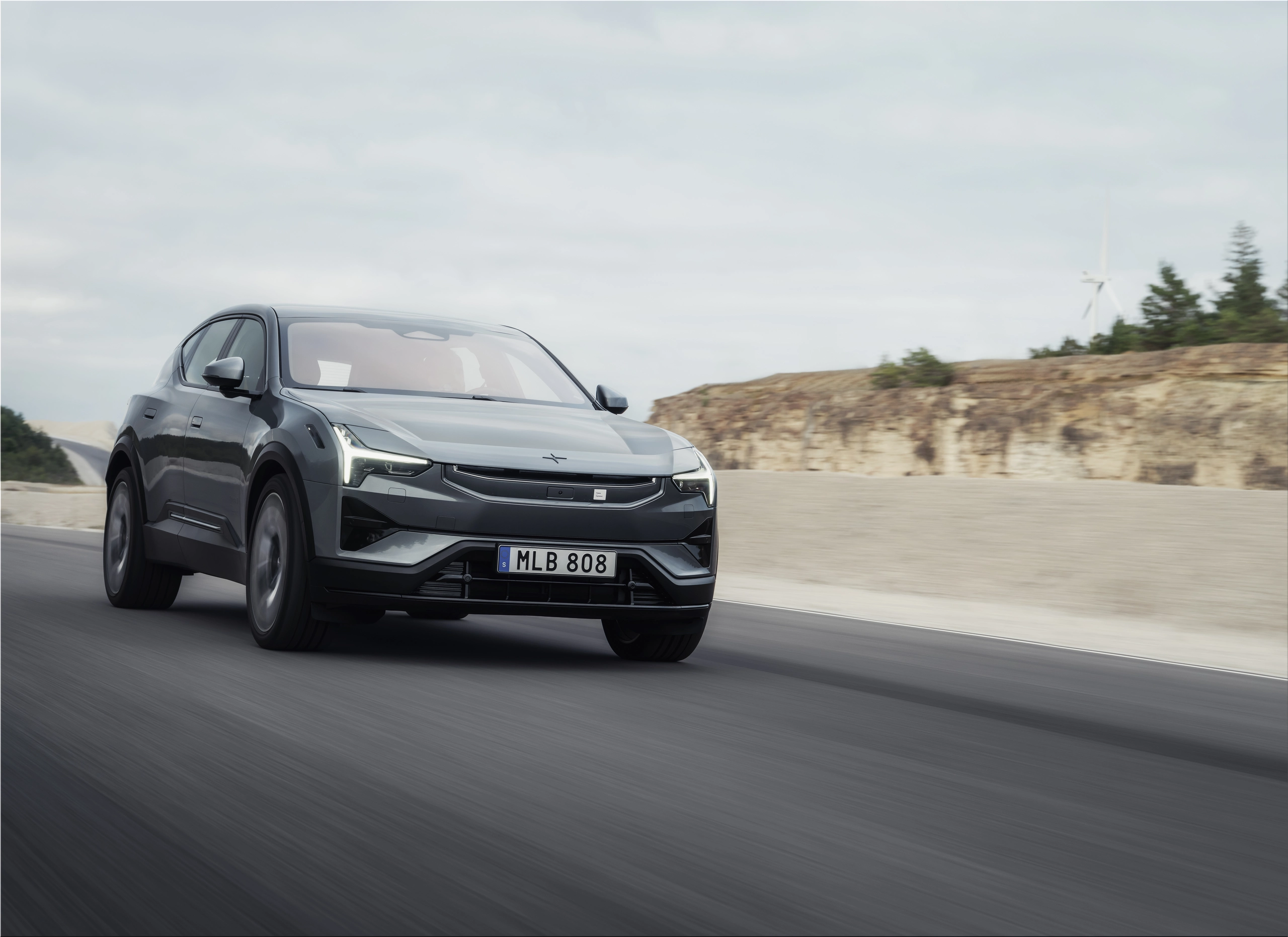
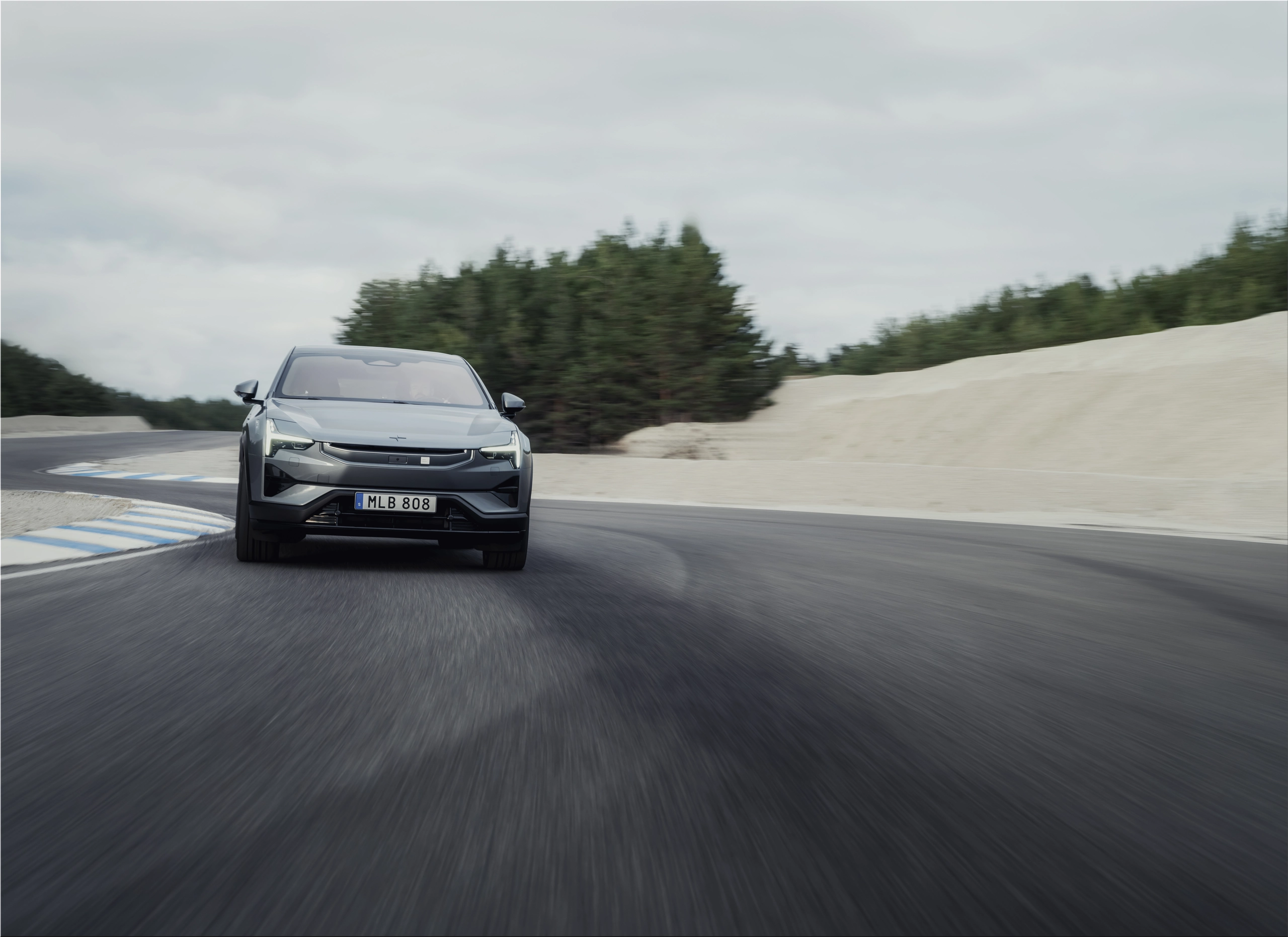
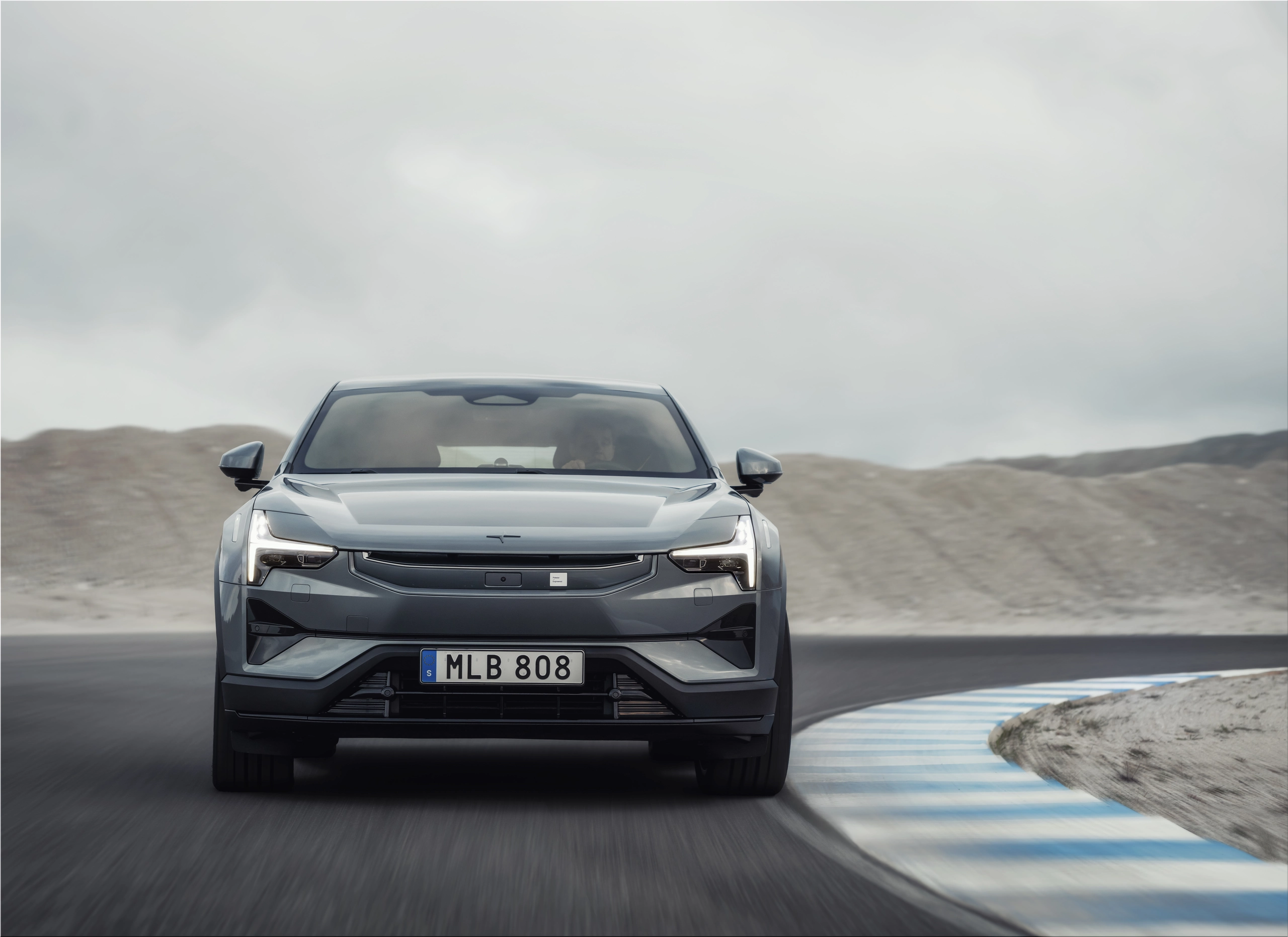
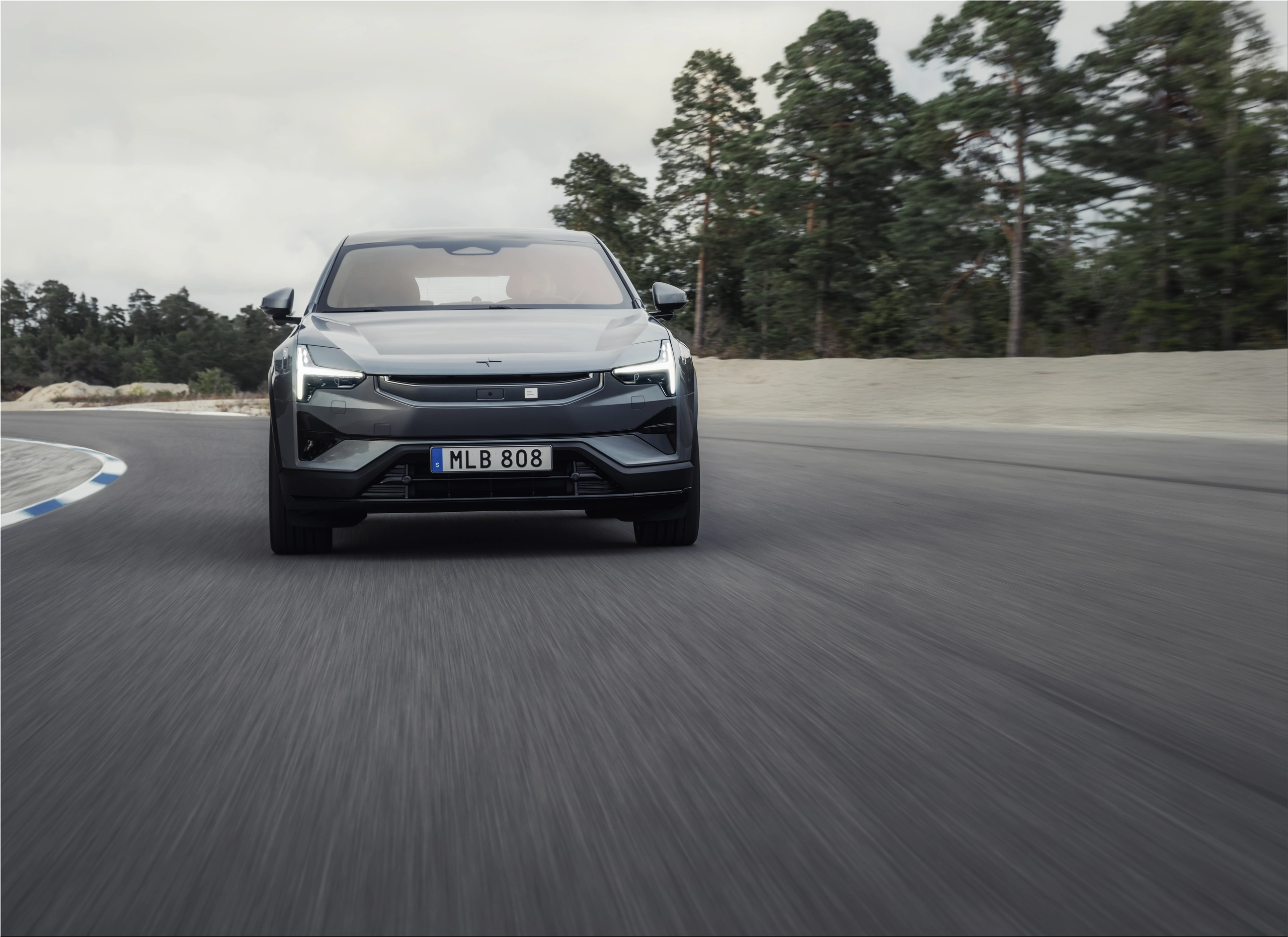
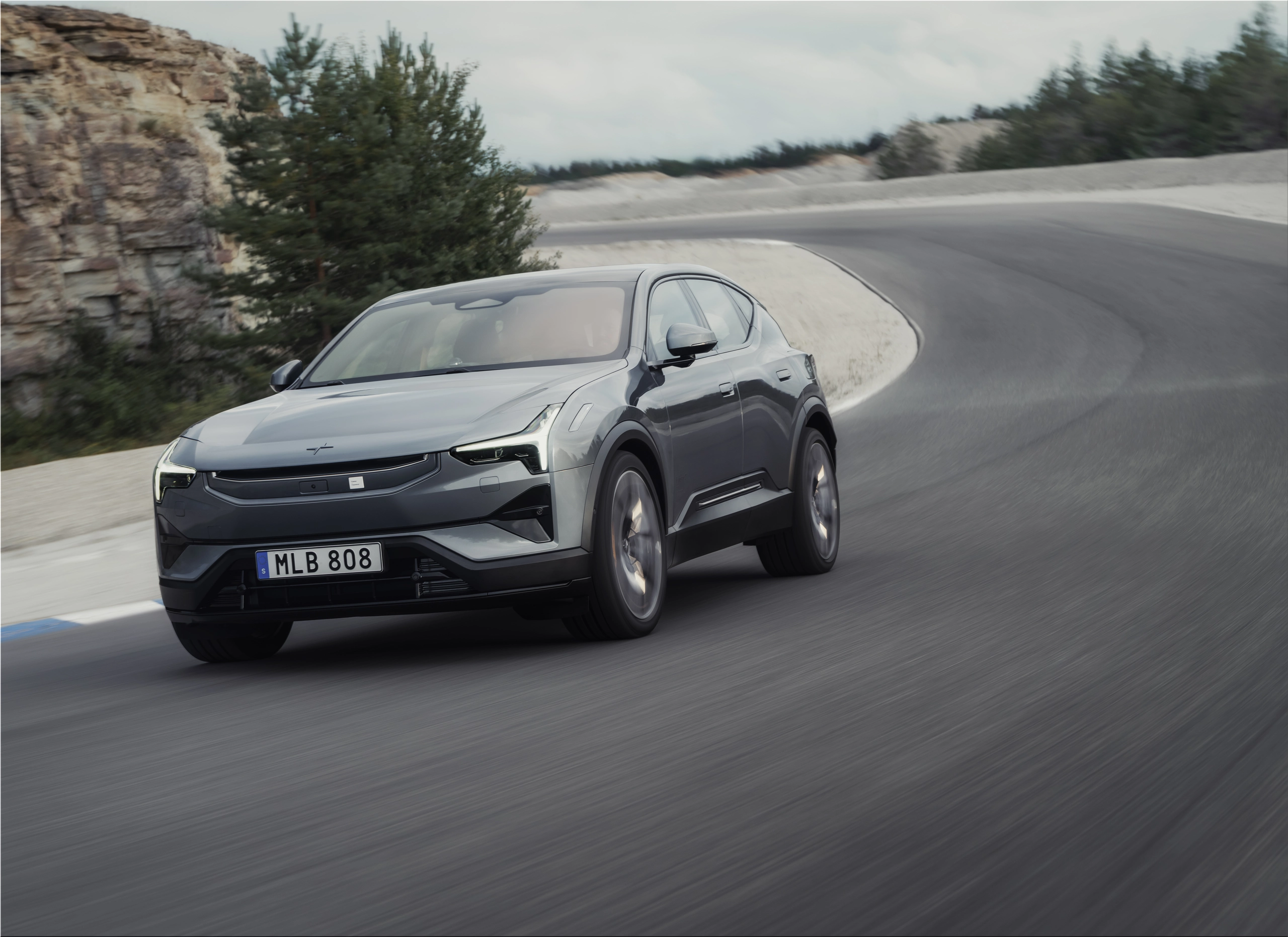
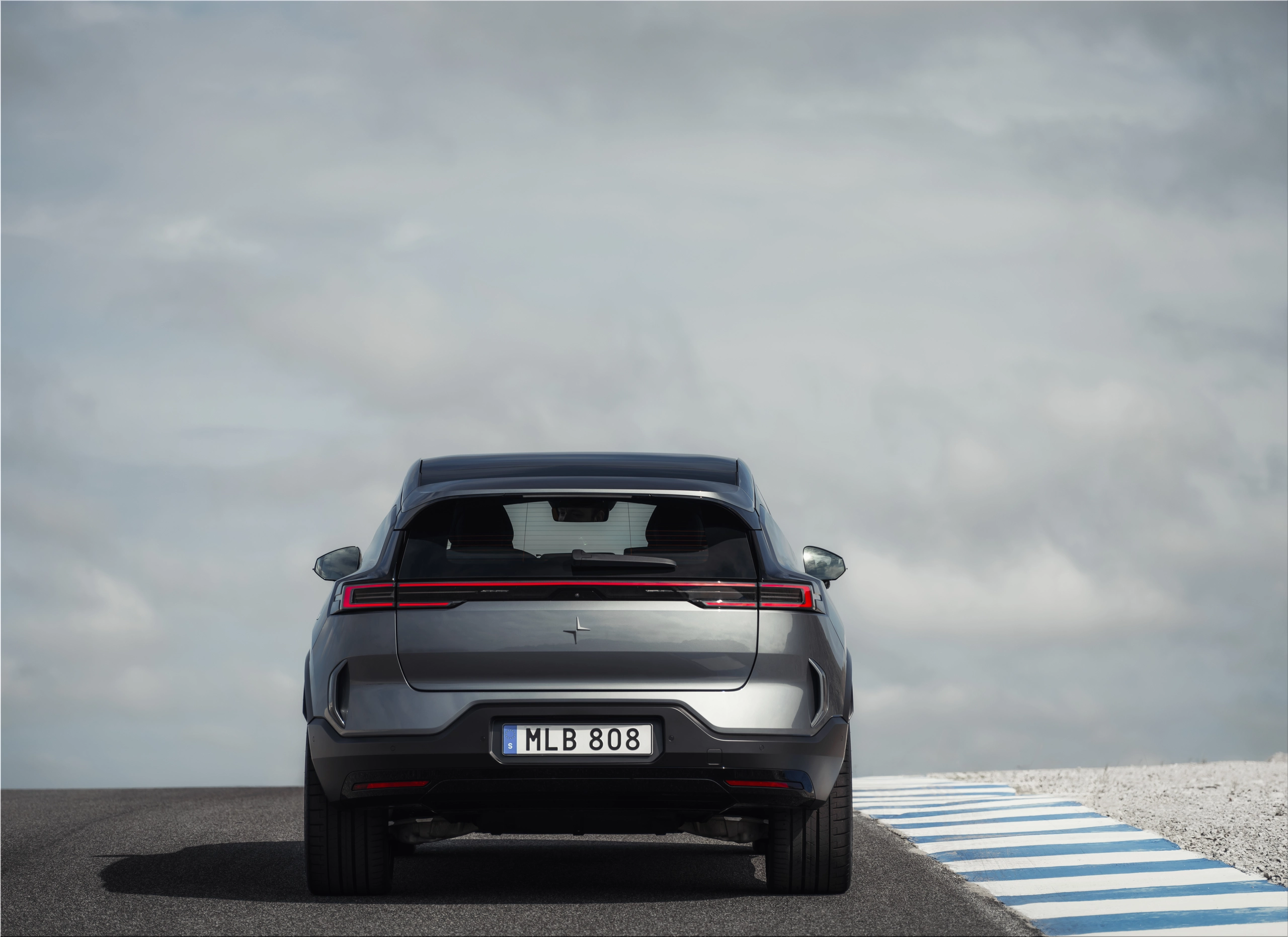
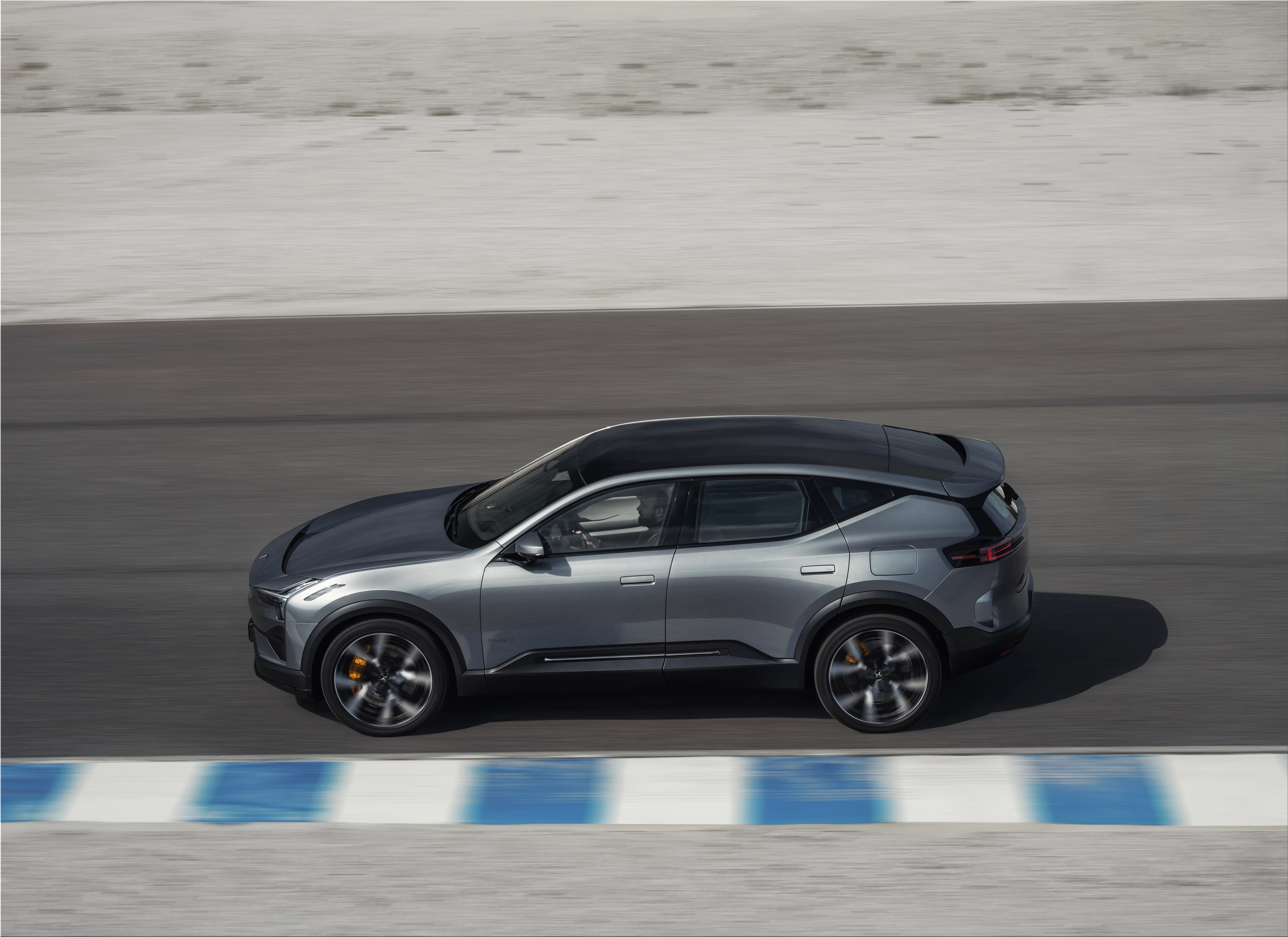
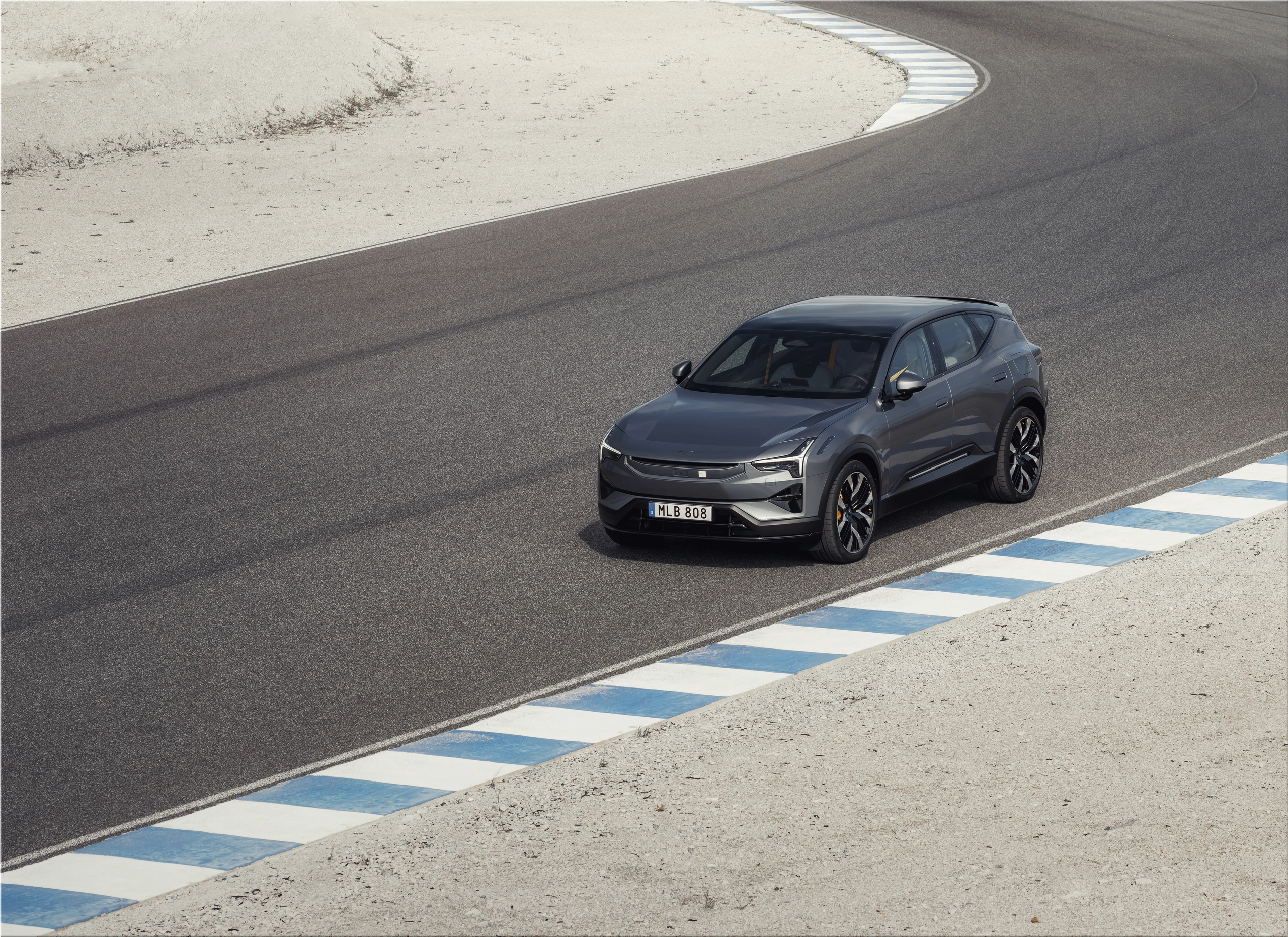
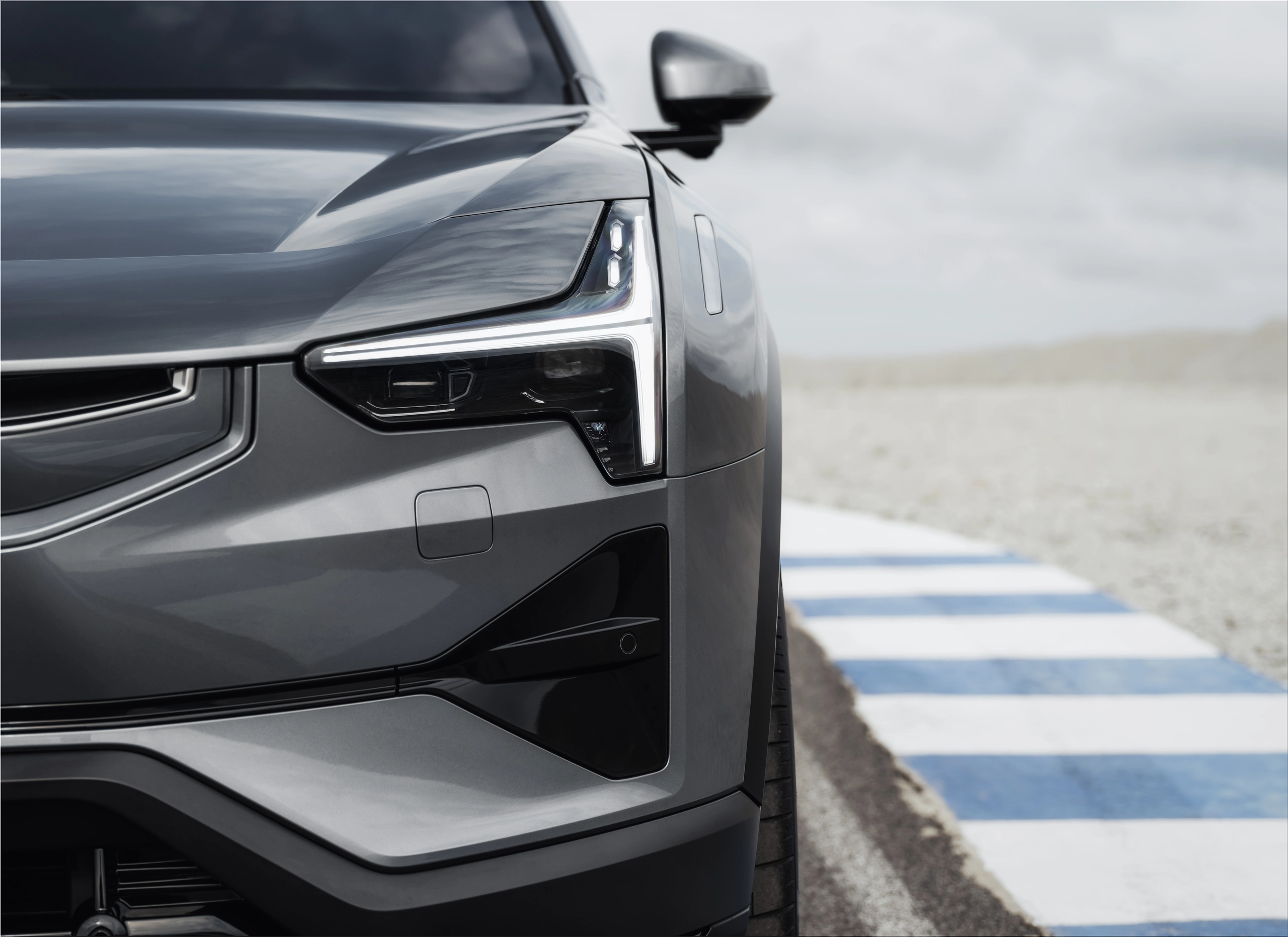
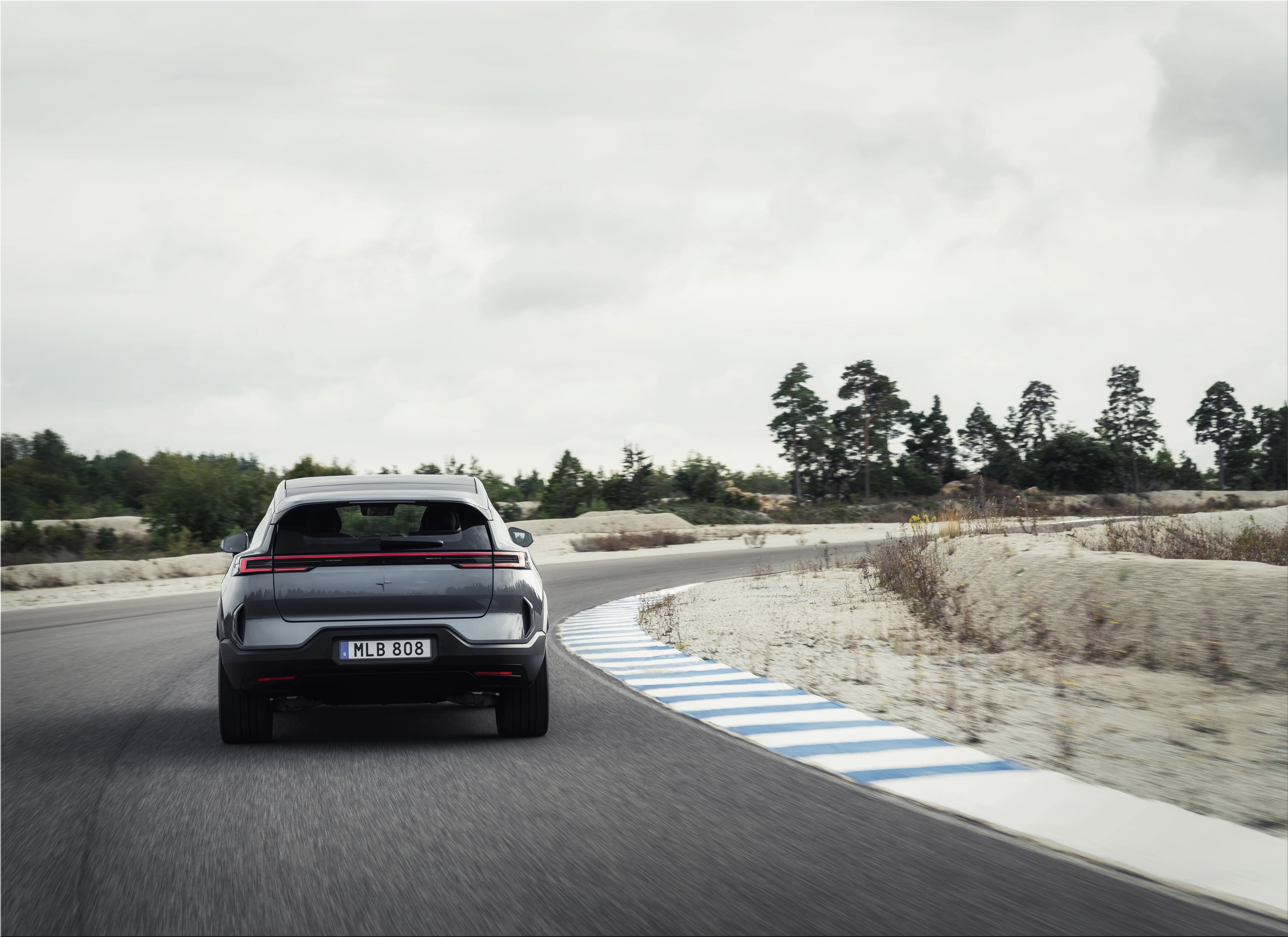
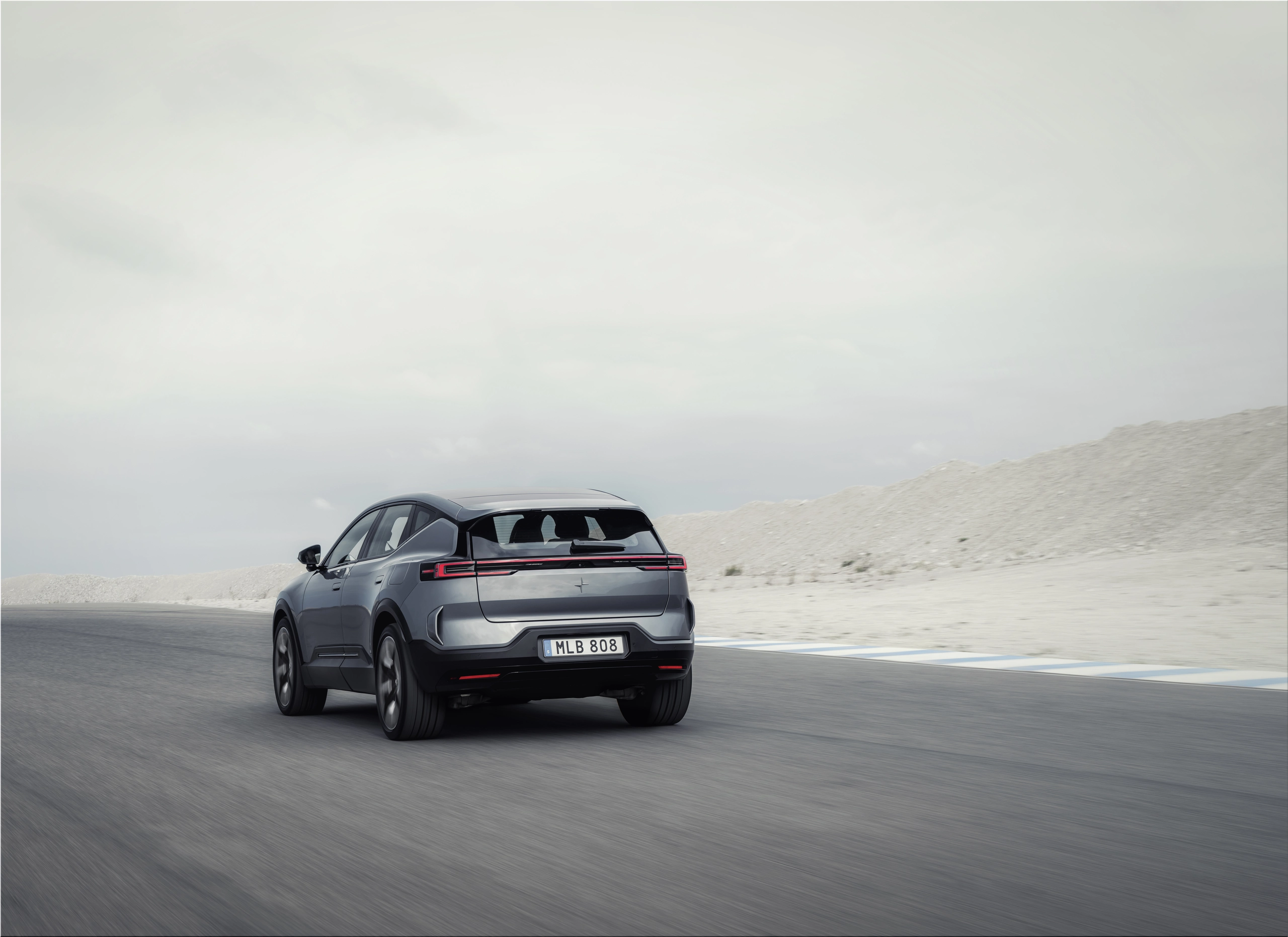
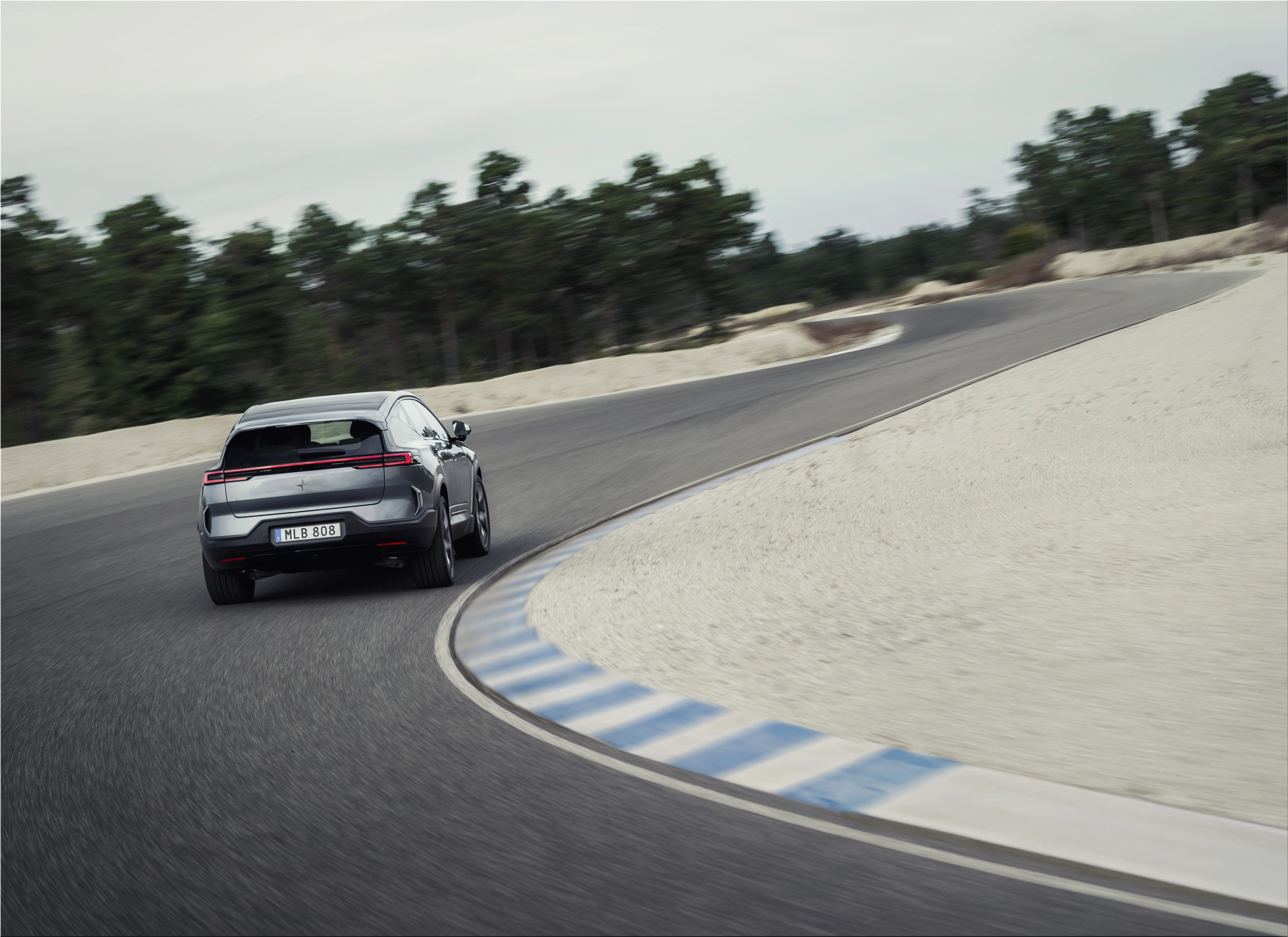
The 800 Volt Polestar 3 turns Polestar's flagship electric SUV into a much sharper long-distance tool. The 2026 update adds up to 350 kW DC fast charging, a 10-80% charge time as low as 22 minutes, CATL battery packs, stronger motors, and smarter Breathe Charge software that adjusts charging behavior in real time.
What changed on the 2026 Polestar 3?
Polestar did not simply raise a charging number. It reworked major electrical hardware across the SPA2 platform, including batteries, motors, inverters, cable harnesses, and routing. That matters because an 800V EV architecture cuts current for a given power level, which reduces heat, cable load, and energy loss during high-power charging.
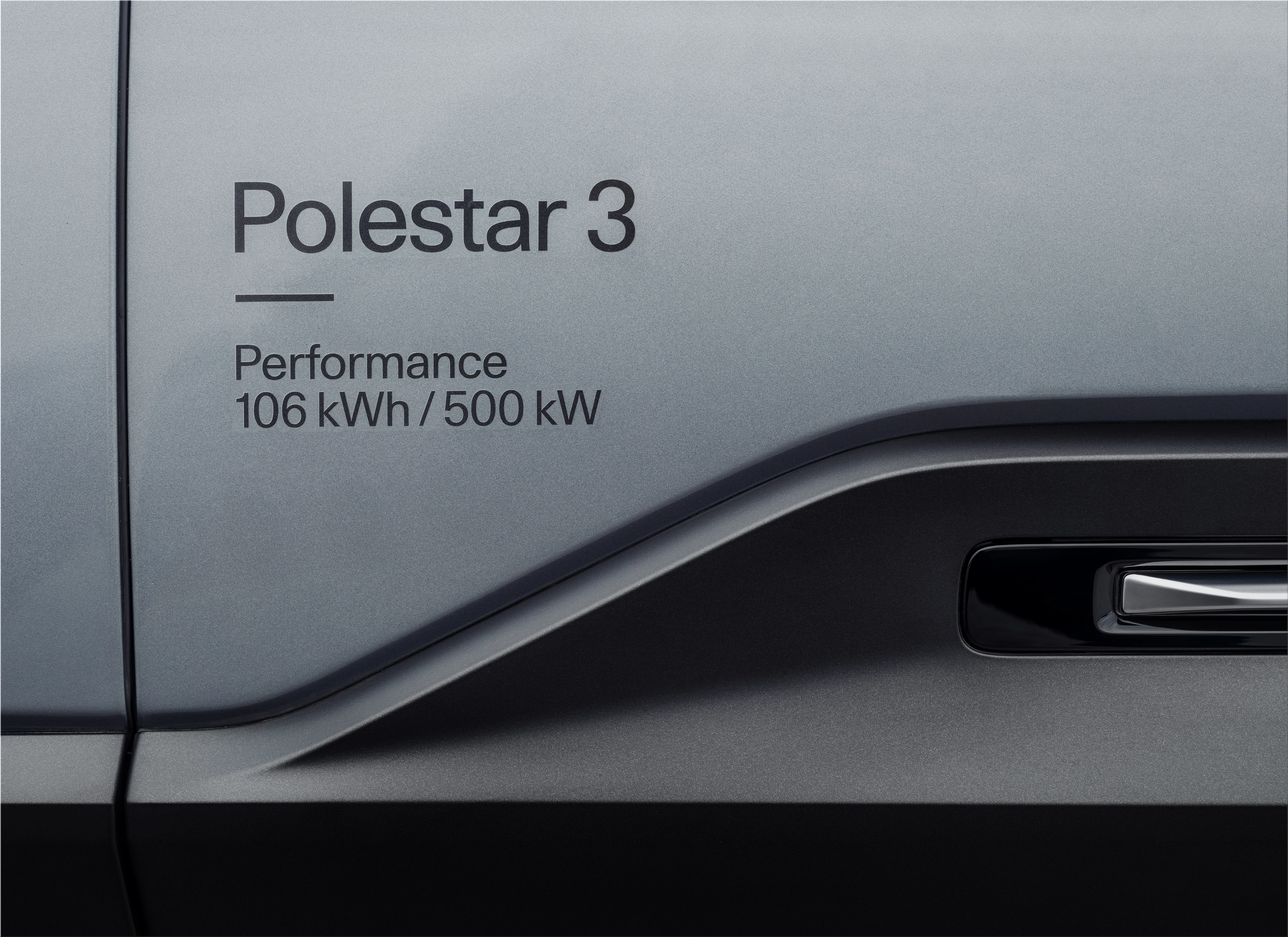
Specifically, the 2026 Polestar 3 now uses an 800V lithium-ion battery setup with two pack sizes. The Rear motor version gets a 92 kWh battery, while the Dual motor and Performance versions get a 106 kWh battery. That split makes sense: the entry version targets range and efficiency, while the AWD trims need extra capacity to support higher output.
| 2026 Polestar 3 version | Battery | Power | Torque | 0-60 mph | Top speed | WLTP range | Peak DC charging |
|---|---|---|---|---|---|---|---|
| Rear motor | 92 kWh | 333 hp | 354 lb-ft | 6.3 sec | 130 mph | 375 mi | 310 kW |
| Dual motor | 106 kWh | 544 hp | 546 lb-ft | 4.5 sec | 140 mph | 394 mi | 350 kW |
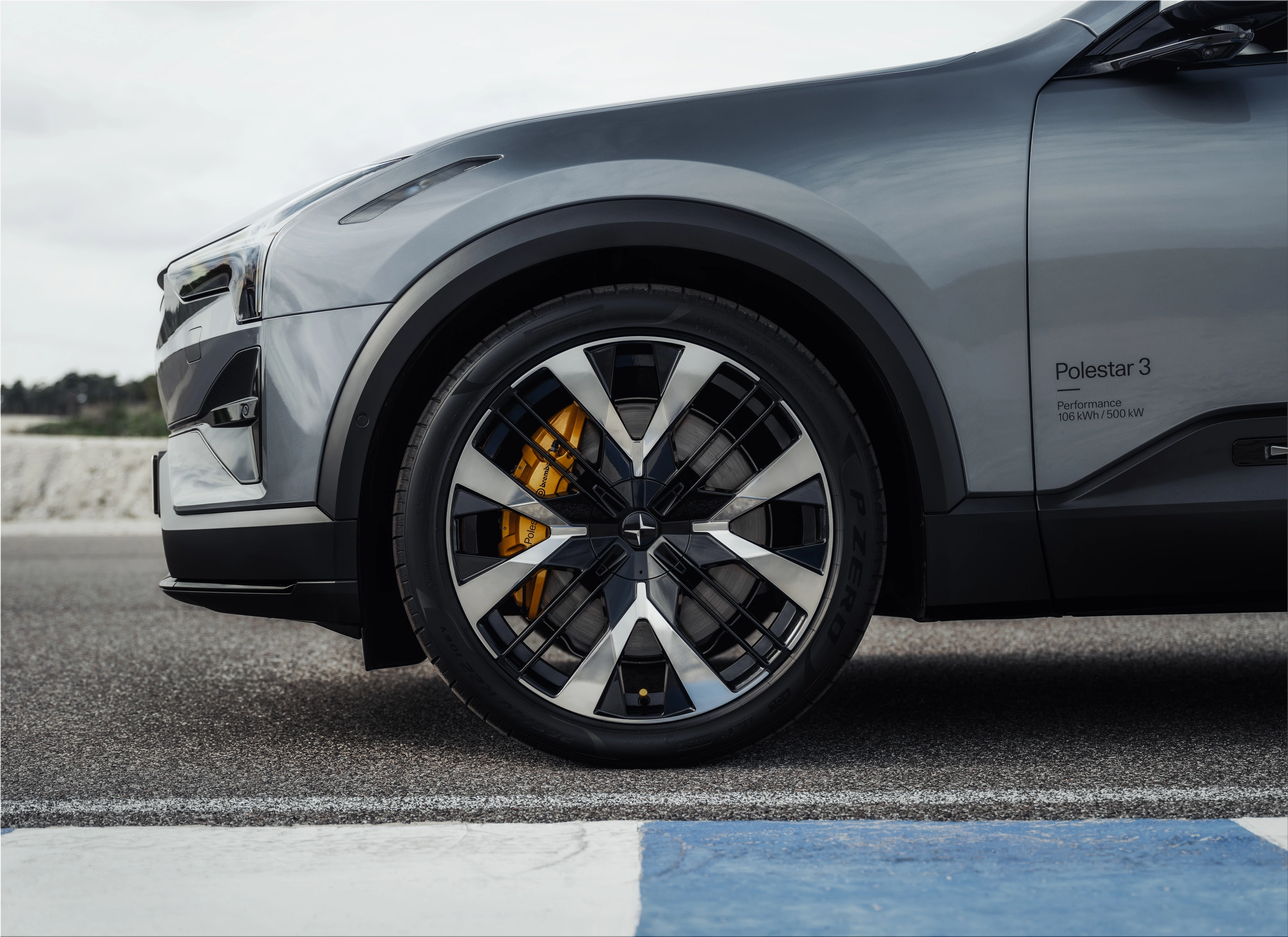
| Performance | 106 kWh | 680 hp | 642 lb-ft | 3.8 sec | 140 mph | 368 mi | 350 kW |
Looking at the data, the Dual motor trim may hit the sweet spot. It carries the biggest range number, the full 350 kW charging claim, and a 4.5-second 0-60 mph time without forcing buyers into the Performance model's higher consumption.
How fast does the 800 Volt Polestar 3 charge?
The upgraded Polestar 3 800V can charge from 10-80% in as little as 22 minutes on a compatible 350 kW DC fast charger. Polestar says that cuts the same charging window by over 25% versus the previous setup. In real driving terms, that moves the Polestar 3 closer to the Hyundai Ioniq 5, Kia EV6, Porsche Taycan, and Genesis GV60 school of fast-charging EVs.
In addition, Breathe Charge software attacks the part of fast charging drivers actually feel: consistency. It uses an in-car battery simulation to monitor pack condition and adjust charging speed moment by moment. That strategy lets the car pull harder when the chemistry allows it and ease back when heat, state of charge, or cell behavior demands caution.
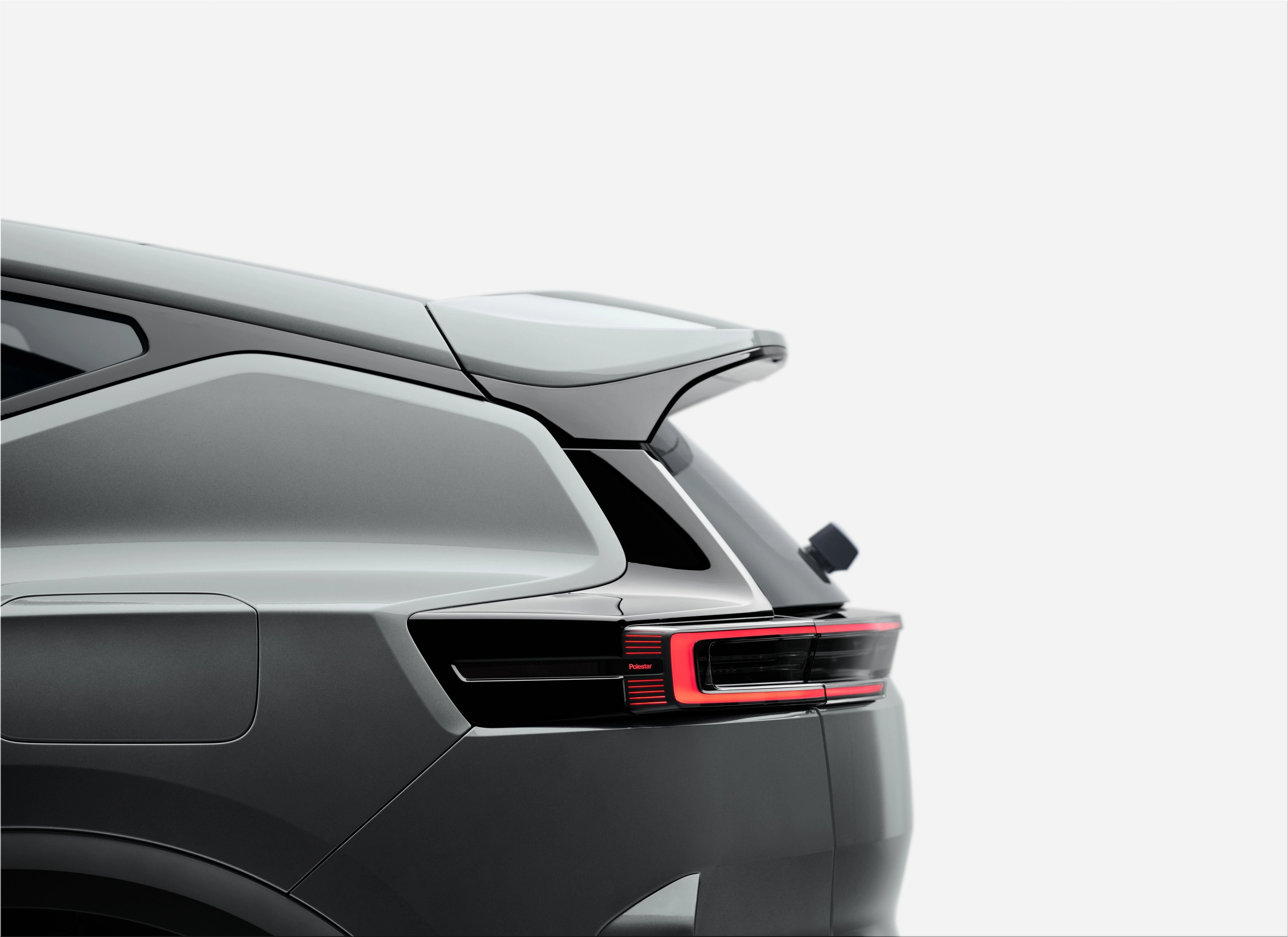
Definition: What does 800V mean in an EV?
An 800V electrical architecture runs the vehicle's high-voltage system at about twice the voltage of many older EVs. Higher voltage lets the car move the same amount of power with less current. Consequently, engineers can reduce heat, improve fast-charging performance, and avoid overly thick high-voltage cabling.
Why does Breathe Charge matter in cold weather?
Cold batteries charge slowly. That remains one of the least glamorous EV ownership facts, and it matters in the US Midwest, Northeast, Canada, and mountain states. Polestar says Breathe Charge can add up to 38% more range in a 10-minute charging stop compared with charging without the software.
From an expert perspective, that claim deserves attention because it targets charging curve quality, not just peak power. Peak kW looks good in a press release. Average charging power over 10-80% determines your road-trip stop. Breathe's pitch centers on pack modeling, battery health protection, and charging repeatability in less-than-perfect temperatures.
| Charging factor | Previous Polestar 3 direction | New 800V Polestar 3 direction | Driver impact |
|---|---|---|---|
| Electrical system | 400V architecture | 800V architecture | Less heat at high power |
| DC peak charging | Up to 250 kW in current US specs | Up to 350 kW | Shorter highway stops |
| 10-80% charging | About 30 minutes in ideal use | As low as 22 minutes | Better road-trip pacing |
| Battery software | Conventional control strategy | Breathe adaptive battery model | Stronger real-condition charging |
| Battery packs | 111 kWh current US pack | 92 kWh or 106 kWh CATL packs | Better trim-specific tuning |
Does the updated Polestar 3 get more power?
Yes. The 2026 Polestar 3 adds a new in-house permanent-magnet synchronous rear motor, and the AWD versions pair it with an asynchronous front motor. That front motor can disconnect when the car does not need it, reducing drag and saving energy during steady cruising.
By comparison, the current US Polestar 3 lineup lists 299 hp for the Single motor, 489 hp for the Dual motor, and 517 hp for the Dual motor with Performance pack. The 800V update moves the renamed Performance version to 680 hp, which changes the SUV's character. It now reads less like a Volvo EX90 cousin with sharper clothes and more like a legitimate electric performance SUV.
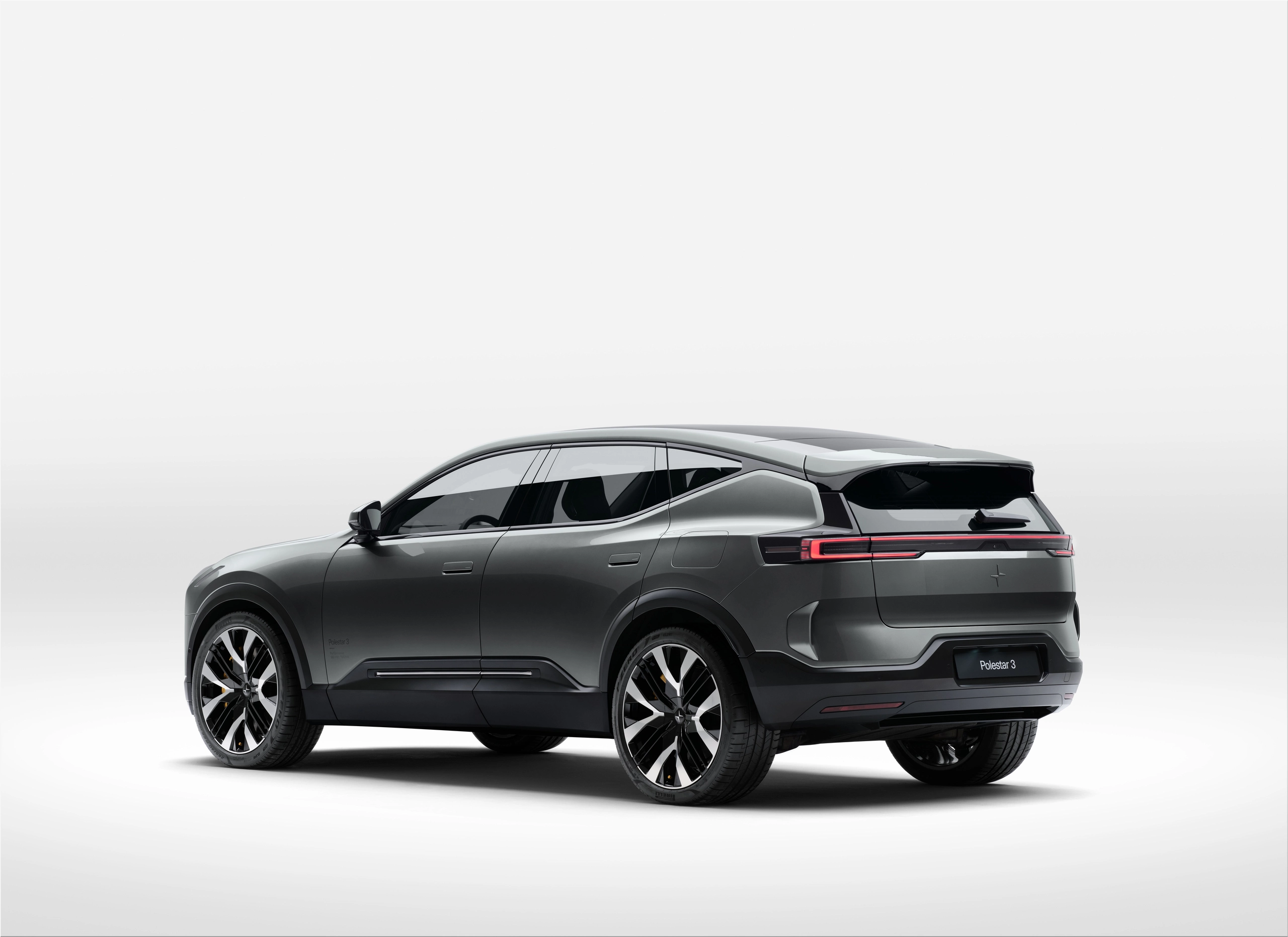
How big is the Polestar 3?
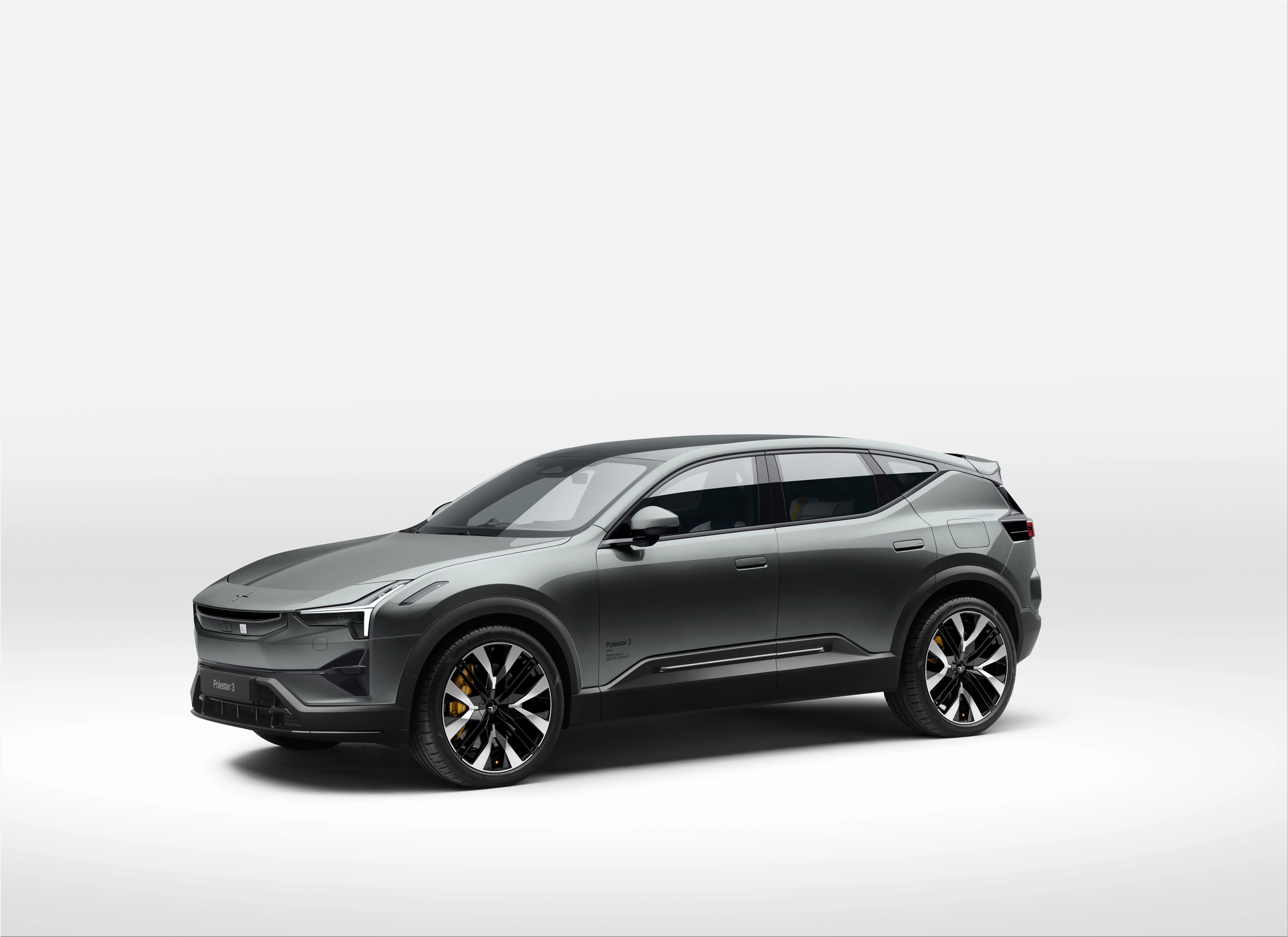
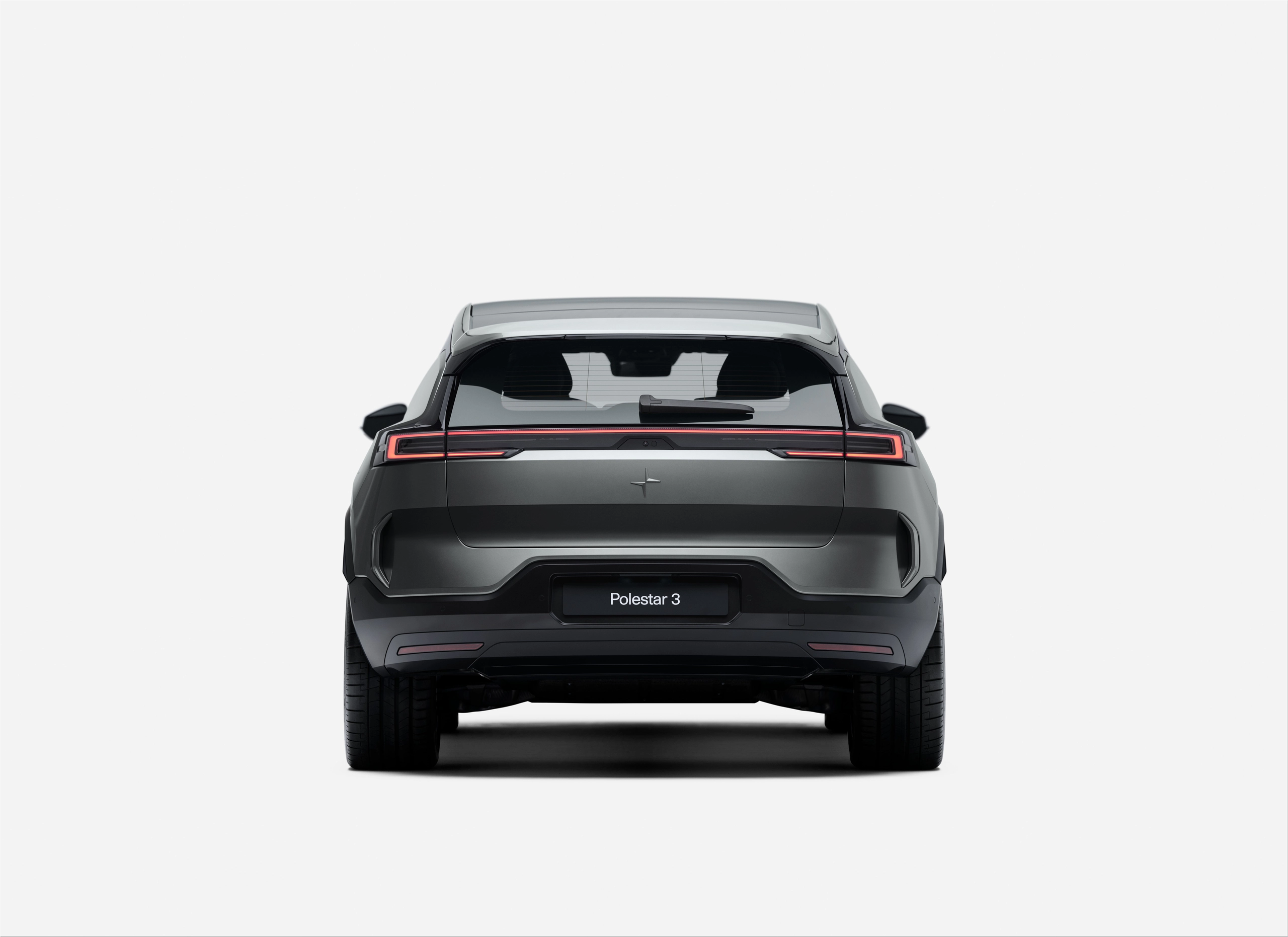
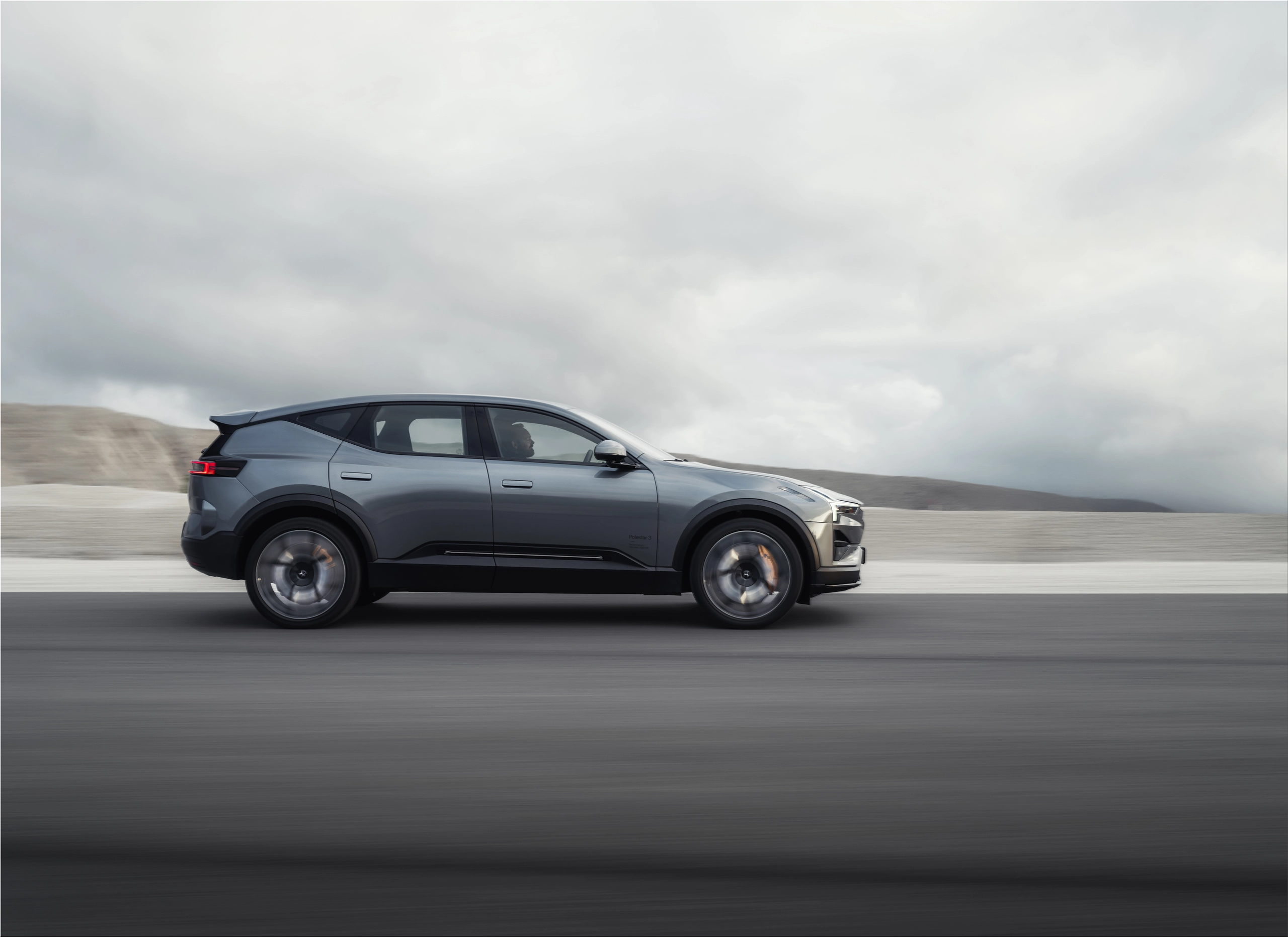
The Polestar 3 stays in midsize luxury SUV territory. It measures 192.9 inches long, 77.4-77.5 inches wide, and rides on a 117.5-inch wheelbase. In millimeters, that means 4,900 mm long, about 1,968 mm wide, and 2,985 mm between the axles.
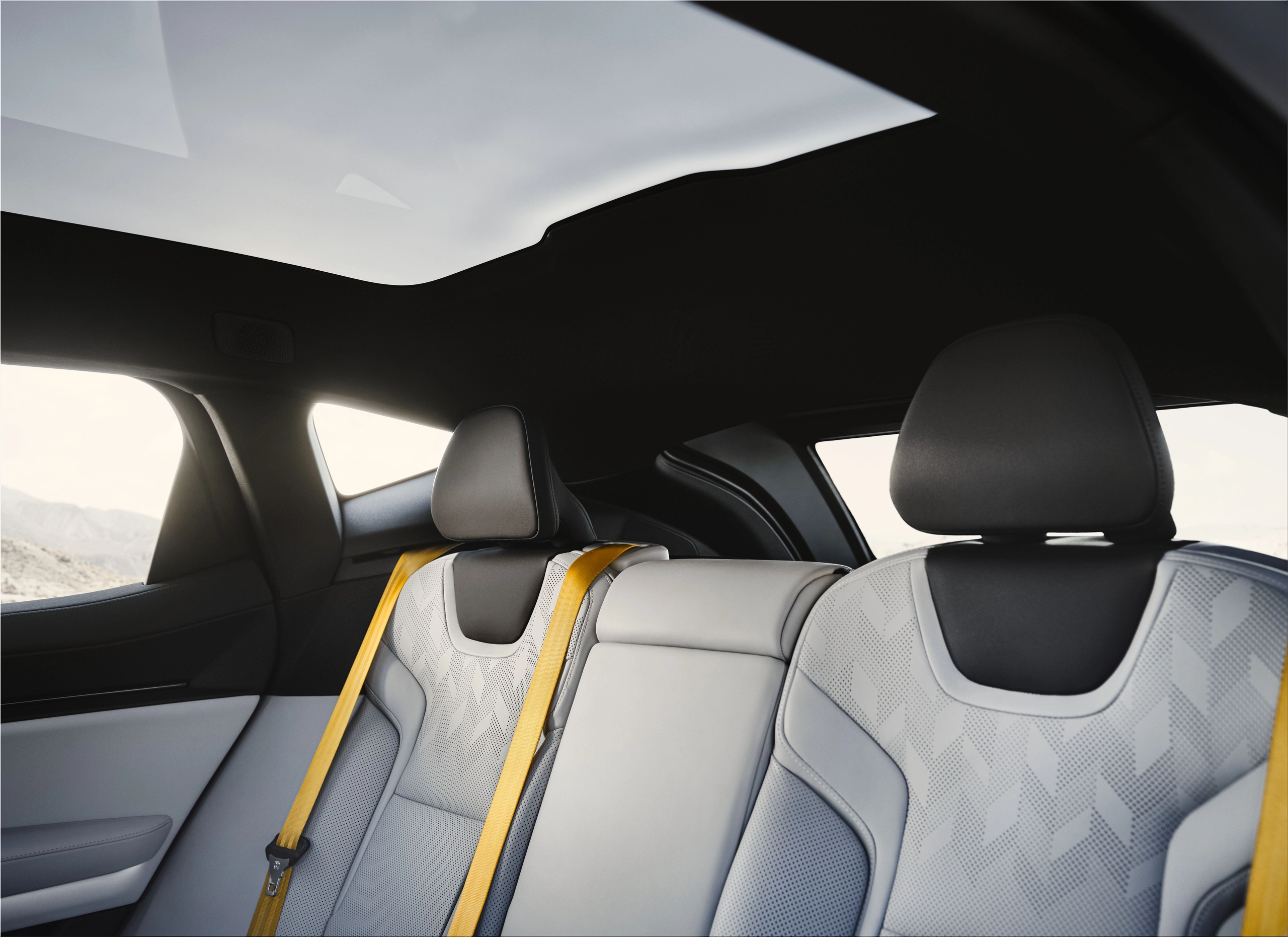
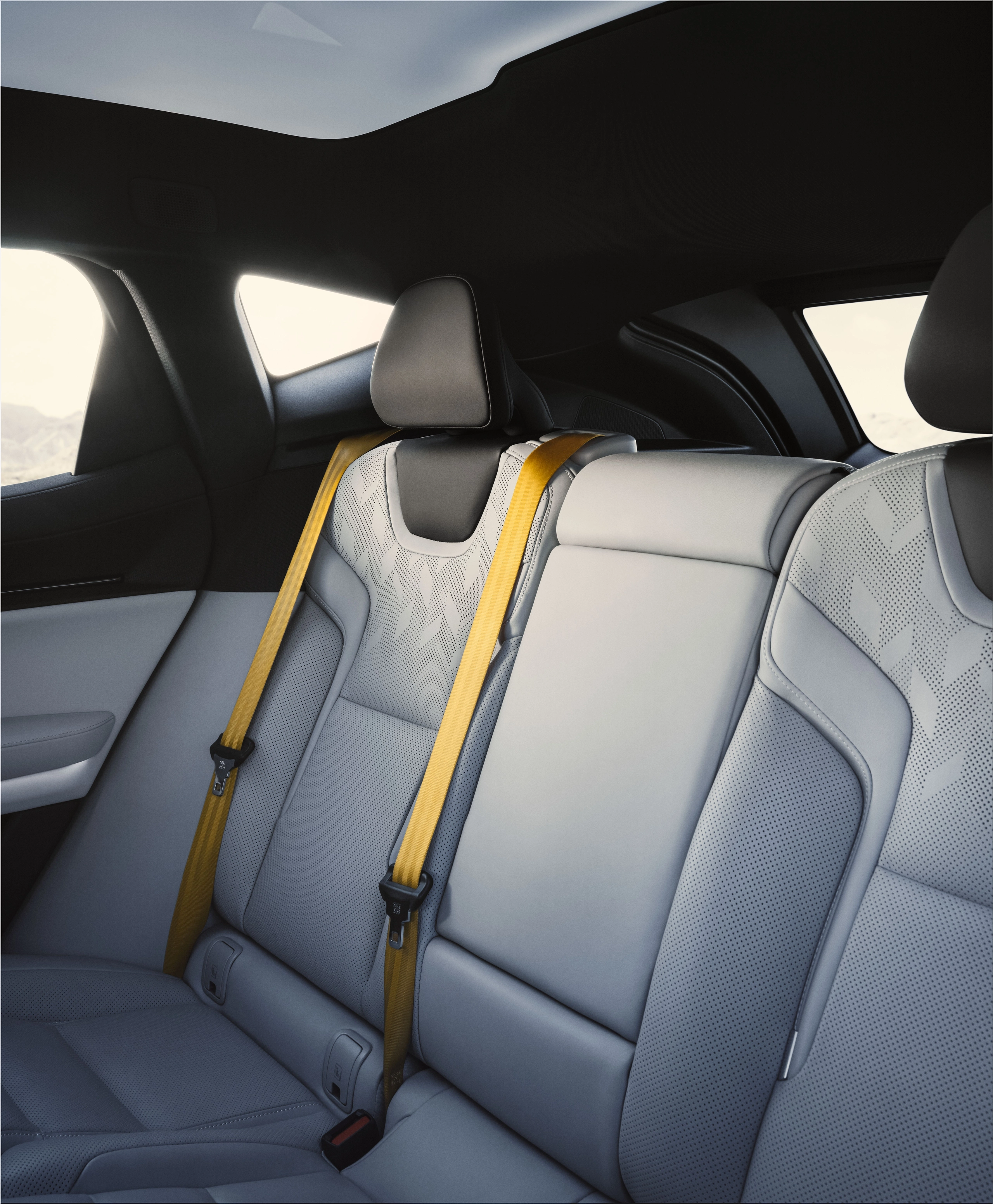
Those numbers put the Polestar 3 near the BMW iX and Mercedes-Benz EQE SUV in footprint, but the Polestar feels lower and more wagon-like in stance. Cargo floor length reaches 40.0 inches to the rear seatback and about 74.0 inches with the rear seats folded, useful for bikes, flat-pack furniture, or airport runs with four adults and luggage.
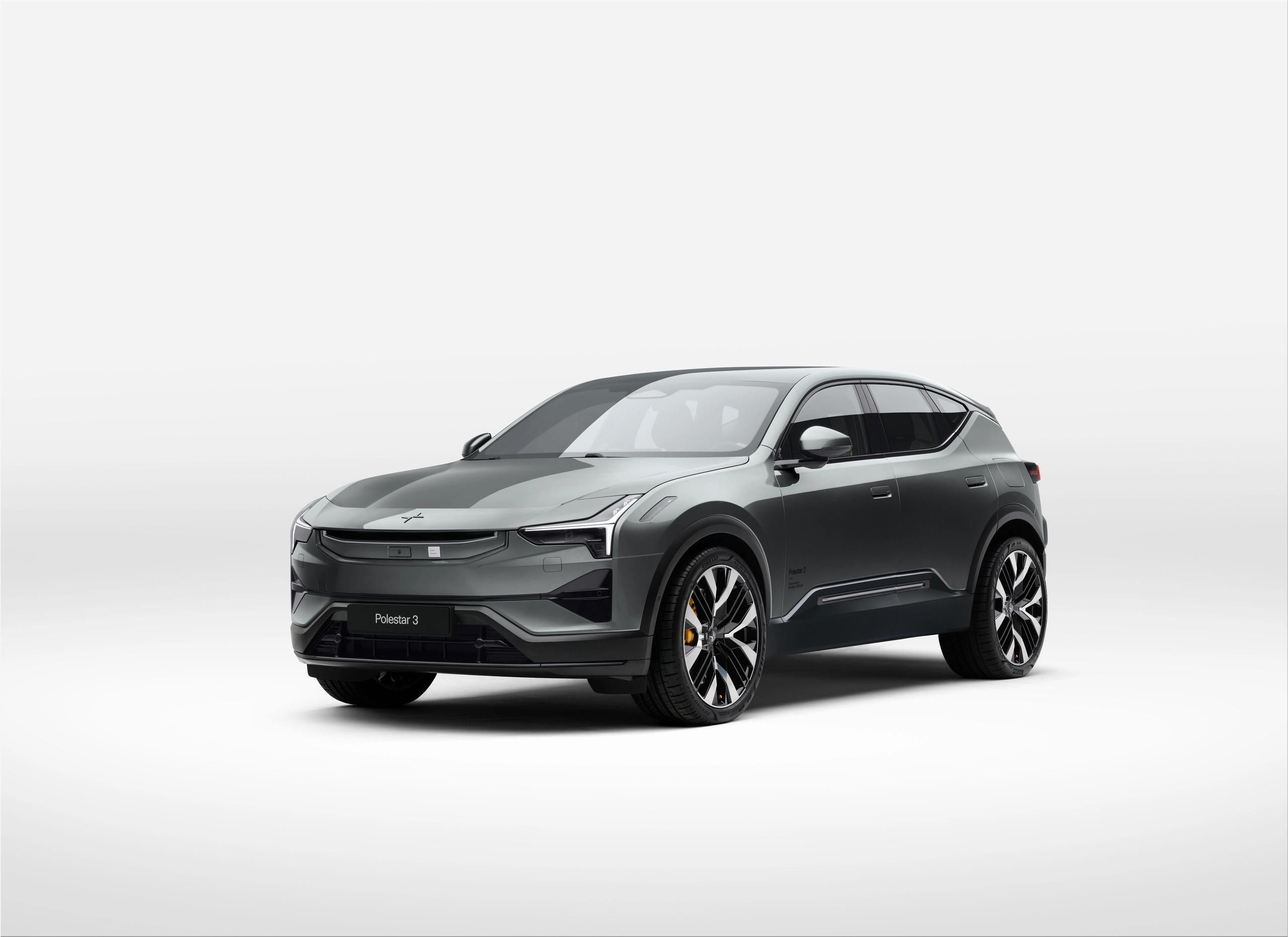

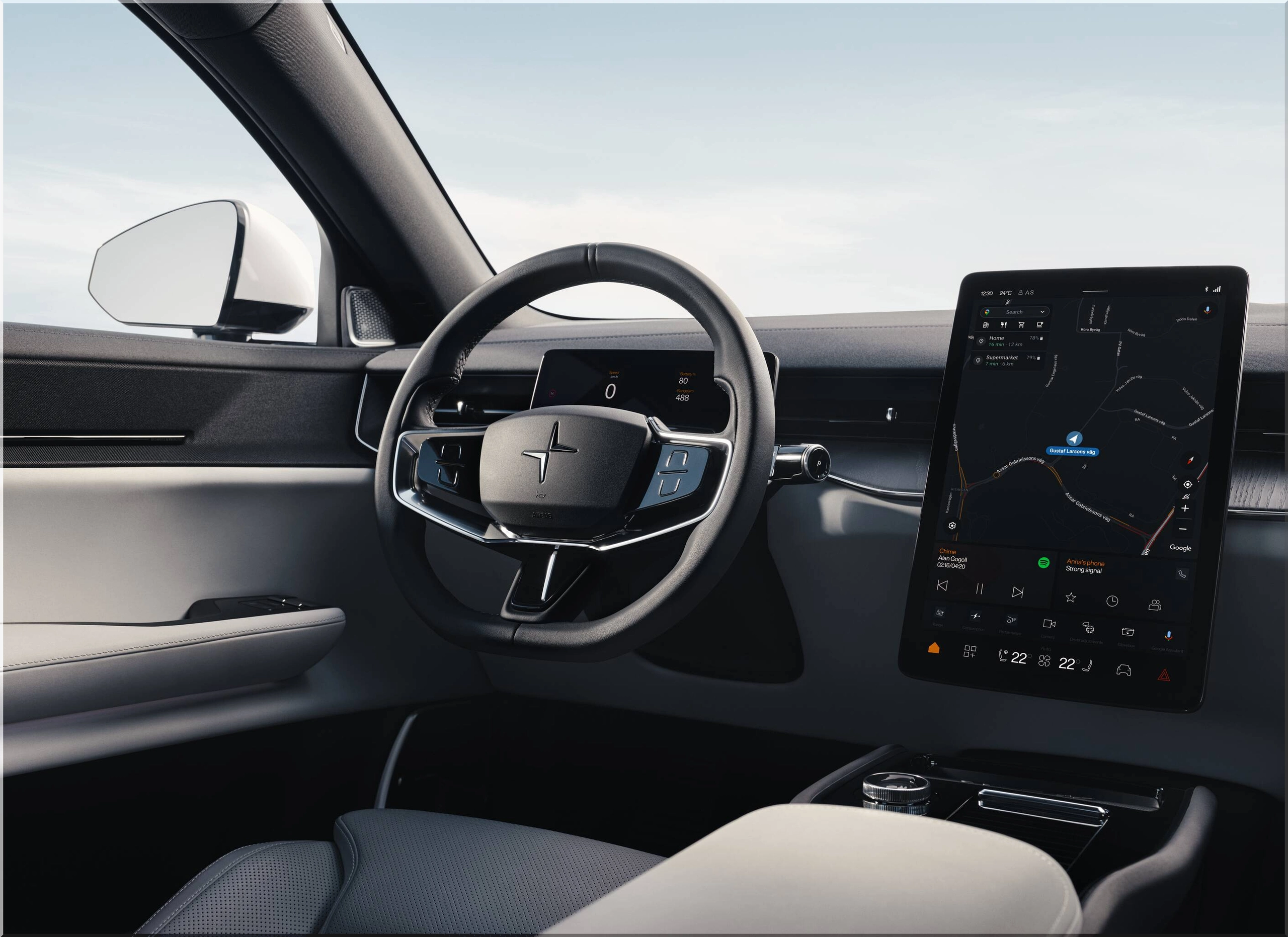
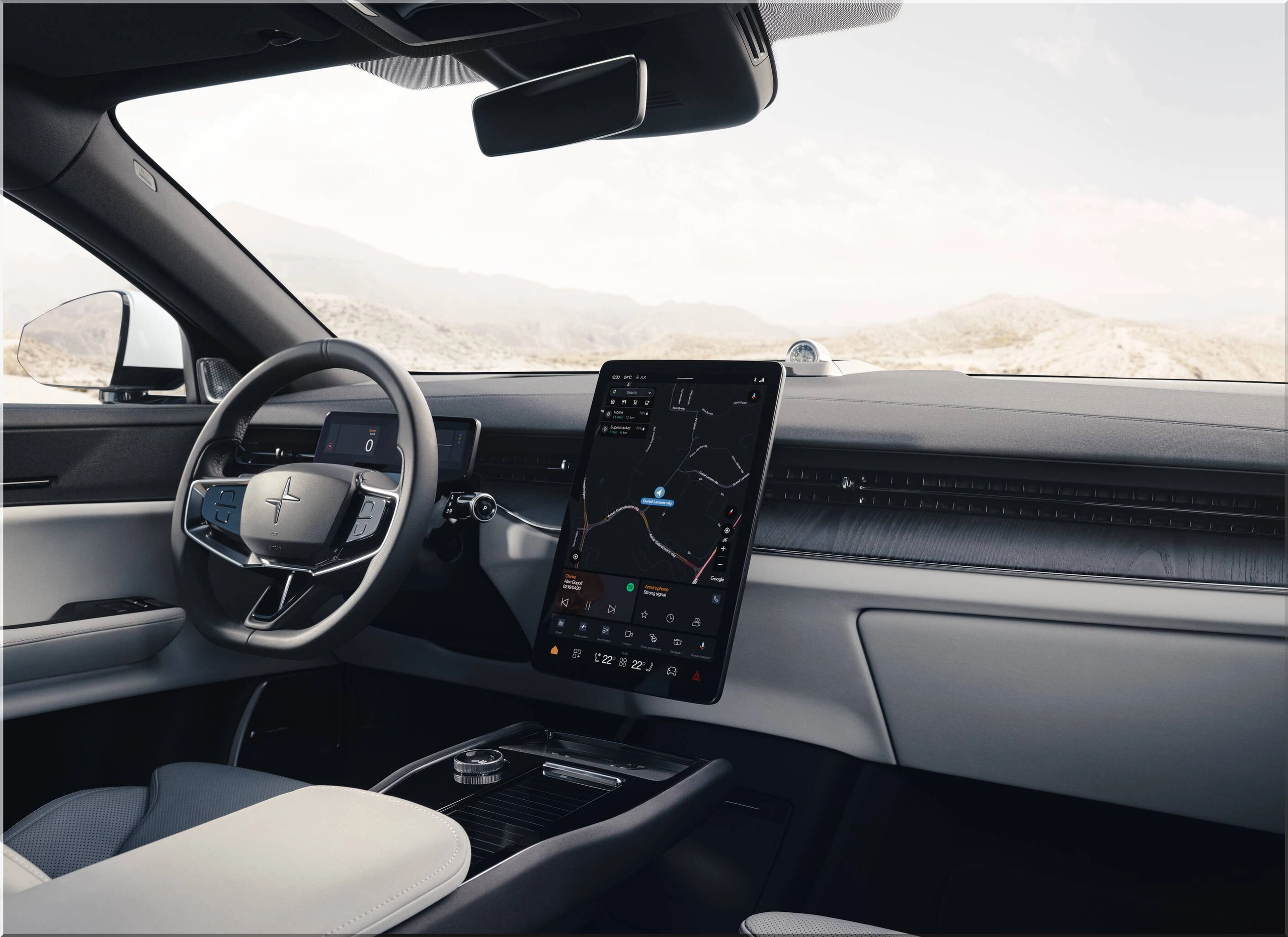
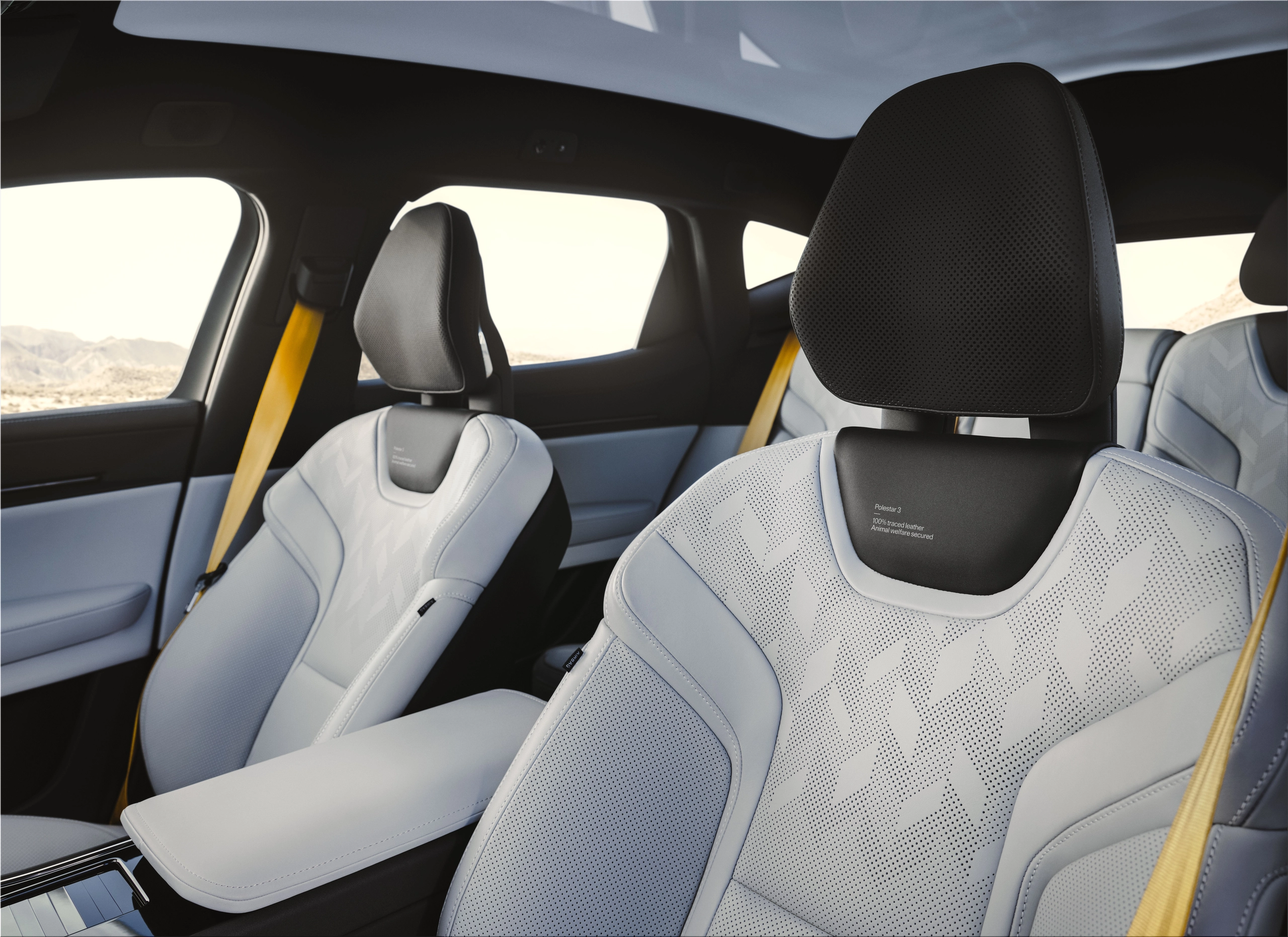
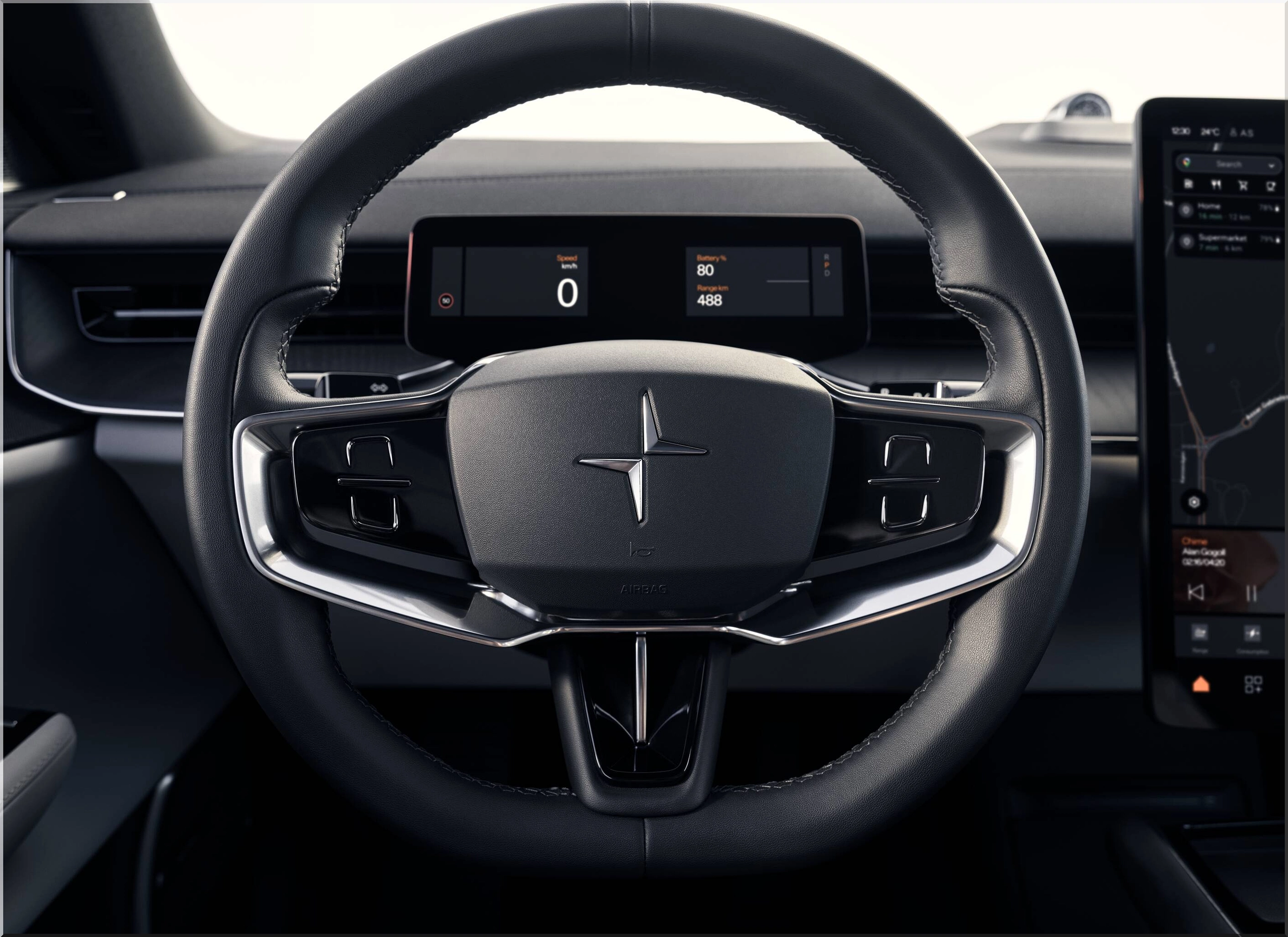
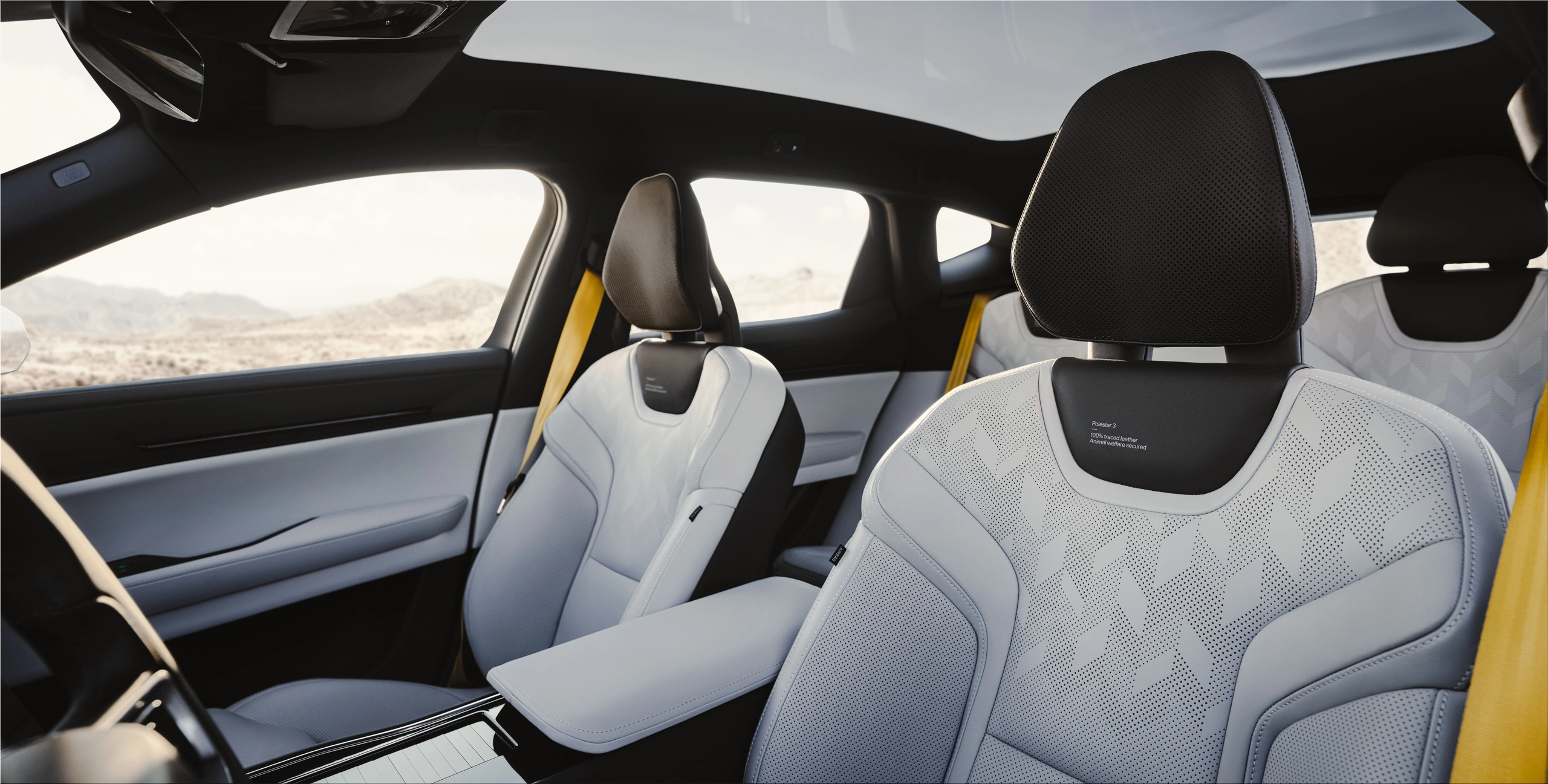
What should buyers watch before ordering?
Pro-Tip: Do not buy the Polestar 3 only because it peaks at 350 kW. Check your local charging network first. A 350 kW-capable SUV still charges slowly on a 50 kW rural DC charger, and many US routes still mix high-power stations with older hardware.
Current US Polestar 3 pricing lists $67,500 MSRP for the Long range Single motor, $73,400 MSRP for the Long range Dual motor, and $79,400 MSRP for the Dual motor with Performance pack. Polestar has not treated the full 800V US rollout as a simple same-day national switch, so buyers should verify build year, battery architecture, and charging rating before signing.

What now?
Put the Dual motor 800V Polestar 3 at the top of the test-drive list if you road-trip often and want the best mix of range, speed, and charging. Pick Performance only if acceleration matters more than maximum range. For used or early-build cars, confirm the architecture, battery pack, and core computer upgrade status.

Electric vehicles (EVs) are rapidly changing the automotive landscape. At the forefront of this revolution stands Polestar, a Swedish brand known for its sleek design and commitment to sustainability. Marking a significant step in their US expansion,… Continue reading
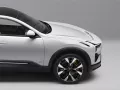
According to the Swedish manufacturer, the Polestar 3, an electric performance SUV, will debut in October 2022. The Polestar 3 is the first electric SUV from the Swedish automaker. So naturally, Polestar is entering the rapidly expanding and… Continue reading

Record-Breaking Performance The Polestar 3 Long range Single motor has set a Guinness World Record for the longest distance traveled by an electric SUV on a single charge.… Continue reading

In June 2024, Polestar marked a significant milestone in its journey towards electrifying the automotive landscape with the first customer deliveries of the Polestar 3. Positioned as the pinnacle of luxury and… Continue reading