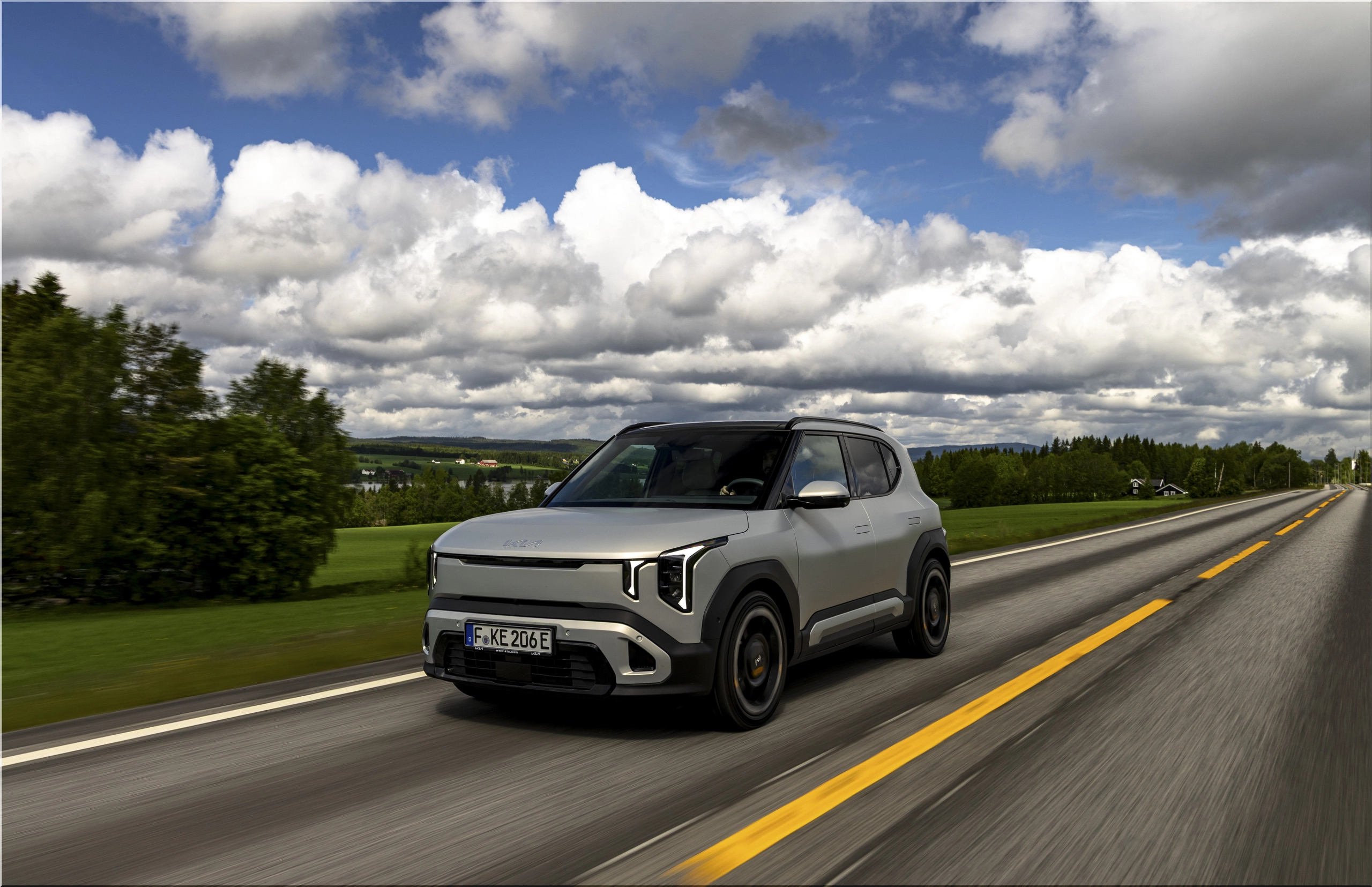
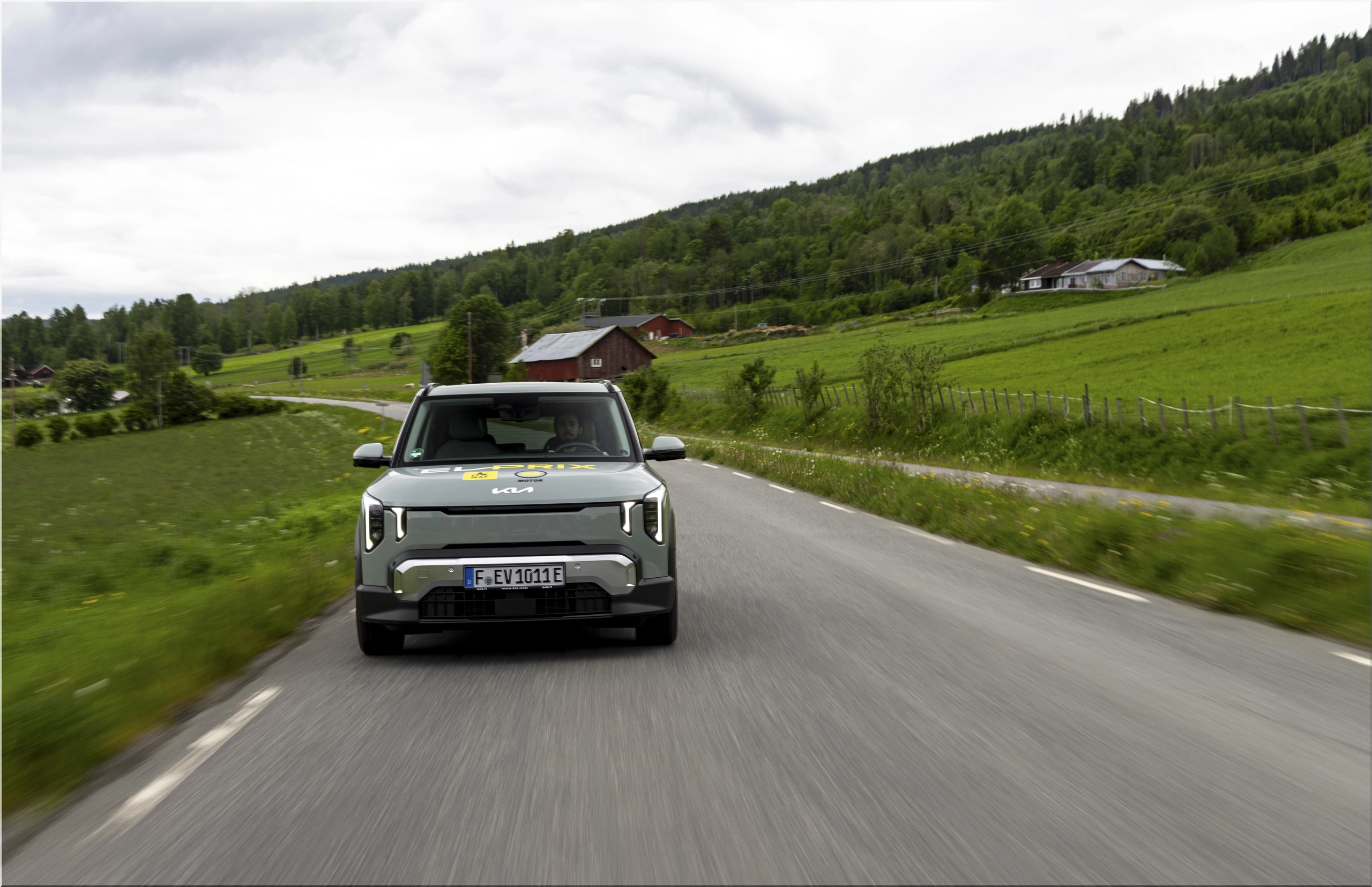
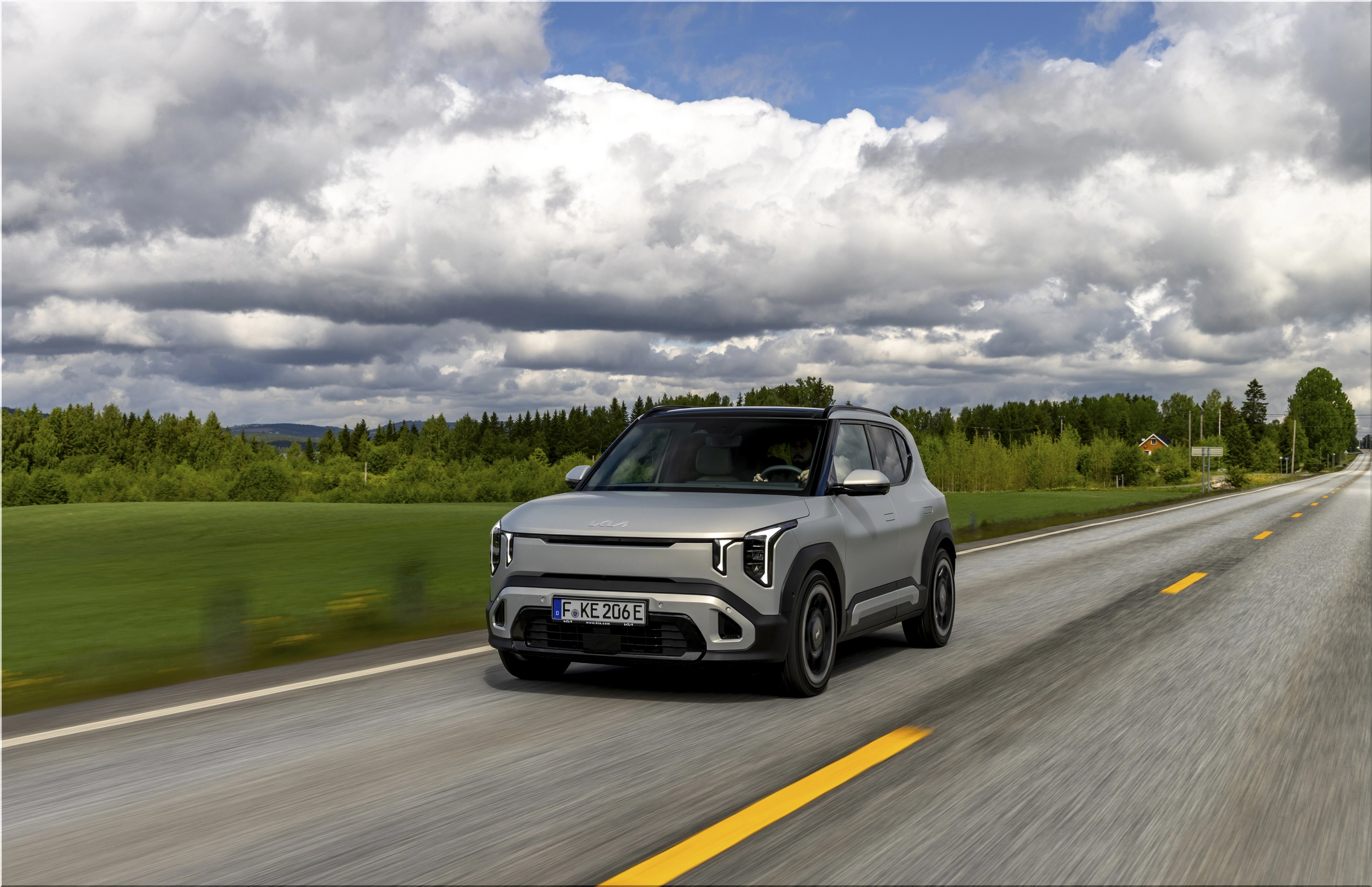
The Kia EV2 just gave compact EV buyers the number they actually care about: real range. In the NAF Summer El Prix test in Norway, the Kia EV2 Standard Range drove 325 km, or about 202 miles, on a single charge. That beats its official 308 km WLTP range by 17 km, meaning the small electric SUV delivered 105% of its official range estimate.
That matters because compact EVs often lose their charm when the spreadsheet meets traffic, hills, weather, and highway speeds. Looking at the data, Kia's smallest dedicated electric SUV did the opposite. It ranked first among compact and medium-sized electric cars in the test, a result that gives the EV2 a stronger real-world case than its modest footprint suggests.
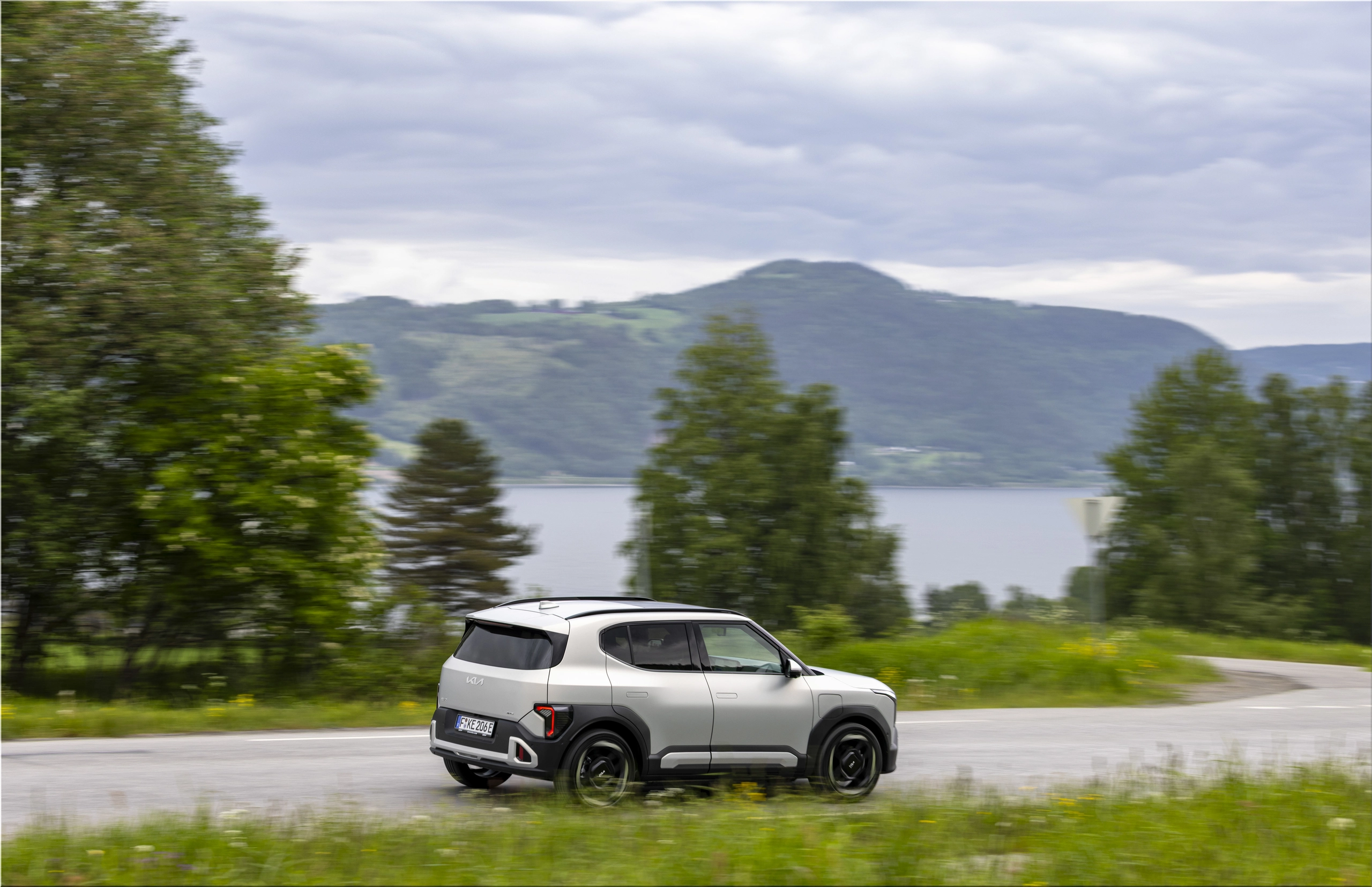
Kia EV2 NAF Summer Test Results
The tested model used a 42.2 kWh battery, which places it in the affordable end of Kia's electric lineup. Specifically, the NAF Summer El Prix test ran on June 3 in Oslo, under dry-road conditions and mild temperatures between 12 and 18 degrees Celsius, or 54 to 64 degrees Fahrenheit.
| Test Metric | Kia EV2 Standard Range Result |
|---|---|
| Battery capacity | 42.2 kWh |
| Official WLTP range | 308 km / 191 miles |
| NAF real-life range | 325 km / 202 miles |
| Extra distance over WLTP | 17 km / 11 miles |
| WLTP achievement | 105% |
| Average energy use | 12.4 kWh/100 km |
| Test location | Oslo, Norway |
| Test conditions | Dry roads, 54-64 degrees Fahrenheit |
In addition, the result shows strong efficiency. A figure of 12.4 kWh/100 km equals roughly 5.0 miles per kWh, which puts the EV2 in the zone where battery size, vehicle weight, aerodynamics, and motor calibration work together rather than fight each other.
Why The Kia EV2 Range Result Matters
The Kia EV2 real-world range result gives buyers a clearer picture than a lab rating alone. WLTP testing helps compare cars under controlled conditions, but owners live with crosswinds, rolling terrain, cabin climate use, tire drag, and traffic speed changes. The EV2 managed those variables well.
Consequently, the EV2 looks like a practical daily EV rather than a city-only runabout with a nervous battery gauge. From an expert perspective, the key win comes from energy discipline, not brute battery capacity. Kia extracted meaningful distance from a relatively small pack, which helps keep weight, cost, and charging time under control.
Kia EV2 Technical Specifications
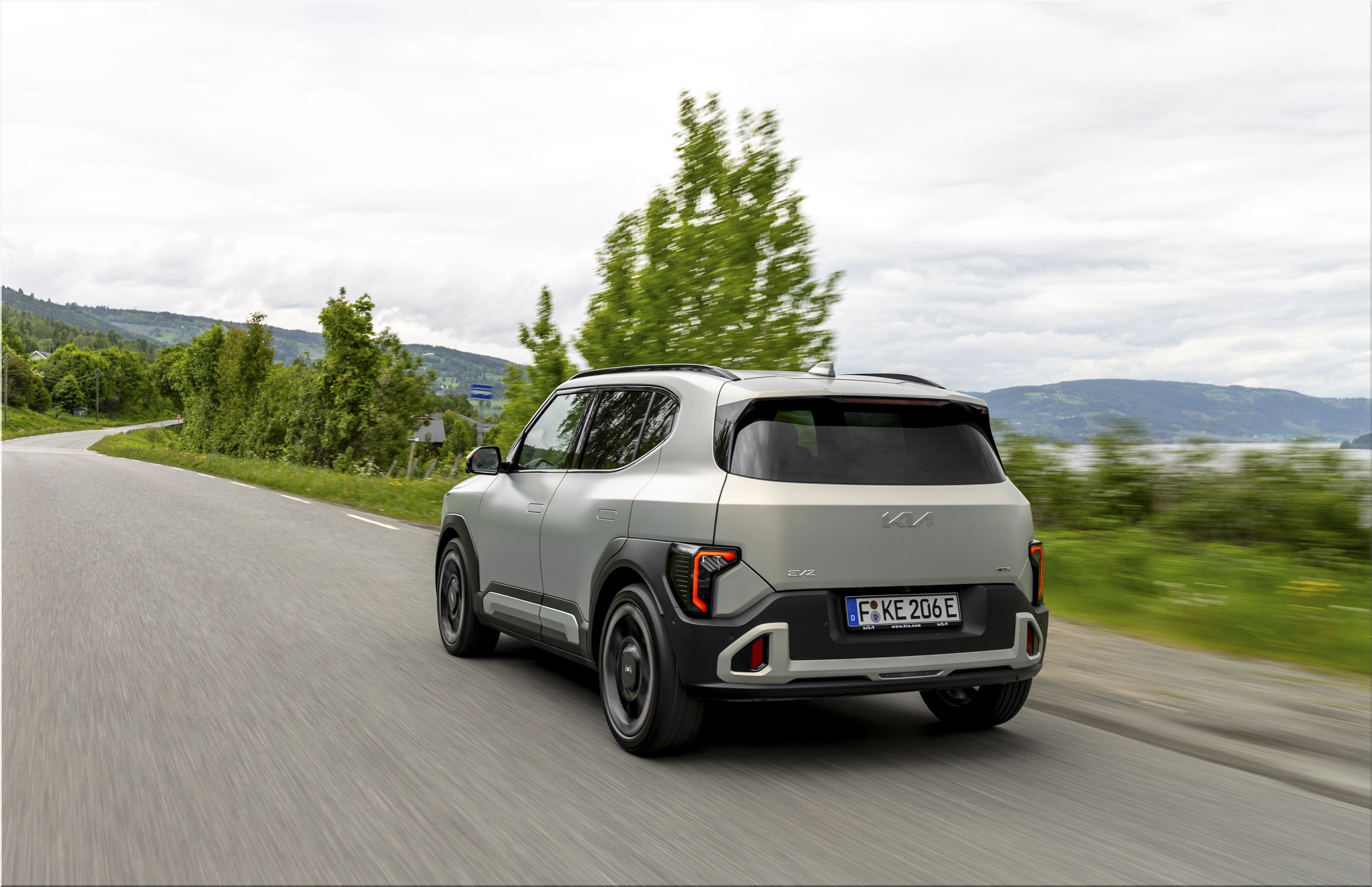
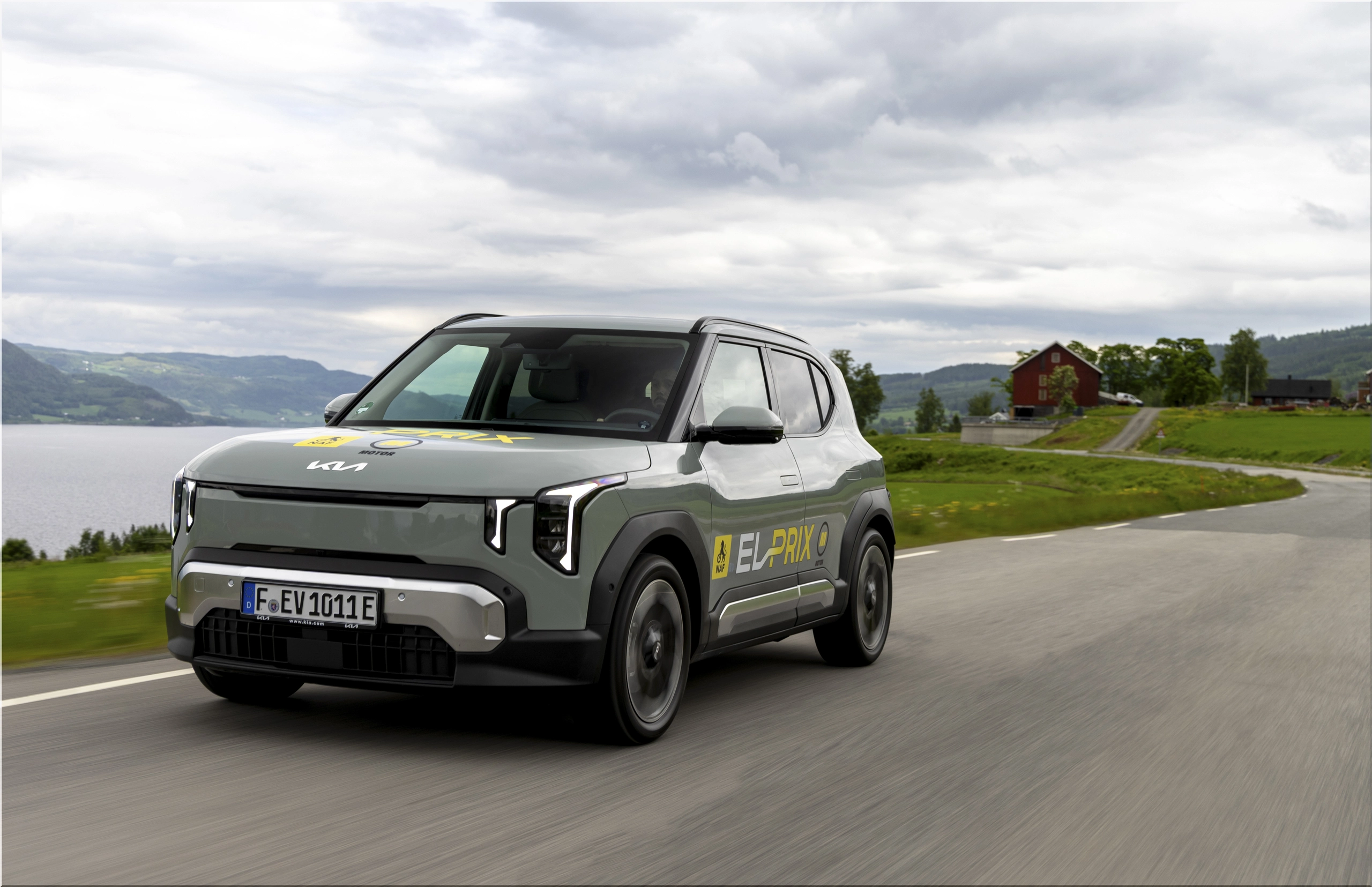
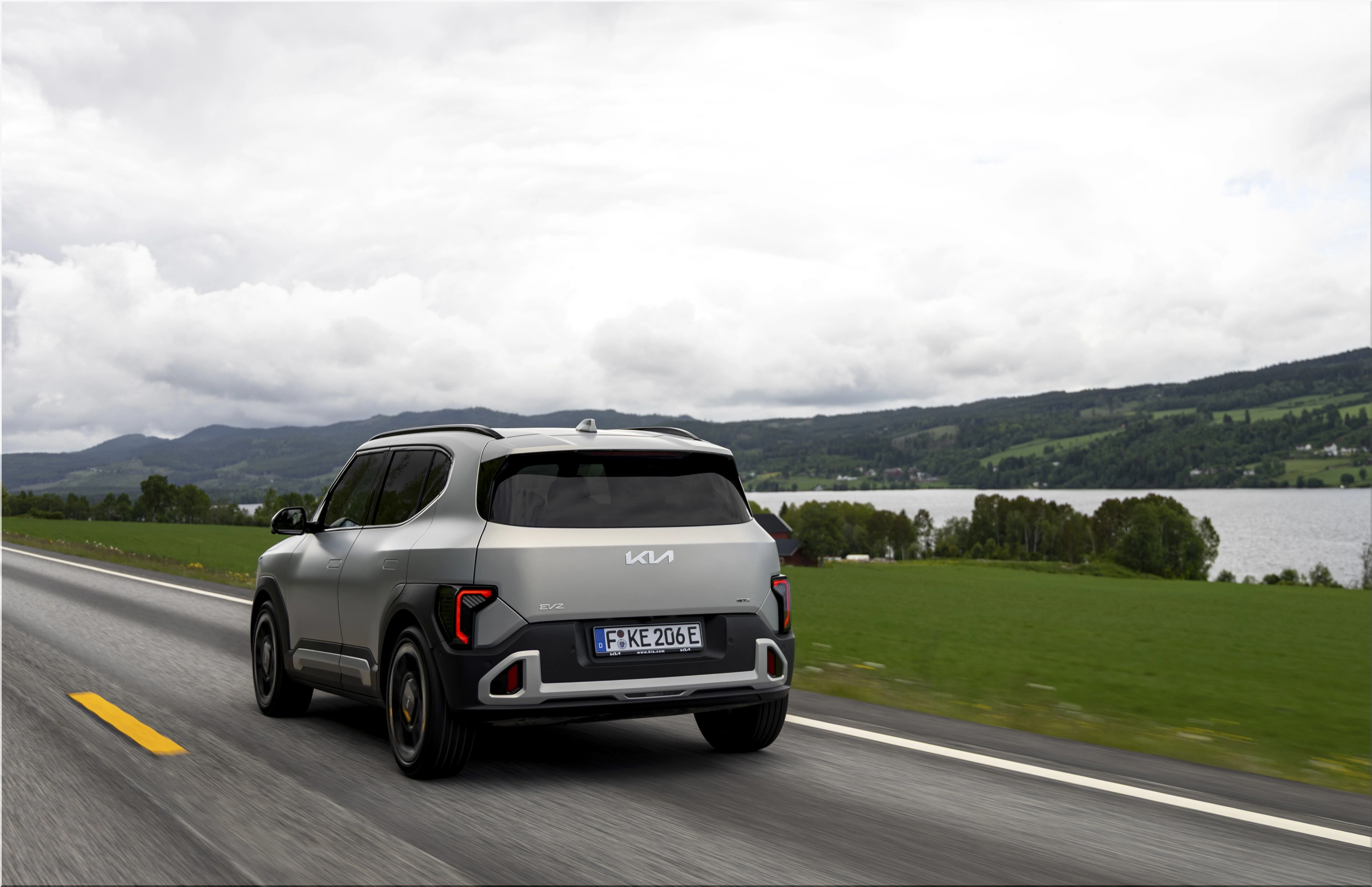
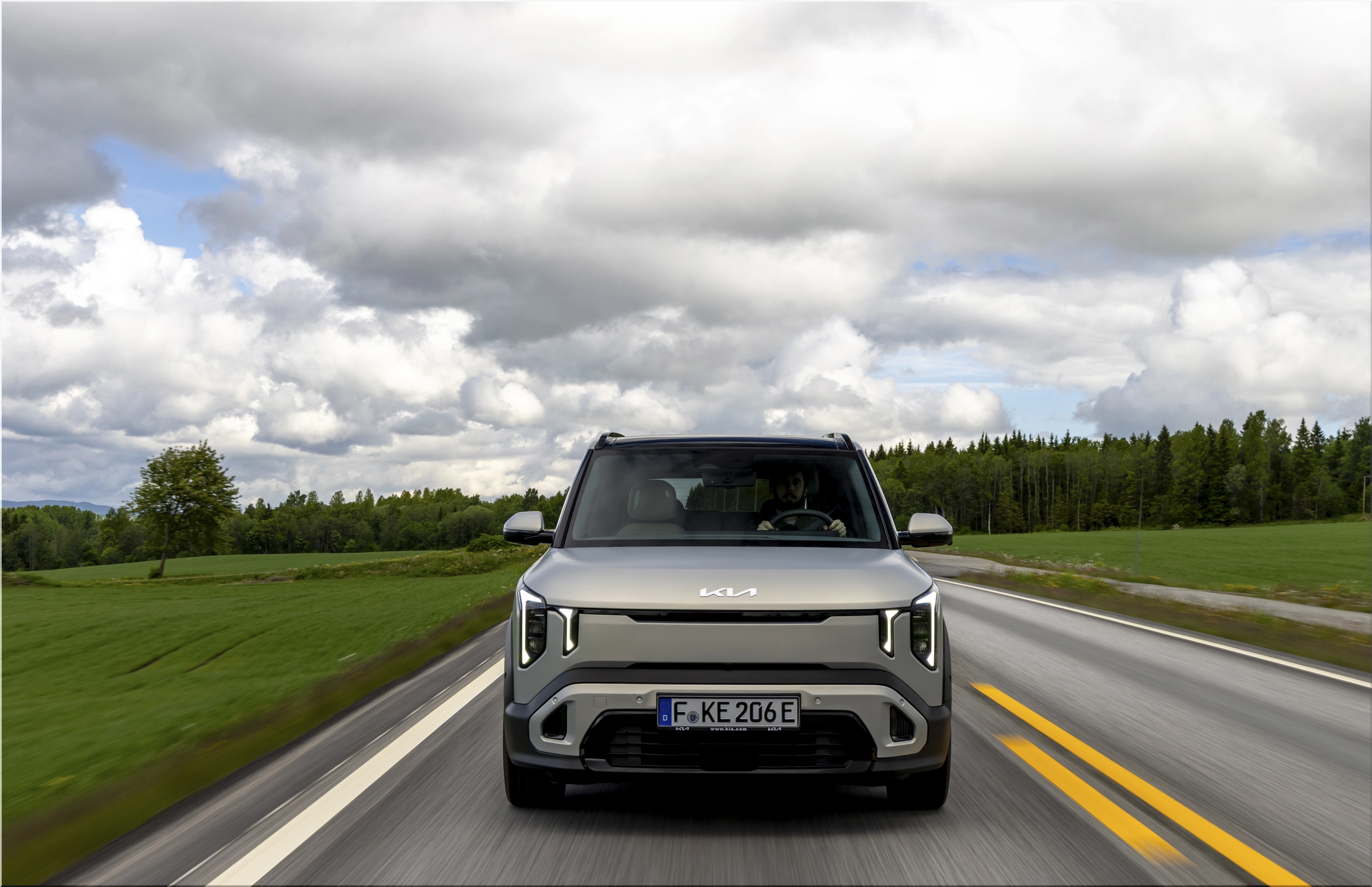
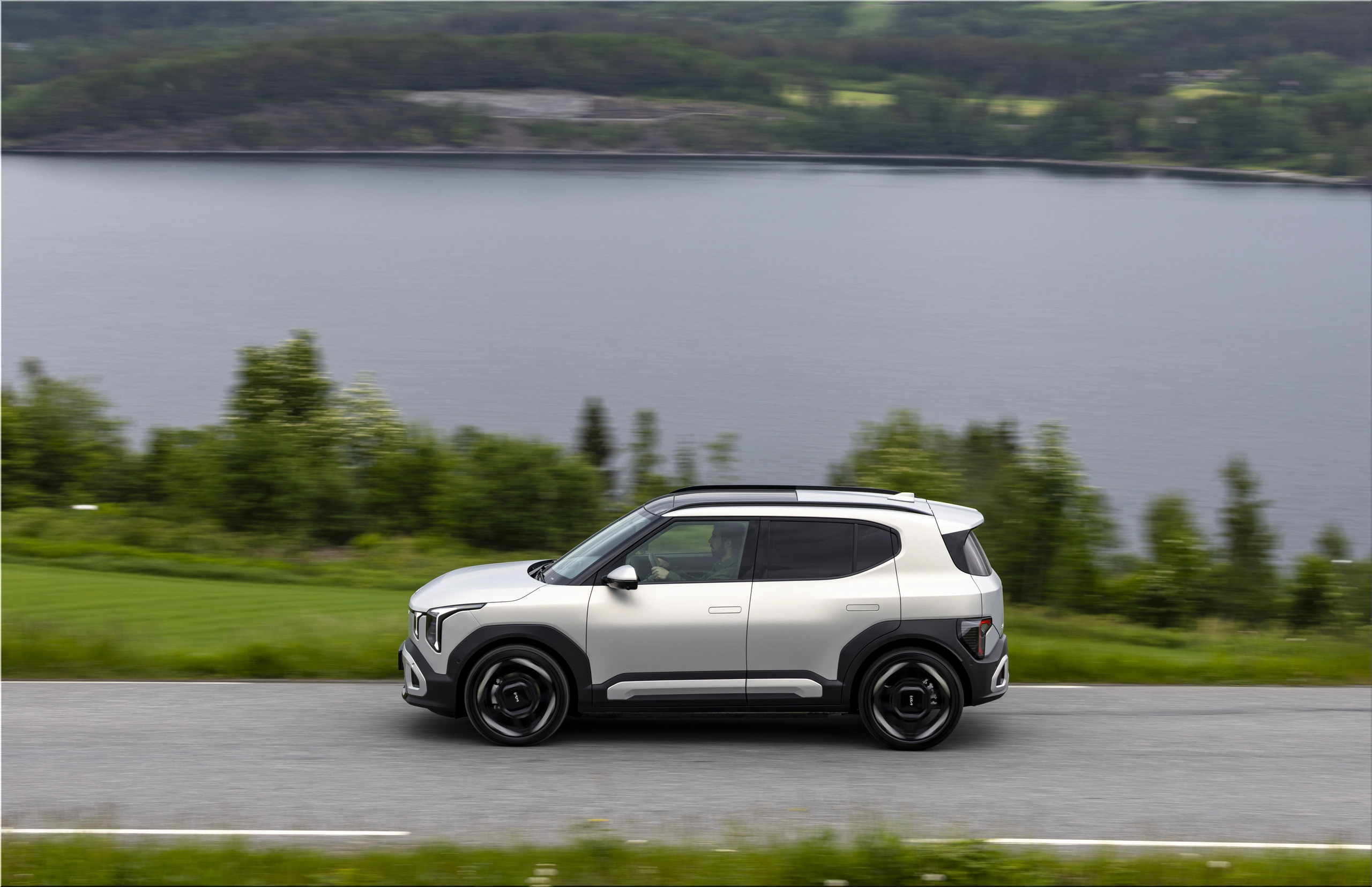
Kia built the EV2 on its dedicated electric vehicle platform with 400V architecture. The small SUV measures 4,060 mm long, 1,800 mm wide, and 1,575 mm tall, equal to roughly 159.8 inches long, 70.9 inches wide, and 62.0 inches tall. Its 2,565 mm wheelbase, or 101.0 inches, gives the cabin more usable length than its exterior size suggests.
| Specification | Kia EV2 Standard Range | Kia EV2 Long Range |
|---|---|---|
| Battery | 42.2 kWh | 61.0 kWh |
| Architecture | 400V | 400V |
| DC fast charge 10-80% | About 29-30 min | About 30-31 min |
| Length | 4,060 mm / 159.8 in | 4,060-4,065 mm / 159.8-160.0 in |
| Width | 1,800 mm / 70.9 in | 1,800 mm / 70.9 in |
| Height | 1,575 mm / 62.0 in | 1,575-1,585 mm / 62.0-62.4 in |
| Wheelbase | 2,565 mm / 101.0 in | 2,565 mm / 101.0 in |
| Trunk capacity | 362-403 liters | 362-403 liters |
By comparison, the long-range Kia EV2 GT-Line prototype also ran the route and achieved 428 km, or about 266 miles, from its 61.0 kWh battery. Kia said that result reached 102% of its expected WLTP figure, though the prototype result did not count in the official final NAF ranking.
What Buyers Should Take From This Test
The EV2's strongest message sounds simple: small battery does not mean weak usability. Buyers who drive mostly in cities and suburbs could get plenty from the 42.2 kWh version, while long-distance drivers should look at the 61.0 kWh model for added buffer.
Key takeaways:
- Best real-life range in class among compact and medium-sized EVs tested
- 105% WLTP achievement from the Standard Range model
- 202-mile real-world result from a 42.2 kWh battery
- Fast 10-80% DC charging in about half an hour
- Compact SUV packaging with a 101-inch wheelbase and flexible trunk space
Pro-Tips For EV Shoppers
- Compare real-world range with battery size, not range alone. A smaller battery that travels farther per kWh can cost less to run.
- Check your daily mileage before paying for the larger pack. A 202-mile tested result covers most commutes with room left.
- Use the 10-80% charge window for road trips. It saves time and keeps the battery in its faster charging zone.
- Look at winter data too. Summer range tells one side of the story; cold weather reveals how well the car manages heat and battery load.
Should You Wait For The Kia EV2?
Yes, if you want an affordable compact electric SUV with measured efficiency rather than inflated promises. The EV2 does not win by carrying a massive battery. It wins by using a smaller one well.
That makes it a serious small EV for Europe and a painful reminder for American buyers: the U.S. market still favors larger crossovers, while Europe keeps getting the smart little electric cars that make urban driving cheaper, cleaner, and easier to park.

The adorable Fiat 500 has always been a symbol of urban mobility, but its latest iteration, the Fiat 500e, is revving engines (or should we say whirring motors?) in the electric vehicle (EV) world. Its recent accolade of "… Continue reading

Volkswagen has opened German orders for the 2026 Volkswagen ID. Polo EV with a 37 kWh usable LFP battery and a starting price near $29,000. The five-door hatchback delivers up to 207 miles on the WLTP cycle, offers two power… Continue reading

Toyota just shifted the small commercial vehicle market into high gear. The debut of the Toyota Pixis Van BEV signals a major move for urban logistics. This battery electric vehicle (BEV) joins the kei car lineup in Japan,… Continue reading
Skoda has announced the launch of a full-electric version of its Citigo. The Citigo EV will have a maximum range of 300 km (186 miles) and will be called Citigo E. First rumors about an Skoda electric city car were from a… Continue reading