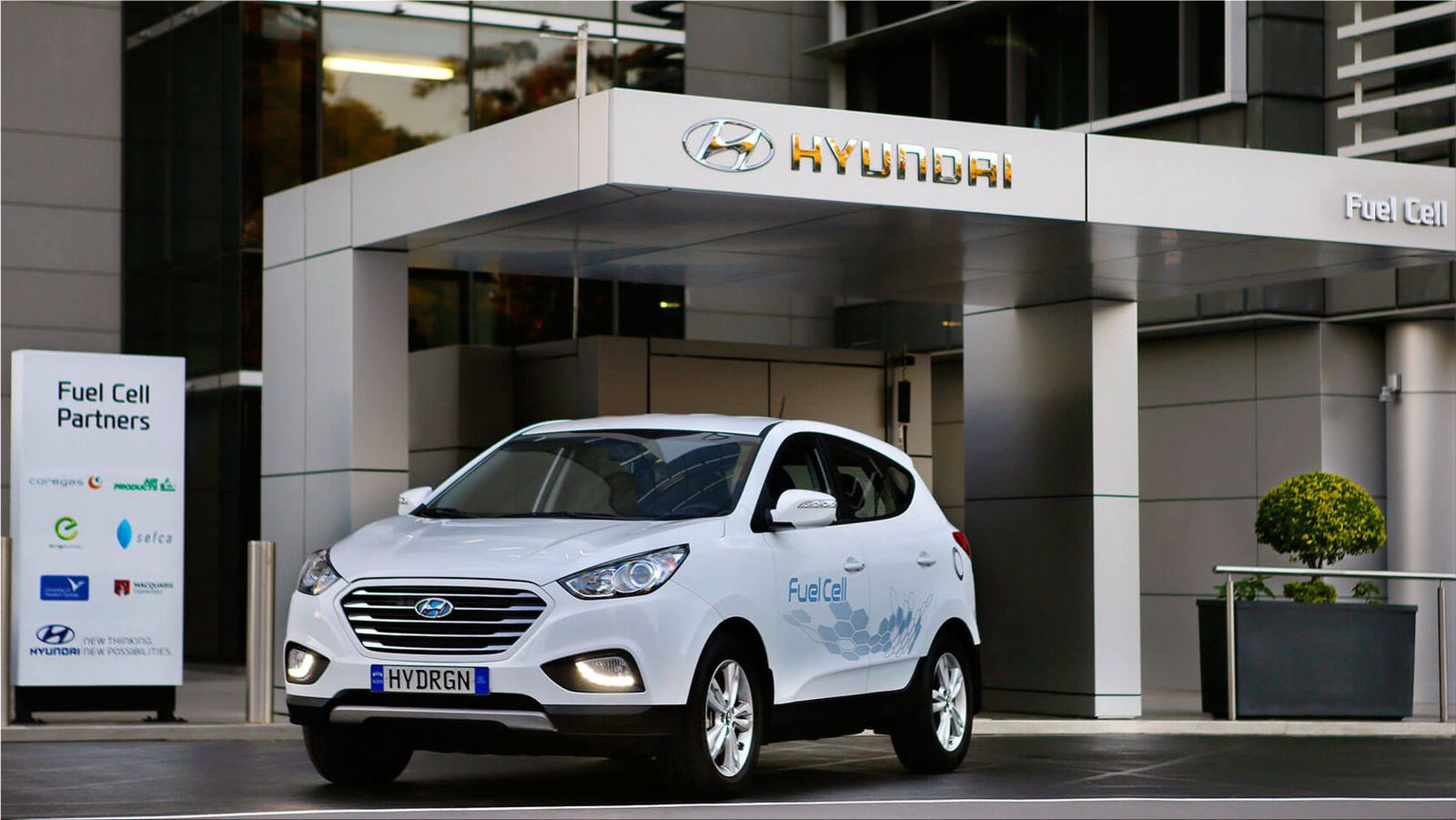
The Japanese automobile manufacturers Toyota, Nissan and Honda, along with eight other companies, have formed Japan H2 Mobility, a company that will be dedicated to the development of hydrogen stations for fuel cell vehicles in Japan.
The objective of Japan H2 Mobility is to gradually increase the number of fuel cell vehicles in Japan and in parallel to make sustainable the hydrogenation business.
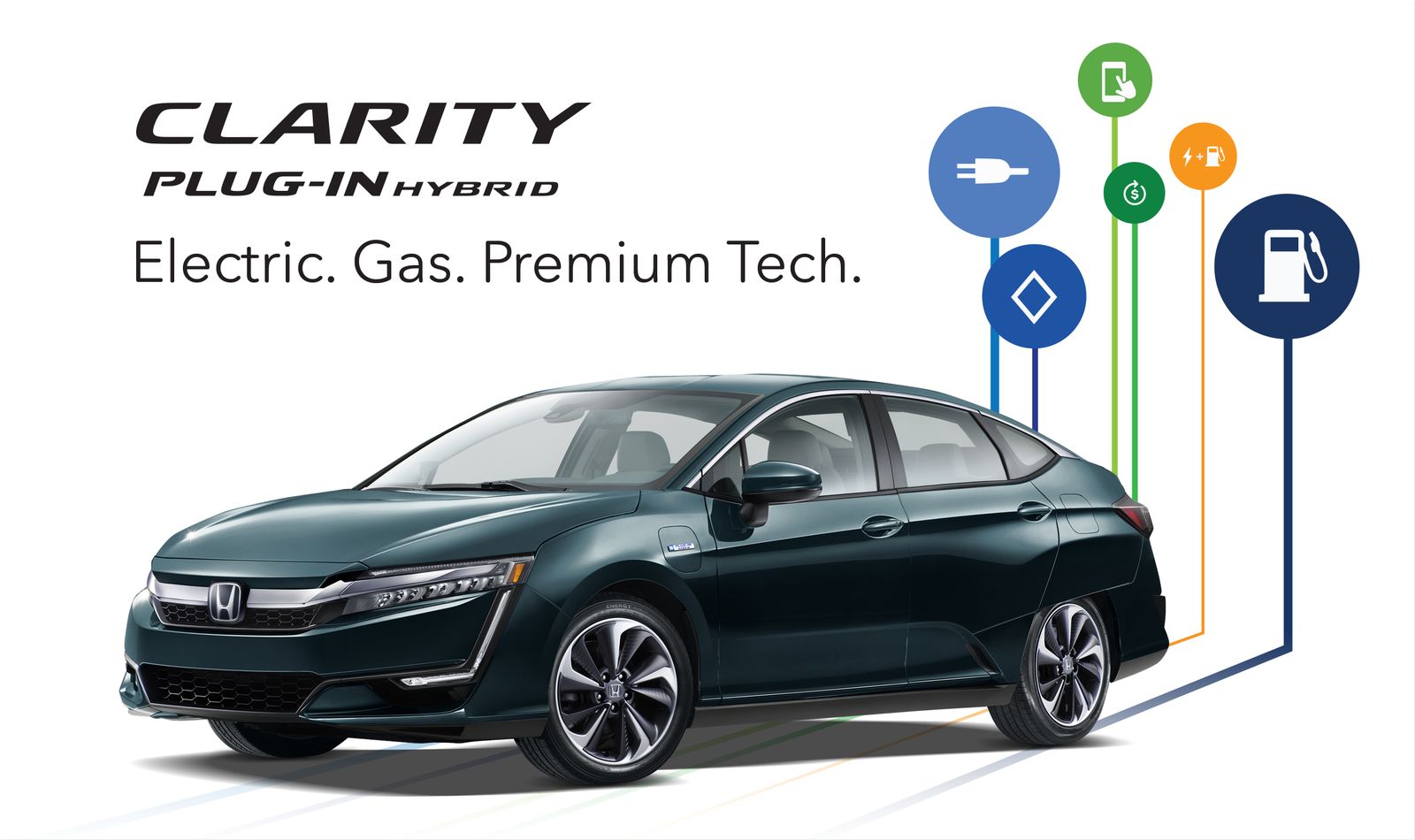
The initial capital of Japan H2 Mobility is $469,948 and will be chaired by Hideki Sugawara. The purpose is to begin the building of 80 stations throughout the country for the year 2021, according to 'Strategic roadmap for hydrogen and fuel cells'.
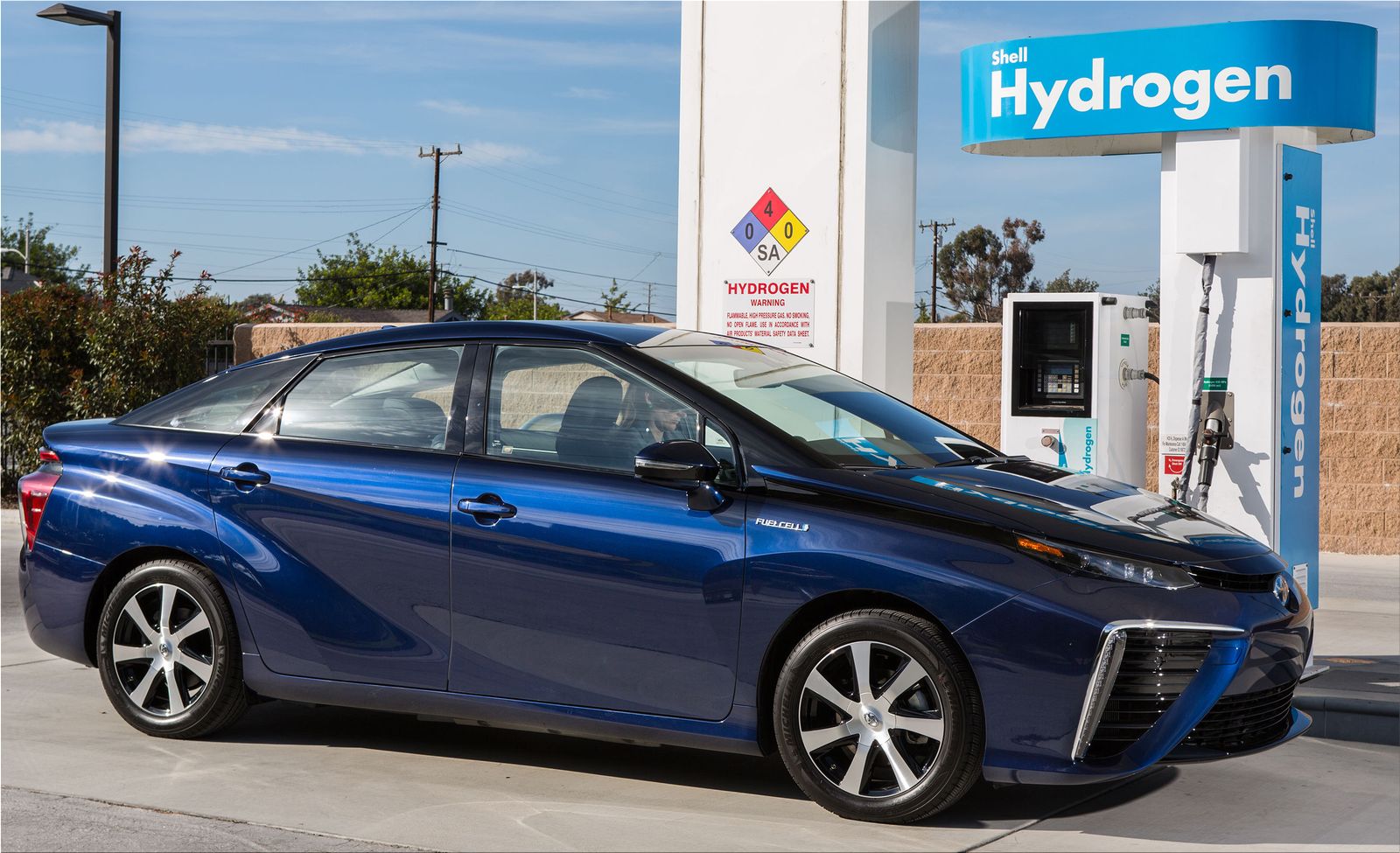
Japan H2 Mobility will start operating in April 2018, with the goal of attracting the maximum possible participation of hydrogenation operators and investors.

Starting April, FlixBus will launch the first regular long-distance bus line operated by fully electric buses between Paris and Amiens, France (separated by some 155 kilometers away). This new line will save almost… Continue reading

Metz Mecatech introduces an e-scooter called "moover", which according to the supplier has already received a special permit and therefore may be moved legally in German road traffic. Specifically, the… Continue reading

The Volkswagen Group has announced that it will invest 1,000 million euros in its first battery cell production plant in Europe, which will probably be located at its headquarters in Salzgitter, Germany. Everything depends, according to… Continue reading

The president of the acting Government and the only candidate for re-election, Francina Armengol (President of the Balearic Islands), has promised in her inaugural speech tax incentives for those who buy electric cars instead of polluting… Continue reading