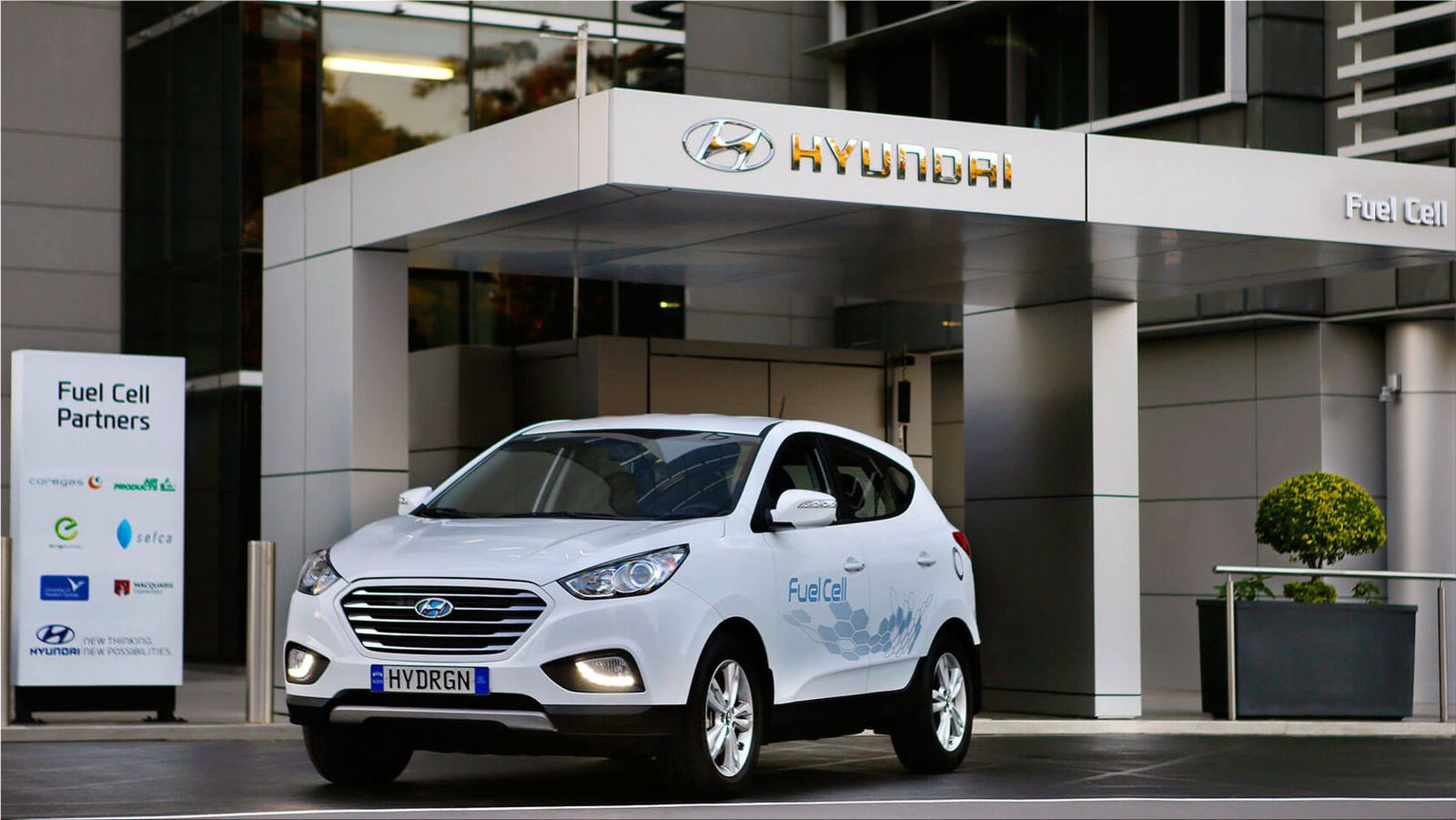
The Japanese automobile manufacturers Toyota, Nissan and Honda, along with eight other companies, have formed Japan H2 Mobility, a company that will be dedicated to the development of hydrogen stations for fuel cell vehicles in Japan.
The objective of Japan H2 Mobility is to gradually increase the number of fuel cell vehicles in Japan and in parallel to make sustainable the hydrogenation business.

The initial capital of Japan H2 Mobility is $469,948 and will be chaired by Hideki Sugawara. The purpose is to begin the building of 80 stations throughout the country for the year 2021, according to 'Strategic roadmap for hydrogen and fuel cells'.
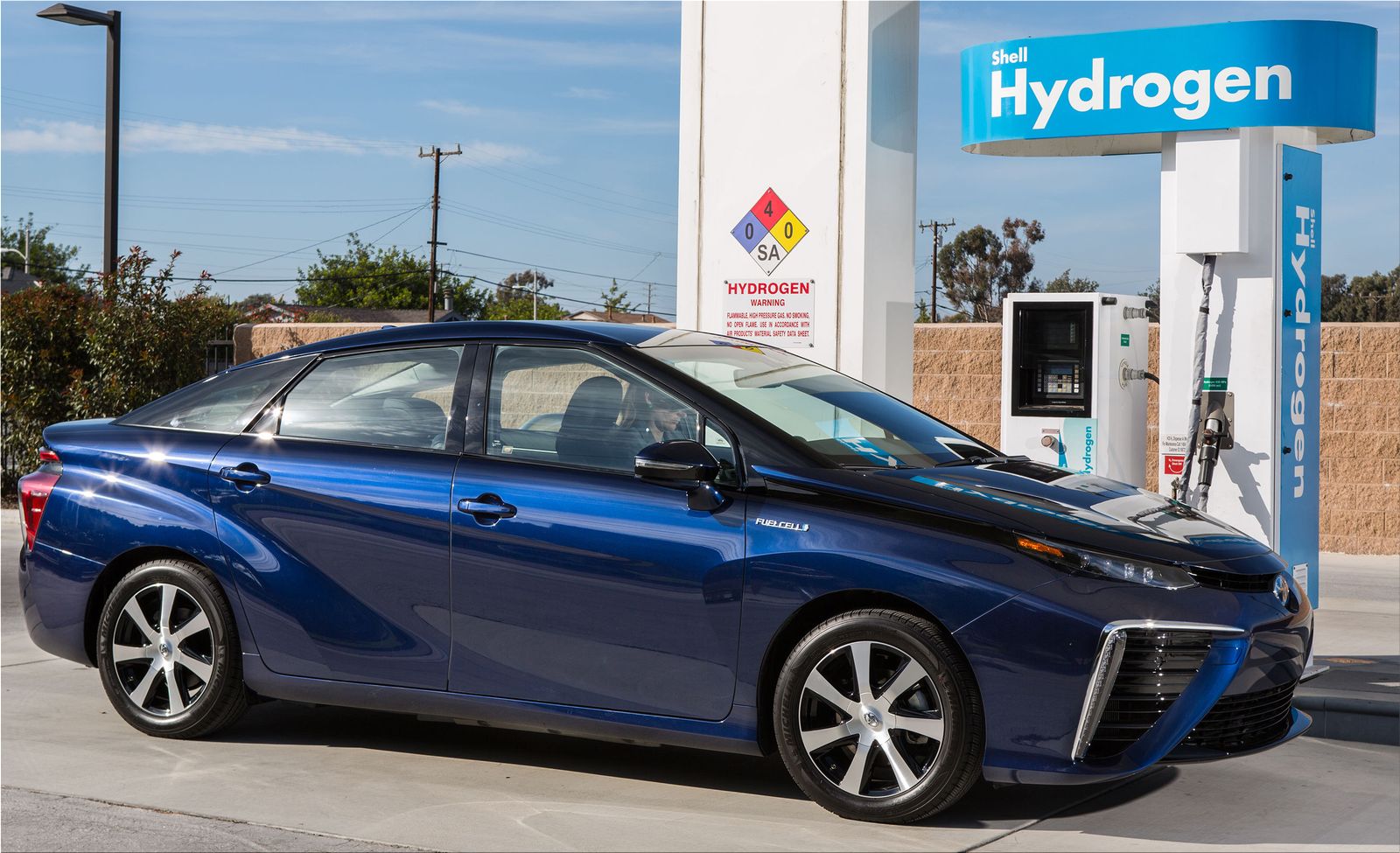
Japan H2 Mobility will start operating in April 2018, with the goal of attracting the maximum possible participation of hydrogenation operators and investors.

The Slovak company AeroMobil has now presented another concept for a flying car. The AeroMobil 5.0 VTOL (vertical take-off and landing) is an electrically powered four-seater that can take off vertically. It could come to market in seven to… Continue reading

These 12 Aptis will be the first electric buses that are incorporated into the vehicle fleet of the Strasbourg urban transport operator. The contract includes the purchase of 12 Aptis vehicles 12 meters long and equipped each with three doors… Continue reading

Geotab has prepared a joint study with AEGFA, Spanish Association of Fleet Managers and Mobility (Asociación Española de Gestores de Flotas de Automóviles), to analyze the state of electrification of fleets in Spain. The study is based on a survey of more… Continue reading

Electric cars that can be bought between 20,000 and 30,000 euros The commitment to electric mobility is marking the future of the automotive market. More and more motor companies are making green vehicles since hybrid and electric cars are less polluting than… Continue reading