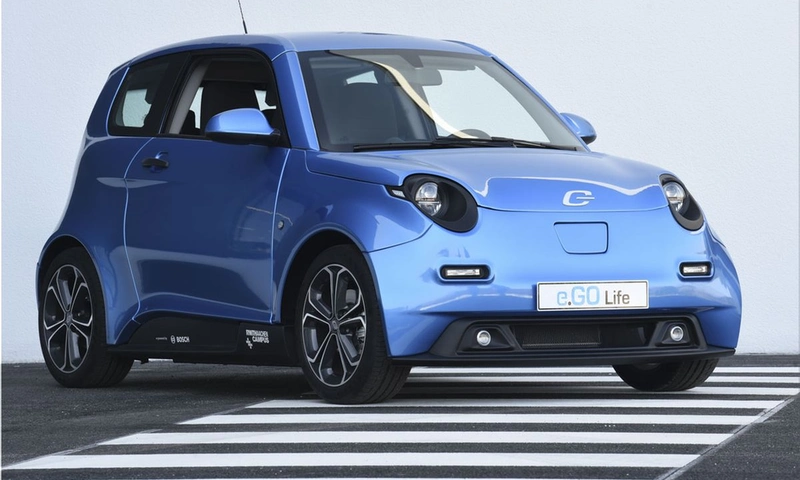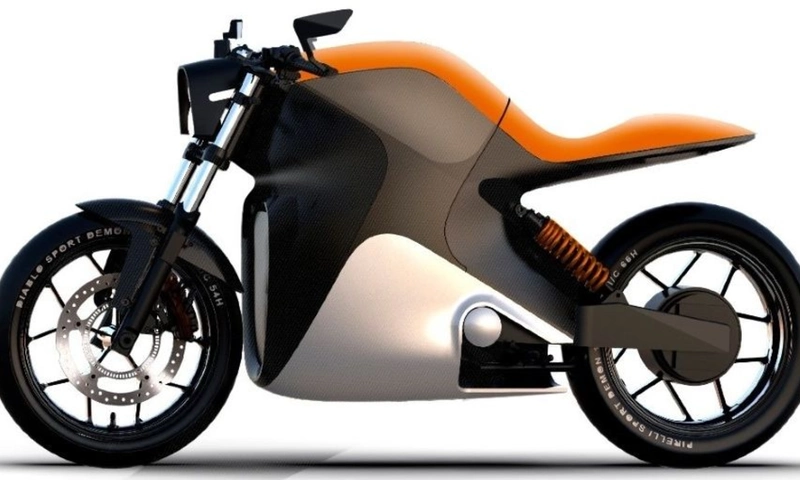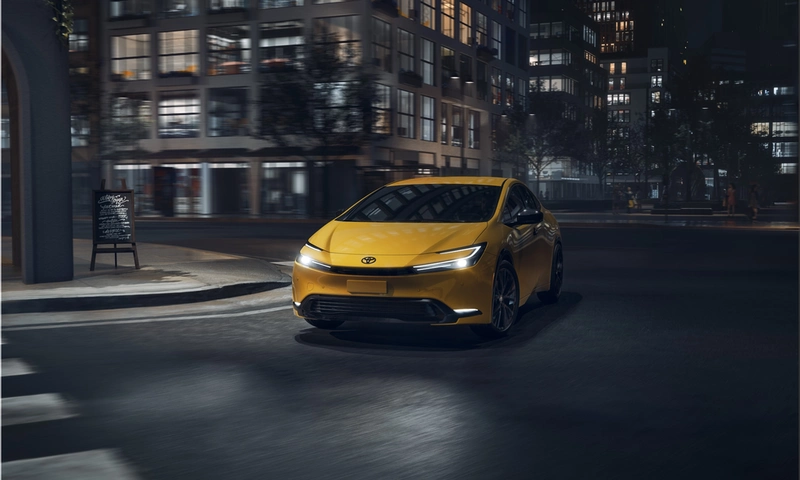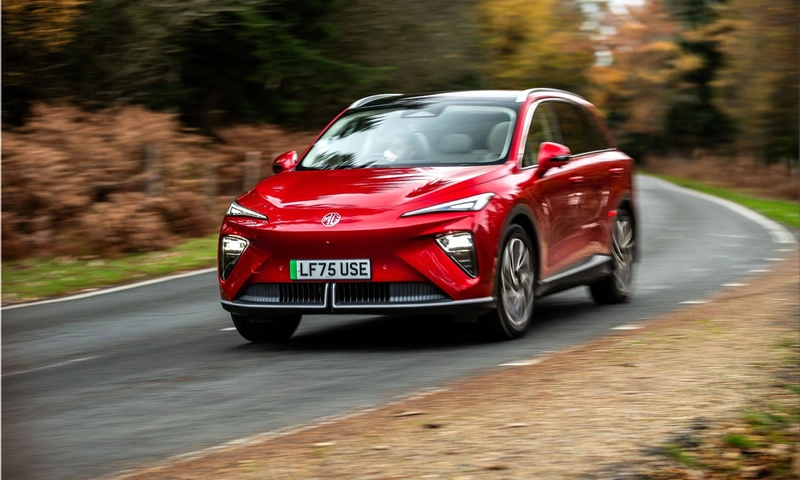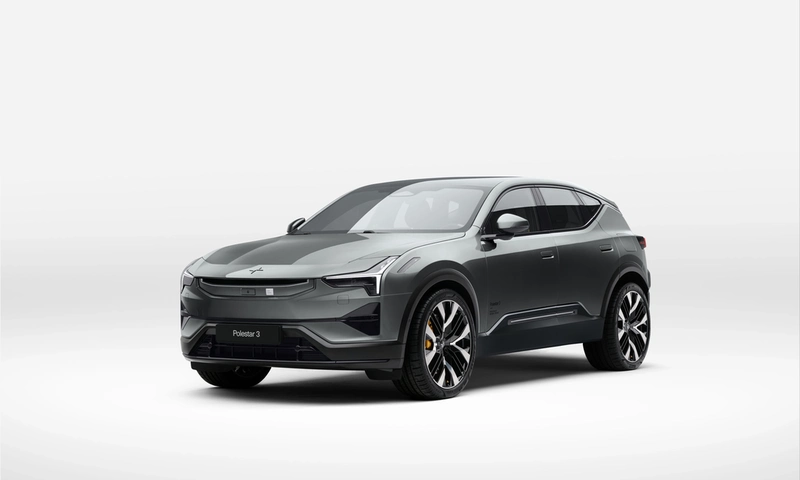
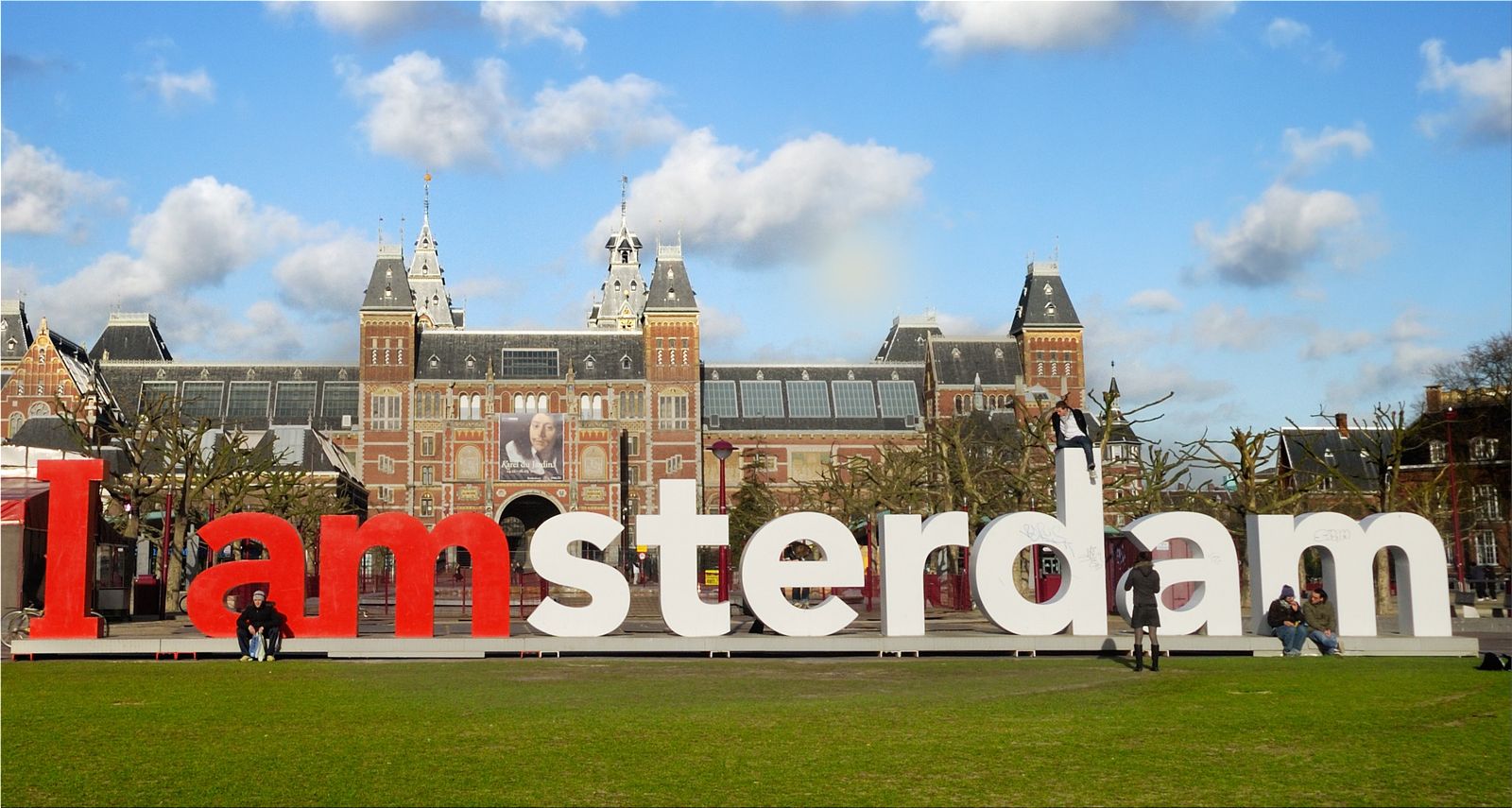
Cars and motorcycles that run on gasoline or diesel will be banned in the Amsterdam, Netherlands, starting 2030.
Starting next year, diesel cars older than 15 years will be banned on the A10 road around the Dutch capital.
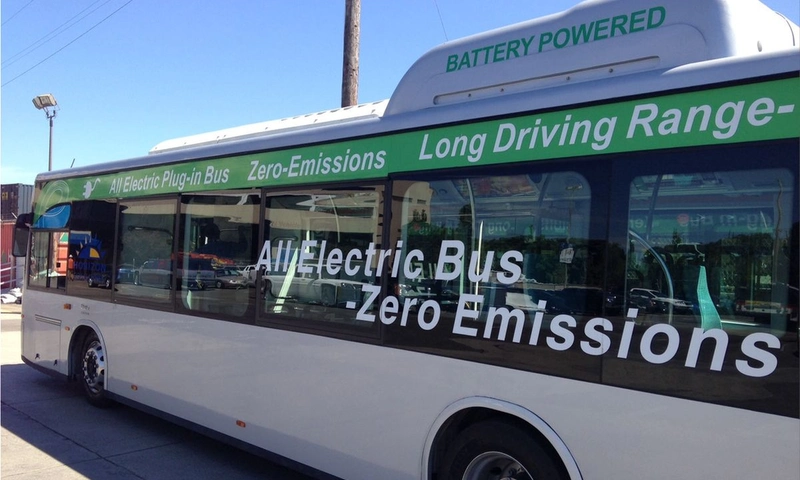
Also, buses and vans emitting exhaust gases will no longer have access to downtown by 2022. Until 2025, the ban will be extended to boats, motorcycles and mopeds.
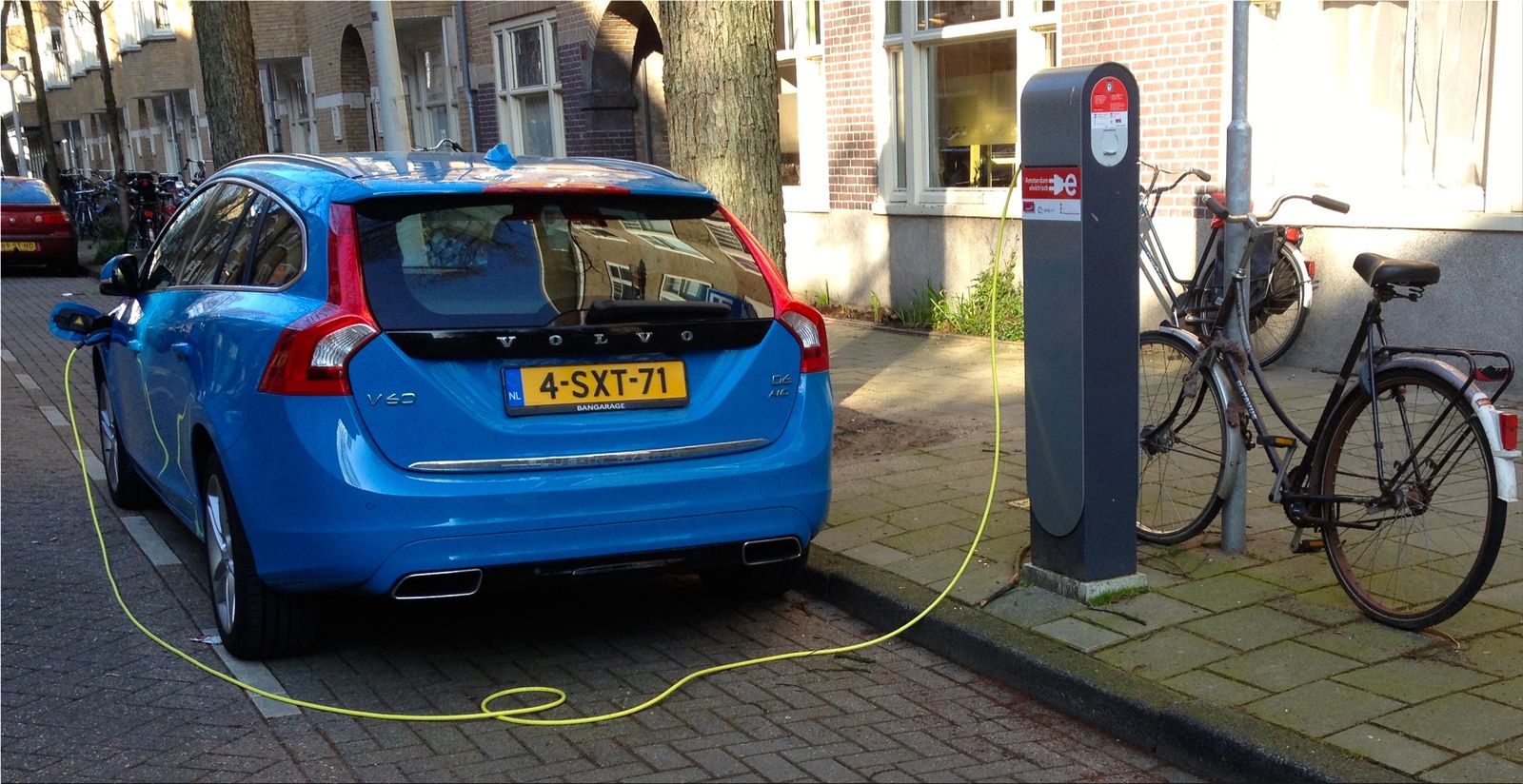
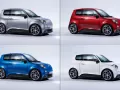
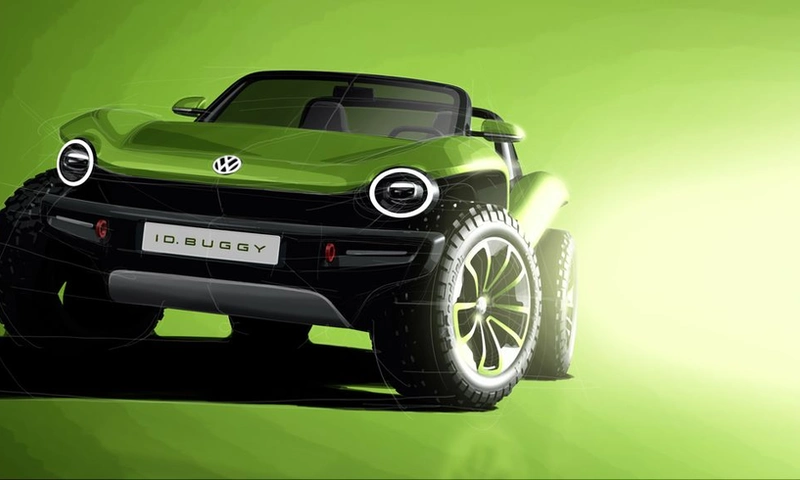
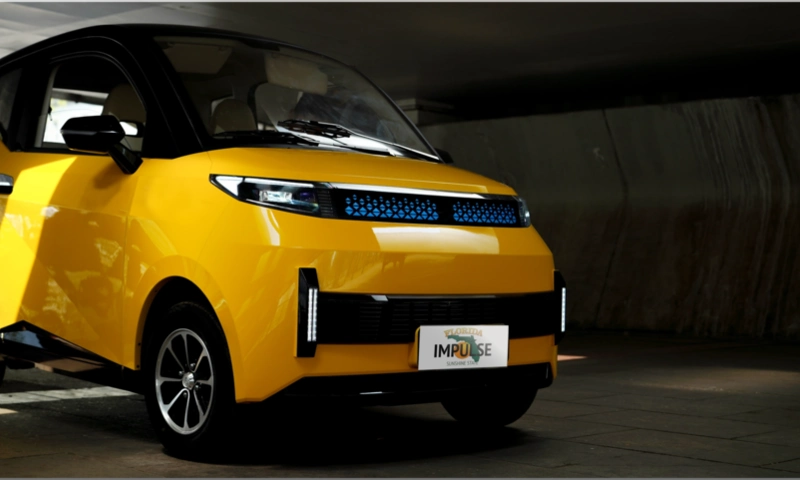
Thus, the city intends to encourage its inhabitants to switch to electric cars, offering charging stations to every buyer of such a vehicle. Authorities expect the second-hand electric car market to grow significantly in the coming years.

Starting in 2025, there will need to be between 16,000 and 23,000 EV charging stations to make the project viable. At present, there are only 3,000 such stations in Amsterdam.
Following in the footsteps of the Enyaq, Skoda has unveiled its latest electric offering, the Elroq. This sleek and practical SUV promises a thrilling driving experience with an impressive range and innovative… Continue reading
Fleet managers face a never-ending battle. Rising fuel costs, maintenance headaches, environmental regulations, and drivers who treat company vehicles like personal demolition derby cars. It’s enough to make anyone consider a career change—perhaps something… Continue reading
Mercedes-Benz has launched the all-new electric GLC 400 4MATIC, a bold shift in its best-selling SUV lineup. Available for order in Europe starting October 29, 2025, this marks the company’s strongest signal yet that electric… Continue reading
The new BMW X5 moves into its fifth generation with a rare powertrain spread: gasoline mild hybrid, diesel mild hybrid, plug-in hybrid, full battery-electric BMW iX5, and a later hydrogen fuel-cell version. The headline spec… Continue reading