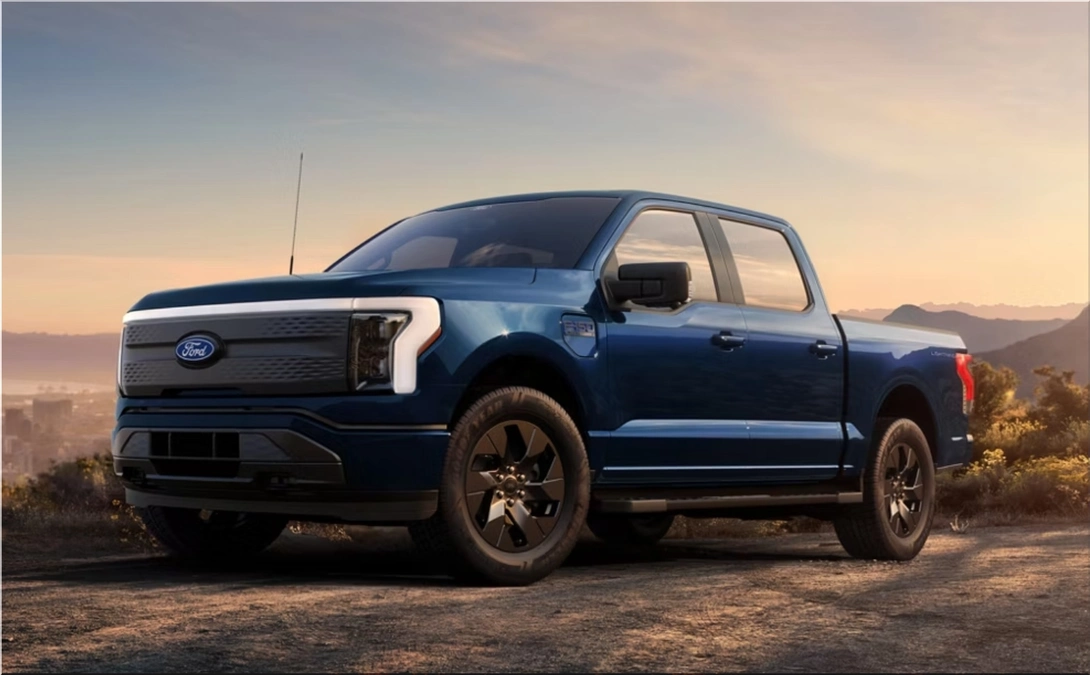
By 2026, Ford’s electric vehicle strategy has moved from bold experimentation to confident execution. What began with a few headline-grabbing launches has matured into a focused, refined EV lineup designed around real drivers, real jobs, and real-world expectations. The 2026 Ford EV lineup isn’t just about electrification—it’s about usability, performance, and making electric vehicles feel like a natural evolution of the Ford brand.
“What we’re seeing with the 2026 Ford EV lineup is confidence,” says a representative from Dave Arbogast Ford. “Customers aren’t asking if electric vehicles are ready anymore—they’re asking which Ford EV fits their lifestyle or business best. That shift tells us the technology has matured and the lineup is finally meeting real-world expectations.”
A Smarter, More Focused EV Portfolio
Ford has clearly listened to the market. The 2026 lineup emphasizes fewer gimmicks and more substance, with improvements centered on range efficiency, software reliability, and long-term ownership experience. Whether you’re looking at electric trucks, SUVs, or performance-inspired EVs, the theme is consistency—Ford EVs now feel purpose-built rather than experimental.
Improved Range Where It Counts
One of the biggest stories for 2026 is range optimization. Instead of chasing headline numbers alone, Ford focused on real-world efficiency. Updated battery management systems, lighter materials, and improved aerodynamics translate into more usable miles per charge—especially at highway speeds and in cold-weather conditions, where earlier EVs often struggled.
For daily drivers, this means fewer charging stops. For truck buyers, it means more confidence when towing, hauling, or powering job-site equipment.
Charging Gets Easier—and Faster
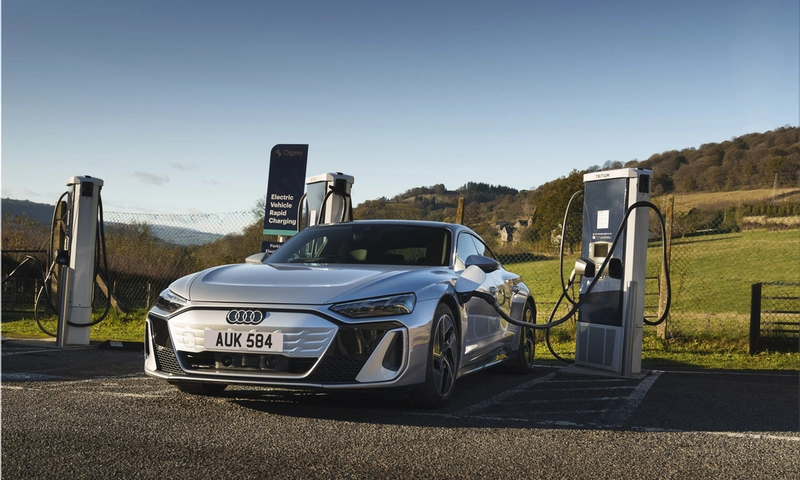
Charging anxiety continues to fade in 2026. Ford’s expanded fast-charging compatibility and improved route-based charging integration make long-distance travel more predictable. Home charging solutions are more seamless, public charging access is broader, and charging curves are smoother—meaning less waiting and more driving.
Ford’s approach is practical: charging should feel like refueling, not planning a science experiment.
Technology That Works in the Background
The 2026 EV lineup benefits from quieter software improvements that matter more than flashy screens. Infotainment systems are faster and more stable, over-the-air updates are more refined, and driver-assist features operate with greater confidence and less intrusion.
Advanced driver-assist technology continues to evolve, but the focus is on reducing fatigue—not replacing the driver. The result is a calmer, more intuitive driving experience.
Performance Without Compromise
Ford hasn’t forgotten its performance DNA. Instant torque, confident handling, and controlled acceleration define the 2026 EV driving experience. Electric powertrains deliver smooth, effortless speed, whether you’re merging onto the highway or navigating city traffic.
Importantly, performance no longer comes at the expense of comfort or durability—something longtime Ford owners will appreciate.
Why the 2026 Ford EV Lineup Matters
The significance of Ford’s 2026 EV lineup isn’t just in what’s new—it’s in what’s settled. These vehicles feel finished. They’re designed for families, businesses, and enthusiasts who want electric power without changing how they live or work.
Ford’s EVs are no longer trying to prove a point. They’re simply doing the job—quietly, efficiently, and confidently. And that may be the biggest milestone of all.



- Add new comment
- 625 views