
GM pushes Corvette into an electric future
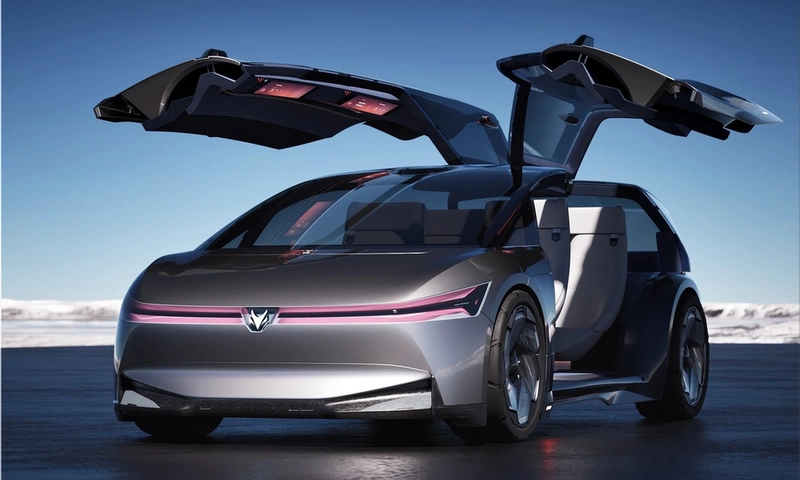
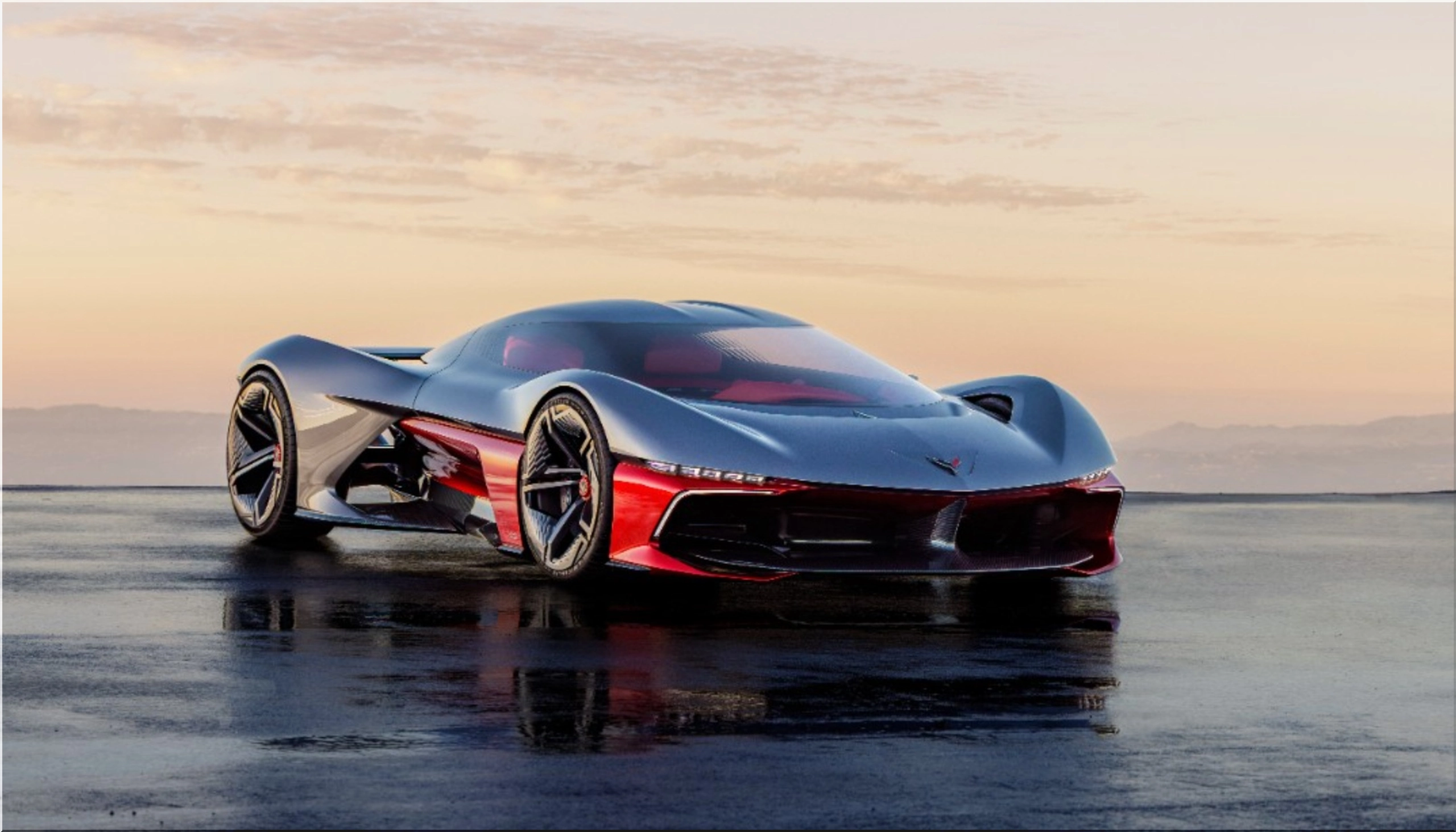
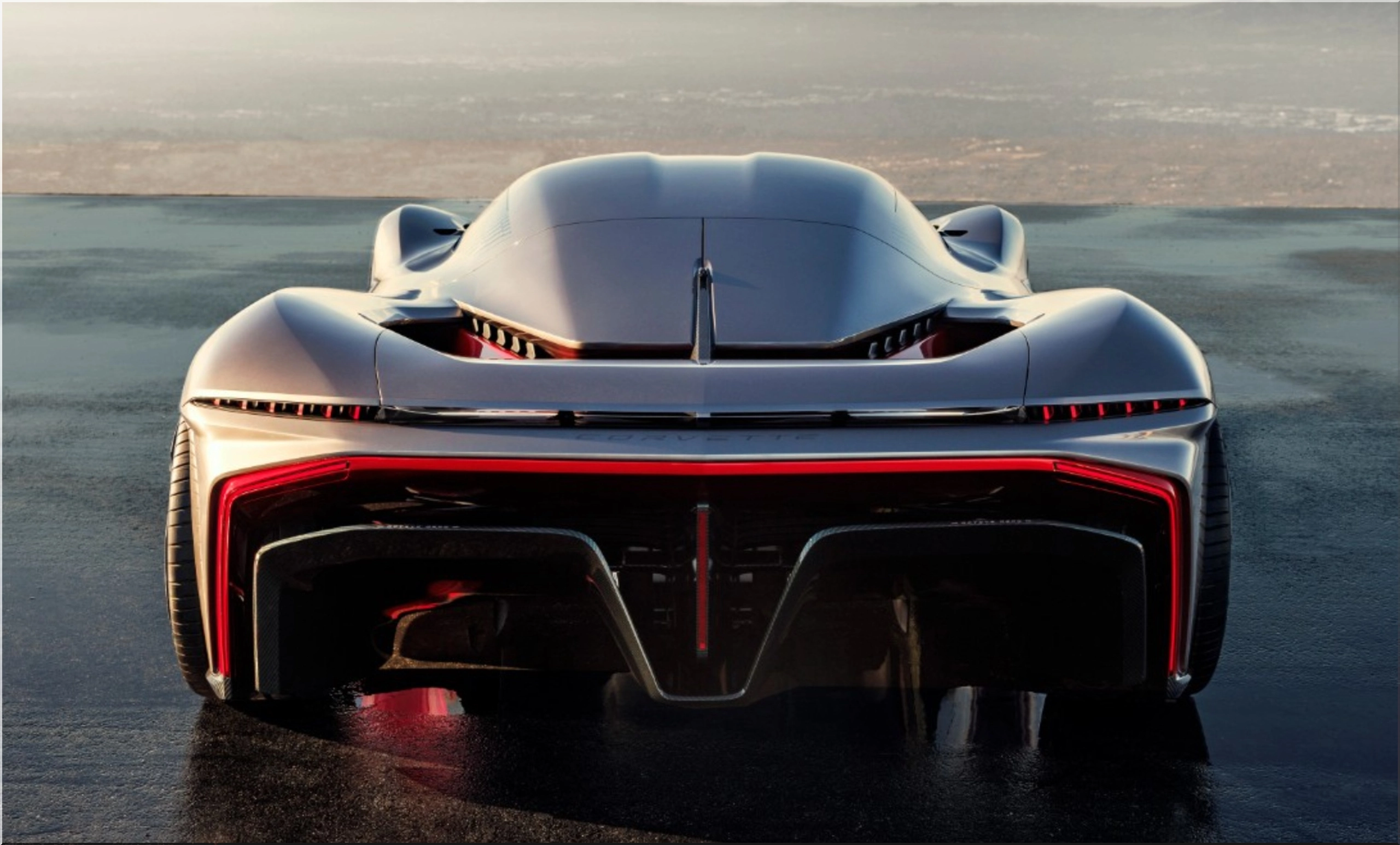
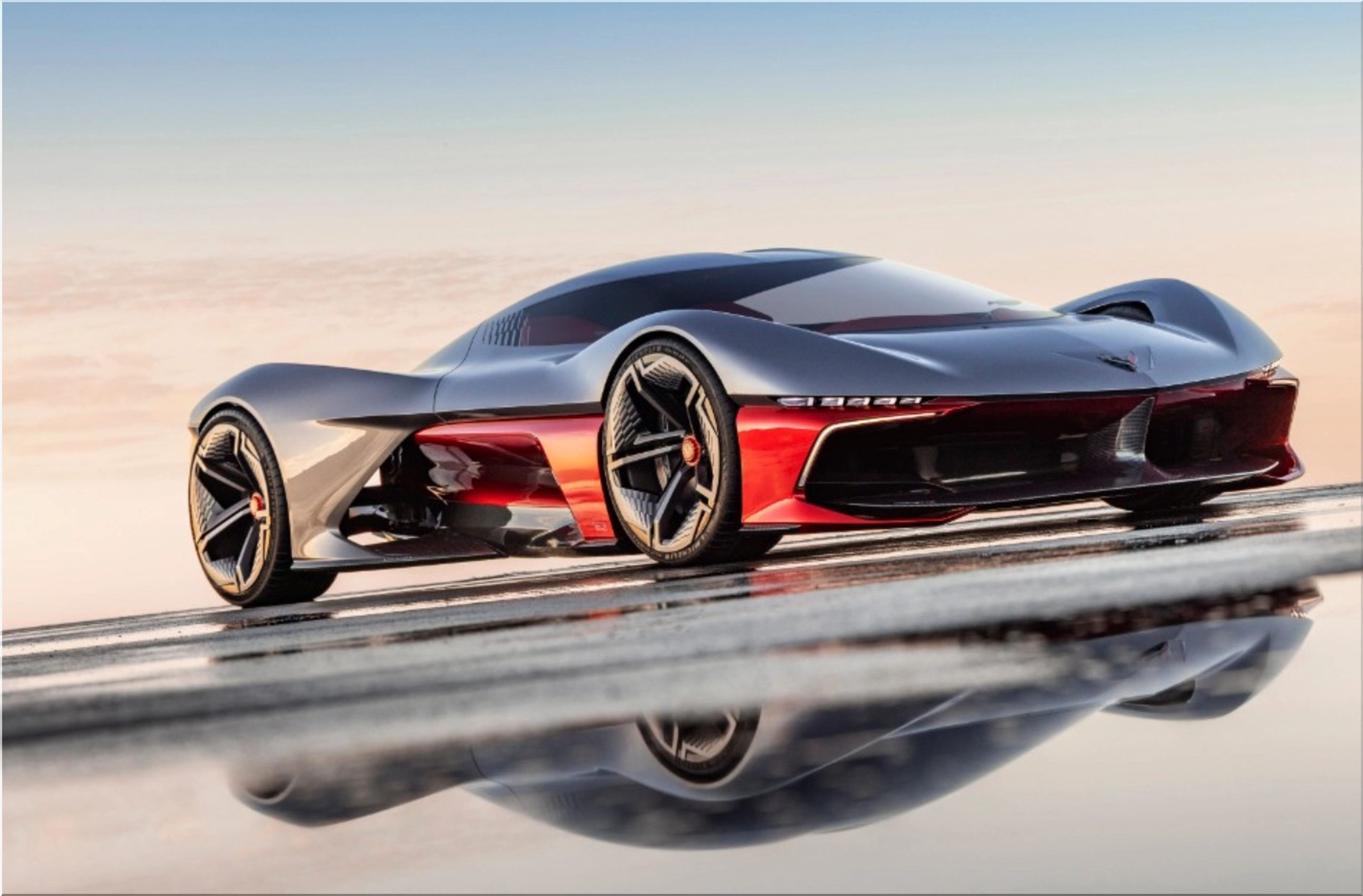
General Motors has unveiled the California Corvette Concept, a one-off electric hypercar created by its Advanced Design studio in Pasadena. The concept reflects Southern California's automotive culture while showcasing Corvette's next chapter. It follows a UK design study released earlier this year, with a third concept expected soon.
Design takes center stage
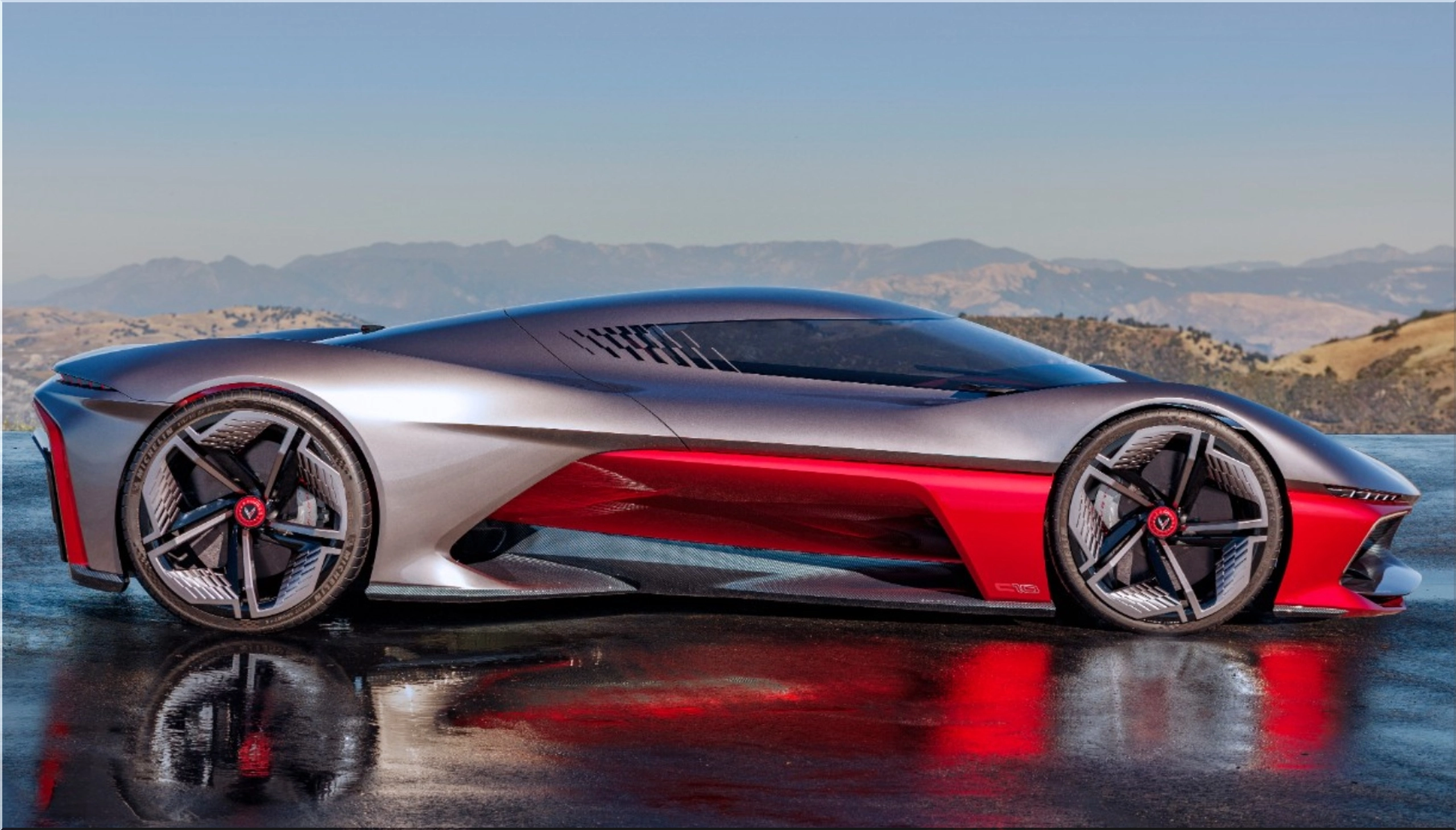
The California Corvette Concept combines classic Corvette proportions with futuristic details. It features:
- A tapered cabin and narrow cockpit for aerodynamic efficiency.
- 21-inch front and 22-inch rear wheels for aggressive stance.
- A single-piece front-hinged canopy that transforms the car from a closed sports car to an open-air track machine.
The design serves a dual purpose: street performance and track capability. This aligns with GM’s vision of blending heritage with forward-looking design.
Interior built for drivers
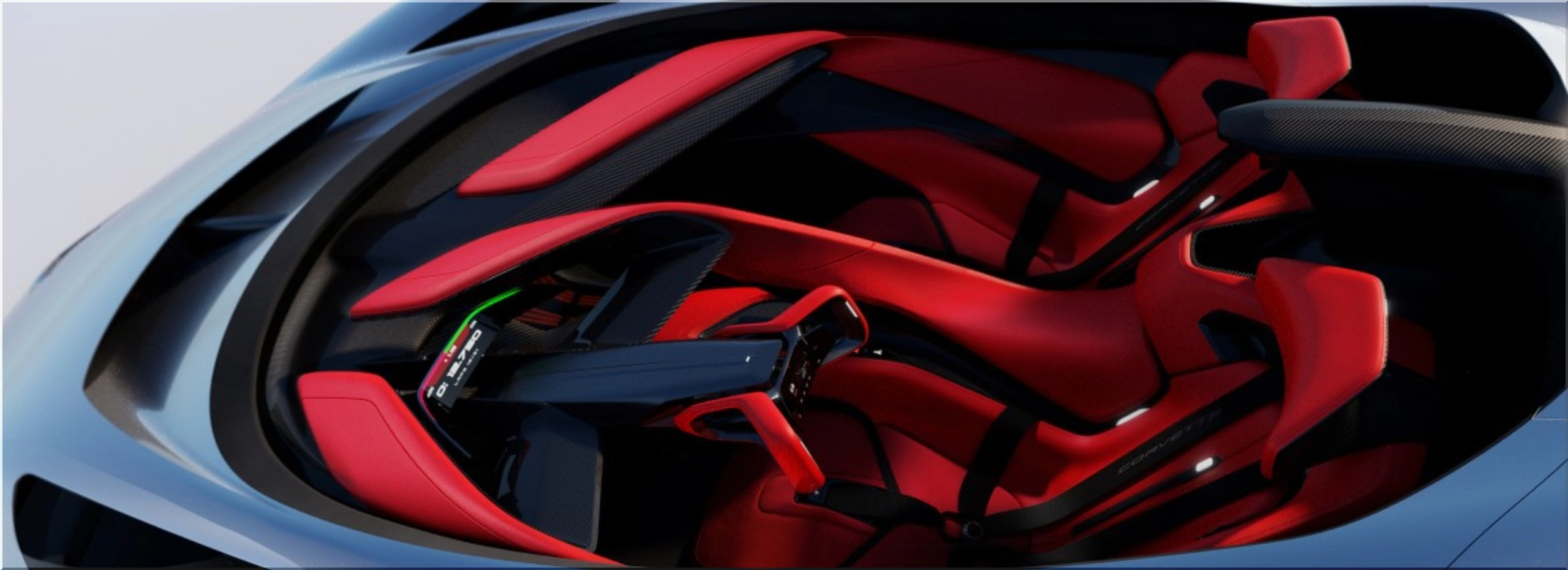
Inside, the cabin is minimal. GM integrates structural elements with a performance-focused display and augmented-reality HUD. A yoke replaces the steering wheel, signaling its track-focused intent. Distractions are eliminated. Everything centers on the driver.
Technical highlights
The car sits on a carbon-fiber tub with a tunneled underbody for airflow. It uses:
- Active aero including an air brake.
- A T-shaped prismatic battery pack that lowers seating and optimizes airflow.
- Assumed dimensions: 41.4 in height, 86 in width, 182.5 in length, with a 109 in wheelbase.
GM has not released performance figures. Power output, acceleration, and range remain undisclosed.

Why this concept matters
The California Corvette Concept will not reach production. However, GM uses it to test design strategies and technology that may influence future Corvettes, including the rumored C9. The hypercar's open canopy and low-slung stance point toward future electric sports cars that prioritize aerodynamics and driver involvement.
How it fits GM’s EV strategy
GM’s electric ambitions face market challenges. EV demand fluctuates, yet GM continues to invest in high-profile electric projects. The California Corvette Concept sends a clear signal: Corvette will play a role in GM’s electric future. This aligns with GM’s global design strategy, involving studios in Pasadena, Detroit, Shanghai, Seoul, the UK, and Los Angeles.
Image gallery:
Key takeaways for enthusiasts and analysts
- Design experimentation: GM tests bold ideas without production pressure.
- Technology showcase: Lightweight materials, active aero, and AR integration may filter into production.
- Market positioning: Even if EV sports cars face headwinds, GM is preparing for long-term shifts.
Final thoughts
The California Corvette Concept demonstrates that GM is not backing down from electric innovation. While no price or production timeline exists, the concept offers a clear roadmap of where Corvette could go. Enthusiasts should watch how these design cues and technologies transition into the next generation of production models.
- Add new comment
- 187 views